


751 Résultats
Classification:
livres
livres
Prix:
$49.95
(disponible sur commande)
Résumé:
Sprawling beneath the Acropolis, modern Athens is commonly viewed in negative terms: congested, ugly and monotonous. A Mediterranean version of "informal" urbanism prevalent throughout the so-called developing world, ''Builders, Housewives and the Construction of Modern Athens'' reassesses the explosive growth of post-war Athens through its most distinctive building type,(...)
$49.95
(disponible sur commande)
Résumé:
Sprawling beneath the Acropolis, modern Athens is commonly viewed in negative terms: congested, ugly and monotonous. A Mediterranean version of "informal" urbanism prevalent throughout the so-called developing world, ''Builders, Housewives and the Construction of Modern Athens'' reassesses the explosive growth of post-war Athens through its most distinctive building type,(...)
Titre:
Builders, housewives, and the construction of modern Athens
Actions:
Prix:
$49.95
(disponible sur commande)
Résumé:
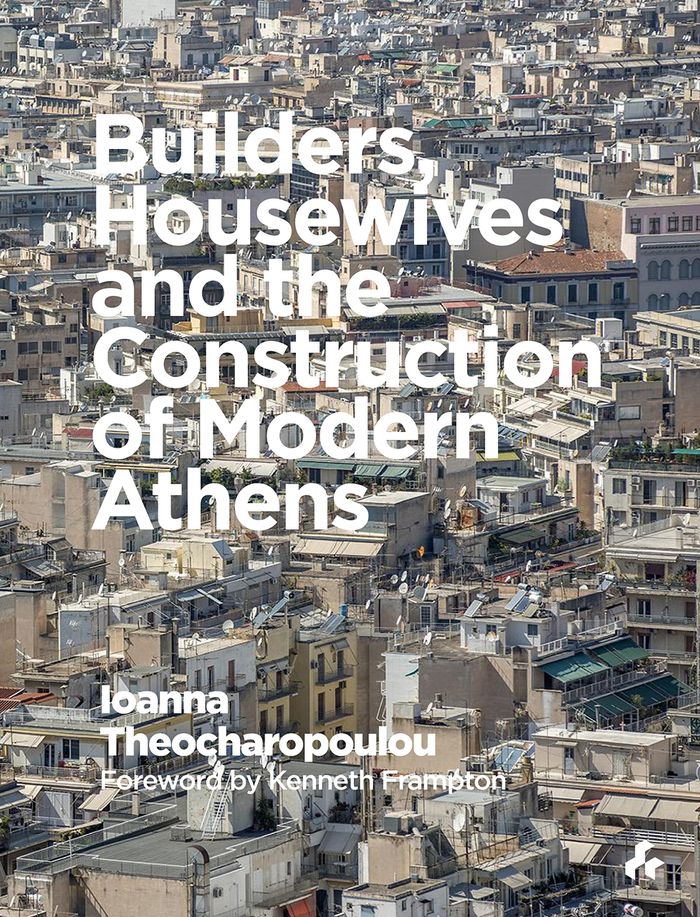
Sprawling beneath the Acropolis, modern Athens is commonly viewed in negative terms: congested, ugly and monotonous. A Mediterranean version of "informal" urbanism prevalent throughout the so-called developing world, ''Builders, Housewives and the Construction of Modern Athens'' reassesses the explosive growth of post-war Athens through its most distinctive building type, the polykatoikia, a small-scale multi-storey apartment block (from poly meaning "multiple" and oikos meaning "house"). Theocharopoulou re-evaluates the polykatoikia as a low-tech, easily constructible innovation that stimulated the post-war urban economy, triggering the city's social mid-twentieth century transformation, enabling the migrants who poured into Athens to become urban citizens, aspiring to a modern life. The interiors of the polykatoikia apartments reflect a desire for modernity as marketed to housewives through film and magazines. Regular builders became unlikely allies in designing these polykatoikia interiors, enabling inhabitants to exert agency over their daily lives ?and the shape of the post-war city.
Builders, housewives, and the construction of modern Athens
Actions:
Prix:
$49.95
(disponible sur commande)
Résumé:
Sprawling beneath the Acropolis, modern Athens is commonly viewed in negative terms: congested, ugly and monotonous. A Mediterranean version of "informal" urbanism prevalent throughout the so-called developing world, ''Builders, Housewives and the Construction of Modern Athens'' reassesses the explosive growth of post-war Athens through its most distinctive building type, the polykatoikia, a small-scale multi-storey apartment block (from poly meaning "multiple" and oikos meaning "house"). Theocharopoulou re-evaluates the polykatoikia as a low-tech, easily constructible innovation that stimulated the post-war urban economy, triggering the city's social mid-twentieth century transformation, enabling the migrants who poured into Athens to become urban citizens, aspiring to a modern life. The interiors of the polykatoikia apartments reflect a desire for modernity as marketed to housewives through film and magazines. Regular builders became unlikely allies in designing these polykatoikia interiors, enabling inhabitants to exert agency over their daily lives ?and the shape of the post-war city.
Classification:
livres
livres
Publication:
janvier 2017
janvier 2017
Sujet:
Logements collectifs
Logements collectifs
Classification:
livres
livres
Actions:
Prix:
$76.95
(disponible sur commande)
Résumé:
Soviet mass housing is a contradictory but unique phenomenon. It is usually blamed for creating the most monotonous built environment in the history of mankind, thus constituting a symbol of individual suppression and dejection. The construction programme launched in the post-Stalinist era was the largest undertaken in modern architectural history worldwide. At the same(...)
$76.95
(disponible sur commande)
Résumé:
Soviet mass housing is a contradictory but unique phenomenon. It is usually blamed for creating the most monotonous built environment in the history of mankind, thus constituting a symbol of individual suppression and dejection. The construction programme launched in the post-Stalinist era was the largest undertaken in modern architectural history worldwide. At the same(...)
Titre:
Towards a Typology of Soviet Mass Housing: Prefabrication in the USSR 1955 a 1991
Actions:
Prix:
$76.95
(disponible sur commande)
Résumé:
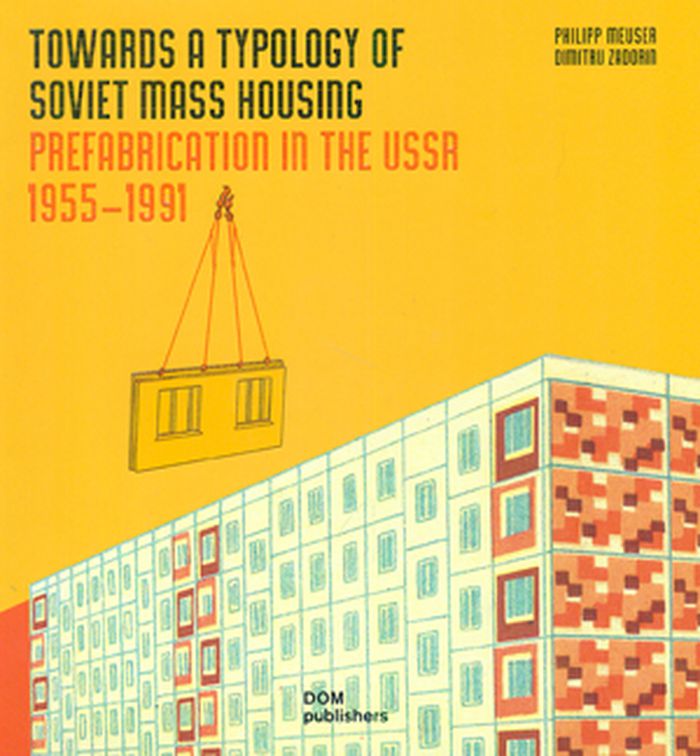
Soviet mass housing is a contradictory but unique phenomenon. It is usually blamed for creating the most monotonous built environment in the history of mankind, thus constituting a symbol of individual suppression and dejection. The construction programme launched in the post-Stalinist era was the largest undertaken in modern architectural history worldwide. At the same time, Soviet mass housing fulfilled a colossal social role, providing tens of millions of families with their own apartments. It shaped the culture and everyday life of nearly all Soviet citizens. Yet, due to the very scale of construction, it managed to evolve into a complex world denoting an abundance of myths and secrets, achievements and failures. Soviet mass housing is indisputably intriguing, but nevertheless it is still neglected as a theme of research. Therefore, the time is ripe for a critical appraisal of this ambitious project. The authors aim to identify the most significant mass housing series designed and engineered from Kaliningrad to Vladivostok.
Towards a Typology of Soviet Mass Housing: Prefabrication in the USSR 1955 a 1991
Actions:
Prix:
$76.95
(disponible sur commande)
Résumé:
Soviet mass housing is a contradictory but unique phenomenon. It is usually blamed for creating the most monotonous built environment in the history of mankind, thus constituting a symbol of individual suppression and dejection. The construction programme launched in the post-Stalinist era was the largest undertaken in modern architectural history worldwide. At the same time, Soviet mass housing fulfilled a colossal social role, providing tens of millions of families with their own apartments. It shaped the culture and everyday life of nearly all Soviet citizens. Yet, due to the very scale of construction, it managed to evolve into a complex world denoting an abundance of myths and secrets, achievements and failures. Soviet mass housing is indisputably intriguing, but nevertheless it is still neglected as a theme of research. Therefore, the time is ripe for a critical appraisal of this ambitious project. The authors aim to identify the most significant mass housing series designed and engineered from Kaliningrad to Vladivostok.
Classification:
livres
livres
Publication:
février 2016
février 2016
Sujet:
Logements collectifs
Logements collectifs
Classification:
livres
livres
Titre:
HB2: Housing density
HB2: Housing density
Actions:
Prix:
$54.95
(disponible sur commande)
Résumé:
Housing Density Housing construction for the greatest number is an indicator of the social character of a society. Most people want to live in a single-family house. Is it possible to realize the qualities of single-family housing in high-density construction? Almost 400 students of the Vienna University of Technology worked on this topic in the course of a design(...)
$54.95
(disponible sur commande)
Résumé:
Housing Density Housing construction for the greatest number is an indicator of the social character of a society. Most people want to live in a single-family house. Is it possible to realize the qualities of single-family housing in high-density construction? Almost 400 students of the Vienna University of Technology worked on this topic in the course of a design(...)
Titre:
HB2: Housing density
Actions:
Prix:
$54.95
(disponible sur commande)
Résumé:
Housing Density Housing construction for the greatest number is an indicator of the social character of a society. Most people want to live in a single-family house. Is it possible to realize the qualities of single-family housing in high-density construction? Almost 400 students of the Vienna University of Technology worked on this topic in the course of a design studio and – supervised by fourteen renowned Austrian architects – developed housing construction projects of various densities and environments. Selected works indicate the direction, but also the limits (of growth). With contributions by Silvia Boday, Marlies Breuss, Eva Ceška, Maria Flöckner, Susanne Fritzer, Katharina Fröch, Kinayeh Geiswinkler-Aziz, Gerda Maria Gerner, Feria Gharakhanzadeh, Adele Gindlstrasser, Ulrike Hausdorf, Franziska Orso, Ursula Schneider and Martina Schöberl.Two interviews with Harry Glück and Roland Rainer, conducted by Gerhard Steixner and Maria Welzig, introduce this topic to the reader by documenting contrasting concepts of horizontal and vertical densification in housing construction.
HB2: Housing density
Actions:
Prix:
$54.95
(disponible sur commande)
Résumé:
Housing Density Housing construction for the greatest number is an indicator of the social character of a society. Most people want to live in a single-family house. Is it possible to realize the qualities of single-family housing in high-density construction? Almost 400 students of the Vienna University of Technology worked on this topic in the course of a design studio and – supervised by fourteen renowned Austrian architects – developed housing construction projects of various densities and environments. Selected works indicate the direction, but also the limits (of growth). With contributions by Silvia Boday, Marlies Breuss, Eva Ceška, Maria Flöckner, Susanne Fritzer, Katharina Fröch, Kinayeh Geiswinkler-Aziz, Gerda Maria Gerner, Feria Gharakhanzadeh, Adele Gindlstrasser, Ulrike Hausdorf, Franziska Orso, Ursula Schneider and Martina Schöberl.Two interviews with Harry Glück and Roland Rainer, conducted by Gerhard Steixner and Maria Welzig, introduce this topic to the reader by documenting contrasting concepts of horizontal and vertical densification in housing construction.
Classification:
livres
livres
Publication:
avril 2011
avril 2011
Sujet:
Logements collectifs
Logements collectifs
Classification:
livres
livres
Actions:
Prix:
$178.50
(disponible sur commande)
Résumé:
Tower and Slab looks at the contradictory history of the modernist mass housing block - home to millions of city dwellers around the world. Few urban forms have roused as much controversy. While in the United States decades-long criticism caused the demolition of most mass housing projects for the poor, in the booming metropolises of Shanghai and Mumbai remarkably similar(...)
$178.50
(disponible sur commande)
Résumé:
Tower and Slab looks at the contradictory history of the modernist mass housing block - home to millions of city dwellers around the world. Few urban forms have roused as much controversy. While in the United States decades-long criticism caused the demolition of most mass housing projects for the poor, in the booming metropolises of Shanghai and Mumbai remarkably similar(...)
Titre:
Tower and slab : histories of global mass housing
Actions:
Prix:
$178.50
(disponible sur commande)
Résumé:
Tower and Slab looks at the contradictory history of the modernist mass housing block - home to millions of city dwellers around the world. Few urban forms have roused as much controversy. While in the United States decades-long criticism caused the demolition of most mass housing projects for the poor, in the booming metropolises of Shanghai and Mumbai remarkably similar developments are being built for the wealthy middle class. While on the surface the modernist apartment block appears universal, it is in fact diverse in its significance and connotations as its many different cultural contexts. Florian Urban studies the history of mass housing in seven narratives: Chicago, Paris, Berlin, Brasilia, Mumbai, Moscow, and Shanghai. Investigating the complex interactions between city planning and social history, Tower and Slab shows how the modernist vision to house the masses in serial blocks succeeded in certain contexts and failed in others. Success and failure, in this respect, refers not only to the original goals to solve the housing crisis and provide modern standards for the entire society but equally to changing significance of the housing blocks within the respective societies and their perception by architects, politicians, and inhabitants.
Tower and slab : histories of global mass housing
Actions:
Prix:
$178.50
(disponible sur commande)
Résumé:
Tower and Slab looks at the contradictory history of the modernist mass housing block - home to millions of city dwellers around the world. Few urban forms have roused as much controversy. While in the United States decades-long criticism caused the demolition of most mass housing projects for the poor, in the booming metropolises of Shanghai and Mumbai remarkably similar developments are being built for the wealthy middle class. While on the surface the modernist apartment block appears universal, it is in fact diverse in its significance and connotations as its many different cultural contexts. Florian Urban studies the history of mass housing in seven narratives: Chicago, Paris, Berlin, Brasilia, Mumbai, Moscow, and Shanghai. Investigating the complex interactions between city planning and social history, Tower and Slab shows how the modernist vision to house the masses in serial blocks succeeded in certain contexts and failed in others. Success and failure, in this respect, refers not only to the original goals to solve the housing crisis and provide modern standards for the entire society but equally to changing significance of the housing blocks within the respective societies and their perception by architects, politicians, and inhabitants.
Classification:
livres
livres
Publication:
avril 2012
avril 2012
Sujet:
Logements collectifs
Logements collectifs
Classification:
livres
livres
Actions:
Prix:
$46.95
(disponible sur commande)
Résumé:
The world is merging into one global system of goods, people and information. This book explores the social, cultural, and economic phenomena of globalization through housing. The Chair of Architecture and Design at the ETH in Zurich examines the last 25 years of housing development. This book is a historical criticism with the built projects as protagonists. Housing(...)
$46.95
(disponible sur commande)
Résumé:
The world is merging into one global system of goods, people and information. This book explores the social, cultural, and economic phenomena of globalization through housing. The Chair of Architecture and Design at the ETH in Zurich examines the last 25 years of housing development. This book is a historical criticism with the built projects as protagonists. Housing(...)
Publication:
septembre 2008, Barcelona
septembre 2008, Barcelona
Titre:
Global housing projects : 25 buildings since 1980
Actions:
Prix:
$46.95
(disponible sur commande)
Résumé:
The world is merging into one global system of goods, people and information. This book explores the social, cultural, and economic phenomena of globalization through housing. The Chair of Architecture and Design at the ETH in Zurich examines the last 25 years of housing development. This book is a historical criticism with the built projects as protagonists. Housing typologies have been chosen as contemporary architectural prototypes. The selection of housing projects reflects the most innovative and influential built housing projects to propose new important guidelines in housing. The ETH Zurich is a renowned European architecture institute.
Global housing projects : 25 buildings since 1980
Actions:
Prix:
$46.95
(disponible sur commande)
Résumé:
The world is merging into one global system of goods, people and information. This book explores the social, cultural, and economic phenomena of globalization through housing. The Chair of Architecture and Design at the ETH in Zurich examines the last 25 years of housing development. This book is a historical criticism with the built projects as protagonists. Housing typologies have been chosen as contemporary architectural prototypes. The selection of housing projects reflects the most innovative and influential built housing projects to propose new important guidelines in housing. The ETH Zurich is a renowned European architecture institute.
Classification:
livres
livres
Publication:
septembre 2008, Barcelona
septembre 2008, Barcelona
Classification:
livres
livres
Prix:
$32.95
(disponible sur commande)
Résumé:
Imagine affordable homes that are both well-designed and environmentally friendly, better for the families who live in them and for the planet. The HOME House Project brings such imagining closer to reality. This book chronicles a multi-year national design initiative aimed at addressing issues of design, affordability, and sustainability in housing. Launched by the(...)
$32.95
(disponible sur commande)
Résumé:
Imagine affordable homes that are both well-designed and environmentally friendly, better for the families who live in them and for the planet. The HOME House Project brings such imagining closer to reality. This book chronicles a multi-year national design initiative aimed at addressing issues of design, affordability, and sustainability in housing. Launched by the(...)
Titre:
The HOME House Project : the future of affordable housing
Actions:
Prix:
$32.95
(disponible sur commande)
Résumé:
Imagine affordable homes that are both well-designed and environmentally friendly, better for the families who live in them and for the planet. The HOME House Project brings such imagining closer to reality. This book chronicles a multi-year national design initiative aimed at addressing issues of design, affordability, and sustainability in housing. Launched by the Southeastern Center for Contemporary Art (SECCA) in Winston-Salem, North Carolina, this project challenged designers and architects to imagine a world in which sustainable and environmentally friendly materials, technologies, and techniques were considered important elements of housing for low- and moderate-income families. A SECCA-sponsored open competition in 2003 drew 440 entries from the United States and six other countries, all using Habitat for Humanity's three- and four-bedroom house plans as a point of departure for the design of affordable and environmentally friendly housing. This book, published in conjunction with a traveling exhibition, documents the 25 prize-winning designs as well as fifty other selected submissions with 396 colour illustrations. The accompanying text includes Michael Sorkin's essay connecting democratic values to quality of housing, Ben Nicholson's satiric critique of American excess, Steve Badanes's insights on the social responsibilities of architects, and HOME House Project Director David Brown's overview of the project and its continuing evolution.
The HOME House Project : the future of affordable housing
Actions:
Prix:
$32.95
(disponible sur commande)
Résumé:
Imagine affordable homes that are both well-designed and environmentally friendly, better for the families who live in them and for the planet. The HOME House Project brings such imagining closer to reality. This book chronicles a multi-year national design initiative aimed at addressing issues of design, affordability, and sustainability in housing. Launched by the Southeastern Center for Contemporary Art (SECCA) in Winston-Salem, North Carolina, this project challenged designers and architects to imagine a world in which sustainable and environmentally friendly materials, technologies, and techniques were considered important elements of housing for low- and moderate-income families. A SECCA-sponsored open competition in 2003 drew 440 entries from the United States and six other countries, all using Habitat for Humanity's three- and four-bedroom house plans as a point of departure for the design of affordable and environmentally friendly housing. This book, published in conjunction with a traveling exhibition, documents the 25 prize-winning designs as well as fifty other selected submissions with 396 colour illustrations. The accompanying text includes Michael Sorkin's essay connecting democratic values to quality of housing, Ben Nicholson's satiric critique of American excess, Steve Badanes's insights on the social responsibilities of architects, and HOME House Project Director David Brown's overview of the project and its continuing evolution.
Classification:
livres
livres
Publication:
janvier 1900, Cambridge, Mass.
janvier 1900, Cambridge, Mass.
Sujet:
Logements collectifs
Logements collectifs
Classification:
archives
archives
Actions:
Exemplaires:
Description:
143,342 digital files (517.39 GB), 24.24 linear meters of textual records, 17,086 photographic materials, 1125 drawings, 195 ephemera, 59 périodiques, 50 audio cassettes,...
Description:
143,342 digital files (517.39 GB), 24.24 linear meters of textual records, 17,086 photographic materials, 1125 drawings, 195 ephemera, 59 périodiques, 50 audio cassettes,...
Auteur:
Sujet:
Titre:
Jean-Louis Cohen fonds, 1968-2023
Actions:
Exemplaires:
Description:
143,342 digital files (517.39 GB), 24.24 linear meters of textual records, 17,086 photographic materials, 1125 drawings, 195 ephemera, 59 périodiques, 50 audio cassettes,...
Jean-Louis Cohen fonds, 1968-2023
Actions:
Exemplaires:
Description:
143,342 digital files (517.39 GB), 24.24 linear meters of textual records, 17,086 photographic materials, 1125 drawings, 195 ephemera, 59 périodiques, 50 audio cassettes,...
Classification:
archives
archives
Auteur:
Sujet:
Classification:
livres
livres
Actions:
Prix:
$90.00
(disponible sur commande)
Résumé:
This book shows how architectural design can improve housing. It looks at 14 innovative multiunit dwelling projects through the lenses of current research on urban housing systems, driven by questions on social, environmental, and economic sustainability. Residential buildings designed for diverse cultural contexts are brought together and examined according to spatial(...)
$90.00
(disponible sur commande)
Résumé:
This book shows how architectural design can improve housing. It looks at 14 innovative multiunit dwelling projects through the lenses of current research on urban housing systems, driven by questions on social, environmental, and economic sustainability. Residential buildings designed for diverse cultural contexts are brought together and examined according to spatial(...)
Titre:
Architecture for housing: Understanding the value of design through 14 case studies
Actions:
Prix:
$90.00
(disponible sur commande)
Résumé:
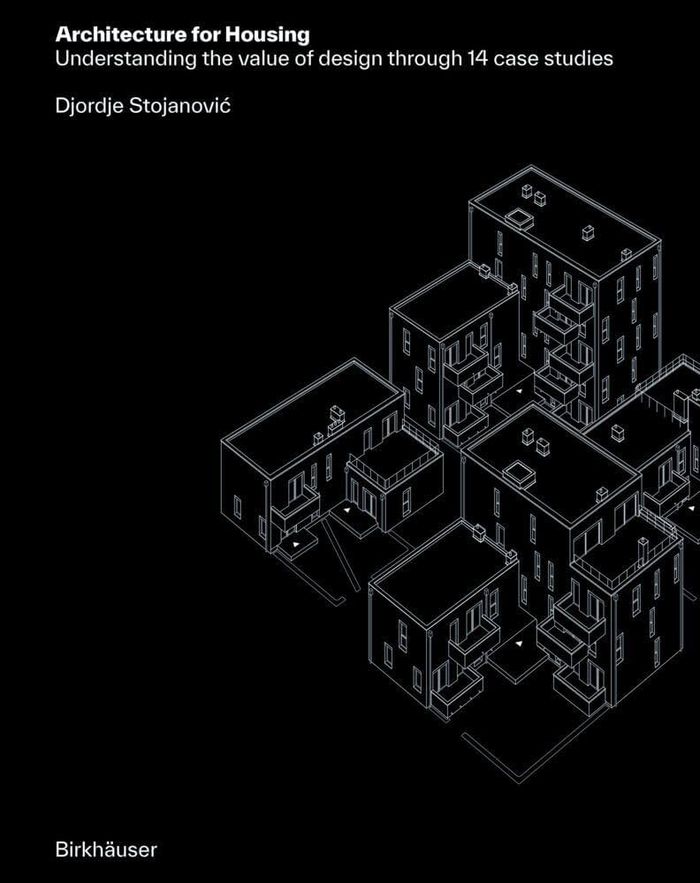
This book shows how architectural design can improve housing. It looks at 14 innovative multiunit dwelling projects through the lenses of current research on urban housing systems, driven by questions on social, environmental, and economic sustainability. Residential buildings designed for diverse cultural contexts are brought together and examined according to spatial antonyms: the individual and communal, the interior and exterior, and the determined and undetermined, to create a resource for future architectural practice. The book concentrates on design decisions and incorporates rich illustrations and conversations with architects and residents. It follows a series of talks curated by the Melbourne School of Design to extend the debate on the missing links between architectural practice and housing research.
Architecture for housing: Understanding the value of design through 14 case studies
Actions:
Prix:
$90.00
(disponible sur commande)
Résumé:
This book shows how architectural design can improve housing. It looks at 14 innovative multiunit dwelling projects through the lenses of current research on urban housing systems, driven by questions on social, environmental, and economic sustainability. Residential buildings designed for diverse cultural contexts are brought together and examined according to spatial antonyms: the individual and communal, the interior and exterior, and the determined and undetermined, to create a resource for future architectural practice. The book concentrates on design decisions and incorporates rich illustrations and conversations with architects and residents. It follows a series of talks curated by the Melbourne School of Design to extend the debate on the missing links between architectural practice and housing research.
Classification:
livres
livres
Publication:
août 2024
août 2024
Classification:
livres
livres
Actions:
Prix:
$43.95
(disponible sur commande)
Résumé:
Written by an architect who has been designing and building affordable housing for thirty years, this well-illustrated book is both a call to create well-designed places for the homeless and a review of innovative and successful building designs that now serve diverse communities across the United States. Sam Davis argues for safe and functional architectural designs and(...)
$43.95
(disponible sur commande)
Résumé:
Written by an architect who has been designing and building affordable housing for thirty years, this well-illustrated book is both a call to create well-designed places for the homeless and a review of innovative and successful building designs that now serve diverse communities across the United States. Sam Davis argues for safe and functional architectural designs and(...)
Titre:
Designing for the homeless : architecture that works
Actions:
Prix:
$43.95
(disponible sur commande)
Résumé:
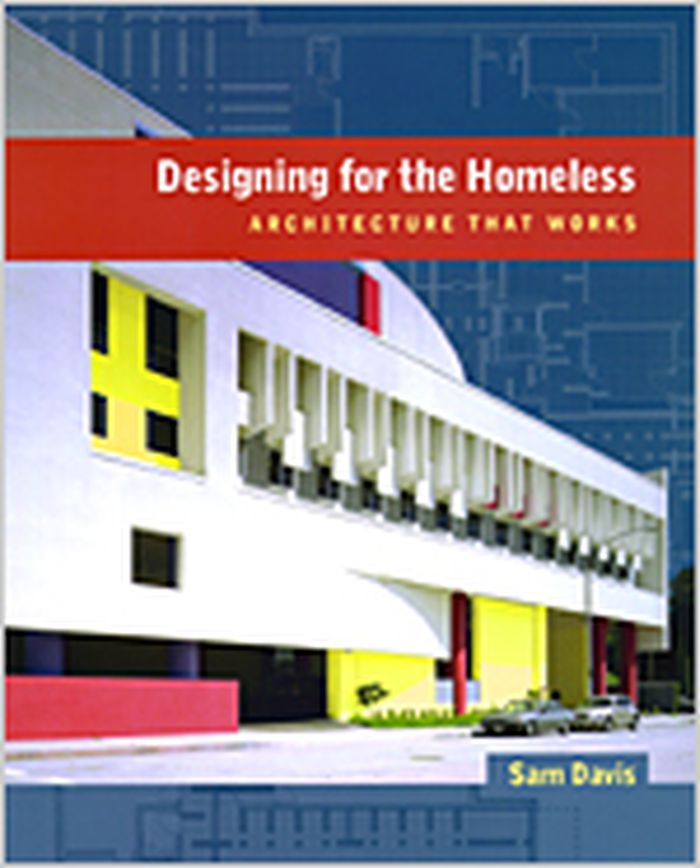
Written by an architect who has been designing and building affordable housing for thirty years, this well-illustrated book is both a call to create well-designed places for the homeless and a review of innovative and successful building designs that now serve diverse communities across the United States. Sam Davis argues for safe and functional architectural designs and programs that symbolically reintegrate the homeless into society in buildings that offer beauty, security, and hope to those most in need. Davis presents a new perspective, considering the personal concerns of the homeless, the social costs of homelessness, and organizational and design issues. He examines problems of community fit and site planning, building design and orga-nization, and interior layout and suggests how to weigh costs and optimize expenditures. He asks and answers a range of challenging questions: What is possible and desirable when designing a new facility for the homeless? Should it be elegant or unassuming? What types of spaces should be included? How should it look and what should it feel like? Should it be more like a house or more like a dormitory? What is the proper balance between function, quality of construction, and architectural delight? Designing for the Homeless recounts how various communities have addressed the problem of housing the homeless, beginning with one of the most ambitious plans, the St. Vincent de Paul Village in San Diego, which opened in 1987. Davis vividly recounts the plight of those who become homeless.
Designing for the homeless : architecture that works
Actions:
Prix:
$43.95
(disponible sur commande)
Résumé:
Written by an architect who has been designing and building affordable housing for thirty years, this well-illustrated book is both a call to create well-designed places for the homeless and a review of innovative and successful building designs that now serve diverse communities across the United States. Sam Davis argues for safe and functional architectural designs and programs that symbolically reintegrate the homeless into society in buildings that offer beauty, security, and hope to those most in need. Davis presents a new perspective, considering the personal concerns of the homeless, the social costs of homelessness, and organizational and design issues. He examines problems of community fit and site planning, building design and orga-nization, and interior layout and suggests how to weigh costs and optimize expenditures. He asks and answers a range of challenging questions: What is possible and desirable when designing a new facility for the homeless? Should it be elegant or unassuming? What types of spaces should be included? How should it look and what should it feel like? Should it be more like a house or more like a dormitory? What is the proper balance between function, quality of construction, and architectural delight? Designing for the Homeless recounts how various communities have addressed the problem of housing the homeless, beginning with one of the most ambitious plans, the St. Vincent de Paul Village in San Diego, which opened in 1987. Davis vividly recounts the plight of those who become homeless.
Classification:
livres
livres
Publication:
novembre 2004, Berkeley
novembre 2004, Berkeley
Sujet:
Logements collectifs
Logements collectifs
Classification:
livres
livres
Actions:
Prix:
$86.00
(disponible sur commande)
Résumé:
This book explores contemporary apartments not as raw canvases for interior decoration but as a building type of growing significance. An introduction presents the history of multiple-occupancy housing through its most innovative 20th-century exemplars, from the urbane blocks of Auguste Perret and Henri Sauvage in Paris, to the landscaped housing estates of Weimar Germany(...)
$86.00
(disponible sur commande)
Résumé:
This book explores contemporary apartments not as raw canvases for interior decoration but as a building type of growing significance. An introduction presents the history of multiple-occupancy housing through its most innovative 20th-century exemplars, from the urbane blocks of Auguste Perret and Henri Sauvage in Paris, to the landscaped housing estates of Weimar Germany(...)
Titre:
Building community: new apartment architecture
Actions:
Prix:
$86.00
(disponible sur commande)
Résumé:
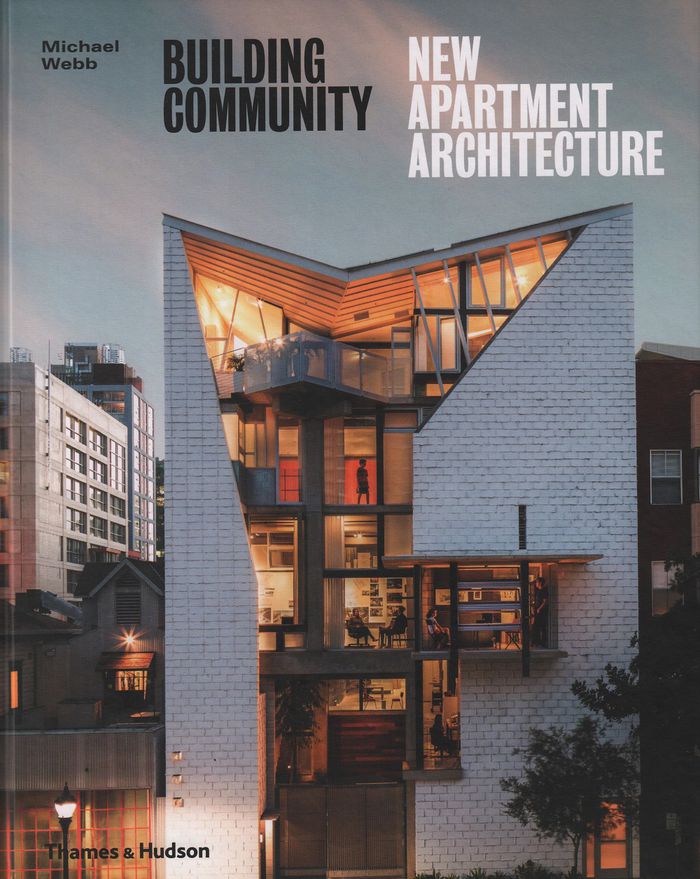
This book explores contemporary apartments not as raw canvases for interior decoration but as a building type of growing significance. An introduction presents the history of multiple-occupancy housing through its most innovative 20th-century exemplars, from the urbane blocks of Auguste Perret and Henri Sauvage in Paris, to the landscaped housing estates of Weimar Germany and the visionary schemes of Le Corbusier. The heart of the book features 38 recent and ongoing projects, designed by leading international studios and rising talents. Buildings range from social housing and micro apartments to ‘vertical villages’, megastructures and luxury high-rises. Each project is considered for the way in which it enriches the lives of residents and the city, and is shown through drawings and photographs, taken from the street and within. The book also includes interviews with such contemporary masters of apartment design as Michael Maltzan, Lorcan O’Herlihy, Édouard François and Bjarke Ingels. As our cities grow more crowded, it is critical that we produce large-scale buildings that enhance the lives of their inhabitants, their surroundings and the urban environment as a whole. Building Community offers dozens of proven successes to designers and apartment-dwellers.
Building community: new apartment architecture
Actions:
Prix:
$86.00
(disponible sur commande)
Résumé:
This book explores contemporary apartments not as raw canvases for interior decoration but as a building type of growing significance. An introduction presents the history of multiple-occupancy housing through its most innovative 20th-century exemplars, from the urbane blocks of Auguste Perret and Henri Sauvage in Paris, to the landscaped housing estates of Weimar Germany and the visionary schemes of Le Corbusier. The heart of the book features 38 recent and ongoing projects, designed by leading international studios and rising talents. Buildings range from social housing and micro apartments to ‘vertical villages’, megastructures and luxury high-rises. Each project is considered for the way in which it enriches the lives of residents and the city, and is shown through drawings and photographs, taken from the street and within. The book also includes interviews with such contemporary masters of apartment design as Michael Maltzan, Lorcan O’Herlihy, Édouard François and Bjarke Ingels. As our cities grow more crowded, it is critical that we produce large-scale buildings that enhance the lives of their inhabitants, their surroundings and the urban environment as a whole. Building Community offers dozens of proven successes to designers and apartment-dwellers.
Classification:
livres
livres
Publication:
mars 2017
mars 2017


