


757 Résultats
Classification:
livres
livres
Actions:
Prix:
$48.95
(disponible sur commande)
Résumé:
When the automobile was first introduced, few Americans predicted its fundamental impact, not only on how people would travel, but on the American landscape itself. Instead of reducing the amount of wheeled transport on public roads, the advent of mass-produced cars caused congestion, at the curb and in the right-of-way, from small midwestern farm towns to New York,(...)
$48.95
(disponible sur commande)
Résumé:
When the automobile was first introduced, few Americans predicted its fundamental impact, not only on how people would travel, but on the American landscape itself. Instead of reducing the amount of wheeled transport on public roads, the advent of mass-produced cars caused congestion, at the curb and in the right-of-way, from small midwestern farm towns to New York,(...)
Sujet:
Théorie de l’urbanisme
Théorie de l’urbanisme
Publication:
juin 2004, Charlottesville
juin 2004, Charlottesville
Titre:
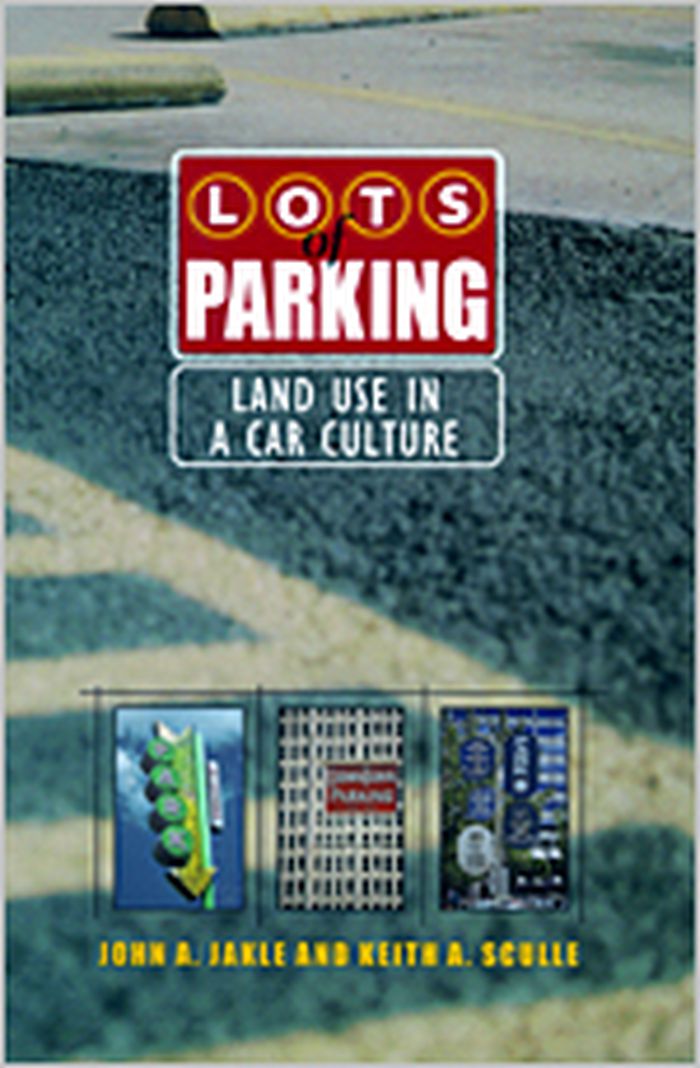
Lots of parking : land use in a car culture
Actions:
Prix:
$48.95
(disponible sur commande)
Résumé:
When the automobile was first introduced, few Americans predicted its fundamental impact, not only on how people would travel, but on the American landscape itself. Instead of reducing the amount of wheeled transport on public roads, the advent of mass-produced cars caused congestion, at the curb and in the right-of-way, from small midwestern farm towns to New York, Chicago, Detroit, and Los Angeles. "Lots of Parking" examines a neglected aspect of this rise of the automobile: the impact on America not of cars in motion but of cars at rest. While most studies have tended to focus on highway construction and engineering improvements to accommodate increasing flow and the desire for speed, John A. Jakle and Keith A. Sculle examine a fundamental feature of the urban, and suburban, scene — the parking lot. Their lively and exhaustive exploration traces the history of parking from the curbside to the rise of public and commercial parking lots and garages and the concomitant demolition of the old pedestrian-oriented urban infrastructure. In an accessible style enhanced by a range of interesting and unusual illustrations, Jakle and Sculle discuss the role of parking in downtown revitalization efforts and, by contrast, its role in the promotion of outlying suburban shopping districts and its incorporation into our neighbourhoods and residences.
Lots of parking : land use in a car culture
Actions:
Prix:
$48.95
(disponible sur commande)
Résumé:
When the automobile was first introduced, few Americans predicted its fundamental impact, not only on how people would travel, but on the American landscape itself. Instead of reducing the amount of wheeled transport on public roads, the advent of mass-produced cars caused congestion, at the curb and in the right-of-way, from small midwestern farm towns to New York, Chicago, Detroit, and Los Angeles. "Lots of Parking" examines a neglected aspect of this rise of the automobile: the impact on America not of cars in motion but of cars at rest. While most studies have tended to focus on highway construction and engineering improvements to accommodate increasing flow and the desire for speed, John A. Jakle and Keith A. Sculle examine a fundamental feature of the urban, and suburban, scene — the parking lot. Their lively and exhaustive exploration traces the history of parking from the curbside to the rise of public and commercial parking lots and garages and the concomitant demolition of the old pedestrian-oriented urban infrastructure. In an accessible style enhanced by a range of interesting and unusual illustrations, Jakle and Sculle discuss the role of parking in downtown revitalization efforts and, by contrast, its role in the promotion of outlying suburban shopping districts and its incorporation into our neighbourhoods and residences.
Classification:
livres
livres
Publication:
juin 2004, Charlottesville
juin 2004, Charlottesville
Sujet:
Théorie de l’urbanisme
Théorie de l’urbanisme
Classification:
livres
livres
Actions:
Prix:
$67.95
(disponible sur commande)
Résumé:
Published by Aperture in 1982 and long unavailable, Stephen Shore’s legendary Uncommon Places has influenced a generation of photographers. Among the first artists to take color beyond advertising and fashion photography, Shore’s large-format color work on the American vernacular landscape stands at the root of what has become a vital photographic tradition. Uncommon(...)
$67.95
(disponible sur commande)
Résumé:
Published by Aperture in 1982 and long unavailable, Stephen Shore’s legendary Uncommon Places has influenced a generation of photographers. Among the first artists to take color beyond advertising and fashion photography, Shore’s large-format color work on the American vernacular landscape stands at the root of what has become a vital photographic tradition. Uncommon(...)
Sujet:
Monographies photo
Monographies photo
Publication:
janvier 1900, New York
janvier 1900, New York
Titre:
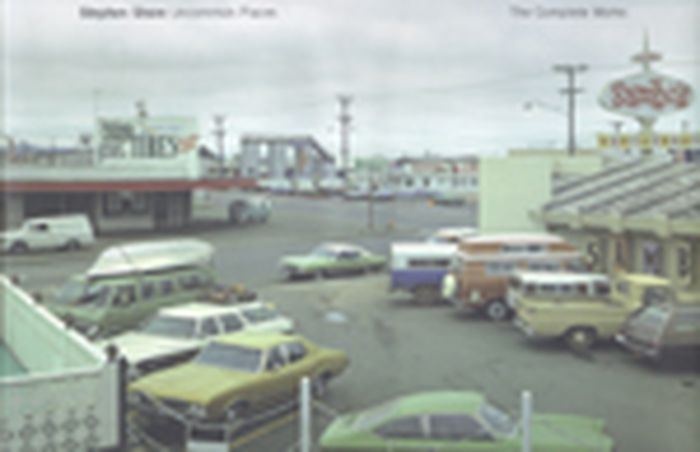
Stephen Shore : uncommon places, the complete works
Actions:
Prix:
$67.95
(disponible sur commande)
Résumé:
Published by Aperture in 1982 and long unavailable, Stephen Shore’s legendary Uncommon Places has influenced a generation of photographers. Among the first artists to take color beyond advertising and fashion photography, Shore’s large-format color work on the American vernacular landscape stands at the root of what has become a vital photographic tradition. Uncommon Places: The Complete Works presents a definitive collection of the original series, much of it never before published or exhibited. Like Robert Frank and Walker Evans before him, Shore discovered a hitherto unarticulated version of America via highway and camera. Approaching his subjects with cool objectivity, Shore’s images retain precise internal systems of gestures in composition and light through which the objects before his lens assume both an archetypal aura and an ambiguously personal importance. In contrast to Shore’s signature landscapes with which “Un-common Places” is often associated, this expanded survey reveals equally remarkable collections of interiors and portraits. As a new generation of artists expands on the projects of the New Topographic and New Color photographers of the seventies—Thomas Struth (whose first book was titled Unconscious Places), Andreas Gursky, and Catherine Opie among them—Uncommon Places: The Complete Works provides a timely opportunity to reexamine the diverse implications of Shore’s project and offers a fundamental primer for the last thirty years of large-format color photography.
Stephen Shore : uncommon places, the complete works
Actions:
Prix:
$67.95
(disponible sur commande)
Résumé:
Published by Aperture in 1982 and long unavailable, Stephen Shore’s legendary Uncommon Places has influenced a generation of photographers. Among the first artists to take color beyond advertising and fashion photography, Shore’s large-format color work on the American vernacular landscape stands at the root of what has become a vital photographic tradition. Uncommon Places: The Complete Works presents a definitive collection of the original series, much of it never before published or exhibited. Like Robert Frank and Walker Evans before him, Shore discovered a hitherto unarticulated version of America via highway and camera. Approaching his subjects with cool objectivity, Shore’s images retain precise internal systems of gestures in composition and light through which the objects before his lens assume both an archetypal aura and an ambiguously personal importance. In contrast to Shore’s signature landscapes with which “Un-common Places” is often associated, this expanded survey reveals equally remarkable collections of interiors and portraits. As a new generation of artists expands on the projects of the New Topographic and New Color photographers of the seventies—Thomas Struth (whose first book was titled Unconscious Places), Andreas Gursky, and Catherine Opie among them—Uncommon Places: The Complete Works provides a timely opportunity to reexamine the diverse implications of Shore’s project and offers a fundamental primer for the last thirty years of large-format color photography.
Classification:
livres
livres
Publication:
janvier 1900, New York
janvier 1900, New York
Sujet:
Monographies photo
Monographies photo
Classification:
livres
livres
Prix:
$95.00
(disponible sur commande)
Résumé:
This book presents three independent bodies of work by Henry Wessel, each being a precise sequence arranged to give the viewer the experience of what it felt like to pass through the territory described. The first series “Traffic” shows Wessel’s photos of drivers stuck in traffic as he commuted in the early 1980s from Richmond, California, to San Francisco in the morning(...)
$95.00
(disponible sur commande)
Résumé:
This book presents three independent bodies of work by Henry Wessel, each being a precise sequence arranged to give the viewer the experience of what it felt like to pass through the territory described. The first series “Traffic” shows Wessel’s photos of drivers stuck in traffic as he commuted in the early 1980s from Richmond, California, to San Francisco in the morning(...)
Titre:
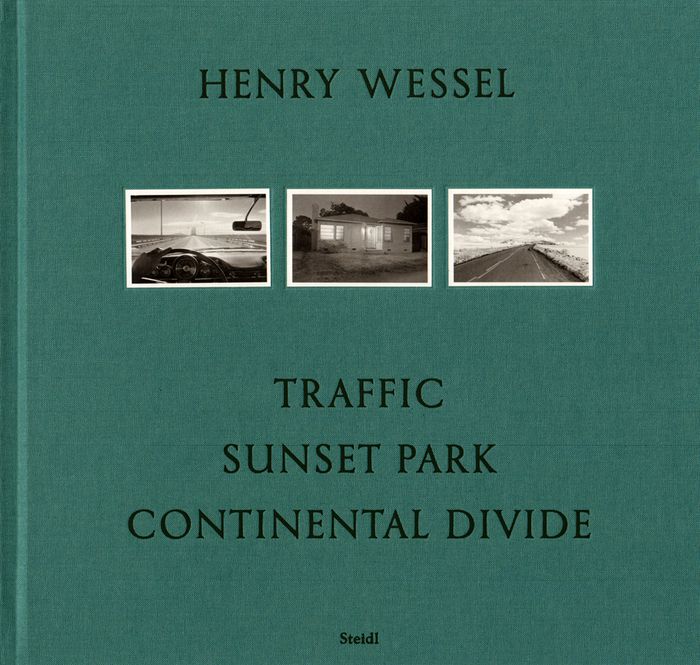
Henry Wessel: Traffic / Sunset Park / Continental Divide
Actions:
Prix:
$95.00
(disponible sur commande)
Résumé:
This book presents three independent bodies of work by Henry Wessel, each being a precise sequence arranged to give the viewer the experience of what it felt like to pass through the territory described. The first series “Traffic” shows Wessel’s photos of drivers stuck in traffic as he commuted in the early 1980s from Richmond, California, to San Francisco in the morning rush hour. Wessel records the determination, impatience and blank boredom of his fellow drivers as they navigate a daily drill that seems at times daunting and hopeless. “Sunset Park” is Wessel’s series of night photos of the modest working-class neighborhood of Sunset Park in Santa Monica. Over four years in the mid-1990s, Wessel captured the nocturnal transformation of suburbia into a strange, sometimes eerie,landscape. In his words: “You can’t help but notice how the world is reconfigured by the lights at night. The spot lighting of particular areas, the lack of ambient light, the unnatural way that shadows are cast, all take us to an unfamiliar place…” Wessel’s final series “Continental Divide” takes the viewer on a ride from the dense, suburban flatlands of the Midwest, up across the Rocky Mountains, and down into the sparse desert landscape of the American West. Wessel depicts its houses, shacks, street corners, and the highway, reminding us of the inherent aesthetics of the everyday.
Henry Wessel: Traffic / Sunset Park / Continental Divide
Actions:
Prix:
$95.00
(disponible sur commande)
Résumé:
This book presents three independent bodies of work by Henry Wessel, each being a precise sequence arranged to give the viewer the experience of what it felt like to pass through the territory described. The first series “Traffic” shows Wessel’s photos of drivers stuck in traffic as he commuted in the early 1980s from Richmond, California, to San Francisco in the morning rush hour. Wessel records the determination, impatience and blank boredom of his fellow drivers as they navigate a daily drill that seems at times daunting and hopeless. “Sunset Park” is Wessel’s series of night photos of the modest working-class neighborhood of Sunset Park in Santa Monica. Over four years in the mid-1990s, Wessel captured the nocturnal transformation of suburbia into a strange, sometimes eerie,landscape. In his words: “You can’t help but notice how the world is reconfigured by the lights at night. The spot lighting of particular areas, the lack of ambient light, the unnatural way that shadows are cast, all take us to an unfamiliar place…” Wessel’s final series “Continental Divide” takes the viewer on a ride from the dense, suburban flatlands of the Midwest, up across the Rocky Mountains, and down into the sparse desert landscape of the American West. Wessel depicts its houses, shacks, street corners, and the highway, reminding us of the inherent aesthetics of the everyday.
Classification:
livres
livres
Publication:
janvier 2017
janvier 2017
Sujet:
Monographies photo
Monographies photo
Classification:
livres
livres
Titre:
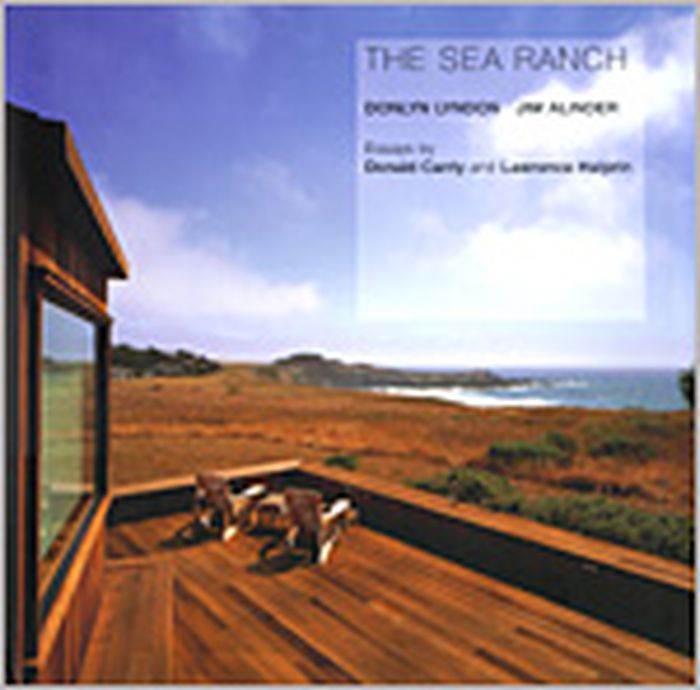
The Sea Ranch
The Sea Ranch
Actions:
Prix:
$73.00
(disponible sur commande)
Résumé:
A hundred miles north of San Francisco on California Coast Highway 1, the Sonoma County coast meets the Pacific Ocean in a magnificent display of nature. Waves crash upon the rocks or wash up on beautiful stretches of sandy beaches. This is the location of The Sea Ranch, an area covering several thousand acres of large, open meadows and forested natural settings(...)
$73.00
(disponible sur commande)
Résumé:
A hundred miles north of San Francisco on California Coast Highway 1, the Sonoma County coast meets the Pacific Ocean in a magnificent display of nature. Waves crash upon the rocks or wash up on beautiful stretches of sandy beaches. This is the location of The Sea Ranch, an area covering several thousand acres of large, open meadows and forested natural settings(...)
Titre:
The Sea Ranch
Actions:
Prix:
$73.00
(disponible sur commande)
Résumé:
A hundred miles north of San Francisco on California Coast Highway 1, the Sonoma County coast meets the Pacific Ocean in a magnificent display of nature. Waves crash upon the rocks or wash up on beautiful stretches of sandy beaches. This is the location of The Sea Ranch, an area covering several thousand acres of large, open meadows and forested natural settings interspersed with award-winning architecture. When the area, a sheep ranch well into the last century, was rediscovered for its beauty in the 1960's, it came to be envisioned as a home community that harmonized with the environment. Renowned landscape designer Lawrence Halprin's master plan for The Sea Ranch community accordingly incorporated a set of building guidelines that minimized the visual as well as physical impact upon the landscape. Subsequent buildings by architects such as Joseph Esherick, Charles Moore, William Turnbull, Obie Bowman, Donlyn Lyndon, and others have been recognized worldwide for environmentally sensitive planning and architecture. They sparked a generation of imitators that became part of what is known as "The Sea Ranch style," epitomizing what many people imagine when they think of Northern Californian architecture. This beautiful monograph, lavishly illustrated with over 300 newly commissioned photographs and including maps, plans, detailed descriptions of the houses, and essays by Donald Canty and Lawrence Halprin, presents the definitive record of The Sea Ranch community.
The Sea Ranch
Actions:
Prix:
$73.00
(disponible sur commande)
Résumé:
A hundred miles north of San Francisco on California Coast Highway 1, the Sonoma County coast meets the Pacific Ocean in a magnificent display of nature. Waves crash upon the rocks or wash up on beautiful stretches of sandy beaches. This is the location of The Sea Ranch, an area covering several thousand acres of large, open meadows and forested natural settings interspersed with award-winning architecture. When the area, a sheep ranch well into the last century, was rediscovered for its beauty in the 1960's, it came to be envisioned as a home community that harmonized with the environment. Renowned landscape designer Lawrence Halprin's master plan for The Sea Ranch community accordingly incorporated a set of building guidelines that minimized the visual as well as physical impact upon the landscape. Subsequent buildings by architects such as Joseph Esherick, Charles Moore, William Turnbull, Obie Bowman, Donlyn Lyndon, and others have been recognized worldwide for environmentally sensitive planning and architecture. They sparked a generation of imitators that became part of what is known as "The Sea Ranch style," epitomizing what many people imagine when they think of Northern Californian architecture. This beautiful monograph, lavishly illustrated with over 300 newly commissioned photographs and including maps, plans, detailed descriptions of the houses, and essays by Donald Canty and Lawrence Halprin, presents the definitive record of The Sea Ranch community.
Classification:
livres
livres
Publication:
février 2004, New York
février 2004, New York
Sujet:
Architecture résidentielle
Architecture résidentielle
Classification:
livres
livres
Actions:
Prix:
$49.95
(disponible en magasin)
Résumé:
Point Saint-Charles, a historically white working-class neighbourhood with a strong Irish and French presence, and Little Burgundy, a multiracial neighbourhood that is home to the city’s English-speaking Black community, face each other across Montreal’s Lachine Canal, once an artery around which work and industry in Montreal were clustered and by which these two(...)
$49.95
(disponible en magasin)
Résumé:
Point Saint-Charles, a historically white working-class neighbourhood with a strong Irish and French presence, and Little Burgundy, a multiracial neighbourhood that is home to the city’s English-speaking Black community, face each other across Montreal’s Lachine Canal, once an artery around which work and industry in Montreal were clustered and by which these two(...)
Titre:
Deindustrializing Montreal: entangled histories of race, residence, and class
Actions:
Prix:
$49.95
(disponible en magasin)
Résumé:
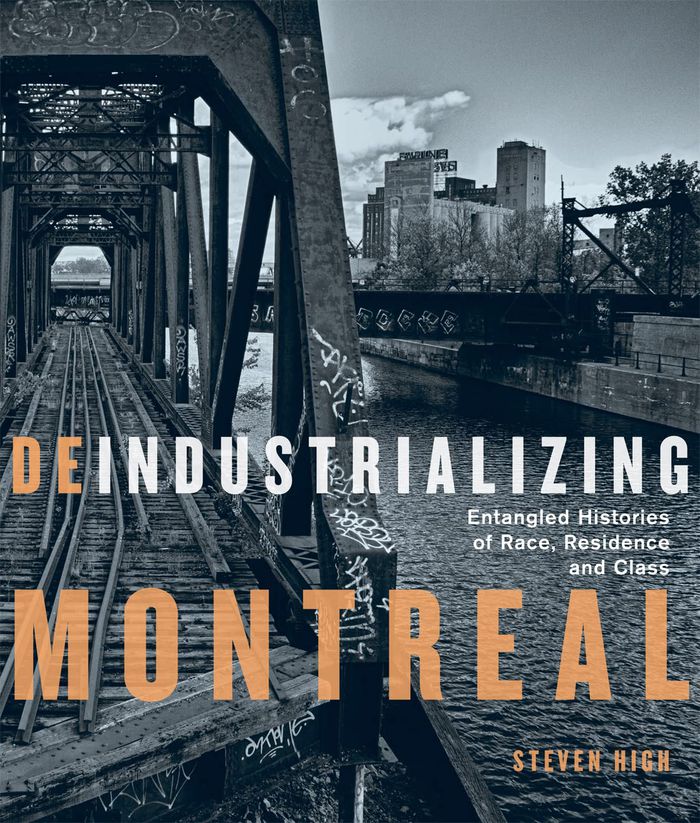
Point Saint-Charles, a historically white working-class neighbourhood with a strong Irish and French presence, and Little Burgundy, a multiracial neighbourhood that is home to the city’s English-speaking Black community, face each other across Montreal’s Lachine Canal, once an artery around which work and industry in Montreal were clustered and by which these two communities were formed and divided. ''Deindustrializing Montreal'' challenges the deepening divergence of class and race analysis by recognizing the intimate relationship between capitalism, class struggles, and racial inequality. Fundamentally, deindustrialization is a process of physical and social ruination as well as part of a wider political project that leaves working-class communities impoverished and demoralized. The structural violence of capitalism occurs gradually and out of sight, but it doesn’t play out the same for everyone. Point Saint-Charles was left to rot until it was revalorized by gentrification, whereas Little Burgundy was torn apart by urban renewal and highway construction. This historical divergence had profound consequences in how urban change has been experienced, understood, and remembered. Drawing extensive interviews, a massive and varied archive of imagery, and original photography by David Lewis into a complex chorus, Steven High brings these communities to life, tracing their history from their earliest years to their decline and their current reality. He extends the analysis of deindustrialization, often focused on single-industry towns, to cities that have seemingly made the post-industrial transition.
Deindustrializing Montreal: entangled histories of race, residence, and class
Actions:
Prix:
$49.95
(disponible en magasin)
Résumé:
Point Saint-Charles, a historically white working-class neighbourhood with a strong Irish and French presence, and Little Burgundy, a multiracial neighbourhood that is home to the city’s English-speaking Black community, face each other across Montreal’s Lachine Canal, once an artery around which work and industry in Montreal were clustered and by which these two communities were formed and divided. ''Deindustrializing Montreal'' challenges the deepening divergence of class and race analysis by recognizing the intimate relationship between capitalism, class struggles, and racial inequality. Fundamentally, deindustrialization is a process of physical and social ruination as well as part of a wider political project that leaves working-class communities impoverished and demoralized. The structural violence of capitalism occurs gradually and out of sight, but it doesn’t play out the same for everyone. Point Saint-Charles was left to rot until it was revalorized by gentrification, whereas Little Burgundy was torn apart by urban renewal and highway construction. This historical divergence had profound consequences in how urban change has been experienced, understood, and remembered. Drawing extensive interviews, a massive and varied archive of imagery, and original photography by David Lewis into a complex chorus, Steven High brings these communities to life, tracing their history from their earliest years to their decline and their current reality. He extends the analysis of deindustrialization, often focused on single-industry towns, to cities that have seemingly made the post-industrial transition.
Classification:
livres
livres
Publication:
mai 2022
mai 2022
Sujet:
Architecture de Montréal
Architecture de Montréal
Classification:
livres
livres
Prix:
$43.95
(disponible sur commande)
Résumé:
City planning initiatives and redesign of urban structures often become mired in debate and delay. Despite the fact that cities are considered to be dynamic and flexible spaces- never finished but always under construction- it is very difficult to change existing urban structures; they become fixed, obdurate, securely anchored in their own histories as well as in the(...)
$43.95
(disponible sur commande)
Résumé:
City planning initiatives and redesign of urban structures often become mired in debate and delay. Despite the fact that cities are considered to be dynamic and flexible spaces- never finished but always under construction- it is very difficult to change existing urban structures; they become fixed, obdurate, securely anchored in their own histories as well as in the(...)
Titre:
Unbuilding cities : obduracy in urban sociotechnical change
Actions:
Prix:
$43.95
(disponible sur commande)
Résumé:
City planning initiatives and redesign of urban structures often become mired in debate and delay. Despite the fact that cities are considered to be dynamic and flexible spaces- never finished but always under construction- it is very difficult to change existing urban structures; they become fixed, obdurate, securely anchored in their own histories as well as in the histories of their surroundings. In "Unbuilding cities", Anique Hommels looks at the tension between the malleability of urban space and its obduracy, focusing on sites and structures that have been subjected to "unbuilding"-redesign or reconfiguration. She brings the concepts of science and technology studies (STS) to bear on the study of cities. Viewing the city as a large sociotechnological artifact, she demonstrates the usefulness of STS tools that were developed to analyze other technological artifacts and explores in detail the role of obduracy in sociotechnical change. Her analysis distinguishes three concepts of obduracy: interactionist, in which actors with diverging views are constrained by fixed ways of thinking and interacting; relational, in which change is difficult because of technology's embeddedness in sociotechnical networks; and enduring, in which persistent traditions influence the development of technology over time. Hommels examines the tensions between obduracy and change in three urban redesign projects in the Netherlands: a renovated city center that fell into drabness and disrepair; a highway system that runs through a densely populated urban area; and a high-rise housing project, designed according to modernist precepts and built for middle-class families, that became a haven for unemployment and crime. "Unbuilding cities" contributes to a productive fusion of STS and urban studies.
Unbuilding cities : obduracy in urban sociotechnical change
Actions:
Prix:
$43.95
(disponible sur commande)
Résumé:
City planning initiatives and redesign of urban structures often become mired in debate and delay. Despite the fact that cities are considered to be dynamic and flexible spaces- never finished but always under construction- it is very difficult to change existing urban structures; they become fixed, obdurate, securely anchored in their own histories as well as in the histories of their surroundings. In "Unbuilding cities", Anique Hommels looks at the tension between the malleability of urban space and its obduracy, focusing on sites and structures that have been subjected to "unbuilding"-redesign or reconfiguration. She brings the concepts of science and technology studies (STS) to bear on the study of cities. Viewing the city as a large sociotechnological artifact, she demonstrates the usefulness of STS tools that were developed to analyze other technological artifacts and explores in detail the role of obduracy in sociotechnical change. Her analysis distinguishes three concepts of obduracy: interactionist, in which actors with diverging views are constrained by fixed ways of thinking and interacting; relational, in which change is difficult because of technology's embeddedness in sociotechnical networks; and enduring, in which persistent traditions influence the development of technology over time. Hommels examines the tensions between obduracy and change in three urban redesign projects in the Netherlands: a renovated city center that fell into drabness and disrepair; a highway system that runs through a densely populated urban area; and a high-rise housing project, designed according to modernist precepts and built for middle-class families, that became a haven for unemployment and crime. "Unbuilding cities" contributes to a productive fusion of STS and urban studies.
Classification:
livres
livres
Publication:
novembre 2005, Cambridge, Mass.
novembre 2005, Cambridge, Mass.
Sujet:
Théorie de l’urbanisme
Théorie de l’urbanisme
Classification:
livres
livres
Prix:
$29.95
(disponible sur commande)
Résumé:
Van Alen Institute mounted the exhibition "Renewing, Rebuilding, Remembering" to demonstrate how cities, after incomparable loss of people and places, find ways to plan, design, and reconstruct the life of the city. The book is both a catalogue and a special edition of our series of "Van Alen Reports," the publication both documents the exhibit and expands on it with(...)
$29.95
(disponible sur commande)
Résumé:
Van Alen Institute mounted the exhibition "Renewing, Rebuilding, Remembering" to demonstrate how cities, after incomparable loss of people and places, find ways to plan, design, and reconstruct the life of the city. The book is both a catalogue and a special edition of our series of "Van Alen Reports," the publication both documents the exhibit and expands on it with(...)
Titre:
Information exchange : how cities renew, rebuild, and remember
Actions:
Prix:
$29.95
(disponible sur commande)
Résumé:
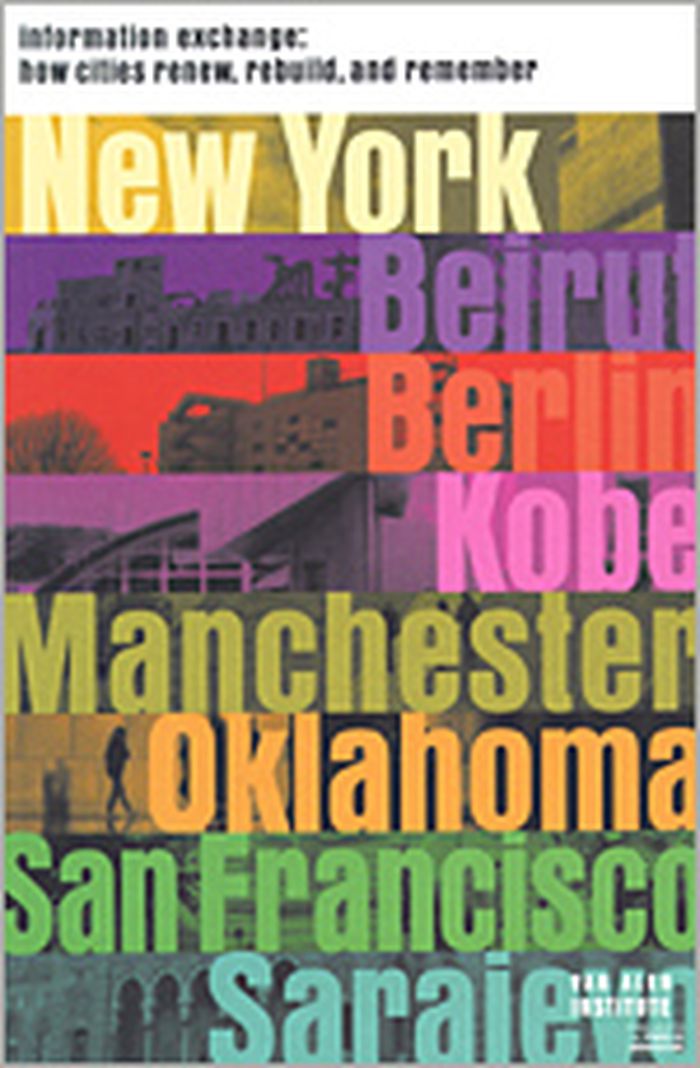
Van Alen Institute mounted the exhibition "Renewing, Rebuilding, Remembering" to demonstrate how cities, after incomparable loss of people and places, find ways to plan, design, and reconstruct the life of the city. The book is both a catalogue and a special edition of our series of "Van Alen Reports," the publication both documents the exhibit and expands on it with personal essays, articles and interviews. The point of the exhibition was not to compare catastrophes, but to compare, contrast, and try to explicate and understand initiatives, projects, plans, and actions that took place after the bomb, the earthquake, the war. After that, what worked, what would they do differently, what mattered right away, what mattered for the long-term? In October, the Institute put out a call for ideas for the exhibit. Students, designers, planners, artists, professors, photographers, public officials and a wide range of respondents from around the world were generous in suggesting places, projects, issues, and designs that were telling for the future of New York. From this response and ongoing research, the Institute chose to focus on specific processes and projects in seven cities. In Beirut, a public art installation that progressed through the city was a first step in reclaiming its war-torn districts, and the Lebanese capital has continued not only with master plans and major new developments, but also with works such as the Garden of Forgiveness, grappling with a hard history to contemplate. In Berlin, a center for information about the city and its reconstruction rose above the ruins of the Berlin Wall, half a century after the city had been devastated and divided. In San Francisco, an earthquake left the elevated highway downtown in such precarious decision that the city decided to tear it down-and implement a long-held dream of reopening the city to the waterfront. In Kobe, where an earthquake resulted not only in billions of dollars of damage to infrastructure, but also in a terrible loss of life, architects responded with an outpouring of energy to survey the damage and construct innovative emergency housing, proving the old adage that necessity is the mother of invention. In addition, they strove to understand the disaster, building a museum about, and at, the geological fault that brought down so much of their city. Manchester had a terrorist attack in the mid-1990s, and rebuilt its center city better than before, as well as setting up an institute for the study of cities around the world, to better understand that the life of the city and its public realm can not be taken for granted. So, too, did Oklahoma City, where a public process led to an international design competition for a memorial, and the city has rebuilt itself around it. Sarajevo, after years of civil war, pulled together its citizens through restoring the landmarks of their public life.
Information exchange : how cities renew, rebuild, and remember
Actions:
Prix:
$29.95
(disponible sur commande)
Résumé:
Van Alen Institute mounted the exhibition "Renewing, Rebuilding, Remembering" to demonstrate how cities, after incomparable loss of people and places, find ways to plan, design, and reconstruct the life of the city. The book is both a catalogue and a special edition of our series of "Van Alen Reports," the publication both documents the exhibit and expands on it with personal essays, articles and interviews. The point of the exhibition was not to compare catastrophes, but to compare, contrast, and try to explicate and understand initiatives, projects, plans, and actions that took place after the bomb, the earthquake, the war. After that, what worked, what would they do differently, what mattered right away, what mattered for the long-term? In October, the Institute put out a call for ideas for the exhibit. Students, designers, planners, artists, professors, photographers, public officials and a wide range of respondents from around the world were generous in suggesting places, projects, issues, and designs that were telling for the future of New York. From this response and ongoing research, the Institute chose to focus on specific processes and projects in seven cities. In Beirut, a public art installation that progressed through the city was a first step in reclaiming its war-torn districts, and the Lebanese capital has continued not only with master plans and major new developments, but also with works such as the Garden of Forgiveness, grappling with a hard history to contemplate. In Berlin, a center for information about the city and its reconstruction rose above the ruins of the Berlin Wall, half a century after the city had been devastated and divided. In San Francisco, an earthquake left the elevated highway downtown in such precarious decision that the city decided to tear it down-and implement a long-held dream of reopening the city to the waterfront. In Kobe, where an earthquake resulted not only in billions of dollars of damage to infrastructure, but also in a terrible loss of life, architects responded with an outpouring of energy to survey the damage and construct innovative emergency housing, proving the old adage that necessity is the mother of invention. In addition, they strove to understand the disaster, building a museum about, and at, the geological fault that brought down so much of their city. Manchester had a terrorist attack in the mid-1990s, and rebuilt its center city better than before, as well as setting up an institute for the study of cities around the world, to better understand that the life of the city and its public realm can not be taken for granted. So, too, did Oklahoma City, where a public process led to an international design competition for a memorial, and the city has rebuilt itself around it. Sarajevo, after years of civil war, pulled together its citizens through restoring the landmarks of their public life.
Classification:
livres
livres
Publication:
mars 2003, New York
mars 2003, New York
Sujet:
Théorie de l’urbanisme
Théorie de l’urbanisme


