


1027 Résultats
Classification:
livres
livres
Actions:
Prix:
$45.00
(disponible sur commande)
Résumé:
L'ère post-photographique se caractérise par le massification des images de même que par leur circulation et leur disponibilité sur Internet. Aux fractures ontologiques que la technologie numérique fait subir à la photographie s'ajoutent des mutations profondes de ses valeurs sociales et fonctionnelles. La culture visuelle post-photographique est ainsi marquée, d'un côté,(...)
$45.00
(disponible sur commande)
Résumé:
L'ère post-photographique se caractérise par le massification des images de même que par leur circulation et leur disponibilité sur Internet. Aux fractures ontologiques que la technologie numérique fait subir à la photographie s'ajoutent des mutations profondes de ses valeurs sociales et fonctionnelles. La culture visuelle post-photographique est ainsi marquée, d'un côté,(...)
Titre:
La condition post-photographique
Actions:
Prix:
$45.00
(disponible sur commande)
Résumé:
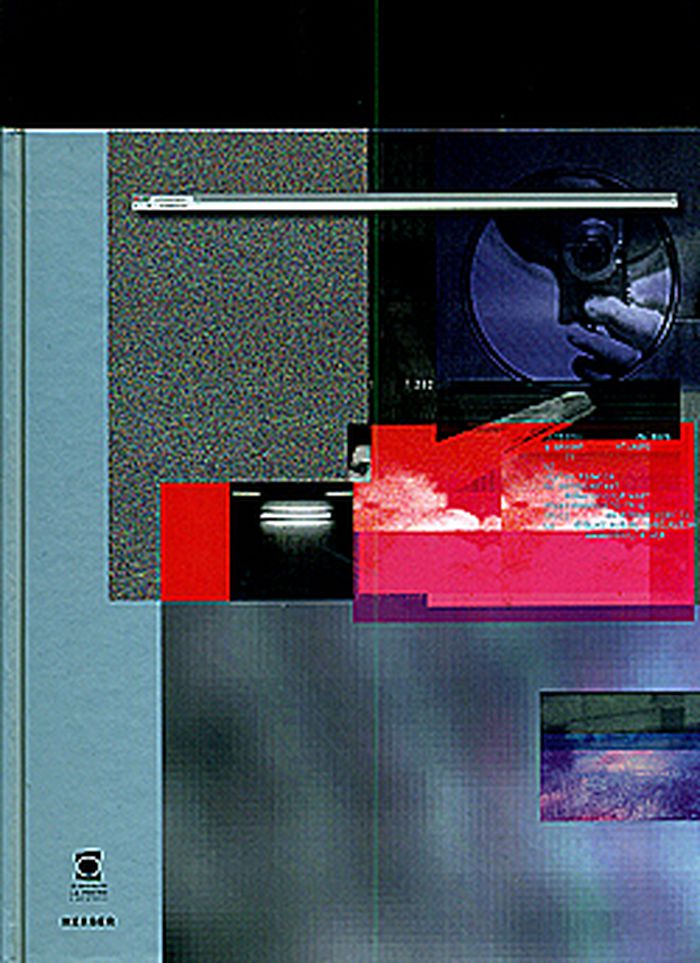
L'ère post-photographique se caractérise par le massification des images de même que par leur circulation et leur disponibilité sur Internet. Aux fractures ontologiques que la technologie numérique fait subir à la photographie s'ajoutent des mutations profondes de ses valeurs sociales et fonctionnelles. La culture visuelle post-photographique est ainsi marquée, d'un côté, par une virulente remise en question de la notion d'auteur et, de l'autre, par la légitimation des pratiques appropriationistes. Dans ce nouveau contexte, La condition post-photographique nous invite à nous interroger sur la nature de la création et sur les critères de l'«artisticité».
La condition post-photographique
Actions:
Prix:
$45.00
(disponible sur commande)
Résumé:
L'ère post-photographique se caractérise par le massification des images de même que par leur circulation et leur disponibilité sur Internet. Aux fractures ontologiques que la technologie numérique fait subir à la photographie s'ajoutent des mutations profondes de ses valeurs sociales et fonctionnelles. La culture visuelle post-photographique est ainsi marquée, d'un côté, par une virulente remise en question de la notion d'auteur et, de l'autre, par la légitimation des pratiques appropriationistes. Dans ce nouveau contexte, La condition post-photographique nous invite à nous interroger sur la nature de la création et sur les critères de l'«artisticité».
Classification:
livres
livres
Publication:
décembre 2015
décembre 2015
Classification:
livres
livres

Titre:
Dessiner le design
Dessiner le design
Actions:
Prix:
$68.95
(disponible sur commande)
Résumé:
Quel est le rôle du dessin, manuel et numérique, dans te processus actuel du design? Ce livre évoque ta place du geste dans l'expression de la pensée d'un créateur, la part de l'intime qui se cache entre la naissance d'une idée et le début de ses développements. Se perfectionnant sans cesse, les logiciels de dessin et de modélisation en trois dimensions n'ont pas(...)
$68.95
(disponible sur commande)
Résumé:
Quel est le rôle du dessin, manuel et numérique, dans te processus actuel du design? Ce livre évoque ta place du geste dans l'expression de la pensée d'un créateur, la part de l'intime qui se cache entre la naissance d'une idée et le début de ses développements. Se perfectionnant sans cesse, les logiciels de dessin et de modélisation en trois dimensions n'ont pas(...)
Titre:
Dessiner le design
Actions:
Prix:
$68.95
(disponible sur commande)
Résumé:
Quel est le rôle du dessin, manuel et numérique, dans te processus actuel du design? Ce livre évoque ta place du geste dans l'expression de la pensée d'un créateur, la part de l'intime qui se cache entre la naissance d'une idée et le début de ses développements. Se perfectionnant sans cesse, les logiciels de dessin et de modélisation en trois dimensions n'ont pas remplacé les méthodes manuelles mais sont venus y ajouter de la complexité, offrir de la précision et permettre toutes sortes de vérifications. Ils ouvrent vers des possibilités de simulation dont on ose à peine encore imaginer l'étendue des enjeux.
Dessiner le design
Actions:
Prix:
$68.95
(disponible sur commande)
Résumé:
Quel est le rôle du dessin, manuel et numérique, dans te processus actuel du design? Ce livre évoque ta place du geste dans l'expression de la pensée d'un créateur, la part de l'intime qui se cache entre la naissance d'une idée et le début de ses développements. Se perfectionnant sans cesse, les logiciels de dessin et de modélisation en trois dimensions n'ont pas remplacé les méthodes manuelles mais sont venus y ajouter de la complexité, offrir de la précision et permettre toutes sortes de vérifications. Ils ouvrent vers des possibilités de simulation dont on ose à peine encore imaginer l'étendue des enjeux.
Classification:
livres
livres
Publication:
décembre 2009
décembre 2009
Sujet:
Design industriel
Design industriel
Classification:
livres
livres
Actions:
Prix:
$30.00
(disponible sur commande)
Résumé:
Artiste de l'image numérique née à Montréal en 1969, Isabelle Hayeur est reconnue pour ses montages photographiques de grand format, ses vidéos et ses installations in situ, dans lesquels elle met en évidences les aberrations de l'urbanisation, de l'étalement urbain et de l'industrialisation de nos sociétés. Son enfance à Bois-des-Filion en banlieue de Montréal, est(...)
$30.00
(disponible sur commande)
Résumé:
Artiste de l'image numérique née à Montréal en 1969, Isabelle Hayeur est reconnue pour ses montages photographiques de grand format, ses vidéos et ses installations in situ, dans lesquels elle met en évidences les aberrations de l'urbanisation, de l'étalement urbain et de l'industrialisation de nos sociétés. Son enfance à Bois-des-Filion en banlieue de Montréal, est(...)
Titre:
Isabelle Hayeur: vraisemblances / versimilitudes
Actions:
Prix:
$30.00
(disponible sur commande)
Résumé:
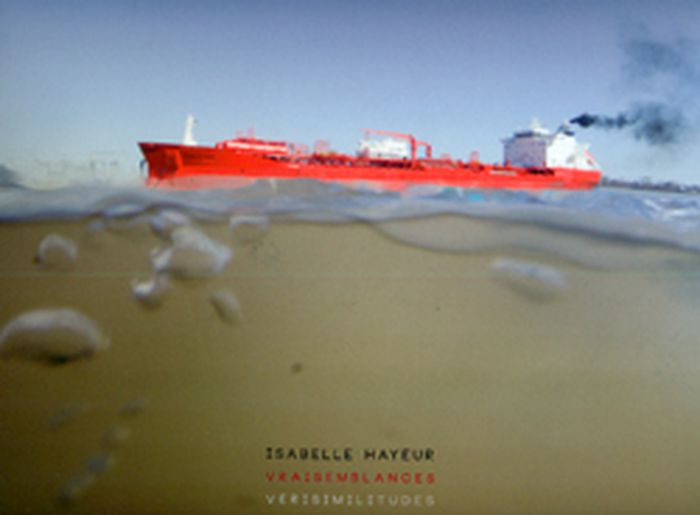
Artiste de l'image numérique née à Montréal en 1969, Isabelle Hayeur est reconnue pour ses montages photographiques de grand format, ses vidéos et ses installations in situ, dans lesquels elle met en évidences les aberrations de l'urbanisation, de l'étalement urbain et de l'industrialisation de nos sociétés. Son enfance à Bois-des-Filion en banlieue de Montréal, est déterminante pour sa pratique artistique. Comme c'est le cas dans plusieurs villes périphériques au Québec, et plus généralement dans le monde industrialisé, le paysage y est soumis à une transformation perpétuelle. Cette publication contient l'exposition produite par EXPRESSION, le centre d'exposition de Saint-Hyacinthe.
Isabelle Hayeur: vraisemblances / versimilitudes
Actions:
Prix:
$30.00
(disponible sur commande)
Résumé:
Artiste de l'image numérique née à Montréal en 1969, Isabelle Hayeur est reconnue pour ses montages photographiques de grand format, ses vidéos et ses installations in situ, dans lesquels elle met en évidences les aberrations de l'urbanisation, de l'étalement urbain et de l'industrialisation de nos sociétés. Son enfance à Bois-des-Filion en banlieue de Montréal, est déterminante pour sa pratique artistique. Comme c'est le cas dans plusieurs villes périphériques au Québec, et plus généralement dans le monde industrialisé, le paysage y est soumis à une transformation perpétuelle. Cette publication contient l'exposition produite par EXPRESSION, le centre d'exposition de Saint-Hyacinthe.
Classification:
livres
livres
Publication:
octobre 2014
octobre 2014
Classification:
livres
livres
Actions:
Exemplaires:
Description:
1 online resource (1 volume (unpaged)) : illustrations
Description:
1 online resource (1 volume (unpaged)) : illustrations
Auteur:
Sujet:
Publication:
New York : Museum of Modern Art : Distributed by Doubleday, Garden City, N.Y., [1964], ©1964.
New York : Museum of Modern Art : Distributed by Doubleday, Garden City, N.Y., [1964], ©1964.
Titre:
Architecture without architects : an introduction to nonpedigreed architecture / by Bernard Rudofsky.
Actions:
Exemplaires:
Description:
1 online resource (1 volume (unpaged)) : illustrations
Architecture without architects : an introduction to nonpedigreed architecture / by Bernard Rudofsky.
Actions:
Exemplaires:
Description:
1 online resource (1 volume (unpaged)) : illustrations
Classification:
livres
livres
Publication:
New York : Museum of Modern Art : Distributed by Doubleday, Garden City, N.Y., [1964], ©1964.
New York : Museum of Modern Art : Distributed by Doubleday, Garden City, N.Y., [1964], ©1964.
Auteur:
Sujet:
Classification:
livres
livres
Actions:
Description:
1 online resource.
Auteur:
Sujet:
Publication:
Minneapolis : University of Minnesota Press, 2021.
Minneapolis : University of Minnesota Press, 2021.
Titre:
Really fake / Alexandra Juhasz, Ganaele Langlois, and Nishant Shah.
Actions:
Description:
1 online resource.
Really fake / Alexandra Juhasz, Ganaele Langlois, and Nishant Shah.
Actions:
Description:
1 online resource.
Classification:
livres
livres
Publication:
Minneapolis : University of Minnesota Press, 2021.
Minneapolis : University of Minnesota Press, 2021.
Auteur:
Sujet:
Classification:
livres
livres
Titre:
Introduction to imaging : issues in constructing an image database / Howard Besser, Jennifer Trant.
Introduction to imaging : issues in constructing an image database / Howard Besser, Jennifer Trant.
Actions:
Exemplaires:
Description:
48 pages : illustrations (some color) ; 25 cm
Description:
48 pages : illustrations (some color) ; 25 cm
Auteur:
Sujet:
Publication:
Santa Monica, California : Getty Art History Information Program, [1995]., ©1995.
Santa Monica, California : Getty Art History Information Program, [1995]., ©1995.
Titre:
Introduction to imaging : issues in constructing an image database / Howard Besser, Jennifer Trant.
Actions:
Exemplaires:
Description:
48 pages : illustrations (some color) ; 25 cm
Introduction to imaging : issues in constructing an image database / Howard Besser, Jennifer Trant.
Actions:
Exemplaires:
Description:
48 pages : illustrations (some color) ; 25 cm
Classification:
livres
livres
Publication:
Santa Monica, California : Getty Art History Information Program, [1995]., ©1995.
Santa Monica, California : Getty Art History Information Program, [1995]., ©1995.
Auteur:
Sujet:
Classification:
vidéo
vidéo
Titre:
American Cypher.
American Cypher.
Actions:
Description:
1 online resource
Auteur:
Sujet:
Publication:
[Place of publication not identified] : Rhizome, 2012.
[Place of publication not identified] : Rhizome, 2012.
Classification:
vidéo
vidéo
Publication:
[Place of publication not identified] : Rhizome, 2012.
[Place of publication not identified] : Rhizome, 2012.
Auteur:
Sujet:
Classification:
livres
livres
Actions:
Description:
1 electronic book (1,023 pages) : illustrations (chiefly color).
Auteur:
Sujet:
Publication:
New York : Fundación Cisneros ; London : MAPP, 2013.
New York : Fundación Cisneros ; London : MAPP, 2013.
Titre:
Carlos Cruz-Diez in conversation with Ariel Jiménez = Carlos Cruz-Diez en conversación con Ariel Jiménez.
Actions:
Description:
1 electronic book (1,023 pages) : illustrations (chiefly color).
Carlos Cruz-Diez in conversation with Ariel Jiménez = Carlos Cruz-Diez en conversación con Ariel Jiménez.
Actions:
Description:
1 electronic book (1,023 pages) : illustrations (chiefly color).
Classification:
livres
livres
Publication:
New York : Fundación Cisneros ; London : MAPP, 2013.
New York : Fundación Cisneros ; London : MAPP, 2013.
Auteur:
Sujet:
Classification:
livres
livres
Titre:
Making Is Thinking.
Making Is Thinking.
Actions:
Description:
1 online resource (97 pages)
Auteur:
Sujet:
Publication:
3012 BR Rotterdam : Witte de Withe, 2014.
3012 BR Rotterdam : Witte de Withe, 2014.
Classification:
livres
livres
Publication:
3012 BR Rotterdam : Witte de Withe, 2014.
3012 BR Rotterdam : Witte de Withe, 2014.
Auteur:
Sujet:
Classification:
livres
livres
Actions:
Prix:
$36.00
(disponible sur commande)
Résumé:
This critical anthology addresses three often-overlooked issues facing archival organizations: the question of inclusion in or exclusion from the archive; the loss of individuality and specificity in the archive; the danger of homogenization; and the risk that archiving may foster a form of pigeonholing. Since the archive is a fundamental symbolic entity, on the basis of(...)
$36.00
(disponible sur commande)
Résumé:
This critical anthology addresses three often-overlooked issues facing archival organizations: the question of inclusion in or exclusion from the archive; the loss of individuality and specificity in the archive; the danger of homogenization; and the risk that archiving may foster a form of pigeonholing. Since the archive is a fundamental symbolic entity, on the basis of(...)
Titre:
Productive archiving: Artistic strategies, future memories & fluid identities
Actions:
Prix:
$36.00
(disponible sur commande)
Résumé:
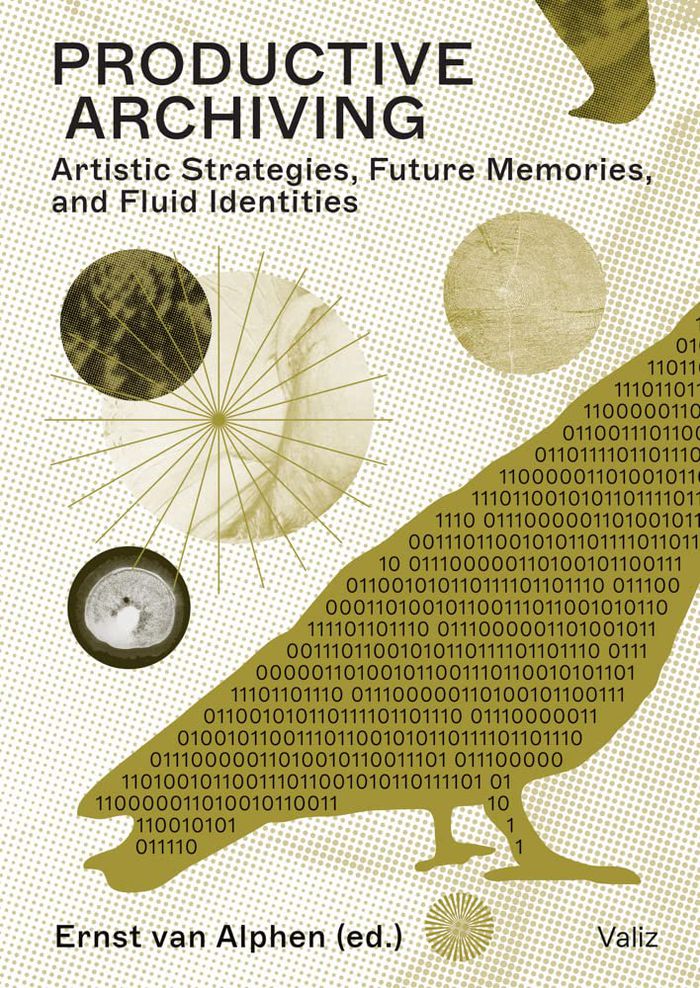
This critical anthology addresses three often-overlooked issues facing archival organizations: the question of inclusion in or exclusion from the archive; the loss of individuality and specificity in the archive; the danger of homogenization; and the risk that archiving may foster a form of pigeonholing. Since the archive is a fundamental symbolic entity, on the basis of which we organize our lives, the past, the present and the future, these issues require exploration. ''Productive archiving'' proposes that artistic treatments of (and interventions in) archives can offer innovative ways to foster new connections and ways of thinking and organizing.
Productive archiving: Artistic strategies, future memories & fluid identities
Actions:
Prix:
$36.00
(disponible sur commande)
Résumé:
This critical anthology addresses three often-overlooked issues facing archival organizations: the question of inclusion in or exclusion from the archive; the loss of individuality and specificity in the archive; the danger of homogenization; and the risk that archiving may foster a form of pigeonholing. Since the archive is a fundamental symbolic entity, on the basis of which we organize our lives, the past, the present and the future, these issues require exploration. ''Productive archiving'' proposes that artistic treatments of (and interventions in) archives can offer innovative ways to foster new connections and ways of thinking and organizing.
Classification:
livres
livres
Publication:
juin 2023
juin 2023


