


807 Résultats
Classification:
livres
livres
Actions:
Prix:
$52.50
(disponible sur commande)
Résumé:
Architect, planner, and arts advocate Alfred Preis (1911–1994) dedicated his many creative talents to his beloved, adopted home, Hawai‘i. Born to a Jewish family, raised, and educated in Vienna, Preis became an exile after escaping from Nazi-occupied Austria in 1939 and briefly being interned as an "enemy alien" when the United States entered World War II. Preis emerged(...)
$52.50
(disponible sur commande)
Résumé:
Architect, planner, and arts advocate Alfred Preis (1911–1994) dedicated his many creative talents to his beloved, adopted home, Hawai‘i. Born to a Jewish family, raised, and educated in Vienna, Preis became an exile after escaping from Nazi-occupied Austria in 1939 and briefly being interned as an "enemy alien" when the United States entered World War II. Preis emerged(...)
Titre:
Alfred Preis Displaced: The topical modernism of the Austrian emigrant and architect
Actions:
Prix:
$52.50
(disponible sur commande)
Résumé:
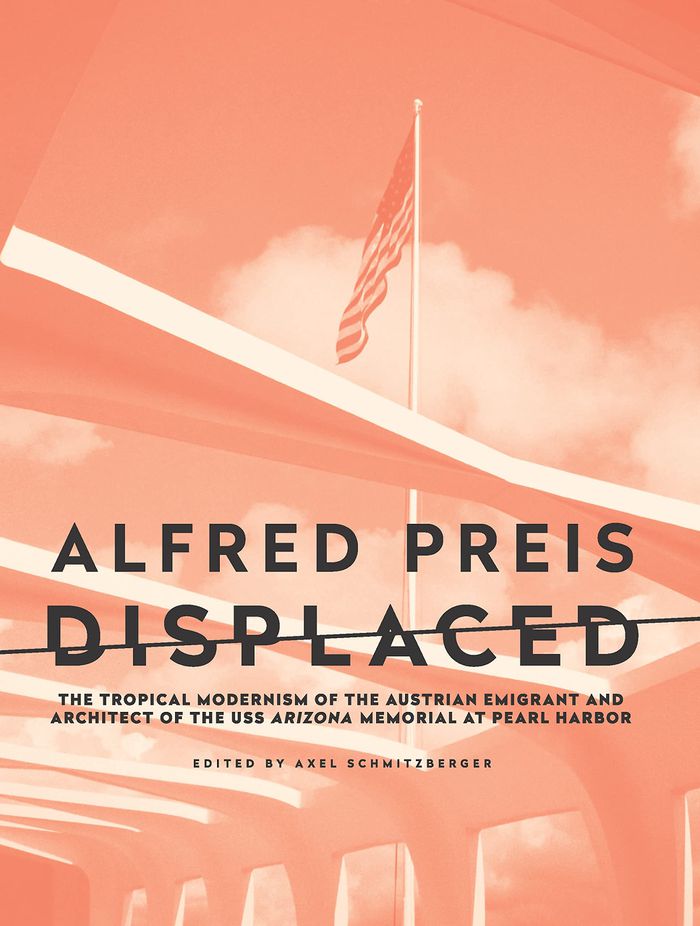
Architect, planner, and arts advocate Alfred Preis (1911–1994) dedicated his many creative talents to his beloved, adopted home, Hawai‘i. Born to a Jewish family, raised, and educated in Vienna, Preis became an exile after escaping from Nazi-occupied Austria in 1939 and briefly being interned as an "enemy alien" when the United States entered World War II. Preis emerged as one of Hawai‘i’s leading modern architects in the 1950s and 1960s. His new, regionalist vision for architecture and planning were specific to the Hawaiian context, its people, its tropical climate, and its stunning landscape. Preis’s crowning achievement was his design for the famed USS Arizona Memorial at Pearl Harbor in 1962. This is the first publication to examine Alfred Preis’s body of work in architecture, which spans from 1939 to 1963, including not only several acclaimed public projects but also illustrating the transition from a European modern language into a regional modernism, unifying both cultures in distinct and pioneering ways.
Alfred Preis Displaced: The topical modernism of the Austrian emigrant and architect
Actions:
Prix:
$52.50
(disponible sur commande)
Résumé:
Architect, planner, and arts advocate Alfred Preis (1911–1994) dedicated his many creative talents to his beloved, adopted home, Hawai‘i. Born to a Jewish family, raised, and educated in Vienna, Preis became an exile after escaping from Nazi-occupied Austria in 1939 and briefly being interned as an "enemy alien" when the United States entered World War II. Preis emerged as one of Hawai‘i’s leading modern architects in the 1950s and 1960s. His new, regionalist vision for architecture and planning were specific to the Hawaiian context, its people, its tropical climate, and its stunning landscape. Preis’s crowning achievement was his design for the famed USS Arizona Memorial at Pearl Harbor in 1962. This is the first publication to examine Alfred Preis’s body of work in architecture, which spans from 1939 to 1963, including not only several acclaimed public projects but also illustrating the transition from a European modern language into a regional modernism, unifying both cultures in distinct and pioneering ways.
Classification:
livres
livres
Publication:
septembre 2022
septembre 2022
Sujet:
Architecture, monographies
Architecture, monographies
Classification:
livres
livres
Actions:
Prix:
$29.95
(disponible sur commande)
Résumé:
After World War II, concrete became increasingly popular as a building medium around the world. Brutalism, the fashion for plain, heavy design, reigned. Toronto was particularly affected. The city has concrete buildings of all stripes – international landmarks, metropolitan infrastructure and even the single family home. Hundreds of these structures were built,(...)
$29.95
(disponible sur commande)
Résumé:
After World War II, concrete became increasingly popular as a building medium around the world. Brutalism, the fashion for plain, heavy design, reigned. Toronto was particularly affected. The city has concrete buildings of all stripes – international landmarks, metropolitan infrastructure and even the single family home. Hundreds of these structures were built,(...)
Sujet:
Architecture du Canada
Architecture du Canada
Publication:
novembre 2007, Toronto
novembre 2007, Toronto
Titre:
Concrete Toronto : a guidebook to concrete architecture from the fifties to the seventies
Actions:
Prix:
$29.95
(disponible sur commande)
Résumé:
After World War II, concrete became increasingly popular as a building medium around the world. Brutalism, the fashion for plain, heavy design, reigned. Toronto was particularly affected. The city has concrete buildings of all stripes – international landmarks, metropolitan infrastructure and even the single family home. Hundreds of these structures were built, including Viljo Revell’s groundbreaking New City Hall, John Andrew’s seminal Scarborough College and the record-smashing CN Tower. Toronto is a city cast in concrete. However, as architectural fashion has shifted from postmodernism to the glass-and-steel neomodernism of today, these concrete structures have been ignored, misunderstood and, in some cases, demolished. Concrete Toronto acts as a guide to the city’s extensive concrete heritage. A diverse group of experts has been assembled to re-examine the uniqueness and value of these buildings. Included are the insights of many of the original concrete architects, university faculty, local practitioners, journalists and industry experts. Together they explore the past and future of Toronto’s concrete buildings. Included is a wealth of new and archival photos, drawings, interviews, articles, as well as case studies of Toronto’s major concrete architecture.
Concrete Toronto : a guidebook to concrete architecture from the fifties to the seventies
Actions:
Prix:
$29.95
(disponible sur commande)
Résumé:
After World War II, concrete became increasingly popular as a building medium around the world. Brutalism, the fashion for plain, heavy design, reigned. Toronto was particularly affected. The city has concrete buildings of all stripes – international landmarks, metropolitan infrastructure and even the single family home. Hundreds of these structures were built, including Viljo Revell’s groundbreaking New City Hall, John Andrew’s seminal Scarborough College and the record-smashing CN Tower. Toronto is a city cast in concrete. However, as architectural fashion has shifted from postmodernism to the glass-and-steel neomodernism of today, these concrete structures have been ignored, misunderstood and, in some cases, demolished. Concrete Toronto acts as a guide to the city’s extensive concrete heritage. A diverse group of experts has been assembled to re-examine the uniqueness and value of these buildings. Included are the insights of many of the original concrete architects, university faculty, local practitioners, journalists and industry experts. Together they explore the past and future of Toronto’s concrete buildings. Included is a wealth of new and archival photos, drawings, interviews, articles, as well as case studies of Toronto’s major concrete architecture.
Classification:
livres
livres
Publication:
novembre 2007, Toronto
novembre 2007, Toronto
Sujet:
Architecture du Canada
Architecture du Canada
Classification:
livres
livres
Actions:
Prix:
$44.00
(disponible en magasin)
Résumé:
What began as a simple letter--a mid-career architect's comments to a young writer--turned into a 32-year correspondence, by turns amusing, inflamed, and conciliatory. Frank Lloyd Wright and Lewis Mumford, two pivotal figures in 20th-century American architecture and urbanism, were both passionate writers, keenly aware of world events. Their 150 letters from 1926-1958(...)
$44.00
(disponible en magasin)
Résumé:
What began as a simple letter--a mid-career architect's comments to a young writer--turned into a 32-year correspondence, by turns amusing, inflamed, and conciliatory. Frank Lloyd Wright and Lewis Mumford, two pivotal figures in 20th-century American architecture and urbanism, were both passionate writers, keenly aware of world events. Their 150 letters from 1926-1958(...)
Sujet:
Architecture, monographies
Architecture, monographies
Publication:
novembre 2001, New York
novembre 2001, New York
Titre:
Frank Lloyd Wright + Lewis Mumford : thirty years of correspondence
Actions:
Prix:
$44.00
(disponible en magasin)
Résumé:
What began as a simple letter--a mid-career architect's comments to a young writer--turned into a 32-year correspondence, by turns amusing, inflamed, and conciliatory. Frank Lloyd Wright and Lewis Mumford, two pivotal figures in 20th-century American architecture and urbanism, were both passionate writers, keenly aware of world events. Their 150 letters from 1926-1958 covered a wide range of topics, including Wright's position in the history of American architecture and contemporary practice, their friends and rivals, the invention and spread of the International Style, and political events in Europe and the US. A fallout over isolationist politics in the early 1940s led to a 10-year gap in their exchange, and when it resumed the two were on an entirely different footing: Wright, the elder dean of American architecture at the height of his creative powers, and Mumford, an established critic in late middle age deeply committed to rebuilding a humanist outlook in the aftermath of World War II. Frank Lloyd Wright & Lewis Mumford offers an intimate look inside the minds and hearts of these two cultural giants, deepening our understanding of the men and the society they helped shape.
Frank Lloyd Wright + Lewis Mumford : thirty years of correspondence
Actions:
Prix:
$44.00
(disponible en magasin)
Résumé:
What began as a simple letter--a mid-career architect's comments to a young writer--turned into a 32-year correspondence, by turns amusing, inflamed, and conciliatory. Frank Lloyd Wright and Lewis Mumford, two pivotal figures in 20th-century American architecture and urbanism, were both passionate writers, keenly aware of world events. Their 150 letters from 1926-1958 covered a wide range of topics, including Wright's position in the history of American architecture and contemporary practice, their friends and rivals, the invention and spread of the International Style, and political events in Europe and the US. A fallout over isolationist politics in the early 1940s led to a 10-year gap in their exchange, and when it resumed the two were on an entirely different footing: Wright, the elder dean of American architecture at the height of his creative powers, and Mumford, an established critic in late middle age deeply committed to rebuilding a humanist outlook in the aftermath of World War II. Frank Lloyd Wright & Lewis Mumford offers an intimate look inside the minds and hearts of these two cultural giants, deepening our understanding of the men and the society they helped shape.
Classification:
livres
livres
Publication:
novembre 2001, New York
novembre 2001, New York
Sujet:
Architecture, monographies
Architecture, monographies
Classification:
livres
livres
Titre:
Volcano: nature and culture
Volcano: nature and culture
Actions:
Prix:
$35.50
(disponible sur commande)
Résumé:
For years, tourists have trekked across cracked rock at Hawaii’s Kilauea volcano to witness the inspiring sight of creeping lava and its devastating effects on the landscape. In 2010, Eyjafjallajökull erupted in Iceland, stranding travelers as a cloud of ash covered western and northern Europe, causing the largest disruption of air travel since World War II. And just a(...)
$35.50
(disponible sur commande)
Résumé:
For years, tourists have trekked across cracked rock at Hawaii’s Kilauea volcano to witness the inspiring sight of creeping lava and its devastating effects on the landscape. In 2010, Eyjafjallajökull erupted in Iceland, stranding travelers as a cloud of ash covered western and northern Europe, causing the largest disruption of air travel since World War II. And just a(...)
Titre:
Volcano: nature and culture
Actions:
Prix:
$35.50
(disponible sur commande)
Résumé:
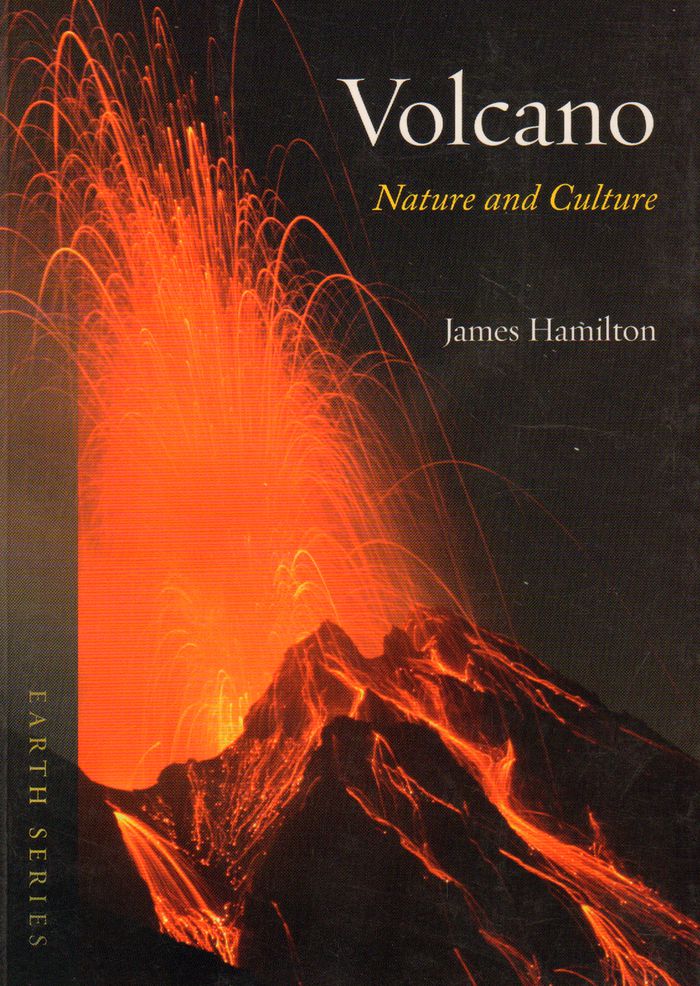
For years, tourists have trekked across cracked rock at Hawaii’s Kilauea volcano to witness the inspiring sight of creeping lava and its devastating effects on the landscape. In 2010, Eyjafjallajökull erupted in Iceland, stranding travelers as a cloud of ash covered western and northern Europe, causing the largest disruption of air travel since World War II. And just a few months later, Mount Merapi blew in Indonesia, killing over 350 people and displacing over 350,000 others, awakening people once more to the dangerous potential of these sleeping giants. Though today largely dormant, volcanoes continue to erupt across the world, reminding us of their sheer physical power. In Volcano, James Hamilton explores the cultural history generated by the violence and terrifying beauty of volcanoes. He describes the reverberations of early eruptions of Vesuvius and Etna in Greek and Roman myth. He also examines the depiction of volcanoes in art—from the earliest known wall painting of an erupting volcano in 6200 BCE to the distinctive colors of Andy Warhol and Michael Sandle’s exploding mountains. Surveying a number of twenty-first-century works, Hamilton shows that volcanoes continue to influence the artistic imagination.
Volcano: nature and culture
Actions:
Prix:
$35.50
(disponible sur commande)
Résumé:
For years, tourists have trekked across cracked rock at Hawaii’s Kilauea volcano to witness the inspiring sight of creeping lava and its devastating effects on the landscape. In 2010, Eyjafjallajökull erupted in Iceland, stranding travelers as a cloud of ash covered western and northern Europe, causing the largest disruption of air travel since World War II. And just a few months later, Mount Merapi blew in Indonesia, killing over 350 people and displacing over 350,000 others, awakening people once more to the dangerous potential of these sleeping giants. Though today largely dormant, volcanoes continue to erupt across the world, reminding us of their sheer physical power. In Volcano, James Hamilton explores the cultural history generated by the violence and terrifying beauty of volcanoes. He describes the reverberations of early eruptions of Vesuvius and Etna in Greek and Roman myth. He also examines the depiction of volcanoes in art—from the earliest known wall painting of an erupting volcano in 6200 BCE to the distinctive colors of Andy Warhol and Michael Sandle’s exploding mountains. Surveying a number of twenty-first-century works, Hamilton shows that volcanoes continue to influence the artistic imagination.
Classification:
livres
livres
Publication:
juin 2012
juin 2012
Sujet:
Théorie du paysage
Théorie du paysage
Classification:
livres
livres
Actions:
Prix:
$60.00
(disponible sur commande)
Résumé:
After the Bauhaus's closing in 1933, many of its protagonists moved to the United States, where their acceptance had to be cultivated. The key to understanding the American reception of the Bauhaus is to be found not in the émigré success stories or the famous(...)
$60.00
(disponible sur commande)
Résumé:
After the Bauhaus's closing in 1933, many of its protagonists moved to the United States, where their acceptance had to be cultivated. The key to understanding the American reception of the Bauhaus is to be found not in the émigré success stories or the famous(...)
Publication:
juin 1999, Cambridge
juin 1999, Cambridge
Titre:
The Bauhaus and America : first contacts 1919-1936
Actions:
Prix:
$60.00
(disponible sur commande)
Résumé:
After the Bauhaus's closing in 1933, many of its protagonists moved to the United States, where their acceptance had to be cultivated. The key to understanding the American reception of the Bauhaus is to be found not in the émigré success stories or the famous 1938 Bauhaus exhibition at the Museum of Modern Art, but in the course of America's early contact with the Bauhaus. In this book Margret Kentgens-Craig shows that the fame of the Bauhaus in America was the result not only of the inherent qualities of its concepts and products, but also of a unique congruence of cultural supply and demand, of a consistent flow of information, and of fine-tuned marketing. Thus the history of the American reception of the Bauhaus in the 1920s and 1930s foreshadows the patterns of fame-making that became typical of the post-World War II art world. The transfer of artistic, intellectual, and pedagogical concepts from one cultural context to another is a process of transformation and integration. In presenting a case study of this process, the book also provides fresh insights into the German-American cultural history of the period from 1919 to 1936.
The Bauhaus and America : first contacts 1919-1936
Actions:
Prix:
$60.00
(disponible sur commande)
Résumé:
After the Bauhaus's closing in 1933, many of its protagonists moved to the United States, where their acceptance had to be cultivated. The key to understanding the American reception of the Bauhaus is to be found not in the émigré success stories or the famous 1938 Bauhaus exhibition at the Museum of Modern Art, but in the course of America's early contact with the Bauhaus. In this book Margret Kentgens-Craig shows that the fame of the Bauhaus in America was the result not only of the inherent qualities of its concepts and products, but also of a unique congruence of cultural supply and demand, of a consistent flow of information, and of fine-tuned marketing. Thus the history of the American reception of the Bauhaus in the 1920s and 1930s foreshadows the patterns of fame-making that became typical of the post-World War II art world. The transfer of artistic, intellectual, and pedagogical concepts from one cultural context to another is a process of transformation and integration. In presenting a case study of this process, the book also provides fresh insights into the German-American cultural history of the period from 1919 to 1936.
Classification:
livres
livres
Publication:
juin 1999, Cambridge
juin 1999, Cambridge
Classification:
livres
livres
Actions:
Prix:
$41.95
(disponible sur commande)
Résumé:
Is it possible for the economy to grow without the environment being destroyed? Will our lifestyles impoverish the planet for our children and grandchildren? Is the world sick? Can it be healed? Less than a lifetime ago, these questions would have made no sense. This was not because our ancestors had no impact on nature—nor because they were unaware of the serious damage(...)
$41.95
(disponible sur commande)
Résumé:
Is it possible for the economy to grow without the environment being destroyed? Will our lifestyles impoverish the planet for our children and grandchildren? Is the world sick? Can it be healed? Less than a lifetime ago, these questions would have made no sense. This was not because our ancestors had no impact on nature—nor because they were unaware of the serious damage(...)
Publication:
novembre 2018
novembre 2018
Titre:
The environment: a history of an idea
Actions:
Prix:
$41.95
(disponible sur commande)
Résumé:
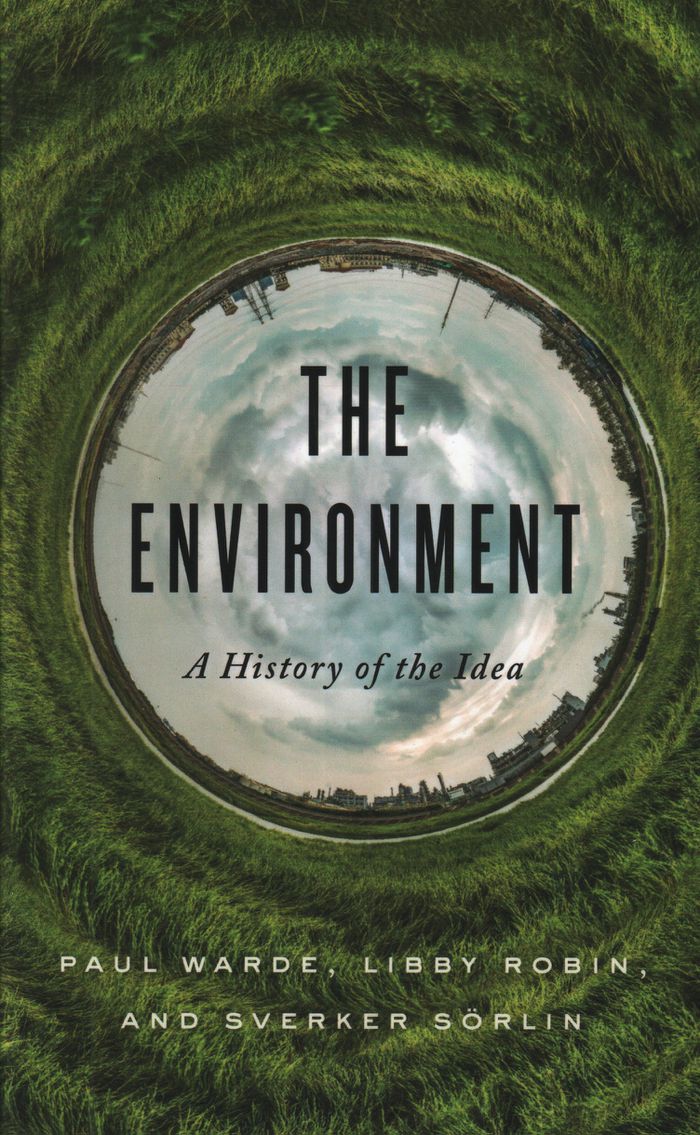
Is it possible for the economy to grow without the environment being destroyed? Will our lifestyles impoverish the planet for our children and grandchildren? Is the world sick? Can it be healed? Less than a lifetime ago, these questions would have made no sense. This was not because our ancestors had no impact on nature—nor because they were unaware of the serious damage they had done. What people lacked was an idea: a way of imagining the web of interconnection and consequence of which the natural world is made. Without this notion, we didn’t have a way to describe the scale and scope of human impact upon nature. This idea was "the environment." Paul Warde, Libby Robin, and Sverker Sörlin trace the emergence of the concept of the environment following World War II, a period characterized by both hope for a new global order and fear of humans’ capacity for almost limitless destruction. It was at this moment that a new idea and a new narrative about the planet-wide impact of people's behavior emerged, closely allied to anxieties for the future. Now we had a vocabulary for talking about how we were changing nature: resource exhaustion and energy, biodiversity, pollution, and—eventually—climate change. With the rise of "the environment," the authors argue, came new expertise, making certain kinds of knowledge crucial to understanding the future of our planet.
The environment: a history of an idea
Actions:
Prix:
$41.95
(disponible sur commande)
Résumé:
Is it possible for the economy to grow without the environment being destroyed? Will our lifestyles impoverish the planet for our children and grandchildren? Is the world sick? Can it be healed? Less than a lifetime ago, these questions would have made no sense. This was not because our ancestors had no impact on nature—nor because they were unaware of the serious damage they had done. What people lacked was an idea: a way of imagining the web of interconnection and consequence of which the natural world is made. Without this notion, we didn’t have a way to describe the scale and scope of human impact upon nature. This idea was "the environment." Paul Warde, Libby Robin, and Sverker Sörlin trace the emergence of the concept of the environment following World War II, a period characterized by both hope for a new global order and fear of humans’ capacity for almost limitless destruction. It was at this moment that a new idea and a new narrative about the planet-wide impact of people's behavior emerged, closely allied to anxieties for the future. Now we had a vocabulary for talking about how we were changing nature: resource exhaustion and energy, biodiversity, pollution, and—eventually—climate change. With the rise of "the environment," the authors argue, came new expertise, making certain kinds of knowledge crucial to understanding the future of our planet.
Classification:
livres
livres
Publication:
novembre 2018
novembre 2018
Classification:
livres
livres
Actions:
Prix:
$33.95
(disponible sur commande)
Résumé:
With the concept of the ''Imperial mode of living,'' Brand and Wissen highlight the fact that capitalism implies uneven development as well as a constant and accelerating universalisation of a Western mode of production and living. The logic of liberal markets since the nineteenth century, and especially since World War II, has been inscribed into everyday practices that(...)
$33.95
(disponible sur commande)
Résumé:
With the concept of the ''Imperial mode of living,'' Brand and Wissen highlight the fact that capitalism implies uneven development as well as a constant and accelerating universalisation of a Western mode of production and living. The logic of liberal markets since the nineteenth century, and especially since World War II, has been inscribed into everyday practices that(...)
Titre:
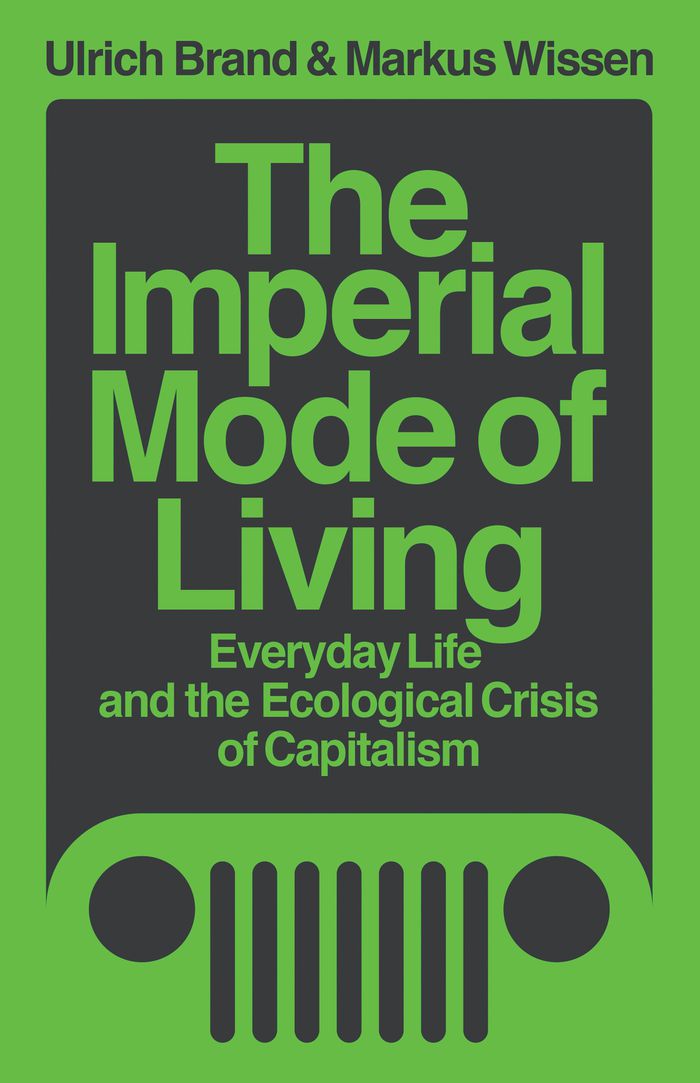
The imperial mode of living: everyday life and the ecological crisis of capitalism
Actions:
Prix:
$33.95
(disponible sur commande)
Résumé:
With the concept of the ''Imperial mode of living,'' Brand and Wissen highlight the fact that capitalism implies uneven development as well as a constant and accelerating universalisation of a Western mode of production and living. The logic of liberal markets since the nineteenth century, and especially since World War II, has been inscribed into everyday practices that are usually unconsciously reproduced. The authors show that they are a main driver of the ecological crisis and economic and political instability. ''The imperial mode of living'' implies that people’s everyday practices, including individual and societal orientations, as well as identities, rely heavily on the unlimited appropriation of resources; a disproportionate claim on global and local ecosystems and sinks; and cheap labour from elsewhere. This availability of commodities is largely organised through the world market, backed by military force and/or the asymmetric relations of forces as they have been inscribed in international institutions. Moreover, the ''Imperial mode of living'' implies asymmetrical social relations along class, gender and race within the respective countries. Here too, it is driven by the capitalist accumulation imperative, growth-oriented state policies and status consumption. The concrete production conditions of commodities are rendered invisible in the places where the commodities are consumed. The imperialist world order is normalised through the mode of production and living.
The imperial mode of living: everyday life and the ecological crisis of capitalism
Actions:
Prix:
$33.95
(disponible sur commande)
Résumé:
With the concept of the ''Imperial mode of living,'' Brand and Wissen highlight the fact that capitalism implies uneven development as well as a constant and accelerating universalisation of a Western mode of production and living. The logic of liberal markets since the nineteenth century, and especially since World War II, has been inscribed into everyday practices that are usually unconsciously reproduced. The authors show that they are a main driver of the ecological crisis and economic and political instability. ''The imperial mode of living'' implies that people’s everyday practices, including individual and societal orientations, as well as identities, rely heavily on the unlimited appropriation of resources; a disproportionate claim on global and local ecosystems and sinks; and cheap labour from elsewhere. This availability of commodities is largely organised through the world market, backed by military force and/or the asymmetric relations of forces as they have been inscribed in international institutions. Moreover, the ''Imperial mode of living'' implies asymmetrical social relations along class, gender and race within the respective countries. Here too, it is driven by the capitalist accumulation imperative, growth-oriented state policies and status consumption. The concrete production conditions of commodities are rendered invisible in the places where the commodities are consumed. The imperialist world order is normalised through the mode of production and living.
Classification:
livres
livres
Publication:
janvier 2021
janvier 2021
Sujet:
Théorie/ philosophie
Théorie/ philosophie
Classification:
livres
livres
Prix:
$68.00
(disponible sur commande)
Résumé:
This volume explores how leading architects of the twentieth century incorporated climate-mediating strategies into their designs, and shows how regional approaches to climate adaptability were essential to the development of modern architecture. Focusing on the period surrounding World War II—before fossil-fuel powered air-conditioning became widely available—Daniel(...)
$68.00
(disponible sur commande)
Résumé:
This volume explores how leading architects of the twentieth century incorporated climate-mediating strategies into their designs, and shows how regional approaches to climate adaptability were essential to the development of modern architecture. Focusing on the period surrounding World War II—before fossil-fuel powered air-conditioning became widely available—Daniel(...)
Titre:
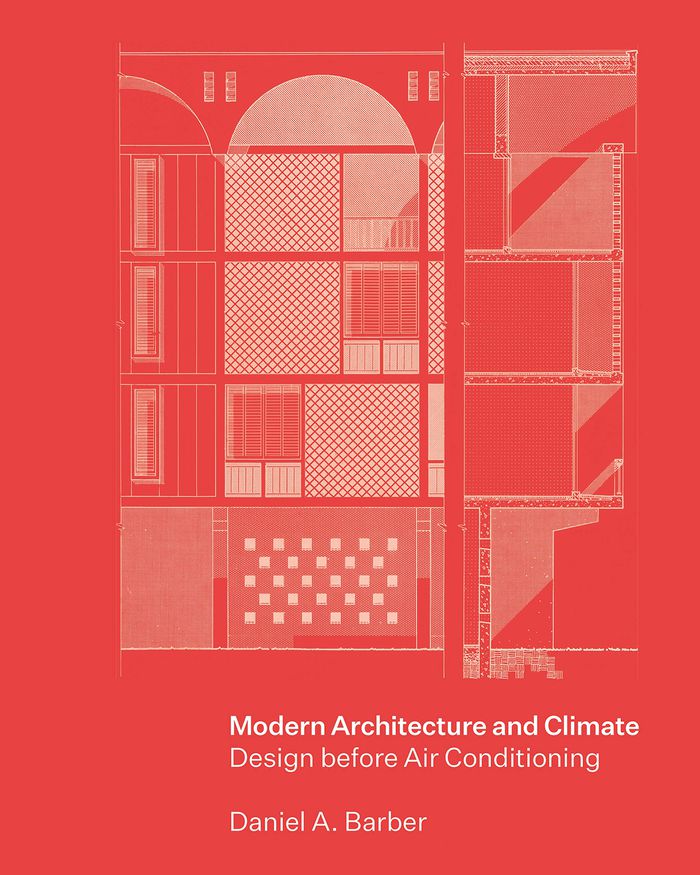
Modern architecture and climate: Design before air conditioning
Actions:
Prix:
$68.00
(disponible sur commande)
Résumé:
This volume explores how leading architects of the twentieth century incorporated climate-mediating strategies into their designs, and shows how regional approaches to climate adaptability were essential to the development of modern architecture. Focusing on the period surrounding World War II—before fossil-fuel powered air-conditioning became widely available—Daniel Barber brings to light a vibrant and dynamic architectural discussion involving design, materials, and shading systems as means of interior climate control. He looks at projects by well-known architects such as Richard Neutra, Le Corbusier, Lúcio Costa, Mies van der Rohe, and Skidmore, Owings, and Merrill, and the work of climate-focused architects such as MMM Roberto, Olgyay and Olgyay, and Cliff May. Drawing on the editorial projects of James Marston Fitch, Elizabeth Gordon, and others, he demonstrates how images and diagrams produced by architects helped conceptualize climate knowledge, alongside the work of meteorologists, physicists, engineers, and social scientists. Barber describes how this novel type of environmental media catalyzed new ways of thinking about climate and architectural design.
Modern architecture and climate: Design before air conditioning
Actions:
Prix:
$68.00
(disponible sur commande)
Résumé:
This volume explores how leading architects of the twentieth century incorporated climate-mediating strategies into their designs, and shows how regional approaches to climate adaptability were essential to the development of modern architecture. Focusing on the period surrounding World War II—before fossil-fuel powered air-conditioning became widely available—Daniel Barber brings to light a vibrant and dynamic architectural discussion involving design, materials, and shading systems as means of interior climate control. He looks at projects by well-known architects such as Richard Neutra, Le Corbusier, Lúcio Costa, Mies van der Rohe, and Skidmore, Owings, and Merrill, and the work of climate-focused architects such as MMM Roberto, Olgyay and Olgyay, and Cliff May. Drawing on the editorial projects of James Marston Fitch, Elizabeth Gordon, and others, he demonstrates how images and diagrams produced by architects helped conceptualize climate knowledge, alongside the work of meteorologists, physicists, engineers, and social scientists. Barber describes how this novel type of environmental media catalyzed new ways of thinking about climate and architectural design.
Classification:
livres
livres
Publication:
avril 2023
avril 2023
Sujet:
Théorie de l’architecture
Théorie de l’architecture
Classification:
livres
livres
Actions:
Prix:
$38.95
(disponible sur commande)
Résumé:
In February 1956 the president of IBM hired the industrial designer and architect Eliot F. Noyes, charging him with reinventing IBM's corporate image, from stationery and curtains to products such as typewriters and computers and to laboratory and administration buildings. What followed remade IBM in a way that would also transform the relationships between design,(...)
$38.95
(disponible sur commande)
Résumé:
In February 1956 the president of IBM hired the industrial designer and architect Eliot F. Noyes, charging him with reinventing IBM's corporate image, from stationery and curtains to products such as typewriters and computers and to laboratory and administration buildings. What followed remade IBM in a way that would also transform the relationships between design,(...)
Titre:
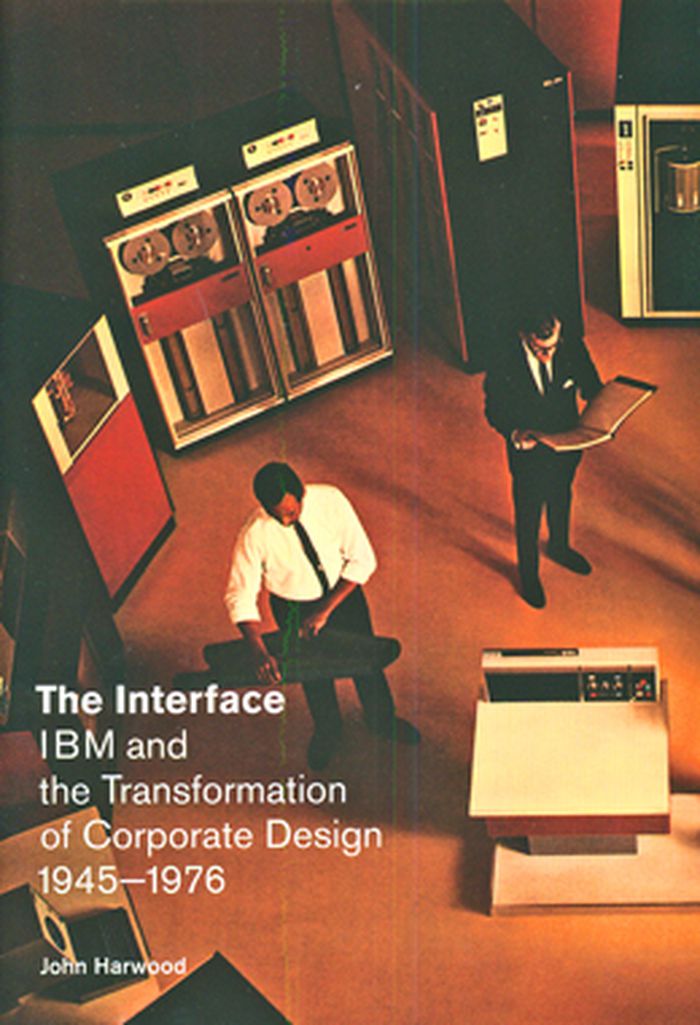
The interface: IBM and the transformation of corporate design 1945-1976
Actions:
Prix:
$38.95
(disponible sur commande)
Résumé:
In February 1956 the president of IBM hired the industrial designer and architect Eliot F. Noyes, charging him with reinventing IBM's corporate image, from stationery and curtains to products such as typewriters and computers and to laboratory and administration buildings. What followed remade IBM in a way that would also transform the relationships between design, computer science, and corporate culture. IBM's program assembled a cast of leading figures in American design: Noyes, Charles Eames, Paul Rand, George Nelson, and Edgar Kaufmann Jr. The Interface offers a detailed account of the key role these designers played in shaping both the computer and the multinational corporation. Harwood describes the influence of computer and corporation on the theory and practice of design. Here we see how, in the period stretching from the "invention" of the computer during World War II to the appearance of the personal computer in the mid-1970s, disciplines once well outside the realm of architectural design -information and management theory, cybernetics, ergonomics, computer science- became integral aspects of design.
The interface: IBM and the transformation of corporate design 1945-1976
Actions:
Prix:
$38.95
(disponible sur commande)
Résumé:
In February 1956 the president of IBM hired the industrial designer and architect Eliot F. Noyes, charging him with reinventing IBM's corporate image, from stationery and curtains to products such as typewriters and computers and to laboratory and administration buildings. What followed remade IBM in a way that would also transform the relationships between design, computer science, and corporate culture. IBM's program assembled a cast of leading figures in American design: Noyes, Charles Eames, Paul Rand, George Nelson, and Edgar Kaufmann Jr. The Interface offers a detailed account of the key role these designers played in shaping both the computer and the multinational corporation. Harwood describes the influence of computer and corporation on the theory and practice of design. Here we see how, in the period stretching from the "invention" of the computer during World War II to the appearance of the personal computer in the mid-1970s, disciplines once well outside the realm of architectural design -information and management theory, cybernetics, ergonomics, computer science- became integral aspects of design.
Classification:
livres
livres
Publication:
novembre 2011
novembre 2011
Sujet:
Design industriel
Design industriel
Classification:
livres
livres
Titre:
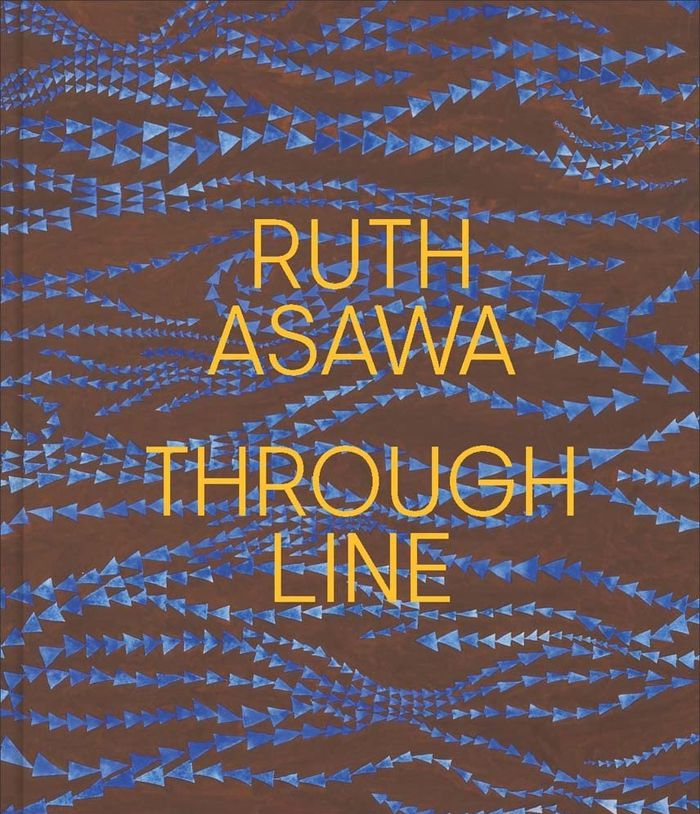
Ruth Asawa: Through line
Ruth Asawa: Through line
Actions:
Prix:
$70.00
(disponible sur commande)
Résumé:
Ruth Asawa (1926–2013), widely known for her looped-wire sculptures, was an inveterate drawer. She filled sketchbook after sketchbook and even stated that drawing was central to her sculpture. This volume is the first to consider the significance of drawing in Asawa’s oeuvre throughout her career, featuring essays that examine the range of Asawa’s aesthetic maneuvers(...)
$70.00
(disponible sur commande)
Résumé:
Ruth Asawa (1926–2013), widely known for her looped-wire sculptures, was an inveterate drawer. She filled sketchbook after sketchbook and even stated that drawing was central to her sculpture. This volume is the first to consider the significance of drawing in Asawa’s oeuvre throughout her career, featuring essays that examine the range of Asawa’s aesthetic maneuvers(...)
Titre:
Ruth Asawa: Through line
Actions:
Prix:
$70.00
(disponible sur commande)
Résumé:
Ruth Asawa (1926–2013), widely known for her looped-wire sculptures, was an inveterate drawer. She filled sketchbook after sketchbook and even stated that drawing was central to her sculpture. This volume is the first to consider the significance of drawing in Asawa’s oeuvre throughout her career, featuring essays that examine the range of Asawa’s aesthetic maneuvers across materials and techniques; how Asawa’s drawing intertwined with the Bay Area arts community and her contributions to public education as a teacher and organizer; and the influence of Josef Albers’s pedagogy and Asawa’s lifelong adoption of his type of paper folding. Tracing Asawa’s artistic journey from her first formal art lessons in a Japanese American internment camp during World War II through her time at Black Mountain College and beyond, this comprehensive overview of the artist’s drawings includes reproductions of more than one hundred works—many of which have never been published—organized into eight thematic sections that cut through time, reflecting an art-making practice that was more circular or cyclical than linear.
Ruth Asawa: Through line
Actions:
Prix:
$70.00
(disponible sur commande)
Résumé:
Ruth Asawa (1926–2013), widely known for her looped-wire sculptures, was an inveterate drawer. She filled sketchbook after sketchbook and even stated that drawing was central to her sculpture. This volume is the first to consider the significance of drawing in Asawa’s oeuvre throughout her career, featuring essays that examine the range of Asawa’s aesthetic maneuvers across materials and techniques; how Asawa’s drawing intertwined with the Bay Area arts community and her contributions to public education as a teacher and organizer; and the influence of Josef Albers’s pedagogy and Asawa’s lifelong adoption of his type of paper folding. Tracing Asawa’s artistic journey from her first formal art lessons in a Japanese American internment camp during World War II through her time at Black Mountain College and beyond, this comprehensive overview of the artist’s drawings includes reproductions of more than one hundred works—many of which have never been published—organized into eight thematic sections that cut through time, reflecting an art-making practice that was more circular or cyclical than linear.
Classification:
livres
livres
Publication:
septembre 2023
septembre 2023


