


6052 Résultats
Classification:
photographies
photographies
Actions:
Numéro de référence:
PH2006:0090
PH2006:0090
Personnes et institutions:
Date:
1969-1974
1969-1974
Titre:
Plan of residence and grounds for Miss Cordelia Culbertson, Pasadena, California, 1911
Actions:
PH2006:0090
Plan of residence and grounds for Miss Cordelia Culbertson, Pasadena, California, 1911
Actions:
PH2006:0090
Classification:
photographies
photographies
Date:
1969-1974
1969-1974
Personnes et institutions:
Classification:
documents textuels, photographies
documents textuels, photographies
Numéro de référence:
AP075.S1.1988.PR06.001
Description:
Includes also photographs, financial documents and correspondence. Original folder entitled "Karatz Res."
AP075.S1.1988.PR06.001
Description:
Includes also photographs, financial documents and correspondence. Original folder entitled "Karatz Res."
Personnes et institutions:
Date:
circa 1988
circa 1988
Titre:
Concept notes and design development for the Karatz Residence, Newport Beach, California
Actions:
AP075.S1.1988.PR06.001
Description:
Includes also photographs, financial documents and correspondence. Original folder entitled "Karatz Res."
Concept notes and design development for the Karatz Residence, Newport Beach, California
Actions:
AP075.S1.1988.PR06.001
Description:
Includes also photographs, financial documents and correspondence. Original folder entitled "Karatz Res."
Classification:
documents textuels, photographies
documents textuels, photographies
Date:
circa 1988
circa 1988
Personnes et institutions:
Classification:
photographies
photographies
Actions:
Numéro de référence:
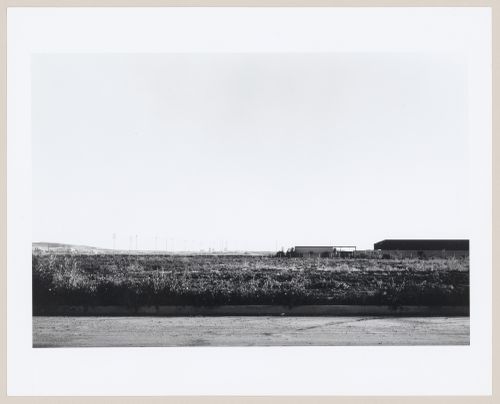
PH2001:0163
PH2001:0163
Personnes et institutions:
Sujet:
architecture
architecture
Date:
1974
1974
Classification:
photographies
photographies
Date:
1974
1974
Personnes et institutions:
Sujet:
architecture
architecture
Classification:
photographies
photographies
Actions:
Numéro de référence:
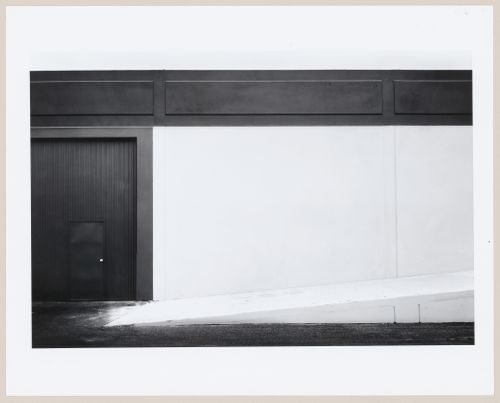
PH2001:0170
PH2001:0170
Personnes et institutions:
Sujet:
architecture
architecture
Date:
1974
1974
Classification:
photographies
photographies
Date:
1974
1974
Personnes et institutions:
Sujet:
architecture
architecture
Classification:
photographies
photographies
Actions:
Numéro de référence:
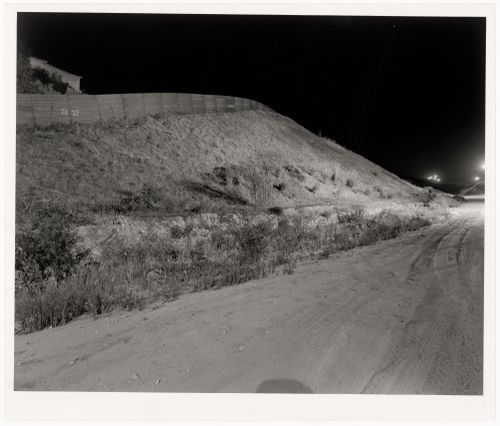
PH1997:0062
Description:
- The series "Running Fence 1997" focuses "on the first 14 miles of the border fence that separates the United States and Mexico, beginning at the Pacific Ocean and ending in the Otay Mountains.... [It] analyzes the "idea" of the border and explores its iconography, the border being a subject that is of extreme importance to the public as the world proceeds towards greater globalization. [Geoffrey] James has written of the project: "[The border fence] was built by the US Army Corps of Engineers in 1994, out of recycled metal landing strip - the most visible symbol of what is known as Operation Gatekeeper. Because the steel sheets are placed in the ground so that their ridges run horizontally, a man can hop over the fence with ease; and no Mexican child ever seems to be impeded from retrieving a soccer ball from US territory. The real barrier to illegal immigration from Mexico into the USA is less visible: hundreds of buried sensors linked to a central computer, nightscopes, helicopters and Border Patrol Agents in white Broncos."" (Evans).
PH1997:0062
Description:
- The series "Running Fence 1997" focuses "on the first 14 miles of the border fence that separates the United States and Mexico, beginning at the Pacific Ocean and ending in the Otay Mountains.... [It] analyzes the "idea" of the border and explores its iconography, the border being a subject that is of extreme importance to the public as the world proceeds towards greater globalization. [Geoffrey] James has written of the project: "[The border fence] was built by the US Army Corps of Engineers in 1994, out of recycled metal landing strip - the most visible symbol of what is known as Operation Gatekeeper. Because the steel sheets are placed in the ground so that their ridges run horizontally, a man can hop over the fence with ease; and no Mexican child ever seems to be impeded from retrieving a soccer ball from US territory. The real barrier to illegal immigration from Mexico into the USA is less visible: hundreds of buried sensors linked to a central computer, nightscopes, helicopters and Border Patrol Agents in white Broncos."" (Evans).
Personnes et institutions:
Sujet:
architecture, ingénierie
architecture, ingénierie
Date:
1997
1997
Titre:
Partial night view of the United States-Mexico border fence from the United States side, San Diego County, California, United States, and Tijuana, Baja California, Mexico
Actions:
PH1997:0062
Description:
- The series "Running Fence 1997" focuses "on the first 14 miles of the border fence that separates the United States and Mexico, beginning at the Pacific Ocean and ending in the Otay Mountains.... [It] analyzes the "idea" of the border and explores its iconography, the border being a subject that is of extreme importance to the public as the world proceeds towards greater globalization. [Geoffrey] James has written of the project: "[The border fence] was built by the US Army Corps of Engineers in 1994, out of recycled metal landing strip - the most visible symbol of what is known as Operation Gatekeeper. Because the steel sheets are placed in the ground so that their ridges run horizontally, a man can hop over the fence with ease; and no Mexican child ever seems to be impeded from retrieving a soccer ball from US territory. The real barrier to illegal immigration from Mexico into the USA is less visible: hundreds of buried sensors linked to a central computer, nightscopes, helicopters and Border Patrol Agents in white Broncos."" (Evans).
Partial night view of the United States-Mexico border fence from the United States side, San Diego County, California, United States, and Tijuana, Baja California, Mexico
Actions:
PH1997:0062
Description:
- The series "Running Fence 1997" focuses "on the first 14 miles of the border fence that separates the United States and Mexico, beginning at the Pacific Ocean and ending in the Otay Mountains.... [It] analyzes the "idea" of the border and explores its iconography, the border being a subject that is of extreme importance to the public as the world proceeds towards greater globalization. [Geoffrey] James has written of the project: "[The border fence] was built by the US Army Corps of Engineers in 1994, out of recycled metal landing strip - the most visible symbol of what is known as Operation Gatekeeper. Because the steel sheets are placed in the ground so that their ridges run horizontally, a man can hop over the fence with ease; and no Mexican child ever seems to be impeded from retrieving a soccer ball from US territory. The real barrier to illegal immigration from Mexico into the USA is less visible: hundreds of buried sensors linked to a central computer, nightscopes, helicopters and Border Patrol Agents in white Broncos."" (Evans).
Classification:
photographies
photographies
Date:
1997
1997
Personnes et institutions:
Sujet:
architecture, ingénierie
architecture, ingénierie
Classification:
maquettes
maquettes
Actions:
Numéro de référence:
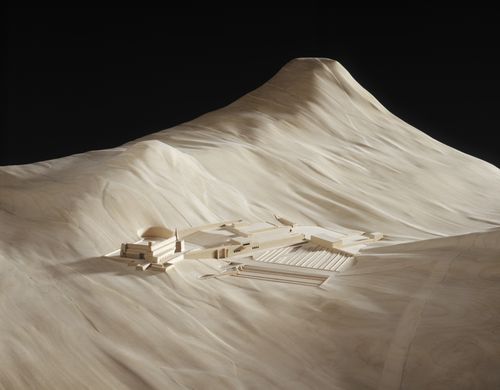
DR1995:0313
DR1995:0313
Personnes et institutions:
Date:
1995
1995
Titre:
Hypothetical study model of A.M. Johnson Desert Compound, Grapevine Canyon, California
Actions:
DR1995:0313
Hypothetical study model of A.M. Johnson Desert Compound, Grapevine Canyon, California
Actions:
DR1995:0313
Classification:
maquettes
maquettes
Date:
1995
1995
Personnes et institutions:
Classification:
dessins
dessins
Actions:
Numéro de référence:
DR1994:0040
DR1994:0040
Personnes et institutions:
Sujet:
architecture
architecture
Date:
1923
1923
Titre:
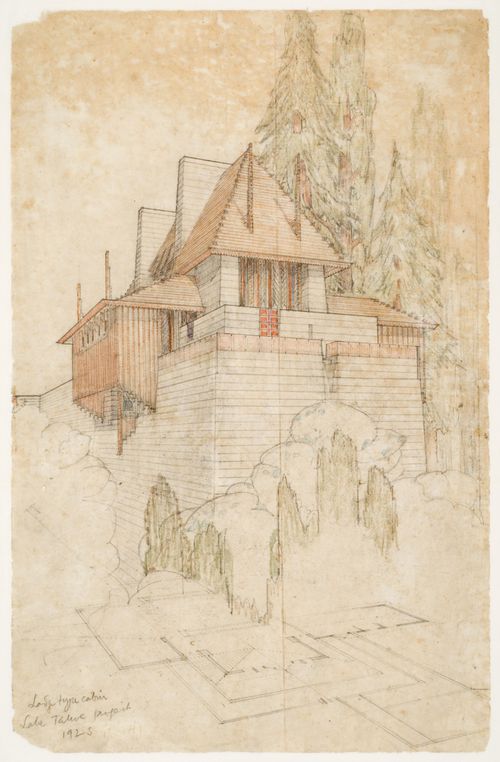
Lake Tahoe Summer Colony, California, Lodge Type Cabin. Perspective and plan
Actions:
DR1994:0040
Lake Tahoe Summer Colony, California, Lodge Type Cabin. Perspective and plan
Actions:
DR1994:0040
Classification:
dessins
dessins
Date:
1923
1923
Personnes et institutions:
Sujet:
architecture
architecture
Classification:
photographies
photographies
Actions:
Numéro de référence:
PH1996:0074
PH1996:0074
Personnes et institutions:
Sujet:
architecture, design d'intérieur
architecture, design d'intérieur
Date:
1995
1995
Titre:
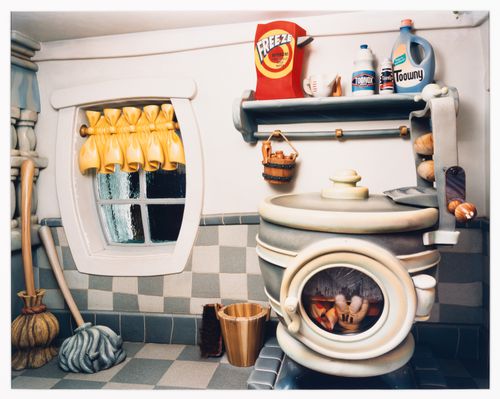
View of Mickey Mouse's laundry room, Mickey's Toontown, Disneyland, Anaheim, California
Actions:
PH1996:0074
View of Mickey Mouse's laundry room, Mickey's Toontown, Disneyland, Anaheim, California
Actions:
PH1996:0074
Classification:
photographies
photographies
Date:
1995
1995
Personnes et institutions:
Sujet:
architecture, design d'intérieur
architecture, design d'intérieur
Classification:
photographies
photographies
Titre:
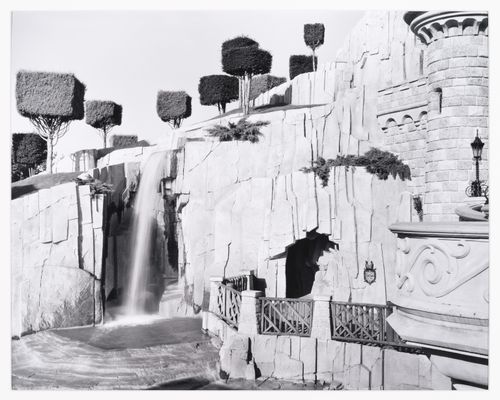
View of Fantasyland, Rockwork surrounding Sleeping Beauty Castle, Disneyland, Anaheim, California
View of Fantasyland, Rockwork surrounding Sleeping Beauty Castle, Disneyland, Anaheim, California
Actions:
Numéro de référence:
PH1996:0088
PH1996:0088
Personnes et institutions:
Sujet:
architecture, topographique
architecture, topographique
Date:
1995
1995
Titre:
View of Fantasyland, Rockwork surrounding Sleeping Beauty Castle, Disneyland, Anaheim, California
Actions:
PH1996:0088
View of Fantasyland, Rockwork surrounding Sleeping Beauty Castle, Disneyland, Anaheim, California
Actions:
PH1996:0088
Classification:
photographies
photographies
Date:
1995
1995
Personnes et institutions:
Sujet:
architecture, topographique
architecture, topographique
Classification:
photographies
photographies
Actions:
Numéro de référence:
PH1996:0089
PH1996:0089
Personnes et institutions:
Sujet:
architecture, design d'intérieur
architecture, design d'intérieur
Date:
1995
1995
Titre:
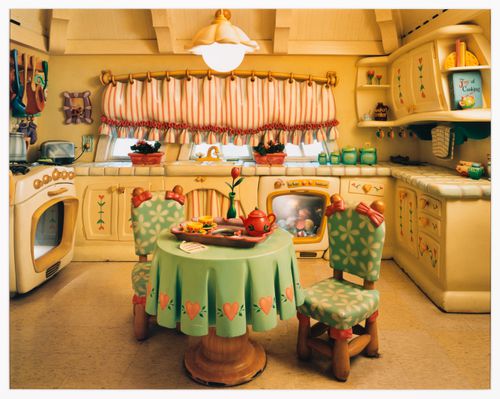
Interior view of Minnie Mouse's Kitchen, Disneyland, Anaheim, California, United States
Actions:
PH1996:0089
Interior view of Minnie Mouse's Kitchen, Disneyland, Anaheim, California, United States
Actions:
PH1996:0089
Classification:
photographies
photographies
Date:
1995
1995
Personnes et institutions:
Sujet:
architecture, design d'intérieur
architecture, design d'intérieur


