


13794 Résultats
Classification:
livres
livres
Actions:
Prix:
$60.95
(disponible sur commande)
Résumé:
Mussolini’s bold claims upon the monuments and rhetoric of ancient Rome have been the subject of a number of recent books. D. Medina Lasansky shows us a much less familiar side of the cultural politics of Italian Fascism, tracing its wide-ranging efforts to adapt the nation’s medieval and Renaissance heritage to satisfy the regime’s programs of national regeneration.(...)
$60.95
(disponible sur commande)
Résumé:
Mussolini’s bold claims upon the monuments and rhetoric of ancient Rome have been the subject of a number of recent books. D. Medina Lasansky shows us a much less familiar side of the cultural politics of Italian Fascism, tracing its wide-ranging efforts to adapt the nation’s medieval and Renaissance heritage to satisfy the regime’s programs of national regeneration.(...)
Titre:
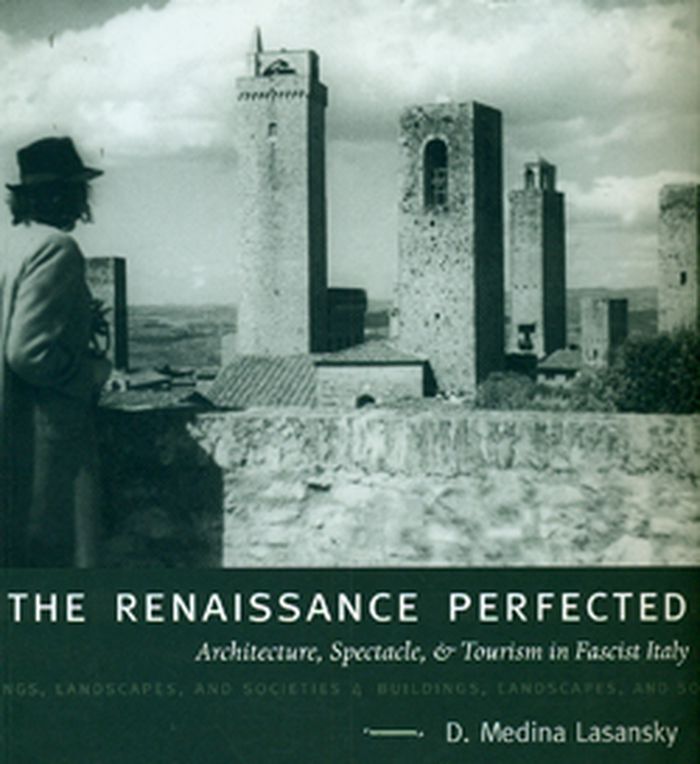
The Renaissance perfected: architecture, spectacle, and tourism in Fascist Italy
Actions:
Prix:
$60.95
(disponible sur commande)
Résumé:
Mussolini’s bold claims upon the monuments and rhetoric of ancient Rome have been the subject of a number of recent books. D. Medina Lasansky shows us a much less familiar side of the cultural politics of Italian Fascism, tracing its wide-ranging efforts to adapt the nation’s medieval and Renaissance heritage to satisfy the regime’s programs of national regeneration. Anyone acquainted with the beauties of Tuscany will be surprised to learn that architects, planners, and administrators working within Fascist programs fabricated much of what today’s tourists admire as authentic. Public squares, town halls, palaces, gardens, and civic rituals (including the famed palio of Siena) were all "restored" to suit a vision of the past shaped by Fascist notions of virile power, social order, and national achievement in the arts. Ultimately, Lasansky forces readers to question long-standing assumptions about the Renaissance even as she expands the parameters of what constitutes Fascist culture.The arguments in The Renaissance Perfected are based in fresh archival evidence and a rich collection of illustrations, many reproduced for the first time, ranging from photographs and architectural drawings to tourist posters and film stills. Lasansky’s groundbreaking book will be essential reading for students of medieval, Renaissance, and twentieth-century Italy as well as all those concerned with visual culture, architectural preservation, heritage studies, and tourism studies.
The Renaissance perfected: architecture, spectacle, and tourism in Fascist Italy
Actions:
Prix:
$60.95
(disponible sur commande)
Résumé:
Mussolini’s bold claims upon the monuments and rhetoric of ancient Rome have been the subject of a number of recent books. D. Medina Lasansky shows us a much less familiar side of the cultural politics of Italian Fascism, tracing its wide-ranging efforts to adapt the nation’s medieval and Renaissance heritage to satisfy the regime’s programs of national regeneration. Anyone acquainted with the beauties of Tuscany will be surprised to learn that architects, planners, and administrators working within Fascist programs fabricated much of what today’s tourists admire as authentic. Public squares, town halls, palaces, gardens, and civic rituals (including the famed palio of Siena) were all "restored" to suit a vision of the past shaped by Fascist notions of virile power, social order, and national achievement in the arts. Ultimately, Lasansky forces readers to question long-standing assumptions about the Renaissance even as she expands the parameters of what constitutes Fascist culture.The arguments in The Renaissance Perfected are based in fresh archival evidence and a rich collection of illustrations, many reproduced for the first time, ranging from photographs and architectural drawings to tourist posters and film stills. Lasansky’s groundbreaking book will be essential reading for students of medieval, Renaissance, and twentieth-century Italy as well as all those concerned with visual culture, architectural preservation, heritage studies, and tourism studies.
Classification:
livres
livres
Publication:
mai 2009
mai 2009
Sujet:
Théorie de l’architecture
Théorie de l’architecture
Classification:
livres
livres
Titre:
Cotton worldwide
Cotton worldwide
Actions:
Prix:
$60.00
(disponible sur commande)
Résumé:
Cotton is grown on every continent, in a broad range of environmental conditions and under widely disparate conditions of production. Hans Peter Jost has created a photographic portrait of cotton on his trips to India, China, Brazil, America, Uzbekistan, Mali, and Tanzania, documenting the lives and working conditions of cotton farmers and the cultivation, harvesting,(...)
$60.00
(disponible sur commande)
Résumé:
Cotton is grown on every continent, in a broad range of environmental conditions and under widely disparate conditions of production. Hans Peter Jost has created a photographic portrait of cotton on his trips to India, China, Brazil, America, Uzbekistan, Mali, and Tanzania, documenting the lives and working conditions of cotton farmers and the cultivation, harvesting,(...)
Titre:
Cotton worldwide
Actions:
Prix:
$60.00
(disponible sur commande)
Résumé:
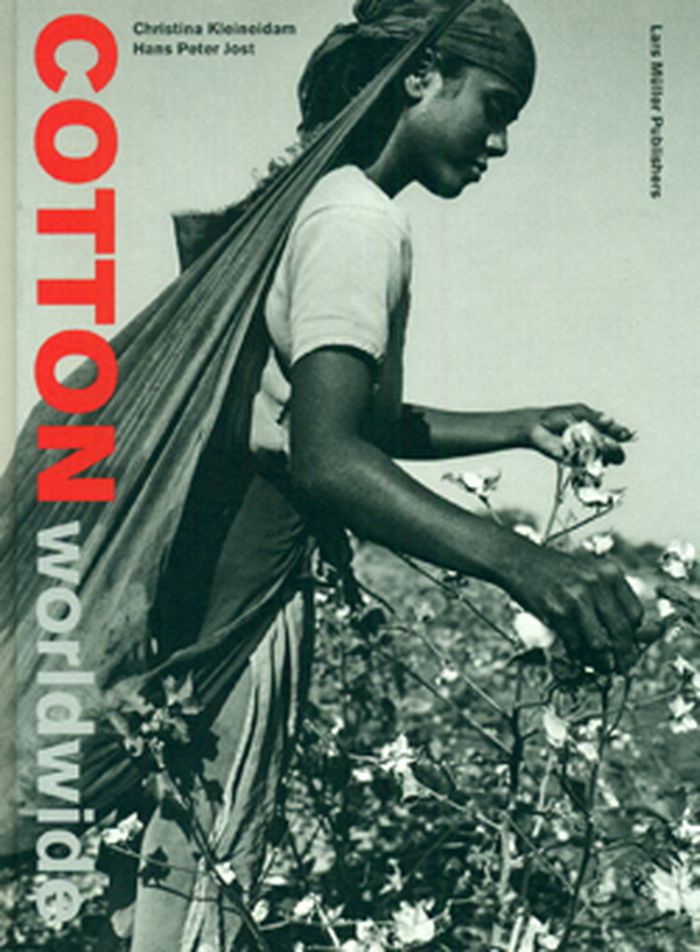
Cotton is grown on every continent, in a broad range of environmental conditions and under widely disparate conditions of production. Hans Peter Jost has created a photographic portrait of cotton on his trips to India, China, Brazil, America, Uzbekistan, Mali, and Tanzania, documenting the lives and working conditions of cotton farmers and the cultivation, harvesting, processing, and marketing of cotton. Christina Kleineidam, who accompanied the photographer on his travels, describes what they saw and offers background information on the specific problems of the individual countries.
Cotton worldwide
Actions:
Prix:
$60.00
(disponible sur commande)
Résumé:
Cotton is grown on every continent, in a broad range of environmental conditions and under widely disparate conditions of production. Hans Peter Jost has created a photographic portrait of cotton on his trips to India, China, Brazil, America, Uzbekistan, Mali, and Tanzania, documenting the lives and working conditions of cotton farmers and the cultivation, harvesting, processing, and marketing of cotton. Christina Kleineidam, who accompanied the photographer on his travels, describes what they saw and offers background information on the specific problems of the individual countries.
Classification:
livres
livres
Publication:
novembre 2009
novembre 2009
Sujet:
Théorie de l’architecture
Théorie de l’architecture
Classification:
livres
livres
Actions:
Prix:
$34.95
(disponible sur commande)
Résumé:
Les constructions paysagères du land art et les pratiques artistiques in situ, les réalisations d'architecture fluide et évolutive, les créations contemporaines dans le domaine du design sensoriel proposent, à partir d'une exploration de différents systèmes dynamiques, de nouvelles manières de fréquenter ou d'occuper un site, d'habiter ou de vivre l'espace. Elles font de(...)
$34.95
(disponible sur commande)
Résumé:
Les constructions paysagères du land art et les pratiques artistiques in situ, les réalisations d'architecture fluide et évolutive, les créations contemporaines dans le domaine du design sensoriel proposent, à partir d'une exploration de différents systèmes dynamiques, de nouvelles manières de fréquenter ou d'occuper un site, d'habiter ou de vivre l'espace. Elles font de(...)
Titre:
Expériences du lieu : architecture, paysage, design
Actions:
Prix:
$34.95
(disponible sur commande)
Résumé:
Les constructions paysagères du land art et les pratiques artistiques in situ, les réalisations d'architecture fluide et évolutive, les créations contemporaines dans le domaine du design sensoriel proposent, à partir d'une exploration de différents systèmes dynamiques, de nouvelles manières de fréquenter ou d'occuper un site, d'habiter ou de vivre l'espace. Elles font de la pratique du site et de l'investissement de l'espace architectural une expérience du lieu.
Expériences du lieu : architecture, paysage, design
Actions:
Prix:
$34.95
(disponible sur commande)
Résumé:
Les constructions paysagères du land art et les pratiques artistiques in situ, les réalisations d'architecture fluide et évolutive, les créations contemporaines dans le domaine du design sensoriel proposent, à partir d'une exploration de différents systèmes dynamiques, de nouvelles manières de fréquenter ou d'occuper un site, d'habiter ou de vivre l'espace. Elles font de la pratique du site et de l'investissement de l'espace architectural une expérience du lieu.
Classification:
livres
livres
Publication:
novembre 2008
novembre 2008
Sujet:
Théorie du paysage
Théorie du paysage
Classification:
livres
livres
Titre:
La comédie urbaine
La comédie urbaine
Actions:
Prix:
$77.95
(disponible sur commande)
Résumé:
Ce livre propose de voir et apprécier autrement les villes, de les regarder comme des œuvres collectives à l’évolution desquelles contribuent des concepteurs, certes, mais également une multitude d’autres acteurs. Comme le langage, la ville se transforme sans cesse et surprend toujours.Est-ce si grave ? Pas pour le promeneur qui, en chaque lieu ou presque, comme le(...)
$77.95
(disponible sur commande)
Résumé:
Ce livre propose de voir et apprécier autrement les villes, de les regarder comme des œuvres collectives à l’évolution desquelles contribuent des concepteurs, certes, mais également une multitude d’autres acteurs. Comme le langage, la ville se transforme sans cesse et surprend toujours.Est-ce si grave ? Pas pour le promeneur qui, en chaque lieu ou presque, comme le(...)
Titre:
La comédie urbaine
Actions:
Prix:
$77.95
(disponible sur commande)
Résumé:
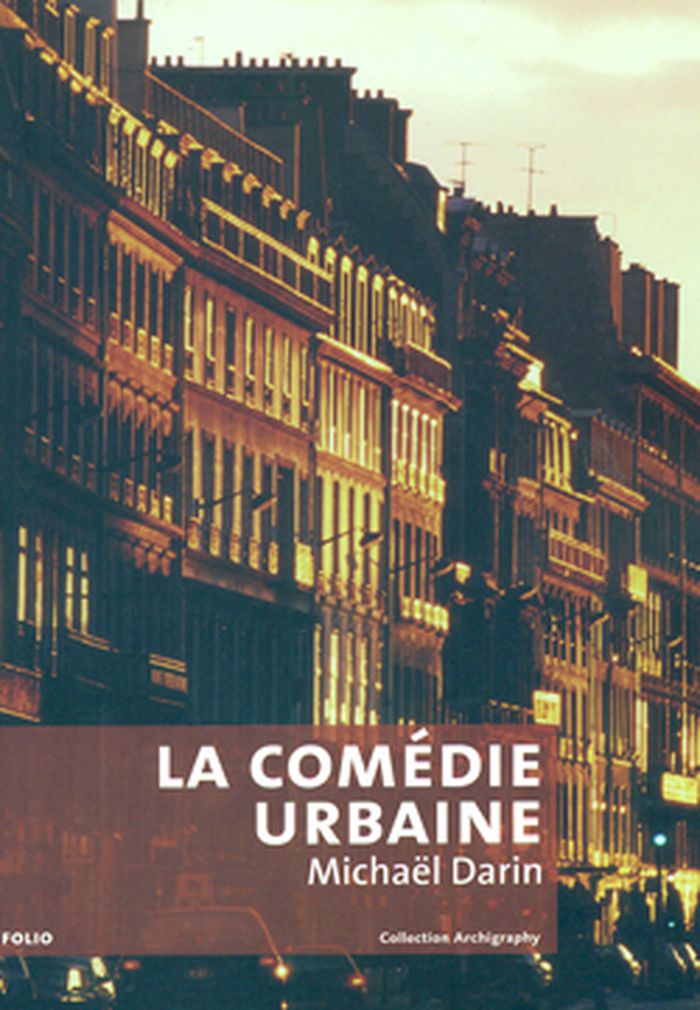
Ce livre propose de voir et apprécier autrement les villes, de les regarder comme des œuvres collectives à l’évolution desquelles contribuent des concepteurs, certes, mais également une multitude d’autres acteurs. Comme le langage, la ville se transforme sans cesse et surprend toujours.Est-ce si grave ? Pas pour le promeneur qui, en chaque lieu ou presque, comme le libertin de Kundera, est mu par « le désir de s’emparer de l’infi nie diversité du monde ». Surtout s’il ne projette pas sur les villes un idéal subjectif. Bien sûr, personne ne vit dans un état permanent de bien-être absolu. Mais chacun peut apprécier les moments où il est en paix avec la ville telle qu’elle est, malgré ce qu’elle est.
La comédie urbaine
Actions:
Prix:
$77.95
(disponible sur commande)
Résumé:
Ce livre propose de voir et apprécier autrement les villes, de les regarder comme des œuvres collectives à l’évolution desquelles contribuent des concepteurs, certes, mais également une multitude d’autres acteurs. Comme le langage, la ville se transforme sans cesse et surprend toujours.Est-ce si grave ? Pas pour le promeneur qui, en chaque lieu ou presque, comme le libertin de Kundera, est mu par « le désir de s’emparer de l’infi nie diversité du monde ». Surtout s’il ne projette pas sur les villes un idéal subjectif. Bien sûr, personne ne vit dans un état permanent de bien-être absolu. Mais chacun peut apprécier les moments où il est en paix avec la ville telle qu’elle est, malgré ce qu’elle est.
Classification:
livres
livres
Publication:
août 2009
août 2009
Sujet:
Théorie de l’urbanisme
Théorie de l’urbanisme
Classification:
livres
livres
Titre:
Imagines d'infrastructure
Imagines d'infrastructure
Actions:
Prix:
$35.95
(disponible sur commande)
Résumé:
Les infrastructures inscrivent sur le territoire des imaginaires réalisés de la ville, de la mobilité et des transports, un système de communication symbolique aussi puissant que les infrastructures matérielles. Cette dimension peu souvent approchée des infrastructures est investie par cet ouvrage. La culture mythologique, fictionnelle ou fantasmatique des(...)
$35.95
(disponible sur commande)
Résumé:
Les infrastructures inscrivent sur le territoire des imaginaires réalisés de la ville, de la mobilité et des transports, un système de communication symbolique aussi puissant que les infrastructures matérielles. Cette dimension peu souvent approchée des infrastructures est investie par cet ouvrage. La culture mythologique, fictionnelle ou fantasmatique des(...)
Titre:
Imagines d'infrastructure
Actions:
Prix:
$35.95
(disponible sur commande)
Résumé:
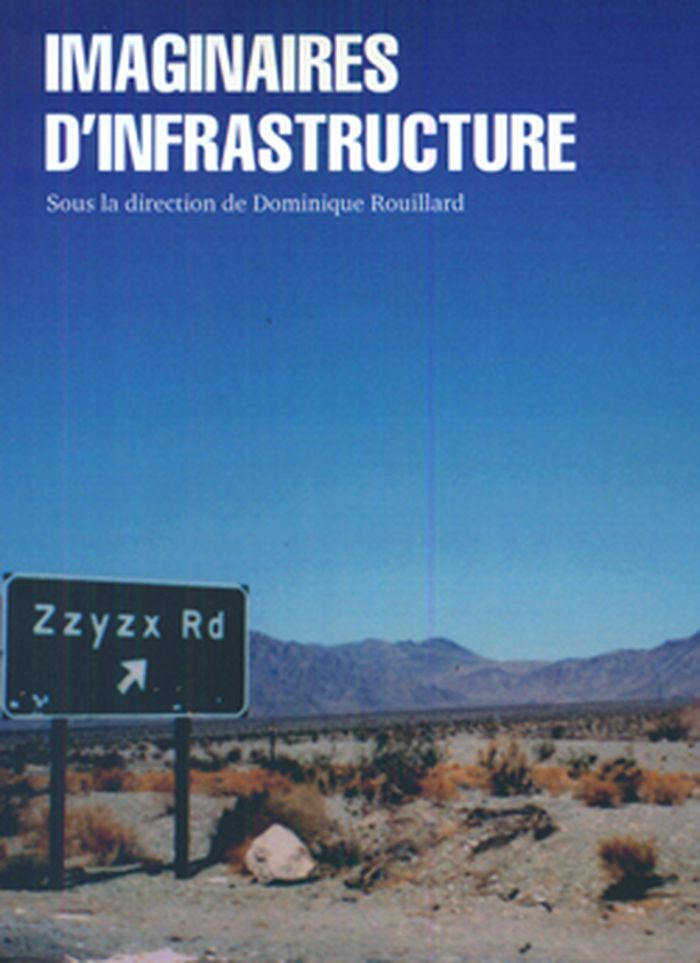
Les infrastructures inscrivent sur le territoire des imaginaires réalisés de la ville, de la mobilité et des transports, un système de communication symbolique aussi puissant que les infrastructures matérielles. Cette dimension peu souvent approchée des infrastructures est investie par cet ouvrage. La culture mythologique, fictionnelle ou fantasmatique des infrastructures s'explore dans l'analyse des productions filmiques et discursives, et dans les pratiques et expériences de la route que développe et exporte "en masse" la culture américaine d'après-guerre. La puissance de l'imaginaire infrastructurel se révèle dans ce qui lie l'infrastructure aux récits du futur, futurs des villes ou de l'architecture. Il n'y a alors pas de futur sans infrastructure. Approchées dans toutes les échelles de ses perceptions, passant de l'oeil à fouie avec les infrastructures sonores, du monument unique au réseau mondial des flagship, du symbole du progrès à un outil de communication de la société post-industrielle, de la présence dure et durable à la flexibilité, au détournement ou à l'adaptation, les infrastructures dessinent le paysage multicouche de notre environnement bâti, sensoriel et spectaculaire.
Imagines d'infrastructure
Actions:
Prix:
$35.95
(disponible sur commande)
Résumé:
Les infrastructures inscrivent sur le territoire des imaginaires réalisés de la ville, de la mobilité et des transports, un système de communication symbolique aussi puissant que les infrastructures matérielles. Cette dimension peu souvent approchée des infrastructures est investie par cet ouvrage. La culture mythologique, fictionnelle ou fantasmatique des infrastructures s'explore dans l'analyse des productions filmiques et discursives, et dans les pratiques et expériences de la route que développe et exporte "en masse" la culture américaine d'après-guerre. La puissance de l'imaginaire infrastructurel se révèle dans ce qui lie l'infrastructure aux récits du futur, futurs des villes ou de l'architecture. Il n'y a alors pas de futur sans infrastructure. Approchées dans toutes les échelles de ses perceptions, passant de l'oeil à fouie avec les infrastructures sonores, du monument unique au réseau mondial des flagship, du symbole du progrès à un outil de communication de la société post-industrielle, de la présence dure et durable à la flexibilité, au détournement ou à l'adaptation, les infrastructures dessinent le paysage multicouche de notre environnement bâti, sensoriel et spectaculaire.
Classification:
livres
livres
Publication:
novembre 2009
novembre 2009
Sujet:
Théorie de l’urbanisme
Théorie de l’urbanisme
Classification:
livres
livres
Titre:
Systems of survival
Systems of survival
Actions:
Prix:
$23.00
(disponible sur commande)
Résumé:
The author of The Death and Life of Great American Cities looks at business fraud and criminal enterprise, overextended government farm subsidies and zealous transit police, to show what happens when the moral systems of commerce collide with those of politics.
$23.00
(disponible sur commande)
Résumé:
The author of The Death and Life of Great American Cities looks at business fraud and criminal enterprise, overextended government farm subsidies and zealous transit police, to show what happens when the moral systems of commerce collide with those of politics.
Titre:
Systems of survival
Actions:
Prix:
$23.00
(disponible sur commande)
Résumé:
The author of The Death and Life of Great American Cities looks at business fraud and criminal enterprise, overextended government farm subsidies and zealous transit police, to show what happens when the moral systems of commerce collide with those of politics.
Systems of survival
Actions:
Prix:
$23.00
(disponible sur commande)
Résumé:
The author of The Death and Life of Great American Cities looks at business fraud and criminal enterprise, overextended government farm subsidies and zealous transit police, to show what happens when the moral systems of commerce collide with those of politics.
Classification:
livres
livres
Publication:
novembre 1994
novembre 1994
Sujet:
Théorie de l’urbanisme
Théorie de l’urbanisme
Classification:
livres
livres
Titre:
Femmes designers
Femmes designers
Actions:
Prix:
$89.95
(disponible sur commande)
Résumé:
Né à l'aube du XXe siècle, le design a grandi dans un monde masculin, celui de l'industrie, des ingénieurs et des architectes. Les femmes ont longtemps été les grandes absentes du secteur. Certaines ont pourtant joué un rôle clé dans l'histoire du mobilier et plus largement de l'habitat. Entre Rodin et Camille Claudel, on sait aujourd'hui faire la différence. Peut-on en(...)
$89.95
(disponible sur commande)
Résumé:
Né à l'aube du XXe siècle, le design a grandi dans un monde masculin, celui de l'industrie, des ingénieurs et des architectes. Les femmes ont longtemps été les grandes absentes du secteur. Certaines ont pourtant joué un rôle clé dans l'histoire du mobilier et plus largement de l'habitat. Entre Rodin et Camille Claudel, on sait aujourd'hui faire la différence. Peut-on en(...)
Titre:
Femmes designers
Actions:
Prix:
$89.95
(disponible sur commande)
Résumé:
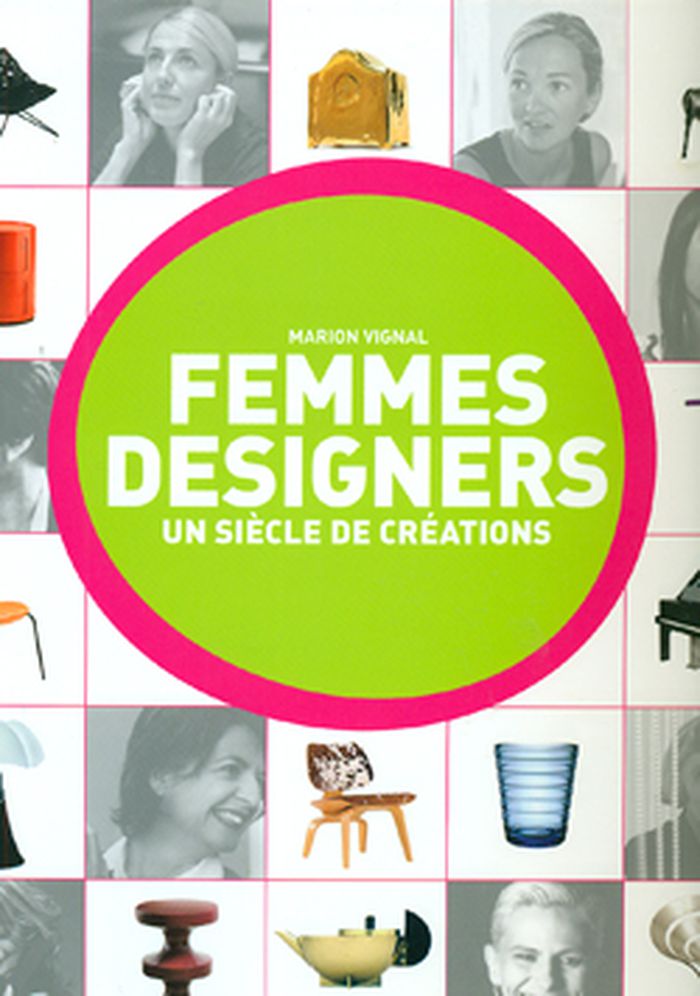
Né à l'aube du XXe siècle, le design a grandi dans un monde masculin, celui de l'industrie, des ingénieurs et des architectes. Les femmes ont longtemps été les grandes absentes du secteur. Certaines ont pourtant joué un rôle clé dans l'histoire du mobilier et plus largement de l'habitat. Entre Rodin et Camille Claudel, on sait aujourd'hui faire la différence. Peut-on en dire autant des pièces de Le Corbusier et de Charlotte Perriand ? Près d'un siècle plus tard, elles occupent le premier plan. Créatrices indépendantes, éditrices, galeristes, commissaires d'expositions, elles se sont emparées de la discipline à tous les niveaux. De Marianne Brandt, icône du Bauhaus, à Zaha Hadid en passant par Andrée Putman ou Matali Crasset, cet ouvrage passe en revue, à travers plus de 300 documents, les plus grands noms du design, de l'Art Nouveau à aujourd'hui.
Femmes designers
Actions:
Prix:
$89.95
(disponible sur commande)
Résumé:
Né à l'aube du XXe siècle, le design a grandi dans un monde masculin, celui de l'industrie, des ingénieurs et des architectes. Les femmes ont longtemps été les grandes absentes du secteur. Certaines ont pourtant joué un rôle clé dans l'histoire du mobilier et plus largement de l'habitat. Entre Rodin et Camille Claudel, on sait aujourd'hui faire la différence. Peut-on en dire autant des pièces de Le Corbusier et de Charlotte Perriand ? Près d'un siècle plus tard, elles occupent le premier plan. Créatrices indépendantes, éditrices, galeristes, commissaires d'expositions, elles se sont emparées de la discipline à tous les niveaux. De Marianne Brandt, icône du Bauhaus, à Zaha Hadid en passant par Andrée Putman ou Matali Crasset, cet ouvrage passe en revue, à travers plus de 300 documents, les plus grands noms du design, de l'Art Nouveau à aujourd'hui.
Classification:
livres
livres
Publication:
octobre 2009
octobre 2009
Sujet:
Théorie du design
Théorie du design
Classification:
livres
livres
Titre:
Qu'est-ce que le design?
Qu'est-ce que le design?
Actions:
Prix:
$69.95
(disponible sur commande)
Résumé:
Le premier livre sur l'évolution des objets et leurs liens avec l'histoire et la culture. Un long parcours, depuis la Grèce antique jusqu'au nouveau millénaire, pour comprendre l'univers du design. Dans cet ouvrage : les concepts de base, l'histoire, les écoles, les courants, les acteurs, le " monde " électronique.
$69.95
(disponible sur commande)
Résumé:
Le premier livre sur l'évolution des objets et leurs liens avec l'histoire et la culture. Un long parcours, depuis la Grèce antique jusqu'au nouveau millénaire, pour comprendre l'univers du design. Dans cet ouvrage : les concepts de base, l'histoire, les écoles, les courants, les acteurs, le " monde " électronique.
Titre:
Qu'est-ce que le design?
Actions:
Prix:
$69.95
(disponible sur commande)
Résumé:
Le premier livre sur l'évolution des objets et leurs liens avec l'histoire et la culture. Un long parcours, depuis la Grèce antique jusqu'au nouveau millénaire, pour comprendre l'univers du design. Dans cet ouvrage : les concepts de base, l'histoire, les écoles, les courants, les acteurs, le " monde " électronique.
Qu'est-ce que le design?
Actions:
Prix:
$69.95
(disponible sur commande)
Résumé:
Le premier livre sur l'évolution des objets et leurs liens avec l'histoire et la culture. Un long parcours, depuis la Grèce antique jusqu'au nouveau millénaire, pour comprendre l'univers du design. Dans cet ouvrage : les concepts de base, l'histoire, les écoles, les courants, les acteurs, le " monde " électronique.
Classification:
livres
livres
Publication:
octobre 2009
octobre 2009
Sujet:
Théorie du design
Théorie du design
Classification:
livres
livres
Titre:
Occasions
Occasions
Actions:
Prix:
$37.00
(disponible sur commande)
Résumé:
Josep Lluìs Mateo is one of Spain's most influential architects in architecture today. This book brings together his recent projects, his influences, his references together with material from interviews and a wealth of images. It is, in a nutshell, his work philosophy. Conversations, reflections and projects completed in the last five years are presented as realities(...)
$37.00
(disponible sur commande)
Résumé:
Josep Lluìs Mateo is one of Spain's most influential architects in architecture today. This book brings together his recent projects, his influences, his references together with material from interviews and a wealth of images. It is, in a nutshell, his work philosophy. Conversations, reflections and projects completed in the last five years are presented as realities(...)
Titre:
Occasions
Actions:
Prix:
$37.00
(disponible sur commande)
Résumé:
Josep Lluìs Mateo is one of Spain's most influential architects in architecture today. This book brings together his recent projects, his influences, his references together with material from interviews and a wealth of images. It is, in a nutshell, his work philosophy. Conversations, reflections and projects completed in the last five years are presented as realities and actions, interpreted through this concept, which can be contemplated as infinity of individual forms of contacting with reality and acting upon it. For Josep LluÃs Mateo, the crux of this work is to analyse, from the perspective of his unique work, the state of issues and situations today in architecture and to interact accordingly with exterior space.
Occasions
Actions:
Prix:
$37.00
(disponible sur commande)
Résumé:
Josep Lluìs Mateo is one of Spain's most influential architects in architecture today. This book brings together his recent projects, his influences, his references together with material from interviews and a wealth of images. It is, in a nutshell, his work philosophy. Conversations, reflections and projects completed in the last five years are presented as realities and actions, interpreted through this concept, which can be contemplated as infinity of individual forms of contacting with reality and acting upon it. For Josep LluÃs Mateo, the crux of this work is to analyse, from the perspective of his unique work, the state of issues and situations today in architecture and to interact accordingly with exterior space.
Classification:
livres
livres
Publication:
novembre 2009
novembre 2009
Sujet:
Théorie de l’architecture
Théorie de l’architecture
Classification:
livres
livres
Actions:
Prix:
$34.95
(disponible en magasin)
Résumé:
Medieval Renaissance Baroque celebrates Marilyn Aronberg Lavin's breakthrough achievements in both the print and digital realms of art and cultural history. Fifteen friends and colleagues present tributes and essays that reflect every facet of Lavin's brilliant career. Tribute presenters include Ellen Burstyn, Langdon Hammer, Phyllis Lambert, and James Marrow.(...)
$34.95
(disponible en magasin)
Résumé:
Medieval Renaissance Baroque celebrates Marilyn Aronberg Lavin's breakthrough achievements in both the print and digital realms of art and cultural history. Fifteen friends and colleagues present tributes and essays that reflect every facet of Lavin's brilliant career. Tribute presenters include Ellen Burstyn, Langdon Hammer, Phyllis Lambert, and James Marrow.(...)
Titre:
Medieval Renaissance Baroque: a cat's cradle in honor of Marilyn Aronberg Lavin
Actions:
Prix:
$34.95
(disponible en magasin)
Résumé:
Medieval Renaissance Baroque celebrates Marilyn Aronberg Lavin's breakthrough achievements in both the print and digital realms of art and cultural history. Fifteen friends and colleagues present tributes and essays that reflect every facet of Lavin's brilliant career. Tribute presenters include Ellen Burstyn, Langdon Hammer, Phyllis Lambert, and James Marrow. Contributors include Kirk Alexander, Horst Bredekamp, Nicola Courtright, David Freedberg, Jack Freiberg, Marc Fumaroli, David A. Levine, Daniel T. Michaels, Elizabeth Pilliod, Debra Pincus, and Gary Schwartz.
Medieval Renaissance Baroque: a cat's cradle in honor of Marilyn Aronberg Lavin
Actions:
Prix:
$34.95
(disponible en magasin)
Résumé:
Medieval Renaissance Baroque celebrates Marilyn Aronberg Lavin's breakthrough achievements in both the print and digital realms of art and cultural history. Fifteen friends and colleagues present tributes and essays that reflect every facet of Lavin's brilliant career. Tribute presenters include Ellen Burstyn, Langdon Hammer, Phyllis Lambert, and James Marrow. Contributors include Kirk Alexander, Horst Bredekamp, Nicola Courtright, David Freedberg, Jack Freiberg, Marc Fumaroli, David A. Levine, Daniel T. Michaels, Elizabeth Pilliod, Debra Pincus, and Gary Schwartz.
Classification:
livres
livres
Publication:
décembre 2009
décembre 2009
Sujet:
Théorie de l’art
Théorie de l’art


