


13794 Résultats
Classification:
livres
livres
Titre:
Looking through Duchamp's door, art and perspective in the work of Duchamp, Sugimoto, Jeff Wall
Looking through Duchamp's door, art and perspective in the work of Duchamp, Sugimoto, Jeff Wall
Actions:
Prix:
$60.00
(disponible sur commande)
Résumé:
In this new book by Hans Belting, three essays are united by one theme—the persistence of perspective after its supposed demise in the hands of modernism. Belting addresses perspective in the works of Marcel Duchamp, Hiroshi Sugimoto and Jeff Wall, in the process opening up new approaches to their work. According to Belting, the door that Marcel Duchamp installed for his(...)
$60.00
(disponible sur commande)
Résumé:
In this new book by Hans Belting, three essays are united by one theme—the persistence of perspective after its supposed demise in the hands of modernism. Belting addresses perspective in the works of Marcel Duchamp, Hiroshi Sugimoto and Jeff Wall, in the process opening up new approaches to their work. According to Belting, the door that Marcel Duchamp installed for his(...)
Titre:
Looking through Duchamp's door, art and perspective in the work of Duchamp, Sugimoto, Jeff Wall
Actions:
Prix:
$60.00
(disponible sur commande)
Résumé:
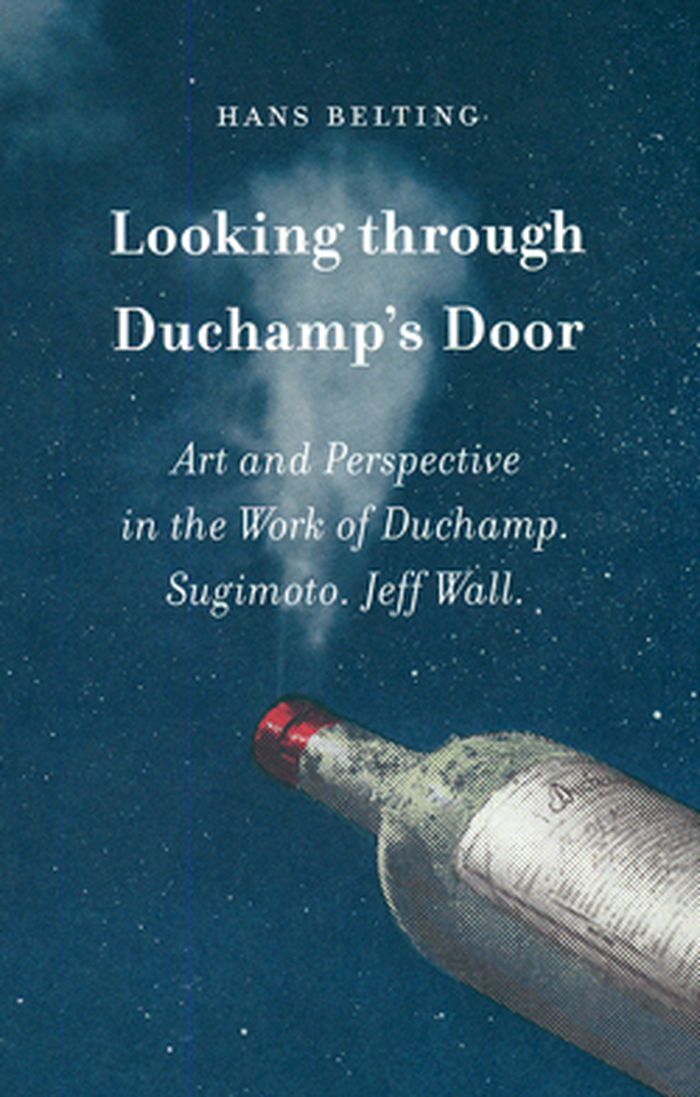
In this new book by Hans Belting, three essays are united by one theme—the persistence of perspective after its supposed demise in the hands of modernism. Belting addresses perspective in the works of Marcel Duchamp, Hiroshi Sugimoto and Jeff Wall, in the process opening up new approaches to their work. According to Belting, the door that Marcel Duchamp installed for his final masterpiece, “Etant Donnés” was a decisive touchstone for both Sugimoto and Wall in their formative years, and he demonstrates how they have referenced its maker many times since.
Looking through Duchamp's door, art and perspective in the work of Duchamp, Sugimoto, Jeff Wall
Actions:
Prix:
$60.00
(disponible sur commande)
Résumé:
In this new book by Hans Belting, three essays are united by one theme—the persistence of perspective after its supposed demise in the hands of modernism. Belting addresses perspective in the works of Marcel Duchamp, Hiroshi Sugimoto and Jeff Wall, in the process opening up new approaches to their work. According to Belting, the door that Marcel Duchamp installed for his final masterpiece, “Etant Donnés” was a decisive touchstone for both Sugimoto and Wall in their formative years, and he demonstrates how they have referenced its maker many times since.
Classification:
livres
livres
Publication:
février 2010
février 2010
Sujet:
Théorie de l’art
Théorie de l’art
Classification:
livres
livres
Actions:
Prix:
$72.00
(disponible sur commande)
Résumé:
Manifesto Marathon is the third in Hans Ulrich Obrist's series of Marathon events at London's Serpentine Gallery. Coming at a moment when manifestos, having ceased to spearhead artistic movements, seem ripe for reinvention, Manifesto Marathon collects statements and declarations of all kinds from artists and contributors from the worlds of literature, design, science,(...)
$72.00
(disponible sur commande)
Résumé:
Manifesto Marathon is the third in Hans Ulrich Obrist's series of Marathon events at London's Serpentine Gallery. Coming at a moment when manifestos, having ceased to spearhead artistic movements, seem ripe for reinvention, Manifesto Marathon collects statements and declarations of all kinds from artists and contributors from the worlds of literature, design, science,(...)
Titre:
Manifesto Marathon, Serpentine Gallery
Actions:
Prix:
$72.00
(disponible sur commande)
Résumé:
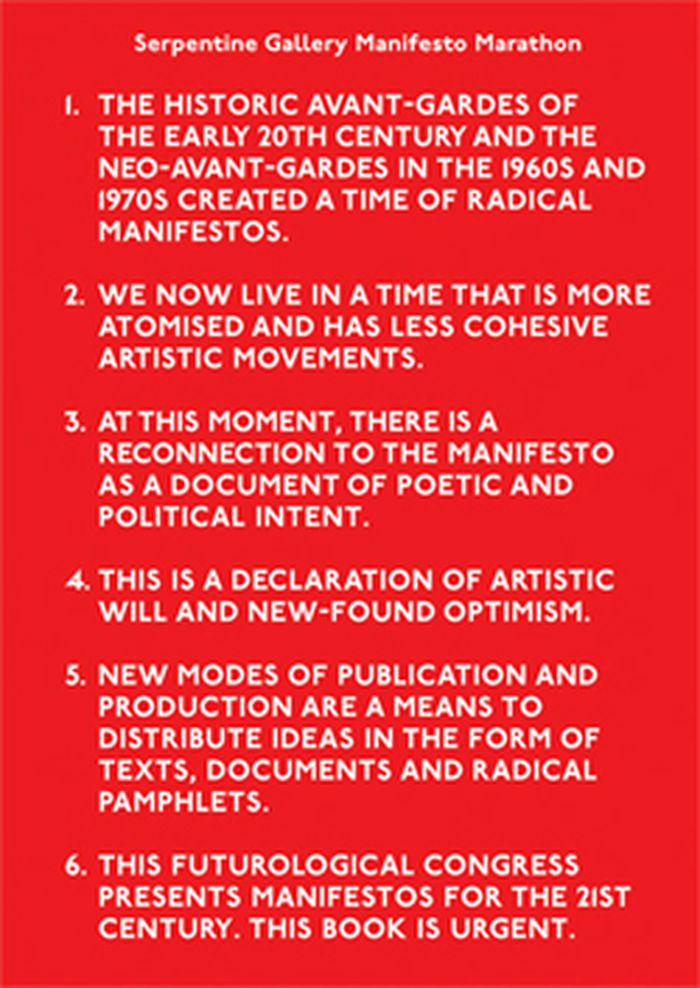
Manifesto Marathon is the third in Hans Ulrich Obrist's series of Marathon events at London's Serpentine Gallery. Coming at a moment when manifestos, having ceased to spearhead artistic movements, seem ripe for reinvention, Manifesto Marathon collects statements and declarations of all kinds from artists and contributors from the worlds of literature, design, science, philosophy, music and film. Highlights include Nicolas Bourriaud's “Altermodern,” Paul Chan's “Sex and the New Way, V.I.,” Jimmie Durham's “No More Silly Hats,” Fritz Haeg's “London : A Manifesto From Your Animals,” David Hockney's “Manifesto for Smoking,” Adam Pendleton's “Black Dada,” Agnès Varda's “What To Do?,” Ben Vautier's “I Don't Know What To Do,” Ai Wewei's “Despicable Things,” Vivienne Westwood's “AR,” Lebbeus Woods' “Slow Manifesto,” plus interviews with Eric Hobsbawm and Tino Sehgal, and photographs from the event.
Manifesto Marathon, Serpentine Gallery
Actions:
Prix:
$72.00
(disponible sur commande)
Résumé:
Manifesto Marathon is the third in Hans Ulrich Obrist's series of Marathon events at London's Serpentine Gallery. Coming at a moment when manifestos, having ceased to spearhead artistic movements, seem ripe for reinvention, Manifesto Marathon collects statements and declarations of all kinds from artists and contributors from the worlds of literature, design, science, philosophy, music and film. Highlights include Nicolas Bourriaud's “Altermodern,” Paul Chan's “Sex and the New Way, V.I.,” Jimmie Durham's “No More Silly Hats,” Fritz Haeg's “London : A Manifesto From Your Animals,” David Hockney's “Manifesto for Smoking,” Adam Pendleton's “Black Dada,” Agnès Varda's “What To Do?,” Ben Vautier's “I Don't Know What To Do,” Ai Wewei's “Despicable Things,” Vivienne Westwood's “AR,” Lebbeus Woods' “Slow Manifesto,” plus interviews with Eric Hobsbawm and Tino Sehgal, and photographs from the event.
Classification:
livres
livres
Publication:
mars 2010
mars 2010
Sujet:
Théorie de l’art
Théorie de l’art
Classification:
livres
livres
Actions:
Prix:
$22.00
(disponible sur commande)
Résumé:
Through a carefully edited selection from a voluminous correspondence, A Model of Order tracks the unique arc of Finlay's development, from poet writing in Scots dialect, to Concrete poet, toymaker and deviser of poems and inscriptions in glass, wood and stone, installed in parks and gardens. The title derives from Finlay's famous definition of Concrete poetry as “a model(...)
$22.00
(disponible sur commande)
Résumé:
Through a carefully edited selection from a voluminous correspondence, A Model of Order tracks the unique arc of Finlay's development, from poet writing in Scots dialect, to Concrete poet, toymaker and deviser of poems and inscriptions in glass, wood and stone, installed in parks and gardens. The title derives from Finlay's famous definition of Concrete poetry as “a model(...)
Titre:
Ian Hamilton Finlay: a model of order
Actions:
Prix:
$22.00
(disponible sur commande)
Résumé:
Through a carefully edited selection from a voluminous correspondence, A Model of Order tracks the unique arc of Finlay's development, from poet writing in Scots dialect, to Concrete poet, toymaker and deviser of poems and inscriptions in glass, wood and stone, installed in parks and gardens. The title derives from Finlay's famous definition of Concrete poetry as “a model of order, even if set in a space which is full of doubt,” a definition conceived in correspondence with poet Pierre Garnier. Poet and editor Thomas A. Clark's selection of Finlay's letters—to Louis Zukofsky, Robert Creeley and Ernst Jandl among others—explicates a rigorous and moral vision of the act of making.
Ian Hamilton Finlay: a model of order
Actions:
Prix:
$22.00
(disponible sur commande)
Résumé:
Through a carefully edited selection from a voluminous correspondence, A Model of Order tracks the unique arc of Finlay's development, from poet writing in Scots dialect, to Concrete poet, toymaker and deviser of poems and inscriptions in glass, wood and stone, installed in parks and gardens. The title derives from Finlay's famous definition of Concrete poetry as “a model of order, even if set in a space which is full of doubt,” a definition conceived in correspondence with poet Pierre Garnier. Poet and editor Thomas A. Clark's selection of Finlay's letters—to Louis Zukofsky, Robert Creeley and Ernst Jandl among others—explicates a rigorous and moral vision of the act of making.
Classification:
livres
livres
Publication:
février 2010
février 2010
Sujet:
Théorie du paysage
Théorie du paysage
Classification:
livres
livres
Titre:
L'espace public
L'espace public
Actions:
Prix:
$14.95
(disponible sur commande)
Résumé:
Au singulier, l'espace public désigne la sphère du débat politique, la publicité des opinions privées, qui participent à la vie commune en devenant publiques. Au pluriel, les espaces publics, depuis une trentaine d'années en France, correspondent au réseau viaire, rues et boulevards, places et parvis, parcs et jardins, bref à toutes les voies de circulation qui sont(...)
$14.95
(disponible sur commande)
Résumé:
Au singulier, l'espace public désigne la sphère du débat politique, la publicité des opinions privées, qui participent à la vie commune en devenant publiques. Au pluriel, les espaces publics, depuis une trentaine d'années en France, correspondent au réseau viaire, rues et boulevards, places et parvis, parcs et jardins, bref à toutes les voies de circulation qui sont(...)
Titre:
L'espace public
Actions:
Prix:
$14.95
(disponible sur commande)
Résumé:
Au singulier, l'espace public désigne la sphère du débat politique, la publicité des opinions privées, qui participent à la vie commune en devenant publiques. Au pluriel, les espaces publics, depuis une trentaine d'années en France, correspondent au réseau viaire, rues et boulevards, places et parvis, parcs et jardins, bref à toutes les voies de circulation qui sont ouvertes au public. Les deux ont, par conséquent, à voir avec la communication. La mondialisation de l'économie capitaliste, la révolution communicationnelle, la mutation des supports médiatiques, le déploiement de la vidéosurveillance, la construction de murs, la privatisation de nombreux territoires urbains " effacent " les espaces publics, entravant ainsi l'émergence d'expériences alternatives. L'urbanisation planétaire, avec les centres commerciaux, le tourisme de masse, le mobilier urbain, les enclaves sécurisées, etc., transforme les usages des espaces publics et les uniformise. Pourtant, des résistances se manifestent et associent aux espaces publics, gratuits et accessibles, l'esprit de la ville.
L'espace public
Actions:
Prix:
$14.95
(disponible sur commande)
Résumé:
Au singulier, l'espace public désigne la sphère du débat politique, la publicité des opinions privées, qui participent à la vie commune en devenant publiques. Au pluriel, les espaces publics, depuis une trentaine d'années en France, correspondent au réseau viaire, rues et boulevards, places et parvis, parcs et jardins, bref à toutes les voies de circulation qui sont ouvertes au public. Les deux ont, par conséquent, à voir avec la communication. La mondialisation de l'économie capitaliste, la révolution communicationnelle, la mutation des supports médiatiques, le déploiement de la vidéosurveillance, la construction de murs, la privatisation de nombreux territoires urbains " effacent " les espaces publics, entravant ainsi l'émergence d'expériences alternatives. L'urbanisation planétaire, avec les centres commerciaux, le tourisme de masse, le mobilier urbain, les enclaves sécurisées, etc., transforme les usages des espaces publics et les uniformise. Pourtant, des résistances se manifestent et associent aux espaces publics, gratuits et accessibles, l'esprit de la ville.
Classification:
livres
livres
Publication:
février 2010
février 2010
Sujet:
Théorie de l’urbanisme
Théorie de l’urbanisme
Classification:
livres
livres

Actions:
Prix:
$69.95
(disponible sur commande)
Résumé:
Partie de rien en 1830, Chicago a longtemps figuré comme l'une des villes les plus dynamiques des Etats-Unis. De la Columbian World's Fair de 1893, quand Chicago se rêve une ville blanche et revendique son rang de grande métropole à l'exposition A Century of Progress de 1934 qui vise à asseoir sa modernité, prennent place une série de transformations que traque Jean Castex.
$69.95
(disponible sur commande)
Résumé:
Partie de rien en 1830, Chicago a longtemps figuré comme l'une des villes les plus dynamiques des Etats-Unis. De la Columbian World's Fair de 1893, quand Chicago se rêve une ville blanche et revendique son rang de grande métropole à l'exposition A Century of Progress de 1934 qui vise à asseoir sa modernité, prennent place une série de transformations que traque Jean Castex.
Titre:
Chicago 1910-1993: le chantier de la ville moderne
Actions:
Prix:
$69.95
(disponible sur commande)
Résumé:
Partie de rien en 1830, Chicago a longtemps figuré comme l'une des villes les plus dynamiques des Etats-Unis. De la Columbian World's Fair de 1893, quand Chicago se rêve une ville blanche et revendique son rang de grande métropole à l'exposition A Century of Progress de 1934 qui vise à asseoir sa modernité, prennent place une série de transformations que traque Jean Castex.
Chicago 1910-1993: le chantier de la ville moderne
Actions:
Prix:
$69.95
(disponible sur commande)
Résumé:
Partie de rien en 1830, Chicago a longtemps figuré comme l'une des villes les plus dynamiques des Etats-Unis. De la Columbian World's Fair de 1893, quand Chicago se rêve une ville blanche et revendique son rang de grande métropole à l'exposition A Century of Progress de 1934 qui vise à asseoir sa modernité, prennent place une série de transformations que traque Jean Castex.
Classification:
livres
livres
Publication:
janvier 2010
janvier 2010
Sujet:
Théorie de l’urbanisme
Théorie de l’urbanisme
Classification:
livres
livres
Prix:
$40.00
(disponible en magasin)
Résumé:
The British architect Cedric Price (1934-2003) completed relatively few buildings, but through his drawings, proposals, teachings and conversations, he exerted an enormous influence across many disciplines. For Price, architecture was an instrument towards social and pedagogical growth, and not an aesthetic gesture in itself. His two most famous structures of the early(...)
$40.00
(disponible en magasin)
Résumé:
The British architect Cedric Price (1934-2003) completed relatively few buildings, but through his drawings, proposals, teachings and conversations, he exerted an enormous influence across many disciplines. For Price, architecture was an instrument towards social and pedagogical growth, and not an aesthetic gesture in itself. His two most famous structures of the early(...)
Titre:
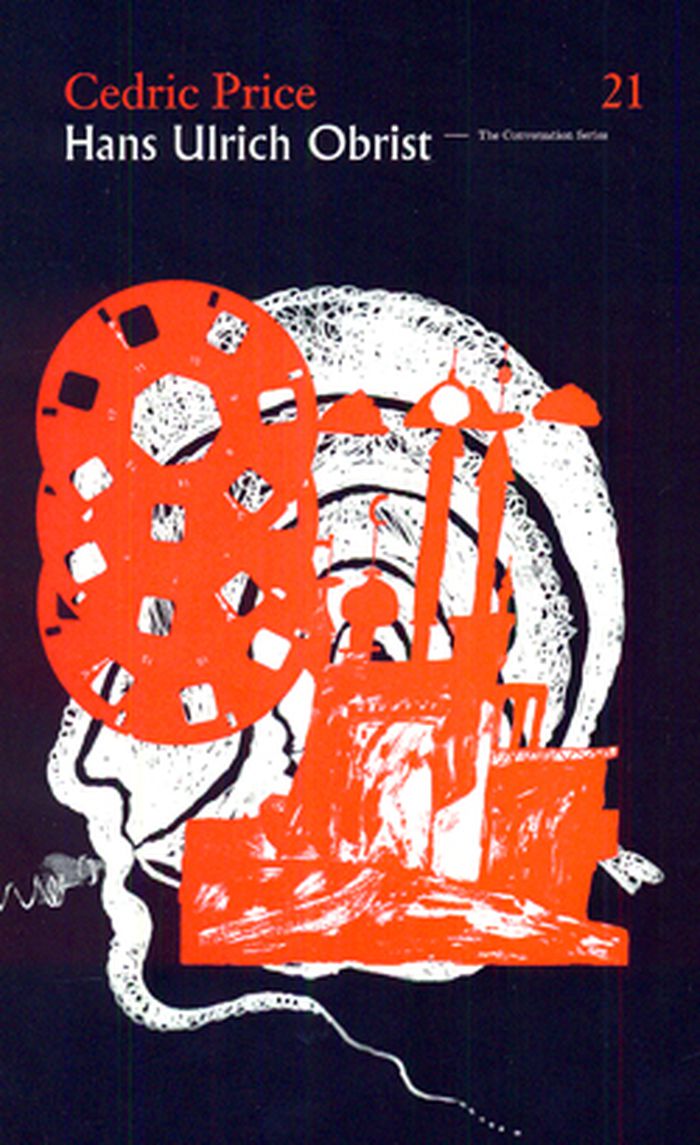
Hans Ulrich Obrist & Cedric Price: The conversation series
Actions:
Prix:
$40.00
(disponible en magasin)
Résumé:
The British architect Cedric Price (1934-2003) completed relatively few buildings, but through his drawings, proposals, teachings and conversations, he exerted an enormous influence across many disciplines. For Price, architecture was an instrument towards social and pedagogical growth, and not an aesthetic gesture in itself. His two most famous structures of the early 1960s, the Fun Palace (1961) and the Potteries Thinkbelt (1964) were both intended to foster social cohesion, and were executed as short-term structures. Hans Ulrich Obrist met the great visionary and architectural theorist several times between 1999 and his death in 2003, and spoke with him about his ideas and his most important projects.
Hans Ulrich Obrist & Cedric Price: The conversation series
Actions:
Prix:
$40.00
(disponible en magasin)
Résumé:
The British architect Cedric Price (1934-2003) completed relatively few buildings, but through his drawings, proposals, teachings and conversations, he exerted an enormous influence across many disciplines. For Price, architecture was an instrument towards social and pedagogical growth, and not an aesthetic gesture in itself. His two most famous structures of the early 1960s, the Fun Palace (1961) and the Potteries Thinkbelt (1964) were both intended to foster social cohesion, and were executed as short-term structures. Hans Ulrich Obrist met the great visionary and architectural theorist several times between 1999 and his death in 2003, and spoke with him about his ideas and his most important projects.
Classification:
livres
livres
Publication:
mars 2010
mars 2010
Sujet:
Théorie de l’architecture
Théorie de l’architecture
Classification:
livres
livres
Prix:
$31.00
(disponible sur commande)
Résumé:
Hans Ulrich Obrist has been a staunch supporter of the Los Angeles maestro of Conceptualism John Baldessari from early on in his career. For these conversations, the artist and curator were joined by, among others, the Uruguayan artist and author Alejandro Cesarco, a friend and previous public interlocutor of Baldessari's. Baldessari himself offers readers insight into(...)
$31.00
(disponible sur commande)
Résumé:
Hans Ulrich Obrist has been a staunch supporter of the Los Angeles maestro of Conceptualism John Baldessari from early on in his career. For these conversations, the artist and curator were joined by, among others, the Uruguayan artist and author Alejandro Cesarco, a friend and previous public interlocutor of Baldessari's. Baldessari himself offers readers insight into(...)
Titre:
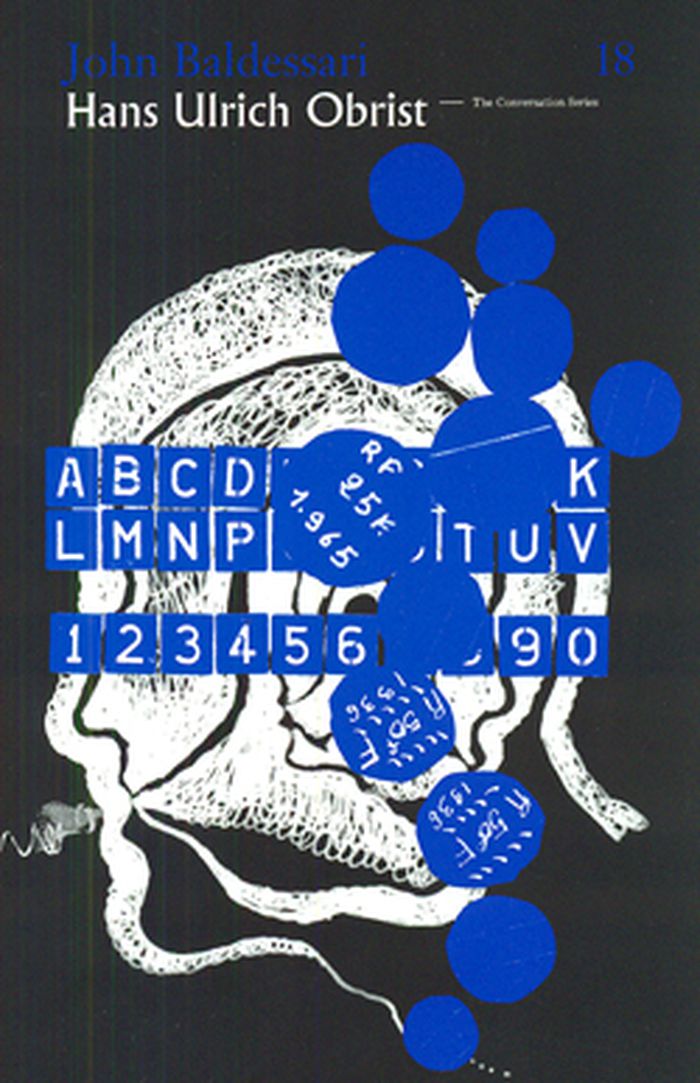
Hans Ulrich Obrist & John Baldessari: The conversation series
Actions:
Prix:
$31.00
(disponible sur commande)
Résumé:
Hans Ulrich Obrist has been a staunch supporter of the Los Angeles maestro of Conceptualism John Baldessari from early on in his career. For these conversations, the artist and curator were joined by, among others, the Uruguayan artist and author Alejandro Cesarco, a friend and previous public interlocutor of Baldessari's. Baldessari himself offers readers insight into the motives and semiotics of his multimedia work and his life as an artist, always expressing himself with precision and with wit.
Hans Ulrich Obrist & John Baldessari: The conversation series
Actions:
Prix:
$31.00
(disponible sur commande)
Résumé:
Hans Ulrich Obrist has been a staunch supporter of the Los Angeles maestro of Conceptualism John Baldessari from early on in his career. For these conversations, the artist and curator were joined by, among others, the Uruguayan artist and author Alejandro Cesarco, a friend and previous public interlocutor of Baldessari's. Baldessari himself offers readers insight into the motives and semiotics of his multimedia work and his life as an artist, always expressing himself with precision and with wit.
Classification:
livres
livres
Publication:
février 2010
février 2010
Sujet:
Théorie de l’art
Théorie de l’art
Classification:
livres
livres
Titre:
Visionary cities
Visionary cities
Actions:
Prix:
$25.00
(disponible sur commande)
Résumé:
Recognizing that our civic responsibilities towards our environments have drastically increased, Visionary Cities ambitiously sets the agenda for the city of the future. Amid crippling bureaucracies and economic crises, present-day thinking on city design remains woefully inadequate, and this first publication in NAi's Future Cities Series announces 12 civic issues that(...)
$25.00
(disponible sur commande)
Résumé:
Recognizing that our civic responsibilities towards our environments have drastically increased, Visionary Cities ambitiously sets the agenda for the city of the future. Amid crippling bureaucracies and economic crises, present-day thinking on city design remains woefully inadequate, and this first publication in NAi's Future Cities Series announces 12 civic issues that(...)
Titre:
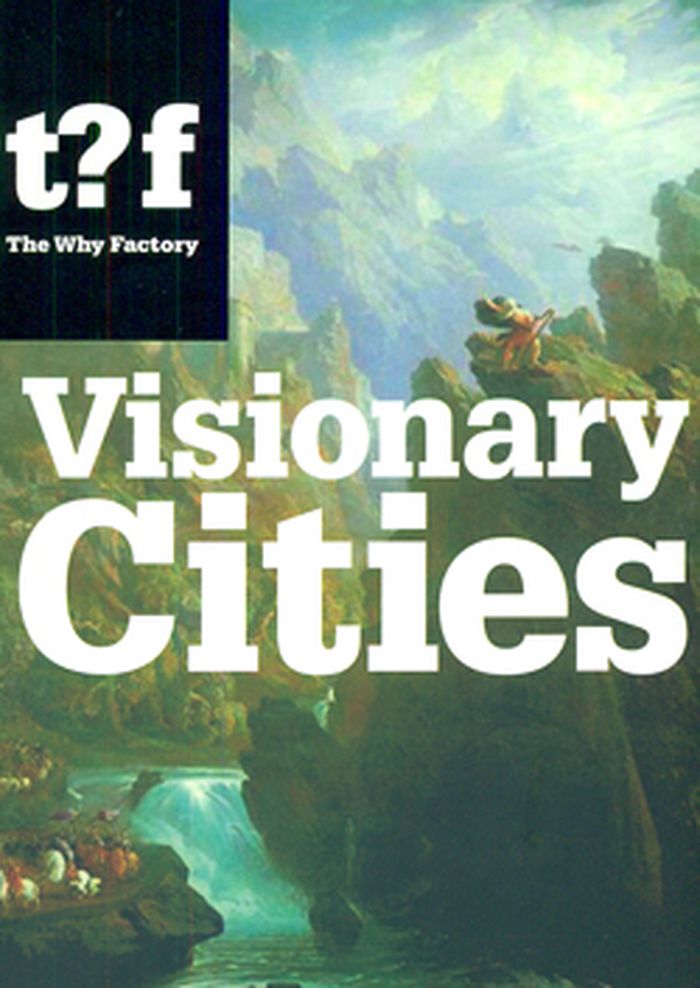
Visionary cities
Actions:
Prix:
$25.00
(disponible sur commande)
Résumé:
Recognizing that our civic responsibilities towards our environments have drastically increased, Visionary Cities ambitiously sets the agenda for the city of the future. Amid crippling bureaucracies and economic crises, present-day thinking on city design remains woefully inadequate, and this first publication in NAi's Future Cities Series announces 12 civic issues that are in need of transformation through the researches of The Why Factory, a global urban-studies thinktank operated in part by the Delft University of Technology. These issues include: “The Solitary (Our Dreams are Undermining the City)”; “The Iconic (Our Idols Have Been Compromised)”; “The Fun (We Are Having Too Much Fun)”; “The Cautious (Being Careful Is Killing Us)”; “The Poor (Slums Are Growing Bigger Than The Cities They Are Part Of”; and “The Future (Our Future Is Being Imagined Without Us).” A howl against civic impotence and the apathy of citizens in the face of incompetence and decay, Visionary Cities makes a manifesto of these and other topics to loudly demand large-scale change on a collective rather than individual level. In an afterword, Winy Maas, of the innovative Dutch architecture firm MVRDV, argues that architecture possesses a visionary dimension waiting to be applied to the cities of the future.
Visionary cities
Actions:
Prix:
$25.00
(disponible sur commande)
Résumé:
Recognizing that our civic responsibilities towards our environments have drastically increased, Visionary Cities ambitiously sets the agenda for the city of the future. Amid crippling bureaucracies and economic crises, present-day thinking on city design remains woefully inadequate, and this first publication in NAi's Future Cities Series announces 12 civic issues that are in need of transformation through the researches of The Why Factory, a global urban-studies thinktank operated in part by the Delft University of Technology. These issues include: “The Solitary (Our Dreams are Undermining the City)”; “The Iconic (Our Idols Have Been Compromised)”; “The Fun (We Are Having Too Much Fun)”; “The Cautious (Being Careful Is Killing Us)”; “The Poor (Slums Are Growing Bigger Than The Cities They Are Part Of”; and “The Future (Our Future Is Being Imagined Without Us).” A howl against civic impotence and the apathy of citizens in the face of incompetence and decay, Visionary Cities makes a manifesto of these and other topics to loudly demand large-scale change on a collective rather than individual level. In an afterword, Winy Maas, of the innovative Dutch architecture firm MVRDV, argues that architecture possesses a visionary dimension waiting to be applied to the cities of the future.
Classification:
livres
livres
Publication:
mars 2010
mars 2010
Sujet:
Théorie de l’urbanisme
Théorie de l’urbanisme
Classification:
livres
livres
Actions:
Prix:
$66.00
(disponible sur commande)
Résumé:
This book presents the results of a unique study of the period following the demise of the textile industry across cities in the Netherlands, Belgium, Germany, England, Finland, France, Italy and Poland. The research focuses on the solutions these cities have conceived to recover from today's outsource economy. In a variety of case studies, this book stimulates discussion(...)
$66.00
(disponible sur commande)
Résumé:
This book presents the results of a unique study of the period following the demise of the textile industry across cities in the Netherlands, Belgium, Germany, England, Finland, France, Italy and Poland. The research focuses on the solutions these cities have conceived to recover from today's outsource economy. In a variety of case studies, this book stimulates discussion(...)
Titre:
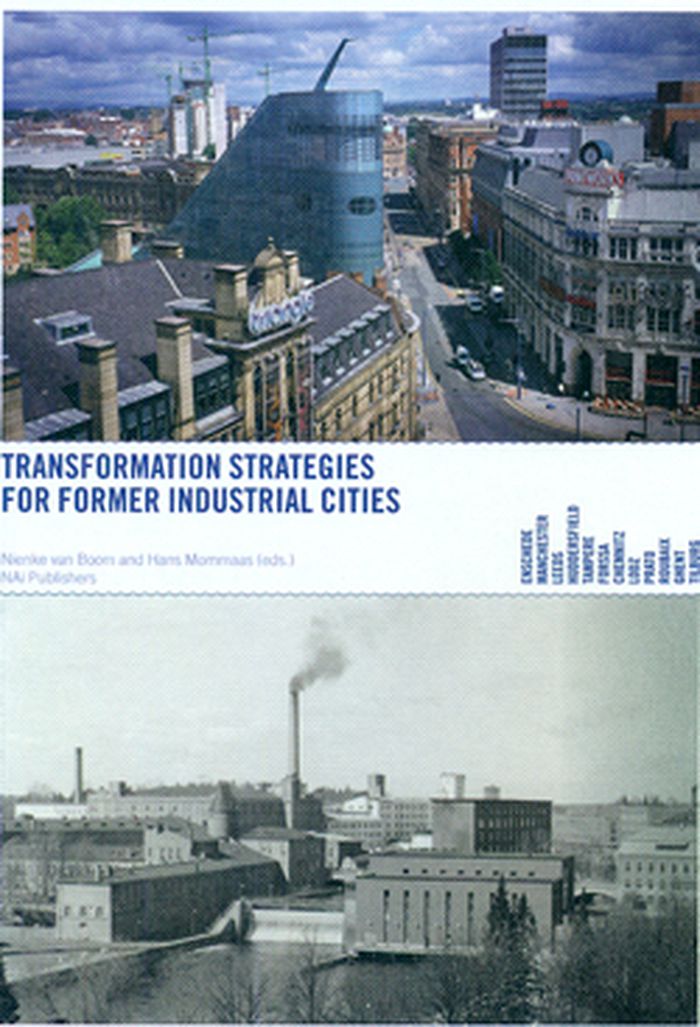
Comeback cities: transformation strategies for former industrial cities
Actions:
Prix:
$66.00
(disponible sur commande)
Résumé:
This book presents the results of a unique study of the period following the demise of the textile industry across cities in the Netherlands, Belgium, Germany, England, Finland, France, Italy and Poland. The research focuses on the solutions these cities have conceived to recover from today's outsource economy. In a variety of case studies, this book stimulates discussion on urban revitalization and international cooperation. Alongside this research, the book surveys the worldwide debate on this topic, and is richly illustrated with photographs.
Comeback cities: transformation strategies for former industrial cities
Actions:
Prix:
$66.00
(disponible sur commande)
Résumé:
This book presents the results of a unique study of the period following the demise of the textile industry across cities in the Netherlands, Belgium, Germany, England, Finland, France, Italy and Poland. The research focuses on the solutions these cities have conceived to recover from today's outsource economy. In a variety of case studies, this book stimulates discussion on urban revitalization and international cooperation. Alongside this research, the book surveys the worldwide debate on this topic, and is richly illustrated with photographs.
Classification:
livres
livres
Publication:
mars 2010
mars 2010
Sujet:
Théorie de l’urbanisme
Théorie de l’urbanisme
Classification:
livres
livres
Titre:
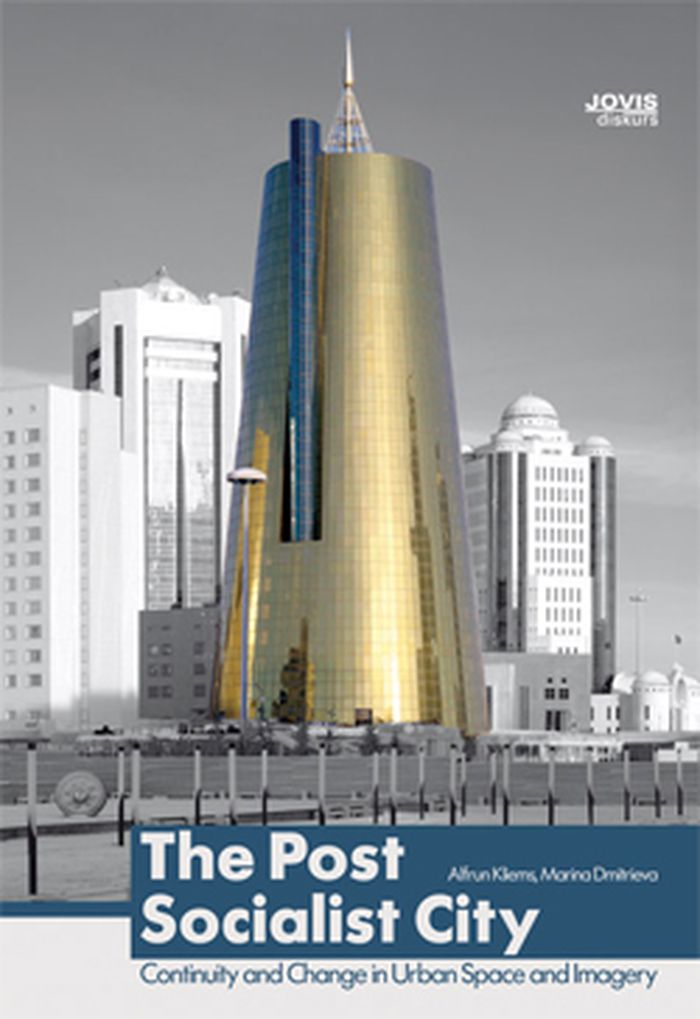
The post-socialist city
The post-socialist city
Actions:
Prix:
$54.00
(disponible sur commande)
Résumé:
The socialist ideals of the early twentieth century argued for a radical overhaul of architectural philosophy, reasserting the value of public space and redefining all forms of creative endeavor towards the benefit of the collective. These ideals were realized in the design of public buildings, streets and squares, as well as in films, literature and the visual arts.(...)
$54.00
(disponible sur commande)
Résumé:
The socialist ideals of the early twentieth century argued for a radical overhaul of architectural philosophy, reasserting the value of public space and redefining all forms of creative endeavor towards the benefit of the collective. These ideals were realized in the design of public buildings, streets and squares, as well as in films, literature and the visual arts.(...)
Titre:
The post-socialist city
Actions:
Prix:
$54.00
(disponible sur commande)
Résumé:
The socialist ideals of the early twentieth century argued for a radical overhaul of architectural philosophy, reasserting the value of public space and redefining all forms of creative endeavor towards the benefit of the collective. These ideals were realized in the design of public buildings, streets and squares, as well as in films, literature and the visual arts. Urban planning under Eastern European Socialism is consequently inseparable from its ideological aspirations, and while its governmental structure may have collapsed, its architectural expressions remain. Over the last decade, however, many classic buildings of this era have been stripped of their political import, being repurposed or even destroyed. The Post Socialist City reveals that many cities across Eastern Europe remain dominated by the industrial complexes and panel buildings erected by Socialism, and analyzes the implications of the uses to which they have subsequently been put.
The post-socialist city
Actions:
Prix:
$54.00
(disponible sur commande)
Résumé:
The socialist ideals of the early twentieth century argued for a radical overhaul of architectural philosophy, reasserting the value of public space and redefining all forms of creative endeavor towards the benefit of the collective. These ideals were realized in the design of public buildings, streets and squares, as well as in films, literature and the visual arts. Urban planning under Eastern European Socialism is consequently inseparable from its ideological aspirations, and while its governmental structure may have collapsed, its architectural expressions remain. Over the last decade, however, many classic buildings of this era have been stripped of their political import, being repurposed or even destroyed. The Post Socialist City reveals that many cities across Eastern Europe remain dominated by the industrial complexes and panel buildings erected by Socialism, and analyzes the implications of the uses to which they have subsequently been put.
Classification:
livres
livres
Publication:
juin 2010
juin 2010
Sujet:
Théorie de l’urbanisme
Théorie de l’urbanisme


