


822 Résultats
Classification:
livres
livres
Actions:
Prix:
$75.00
(disponible sur commande)
Résumé:
In 2009, plans by New York mayor Michael Bloomberg to transform part of Broadway including Times Square into a pedestrian area caused a sensation, not just in the city but internationally. Urban areas where pedestrians have right of way over vehicles are becoming increasingly important in the modern city and have enjoyed growing popularity since the 1950s. Not only do(...)
$75.00
(disponible sur commande)
Résumé:
In 2009, plans by New York mayor Michael Bloomberg to transform part of Broadway including Times Square into a pedestrian area caused a sensation, not just in the city but internationally. Urban areas where pedestrians have right of way over vehicles are becoming increasingly important in the modern city and have enjoyed growing popularity since the 1950s. Not only do(...)
Titre:
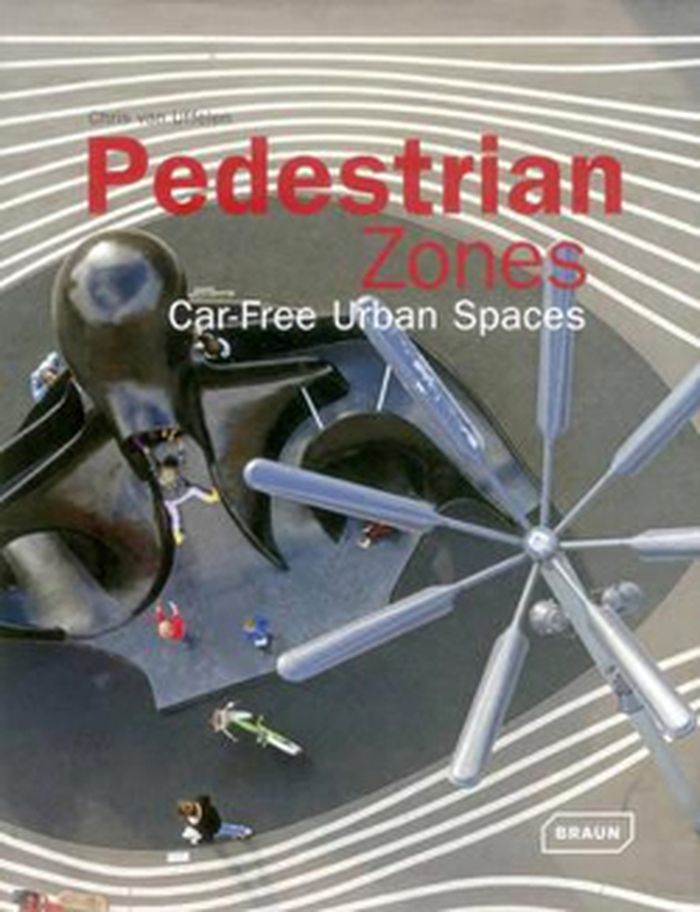
Pedestrian zones: car free urban spaces
Actions:
Prix:
$75.00
(disponible sur commande)
Résumé:
In 2009, plans by New York mayor Michael Bloomberg to transform part of Broadway including Times Square into a pedestrian area caused a sensation, not just in the city but internationally. Urban areas where pedestrians have right of way over vehicles are becoming increasingly important in the modern city and have enjoyed growing popularity since the 1950s. Not only do they increase the quality of life of the residents, they also become an increasingly important locational factor. In general there are two types of pedestrian zones: the first serves primarily as an alternative transit route without cars, while the second is dedicated to shopping and entertainment in the form of traffic-free shopping streets and open pedestrian areas within shopping malls. Based on a careful selection of projects this volume presents the functional and design variety of these popular urban spaces.
Pedestrian zones: car free urban spaces
Actions:
Prix:
$75.00
(disponible sur commande)
Résumé:
In 2009, plans by New York mayor Michael Bloomberg to transform part of Broadway including Times Square into a pedestrian area caused a sensation, not just in the city but internationally. Urban areas where pedestrians have right of way over vehicles are becoming increasingly important in the modern city and have enjoyed growing popularity since the 1950s. Not only do they increase the quality of life of the residents, they also become an increasingly important locational factor. In general there are two types of pedestrian zones: the first serves primarily as an alternative transit route without cars, while the second is dedicated to shopping and entertainment in the form of traffic-free shopping streets and open pedestrian areas within shopping malls. Based on a careful selection of projects this volume presents the functional and design variety of these popular urban spaces.
Classification:
livres
livres
Publication:
juillet 2015
juillet 2015
Sujet:
Théorie de l’urbanisme
Théorie de l’urbanisme
Classification:
livres
livres
Prix:
$24.00
(disponible sur commande)
Résumé:
Acclaimed engineer and historian Henry Petroski explores our core infrastructure from both historical and contemporary perspectives, explaining how essential their maintenance is to America’s economic health. Petroski reveals the genesis of the many parts of America’s highway system—our interstate numbering system, the centerline that divides roads, and such(...)
$24.00
(disponible sur commande)
Résumé:
Acclaimed engineer and historian Henry Petroski explores our core infrastructure from both historical and contemporary perspectives, explaining how essential their maintenance is to America’s economic health. Petroski reveals the genesis of the many parts of America’s highway system—our interstate numbering system, the centerline that divides roads, and such(...)
Titre:
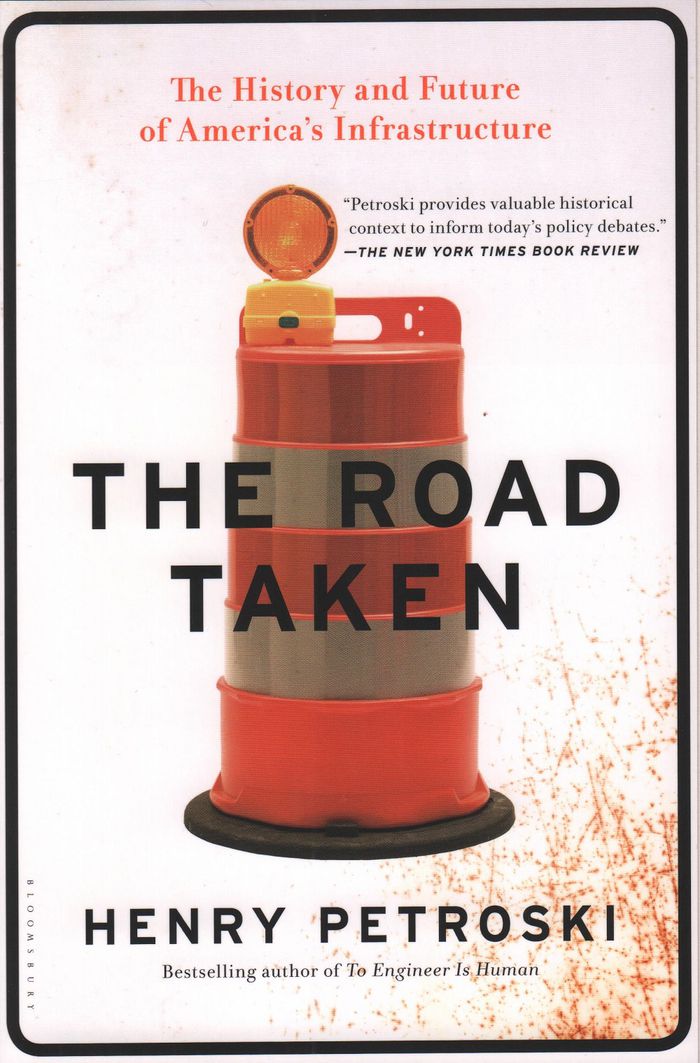
The road taken: the history and future of America's infrastructure
Actions:
Prix:
$24.00
(disponible sur commande)
Résumé:
Acclaimed engineer and historian Henry Petroski explores our core infrastructure from both historical and contemporary perspectives, explaining how essential their maintenance is to America’s economic health. Petroski reveals the genesis of the many parts of America’s highway system—our interstate numbering system, the centerline that divides roads, and such taken-for-granted objects as guardrails, stop signs, and traffic lights—all crucial to our national and local infrastructure. A compelling work of history, "The road taken" is also an urgent clarion call aimed at American citizens, politicians, and anyone with a vested interest in our economic well-being. Physical infrastructure in the United States is crumbling, and Petroski reveals the complex and challenging interplay between government and industry inherent in major infrastructure improvement. The road we take in the next decade toward rebuilding our aging infrastructure will in large part determine our future national prosperity.
The road taken: the history and future of America's infrastructure
Actions:
Prix:
$24.00
(disponible sur commande)
Résumé:
Acclaimed engineer and historian Henry Petroski explores our core infrastructure from both historical and contemporary perspectives, explaining how essential their maintenance is to America’s economic health. Petroski reveals the genesis of the many parts of America’s highway system—our interstate numbering system, the centerline that divides roads, and such taken-for-granted objects as guardrails, stop signs, and traffic lights—all crucial to our national and local infrastructure. A compelling work of history, "The road taken" is also an urgent clarion call aimed at American citizens, politicians, and anyone with a vested interest in our economic well-being. Physical infrastructure in the United States is crumbling, and Petroski reveals the complex and challenging interplay between government and industry inherent in major infrastructure improvement. The road we take in the next decade toward rebuilding our aging infrastructure will in large part determine our future national prosperity.
Classification:
livres
livres
Publication:
février 2017
février 2017
Sujet:
Structures d’ingénierie
Structures d’ingénierie
Classification:
livres
livres
Prix:
$21.95
(disponible sur commande)
Résumé:
The West Kowloon Cultural District in Hong Kong is one of the world’s largest and most ambitious cultural projects. Currently under construction, it will establish a dynamic cultural quarter on 40 hectares of reclaimed land located on Hong Kong’s iconic Victoria Harbour. With 23 hectares of public open space comprised of the Art Park, two kilometres of waterfront(...)
$21.95
(disponible sur commande)
Résumé:
The West Kowloon Cultural District in Hong Kong is one of the world’s largest and most ambitious cultural projects. Currently under construction, it will establish a dynamic cultural quarter on 40 hectares of reclaimed land located on Hong Kong’s iconic Victoria Harbour. With 23 hectares of public open space comprised of the Art Park, two kilometres of waterfront(...)
Titre:
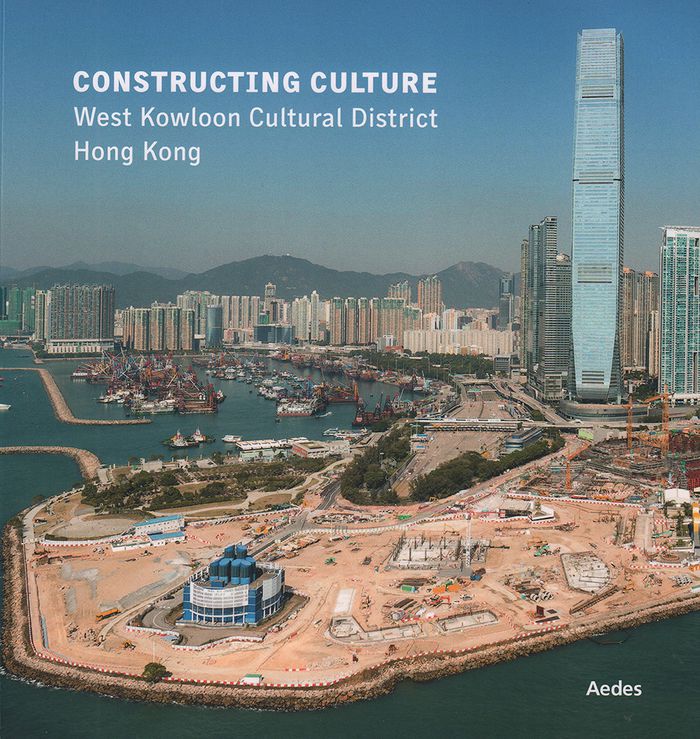
Constructing culture: West Kowloon cultural district, Hong Kong
Actions:
Prix:
$21.95
(disponible sur commande)
Résumé:
The West Kowloon Cultural District in Hong Kong is one of the world’s largest and most ambitious cultural projects. Currently under construction, it will establish a dynamic cultural quarter on 40 hectares of reclaimed land located on Hong Kong’s iconic Victoria Harbour. With 23 hectares of public open space comprised of the Art Park, two kilometres of waterfront promenade, squares, plazas and terraces, the district also aims to be an open and accessible recreation destination for locals and international visitors alike. Featuring buildings by leading international architects, including the M+ Museum by Herzog & de Meuron, the Xiqu Centre / Opera House by Bing Thom Architects, the Lyric Theatre by UNStudio and the Palace Museum by Rocco Design Architects, the district will deliver landmark architecture within a clearly defined cultural precinct where traffic is taken below ground and walking and cycling are encouraged at street level.
Constructing culture: West Kowloon cultural district, Hong Kong
Actions:
Prix:
$21.95
(disponible sur commande)
Résumé:
The West Kowloon Cultural District in Hong Kong is one of the world’s largest and most ambitious cultural projects. Currently under construction, it will establish a dynamic cultural quarter on 40 hectares of reclaimed land located on Hong Kong’s iconic Victoria Harbour. With 23 hectares of public open space comprised of the Art Park, two kilometres of waterfront promenade, squares, plazas and terraces, the district also aims to be an open and accessible recreation destination for locals and international visitors alike. Featuring buildings by leading international architects, including the M+ Museum by Herzog & de Meuron, the Xiqu Centre / Opera House by Bing Thom Architects, the Lyric Theatre by UNStudio and the Palace Museum by Rocco Design Architects, the district will deliver landmark architecture within a clearly defined cultural precinct where traffic is taken below ground and walking and cycling are encouraged at street level.
Classification:
livres
livres
Publication:
juillet 2017
juillet 2017
Classification:
livres
livres
Actions:
Prix:
$56.95
(disponible sur commande)
Résumé:
"Once upon a time, Rome was entirely reachable by car, as if the city were a vast expanse, left openly accessible: You could park anywhere, and the squares were not mere scenery but spaces for everyday use, places to be crossed, occupied and lived in. Reaching the heart of the city was a right, a need, a natural and familiar matter, never a fault. It was a time when(...)
$56.95
(disponible sur commande)
Résumé:
"Once upon a time, Rome was entirely reachable by car, as if the city were a vast expanse, left openly accessible: You could park anywhere, and the squares were not mere scenery but spaces for everyday use, places to be crossed, occupied and lived in. Reaching the heart of the city was a right, a need, a natural and familiar matter, never a fault. It was a time when(...)
Publication:
juin 2026
juin 2026
Titre:
Roma vietata: Journey into the reachable city
Actions:
Prix:
$56.95
(disponible sur commande)
Résumé:
"Once upon a time, Rome was entirely reachable by car, as if the city were a vast expanse, left openly accessible: You could park anywhere, and the squares were not mere scenery but spaces for everyday use, places to be crossed, occupied and lived in. Reaching the heart of the city was a right, a need, a natural and familiar matter, never a fault. It was a time when modern citizens felt most at home in the historic centre, from ancient to medieval Rome, from the Renaissance polis to that of the Baroque period, from eighteenth-century Rome to that under King Umberto and right through to the twentieth century. The book traces the history of freedom of movement prior to the advent of limited traffic zones, railway rings, pedestrian areas and the utopia of the smart city. Paradoxically, this book explores the future of Rome through what has become forbidden."
Roma vietata: Journey into the reachable city
Actions:
Prix:
$56.95
(disponible sur commande)
Résumé:
"Once upon a time, Rome was entirely reachable by car, as if the city were a vast expanse, left openly accessible: You could park anywhere, and the squares were not mere scenery but spaces for everyday use, places to be crossed, occupied and lived in. Reaching the heart of the city was a right, a need, a natural and familiar matter, never a fault. It was a time when modern citizens felt most at home in the historic centre, from ancient to medieval Rome, from the Renaissance polis to that of the Baroque period, from eighteenth-century Rome to that under King Umberto and right through to the twentieth century. The book traces the history of freedom of movement prior to the advent of limited traffic zones, railway rings, pedestrian areas and the utopia of the smart city. Paradoxically, this book explores the future of Rome through what has become forbidden."
Classification:
livres
livres
Publication:
juin 2026
juin 2026
Classification:
livres
livres

Actions:
Prix:
$52.95
(disponible sur commande)
Résumé:
''Ukrainian railroad ladies'' is a series of portraits of traffic controllers and safety officers at railroads of Ukraine. This project is also an exploration of why these professions still exist in the 21st century, given the almost entire automatization of railroad crossings in the country. It is a study of the anthropological and social aspects of this phenomenon and(...)
$52.95
(disponible sur commande)
Résumé:
''Ukrainian railroad ladies'' is a series of portraits of traffic controllers and safety officers at railroads of Ukraine. This project is also an exploration of why these professions still exist in the 21st century, given the almost entire automatization of railroad crossings in the country. It is a study of the anthropological and social aspects of this phenomenon and(...)
Titre:
Sasha Maslov: Ukrainian railroad ladies
Actions:
Prix:
$52.95
(disponible sur commande)
Résumé:
''Ukrainian railroad ladies'' is a series of portraits of traffic controllers and safety officers at railroads of Ukraine. This project is also an exploration of why these professions still exist in the 21st century, given the almost entire automatization of railroad crossings in the country. It is a study of the anthropological and social aspects of this phenomenon and the overall role of Ukraine’s railroad system. While working on the project, Sasha Maslov – known for his social documentary portraits, where the main focus is always the hero in his substantive environment – has traveled all over Ukraine. ''Ukrainian railroad ladies'' is more than 50 photos of women who work on Ukrainian Railways. They seem to be a symbol of certain things in the country that don’t change, standing firm in the present as a defiant nod to the past. Unfazed by the passing of trains and time, they are here to stay.
Sasha Maslov: Ukrainian railroad ladies
Actions:
Prix:
$52.95
(disponible sur commande)
Résumé:
''Ukrainian railroad ladies'' is a series of portraits of traffic controllers and safety officers at railroads of Ukraine. This project is also an exploration of why these professions still exist in the 21st century, given the almost entire automatization of railroad crossings in the country. It is a study of the anthropological and social aspects of this phenomenon and the overall role of Ukraine’s railroad system. While working on the project, Sasha Maslov – known for his social documentary portraits, where the main focus is always the hero in his substantive environment – has traveled all over Ukraine. ''Ukrainian railroad ladies'' is more than 50 photos of women who work on Ukrainian Railways. They seem to be a symbol of certain things in the country that don’t change, standing firm in the present as a defiant nod to the past. Unfazed by the passing of trains and time, they are here to stay.
Classification:
livres
livres
Publication:
janvier 2020
janvier 2020
Sujet:
Monographies photo
Monographies photo
Classification:
livres
livres
Actions:
Prix:
$24.95
(disponible sur commande)
Résumé:
This special issue of Radical History Review historicizes and reconsiders the flaneur - the city stroller - as the iconic bystander to the spectacle of urban life and change, drawing perspectives from urban and public history, museum studies, geography, and sociology. One article analyzes Australian frontier towns, where notions of indigeneity are commodified for white(...)
$24.95
(disponible sur commande)
Résumé:
This special issue of Radical History Review historicizes and reconsiders the flaneur - the city stroller - as the iconic bystander to the spectacle of urban life and change, drawing perspectives from urban and public history, museum studies, geography, and sociology. One article analyzes Australian frontier towns, where notions of indigeneity are commodified for white(...)
Titre:
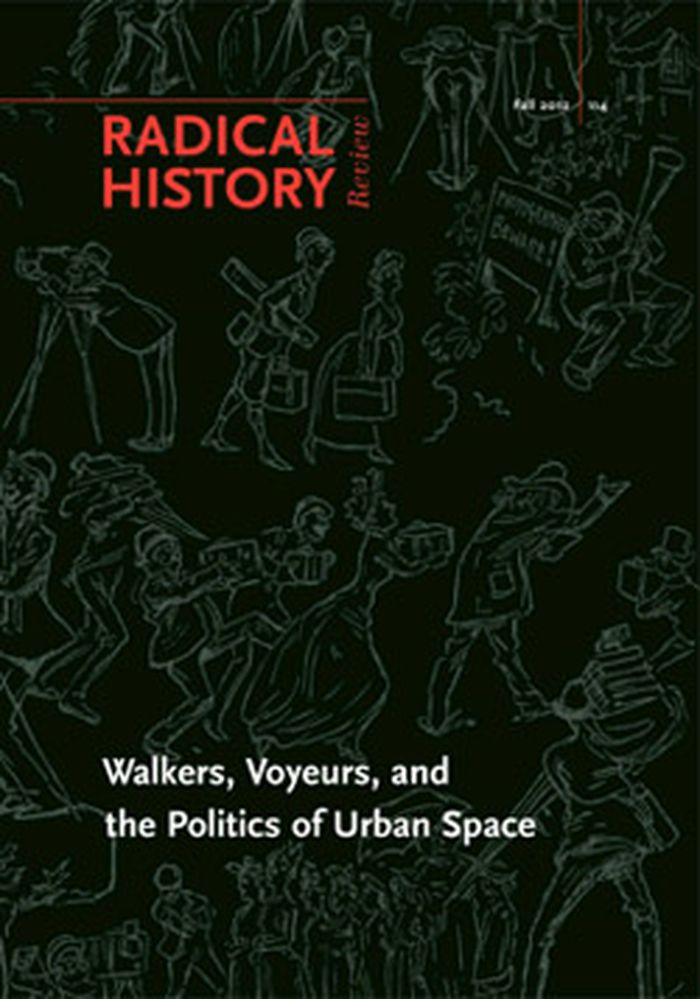
Radical history review fall 2012: walkers, voyeurs, and the politics of urban space
Actions:
Prix:
$24.95
(disponible sur commande)
Résumé:
This special issue of Radical History Review historicizes and reconsiders the flaneur - the city stroller - as the iconic bystander to the spectacle of urban life and change, drawing perspectives from urban and public history, museum studies, geography, and sociology. One article analyzes Australian frontier towns, where notions of indigeneity are commodified for white consumers while Aborigines themselves are unwelcome. Another examines the funereal flanerie of protestors in Guatemala who stage scenes of public mourning to engage the radical power of dead bodies in public spaces. Flanerie and drifting are explored as pedagogical tools to draw students out of the controlled settings of college campuses. Contributors to this issue examine the physical experience of city walking - determined by architecture, street signs, traffic lights, and each walker's differently abled body - alongside the subtler class, racial, and historical markers that define who in city spaces is imagined to be respectable and who is dangerous.
Radical history review fall 2012: walkers, voyeurs, and the politics of urban space
Actions:
Prix:
$24.95
(disponible sur commande)
Résumé:
This special issue of Radical History Review historicizes and reconsiders the flaneur - the city stroller - as the iconic bystander to the spectacle of urban life and change, drawing perspectives from urban and public history, museum studies, geography, and sociology. One article analyzes Australian frontier towns, where notions of indigeneity are commodified for white consumers while Aborigines themselves are unwelcome. Another examines the funereal flanerie of protestors in Guatemala who stage scenes of public mourning to engage the radical power of dead bodies in public spaces. Flanerie and drifting are explored as pedagogical tools to draw students out of the controlled settings of college campuses. Contributors to this issue examine the physical experience of city walking - determined by architecture, street signs, traffic lights, and each walker's differently abled body - alongside the subtler class, racial, and historical markers that define who in city spaces is imagined to be respectable and who is dangerous.
Classification:
livres
livres
Publication:
septembre 2012
septembre 2012
Sujet:
Espaces Public
Espaces Public
Classification:
livres
livres
Actions:
Prix:
$40.00
(disponible sur commande)
Résumé:
Three series of intricate graphite drawings depict, with arresting realism, real-world examples of assembled, grown, and built objects common to distinct milieus of Vancouver: the shopping carts piled high with belongings that clatter along sidewalks in the downtown core; the long, high hedges that insulate single-family homes from the din of arterial traffic; and the(...)
$40.00
(disponible sur commande)
Résumé:
Three series of intricate graphite drawings depict, with arresting realism, real-world examples of assembled, grown, and built objects common to distinct milieus of Vancouver: the shopping carts piled high with belongings that clatter along sidewalks in the downtown core; the long, high hedges that insulate single-family homes from the din of arterial traffic; and the(...)
Sujet:
Architecture du Canada
Architecture du Canada
Publication:
septembre 2024
septembre 2024
Titre:
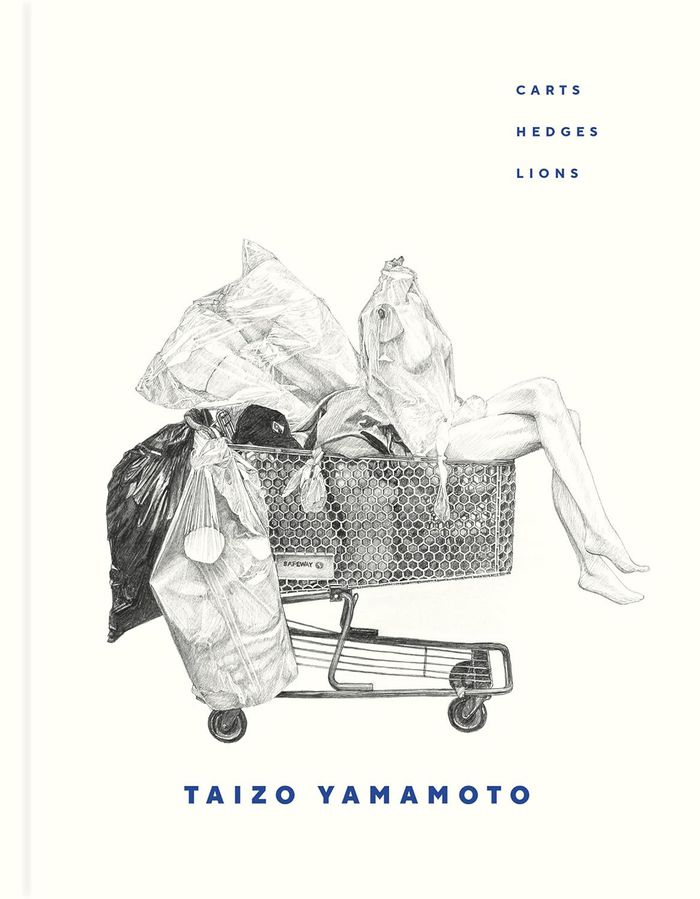
Taizo Yamamoto: Carts, hedges, lions
Actions:
Prix:
$40.00
(disponible sur commande)
Résumé:
Three series of intricate graphite drawings depict, with arresting realism, real-world examples of assembled, grown, and built objects common to distinct milieus of Vancouver: the shopping carts piled high with belongings that clatter along sidewalks in the downtown core; the long, high hedges that insulate single-family homes from the din of arterial traffic; and the sculptural lions placed for good luck atop fenceposts in front of many homes, especially on the city's east side. In creating snapshots and then laborious drawings of these objects, Taizo Yamamoto, the principal of Yamamoto Architecture, was driven by a fascination with how the recurrence of these seemingly mundane objects speaks to omnipresent issues of housing unaffordability, densification, and the aspirations of diasporic communities - concerns that have an uneasy relationship to celebrated narratives of Vancouver but play a prominent role in residents' everyday lives. To this work he brings not just sustained careful attention but an architect's eye for details both structural and textural, resulting in immersive, richly nuanced drawings.
Taizo Yamamoto: Carts, hedges, lions
Actions:
Prix:
$40.00
(disponible sur commande)
Résumé:
Three series of intricate graphite drawings depict, with arresting realism, real-world examples of assembled, grown, and built objects common to distinct milieus of Vancouver: the shopping carts piled high with belongings that clatter along sidewalks in the downtown core; the long, high hedges that insulate single-family homes from the din of arterial traffic; and the sculptural lions placed for good luck atop fenceposts in front of many homes, especially on the city's east side. In creating snapshots and then laborious drawings of these objects, Taizo Yamamoto, the principal of Yamamoto Architecture, was driven by a fascination with how the recurrence of these seemingly mundane objects speaks to omnipresent issues of housing unaffordability, densification, and the aspirations of diasporic communities - concerns that have an uneasy relationship to celebrated narratives of Vancouver but play a prominent role in residents' everyday lives. To this work he brings not just sustained careful attention but an architect's eye for details both structural and textural, resulting in immersive, richly nuanced drawings.
Classification:
livres
livres
Publication:
septembre 2024
septembre 2024
Sujet:
Architecture du Canada
Architecture du Canada
Classification:
livres
livres
Prix:
$87.95
(disponible sur commande)
Résumé:
The city at night is defined by light. A well-lit urban space can be inviting, giving visitors a sense of well-being and security. A successful nighttime lighting design can also give a city its own identity and accentuate certain architectural qualities. At the same time, an overabundance of light sources can result in light pollution and spatial confusion. In Light Zone(...)
$87.95
(disponible sur commande)
Résumé:
The city at night is defined by light. A well-lit urban space can be inviting, giving visitors a sense of well-being and security. A successful nighttime lighting design can also give a city its own identity and accentuate certain architectural qualities. At the same time, an overabundance of light sources can result in light pollution and spatial confusion. In Light Zone(...)
Titre:
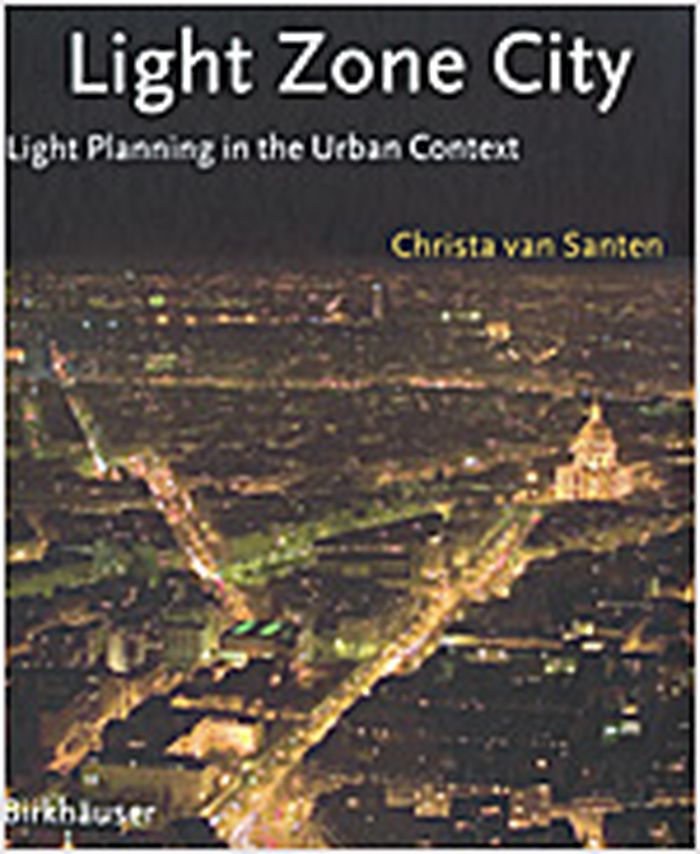
Light zone city : light planning in the urban context
Actions:
Prix:
$87.95
(disponible sur commande)
Résumé:
The city at night is defined by light. A well-lit urban space can be inviting, giving visitors a sense of well-being and security. A successful nighttime lighting design can also give a city its own identity and accentuate certain architectural qualities. At the same time, an overabundance of light sources can result in light pollution and spatial confusion. In Light Zone City author Christa van Santen uses her many years of experience as a practitioner and teacher of lighting design to articulate basic planning rules for the outdoor lighting of buildings, traffic routes, and squares. In preparation for this guide to urban lighting design, she visited ten European cities—including Paris, Brussels, Berlin, London, Budapest, Vienna, and Amsterdam—with different urban conditions. Light Zone City presents different planning and design tasks systematically and uses each to illustrate specific solutions. Van Santen also explains new artificial lighting systems and outdoor lamps through numerous examples.
Light zone city : light planning in the urban context
Actions:
Prix:
$87.95
(disponible sur commande)
Résumé:
The city at night is defined by light. A well-lit urban space can be inviting, giving visitors a sense of well-being and security. A successful nighttime lighting design can also give a city its own identity and accentuate certain architectural qualities. At the same time, an overabundance of light sources can result in light pollution and spatial confusion. In Light Zone City author Christa van Santen uses her many years of experience as a practitioner and teacher of lighting design to articulate basic planning rules for the outdoor lighting of buildings, traffic routes, and squares. In preparation for this guide to urban lighting design, she visited ten European cities—including Paris, Brussels, Berlin, London, Budapest, Vienna, and Amsterdam—with different urban conditions. Light Zone City presents different planning and design tasks systematically and uses each to illustrate specific solutions. Van Santen also explains new artificial lighting systems and outdoor lamps through numerous examples.
Classification:
livres
livres
Publication:
mai 2006, Basel
mai 2006, Basel
Sujet:
Matériaux et éclairage
Matériaux et éclairage
Classification:
livres
livres
Actions:
Prix:
$66.00
(disponible sur commande)
Résumé:
Newtown Creek is a tributary of New York's East River that forms part of the border between the boroughs of Brooklyn and Queens. During the Industrial Revolution, when its volume of commercial shipping traffic exceeded that of the Mississippi River, the creek was widened, deepened, and bulkheaded to accommodate bigger barges, destroying all its freshwater sources. As one(...)
$66.00
(disponible sur commande)
Résumé:
Newtown Creek is a tributary of New York's East River that forms part of the border between the boroughs of Brooklyn and Queens. During the Industrial Revolution, when its volume of commercial shipping traffic exceeded that of the Mississippi River, the creek was widened, deepened, and bulkheaded to accommodate bigger barges, destroying all its freshwater sources. As one(...)
Titre:
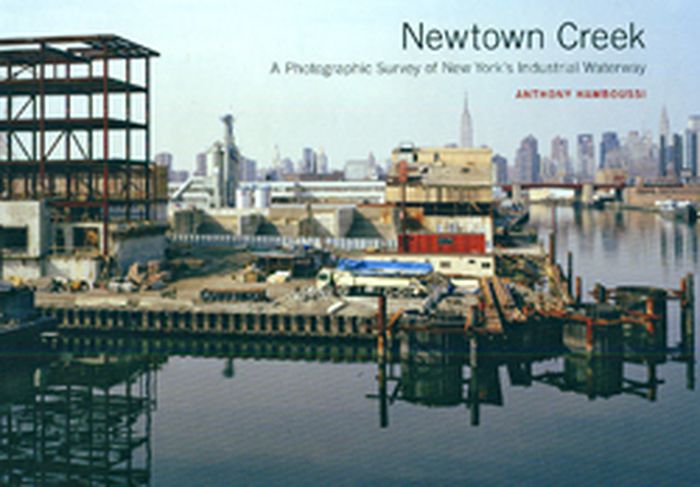
Newtown Creek: a photographic survey of New York's industrial waterway
Actions:
Prix:
$66.00
(disponible sur commande)
Résumé:
Newtown Creek is a tributary of New York's East River that forms part of the border between the boroughs of Brooklyn and Queens. During the Industrial Revolution, when its volume of commercial shipping traffic exceeded that of the Mississippi River, the creek was widened, deepened, and bulkheaded to accommodate bigger barges, destroying all its freshwater sources. As one of the oldest continuous industrial areas in the nation, it is now one of the most polluted. Newtown Creek is the first extensive documentation of this forgotten landscape. Anthony Hamboussi's five-year photographic survey captures the creek at a critical moment when gentrification and revitalization are just starting to change the area. From the ruins of Morgan Oil Company and the Newtown Metal Corporation to the footprints of the former Maspeth gasholders, Newtown Creek is a lost chapter in the visual history of industrial New York framed at the moment of its disappearance and transformation.
Newtown Creek: a photographic survey of New York's industrial waterway
Actions:
Prix:
$66.00
(disponible sur commande)
Résumé:
Newtown Creek is a tributary of New York's East River that forms part of the border between the boroughs of Brooklyn and Queens. During the Industrial Revolution, when its volume of commercial shipping traffic exceeded that of the Mississippi River, the creek was widened, deepened, and bulkheaded to accommodate bigger barges, destroying all its freshwater sources. As one of the oldest continuous industrial areas in the nation, it is now one of the most polluted. Newtown Creek is the first extensive documentation of this forgotten landscape. Anthony Hamboussi's five-year photographic survey captures the creek at a critical moment when gentrification and revitalization are just starting to change the area. From the ruins of Morgan Oil Company and the Newtown Metal Corporation to the footprints of the former Maspeth gasholders, Newtown Creek is a lost chapter in the visual history of industrial New York framed at the moment of its disappearance and transformation.
Classification:
livres
livres
Publication:
mars 2010
mars 2010
Sujet:
Photographie- collections
Photographie- collections
Classification:
livres
livres
Exemplaires:
Description:
91 pages : chiefly color illustrations ; 26 cm
Description:
91 pages : chiefly color illustrations ; 26 cm
Auteur:
Sujet:
Publication:
[Tunis] : LHE ; Paris : Encre de nuit, [2021], ©2021
[Tunis] : LHE ; Paris : Encre de nuit, [2021], ©2021
Titre:
Comment réussir sa migration clandestine / Salim Zerrouki.
Actions:
Exemplaires:
Description:
91 pages : chiefly color illustrations ; 26 cm
Comment réussir sa migration clandestine / Salim Zerrouki.
Actions:
Exemplaires:
Description:
91 pages : chiefly color illustrations ; 26 cm
Classification:
livres
livres
Publication:
[Tunis] : LHE ; Paris : Encre de nuit, [2021], ©2021
[Tunis] : LHE ; Paris : Encre de nuit, [2021], ©2021
Auteur:
Sujet:


