


807 Résultats
Classification:
livres
livres
Prix:
$50.50
(disponible en magasin)
Résumé:
In the decades after World War II, from just prior to the revolution and into the mid-1980s, modernist architecture blossomed in Cuba, attracting both native talent and leading international architects from Europe. Havana Modern examines Cuban modernism’s highlights with a wealth of archival materials, photos and new scholarship. Edited by Rubén Gallo—author of Mexican(...)
$50.50
(disponible en magasin)
Résumé:
In the decades after World War II, from just prior to the revolution and into the mid-1980s, modernist architecture blossomed in Cuba, attracting both native talent and leading international architects from Europe. Havana Modern examines Cuban modernism’s highlights with a wealth of archival materials, photos and new scholarship. Edited by Rubén Gallo—author of Mexican(...)
Titre:
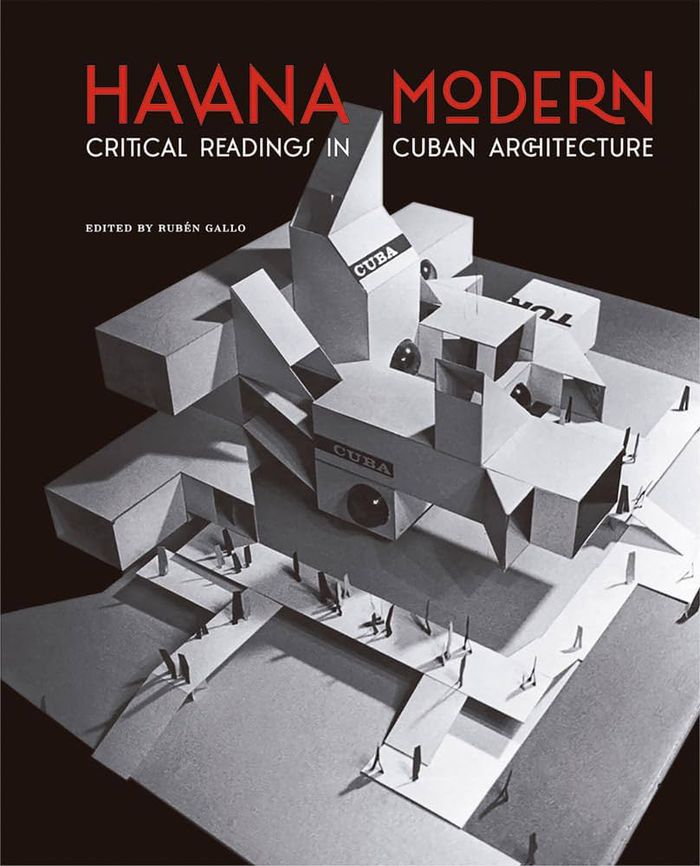
Havana modern: Critical readings in Cuban architecture
Actions:
Prix:
$50.50
(disponible en magasin)
Résumé:
In the decades after World War II, from just prior to the revolution and into the mid-1980s, modernist architecture blossomed in Cuba, attracting both native talent and leading international architects from Europe. Havana Modern examines Cuban modernism’s highlights with a wealth of archival materials, photos and new scholarship. Edited by Rubén Gallo—author of Mexican Modernity (2005), Freud’s Mexico (2010) and Proust’s Latin Americans (2014)—the volume is arranged in 10 chapters authored by current and former Princeton faculty members and graduate students. These essays, which arose from seminars organized by Gallo and historian Beatriz Colomina, examine Max Abramovitz’s American Embassy; Richard Neutra’s De Schultess House; Martín Domínguez Esteban, Miguel Gastón and Emilio del Junco’s Radiocentro; Mies van Der Rohe’s office building for Ron Barcardí S.A.; Vittorio Garatti, Roberto Gottardi and Ricardo Porro’s National Art Schools for Havana; Mario Girona’s Coppelia Ice-cream parlor and park; Vittorio Garatti, Hugo D’Acosta and Sergio Baroni’s Cuban Pavilion at Expo 67; Antonio Quintana and Alberto Rodriguez’s "Edificio Experimental"; and Aleksandr Grigorievich Rochegov’s USRR Embassy. Havana Modern draws on history, politics, culture, literature and film to elucidate this outstandingly rich era in architectural history.
Havana modern: Critical readings in Cuban architecture
Actions:
Prix:
$50.50
(disponible en magasin)
Résumé:
In the decades after World War II, from just prior to the revolution and into the mid-1980s, modernist architecture blossomed in Cuba, attracting both native talent and leading international architects from Europe. Havana Modern examines Cuban modernism’s highlights with a wealth of archival materials, photos and new scholarship. Edited by Rubén Gallo—author of Mexican Modernity (2005), Freud’s Mexico (2010) and Proust’s Latin Americans (2014)—the volume is arranged in 10 chapters authored by current and former Princeton faculty members and graduate students. These essays, which arose from seminars organized by Gallo and historian Beatriz Colomina, examine Max Abramovitz’s American Embassy; Richard Neutra’s De Schultess House; Martín Domínguez Esteban, Miguel Gastón and Emilio del Junco’s Radiocentro; Mies van Der Rohe’s office building for Ron Barcardí S.A.; Vittorio Garatti, Roberto Gottardi and Ricardo Porro’s National Art Schools for Havana; Mario Girona’s Coppelia Ice-cream parlor and park; Vittorio Garatti, Hugo D’Acosta and Sergio Baroni’s Cuban Pavilion at Expo 67; Antonio Quintana and Alberto Rodriguez’s "Edificio Experimental"; and Aleksandr Grigorievich Rochegov’s USRR Embassy. Havana Modern draws on history, politics, culture, literature and film to elucidate this outstandingly rich era in architectural history.
Classification:
livres
livres
Publication:
septembre 2023
septembre 2023
Classification:
livres
livres
Actions:
Prix:
$81.50
(disponible sur commande)
Résumé:
From the swooping concrete vaults of the TWA Terminal at JFK Airport to the 630-foot-tall Gateway Arch in St. Louis, the iconic designs of Eero Saarinen (1910–1961) captured the aspirations and values of mid-20th-century America. Potent expressions of national power, these and other Saarinen-designed structures—including the GM Technical Center, Dulles International(...)
$81.50
(disponible sur commande)
Résumé:
From the swooping concrete vaults of the TWA Terminal at JFK Airport to the 630-foot-tall Gateway Arch in St. Louis, the iconic designs of Eero Saarinen (1910–1961) captured the aspirations and values of mid-20th-century America. Potent expressions of national power, these and other Saarinen-designed structures—including the GM Technical Center, Dulles International(...)
Sujet:
Architecture, monographies
Architecture, monographies
Publication:
novembre 2006, New Haven / London
novembre 2006, New Haven / London
Titre:
Eero Saarinen : shaping the future
Actions:
Prix:
$81.50
(disponible sur commande)
Résumé:
From the swooping concrete vaults of the TWA Terminal at JFK Airport to the 630-foot-tall Gateway Arch in St. Louis, the iconic designs of Eero Saarinen (1910–1961) captured the aspirations and values of mid-20th-century America. Potent expressions of national power, these and other Saarinen-designed structures—including the GM Technical Center, Dulles International Airport, and John Deere headquarters—helped create the international image of the United States in the decades following World War II. Eero Saarinen: Shaping the Future offers a new and wide-ranging look at the entire scope of Saarinen’s career. This is the first book on Saarinen to incorporate significant research and materials from the newly available archives of his office, and includes the most complete portfolio of Saarinen's projects to date—a chronological survey of more than 100 built and unbuilt works, previously unpublished photographs, plans, and working drawings. Lavishly illustrated, this major study shows how Saarinen gave his structures an expressive dimension and helped introduce modern architecture to the mainstream of American practice. In his search for a richer and more varied modern architecture, Saarinen become one of the most prolific and controversial practitioners of his time.
Eero Saarinen : shaping the future
Actions:
Prix:
$81.50
(disponible sur commande)
Résumé:
From the swooping concrete vaults of the TWA Terminal at JFK Airport to the 630-foot-tall Gateway Arch in St. Louis, the iconic designs of Eero Saarinen (1910–1961) captured the aspirations and values of mid-20th-century America. Potent expressions of national power, these and other Saarinen-designed structures—including the GM Technical Center, Dulles International Airport, and John Deere headquarters—helped create the international image of the United States in the decades following World War II. Eero Saarinen: Shaping the Future offers a new and wide-ranging look at the entire scope of Saarinen’s career. This is the first book on Saarinen to incorporate significant research and materials from the newly available archives of his office, and includes the most complete portfolio of Saarinen's projects to date—a chronological survey of more than 100 built and unbuilt works, previously unpublished photographs, plans, and working drawings. Lavishly illustrated, this major study shows how Saarinen gave his structures an expressive dimension and helped introduce modern architecture to the mainstream of American practice. In his search for a richer and more varied modern architecture, Saarinen become one of the most prolific and controversial practitioners of his time.
Classification:
livres
livres
Publication:
novembre 2006, New Haven / London
novembre 2006, New Haven / London
Sujet:
Architecture, monographies
Architecture, monographies
Classification:
livres
livres

Actions:
Prix:
$41.95
(disponible sur commande)
Résumé:
Did the Romans have rakes? Did the monks get muddy? Did the potato seem really, really weird when it arrived on our shores? This lively 'potted' history of gardening in Britain takes us on a garden tour from the thorn hedges around prehistoric settlements to the rage for decking and ornamental grasses today. It tracks down the ordinary folk who worked the earth - the(...)
$41.95
(disponible sur commande)
Résumé:
Did the Romans have rakes? Did the monks get muddy? Did the potato seem really, really weird when it arrived on our shores? This lively 'potted' history of gardening in Britain takes us on a garden tour from the thorn hedges around prehistoric settlements to the rage for decking and ornamental grasses today. It tracks down the ordinary folk who worked the earth - the(...)
Titre:
A little history of British gardening
Actions:
Prix:
$41.95
(disponible sur commande)
Résumé:
Did the Romans have rakes? Did the monks get muddy? Did the potato seem really, really weird when it arrived on our shores? This lively 'potted' history of gardening in Britain takes us on a garden tour from the thorn hedges around prehistoric settlements to the rage for decking and ornamental grasses today. It tracks down the ordinary folk who worked the earth - the apprentice boys and weeding women, the florists and nursery gardeners - as well as aristocrats and grand designers and famous plant-hunters. Coloured by Jenny Uglow's own love for plants, and brought to life in the many vivid illustrations, it deals not only with flowery-meads, grottoes and vistas, landscapes and ha-has, parks and allotments, but tells you, for example, how the Tudors made their curious knots; how housewives used herbs to stop freckles; how the suburbs dug for victory in World War II. With a brief guide to particular historic or evocative gardens open to the public, this is a book to put in your pocket when planning a summer day out - but also to read in your deckchair with a glass of cold wine, when dead-heading is simply too much.
A little history of British gardening
Actions:
Prix:
$41.95
(disponible sur commande)
Résumé:
Did the Romans have rakes? Did the monks get muddy? Did the potato seem really, really weird when it arrived on our shores? This lively 'potted' history of gardening in Britain takes us on a garden tour from the thorn hedges around prehistoric settlements to the rage for decking and ornamental grasses today. It tracks down the ordinary folk who worked the earth - the apprentice boys and weeding women, the florists and nursery gardeners - as well as aristocrats and grand designers and famous plant-hunters. Coloured by Jenny Uglow's own love for plants, and brought to life in the many vivid illustrations, it deals not only with flowery-meads, grottoes and vistas, landscapes and ha-has, parks and allotments, but tells you, for example, how the Tudors made their curious knots; how housewives used herbs to stop freckles; how the suburbs dug for victory in World War II. With a brief guide to particular historic or evocative gardens open to the public, this is a book to put in your pocket when planning a summer day out - but also to read in your deckchair with a glass of cold wine, when dead-heading is simply too much.
Classification:
livres
livres
Publication:
juillet 2004, London
juillet 2004, London
Sujet:
Jardins
Jardins
Classification:
livres
livres
Prix:
$64.95
(disponible sur commande)
Résumé:
Vienna-based architect Martin Feiersinger and his brother, artist and photographer Werner Feiersinger, have traveled extensively across Northern Italy in order to document the region’s modern architecture after World War II. "Italomodern 1 and 2" are the result of their travels, the most authoritative survey of Northern Italy’s architecture between 1946 and 1976. In their(...)
$64.95
(disponible sur commande)
Résumé:
Vienna-based architect Martin Feiersinger and his brother, artist and photographer Werner Feiersinger, have traveled extensively across Northern Italy in order to document the region’s modern architecture after World War II. "Italomodern 1 and 2" are the result of their travels, the most authoritative survey of Northern Italy’s architecture between 1946 and 1976. In their(...)
Publication:
octobre 2016
octobre 2016
Titre:
Italomodern I: architecture in northern Italy 1946-1976
Actions:
Prix:
$64.95
(disponible sur commande)
Résumé:
Vienna-based architect Martin Feiersinger and his brother, artist and photographer Werner Feiersinger, have traveled extensively across Northern Italy in order to document the region’s modern architecture after World War II. "Italomodern 1 and 2" are the result of their travels, the most authoritative survey of Northern Italy’s architecture between 1946 and 1976. In their study, they have focused exclusively on distinctive buildings rather than entire urban structures, and they have selected the included projects as exemplary representations of neorealism, rationalism, brutalism, and organic styles. "Italomodern 1" features 84 buildings and "Italomodern 2" contains an additional 132 buildings. All of them are represented with photographs, a concise text, the exact address, and selected floor plans, sections, or elevations. The images present a subjective point of view, showing each building in its present state. An appendix provides rich information on the architects and other selected buildings and further reading for each firm. The books offer a glimpse into an era when society’s aspirations found expression in the built environment. Each volume is self-contained and also makes an insightful and useful guide for architecture lovers and travelers.
Italomodern I: architecture in northern Italy 1946-1976
Actions:
Prix:
$64.95
(disponible sur commande)
Résumé:
Vienna-based architect Martin Feiersinger and his brother, artist and photographer Werner Feiersinger, have traveled extensively across Northern Italy in order to document the region’s modern architecture after World War II. "Italomodern 1 and 2" are the result of their travels, the most authoritative survey of Northern Italy’s architecture between 1946 and 1976. In their study, they have focused exclusively on distinctive buildings rather than entire urban structures, and they have selected the included projects as exemplary representations of neorealism, rationalism, brutalism, and organic styles. "Italomodern 1" features 84 buildings and "Italomodern 2" contains an additional 132 buildings. All of them are represented with photographs, a concise text, the exact address, and selected floor plans, sections, or elevations. The images present a subjective point of view, showing each building in its present state. An appendix provides rich information on the architects and other selected buildings and further reading for each firm. The books offer a glimpse into an era when society’s aspirations found expression in the built environment. Each volume is self-contained and also makes an insightful and useful guide for architecture lovers and travelers.
Classification:
livres
livres
Publication:
octobre 2016
octobre 2016
Classification:
livres
livres
Prix:
$26.00
(disponible sur commande)
Résumé:
Newark's volatile past is infamous. The city has become synonymous with the Black Power movement and urban crisis. Its history reveals a vibrant and contentious political culture punctuated by traditional civic pride and an understudied tradition of protest in the black community. Newark charts this important city's place in the nation, from its founding in 1666 by a(...)
$26.00
(disponible sur commande)
Résumé:
Newark's volatile past is infamous. The city has become synonymous with the Black Power movement and urban crisis. Its history reveals a vibrant and contentious political culture punctuated by traditional civic pride and an understudied tradition of protest in the black community. Newark charts this important city's place in the nation, from its founding in 1666 by a(...)
Titre:
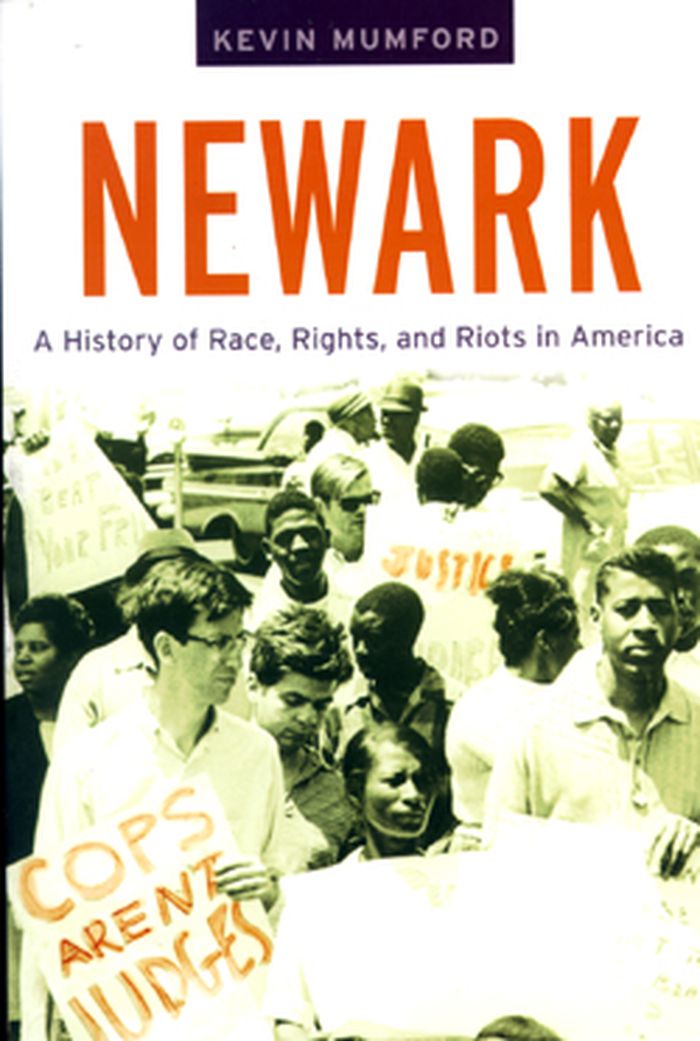
Newark: a history of race, rights, and riots in America
Actions:
Prix:
$26.00
(disponible sur commande)
Résumé:
Newark's volatile past is infamous. The city has become synonymous with the Black Power movement and urban crisis. Its history reveals a vibrant and contentious political culture punctuated by traditional civic pride and an understudied tradition of protest in the black community. Newark charts this important city's place in the nation, from its founding in 1666 by a dissident Puritan as a refuge from intolerance, through the days of Jim Crow and World War II civil rights activism, to the height of postwar integration and the election of its first black mayor. In this broad and balanced history of Newark, Kevin Mumford applies the concept of the public sphere to the problem of race relations, demonstrating how political ideas and print culture were instrumental in shaping African American consciousness. He draws on both public and personal archives, interpreting official documents-such as newspapers, commission testimony, and government records-alongside interviews, political flyers, meeting minutes, and rare photos. From the migration out of the south to the rise of public housing and ethnic conflict, Newark explains the impact of African Americans on the reconstruction of American cities in the twentieth century.
Newark: a history of race, rights, and riots in America
Actions:
Prix:
$26.00
(disponible sur commande)
Résumé:
Newark's volatile past is infamous. The city has become synonymous with the Black Power movement and urban crisis. Its history reveals a vibrant and contentious political culture punctuated by traditional civic pride and an understudied tradition of protest in the black community. Newark charts this important city's place in the nation, from its founding in 1666 by a dissident Puritan as a refuge from intolerance, through the days of Jim Crow and World War II civil rights activism, to the height of postwar integration and the election of its first black mayor. In this broad and balanced history of Newark, Kevin Mumford applies the concept of the public sphere to the problem of race relations, demonstrating how political ideas and print culture were instrumental in shaping African American consciousness. He draws on both public and personal archives, interpreting official documents-such as newspapers, commission testimony, and government records-alongside interviews, political flyers, meeting minutes, and rare photos. From the migration out of the south to the rise of public housing and ethnic conflict, Newark explains the impact of African Americans on the reconstruction of American cities in the twentieth century.
Classification:
livres
livres
Publication:
novembre 2008, New York
novembre 2008, New York
Sujet:
Théorie/ philosophie
Théorie/ philosophie
Classification:
livres
livres
Actions:
Prix:
$38.95
(disponible sur commande)
Résumé:
No building better embodies the ineffable qualities of rural France than the lavoir, the communal washhouse that, until a few decades ago, was the central gathering place for women in many small villages across the French countryside—as much a part of communal life as the market. These open-air laundry rooms first appeared for the private use of the social elite in(...)
$38.95
(disponible sur commande)
Résumé:
No building better embodies the ineffable qualities of rural France than the lavoir, the communal washhouse that, until a few decades ago, was the central gathering place for women in many small villages across the French countryside—as much a part of communal life as the market. These open-air laundry rooms first appeared for the private use of the social elite in(...)
Titre:
Lavoirs : washhouses of rural France
Actions:
Prix:
$38.95
(disponible sur commande)
Résumé:
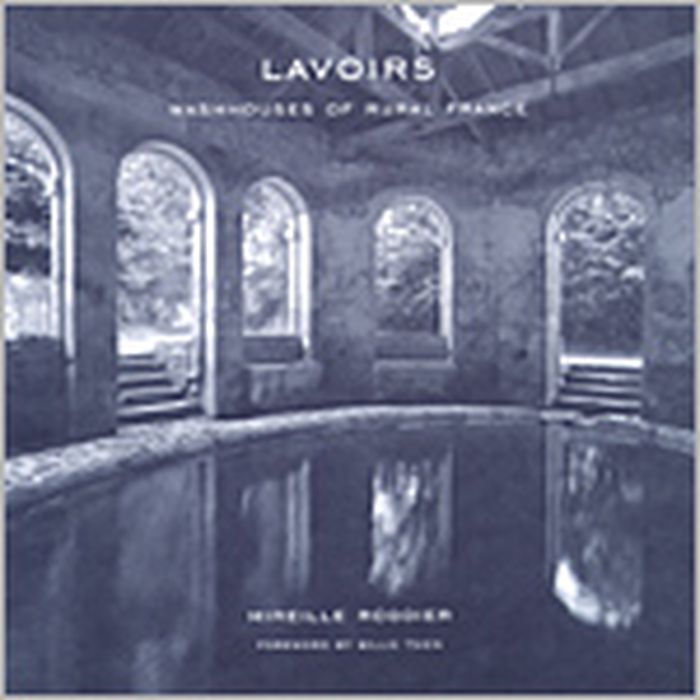
No building better embodies the ineffable qualities of rural France than the lavoir, the communal washhouse that, until a few decades ago, was the central gathering place for women in many small villages across the French countryside—as much a part of communal life as the market. These open-air laundry rooms first appeared for the private use of the social elite in the seventeenth century, but flourished as public spaces after the Revolution. Later, they became architectural monuments of regional styles and local materials, often hand-cut stone and hewn timbers, revealing centuries of masonry and woodworking tradition. As running water and modern appliances became standard in French homes after World War II, the lavoirs were abandoned, and with them three hundred years of women's gathering and conversation. In spite of the efforts of preservationists, hundreds of them have faced abandonment, vandalism, and decay. Through duotone photographs, thoughtful sketches, and detailed watercolors, Mireille Roddier safeguards these places. Her text outlines the history, politics, health, water technology, and social background of the buildings and unveils them as an important architectural type worthy of our study, admiration, and protection.
Lavoirs : washhouses of rural France
Actions:
Prix:
$38.95
(disponible sur commande)
Résumé:
No building better embodies the ineffable qualities of rural France than the lavoir, the communal washhouse that, until a few decades ago, was the central gathering place for women in many small villages across the French countryside—as much a part of communal life as the market. These open-air laundry rooms first appeared for the private use of the social elite in the seventeenth century, but flourished as public spaces after the Revolution. Later, they became architectural monuments of regional styles and local materials, often hand-cut stone and hewn timbers, revealing centuries of masonry and woodworking tradition. As running water and modern appliances became standard in French homes after World War II, the lavoirs were abandoned, and with them three hundred years of women's gathering and conversation. In spite of the efforts of preservationists, hundreds of them have faced abandonment, vandalism, and decay. Through duotone photographs, thoughtful sketches, and detailed watercolors, Mireille Roddier safeguards these places. Her text outlines the history, politics, health, water technology, and social background of the buildings and unveils them as an important architectural type worthy of our study, admiration, and protection.
Classification:
livres
livres
Publication:
juillet 2003, New York
juillet 2003, New York
Classification:
livres
livres

Actions:
Prix:
$19.95
(disponible sur commande)
Résumé:
Japan today protects one-seventh of its land surface in parks, which are visited by well over a billion people each year. Parkscapes analyzes the origins, development, and distinctive features of these public spaces. Green zones were created by the government beginning in the late nineteenth century for state purposes but eventually evolved into sites of negotiation(...)
$19.95
(disponible sur commande)
Résumé:
Japan today protects one-seventh of its land surface in parks, which are visited by well over a billion people each year. Parkscapes analyzes the origins, development, and distinctive features of these public spaces. Green zones were created by the government beginning in the late nineteenth century for state purposes but eventually evolved into sites of negotiation(...)
Titre:
Parkscapes: green spaces in modern Japan
Actions:
Prix:
$19.95
(disponible sur commande)
Résumé:
Japan today protects one-seventh of its land surface in parks, which are visited by well over a billion people each year. Parkscapes analyzes the origins, development, and distinctive features of these public spaces. Green zones were created by the government beginning in the late nineteenth century for state purposes but eventually evolved into sites of negotiation between bureaucrats and ordinary citizens who use them for demonstrations, riots, and shelters, as well as recreation. Thomas Havens shows how revolutionary officials in the 1870s seized private properties and converted them into public parks for educating and managing citizens in the new emperor-sanctioned state. Rebuilding Tokyo and Yokohama after the earthquake and fires of 1923 spurred the spread of urban parklands both in the capital and other cities. According to Havens, the growth of suburbs, the national mobilization of World War II, and the post-1945 American occupation helped speed the creation of more urban parks, setting the stage for vast increases in public green spaces during Japan’s golden age of affluence from the 1960s through the 1980s. Since the 1990s the Japanese public has embraced a heightened ecological consciousness and become deeply involved in the design and management of both city and natural parks—realms once monopolized by government bureaucrats.
Parkscapes: green spaces in modern Japan
Actions:
Prix:
$19.95
(disponible sur commande)
Résumé:
Japan today protects one-seventh of its land surface in parks, which are visited by well over a billion people each year. Parkscapes analyzes the origins, development, and distinctive features of these public spaces. Green zones were created by the government beginning in the late nineteenth century for state purposes but eventually evolved into sites of negotiation between bureaucrats and ordinary citizens who use them for demonstrations, riots, and shelters, as well as recreation. Thomas Havens shows how revolutionary officials in the 1870s seized private properties and converted them into public parks for educating and managing citizens in the new emperor-sanctioned state. Rebuilding Tokyo and Yokohama after the earthquake and fires of 1923 spurred the spread of urban parklands both in the capital and other cities. According to Havens, the growth of suburbs, the national mobilization of World War II, and the post-1945 American occupation helped speed the creation of more urban parks, setting the stage for vast increases in public green spaces during Japan’s golden age of affluence from the 1960s through the 1980s. Since the 1990s the Japanese public has embraced a heightened ecological consciousness and become deeply involved in the design and management of both city and natural parks—realms once monopolized by government bureaucrats.
Classification:
livres
livres
Publication:
avril 2011
avril 2011
Sujet:
Théorie du paysage
Théorie du paysage
Classification:
livres
livres
Actions:
Prix:
$49.95
(disponible sur commande)
Résumé:
What makes Italian Brutalist buildings different to their counterparts in other countries? Containing over 140 exclusive photographs-- ranging from private homes to churches and cemeteries via football stadiums-- across every region of the country, ''Brutalist Italy'' is the first publication to focus entirely on this subject. Architectural photographers Roberto Conte and(...)
$49.95
(disponible sur commande)
Résumé:
What makes Italian Brutalist buildings different to their counterparts in other countries? Containing over 140 exclusive photographs-- ranging from private homes to churches and cemeteries via football stadiums-- across every region of the country, ''Brutalist Italy'' is the first publication to focus entirely on this subject. Architectural photographers Roberto Conte and(...)
Titre:
Brutalist Italy: Concrete architecture from the Alps to the Mediterranean Sea
Actions:
Prix:
$49.95
(disponible sur commande)
Résumé:
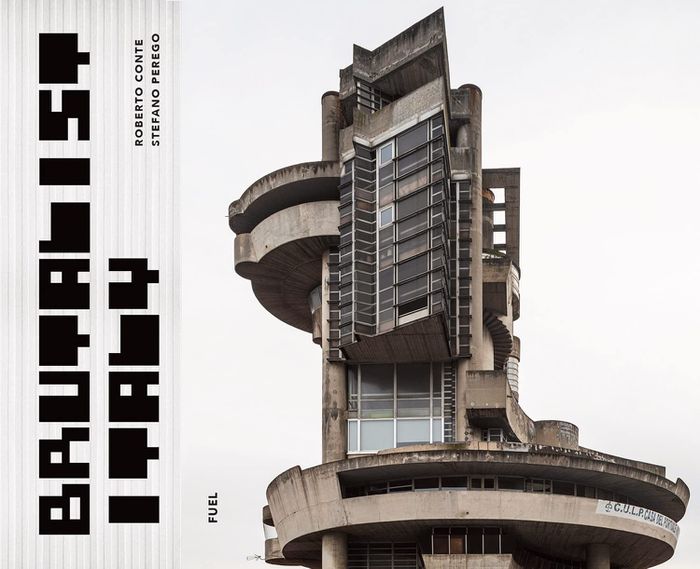
What makes Italian Brutalist buildings different to their counterparts in other countries? Containing over 140 exclusive photographs-- ranging from private homes to churches and cemeteries via football stadiums-- across every region of the country, ''Brutalist Italy'' is the first publication to focus entirely on this subject. Architectural photographers Roberto Conte and Stefano Perego (authors of Soviet Asia) have spent the past five years traveling over 12,000 miles documenting the monumental concrete structures of their native country. Brutalism-- with its minimalist aesthetic, favoring raw materials and structural elements over decorative design-- has a complex relationship with Italian history. After World War II, Italian architects were keen to distance themselves from fascism, without rejecting the architectural modernism that had flourished during that era. They developed a form of contemporary architecture that engaged with traditional methods and materials, drawing on uncontaminated historical references. This plurality of pasts assimilated into new constructions is a recurring feature of the country’s Brutalist buildings, imparting to them a unique identity. From the imposing social housing of Le Vele di Scampia to the celestial Our Lady of Tears Sanctuary, Syracuse, ''Brutalist Italy'' collects the most compelling examples of this extraordinary architecture for the first time in a single volume.
Brutalist Italy: Concrete architecture from the Alps to the Mediterranean Sea
Actions:
Prix:
$49.95
(disponible sur commande)
Résumé:
What makes Italian Brutalist buildings different to their counterparts in other countries? Containing over 140 exclusive photographs-- ranging from private homes to churches and cemeteries via football stadiums-- across every region of the country, ''Brutalist Italy'' is the first publication to focus entirely on this subject. Architectural photographers Roberto Conte and Stefano Perego (authors of Soviet Asia) have spent the past five years traveling over 12,000 miles documenting the monumental concrete structures of their native country. Brutalism-- with its minimalist aesthetic, favoring raw materials and structural elements over decorative design-- has a complex relationship with Italian history. After World War II, Italian architects were keen to distance themselves from fascism, without rejecting the architectural modernism that had flourished during that era. They developed a form of contemporary architecture that engaged with traditional methods and materials, drawing on uncontaminated historical references. This plurality of pasts assimilated into new constructions is a recurring feature of the country’s Brutalist buildings, imparting to them a unique identity. From the imposing social housing of Le Vele di Scampia to the celestial Our Lady of Tears Sanctuary, Syracuse, ''Brutalist Italy'' collects the most compelling examples of this extraordinary architecture for the first time in a single volume.
Classification:
livres
livres
Publication:
septembre 2023
septembre 2023
Sujet:
Brutalisme
Brutalisme
Classification:
livres
livres
Titre:
Elvis road
Elvis road
Actions:
Prix:
$26.95
(disponible sur commande)
Résumé:
This long, speechless comic is read as one 20-ft fold-out page; it's half Saul Steinberg on drugs, half insane doodle. Porn shops, playgrounds and sports arenas mix in the crowded urban scene, where everyone seems to be going somewhere, really desperate, or about to do something wicked and fun. Strange vehicles crowd the road, which serves up race cars, tanks, and a huge(...)
$26.95
(disponible sur commande)
Résumé:
This long, speechless comic is read as one 20-ft fold-out page; it's half Saul Steinberg on drugs, half insane doodle. Porn shops, playgrounds and sports arenas mix in the crowded urban scene, where everyone seems to be going somewhere, really desperate, or about to do something wicked and fun. Strange vehicles crowd the road, which serves up race cars, tanks, and a huge(...)
Titre:
Elvis road
Actions:
Prix:
$26.95
(disponible sur commande)
Résumé:
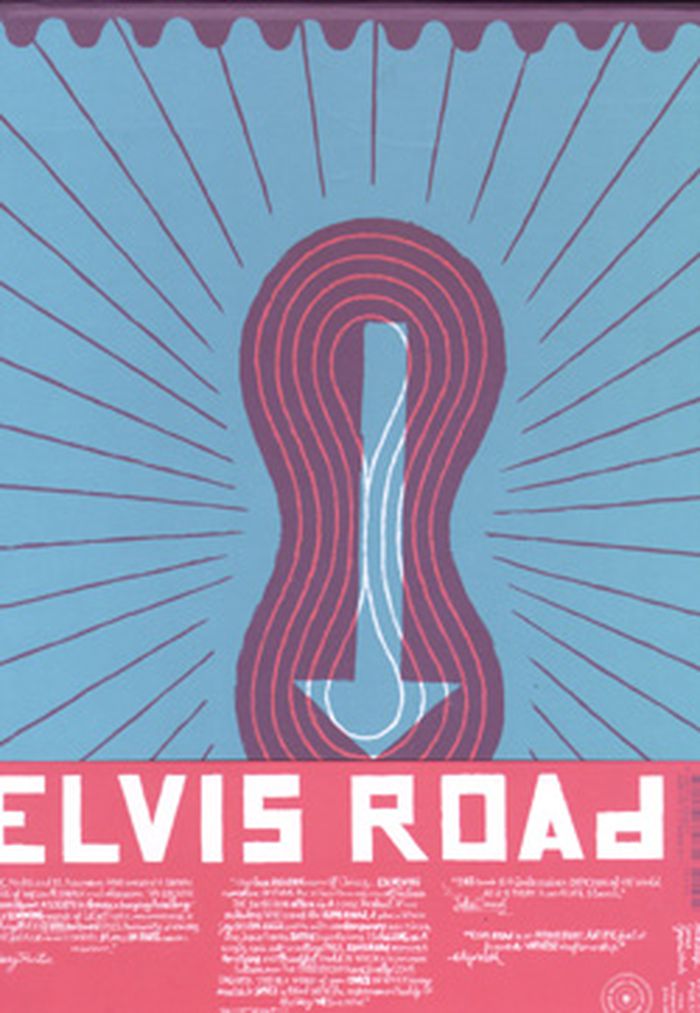
This long, speechless comic is read as one 20-ft fold-out page; it's half Saul Steinberg on drugs, half insane doodle. Porn shops, playgrounds and sports arenas mix in the crowded urban scene, where everyone seems to be going somewhere, really desperate, or about to do something wicked and fun. Strange vehicles crowd the road, which serves up race cars, tanks, and a huge "parfum" tanker truck in one long traffic jam. The simple line drawings use images from World War II, as well as from underground comics of the late '60s through to the present (any references to superheroes and Disney-like characters are purely ironic). The depictions of Klansmen and Nazis seem part of the social critique, perhaps reinforcing the underlying idea that life stuffed to the gills with items that fulfill our every need is itself a form of fascism. There's always something new to see, and much occurs in the cramped spaces, such as when a happy cop ushers small creatures into a theme park called "Cuteland," or when fascist worshipers are hit by a flaming asteroid that leaves a trail of yogurt in which people drown. A strong art-book that's actually a lot of fun.
Elvis road
Actions:
Prix:
$26.95
(disponible sur commande)
Résumé:
This long, speechless comic is read as one 20-ft fold-out page; it's half Saul Steinberg on drugs, half insane doodle. Porn shops, playgrounds and sports arenas mix in the crowded urban scene, where everyone seems to be going somewhere, really desperate, or about to do something wicked and fun. Strange vehicles crowd the road, which serves up race cars, tanks, and a huge "parfum" tanker truck in one long traffic jam. The simple line drawings use images from World War II, as well as from underground comics of the late '60s through to the present (any references to superheroes and Disney-like characters are purely ironic). The depictions of Klansmen and Nazis seem part of the social critique, perhaps reinforcing the underlying idea that life stuffed to the gills with items that fulfill our every need is itself a form of fascism. There's always something new to see, and much occurs in the cramped spaces, such as when a happy cop ushers small creatures into a theme park called "Cuteland," or when fascist worshipers are hit by a flaming asteroid that leaves a trail of yogurt in which people drown. A strong art-book that's actually a lot of fun.
Classification:
livres
livres
Publication:
janvier 1900, Oakland
janvier 1900, Oakland
Classification:
livres
livres
Actions:
Prix:
$39.95
(disponible en magasin)
Résumé:
In the mid 1960s Aldo Rossi launched what in retrospect appears a heroic endeavour: a redefinition of architecture founded in the knowledge of the rules and forms that constitute "the European city". Understanding this type of city as a collective artefact, Rossi sought to lead architecture out of the impasse created by a technocratic interpretation of functionalism after(...)
$39.95
(disponible en magasin)
Résumé:
In the mid 1960s Aldo Rossi launched what in retrospect appears a heroic endeavour: a redefinition of architecture founded in the knowledge of the rules and forms that constitute "the European city". Understanding this type of city as a collective artefact, Rossi sought to lead architecture out of the impasse created by a technocratic interpretation of functionalism after(...)
Titre:
OASE 62 : architecture and the project of the city
Actions:
Prix:
$39.95
(disponible en magasin)
Résumé:
In the mid 1960s Aldo Rossi launched what in retrospect appears a heroic endeavour: a redefinition of architecture founded in the knowledge of the rules and forms that constitute "the European city". Understanding this type of city as a collective artefact, Rossi sought to lead architecture out of the impasse created by a technocratic interpretation of functionalism after World War II. Tendenza, with Aldo Rossi and Giorgio Grassi as its main protagonists, proposed the study of existing cities as architectural phenomena, intending to identify enduring formal patterns that could be reworked into elements of a new design. In this issue of "OASE" these ideas and their bearings on architectural practice are traced through the work of Carel Weeber, arguably the most controversial and successful architect to adopt the Italian ideas and transform them in the Dutch context. This issue will examine the relevance of the experience of Tendenza now, against the background of the almost complete erosion of the urban nature of much of suburbanized Europe. Is the reference to "the European city" still tenable? The transformation of these ideas and design solutions in Holland allows us to gauge their effect on the architectural discipline and their contribution to rethinking existing cities.
OASE 62 : architecture and the project of the city
Actions:
Prix:
$39.95
(disponible en magasin)
Résumé:
In the mid 1960s Aldo Rossi launched what in retrospect appears a heroic endeavour: a redefinition of architecture founded in the knowledge of the rules and forms that constitute "the European city". Understanding this type of city as a collective artefact, Rossi sought to lead architecture out of the impasse created by a technocratic interpretation of functionalism after World War II. Tendenza, with Aldo Rossi and Giorgio Grassi as its main protagonists, proposed the study of existing cities as architectural phenomena, intending to identify enduring formal patterns that could be reworked into elements of a new design. In this issue of "OASE" these ideas and their bearings on architectural practice are traced through the work of Carel Weeber, arguably the most controversial and successful architect to adopt the Italian ideas and transform them in the Dutch context. This issue will examine the relevance of the experience of Tendenza now, against the background of the almost complete erosion of the urban nature of much of suburbanized Europe. Is the reference to "the European city" still tenable? The transformation of these ideas and design solutions in Holland allows us to gauge their effect on the architectural discipline and their contribution to rethinking existing cities.
Classification:
livres
livres
Publication:
octobre 2003, Rotterdam
octobre 2003, Rotterdam
Sujet:
Revues, anciens numéros
Revues, anciens numéros


