


1067 Résultats
Classification:
livres
livres
Actions:
Prix:
$57.95
(disponible sur commande)
Résumé:
Aldo van Eyck: the Shape of Relativity is the first monograph on an architect whose poetic vision has exerted a far-reaching influence on architectural thinking since the Second World War. It is the story of an eventful career and an intensive study of an oeuvre. Far from limiting itself to architecture, this book deals primarily with the architect's ideas. The book(...)
$57.95
(disponible sur commande)
Résumé:
Aldo van Eyck: the Shape of Relativity is the first monograph on an architect whose poetic vision has exerted a far-reaching influence on architectural thinking since the Second World War. It is the story of an eventful career and an intensive study of an oeuvre. Far from limiting itself to architecture, this book deals primarily with the architect's ideas. The book(...)
Titre:
Aldo van Eyck : the shape of relativity
Actions:
Prix:
$57.95
(disponible sur commande)
Résumé:
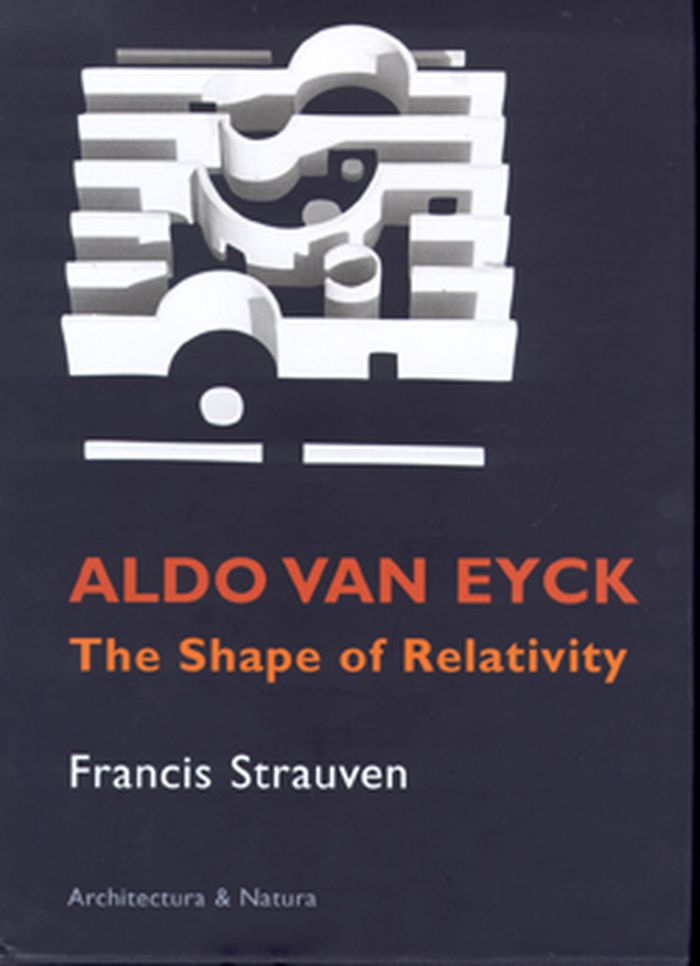
Aldo van Eyck: the Shape of Relativity is the first monograph on an architect whose poetic vision has exerted a far-reaching influence on architectural thinking since the Second World War. It is the story of an eventful career and an intensive study of an oeuvre. Far from limiting itself to architecture, this book deals primarily with the architect's ideas. The book contains more than 600 illustrations, of which 100 are in colour, a bibliography of writings by Aldo van Eyck, a selected bibliography of literature about Aldo van Eyck and a list of designs and completed works.
Aldo van Eyck : the shape of relativity
Actions:
Prix:
$57.95
(disponible sur commande)
Résumé:
Aldo van Eyck: the Shape of Relativity is the first monograph on an architect whose poetic vision has exerted a far-reaching influence on architectural thinking since the Second World War. It is the story of an eventful career and an intensive study of an oeuvre. Far from limiting itself to architecture, this book deals primarily with the architect's ideas. The book contains more than 600 illustrations, of which 100 are in colour, a bibliography of writings by Aldo van Eyck, a selected bibliography of literature about Aldo van Eyck and a list of designs and completed works.
Classification:
livres
livres
Publication:
mai 1998, Amsterdam
mai 1998, Amsterdam
Sujet:
Architecture, monographies
Architecture, monographies
Classification:
livres
livres
Actions:
Prix:
$55.95
(disponible sur commande)
Résumé:
Ricardo Flores and Eva Prats founded their architecture firm in Barcelona in 1998. Their studio, which occupies a former residence, is a workshop where the practical work of design merges with academics, friends, and colleagues; a place that itself is an accumulation of projects and of the realities that have passed through it over the years. This book revisits nine key(...)
$55.95
(disponible sur commande)
Résumé:
Ricardo Flores and Eva Prats founded their architecture firm in Barcelona in 1998. Their studio, which occupies a former residence, is a workshop where the practical work of design merges with academics, friends, and colleagues; a place that itself is an accumulation of projects and of the realities that have passed through it over the years. This book revisits nine key(...)
Titre:
Archives 1: Flores & Prats (3rd Updated Edition)
Actions:
Prix:
$55.95
(disponible sur commande)
Résumé:
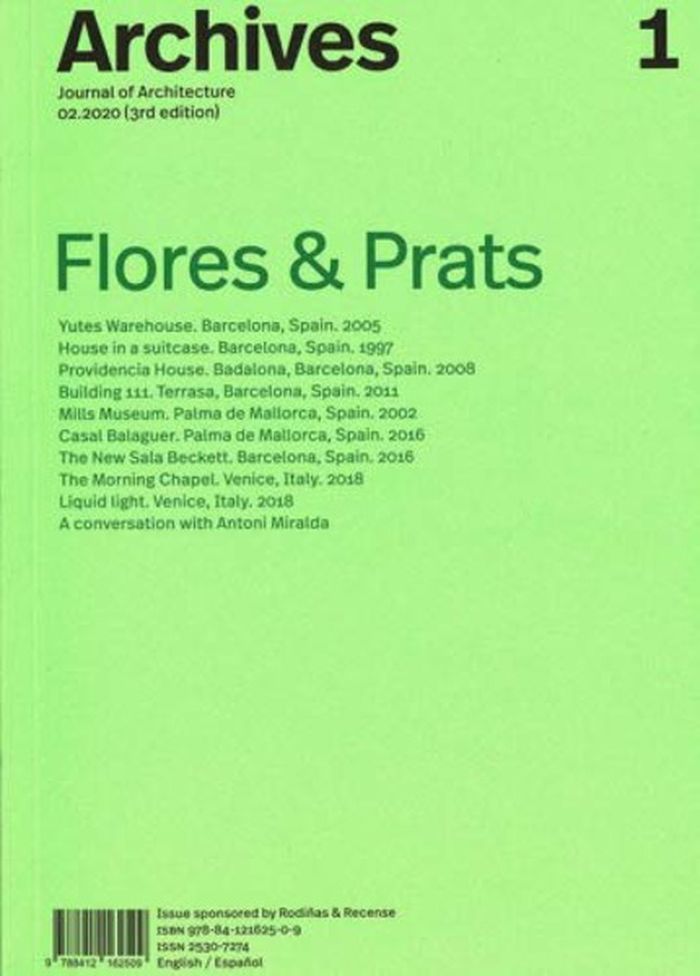
Ricardo Flores and Eva Prats founded their architecture firm in Barcelona in 1998. Their studio, which occupies a former residence, is a workshop where the practical work of design merges with academics, friends, and colleagues; a place that itself is an accumulation of projects and of the realities that have passed through it over the years. This book revisits nine key projects in the duo’s internationally acclaimed oeuvre, including Liquid Light (Venice, 2018), Mills Museum (Palma de Mallorca, 2016), Building 111 (Barcelona, 2011), and Yutes Warehouse (Barcelona, 2005), plus collected images, models, and a conversation with Antoni Miralda.
Archives 1: Flores & Prats (3rd Updated Edition)
Actions:
Prix:
$55.95
(disponible sur commande)
Résumé:
Ricardo Flores and Eva Prats founded their architecture firm in Barcelona in 1998. Their studio, which occupies a former residence, is a workshop where the practical work of design merges with academics, friends, and colleagues; a place that itself is an accumulation of projects and of the realities that have passed through it over the years. This book revisits nine key projects in the duo’s internationally acclaimed oeuvre, including Liquid Light (Venice, 2018), Mills Museum (Palma de Mallorca, 2016), Building 111 (Barcelona, 2011), and Yutes Warehouse (Barcelona, 2005), plus collected images, models, and a conversation with Antoni Miralda.
Classification:
livres
livres
Publication:
novembre 2018
novembre 2018
Sujet:
Architecture, monographies
Architecture, monographies
Classification:
livres
livres
Actions:
Prix:
$57.00
(disponible sur commande)
Résumé:
An insider's look into one of contemporary architecture's most cutting-edge firms. SHoP's striking projects and unique business model are captured in this monograph. Designed in a playful and intricate manner, "SHoP: Out of Practice" reflects the character and attitudes of the firm itself. Thirteen projects are shown in detail, including the Barclays Center at Atlantic(...)
$57.00
(disponible sur commande)
Résumé:
An insider's look into one of contemporary architecture's most cutting-edge firms. SHoP's striking projects and unique business model are captured in this monograph. Designed in a playful and intricate manner, "SHoP: Out of Practice" reflects the character and attitudes of the firm itself. Thirteen projects are shown in detail, including the Barclays Center at Atlantic(...)
Titre:
Shop architects : out of practice
Actions:
Prix:
$57.00
(disponible sur commande)
Résumé:
An insider's look into one of contemporary architecture's most cutting-edge firms. SHoP's striking projects and unique business model are captured in this monograph. Designed in a playful and intricate manner, "SHoP: Out of Practice" reflects the character and attitudes of the firm itself. Thirteen projects are shown in detail, including the Barclays Center at Atlantic Yards, Brooklyn; a master plan for the East River Waterfront, New York; and Dunescape, winner of the annual MoMA/P.S.1 competition for a summer courtyard installation. Interspersed between the projects are thematic explorations of current issues in architecture: style, risk, innovation, sustainability, and more.
Shop architects : out of practice
Actions:
Prix:
$57.00
(disponible sur commande)
Résumé:
An insider's look into one of contemporary architecture's most cutting-edge firms. SHoP's striking projects and unique business model are captured in this monograph. Designed in a playful and intricate manner, "SHoP: Out of Practice" reflects the character and attitudes of the firm itself. Thirteen projects are shown in detail, including the Barclays Center at Atlantic Yards, Brooklyn; a master plan for the East River Waterfront, New York; and Dunescape, winner of the annual MoMA/P.S.1 competition for a summer courtyard installation. Interspersed between the projects are thematic explorations of current issues in architecture: style, risk, innovation, sustainability, and more.
Classification:
livres
livres
Publication:
janvier 2012
janvier 2012
Sujet:
Architecture, monographies
Architecture, monographies
Classification:
livres
livres
Actions:
Prix:
$94.50
(disponible en magasin)
Résumé:
The Embassy of Switzerland that was opened in New Delhi in 1963 was designed to be both an architectural expression of Swiss diplomacy in India and a symbol of a special political friendship between an old democracy and a young one. Both the embassy building itself, designed by Hans Hofmann and Walter Rüegg, and the staff quarters designed by Achyut Kanvinde and Shauka(...)
$94.50
(disponible en magasin)
Résumé:
The Embassy of Switzerland that was opened in New Delhi in 1963 was designed to be both an architectural expression of Swiss diplomacy in India and a symbol of a special political friendship between an old democracy and a young one. Both the embassy building itself, designed by Hans Hofmann and Walter Rüegg, and the staff quarters designed by Achyut Kanvinde and Shauka(...)
Titre:
Hans Hoffmann: a tropical house, the embassy of Switzerland in New Delhi
Actions:
Prix:
$94.50
(disponible en magasin)
Résumé:
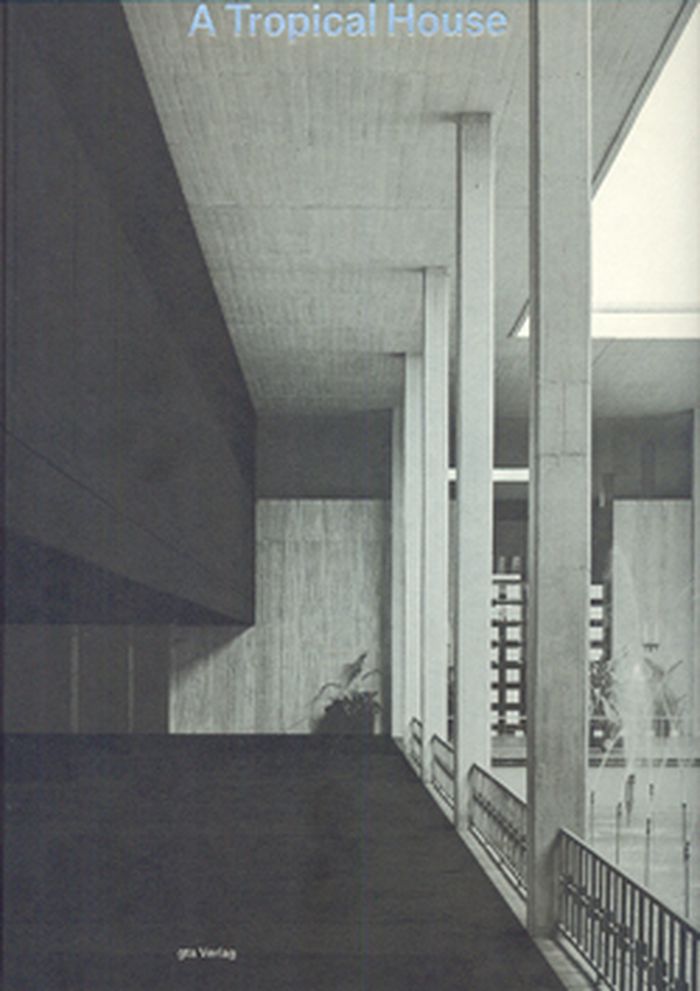
The Embassy of Switzerland that was opened in New Delhi in 1963 was designed to be both an architectural expression of Swiss diplomacy in India and a symbol of a special political friendship between an old democracy and a young one. Both the embassy building itself, designed by Hans Hofmann and Walter Rüegg, and the staff quarters designed by Achyut Kanvinde and Shauka Rai, display a deep engagement with local architectural and climatic conditions—a model case of how “global architecture” can work. This volume celebrates this Swiss-Indian collaboration on its fiftieth anniversary through plans, photographs, and essays.
Hans Hoffmann: a tropical house, the embassy of Switzerland in New Delhi
Actions:
Prix:
$94.50
(disponible en magasin)
Résumé:
The Embassy of Switzerland that was opened in New Delhi in 1963 was designed to be both an architectural expression of Swiss diplomacy in India and a symbol of a special political friendship between an old democracy and a young one. Both the embassy building itself, designed by Hans Hofmann and Walter Rüegg, and the staff quarters designed by Achyut Kanvinde and Shauka Rai, display a deep engagement with local architectural and climatic conditions—a model case of how “global architecture” can work. This volume celebrates this Swiss-Indian collaboration on its fiftieth anniversary through plans, photographs, and essays.
Classification:
livres
livres
Publication:
août 2014
août 2014
Sujet:
Architecture, monographies
Architecture, monographies
Classification:
livres
livres
Titre:
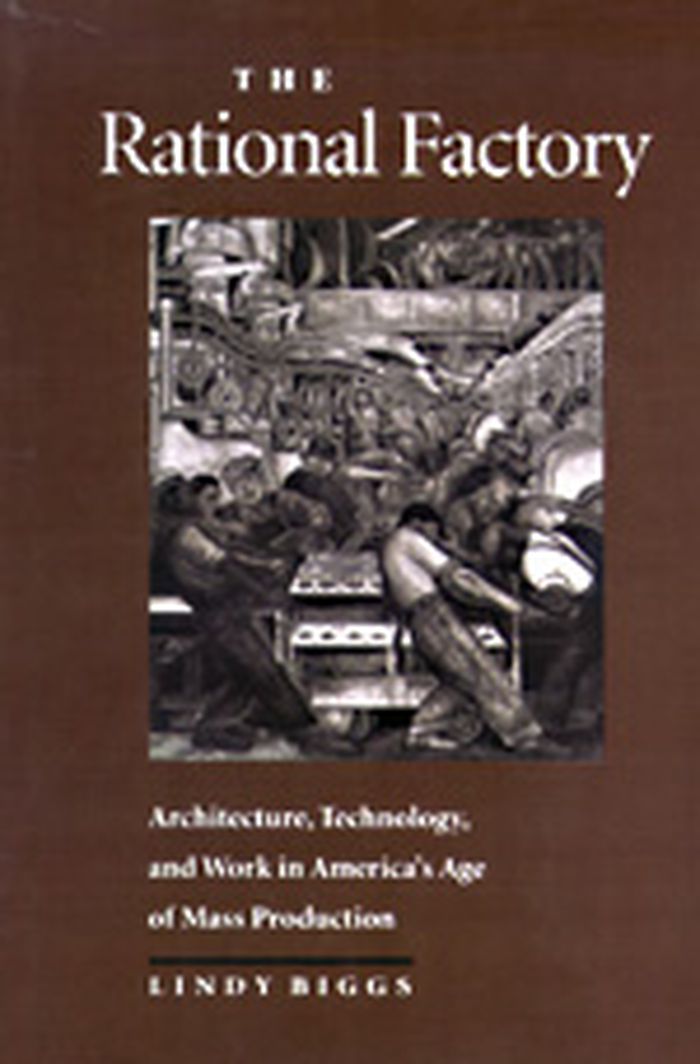
The rational factory : architecture, technology, and work in America's age of mass production
The rational factory : architecture, technology, and work in America's age of mass production
Actions:
Prix:
$31.50
(disponible sur commande)
Résumé:
Searching for a "rational" workplace, turn-of-the-century engineers and industrial architects recast the factory itself in the image of the machine. Indeed, they considered the factory building the "master machine," containing and coordinating all of the machinery within. Such rational factory planning improved production speed and the management of workers. Once(...)
$31.50
(disponible sur commande)
Résumé:
Searching for a "rational" workplace, turn-of-the-century engineers and industrial architects recast the factory itself in the image of the machine. Indeed, they considered the factory building the "master machine," containing and coordinating all of the machinery within. Such rational factory planning improved production speed and the management of workers. Once(...)
Titre:
The rational factory : architecture, technology, and work in America's age of mass production
Actions:
Prix:
$31.50
(disponible sur commande)
Résumé:
Searching for a "rational" workplace, turn-of-the-century engineers and industrial architects recast the factory itself in the image of the machine. Indeed, they considered the factory building the "master machine," containing and coordinating all of the machinery within. Such rational factory planning improved production speed and the management of workers. Once created, the rational factory transformed the nature of work, both human and mechanical. In "The rational factory", Lindy Biggs contends that factory design played a crucial role in the development of American mass production. Her interdisciplinary study draws from the fields of business history, engineering, technology, architecture, and theories of modernity. Why did some people want to rationalize the factory, she asks, and how did the system impact those who worked under it?
The rational factory : architecture, technology, and work in America's age of mass production
Actions:
Prix:
$31.50
(disponible sur commande)
Résumé:
Searching for a "rational" workplace, turn-of-the-century engineers and industrial architects recast the factory itself in the image of the machine. Indeed, they considered the factory building the "master machine," containing and coordinating all of the machinery within. Such rational factory planning improved production speed and the management of workers. Once created, the rational factory transformed the nature of work, both human and mechanical. In "The rational factory", Lindy Biggs contends that factory design played a crucial role in the development of American mass production. Her interdisciplinary study draws from the fields of business history, engineering, technology, architecture, and theories of modernity. Why did some people want to rationalize the factory, she asks, and how did the system impact those who worked under it?
Classification:
livres
livres
Publication:
mars 2003, Baltimore / London
mars 2003, Baltimore / London
Sujet:
Structures d’ingénierie
Structures d’ingénierie
Classification:
livres
livres
Actions:
Prix:
$97.95
(disponible sur commande)
Résumé:
Set amid the imperial extravagances of the American Renaissance to the Roaring Twenties (1890-1935), an era redolent with the well-publicized achievements of such famed designers as Stanford White, Richard Morris Hunt, Carrère & Hastings, and John Russell Pope, it astounds one to learn that the one authentic genius among them was a publicity-shy Philadelphian without any(...)
$97.95
(disponible sur commande)
Résumé:
Set amid the imperial extravagances of the American Renaissance to the Roaring Twenties (1890-1935), an era redolent with the well-publicized achievements of such famed designers as Stanford White, Richard Morris Hunt, Carrère & Hastings, and John Russell Pope, it astounds one to learn that the one authentic genius among them was a publicity-shy Philadelphian without any(...)
Titre:
American Splendor : the residential architecture of Horace Trumbauer
Actions:
Prix:
$97.95
(disponible sur commande)
Résumé:
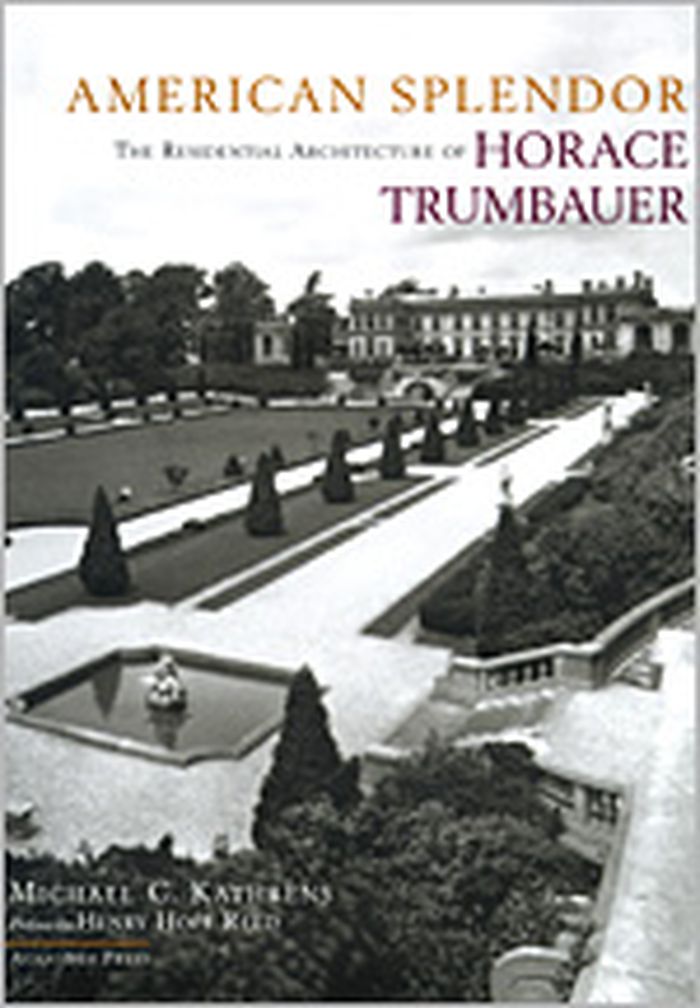
Set amid the imperial extravagances of the American Renaissance to the Roaring Twenties (1890-1935), an era redolent with the well-publicized achievements of such famed designers as Stanford White, Richard Morris Hunt, Carrère & Hastings, and John Russell Pope, it astounds one to learn that the one authentic genius among them was a publicity-shy Philadelphian without any kind of social connections whose formal education did not extend beyond the 10th grade. Yet the supremacy of Horace Trumbauer in the field of classically-inspired residential design is acknowledged by such diverse voices as art connoisseur Joseph Duveen, modernist icon Philip Johnson, and author Aldous Huxley. "American Splendor: The Residential Architecture of Horace Trumbauer," will place the achievements of this master creator of the American Great House before a wider and more discerning public. Working with clients whose names comprise a veritable who's who of America's industrial and financial moguls, Trumbauer's prodigious body of work graced both the exclusive enclaves of Newport, Rhode Island, Long Island, Philadelphia's Main Line and Elkins Park, and the vaunted precincts of New York's Fifth Avenue and Washington DC's Embassy Row. Allied with the finest landscape designers and interior decorators of his time, Trumbauer's elegant mansions represent the ultimate expression of a nation's ambition for grandeur and supremacy since those of the Italian Renaissance. Devoid of any wish for personal fame or artistic recognition, he hoped that his work would ultimately speak for itself. As "American Splendor: The Residential Architecture of Horace Trumbauer" demonstrates, it most certainly and eloquently does. In this first monograph on Horace Trumbauer, American Splendor introduces the genius of this American master architect to the world.
American Splendor : the residential architecture of Horace Trumbauer
Actions:
Prix:
$97.95
(disponible sur commande)
Résumé:
Set amid the imperial extravagances of the American Renaissance to the Roaring Twenties (1890-1935), an era redolent with the well-publicized achievements of such famed designers as Stanford White, Richard Morris Hunt, Carrère & Hastings, and John Russell Pope, it astounds one to learn that the one authentic genius among them was a publicity-shy Philadelphian without any kind of social connections whose formal education did not extend beyond the 10th grade. Yet the supremacy of Horace Trumbauer in the field of classically-inspired residential design is acknowledged by such diverse voices as art connoisseur Joseph Duveen, modernist icon Philip Johnson, and author Aldous Huxley. "American Splendor: The Residential Architecture of Horace Trumbauer," will place the achievements of this master creator of the American Great House before a wider and more discerning public. Working with clients whose names comprise a veritable who's who of America's industrial and financial moguls, Trumbauer's prodigious body of work graced both the exclusive enclaves of Newport, Rhode Island, Long Island, Philadelphia's Main Line and Elkins Park, and the vaunted precincts of New York's Fifth Avenue and Washington DC's Embassy Row. Allied with the finest landscape designers and interior decorators of his time, Trumbauer's elegant mansions represent the ultimate expression of a nation's ambition for grandeur and supremacy since those of the Italian Renaissance. Devoid of any wish for personal fame or artistic recognition, he hoped that his work would ultimately speak for itself. As "American Splendor: The Residential Architecture of Horace Trumbauer" demonstrates, it most certainly and eloquently does. In this first monograph on Horace Trumbauer, American Splendor introduces the genius of this American master architect to the world.
Classification:
livres
livres
Publication:
janvier 1900, New York
janvier 1900, New York
Sujet:
Histoire jusqu’à 1900
Histoire jusqu’à 1900
Classification:
livres
livres
Actions:
Prix:
$70.00
(disponible sur commande)
Résumé:
With the temporary exhibition pavilion of the German Reich at the 1929 International Exposition in Barcelona, Mies van der Rohe designed an architectural icon, but also a controversial monument of the way the Weimar Republic portrayed itself. The building is one of the most unusual success stories in the history of architecture: Despite its short existence, its(...)
$70.00
(disponible sur commande)
Résumé:
With the temporary exhibition pavilion of the German Reich at the 1929 International Exposition in Barcelona, Mies van der Rohe designed an architectural icon, but also a controversial monument of the way the Weimar Republic portrayed itself. The building is one of the most unusual success stories in the history of architecture: Despite its short existence, its(...)
Titre:
An accidental masterpiece : Mies Van Der Rohe's Barcelona-Pavillion
Actions:
Prix:
$70.00
(disponible sur commande)
Résumé:
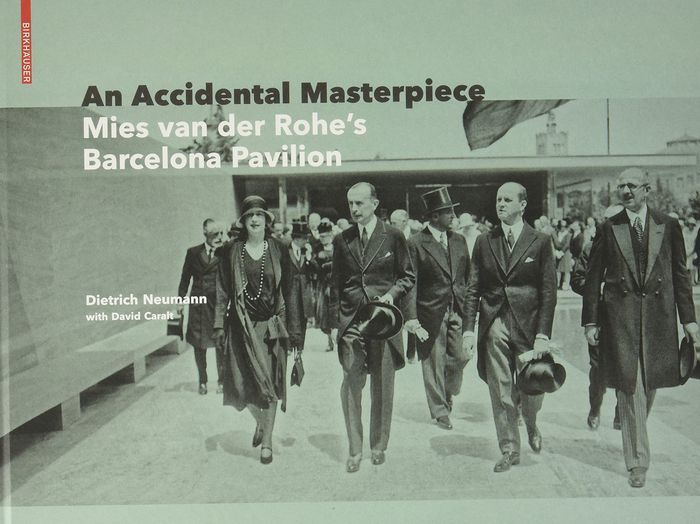
With the temporary exhibition pavilion of the German Reich at the 1929 International Exposition in Barcelona, Mies van der Rohe designed an architectural icon, but also a controversial monument of the way the Weimar Republic portrayed itself. The building is one of the most unusual success stories in the history of architecture: Despite its short existence, its reputation grew steadily in the following decades, thanks in part to magnificent photographs. It was soon considered the constructed manifesto of the Modern Age, and its spatial and "ideational" ambitions were called "a milestone of Modern architecture." This comprehensively, broadly researched book portrays the building’s complex history and its political entanglement- up to and including its reconstruction according to van der Rohe’s plans at the original site between 1983 and 1986.
An accidental masterpiece : Mies Van Der Rohe's Barcelona-Pavillion
Actions:
Prix:
$70.00
(disponible sur commande)
Résumé:
With the temporary exhibition pavilion of the German Reich at the 1929 International Exposition in Barcelona, Mies van der Rohe designed an architectural icon, but also a controversial monument of the way the Weimar Republic portrayed itself. The building is one of the most unusual success stories in the history of architecture: Despite its short existence, its reputation grew steadily in the following decades, thanks in part to magnificent photographs. It was soon considered the constructed manifesto of the Modern Age, and its spatial and "ideational" ambitions were called "a milestone of Modern architecture." This comprehensively, broadly researched book portrays the building’s complex history and its political entanglement- up to and including its reconstruction according to van der Rohe’s plans at the original site between 1983 and 1986.
Classification:
livres
livres
Publication:
novembre 2020
novembre 2020
Sujet:
Architecture, monographies
Architecture, monographies
Classification:
livres
livres
Actions:
Prix:
$73.95
(disponible sur commande)
Résumé:
Selected research projects and architecture exploring the role of design within complex social, political and environmental conditions Toshiko Mori is a New York-based architect and Professor in the Practice of Architecture at the Harvard University Graduate School of Design for many years. As a long-time member of the World Economic Forum's Global Agenda Council on the(...)
$73.95
(disponible sur commande)
Résumé:
Selected research projects and architecture exploring the role of design within complex social, political and environmental conditions Toshiko Mori is a New York-based architect and Professor in the Practice of Architecture at the Harvard University Graduate School of Design for many years. As a long-time member of the World Economic Forum's Global Agenda Council on the(...)
Sujet:
Architecture, monographies
Architecture, monographies
Publication:
novembre 2020
novembre 2020
Titre:
Toshiko Mori Architect: Observations
Actions:
Prix:
$73.95
(disponible sur commande)
Résumé:
Selected research projects and architecture exploring the role of design within complex social, political and environmental conditions Toshiko Mori is a New York-based architect and Professor in the Practice of Architecture at the Harvard University Graduate School of Design for many years. As a long-time member of the World Economic Forum's Global Agenda Council on the Future of Cities, Mori led research and inquiry into sustainable architecture, enhancing cities' livability, and creating efficient urban services. Mori is also on the board of Dassault Systems, a company connecting technology to environment and life science. She has also founded the platform VisionArc, a think tank dedicated to exploring the role of design within complex social and environmental issues. This book will focus on TMA's projects based on research, and the impact of socially valuable projects to society. The book will illustrate how the observation of the architect operates as opposed to how the imagination of the architect manifests itself.
Toshiko Mori Architect: Observations
Actions:
Prix:
$73.95
(disponible sur commande)
Résumé:
Selected research projects and architecture exploring the role of design within complex social, political and environmental conditions Toshiko Mori is a New York-based architect and Professor in the Practice of Architecture at the Harvard University Graduate School of Design for many years. As a long-time member of the World Economic Forum's Global Agenda Council on the Future of Cities, Mori led research and inquiry into sustainable architecture, enhancing cities' livability, and creating efficient urban services. Mori is also on the board of Dassault Systems, a company connecting technology to environment and life science. She has also founded the platform VisionArc, a think tank dedicated to exploring the role of design within complex social and environmental issues. This book will focus on TMA's projects based on research, and the impact of socially valuable projects to society. The book will illustrate how the observation of the architect operates as opposed to how the imagination of the architect manifests itself.
Classification:
livres
livres
Publication:
novembre 2020
novembre 2020
Sujet:
Architecture, monographies
Architecture, monographies
Classification:
livres
livres
Titre:
UNStudio: transform
UNStudio: transform
Actions:
Prix:
$62.00
(disponible sur commande)
Résumé:
The Austrian lighting company Zumtobel Group commissioned the international architecture practice UNStudio to create its annual report for 2021/2022. Founded in 1988 by Ben van Berkel and Caroline Bos, UNStudio is one of the leading Dutch architecture offices in the world, and aims at designing healthy, sustainable cities that have an impact on our planet and a positive(...)
$62.00
(disponible sur commande)
Résumé:
The Austrian lighting company Zumtobel Group commissioned the international architecture practice UNStudio to create its annual report for 2021/2022. Founded in 1988 by Ben van Berkel and Caroline Bos, UNStudio is one of the leading Dutch architecture offices in the world, and aims at designing healthy, sustainable cities that have an impact on our planet and a positive(...)
Titre:
UNStudio: transform
Actions:
Prix:
$62.00
(disponible sur commande)
Résumé:
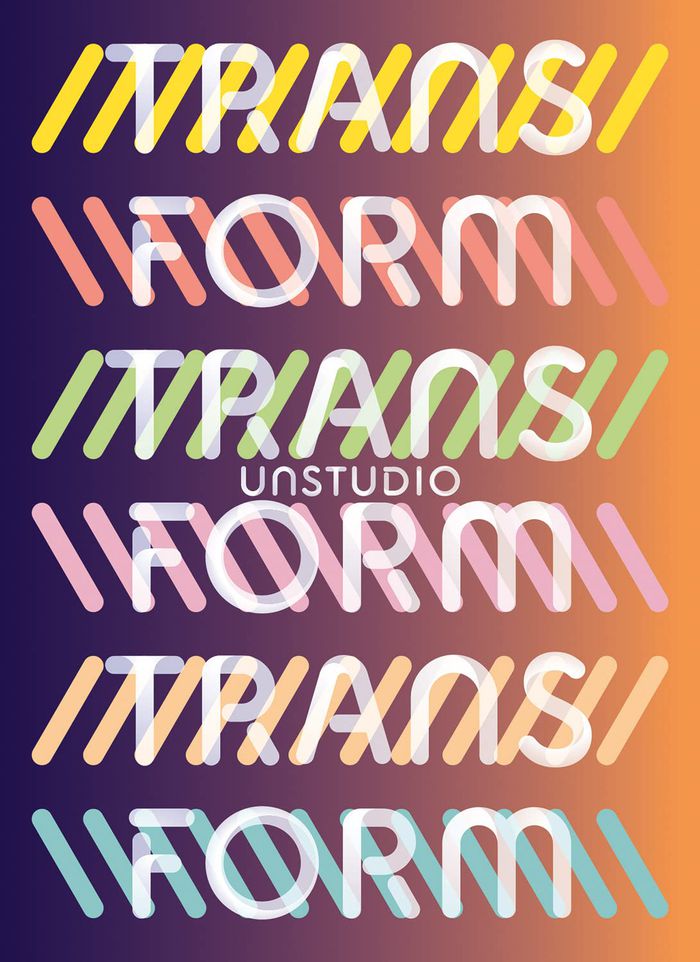
The Austrian lighting company Zumtobel Group commissioned the international architecture practice UNStudio to create its annual report for 2021/2022. Founded in 1988 by Ben van Berkel and Caroline Bos, UNStudio is one of the leading Dutch architecture offices in the world, and aims at designing healthy, sustainable cities that have an impact on our planet and a positive effect on people. As a collaboration with graphic design duo Bloemendaal & Dekkers, this year’s publication presents a design reflection on the theme of transformation. Using illustrations drawn from the work of UNStudio over the past 30 years, the book presents a visual investigation into the creative process, and demonstrates how ideas and concepts are developed by the practice into physical form. Through a similar thought process, the book itself is designed to undergo its own metamorphosis.
UNStudio: transform
Actions:
Prix:
$62.00
(disponible sur commande)
Résumé:
The Austrian lighting company Zumtobel Group commissioned the international architecture practice UNStudio to create its annual report for 2021/2022. Founded in 1988 by Ben van Berkel and Caroline Bos, UNStudio is one of the leading Dutch architecture offices in the world, and aims at designing healthy, sustainable cities that have an impact on our planet and a positive effect on people. As a collaboration with graphic design duo Bloemendaal & Dekkers, this year’s publication presents a design reflection on the theme of transformation. Using illustrations drawn from the work of UNStudio over the past 30 years, the book presents a visual investigation into the creative process, and demonstrates how ideas and concepts are developed by the practice into physical form. Through a similar thought process, the book itself is designed to undergo its own metamorphosis.
Classification:
livres
livres
Publication:
janvier 2023
janvier 2023
Sujet:
Architecture, monographies
Architecture, monographies
Classification:
livres
livres
Titre:
Roger Boltshauser
Roger Boltshauser
Actions:
Prix:
$175.00
(disponible sur commande)
Résumé:
The act of building and its material reality play a defining role in the work of Swiss architect Roger Boltshauser. His architectural language thus develops in the context of the examination of materials and their intrinsic constructive and structural possibilities. Edited by architect and lecturer Martin Tschanz, this monograph examines how Boltshauser’s architecture is(...)
$175.00
(disponible sur commande)
Résumé:
The act of building and its material reality play a defining role in the work of Swiss architect Roger Boltshauser. His architectural language thus develops in the context of the examination of materials and their intrinsic constructive and structural possibilities. Edited by architect and lecturer Martin Tschanz, this monograph examines how Boltshauser’s architecture is(...)
Titre:
Roger Boltshauser
Actions:
Prix:
$175.00
(disponible sur commande)
Résumé:
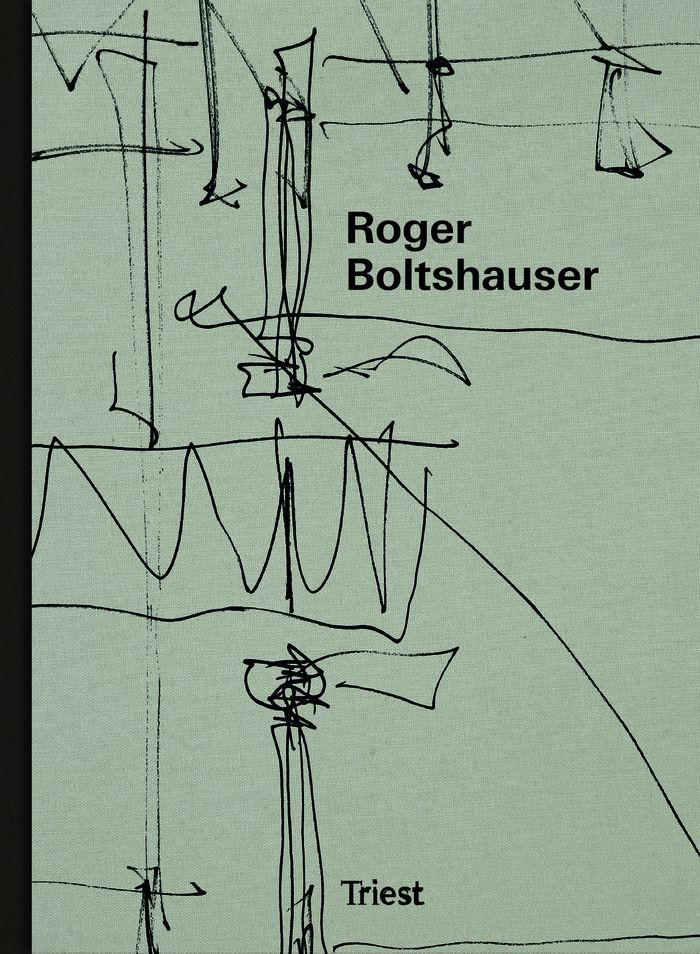
The act of building and its material reality play a defining role in the work of Swiss architect Roger Boltshauser. His architectural language thus develops in the context of the examination of materials and their intrinsic constructive and structural possibilities. Edited by architect and lecturer Martin Tschanz, this monograph examines how Boltshauser’s architecture is neither an implementation of a pictorial idea nor a display of a certain principle. Rather, it is integrative and open to complexity, particularly that of the act of building itself. Contrary to the abstractness of modernism and neo-modernism and the arbitrariness of free forms, his is a unique, contemporary expression.
Roger Boltshauser
Actions:
Prix:
$175.00
(disponible sur commande)
Résumé:
The act of building and its material reality play a defining role in the work of Swiss architect Roger Boltshauser. His architectural language thus develops in the context of the examination of materials and their intrinsic constructive and structural possibilities. Edited by architect and lecturer Martin Tschanz, this monograph examines how Boltshauser’s architecture is neither an implementation of a pictorial idea nor a display of a certain principle. Rather, it is integrative and open to complexity, particularly that of the act of building itself. Contrary to the abstractness of modernism and neo-modernism and the arbitrariness of free forms, his is a unique, contemporary expression.
Classification:
livres
livres
Publication:
août 2021
août 2021
Sujet:
Architecture, monographies
Architecture, monographies


