


12335 Résultats
Classification:
événements
événements
Actions:
Description:
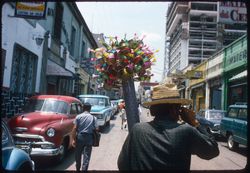
Cette première conférence L’architecture comme sujet d’intérêt public marque le lancement du Réseau de recherche du CCA, une entité qui réunit d’anciens participants aux programmes de recherche menés depuis près de quarante ans au CCA. Cette conférence annuelle prolonge l’exploration du thème de la bourse L’architecture comme sujet d’intérêt public, lequel est, en 2023, «(...)
Cette première conférence L’architecture comme sujet d’intérêt public marque le lancement du Réseau de recherche du CCA, une entité qui réunit d’anciens participants aux programmes de recherche menés depuis près de quarante ans au CCA. Cette conférence annuelle prolonge l’exploration du thème de la bourse L’architecture comme sujet d’intérêt public, lequel est, en 2023, «(...)
Localisation:
En ligne Mot(s)-clé(s):
Samia Henni, Jay Pather, Réseau de recherche du CCA, L'architecture comme sujet d'intérêt public, communautés
En ligne Mot(s)-clé(s):
Samia Henni, Jay Pather, Réseau de recherche du CCA, L'architecture comme sujet d'intérêt public, communautés
Date:
26 septembre 2023, 14 h à 16 h
26 septembre 2023, 14 h à 16 h
Titre:
Conférence L’architecture comme sujet d’intérêt public 2023 : À qui s’adresse ce travail?
Actions:
Description:
Cette première conférence L’architecture comme sujet d’intérêt public marque le lancement du Réseau de recherche du CCA, une entité qui réunit d’anciens participants aux programmes de recherche menés depuis près de quarante ans au CCA. Cette conférence annuelle prolonge l’exploration du thème de la bourse L’architecture comme sujet d’intérêt public, lequel est, en 2023, «(...)
Conférence L’architecture comme sujet d’intérêt public 2023 : À qui s’adresse ce travail?
Actions:
Description:
Cette première conférence L’architecture comme sujet d’intérêt public marque le lancement du Réseau de recherche du CCA, une entité qui réunit d’anciens participants aux programmes de recherche menés depuis près de quarante ans au CCA. Cette conférence annuelle prolonge l’exploration du thème de la bourse L’architecture comme sujet d’intérêt public, lequel est, en 2023, «(...)
Classification:
événements
événements
Date:
26 septembre 2023
14 h à 16 h
26 septembre 2023
14 h à 16 h
Localisation:
En ligne Mot(s)-clé(s):
Samia Henni, Jay Pather, Réseau de recherche du CCA, L'architecture comme sujet d'intérêt public, communautés
En ligne Mot(s)-clé(s):
Samia Henni, Jay Pather, Réseau de recherche du CCA, L'architecture comme sujet d'intérêt public, communautés
Classification:
événements
événements
Actions:
Description:
L’édition 2024 d’Outils d’aujourd’hui explore les avenues créatives, matérielles et méthodologiques pour sonder collectivement comment la théorie queer et trans* peut proposer des critiques du pouvoir permettant de reconsidérer certains des concepts et ontologies de l’histoire architecturale.
L’édition 2024 d’Outils d’aujourd’hui explore les avenues créatives, matérielles et méthodologiques pour sonder collectivement comment la théorie queer et trans* peut proposer des critiques du pouvoir permettant de reconsidérer certains des concepts et ontologies de l’histoire architecturale.
Date:
22 juillet 2024 au 26 juillet 2024
22 juillet 2024 au 26 juillet 2024
Titre:
Outils d'aujourd'hui : Mots et mondes croisés/Mots et mondes queers
Actions:
Description:
L’édition 2024 d’Outils d’aujourd’hui explore les avenues créatives, matérielles et méthodologiques pour sonder collectivement comment la théorie queer et trans* peut proposer des critiques du pouvoir permettant de reconsidérer certains des concepts et ontologies de l’histoire architecturale.
Outils d'aujourd'hui : Mots et mondes croisés/Mots et mondes queers
Actions:
Description:
L’édition 2024 d’Outils d’aujourd’hui explore les avenues créatives, matérielles et méthodologiques pour sonder collectivement comment la théorie queer et trans* peut proposer des critiques du pouvoir permettant de reconsidérer certains des concepts et ontologies de l’histoire architecturale.
Classification:
événements
événements
Date:
22 juillet 2024 au
26 juillet 2024
22 juillet 2024 au
26 juillet 2024
Classification:
événements
événements
Description:
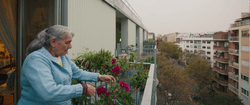
Où – et comment – nous voulons habiter en vieillissant? Nos quartiers, nos immeubles, nos villes sauront-ils s’adapter à nos besoins? La soirée Où vieillir? débute par la projection du documentaire Where We Grow Older (CCA, 2023, 30 min), qui explore comment l’architecture et l’urbanisme peuvent répondre aux défis du vieillissement démographique. La projection sera(...)
Où – et comment – nous voulons habiter en vieillissant? Nos quartiers, nos immeubles, nos villes sauront-ils s’adapter à nos besoins? La soirée Où vieillir? débute par la projection du documentaire Where We Grow Older (CCA, 2023, 30 min), qui explore comment l’architecture et l’urbanisme peuvent répondre aux défis du vieillissement démographique. La projection sera(...)
Localisation:
Théâtre Paul-Desmarais
Théâtre Paul-Desmarais
Date:
5 février 2026, 18h
5 février 2026, 18h
Titre:
Film et discussion : Où vieillir?
Actions:
Description:
Où – et comment – nous voulons habiter en vieillissant? Nos quartiers, nos immeubles, nos villes sauront-ils s’adapter à nos besoins? La soirée Où vieillir? débute par la projection du documentaire Where We Grow Older (CCA, 2023, 30 min), qui explore comment l’architecture et l’urbanisme peuvent répondre aux défis du vieillissement démographique. La projection sera(...)
Film et discussion : Où vieillir?
Actions:
Description:
Où – et comment – nous voulons habiter en vieillissant? Nos quartiers, nos immeubles, nos villes sauront-ils s’adapter à nos besoins? La soirée Où vieillir? débute par la projection du documentaire Where We Grow Older (CCA, 2023, 30 min), qui explore comment l’architecture et l’urbanisme peuvent répondre aux défis du vieillissement démographique. La projection sera(...)
Classification:
événements
événements
Date:
5 février 2026
18h
5 février 2026
18h
Localisation:
Théâtre Paul-Desmarais
Théâtre Paul-Desmarais
Classification:
recherche
recherche
Titre:
Chercheurs virtuels 2023
Chercheurs virtuels 2023
Actions:
Description:
L’édition 2023 du programme virtuel de bourses de recherche CCA invitait à de nouvelles orientations, lectures et interactions avec les œuvres photographiques de notre collection, afin de déterminer comment une compréhension plus large de la « vision » peut dépasser ce que Vilém Flusser appelle « l’image technique ».
L’édition 2023 du programme virtuel de bourses de recherche CCA invitait à de nouvelles orientations, lectures et interactions avec les œuvres photographiques de notre collection, afin de déterminer comment une compréhension plus large de la « vision » peut dépasser ce que Vilém Flusser appelle « l’image technique ».
Date:
mars 2023 au avril 2023
mars 2023 au avril 2023
Titre:
Chercheurs virtuels 2023
Actions:
Description:
L’édition 2023 du programme virtuel de bourses de recherche CCA invitait à de nouvelles orientations, lectures et interactions avec les œuvres photographiques de notre collection, afin de déterminer comment une compréhension plus large de la « vision » peut dépasser ce que Vilém Flusser appelle « l’image technique ».
Chercheurs virtuels 2023
Actions:
Description:
L’édition 2023 du programme virtuel de bourses de recherche CCA invitait à de nouvelles orientations, lectures et interactions avec les œuvres photographiques de notre collection, afin de déterminer comment une compréhension plus large de la « vision » peut dépasser ce que Vilém Flusser appelle « l’image technique ».
Classification:
recherche
recherche
Date:
mars 2023 au
avril 2023
mars 2023 au
avril 2023
Classification:
événements
événements
Description:
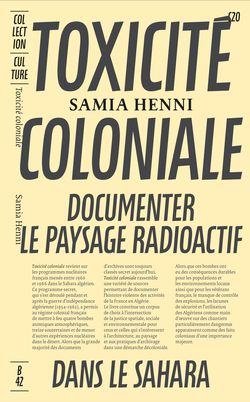
Rejoignez-nous pour une conversation à propos de la plus récente publication de Samia Henni, Toxicité Coloniale : Documenter le paysage radioactif dans le Sahara, publiée en français aux Éditions B42. Pour l’occasion, Henni présentera la genèse de ce projet et le processus de création de cette édition.
Rejoignez-nous pour une conversation à propos de la plus récente publication de Samia Henni, Toxicité Coloniale : Documenter le paysage radioactif dans le Sahara, publiée en français aux Éditions B42. Pour l’occasion, Henni présentera la genèse de ce projet et le processus de création de cette édition.
Date:
12 mars 2026, 18h
12 mars 2026, 18h
Titre:
Lancement de livre : Toxicité coloniale avec Samia Henni
Actions:
Description:
Rejoignez-nous pour une conversation à propos de la plus récente publication de Samia Henni, Toxicité Coloniale : Documenter le paysage radioactif dans le Sahara, publiée en français aux Éditions B42. Pour l’occasion, Henni présentera la genèse de ce projet et le processus de création de cette édition.
Lancement de livre : Toxicité coloniale avec Samia Henni
Actions:
Description:
Rejoignez-nous pour une conversation à propos de la plus récente publication de Samia Henni, Toxicité Coloniale : Documenter le paysage radioactif dans le Sahara, publiée en français aux Éditions B42. Pour l’occasion, Henni présentera la genèse de ce projet et le processus de création de cette édition.
Classification:
événements
événements
Date:
12 mars 2026
18h
12 mars 2026
18h
Classification:
archives
Niveau de description archivistique:
Fonds
archives
Niveau de description archivistique:
Fonds
Numéro de référence:
AP106
Résumé:
The Faubourg Québec project records, 1989-1994, document the redevelopment of Faubourg Québec, a 30 acre site east of the Old Port of Montréal, into an urban residential neighbourhood. Materials in these project records consist of approximately 253 drawings (including reprographic copies) and 0.33 of l.m. textual materials.
AP106
Résumé:
The Faubourg Québec project records, 1989-1994, document the redevelopment of Faubourg Québec, a 30 acre site east of the Old Port of Montréal, into an urban residential neighbourhood. Materials in these project records consist of approximately 253 drawings (including reprographic copies) and 0.33 of l.m. textual materials.
Personnes et institutions:
Date:
1989-1994
1989-1994
Titre:
Documents d’archives pour le projet Faubourg Québec
Actions:
AP106
Résumé:
The Faubourg Québec project records, 1989-1994, document the redevelopment of Faubourg Québec, a 30 acre site east of the Old Port of Montréal, into an urban residential neighbourhood. Materials in these project records consist of approximately 253 drawings (including reprographic copies) and 0.33 of l.m. textual materials.
Documents d’archives pour le projet Faubourg Québec
Actions:
AP106
Résumé:
The Faubourg Québec project records, 1989-1994, document the redevelopment of Faubourg Québec, a 30 acre site east of the Old Port of Montréal, into an urban residential neighbourhood. Materials in these project records consist of approximately 253 drawings (including reprographic copies) and 0.33 of l.m. textual materials.
Classification:
archives
Niveau de description archivistique:
Fonds
archives
Niveau de description archivistique:
Fonds
Date:
1989-1994
1989-1994
Personnes et institutions:
Niveau de description archivistique:
Série(s)
Série(s)
Numéro de référence:
AP189.S2
Description:
Series 2, Software for producing the projection and narration, 2007-2008, is composed of ten different versions of the module that generates the projection and narration in the open gallery. Seven of the versions were among the files saved to a compact disc following the CCA exhibition and have been kept together as group ARCH275207. Three of the versions were on a hard drive that was used in Rovereto and comprise group ARCH275212. The core elements of each module are two application files. One of these, whose name begins with "VE1" uses parameters contained in a file called "config.txt". The other application file, called "VECalibration" displays the entire volume of the projected architectural space. The geometric parameters for a room are recorded in a separate image file called "ecan-angles.jpg". A readme file in each module explains how the different files interact with one another. It also identifies the version of the "VE1" application files and any issues that may be related to the version. Each module includes hundreds of Shockwave Flash files (.swf), each containing an animated or still image of a person or persons and/or one or more pieces of furniture. Some of the .swf files contain an image of one or more furnished rooms inhabited by one or more persons. In most versions, the config.txt file contains a URL that accesses the database containing the sensor data. The URL references the file "captorsxml.aspx". As mentioned earlier, the config.txt file also contains parameters for the projected image, including scene geometry, colors and space occupation, and lists of the .swf files for persons and objects. Most versions of the module also include twenty-one .mp3 files, one of which is "empty". The other twenty each contain an audio recording of a female voice that states values for temperature, illumination and relative humidity and narrates a scenario written by Alain Robbe-Grillet. There is a French- and English-language version of each scenario
AP189.S2
Description:
Series 2, Software for producing the projection and narration, 2007-2008, is composed of ten different versions of the module that generates the projection and narration in the open gallery. Seven of the versions were among the files saved to a compact disc following the CCA exhibition and have been kept together as group ARCH275207. Three of the versions were on a hard drive that was used in Rovereto and comprise group ARCH275212. The core elements of each module are two application files. One of these, whose name begins with "VE1" uses parameters contained in a file called "config.txt". The other application file, called "VECalibration" displays the entire volume of the projected architectural space. The geometric parameters for a room are recorded in a separate image file called "ecan-angles.jpg". A readme file in each module explains how the different files interact with one another. It also identifies the version of the "VE1" application files and any issues that may be related to the version. Each module includes hundreds of Shockwave Flash files (.swf), each containing an animated or still image of a person or persons and/or one or more pieces of furniture. Some of the .swf files contain an image of one or more furnished rooms inhabited by one or more persons. In most versions, the config.txt file contains a URL that accesses the database containing the sensor data. The URL references the file "captorsxml.aspx". As mentioned earlier, the config.txt file also contains parameters for the projected image, including scene geometry, colors and space occupation, and lists of the .swf files for persons and objects. Most versions of the module also include twenty-one .mp3 files, one of which is "empty". The other twenty each contain an audio recording of a female voice that states values for temperature, illumination and relative humidity and narrates a scenario written by Alain Robbe-Grillet. There is a French- and English-language version of each scenario
Personnes et institutions:
Date:
2007-2008
2007-2008
Titre:
Software for producing the projection and narration
Actions:
AP189.S2
Description:
Series 2, Software for producing the projection and narration, 2007-2008, is composed of ten different versions of the module that generates the projection and narration in the open gallery. Seven of the versions were among the files saved to a compact disc following the CCA exhibition and have been kept together as group ARCH275207. Three of the versions were on a hard drive that was used in Rovereto and comprise group ARCH275212. The core elements of each module are two application files. One of these, whose name begins with "VE1" uses parameters contained in a file called "config.txt". The other application file, called "VECalibration" displays the entire volume of the projected architectural space. The geometric parameters for a room are recorded in a separate image file called "ecan-angles.jpg". A readme file in each module explains how the different files interact with one another. It also identifies the version of the "VE1" application files and any issues that may be related to the version. Each module includes hundreds of Shockwave Flash files (.swf), each containing an animated or still image of a person or persons and/or one or more pieces of furniture. Some of the .swf files contain an image of one or more furnished rooms inhabited by one or more persons. In most versions, the config.txt file contains a URL that accesses the database containing the sensor data. The URL references the file "captorsxml.aspx". As mentioned earlier, the config.txt file also contains parameters for the projected image, including scene geometry, colors and space occupation, and lists of the .swf files for persons and objects. Most versions of the module also include twenty-one .mp3 files, one of which is "empty". The other twenty each contain an audio recording of a female voice that states values for temperature, illumination and relative humidity and narrates a scenario written by Alain Robbe-Grillet. There is a French- and English-language version of each scenario
Software for producing the projection and narration
Actions:
AP189.S2
Description:
Series 2, Software for producing the projection and narration, 2007-2008, is composed of ten different versions of the module that generates the projection and narration in the open gallery. Seven of the versions were among the files saved to a compact disc following the CCA exhibition and have been kept together as group ARCH275207. Three of the versions were on a hard drive that was used in Rovereto and comprise group ARCH275212. The core elements of each module are two application files. One of these, whose name begins with "VE1" uses parameters contained in a file called "config.txt". The other application file, called "VECalibration" displays the entire volume of the projected architectural space. The geometric parameters for a room are recorded in a separate image file called "ecan-angles.jpg". A readme file in each module explains how the different files interact with one another. It also identifies the version of the "VE1" application files and any issues that may be related to the version. Each module includes hundreds of Shockwave Flash files (.swf), each containing an animated or still image of a person or persons and/or one or more pieces of furniture. Some of the .swf files contain an image of one or more furnished rooms inhabited by one or more persons. In most versions, the config.txt file contains a URL that accesses the database containing the sensor data. The URL references the file "captorsxml.aspx". As mentioned earlier, the config.txt file also contains parameters for the projected image, including scene geometry, colors and space occupation, and lists of the .swf files for persons and objects. Most versions of the module also include twenty-one .mp3 files, one of which is "empty". The other twenty each contain an audio recording of a female voice that states values for temperature, illumination and relative humidity and narrates a scenario written by Alain Robbe-Grillet. There is a French- and English-language version of each scenario
Niveau de description archivistique:
Series 2
Series 2
Date:
2007-2008
2007-2008
Personnes et institutions:
Niveau de description archivistique:
Série(s)
Série(s)
Titre:
Architectural projects
Architectural projects
Numéro de référence:
AP178.S1
Description:
Series AP178.S1 is the largest series of the Álvaro Siza fonds and documents over 200 of Siza’s built and unbuilt architectural projects. The series is divided into project series which are arranged chronologically by project year. Presently, materials in this series range from 1958-2012. The CCA will also receive materials documenting Siza’s more recent work in future additions. Documenting the projects are conceptual, design, presentation, and working drawings, as well as photographic materials, textual documentation, and models. Although the drawings for each project have been identified, Siza often sketches or doodles on textual documentation, such as minutes of meetings or notes. When possible, folders that include textual documents with sketches or doodles have been identified. Amounts and types of materials vary from project to project. Project documentation is usually in Portuguese, with some exceptions including French, English, German, and Dutch. Most project series include sketches, studies, and working drawings. Other drawings included are site plans, floor plans, topographic surveys, elevations, sections, as well as technical and mechanical details. Also documenting the projects are photographic materials and textual documentation, such as correspondence, building programs, contracts, notes, and other working details. Photographic materials found within this archive are slides, negatives, photomontages and photographs of project sites and models.The photomontages were often used to study the function of the project site. To fully understand Siza’s methodology, sketchbooks (Series AP178.S2) should be viewed alongside the project drawings, when possible. Each project series description highlights sketchbooks in series AP178.S2 which contain related sketches. It is important to note that not all projects are represented in the sketchbooks in Series AP178.S2. Moreover, project series descriptions only list related sketchbooks when sketches have been positively identified as related to the corresponding project. The Siza fonds will be processed in four phases. The materials processed in the first, second, and third phases are architectural projects from the 1950’s, 1960’s, and 1970’s; urban planning projects; Reconstrução do Chiado; Berlin projects submitted to the IBA competition; cultural institutions; individual houses; and the Plano de urbanização Deelgebied 5 Schilderswijk-West in The Hague. Among The Hague and the Berlin projects are the Punt en Komma social housing, Bonjour Tristesse, and the Residential settlement in Schilderswijk. This series is better understood in the context of how the records for architectural projects were arranged by Siza’s office. Earlier projects were initially numbered by Siza’s office and then received new project numbers by the office archivist, who joined the office in the 1990s. Project files have been kept in the order in which they were received by the CCA, which is how they were arranged by the office archivist. The project numbers and dates assigned by Siza’s office archivist are included in the descriptions for each project and form the basis for the arrangement of this series. The office archivist numbered projects consecutively by decade, for instance, 58/80 was the 58th project during the 1980s. Numbers which were included in square brackets, ex. [14]/75, show that the project was not a ‘full’ project and contains a small amount of documentation. When projects are followed by a letter (A, B, C) this signifies a project is connected to the first. When the project number is followed by a number (1, 2, 3) this signifies a separate building within a larger project. For the purposes of arrangement, project numbers that were assigned a letter or number are arranged as sub-series of the related project series. Exceptions to this numbering convention are projects 23/60, 25/60, 28/60, 33/60, 34/60 and 35/60. These projects were not in the office’s original project list and were not officially considered projects. The office archivist assembled documentation related to these projects and assigned them numbers. In the early 2000s a large number of photographic materials were gathered together by the office archivist from various correspondence files for a digitization project initiated by the office. These materials remained housed together as a photograph collection in the office. Not all of these materials were digitized by the office. Those that were digitized were assigned numbers which have been identified in the file descriptions. It is important to note that several photographic materials were left with the textual documentation or drawings. When this is the case they are identified in the file description. There are also several panoramic photomontages which were created by either gluing or taping several photographs together to make panoramas of project sites.
AP178.S1
Description:
Series AP178.S1 is the largest series of the Álvaro Siza fonds and documents over 200 of Siza’s built and unbuilt architectural projects. The series is divided into project series which are arranged chronologically by project year. Presently, materials in this series range from 1958-2012. The CCA will also receive materials documenting Siza’s more recent work in future additions. Documenting the projects are conceptual, design, presentation, and working drawings, as well as photographic materials, textual documentation, and models. Although the drawings for each project have been identified, Siza often sketches or doodles on textual documentation, such as minutes of meetings or notes. When possible, folders that include textual documents with sketches or doodles have been identified. Amounts and types of materials vary from project to project. Project documentation is usually in Portuguese, with some exceptions including French, English, German, and Dutch. Most project series include sketches, studies, and working drawings. Other drawings included are site plans, floor plans, topographic surveys, elevations, sections, as well as technical and mechanical details. Also documenting the projects are photographic materials and textual documentation, such as correspondence, building programs, contracts, notes, and other working details. Photographic materials found within this archive are slides, negatives, photomontages and photographs of project sites and models.The photomontages were often used to study the function of the project site. To fully understand Siza’s methodology, sketchbooks (Series AP178.S2) should be viewed alongside the project drawings, when possible. Each project series description highlights sketchbooks in series AP178.S2 which contain related sketches. It is important to note that not all projects are represented in the sketchbooks in Series AP178.S2. Moreover, project series descriptions only list related sketchbooks when sketches have been positively identified as related to the corresponding project. The Siza fonds will be processed in four phases. The materials processed in the first, second, and third phases are architectural projects from the 1950’s, 1960’s, and 1970’s; urban planning projects; Reconstrução do Chiado; Berlin projects submitted to the IBA competition; cultural institutions; individual houses; and the Plano de urbanização Deelgebied 5 Schilderswijk-West in The Hague. Among The Hague and the Berlin projects are the Punt en Komma social housing, Bonjour Tristesse, and the Residential settlement in Schilderswijk. This series is better understood in the context of how the records for architectural projects were arranged by Siza’s office. Earlier projects were initially numbered by Siza’s office and then received new project numbers by the office archivist, who joined the office in the 1990s. Project files have been kept in the order in which they were received by the CCA, which is how they were arranged by the office archivist. The project numbers and dates assigned by Siza’s office archivist are included in the descriptions for each project and form the basis for the arrangement of this series. The office archivist numbered projects consecutively by decade, for instance, 58/80 was the 58th project during the 1980s. Numbers which were included in square brackets, ex. [14]/75, show that the project was not a ‘full’ project and contains a small amount of documentation. When projects are followed by a letter (A, B, C) this signifies a project is connected to the first. When the project number is followed by a number (1, 2, 3) this signifies a separate building within a larger project. For the purposes of arrangement, project numbers that were assigned a letter or number are arranged as sub-series of the related project series. Exceptions to this numbering convention are projects 23/60, 25/60, 28/60, 33/60, 34/60 and 35/60. These projects were not in the office’s original project list and were not officially considered projects. The office archivist assembled documentation related to these projects and assigned them numbers. In the early 2000s a large number of photographic materials were gathered together by the office archivist from various correspondence files for a digitization project initiated by the office. These materials remained housed together as a photograph collection in the office. Not all of these materials were digitized by the office. Those that were digitized were assigned numbers which have been identified in the file descriptions. It is important to note that several photographic materials were left with the textual documentation or drawings. When this is the case they are identified in the file description. There are also several panoramic photomontages which were created by either gluing or taping several photographs together to make panoramas of project sites.
Personnes et institutions:
Date:
1948-2012
1948-2012
Titre:
Architectural projects
Actions:
AP178.S1
Description:
Series AP178.S1 is the largest series of the Álvaro Siza fonds and documents over 200 of Siza’s built and unbuilt architectural projects. The series is divided into project series which are arranged chronologically by project year. Presently, materials in this series range from 1958-2012. The CCA will also receive materials documenting Siza’s more recent work in future additions. Documenting the projects are conceptual, design, presentation, and working drawings, as well as photographic materials, textual documentation, and models. Although the drawings for each project have been identified, Siza often sketches or doodles on textual documentation, such as minutes of meetings or notes. When possible, folders that include textual documents with sketches or doodles have been identified. Amounts and types of materials vary from project to project. Project documentation is usually in Portuguese, with some exceptions including French, English, German, and Dutch. Most project series include sketches, studies, and working drawings. Other drawings included are site plans, floor plans, topographic surveys, elevations, sections, as well as technical and mechanical details. Also documenting the projects are photographic materials and textual documentation, such as correspondence, building programs, contracts, notes, and other working details. Photographic materials found within this archive are slides, negatives, photomontages and photographs of project sites and models.The photomontages were often used to study the function of the project site. To fully understand Siza’s methodology, sketchbooks (Series AP178.S2) should be viewed alongside the project drawings, when possible. Each project series description highlights sketchbooks in series AP178.S2 which contain related sketches. It is important to note that not all projects are represented in the sketchbooks in Series AP178.S2. Moreover, project series descriptions only list related sketchbooks when sketches have been positively identified as related to the corresponding project. The Siza fonds will be processed in four phases. The materials processed in the first, second, and third phases are architectural projects from the 1950’s, 1960’s, and 1970’s; urban planning projects; Reconstrução do Chiado; Berlin projects submitted to the IBA competition; cultural institutions; individual houses; and the Plano de urbanização Deelgebied 5 Schilderswijk-West in The Hague. Among The Hague and the Berlin projects are the Punt en Komma social housing, Bonjour Tristesse, and the Residential settlement in Schilderswijk. This series is better understood in the context of how the records for architectural projects were arranged by Siza’s office. Earlier projects were initially numbered by Siza’s office and then received new project numbers by the office archivist, who joined the office in the 1990s. Project files have been kept in the order in which they were received by the CCA, which is how they were arranged by the office archivist. The project numbers and dates assigned by Siza’s office archivist are included in the descriptions for each project and form the basis for the arrangement of this series. The office archivist numbered projects consecutively by decade, for instance, 58/80 was the 58th project during the 1980s. Numbers which were included in square brackets, ex. [14]/75, show that the project was not a ‘full’ project and contains a small amount of documentation. When projects are followed by a letter (A, B, C) this signifies a project is connected to the first. When the project number is followed by a number (1, 2, 3) this signifies a separate building within a larger project. For the purposes of arrangement, project numbers that were assigned a letter or number are arranged as sub-series of the related project series. Exceptions to this numbering convention are projects 23/60, 25/60, 28/60, 33/60, 34/60 and 35/60. These projects were not in the office’s original project list and were not officially considered projects. The office archivist assembled documentation related to these projects and assigned them numbers. In the early 2000s a large number of photographic materials were gathered together by the office archivist from various correspondence files for a digitization project initiated by the office. These materials remained housed together as a photograph collection in the office. Not all of these materials were digitized by the office. Those that were digitized were assigned numbers which have been identified in the file descriptions. It is important to note that several photographic materials were left with the textual documentation or drawings. When this is the case they are identified in the file description. There are also several panoramic photomontages which were created by either gluing or taping several photographs together to make panoramas of project sites.
Architectural projects
Actions:
AP178.S1
Description:
Series AP178.S1 is the largest series of the Álvaro Siza fonds and documents over 200 of Siza’s built and unbuilt architectural projects. The series is divided into project series which are arranged chronologically by project year. Presently, materials in this series range from 1958-2012. The CCA will also receive materials documenting Siza’s more recent work in future additions. Documenting the projects are conceptual, design, presentation, and working drawings, as well as photographic materials, textual documentation, and models. Although the drawings for each project have been identified, Siza often sketches or doodles on textual documentation, such as minutes of meetings or notes. When possible, folders that include textual documents with sketches or doodles have been identified. Amounts and types of materials vary from project to project. Project documentation is usually in Portuguese, with some exceptions including French, English, German, and Dutch. Most project series include sketches, studies, and working drawings. Other drawings included are site plans, floor plans, topographic surveys, elevations, sections, as well as technical and mechanical details. Also documenting the projects are photographic materials and textual documentation, such as correspondence, building programs, contracts, notes, and other working details. Photographic materials found within this archive are slides, negatives, photomontages and photographs of project sites and models.The photomontages were often used to study the function of the project site. To fully understand Siza’s methodology, sketchbooks (Series AP178.S2) should be viewed alongside the project drawings, when possible. Each project series description highlights sketchbooks in series AP178.S2 which contain related sketches. It is important to note that not all projects are represented in the sketchbooks in Series AP178.S2. Moreover, project series descriptions only list related sketchbooks when sketches have been positively identified as related to the corresponding project. The Siza fonds will be processed in four phases. The materials processed in the first, second, and third phases are architectural projects from the 1950’s, 1960’s, and 1970’s; urban planning projects; Reconstrução do Chiado; Berlin projects submitted to the IBA competition; cultural institutions; individual houses; and the Plano de urbanização Deelgebied 5 Schilderswijk-West in The Hague. Among The Hague and the Berlin projects are the Punt en Komma social housing, Bonjour Tristesse, and the Residential settlement in Schilderswijk. This series is better understood in the context of how the records for architectural projects were arranged by Siza’s office. Earlier projects were initially numbered by Siza’s office and then received new project numbers by the office archivist, who joined the office in the 1990s. Project files have been kept in the order in which they were received by the CCA, which is how they were arranged by the office archivist. The project numbers and dates assigned by Siza’s office archivist are included in the descriptions for each project and form the basis for the arrangement of this series. The office archivist numbered projects consecutively by decade, for instance, 58/80 was the 58th project during the 1980s. Numbers which were included in square brackets, ex. [14]/75, show that the project was not a ‘full’ project and contains a small amount of documentation. When projects are followed by a letter (A, B, C) this signifies a project is connected to the first. When the project number is followed by a number (1, 2, 3) this signifies a separate building within a larger project. For the purposes of arrangement, project numbers that were assigned a letter or number are arranged as sub-series of the related project series. Exceptions to this numbering convention are projects 23/60, 25/60, 28/60, 33/60, 34/60 and 35/60. These projects were not in the office’s original project list and were not officially considered projects. The office archivist assembled documentation related to these projects and assigned them numbers. In the early 2000s a large number of photographic materials were gathered together by the office archivist from various correspondence files for a digitization project initiated by the office. These materials remained housed together as a photograph collection in the office. Not all of these materials were digitized by the office. Those that were digitized were assigned numbers which have been identified in the file descriptions. It is important to note that several photographic materials were left with the textual documentation or drawings. When this is the case they are identified in the file description. There are also several panoramic photomontages which were created by either gluing or taping several photographs together to make panoramas of project sites.
Niveau de description archivistique:
Series
Series
Date:
1948-2012
1948-2012
Personnes et institutions:
Classification:
événements
événements
Description:
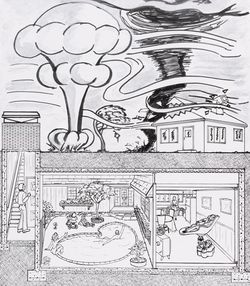
Venez entendre les boursiers CCA-WRI 2023 Andrea Alberto Dutto, Oxana Gourinovitch et Tomomi Miyata qui nous présentent leurs recherches sur l’évolution de la notion de sous-sol – d’espace angoissant du temps de la Guerre froide et d’extraction de ressources aux préoccupations actuelles sur le climat et autres désastres transnationaux pour lesquels la terre peut servir de refuge.
Venez entendre les boursiers CCA-WRI 2023 Andrea Alberto Dutto, Oxana Gourinovitch et Tomomi Miyata qui nous présentent leurs recherches sur l’évolution de la notion de sous-sol – d’espace angoissant du temps de la Guerre froide et d’extraction de ressources aux préoccupations actuelles sur le climat et autres désastres transnationaux pour lesquels la terre peut servir de refuge.
Localisation:
En ligne Mot(s)-clé(s):
Andrea Alberto Dutto, Oxana Gourinovitch, Tomomi Miyata, Yoshiharu Tsukamoto, Jungyoon Kim, WRI, lumière, planète
En ligne Mot(s)-clé(s):
Andrea Alberto Dutto, Oxana Gourinovitch, Tomomi Miyata, Yoshiharu Tsukamoto, Jungyoon Kim, WRI, lumière, planète
Date:
10 août 2023, 9 h à 12 h
10 août 2023, 9 h à 12 h
Titre:
Angoisses souterraines : colloque de recherche CCA-WRI 2023
Actions:
Description:
Venez entendre les boursiers CCA-WRI 2023 Andrea Alberto Dutto, Oxana Gourinovitch et Tomomi Miyata qui nous présentent leurs recherches sur l’évolution de la notion de sous-sol – d’espace angoissant du temps de la Guerre froide et d’extraction de ressources aux préoccupations actuelles sur le climat et autres désastres transnationaux pour lesquels la terre peut servir de refuge.
Angoisses souterraines : colloque de recherche CCA-WRI 2023
Actions:
Description:
Venez entendre les boursiers CCA-WRI 2023 Andrea Alberto Dutto, Oxana Gourinovitch et Tomomi Miyata qui nous présentent leurs recherches sur l’évolution de la notion de sous-sol – d’espace angoissant du temps de la Guerre froide et d’extraction de ressources aux préoccupations actuelles sur le climat et autres désastres transnationaux pour lesquels la terre peut servir de refuge.
Classification:
événements
événements
Date:
10 août 2023
9 h à 12 h
10 août 2023
9 h à 12 h
Localisation:
En ligne Mot(s)-clé(s):
Andrea Alberto Dutto, Oxana Gourinovitch, Tomomi Miyata, Yoshiharu Tsukamoto, Jungyoon Kim, WRI, lumière, planète
En ligne Mot(s)-clé(s):
Andrea Alberto Dutto, Oxana Gourinovitch, Tomomi Miyata, Yoshiharu Tsukamoto, Jungyoon Kim, WRI, lumière, planète
Classification:
événements
événements
Description:
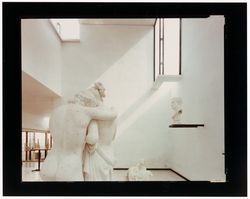
Comment les optiques computationnelles opèrent-t-elles dans et à travers l’environnement bâti? Comment sont-elles devenues si omniprésentes et considérées comme allant de soi, répondant aux désirs des centres dexécution et à la lisibilité dont l’informatique a besoin? Quelles logiques, quels imaginaires et quels cadres informatiques se situent en dehors de leurs modes(...)
Comment les optiques computationnelles opèrent-t-elles dans et à travers l’environnement bâti? Comment sont-elles devenues si omniprésentes et considérées comme allant de soi, répondant aux désirs des centres dexécution et à la lisibilité dont l’informatique a besoin? Quelles logiques, quels imaginaires et quels cadres informatiques se situent en dehors de leurs modes(...)
Localisation:
Maison Shaughnessy, CCA Mot(s)-clé(s):
Outils d'aujourd'hui, optiques computationnelles
Maison Shaughnessy, CCA Mot(s)-clé(s):
Outils d'aujourd'hui, optiques computationnelles
Date:
17 juillet 2025, 18h
17 juillet 2025, 18h
Titre:
Outils d’aujourd’hui : Défier les envies computationnelles
Actions:
Description:
Comment les optiques computationnelles opèrent-t-elles dans et à travers l’environnement bâti? Comment sont-elles devenues si omniprésentes et considérées comme allant de soi, répondant aux désirs des centres dexécution et à la lisibilité dont l’informatique a besoin? Quelles logiques, quels imaginaires et quels cadres informatiques se situent en dehors de leurs modes(...)
Outils d’aujourd’hui : Défier les envies computationnelles
Actions:
Description:
Comment les optiques computationnelles opèrent-t-elles dans et à travers l’environnement bâti? Comment sont-elles devenues si omniprésentes et considérées comme allant de soi, répondant aux désirs des centres dexécution et à la lisibilité dont l’informatique a besoin? Quelles logiques, quels imaginaires et quels cadres informatiques se situent en dehors de leurs modes(...)
Classification:
événements
événements
Date:
17 juillet 2025
18h
17 juillet 2025
18h
Localisation:
Maison Shaughnessy, CCA Mot(s)-clé(s):
Outils d'aujourd'hui, optiques computationnelles
Maison Shaughnessy, CCA Mot(s)-clé(s):
Outils d'aujourd'hui, optiques computationnelles


