


5464 Résultats
Classification:
événements
événements
Actions:
Description:
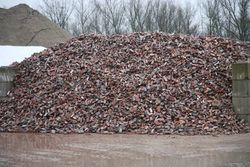
Michael Ghyoot et Maarten Gielen, membres du collectif Rotor, examinent les processus et les pratiques liés à la gestion matérielle des déchets dans Bruxelles et sa banlieue. La notion de déchet, construite à partir des visites rendues par centaines aux commerces, aux lieux de travail et aux centres de tri, a joué un rôle important dans cette recherche. En effet, l’étude(...)
Michael Ghyoot et Maarten Gielen, membres du collectif Rotor, examinent les processus et les pratiques liés à la gestion matérielle des déchets dans Bruxelles et sa banlieue. La notion de déchet, construite à partir des visites rendues par centaines aux commerces, aux lieux de travail et aux centres de tri, a joué un rôle important dans cette recherche. En effet, l’étude(...)
Localisation:
Théâtre Paul-Desmarais
Théâtre Paul-Desmarais
Date:
19 avril 2012 , 19h
19 avril 2012 , 19h
Titre:
L'enseignement de... Bruxelles : Rotor
Actions:
Description:
Michael Ghyoot et Maarten Gielen, membres du collectif Rotor, examinent les processus et les pratiques liés à la gestion matérielle des déchets dans Bruxelles et sa banlieue. La notion de déchet, construite à partir des visites rendues par centaines aux commerces, aux lieux de travail et aux centres de tri, a joué un rôle important dans cette recherche. En effet, l’étude(...)
L'enseignement de... Bruxelles : Rotor
Actions:
Description:
Michael Ghyoot et Maarten Gielen, membres du collectif Rotor, examinent les processus et les pratiques liés à la gestion matérielle des déchets dans Bruxelles et sa banlieue. La notion de déchet, construite à partir des visites rendues par centaines aux commerces, aux lieux de travail et aux centres de tri, a joué un rôle important dans cette recherche. En effet, l’étude(...)
Classification:
événements
événements
Date:
19 avril 2012
19h
19 avril 2012
19h
Localisation:
Théâtre Paul-Desmarais
Théâtre Paul-Desmarais
Classification:
événements
événements
Actions:
Description:
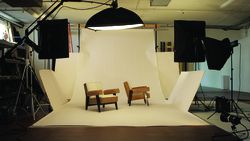
Dans son œuvre Provenance (2013), en images mobiles, l’artiste américaine Amie Siegel remonte à l’envers la route du commerce mondial de mobilier originaire de Chandigarh, à partir des résidences de collectionneurs européens et nord-américains, en passant par les ventes aux enchères, le processus de restauration, le transport outre-mer et, enfin, l’Inde. Le mobilier de(...)
Dans son œuvre Provenance (2013), en images mobiles, l’artiste américaine Amie Siegel remonte à l’envers la route du commerce mondial de mobilier originaire de Chandigarh, à partir des résidences de collectionneurs européens et nord-américains, en passant par les ventes aux enchères, le processus de restauration, le transport outre-mer et, enfin, l’Inde. Le mobilier de(...)
Date:
24 avril 2014 , 18h
24 avril 2014 , 18h
Titre:
Conférence de l’artiste : Amie Siegel, Provenance
Actions:
Description:
Dans son œuvre Provenance (2013), en images mobiles, l’artiste américaine Amie Siegel remonte à l’envers la route du commerce mondial de mobilier originaire de Chandigarh, à partir des résidences de collectionneurs européens et nord-américains, en passant par les ventes aux enchères, le processus de restauration, le transport outre-mer et, enfin, l’Inde. Le mobilier de(...)
Conférence de l’artiste : Amie Siegel, Provenance
Actions:
Description:
Dans son œuvre Provenance (2013), en images mobiles, l’artiste américaine Amie Siegel remonte à l’envers la route du commerce mondial de mobilier originaire de Chandigarh, à partir des résidences de collectionneurs européens et nord-américains, en passant par les ventes aux enchères, le processus de restauration, le transport outre-mer et, enfin, l’Inde. Le mobilier de(...)
Classification:
événements
événements
Date:
24 avril 2014
18h
24 avril 2014
18h
Classification:
archives
Niveau de description archivistique:
Fonds
archives
Niveau de description archivistique:
Fonds
Numéro de référence:
AP106
Résumé:
The Faubourg Québec project records, 1989-1994, document the redevelopment of Faubourg Québec, a 30 acre site east of the Old Port of Montréal, into an urban residential neighbourhood. Materials in these project records consist of approximately 253 drawings (including reprographic copies) and 0.33 of l.m. textual materials.
AP106
Résumé:
The Faubourg Québec project records, 1989-1994, document the redevelopment of Faubourg Québec, a 30 acre site east of the Old Port of Montréal, into an urban residential neighbourhood. Materials in these project records consist of approximately 253 drawings (including reprographic copies) and 0.33 of l.m. textual materials.
Personnes et institutions:
Date:
1989-1994
1989-1994
Titre:
Documents d’archives pour le projet Faubourg Québec
Actions:
AP106
Résumé:
The Faubourg Québec project records, 1989-1994, document the redevelopment of Faubourg Québec, a 30 acre site east of the Old Port of Montréal, into an urban residential neighbourhood. Materials in these project records consist of approximately 253 drawings (including reprographic copies) and 0.33 of l.m. textual materials.
Documents d’archives pour le projet Faubourg Québec
Actions:
AP106
Résumé:
The Faubourg Québec project records, 1989-1994, document the redevelopment of Faubourg Québec, a 30 acre site east of the Old Port of Montréal, into an urban residential neighbourhood. Materials in these project records consist of approximately 253 drawings (including reprographic copies) and 0.33 of l.m. textual materials.
Classification:
archives
Niveau de description archivistique:
Fonds
archives
Niveau de description archivistique:
Fonds
Date:
1989-1994
1989-1994
Personnes et institutions:
Classification:
archives
Niveau de description archivistique:
Fonds
archives
Niveau de description archivistique:
Fonds
Titre:
Fonds Robert Duchesnay
Fonds Robert Duchesnay
Numéro de référence:
AP115
Résumé:
Le Fonds Robert Duchesnay consiste en une série de photographies montrant les divers structure (principalement des dômes géodésiques) conçus ou influencée par R. Buckminster Fuller. Les photographies, prises par l'artiste et photographe montréalais Robert Duchesnay, ont été créées entre 1985 et 1992.
AP115
Résumé:
Le Fonds Robert Duchesnay consiste en une série de photographies montrant les divers structure (principalement des dômes géodésiques) conçus ou influencée par R. Buckminster Fuller. Les photographies, prises par l'artiste et photographe montréalais Robert Duchesnay, ont été créées entre 1985 et 1992.
Personnes et institutions:
Date:
1985-1992
1985-1992
Titre:
Fonds Robert Duchesnay
Actions:
AP115
Résumé:
Le Fonds Robert Duchesnay consiste en une série de photographies montrant les divers structure (principalement des dômes géodésiques) conçus ou influencée par R. Buckminster Fuller. Les photographies, prises par l'artiste et photographe montréalais Robert Duchesnay, ont été créées entre 1985 et 1992.
Fonds Robert Duchesnay
Actions:
AP115
Résumé:
Le Fonds Robert Duchesnay consiste en une série de photographies montrant les divers structure (principalement des dômes géodésiques) conçus ou influencée par R. Buckminster Fuller. Les photographies, prises par l'artiste et photographe montréalais Robert Duchesnay, ont été créées entre 1985 et 1992.
Classification:
archives
Niveau de description archivistique:
Fonds
archives
Niveau de description archivistique:
Fonds
Date:
1985-1992
1985-1992
Personnes et institutions:
Classification:
photographies
Quantité:
73 photograph(s)
photographies
Quantité:
73 photograph(s)
Actions:
Numéro de référence:
PH1989:0012:001-073
Description:
- This group of photographs shows 38 views of buildings, 31 photographs of drawings and two photographs of models for buildings in the Soviet Union by Konstantin Melnikov, Ivan Leonidov, the Vesnin family and 25 other architects (PH1989:0012:001-073). Also included are a booklet for an exhibition of works by Melnikov (PH1989:0012:024) and a photograph of an exhibition poster for the 1925 Paris Exhibition of the Decorative Arts (PH1989:0012:023). The buildings represented include government buildings, clubs, residential buildings, and various other types of buildings including an exhibition pavilion, a bus garage, mechanized canteens, a school, and a stadium. There are also photographs of three drawings related to town planning. Four of the government buildings by Leonidov are documented by photographs of competition drawings. - The work of Konstantin Melnikov is represented by seven projects which were all constructed. Photographs of three clubs in Moscow include three photographs and one photograph of a drawing for the Rusakov Club, two photographs of the Burevestnik Factory Club, and a photograph of the Kauchuk Club (club for rubber industry workers). There are eight photographs of the Melnikov residence in Moscow, two of which show the house under construction. Documents related to exhibitions include three photographs, two photographs of drawings and a photograph of a poster for the Soviet Pavilion at the 1925 Paris Exhibition of the Decorative Arts, and a booklet for Melnikov's 1965 exhibition of architectural works, drawings and paintings in Moscow. There are two photographs of the Bakhmet'evski Bus Garage in Moscow. - The work of Ivan Leonidov is represented by one project for stairs for a government building (executed) and photographs of drawings for four architectural competitions for government buildings (all unexecuted), and one unexecuted project for housing. Documents for the five projects for government buildings include four photographs of the stairs to the Ordzhonikidze Sanatorium for the People's Commissariat for Heavy Industry (Narkomtyazhprom) in Kislovodsk; three photographs of drawings for a government office building competition in Alma-Ata; three photographs of drawings for the Film Studio competition (Moscow); three photographs of drawings for the Tsentrosoyuz (Centrosoiuz) Building competition (Moscow); and a photograph of a drawing for the Narkomtiazhprom Building (Building of Heavy Industry) competition (Moscow). There is also a photograph of a drawing for Kliuchiki Housing in Nizhnii Tagil (unexecuted). - The work of Aleksandr, Viktor, and Leonid Vesnin is represented by three unexecuted projects for government buildings in Moscow and one project for a club in Moscow (executed). Documents for the three projects for government buildings in Moscow include: three photographs of drawings for the Central Telegraph Office; a photograph of a drawing for the Palace of Labor; and a photograph of a drawing for the Leningrad Pravda Building. There are five photographs of the ZIL Palace of Culture (club for the Likhachev Automobile Plant workers) in Moscow. - The work of the 25 other architects includes government buildings, clubs, residential buildings, mechanized canteens, an experimental design for a school, a stadium, and photographs of drawings for town planning. Documents for the two government buildings (executed) include: five photographs of the Department of Industry and Planning (Gosprom) buildings in Kharkov, Soviet Union (now Ukraine), and a photograph of a drawing for the First Building of Lensovet (Leningrad Union) in Leningrad (now Saint Petersburg). The two clubs in Moscow are documented by one photograph of the Kozhevnikov (Tanner's) Union Club (unexecuted) and one of the Zuev Club (executed). The two residential buildings are documented by one photograph of the Narkomfin (People's Commissariat for Finance) Apartment Building in Moscow (executed) and one photograph of a drawing for the Airman's Planit (unexecuted). Documents for various other projects include: five photographs of drawings for three mechanized canteens in Leningrad (now Saint Petersburg), including the Vasileostrovskaya Mechanized canteen, Vyborgskaya Mechanized Canteen, and Volodarskaya Mechanized Canteen (all executed); three photographs of drawings for an experimental design for a single-storey school (unexecuted); one photograph of a Dinamo Stadium [?] in Moscow; two photographs of models, one for an "architecton" (Moscow) and one for a housing project with integral collective services in Moscow (both unexecuted). There are also two photographs of site plans for industrial housing and related services for the coal mining town of Bogoslovsk (executed ?) and one for the same subject in Mashinostroiteli [?] (executed ?).
PH1989:0012:001-073
Description:
- This group of photographs shows 38 views of buildings, 31 photographs of drawings and two photographs of models for buildings in the Soviet Union by Konstantin Melnikov, Ivan Leonidov, the Vesnin family and 25 other architects (PH1989:0012:001-073). Also included are a booklet for an exhibition of works by Melnikov (PH1989:0012:024) and a photograph of an exhibition poster for the 1925 Paris Exhibition of the Decorative Arts (PH1989:0012:023). The buildings represented include government buildings, clubs, residential buildings, and various other types of buildings including an exhibition pavilion, a bus garage, mechanized canteens, a school, and a stadium. There are also photographs of three drawings related to town planning. Four of the government buildings by Leonidov are documented by photographs of competition drawings. - The work of Konstantin Melnikov is represented by seven projects which were all constructed. Photographs of three clubs in Moscow include three photographs and one photograph of a drawing for the Rusakov Club, two photographs of the Burevestnik Factory Club, and a photograph of the Kauchuk Club (club for rubber industry workers). There are eight photographs of the Melnikov residence in Moscow, two of which show the house under construction. Documents related to exhibitions include three photographs, two photographs of drawings and a photograph of a poster for the Soviet Pavilion at the 1925 Paris Exhibition of the Decorative Arts, and a booklet for Melnikov's 1965 exhibition of architectural works, drawings and paintings in Moscow. There are two photographs of the Bakhmet'evski Bus Garage in Moscow. - The work of Ivan Leonidov is represented by one project for stairs for a government building (executed) and photographs of drawings for four architectural competitions for government buildings (all unexecuted), and one unexecuted project for housing. Documents for the five projects for government buildings include four photographs of the stairs to the Ordzhonikidze Sanatorium for the People's Commissariat for Heavy Industry (Narkomtyazhprom) in Kislovodsk; three photographs of drawings for a government office building competition in Alma-Ata; three photographs of drawings for the Film Studio competition (Moscow); three photographs of drawings for the Tsentrosoyuz (Centrosoiuz) Building competition (Moscow); and a photograph of a drawing for the Narkomtiazhprom Building (Building of Heavy Industry) competition (Moscow). There is also a photograph of a drawing for Kliuchiki Housing in Nizhnii Tagil (unexecuted). - The work of Aleksandr, Viktor, and Leonid Vesnin is represented by three unexecuted projects for government buildings in Moscow and one project for a club in Moscow (executed). Documents for the three projects for government buildings in Moscow include: three photographs of drawings for the Central Telegraph Office; a photograph of a drawing for the Palace of Labor; and a photograph of a drawing for the Leningrad Pravda Building. There are five photographs of the ZIL Palace of Culture (club for the Likhachev Automobile Plant workers) in Moscow. - The work of the 25 other architects includes government buildings, clubs, residential buildings, mechanized canteens, an experimental design for a school, a stadium, and photographs of drawings for town planning. Documents for the two government buildings (executed) include: five photographs of the Department of Industry and Planning (Gosprom) buildings in Kharkov, Soviet Union (now Ukraine), and a photograph of a drawing for the First Building of Lensovet (Leningrad Union) in Leningrad (now Saint Petersburg). The two clubs in Moscow are documented by one photograph of the Kozhevnikov (Tanner's) Union Club (unexecuted) and one of the Zuev Club (executed). The two residential buildings are documented by one photograph of the Narkomfin (People's Commissariat for Finance) Apartment Building in Moscow (executed) and one photograph of a drawing for the Airman's Planit (unexecuted). Documents for various other projects include: five photographs of drawings for three mechanized canteens in Leningrad (now Saint Petersburg), including the Vasileostrovskaya Mechanized canteen, Vyborgskaya Mechanized Canteen, and Volodarskaya Mechanized Canteen (all executed); three photographs of drawings for an experimental design for a single-storey school (unexecuted); one photograph of a Dinamo Stadium [?] in Moscow; two photographs of models, one for an "architecton" (Moscow) and one for a housing project with integral collective services in Moscow (both unexecuted). There are also two photographs of site plans for industrial housing and related services for the coal mining town of Bogoslovsk (executed ?) and one for the same subject in Mashinostroiteli [?] (executed ?).
Personnes et institutions:
Sujet:
architecture, portrait
architecture, portrait
Date:
1920-1965 or later
1920-1965 or later
Titre:
Photographs of drawings, models and buildings designed by Melnikov, Leonidov, the Vesnin family and other architects, Paris, France and the Soviet Union (now in Kazakhstan, Russia, and Ukraine)
Actions:
PH1989:0012:001-073
Description:
- This group of photographs shows 38 views of buildings, 31 photographs of drawings and two photographs of models for buildings in the Soviet Union by Konstantin Melnikov, Ivan Leonidov, the Vesnin family and 25 other architects (PH1989:0012:001-073). Also included are a booklet for an exhibition of works by Melnikov (PH1989:0012:024) and a photograph of an exhibition poster for the 1925 Paris Exhibition of the Decorative Arts (PH1989:0012:023). The buildings represented include government buildings, clubs, residential buildings, and various other types of buildings including an exhibition pavilion, a bus garage, mechanized canteens, a school, and a stadium. There are also photographs of three drawings related to town planning. Four of the government buildings by Leonidov are documented by photographs of competition drawings. - The work of Konstantin Melnikov is represented by seven projects which were all constructed. Photographs of three clubs in Moscow include three photographs and one photograph of a drawing for the Rusakov Club, two photographs of the Burevestnik Factory Club, and a photograph of the Kauchuk Club (club for rubber industry workers). There are eight photographs of the Melnikov residence in Moscow, two of which show the house under construction. Documents related to exhibitions include three photographs, two photographs of drawings and a photograph of a poster for the Soviet Pavilion at the 1925 Paris Exhibition of the Decorative Arts, and a booklet for Melnikov's 1965 exhibition of architectural works, drawings and paintings in Moscow. There are two photographs of the Bakhmet'evski Bus Garage in Moscow. - The work of Ivan Leonidov is represented by one project for stairs for a government building (executed) and photographs of drawings for four architectural competitions for government buildings (all unexecuted), and one unexecuted project for housing. Documents for the five projects for government buildings include four photographs of the stairs to the Ordzhonikidze Sanatorium for the People's Commissariat for Heavy Industry (Narkomtyazhprom) in Kislovodsk; three photographs of drawings for a government office building competition in Alma-Ata; three photographs of drawings for the Film Studio competition (Moscow); three photographs of drawings for the Tsentrosoyuz (Centrosoiuz) Building competition (Moscow); and a photograph of a drawing for the Narkomtiazhprom Building (Building of Heavy Industry) competition (Moscow). There is also a photograph of a drawing for Kliuchiki Housing in Nizhnii Tagil (unexecuted). - The work of Aleksandr, Viktor, and Leonid Vesnin is represented by three unexecuted projects for government buildings in Moscow and one project for a club in Moscow (executed). Documents for the three projects for government buildings in Moscow include: three photographs of drawings for the Central Telegraph Office; a photograph of a drawing for the Palace of Labor; and a photograph of a drawing for the Leningrad Pravda Building. There are five photographs of the ZIL Palace of Culture (club for the Likhachev Automobile Plant workers) in Moscow. - The work of the 25 other architects includes government buildings, clubs, residential buildings, mechanized canteens, an experimental design for a school, a stadium, and photographs of drawings for town planning. Documents for the two government buildings (executed) include: five photographs of the Department of Industry and Planning (Gosprom) buildings in Kharkov, Soviet Union (now Ukraine), and a photograph of a drawing for the First Building of Lensovet (Leningrad Union) in Leningrad (now Saint Petersburg). The two clubs in Moscow are documented by one photograph of the Kozhevnikov (Tanner's) Union Club (unexecuted) and one of the Zuev Club (executed). The two residential buildings are documented by one photograph of the Narkomfin (People's Commissariat for Finance) Apartment Building in Moscow (executed) and one photograph of a drawing for the Airman's Planit (unexecuted). Documents for various other projects include: five photographs of drawings for three mechanized canteens in Leningrad (now Saint Petersburg), including the Vasileostrovskaya Mechanized canteen, Vyborgskaya Mechanized Canteen, and Volodarskaya Mechanized Canteen (all executed); three photographs of drawings for an experimental design for a single-storey school (unexecuted); one photograph of a Dinamo Stadium [?] in Moscow; two photographs of models, one for an "architecton" (Moscow) and one for a housing project with integral collective services in Moscow (both unexecuted). There are also two photographs of site plans for industrial housing and related services for the coal mining town of Bogoslovsk (executed ?) and one for the same subject in Mashinostroiteli [?] (executed ?).
Photographs of drawings, models and buildings designed by Melnikov, Leonidov, the Vesnin family and other architects, Paris, France and the Soviet Union (now in Kazakhstan, Russia, and Ukraine)
Actions:
PH1989:0012:001-073
Description:
- This group of photographs shows 38 views of buildings, 31 photographs of drawings and two photographs of models for buildings in the Soviet Union by Konstantin Melnikov, Ivan Leonidov, the Vesnin family and 25 other architects (PH1989:0012:001-073). Also included are a booklet for an exhibition of works by Melnikov (PH1989:0012:024) and a photograph of an exhibition poster for the 1925 Paris Exhibition of the Decorative Arts (PH1989:0012:023). The buildings represented include government buildings, clubs, residential buildings, and various other types of buildings including an exhibition pavilion, a bus garage, mechanized canteens, a school, and a stadium. There are also photographs of three drawings related to town planning. Four of the government buildings by Leonidov are documented by photographs of competition drawings. - The work of Konstantin Melnikov is represented by seven projects which were all constructed. Photographs of three clubs in Moscow include three photographs and one photograph of a drawing for the Rusakov Club, two photographs of the Burevestnik Factory Club, and a photograph of the Kauchuk Club (club for rubber industry workers). There are eight photographs of the Melnikov residence in Moscow, two of which show the house under construction. Documents related to exhibitions include three photographs, two photographs of drawings and a photograph of a poster for the Soviet Pavilion at the 1925 Paris Exhibition of the Decorative Arts, and a booklet for Melnikov's 1965 exhibition of architectural works, drawings and paintings in Moscow. There are two photographs of the Bakhmet'evski Bus Garage in Moscow. - The work of Ivan Leonidov is represented by one project for stairs for a government building (executed) and photographs of drawings for four architectural competitions for government buildings (all unexecuted), and one unexecuted project for housing. Documents for the five projects for government buildings include four photographs of the stairs to the Ordzhonikidze Sanatorium for the People's Commissariat for Heavy Industry (Narkomtyazhprom) in Kislovodsk; three photographs of drawings for a government office building competition in Alma-Ata; three photographs of drawings for the Film Studio competition (Moscow); three photographs of drawings for the Tsentrosoyuz (Centrosoiuz) Building competition (Moscow); and a photograph of a drawing for the Narkomtiazhprom Building (Building of Heavy Industry) competition (Moscow). There is also a photograph of a drawing for Kliuchiki Housing in Nizhnii Tagil (unexecuted). - The work of Aleksandr, Viktor, and Leonid Vesnin is represented by three unexecuted projects for government buildings in Moscow and one project for a club in Moscow (executed). Documents for the three projects for government buildings in Moscow include: three photographs of drawings for the Central Telegraph Office; a photograph of a drawing for the Palace of Labor; and a photograph of a drawing for the Leningrad Pravda Building. There are five photographs of the ZIL Palace of Culture (club for the Likhachev Automobile Plant workers) in Moscow. - The work of the 25 other architects includes government buildings, clubs, residential buildings, mechanized canteens, an experimental design for a school, a stadium, and photographs of drawings for town planning. Documents for the two government buildings (executed) include: five photographs of the Department of Industry and Planning (Gosprom) buildings in Kharkov, Soviet Union (now Ukraine), and a photograph of a drawing for the First Building of Lensovet (Leningrad Union) in Leningrad (now Saint Petersburg). The two clubs in Moscow are documented by one photograph of the Kozhevnikov (Tanner's) Union Club (unexecuted) and one of the Zuev Club (executed). The two residential buildings are documented by one photograph of the Narkomfin (People's Commissariat for Finance) Apartment Building in Moscow (executed) and one photograph of a drawing for the Airman's Planit (unexecuted). Documents for various other projects include: five photographs of drawings for three mechanized canteens in Leningrad (now Saint Petersburg), including the Vasileostrovskaya Mechanized canteen, Vyborgskaya Mechanized Canteen, and Volodarskaya Mechanized Canteen (all executed); three photographs of drawings for an experimental design for a single-storey school (unexecuted); one photograph of a Dinamo Stadium [?] in Moscow; two photographs of models, one for an "architecton" (Moscow) and one for a housing project with integral collective services in Moscow (both unexecuted). There are also two photographs of site plans for industrial housing and related services for the coal mining town of Bogoslovsk (executed ?) and one for the same subject in Mashinostroiteli [?] (executed ?).
Classification:
photographies
Quantité:
73 photograph(s)
photographies
Quantité:
73 photograph(s)
Date:
1920-1965 or later
1920-1965 or later
Personnes et institutions:
Sujet:
architecture, portrait
architecture, portrait
Classification:
événements
événements
Titre:
Histoires de l’environnement
Histoires de l’environnement
Actions:
Description:
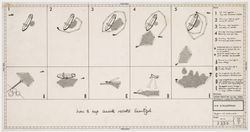
Pour débuter « Architecture et/pour l’environnement », le troisième Projet de Recherche Multidisciplinaire du CCA financé par la Andrew W. Mellon Foundation, Daniel Abramson et Imre Szeman présenteront deux concepts clés pour reconcevoir l’environnement dans l’histoire de l’architecture. Daniel Abramson, historien de l’architecture, discutera de « l’obsolescence » comme(...)
Pour débuter « Architecture et/pour l’environnement », le troisième Projet de Recherche Multidisciplinaire du CCA financé par la Andrew W. Mellon Foundation, Daniel Abramson et Imre Szeman présenteront deux concepts clés pour reconcevoir l’environnement dans l’histoire de l’architecture. Daniel Abramson, historien de l’architecture, discutera de « l’obsolescence » comme(...)
Localisation:
Théâtre Paul-Demarais
Théâtre Paul-Demarais
Date:
15 décembre 2016, 18h
15 décembre 2016, 18h
Titre:
Histoires de l’environnement
Actions:
Description:
Pour débuter « Architecture et/pour l’environnement », le troisième Projet de Recherche Multidisciplinaire du CCA financé par la Andrew W. Mellon Foundation, Daniel Abramson et Imre Szeman présenteront deux concepts clés pour reconcevoir l’environnement dans l’histoire de l’architecture. Daniel Abramson, historien de l’architecture, discutera de « l’obsolescence » comme(...)
Histoires de l’environnement
Actions:
Description:
Pour débuter « Architecture et/pour l’environnement », le troisième Projet de Recherche Multidisciplinaire du CCA financé par la Andrew W. Mellon Foundation, Daniel Abramson et Imre Szeman présenteront deux concepts clés pour reconcevoir l’environnement dans l’histoire de l’architecture. Daniel Abramson, historien de l’architecture, discutera de « l’obsolescence » comme(...)
Classification:
événements
événements
Date:
15 décembre 2016
18h
15 décembre 2016
18h
Localisation:
Théâtre Paul-Demarais
Théâtre Paul-Demarais
Classification:
dessins
dessins
Numéro de référence:
DR2006:0003
Description:
Le collage intitulé " Galerie de la grande architecture canadienne " a été produit dans le contexte de l'exposition " Canada-Trajectoires 1973 " présentée au Musée national d'art moderne de la ville de Paris au cours de l'été 1973. Le collage, appliqué sur papier cartonné, représente une sélection de textes et d'images d'œuvres exposées par Melvin Charney lors de cette exposition. L'objectif de l'exposition "Canada-Trajectoires 1973 " était de réunir des artistes ou des regroupements d'artistes engagés dans des discours critiques et de présenter leur travail non pas tant comme des oeuvres d'art mais plutôt " comme symptômes d'un certain climat ." (1) Selon le catalogue de l'exposition, et les divers comptes rendus qui en ont été fait dans la presse spécialisée, celle-ci était divisée en cinq sections. Quatre de ces sections étaient consacrées à des médiums spécifiques : art céramique, vidéo, peinture et sculpture, cinéma. Une cinquième section présentait des œuvres produites par des collectif d'artistes quelques soit le médium employé: galerie coopérative, coop d'artistes, workshop, banques d'images. C'est dans cette dernière section que Melvin Charney présenta trois projets créé avec l'assistance d'un groupe d'"action photographique", soit un "pavillon d'exposition" réalisé en 1969, une "monument à l'aviation" (1969) et "une galerie de la grande architecture" (1973). Dans un texte de Melvin Charney publié dans le catalogue de l'exposition, ces trois projets furent présentés sous l'intitulé "Quelques monuments nationaux". Le collage incorpore en une première strate collée obliquement par rapport au sens du carton d'œuvre, une image (en partie rognée), un texte manifeste (en partie coupée) et un intitulé. Ces trois éléments de toutes évidences se rapportent à L'ensemble des trois projets présenté par Charney. Sur une seconde strate, collée dans le sens du carton d'œuvres, Charney a collé des textes et des images se rapportant à deux des projets soit "une galerie de la grande architecture" (image et texte 25, 26 31 et 34, et monument à l'aviation, image et texte 50. Le collage est signé et daté en bas à droite. Des indications d'intercalation d'illustration au crayon graphite, - avec la mention "cut line" - détermine à même le carton d'œuvre, une zone regroupant l'ensemble des textes et des images collés. Au dos du collage figure à nouveau la signature de Charney et une numéro d'inventaire renvoyant possiblement à un catalogue constitué par Charney de son œuvre : "MC 1973 ? 02". Ce collage a servi de maquette pour la production d'une affiche publicisant l'exposition, ce qui explique la présence d'indications d'intercalation d'illustrations - une donnée signalant en règle générale que l'œuvre a été produite pour être publiée. (2) Ceci dit on ne sait pas si celle-ci fut effectivement tirée (nous n'en connaissons aucun exemplaire) avant, pendant ou après l'exposition. Cet aspect de l'historique de cette œuvre reste encore au moment où nous écrivons, à éclaircir. On peut établir toutefois avec certitude que cette œuvre, ou l'affiche qui en fut éventuellement tirée, a servi à produire la mise en page d'un article de Melvin Charney publié en avril 1974 dans la revue britannique Architectural Design. Un transparent a sans doute été pris du collage puis envoyé avec l'article de Charney à l'éditeur. Ce dernier a, à son tour, cadré l'image en fonction des indications d'intercalation d'illustrations latérales et supérieure,- on observe que le 3 de 1973 est bel et bien coupé - puis a éliminé les trois quart inférieur pour y placer le texte de l'article. La présence dans l'article publié du nom du musée d'art moderne de la ville de Paris - section arc, et son absence dans le collage est du à une perte. Un examen attentif révèle des marques sans doute de colle pour la bandelette de papier. Dans cet article publié en anglais Charney. 1- Suzanne Page, Canada trajectoires 73 : Musée d'art moderne de la ville de Paris, [Montréal?] : Publié par les Éditions Médiart pour le compte du Conseil des arts du Canada, [1973], [introduction] 2- Information fournie par l,artiste; voir aussi la légende de l'œuvre lors de sa reproduction dans un catalogue en 2000 où elle est décrite comme étant une maquette pour une affiche en offset sur papier.
DR2006:0003
Description:
Le collage intitulé " Galerie de la grande architecture canadienne " a été produit dans le contexte de l'exposition " Canada-Trajectoires 1973 " présentée au Musée national d'art moderne de la ville de Paris au cours de l'été 1973. Le collage, appliqué sur papier cartonné, représente une sélection de textes et d'images d'œuvres exposées par Melvin Charney lors de cette exposition. L'objectif de l'exposition "Canada-Trajectoires 1973 " était de réunir des artistes ou des regroupements d'artistes engagés dans des discours critiques et de présenter leur travail non pas tant comme des oeuvres d'art mais plutôt " comme symptômes d'un certain climat ." (1) Selon le catalogue de l'exposition, et les divers comptes rendus qui en ont été fait dans la presse spécialisée, celle-ci était divisée en cinq sections. Quatre de ces sections étaient consacrées à des médiums spécifiques : art céramique, vidéo, peinture et sculpture, cinéma. Une cinquième section présentait des œuvres produites par des collectif d'artistes quelques soit le médium employé: galerie coopérative, coop d'artistes, workshop, banques d'images. C'est dans cette dernière section que Melvin Charney présenta trois projets créé avec l'assistance d'un groupe d'"action photographique", soit un "pavillon d'exposition" réalisé en 1969, une "monument à l'aviation" (1969) et "une galerie de la grande architecture" (1973). Dans un texte de Melvin Charney publié dans le catalogue de l'exposition, ces trois projets furent présentés sous l'intitulé "Quelques monuments nationaux". Le collage incorpore en une première strate collée obliquement par rapport au sens du carton d'œuvre, une image (en partie rognée), un texte manifeste (en partie coupée) et un intitulé. Ces trois éléments de toutes évidences se rapportent à L'ensemble des trois projets présenté par Charney. Sur une seconde strate, collée dans le sens du carton d'œuvres, Charney a collé des textes et des images se rapportant à deux des projets soit "une galerie de la grande architecture" (image et texte 25, 26 31 et 34, et monument à l'aviation, image et texte 50. Le collage est signé et daté en bas à droite. Des indications d'intercalation d'illustration au crayon graphite, - avec la mention "cut line" - détermine à même le carton d'œuvre, une zone regroupant l'ensemble des textes et des images collés. Au dos du collage figure à nouveau la signature de Charney et une numéro d'inventaire renvoyant possiblement à un catalogue constitué par Charney de son œuvre : "MC 1973 ? 02". Ce collage a servi de maquette pour la production d'une affiche publicisant l'exposition, ce qui explique la présence d'indications d'intercalation d'illustrations - une donnée signalant en règle générale que l'œuvre a été produite pour être publiée. (2) Ceci dit on ne sait pas si celle-ci fut effectivement tirée (nous n'en connaissons aucun exemplaire) avant, pendant ou après l'exposition. Cet aspect de l'historique de cette œuvre reste encore au moment où nous écrivons, à éclaircir. On peut établir toutefois avec certitude que cette œuvre, ou l'affiche qui en fut éventuellement tirée, a servi à produire la mise en page d'un article de Melvin Charney publié en avril 1974 dans la revue britannique Architectural Design. Un transparent a sans doute été pris du collage puis envoyé avec l'article de Charney à l'éditeur. Ce dernier a, à son tour, cadré l'image en fonction des indications d'intercalation d'illustrations latérales et supérieure,- on observe que le 3 de 1973 est bel et bien coupé - puis a éliminé les trois quart inférieur pour y placer le texte de l'article. La présence dans l'article publié du nom du musée d'art moderne de la ville de Paris - section arc, et son absence dans le collage est du à une perte. Un examen attentif révèle des marques sans doute de colle pour la bandelette de papier. Dans cet article publié en anglais Charney. 1- Suzanne Page, Canada trajectoires 73 : Musée d'art moderne de la ville de Paris, [Montréal?] : Publié par les Éditions Médiart pour le compte du Conseil des arts du Canada, [1973], [introduction] 2- Information fournie par l,artiste; voir aussi la légende de l'œuvre lors de sa reproduction dans un catalogue en 2000 où elle est décrite comme étant une maquette pour une affiche en offset sur papier.
Personnes et institutions:
Date:
1973
1973
Titre:
Some national monuments, Canada trajectories
Actions:
DR2006:0003
Description:
Le collage intitulé " Galerie de la grande architecture canadienne " a été produit dans le contexte de l'exposition " Canada-Trajectoires 1973 " présentée au Musée national d'art moderne de la ville de Paris au cours de l'été 1973. Le collage, appliqué sur papier cartonné, représente une sélection de textes et d'images d'œuvres exposées par Melvin Charney lors de cette exposition. L'objectif de l'exposition "Canada-Trajectoires 1973 " était de réunir des artistes ou des regroupements d'artistes engagés dans des discours critiques et de présenter leur travail non pas tant comme des oeuvres d'art mais plutôt " comme symptômes d'un certain climat ." (1) Selon le catalogue de l'exposition, et les divers comptes rendus qui en ont été fait dans la presse spécialisée, celle-ci était divisée en cinq sections. Quatre de ces sections étaient consacrées à des médiums spécifiques : art céramique, vidéo, peinture et sculpture, cinéma. Une cinquième section présentait des œuvres produites par des collectif d'artistes quelques soit le médium employé: galerie coopérative, coop d'artistes, workshop, banques d'images. C'est dans cette dernière section que Melvin Charney présenta trois projets créé avec l'assistance d'un groupe d'"action photographique", soit un "pavillon d'exposition" réalisé en 1969, une "monument à l'aviation" (1969) et "une galerie de la grande architecture" (1973). Dans un texte de Melvin Charney publié dans le catalogue de l'exposition, ces trois projets furent présentés sous l'intitulé "Quelques monuments nationaux". Le collage incorpore en une première strate collée obliquement par rapport au sens du carton d'œuvre, une image (en partie rognée), un texte manifeste (en partie coupée) et un intitulé. Ces trois éléments de toutes évidences se rapportent à L'ensemble des trois projets présenté par Charney. Sur une seconde strate, collée dans le sens du carton d'œuvres, Charney a collé des textes et des images se rapportant à deux des projets soit "une galerie de la grande architecture" (image et texte 25, 26 31 et 34, et monument à l'aviation, image et texte 50. Le collage est signé et daté en bas à droite. Des indications d'intercalation d'illustration au crayon graphite, - avec la mention "cut line" - détermine à même le carton d'œuvre, une zone regroupant l'ensemble des textes et des images collés. Au dos du collage figure à nouveau la signature de Charney et une numéro d'inventaire renvoyant possiblement à un catalogue constitué par Charney de son œuvre : "MC 1973 ? 02". Ce collage a servi de maquette pour la production d'une affiche publicisant l'exposition, ce qui explique la présence d'indications d'intercalation d'illustrations - une donnée signalant en règle générale que l'œuvre a été produite pour être publiée. (2) Ceci dit on ne sait pas si celle-ci fut effectivement tirée (nous n'en connaissons aucun exemplaire) avant, pendant ou après l'exposition. Cet aspect de l'historique de cette œuvre reste encore au moment où nous écrivons, à éclaircir. On peut établir toutefois avec certitude que cette œuvre, ou l'affiche qui en fut éventuellement tirée, a servi à produire la mise en page d'un article de Melvin Charney publié en avril 1974 dans la revue britannique Architectural Design. Un transparent a sans doute été pris du collage puis envoyé avec l'article de Charney à l'éditeur. Ce dernier a, à son tour, cadré l'image en fonction des indications d'intercalation d'illustrations latérales et supérieure,- on observe que le 3 de 1973 est bel et bien coupé - puis a éliminé les trois quart inférieur pour y placer le texte de l'article. La présence dans l'article publié du nom du musée d'art moderne de la ville de Paris - section arc, et son absence dans le collage est du à une perte. Un examen attentif révèle des marques sans doute de colle pour la bandelette de papier. Dans cet article publié en anglais Charney. 1- Suzanne Page, Canada trajectoires 73 : Musée d'art moderne de la ville de Paris, [Montréal?] : Publié par les Éditions Médiart pour le compte du Conseil des arts du Canada, [1973], [introduction] 2- Information fournie par l,artiste; voir aussi la légende de l'œuvre lors de sa reproduction dans un catalogue en 2000 où elle est décrite comme étant une maquette pour une affiche en offset sur papier.
Some national monuments, Canada trajectories
Actions:
DR2006:0003
Description:
Le collage intitulé " Galerie de la grande architecture canadienne " a été produit dans le contexte de l'exposition " Canada-Trajectoires 1973 " présentée au Musée national d'art moderne de la ville de Paris au cours de l'été 1973. Le collage, appliqué sur papier cartonné, représente une sélection de textes et d'images d'œuvres exposées par Melvin Charney lors de cette exposition. L'objectif de l'exposition "Canada-Trajectoires 1973 " était de réunir des artistes ou des regroupements d'artistes engagés dans des discours critiques et de présenter leur travail non pas tant comme des oeuvres d'art mais plutôt " comme symptômes d'un certain climat ." (1) Selon le catalogue de l'exposition, et les divers comptes rendus qui en ont été fait dans la presse spécialisée, celle-ci était divisée en cinq sections. Quatre de ces sections étaient consacrées à des médiums spécifiques : art céramique, vidéo, peinture et sculpture, cinéma. Une cinquième section présentait des œuvres produites par des collectif d'artistes quelques soit le médium employé: galerie coopérative, coop d'artistes, workshop, banques d'images. C'est dans cette dernière section que Melvin Charney présenta trois projets créé avec l'assistance d'un groupe d'"action photographique", soit un "pavillon d'exposition" réalisé en 1969, une "monument à l'aviation" (1969) et "une galerie de la grande architecture" (1973). Dans un texte de Melvin Charney publié dans le catalogue de l'exposition, ces trois projets furent présentés sous l'intitulé "Quelques monuments nationaux". Le collage incorpore en une première strate collée obliquement par rapport au sens du carton d'œuvre, une image (en partie rognée), un texte manifeste (en partie coupée) et un intitulé. Ces trois éléments de toutes évidences se rapportent à L'ensemble des trois projets présenté par Charney. Sur une seconde strate, collée dans le sens du carton d'œuvres, Charney a collé des textes et des images se rapportant à deux des projets soit "une galerie de la grande architecture" (image et texte 25, 26 31 et 34, et monument à l'aviation, image et texte 50. Le collage est signé et daté en bas à droite. Des indications d'intercalation d'illustration au crayon graphite, - avec la mention "cut line" - détermine à même le carton d'œuvre, une zone regroupant l'ensemble des textes et des images collés. Au dos du collage figure à nouveau la signature de Charney et une numéro d'inventaire renvoyant possiblement à un catalogue constitué par Charney de son œuvre : "MC 1973 ? 02". Ce collage a servi de maquette pour la production d'une affiche publicisant l'exposition, ce qui explique la présence d'indications d'intercalation d'illustrations - une donnée signalant en règle générale que l'œuvre a été produite pour être publiée. (2) Ceci dit on ne sait pas si celle-ci fut effectivement tirée (nous n'en connaissons aucun exemplaire) avant, pendant ou après l'exposition. Cet aspect de l'historique de cette œuvre reste encore au moment où nous écrivons, à éclaircir. On peut établir toutefois avec certitude que cette œuvre, ou l'affiche qui en fut éventuellement tirée, a servi à produire la mise en page d'un article de Melvin Charney publié en avril 1974 dans la revue britannique Architectural Design. Un transparent a sans doute été pris du collage puis envoyé avec l'article de Charney à l'éditeur. Ce dernier a, à son tour, cadré l'image en fonction des indications d'intercalation d'illustrations latérales et supérieure,- on observe que le 3 de 1973 est bel et bien coupé - puis a éliminé les trois quart inférieur pour y placer le texte de l'article. La présence dans l'article publié du nom du musée d'art moderne de la ville de Paris - section arc, et son absence dans le collage est du à une perte. Un examen attentif révèle des marques sans doute de colle pour la bandelette de papier. Dans cet article publié en anglais Charney. 1- Suzanne Page, Canada trajectoires 73 : Musée d'art moderne de la ville de Paris, [Montréal?] : Publié par les Éditions Médiart pour le compte du Conseil des arts du Canada, [1973], [introduction] 2- Information fournie par l,artiste; voir aussi la légende de l'œuvre lors de sa reproduction dans un catalogue en 2000 où elle est décrite comme étant une maquette pour une affiche en offset sur papier.
Classification:
dessins
dessins
Date:
1973
1973
Personnes et institutions:
Classification:
livres
livres
Actions:
Exemplaires:
Description:
x, 272 pages : illustrations ; 22 cm
Description:
x, 272 pages : illustrations ; 22 cm
Auteur:
Sujet:
Publication:
Newcastle upon Tyne, UK : Cambridge Scholars Pub., 2012.
Newcastle upon Tyne, UK : Cambridge Scholars Pub., 2012.
Titre:
Design collective : an approach to practice / edited by Harriet Edquist and Laurene Vaughan.
Actions:
Exemplaires:
Description:
x, 272 pages : illustrations ; 22 cm
Design collective : an approach to practice / edited by Harriet Edquist and Laurene Vaughan.
Actions:
Exemplaires:
Description:
x, 272 pages : illustrations ; 22 cm
Classification:
livres
livres
Publication:
Newcastle upon Tyne, UK : Cambridge Scholars Pub., 2012.
Newcastle upon Tyne, UK : Cambridge Scholars Pub., 2012.
Auteur:
Sujet:
Classification:
livres
livres
Actions:
Sujet:
Publication:
Blackwood Gallery 2018
Blackwood Gallery 2018
Classification:
livres
livres
Publication:
Blackwood Gallery 2018
Blackwood Gallery 2018
Sujet:
Classification:
livres
livres
Actions:
Exemplaires:
Description:
xviii, 212 pages : illustrations ; 24 cm
Description:
xviii, 212 pages : illustrations ; 24 cm
Auteur:
Sujet:
Publication:
New York : Routledge, Taylor & Francis Group, 2026., ©2026
New York : Routledge, Taylor & Francis Group, 2026., ©2026
Titre:
Collective landscape futures / edited by Anushka Athique, Duncan Goodwin, and Ed Wall.
Actions:
Exemplaires:
Description:
xviii, 212 pages : illustrations ; 24 cm
Collective landscape futures / edited by Anushka Athique, Duncan Goodwin, and Ed Wall.
Actions:
Exemplaires:
Description:
xviii, 212 pages : illustrations ; 24 cm
Classification:
livres
livres
Publication:
New York : Routledge, Taylor & Francis Group, 2026., ©2026
New York : Routledge, Taylor & Francis Group, 2026., ©2026
Auteur:
Sujet:


