


13794 Résultats
Classification:
livres
livres
Titre:
Des territoires à penser
Des territoires à penser
Actions:
Prix:
$19.95
(disponible sur commande)
Résumé:
Chaque culture exprime son potentiel en lien avec un sol et un climat. Chacune est "de quelque part". 15 spécialistes du territoire et de son aménagement sont interrogés: en regardant à un horizon de quinze ans, comment la notion de "territoire" fonctionne-t-elle de votre point de vue? Quel rôle joue-t-elle dans la construction d’une vision de l’avenir? Quel cadre(...)
$19.95
(disponible sur commande)
Résumé:
Chaque culture exprime son potentiel en lien avec un sol et un climat. Chacune est "de quelque part". 15 spécialistes du territoire et de son aménagement sont interrogés: en regardant à un horizon de quinze ans, comment la notion de "territoire" fonctionne-t-elle de votre point de vue? Quel rôle joue-t-elle dans la construction d’une vision de l’avenir? Quel cadre(...)
Titre:
Des territoires à penser
Actions:
Prix:
$19.95
(disponible sur commande)
Résumé:
Chaque culture exprime son potentiel en lien avec un sol et un climat. Chacune est "de quelque part". 15 spécialistes du territoire et de son aménagement sont interrogés: en regardant à un horizon de quinze ans, comment la notion de "territoire" fonctionne-t-elle de votre point de vue? Quel rôle joue-t-elle dans la construction d’une vision de l’avenir? Quel cadre peut-elle offrir à la prise de décisions qui engagent l’économie, le milieu naturel, les collectivités sociales? Quelles places y tiennent les filières agricoles – notamment les grandes cultures? Leurs réponses font ce livre.
Des territoires à penser
Actions:
Prix:
$19.95
(disponible sur commande)
Résumé:
Chaque culture exprime son potentiel en lien avec un sol et un climat. Chacune est "de quelque part". 15 spécialistes du territoire et de son aménagement sont interrogés: en regardant à un horizon de quinze ans, comment la notion de "territoire" fonctionne-t-elle de votre point de vue? Quel rôle joue-t-elle dans la construction d’une vision de l’avenir? Quel cadre peut-elle offrir à la prise de décisions qui engagent l’économie, le milieu naturel, les collectivités sociales? Quelles places y tiennent les filières agricoles – notamment les grandes cultures? Leurs réponses font ce livre.
Classification:
livres
livres
Publication:
mars 2015
mars 2015
Sujet:
Théorie de l’urbanisme
Théorie de l’urbanisme
Classification:
livres
livres
Actions:
Prix:
$51.95
(disponible sur commande)
Résumé:
Dans les questions de culture et de société, l’urbanisme est un phénomène qui met en évidence les zones de tension entre utopie et réalité. La ville, comme entité en devenir et en mouvement, cristallise les changements sociaux culturels, en les prédisant, les initiant et en y réagissant. C’est aussi en cela que l’architecture et l’aménagement urbain sont des reflets et(...)
$51.95
(disponible sur commande)
Résumé:
Dans les questions de culture et de société, l’urbanisme est un phénomène qui met en évidence les zones de tension entre utopie et réalité. La ville, comme entité en devenir et en mouvement, cristallise les changements sociaux culturels, en les prédisant, les initiant et en y réagissant. C’est aussi en cela que l’architecture et l’aménagement urbain sont des reflets et(...)
Titre:
Utopie et réalité de l'urbanisme / utopia and the reality of urbanism int the 20th century
Actions:
Prix:
$51.95
(disponible sur commande)
Résumé:
Dans les questions de culture et de société, l’urbanisme est un phénomène qui met en évidence les zones de tension entre utopie et réalité. La ville, comme entité en devenir et en mouvement, cristallise les changements sociaux culturels, en les prédisant, les initiant et en y réagissant. C’est aussi en cela que l’architecture et l’aménagement urbain sont des reflets et des articulations des changements de paradigme sociaux. Partant de trois villes exemplaires, la Chaux-de-Fonds, Chandigarh et Brasilia, les contributions de cet ouvrage analysent et mettent en évidence un vaste spectre de problématiques, phénomènes ou médias de représentation et d’interprétation liés aux trois exemples urbains mentionnés d’une part, à la ville contemporaine et à l’urbanisme en général d’autre part.
Utopie et réalité de l'urbanisme / utopia and the reality of urbanism int the 20th century
Actions:
Prix:
$51.95
(disponible sur commande)
Résumé:
Dans les questions de culture et de société, l’urbanisme est un phénomène qui met en évidence les zones de tension entre utopie et réalité. La ville, comme entité en devenir et en mouvement, cristallise les changements sociaux culturels, en les prédisant, les initiant et en y réagissant. C’est aussi en cela que l’architecture et l’aménagement urbain sont des reflets et des articulations des changements de paradigme sociaux. Partant de trois villes exemplaires, la Chaux-de-Fonds, Chandigarh et Brasilia, les contributions de cet ouvrage analysent et mettent en évidence un vaste spectre de problématiques, phénomènes ou médias de représentation et d’interprétation liés aux trois exemples urbains mentionnés d’une part, à la ville contemporaine et à l’urbanisme en général d’autre part.
Classification:
livres
livres
Publication:
mars 2015
mars 2015
Sujet:
Théorie de l’urbanisme
Théorie de l’urbanisme
Classification:
livres
livres
Actions:
Prix:
$26.95
(disponible sur commande)
Résumé:
This book traces the full cycle of development from the settlements of the Pueblo Indians (the first true urban communities in the United States) to the urban megastructures that are being projected today.
$26.95
(disponible sur commande)
Résumé:
This book traces the full cycle of development from the settlements of the Pueblo Indians (the first true urban communities in the United States) to the urban megastructures that are being projected today.
Titre:
American architecture and urbanism
Actions:
Prix:
$26.95
(disponible sur commande)
Résumé:
This book traces the full cycle of development from the settlements of the Pueblo Indians (the first true urban communities in the United States) to the urban megastructures that are being projected today.
American architecture and urbanism
Actions:
Prix:
$26.95
(disponible sur commande)
Résumé:
This book traces the full cycle of development from the settlements of the Pueblo Indians (the first true urban communities in the United States) to the urban megastructures that are being projected today.
Classification:
livres
livres
Publication:
mars 2013
mars 2013
Sujet:
Théorie de l’urbanisme
Théorie de l’urbanisme
Classification:
livres
livres
Prix:
$49.99
(disponible sur commande)
Résumé:
This is a book conceived in the ever-widening realm of design practice and education. It is premised on the belief that the forces of globalization—that have affected design practice for decades—have, in recent years, manifest themselves in design education as well. Consequently, it brings authors, practitioners, and educators together from 10 countries across six(...)
$49.99
(disponible sur commande)
Résumé:
This is a book conceived in the ever-widening realm of design practice and education. It is premised on the belief that the forces of globalization—that have affected design practice for decades—have, in recent years, manifest themselves in design education as well. Consequently, it brings authors, practitioners, and educators together from 10 countries across six(...)
Titre:
Design for a complex world: challenges in practice and education
Actions:
Prix:
$49.99
(disponible sur commande)
Résumé:
This is a book conceived in the ever-widening realm of design practice and education. It is premised on the belief that the forces of globalization—that have affected design practice for decades—have, in recent years, manifest themselves in design education as well. Consequently, it brings authors, practitioners, and educators together from 10 countries across six continents. They each offer an overview of the socio-cultural and economic factors that affect the built environment in their particular region of the world.
Design for a complex world: challenges in practice and education
Actions:
Prix:
$49.99
(disponible sur commande)
Résumé:
This is a book conceived in the ever-widening realm of design practice and education. It is premised on the belief that the forces of globalization—that have affected design practice for decades—have, in recent years, manifest themselves in design education as well. Consequently, it brings authors, practitioners, and educators together from 10 countries across six continents. They each offer an overview of the socio-cultural and economic factors that affect the built environment in their particular region of the world.
Classification:
livres
livres
Publication:
mai 2015
mai 2015
Sujet:
Théorie de l’architecture
Théorie de l’architecture
Classification:
livres
livres
Actions:
Prix:
$25.50
(disponible sur commande)
Résumé:
This publication considers the process, methods, and value of architecture writing based on Carter Wiseman’s thirty years of personal experience writing, editing, and teaching young architects how to write. This book creatively tackles a problematic issue that Wiseman considers to crucial to successful architecture writing: clarity of thinking and expression. He argues(...)
$25.50
(disponible sur commande)
Résumé:
This publication considers the process, methods, and value of architecture writing based on Carter Wiseman’s thirty years of personal experience writing, editing, and teaching young architects how to write. This book creatively tackles a problematic issue that Wiseman considers to crucial to successful architecture writing: clarity of thinking and expression. He argues(...)
Titre:
Writing architecture : a practical guide to clear communication about the built environment
Actions:
Prix:
$25.50
(disponible sur commande)
Résumé:
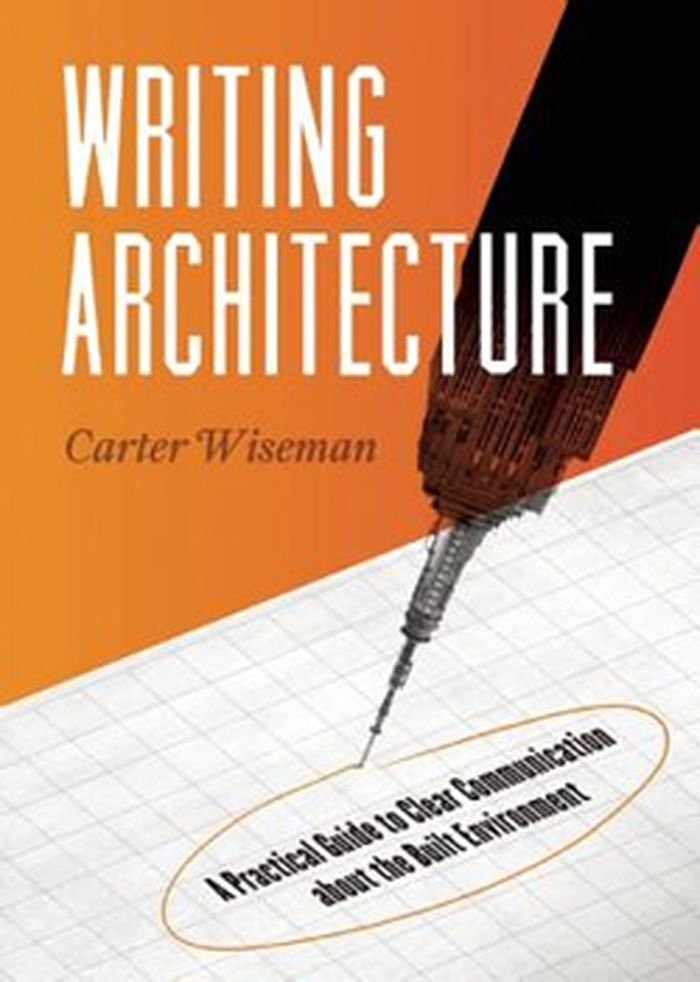
This publication considers the process, methods, and value of architecture writing based on Carter Wiseman’s thirty years of personal experience writing, editing, and teaching young architects how to write. This book creatively tackles a problematic issue that Wiseman considers to crucial to successful architecture writing: clarity of thinking and expression. He argues that because we live our lives within the built environment, architecture is the most comprehensive and complex of all art forms.
Writing architecture : a practical guide to clear communication about the built environment
Actions:
Prix:
$25.50
(disponible sur commande)
Résumé:
This publication considers the process, methods, and value of architecture writing based on Carter Wiseman’s thirty years of personal experience writing, editing, and teaching young architects how to write. This book creatively tackles a problematic issue that Wiseman considers to crucial to successful architecture writing: clarity of thinking and expression. He argues that because we live our lives within the built environment, architecture is the most comprehensive and complex of all art forms.
Classification:
livres
livres
Publication:
septembre 2015
septembre 2015
Sujet:
Théorie de l’architecture
Théorie de l’architecture
Classification:
livres
livres

Prix:
$67.95
(disponible sur commande)
Résumé:
In science and technology, the images used to depict ideas, data, and reactions can be as striking and explosive as the concepts and processes they embody—both works of art and generative forces in their own right. Drawing on a close dialogue between the histories of art, science, and technology, The Technical Image explores these images not as mere illustrations or(...)
$67.95
(disponible sur commande)
Résumé:
In science and technology, the images used to depict ideas, data, and reactions can be as striking and explosive as the concepts and processes they embody—both works of art and generative forces in their own right. Drawing on a close dialogue between the histories of art, science, and technology, The Technical Image explores these images not as mere illustrations or(...)
Titre:
The technical image: a history of styles in scientific imagery
Actions:
Prix:
$67.95
(disponible sur commande)
Résumé:
In science and technology, the images used to depict ideas, data, and reactions can be as striking and explosive as the concepts and processes they embody—both works of art and generative forces in their own right. Drawing on a close dialogue between the histories of art, science, and technology, The Technical Image explores these images not as mere illustrations or examples, but as productive agents and distinctive, multilayered elements of the process of generating knowledge.
The technical image: a history of styles in scientific imagery
Actions:
Prix:
$67.95
(disponible sur commande)
Résumé:
In science and technology, the images used to depict ideas, data, and reactions can be as striking and explosive as the concepts and processes they embody—both works of art and generative forces in their own right. Drawing on a close dialogue between the histories of art, science, and technology, The Technical Image explores these images not as mere illustrations or examples, but as productive agents and distinctive, multilayered elements of the process of generating knowledge.
Classification:
livres
livres
Publication:
mars 2015
mars 2015
Sujet:
Théorie de l’art
Théorie de l’art
Classification:
livres
livres

Prix:
$33.95
(disponible sur commande)
Résumé:
Before skyscrapers and streetlights glowed at all hours, American cities fell into inky blackness with each setting of the sun. But over the course of the nineteenth and early twentieth centuries, new technologies began to light up streets, sidewalks, buildings, and public spaces. Peter C. Baldwin's evocative book depicts the changing experience of the urban night over(...)
$33.95
(disponible sur commande)
Résumé:
Before skyscrapers and streetlights glowed at all hours, American cities fell into inky blackness with each setting of the sun. But over the course of the nineteenth and early twentieth centuries, new technologies began to light up streets, sidewalks, buildings, and public spaces. Peter C. Baldwin's evocative book depicts the changing experience of the urban night over(...)
Titre:
In the watches of the night: life in the nocturnal city
Actions:
Prix:
$33.95
(disponible sur commande)
Résumé:
Before skyscrapers and streetlights glowed at all hours, American cities fell into inky blackness with each setting of the sun. But over the course of the nineteenth and early twentieth centuries, new technologies began to light up streets, sidewalks, buildings, and public spaces. Peter C. Baldwin's evocative book depicts the changing experience of the urban night over this period, visiting a host of actors - scavengers, newsboys, and mashers alike - in the nocturnal city.
In the watches of the night: life in the nocturnal city
Actions:
Prix:
$33.95
(disponible sur commande)
Résumé:
Before skyscrapers and streetlights glowed at all hours, American cities fell into inky blackness with each setting of the sun. But over the course of the nineteenth and early twentieth centuries, new technologies began to light up streets, sidewalks, buildings, and public spaces. Peter C. Baldwin's evocative book depicts the changing experience of the urban night over this period, visiting a host of actors - scavengers, newsboys, and mashers alike - in the nocturnal city.
Classification:
livres
livres
Publication:
juillet 2015
juillet 2015
Sujet:
Théorie de l’urbanisme
Théorie de l’urbanisme
Classification:
livres
livres
Actions:
Prix:
$48.95
(disponible sur commande)
Résumé:
What is it about ruins that are so alluring, so puzzling, that they can hold some of us in endless wonder over the half-erased story they tell? In this elegant book, Robert Harbison explores the captivating hold these remains and broken pieces—from architecture, art, and literature—have on us. He guides us through ruins and fragments, both ancient and modern, visual and(...)
$48.95
(disponible sur commande)
Résumé:
What is it about ruins that are so alluring, so puzzling, that they can hold some of us in endless wonder over the half-erased story they tell? In this elegant book, Robert Harbison explores the captivating hold these remains and broken pieces—from architecture, art, and literature—have on us. He guides us through ruins and fragments, both ancient and modern, visual and(...)
Titre:
Ruins and fragments: tales of loss and rediscovery
Actions:
Prix:
$48.95
(disponible sur commande)
Résumé:
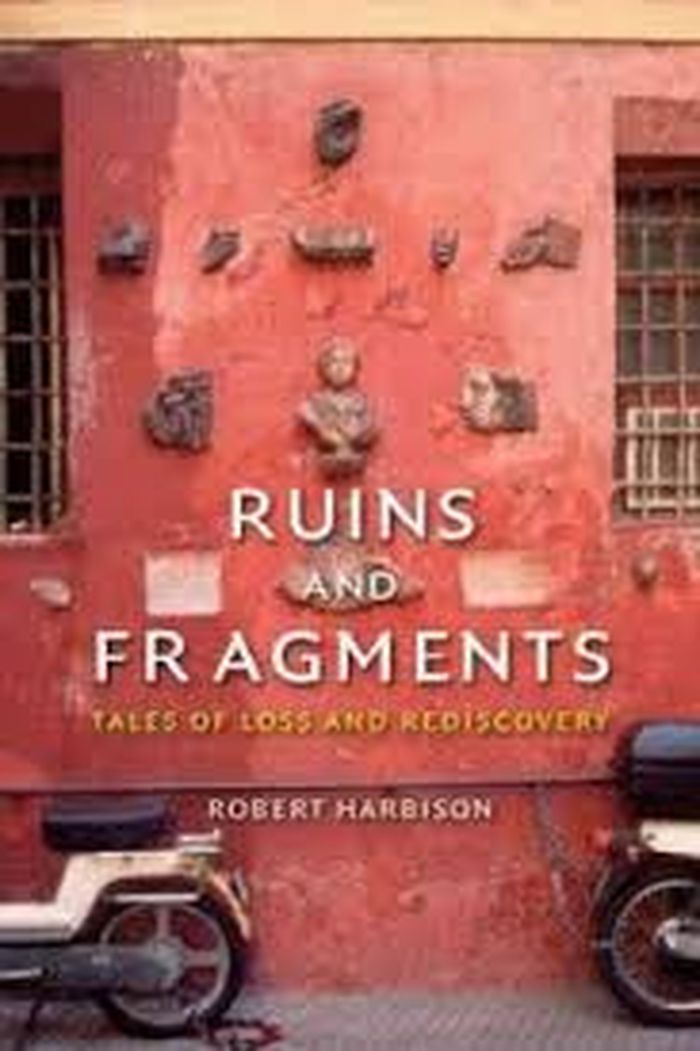
What is it about ruins that are so alluring, so puzzling, that they can hold some of us in endless wonder over the half-erased story they tell? In this elegant book, Robert Harbison explores the captivating hold these remains and broken pieces—from architecture, art, and literature—have on us. He guides us through ruins and fragments, both ancient and modern, visual and textual, showing us how they are crucial to understanding our current mindset and how we arrived here. First looking at ancient fragments, he examines the ways we have recovered, restored, and exhibited them as artworks. Then he moves on to modernist architecture and the ways that it seeks a fragmentary form, examining modern projects that have been designed into existing ruins, such as the Castelvecchio in Verona, Italy and the reconstruction of the Neues Museum in Berlin. From there he explores literature and the works of T. S. Eliot, Montaigne, Coleridge, Joyce, and Sterne, and how they have used fragments as the foundation for creating new work.
Ruins and fragments: tales of loss and rediscovery
Actions:
Prix:
$48.95
(disponible sur commande)
Résumé:
What is it about ruins that are so alluring, so puzzling, that they can hold some of us in endless wonder over the half-erased story they tell? In this elegant book, Robert Harbison explores the captivating hold these remains and broken pieces—from architecture, art, and literature—have on us. He guides us through ruins and fragments, both ancient and modern, visual and textual, showing us how they are crucial to understanding our current mindset and how we arrived here. First looking at ancient fragments, he examines the ways we have recovered, restored, and exhibited them as artworks. Then he moves on to modernist architecture and the ways that it seeks a fragmentary form, examining modern projects that have been designed into existing ruins, such as the Castelvecchio in Verona, Italy and the reconstruction of the Neues Museum in Berlin. From there he explores literature and the works of T. S. Eliot, Montaigne, Coleridge, Joyce, and Sterne, and how they have used fragments as the foundation for creating new work.
Classification:
livres
livres
Publication:
juin 2015
juin 2015
Sujet:
Théorie de l’architecture
Théorie de l’architecture
Classification:
livres
livres

Titre:
Weeds
Weeds
Actions:
Prix:
$34.00
(disponible sur commande)
Résumé:
We spray them, pluck them, and bury them under mulch; and we curse their resilience when they spring back into place. To most of us, weeds are a nuisance, not worth the dirt they are growing in. But the fact is weeds are a plant just like any other, and it is only we who designate them as a weed or not, as a plant we will dote over or one we will tear out of the earth(...)
$34.00
(disponible sur commande)
Résumé:
We spray them, pluck them, and bury them under mulch; and we curse their resilience when they spring back into place. To most of us, weeds are a nuisance, not worth the dirt they are growing in. But the fact is weeds are a plant just like any other, and it is only we who designate them as a weed or not, as a plant we will dote over or one we will tear out of the earth(...)
Titre:
Weeds
Actions:
Prix:
$34.00
(disponible sur commande)
Résumé:
We spray them, pluck them, and bury them under mulch; and we curse their resilience when they spring back into place. To most of us, weeds are a nuisance, not worth the dirt they are growing in. But the fact is weeds are a plant just like any other, and it is only we who designate them as a weed or not, as a plant we will dote over or one we will tear out of the earth with abandon. And as Nina Edwards shows in this history, that designation is constantly changing. Balancing popular history with botanical science, she tells the story of the lowly, but proud, weed, a story that is just as much about the kinds of attitudes we foster toward the plants we grow and those we try to suppress.
Weeds
Actions:
Prix:
$34.00
(disponible sur commande)
Résumé:
We spray them, pluck them, and bury them under mulch; and we curse their resilience when they spring back into place. To most of us, weeds are a nuisance, not worth the dirt they are growing in. But the fact is weeds are a plant just like any other, and it is only we who designate them as a weed or not, as a plant we will dote over or one we will tear out of the earth with abandon. And as Nina Edwards shows in this history, that designation is constantly changing. Balancing popular history with botanical science, she tells the story of the lowly, but proud, weed, a story that is just as much about the kinds of attitudes we foster toward the plants we grow and those we try to suppress.
Classification:
livres
livres
Publication:
mai 2015
mai 2015
Sujet:
Théorie du paysage
Théorie du paysage
Classification:
livres
livres
Titre:
Water: nature and culture
Water: nature and culture
Actions:
Prix:
$31.00
(disponible sur commande)
Résumé:
As any scientist will tell you, there is no substance more vital than water. Our history is necessarily a history with water, whether we have irrigated our fields with it, cooled our machines, washed ourselves, drank it down deeply, or even worshipped it. In Water, Veronic Strang ladles through the rich history of our interaction with water, offering an accessible(...)
$31.00
(disponible sur commande)
Résumé:
As any scientist will tell you, there is no substance more vital than water. Our history is necessarily a history with water, whether we have irrigated our fields with it, cooled our machines, washed ourselves, drank it down deeply, or even worshipped it. In Water, Veronic Strang ladles through the rich history of our interaction with water, offering an accessible(...)
Titre:
Water: nature and culture
Actions:
Prix:
$31.00
(disponible sur commande)
Résumé:
As any scientist will tell you, there is no substance more vital than water. Our history is necessarily a history with water, whether we have irrigated our fields with it, cooled our machines, washed ourselves, drank it down deeply, or even worshipped it. In Water, Veronic Strang ladles through the rich history of our interaction with water, offering an accessible examination of the crucial properties that make water so unique alongside the complex story of our evolving relationship with it.
Water: nature and culture
Actions:
Prix:
$31.00
(disponible sur commande)
Résumé:
As any scientist will tell you, there is no substance more vital than water. Our history is necessarily a history with water, whether we have irrigated our fields with it, cooled our machines, washed ourselves, drank it down deeply, or even worshipped it. In Water, Veronic Strang ladles through the rich history of our interaction with water, offering an accessible examination of the crucial properties that make water so unique alongside the complex story of our evolving relationship with it.
Classification:
livres
livres
Publication:
avril 2015
avril 2015
Sujet:
Théorie du paysage
Théorie du paysage


