


36154 Résultats
Classification:
livres
livres
Actions:
Prix:
$80.99
(disponible sur commande)
Résumé:
What is green infrastructure? Why should we develop it? Who uses it? And what socioeconomic and ecological value does it provide? This useful guide provides an essential introduction to green infrastructure for planners, landscape architects, engineers, and environmentalists keen to understand how we can use landscape principles to deliver more sustainable urban planning.(...)
$80.99
(disponible sur commande)
Résumé:
What is green infrastructure? Why should we develop it? Who uses it? And what socioeconomic and ecological value does it provide? This useful guide provides an essential introduction to green infrastructure for planners, landscape architects, engineers, and environmentalists keen to understand how we can use landscape principles to deliver more sustainable urban planning.(...)
Titre:
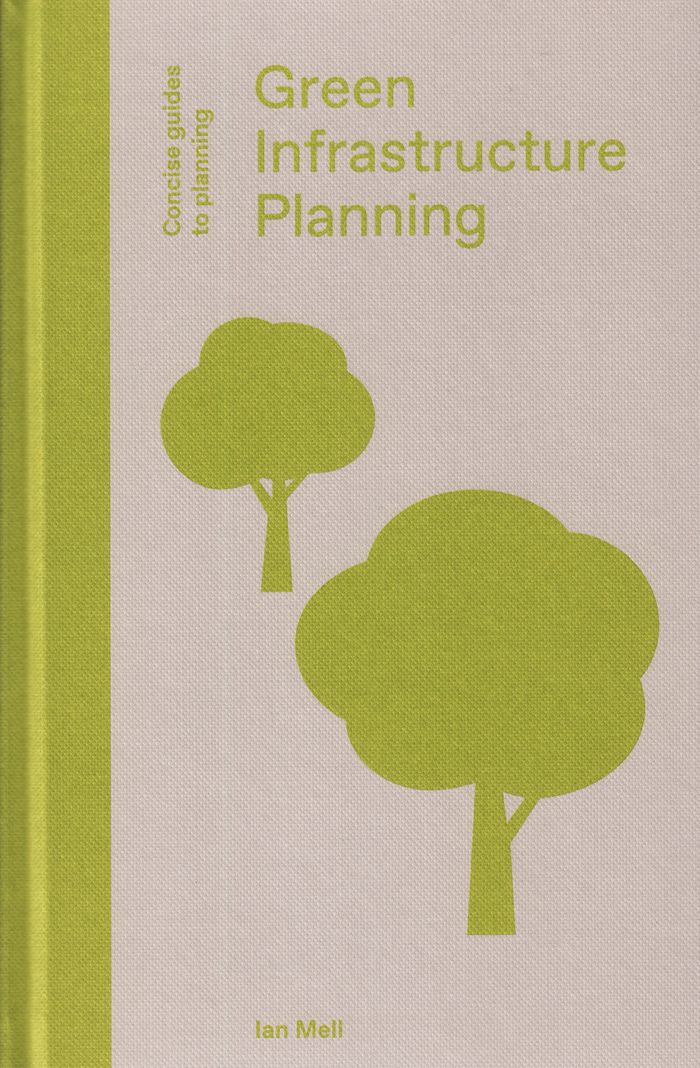
Green infrastructure planning: reintegrating landscape in urban planning
Actions:
Prix:
$80.99
(disponible sur commande)
Résumé:
What is green infrastructure? Why should we develop it? Who uses it? And what socioeconomic and ecological value does it provide? This useful guide provides an essential introduction to green infrastructure for planners, landscape architects, engineers, and environmentalists keen to understand how we can use landscape principles to deliver more sustainable urban planning. Using multiple examples from practice in the UK, Europe, North America, and Asia, the book illustrates how good policy ideas and innovative planning practice can help create more sustainable and ecologically focused urban landscapes.
Green infrastructure planning: reintegrating landscape in urban planning
Actions:
Prix:
$80.99
(disponible sur commande)
Résumé:
What is green infrastructure? Why should we develop it? Who uses it? And what socioeconomic and ecological value does it provide? This useful guide provides an essential introduction to green infrastructure for planners, landscape architects, engineers, and environmentalists keen to understand how we can use landscape principles to deliver more sustainable urban planning. Using multiple examples from practice in the UK, Europe, North America, and Asia, the book illustrates how good policy ideas and innovative planning practice can help create more sustainable and ecologically focused urban landscapes.
Classification:
livres
livres
Publication:
mai 2019
mai 2019
Sujet:
Paysages urbains
Paysages urbains
Classification:
livres
livres
Actions:
Prix:
$80.99
(disponible sur commande)
Résumé:
'Neighbourhood planning (NP), introduced by the Localism Act of 2011, is the right for communities to decide the future of the places where they live and work. This book examines the experience of neighbourhood planners, analysing what communities have achieved, how they have done so and what went well or badly. Comparing NP with other forms of community planning and(...)
$80.99
(disponible sur commande)
Résumé:
'Neighbourhood planning (NP), introduced by the Localism Act of 2011, is the right for communities to decide the future of the places where they live and work. This book examines the experience of neighbourhood planners, analysing what communities have achieved, how they have done so and what went well or badly. Comparing NP with other forms of community planning and(...)
Sujet:
Théorie de l’urbanisme
Théorie de l’urbanisme
Publication:
avril 2019
avril 2019
Titre:
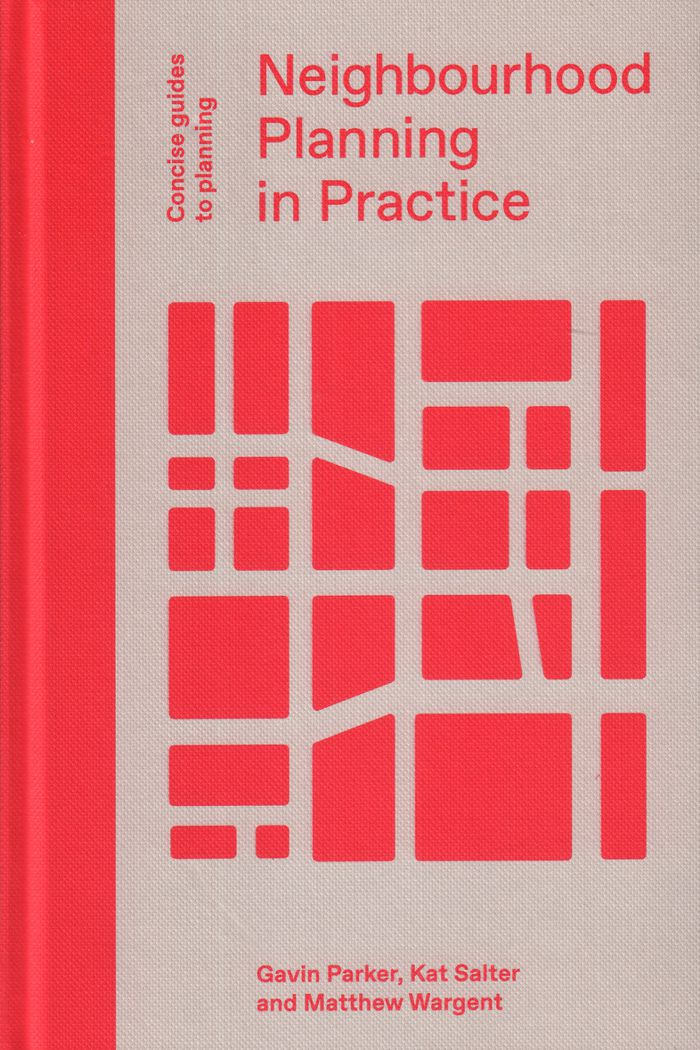
Neighbourhood planning in practice
Actions:
Prix:
$80.99
(disponible sur commande)
Résumé:
'Neighbourhood planning (NP), introduced by the Localism Act of 2011, is the right for communities to decide the future of the places where they live and work. This book examines the experience of neighbourhood planners, analysing what communities have achieved, how they have done so and what went well or badly. Comparing NP with other forms of community planning and highlighting the main lessons learned so far, it acts as a navigation tool for people already involved in neighbourhood planning, as well as those contemplating participation.
Neighbourhood planning in practice
Actions:
Prix:
$80.99
(disponible sur commande)
Résumé:
'Neighbourhood planning (NP), introduced by the Localism Act of 2011, is the right for communities to decide the future of the places where they live and work. This book examines the experience of neighbourhood planners, analysing what communities have achieved, how they have done so and what went well or badly. Comparing NP with other forms of community planning and highlighting the main lessons learned so far, it acts as a navigation tool for people already involved in neighbourhood planning, as well as those contemplating participation.
Classification:
livres
livres
Publication:
avril 2019
avril 2019
Sujet:
Théorie de l’urbanisme
Théorie de l’urbanisme
Classification:
livres
livres
Actions:
Prix:
$80.99
(disponible sur commande)
Résumé:
Why it is important to plan for the natural environment at a whole-landscape scale and to connect wildlife habitats together? Why do planners need to look beyond protecting particular species and their habitats? Why should planners help nature to recolonise towns and cities and how can they best do this? In seeking to answer such questions, this book provides a grounding(...)
$80.99
(disponible sur commande)
Résumé:
Why it is important to plan for the natural environment at a whole-landscape scale and to connect wildlife habitats together? Why do planners need to look beyond protecting particular species and their habitats? Why should planners help nature to recolonise towns and cities and how can they best do this? In seeking to answer such questions, this book provides a grounding(...)
Titre:
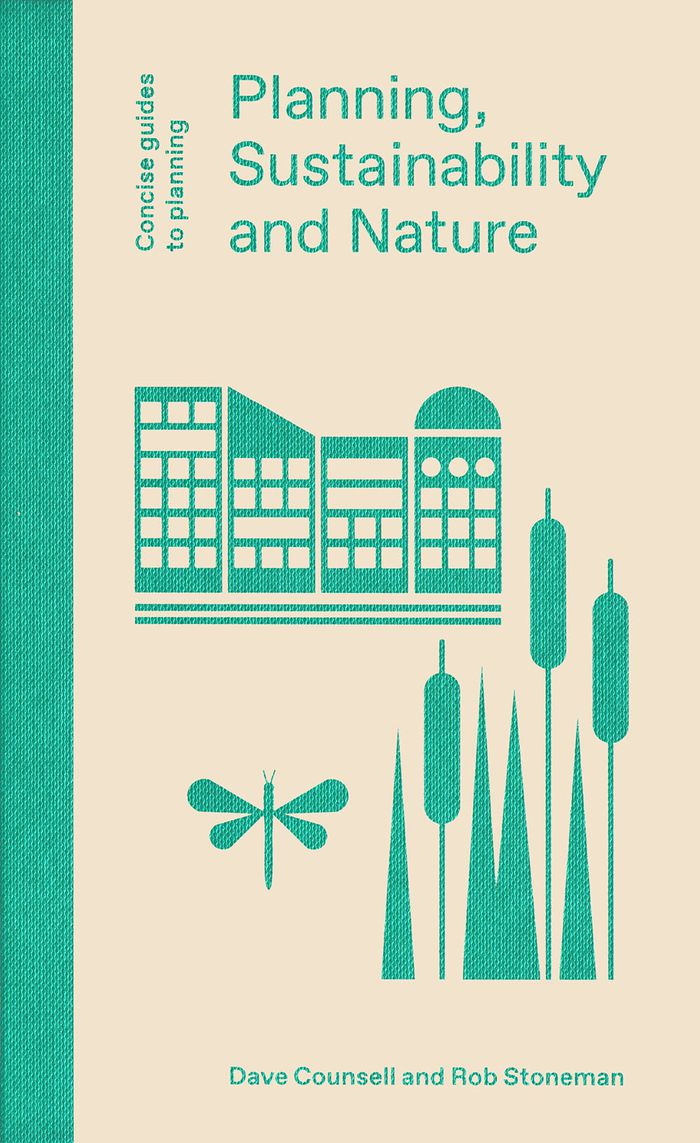
Planning, sustainability and nature
Actions:
Prix:
$80.99
(disponible sur commande)
Résumé:
Why it is important to plan for the natural environment at a whole-landscape scale and to connect wildlife habitats together? Why do planners need to look beyond protecting particular species and their habitats? Why should planners help nature to recolonise towns and cities and how can they best do this? In seeking to answer such questions, this book provides a grounding for planners and professionals in related fields in the key concepts associated with biodiversity and the natural environment, and in how to apply them in practice. It looks at how natural environment policy has shifted from the protection of rare species and nature reserves to a more holistic approach, based on biodiversity.
Planning, sustainability and nature
Actions:
Prix:
$80.99
(disponible sur commande)
Résumé:
Why it is important to plan for the natural environment at a whole-landscape scale and to connect wildlife habitats together? Why do planners need to look beyond protecting particular species and their habitats? Why should planners help nature to recolonise towns and cities and how can they best do this? In seeking to answer such questions, this book provides a grounding for planners and professionals in related fields in the key concepts associated with biodiversity and the natural environment, and in how to apply them in practice. It looks at how natural environment policy has shifted from the protection of rare species and nature reserves to a more holistic approach, based on biodiversity.
Classification:
livres
livres
Publication:
novembre 2018
novembre 2018
Sujet:
Théorie de l’urbanisme
Théorie de l’urbanisme
Classification:
livres
livres
Actions:
Prix:
$67.50
(disponible sur commande)
Résumé:
Ludwig Mies van der Rohe (1886–1969) was one of the most significant and influential architects in history. His designs and buildings—to say nothing of his thought and writing—continue to this day to spark heated debates on achievement and failure in modern architecture. And he’s the rare architect whose influence and reputation spread beyond the field. “Almost Nothing”(...)
$67.50
(disponible sur commande)
Résumé:
Ludwig Mies van der Rohe (1886–1969) was one of the most significant and influential architects in history. His designs and buildings—to say nothing of his thought and writing—continue to this day to spark heated debates on achievement and failure in modern architecture. And he’s the rare architect whose influence and reputation spread beyond the field. “Almost Nothing”(...)
Titre:
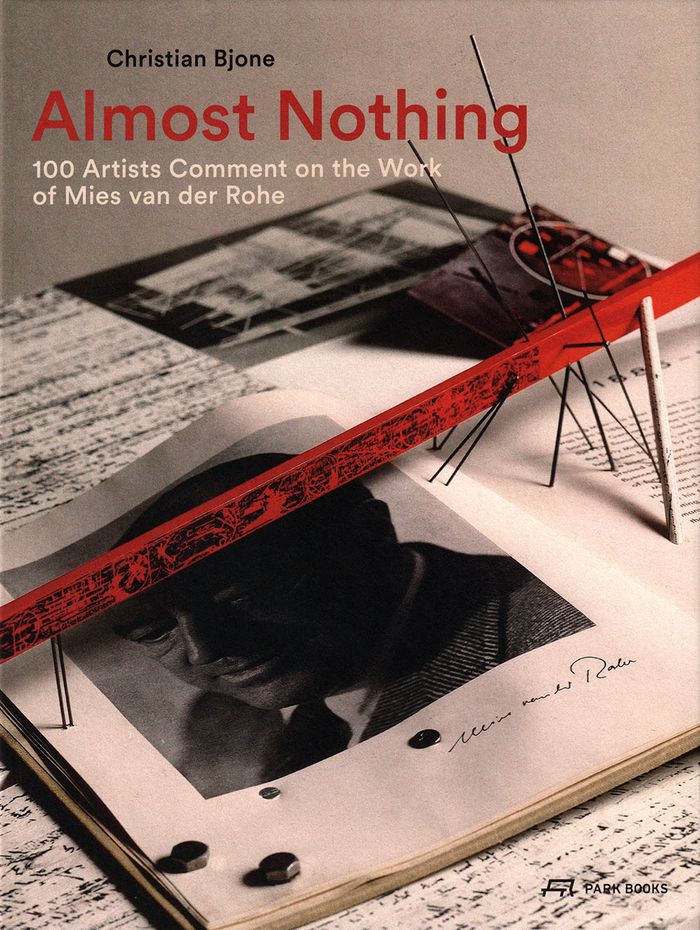
Almost nothing: 100 artists comment on the work of Mies van der Rohe
Actions:
Prix:
$67.50
(disponible sur commande)
Résumé:
Ludwig Mies van der Rohe (1886–1969) was one of the most significant and influential architects in history. His designs and buildings—to say nothing of his thought and writing—continue to this day to spark heated debates on achievement and failure in modern architecture. And he’s the rare architect whose influence and reputation spread beyond the field. “Almost Nothing” collects work by one hundred painters, sculptors, photographers, film directors, designers, cartoonists, and architects that comment on or appropriate buildings, designs, and statements by or images of the legendary architect.
Almost nothing: 100 artists comment on the work of Mies van der Rohe
Actions:
Prix:
$67.50
(disponible sur commande)
Résumé:
Ludwig Mies van der Rohe (1886–1969) was one of the most significant and influential architects in history. His designs and buildings—to say nothing of his thought and writing—continue to this day to spark heated debates on achievement and failure in modern architecture. And he’s the rare architect whose influence and reputation spread beyond the field. “Almost Nothing” collects work by one hundred painters, sculptors, photographers, film directors, designers, cartoonists, and architects that comment on or appropriate buildings, designs, and statements by or images of the legendary architect.
Classification:
livres
livres
Publication:
juin 2019
juin 2019
Sujet:
Architecture, monographies
Architecture, monographies
Classification:
livres
livres
Titre:
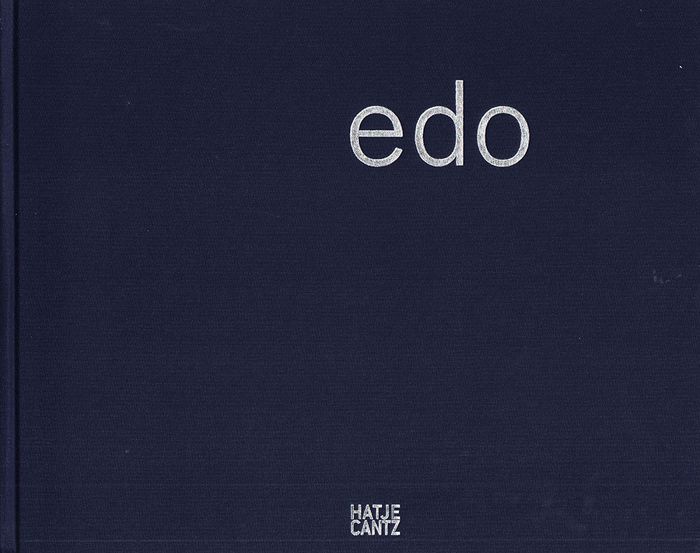
Peter M. Cook: Edo
Peter M. Cook: Edo
Actions:
Prix:
$105.00
(disponible sur commande)
Résumé:
British architectural photographer Peter M. Cook started travelling to Tokyo in 1992. For this book, he selected 100 images of Tokyo, paying homage to the visual language of Hiroshige’s 100 Views of Edo. Mount Fuji makes an appearance, ghostlike in the background, its powerful iconic presence a reminder of a constant in nature, in contrast to the urban landscape at its base.
$105.00
(disponible sur commande)
Résumé:
British architectural photographer Peter M. Cook started travelling to Tokyo in 1992. For this book, he selected 100 images of Tokyo, paying homage to the visual language of Hiroshige’s 100 Views of Edo. Mount Fuji makes an appearance, ghostlike in the background, its powerful iconic presence a reminder of a constant in nature, in contrast to the urban landscape at its base.
Titre:
Peter M. Cook: Edo
Actions:
Prix:
$105.00
(disponible sur commande)
Résumé:
British architectural photographer Peter M. Cook started travelling to Tokyo in 1992. For this book, he selected 100 images of Tokyo, paying homage to the visual language of Hiroshige’s 100 Views of Edo. Mount Fuji makes an appearance, ghostlike in the background, its powerful iconic presence a reminder of a constant in nature, in contrast to the urban landscape at its base.
Peter M. Cook: Edo
Actions:
Prix:
$105.00
(disponible sur commande)
Résumé:
British architectural photographer Peter M. Cook started travelling to Tokyo in 1992. For this book, he selected 100 images of Tokyo, paying homage to the visual language of Hiroshige’s 100 Views of Edo. Mount Fuji makes an appearance, ghostlike in the background, its powerful iconic presence a reminder of a constant in nature, in contrast to the urban landscape at its base.
Classification:
livres
livres
Publication:
mars 2019
mars 2019
Sujet:
Monographies photo
Monographies photo
Classification:
livres
livres
Actions:
Prix:
$69.95
(disponible sur commande)
Résumé:
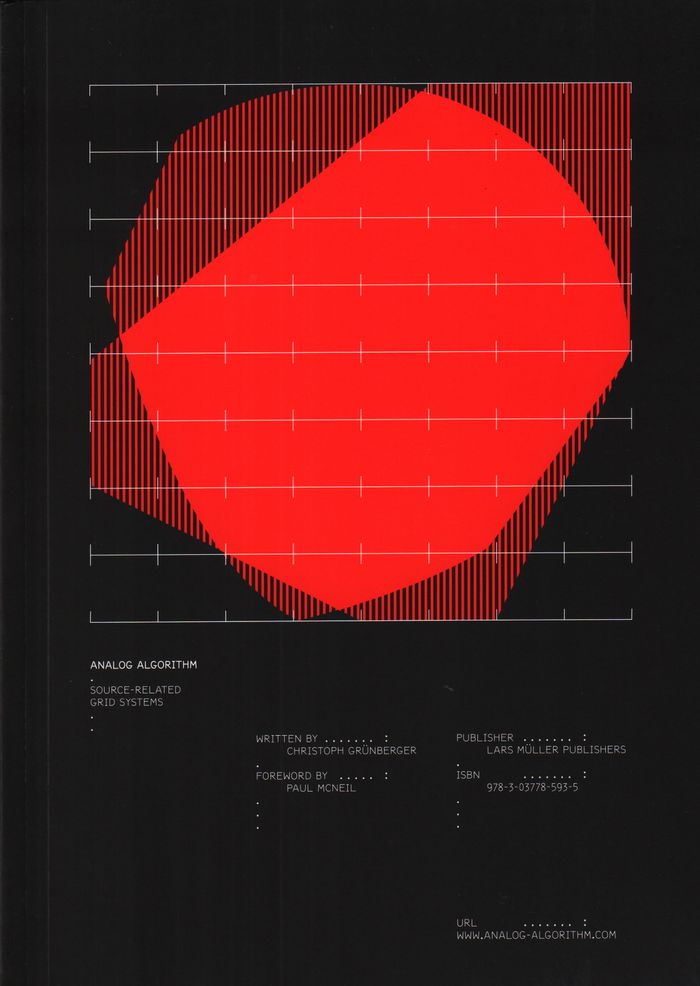
This book is a tool kit to create new forms. It deals with grid-based design and gives the reader techniques to develop new forms, fonts, logos, and patterns. The concept represents a design process in which individual decisions follow much larger and deeper principles than immediate and spontaneous-intuitive actions.
$69.95
(disponible sur commande)
Résumé:
This book is a tool kit to create new forms. It deals with grid-based design and gives the reader techniques to develop new forms, fonts, logos, and patterns. The concept represents a design process in which individual decisions follow much larger and deeper principles than immediate and spontaneous-intuitive actions.
Titre:
Analog algorithm: source related grid systems
Actions:
Prix:
$69.95
(disponible sur commande)
Résumé:
This book is a tool kit to create new forms. It deals with grid-based design and gives the reader techniques to develop new forms, fonts, logos, and patterns. The concept represents a design process in which individual decisions follow much larger and deeper principles than immediate and spontaneous-intuitive actions.
Analog algorithm: source related grid systems
Actions:
Prix:
$69.95
(disponible sur commande)
Résumé:
This book is a tool kit to create new forms. It deals with grid-based design and gives the reader techniques to develop new forms, fonts, logos, and patterns. The concept represents a design process in which individual decisions follow much larger and deeper principles than immediate and spontaneous-intuitive actions.
Classification:
livres
livres
Publication:
mars 2019
mars 2019
Classification:
livres
livres
Prix:
$55.00
(disponible en magasin)
Résumé:
Guillermo Hevia García stands out among the latest generation of Chilean architects for his sensitive focus on his projects’ public impact, expressed in the ways his buildings obey their own internal logic and respect their local cultural, social and spatial contexts.''Every Design Conceals an Order'' compiles 13 of the architect’s designs: built works, projects currently(...)
$55.00
(disponible en magasin)
Résumé:
Guillermo Hevia García stands out among the latest generation of Chilean architects for his sensitive focus on his projects’ public impact, expressed in the ways his buildings obey their own internal logic and respect their local cultural, social and spatial contexts.''Every Design Conceals an Order'' compiles 13 of the architect’s designs: built works, projects currently(...)
Titre:
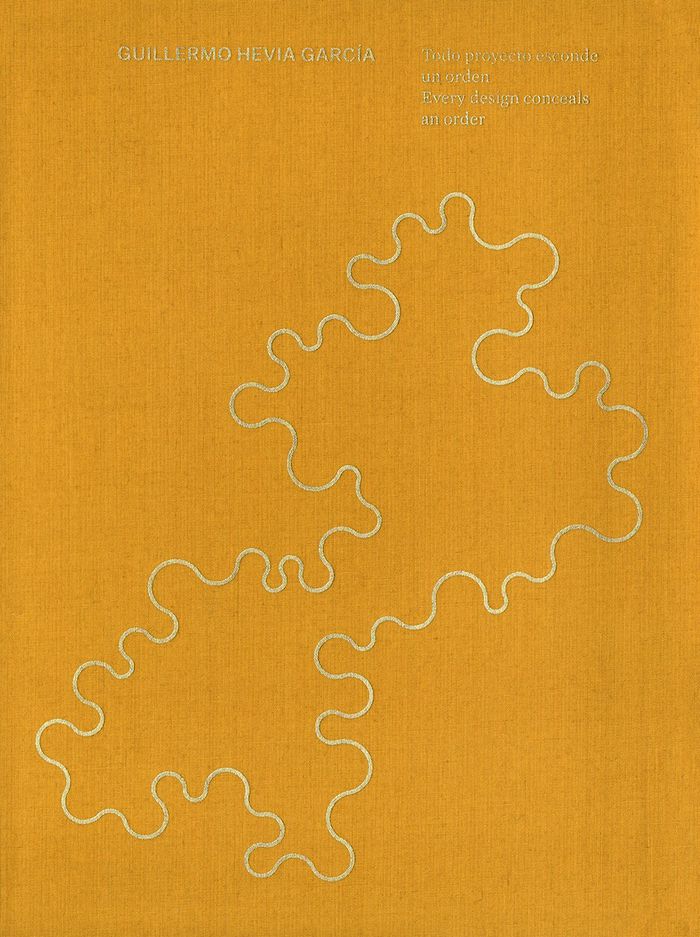
Guillermo Hevia Garcia: every design conceals an order
Actions:
Prix:
$55.00
(disponible en magasin)
Résumé:
Guillermo Hevia García stands out among the latest generation of Chilean architects for his sensitive focus on his projects’ public impact, expressed in the ways his buildings obey their own internal logic and respect their local cultural, social and spatial contexts.''Every Design Conceals an Order'' compiles 13 of the architect’s designs: built works, projects currently underway and competition entries. Each building is accompanied by a section on the architecture’s imaginary context, the visual references Hevia García mobilized in his working process. The publication also shows Hevia García’s approaches to architectural representation, as he deploys techniques ranging from planimetrics, axonometric projections and models, renders and illustrations.
Guillermo Hevia Garcia: every design conceals an order
Actions:
Prix:
$55.00
(disponible en magasin)
Résumé:
Guillermo Hevia García stands out among the latest generation of Chilean architects for his sensitive focus on his projects’ public impact, expressed in the ways his buildings obey their own internal logic and respect their local cultural, social and spatial contexts.''Every Design Conceals an Order'' compiles 13 of the architect’s designs: built works, projects currently underway and competition entries. Each building is accompanied by a section on the architecture’s imaginary context, the visual references Hevia García mobilized in his working process. The publication also shows Hevia García’s approaches to architectural representation, as he deploys techniques ranging from planimetrics, axonometric projections and models, renders and illustrations.
Classification:
livres
livres
Publication:
avril 2019
avril 2019
Sujet:
Architecture, monographies
Architecture, monographies
Classification:
livres
livres
Actions:
Prix:
$62.00
(disponible sur commande)
Résumé:
Published for David Chipperfield's 2018 exhibition at the Basilica Palladiana in Vicenza, this book documents a selection of 15 current and recent projects by the practice, shown at varying stages in their development in order to convey the range of activities that takes place in an architecture studio today. "It represents our attempt to show how we work, how we develop(...)
$62.00
(disponible sur commande)
Résumé:
Published for David Chipperfield's 2018 exhibition at the Basilica Palladiana in Vicenza, this book documents a selection of 15 current and recent projects by the practice, shown at varying stages in their development in order to convey the range of activities that takes place in an architecture studio today. "It represents our attempt to show how we work, how we develop(...)
Titre:
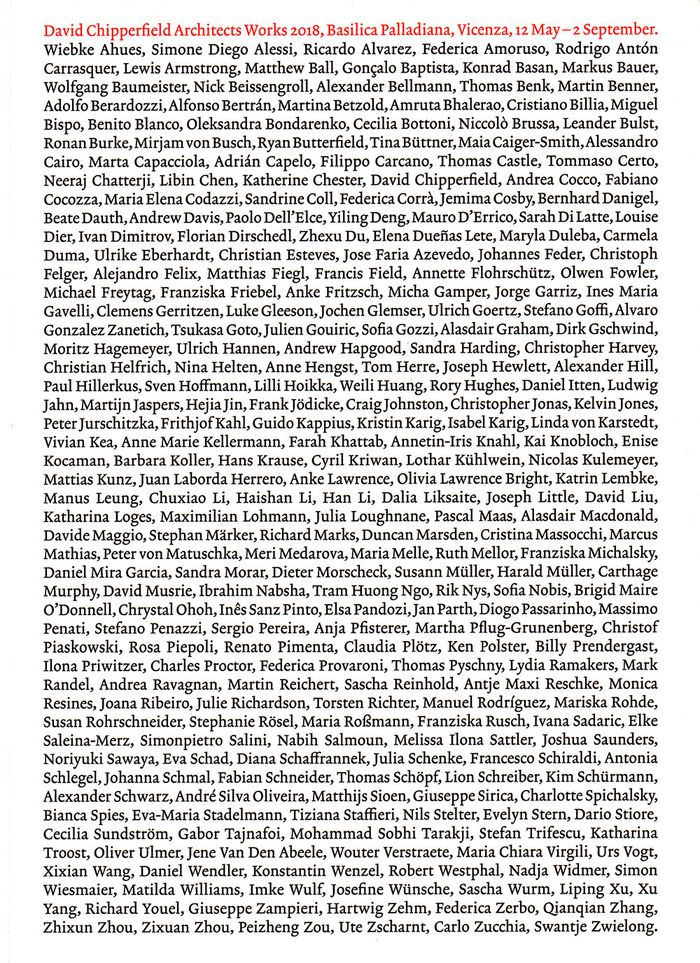
David Chipperfield architects: works 2018
Actions:
Prix:
$62.00
(disponible sur commande)
Résumé:
Published for David Chipperfield's 2018 exhibition at the Basilica Palladiana in Vicenza, this book documents a selection of 15 current and recent projects by the practice, shown at varying stages in their development in order to convey the range of activities that takes place in an architecture studio today. "It represents our attempt to show how we work, how we develop ideas, how we work in parallel in different projects, cultures, and with different resources, priorities and collaborators, balancing local and global perspectives," says Chipperfield of the exhibition concept informing this volume. Among the nascent or underway enterprises included here are his project for the Fundación Rede de Innovación Arousa in Galicia, Spain, and his concept for Valentino retail.
David Chipperfield architects: works 2018
Actions:
Prix:
$62.00
(disponible sur commande)
Résumé:
Published for David Chipperfield's 2018 exhibition at the Basilica Palladiana in Vicenza, this book documents a selection of 15 current and recent projects by the practice, shown at varying stages in their development in order to convey the range of activities that takes place in an architecture studio today. "It represents our attempt to show how we work, how we develop ideas, how we work in parallel in different projects, cultures, and with different resources, priorities and collaborators, balancing local and global perspectives," says Chipperfield of the exhibition concept informing this volume. Among the nascent or underway enterprises included here are his project for the Fundación Rede de Innovación Arousa in Galicia, Spain, and his concept for Valentino retail.
Classification:
livres
livres
Publication:
mai 2019
mai 2019
Sujet:
Architecture, monographies
Architecture, monographies
Classification:
livres
livres
Prix:
$69.95
(disponible sur commande)
Résumé:
This monograph on the work of Austrian architect Carl Pruscha (born 1936) is divided into the three geographical areas into which his life and legacy falls: the United States, Kathmandu and Vienna. Following his study of architecture at the Academy of Fine Arts Vienna, Pruscha spent the early 1960s at Harvard University’s Graduate School of Design, constantly in search of(...)
$69.95
(disponible sur commande)
Résumé:
This monograph on the work of Austrian architect Carl Pruscha (born 1936) is divided into the three geographical areas into which his life and legacy falls: the United States, Kathmandu and Vienna. Following his study of architecture at the Academy of Fine Arts Vienna, Pruscha spent the early 1960s at Harvard University’s Graduate School of Design, constantly in search of(...)
Titre:
Carl Pruscha: singular personality. Architect, bohemian, activist
Actions:
Prix:
$69.95
(disponible sur commande)
Résumé:
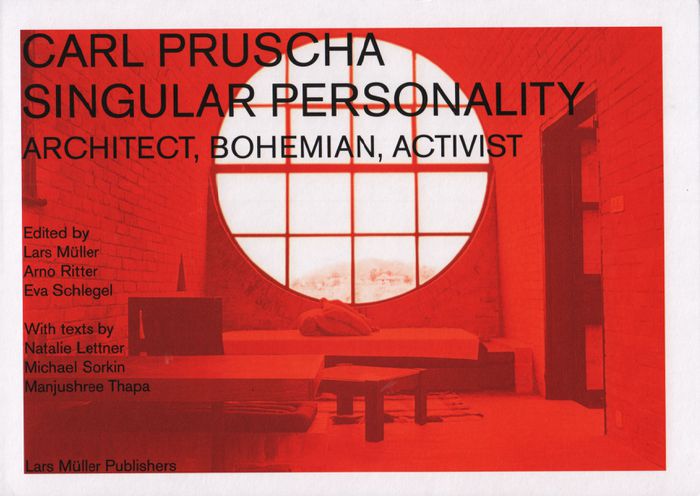
This monograph on the work of Austrian architect Carl Pruscha (born 1936) is divided into the three geographical areas into which his life and legacy falls: the United States, Kathmandu and Vienna. Following his study of architecture at the Academy of Fine Arts Vienna, Pruscha spent the early 1960s at Harvard University’s Graduate School of Design, constantly in search of inspiration and visions. An invitation by the UN to go to Nepal in 1964 enabled him to establish himself there as a practicing architect, embarking on various construction projects and the Kathmandu Valley Development and Preservation Project. After returning to Vienna in 1978, he became the head of the Academy of Fine Arts. The three sections in this book are accompanied by photographic portfolios by Iwan Baan and Hertha Hurnaus, numerous project documentations and a detailed timeline.
Carl Pruscha: singular personality. Architect, bohemian, activist
Actions:
Prix:
$69.95
(disponible sur commande)
Résumé:
This monograph on the work of Austrian architect Carl Pruscha (born 1936) is divided into the three geographical areas into which his life and legacy falls: the United States, Kathmandu and Vienna. Following his study of architecture at the Academy of Fine Arts Vienna, Pruscha spent the early 1960s at Harvard University’s Graduate School of Design, constantly in search of inspiration and visions. An invitation by the UN to go to Nepal in 1964 enabled him to establish himself there as a practicing architect, embarking on various construction projects and the Kathmandu Valley Development and Preservation Project. After returning to Vienna in 1978, he became the head of the Academy of Fine Arts. The three sections in this book are accompanied by photographic portfolios by Iwan Baan and Hertha Hurnaus, numerous project documentations and a detailed timeline.
Classification:
livres
livres
Publication:
décembre 2019
décembre 2019
Sujet:
Monographies photo
Monographies photo
Classification:
livres
livres
Actions:
Prix:
$34.95
(disponible sur commande)
Résumé:
For much of the 20th century, critique played an important part in what was considered 'modern' architecture; the canon of modern architecture considered itself dedicated to both formal progress and social critique. But as the 1960s spurred a rereading of modern architecture from a perspective informed by Marxism and the decade’s new social movements, many concluded that(...)
$34.95
(disponible sur commande)
Résumé:
For much of the 20th century, critique played an important part in what was considered 'modern' architecture; the canon of modern architecture considered itself dedicated to both formal progress and social critique. But as the 1960s spurred a rereading of modern architecture from a perspective informed by Marxism and the decade’s new social movements, many concluded that(...)
Titre:
Building critique: Architecture and its discontents
Actions:
Prix:
$34.95
(disponible sur commande)
Résumé:
For much of the 20th century, critique played an important part in what was considered 'modern' architecture; the canon of modern architecture considered itself dedicated to both formal progress and social critique. But as the 1960s spurred a rereading of modern architecture from a perspective informed by Marxism and the decade’s new social movements, many concluded that a building practice could not be critical, owing to its interdependent relationship with power and business. With recent economic crises hitting the building and property sectors, and research playing an increasingly large role in architectural practice, we are witnessing a renewed interest in critique in contemporary architecture, especially from postcolonial and feminist positions. The essays contained in this book, authored by a variety of international architects and thinkers, address this revived moment of critique, arguing that, far from being dead, architectural critique is now indispensable.
Building critique: Architecture and its discontents
Actions:
Prix:
$34.95
(disponible sur commande)
Résumé:
For much of the 20th century, critique played an important part in what was considered 'modern' architecture; the canon of modern architecture considered itself dedicated to both formal progress and social critique. But as the 1960s spurred a rereading of modern architecture from a perspective informed by Marxism and the decade’s new social movements, many concluded that a building practice could not be critical, owing to its interdependent relationship with power and business. With recent economic crises hitting the building and property sectors, and research playing an increasingly large role in architectural practice, we are witnessing a renewed interest in critique in contemporary architecture, especially from postcolonial and feminist positions. The essays contained in this book, authored by a variety of international architects and thinkers, address this revived moment of critique, arguing that, far from being dead, architectural critique is now indispensable.
Classification:
livres
livres
Publication:
septembre 2020
septembre 2020
Sujet:
Théorie de l’architecture
Théorie de l’architecture


