


13794 Résultats
Classification:
livres
livres
Actions:
Prix:
$60.00
(disponible sur commande)
Résumé:
Many people are not familiar with Kumbh Mela, and yet it is the largest celebration on earth: depending on the positions of Jupiter, the sun and the moon, Hindus travel to certain places along holy rivers, the Ganges for example, to bathe and cleanse themselves of sin. With a 2013 attendance of approximately 34 million, the triennial pilgrimage requires that the(...)
$60.00
(disponible sur commande)
Résumé:
Many people are not familiar with Kumbh Mela, and yet it is the largest celebration on earth: depending on the positions of Jupiter, the sun and the moon, Hindus travel to certain places along holy rivers, the Ganges for example, to bathe and cleanse themselves of sin. With a 2013 attendance of approximately 34 million, the triennial pilgrimage requires that the(...)
Titre:
Kumbh Mela: mapping the ephemeral Megacity
Actions:
Prix:
$60.00
(disponible sur commande)
Résumé:
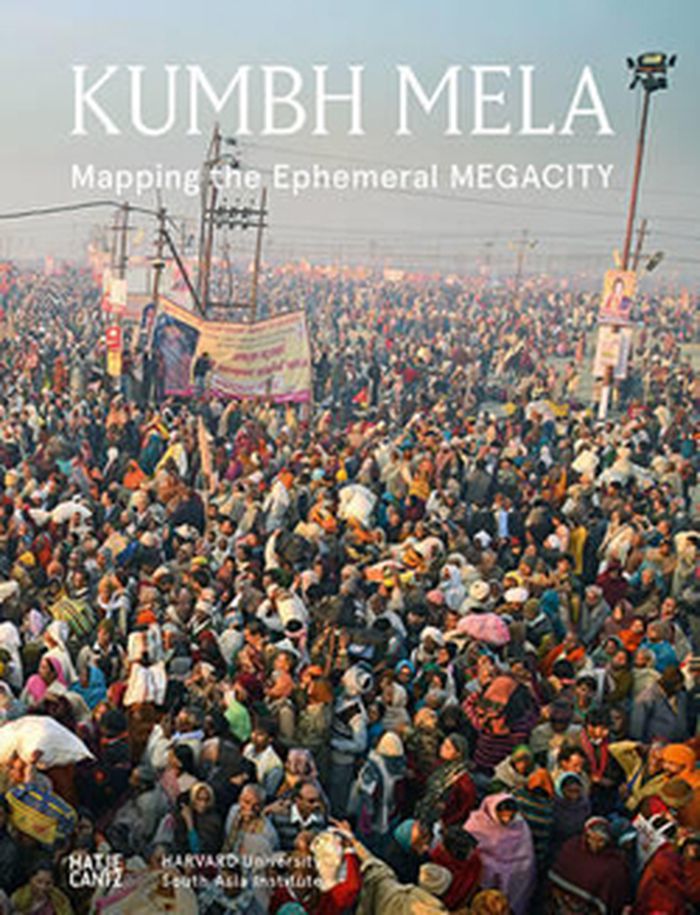
Many people are not familiar with Kumbh Mela, and yet it is the largest celebration on earth: depending on the positions of Jupiter, the sun and the moon, Hindus travel to certain places along holy rivers, the Ganges for example, to bathe and cleanse themselves of sin. With a 2013 attendance of approximately 34 million, the triennial pilgrimage requires that the communities hosting the gatherings create functioning temporary structures to transport, house and feed enormous crowds of people. In 2013, a team from Harvard University monitored the large-scale event from its preparation through to the actual celebration, investigating and documenting the prototypes for flexible urban planning and offering organizers advice on issues around environmental protection. This substantial hardcover presents their comprehensive research findings along with city maps, aerial images and photographs of this most fascinating feat of urban planning.
Kumbh Mela: mapping the ephemeral Megacity
Actions:
Prix:
$60.00
(disponible sur commande)
Résumé:
Many people are not familiar with Kumbh Mela, and yet it is the largest celebration on earth: depending on the positions of Jupiter, the sun and the moon, Hindus travel to certain places along holy rivers, the Ganges for example, to bathe and cleanse themselves of sin. With a 2013 attendance of approximately 34 million, the triennial pilgrimage requires that the communities hosting the gatherings create functioning temporary structures to transport, house and feed enormous crowds of people. In 2013, a team from Harvard University monitored the large-scale event from its preparation through to the actual celebration, investigating and documenting the prototypes for flexible urban planning and offering organizers advice on issues around environmental protection. This substantial hardcover presents their comprehensive research findings along with city maps, aerial images and photographs of this most fascinating feat of urban planning.
Classification:
livres
livres
Publication:
août 2015
août 2015
Sujet:
Théorie de l’architecture
Théorie de l’architecture
Classification:
livres
livres
Prix:
$45.00
(disponible sur commande)
Résumé:
Conflicts around urban development and planning issues are an important dimension of contemporary urban politics. Issues of social cohesion and democratic representation become all the more relevant as cities face economic crisis and when local politics tries to meet its challenges with "post-political" responses. The case studies in Conflict in the City, drawn from(...)
$45.00
(disponible sur commande)
Résumé:
Conflicts around urban development and planning issues are an important dimension of contemporary urban politics. Issues of social cohesion and democratic representation become all the more relevant as cities face economic crisis and when local politics tries to meet its challenges with "post-political" responses. The case studies in Conflict in the City, drawn from(...)
Titre:
Conflict in the city: contested urban spaces and local democracy
Actions:
Prix:
$45.00
(disponible sur commande)
Résumé:
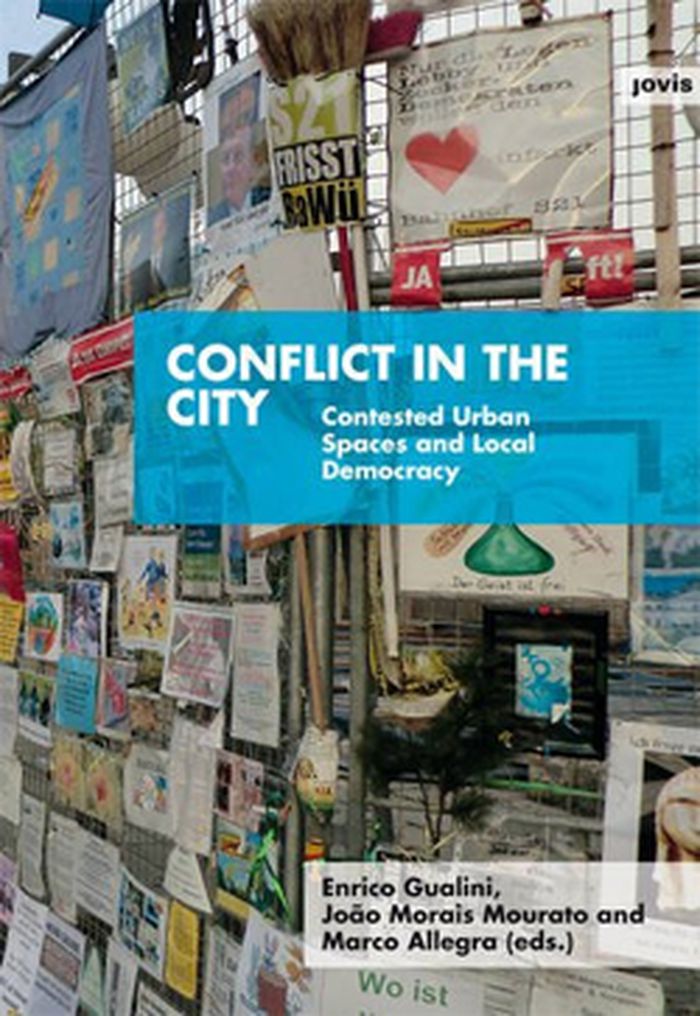
Conflicts around urban development and planning issues are an important dimension of contemporary urban politics. Issues of social cohesion and democratic representation become all the more relevant as cities face economic crisis and when local politics tries to meet its challenges with "post-political" responses. The case studies in Conflict in the City, drawn from cities around the world, explore the potential of local planning conflicts to challenge the rhetoric of urban democracy. These conflicts expose some of the key political issues in the contemporary city: the multi-scalar nature of urban policies, the tension between "policing" and "politics," the spatial dimension of protest and social mobilization and the struggle for new forms of citizenship. Conflict in the City attempts to rethink urban development and planning conflicts through a multidisciplinary perspective, and explore how these "local" conflicts can spur broader political mobilizations.
Conflict in the city: contested urban spaces and local democracy
Actions:
Prix:
$45.00
(disponible sur commande)
Résumé:
Conflicts around urban development and planning issues are an important dimension of contemporary urban politics. Issues of social cohesion and democratic representation become all the more relevant as cities face economic crisis and when local politics tries to meet its challenges with "post-political" responses. The case studies in Conflict in the City, drawn from cities around the world, explore the potential of local planning conflicts to challenge the rhetoric of urban democracy. These conflicts expose some of the key political issues in the contemporary city: the multi-scalar nature of urban policies, the tension between "policing" and "politics," the spatial dimension of protest and social mobilization and the struggle for new forms of citizenship. Conflict in the City attempts to rethink urban development and planning conflicts through a multidisciplinary perspective, and explore how these "local" conflicts can spur broader political mobilizations.
Classification:
livres
livres
Publication:
novembre 2015
novembre 2015
Sujet:
Théorie de l’urbanisme
Théorie de l’urbanisme
Classification:
livres
livres
Titre:
The pleasure of research
The pleasure of research
Actions:
Prix:
$35.00
(disponible sur commande)
Résumé:
The Pleasure of Research delves into topics such as knowledge production, artistic thinking and medium-specificity. The publication begins with a series of curatorial projects by Henk Slager at international art festivals and biennales in such cities as Seoul, Shanghai, New York, Venice, Tbilisi, Istanbul and Taipei.
$35.00
(disponible sur commande)
Résumé:
The Pleasure of Research delves into topics such as knowledge production, artistic thinking and medium-specificity. The publication begins with a series of curatorial projects by Henk Slager at international art festivals and biennales in such cities as Seoul, Shanghai, New York, Venice, Tbilisi, Istanbul and Taipei.
Titre:
The pleasure of research
Actions:
Prix:
$35.00
(disponible sur commande)
Résumé:
The Pleasure of Research delves into topics such as knowledge production, artistic thinking and medium-specificity. The publication begins with a series of curatorial projects by Henk Slager at international art festivals and biennales in such cities as Seoul, Shanghai, New York, Venice, Tbilisi, Istanbul and Taipei.
The pleasure of research
Actions:
Prix:
$35.00
(disponible sur commande)
Résumé:
The Pleasure of Research delves into topics such as knowledge production, artistic thinking and medium-specificity. The publication begins with a series of curatorial projects by Henk Slager at international art festivals and biennales in such cities as Seoul, Shanghai, New York, Venice, Tbilisi, Istanbul and Taipei.
Classification:
livres
livres
Publication:
août 2015
août 2015
Sujet:
Théorie de l’art
Théorie de l’art
Classification:
livres
livres
Titre:
Bureau Savamala Belgrade
Bureau Savamala Belgrade
Actions:
Prix:
$40.00
(disponible sur commande)
Résumé:
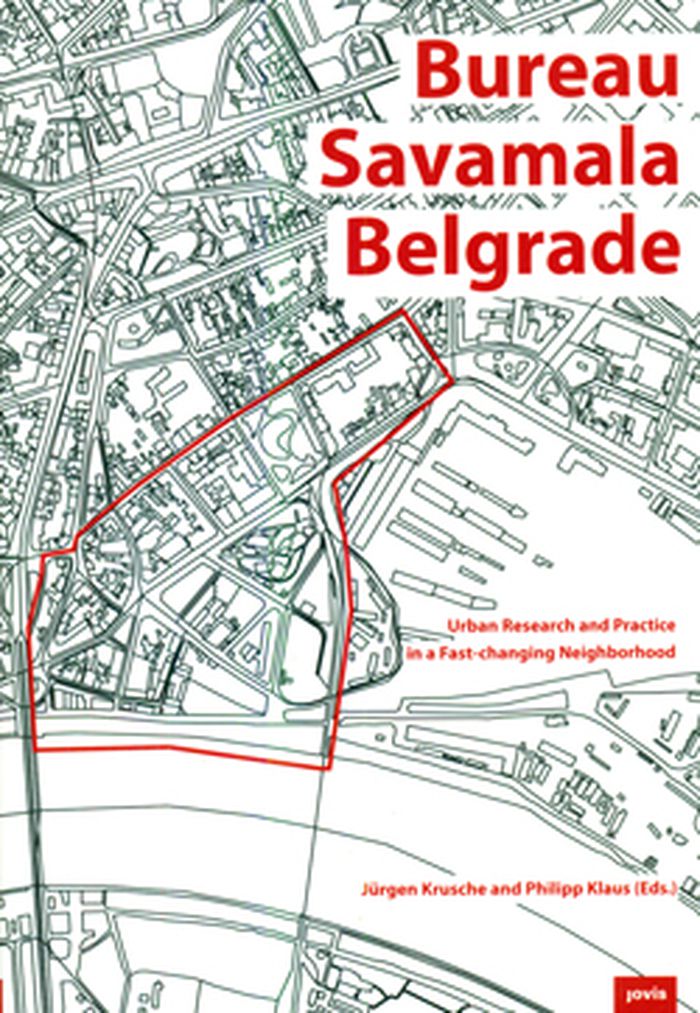
This publication sheds new light on how renewal of cities can take place without gentrifying them, and how art can initiate such processes, looking at the Savamala district of Belgrade. Local architects and artists present projects designed to contribute to the development of the district.
$40.00
(disponible sur commande)
Résumé:
This publication sheds new light on how renewal of cities can take place without gentrifying them, and how art can initiate such processes, looking at the Savamala district of Belgrade. Local architects and artists present projects designed to contribute to the development of the district.
Titre:
Bureau Savamala Belgrade
Actions:
Prix:
$40.00
(disponible sur commande)
Résumé:
This publication sheds new light on how renewal of cities can take place without gentrifying them, and how art can initiate such processes, looking at the Savamala district of Belgrade. Local architects and artists present projects designed to contribute to the development of the district.
Bureau Savamala Belgrade
Actions:
Prix:
$40.00
(disponible sur commande)
Résumé:
This publication sheds new light on how renewal of cities can take place without gentrifying them, and how art can initiate such processes, looking at the Savamala district of Belgrade. Local architects and artists present projects designed to contribute to the development of the district.
Classification:
livres
livres
Publication:
novembre 2015
novembre 2015
Sujet:
Théorie de l’urbanisme
Théorie de l’urbanisme
Classification:
livres
livres
Titre:
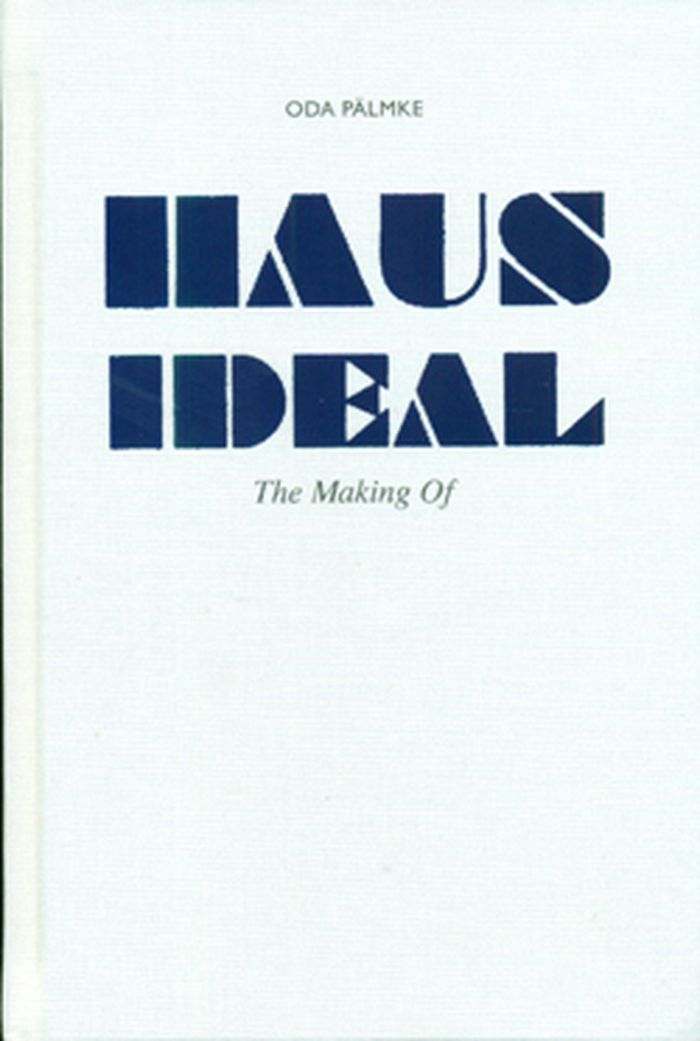
Haus ideal: the making of
Haus ideal: the making of
Actions:
Prix:
$25.00
(disponible sur commande)
Résumé:
Haus Ideal, by German architect Oda Pälmke, serves as an instruction manual for nonlinear processes of generating new solutions to architectural problems and discovering ideal architectural forms. Images of architectural models demonstrate different stages of these unconventional design processes.
$25.00
(disponible sur commande)
Résumé:
Haus Ideal, by German architect Oda Pälmke, serves as an instruction manual for nonlinear processes of generating new solutions to architectural problems and discovering ideal architectural forms. Images of architectural models demonstrate different stages of these unconventional design processes.
Titre:
Haus ideal: the making of
Actions:
Prix:
$25.00
(disponible sur commande)
Résumé:
Haus Ideal, by German architect Oda Pälmke, serves as an instruction manual for nonlinear processes of generating new solutions to architectural problems and discovering ideal architectural forms. Images of architectural models demonstrate different stages of these unconventional design processes.
Haus ideal: the making of
Actions:
Prix:
$25.00
(disponible sur commande)
Résumé:
Haus Ideal, by German architect Oda Pälmke, serves as an instruction manual for nonlinear processes of generating new solutions to architectural problems and discovering ideal architectural forms. Images of architectural models demonstrate different stages of these unconventional design processes.
Classification:
livres
livres
Publication:
novembre 2015
novembre 2015
Sujet:
Théorie de l’architecture
Théorie de l’architecture
Classification:
livres
livres
Titre:
Textiles : open letter
Textiles : open letter
Actions:
Prix:
$69.95
(disponible sur commande)
Résumé:
An essential characteristic of textiles is their richly intertextual nature. Textiles: Open Letter stems from an exhibition at Museum Abteiberg, Germany, plus an extensive research project (2010 14) examining the place of textiles in the history of art and culture, media, society and technology through various voices. Representing traditions found in both applied and(...)
$69.95
(disponible sur commande)
Résumé:
An essential characteristic of textiles is their richly intertextual nature. Textiles: Open Letter stems from an exhibition at Museum Abteiberg, Germany, plus an extensive research project (2010 14) examining the place of textiles in the history of art and culture, media, society and technology through various voices. Representing traditions found in both applied and(...)
Titre:
Textiles : open letter
Actions:
Prix:
$69.95
(disponible sur commande)
Résumé:
An essential characteristic of textiles is their richly intertextual nature. Textiles: Open Letter stems from an exhibition at Museum Abteiberg, Germany, plus an extensive research project (2010 14) examining the place of textiles in the history of art and culture, media, society and technology through various voices. Representing traditions found in both applied and fine arts, textiles hover between formalism and functionalism; as objects and techniques, they mediate between self and world, between affect-driven and knowledge-driven processes of appropriation. Functionally versatile, textiles are the fulcrum of an ensemble of activities, and illustrate relations between subject and object, material and immaterial, artistic and artisanal labor, and different cultures.
Textiles : open letter
Actions:
Prix:
$69.95
(disponible sur commande)
Résumé:
An essential characteristic of textiles is their richly intertextual nature. Textiles: Open Letter stems from an exhibition at Museum Abteiberg, Germany, plus an extensive research project (2010 14) examining the place of textiles in the history of art and culture, media, society and technology through various voices. Representing traditions found in both applied and fine arts, textiles hover between formalism and functionalism; as objects and techniques, they mediate between self and world, between affect-driven and knowledge-driven processes of appropriation. Functionally versatile, textiles are the fulcrum of an ensemble of activities, and illustrate relations between subject and object, material and immaterial, artistic and artisanal labor, and different cultures.
Classification:
livres
livres
Publication:
juillet 2015
juillet 2015
Sujet:
Théorie du design
Théorie du design
Classification:
livres
livres
Actions:
Prix:
$45.50
(disponible sur commande)
Résumé:
This volume presents focused case studies of modern architecture in three realms—political, religious, and domestic—that address our very essence as human beings. Several essays explore developments in Czechoslovakia, Romania, and Yugoslavia and document a modernist design culture that crossed political barriers, such as the Iron Curtain, more readily than previously(...)
$45.50
(disponible sur commande)
Résumé:
This volume presents focused case studies of modern architecture in three realms—political, religious, and domestic—that address our very essence as human beings. Several essays explore developments in Czechoslovakia, Romania, and Yugoslavia and document a modernist design culture that crossed political barriers, such as the Iron Curtain, more readily than previously(...)
Titre:
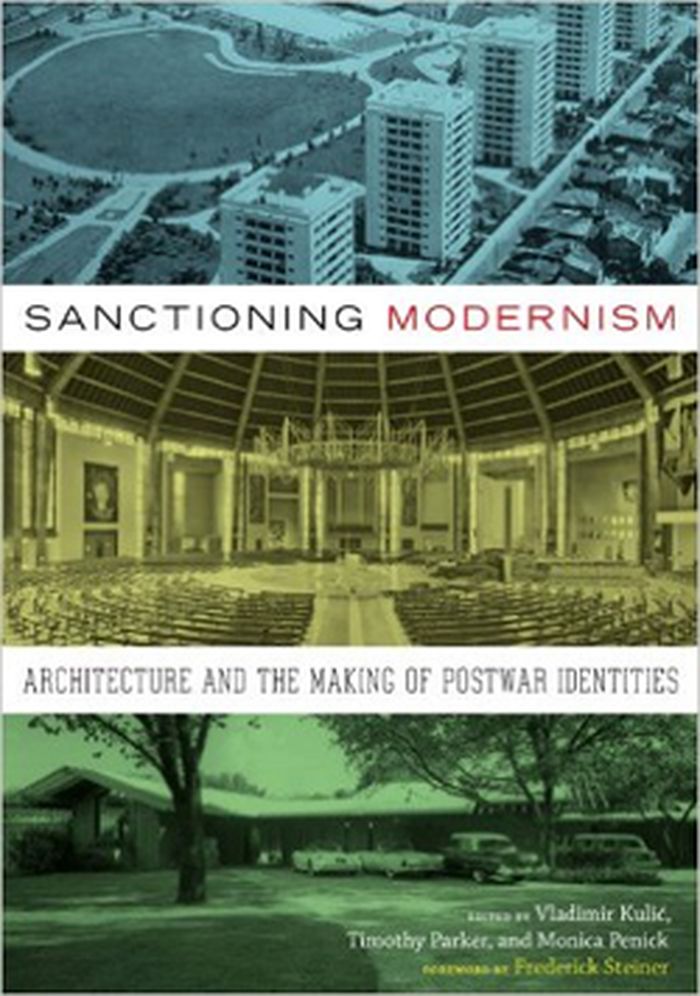
Sanctioning modernism : architecture and the makin of postwar identities
Actions:
Prix:
$45.50
(disponible sur commande)
Résumé:
This volume presents focused case studies of modern architecture in three realms—political, religious, and domestic—that address our very essence as human beings. Several essays explore developments in Czechoslovakia, Romania, and Yugoslavia and document a modernist design culture that crossed political barriers, such as the Iron Curtain, more readily than previously imagined. Other essays investigate various efforts to reconcile the concerns of modernist architects with the traditions of the Roman Catholic Church and other Christian institutions. And a final group of essays looks at postwar homebuilding in the United States and demonstrates how malleable and contested the image of the American home was in the mid-twentieth century. These inquiries show the limits of canonical views of modern architecture and reveal instead how civic institutions, ecclesiastical traditions, individual consumers, and others sought to sanction the forms and ideas of modern architecture in the service of their respective claims or desires to be modern.
Sanctioning modernism : architecture and the makin of postwar identities
Actions:
Prix:
$45.50
(disponible sur commande)
Résumé:
This volume presents focused case studies of modern architecture in three realms—political, religious, and domestic—that address our very essence as human beings. Several essays explore developments in Czechoslovakia, Romania, and Yugoslavia and document a modernist design culture that crossed political barriers, such as the Iron Curtain, more readily than previously imagined. Other essays investigate various efforts to reconcile the concerns of modernist architects with the traditions of the Roman Catholic Church and other Christian institutions. And a final group of essays looks at postwar homebuilding in the United States and demonstrates how malleable and contested the image of the American home was in the mid-twentieth century. These inquiries show the limits of canonical views of modern architecture and reveal instead how civic institutions, ecclesiastical traditions, individual consumers, and others sought to sanction the forms and ideas of modern architecture in the service of their respective claims or desires to be modern.
Classification:
livres
livres
Publication:
juillet 2015
juillet 2015
Sujet:
Théorie de l’architecture
Théorie de l’architecture
Classification:
livres
livres
Actions:
Prix:
$45.00
(disponible sur commande)
Résumé:
How are changing conditions in society likely to affect Germany’s built environment? What are the catalysts for transformation in its cities and regions? 'Speculations Transformations' is devoted to the social and spatial transformations that Germany will face in the future, speculating on their architectural consequences.
$45.00
(disponible sur commande)
Résumé:
How are changing conditions in society likely to affect Germany’s built environment? What are the catalysts for transformation in its cities and regions? 'Speculations Transformations' is devoted to the social and spatial transformations that Germany will face in the future, speculating on their architectural consequences.
Sujet:
Théorie de l’urbanisme
Théorie de l’urbanisme
Publication:
juin 2016
juin 2016
Titre:
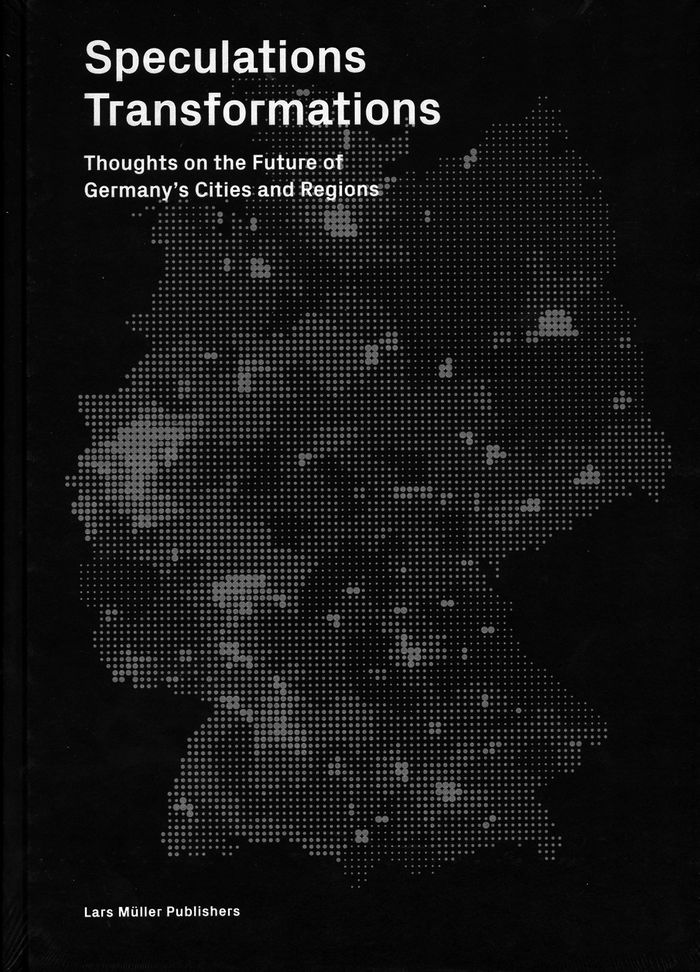
Speculations Transformations: considerations on the future of Germany's cities and regions
Actions:
Prix:
$45.00
(disponible sur commande)
Résumé:
How are changing conditions in society likely to affect Germany’s built environment? What are the catalysts for transformation in its cities and regions? 'Speculations Transformations' is devoted to the social and spatial transformations that Germany will face in the future, speculating on their architectural consequences.
Speculations Transformations: considerations on the future of Germany's cities and regions
Actions:
Prix:
$45.00
(disponible sur commande)
Résumé:
How are changing conditions in society likely to affect Germany’s built environment? What are the catalysts for transformation in its cities and regions? 'Speculations Transformations' is devoted to the social and spatial transformations that Germany will face in the future, speculating on their architectural consequences.
Classification:
livres
livres
Publication:
juin 2016
juin 2016
Sujet:
Théorie de l’urbanisme
Théorie de l’urbanisme
Classification:
livres
livres
Titre:
The storm of creativty
The storm of creativty
Actions:
Prix:
$32.95
(disponible sur commande)
Résumé:
Leski sees the creative process as being like a storm; it slowly begins to gather and take form until it overtakes us, if we are willing to let it. It is dynamic, continually in motion; it starts, stops, rages and abates, ebbs and flows. In illustrations that accompany each chapter, she maps the arc of the creative process by tracing the path of water droplets traveling(...)
$32.95
(disponible sur commande)
Résumé:
Leski sees the creative process as being like a storm; it slowly begins to gather and take form until it overtakes us, if we are willing to let it. It is dynamic, continually in motion; it starts, stops, rages and abates, ebbs and flows. In illustrations that accompany each chapter, she maps the arc of the creative process by tracing the path of water droplets traveling(...)
Titre:
The storm of creativty
Actions:
Prix:
$32.95
(disponible sur commande)
Résumé:
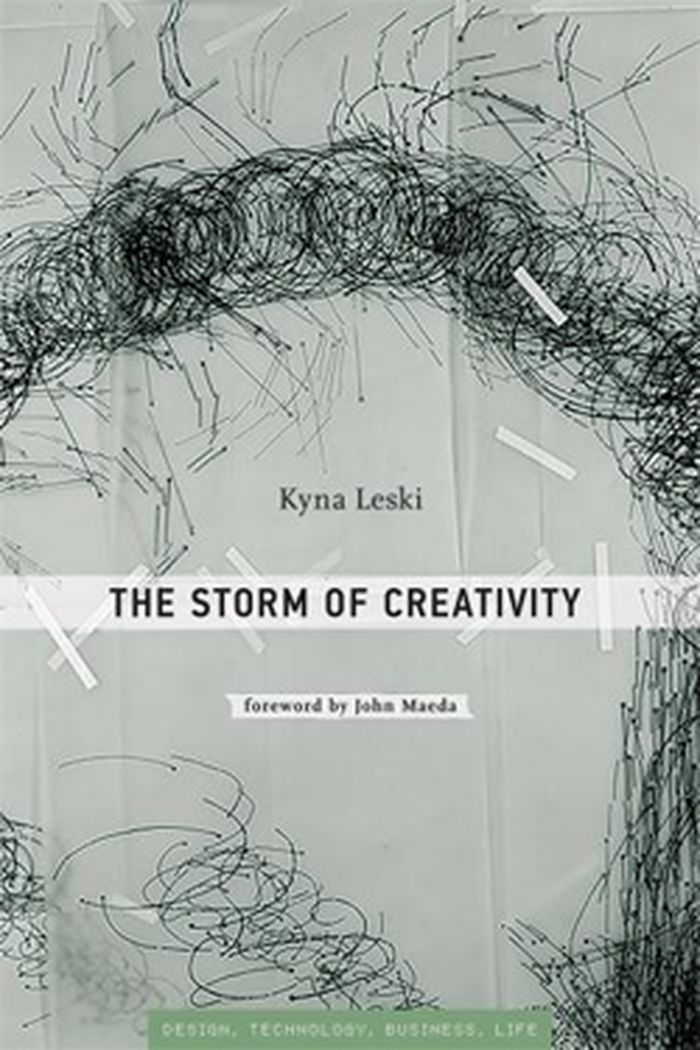
Leski sees the creative process as being like a storm; it slowly begins to gather and take form until it overtakes us, if we are willing to let it. It is dynamic, continually in motion; it starts, stops, rages and abates, ebbs and flows. In illustrations that accompany each chapter, she maps the arc of the creative process by tracing the path of water droplets traveling the stages of a storm. Leski describes unlearning, ridding ourselves of preconceptions; only when we realize what we don’t know can we pose the problem that we need to solve. We gather evidence—with notebook jottings, research, the collection of objects—propelling the process. We perceive and conceive; we look ahead without knowing where we are going; we make connections. We pause, retreat, and stop, only to start again. To illustrate these stages of the process, Leski draws on examples of creative practice that range from Paul Klee to Steve Jobs, from the discovery of continental drift to the design of Antoni Gaudí’s Sagrada Familia. Creativity, Leski tells us, is a path with no beginning or end; it is ongoing. This revelatory view of the creative process will be an essential guide for anyone engaged in creative discovery.
The storm of creativty
Actions:
Prix:
$32.95
(disponible sur commande)
Résumé:
Leski sees the creative process as being like a storm; it slowly begins to gather and take form until it overtakes us, if we are willing to let it. It is dynamic, continually in motion; it starts, stops, rages and abates, ebbs and flows. In illustrations that accompany each chapter, she maps the arc of the creative process by tracing the path of water droplets traveling the stages of a storm. Leski describes unlearning, ridding ourselves of preconceptions; only when we realize what we don’t know can we pose the problem that we need to solve. We gather evidence—with notebook jottings, research, the collection of objects—propelling the process. We perceive and conceive; we look ahead without knowing where we are going; we make connections. We pause, retreat, and stop, only to start again. To illustrate these stages of the process, Leski draws on examples of creative practice that range from Paul Klee to Steve Jobs, from the discovery of continental drift to the design of Antoni Gaudí’s Sagrada Familia. Creativity, Leski tells us, is a path with no beginning or end; it is ongoing. This revelatory view of the creative process will be an essential guide for anyone engaged in creative discovery.
Classification:
livres
livres
Publication:
août 2015
août 2015
Sujet:
Théorie de l’architecture
Théorie de l’architecture
Classification:
livres
livres
Titre:
What is landscape?
What is landscape?
Actions:
Prix:
$29.50
(disponible sur commande)
Résumé:
Landscape, John Stilgoe tells us, is a noun. From the old Frisian language (once spoken in coastal parts of the Netherlands and Germany), it meant shoveled land: landschop. Sixteenth-century Englishmen misheard or mispronounced this as landskep, which became landskip, then landscape, designating the surface of the earth shaped for human habitation. In What Is Landscape?(...)
$29.50
(disponible sur commande)
Résumé:
Landscape, John Stilgoe tells us, is a noun. From the old Frisian language (once spoken in coastal parts of the Netherlands and Germany), it meant shoveled land: landschop. Sixteenth-century Englishmen misheard or mispronounced this as landskep, which became landskip, then landscape, designating the surface of the earth shaped for human habitation. In What Is Landscape?(...)
Titre:
What is landscape?
Actions:
Prix:
$29.50
(disponible sur commande)
Résumé:
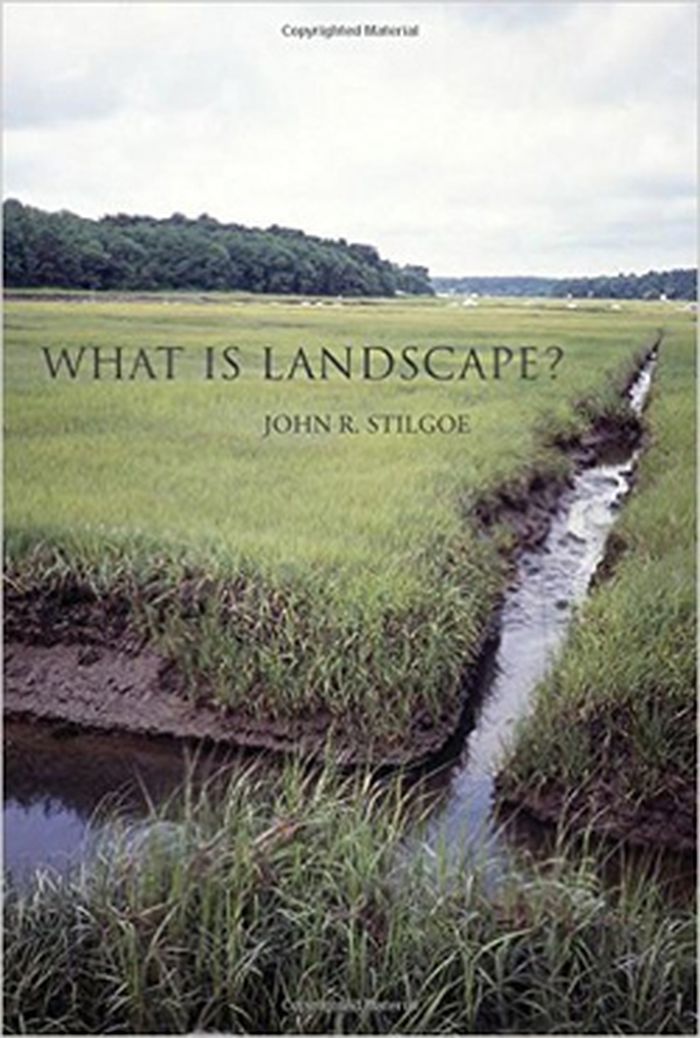
Landscape, John Stilgoe tells us, is a noun. From the old Frisian language (once spoken in coastal parts of the Netherlands and Germany), it meant shoveled land: landschop. Sixteenth-century Englishmen misheard or mispronounced this as landskep, which became landskip, then landscape, designating the surface of the earth shaped for human habitation. In What Is Landscape? Stilgoe maps the discovery of landscape by putting words to things, zeroing in on landscape’s essence but also leading sideways expeditions through such sources as children’s picture books, folklore, deeds, antique terminology, out-of-print dictionaries, and conversations with locals. (“What is that?” “Well, it’s not really a slough, not really, it’s a bayou . . .”) He offers a written narrative lexicon of landscape as word, concept, and path to discoveries. What Is Landscape? is an invitation to walk, to notice, to ask: to see a sandcastle with a pinwheel at the beach and think of Dutch windmills—icons of triumph, markers of territory won from the sea; to walk in the woods and be amused by the Elizabethans’ misuse of the Latin silvaticus (people of the woods) to coin the word savages; to see in a suburban front lawn a representation of the meadow of a medieval freehold.
What is landscape?
Actions:
Prix:
$29.50
(disponible sur commande)
Résumé:
Landscape, John Stilgoe tells us, is a noun. From the old Frisian language (once spoken in coastal parts of the Netherlands and Germany), it meant shoveled land: landschop. Sixteenth-century Englishmen misheard or mispronounced this as landskep, which became landskip, then landscape, designating the surface of the earth shaped for human habitation. In What Is Landscape? Stilgoe maps the discovery of landscape by putting words to things, zeroing in on landscape’s essence but also leading sideways expeditions through such sources as children’s picture books, folklore, deeds, antique terminology, out-of-print dictionaries, and conversations with locals. (“What is that?” “Well, it’s not really a slough, not really, it’s a bayou . . .”) He offers a written narrative lexicon of landscape as word, concept, and path to discoveries. What Is Landscape? is an invitation to walk, to notice, to ask: to see a sandcastle with a pinwheel at the beach and think of Dutch windmills—icons of triumph, markers of territory won from the sea; to walk in the woods and be amused by the Elizabethans’ misuse of the Latin silvaticus (people of the woods) to coin the word savages; to see in a suburban front lawn a representation of the meadow of a medieval freehold.
Classification:
livres
livres
Publication:
août 2015
août 2015
Sujet:
Théorie du paysage
Théorie du paysage


