


13794 Résultats
Classification:
livres
livres
Actions:
Prix:
$49.00
(disponible sur commande)
Résumé:
In the later part of the nineteenth century, American bicyclists were explorers, cycling through both charted and uncharted territory. These wheelmen and wheelwomen became keen observers of suburban and rural landscapes, and left copious records of their journeys—in travel narratives, journalism, maps, photographs, illustrations. They were also instrumental in the(...)
$49.00
(disponible sur commande)
Résumé:
In the later part of the nineteenth century, American bicyclists were explorers, cycling through both charted and uncharted territory. These wheelmen and wheelwomen became keen observers of suburban and rural landscapes, and left copious records of their journeys—in travel narratives, journalism, maps, photographs, illustrations. They were also instrumental in the(...)
Titre:
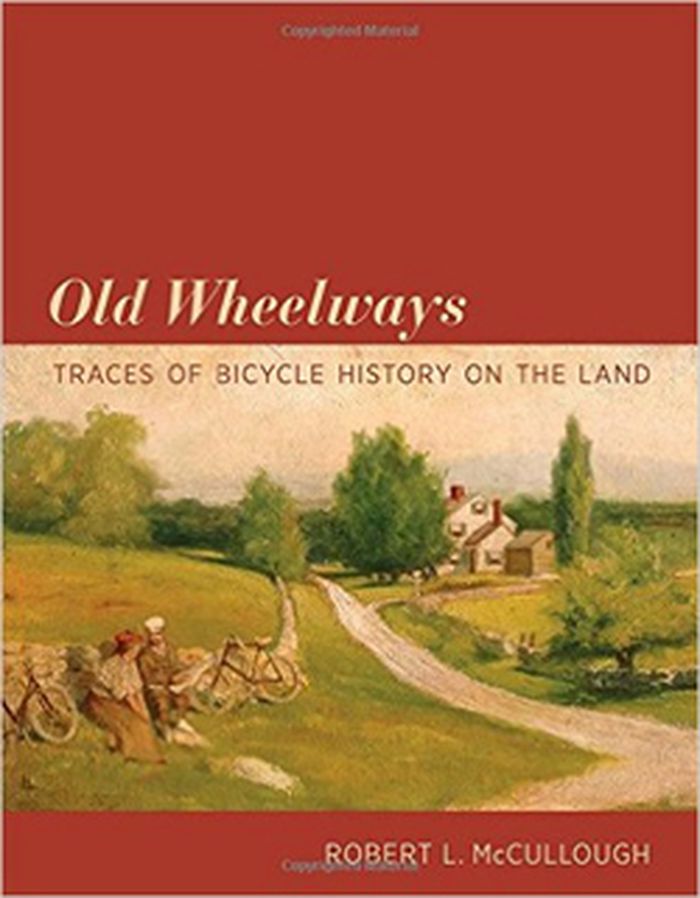
Old wheelways traces of bicycle history on the land
Actions:
Prix:
$49.00
(disponible sur commande)
Résumé:
In the later part of the nineteenth century, American bicyclists were explorers, cycling through both charted and uncharted territory. These wheelmen and wheelwomen became keen observers of suburban and rural landscapes, and left copious records of their journeys—in travel narratives, journalism, maps, photographs, illustrations. They were also instrumental in the construction of roads and paths (“wheelways”)—building them, funding them, and lobbying legislators for them. Their explorations shaped the landscape and the way we look at it, yet with few exceptions their writings have been largely overlooked by landscape scholars, and many of the paths cyclists cleared have disappeared. In Old Wheelways, Robert McCullough restores the pioneering cyclists of the nineteenth century to the history of American landscapes.
Old wheelways traces of bicycle history on the land
Actions:
Prix:
$49.00
(disponible sur commande)
Résumé:
In the later part of the nineteenth century, American bicyclists were explorers, cycling through both charted and uncharted territory. These wheelmen and wheelwomen became keen observers of suburban and rural landscapes, and left copious records of their journeys—in travel narratives, journalism, maps, photographs, illustrations. They were also instrumental in the construction of roads and paths (“wheelways”)—building them, funding them, and lobbying legislators for them. Their explorations shaped the landscape and the way we look at it, yet with few exceptions their writings have been largely overlooked by landscape scholars, and many of the paths cyclists cleared have disappeared. In Old Wheelways, Robert McCullough restores the pioneering cyclists of the nineteenth century to the history of American landscapes.
Classification:
livres
livres
Publication:
août 2015
août 2015
Sujet:
Théorie du paysage
Théorie du paysage
Classification:
livres
livres
Prix:
$65.95
(disponible sur commande)
Résumé:
Mass Effect brings together nearly forty contributions, including newly commissioned essays and reprints, image portfolios, and transcribed discussion panels and lectures that offer insights and reflections from a wide range of artists, curators, art historians, and bloggers. Among the topics examined are the use of commercial platforms for art practice, what art means in(...)
$65.95
(disponible sur commande)
Résumé:
Mass Effect brings together nearly forty contributions, including newly commissioned essays and reprints, image portfolios, and transcribed discussion panels and lectures that offer insights and reflections from a wide range of artists, curators, art historians, and bloggers. Among the topics examined are the use of commercial platforms for art practice, what art means in(...)
Titre:
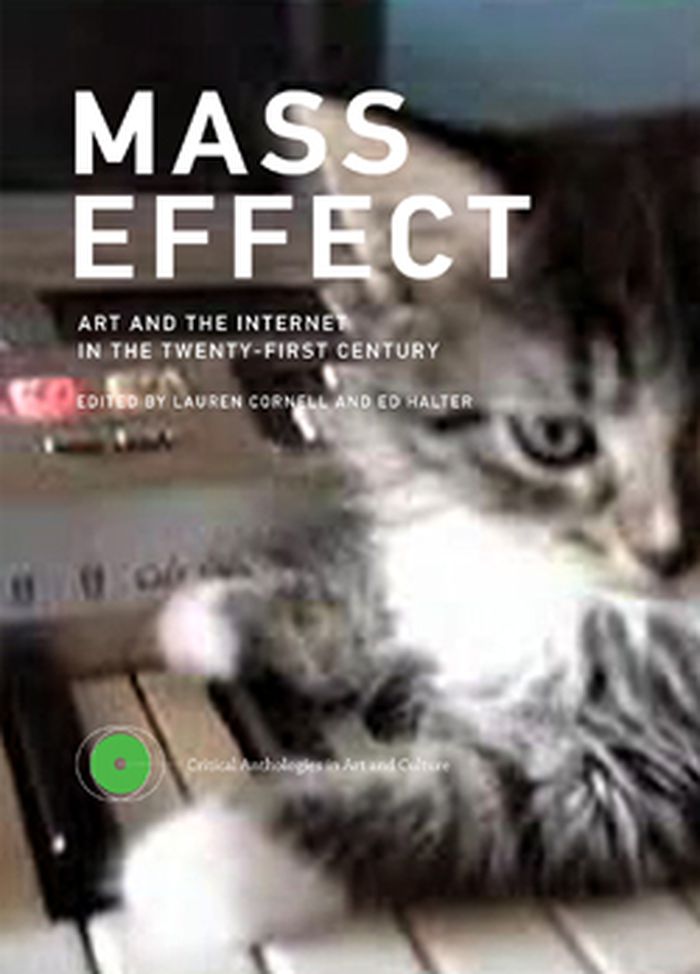
Mass effect: art and the Internet in the twenty-first century
Actions:
Prix:
$65.95
(disponible sur commande)
Résumé:
Mass Effect brings together nearly forty contributions, including newly commissioned essays and reprints, image portfolios, and transcribed discussion panels and lectures that offer insights and reflections from a wide range of artists, curators, art historians, and bloggers. Among the topics examined are the use of commercial platforms for art practice, what art means in an age of increasing surveillance, and questions surrounding such recent concepts as "postinternet." Other contributions analyze and document particular works by the artists of And/Or Gallery, Cory Arcangel, DIS, Cao Fei, the Radical Software Group, and others. Mass Effect relaunches a publication series initiated by the MIT Press and the New Museum in 1984, which produced six defining volumes for the field of contemporary art. These new volumes will build on this historic partnership and reinvigorate the conversation around contemporary culture once again.
Mass effect: art and the Internet in the twenty-first century
Actions:
Prix:
$65.95
(disponible sur commande)
Résumé:
Mass Effect brings together nearly forty contributions, including newly commissioned essays and reprints, image portfolios, and transcribed discussion panels and lectures that offer insights and reflections from a wide range of artists, curators, art historians, and bloggers. Among the topics examined are the use of commercial platforms for art practice, what art means in an age of increasing surveillance, and questions surrounding such recent concepts as "postinternet." Other contributions analyze and document particular works by the artists of And/Or Gallery, Cory Arcangel, DIS, Cao Fei, the Radical Software Group, and others. Mass Effect relaunches a publication series initiated by the MIT Press and the New Museum in 1984, which produced six defining volumes for the field of contemporary art. These new volumes will build on this historic partnership and reinvigorate the conversation around contemporary culture once again.
Classification:
livres
livres
Publication:
août 2015
août 2015
Sujet:
Théorie de l’art
Théorie de l’art
Classification:
livres
livres
Prix:
$46.95
(disponible sur commande)
Résumé:
Jack Burnham is one of the few critics and theorists alive today who can claim to have radically altered the way we think about works of art. Burnham’s use of the term “system” (borrowed from theoretical biology) in his 1968 essay “System Aesthetics” announced the relational character of conceptual art and newer research-based projects. Trained as an art historian,(...)
$46.95
(disponible sur commande)
Résumé:
Jack Burnham is one of the few critics and theorists alive today who can claim to have radically altered the way we think about works of art. Burnham’s use of the term “system” (borrowed from theoretical biology) in his 1968 essay “System Aesthetics” announced the relational character of conceptual art and newer research-based projects. Trained as an art historian,(...)
Titre:
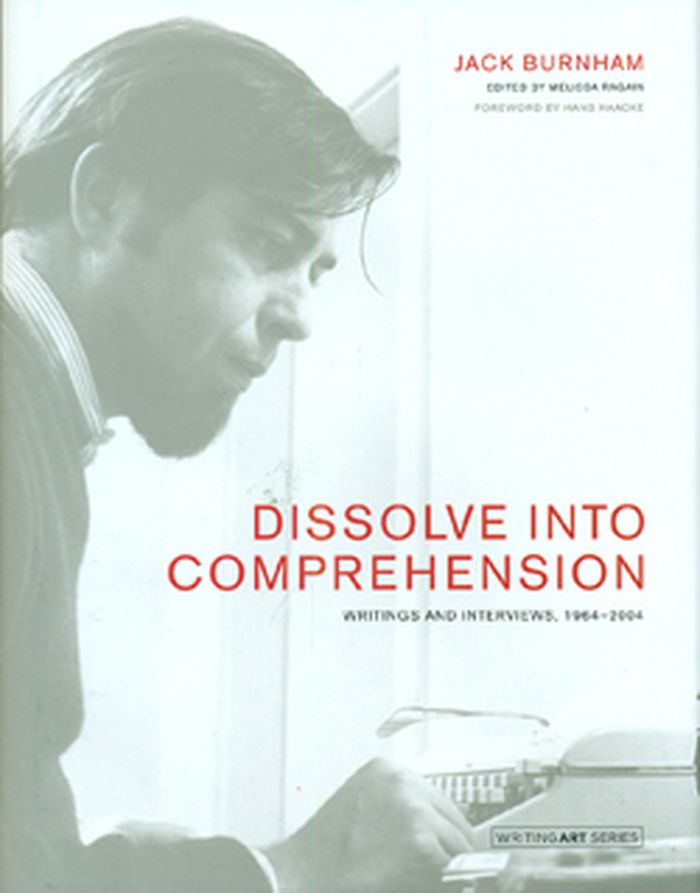
Dissolve into comprenhension: writings and interviews, 1964-2004
Actions:
Prix:
$46.95
(disponible sur commande)
Résumé:
Jack Burnham is one of the few critics and theorists alive today who can claim to have radically altered the way we think about works of art. Burnham’s use of the term “system” (borrowed from theoretical biology) in his 1968 essay “System Aesthetics” announced the relational character of conceptual art and newer research-based projects. Trained as an art historian, Burnham was also a sculptor. His first book, Beyond Modern Sculpture (1968), established him as a leading commentator on art and technology. A postformalist pioneer, an influential figure in new media art history, an early champion of conceptual and ecological art, and the curator of the first exhibition of digital art, Burnham is long overdue for reevaluation. This book offers that opportunity by collecting a substantial and varied selection of his hard-to-find texts, some published here for the first time.
Dissolve into comprenhension: writings and interviews, 1964-2004
Actions:
Prix:
$46.95
(disponible sur commande)
Résumé:
Jack Burnham is one of the few critics and theorists alive today who can claim to have radically altered the way we think about works of art. Burnham’s use of the term “system” (borrowed from theoretical biology) in his 1968 essay “System Aesthetics” announced the relational character of conceptual art and newer research-based projects. Trained as an art historian, Burnham was also a sculptor. His first book, Beyond Modern Sculpture (1968), established him as a leading commentator on art and technology. A postformalist pioneer, an influential figure in new media art history, an early champion of conceptual and ecological art, and the curator of the first exhibition of digital art, Burnham is long overdue for reevaluation. This book offers that opportunity by collecting a substantial and varied selection of his hard-to-find texts, some published here for the first time.
Classification:
livres
livres
Publication:
août 2015
août 2015
Sujet:
Théorie de l’art
Théorie de l’art
Classification:
livres
livres
Titre:
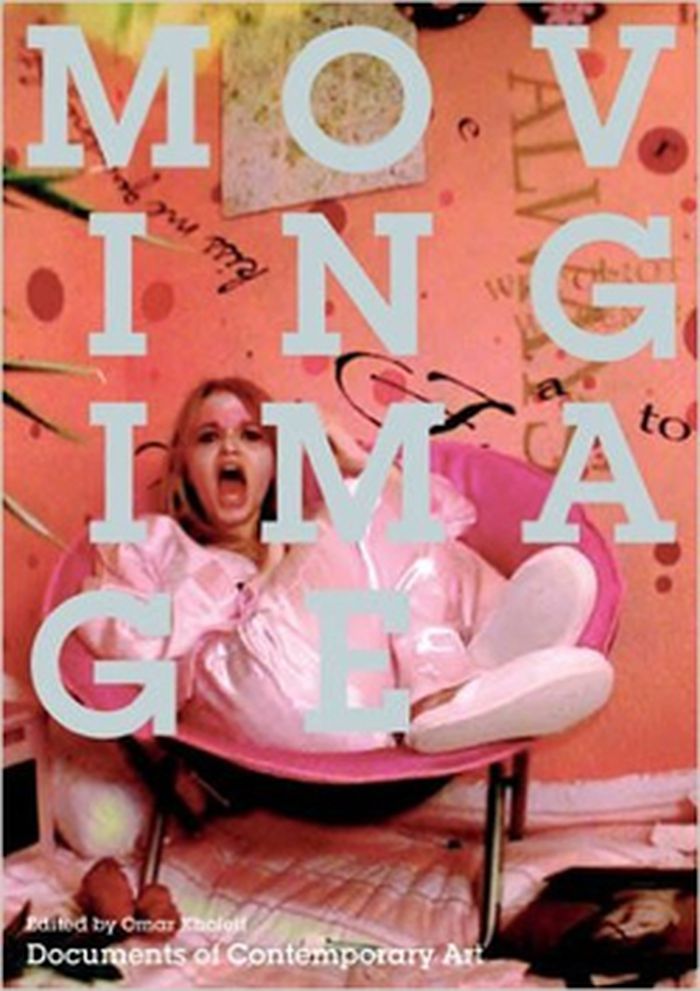
Moving image
Moving image
Actions:
Prix:
$32.95
(disponible sur commande)
Résumé:
This anthology examines the expanded field of the moving image in recent art, tracing the genealogies of contemporary moving image work in performance, body art, experimental film, installation, and site-specific art from the 1960s to the present day. Contextualizing new developments made possible by advances in digital and networked technology, it locates contemporary(...)
$32.95
(disponible sur commande)
Résumé:
This anthology examines the expanded field of the moving image in recent art, tracing the genealogies of contemporary moving image work in performance, body art, experimental film, installation, and site-specific art from the 1960s to the present day. Contextualizing new developments made possible by advances in digital and networked technology, it locates contemporary(...)
Titre:
Moving image
Actions:
Prix:
$32.95
(disponible sur commande)
Résumé:
This anthology examines the expanded field of the moving image in recent art, tracing the genealogies of contemporary moving image work in performance, body art, experimental film, installation, and site-specific art from the 1960s to the present day. Contextualizing new developments made possible by advances in digital and networked technology, it locates contemporary practice within a global framework.
Moving image
Actions:
Prix:
$32.95
(disponible sur commande)
Résumé:
This anthology examines the expanded field of the moving image in recent art, tracing the genealogies of contemporary moving image work in performance, body art, experimental film, installation, and site-specific art from the 1960s to the present day. Contextualizing new developments made possible by advances in digital and networked technology, it locates contemporary practice within a global framework.
Classification:
livres
livres
Publication:
août 2015
août 2015
Sujet:
Théorie de l’art
Théorie de l’art
Classification:
livres
livres
Actions:
Prix:
$43.95
(disponible sur commande)
Résumé:
The Architect as Worker presents a range of essays exploring the issues central to architectural labor. These include questions about the nature of design work; immaterial and creative labor and how it gets categorized, spatialized, and monetized within architecture; the connection between parametrics and BIM and labor; theories of architectural work; architectural design(...)
$43.95
(disponible sur commande)
Résumé:
The Architect as Worker presents a range of essays exploring the issues central to architectural labor. These include questions about the nature of design work; immaterial and creative labor and how it gets categorized, spatialized, and monetized within architecture; the connection between parametrics and BIM and labor; theories of architectural work; architectural design(...)
Titre:
The architect as worker: immaterial labor, the creative class, and the politics of design
Actions:
Prix:
$43.95
(disponible sur commande)
Résumé:
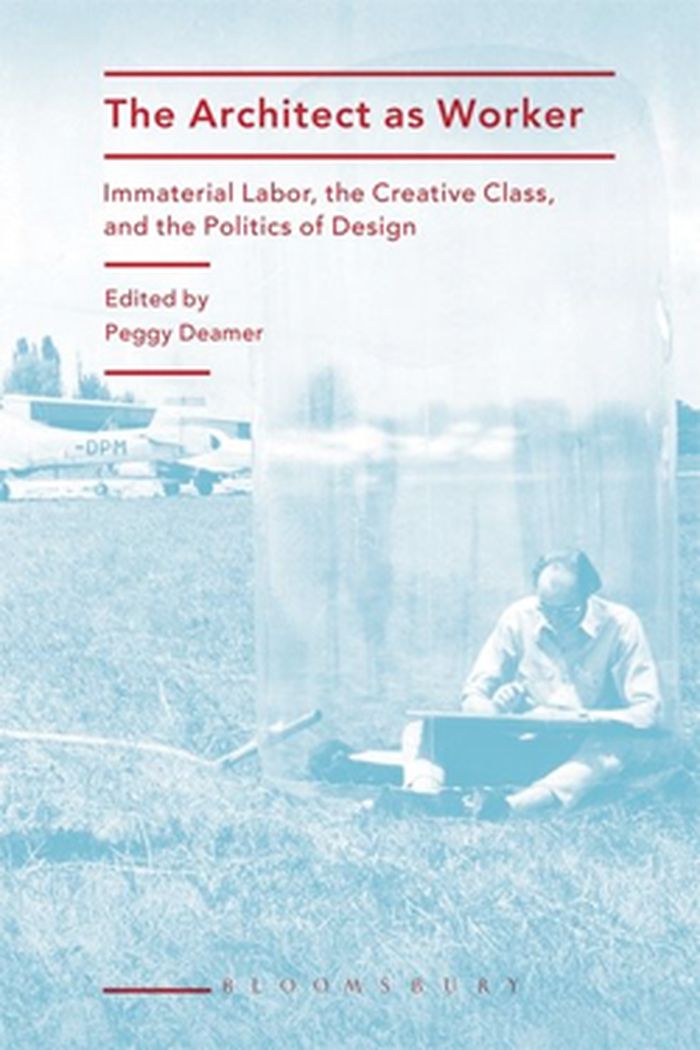
The Architect as Worker presents a range of essays exploring the issues central to architectural labor. These include questions about the nature of design work; immaterial and creative labor and how it gets categorized, spatialized, and monetized within architecture; the connection between parametrics and BIM and labor; theories of architectural work; architectural design as a cultural and economic condition; entrepreneurialism; and the possibility of ethical and rewarding architectural practice.
The architect as worker: immaterial labor, the creative class, and the politics of design
Actions:
Prix:
$43.95
(disponible sur commande)
Résumé:
The Architect as Worker presents a range of essays exploring the issues central to architectural labor. These include questions about the nature of design work; immaterial and creative labor and how it gets categorized, spatialized, and monetized within architecture; the connection between parametrics and BIM and labor; theories of architectural work; architectural design as a cultural and economic condition; entrepreneurialism; and the possibility of ethical and rewarding architectural practice.
Classification:
livres
livres
Publication:
août 2015
août 2015
Sujet:
Théorie de l’architecture
Théorie de l’architecture
Classification:
livres
livres

Titre:
Hitler at home
Hitler at home
Actions:
Prix:
$54.00
(disponible en magasin)
Résumé:
Adolf Hitler’s makeover from rabble-rouser to statesman coincided with a series of dramatic home renovations he undertook during the mid-1930s. This provocative book exposes the dictator’s preoccupation with his private persona, which was shaped by the aesthetic and ideological management of his domestic architecture. Hitler’s bachelor life stirred rumors, and the Nazi(...)
$54.00
(disponible en magasin)
Résumé:
Adolf Hitler’s makeover from rabble-rouser to statesman coincided with a series of dramatic home renovations he undertook during the mid-1930s. This provocative book exposes the dictator’s preoccupation with his private persona, which was shaped by the aesthetic and ideological management of his domestic architecture. Hitler’s bachelor life stirred rumors, and the Nazi(...)
Titre:
Hitler at home
Actions:
Prix:
$54.00
(disponible en magasin)
Résumé:
Adolf Hitler’s makeover from rabble-rouser to statesman coincided with a series of dramatic home renovations he undertook during the mid-1930s. This provocative book exposes the dictator’s preoccupation with his private persona, which was shaped by the aesthetic and ideological management of his domestic architecture. Hitler’s bachelor life stirred rumors, and the Nazi regime relied on the dictator’s three dwellings — the Old Chancellery in Berlin, his apartment in Munich, and the Berghof, his mountain home on the Obersalzberg—to foster the myth of the Führer as a morally upstanding and refined man. Author Despina Stratigakos also reveals the previously untold story of Hitler’s interior designer, Gerdy Troost, through newly discovered archival sources.
Hitler at home
Actions:
Prix:
$54.00
(disponible en magasin)
Résumé:
Adolf Hitler’s makeover from rabble-rouser to statesman coincided with a series of dramatic home renovations he undertook during the mid-1930s. This provocative book exposes the dictator’s preoccupation with his private persona, which was shaped by the aesthetic and ideological management of his domestic architecture. Hitler’s bachelor life stirred rumors, and the Nazi regime relied on the dictator’s three dwellings — the Old Chancellery in Berlin, his apartment in Munich, and the Berghof, his mountain home on the Obersalzberg—to foster the myth of the Führer as a morally upstanding and refined man. Author Despina Stratigakos also reveals the previously untold story of Hitler’s interior designer, Gerdy Troost, through newly discovered archival sources.
Classification:
livres
livres
Publication:
août 2015
août 2015
Sujet:
Théorie de l’architecture
Théorie de l’architecture
Classification:
livres
livres
Actions:
Prix:
$34.00
(disponible sur commande)
Résumé:
Nature no longer exists apart from humanity. Henceforth, the world we will inhabit is the one we have made. Geologists have called this new planetary epoch the Anthropocene, the Age of Humans. The geological strata we are now creating record industrial emissions, industrial-scale crop pollens, and the disappearance of species driven to extinction. Climate change is(...)
$34.00
(disponible sur commande)
Résumé:
Nature no longer exists apart from humanity. Henceforth, the world we will inhabit is the one we have made. Geologists have called this new planetary epoch the Anthropocene, the Age of Humans. The geological strata we are now creating record industrial emissions, industrial-scale crop pollens, and the disappearance of species driven to extinction. Climate change is(...)
Titre:
After nature : a politics for the anthropocene
Actions:
Prix:
$34.00
(disponible sur commande)
Résumé:
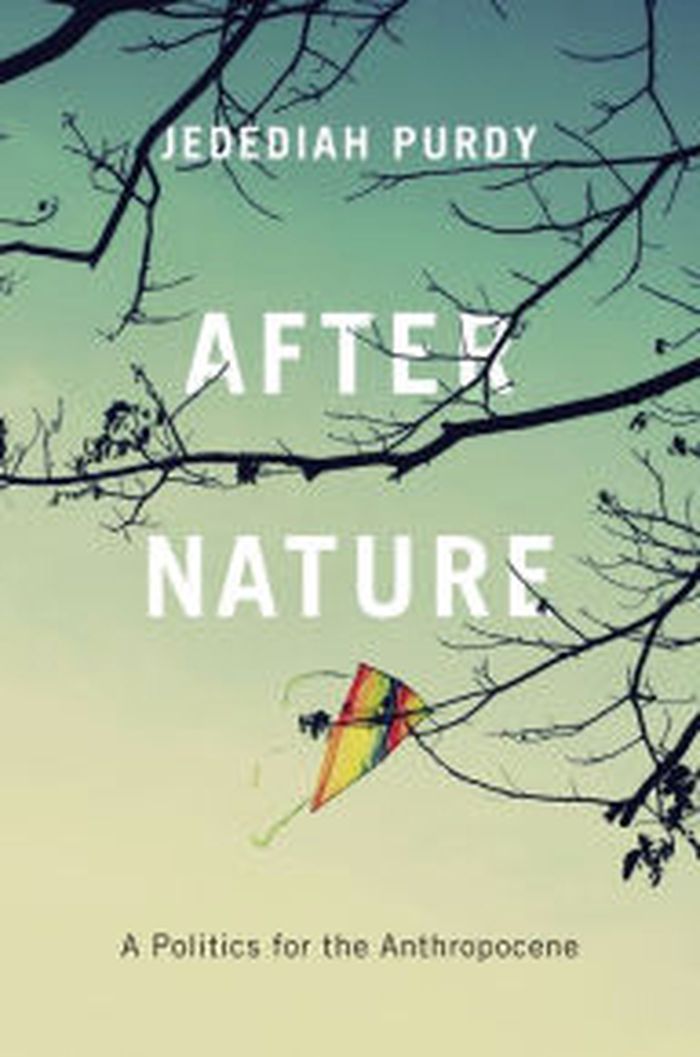
Nature no longer exists apart from humanity. Henceforth, the world we will inhabit is the one we have made. Geologists have called this new planetary epoch the Anthropocene, the Age of Humans. The geological strata we are now creating record industrial emissions, industrial-scale crop pollens, and the disappearance of species driven to extinction. Climate change is planetary engineering without design. These facts of the Anthropocene are scientific, but its shape and meaning are questions for politics—a politics that does not yet exist. After Nature develops a politics for this post-natural world.
After nature : a politics for the anthropocene
Actions:
Prix:
$34.00
(disponible sur commande)
Résumé:
Nature no longer exists apart from humanity. Henceforth, the world we will inhabit is the one we have made. Geologists have called this new planetary epoch the Anthropocene, the Age of Humans. The geological strata we are now creating record industrial emissions, industrial-scale crop pollens, and the disappearance of species driven to extinction. Climate change is planetary engineering without design. These facts of the Anthropocene are scientific, but its shape and meaning are questions for politics—a politics that does not yet exist. After Nature develops a politics for this post-natural world.
Classification:
livres
livres
Publication:
août 2015
août 2015
Sujet:
Théorie du paysage
Théorie du paysage
Classification:
livres
livres
Prix:
$42.95
(disponible sur commande)
Résumé:
The future of humanity is urban, and the nature of urban space enables, and necessitates, sharing—of resources, goods and services, experiences. Yet traditional forms of sharing have been undermined in modern cities by social fragmentation and commercialization of the public realm. In Sharing Cities, Duncan McLaren and Julian Agyeman argue that the intersection of cities’(...)
$42.95
(disponible sur commande)
Résumé:
The future of humanity is urban, and the nature of urban space enables, and necessitates, sharing—of resources, goods and services, experiences. Yet traditional forms of sharing have been undermined in modern cities by social fragmentation and commercialization of the public realm. In Sharing Cities, Duncan McLaren and Julian Agyeman argue that the intersection of cities’(...)
Titre:
Sharing cities: case for truly smart and sustainable cities
Actions:
Prix:
$42.95
(disponible sur commande)
Résumé:
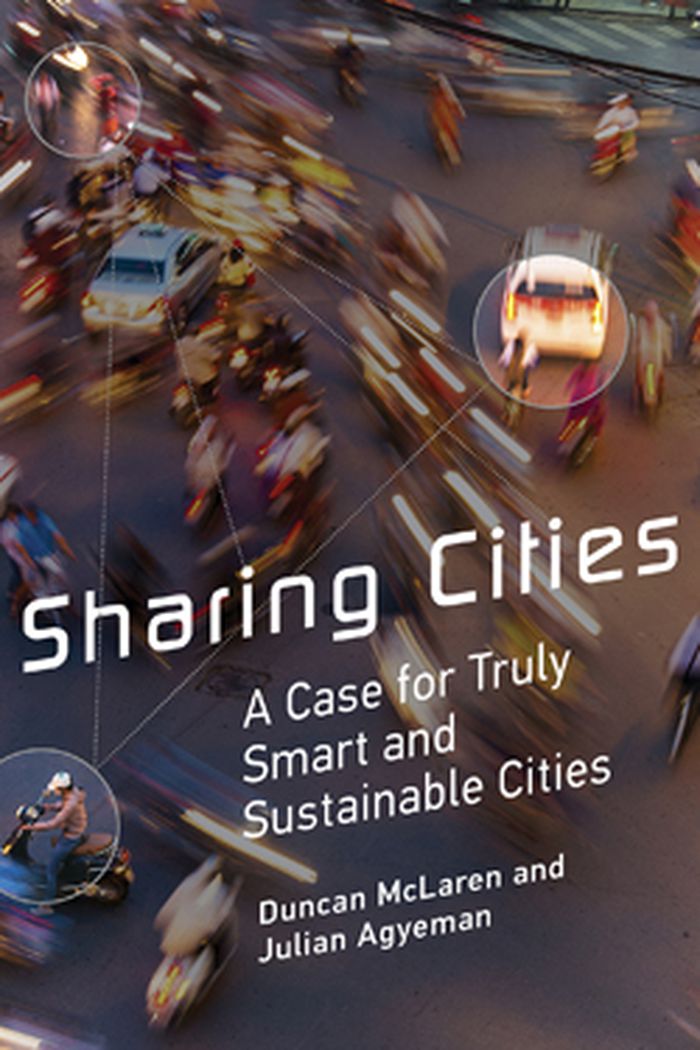
The future of humanity is urban, and the nature of urban space enables, and necessitates, sharing—of resources, goods and services, experiences. Yet traditional forms of sharing have been undermined in modern cities by social fragmentation and commercialization of the public realm. In Sharing Cities, Duncan McLaren and Julian Agyeman argue that the intersection of cities’ highly networked physical space with new digital technologies and new mediated forms of sharing offers cities the opportunity to connect smart technology to justice, solidarity, and sustainability. McLaren and Agyeman explore the opportunities and risks for sustainability, solidarity, and justice in the changing nature of sharing.
Sharing cities: case for truly smart and sustainable cities
Actions:
Prix:
$42.95
(disponible sur commande)
Résumé:
The future of humanity is urban, and the nature of urban space enables, and necessitates, sharing—of resources, goods and services, experiences. Yet traditional forms of sharing have been undermined in modern cities by social fragmentation and commercialization of the public realm. In Sharing Cities, Duncan McLaren and Julian Agyeman argue that the intersection of cities’ highly networked physical space with new digital technologies and new mediated forms of sharing offers cities the opportunity to connect smart technology to justice, solidarity, and sustainability. McLaren and Agyeman explore the opportunities and risks for sustainability, solidarity, and justice in the changing nature of sharing.
Classification:
livres
livres
Publication:
août 2015
août 2015
Sujet:
Théorie de l’urbanisme
Théorie de l’urbanisme
Classification:
livres
livres
Actions:
Prix:
$47.95
(disponible sur commande)
Résumé:
L’eau est vitale pour les hommes. Mais la montée en puissance des villes complique les relations entre l’eau et l’homme. Rareté de la ressource, risque d’inondation, problèmes technologiques… L’eau, bien public, doit-elle être gérée par le public ? Trustée par de grandes entreprises privées ? Quid de l’eau dans les pays du Sud ? La gestion urbaine de l’eau est au cœur(...)
$47.95
(disponible sur commande)
Résumé:
L’eau est vitale pour les hommes. Mais la montée en puissance des villes complique les relations entre l’eau et l’homme. Rareté de la ressource, risque d’inondation, problèmes technologiques… L’eau, bien public, doit-elle être gérée par le public ? Trustée par de grandes entreprises privées ? Quid de l’eau dans les pays du Sud ? La gestion urbaine de l’eau est au cœur(...)
Titre:
L'eu dans la ville: une amie qui nous fait la guerre
Actions:
Prix:
$47.95
(disponible sur commande)
Résumé:
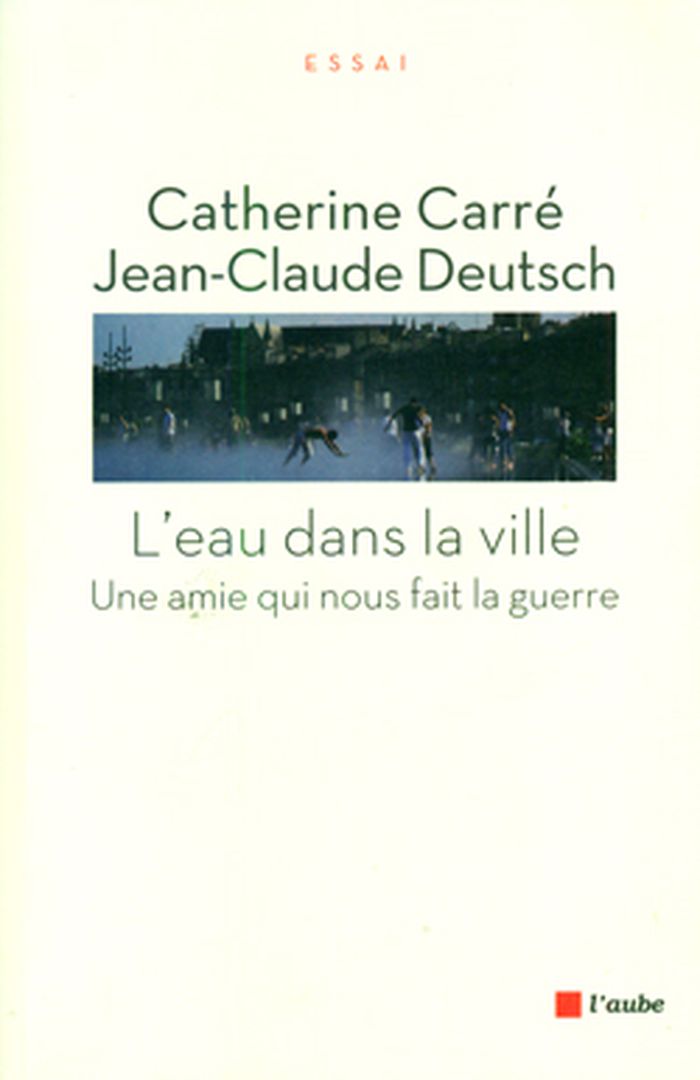
L’eau est vitale pour les hommes. Mais la montée en puissance des villes complique les relations entre l’eau et l’homme. Rareté de la ressource, risque d’inondation, problèmes technologiques… L’eau, bien public, doit-elle être gérée par le public ? Trustée par de grandes entreprises privées ? Quid de l’eau dans les pays du Sud ? La gestion urbaine de l’eau est au cœur de nombreux débats – nationaux et internationaux –, car l’eau est un enjeu majeur, aussi bien du point de vue de la préservation de l’environnement que du bon fonctionnement du milieu urbain. Un essai documenté, précis, sur une question centrale trop souvent ignorée, qui fait comprendre la complexité du sujet et expose clairement les enjeux.
L'eu dans la ville: une amie qui nous fait la guerre
Actions:
Prix:
$47.95
(disponible sur commande)
Résumé:
L’eau est vitale pour les hommes. Mais la montée en puissance des villes complique les relations entre l’eau et l’homme. Rareté de la ressource, risque d’inondation, problèmes technologiques… L’eau, bien public, doit-elle être gérée par le public ? Trustée par de grandes entreprises privées ? Quid de l’eau dans les pays du Sud ? La gestion urbaine de l’eau est au cœur de nombreux débats – nationaux et internationaux –, car l’eau est un enjeu majeur, aussi bien du point de vue de la préservation de l’environnement que du bon fonctionnement du milieu urbain. Un essai documenté, précis, sur une question centrale trop souvent ignorée, qui fait comprendre la complexité du sujet et expose clairement les enjeux.
Classification:
livres
livres
Publication:
août 2015
août 2015
Sujet:
Théorie de l’urbanisme
Théorie de l’urbanisme
Classification:
livres
livres
Actions:
Prix:
$36.00
(disponible sur commande)
Résumé:
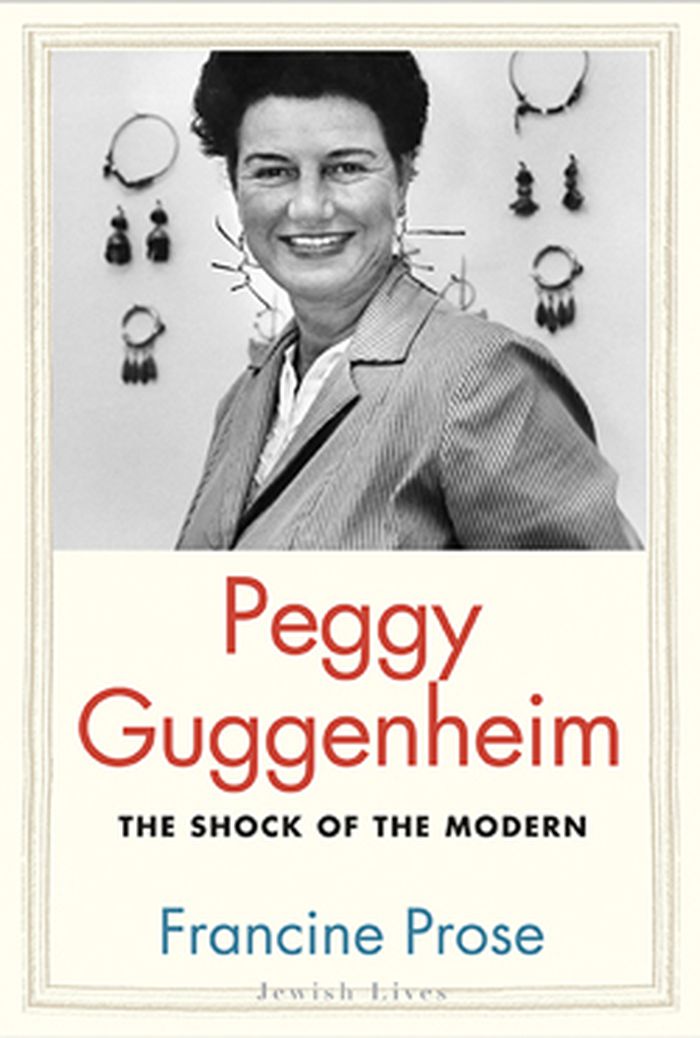
Author Francine Prose offers a singular reading of Guggenheim’s life. The narrative follows Guggenheim through virtually every aspect of her extraordinary life, from her unique collecting habits and paradigm-changing discoveries, to her celebrity friendships, failed marriages, and scandalous affairs, and Prose delivers a colorful portrait of a defiantly uncompromising(...)
$36.00
(disponible sur commande)
Résumé:
Author Francine Prose offers a singular reading of Guggenheim’s life. The narrative follows Guggenheim through virtually every aspect of her extraordinary life, from her unique collecting habits and paradigm-changing discoveries, to her celebrity friendships, failed marriages, and scandalous affairs, and Prose delivers a colorful portrait of a defiantly uncompromising(...)
Titre:
Peggy Guggenheim : the shock of the modern
Actions:
Prix:
$36.00
(disponible sur commande)
Résumé:
Author Francine Prose offers a singular reading of Guggenheim’s life. The narrative follows Guggenheim through virtually every aspect of her extraordinary life, from her unique collecting habits and paradigm-changing discoveries, to her celebrity friendships, failed marriages, and scandalous affairs, and Prose delivers a colorful portrait of a defiantly uncompromising woman who maintained a powerful upper hand in a male-dominated world. Prose also explores the ways in which Guggenheim’s image was filtered through the lens of insidious antisemitism.
Peggy Guggenheim : the shock of the modern
Actions:
Prix:
$36.00
(disponible sur commande)
Résumé:
Author Francine Prose offers a singular reading of Guggenheim’s life. The narrative follows Guggenheim through virtually every aspect of her extraordinary life, from her unique collecting habits and paradigm-changing discoveries, to her celebrity friendships, failed marriages, and scandalous affairs, and Prose delivers a colorful portrait of a defiantly uncompromising woman who maintained a powerful upper hand in a male-dominated world. Prose also explores the ways in which Guggenheim’s image was filtered through the lens of insidious antisemitism.
Classification:
livres
livres
Publication:
septembre 2015
septembre 2015
Sujet:
Théorie de l’art
Théorie de l’art


