


866 Résultats
Classification:
livres
livres
Prix:
$56.95
(disponible sur commande)
Résumé:
The art world is no longer defined by the activity of traditional art centers such as New York, Berlin, Beijing, or London, but is instead shaped by many cities, small and large. These new artistic communities, each reflecting the history, culture, and conditions of its region, have established a vibrant network for contemporary art. Six Lines of Flight explores the(...)
$56.95
(disponible sur commande)
Résumé:
The art world is no longer defined by the activity of traditional art centers such as New York, Berlin, Beijing, or London, but is instead shaped by many cities, small and large. These new artistic communities, each reflecting the history, culture, and conditions of its region, have established a vibrant network for contemporary art. Six Lines of Flight explores the(...)
Publication:
septembre 2012
septembre 2012
Titre:
Six lines of flight: shifting geographies in contemporary art
Actions:
Prix:
$56.95
(disponible sur commande)
Résumé:
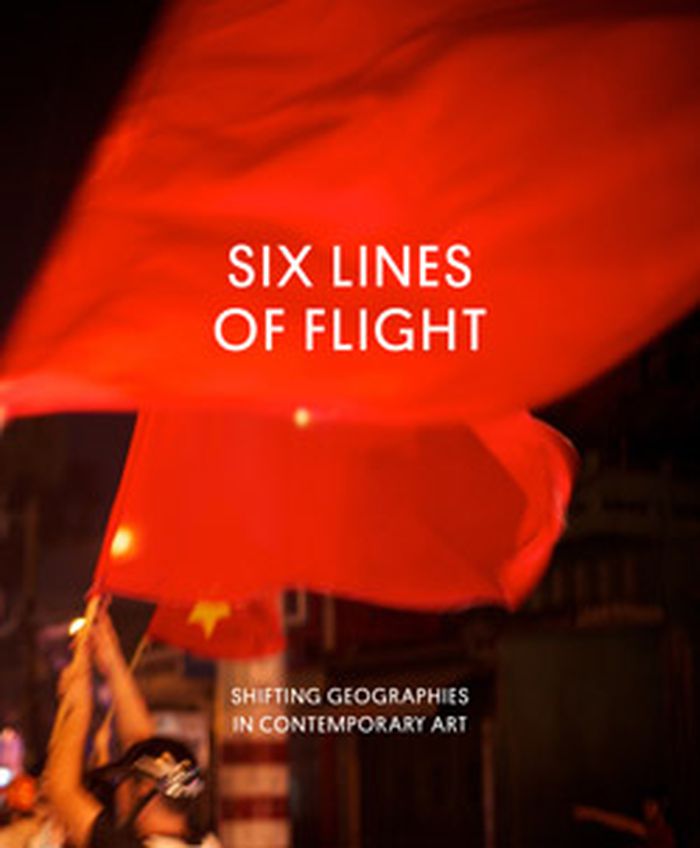
The art world is no longer defined by the activity of traditional art centers such as New York, Berlin, Beijing, or London, but is instead shaped by many cities, small and large. These new artistic communities, each reflecting the history, culture, and conditions of its region, have established a vibrant network for contemporary art. Six Lines of Flight explores the hybrid nature of today's international artistic landscape by introducing readers to the art scenes in six featured cities--Beirut, Lebanon; Cali, Colombia; Cluj, Romania; Ho Chi Minh City, Vietnam; San Francisco, USA; and Tangier, Morocco. In bringing together work by artists whose efforts have anchored each city's cultural scene, this book maps the pathways between them, illuminating the dynamic, global, interconnected spirit of twenty-first-century art. Essays by writers active in each region are accompanied by color images of representative artworks, along with brief texts on key local artists and organizations.
Six lines of flight: shifting geographies in contemporary art
Actions:
Prix:
$56.95
(disponible sur commande)
Résumé:
The art world is no longer defined by the activity of traditional art centers such as New York, Berlin, Beijing, or London, but is instead shaped by many cities, small and large. These new artistic communities, each reflecting the history, culture, and conditions of its region, have established a vibrant network for contemporary art. Six Lines of Flight explores the hybrid nature of today's international artistic landscape by introducing readers to the art scenes in six featured cities--Beirut, Lebanon; Cali, Colombia; Cluj, Romania; Ho Chi Minh City, Vietnam; San Francisco, USA; and Tangier, Morocco. In bringing together work by artists whose efforts have anchored each city's cultural scene, this book maps the pathways between them, illuminating the dynamic, global, interconnected spirit of twenty-first-century art. Essays by writers active in each region are accompanied by color images of representative artworks, along with brief texts on key local artists and organizations.
Classification:
livres
livres
Publication:
septembre 2012
septembre 2012
Classification:
livres
livres
Prix:
$75.00
(disponible sur commande)
Résumé:
In 2008, Swiss architects Herzog & de Meuron and Chinese artist Ai Weiwei joined forces to design the celebrated Beijing National Stadium for the Olympic Games. In 2012, the team came together again for the Serpentine Gallery’s acclaimed annual commission, as part of the London 2012 Festival, the culmination of the Cultural Olympiad. Their pavilion takes visitors beneath(...)
$75.00
(disponible sur commande)
Résumé:
In 2008, Swiss architects Herzog & de Meuron and Chinese artist Ai Weiwei joined forces to design the celebrated Beijing National Stadium for the Olympic Games. In 2012, the team came together again for the Serpentine Gallery’s acclaimed annual commission, as part of the London 2012 Festival, the culmination of the Cultural Olympiad. Their pavilion takes visitors beneath(...)
Titre:
Herzog & de Meuron + Ai Weiwei : Serpentine Gallery Pavilion 2012
Actions:
Prix:
$75.00
(disponible sur commande)
Résumé:
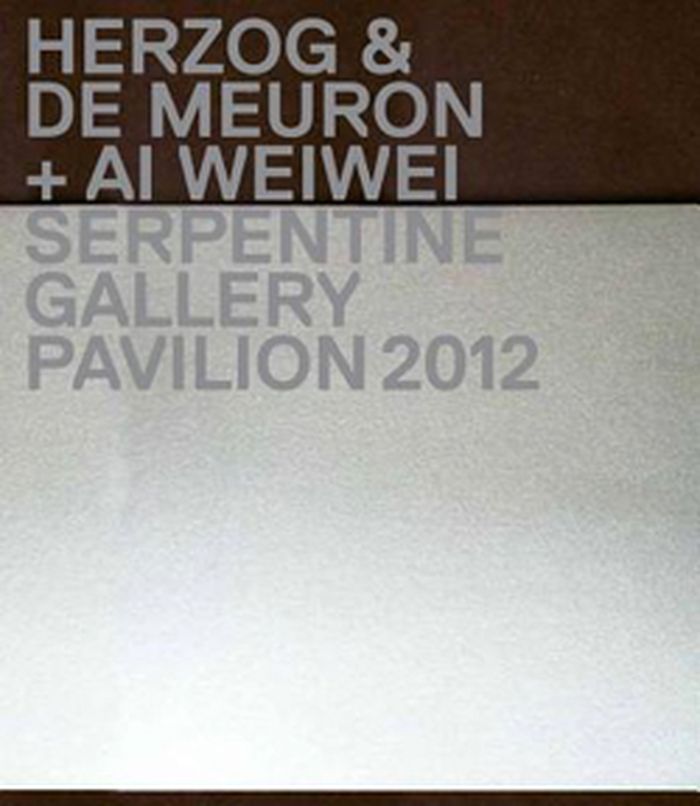
In 2008, Swiss architects Herzog & de Meuron and Chinese artist Ai Weiwei joined forces to design the celebrated Beijing National Stadium for the Olympic Games. In 2012, the team came together again for the Serpentine Gallery’s acclaimed annual commission, as part of the London 2012 Festival, the culmination of the Cultural Olympiad. Their pavilion takes visitors beneath the Serpentine’s lawn to explore the hidden history of its previous pavilions. Supporting the structure from below, eleven columns symbolize past pavilions, and a twelfth represents the current one. The pavilion’s interior is clad in cork, to evoke the excavated earth, and is built as a network of pathways and trenches. Herzog & de Meuron and Weiwei’s archaeological approach creates a space that invites visitors to look beneath the surface of the park as well as back in time to the inspiration of earlier structures. Foreword and interview by Julia Peyton-Jones, Hans Ulrich Obrist
Herzog & de Meuron + Ai Weiwei : Serpentine Gallery Pavilion 2012
Actions:
Prix:
$75.00
(disponible sur commande)
Résumé:
In 2008, Swiss architects Herzog & de Meuron and Chinese artist Ai Weiwei joined forces to design the celebrated Beijing National Stadium for the Olympic Games. In 2012, the team came together again for the Serpentine Gallery’s acclaimed annual commission, as part of the London 2012 Festival, the culmination of the Cultural Olympiad. Their pavilion takes visitors beneath the Serpentine’s lawn to explore the hidden history of its previous pavilions. Supporting the structure from below, eleven columns symbolize past pavilions, and a twelfth represents the current one. The pavilion’s interior is clad in cork, to evoke the excavated earth, and is built as a network of pathways and trenches. Herzog & de Meuron and Weiwei’s archaeological approach creates a space that invites visitors to look beneath the surface of the park as well as back in time to the inspiration of earlier structures. Foreword and interview by Julia Peyton-Jones, Hans Ulrich Obrist
Classification:
livres
livres
Publication:
octobre 2012
octobre 2012
Sujet:
Architecture, monographies
Architecture, monographies
Classification:
livres
livres
Actions:
Prix:
$48.50
(disponible sur commande)
Résumé:
"Dutch architects in booming China" presents more than 80 projects (also on show in the exhibition of the same name) which are lavishly illustrated and described in detail. Together, they present a fascinating and unique picture of Dutch design energy for China. Among them are: the State Television in Beijing (Rem Koolhaas, OMA), Guang Dong Museum in Guangzhou (UN(...)
$48.50
(disponible sur commande)
Résumé:
"Dutch architects in booming China" presents more than 80 projects (also on show in the exhibition of the same name) which are lavishly illustrated and described in detail. Together, they present a fascinating and unique picture of Dutch design energy for China. Among them are: the State Television in Beijing (Rem Koolhaas, OMA), Guang Dong Museum in Guangzhou (UN(...)
Publication:
décembre 2005, Amsterdam
décembre 2005, Amsterdam
Titre:
Dutch architects in booming China
Actions:
Prix:
$48.50
(disponible sur commande)
Résumé:
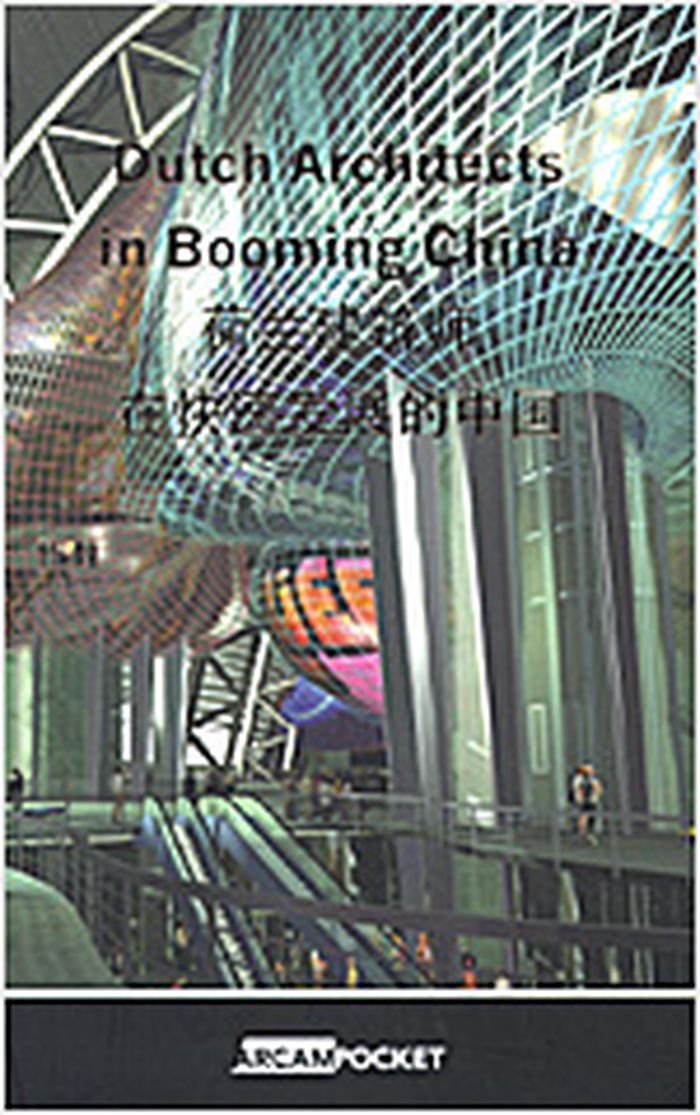
"Dutch architects in booming China" presents more than 80 projects (also on show in the exhibition of the same name) which are lavishly illustrated and described in detail. Together, they present a fascinating and unique picture of Dutch design energy for China. Among them are: the State Television in Beijing (Rem Koolhaas, OMA), Guang Dong Museum in Guangzhou (UN Studio), Sleeping Dragon in Hong Kong (Atelier Dutch), Xintian International Kindergarten (NEXT Architects) and Guo Tai Bridge in Tianjin (Verburg Hoogendijk Architecten). The projects are accompanied by four essays, written by China experts. The regional planner Ton Kreukels describes the history of urban development in China. The Shanghai-based architect Kok-Meng Tan discusses Chinese architecture and urbanism at the present moment and takes a look behind the scenes of Chinese architectural practice. Marlies Buurman records the experiences of the more than thirty Dutch offices working in China, and Maarten Kloos gives an introduction to the projects by Dutch architects who are working worldwide.
Dutch architects in booming China
Actions:
Prix:
$48.50
(disponible sur commande)
Résumé:
"Dutch architects in booming China" presents more than 80 projects (also on show in the exhibition of the same name) which are lavishly illustrated and described in detail. Together, they present a fascinating and unique picture of Dutch design energy for China. Among them are: the State Television in Beijing (Rem Koolhaas, OMA), Guang Dong Museum in Guangzhou (UN Studio), Sleeping Dragon in Hong Kong (Atelier Dutch), Xintian International Kindergarten (NEXT Architects) and Guo Tai Bridge in Tianjin (Verburg Hoogendijk Architecten). The projects are accompanied by four essays, written by China experts. The regional planner Ton Kreukels describes the history of urban development in China. The Shanghai-based architect Kok-Meng Tan discusses Chinese architecture and urbanism at the present moment and takes a look behind the scenes of Chinese architectural practice. Marlies Buurman records the experiences of the more than thirty Dutch offices working in China, and Maarten Kloos gives an introduction to the projects by Dutch architects who are working worldwide.
Classification:
livres
livres
Publication:
décembre 2005, Amsterdam
décembre 2005, Amsterdam
Classification:
périodiques
périodiques
Actions:
Prix:
$21.95
(disponible sur commande)
Résumé:
This edition of Perspecta, the oldest and most distinguished student-edited architectural journal in America, investigates the transformation of capital cities in the era of globalization. This redevelopment, renewal, and recycling of the urban landscape--termed by the editors as "Re_Urbanism"--takes place as capital cities try both to cater to an influx of global capital(...)
$21.95
(disponible sur commande)
Résumé:
This edition of Perspecta, the oldest and most distinguished student-edited architectural journal in America, investigates the transformation of capital cities in the era of globalization. This redevelopment, renewal, and recycling of the urban landscape--termed by the editors as "Re_Urbanism"--takes place as capital cities try both to cater to an influx of global capital(...)
Titre:
Perspecta 39 Re_urbanism : Transforming capitals
Actions:
Prix:
$21.95
(disponible sur commande)
Résumé:
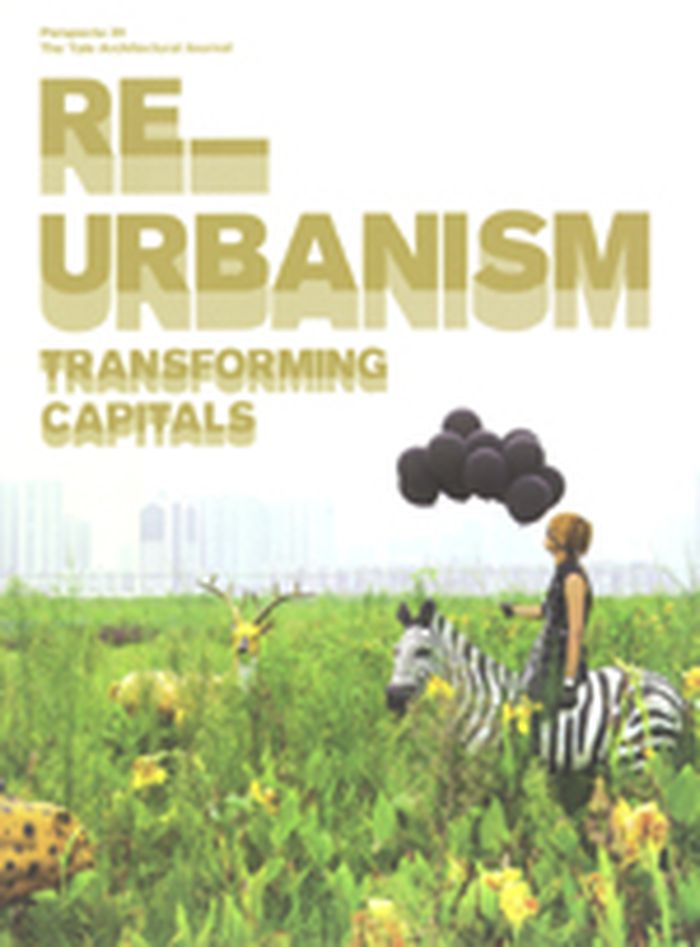
This edition of Perspecta, the oldest and most distinguished student-edited architectural journal in America, investigates the transformation of capital cities in the era of globalization. This redevelopment, renewal, and recycling of the urban landscape--termed by the editors as "Re_Urbanism"--takes place as capital cities try both to cater to an influx of global capital and to reassert their roles as symbols of national sovereignty. Re_Urbanism investigates this process from an architectural perspective. The contributors explore the various ways capital cities struggle to assert their vitality and continuing relevance, examining capitals that compete internally with their own global counterparts (Abu Dhabi vs. Dubai), capitals that must be rebuilt after periods of destruction (Belgrade and Baghdad), and capital cities that are responding to hyperbolic development (Beijing, New Delhi, Kuwait City). Some cities are examined for their impact on border politics (Washington D.C.) while others reveal mythologies parallel to their modernist origins (Brasilia).
Perspecta 39 Re_urbanism : Transforming capitals
Actions:
Prix:
$21.95
(disponible sur commande)
Résumé:
This edition of Perspecta, the oldest and most distinguished student-edited architectural journal in America, investigates the transformation of capital cities in the era of globalization. This redevelopment, renewal, and recycling of the urban landscape--termed by the editors as "Re_Urbanism"--takes place as capital cities try both to cater to an influx of global capital and to reassert their roles as symbols of national sovereignty. Re_Urbanism investigates this process from an architectural perspective. The contributors explore the various ways capital cities struggle to assert their vitality and continuing relevance, examining capitals that compete internally with their own global counterparts (Abu Dhabi vs. Dubai), capitals that must be rebuilt after periods of destruction (Belgrade and Baghdad), and capital cities that are responding to hyperbolic development (Beijing, New Delhi, Kuwait City). Some cities are examined for their impact on border politics (Washington D.C.) while others reveal mythologies parallel to their modernist origins (Brasilia).
Classification:
périodiques
périodiques
Publication:
septembre 2007, Cambridge
septembre 2007, Cambridge
Sujet:
Revues
Revues
Classification:
livres
livres
Prix:
$60.00
(disponible sur commande)
Résumé:
This book represents the fruits of a year long forum carried out in the Delft School of Design (Faculty of Architecture, University of Technology Delft). The papers in this collection are gathered from renowned visiting scholars, faculty members, and doctoral candidates who contributed to workshops, seminars and lectures. The essays contained in this volume contribute to(...)
$60.00
(disponible sur commande)
Résumé:
This book represents the fruits of a year long forum carried out in the Delft School of Design (Faculty of Architecture, University of Technology Delft). The papers in this collection are gathered from renowned visiting scholars, faculty members, and doctoral candidates who contributed to workshops, seminars and lectures. The essays contained in this volume contribute to(...)
Sujet:
Théorie de l’urbanisme
Théorie de l’urbanisme
Publication:
décembre 2006, Rotterdam
décembre 2006, Rotterdam
Titre:
De-/signing the urban : techno-genesis and the urban image
Actions:
Prix:
$60.00
(disponible sur commande)
Résumé:
This book represents the fruits of a year long forum carried out in the Delft School of Design (Faculty of Architecture, University of Technology Delft). The papers in this collection are gathered from renowned visiting scholars, faculty members, and doctoral candidates who contributed to workshops, seminars and lectures. The essays contained in this volume contribute to matters which have come to increasingly shift our understanding of architecture and urbanism. The authors offer insight on urban processes and the aesthetic challenge for contemporary design in relation to image, technology and life sciences. Contributions include discussion on : the structure of the network city in terms of temporal manipulations; the virtual emergence and resilience of contemporary urban place in the context of Beijing; the practice of the 'production of space' is detailed with a study of Nowa Huta, Poland, a post communist city and a phenomenological account of habitat and the urban body is presented in relation to Bogotá.
De-/signing the urban : techno-genesis and the urban image
Actions:
Prix:
$60.00
(disponible sur commande)
Résumé:
This book represents the fruits of a year long forum carried out in the Delft School of Design (Faculty of Architecture, University of Technology Delft). The papers in this collection are gathered from renowned visiting scholars, faculty members, and doctoral candidates who contributed to workshops, seminars and lectures. The essays contained in this volume contribute to matters which have come to increasingly shift our understanding of architecture and urbanism. The authors offer insight on urban processes and the aesthetic challenge for contemporary design in relation to image, technology and life sciences. Contributions include discussion on : the structure of the network city in terms of temporal manipulations; the virtual emergence and resilience of contemporary urban place in the context of Beijing; the practice of the 'production of space' is detailed with a study of Nowa Huta, Poland, a post communist city and a phenomenological account of habitat and the urban body is presented in relation to Bogotá.
Classification:
livres
livres
Publication:
décembre 2006, Rotterdam
décembre 2006, Rotterdam
Sujet:
Théorie de l’urbanisme
Théorie de l’urbanisme
Classification:
livres
livres
Actions:
Prix:
$40.00
(disponible sur commande)
Résumé:
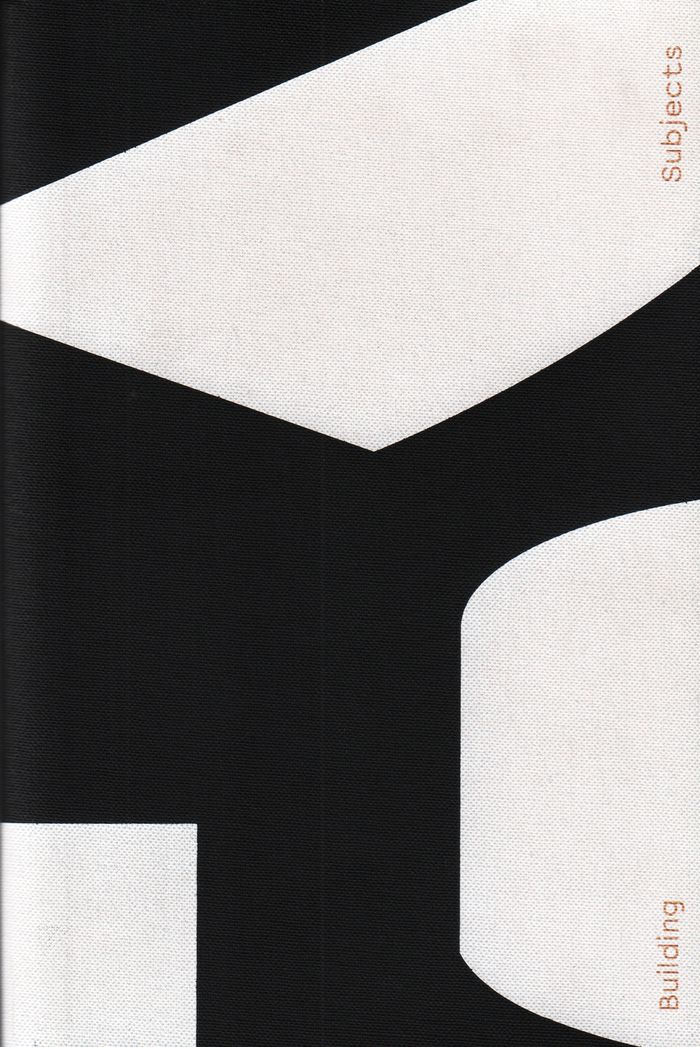
Building Subjects, the fourth issue of Standpunkte Magazine, is a collaboration between the architect De Peter Yi, the art historian Nancy P. Lin, and the graphic design studios Normal and Some All None. The publication revolves around collective housing in China, an architectural challenge expressive of the country's ongoing negotiations between its rich history and(...)
$40.00
(disponible sur commande)
Résumé:
Building Subjects, the fourth issue of Standpunkte Magazine, is a collaboration between the architect De Peter Yi, the art historian Nancy P. Lin, and the graphic design studios Normal and Some All None. The publication revolves around collective housing in China, an architectural challenge expressive of the country's ongoing negotiations between its rich history and(...)
Publication:
septembre 2019
septembre 2019
Titre:
Building subjects: collective housing in China
Actions:
Prix:
$40.00
(disponible sur commande)
Résumé:
Building Subjects, the fourth issue of Standpunkte Magazine, is a collaboration between the architect De Peter Yi, the art historian Nancy P. Lin, and the graphic design studios Normal and Some All None. The publication revolves around collective housing in China, an architectural challenge expressive of the country's ongoing negotiations between its rich history and undetermined future. The study combines typological research with the modes of the architectural manifesto by establishing an exchange between cultural-historical observations, the consideration of contemporary socio-economic pressures, and evolving architectural aspirations. Through a close reading of spaces from monumental utopian communes in Beijing to round earthen dwellings in the Fujian province, Building Subjects stages collective housing as a key to residential architecture in China. The publication is simultaneously inward and outward looking, and this duality is also reflected in its meticulously composed layout: documentary photography and detailed axonometric drawings are juxtaposed to establish a correspondence between old and new, between reality and projection.
Building subjects: collective housing in China
Actions:
Prix:
$40.00
(disponible sur commande)
Résumé:
Building Subjects, the fourth issue of Standpunkte Magazine, is a collaboration between the architect De Peter Yi, the art historian Nancy P. Lin, and the graphic design studios Normal and Some All None. The publication revolves around collective housing in China, an architectural challenge expressive of the country's ongoing negotiations between its rich history and undetermined future. The study combines typological research with the modes of the architectural manifesto by establishing an exchange between cultural-historical observations, the consideration of contemporary socio-economic pressures, and evolving architectural aspirations. Through a close reading of spaces from monumental utopian communes in Beijing to round earthen dwellings in the Fujian province, Building Subjects stages collective housing as a key to residential architecture in China. The publication is simultaneously inward and outward looking, and this duality is also reflected in its meticulously composed layout: documentary photography and detailed axonometric drawings are juxtaposed to establish a correspondence between old and new, between reality and projection.
Classification:
livres
livres
Publication:
septembre 2019
septembre 2019
Classification:
livres
livres
Titre:
Olympic cities, 2nd edition
Olympic cities, 2nd edition
Actions:
Prix:
$59.50
(disponible sur commande)
Résumé:
Providing a full overview of the changing relationship between cities and the Olympic events, this substantially revised and enlarged edition builds on the success of its predecessor. Its coverage takes account of important new scholarship as well as adding reflections on the experience of staging Beijing 2008 and Vancouver 2010, the state of preparations for London 2012,(...)
$59.50
(disponible sur commande)
Résumé:
Providing a full overview of the changing relationship between cities and the Olympic events, this substantially revised and enlarged edition builds on the success of its predecessor. Its coverage takes account of important new scholarship as well as adding reflections on the experience of staging Beijing 2008 and Vancouver 2010, the state of preparations for London 2012,(...)
Titre:
Olympic cities, 2nd edition
Actions:
Prix:
$59.50
(disponible sur commande)
Résumé:
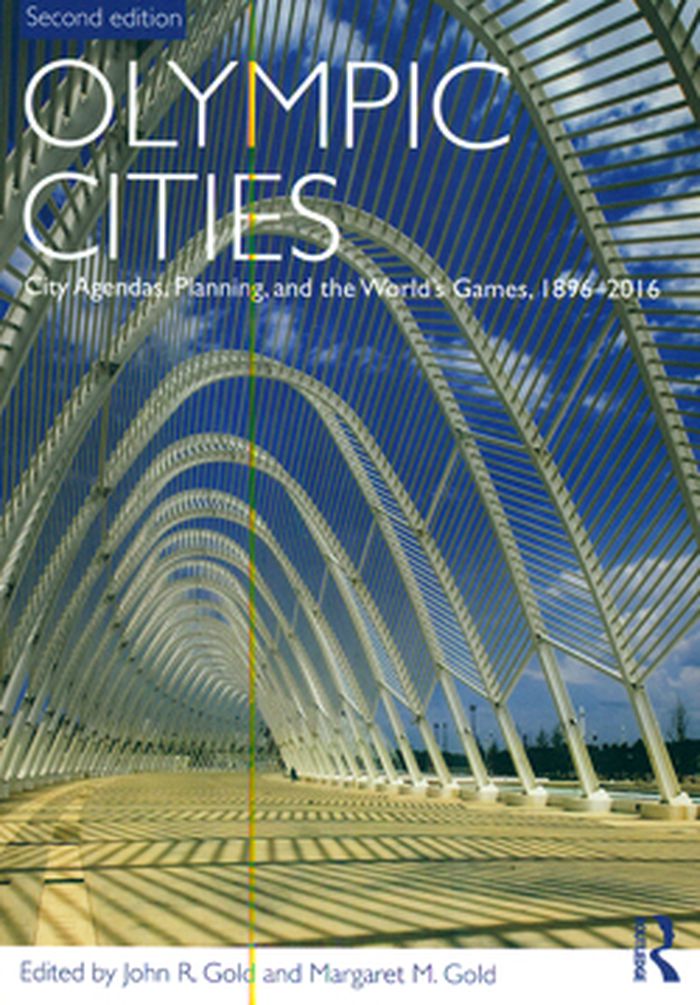
Providing a full overview of the changing relationship between cities and the Olympic events, this substantially revised and enlarged edition builds on the success of its predecessor. Its coverage takes account of important new scholarship as well as adding reflections on the experience of staging Beijing 2008 and Vancouver 2010, the state of preparations for London 2012, and the plans for the Games scheduled for Sochi in 2014 and Rio de Janeiro 2016. The book is divided into three parts that provide overviews of the urban legacy of the four component Olympic festivals; systematic surveys of five key aspects of activity involved in staging the Olympics; and ten chronologically arranged portraits of host cities. As controversy over the growing size and expense of the Olympics continues, this timely assessment of the Games’ development and the complex agendas that host cities attach to the event will be essential reading for urban and sports historians, urban geographers, planners and all concerned with understanding the relationship between cities and culture.
Olympic cities, 2nd edition
Actions:
Prix:
$59.50
(disponible sur commande)
Résumé:
Providing a full overview of the changing relationship between cities and the Olympic events, this substantially revised and enlarged edition builds on the success of its predecessor. Its coverage takes account of important new scholarship as well as adding reflections on the experience of staging Beijing 2008 and Vancouver 2010, the state of preparations for London 2012, and the plans for the Games scheduled for Sochi in 2014 and Rio de Janeiro 2016. The book is divided into three parts that provide overviews of the urban legacy of the four component Olympic festivals; systematic surveys of five key aspects of activity involved in staging the Olympics; and ten chronologically arranged portraits of host cities. As controversy over the growing size and expense of the Olympics continues, this timely assessment of the Games’ development and the complex agendas that host cities attach to the event will be essential reading for urban and sports historians, urban geographers, planners and all concerned with understanding the relationship between cities and culture.
Classification:
livres
livres
Publication:
juillet 2010
juillet 2010
Sujet:
Théorie de l’urbanisme
Théorie de l’urbanisme
Classification:
livres
livres
Actions:
Prix:
$64.95
(disponible sur commande)
Résumé:
This incisive look at the historical, social, and economic forces that have shaped China's modern architecture analyzes the country's struggle to define its own architectural aesthetics. Since the early 1980s, when China opened its doors to international trade and tourism, the country's economy has expanded at an incredible rate. Today, China is poised to be a testing(...)
$64.95
(disponible sur commande)
Résumé:
This incisive look at the historical, social, and economic forces that have shaped China's modern architecture analyzes the country's struggle to define its own architectural aesthetics. Since the early 1980s, when China opened its doors to international trade and tourism, the country's economy has expanded at an incredible rate. Today, China is poised to be a testing(...)
Publication:
janvier 1900, Munich / Berlin /London / New York
janvier 1900, Munich / Berlin /London / New York
Titre:
China's new dawn : an architectural transformation
Actions:
Prix:
$64.95
(disponible sur commande)
Résumé:
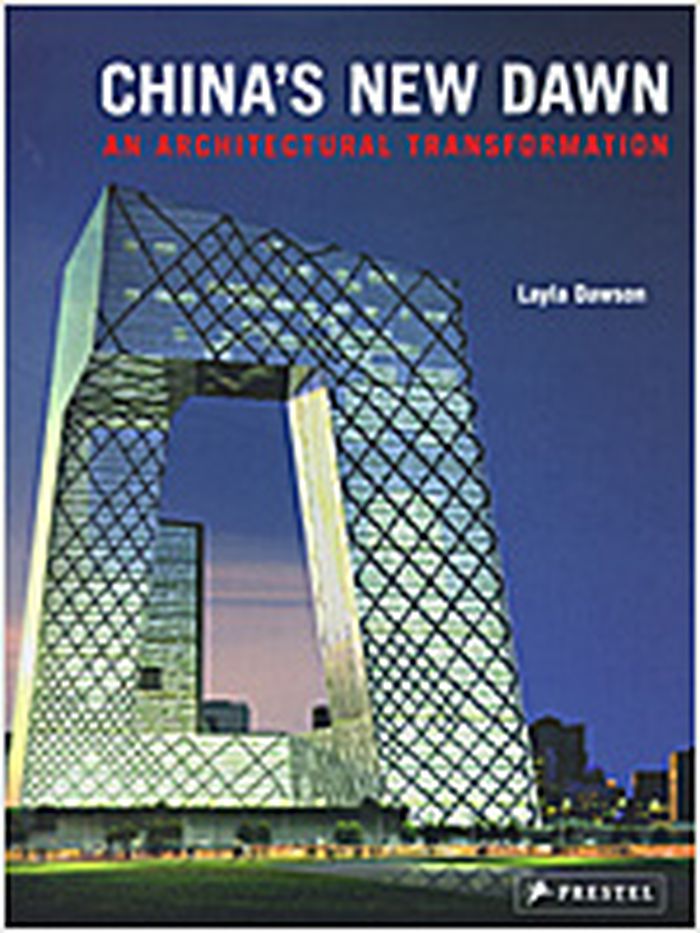
This incisive look at the historical, social, and economic forces that have shaped China's modern architecture analyzes the country's struggle to define its own architectural aesthetics. Since the early 1980s, when China opened its doors to international trade and tourism, the country's economy has expanded at an incredible rate. Today, China is poised to be a testing ground for the world's most innovative designers and engineers. Layla Dawson's groundbreaking survey of architectural currents in China lays out not only the historical events that have brought the country to this unique position, but explores the challenges inherent in opening up the country to outside forces and ideas. She examines projects by Chinese and non-Chinese architects, including Zaha Hadid's Soho City masterplan, Rem Koolhaas's CCTV Headquarters, Norman Foster's Shanghai Tower and plans for the Beijing 2008 Olympic Games. As Dawson demonstrates how conflicting architectural philosophies are visible in China's newly rising skyline, she takes an unblinking look at the liabilities China faces by opening itself up to foreign influence.
China's new dawn : an architectural transformation
Actions:
Prix:
$64.95
(disponible sur commande)
Résumé:
This incisive look at the historical, social, and economic forces that have shaped China's modern architecture analyzes the country's struggle to define its own architectural aesthetics. Since the early 1980s, when China opened its doors to international trade and tourism, the country's economy has expanded at an incredible rate. Today, China is poised to be a testing ground for the world's most innovative designers and engineers. Layla Dawson's groundbreaking survey of architectural currents in China lays out not only the historical events that have brought the country to this unique position, but explores the challenges inherent in opening up the country to outside forces and ideas. She examines projects by Chinese and non-Chinese architects, including Zaha Hadid's Soho City masterplan, Rem Koolhaas's CCTV Headquarters, Norman Foster's Shanghai Tower and plans for the Beijing 2008 Olympic Games. As Dawson demonstrates how conflicting architectural philosophies are visible in China's newly rising skyline, she takes an unblinking look at the liabilities China faces by opening itself up to foreign influence.
Classification:
livres
livres
Publication:
janvier 1900, Munich / Berlin /London / New York
janvier 1900, Munich / Berlin /London / New York
Classification:
livres
livres
Actions:
Prix:
$36.95
(disponible sur commande)
Résumé:
‘Borgata’, ‘favela’, ‘périurbain’, and ‘suburb’ are but a few of the different terms used throughout the world that refer specifically to communities that develop on the periphery of urban centres. "In what’s in a name?" editors Richard Harris and Charlotte Vorms have gathered together experts from around the world in order to provide a truly global framework for the(...)
$36.95
(disponible sur commande)
Résumé:
‘Borgata’, ‘favela’, ‘périurbain’, and ‘suburb’ are but a few of the different terms used throughout the world that refer specifically to communities that develop on the periphery of urban centres. "In what’s in a name?" editors Richard Harris and Charlotte Vorms have gathered together experts from around the world in order to provide a truly global framework for the(...)
Titre:
What's in a name? Talking about urban peripheries
Actions:
Prix:
$36.95
(disponible sur commande)
Résumé:
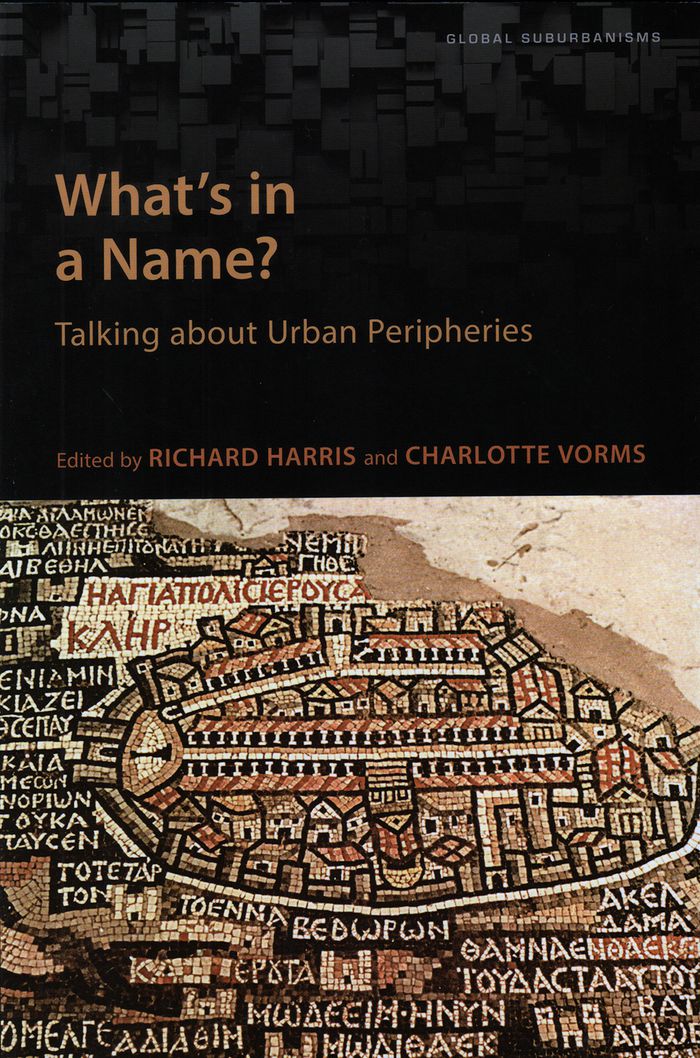
‘Borgata’, ‘favela’, ‘périurbain’, and ‘suburb’ are but a few of the different terms used throughout the world that refer specifically to communities that develop on the periphery of urban centres. "In what’s in a name?" editors Richard Harris and Charlotte Vorms have gathered together experts from around the world in order to provide a truly global framework for the study of the urban periphery. Rather than view these distinct communities through the lens of the western notion of urban sprawl, the contributors focus on the variety of everyday terms that are used, together with their connotations. This volume explores the local terminology used in cities such as Beijing, Bucharest, Montreal, Mumbai, Rio de Janeiro, Rome, Sofia, as well as more broadly across North America, Australia, Southeast Asia, and elsewhere. What’s in a Name? is the first book in English to pay serious and sustained attention to the naming of the urban periphery worldwide. By exploring the ways in which local individuals speak about the urban periphery Harris and Vorms bridge the assumed divide between the global North and the global South.
What's in a name? Talking about urban peripheries
Actions:
Prix:
$36.95
(disponible sur commande)
Résumé:
‘Borgata’, ‘favela’, ‘périurbain’, and ‘suburb’ are but a few of the different terms used throughout the world that refer specifically to communities that develop on the periphery of urban centres. "In what’s in a name?" editors Richard Harris and Charlotte Vorms have gathered together experts from around the world in order to provide a truly global framework for the study of the urban periphery. Rather than view these distinct communities through the lens of the western notion of urban sprawl, the contributors focus on the variety of everyday terms that are used, together with their connotations. This volume explores the local terminology used in cities such as Beijing, Bucharest, Montreal, Mumbai, Rio de Janeiro, Rome, Sofia, as well as more broadly across North America, Australia, Southeast Asia, and elsewhere. What’s in a Name? is the first book in English to pay serious and sustained attention to the naming of the urban periphery worldwide. By exploring the ways in which local individuals speak about the urban periphery Harris and Vorms bridge the assumed divide between the global North and the global South.
Classification:
livres
livres
Publication:
août 2017
août 2017
Sujet:
Théorie de l’urbanisme
Théorie de l’urbanisme
Classification:
livres
livres
Titre:
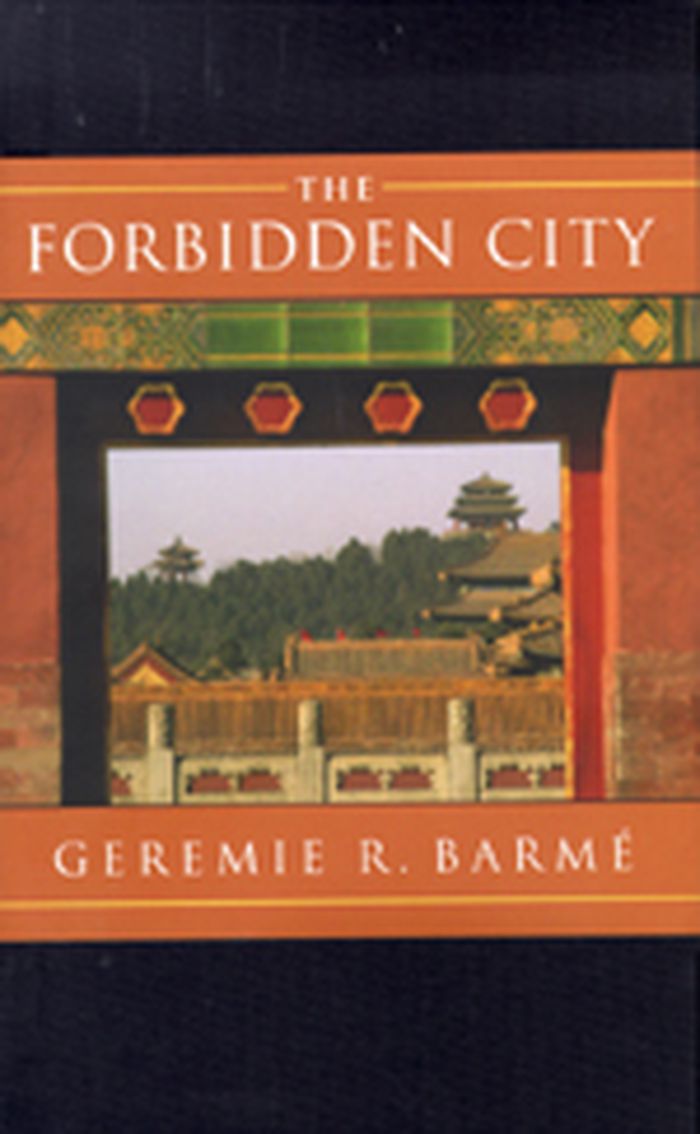
The Forbidden City
The Forbidden City
Actions:
Prix:
$19.95
(disponible sur commande)
Résumé:
The Forbidden City (Zijin Cheng) lying at the heart of Beijing formed the hub of the Celestial Empire for five centuries. Over the past century it has led a reduced life as the refuge for a deposed emperor, as well as a heritage museum for monarchist, republican, and socialist citizens, and it has been celebrated and excoriated as a symbol of all that was magnificent and(...)
$19.95
(disponible sur commande)
Résumé:
The Forbidden City (Zijin Cheng) lying at the heart of Beijing formed the hub of the Celestial Empire for five centuries. Over the past century it has led a reduced life as the refuge for a deposed emperor, as well as a heritage museum for monarchist, republican, and socialist citizens, and it has been celebrated and excoriated as a symbol of all that was magnificent and(...)
Titre:
The Forbidden City
Actions:
Prix:
$19.95
(disponible sur commande)
Résumé:
The Forbidden City (Zijin Cheng) lying at the heart of Beijing formed the hub of the Celestial Empire for five centuries. Over the past century it has led a reduced life as the refuge for a deposed emperor, as well as a heritage museum for monarchist, republican, and socialist citizens, and it has been celebrated and excoriated as a symbol of all that was magnificent and terrible in dynastic China’s legacy. The Forbidden City’s vermilion walls have fueled literary fantasies that have become an intrinsic part of its disputed and documented history. Mao Zedong even considered razing the entire structure to make way for the buildings of a new socialist China. The fictions surrounding the Forbidden City have also had an international reach, and writers like Franz Kafka, Elias Canetti, Jorge Luis Borges, and Mervyn Peake have all succumbed to its myths. The politics it enshrined have provided the vocabulary of power that is used in China to the present day, though it is now better known as a film set or the background of displays of opera, rock, and fashion.
The Forbidden City
Actions:
Prix:
$19.95
(disponible sur commande)
Résumé:
The Forbidden City (Zijin Cheng) lying at the heart of Beijing formed the hub of the Celestial Empire for five centuries. Over the past century it has led a reduced life as the refuge for a deposed emperor, as well as a heritage museum for monarchist, republican, and socialist citizens, and it has been celebrated and excoriated as a symbol of all that was magnificent and terrible in dynastic China’s legacy. The Forbidden City’s vermilion walls have fueled literary fantasies that have become an intrinsic part of its disputed and documented history. Mao Zedong even considered razing the entire structure to make way for the buildings of a new socialist China. The fictions surrounding the Forbidden City have also had an international reach, and writers like Franz Kafka, Elias Canetti, Jorge Luis Borges, and Mervyn Peake have all succumbed to its myths. The politics it enshrined have provided the vocabulary of power that is used in China to the present day, though it is now better known as a film set or the background of displays of opera, rock, and fashion.
Classification:
livres
livres
Publication:
mai 2008, Cambridge
mai 2008, Cambridge
Sujet:
Histoire jusqu'à 1900, Asie
Histoire jusqu'à 1900, Asie


