


947 Résultats
Classification:
livres
livres
Titre:
CARTHA: On making heimat
CARTHA: On making heimat
Actions:
Prix:
$29.95
(disponible en magasin)
Résumé:
Since 2014, CARTHA has provided a platform for critical thinking on architecture and society. Founded by an international team of architects and designers, it aims to bridge the gap between theoretical and practical approaches to contemporary architecture. Each year, CARTHA initiates research and publishes four issues on a topic in its online magazine, which are then(...)
$29.95
(disponible en magasin)
Résumé:
Since 2014, CARTHA has provided a platform for critical thinking on architecture and society. Founded by an international team of architects and designers, it aims to bridge the gap between theoretical and practical approaches to contemporary architecture. Each year, CARTHA initiates research and publishes four issues on a topic in its online magazine, which are then(...)
Titre:
CARTHA: On making heimat
Actions:
Prix:
$29.95
(disponible en magasin)
Résumé:
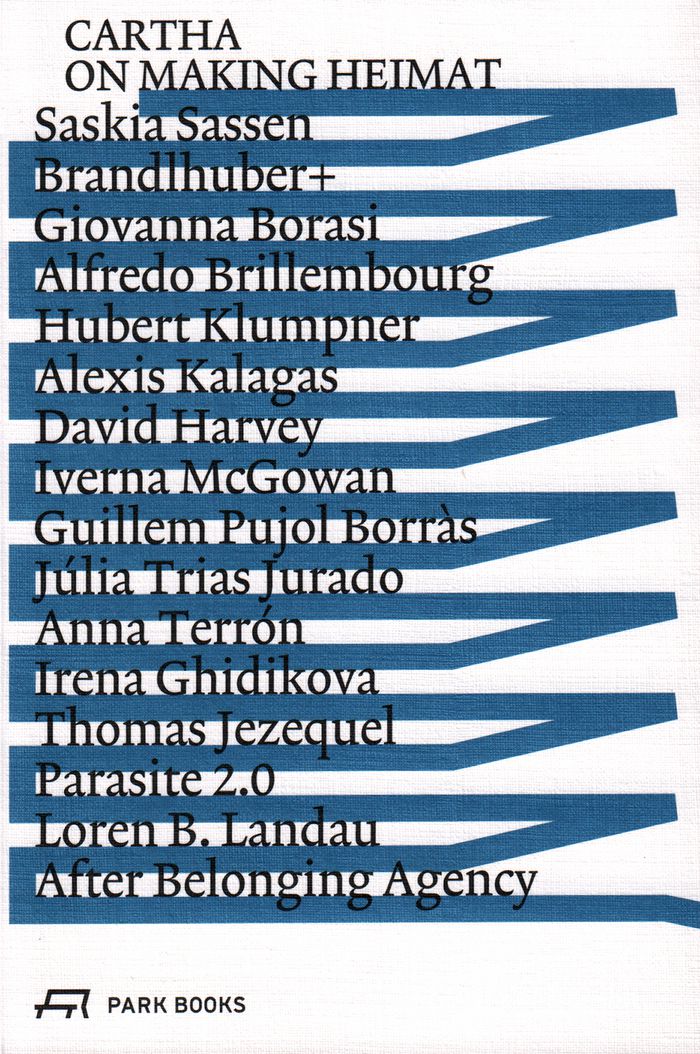
Since 2014, CARTHA has provided a platform for critical thinking on architecture and society. Founded by an international team of architects and designers, it aims to bridge the gap between theoretical and practical approaches to contemporary architecture. Each year, CARTHA initiates research and publishes four issues on a topic in its online magazine, which are then brought together in an annual book. In 2016, CARTHA collaborated with the German Pavilion at the International Architecture Exhibition of the 2016 Venice Biennale. Titled Making Heimat: Germany, Arrival Country, the German Pavilion explored the challenges and potential of the recent influx of refugees to Germany has posed for architecture and urban design, and contributions to CARTHA further reflect on this topic. Contributors include, among others, architect Arno Brandlhuber, critic Marina Otero Verzier, and design studio Urban ThinkTank, and the book also features interviews with Iverna McGowan of Amnesty International; David Harvey of Graduate Center, CUNY; Saskia Sassen of Columbia University; and Giovanna Borasi, of the Canadian Centre for Architecture.
CARTHA: On making heimat
Actions:
Prix:
$29.95
(disponible en magasin)
Résumé:
Since 2014, CARTHA has provided a platform for critical thinking on architecture and society. Founded by an international team of architects and designers, it aims to bridge the gap between theoretical and practical approaches to contemporary architecture. Each year, CARTHA initiates research and publishes four issues on a topic in its online magazine, which are then brought together in an annual book. In 2016, CARTHA collaborated with the German Pavilion at the International Architecture Exhibition of the 2016 Venice Biennale. Titled Making Heimat: Germany, Arrival Country, the German Pavilion explored the challenges and potential of the recent influx of refugees to Germany has posed for architecture and urban design, and contributions to CARTHA further reflect on this topic. Contributors include, among others, architect Arno Brandlhuber, critic Marina Otero Verzier, and design studio Urban ThinkTank, and the book also features interviews with Iverna McGowan of Amnesty International; David Harvey of Graduate Center, CUNY; Saskia Sassen of Columbia University; and Giovanna Borasi, of the Canadian Centre for Architecture.
Classification:
livres
livres
Publication:
octobre 2017
octobre 2017
Sujet:
Théorie de l’architecture
Théorie de l’architecture
Classification:
livres
livres
Prix:
$54.00
(disponible sur commande)
Résumé:
We all have our own ideas about mosques, and many of those ideas go beyond the domain of architecture. In Europe, mosques are a central issue in the debates about the integration of Muslims and the potential dangers of Islam. In recent years, such debates have often edged out serious architectural discussion of European mosques, and the domes and minarets of traditional(...)
$54.00
(disponible sur commande)
Résumé:
We all have our own ideas about mosques, and many of those ideas go beyond the domain of architecture. In Europe, mosques are a central issue in the debates about the integration of Muslims and the potential dangers of Islam. In recent years, such debates have often edged out serious architectural discussion of European mosques, and the domes and minarets of traditional(...)
Titre:
The mosque, political, architectural and social transformations
Actions:
Prix:
$54.00
(disponible sur commande)
Résumé:
We all have our own ideas about mosques, and many of those ideas go beyond the domain of architecture. In Europe, mosques are a central issue in the debates about the integration of Muslims and the potential dangers of Islam. In recent years, such debates have often edged out serious architectural discussion of European mosques, and the domes and minarets of traditional mosque architecture have come to symbolize this entire field of controversy.The aim of this book is to bring greater depth and nuance to the debate about mosques. Amongst others politician Frits Bolkestein, architect Wilfried van Winden, sociologist Willem Schinkel, theologist/philosopher Tariq Ramadan, anthropologist Eric Roose and Ole Bouman, director of the Netherlands Architecture Institute, share their interdisciplinary perspectives on the emergence of this new architectural typology and explain its narrow and broad social impact.
The mosque, political, architectural and social transformations
Actions:
Prix:
$54.00
(disponible sur commande)
Résumé:
We all have our own ideas about mosques, and many of those ideas go beyond the domain of architecture. In Europe, mosques are a central issue in the debates about the integration of Muslims and the potential dangers of Islam. In recent years, such debates have often edged out serious architectural discussion of European mosques, and the domes and minarets of traditional mosque architecture have come to symbolize this entire field of controversy.The aim of this book is to bring greater depth and nuance to the debate about mosques. Amongst others politician Frits Bolkestein, architect Wilfried van Winden, sociologist Willem Schinkel, theologist/philosopher Tariq Ramadan, anthropologist Eric Roose and Ole Bouman, director of the Netherlands Architecture Institute, share their interdisciplinary perspectives on the emergence of this new architectural typology and explain its narrow and broad social impact.
Classification:
livres
livres
Publication:
septembre 2009
septembre 2009
Sujet:
Théorie de l’architecture
Théorie de l’architecture
Classification:
livres
livres
Actions:
Prix:
$39.95
(disponible sur commande)
Résumé:
Olivier Vallerand investigates how queer critiques, building on pioneering feminist work, question the relation between identity and architecture and highlight normative constructs underlying domestic spaces. He draws out a genealogy of queer space in theoretical discourse in architecture, studying projects by Mark Robbins, Joel Sanders, J Mayer H, Elmgreen & Dragset,(...)
$39.95
(disponible sur commande)
Résumé:
Olivier Vallerand investigates how queer critiques, building on pioneering feminist work, question the relation between identity and architecture and highlight normative constructs underlying domestic spaces. He draws out a genealogy of queer space in theoretical discourse in architecture, studying projects by Mark Robbins, Joel Sanders, J Mayer H, Elmgreen & Dragset,(...)
Titre:
Unplanned visitors: queering the ethics and aesthetics of domestic space
Actions:
Prix:
$39.95
(disponible sur commande)
Résumé:
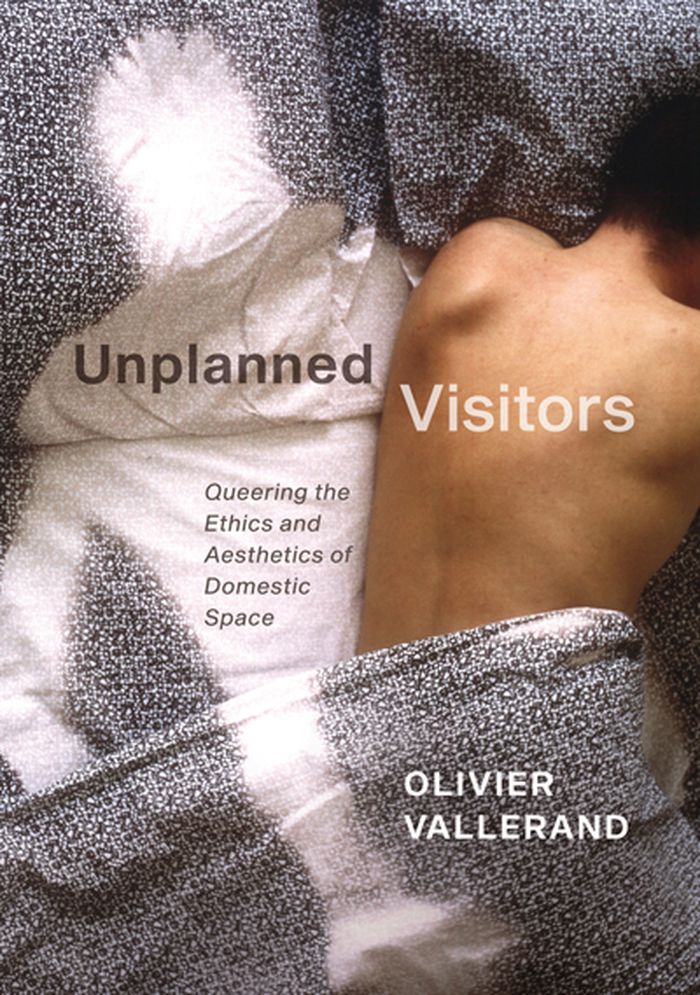
Olivier Vallerand investigates how queer critiques, building on pioneering feminist work, question the relation between identity and architecture and highlight normative constructs underlying domestic spaces. He draws out a genealogy of queer space in theoretical discourse in architecture, studying projects by Mark Robbins, Joel Sanders, J Mayer H, Elmgreen & Dragset, Andrés Jaque, and MYCKET, among others. These works blur the traditional borders between architecture and art to emphasize the tensions between private and public and their impact on assumptions about domestic space and family structure. Sexuality and gender have long been influential in understanding the construction of domestic space, its meanings, often revealing a binary division of private and public, female and male. By reconstructing the foundation of queer critiques of space and by analyzing the representation of domesticity in contemporary art and architecture, Unplanned Visitors shows the blurring of private and public that can occur in any domestic space and explores the potential of queer theory for understanding, and designing, the built environment.
Unplanned visitors: queering the ethics and aesthetics of domestic space
Actions:
Prix:
$39.95
(disponible sur commande)
Résumé:
Olivier Vallerand investigates how queer critiques, building on pioneering feminist work, question the relation between identity and architecture and highlight normative constructs underlying domestic spaces. He draws out a genealogy of queer space in theoretical discourse in architecture, studying projects by Mark Robbins, Joel Sanders, J Mayer H, Elmgreen & Dragset, Andrés Jaque, and MYCKET, among others. These works blur the traditional borders between architecture and art to emphasize the tensions between private and public and their impact on assumptions about domestic space and family structure. Sexuality and gender have long been influential in understanding the construction of domestic space, its meanings, often revealing a binary division of private and public, female and male. By reconstructing the foundation of queer critiques of space and by analyzing the representation of domesticity in contemporary art and architecture, Unplanned Visitors shows the blurring of private and public that can occur in any domestic space and explores the potential of queer theory for understanding, and designing, the built environment.
Classification:
livres
livres
Publication:
mai 2020
mai 2020
Sujet:
Théorie de l’architecture
Théorie de l’architecture
Classification:
livres
livres
Actions:
Prix:
$60.00
(disponible sur commande)
Résumé:
Archival power, silences, and absences profoundly shape and structure postcolonial landscapes, spaces, and urban environments by controlling bodies, histories, and interactions. This book explores pathways to dismantle these imperial entanglements by developing methodologies and plural epistemologies through an interdisciplinary dialog between history, memory politics,(...)
$60.00
(disponible sur commande)
Résumé:
Archival power, silences, and absences profoundly shape and structure postcolonial landscapes, spaces, and urban environments by controlling bodies, histories, and interactions. This book explores pathways to dismantle these imperial entanglements by developing methodologies and plural epistemologies through an interdisciplinary dialog between history, memory politics,(...)
Sujet:
L'écologie de l'architecure
L'écologie de l'architecure
Publication:
janvier 2024
janvier 2024
Titre:
Unearthing traces: dismantling imperialist entanglements of archives, landscapes, and the built environment
Actions:
Prix:
$60.00
(disponible sur commande)
Résumé:
Archival power, silences, and absences profoundly shape and structure postcolonial landscapes, spaces, and urban environments by controlling bodies, histories, and interactions. This book explores pathways to dismantle these imperial entanglements by developing methodologies and plural epistemologies through an interdisciplinary dialog between history, memory politics, critical theory, and archival practice together with the fields of the built environment, landscape, urban studies, architecture, and the arts. Unearthing traces catalyzes critical discussions that not only challenge the objectivity and dismantle the neutrality surrounding current archival practices and archival institutions, but also question what constitutes the archive itself. The book unearths potential histories and minor narratives buried by the imperial production of pasts and silences. The diverse range of contributions in the book offers original research, discussions, positions, and tools and provides a critical resource for scholars, architects, artists, activists, and archivists who want to engage with landscapes and built environments in a critical and postcolonial perspective in relation to archival materials and practices.
Unearthing traces: dismantling imperialist entanglements of archives, landscapes, and the built environment
Actions:
Prix:
$60.00
(disponible sur commande)
Résumé:
Archival power, silences, and absences profoundly shape and structure postcolonial landscapes, spaces, and urban environments by controlling bodies, histories, and interactions. This book explores pathways to dismantle these imperial entanglements by developing methodologies and plural epistemologies through an interdisciplinary dialog between history, memory politics, critical theory, and archival practice together with the fields of the built environment, landscape, urban studies, architecture, and the arts. Unearthing traces catalyzes critical discussions that not only challenge the objectivity and dismantle the neutrality surrounding current archival practices and archival institutions, but also question what constitutes the archive itself. The book unearths potential histories and minor narratives buried by the imperial production of pasts and silences. The diverse range of contributions in the book offers original research, discussions, positions, and tools and provides a critical resource for scholars, architects, artists, activists, and archivists who want to engage with landscapes and built environments in a critical and postcolonial perspective in relation to archival materials and practices.
Classification:
livres
livres
Publication:
janvier 2024
janvier 2024
Sujet:
L'écologie de l'architecure
L'écologie de l'architecure
Classification:
livres
livres
Actions:
Prix:
$49.00
(disponible sur commande)
Résumé:
This volume reveals the wide range of new possibilities on offer today in the field of architecture, construction and design. The properties and potential uses of the materials are expressed through photographs and diagrams, all accompanied by explanatory texts. Also included are the contacts and web pages of each of the featured manufacturers.
$49.00
(disponible sur commande)
Résumé:
This volume reveals the wide range of new possibilities on offer today in the field of architecture, construction and design. The properties and potential uses of the materials are expressed through photographs and diagrams, all accompanied by explanatory texts. Also included are the contacts and web pages of each of the featured manufacturers.
Titre:
Materials : innovation and design
Actions:
Prix:
$49.00
(disponible sur commande)
Résumé:
This volume reveals the wide range of new possibilities on offer today in the field of architecture, construction and design. The properties and potential uses of the materials are expressed through photographs and diagrams, all accompanied by explanatory texts. Also included are the contacts and web pages of each of the featured manufacturers.
Materials : innovation and design
Actions:
Prix:
$49.00
(disponible sur commande)
Résumé:
This volume reveals the wide range of new possibilities on offer today in the field of architecture, construction and design. The properties and potential uses of the materials are expressed through photographs and diagrams, all accompanied by explanatory texts. Also included are the contacts and web pages of each of the featured manufacturers.
Classification:
livres
livres
Publication:
septembre 2010
septembre 2010
Sujet:
Matériaux et éclairage
Matériaux et éclairage
Classification:
livres
livres
Actions:
Prix:
$95.00
(disponible en magasin)
Résumé:
Set behind the grand houses of Georgian and Victorian London, intimately scaled mews originally served as accommodation for coaches and horses.?After the advent of the motorcar in the early twentieth century, these secluded courts and alleys began to be converted for residential use, favoured by artists and bohemians.?As they grew in popularity, mews also became popular(...)
$95.00
(disponible en magasin)
Résumé:
Set behind the grand houses of Georgian and Victorian London, intimately scaled mews originally served as accommodation for coaches and horses.?After the advent of the motorcar in the early twentieth century, these secluded courts and alleys began to be converted for residential use, favoured by artists and bohemians.?As they grew in popularity, mews also became popular(...)
Publication:
décembre 2025
décembre 2025
Titre:
At home in London: the Mews House
Actions:
Prix:
$95.00
(disponible en magasin)
Résumé:
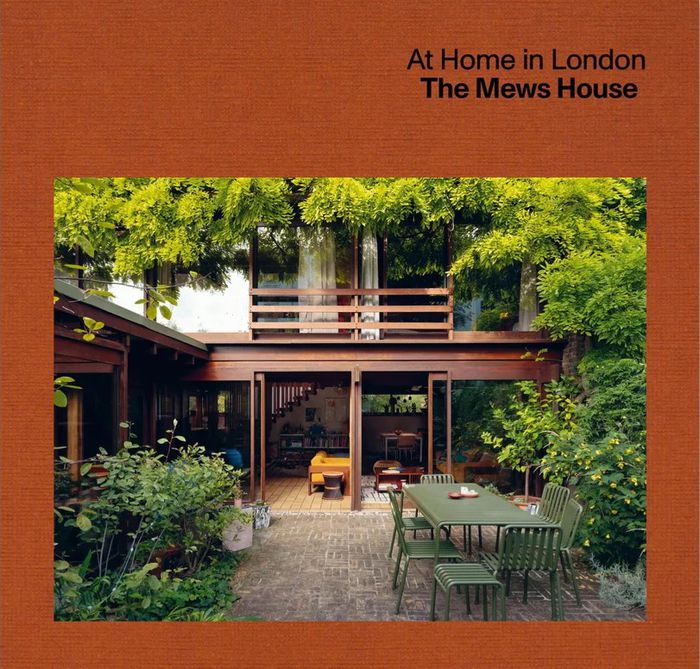
Set behind the grand houses of Georgian and Victorian London, intimately scaled mews originally served as accommodation for coaches and horses.?After the advent of the motorcar in the early twentieth century, these secluded courts and alleys began to be converted for residential use, favoured by artists and bohemians.?As they grew in popularity, mews also became popular as sites for new-build homes. Often these were of a radically experimental nature, challenging established notions of domesticity in the heart of the?historic city. ''At Home in London: The Mews House'' documents?seventeen examples of this rich tradition dating from the 1960s to the present day, with new photography and extensive drawings.?The self-built houses of architects feature particularly prominently,?including those of John Winter, Ted and Roz Cullinan, and Peter St John and Siw Thomas.?Acclaimed architecture critic Ellis Woodman narrates the history of this perennially popular type from its early pioneers including potter Lucie Rie through the potential of the mews as a model for new residential development, exemplified by Peter Barber’s monumental Edgewood Mews (2022) and Al-Jawad Pike’s?Chowdhury Walk (2023).
At home in London: the Mews House
Actions:
Prix:
$95.00
(disponible en magasin)
Résumé:
Set behind the grand houses of Georgian and Victorian London, intimately scaled mews originally served as accommodation for coaches and horses.?After the advent of the motorcar in the early twentieth century, these secluded courts and alleys began to be converted for residential use, favoured by artists and bohemians.?As they grew in popularity, mews also became popular as sites for new-build homes. Often these were of a radically experimental nature, challenging established notions of domesticity in the heart of the?historic city. ''At Home in London: The Mews House'' documents?seventeen examples of this rich tradition dating from the 1960s to the present day, with new photography and extensive drawings.?The self-built houses of architects feature particularly prominently,?including those of John Winter, Ted and Roz Cullinan, and Peter St John and Siw Thomas.?Acclaimed architecture critic Ellis Woodman narrates the history of this perennially popular type from its early pioneers including potter Lucie Rie through the potential of the mews as a model for new residential development, exemplified by Peter Barber’s monumental Edgewood Mews (2022) and Al-Jawad Pike’s?Chowdhury Walk (2023).
Classification:
livres
livres
Publication:
décembre 2025
décembre 2025
Classification:
livres
livres
Prix:
$47.95
(disponible sur commande)
Résumé:
Applying the insights of neuroscience to architecture has the potential to deliver buildings and spaces that measurably promote well-being and create healthier or more effective environments for specific activities. There is, however, a risk that neuroarchitecture will become just another buzzword, a passing architectural fashion or a marketing exercise just as 'eco',(...)
$47.95
(disponible sur commande)
Résumé:
Applying the insights of neuroscience to architecture has the potential to deliver buildings and spaces that measurably promote well-being and create healthier or more effective environments for specific activities. There is, however, a risk that neuroarchitecture will become just another buzzword, a passing architectural fashion or a marketing exercise just as 'eco',(...)
Titre:
AD: Neuroarchitecture. Designing with the mind in mind
Actions:
Prix:
$47.95
(disponible sur commande)
Résumé:
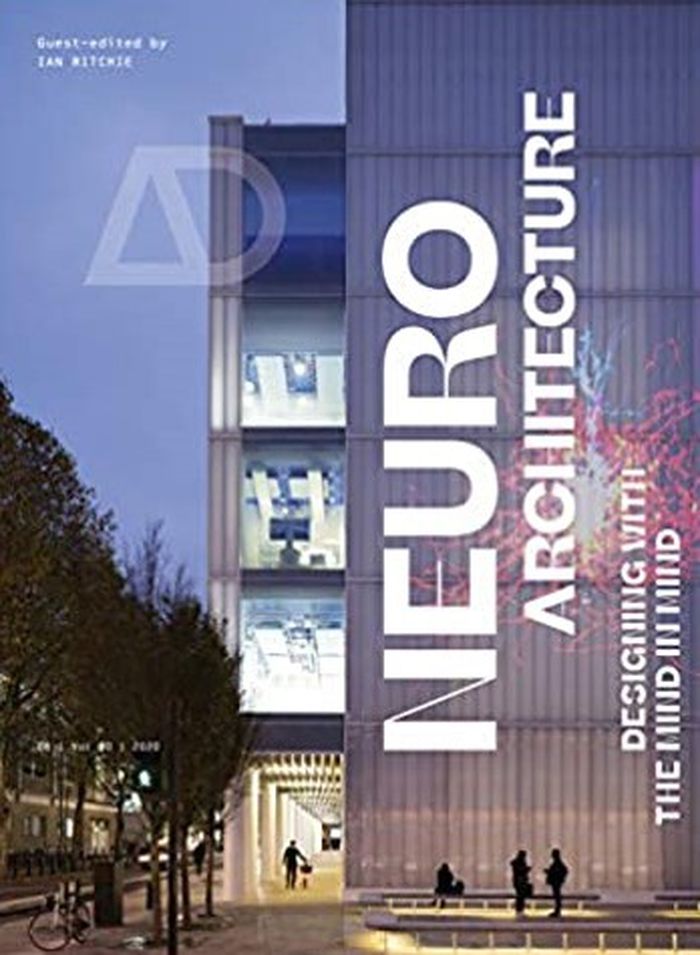
Applying the insights of neuroscience to architecture has the potential to deliver buildings and spaces that measurably promote well-being and create healthier or more effective environments for specific activities. There is, however, a risk that neuroarchitecture will become just another buzzword, a passing architectural fashion or a marketing exercise just as 'eco', 'green' and 'sustainable' have become. This issue of AD offers the reader an alternative to 'neuro' sound-bites and exposes them to the thinking which led to the design of the Sainsbury Wellcome Centre for Neural Circuits and Behaviour (SWC), a pioneering medical research facility designed to foster collaboration between researchers.
AD: Neuroarchitecture. Designing with the mind in mind
Actions:
Prix:
$47.95
(disponible sur commande)
Résumé:
Applying the insights of neuroscience to architecture has the potential to deliver buildings and spaces that measurably promote well-being and create healthier or more effective environments for specific activities. There is, however, a risk that neuroarchitecture will become just another buzzword, a passing architectural fashion or a marketing exercise just as 'eco', 'green' and 'sustainable' have become. This issue of AD offers the reader an alternative to 'neuro' sound-bites and exposes them to the thinking which led to the design of the Sainsbury Wellcome Centre for Neural Circuits and Behaviour (SWC), a pioneering medical research facility designed to foster collaboration between researchers.
Classification:
livres
livres
Publication:
janvier 2021
janvier 2021
Sujet:
Théorie de l’architecture
Théorie de l’architecture
Classification:
livres
livres
Actions:
Prix:
$57.00
(disponible sur commande)
Résumé:
Virtually every revolution in architecture has been preceded by a revolution in materials: think iron, glass, steel, concrete, plastics, or composites. What is the next revolutionary material that will reshape the very nature of architecture? A solid that's lighter than air, metal latticework so delicate it rests on a dandelion, building insulation made from processed(...)
$57.00
(disponible sur commande)
Résumé:
Virtually every revolution in architecture has been preceded by a revolution in materials: think iron, glass, steel, concrete, plastics, or composites. What is the next revolutionary material that will reshape the very nature of architecture? A solid that's lighter than air, metal latticework so delicate it rests on a dandelion, building insulation made from processed(...)
Titre:
Transmaterial next: a catalog of materials that redefine our future
Actions:
Prix:
$57.00
(disponible sur commande)
Résumé:
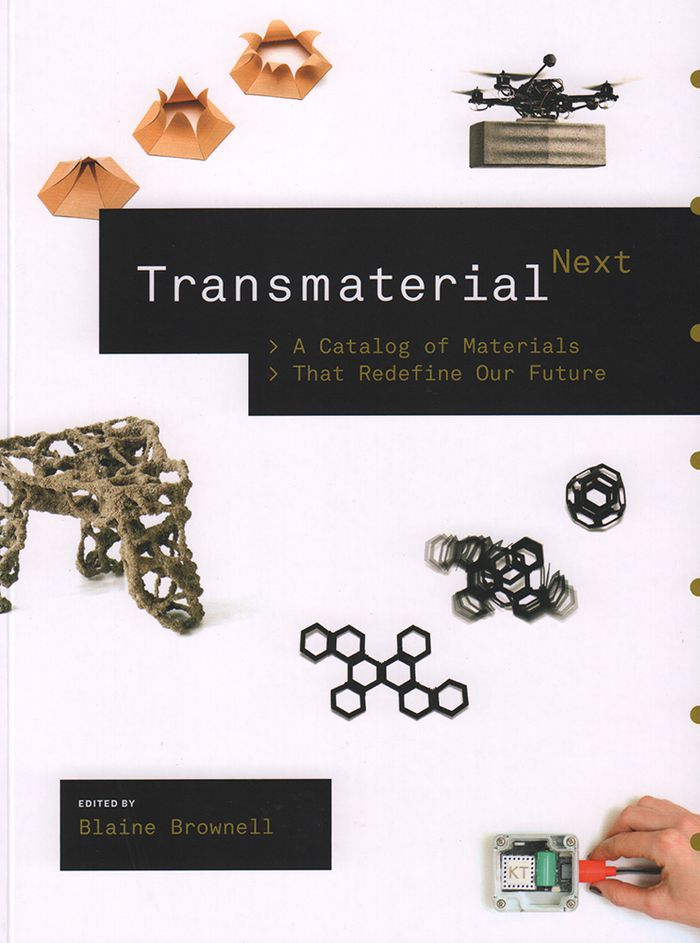
Virtually every revolution in architecture has been preceded by a revolution in materials: think iron, glass, steel, concrete, plastics, or composites. What is the next revolutionary material that will reshape the very nature of architecture? A solid that's lighter than air, metal latticework so delicate it rests on a dandelion, building insulation made from processed seaweed, self-generating microbial glue that repairs cracks in concrete, or transparent solar panels? Materials expert Blaine Brownell reveals emerging trends and applications that are transforming the technological capacity, environmental performance, and design potential of architecture
Transmaterial next: a catalog of materials that redefine our future
Actions:
Prix:
$57.00
(disponible sur commande)
Résumé:
Virtually every revolution in architecture has been preceded by a revolution in materials: think iron, glass, steel, concrete, plastics, or composites. What is the next revolutionary material that will reshape the very nature of architecture? A solid that's lighter than air, metal latticework so delicate it rests on a dandelion, building insulation made from processed seaweed, self-generating microbial glue that repairs cracks in concrete, or transparent solar panels? Materials expert Blaine Brownell reveals emerging trends and applications that are transforming the technological capacity, environmental performance, and design potential of architecture
Classification:
livres
livres
Publication:
mai 2017
mai 2017
Sujet:
Matériaux et éclairage
Matériaux et éclairage
Classification:
livres
livres
Actions:
Prix:
$71.00
(disponible sur commande)
Résumé:
This beautifully illustrated book offers a comprehensive look at the career of photographer William Notman (1826–1891). Born in Scotland, Notman emigrated to Canada in 1856; he settled in Montreal and opened a photography studio that later had branches throughout Canada and the United States. Notman documented the development of a continent, photographing street scenes(...)
$71.00
(disponible sur commande)
Résumé:
This beautifully illustrated book offers a comprehensive look at the career of photographer William Notman (1826–1891). Born in Scotland, Notman emigrated to Canada in 1856; he settled in Montreal and opened a photography studio that later had branches throughout Canada and the United States. Notman documented the development of a continent, photographing street scenes(...)
Publication:
décembre 2016
décembre 2016
Titre:
Notman: visionary photographer
Actions:
Prix:
$71.00
(disponible sur commande)
Résumé:
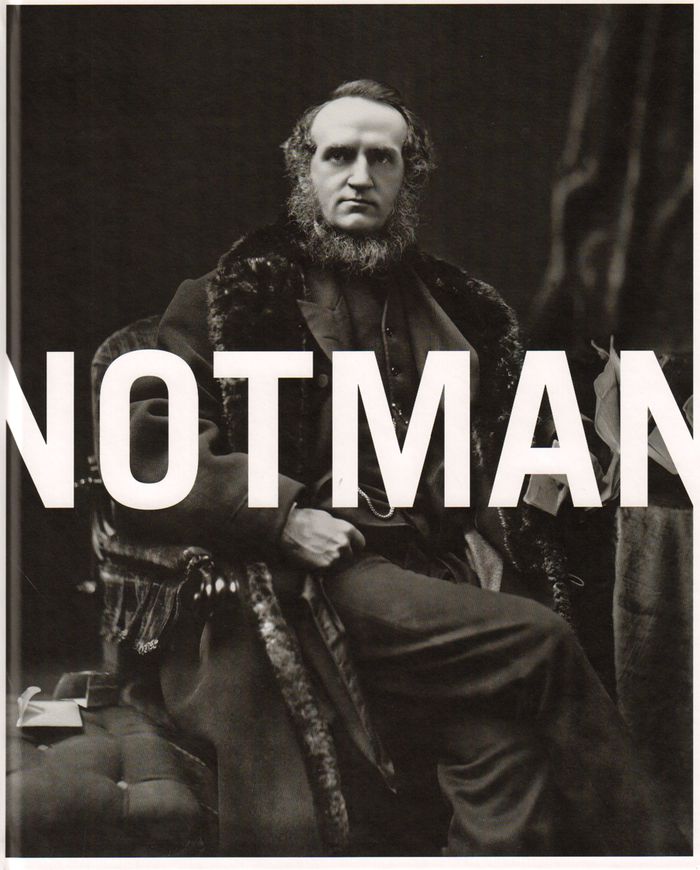
This beautifully illustrated book offers a comprehensive look at the career of photographer William Notman (1826–1891). Born in Scotland, Notman emigrated to Canada in 1856; he settled in Montreal and opened a photography studio that later had branches throughout Canada and the United States. Notman documented the development of a continent, photographing street scenes in burgeoning cities and modern transportation by steam and rail, and creating portraits of such notable figures as Mark Twain, Henry Wadsworth Longfellow, Sitting Bull, and Buffalo Bill. By fully exploiting the commercial and aesthetic potential of the rapidly advancing photographic technology, Notman contributed to the establishment of the socio-economic prominence of Montreal and played a key role in the formation of a Canadian national identity. Published and unpublished photographs are paired with texts that explore the photographer’s numerous achievements.
Notman: visionary photographer
Actions:
Prix:
$71.00
(disponible sur commande)
Résumé:
This beautifully illustrated book offers a comprehensive look at the career of photographer William Notman (1826–1891). Born in Scotland, Notman emigrated to Canada in 1856; he settled in Montreal and opened a photography studio that later had branches throughout Canada and the United States. Notman documented the development of a continent, photographing street scenes in burgeoning cities and modern transportation by steam and rail, and creating portraits of such notable figures as Mark Twain, Henry Wadsworth Longfellow, Sitting Bull, and Buffalo Bill. By fully exploiting the commercial and aesthetic potential of the rapidly advancing photographic technology, Notman contributed to the establishment of the socio-economic prominence of Montreal and played a key role in the formation of a Canadian national identity. Published and unpublished photographs are paired with texts that explore the photographer’s numerous achievements.
Classification:
livres
livres
Publication:
décembre 2016
décembre 2016
Classification:
livres
livres
Actions:
Prix:
$65.00
(disponible sur commande)
Résumé:
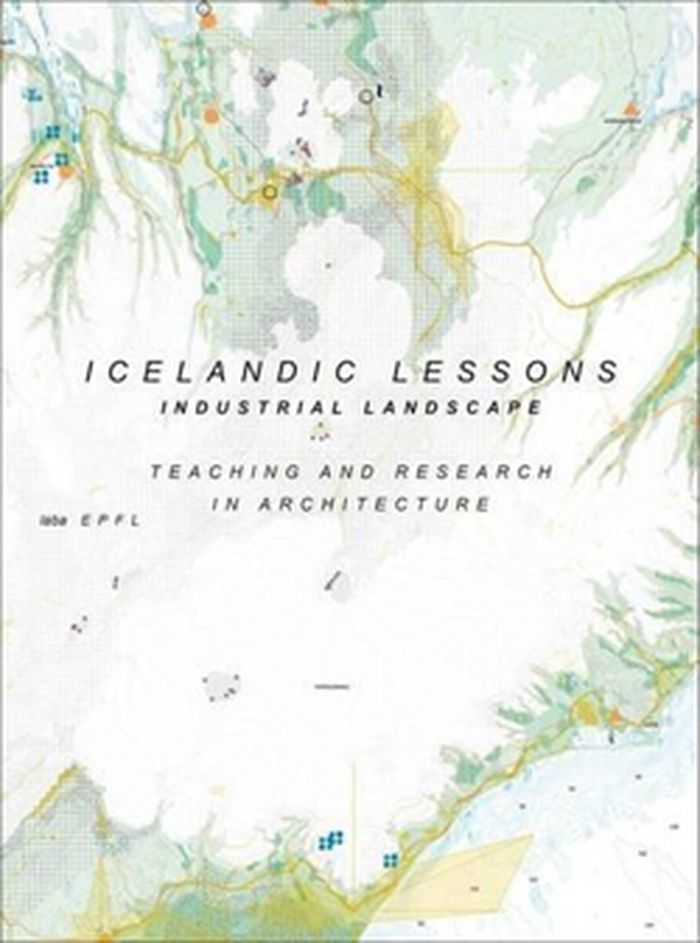
Icelandic Lessons presents the findings from recent research efforts undertaken by Laboratory Basel (Laba), founded in 2005 as a satellite studio affiliated with the École Polytechnique Fédérale de Lausanne. Swiss architect Harry Gugger established the studio with the aim of offering an all-encompassing education that enables architects to understand the design and(...)
$65.00
(disponible sur commande)
Résumé:
Icelandic Lessons presents the findings from recent research efforts undertaken by Laboratory Basel (Laba), founded in 2005 as a satellite studio affiliated with the École Polytechnique Fédérale de Lausanne. Swiss architect Harry Gugger established the studio with the aim of offering an all-encompassing education that enables architects to understand the design and(...)
Titre:
Icelandic lessons: industrial landscape
Actions:
Prix:
$65.00
(disponible sur commande)
Résumé:
Icelandic Lessons presents the findings from recent research efforts undertaken by Laboratory Basel (Laba), founded in 2005 as a satellite studio affiliated with the École Polytechnique Fédérale de Lausanne. Swiss architect Harry Gugger established the studio with the aim of offering an all-encompassing education that enables architects to understand the design and building process in its entirety, and thus be proactive participants in the creation of the built environment. The objective of Laba’s most recent research was to investigate the potential spatial and ecological impact of industrialization on Iceland by exploring key areas of conflict, including the relationships between landscape and architecture, rural and urban areas, and nature and culture, among others.
Icelandic lessons: industrial landscape
Actions:
Prix:
$65.00
(disponible sur commande)
Résumé:
Icelandic Lessons presents the findings from recent research efforts undertaken by Laboratory Basel (Laba), founded in 2005 as a satellite studio affiliated with the École Polytechnique Fédérale de Lausanne. Swiss architect Harry Gugger established the studio with the aim of offering an all-encompassing education that enables architects to understand the design and building process in its entirety, and thus be proactive participants in the creation of the built environment. The objective of Laba’s most recent research was to investigate the potential spatial and ecological impact of industrialization on Iceland by exploring key areas of conflict, including the relationships between landscape and architecture, rural and urban areas, and nature and culture, among others.
Classification:
livres
livres
Publication:
janvier 2016
janvier 2016
Sujet:
Théorie de l’architecture
Théorie de l’architecture


