


10594 Résultats
Classification:
livres
livres
Prix:
$48.95
(disponible en magasin)
Résumé:
Architect and philosopher Hélène Frichot examines how the discipline of architecture is theorized and practiced at the periphery. Eschewing a conventionally direct approach to architectural objects – to iconic buildings and big-name architects – she instead explores the background of architectural practice, to introduce the creative ecologies in which architecture exists(...)
$48.95
(disponible en magasin)
Résumé:
Architect and philosopher Hélène Frichot examines how the discipline of architecture is theorized and practiced at the periphery. Eschewing a conventionally direct approach to architectural objects – to iconic buildings and big-name architects – she instead explores the background of architectural practice, to introduce the creative ecologies in which architecture exists(...)
Titre:
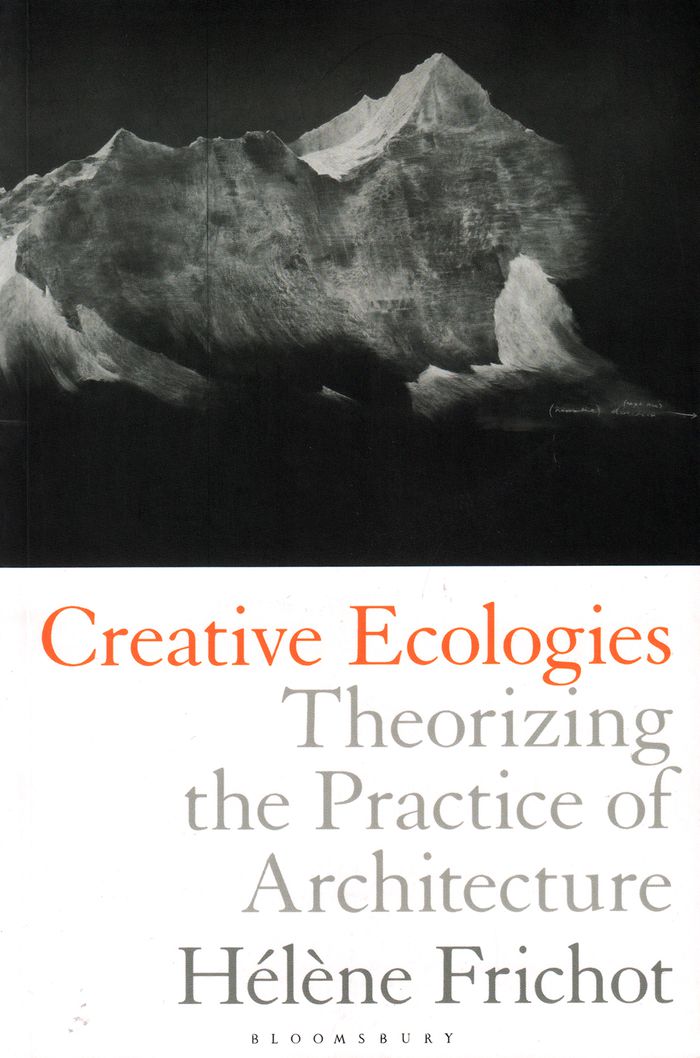
Creative ecologies: theorizing the practice of architecture
Actions:
Prix:
$48.95
(disponible en magasin)
Résumé:
Architect and philosopher Hélène Frichot examines how the discipline of architecture is theorized and practiced at the periphery. Eschewing a conventionally direct approach to architectural objects – to iconic buildings and big-name architects – she instead explores the background of architectural practice, to introduce the creative ecologies in which architecture exists only in relation to other objects and ideas. This book is concerned with 'other ways of doing architecture'. It examines architecture at the limits where it is muddied by alternative disciplinary influences – whether art practice, philosophy or literature. Frichot meets a range of creative characters who work at the peripheries, and who challenge the central assumptions of the discipline, showing that there is no 'core of architecture' – there is rather architecture as a multiplicity of diverse concerns in engagement with local environments and worlds.
Creative ecologies: theorizing the practice of architecture
Actions:
Prix:
$48.95
(disponible en magasin)
Résumé:
Architect and philosopher Hélène Frichot examines how the discipline of architecture is theorized and practiced at the periphery. Eschewing a conventionally direct approach to architectural objects – to iconic buildings and big-name architects – she instead explores the background of architectural practice, to introduce the creative ecologies in which architecture exists only in relation to other objects and ideas. This book is concerned with 'other ways of doing architecture'. It examines architecture at the limits where it is muddied by alternative disciplinary influences – whether art practice, philosophy or literature. Frichot meets a range of creative characters who work at the peripheries, and who challenge the central assumptions of the discipline, showing that there is no 'core of architecture' – there is rather architecture as a multiplicity of diverse concerns in engagement with local environments and worlds.
Classification:
livres
livres
Publication:
décembre 2018
décembre 2018
Sujet:
Théorie de l’architecture
Théorie de l’architecture
Classification:
livres
livres
Titre:
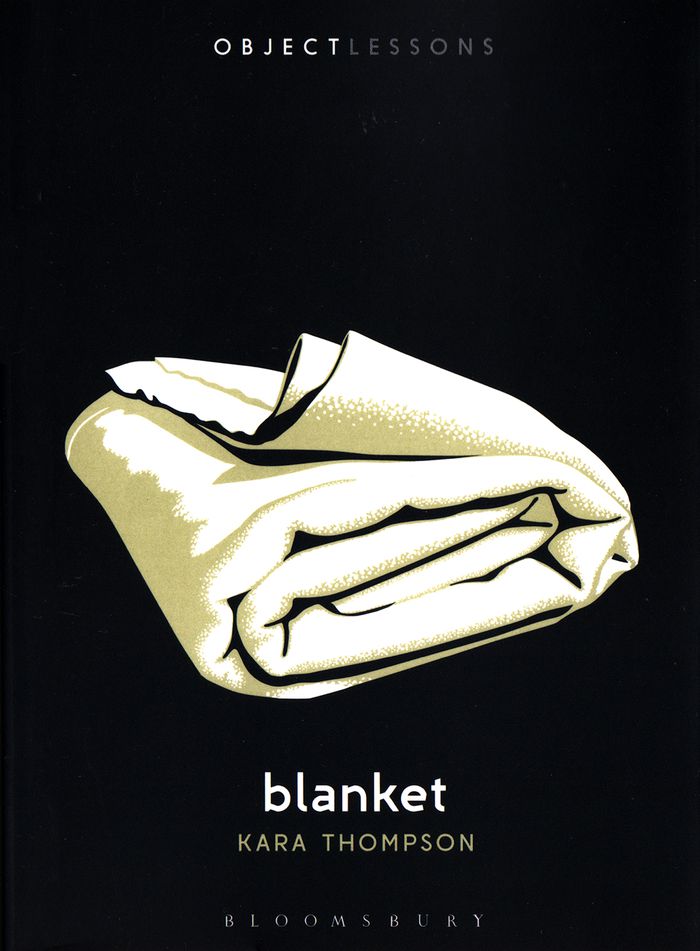
Blanket (object lessons)
Blanket (object lessons)
Actions:
Prix:
$20.90
(disponible sur commande)
Résumé:
We are born into blankets. They keep us alive and they cover us in death. We pull and tug on blankets to see us through the night or an illness. They shield us in mourning and witness our most intimate pleasures. Curious, fearless, vulnerable, and critical, "Blanket" interweaves cultural critique with memoir to cast new light on a ubiquitous object. Kara Thompson reveals(...)
$20.90
(disponible sur commande)
Résumé:
We are born into blankets. They keep us alive and they cover us in death. We pull and tug on blankets to see us through the night or an illness. They shield us in mourning and witness our most intimate pleasures. Curious, fearless, vulnerable, and critical, "Blanket" interweaves cultural critique with memoir to cast new light on a ubiquitous object. Kara Thompson reveals(...)
Titre:
Blanket (object lessons)
Actions:
Prix:
$20.90
(disponible sur commande)
Résumé:
We are born into blankets. They keep us alive and they cover us in death. We pull and tug on blankets to see us through the night or an illness. They shield us in mourning and witness our most intimate pleasures. Curious, fearless, vulnerable, and critical, "Blanket" interweaves cultural critique with memoir to cast new light on a ubiquitous object. Kara Thompson reveals blankets everywhere--film, art, geology, disasters, battlefields, resistance, home--and transforms an ordinary thing into a vibrant and vital carrier of stories and secrets, an object of inheritance and belonging, a companion to uncover. "Object Lessons" is published in partnership with an essay series in the The Atlantic.
Blanket (object lessons)
Actions:
Prix:
$20.90
(disponible sur commande)
Résumé:
We are born into blankets. They keep us alive and they cover us in death. We pull and tug on blankets to see us through the night or an illness. They shield us in mourning and witness our most intimate pleasures. Curious, fearless, vulnerable, and critical, "Blanket" interweaves cultural critique with memoir to cast new light on a ubiquitous object. Kara Thompson reveals blankets everywhere--film, art, geology, disasters, battlefields, resistance, home--and transforms an ordinary thing into a vibrant and vital carrier of stories and secrets, an object of inheritance and belonging, a companion to uncover. "Object Lessons" is published in partnership with an essay series in the The Atlantic.
Classification:
livres
livres
Publication:
septembre 2018
septembre 2018
Sujet:
Théorie du design
Théorie du design
Classification:
livres
livres
Prix:
$43.95
(disponible sur commande)
Résumé:
Bringing the creative process of three contemporary artists into conversation, ''Architectures of the Unforeseen'' stages an encounter between philosophy and art and design. Its prose invites the reader to think along with Brian Massumi as he thoroughly embodies the work of these artists, walking the line that separates theory from art and providing equally nurturing(...)
$43.95
(disponible sur commande)
Résumé:
Bringing the creative process of three contemporary artists into conversation, ''Architectures of the Unforeseen'' stages an encounter between philosophy and art and design. Its prose invites the reader to think along with Brian Massumi as he thoroughly embodies the work of these artists, walking the line that separates theory from art and providing equally nurturing(...)
Titre:
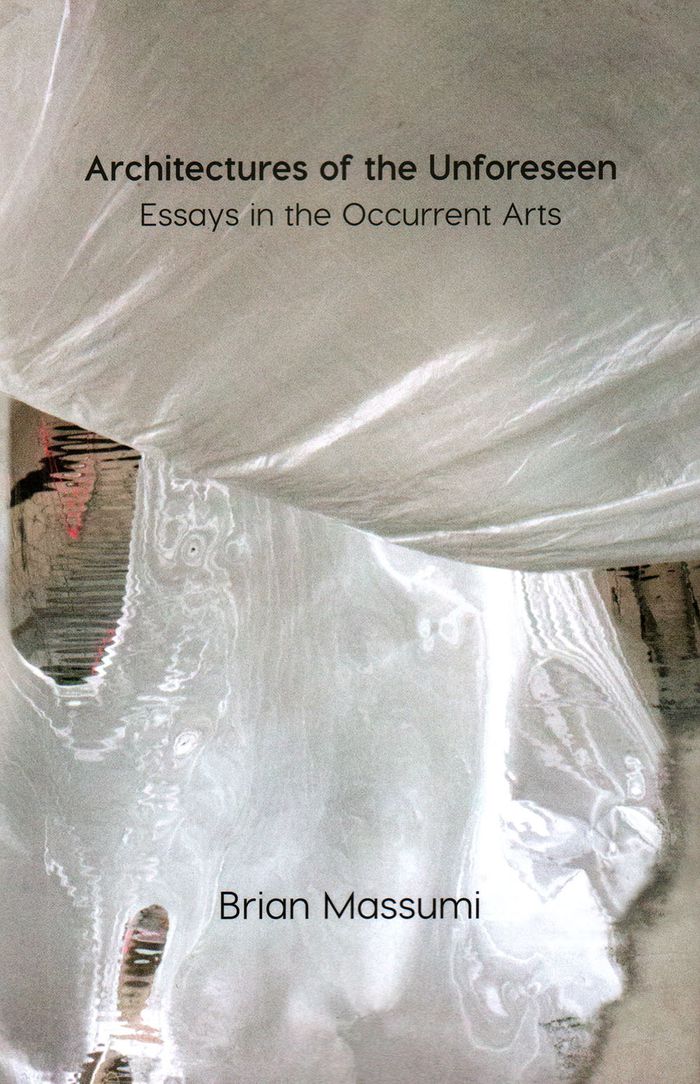
Architectures of the unforeseen: essays in the occurrent arts
Actions:
Prix:
$43.95
(disponible sur commande)
Résumé:
Bringing the creative process of three contemporary artists into conversation, ''Architectures of the Unforeseen'' stages an encounter between philosophy and art and design. Its prose invites the reader to think along with Brian Massumi as he thoroughly embodies the work of these artists, walking the line that separates theory from art and providing equally nurturing sustenance for practicing artists and working philosophers. Based on Massumi’s lengthy relationships with digital architect Greg Lynn, interactive media artist Rafael-Lozano Hemmer, and mixed-media installation creator Simryn Gill, ''Architectures of the Unforeseen' delves into their processes of creating art. The book’s primary interest is in what motivates each artist’s practice and in how their pieces work to give off their unique effects.
Architectures of the unforeseen: essays in the occurrent arts
Actions:
Prix:
$43.95
(disponible sur commande)
Résumé:
Bringing the creative process of three contemporary artists into conversation, ''Architectures of the Unforeseen'' stages an encounter between philosophy and art and design. Its prose invites the reader to think along with Brian Massumi as he thoroughly embodies the work of these artists, walking the line that separates theory from art and providing equally nurturing sustenance for practicing artists and working philosophers. Based on Massumi’s lengthy relationships with digital architect Greg Lynn, interactive media artist Rafael-Lozano Hemmer, and mixed-media installation creator Simryn Gill, ''Architectures of the Unforeseen' delves into their processes of creating art. The book’s primary interest is in what motivates each artist’s practice and in how their pieces work to give off their unique effects.
Classification:
livres
livres
Publication:
juin 2019
juin 2019
Sujet:
Théorie de l’art
Théorie de l’art
Classification:
livres
livres
Titre:
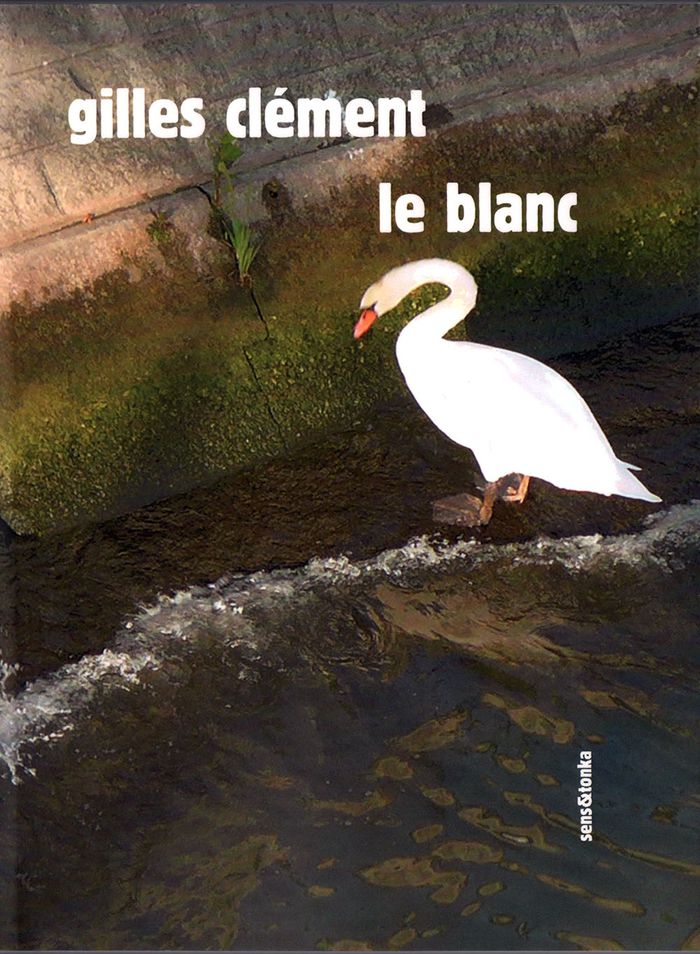
Le blanc
Le blanc
Actions:
Prix:
$35.00
(disponible en magasin)
Résumé:
« Je ne me serais pas intéressé au blanc s’il n’apparaissait constamment comme une anomalie du paysage, tantôt le valorisant, tantôt le dégradant. "Dans la nature, le blanc n’existe pas". Assertion frappante. Je la tiens de Bernard Lassus, alors enseignant en art plastique à l’École du paysage de Versailles. D’une manière ou d’une autre, les composantes inertes du paysage(...)
$35.00
(disponible en magasin)
Résumé:
« Je ne me serais pas intéressé au blanc s’il n’apparaissait constamment comme une anomalie du paysage, tantôt le valorisant, tantôt le dégradant. "Dans la nature, le blanc n’existe pas". Assertion frappante. Je la tiens de Bernard Lassus, alors enseignant en art plastique à l’École du paysage de Versailles. D’une manière ou d’une autre, les composantes inertes du paysage(...)
Titre:
Le blanc
Actions:
Prix:
$35.00
(disponible en magasin)
Résumé:
« Je ne me serais pas intéressé au blanc s’il n’apparaissait constamment comme une anomalie du paysage, tantôt le valorisant, tantôt le dégradant. "Dans la nature, le blanc n’existe pas". Assertion frappante. Je la tiens de Bernard Lassus, alors enseignant en art plastique à l’École du paysage de Versailles. D’une manière ou d’une autre, les composantes inertes du paysage se trouvent liées au vivant en tant que système mais il arrive qu’on les perçoive pour elles-mêmes sans identifier les êtres auxquels elles se trouvent associées : une plage de sable blanc, une cime enneigée, une falaise de craie. Le blanc intervient alors de façon massive, occupant tout le regard et, même s’il s’agit d’un phénomène temporaire – le ciel, l’écume, la neige – il peut identifier un territoire durablement. » G. C.
Le blanc
Actions:
Prix:
$35.00
(disponible en magasin)
Résumé:
« Je ne me serais pas intéressé au blanc s’il n’apparaissait constamment comme une anomalie du paysage, tantôt le valorisant, tantôt le dégradant. "Dans la nature, le blanc n’existe pas". Assertion frappante. Je la tiens de Bernard Lassus, alors enseignant en art plastique à l’École du paysage de Versailles. D’une manière ou d’une autre, les composantes inertes du paysage se trouvent liées au vivant en tant que système mais il arrive qu’on les perçoive pour elles-mêmes sans identifier les êtres auxquels elles se trouvent associées : une plage de sable blanc, une cime enneigée, une falaise de craie. Le blanc intervient alors de façon massive, occupant tout le regard et, même s’il s’agit d’un phénomène temporaire – le ciel, l’écume, la neige – il peut identifier un territoire durablement. » G. C.
Classification:
livres
livres
Publication:
octobre 2018
octobre 2018
Sujet:
Théorie du paysage
Théorie du paysage
Classification:
livres
livres
Prix:
$49.95
(disponible sur commande)
Résumé:
Les territoires qui ne sont ni la ville ni la campagne, mais empruntent à l’une et à l’autre, connaissent une forte croissance démographique, sous la forme d’une ville discontinue. Les campagnes urbaines dépendent tout autant des villes centres que des flux de la mondialisation et de leurs relations avec les villages, les bourgs, la ruralité, les paysages, tout ce capital(...)
$49.95
(disponible sur commande)
Résumé:
Les territoires qui ne sont ni la ville ni la campagne, mais empruntent à l’une et à l’autre, connaissent une forte croissance démographique, sous la forme d’une ville discontinue. Les campagnes urbaines dépendent tout autant des villes centres que des flux de la mondialisation et de leurs relations avec les villages, les bourgs, la ruralité, les paysages, tout ce capital(...)
Titre:
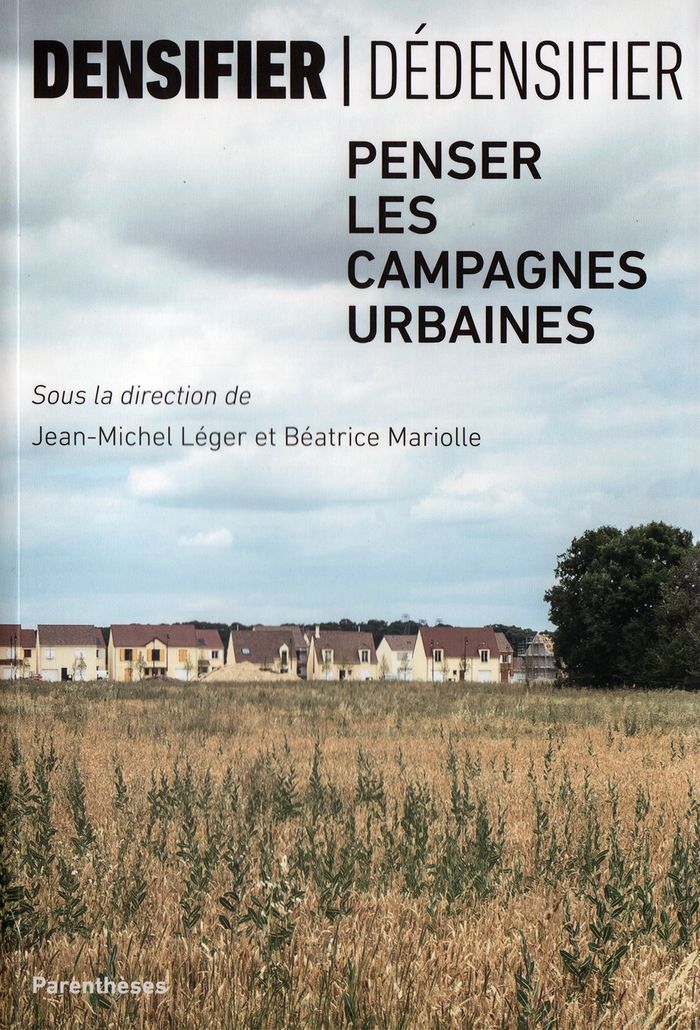
Densifier / dédensifier : penser les campagnes urbaines
Actions:
Prix:
$49.95
(disponible sur commande)
Résumé:
Les territoires qui ne sont ni la ville ni la campagne, mais empruntent à l’une et à l’autre, connaissent une forte croissance démographique, sous la forme d’une ville discontinue. Les campagnes urbaines dépendent tout autant des villes centres que des flux de la mondialisation et de leurs relations avec les villages, les bourgs, la ruralité, les paysages, tout ce capital de manières d’habiter qui font d’elles des lieux désirables. L’avenir de ces espaces fragiles est un défi social et paysager, économique et écologique considérable. L’ouvrage explore la manière dont les campagnes urbaines peuvent accueillir des formes nouvelles de densification ou doivent au contraire être dé-densifiées, en conciliant la pression démographique et foncière avec la préservation des sols et des paysages.
Densifier / dédensifier : penser les campagnes urbaines
Actions:
Prix:
$49.95
(disponible sur commande)
Résumé:
Les territoires qui ne sont ni la ville ni la campagne, mais empruntent à l’une et à l’autre, connaissent une forte croissance démographique, sous la forme d’une ville discontinue. Les campagnes urbaines dépendent tout autant des villes centres que des flux de la mondialisation et de leurs relations avec les villages, les bourgs, la ruralité, les paysages, tout ce capital de manières d’habiter qui font d’elles des lieux désirables. L’avenir de ces espaces fragiles est un défi social et paysager, économique et écologique considérable. L’ouvrage explore la manière dont les campagnes urbaines peuvent accueillir des formes nouvelles de densification ou doivent au contraire être dé-densifiées, en conciliant la pression démographique et foncière avec la préservation des sols et des paysages.
Classification:
livres
livres
Publication:
janvier 2019
janvier 2019
Sujet:
Théorie de l’urbanisme
Théorie de l’urbanisme
Classification:
livres
livres
Prix:
$36.50
(disponible sur commande)
Résumé:
What good is design? In a world facing social unrest, political tribalism, and impending ecological doom, Tomás Maldonado poses philosophical inquiries into the role design plays during a moment of crisis and analyzes what “design” might mean as an ever-enlarging compass beyond stylization of specific objects. He discusses how design is both influenced by and central to(...)
$36.50
(disponible sur commande)
Résumé:
What good is design? In a world facing social unrest, political tribalism, and impending ecological doom, Tomás Maldonado poses philosophical inquiries into the role design plays during a moment of crisis and analyzes what “design” might mean as an ever-enlarging compass beyond stylization of specific objects. He discusses how design is both influenced by and central to(...)
Titre:
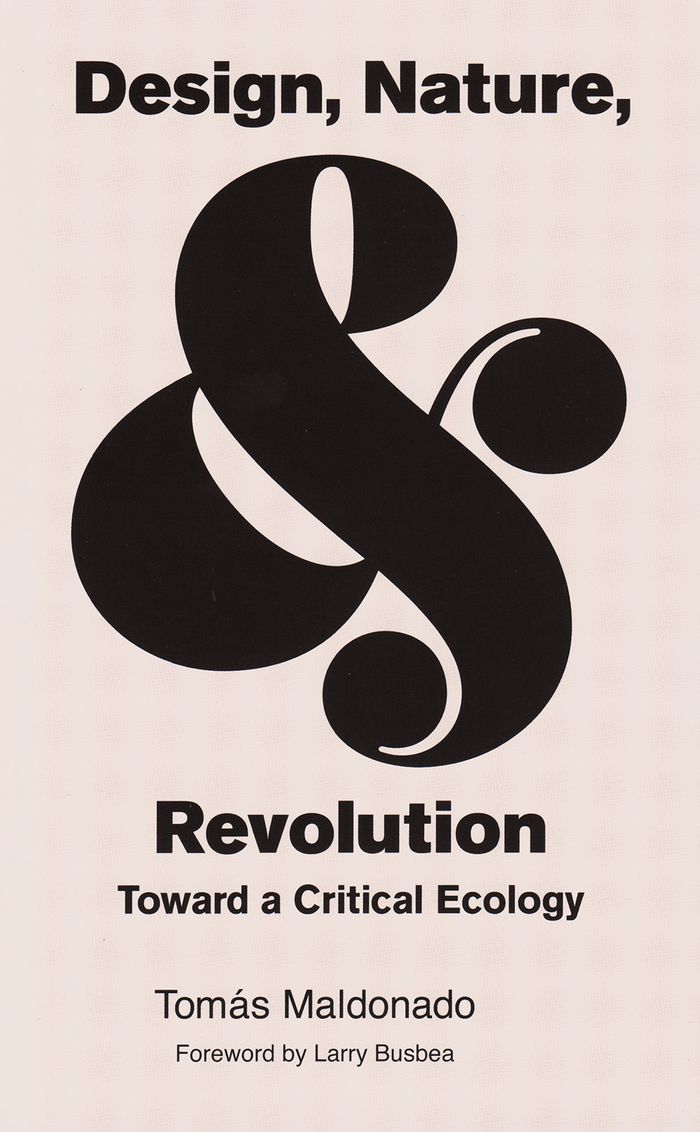
Design, nature and revolution: towards a critical ecology
Actions:
Prix:
$36.50
(disponible sur commande)
Résumé:
What good is design? In a world facing social unrest, political tribalism, and impending ecological doom, Tomás Maldonado poses philosophical inquiries into the role design plays during a moment of crisis and analyzes what “design” might mean as an ever-enlarging compass beyond stylization of specific objects. He discusses how design is both influenced by and central to ecological crisis. Written as a kind of obituary to the Modern movement’s wave of failed “concrete utopias,” Maldonado combines philosophy, sociology, radical countercultural thought, and the ecological sciences into a polemic that recenters design in the human environment.
Design, nature and revolution: towards a critical ecology
Actions:
Prix:
$36.50
(disponible sur commande)
Résumé:
What good is design? In a world facing social unrest, political tribalism, and impending ecological doom, Tomás Maldonado poses philosophical inquiries into the role design plays during a moment of crisis and analyzes what “design” might mean as an ever-enlarging compass beyond stylization of specific objects. He discusses how design is both influenced by and central to ecological crisis. Written as a kind of obituary to the Modern movement’s wave of failed “concrete utopias,” Maldonado combines philosophy, sociology, radical countercultural thought, and the ecological sciences into a polemic that recenters design in the human environment.
Classification:
livres
livres
Publication:
avril 2019
avril 2019
Sujet:
Théorie du design
Théorie du design
Classification:
livres
livres
Titre:
Marina Baie des Anges
Marina Baie des Anges
Actions:
Prix:
$19.00
(disponible sur commande)
Résumé:
Contrepoint du Port-Grimaud (1962-1967) de François Spoerry – mais d'une échelle balnéaire et d'un tourisme de masse bien moindre que La Grande-Motte (1966-1982) de Jean Balladur –, la Marina Baie des Anges (1967-1993) constitue une opération de standing unique, aussi adulée que décriée : un « label », synonyme d'affairisme mégalomane et de bétonnage sauvage, autant que(...)
$19.00
(disponible sur commande)
Résumé:
Contrepoint du Port-Grimaud (1962-1967) de François Spoerry – mais d'une échelle balnéaire et d'un tourisme de masse bien moindre que La Grande-Motte (1966-1982) de Jean Balladur –, la Marina Baie des Anges (1967-1993) constitue une opération de standing unique, aussi adulée que décriée : un « label », synonyme d'affairisme mégalomane et de bétonnage sauvage, autant que(...)
Titre:
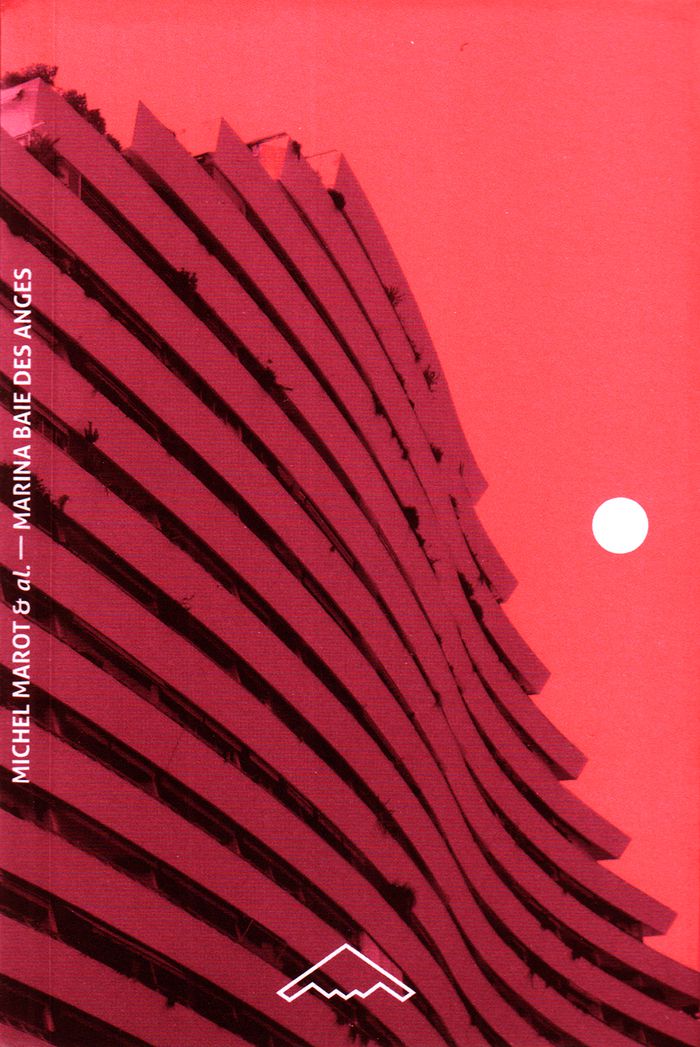
Marina Baie des Anges
Actions:
Prix:
$19.00
(disponible sur commande)
Résumé:
Contrepoint du Port-Grimaud (1962-1967) de François Spoerry – mais d'une échelle balnéaire et d'un tourisme de masse bien moindre que La Grande-Motte (1966-1982) de Jean Balladur –, la Marina Baie des Anges (1967-1993) constitue une opération de standing unique, aussi adulée que décriée : un « label », synonyme d'affairisme mégalomane et de bétonnage sauvage, autant que de talent de son architecte officiel, André Minangoy, et de Michel Marot, le Grand Prix de Rome de l'ombre. Restitué dans son époque, ce complexe épouse aussi des horizons plus larges : ceux de l'aménagement stratégique du Grand Sud piloté depuis l'Élysée, de la conurbation touristique d'Antibes à Menton, de la promotion immobilière et de la création du Conservatoire au Littoral...
Marina Baie des Anges
Actions:
Prix:
$19.00
(disponible sur commande)
Résumé:
Contrepoint du Port-Grimaud (1962-1967) de François Spoerry – mais d'une échelle balnéaire et d'un tourisme de masse bien moindre que La Grande-Motte (1966-1982) de Jean Balladur –, la Marina Baie des Anges (1967-1993) constitue une opération de standing unique, aussi adulée que décriée : un « label », synonyme d'affairisme mégalomane et de bétonnage sauvage, autant que de talent de son architecte officiel, André Minangoy, et de Michel Marot, le Grand Prix de Rome de l'ombre. Restitué dans son époque, ce complexe épouse aussi des horizons plus larges : ceux de l'aménagement stratégique du Grand Sud piloté depuis l'Élysée, de la conurbation touristique d'Antibes à Menton, de la promotion immobilière et de la création du Conservatoire au Littoral...
Classification:
livres
livres
Publication:
décembre 2018
décembre 2018
Sujet:
Théorie de l’architecture
Théorie de l’architecture
Classification:
livres
livres
Actions:
Prix:
$37.00
(disponible sur commande)
Résumé:
We are living in a time of deep divisions. Americans are sorting themselves along racial, religious, and cultural lines, leading to a level of polarization that the country hasn't seen since the Civil War. Pundits and politicians are calling for us to come together, to find common purpose. But how, exactly, can this be done? In ''Palaces for the People'', Eric Klinenberg(...)
$37.00
(disponible sur commande)
Résumé:
We are living in a time of deep divisions. Americans are sorting themselves along racial, religious, and cultural lines, leading to a level of polarization that the country hasn't seen since the Civil War. Pundits and politicians are calling for us to come together, to find common purpose. But how, exactly, can this be done? In ''Palaces for the People'', Eric Klinenberg(...)
Titre:
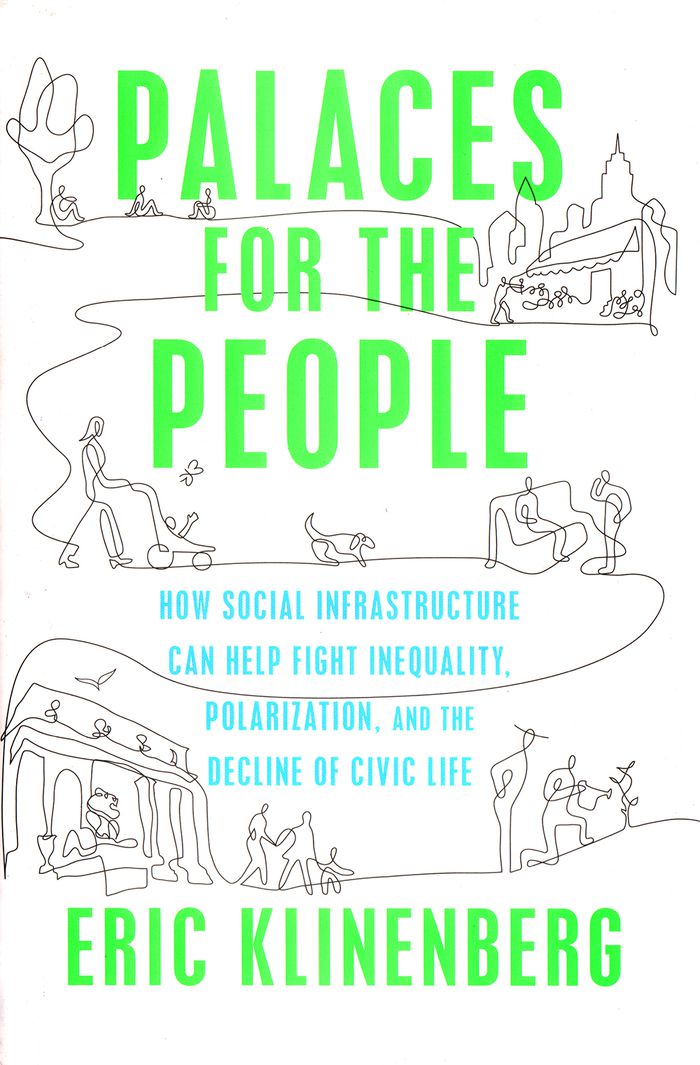
Palaces for the people: how social infrastructure can help fight inequality
Actions:
Prix:
$37.00
(disponible sur commande)
Résumé:
We are living in a time of deep divisions. Americans are sorting themselves along racial, religious, and cultural lines, leading to a level of polarization that the country hasn't seen since the Civil War. Pundits and politicians are calling for us to come together, to find common purpose. But how, exactly, can this be done? In ''Palaces for the People'', Eric Klinenberg suggests a way forward. He believes that the future of democratic societies rests not simply on shared values but on shared spaces where crucial, sometimes life-saving connections, are formed. These are places where people gather and linger, making friends across group lines and strengthening the entire community. Klinenberg calls this the ''social infrastructure'': When it is strong, neighborhoods flourish; when it is neglected, as it has been in recent years, families and individuals must fend for themselves.
Palaces for the people: how social infrastructure can help fight inequality
Actions:
Prix:
$37.00
(disponible sur commande)
Résumé:
We are living in a time of deep divisions. Americans are sorting themselves along racial, religious, and cultural lines, leading to a level of polarization that the country hasn't seen since the Civil War. Pundits and politicians are calling for us to come together, to find common purpose. But how, exactly, can this be done? In ''Palaces for the People'', Eric Klinenberg suggests a way forward. He believes that the future of democratic societies rests not simply on shared values but on shared spaces where crucial, sometimes life-saving connections, are formed. These are places where people gather and linger, making friends across group lines and strengthening the entire community. Klinenberg calls this the ''social infrastructure'': When it is strong, neighborhoods flourish; when it is neglected, as it has been in recent years, families and individuals must fend for themselves.
Classification:
livres
livres
Publication:
septembre 2018
septembre 2018
Sujet:
Théorie de l’urbanisme
Théorie de l’urbanisme
Classification:
livres
livres
Prix:
$49.95
(disponible sur commande)
Résumé:
Through eight thematic case studies that illuminate what eco art means in practice, reception, and history, Cheetham places the form in a longer and broader art-historical context. He considers a wide range of media—from painting, sculpture, and photography to artists’ films, video, sound work, animation, and installation—and analyzes the work of internationally prominent(...)
$49.95
(disponible sur commande)
Résumé:
Through eight thematic case studies that illuminate what eco art means in practice, reception, and history, Cheetham places the form in a longer and broader art-historical context. He considers a wide range of media—from painting, sculpture, and photography to artists’ films, video, sound work, animation, and installation—and analyzes the work of internationally prominent(...)
Titre:
Landscape into eco art: articulations of nature since the 60s
Actions:
Prix:
$49.95
(disponible sur commande)
Résumé:
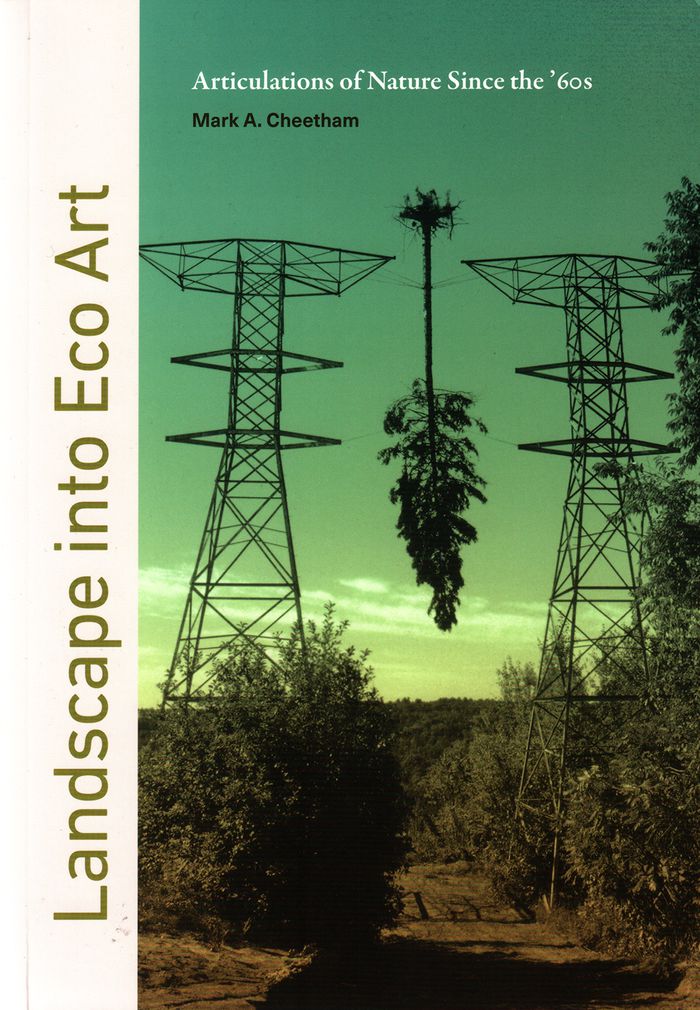
Through eight thematic case studies that illuminate what eco art means in practice, reception, and history, Cheetham places the form in a longer and broader art-historical context. He considers a wide range of media—from painting, sculpture, and photography to artists’ films, video, sound work, animation, and installation—and analyzes the work of internationally prominent artists such as Olafur Eliasson, Nancy Holt, Mark Dion, and Robert Smithson. In doing so, Cheetham reveals eco art to be a dynamic extension of a long tradition of landscape depiction in the West that boldly enters into today’s debates on climate science, government policy, and our collective and individual responsibility to the planet.
Landscape into eco art: articulations of nature since the 60s
Actions:
Prix:
$49.95
(disponible sur commande)
Résumé:
Through eight thematic case studies that illuminate what eco art means in practice, reception, and history, Cheetham places the form in a longer and broader art-historical context. He considers a wide range of media—from painting, sculpture, and photography to artists’ films, video, sound work, animation, and installation—and analyzes the work of internationally prominent artists such as Olafur Eliasson, Nancy Holt, Mark Dion, and Robert Smithson. In doing so, Cheetham reveals eco art to be a dynamic extension of a long tradition of landscape depiction in the West that boldly enters into today’s debates on climate science, government policy, and our collective and individual responsibility to the planet.
Classification:
livres
livres
Publication:
février 2019
février 2019
Sujet:
Théorie de l’art
Théorie de l’art
Classification:
livres
livres
Titre:
Future rural archive
Future rural archive
Actions:
Prix:
$35.00
(disponible sur commande)
Résumé:
Through interdisciplinary approaches, this series explores and connects the changing realities of rural landscapes and communities around the world. Tucked inside the covers of this slim volume is a conversation—a chorus, a round. It takes place between the contributions, across a territory of blacktop, botany, and biography. It is as much a call and response between the(...)
$35.00
(disponible sur commande)
Résumé:
Through interdisciplinary approaches, this series explores and connects the changing realities of rural landscapes and communities around the world. Tucked inside the covers of this slim volume is a conversation—a chorus, a round. It takes place between the contributions, across a territory of blacktop, botany, and biography. It is as much a call and response between the(...)
Sujet:
Théorie de l’architecture
Théorie de l’architecture
Publication:
mars 2019
mars 2019
Titre:
Future rural archive
Actions:
Prix:
$35.00
(disponible sur commande)
Résumé:
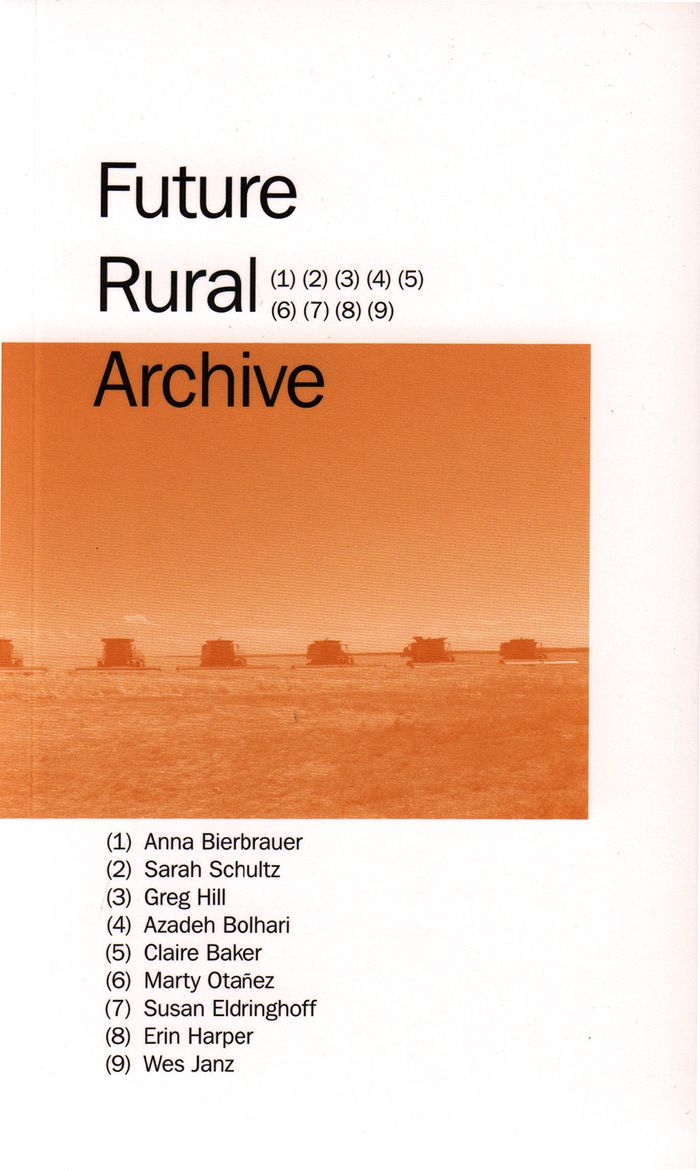
Through interdisciplinary approaches, this series explores and connects the changing realities of rural landscapes and communities around the world. Tucked inside the covers of this slim volume is a conversation—a chorus, a round. It takes place between the contributions, across a territory of blacktop, botany, and biography. It is as much a call and response between the writers and you, dear reader, as it is between what lays before us on that open road and what lies behind in the dust. In these pages we find ourselves caught between the ambiguous future of the title and—not the past—the artifacts of memory. This is the indefinite space of the future, the rural, and the archive.
Future rural archive
Actions:
Prix:
$35.00
(disponible sur commande)
Résumé:
Through interdisciplinary approaches, this series explores and connects the changing realities of rural landscapes and communities around the world. Tucked inside the covers of this slim volume is a conversation—a chorus, a round. It takes place between the contributions, across a territory of blacktop, botany, and biography. It is as much a call and response between the writers and you, dear reader, as it is between what lays before us on that open road and what lies behind in the dust. In these pages we find ourselves caught between the ambiguous future of the title and—not the past—the artifacts of memory. This is the indefinite space of the future, the rural, and the archive.
Classification:
livres
livres
Publication:
mars 2019
mars 2019
Sujet:
Théorie de l’architecture
Théorie de l’architecture


