


866 Résultats
Classification:
livres
livres
Actions:
Prix:
$110.00
(disponible sur commande)
Résumé:
To photograph avant-garde architecture is its own particular art, requiring careful attention to geometry, composition, lighting, and the ineluctable feel of a created space. In his famous photographs of modern architectural marvels, Marcel Chassot doesn’t merely capture a building’s appearance; he transports us to the space, recreating both its ambience and its grandeur.(...)
$110.00
(disponible sur commande)
Résumé:
To photograph avant-garde architecture is its own particular art, requiring careful attention to geometry, composition, lighting, and the ineluctable feel of a created space. In his famous photographs of modern architectural marvels, Marcel Chassot doesn’t merely capture a building’s appearance; he transports us to the space, recreating both its ambience and its grandeur.(...)
Titre:
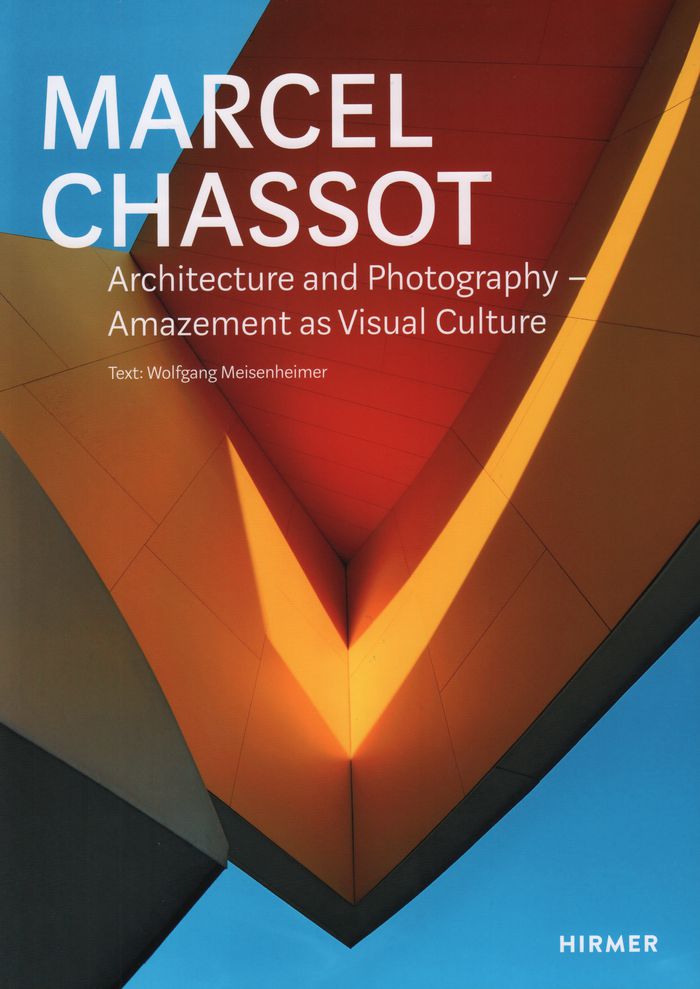
Marcel Chassot: architecture and photography. Amazement as visual culture
Actions:
Prix:
$110.00
(disponible sur commande)
Résumé:
To photograph avant-garde architecture is its own particular art, requiring careful attention to geometry, composition, lighting, and the ineluctable feel of a created space. In his famous photographs of modern architectural marvels, Marcel Chassot doesn’t merely capture a building’s appearance; he transports us to the space, recreating both its ambience and its grandeur. This volume assembles buildings designed by the giants of modern architecture—from Frank Gehry’s surrealist twists and stacks to Zaha Hadid’s formal speed and fluidity, from Beijing National Stadium to the Sony Center in Berlin and the World Trade Center Transportation Hub in New York—offering a wealth of scenes from international contemporary architecture. Wolfgang Meisenheimer sheds light on the fundamental principles of Chassot’s photographic worldview and distinguishes between three layers of thought in which the work is rooted: the Euclidean orders, echoes of the modern philosophy of the lived body, and the legacy of Cubism from the beginnings of modern painting. With its felicitous interplay of brilliant architectural photography, exquisite design, and thoughtfully researched essays, this book is a total work of art.
Marcel Chassot: architecture and photography. Amazement as visual culture
Actions:
Prix:
$110.00
(disponible sur commande)
Résumé:
To photograph avant-garde architecture is its own particular art, requiring careful attention to geometry, composition, lighting, and the ineluctable feel of a created space. In his famous photographs of modern architectural marvels, Marcel Chassot doesn’t merely capture a building’s appearance; he transports us to the space, recreating both its ambience and its grandeur. This volume assembles buildings designed by the giants of modern architecture—from Frank Gehry’s surrealist twists and stacks to Zaha Hadid’s formal speed and fluidity, from Beijing National Stadium to the Sony Center in Berlin and the World Trade Center Transportation Hub in New York—offering a wealth of scenes from international contemporary architecture. Wolfgang Meisenheimer sheds light on the fundamental principles of Chassot’s photographic worldview and distinguishes between three layers of thought in which the work is rooted: the Euclidean orders, echoes of the modern philosophy of the lived body, and the legacy of Cubism from the beginnings of modern painting. With its felicitous interplay of brilliant architectural photography, exquisite design, and thoughtfully researched essays, this book is a total work of art.
Classification:
livres
livres
Publication:
août 2018
août 2018
Sujet:
Monographies photo
Monographies photo
Classification:
livres
livres
Titre:
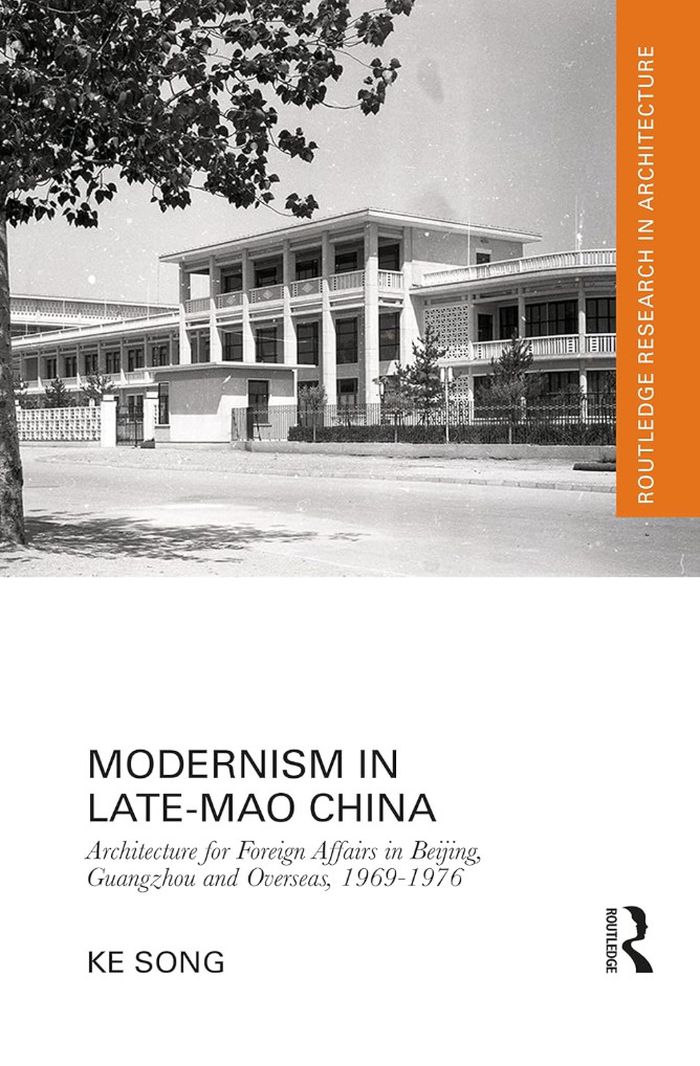
Modernism in late-Mao China
Modernism in late-Mao China
Actions:
Prix:
$81.50
(disponible en magasin)
Résumé:
This book investigates the architectural history of China in the Mao era (1949–1976), focusing on the rise of modernism in the last seven years of the Cultural Revolution from 1969 to 1976. It highlights the new architecture of this period, exemplified by three clusters of buildings for foreign affairs, namely buildings for foreign diplomacy in Beijing, buildings for(...)
$81.50
(disponible en magasin)
Résumé:
This book investigates the architectural history of China in the Mao era (1949–1976), focusing on the rise of modernism in the last seven years of the Cultural Revolution from 1969 to 1976. It highlights the new architecture of this period, exemplified by three clusters of buildings for foreign affairs, namely buildings for foreign diplomacy in Beijing, buildings for(...)
Titre:
Modernism in late-Mao China
Actions:
Prix:
$81.50
(disponible en magasin)
Résumé:
This book investigates the architectural history of China in the Mao era (1949–1976), focusing on the rise of modernism in the last seven years of the Cultural Revolution from 1969 to 1976. It highlights the new architecture of this period, exemplified by three clusters of buildings for foreign affairs, namely buildings for foreign diplomacy in Beijing, buildings for foreign trade in Guangzhou and China’s foreign aid projects overseas. The emergence of new architecture in the early 1970s is closely associated with China’s political and diplomatic shift of the time, from a radical emphasis on ideological struggle to a dynamic balance between leftist ideology and pragmatic concerns. In this context, China’s relations with the West quickly improved, culminating with American president Richard Nixon’s visit to China in 1972. The increasing foreign affairs brought new opportunities to Chinese architects who referenced both Western modernism and Chinese architectural traditions to create a new version of Chinese modernism. The book brings dimensions of form, politics and knowledge to the analysis of architecture, to construct an understanding of architectural design as an aesthetic, political and intellectual practice.
Modernism in late-Mao China
Actions:
Prix:
$81.50
(disponible en magasin)
Résumé:
This book investigates the architectural history of China in the Mao era (1949–1976), focusing on the rise of modernism in the last seven years of the Cultural Revolution from 1969 to 1976. It highlights the new architecture of this period, exemplified by three clusters of buildings for foreign affairs, namely buildings for foreign diplomacy in Beijing, buildings for foreign trade in Guangzhou and China’s foreign aid projects overseas. The emergence of new architecture in the early 1970s is closely associated with China’s political and diplomatic shift of the time, from a radical emphasis on ideological struggle to a dynamic balance between leftist ideology and pragmatic concerns. In this context, China’s relations with the West quickly improved, culminating with American president Richard Nixon’s visit to China in 1972. The increasing foreign affairs brought new opportunities to Chinese architects who referenced both Western modernism and Chinese architectural traditions to create a new version of Chinese modernism. The book brings dimensions of form, politics and knowledge to the analysis of architecture, to construct an understanding of architectural design as an aesthetic, political and intellectual practice.
Classification:
livres
livres
Publication:
décembre 2025
décembre 2025
Classification:
livres
livres
Prix:
$67.50
(disponible sur commande)
Résumé:
In '''Architecture unbound,'' noted architecture critic Joseph Giovannini proposes that our current architectural landscape ultimately emerged from transgressive and progressive art movements that had roiled Europe before and after World War I. By the 1960s, social unrest and cultural disruption opened the way for investigations into an inventive, antiauthoritarian(...)
$67.50
(disponible sur commande)
Résumé:
In '''Architecture unbound,'' noted architecture critic Joseph Giovannini proposes that our current architectural landscape ultimately emerged from transgressive and progressive art movements that had roiled Europe before and after World War I. By the 1960s, social unrest and cultural disruption opened the way for investigations into an inventive, antiauthoritarian(...)
Titre:
Architecture unbound: A century of the disruptive avant-garde
Actions:
Prix:
$67.50
(disponible sur commande)
Résumé:
In '''Architecture unbound,'' noted architecture critic Joseph Giovannini proposes that our current architectural landscape ultimately emerged from transgressive and progressive art movements that had roiled Europe before and after World War I. By the 1960s, social unrest and cultural disruption opened the way for investigations into an inventive, antiauthoritarian architecture. Explorations emerged in the 1970s, and built projects surfaced in the 1980s, taking digital form in the 1990s, with large-scale projects finally landing on the far side of the millennium. '''Architecture unbound'' traces all of these developments and influences, presenting an authoritative and illuminating history not only of the sources of contemporary currents in architecture but also of the twentieth-century avant-garde and the twenty-first-century digital revolution in form-making, and profiling the most influential practitioners and their most notable projects, including Frank Gehry’s Guggenheim Bilbao and Walt Disney Concert Hall, Zaha Hadid’s Guangzhou Opera House, Daniel Libeskind’s master plan for the World Trade Center, Rem Koolhaas’s CCTV Tower, and Herzog and de Meuron’s Bird’s Nest Olympic Stadium in Beijing.
Architecture unbound: A century of the disruptive avant-garde
Actions:
Prix:
$67.50
(disponible sur commande)
Résumé:
In '''Architecture unbound,'' noted architecture critic Joseph Giovannini proposes that our current architectural landscape ultimately emerged from transgressive and progressive art movements that had roiled Europe before and after World War I. By the 1960s, social unrest and cultural disruption opened the way for investigations into an inventive, antiauthoritarian architecture. Explorations emerged in the 1970s, and built projects surfaced in the 1980s, taking digital form in the 1990s, with large-scale projects finally landing on the far side of the millennium. '''Architecture unbound'' traces all of these developments and influences, presenting an authoritative and illuminating history not only of the sources of contemporary currents in architecture but also of the twentieth-century avant-garde and the twenty-first-century digital revolution in form-making, and profiling the most influential practitioners and their most notable projects, including Frank Gehry’s Guggenheim Bilbao and Walt Disney Concert Hall, Zaha Hadid’s Guangzhou Opera House, Daniel Libeskind’s master plan for the World Trade Center, Rem Koolhaas’s CCTV Tower, and Herzog and de Meuron’s Bird’s Nest Olympic Stadium in Beijing.
Classification:
livres
livres
Publication:
novembre 2021
novembre 2021
Sujet:
Architecture contemporaine
Architecture contemporaine
Classification:
livres
livres
Actions:
Prix:
$54.95
(disponible sur commande)
Résumé:
What form of housing will emerge in Dubai, where the majority of the population are non-citizens and average length of stay three days? How will depopulating cities reclaim vacant space, reorganize infrastructure and redefine their economic identity? What type of architecture results from the prevalence of airborne contaminants? What kind of urbanism does Google Earth(...)
$54.95
(disponible sur commande)
Résumé:
What form of housing will emerge in Dubai, where the majority of the population are non-citizens and average length of stay three days? How will depopulating cities reclaim vacant space, reorganize infrastructure and redefine their economic identity? What type of architecture results from the prevalence of airborne contaminants? What kind of urbanism does Google Earth(...)
Titre:
Distributed urbanism : cities after Google Earth
Actions:
Prix:
$54.95
(disponible sur commande)
Résumé:
What form of housing will emerge in Dubai, where the majority of the population are non-citizens and average length of stay three days? How will depopulating cities reclaim vacant space, reorganize infrastructure and redefine their economic identity? What type of architecture results from the prevalence of airborne contaminants? What kind of urbanism does Google Earth produce? Exploring the increasingly decentralized systems through which cities are organized and produced, this publication highlights the architectural practices that are emerging in response. Unlike early models of urbanism, in which centralized models of production, communication and governance were sited within a central business district, contemporary urbanism is shaped by remote, distributed mechanisms such as information technologies, (i.e. SatNav, Google Earth, E-trade, Photosynth or RSS web feeds) cooperative economic models and environmental networks, many of which are physically remote from the cities they shape. Consisting of a collection of case studies on global cities including Rotterdam, Tokyo, Barcelona, Detroit, Hong Kong, Dubai, Beijing and Mumbai, the authors draw on these cities in relation to current events, urban schemes and demographic data.
Distributed urbanism : cities after Google Earth
Actions:
Prix:
$54.95
(disponible sur commande)
Résumé:
What form of housing will emerge in Dubai, where the majority of the population are non-citizens and average length of stay three days? How will depopulating cities reclaim vacant space, reorganize infrastructure and redefine their economic identity? What type of architecture results from the prevalence of airborne contaminants? What kind of urbanism does Google Earth produce? Exploring the increasingly decentralized systems through which cities are organized and produced, this publication highlights the architectural practices that are emerging in response. Unlike early models of urbanism, in which centralized models of production, communication and governance were sited within a central business district, contemporary urbanism is shaped by remote, distributed mechanisms such as information technologies, (i.e. SatNav, Google Earth, E-trade, Photosynth or RSS web feeds) cooperative economic models and environmental networks, many of which are physically remote from the cities they shape. Consisting of a collection of case studies on global cities including Rotterdam, Tokyo, Barcelona, Detroit, Hong Kong, Dubai, Beijing and Mumbai, the authors draw on these cities in relation to current events, urban schemes and demographic data.
Classification:
livres
livres
Publication:
juillet 2010
juillet 2010
Sujet:
Théorie de l’urbanisme
Théorie de l’urbanisme
Classification:
livres
livres
Actions:
Prix:
$24.95
(disponible sur commande)
Résumé:
As the world becomes more interconnected through travel and electronic communication, many believe that physical places will become less important. But as Mario Polèse argues in The Wealth and Poverty of Regions, geography will matter more than ever before in a world where distance is allegedly dead. This provocative book surveys the globe, from London and Cape(...)
$24.95
(disponible sur commande)
Résumé:
As the world becomes more interconnected through travel and electronic communication, many believe that physical places will become less important. But as Mario Polèse argues in The Wealth and Poverty of Regions, geography will matter more than ever before in a world where distance is allegedly dead. This provocative book surveys the globe, from London and Cape(...)
Titre:
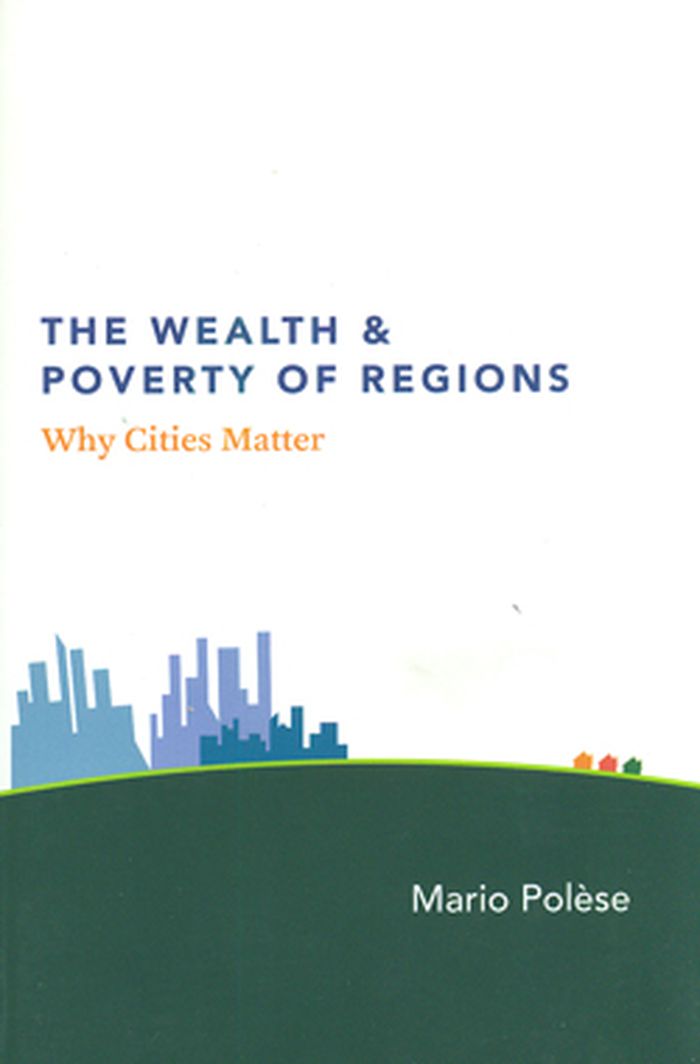
The wealth & poverty of regions: why cities matter
Actions:
Prix:
$24.95
(disponible sur commande)
Résumé:
As the world becomes more interconnected through travel and electronic communication, many believe that physical places will become less important. But as Mario Polèse argues in The Wealth and Poverty of Regions, geography will matter more than ever before in a world where distance is allegedly dead. This provocative book surveys the globe, from London and Cape Town to New York and Beijing, contending that regions rise—or fall—due to their location, not only within nations but also on the world map. Polèse reveals how concentrations of industries and populations in specific locales often result in minor advantages that accumulate over time, resulting in reduced prices, improved transportation networks, increased diversity, and not least of all, “buzz”—the excitement and vitality that attracts ambitious people. The Wealth and Poverty of Regions maps out how a heady mix of size, infrastructure, proximity, and cost will determine which urban centers become the thriving metropolises of the future, and which become the deserted cities of the past. Engagingly written, the book provides insight to the past, present, and future of regions.
The wealth & poverty of regions: why cities matter
Actions:
Prix:
$24.95
(disponible sur commande)
Résumé:
As the world becomes more interconnected through travel and electronic communication, many believe that physical places will become less important. But as Mario Polèse argues in The Wealth and Poverty of Regions, geography will matter more than ever before in a world where distance is allegedly dead. This provocative book surveys the globe, from London and Cape Town to New York and Beijing, contending that regions rise—or fall—due to their location, not only within nations but also on the world map. Polèse reveals how concentrations of industries and populations in specific locales often result in minor advantages that accumulate over time, resulting in reduced prices, improved transportation networks, increased diversity, and not least of all, “buzz”—the excitement and vitality that attracts ambitious people. The Wealth and Poverty of Regions maps out how a heady mix of size, infrastructure, proximity, and cost will determine which urban centers become the thriving metropolises of the future, and which become the deserted cities of the past. Engagingly written, the book provides insight to the past, present, and future of regions.
Classification:
livres
livres
Publication:
août 2011
août 2011
Sujet:
Théorie de l’urbanisme
Théorie de l’urbanisme
Classification:
livres
livres
Actions:
Prix:
$38.95
(disponible sur commande)
Résumé:
In August 1968, the Pakistani foreign minister visited Beijing and presented Chairman Mao Zedong with a crate of mangoes as a diplomatic gesture. The next day, Mao sent the mangoes to the “Worker-Peasant Mao Zedong though Propaganda Teams,” who had been stationed at Quinghua University to put down warring factions of Red Guards ten days previously. The message of this(...)
$38.95
(disponible sur commande)
Résumé:
In August 1968, the Pakistani foreign minister visited Beijing and presented Chairman Mao Zedong with a crate of mangoes as a diplomatic gesture. The next day, Mao sent the mangoes to the “Worker-Peasant Mao Zedong though Propaganda Teams,” who had been stationed at Quinghua University to put down warring factions of Red Guards ten days previously. The message of this(...)
Titre:
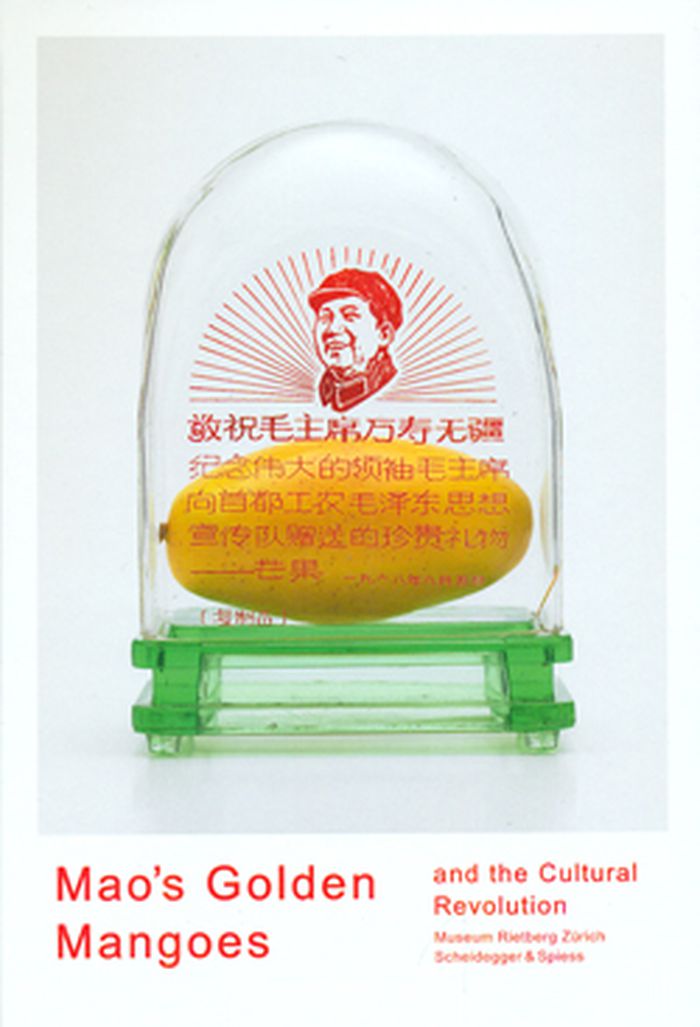
Mao's Golden Mangoes, and the cultural revolution
Actions:
Prix:
$38.95
(disponible sur commande)
Résumé:
In August 1968, the Pakistani foreign minister visited Beijing and presented Chairman Mao Zedong with a crate of mangoes as a diplomatic gesture. The next day, Mao sent the mangoes to the “Worker-Peasant Mao Zedong though Propaganda Teams,” who had been stationed at Quinghua University to put down warring factions of Red Guards ten days previously. The message of this gift was to dismiss the Student Red Guards, who had been leaders of the proletarian movement in China, and in their stead to install workers as the permanent guardians of China’s education system. During the following weeks, the mangoes were distributed to several factories, where they were treated as though they were religious relics. The golden mango was thus a powerful emblem of the power and respect accorded to the proletariat under Mao’s rule. Mao’s Gold Mangoes and the Cultural Revolution is the catalog for an exhibition of the same title at the Museum Rietberg in Zürich, which explores the golden mangoes’ reverberations throughout Chinese culture for years to come.
Mao's Golden Mangoes, and the cultural revolution
Actions:
Prix:
$38.95
(disponible sur commande)
Résumé:
In August 1968, the Pakistani foreign minister visited Beijing and presented Chairman Mao Zedong with a crate of mangoes as a diplomatic gesture. The next day, Mao sent the mangoes to the “Worker-Peasant Mao Zedong though Propaganda Teams,” who had been stationed at Quinghua University to put down warring factions of Red Guards ten days previously. The message of this gift was to dismiss the Student Red Guards, who had been leaders of the proletarian movement in China, and in their stead to install workers as the permanent guardians of China’s education system. During the following weeks, the mangoes were distributed to several factories, where they were treated as though they were religious relics. The golden mango was thus a powerful emblem of the power and respect accorded to the proletariat under Mao’s rule. Mao’s Gold Mangoes and the Cultural Revolution is the catalog for an exhibition of the same title at the Museum Rietberg in Zürich, which explores the golden mangoes’ reverberations throughout Chinese culture for years to come.
Classification:
livres
livres
Publication:
mai 2013
mai 2013
Classification:
livres
livres
Actions:
Prix:
$27.95
(disponible sur commande)
Résumé:
Where will you go when the trouble starts? For countless people around the world, the answer is that bomb shelter down in the basement. In fact, people from around the world have been building shelters to protect themselves from catastrophe—natural disaster, war, nuclear events—for centuries. "Waiting for the End of the World" is photographer Richard Ross's journey into(...)
$27.95
(disponible sur commande)
Résumé:
Where will you go when the trouble starts? For countless people around the world, the answer is that bomb shelter down in the basement. In fact, people from around the world have been building shelters to protect themselves from catastrophe—natural disaster, war, nuclear events—for centuries. "Waiting for the End of the World" is photographer Richard Ross's journey into(...)
Titre:
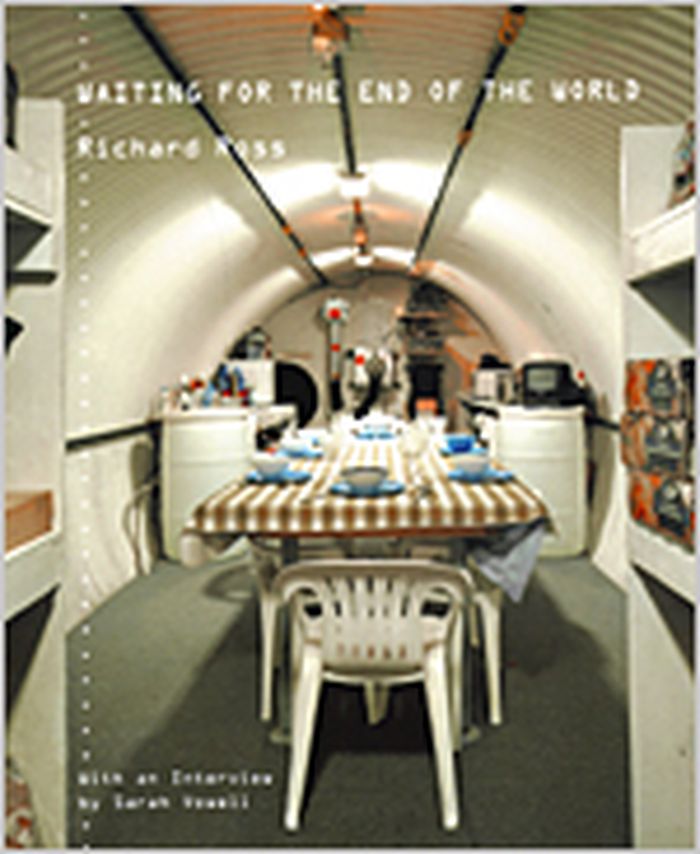
Waiting for the end of the world
Actions:
Prix:
$27.95
(disponible sur commande)
Résumé:
Where will you go when the trouble starts? For countless people around the world, the answer is that bomb shelter down in the basement. In fact, people from around the world have been building shelters to protect themselves from catastrophe—natural disaster, war, nuclear events—for centuries. "Waiting for the End of the World" is photographer Richard Ross's journey into this quirky, somewhat paranoid, and occasionally beautiful underground world. Ross has documented not only the bomb shelters of the United States, but also examples from Vietnam, Russia, England, Turkey, and even Switzerland, where citizens are required by law to have a bomb shelter. Ross's subjects include the Greenbrier Hotel in West Virginia, where a shelter was built to house the entire U.S. Congress, shelters in Beijing, where the Chinese built a complete city underground, and Hittite shelters in Eastern Turkey built some 4,000 years ago. His ethereal images show spaces that at once provide only the barest necessities for survival but maintain a level of idiosyncratic personality that testify to the endurance—and wackiness—of the human spirit. "Waiting for the End of the World" features an interview by author and social commentator Sarah Vowell.
Waiting for the end of the world
Actions:
Prix:
$27.95
(disponible sur commande)
Résumé:
Where will you go when the trouble starts? For countless people around the world, the answer is that bomb shelter down in the basement. In fact, people from around the world have been building shelters to protect themselves from catastrophe—natural disaster, war, nuclear events—for centuries. "Waiting for the End of the World" is photographer Richard Ross's journey into this quirky, somewhat paranoid, and occasionally beautiful underground world. Ross has documented not only the bomb shelters of the United States, but also examples from Vietnam, Russia, England, Turkey, and even Switzerland, where citizens are required by law to have a bomb shelter. Ross's subjects include the Greenbrier Hotel in West Virginia, where a shelter was built to house the entire U.S. Congress, shelters in Beijing, where the Chinese built a complete city underground, and Hittite shelters in Eastern Turkey built some 4,000 years ago. His ethereal images show spaces that at once provide only the barest necessities for survival but maintain a level of idiosyncratic personality that testify to the endurance—and wackiness—of the human spirit. "Waiting for the End of the World" features an interview by author and social commentator Sarah Vowell.
Classification:
livres
livres
Publication:
juin 2004, New York
juin 2004, New York
Sujet:
Monographies photo
Monographies photo
Classification:
livres
livres
Titre:
Mad Dinner
Mad Dinner
Actions:
Prix:
$49.95
(disponible sur commande)
Résumé:
"In China, we like to sit around a big round table for dinner. We place our dishes on a big spinning disk in the center of the table so that we can all reach the food. Everyone, whether or not he or she has anything to say, and every discussion, whether it is important or not, has an equal place around the table. We hope to have such a dinner and to invite to our table(...)
$49.95
(disponible sur commande)
Résumé:
"In China, we like to sit around a big round table for dinner. We place our dishes on a big spinning disk in the center of the table so that we can all reach the food. Everyone, whether or not he or she has anything to say, and every discussion, whether it is important or not, has an equal place around the table. We hope to have such a dinner and to invite to our table(...)
Publication:
janvier 2008, Barcelona
janvier 2008, Barcelona
Titre:
Mad Dinner
Actions:
Prix:
$49.95
(disponible sur commande)
Résumé:
"In China, we like to sit around a big round table for dinner. We place our dishes on a big spinning disk in the center of the table so that we can all reach the food. Everyone, whether or not he or she has anything to say, and every discussion, whether it is important or not, has an equal place around the table. We hope to have such a dinner and to invite to our table those who don't usually come together in real life to share their experiences, opinions, and observations. Their concerns are really also our concerns." Mad Dinner MAD is a Beijing-based studio that has won numerous international design competitions, including the Absolute Tower in Toronto. Divided thematically, the book looks at MADs designs to illustrate the freedoms and limitations of the worlds fastest growing urbanization. It explores idealism and free market realities, the role of the media and cultural icons, enacting change in Chinas political landscape, and projects for environmental protection. A journalistic approach with a series of interviews reconnects architecture to the daily cultural landscape: A taxi driver speaks on China's economy, a doctor describes his ideal architecture.
Mad Dinner
Actions:
Prix:
$49.95
(disponible sur commande)
Résumé:
"In China, we like to sit around a big round table for dinner. We place our dishes on a big spinning disk in the center of the table so that we can all reach the food. Everyone, whether or not he or she has anything to say, and every discussion, whether it is important or not, has an equal place around the table. We hope to have such a dinner and to invite to our table those who don't usually come together in real life to share their experiences, opinions, and observations. Their concerns are really also our concerns." Mad Dinner MAD is a Beijing-based studio that has won numerous international design competitions, including the Absolute Tower in Toronto. Divided thematically, the book looks at MADs designs to illustrate the freedoms and limitations of the worlds fastest growing urbanization. It explores idealism and free market realities, the role of the media and cultural icons, enacting change in Chinas political landscape, and projects for environmental protection. A journalistic approach with a series of interviews reconnects architecture to the daily cultural landscape: A taxi driver speaks on China's economy, a doctor describes his ideal architecture.
Classification:
livres
livres
Publication:
janvier 2008, Barcelona
janvier 2008, Barcelona
Classification:
livres
livres
Actions:
Prix:
$62.00
(disponible sur commande)
Résumé:
In 2014, Xu Tiantian, founder of Beijing-based studio Design and Architecture (DnA) began to work in Songyang County, in China's Zhejiang Province. Her exemplary holistic planning concept of Architectural Acupuncture, which has gained the support of local administrative and political leadership, aims at revitalising rural areas and comprises the renovation of production(...)
$62.00
(disponible sur commande)
Résumé:
In 2014, Xu Tiantian, founder of Beijing-based studio Design and Architecture (DnA) began to work in Songyang County, in China's Zhejiang Province. Her exemplary holistic planning concept of Architectural Acupuncture, which has gained the support of local administrative and political leadership, aims at revitalising rural areas and comprises the renovation of production(...)
Publication:
janvier 2021
janvier 2021
Titre:
Songyang Story: architectural acupuncture as driver for socio-economic in rural China
Actions:
Prix:
$62.00
(disponible sur commande)
Résumé:
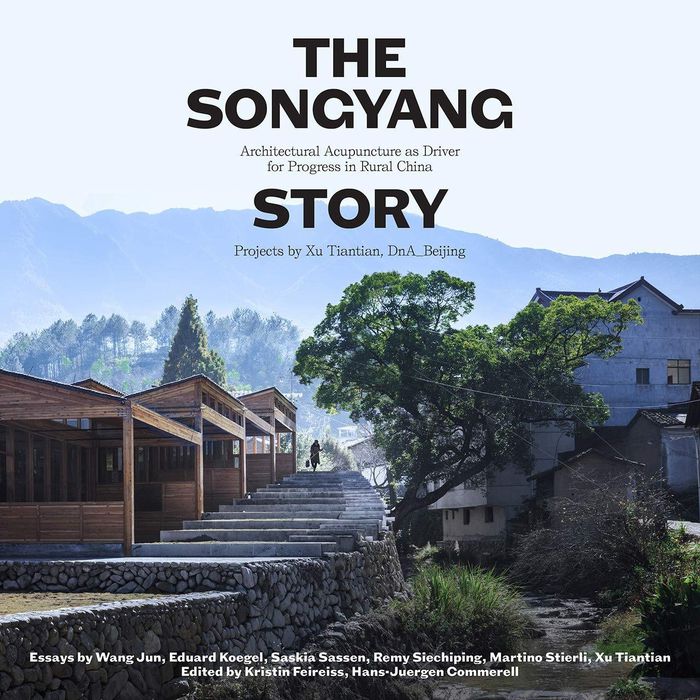
In 2014, Xu Tiantian, founder of Beijing-based studio Design and Architecture (DnA) began to work in Songyang County, in China's Zhejiang Province. Her exemplary holistic planning concept of Architectural Acupuncture, which has gained the support of local administrative and political leadership, aims at revitalising rural areas and comprises the renovation of production plants and of tourist and technical infrastructure as well as the creation of venues for culture and education and of social housing. Each of Xu's small-scale interventions at local level is unique, only the small budget is common to all of them. Moreover, they are all inter-related with each other and in their entirety serve the broader goal of mutual enhancement. This book introduces Xu's concept of Architectural Acupuncture and discusses the influence of architecture on cultural self-understanding and economic renewal in 21st-century rural China. It features some 20 new buildings and conversions of existing structures with diverse functions. Published alongside are essays by international economists, sociologists, and curators as well as by the secretary of the Songyang County Party Committee, examining the social, political, and economic implications of sustainable planning and collective action in the Chinese province.
Songyang Story: architectural acupuncture as driver for socio-economic in rural China
Actions:
Prix:
$62.00
(disponible sur commande)
Résumé:
In 2014, Xu Tiantian, founder of Beijing-based studio Design and Architecture (DnA) began to work in Songyang County, in China's Zhejiang Province. Her exemplary holistic planning concept of Architectural Acupuncture, which has gained the support of local administrative and political leadership, aims at revitalising rural areas and comprises the renovation of production plants and of tourist and technical infrastructure as well as the creation of venues for culture and education and of social housing. Each of Xu's small-scale interventions at local level is unique, only the small budget is common to all of them. Moreover, they are all inter-related with each other and in their entirety serve the broader goal of mutual enhancement. This book introduces Xu's concept of Architectural Acupuncture and discusses the influence of architecture on cultural self-understanding and economic renewal in 21st-century rural China. It features some 20 new buildings and conversions of existing structures with diverse functions. Published alongside are essays by international economists, sociologists, and curators as well as by the secretary of the Songyang County Party Committee, examining the social, political, and economic implications of sustainable planning and collective action in the Chinese province.
Classification:
livres
livres
Publication:
janvier 2021
janvier 2021
Classification:
livres
livres
Actions:
Prix:
$56.00
(disponible en magasin)
Résumé:
"Memoryscapes," the second volume in the "Architecture Connecting" series, co-published with the Louisiana Museum of Modern Art, examines the role of human narratives in shaping the spaces of tomorrow. Focusing on the intersections of architecture with anthropology, archaeology and geology, the book presents the work of two studios whose practices engage deeply with the(...)
$56.00
(disponible en magasin)
Résumé:
"Memoryscapes," the second volume in the "Architecture Connecting" series, co-published with the Louisiana Museum of Modern Art, examines the role of human narratives in shaping the spaces of tomorrow. Focusing on the intersections of architecture with anthropology, archaeology and geology, the book presents the work of two studios whose practices engage deeply with the(...)
Sujet:
L'écologie de l'architecure
L'écologie de l'architecure
Publication:
avril 2026
avril 2026
Titre:
Architecture connecting: Xu Tiantian & Tsuyoshi Tane
Actions:
Prix:
$56.00
(disponible en magasin)
Résumé:
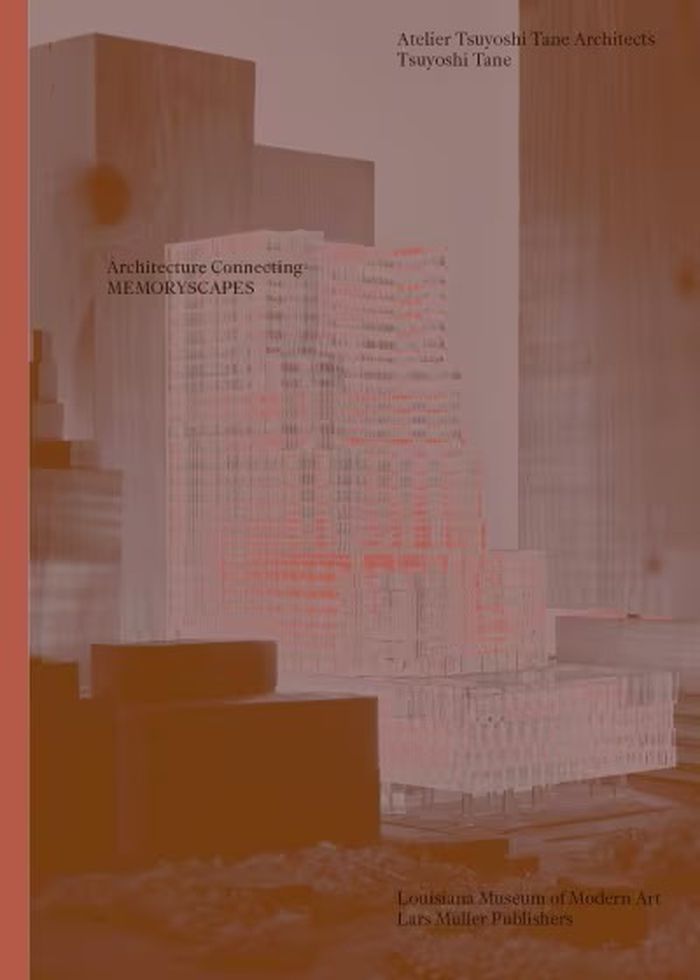
"Memoryscapes," the second volume in the "Architecture Connecting" series, co-published with the Louisiana Museum of Modern Art, examines the role of human narratives in shaping the spaces of tomorrow. Focusing on the intersections of architecture with anthropology, archaeology and geology, the book presents the work of two studios whose practices engage deeply with the past through both broad investigative research and precise architectural responses. Bound back-to-back, the publication comprises two volumes presenting the distinct approaches of DnA Architecture and Design (Beijing) and Atelier Tsuyoshi Tane Architects (ATTA, Tokyo and Paris). DnA’s practice of "architectural acupuncture" focuses on the social and economic regeneration of rural Chinese communities through targeted interventions that revive long-standing cultural practices, while ATTA’s "Archaeology of the Future" draws on the layered memories of places to create future possibilities across architecture, urban planning and exhibition design, in an international context. Led by Xu Tiantian and Tsuyoshi Tane, respectively, the two studios share an approach that connects social traditions, cultural heritage, craftsmanship and production conditions within complex, site-specific frameworks. Through illustrated essays and project dossiers, the publication traces how these practices draw on lived histories and place-based knowledge to generate new architectural narratives, bridging the past and the future in response to contemporary needs.
Architecture connecting: Xu Tiantian & Tsuyoshi Tane
Actions:
Prix:
$56.00
(disponible en magasin)
Résumé:
"Memoryscapes," the second volume in the "Architecture Connecting" series, co-published with the Louisiana Museum of Modern Art, examines the role of human narratives in shaping the spaces of tomorrow. Focusing on the intersections of architecture with anthropology, archaeology and geology, the book presents the work of two studios whose practices engage deeply with the past through both broad investigative research and precise architectural responses. Bound back-to-back, the publication comprises two volumes presenting the distinct approaches of DnA Architecture and Design (Beijing) and Atelier Tsuyoshi Tane Architects (ATTA, Tokyo and Paris). DnA’s practice of "architectural acupuncture" focuses on the social and economic regeneration of rural Chinese communities through targeted interventions that revive long-standing cultural practices, while ATTA’s "Archaeology of the Future" draws on the layered memories of places to create future possibilities across architecture, urban planning and exhibition design, in an international context. Led by Xu Tiantian and Tsuyoshi Tane, respectively, the two studios share an approach that connects social traditions, cultural heritage, craftsmanship and production conditions within complex, site-specific frameworks. Through illustrated essays and project dossiers, the publication traces how these practices draw on lived histories and place-based knowledge to generate new architectural narratives, bridging the past and the future in response to contemporary needs.
Classification:
livres
livres
Publication:
avril 2026
avril 2026
Sujet:
L'écologie de l'architecure
L'écologie de l'architecure


