


865 Résultats
Classification:
livres
livres
Titre:
Working-class utopias : a history of cooperative housing in New York City / Robert M. Fogelson.
Working-class utopias : a history of cooperative housing in New York City / Robert M. Fogelson.
Actions:
Exemplaires:
Description:
384 pages, 16 unnumbered pages of plates : illustrations (black and white) ; 25 cm
Description:
384 pages, 16 unnumbered pages of plates : illustrations (black and white) ; 25 cm
Auteur:
Sujet:
Publication:
Princeton : Princeton University Press, [2022]
Princeton : Princeton University Press, [2022]
Titre:
Working-class utopias : a history of cooperative housing in New York City / Robert M. Fogelson.
Actions:
Exemplaires:
Description:
384 pages, 16 unnumbered pages of plates : illustrations (black and white) ; 25 cm
Working-class utopias : a history of cooperative housing in New York City / Robert M. Fogelson.
Actions:
Exemplaires:
Description:
384 pages, 16 unnumbered pages of plates : illustrations (black and white) ; 25 cm
Classification:
livres
livres
Publication:
Princeton : Princeton University Press, [2022]
Princeton : Princeton University Press, [2022]
Auteur:
Sujet:
Classification:
livres
livres
Titre:
Henri's walk to Paris
Henri's walk to Paris
Actions:
Prix:
$19.95
(disponible sur commande)
Résumé:
In graphic designer Basss sole picture book, first published in 1962, his stylized collage prints pair with Kleins understated text to tell the story of a boy who dreams about traveling from his small town of Reboul to visit Paris. In Reboul, Henri lives in a little white house made up of two angular geometrical shapes, surrounded by a lush tapestry-like forest, and has(...)
$19.95
(disponible sur commande)
Résumé:
In graphic designer Basss sole picture book, first published in 1962, his stylized collage prints pair with Kleins understated text to tell the story of a boy who dreams about traveling from his small town of Reboul to visit Paris. In Reboul, Henri lives in a little white house made up of two angular geometrical shapes, surrounded by a lush tapestry-like forest, and has(...)
Titre:
Henri's walk to Paris
Actions:
Prix:
$19.95
(disponible sur commande)
Résumé:
In graphic designer Basss sole picture book, first published in 1962, his stylized collage prints pair with Kleins understated text to tell the story of a boy who dreams about traveling from his small town of Reboul to visit Paris. In Reboul, Henri lives in a little white house made up of two angular geometrical shapes, surrounded by a lush tapestry-like forest, and has three friends, Andre, Jacques, and Michel (they appear as three pairs of legs, fitted with pink pants, decoratively pattered socks, and green boots). Finally, Henri sets out walking to Paris, but when a bird interferes with his sense of direction, he gets turned around, discovering that Paris is an awful lot like Reboul. Bass plays with repetition (theres a strong symmetry to Henris journey), text, and strong blocks of color, while using negative and positive space to toy with perception.
Henri's walk to Paris
Actions:
Prix:
$19.95
(disponible sur commande)
Résumé:
In graphic designer Basss sole picture book, first published in 1962, his stylized collage prints pair with Kleins understated text to tell the story of a boy who dreams about traveling from his small town of Reboul to visit Paris. In Reboul, Henri lives in a little white house made up of two angular geometrical shapes, surrounded by a lush tapestry-like forest, and has three friends, Andre, Jacques, and Michel (they appear as three pairs of legs, fitted with pink pants, decoratively pattered socks, and green boots). Finally, Henri sets out walking to Paris, but when a bird interferes with his sense of direction, he gets turned around, discovering that Paris is an awful lot like Reboul. Bass plays with repetition (theres a strong symmetry to Henris journey), text, and strong blocks of color, while using negative and positive space to toy with perception.
Classification:
livres
livres
Publication:
février 2012
février 2012
Sujet:
Littérature jeunesse
Littérature jeunesse
Classification:
livres
livres
Actions:
Prix:
$37.95
(disponible sur commande)
Résumé:
Toyo Ito is one of the foremost architects working today. His architecture makes innovative use of steel and aluminium and includes such buildings as the White U House and the Eggs of Winds in Tokyo. This volume focuses on his Mediathèque in Sendai. This newly completed structure, which houses a library, art gallery, cinema, lecture theatre, and cybercafé, is predicated(...)
$37.95
(disponible sur commande)
Résumé:
Toyo Ito is one of the foremost architects working today. His architecture makes innovative use of steel and aluminium and includes such buildings as the White U House and the Eggs of Winds in Tokyo. This volume focuses on his Mediathèque in Sendai. This newly completed structure, which houses a library, art gallery, cinema, lecture theatre, and cybercafé, is predicated(...)
Titre:
Case : Toyo Ito - Sendai Mediatheque
Actions:
Prix:
$37.95
(disponible sur commande)
Résumé:
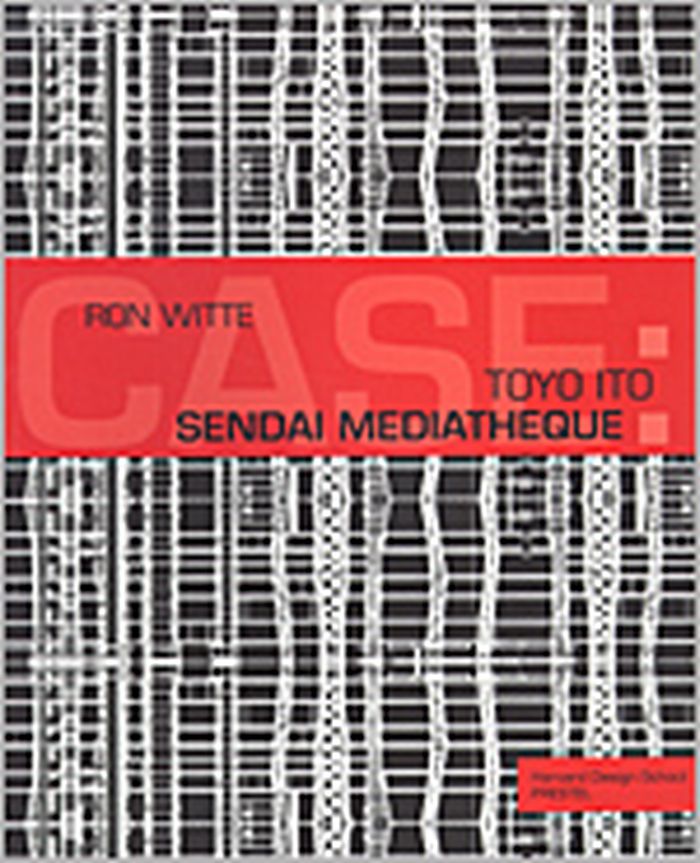
Toyo Ito is one of the foremost architects working today. His architecture makes innovative use of steel and aluminium and includes such buildings as the White U House and the Eggs of Winds in Tokyo. This volume focuses on his Mediathèque in Sendai. This newly completed structure, which houses a library, art gallery, cinema, lecture theatre, and cybercafé, is predicated on the idea that the users of the building occupy a media/ information landscape or “digital ecology. ”Through a series of extraordinary technical advances, floors supported by a system of occupiable hollow tubes and sophisticated information and media networks, the building creates an environment in which people can engage in cultural activities both internally (within the structure) and externally (through digital connections to the world at large). This volume investigates the evolution of the structure through a series of essays by experts on media, architectural technology, and digital culture.
Case : Toyo Ito - Sendai Mediatheque
Actions:
Prix:
$37.95
(disponible sur commande)
Résumé:
Toyo Ito is one of the foremost architects working today. His architecture makes innovative use of steel and aluminium and includes such buildings as the White U House and the Eggs of Winds in Tokyo. This volume focuses on his Mediathèque in Sendai. This newly completed structure, which houses a library, art gallery, cinema, lecture theatre, and cybercafé, is predicated on the idea that the users of the building occupy a media/ information landscape or “digital ecology. ”Through a series of extraordinary technical advances, floors supported by a system of occupiable hollow tubes and sophisticated information and media networks, the building creates an environment in which people can engage in cultural activities both internally (within the structure) and externally (through digital connections to the world at large). This volume investigates the evolution of the structure through a series of essays by experts on media, architectural technology, and digital culture.
Classification:
livres
livres
Publication:
octobre 2001, Munich
octobre 2001, Munich
Sujet:
Architecture, monographies
Architecture, monographies
Classification:
livres
livres
Titre:
Saarinen's quest a memoir
Saarinen's quest a memoir
Actions:
Prix:
$43.00
(disponible sur commande)
Résumé:
An unprecedented glimpse behind the scenes at the practice of Eero Saarinen, one of the greats of mid-century American architecture. Covers 1957 to 1961, the period when Saarinen was working on iconic projects like Dulles International Airpot Terminal, the former TWA Terminal at Kennedy Airport and the St. Louis Arch. Richard Knight, Saarinen's "house photographer",(...)
$43.00
(disponible sur commande)
Résumé:
An unprecedented glimpse behind the scenes at the practice of Eero Saarinen, one of the greats of mid-century American architecture. Covers 1957 to 1961, the period when Saarinen was working on iconic projects like Dulles International Airpot Terminal, the former TWA Terminal at Kennedy Airport and the St. Louis Arch. Richard Knight, Saarinen's "house photographer",(...)
Titre:
Saarinen's quest a memoir
Actions:
Prix:
$43.00
(disponible sur commande)
Résumé:
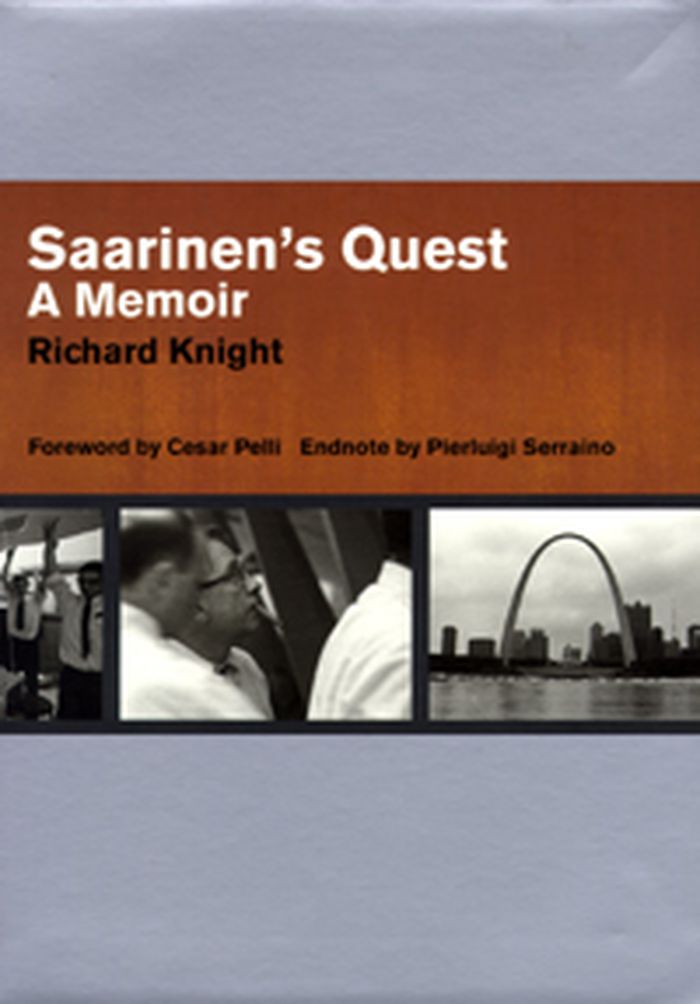
An unprecedented glimpse behind the scenes at the practice of Eero Saarinen, one of the greats of mid-century American architecture. Covers 1957 to 1961, the period when Saarinen was working on iconic projects like Dulles International Airpot Terminal, the former TWA Terminal at Kennedy Airport and the St. Louis Arch. Richard Knight, Saarinen's "house photographer", documents in black and white photographs and a personal memoir the excitement of being part of this unparalleled creative team. Timed to coincide with a touring Saarinen retrospective (beginning at the Cranbrook Institute in fall 2007 and traveling to Los Angeles, Washington D.C., Minneapolis, St. Louis, New York, and New Haven), the book includes a foreward on Saarinen's artistic vision and office culture by Cesar Pelli, who began his career in the architect's office, and an afterword by architectural historian Pierluigi Serraino on the significance of large-scale model-making in Saarinen's work.
Saarinen's quest a memoir
Actions:
Prix:
$43.00
(disponible sur commande)
Résumé:
An unprecedented glimpse behind the scenes at the practice of Eero Saarinen, one of the greats of mid-century American architecture. Covers 1957 to 1961, the period when Saarinen was working on iconic projects like Dulles International Airpot Terminal, the former TWA Terminal at Kennedy Airport and the St. Louis Arch. Richard Knight, Saarinen's "house photographer", documents in black and white photographs and a personal memoir the excitement of being part of this unparalleled creative team. Timed to coincide with a touring Saarinen retrospective (beginning at the Cranbrook Institute in fall 2007 and traveling to Los Angeles, Washington D.C., Minneapolis, St. Louis, New York, and New Haven), the book includes a foreward on Saarinen's artistic vision and office culture by Cesar Pelli, who began his career in the architect's office, and an afterword by architectural historian Pierluigi Serraino on the significance of large-scale model-making in Saarinen's work.
Classification:
livres
livres
Publication:
mars 2008, San Francisco
mars 2008, San Francisco
Sujet:
Monographies photo
Monographies photo
Classification:
livres
livres
Actions:
Prix:
$62.50
(disponible sur commande)
Résumé:
"Points + Lines: Diagrams and Projects for the City" is a book of New York architect Stan Allen's writings and projects that propose new architectural strategies for the contemporary city. Organized in the form of a user's manual, it juxtaposes speculative texts outlining (...)
$62.50
(disponible sur commande)
Résumé:
"Points + Lines: Diagrams and Projects for the City" is a book of New York architect Stan Allen's writings and projects that propose new architectural strategies for the contemporary city. Organized in the form of a user's manual, it juxtaposes speculative texts outlining (...)
Titre:
Points + lines : diagrams and projects for the city
Actions:
Prix:
$62.50
(disponible sur commande)
Résumé:
"Points + Lines: Diagrams and Projects for the City" is a book of New York architect Stan Allen's writings and projects that propose new architectural strategies for the contemporary city. Organized in the form of a user's manual, it juxtaposes speculative texts outlining Allen's general principles with specific projects created by his office. The book's title refers to this interplay of practice and theory, evoking not only the points of activity and the paths of movement found in a contemporary city but also the points of speculation and lines of argument in theoretical discourse. Projects include the Cardiff Bay Opera House, Wales; the Korean-American Museum of Art, Los Angeles; the Museo del Prado, Madrid; and White Columns Gallery, New York. Each project is accompanied by explanatory text as well as numerous drawings, models, photographs, and computer renderings. K. Michael Hays contributes an introductory essay; R. E. Somol writes the postscript.
Points + lines : diagrams and projects for the city
Actions:
Prix:
$62.50
(disponible sur commande)
Résumé:
"Points + Lines: Diagrams and Projects for the City" is a book of New York architect Stan Allen's writings and projects that propose new architectural strategies for the contemporary city. Organized in the form of a user's manual, it juxtaposes speculative texts outlining Allen's general principles with specific projects created by his office. The book's title refers to this interplay of practice and theory, evoking not only the points of activity and the paths of movement found in a contemporary city but also the points of speculation and lines of argument in theoretical discourse. Projects include the Cardiff Bay Opera House, Wales; the Korean-American Museum of Art, Los Angeles; the Museo del Prado, Madrid; and White Columns Gallery, New York. Each project is accompanied by explanatory text as well as numerous drawings, models, photographs, and computer renderings. K. Michael Hays contributes an introductory essay; R. E. Somol writes the postscript.
Classification:
livres
livres
Publication:
janvier 1999, New York
janvier 1999, New York
Sujet:
Théorie de l’urbanisme
Théorie de l’urbanisme
Classification:
livres
livres
Prix:
$56.95
(disponible sur commande)
Résumé:
In 'Aurelia', Mavor takes special interest in the fairy tale’s gastronomy, including Alice’s Wonderland cake marked eat me, the sugar of the witch’s house in ‘Hansel and Gretel’ and the more disturbing ingestions of cannibalism, as in the Brothers Grimm’s ‘The Juniper Tree’, where a murdered boy sings through the mouth of a bird: ‘My mother she killed me. My father he ate(...)
$56.95
(disponible sur commande)
Résumé:
In 'Aurelia', Mavor takes special interest in the fairy tale’s gastronomy, including Alice’s Wonderland cake marked eat me, the sugar of the witch’s house in ‘Hansel and Gretel’ and the more disturbing ingestions of cannibalism, as in the Brothers Grimm’s ‘The Juniper Tree’, where a murdered boy sings through the mouth of a bird: ‘My mother she killed me. My father he ate(...)
Titre:
Aurelia: art and literature through the mouth of the fairy tale
Actions:
Prix:
$56.95
(disponible sur commande)
Résumé:
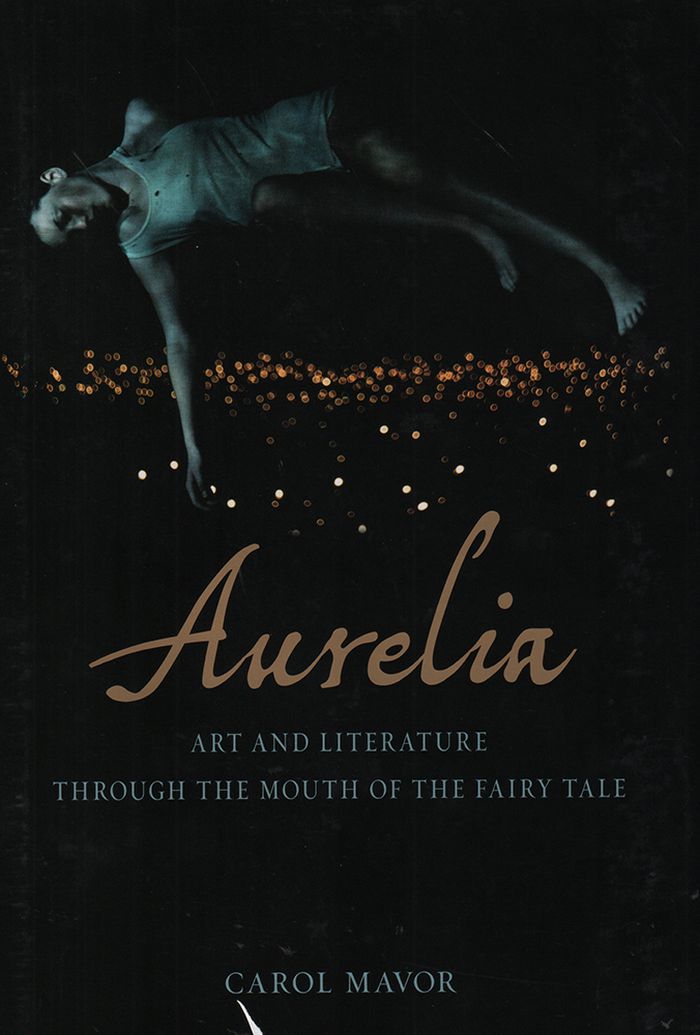
In 'Aurelia', Mavor takes special interest in the fairy tale’s gastronomy, including Alice’s Wonderland cake marked eat me, the sugar of the witch’s house in ‘Hansel and Gretel’ and the more disturbing ingestions of cannibalism, as in the Brothers Grimm’s ‘The Juniper Tree’, where a murdered boy sings through the mouth of a bird: ‘My mother she killed me. My father he ate me.’ Moving beyond this, Mavor discovers the fairy-tale realm in more surprising places: the tragic candy-land poetry of the 1950s ‘genius’ child-poet Minou Drouet; the subterranean world of enchantment in the cave paintings of Lascaux; the brown fairies of African American poet Langston Hughes; and Miwa Yanagi’s black-and-white, bloody photograph of the Grandmother and Little Red Riding Hood holding one another in the cut open belly of the wolf, as an allegory of the victims of Hiroshima. Through the lens of the fairy tale Mavor reads the world of literature and art as both magical and political.
Aurelia: art and literature through the mouth of the fairy tale
Actions:
Prix:
$56.95
(disponible sur commande)
Résumé:
In 'Aurelia', Mavor takes special interest in the fairy tale’s gastronomy, including Alice’s Wonderland cake marked eat me, the sugar of the witch’s house in ‘Hansel and Gretel’ and the more disturbing ingestions of cannibalism, as in the Brothers Grimm’s ‘The Juniper Tree’, where a murdered boy sings through the mouth of a bird: ‘My mother she killed me. My father he ate me.’ Moving beyond this, Mavor discovers the fairy-tale realm in more surprising places: the tragic candy-land poetry of the 1950s ‘genius’ child-poet Minou Drouet; the subterranean world of enchantment in the cave paintings of Lascaux; the brown fairies of African American poet Langston Hughes; and Miwa Yanagi’s black-and-white, bloody photograph of the Grandmother and Little Red Riding Hood holding one another in the cut open belly of the wolf, as an allegory of the victims of Hiroshima. Through the lens of the fairy tale Mavor reads the world of literature and art as both magical and political.
Classification:
livres
livres
Publication:
juin 2017
juin 2017
Sujet:
Littérature et poésie
Littérature et poésie
Classification:
livres
livres
Titre:
Tony Conrad : yellow movies
Tony Conrad : yellow movies
Actions:
Prix:
$42.00
(disponible sur commande)
Résumé:
This first monograph on artist, filmmaker and musician Tony Conrad documents his seminal Yellow Movie project of the early 1970s. Published to accompany Conrad's recent one-person exhibition at New York's Greene Naftali Gallery and Galerie Bucholz, Köln, it includes an introductory note by Conrad, a new text by Diedrich Diederichsen and comprehensive documentation of all(...)
$42.00
(disponible sur commande)
Résumé:
This first monograph on artist, filmmaker and musician Tony Conrad documents his seminal Yellow Movie project of the early 1970s. Published to accompany Conrad's recent one-person exhibition at New York's Greene Naftali Gallery and Galerie Bucholz, Köln, it includes an introductory note by Conrad, a new text by Diedrich Diederichsen and comprehensive documentation of all(...)
Titre:
Tony Conrad : yellow movies
Actions:
Prix:
$42.00
(disponible sur commande)
Résumé:
This first monograph on artist, filmmaker and musician Tony Conrad documents his seminal Yellow Movie project of the early 1970s. Published to accompany Conrad's recent one-person exhibition at New York's Greene Naftali Gallery and Galerie Bucholz, Köln, it includes an introductory note by Conrad, a new text by Diedrich Diederichsen and comprehensive documentation of all the Yellow Movies still in existence. Art in America's David Coggins described the project in 2007: "Yellow Movies, a series of works from the early 1970s by pioneering filmmaker Tony Conrad, initially appears to be nothing more than white squares enclosed by black borders painted on large sheets of paper. Yet these casual paintings, roughly the size of old home-movie screens, are formed by latex house paint that slowly yellows over time, creating what are essentially unhurried photographic exposures. Conrad sought to make abstract films that would last a lifetime, and there's a discreet thrill to knowing that what you're seeing is changing, invisibly, before your eyes."
Tony Conrad : yellow movies
Actions:
Prix:
$42.00
(disponible sur commande)
Résumé:
This first monograph on artist, filmmaker and musician Tony Conrad documents his seminal Yellow Movie project of the early 1970s. Published to accompany Conrad's recent one-person exhibition at New York's Greene Naftali Gallery and Galerie Bucholz, Köln, it includes an introductory note by Conrad, a new text by Diedrich Diederichsen and comprehensive documentation of all the Yellow Movies still in existence. Art in America's David Coggins described the project in 2007: "Yellow Movies, a series of works from the early 1970s by pioneering filmmaker Tony Conrad, initially appears to be nothing more than white squares enclosed by black borders painted on large sheets of paper. Yet these casual paintings, roughly the size of old home-movie screens, are formed by latex house paint that slowly yellows over time, creating what are essentially unhurried photographic exposures. Conrad sought to make abstract films that would last a lifetime, and there's a discreet thrill to knowing that what you're seeing is changing, invisibly, before your eyes."
Classification:
livres
livres
Publication:
février 2009
février 2009
Classification:
livres
livres
Actions:
Prix:
$34.00
(disponible sur commande)
Résumé:
This charmingly illustrated volume showcases iconic structures from the world’s most important and most architecturally interesting cities—sure to appeal to amateur enthusiasts, aspiring architects, and even professionals. This book presents unique visual profiles of the most iconic buildings in the world, from twenty-five of the most important and most visited cities.(...)
$34.00
(disponible sur commande)
Résumé:
This charmingly illustrated volume showcases iconic structures from the world’s most important and most architecturally interesting cities—sure to appeal to amateur enthusiasts, aspiring architects, and even professionals. This book presents unique visual profiles of the most iconic buildings in the world, from twenty-five of the most important and most visited cities.(...)
Titre:
Iconic buildings: a folio of the world's most remarkable architecture
Actions:
Prix:
$34.00
(disponible sur commande)
Résumé:
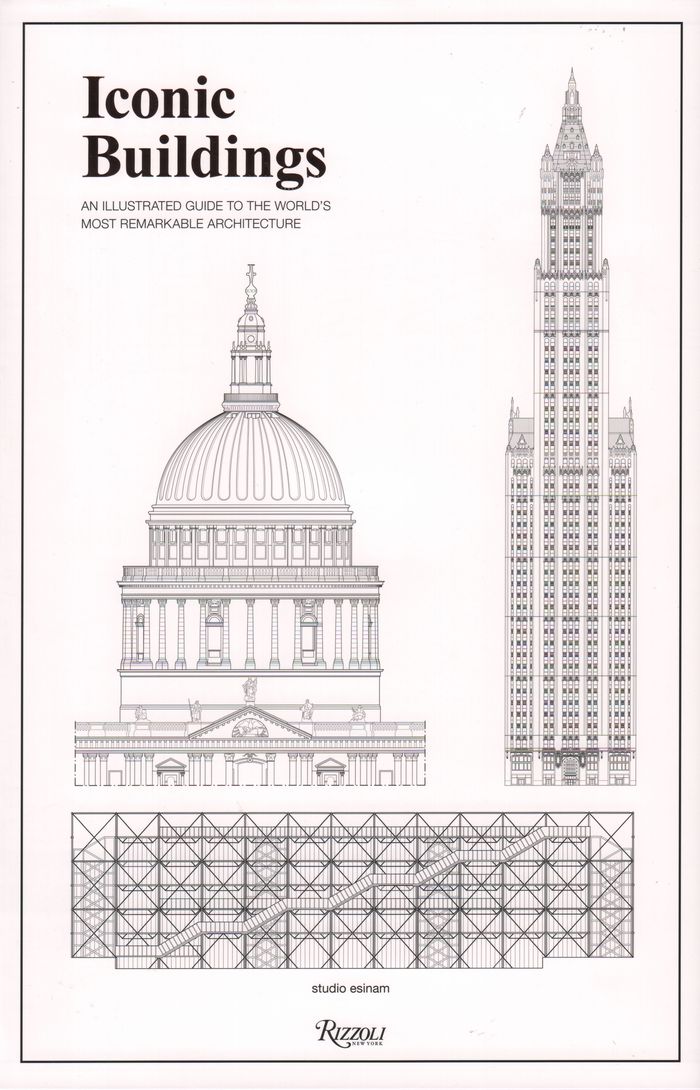
This charmingly illustrated volume showcases iconic structures from the world’s most important and most architecturally interesting cities—sure to appeal to amateur enthusiasts, aspiring architects, and even professionals. This book presents unique visual profiles of the most iconic buildings in the world, from twenty-five of the most important and most visited cities. Featuring remarkably detailed line drawings elegantly rendered in black and white, these captivating artworks and the accompanying text help the reader learn each structure’s history and understand what makes them so visually and culturally iconic. With the aim of exploring and communicating the deeper qualities of architecture by looking at it from new angles and presenting it in fresh and engaging ways, the illustrations are distinctive and elegant—inspired by Studio Esinam’s Landmarks and Elevations series of prints. Among the buildings included are such global icons as New York’s Chrysler Building, London’s St. Paul’s Cathedral, and the Sydney Opera House, along with lesser-known yet equally outstanding structures like the Centre Pompidou in Paris or Mies van der Rohe’s Neue Nationalgalerie in Berlin.
Iconic buildings: a folio of the world's most remarkable architecture
Actions:
Prix:
$34.00
(disponible sur commande)
Résumé:
This charmingly illustrated volume showcases iconic structures from the world’s most important and most architecturally interesting cities—sure to appeal to amateur enthusiasts, aspiring architects, and even professionals. This book presents unique visual profiles of the most iconic buildings in the world, from twenty-five of the most important and most visited cities. Featuring remarkably detailed line drawings elegantly rendered in black and white, these captivating artworks and the accompanying text help the reader learn each structure’s history and understand what makes them so visually and culturally iconic. With the aim of exploring and communicating the deeper qualities of architecture by looking at it from new angles and presenting it in fresh and engaging ways, the illustrations are distinctive and elegant—inspired by Studio Esinam’s Landmarks and Elevations series of prints. Among the buildings included are such global icons as New York’s Chrysler Building, London’s St. Paul’s Cathedral, and the Sydney Opera House, along with lesser-known yet equally outstanding structures like the Centre Pompidou in Paris or Mies van der Rohe’s Neue Nationalgalerie in Berlin.
Classification:
livres
livres
Publication:
octobre 2017
octobre 2017
Sujet:
Architecture contemporaine
Architecture contemporaine
Classification:
livres
livres
Titre:
Sugimoto : architecture
Sugimoto : architecture
Actions:
Prix:
$82.50
(disponible sur commande)
Résumé:
Known for his long-exposure photographic series of empty movie theaters and drive-ins, seascapes, museum dioramas, and waxworks, Hiroshi Sugimoto has been turning his camera on international icons of 20th-century architecture since 1997. His deliberately blurred and seemingly timeless photographs depict structures as diverse as the Empire State Building, Le Corbusier's(...)
$82.50
(disponible sur commande)
Résumé:
Known for his long-exposure photographic series of empty movie theaters and drive-ins, seascapes, museum dioramas, and waxworks, Hiroshi Sugimoto has been turning his camera on international icons of 20th-century architecture since 1997. His deliberately blurred and seemingly timeless photographs depict structures as diverse as the Empire State Building, Le Corbusier's(...)
Sujet:
Monographies photo
Monographies photo
Publication:
mars 2003, New York
mars 2003, New York
Titre:
Sugimoto : architecture
Actions:
Prix:
$82.50
(disponible sur commande)
Résumé:
Known for his long-exposure photographic series of empty movie theaters and drive-ins, seascapes, museum dioramas, and waxworks, Hiroshi Sugimoto has been turning his camera on international icons of 20th-century architecture since 1997. His deliberately blurred and seemingly timeless photographs depict structures as diverse as the Empire State Building, Le Corbusier's Chapel de Nôtre Dame du Haut, and Tadao Ando's Church of Light in Osaka. The resulting black-and-white photographs, shot distinctly out of focus and from unusual angles, are not attempts at documentation but rather evocation--meant to isolate the buildings from their contexts, allowing them to exist as dreamlike, uninhabited ideals. Among the other buildings represented in the series are Philippe Starck's Asahi Breweries, Fumihiko Maki's Fujisawa Municipal Gymnasium, the United Nations Building, the Chrysler Building, Giuseppi Terragni's Santelia Monument Como, the World Trade Center, Mies van der Rohe's Seagram Building, Antonio Gaudí's Casa Batlló II, the 1922 Schindler House, and buildings by Frank Gehry, Frank Lloyd Wright, and many others in Europe, North America, and Asia.
Sugimoto : architecture
Actions:
Prix:
$82.50
(disponible sur commande)
Résumé:
Known for his long-exposure photographic series of empty movie theaters and drive-ins, seascapes, museum dioramas, and waxworks, Hiroshi Sugimoto has been turning his camera on international icons of 20th-century architecture since 1997. His deliberately blurred and seemingly timeless photographs depict structures as diverse as the Empire State Building, Le Corbusier's Chapel de Nôtre Dame du Haut, and Tadao Ando's Church of Light in Osaka. The resulting black-and-white photographs, shot distinctly out of focus and from unusual angles, are not attempts at documentation but rather evocation--meant to isolate the buildings from their contexts, allowing them to exist as dreamlike, uninhabited ideals. Among the other buildings represented in the series are Philippe Starck's Asahi Breweries, Fumihiko Maki's Fujisawa Municipal Gymnasium, the United Nations Building, the Chrysler Building, Giuseppi Terragni's Santelia Monument Como, the World Trade Center, Mies van der Rohe's Seagram Building, Antonio Gaudí's Casa Batlló II, the 1922 Schindler House, and buildings by Frank Gehry, Frank Lloyd Wright, and many others in Europe, North America, and Asia.
Classification:
livres
livres
Publication:
mars 2003, New York
mars 2003, New York
Sujet:
Monographies photo
Monographies photo
Classification:
livres
livres
Actions:
Prix:
$65.00
(disponible sur commande)
Résumé:
Claus Bury began his career as a jeweler, and the architectural sculpture he's been making since 1979 retains the rounded shapes, balance and smooth finish of his first trade. High Tide, Low Tide tracks Bury's most recent accomplishments, and, for the first time, includes excerpts from his sketchbooks and journals. Pages detailing his recent travels in Yucatan, Mexico(...)
$65.00
(disponible sur commande)
Résumé:
Claus Bury began his career as a jeweler, and the architectural sculpture he's been making since 1979 retains the rounded shapes, balance and smooth finish of his first trade. High Tide, Low Tide tracks Bury's most recent accomplishments, and, for the first time, includes excerpts from his sketchbooks and journals. Pages detailing his recent travels in Yucatan, Mexico(...)
Publication:
mai 2007, Ostfildern
mai 2007, Ostfildern
Titre:
Claus Bury : High tide - low tide
Actions:
Prix:
$65.00
(disponible sur commande)
Résumé:
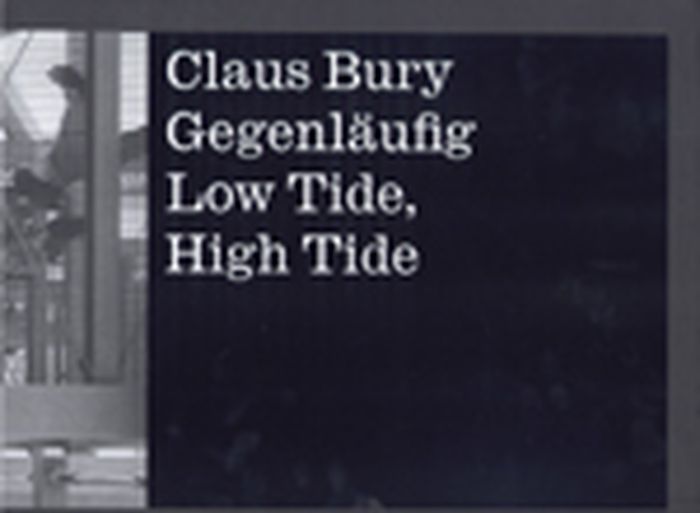
Claus Bury began his career as a jeweler, and the architectural sculpture he's been making since 1979 retains the rounded shapes, balance and smooth finish of his first trade. High Tide, Low Tide tracks Bury's most recent accomplishments, and, for the first time, includes excerpts from his sketchbooks and journals. Pages detailing his recent travels in Yucatan, Mexico appear alongside black-and-white photographs of Mayan temples. Photographs of Bury's farm works, made of bales of hay, show the influence of the Mayans' iconic geometric purity. Other materials illuminate the artist's latest curved and boned structures, many wooden, by comparing them to ships. And the production of his largest work to date, the 2006 "Bitterfeld Arch," a multi-story steel bridge to nowhere, is documented from the ground up--eight months from start to ribbon-cutting--and contrasted with the "Greenhouse for Thoughts," a 2005 wooden installation shaped like a house frame, with a forest of studs where the walls would be. Though Bury was trained in Germany and is based there, he has taught at RISD, won an NEA grant, and seen his work shown at The Metropolitan Museum of Art, New York.
Claus Bury : High tide - low tide
Actions:
Prix:
$65.00
(disponible sur commande)
Résumé:
Claus Bury began his career as a jeweler, and the architectural sculpture he's been making since 1979 retains the rounded shapes, balance and smooth finish of his first trade. High Tide, Low Tide tracks Bury's most recent accomplishments, and, for the first time, includes excerpts from his sketchbooks and journals. Pages detailing his recent travels in Yucatan, Mexico appear alongside black-and-white photographs of Mayan temples. Photographs of Bury's farm works, made of bales of hay, show the influence of the Mayans' iconic geometric purity. Other materials illuminate the artist's latest curved and boned structures, many wooden, by comparing them to ships. And the production of his largest work to date, the 2006 "Bitterfeld Arch," a multi-story steel bridge to nowhere, is documented from the ground up--eight months from start to ribbon-cutting--and contrasted with the "Greenhouse for Thoughts," a 2005 wooden installation shaped like a house frame, with a forest of studs where the walls would be. Though Bury was trained in Germany and is based there, he has taught at RISD, won an NEA grant, and seen his work shown at The Metropolitan Museum of Art, New York.
Classification:
livres
livres
Publication:
mai 2007, Ostfildern
mai 2007, Ostfildern


