


951 Résultats
Classification:
livres
livres
Actions:
Exemplaires:
Description:
256 pages : illustrations (some color) ; 23 cm
Description:
256 pages : illustrations (some color) ; 23 cm
Auteur:
Sujet:
Publication:
Québec (Québec) Canada : Les Éditions GID, [2025], ©2025
Québec (Québec) Canada : Les Éditions GID, [2025], ©2025
Titre:
Victor Bourgeau (1809-1888) : bâtir le Québec du XIXe siècle / Louise Legault.
Actions:
Exemplaires:
Description:
256 pages : illustrations (some color) ; 23 cm
Victor Bourgeau (1809-1888) : bâtir le Québec du XIXe siècle / Louise Legault.
Actions:
Exemplaires:
Description:
256 pages : illustrations (some color) ; 23 cm
Classification:
livres
livres
Publication:
Québec (Québec) Canada : Les Éditions GID, [2025], ©2025
Québec (Québec) Canada : Les Éditions GID, [2025], ©2025
Auteur:
Sujet:
Classification:
livres
livres
Actions:
Prix:
$58.00
(disponible sur commande)
Résumé:
Mai-Thu Perret examines the relentless movement of capitalism as it absorbs and defeats what were once revolutionary forms, focusing on the aestheticization of historical avant-gardes to reflect the changing realities of utopian thinking. Her major, ongoing project "The Crystal Frontier," begun in 1999, comprises fictional diary entries and letters written by a group of(...)
$58.00
(disponible sur commande)
Résumé:
Mai-Thu Perret examines the relentless movement of capitalism as it absorbs and defeats what were once revolutionary forms, focusing on the aestheticization of historical avant-gardes to reflect the changing realities of utopian thinking. Her major, ongoing project "The Crystal Frontier," begun in 1999, comprises fictional diary entries and letters written by a group of(...)
Publication:
octobre 2007, Berlin, New York
octobre 2007, Berlin, New York
Titre:
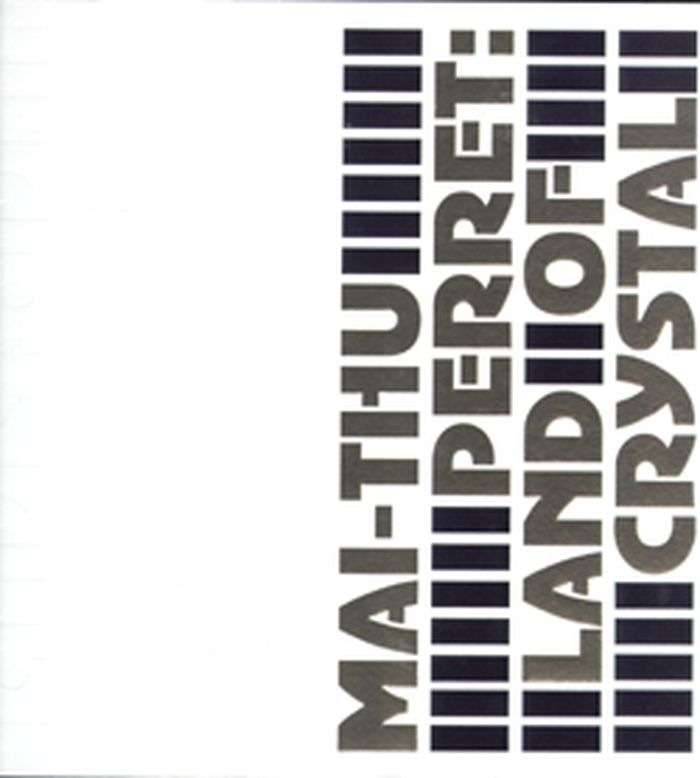
Mai-Thu Perret - Land of Crystal
Actions:
Prix:
$58.00
(disponible sur commande)
Résumé:
Mai-Thu Perret examines the relentless movement of capitalism as it absorbs and defeats what were once revolutionary forms, focusing on the aestheticization of historical avant-gardes to reflect the changing realities of utopian thinking. Her major, ongoing project "The Crystal Frontier," begun in 1999, comprises fictional diary entries and letters written by a group of disillusioned women exiled in the New Mexico desert, as well as myriad artworks that Perret describes as their "hypothetical products." Born in 1975 in Geneva, where she lives and works, Perret studied at Cambridge University and the Whitney Independent Study Program, New York. This comprehensive artist's book, Perret's first monograph, includes a selection of her writings and a specially designed collage of references. Perret's work has recently been seen at The Renaissance Society in Chicago.
Mai-Thu Perret - Land of Crystal
Actions:
Prix:
$58.00
(disponible sur commande)
Résumé:
Mai-Thu Perret examines the relentless movement of capitalism as it absorbs and defeats what were once revolutionary forms, focusing on the aestheticization of historical avant-gardes to reflect the changing realities of utopian thinking. Her major, ongoing project "The Crystal Frontier," begun in 1999, comprises fictional diary entries and letters written by a group of disillusioned women exiled in the New Mexico desert, as well as myriad artworks that Perret describes as their "hypothetical products." Born in 1975 in Geneva, where she lives and works, Perret studied at Cambridge University and the Whitney Independent Study Program, New York. This comprehensive artist's book, Perret's first monograph, includes a selection of her writings and a specially designed collage of references. Perret's work has recently been seen at The Renaissance Society in Chicago.
Classification:
livres
livres
Publication:
octobre 2007, Berlin, New York
octobre 2007, Berlin, New York
Classification:
livres
livres
Actions:
Prix:
$38.95
(disponible sur commande)
Résumé:
A tale of diversity within our damaged landscapes, The Mushroom at the End of the World follows one of the strangest commodity chains of our times to explore the unexpected corners of capitalism. Here, we witness the varied and peculiar worlds of matsutake commerce: the worlds of Japanese gourmets, capitalist traders, Hmong jungle fighters, industrial forests, Yi Chinese(...)
$38.95
(disponible sur commande)
Résumé:
A tale of diversity within our damaged landscapes, The Mushroom at the End of the World follows one of the strangest commodity chains of our times to explore the unexpected corners of capitalism. Here, we witness the varied and peculiar worlds of matsutake commerce: the worlds of Japanese gourmets, capitalist traders, Hmong jungle fighters, industrial forests, Yi Chinese(...)
Publication:
octobre 2015
octobre 2015
Titre:
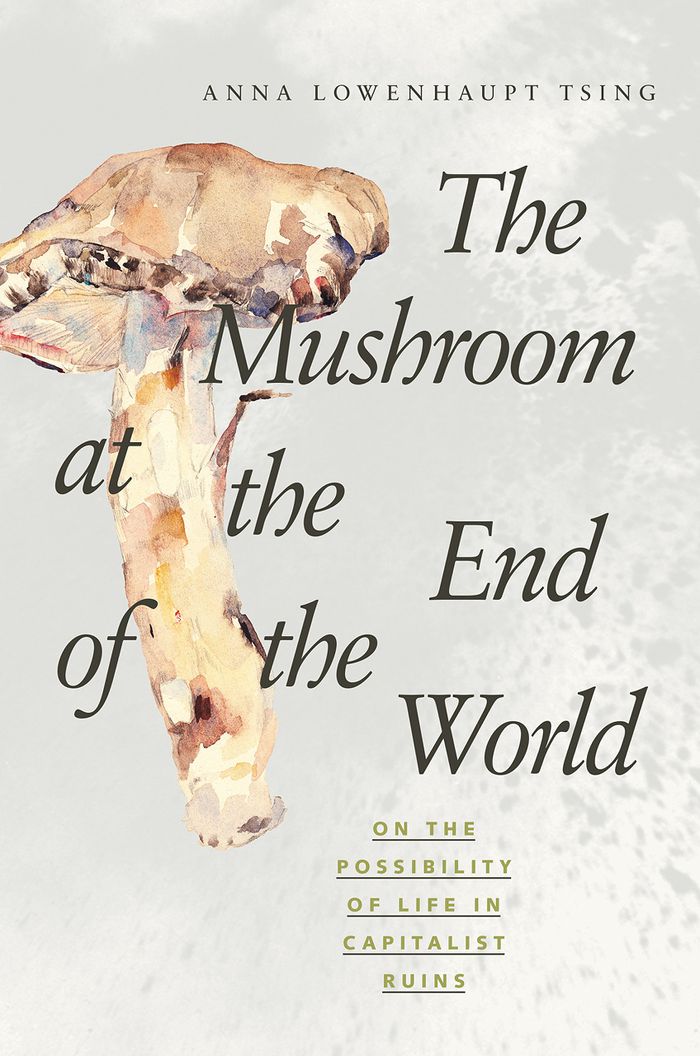
The mushroom at the end of the world: on the possibility of life in capitalist ruins
Actions:
Prix:
$38.95
(disponible sur commande)
Résumé:
A tale of diversity within our damaged landscapes, The Mushroom at the End of the World follows one of the strangest commodity chains of our times to explore the unexpected corners of capitalism. Here, we witness the varied and peculiar worlds of matsutake commerce: the worlds of Japanese gourmets, capitalist traders, Hmong jungle fighters, industrial forests, Yi Chinese goat herders, Finnish nature guides, and more. These companions also lead us into fungal ecologies and forest histories to better understand the promise of cohabitation in a time of massive human destruction. By investigating one of the world’s most sought-after fungi, The Mushroom at the End of the World presents an original examination into the relation between capitalist destruction and collaborative survival within multispecies landscapes, the prerequisite for continuing life on earth.
The mushroom at the end of the world: on the possibility of life in capitalist ruins
Actions:
Prix:
$38.95
(disponible sur commande)
Résumé:
A tale of diversity within our damaged landscapes, The Mushroom at the End of the World follows one of the strangest commodity chains of our times to explore the unexpected corners of capitalism. Here, we witness the varied and peculiar worlds of matsutake commerce: the worlds of Japanese gourmets, capitalist traders, Hmong jungle fighters, industrial forests, Yi Chinese goat herders, Finnish nature guides, and more. These companions also lead us into fungal ecologies and forest histories to better understand the promise of cohabitation in a time of massive human destruction. By investigating one of the world’s most sought-after fungi, The Mushroom at the End of the World presents an original examination into the relation between capitalist destruction and collaborative survival within multispecies landscapes, the prerequisite for continuing life on earth.
Classification:
livres
livres
Publication:
octobre 2015
octobre 2015
Classification:
périodiques
périodiques
Prix:
$55.95
(disponible en magasin)
Résumé:
Fifty years ago, architects imagined worlds to come. Today, many have ceded the future to market logic, treating global capitalism as inevitable and reality as fixed. This issue of Architectural Design argues that when collective imagination falters, the utopian impulse returns?not as a blueprint for perfection, but as a vital means of reopening what can still be(...)
$55.95
(disponible en magasin)
Résumé:
Fifty years ago, architects imagined worlds to come. Today, many have ceded the future to market logic, treating global capitalism as inevitable and reality as fixed. This issue of Architectural Design argues that when collective imagination falters, the utopian impulse returns?not as a blueprint for perfection, but as a vital means of reopening what can still be(...)
Titre:
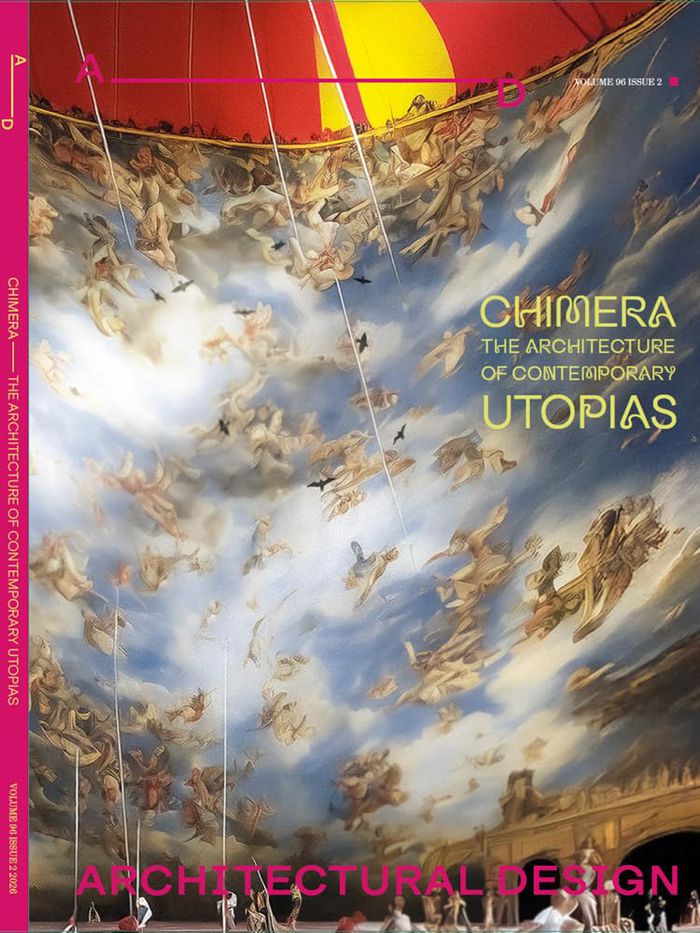
AD 96:2 Chimera : The architecture of contemporary utopias
Actions:
Prix:
$55.95
(disponible en magasin)
Résumé:
Fifty years ago, architects imagined worlds to come. Today, many have ceded the future to market logic, treating global capitalism as inevitable and reality as fixed. This issue of Architectural Design argues that when collective imagination falters, the utopian impulse returns?not as a blueprint for perfection, but as a vital means of reopening what can still be conceived and made. As planetary computation, climate instability and synthetic cognition converge, utopia becomes a tool for speculative world?building: a way to design new systems, realities and relationalities with the more-than-human. Contributors navigate this shifting terrain from a range of vantages?from those who embrace technological acceleration as an instrument of renewal to others whose address to futurity is aimed at resisting the exhausted capitalist logics of the present.
AD 96:2 Chimera : The architecture of contemporary utopias
Actions:
Prix:
$55.95
(disponible en magasin)
Résumé:
Fifty years ago, architects imagined worlds to come. Today, many have ceded the future to market logic, treating global capitalism as inevitable and reality as fixed. This issue of Architectural Design argues that when collective imagination falters, the utopian impulse returns?not as a blueprint for perfection, but as a vital means of reopening what can still be conceived and made. As planetary computation, climate instability and synthetic cognition converge, utopia becomes a tool for speculative world?building: a way to design new systems, realities and relationalities with the more-than-human. Contributors navigate this shifting terrain from a range of vantages?from those who embrace technological acceleration as an instrument of renewal to others whose address to futurity is aimed at resisting the exhausted capitalist logics of the present.
Classification:
périodiques
périodiques
Publication:
juillet 2026
juillet 2026
Sujet:
Revues
Revues
Classification:
livres
livres
Actions:
Prix:
$79.00
(disponible en magasin)
Résumé:
According to the writer and cultural theorist Sylvia Wynter, "we humans cannot pre-exist our origin myths any more than a bee can pre-exist its beehive." Drawing inspiration from her seminal essays "The ceremony must be found" (1984) and “The Ceremony Found” (2015), "Ceremony" draws on Wynter’s thinking to suggest that "modernity," contrary to its own self-image as(...)
$79.00
(disponible en magasin)
Résumé:
According to the writer and cultural theorist Sylvia Wynter, "we humans cannot pre-exist our origin myths any more than a bee can pre-exist its beehive." Drawing inspiration from her seminal essays "The ceremony must be found" (1984) and “The Ceremony Found” (2015), "Ceremony" draws on Wynter’s thinking to suggest that "modernity," contrary to its own self-image as(...)
Sujet:
Théorie de l’art
Théorie de l’art
Publication:
novembre 2023
novembre 2023
Titre:
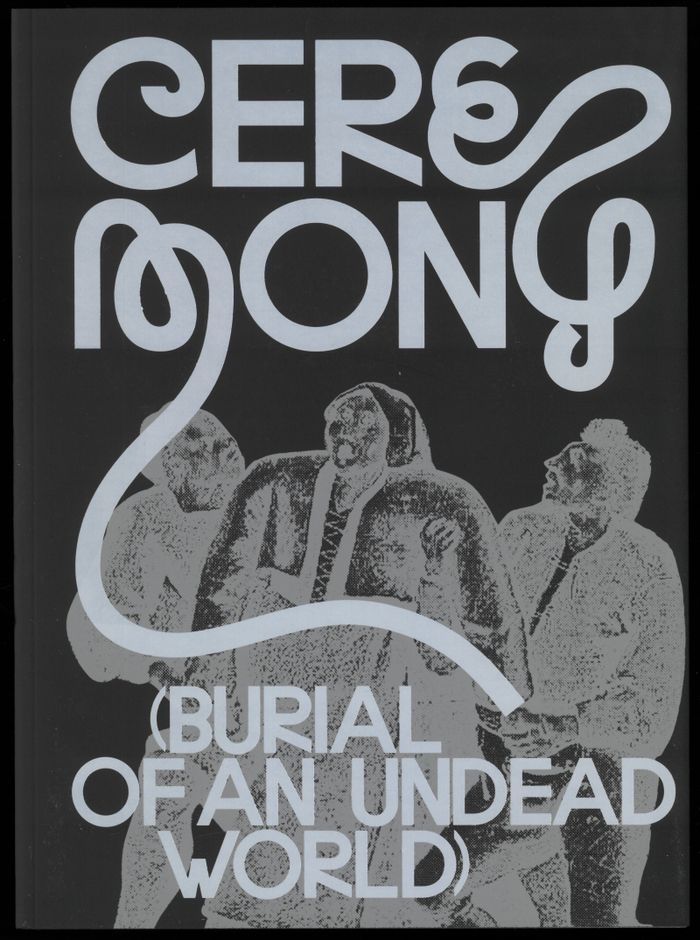
Ceremony: Burial of an undead world
Actions:
Prix:
$79.00
(disponible en magasin)
Résumé:
According to the writer and cultural theorist Sylvia Wynter, "we humans cannot pre-exist our origin myths any more than a bee can pre-exist its beehive." Drawing inspiration from her seminal essays "The ceremony must be found" (1984) and “The Ceremony Found” (2015), "Ceremony" draws on Wynter’s thinking to suggest that "modernity," contrary to its own self-image as rational and secular, is also determined by origin myths that emerged through the "mutations" of Christian cosmology after the dawn of capitalism in the Middle Ages. With over twenty-five unique contributions and commentaries on Wynter’s propositions from artists and writers, this publication will constitute a critical reference point for those seeking to construct and envisage a "counter-cosmogony" to the dispossession, slavery, and extractivism of modernity — which together endangers planetary life.
Ceremony: Burial of an undead world
Actions:
Prix:
$79.00
(disponible en magasin)
Résumé:
According to the writer and cultural theorist Sylvia Wynter, "we humans cannot pre-exist our origin myths any more than a bee can pre-exist its beehive." Drawing inspiration from her seminal essays "The ceremony must be found" (1984) and “The Ceremony Found” (2015), "Ceremony" draws on Wynter’s thinking to suggest that "modernity," contrary to its own self-image as rational and secular, is also determined by origin myths that emerged through the "mutations" of Christian cosmology after the dawn of capitalism in the Middle Ages. With over twenty-five unique contributions and commentaries on Wynter’s propositions from artists and writers, this publication will constitute a critical reference point for those seeking to construct and envisage a "counter-cosmogony" to the dispossession, slavery, and extractivism of modernity — which together endangers planetary life.
Classification:
livres
livres
Publication:
novembre 2023
novembre 2023
Sujet:
Théorie de l’art
Théorie de l’art
Classification:
livres
livres
Prix:
$37.95
(disponible en magasin)
Résumé:
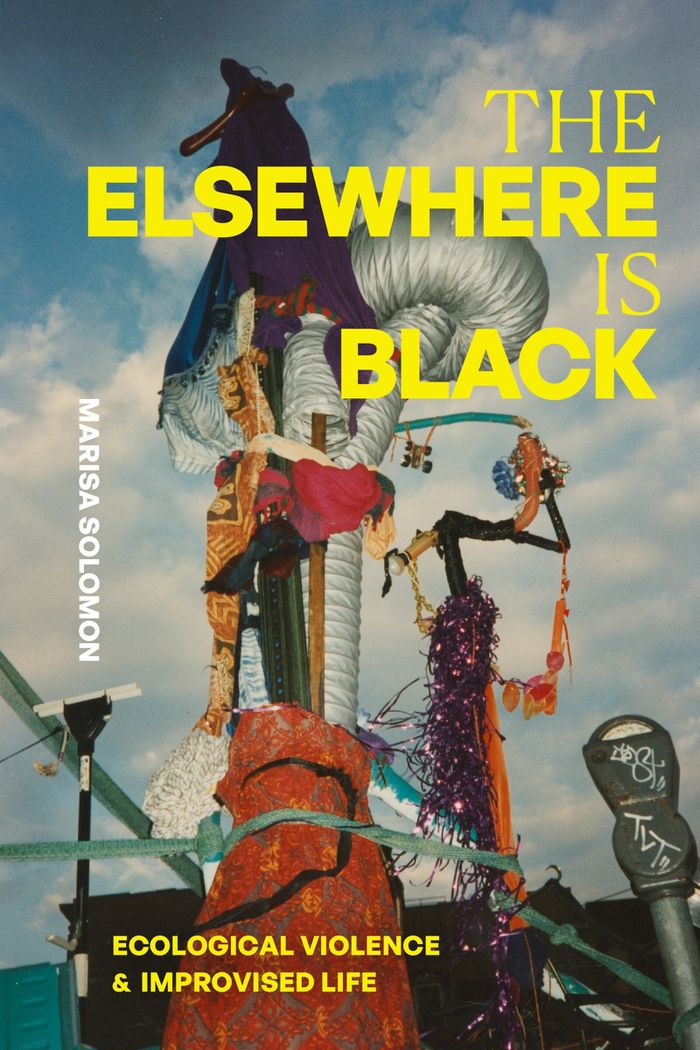
In "The elsewhere is black," Marisa Solomon examines how waste is a mundane part of poor Black survival and a condition of settler colonial racial capitalism. Tracing the flow of trash and waste across Black spaces, from Brooklyn's historically Black Bedford-Stuyvesant to the post-plantation towns of Virginia's Tidewater, Solomon contends that waste infrastructures(...)
$37.95
(disponible en magasin)
Résumé:
In "The elsewhere is black," Marisa Solomon examines how waste is a mundane part of poor Black survival and a condition of settler colonial racial capitalism. Tracing the flow of trash and waste across Black spaces, from Brooklyn's historically Black Bedford-Stuyvesant to the post-plantation towns of Virginia's Tidewater, Solomon contends that waste infrastructures(...)
Titre:
The elsewhere is black: ecological violence and improvised life
Actions:
Prix:
$37.95
(disponible en magasin)
Résumé:
In "The elsewhere is black," Marisa Solomon examines how waste is a mundane part of poor Black survival and a condition of settler colonial racial capitalism. Tracing the flow of trash and waste across Black spaces, from Brooklyn's historically Black Bedford-Stuyvesant to the post-plantation towns of Virginia's Tidewater, Solomon contends that waste infrastructures concentrate environmental risk in an elsewhere that is routinely Black. Solomon emphasizes that ecological violence is a form of racialized heteropatriarchal environmental control that upholds whiteness as a propertied way of life and criminalizes Black survival. As she points to acute sites of toxicity, Solomon theorizes the relationship between the devaluation of land and Black and more-than-human life to reveal how the risks of poisoning, police violence, dispossession, and poverty hold Black life captive.
The elsewhere is black: ecological violence and improvised life
Actions:
Prix:
$37.95
(disponible en magasin)
Résumé:
In "The elsewhere is black," Marisa Solomon examines how waste is a mundane part of poor Black survival and a condition of settler colonial racial capitalism. Tracing the flow of trash and waste across Black spaces, from Brooklyn's historically Black Bedford-Stuyvesant to the post-plantation towns of Virginia's Tidewater, Solomon contends that waste infrastructures concentrate environmental risk in an elsewhere that is routinely Black. Solomon emphasizes that ecological violence is a form of racialized heteropatriarchal environmental control that upholds whiteness as a propertied way of life and criminalizes Black survival. As she points to acute sites of toxicity, Solomon theorizes the relationship between the devaluation of land and Black and more-than-human life to reveal how the risks of poisoning, police violence, dispossession, and poverty hold Black life captive.
Classification:
livres
livres
Publication:
septembre 2025
septembre 2025
Sujet:
Social
Social
Classification:
livres
livres
Prix:
$20.95
(disponible sur commande)
Résumé:
In this Eurasian post-Soviet space, we try to find the continuities with Communism - if there are any - and the remnants of revolutions both distant and recent. Instead of a wistful journey through ruins, this intends to be an engaged travelogue, a subjective, personal Marxist Humanist guidebook to somewhere that actually exists, but which is constantly haunted by what it(...)
$20.95
(disponible sur commande)
Résumé:
In this Eurasian post-Soviet space, we try to find the continuities with Communism - if there are any - and the remnants of revolutions both distant and recent. Instead of a wistful journey through ruins, this intends to be an engaged travelogue, a subjective, personal Marxist Humanist guidebook to somewhere that actually exists, but which is constantly haunted by what it(...)
Titre:
The adventures of Owen Hatherley In the post-soviet space
Actions:
Prix:
$20.95
(disponible sur commande)
Résumé:
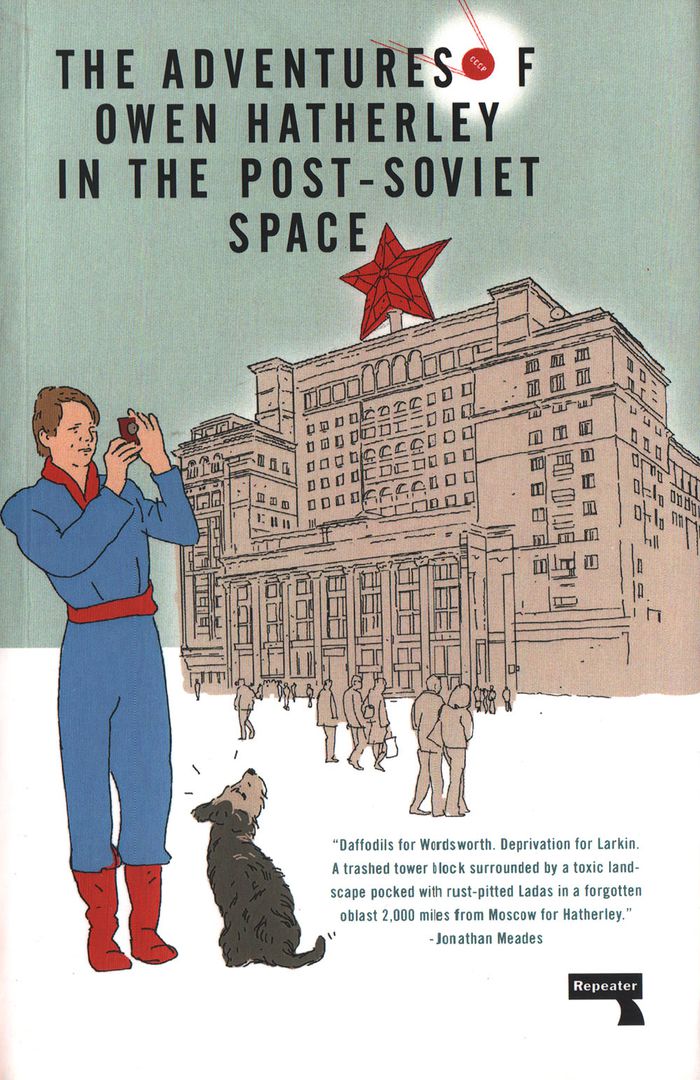
In this Eurasian post-Soviet space, we try to find the continuities with Communism - if there are any - and the remnants of revolutions both distant and recent. Instead of a wistful journey through ruins, this intends to be an engaged travelogue, a subjective, personal Marxist Humanist guidebook to somewhere that actually exists, but which is constantly haunted by what it didn't become, whether a real Communist utopia or a successful or fair capitalism. In the course of this transcontinental account of what used to be the Soviet Union and is now a patchwork of EU democracies, neoliberal dictatorships and Soviet nostalgic enclaves (often found in the same countries) we might just find the outlines of a way of building cities that is a powerful alternative, both in the past and present.
The adventures of Owen Hatherley In the post-soviet space
Actions:
Prix:
$20.95
(disponible sur commande)
Résumé:
In this Eurasian post-Soviet space, we try to find the continuities with Communism - if there are any - and the remnants of revolutions both distant and recent. Instead of a wistful journey through ruins, this intends to be an engaged travelogue, a subjective, personal Marxist Humanist guidebook to somewhere that actually exists, but which is constantly haunted by what it didn't become, whether a real Communist utopia or a successful or fair capitalism. In the course of this transcontinental account of what used to be the Soviet Union and is now a patchwork of EU democracies, neoliberal dictatorships and Soviet nostalgic enclaves (often found in the same countries) we might just find the outlines of a way of building cities that is a powerful alternative, both in the past and present.
Classification:
livres
livres
Publication:
novembre 2018
novembre 2018
Sujet:
Expositions en cours
Expositions en cours
Classification:
livres
livres
Actions:
Prix:
$36.95
(disponible sur commande)
Résumé:
In this book, Brenna Bhandar examines how modern property law contributes to the formation of racial subjects in settler colonies and to the development of racial capitalism. Examining both historical cases and ongoing processes of settler colonialism in Canada, Australia, and Israel and Palestine, Bhandar shows how the colonial appropriation of indigenous lands depends(...)
$36.95
(disponible sur commande)
Résumé:
In this book, Brenna Bhandar examines how modern property law contributes to the formation of racial subjects in settler colonies and to the development of racial capitalism. Examining both historical cases and ongoing processes of settler colonialism in Canada, Australia, and Israel and Palestine, Bhandar shows how the colonial appropriation of indigenous lands depends(...)
Titre:
Colonial lives of property: law, land, and racial regimes of ownership
Actions:
Prix:
$36.95
(disponible sur commande)
Résumé:
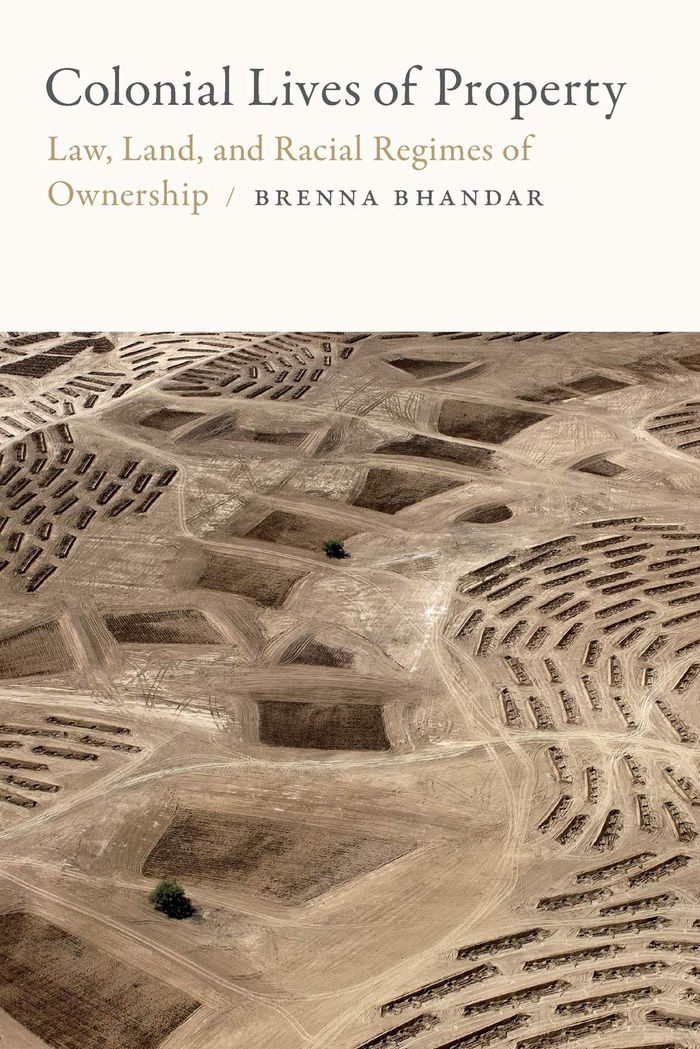
In this book, Brenna Bhandar examines how modern property law contributes to the formation of racial subjects in settler colonies and to the development of racial capitalism. Examining both historical cases and ongoing processes of settler colonialism in Canada, Australia, and Israel and Palestine, Bhandar shows how the colonial appropriation of indigenous lands depends upon ideologies of European racial superiority as well as upon legal narratives that equate civilized life with English concepts of property. In this way, property law legitimates and rationalizes settler colonial practices while it racializes those deemed unfit to own property. The solution to these enduring racial and economic inequities, Bhandar demonstrates, requires developing a new political imaginary of property in which freedom is connected to shared practices of use and community rather than individual possession.
Colonial lives of property: law, land, and racial regimes of ownership
Actions:
Prix:
$36.95
(disponible sur commande)
Résumé:
In this book, Brenna Bhandar examines how modern property law contributes to the formation of racial subjects in settler colonies and to the development of racial capitalism. Examining both historical cases and ongoing processes of settler colonialism in Canada, Australia, and Israel and Palestine, Bhandar shows how the colonial appropriation of indigenous lands depends upon ideologies of European racial superiority as well as upon legal narratives that equate civilized life with English concepts of property. In this way, property law legitimates and rationalizes settler colonial practices while it racializes those deemed unfit to own property. The solution to these enduring racial and economic inequities, Bhandar demonstrates, requires developing a new political imaginary of property in which freedom is connected to shared practices of use and community rather than individual possession.
Classification:
livres
livres
Publication:
mai 2018
mai 2018
Sujet:
L'écologie de l'architecure
L'écologie de l'architecure
Classification:
livres
livres
Prix:
$54.00
(disponible en magasin)
Résumé:
Through three radical critiques of Modernist architecture, illustrated by the iconic--and very different--works of the Situationist International, Venturi Scott Brown and Archigram, Radical Games offers new perspectives on the architecture of the 1960s. It illuminates some of the pitfalls of contemporary architectural thought and questions a number of preconceptions that(...)
$54.00
(disponible en magasin)
Résumé:
Through three radical critiques of Modernist architecture, illustrated by the iconic--and very different--works of the Situationist International, Venturi Scott Brown and Archigram, Radical Games offers new perspectives on the architecture of the 1960s. It illuminates some of the pitfalls of contemporary architectural thought and questions a number of preconceptions that(...)
Titre:
Radical games: Popping the bubble of 1960's architecture
Actions:
Prix:
$54.00
(disponible en magasin)
Résumé:
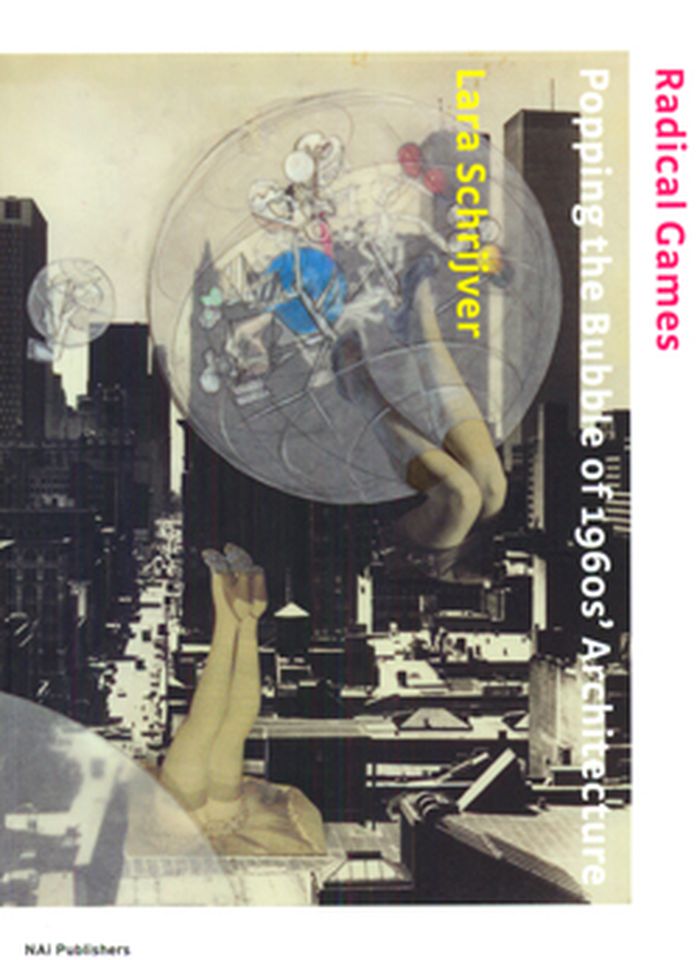
Through three radical critiques of Modernist architecture, illustrated by the iconic--and very different--works of the Situationist International, Venturi Scott Brown and Archigram, Radical Games offers new perspectives on the architecture of the 1960s. It illuminates some of the pitfalls of contemporary architectural thought and questions a number of preconceptions that remain with us from the prevalent discourses of the 1960s. Perched on the cusp of Postmodernism and global capitalism, the critiques in this volume demonstrate a perceptive understanding of Modernism, as well as contemporary conditions, such as our increasingly image-saturated society. It is also clear, however, that these radical projects were so entwined with Modernism that the architectural conversation of the 1960s was driven to an impasse, which the contemporary debate has not yet been able to escape.
Radical games: Popping the bubble of 1960's architecture
Actions:
Prix:
$54.00
(disponible en magasin)
Résumé:
Through three radical critiques of Modernist architecture, illustrated by the iconic--and very different--works of the Situationist International, Venturi Scott Brown and Archigram, Radical Games offers new perspectives on the architecture of the 1960s. It illuminates some of the pitfalls of contemporary architectural thought and questions a number of preconceptions that remain with us from the prevalent discourses of the 1960s. Perched on the cusp of Postmodernism and global capitalism, the critiques in this volume demonstrate a perceptive understanding of Modernism, as well as contemporary conditions, such as our increasingly image-saturated society. It is also clear, however, that these radical projects were so entwined with Modernism that the architectural conversation of the 1960s was driven to an impasse, which the contemporary debate has not yet been able to escape.
Classification:
livres
livres
Publication:
juin 2010
juin 2010
Sujet:
Théorie de l’architecture
Théorie de l’architecture
Classification:
livres
livres

Titre:
Critique of everyday life
Critique of everyday life
Actions:
Prix:
$59.95
(disponible sur commande)
Résumé:
The three-volume text by Henri Lefebvre is perhaps the richest, most prescient work about modern capitalism to emerge from one of the twentieth century's greatest philosophers and is now available for the first time in one complete volume. Written at the birth of post-war consumerism, Critique was an inspiration for the 1968 student revolution in France. It is a founding(...)
$59.95
(disponible sur commande)
Résumé:
The three-volume text by Henri Lefebvre is perhaps the richest, most prescient work about modern capitalism to emerge from one of the twentieth century's greatest philosophers and is now available for the first time in one complete volume. Written at the birth of post-war consumerism, Critique was an inspiration for the 1968 student revolution in France. It is a founding(...)
Titre:
Critique of everyday life
Actions:
Prix:
$59.95
(disponible sur commande)
Résumé:
The three-volume text by Henri Lefebvre is perhaps the richest, most prescient work about modern capitalism to emerge from one of the twentieth century's greatest philosophers and is now available for the first time in one complete volume. Written at the birth of post-war consumerism, Critique was an inspiration for the 1968 student revolution in France. It is a founding text of cultural studies and a major influence on the fields of contemporary philosophy, geography, sociology, architecture, political theory and urbanism. Lefebvre takes as his starting point and guide the 'trivial' details of quotidian experience: an experience colonized by the commodity, shadowed by inauthenticity, yet remaining the only source of resistance and change. This is an enduringly radical text, untimely today only in its intransigence and optimism.
Critique of everyday life
Actions:
Prix:
$59.95
(disponible sur commande)
Résumé:
The three-volume text by Henri Lefebvre is perhaps the richest, most prescient work about modern capitalism to emerge from one of the twentieth century's greatest philosophers and is now available for the first time in one complete volume. Written at the birth of post-war consumerism, Critique was an inspiration for the 1968 student revolution in France. It is a founding text of cultural studies and a major influence on the fields of contemporary philosophy, geography, sociology, architecture, political theory and urbanism. Lefebvre takes as his starting point and guide the 'trivial' details of quotidian experience: an experience colonized by the commodity, shadowed by inauthenticity, yet remaining the only source of resistance and change. This is an enduringly radical text, untimely today only in its intransigence and optimism.
Classification:
livres
livres
Publication:
mai 2014
mai 2014
Sujet:
Théorie/ philosophie
Théorie/ philosophie


