


10594 Résultats
Classification:
livres
livres
Prix:
$38.50
(disponible sur commande)
Résumé:
A celebrated figure in myth, song, and story, the nightingale has captivated the imagination for millennia, its complex song evoking a prism of human emotions,-from melancholy to joy, from the fear of death to the immortality of art. As philosopher and musician David Rothenberg shows in this searching and personal new book, the nightingale's song is so peculiar in part(...)
$38.50
(disponible sur commande)
Résumé:
A celebrated figure in myth, song, and story, the nightingale has captivated the imagination for millennia, its complex song evoking a prism of human emotions,-from melancholy to joy, from the fear of death to the immortality of art. As philosopher and musician David Rothenberg shows in this searching and personal new book, the nightingale's song is so peculiar in part(...)
Titre:
Nightingales in Berlin: searching for the perfect sound
Actions:
Prix:
$38.50
(disponible sur commande)
Résumé:
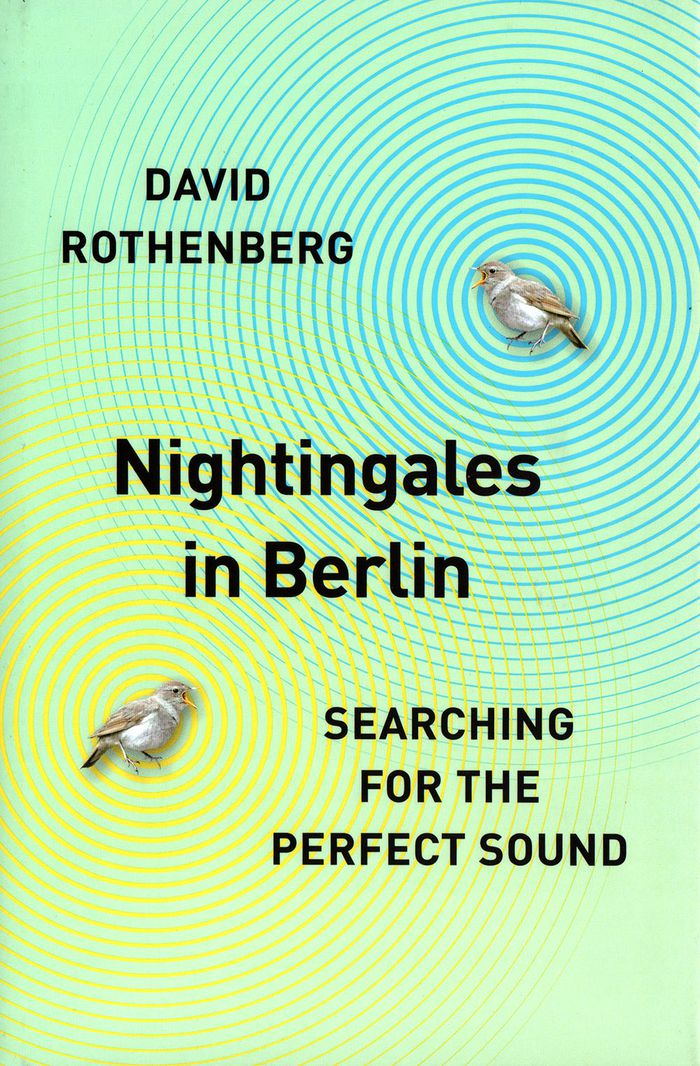
A celebrated figure in myth, song, and story, the nightingale has captivated the imagination for millennia, its complex song evoking a prism of human emotions,-from melancholy to joy, from the fear of death to the immortality of art. As philosopher and musician David Rothenberg shows in this searching and personal new book, the nightingale's song is so peculiar in part because it reflects our own cacophony back at us. As vocal learners, nightingales acquire their music through the world around them, singing amidst the sounds of humanity in all its contradictions of noise and beauty, hard machinery and soft melody. Rather than try to capture a sound not made for us to understand, Rothenberg seeks these musical creatures out, clarinet in tow, and makes a new sound with them. He takes us to the urban landscape of Berlin—longtime home to nightingale colonies where the birds sing ever louder in order to be heard—and invites us to listen in on their remarkable collaboration as birds and instruments riff off of each other's sounds. Through dialogue, travel records, sonograms, tours of Berlin's city parks, and musings on the place animal music occupies in our collective imagination, Rothenberg takes us on a quest for a new sonic alchemy, a music impossible for any one species to make alone.
Nightingales in Berlin: searching for the perfect sound
Actions:
Prix:
$38.50
(disponible sur commande)
Résumé:
A celebrated figure in myth, song, and story, the nightingale has captivated the imagination for millennia, its complex song evoking a prism of human emotions,-from melancholy to joy, from the fear of death to the immortality of art. As philosopher and musician David Rothenberg shows in this searching and personal new book, the nightingale's song is so peculiar in part because it reflects our own cacophony back at us. As vocal learners, nightingales acquire their music through the world around them, singing amidst the sounds of humanity in all its contradictions of noise and beauty, hard machinery and soft melody. Rather than try to capture a sound not made for us to understand, Rothenberg seeks these musical creatures out, clarinet in tow, and makes a new sound with them. He takes us to the urban landscape of Berlin—longtime home to nightingale colonies where the birds sing ever louder in order to be heard—and invites us to listen in on their remarkable collaboration as birds and instruments riff off of each other's sounds. Through dialogue, travel records, sonograms, tours of Berlin's city parks, and musings on the place animal music occupies in our collective imagination, Rothenberg takes us on a quest for a new sonic alchemy, a music impossible for any one species to make alone.
Classification:
livres
livres
Publication:
mai 2019
mai 2019
Sujet:
Théorie du paysage
Théorie du paysage
Classification:
livres
livres
Prix:
$80.00
(disponible sur commande)
Résumé:
The City of Light. For many, these four words instantly conjure late nineteenth-century Paris and the garish colors of Toulouse-Lautrec’s iconic posters. More recently, the Eiffel Tower’s nightly show of sparkling electric lights has come to exemplify our fantasies of Parisian nightlife. Though we reflect longingly on such scenes, in "Illuminated Paris", Hollis Clayson(...)
$80.00
(disponible sur commande)
Résumé:
The City of Light. For many, these four words instantly conjure late nineteenth-century Paris and the garish colors of Toulouse-Lautrec’s iconic posters. More recently, the Eiffel Tower’s nightly show of sparkling electric lights has come to exemplify our fantasies of Parisian nightlife. Though we reflect longingly on such scenes, in "Illuminated Paris", Hollis Clayson(...)
Titre:
Illuminated Paris: Essays on art and lighting in the Belle Epoque
Actions:
Prix:
$80.00
(disponible sur commande)
Résumé:
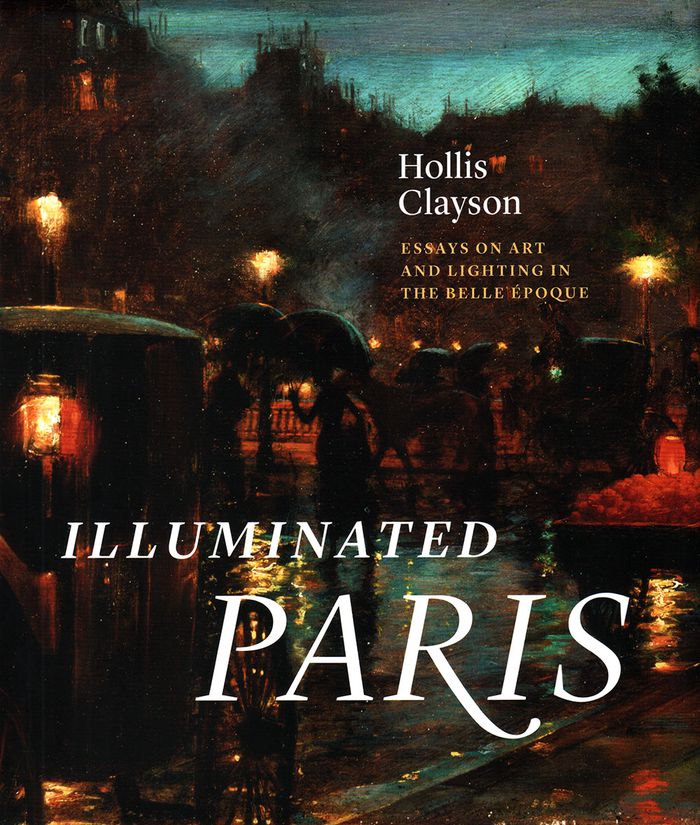
The City of Light. For many, these four words instantly conjure late nineteenth-century Paris and the garish colors of Toulouse-Lautrec’s iconic posters. More recently, the Eiffel Tower’s nightly show of sparkling electric lights has come to exemplify our fantasies of Parisian nightlife. Though we reflect longingly on such scenes, in "Illuminated Paris", Hollis Clayson shows that there’s more to these clichés than meets the eye. In this illustrated book, she traces the dramatic evolution of lighting in Paris and how artists responded to the shifting visual and cultural scenes that resulted from these technologies.
Illuminated Paris: Essays on art and lighting in the Belle Epoque
Actions:
Prix:
$80.00
(disponible sur commande)
Résumé:
The City of Light. For many, these four words instantly conjure late nineteenth-century Paris and the garish colors of Toulouse-Lautrec’s iconic posters. More recently, the Eiffel Tower’s nightly show of sparkling electric lights has come to exemplify our fantasies of Parisian nightlife. Though we reflect longingly on such scenes, in "Illuminated Paris", Hollis Clayson shows that there’s more to these clichés than meets the eye. In this illustrated book, she traces the dramatic evolution of lighting in Paris and how artists responded to the shifting visual and cultural scenes that resulted from these technologies.
Classification:
livres
livres
Publication:
mai 2019
mai 2019
Sujet:
Théorie de l’art
Théorie de l’art
Classification:
livres
livres
Prix:
$42.95
(disponible sur commande)
Résumé:
Omnivorous in her research, Barbara Stafford has published work that embraces neuroscience and philosophy, biology and culture, pinpointing connections among each discipline’s parallel concerns. ''Ribbon of Darkness'' is a monument to the scope of her work and the range of her intellect. At times associative, but always incisive, the essays in this new volume take on a(...)
$42.95
(disponible sur commande)
Résumé:
Omnivorous in her research, Barbara Stafford has published work that embraces neuroscience and philosophy, biology and culture, pinpointing connections among each discipline’s parallel concerns. ''Ribbon of Darkness'' is a monument to the scope of her work and the range of her intellect. At times associative, but always incisive, the essays in this new volume take on a(...)
Titre:
Ribbon of darkness: inferencing from the shadowy arts and sciences
Actions:
Prix:
$42.95
(disponible sur commande)
Résumé:
Omnivorous in her research, Barbara Stafford has published work that embraces neuroscience and philosophy, biology and culture, pinpointing connections among each discipline’s parallel concerns. ''Ribbon of Darkness'' is a monument to the scope of her work and the range of her intellect. At times associative, but always incisive, the essays in this new volume take on a distinctly contemporary purpose: to uncover the ethical force and moral aspects of overlapping scientific and creative inquiries. This shared territory, Stafford argues, offers important insights into—and clarifications of—current dilemmas about personhood, the supposedly menial nature of manual skill, the questionable borderlands of gene editing, the potentially refining value of dualism, and the limits of a materialist worldview.
Ribbon of darkness: inferencing from the shadowy arts and sciences
Actions:
Prix:
$42.95
(disponible sur commande)
Résumé:
Omnivorous in her research, Barbara Stafford has published work that embraces neuroscience and philosophy, biology and culture, pinpointing connections among each discipline’s parallel concerns. ''Ribbon of Darkness'' is a monument to the scope of her work and the range of her intellect. At times associative, but always incisive, the essays in this new volume take on a distinctly contemporary purpose: to uncover the ethical force and moral aspects of overlapping scientific and creative inquiries. This shared territory, Stafford argues, offers important insights into—and clarifications of—current dilemmas about personhood, the supposedly menial nature of manual skill, the questionable borderlands of gene editing, the potentially refining value of dualism, and the limits of a materialist worldview.
Classification:
livres
livres
Publication:
juin 2019
juin 2019
Sujet:
Théorie de l’art
Théorie de l’art
Classification:
livres
livres
Prix:
$46.95
(disponible sur commande)
Résumé:
As Joanna Merwood-Salisbury shows us in 'Design for the Crowd', the history of Union Square illustrates ongoing debates over the proper organization of urban space—and competing images of the public that uses it. In this sweeping history of an iconic urban square, Merwood-Salisbury gives us a review of American political activism, philosophies of urban design, and the(...)
$46.95
(disponible sur commande)
Résumé:
As Joanna Merwood-Salisbury shows us in 'Design for the Crowd', the history of Union Square illustrates ongoing debates over the proper organization of urban space—and competing images of the public that uses it. In this sweeping history of an iconic urban square, Merwood-Salisbury gives us a review of American political activism, philosophies of urban design, and the(...)
Titre:
Design for the crowd: patriotism and protest in Union Square
Actions:
Prix:
$46.95
(disponible sur commande)
Résumé:
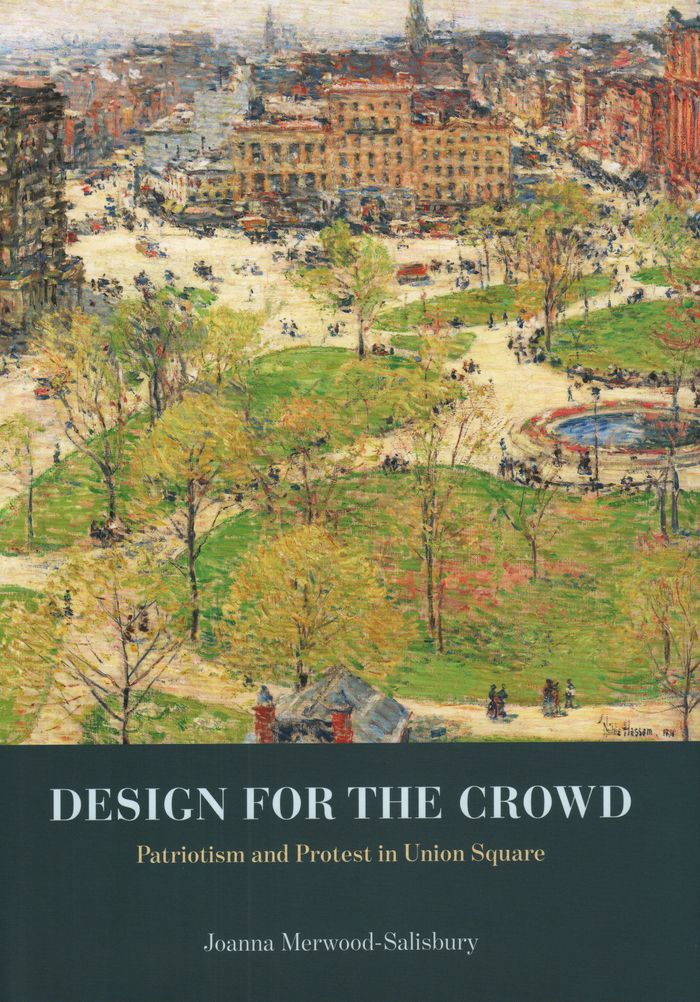
As Joanna Merwood-Salisbury shows us in 'Design for the Crowd', the history of Union Square illustrates ongoing debates over the proper organization of urban space—and competing images of the public that uses it. In this sweeping history of an iconic urban square, Merwood-Salisbury gives us a review of American political activism, philosophies of urban design, and the many ways in which a seemingly stable landmark can change through public engagement and design.
Design for the crowd: patriotism and protest in Union Square
Actions:
Prix:
$46.95
(disponible sur commande)
Résumé:
As Joanna Merwood-Salisbury shows us in 'Design for the Crowd', the history of Union Square illustrates ongoing debates over the proper organization of urban space—and competing images of the public that uses it. In this sweeping history of an iconic urban square, Merwood-Salisbury gives us a review of American political activism, philosophies of urban design, and the many ways in which a seemingly stable landmark can change through public engagement and design.
Classification:
livres
livres
Publication:
octobre 2019
octobre 2019
Sujet:
Théorie de l’urbanisme
Théorie de l’urbanisme
Classification:
livres
livres
Titre:
Other things
Other things
Actions:
Prix:
$45.00
(disponible sur commande)
Résumé:
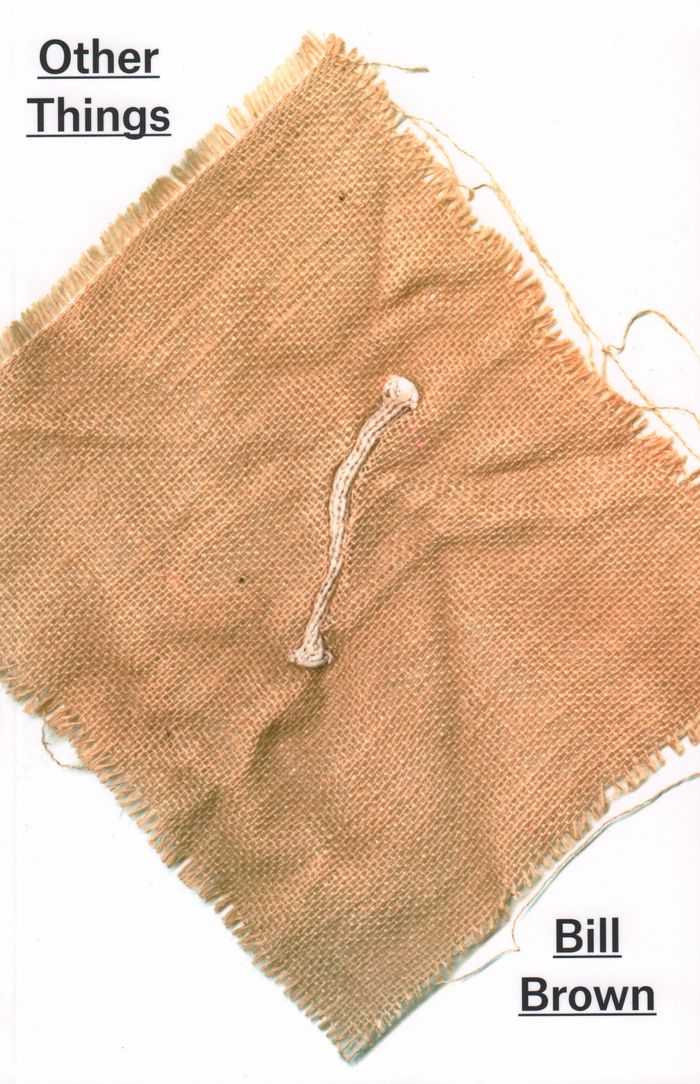
From the pencil to the puppet to the drone—the humanities and the social sciences continue to ride a wave of interest in material culture and the world of things. How should we understand the force and figure of that wave as it shapes different disciplines? ''Other Things'' explores this question by considering a wide assortment of objects—from beach glass to cell phones,(...)
$45.00
(disponible sur commande)
Résumé:
From the pencil to the puppet to the drone—the humanities and the social sciences continue to ride a wave of interest in material culture and the world of things. How should we understand the force and figure of that wave as it shapes different disciplines? ''Other Things'' explores this question by considering a wide assortment of objects—from beach glass to cell phones,(...)
Titre:
Other things
Actions:
Prix:
$45.00
(disponible sur commande)
Résumé:
From the pencil to the puppet to the drone—the humanities and the social sciences continue to ride a wave of interest in material culture and the world of things. How should we understand the force and figure of that wave as it shapes different disciplines? ''Other Things'' explores this question by considering a wide assortment of objects—from beach glass to cell phones, sneakers to skyscrapers—that have fascinated a range of writers and artists, including Virginia Woolf, Man Ray, Spike Lee, and Don DeLillo.
Other things
Actions:
Prix:
$45.00
(disponible sur commande)
Résumé:
From the pencil to the puppet to the drone—the humanities and the social sciences continue to ride a wave of interest in material culture and the world of things. How should we understand the force and figure of that wave as it shapes different disciplines? ''Other Things'' explores this question by considering a wide assortment of objects—from beach glass to cell phones, sneakers to skyscrapers—that have fascinated a range of writers and artists, including Virginia Woolf, Man Ray, Spike Lee, and Don DeLillo.
Classification:
livres
livres
Publication:
février 2019
février 2019
Sujet:
Théorie du design
Théorie du design
Classification:
livres
livres
Actions:
Prix:
$50.95
(disponible sur commande)
Résumé:
In her new book, Mary Ann Caws explores a rich variety of gathering places, past and present, which have been conducive to the release and sustenance of creative energies. ''Creative Gatherings'' surveys meeting locations across Europe and the United States, from cityscapes to island hideouts, from private homes to public cafes and artists’ colonies. Examples include(...)
$50.95
(disponible sur commande)
Résumé:
In her new book, Mary Ann Caws explores a rich variety of gathering places, past and present, which have been conducive to the release and sustenance of creative energies. ''Creative Gatherings'' surveys meeting locations across Europe and the United States, from cityscapes to island hideouts, from private homes to public cafes and artists’ colonies. Examples include(...)
Titre:
Creative gatherings: meeting places of modernism
Actions:
Prix:
$50.95
(disponible sur commande)
Résumé:
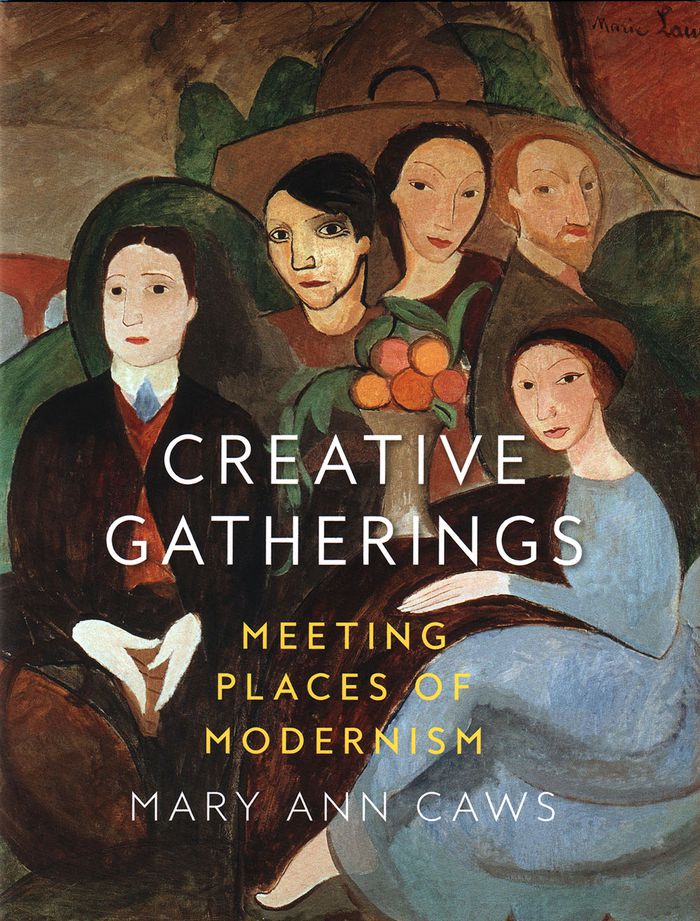
In her new book, Mary Ann Caws explores a rich variety of gathering places, past and present, which have been conducive to the release and sustenance of creative energies. ''Creative Gatherings'' surveys meeting locations across Europe and the United States, from cityscapes to island hideouts, from private homes to public cafes and artists’ colonies. Examples include Florence Griswold’s house in Old Lyme, Connecticut, meeting place of the Old Lyme Art Colony; Prague’s Le Louvre café, haunt of Kafka and Einstein; Picasso’s modernist hangout in Barcelona, Els Quatre Gats; Charleston, gathering place of Virginia Woolf and Vanessa and Duncan Bell; and the cafés of Saint-Germain-des-Prés and Montparnasse: the hangouts of Apollinaire, Sartre, and Patti Smith.
Creative gatherings: meeting places of modernism
Actions:
Prix:
$50.95
(disponible sur commande)
Résumé:
In her new book, Mary Ann Caws explores a rich variety of gathering places, past and present, which have been conducive to the release and sustenance of creative energies. ''Creative Gatherings'' surveys meeting locations across Europe and the United States, from cityscapes to island hideouts, from private homes to public cafes and artists’ colonies. Examples include Florence Griswold’s house in Old Lyme, Connecticut, meeting place of the Old Lyme Art Colony; Prague’s Le Louvre café, haunt of Kafka and Einstein; Picasso’s modernist hangout in Barcelona, Els Quatre Gats; Charleston, gathering place of Virginia Woolf and Vanessa and Duncan Bell; and the cafés of Saint-Germain-des-Prés and Montparnasse: the hangouts of Apollinaire, Sartre, and Patti Smith.
Classification:
livres
livres
Publication:
juillet 2019
juillet 2019
Sujet:
Théorie de l’architecture
Théorie de l’architecture
Classification:
livres
livres
Actions:
Prix:
$40.00
(disponible sur commande)
Résumé:
Though reaching ever further toward the skies, today's cities are overshadowed by multiple threats: climate change, overpopulation, social division, and urban warfare all endanger our metropolitan way of life. The fundamental tool we use to make sense of these uncertain city futures is the imagination. Architects, artists, filmmakers, and fiction writers have long been(...)
$40.00
(disponible sur commande)
Résumé:
Though reaching ever further toward the skies, today's cities are overshadowed by multiple threats: climate change, overpopulation, social division, and urban warfare all endanger our metropolitan way of life. The fundamental tool we use to make sense of these uncertain city futures is the imagination. Architects, artists, filmmakers, and fiction writers have long been(...)
Titre:
Future cities: architecture and the imagination
Actions:
Prix:
$40.00
(disponible sur commande)
Résumé:
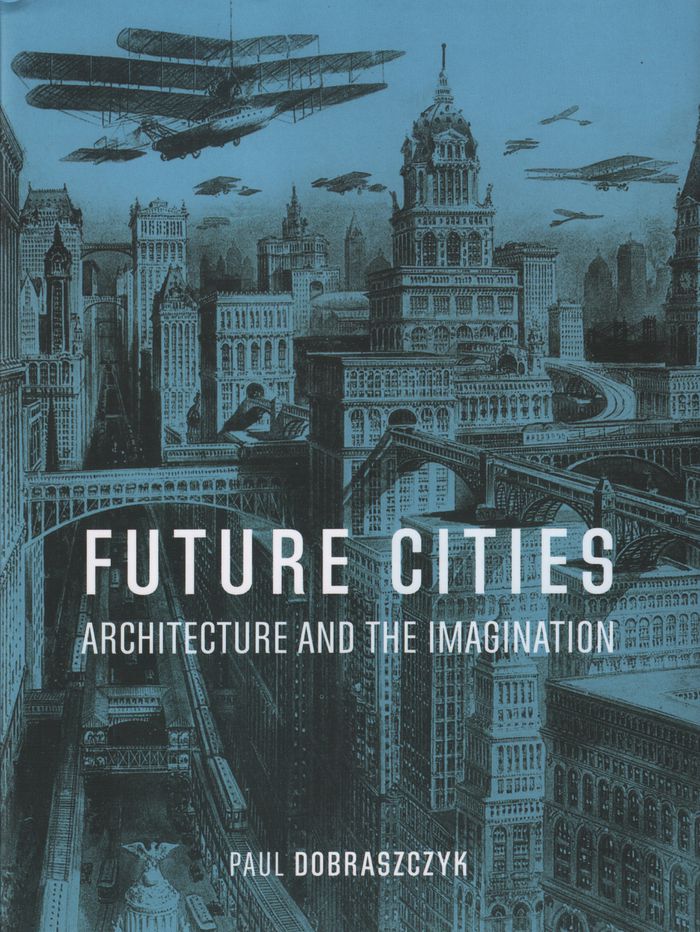
Though reaching ever further toward the skies, today's cities are overshadowed by multiple threats: climate change, overpopulation, social division, and urban warfare all endanger our metropolitan way of life. The fundamental tool we use to make sense of these uncertain city futures is the imagination. Architects, artists, filmmakers, and fiction writers have long been inspired to imagine cities of the future, but their speculative visions tend to be seen very differently from scientific predictions: flights of fancy on the one hand versus practical reasoning on the other. In a digital age when the real and the fantastic coexist as near equals, it is especially important to know how these two forces are entangled, and how together they may help us best conceive of cities yet to come.
Future cities: architecture and the imagination
Actions:
Prix:
$40.00
(disponible sur commande)
Résumé:
Though reaching ever further toward the skies, today's cities are overshadowed by multiple threats: climate change, overpopulation, social division, and urban warfare all endanger our metropolitan way of life. The fundamental tool we use to make sense of these uncertain city futures is the imagination. Architects, artists, filmmakers, and fiction writers have long been inspired to imagine cities of the future, but their speculative visions tend to be seen very differently from scientific predictions: flights of fancy on the one hand versus practical reasoning on the other. In a digital age when the real and the fantastic coexist as near equals, it is especially important to know how these two forces are entangled, and how together they may help us best conceive of cities yet to come.
Classification:
livres
livres
Publication:
février 2019
février 2019
Sujet:
Théorie de l’architecture
Théorie de l’architecture
Classification:
livres
livres
Actions:
Prix:
$52.00
(disponible sur commande)
Résumé:
This book is the first definitive history of the corridor, from its origins in country houses and utopian communities in the seventeenth and eighteenth centuries, through reformist Victorian prisons, hospitals and asylums, to the ‘corridors of power’, bureaucratic labyrinths, and housing estates of the twentieth century. The book takes in wide range of sources, from(...)
$52.00
(disponible sur commande)
Résumé:
This book is the first definitive history of the corridor, from its origins in country houses and utopian communities in the seventeenth and eighteenth centuries, through reformist Victorian prisons, hospitals and asylums, to the ‘corridors of power’, bureaucratic labyrinths, and housing estates of the twentieth century. The book takes in wide range of sources, from(...)
Titre:
Corridors: passages of modernity
Actions:
Prix:
$52.00
(disponible sur commande)
Résumé:
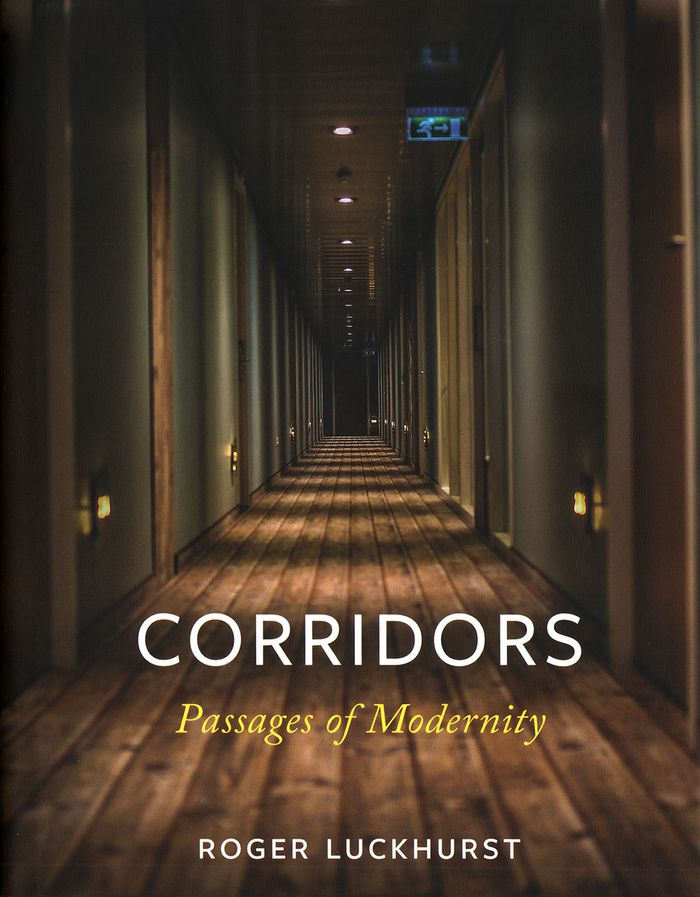
This book is the first definitive history of the corridor, from its origins in country houses and utopian communities in the seventeenth and eighteenth centuries, through reformist Victorian prisons, hospitals and asylums, to the ‘corridors of power’, bureaucratic labyrinths, and housing estates of the twentieth century. The book takes in wide range of sources, from architectural history to fiction, film and TV, to explore how the corridor went from a utopian ideal to a place of unease: the archetypal stuff of nightmares.
Corridors: passages of modernity
Actions:
Prix:
$52.00
(disponible sur commande)
Résumé:
This book is the first definitive history of the corridor, from its origins in country houses and utopian communities in the seventeenth and eighteenth centuries, through reformist Victorian prisons, hospitals and asylums, to the ‘corridors of power’, bureaucratic labyrinths, and housing estates of the twentieth century. The book takes in wide range of sources, from architectural history to fiction, film and TV, to explore how the corridor went from a utopian ideal to a place of unease: the archetypal stuff of nightmares.
Classification:
livres
livres
Publication:
avril 2019
avril 2019
Sujet:
Théorie de l’architecture
Théorie de l’architecture
Classification:
livres
livres
Actions:
Prix:
$71.95
(disponible sur commande)
Résumé:
At the peak of the 1968/69 students' riots at American Universities, Robert Venturi and Denise Scott Brown, together with Steven Izenour, pursued their Design and Research Studio on the topic of Las Vegas at Yale School of Architecture. The results of this were condensed into the book 'Learning from Las Vegas' that became a classic almost instantly upon its first(...)
$71.95
(disponible sur commande)
Résumé:
At the peak of the 1968/69 students' riots at American Universities, Robert Venturi and Denise Scott Brown, together with Steven Izenour, pursued their Design and Research Studio on the topic of Las Vegas at Yale School of Architecture. The results of this were condensed into the book 'Learning from Las Vegas' that became a classic almost instantly upon its first(...)
Titre:
Eyes that saw: Architecture after Las Vegas
Actions:
Prix:
$71.95
(disponible sur commande)
Résumé:
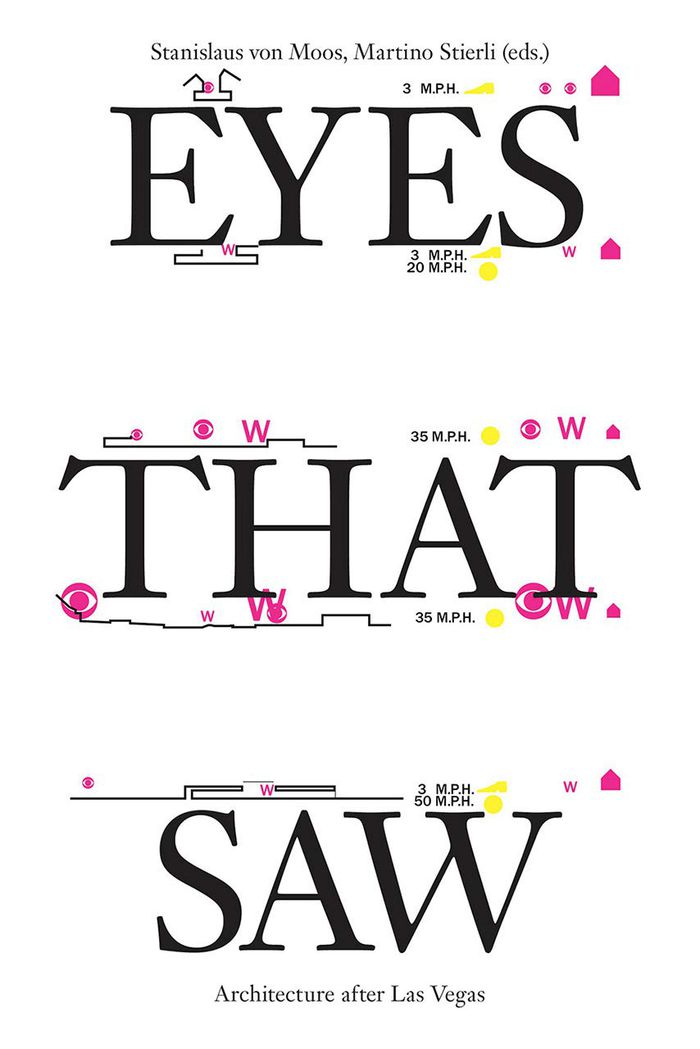
At the peak of the 1968/69 students' riots at American Universities, Robert Venturi and Denise Scott Brown, together with Steven Izenour, pursued their Design and Research Studio on the topic of Las Vegas at Yale School of Architecture. The results of this were condensed into the book 'Learning from Las Vegas' that became a classic almost instantly upon its first publication in 1972. The treatise excited the 1970s architecture world and has remained influential to architects, teachers and theoreticians to the present day. Some forty years later, 'Eyes that Saw: Architecture after Las Vegas' offers a richly illustrated collection of essays by renowned scholars of art and architectural history, eminent architects, and artists, investigating Learning from Las Vegas and its heritage from various perspectives. Each chapter builds on the knowledge of the radical influence it had on architecture and urban design, visual art, and even on history more generally. Published alongside are documents from the Venturi, Scott Brown & Associates Archive at the University of Pennsylvania, as well as an illustrated chronology of the resonance in international media following the publication of Learning from Las Vegas in 1972.
Eyes that saw: Architecture after Las Vegas
Actions:
Prix:
$71.95
(disponible sur commande)
Résumé:
At the peak of the 1968/69 students' riots at American Universities, Robert Venturi and Denise Scott Brown, together with Steven Izenour, pursued their Design and Research Studio on the topic of Las Vegas at Yale School of Architecture. The results of this were condensed into the book 'Learning from Las Vegas' that became a classic almost instantly upon its first publication in 1972. The treatise excited the 1970s architecture world and has remained influential to architects, teachers and theoreticians to the present day. Some forty years later, 'Eyes that Saw: Architecture after Las Vegas' offers a richly illustrated collection of essays by renowned scholars of art and architectural history, eminent architects, and artists, investigating Learning from Las Vegas and its heritage from various perspectives. Each chapter builds on the knowledge of the radical influence it had on architecture and urban design, visual art, and even on history more generally. Published alongside are documents from the Venturi, Scott Brown & Associates Archive at the University of Pennsylvania, as well as an illustrated chronology of the resonance in international media following the publication of Learning from Las Vegas in 1972.
Classification:
livres
livres
Publication:
juin 2019
juin 2019
Sujet:
Théorie de l’architecture
Théorie de l’architecture
Classification:
livres
livres
Actions:
Prix:
$56.95
(disponible sur commande)
Résumé:
Displaying gleaming new shopping centers and refurbished row houses, Harlem today bears little resemblance to the neighborhood of the midcentury urban crisis. Brian Goldstein traces Harlem’s widely noted “Second Renaissance” to a surprising source: the radical 1960s social movements that resisted city officials and fought to give Harlemites control of their own destiny.
$56.95
(disponible sur commande)
Résumé:
Displaying gleaming new shopping centers and refurbished row houses, Harlem today bears little resemblance to the neighborhood of the midcentury urban crisis. Brian Goldstein traces Harlem’s widely noted “Second Renaissance” to a surprising source: the radical 1960s social movements that resisted city officials and fought to give Harlemites control of their own destiny.
Titre:
The roots of urban renaissance: gentrification and the struggle over Harlem
Actions:
Prix:
$56.95
(disponible sur commande)
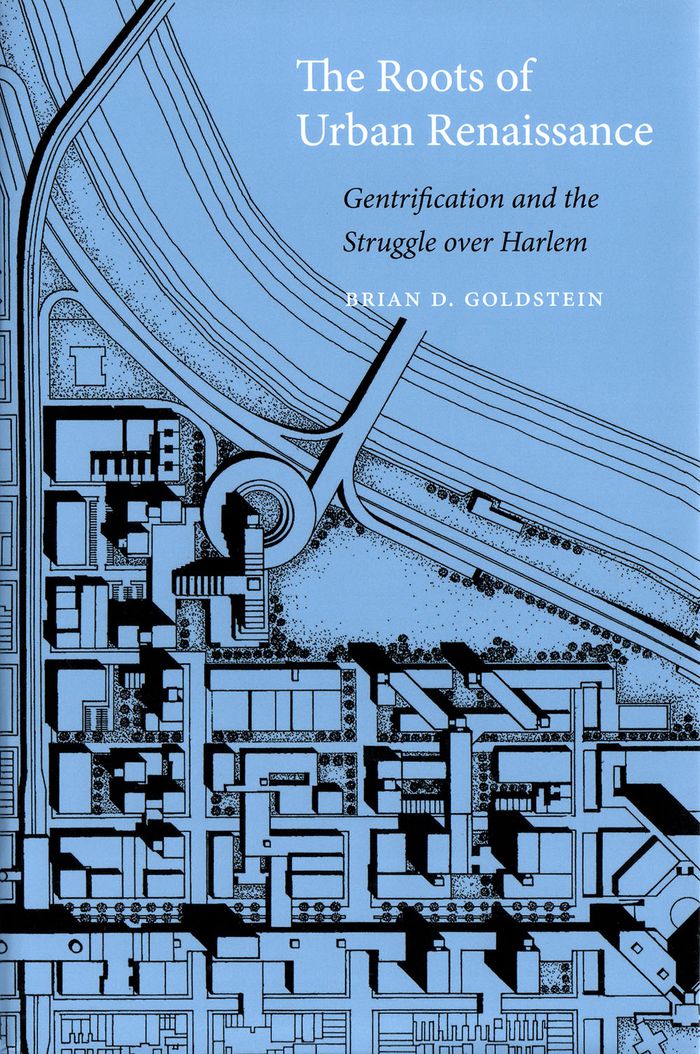
Résumé:
Displaying gleaming new shopping centers and refurbished row houses, Harlem today bears little resemblance to the neighborhood of the midcentury urban crisis. Brian Goldstein traces Harlem’s widely noted “Second Renaissance” to a surprising source: the radical 1960s social movements that resisted city officials and fought to give Harlemites control of their own destiny.
The roots of urban renaissance: gentrification and the struggle over Harlem
Actions:
Prix:
$56.95
(disponible sur commande)
Résumé:
Displaying gleaming new shopping centers and refurbished row houses, Harlem today bears little resemblance to the neighborhood of the midcentury urban crisis. Brian Goldstein traces Harlem’s widely noted “Second Renaissance” to a surprising source: the radical 1960s social movements that resisted city officials and fought to give Harlemites control of their own destiny.
Classification:
livres
livres
Publication:
janvier 2017
janvier 2017
Sujet:
Théorie de l’urbanisme
Théorie de l’urbanisme


