


12361 Résultats
Classification:
livres
livres
Titre:
Architecture of shame
Architecture of shame
Actions:
Prix:
$17.99
(disponible en magasin)
Résumé:
In 'Architecture of Shame' the author 'reveals' little-known details about famous buildings around the world, such as how India's Taj Mahal was intended to have two domes and that the Eiffel Tower, in France, once wore fig leaves. Some of the information is startling and unheard of, not least because they were drawn from the author's vivid imagination. Each of the(...)
$17.99
(disponible en magasin)
Résumé:
In 'Architecture of Shame' the author 'reveals' little-known details about famous buildings around the world, such as how India's Taj Mahal was intended to have two domes and that the Eiffel Tower, in France, once wore fig leaves. Some of the information is startling and unheard of, not least because they were drawn from the author's vivid imagination. Each of the(...)
Titre:
Architecture of shame
Actions:
Prix:
$17.99
(disponible en magasin)
Résumé:
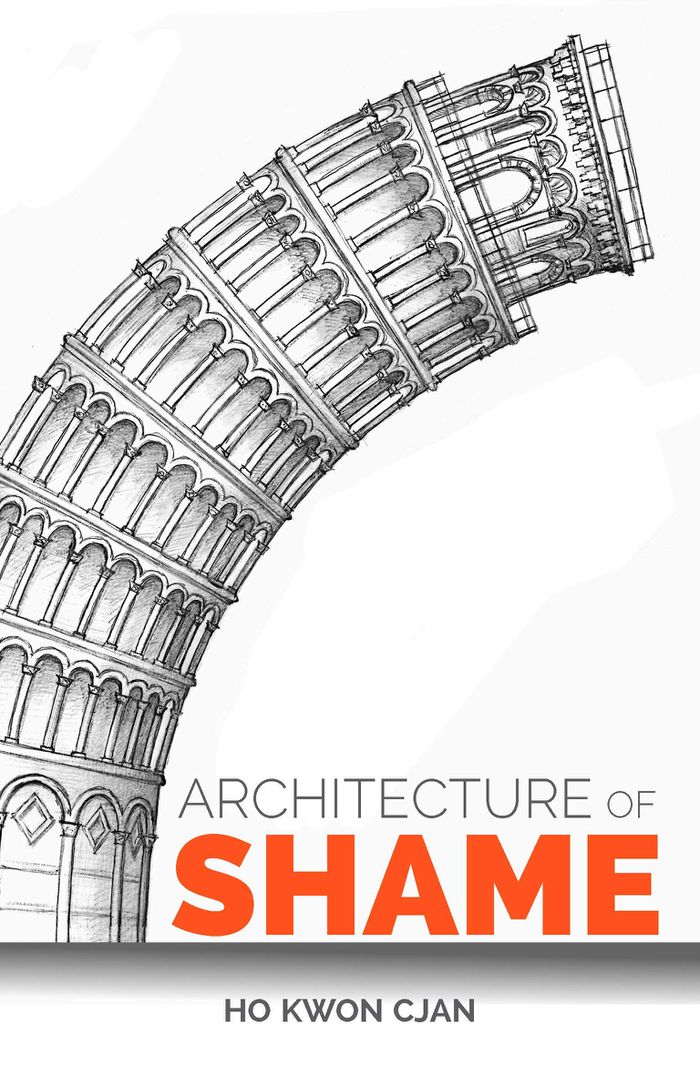
In 'Architecture of Shame' the author 'reveals' little-known details about famous buildings around the world, such as how India's Taj Mahal was intended to have two domes and that the Eiffel Tower, in France, once wore fig leaves. Some of the information is startling and unheard of, not least because they were drawn from the author's vivid imagination. Each of the 28 chapters features a building of significant historical interest and tells an alternative background story behind its development and construction in a mischevious blend of leg-pull and tall tales. Also included are the author's original illustrations of what might have been.
Architecture of shame
Actions:
Prix:
$17.99
(disponible en magasin)
Résumé:
In 'Architecture of Shame' the author 'reveals' little-known details about famous buildings around the world, such as how India's Taj Mahal was intended to have two domes and that the Eiffel Tower, in France, once wore fig leaves. Some of the information is startling and unheard of, not least because they were drawn from the author's vivid imagination. Each of the 28 chapters features a building of significant historical interest and tells an alternative background story behind its development and construction in a mischevious blend of leg-pull and tall tales. Also included are the author's original illustrations of what might have been.
Classification:
livres
livres
Publication:
mai 2020
mai 2020
Classification:
livres
livres
Actions:
Exemplaires:
Description:
239 pages : illustrations (some color) ; 27 cm
Description:
239 pages : illustrations (some color) ; 27 cm
Auteur:
Sujet:
Publication:
New York : Bauer and Dean Publishers, [2018], ©2018
New York : Bauer and Dean Publishers, [2018], ©2018
Titre:
Making America modern : interior design in the 1930s / Marilyn F. Friedman.
Actions:
Exemplaires:
Description:
239 pages : illustrations (some color) ; 27 cm
Making America modern : interior design in the 1930s / Marilyn F. Friedman.
Actions:
Exemplaires:
Description:
239 pages : illustrations (some color) ; 27 cm
Classification:
livres
livres
Publication:
New York : Bauer and Dean Publishers, [2018], ©2018
New York : Bauer and Dean Publishers, [2018], ©2018
Auteur:
Sujet:
Classification:
livres
livres
Titre:
Cairo : histories of a city
Cairo : histories of a city
Actions:
Prix:
$31.00
(disponible sur commande)
Résumé:
From its earliest days as a royal settlement fronting the pyramids of Giza to its current manifestation as the largest metropolis in Africa, Cairo has forever captured the urban pulse of the Middle East. In this publication, Nezar AlSayyad narrates the many Cairos that have existed throughout time, offering a panoramic view of the city’s history unmatched in temporal and(...)
$31.00
(disponible sur commande)
Résumé:
From its earliest days as a royal settlement fronting the pyramids of Giza to its current manifestation as the largest metropolis in Africa, Cairo has forever captured the urban pulse of the Middle East. In this publication, Nezar AlSayyad narrates the many Cairos that have existed throughout time, offering a panoramic view of the city’s history unmatched in temporal and(...)
Publication:
mai 2011
mai 2011
Titre:
Cairo : histories of a city
Actions:
Prix:
$31.00
(disponible sur commande)
Résumé:
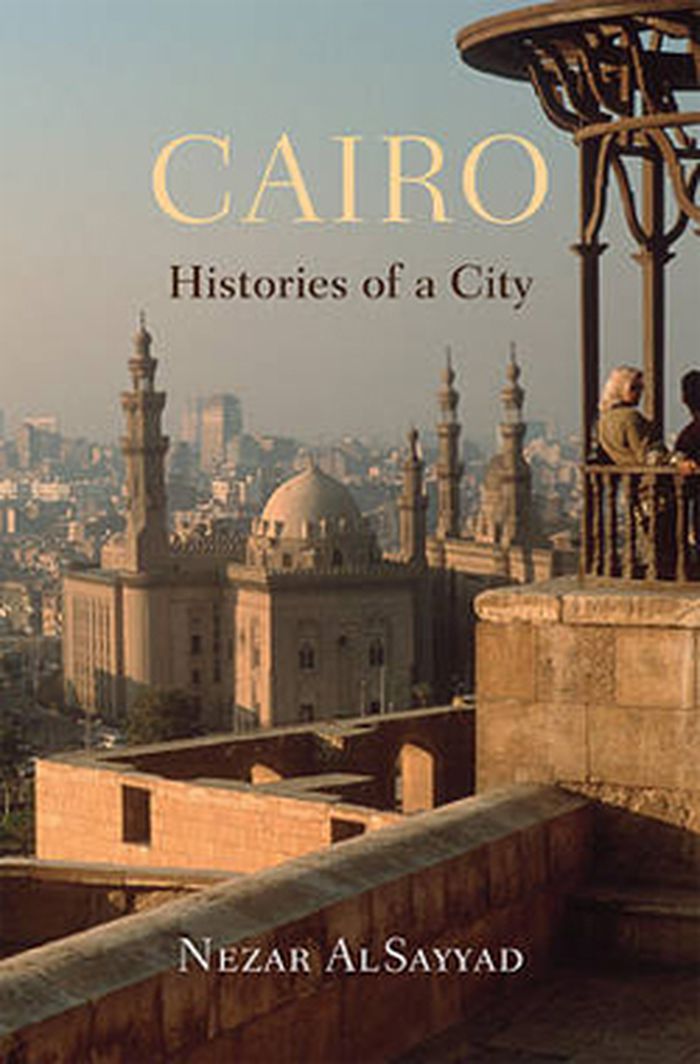
From its earliest days as a royal settlement fronting the pyramids of Giza to its current manifestation as the largest metropolis in Africa, Cairo has forever captured the urban pulse of the Middle East. In this publication, Nezar AlSayyad narrates the many Cairos that have existed throughout time, offering a panoramic view of the city’s history unmatched in temporal and geographic scope, through an in-depth examination of its architecture and urban form. In twelve vignettes, accompanied by drawings, photographs, and maps, AlSayyad details the shifts in Cairo’s built environment through stories of important figures who marked the cityscape with their personal ambitions and their political ideologies. The city is visually reconstructed and brought to life not only as a physical fabric but also as a social and political order—a city built within, upon, and over, resulting in a present-day richly layered urban environment. Each chapter attempts to capture a defining moment in the life trajectory of a city loved for all of its evocations and contradictions. Throughout, AlSayyad illuminates not only the spaces that make up Cairo but also the figures that shaped them, including its chroniclers, from Herodotus to Mahfouz, who recorded the deeds of great and ordinary Cairenes alike. He pays particular attention to how the imperatives of Egypt's various rulers and regimes—from the pharaohs to Sadat and beyond—have inscribed themselves in the city that residents navigate today.
Cairo : histories of a city
Actions:
Prix:
$31.00
(disponible sur commande)
Résumé:
From its earliest days as a royal settlement fronting the pyramids of Giza to its current manifestation as the largest metropolis in Africa, Cairo has forever captured the urban pulse of the Middle East. In this publication, Nezar AlSayyad narrates the many Cairos that have existed throughout time, offering a panoramic view of the city’s history unmatched in temporal and geographic scope, through an in-depth examination of its architecture and urban form. In twelve vignettes, accompanied by drawings, photographs, and maps, AlSayyad details the shifts in Cairo’s built environment through stories of important figures who marked the cityscape with their personal ambitions and their political ideologies. The city is visually reconstructed and brought to life not only as a physical fabric but also as a social and political order—a city built within, upon, and over, resulting in a present-day richly layered urban environment. Each chapter attempts to capture a defining moment in the life trajectory of a city loved for all of its evocations and contradictions. Throughout, AlSayyad illuminates not only the spaces that make up Cairo but also the figures that shaped them, including its chroniclers, from Herodotus to Mahfouz, who recorded the deeds of great and ordinary Cairenes alike. He pays particular attention to how the imperatives of Egypt's various rulers and regimes—from the pharaohs to Sadat and beyond—have inscribed themselves in the city that residents navigate today.
Classification:
livres
livres
Publication:
mai 2011
mai 2011
Classification:
livres
livres
Titre:
The library book / photographs and afterword by Thomas R. Schiff ; introduction by Alberto Manguel.
The library book / photographs and afterword by Thomas R. Schiff ; introduction by Alberto Manguel.
Actions:
Exemplaires:
Description:
231 pages : chiefly color illustrations ; 37 cm
Description:
231 pages : chiefly color illustrations ; 37 cm
Auteur:
Sujet:
Publication:
New York, N.Y. : Aperture, [2017], ©2017.
New York, N.Y. : Aperture, [2017], ©2017.
Titre:
The library book / photographs and afterword by Thomas R. Schiff ; introduction by Alberto Manguel.
Actions:
Exemplaires:
Description:
231 pages : chiefly color illustrations ; 37 cm
The library book / photographs and afterword by Thomas R. Schiff ; introduction by Alberto Manguel.
Actions:
Exemplaires:
Description:
231 pages : chiefly color illustrations ; 37 cm
Classification:
livres
livres
Publication:
New York, N.Y. : Aperture, [2017], ©2017.
New York, N.Y. : Aperture, [2017], ©2017.
Auteur:
Sujet:
Classification:
livres
livres
Actions:
Exemplaires:
Description:
192 pages : illustrations (chiefly color) ; 31 cm
Description:
192 pages : illustrations (chiefly color) ; 31 cm
Auteur:
Sujet:
Publication:
Mulgrave, Vic. : Images Pub. Group, 1999.
Mulgrave, Vic. : Images Pub. Group, 1999.
Titre:
Architecture for the gods / Michael J. Crosbie.
Actions:
Exemplaires:
Description:
192 pages : illustrations (chiefly color) ; 31 cm
Architecture for the gods / Michael J. Crosbie.
Actions:
Exemplaires:
Description:
192 pages : illustrations (chiefly color) ; 31 cm
Classification:
livres
livres
Publication:
Mulgrave, Vic. : Images Pub. Group, 1999.
Mulgrave, Vic. : Images Pub. Group, 1999.
Auteur:
Sujet:
Classification:
livres
livres
Actions:
Exemplaires:
Description:
344 pages : illustrations, maps, plans ; 23 x 31 cm
Description:
344 pages : illustrations, maps, plans ; 23 x 31 cm
Auteur:
Sujet:
Publication:
New York : Thames & Hudson, 2014.
New York : Thames & Hudson, 2014.
Titre:
The elements of modern architecture : understanding contemporary buildings / Antony Radford, Selen Morkoç and Amit Srivastava.
Actions:
Exemplaires:
Description:
344 pages : illustrations, maps, plans ; 23 x 31 cm
The elements of modern architecture : understanding contemporary buildings / Antony Radford, Selen Morkoç and Amit Srivastava.
Actions:
Exemplaires:
Description:
344 pages : illustrations, maps, plans ; 23 x 31 cm
Classification:
livres
livres
Publication:
New York : Thames & Hudson, 2014.
New York : Thames & Hudson, 2014.
Auteur:
Sujet:
Classification:
livres
livres
Exemplaires:
Description:
319 pages : chiefly color illustrations, plans ; 35 cm
Description:
319 pages : chiefly color illustrations, plans ; 35 cm
Auteur:
Sujet:
Publication:
Berlin : Braun, 2012., ©2012
Berlin : Braun, 2012., ©2012
Titre:
Facades : design, construction & technology / Lara Menzel.
Actions:
Exemplaires:
Description:
319 pages : chiefly color illustrations, plans ; 35 cm
Facades : design, construction & technology / Lara Menzel.
Actions:
Exemplaires:
Description:
319 pages : chiefly color illustrations, plans ; 35 cm
Classification:
livres
livres
Publication:
Berlin : Braun, 2012., ©2012
Berlin : Braun, 2012., ©2012
Auteur:
Sujet:
Classification:
livres
livres
Actions:
Exemplaires:
Description:
367 pages : illustrations (some color), plans ; 23 cm.
Description:
367 pages : illustrations (some color), plans ; 23 cm.
Auteur:
Sujet:
Publication:
Berlin : Jovis, [2015], ©2015
Berlin : Jovis, [2015], ©2015
Titre:
Six canonical projects by Rem Koolhaas : essays on the history of ideas / by Ingrid Böck.
Actions:
Exemplaires:
Description:
367 pages : illustrations (some color), plans ; 23 cm.
Six canonical projects by Rem Koolhaas : essays on the history of ideas / by Ingrid Böck.
Actions:
Exemplaires:
Description:
367 pages : illustrations (some color), plans ; 23 cm.
Classification:
livres
livres
Publication:
Berlin : Jovis, [2015], ©2015
Berlin : Jovis, [2015], ©2015
Auteur:
Sujet:
Classification:
livres
livres
Actions:
Exemplaires:
Description:
xi, 259 pages : color illustrations ; 21 x 26 cm
Description:
xi, 259 pages : color illustrations ; 21 x 26 cm
Auteur:
Sujet:
Publication:
Minneapolis : University of Minnesota Press, [2013], ©2013
Minneapolis : University of Minnesota Press, [2013], ©2013
Titre:
New architecture on Indigenous lands / Joy Monice Malnar and Frank Vodvarka.
Actions:
Exemplaires:
Description:
xi, 259 pages : color illustrations ; 21 x 26 cm
New architecture on Indigenous lands / Joy Monice Malnar and Frank Vodvarka.
Actions:
Exemplaires:
Description:
xi, 259 pages : color illustrations ; 21 x 26 cm
Classification:
livres
livres
Publication:
Minneapolis : University of Minnesota Press, [2013], ©2013
Minneapolis : University of Minnesota Press, [2013], ©2013
Auteur:
Sujet:
Classification:
livres
livres
Actions:
Prix:
$34.95
(disponible sur commande)
Résumé:
Why do design? What is design for? In a world of dwindling natural resources, exhausted social and political systems, and an overload of information there are many urgent reasons to reimagine the design discipline, and there is a growing need to look at design education. Learning and unlearning should become part of an ongoing educational practice. We need new proposals(...)
$34.95
(disponible sur commande)
Résumé:
Why do design? What is design for? In a world of dwindling natural resources, exhausted social and political systems, and an overload of information there are many urgent reasons to reimagine the design discipline, and there is a growing need to look at design education. Learning and unlearning should become part of an ongoing educational practice. We need new proposals(...)
Titre:
Design as learning: a school of schools reader
Actions:
Prix:
$34.95
(disponible sur commande)
Résumé:
Why do design? What is design for? In a world of dwindling natural resources, exhausted social and political systems, and an overload of information there are many urgent reasons to reimagine the design discipline, and there is a growing need to look at design education. Learning and unlearning should become part of an ongoing educational practice. We need new proposals for how to organize society, how to structure our governments, how to live with, not against, the planet, how to sift fact from fiction, how to relate to each other, and frankly, how to simply survive.
Design as learning: a school of schools reader
Actions:
Prix:
$34.95
(disponible sur commande)
Résumé:
Why do design? What is design for? In a world of dwindling natural resources, exhausted social and political systems, and an overload of information there are many urgent reasons to reimagine the design discipline, and there is a growing need to look at design education. Learning and unlearning should become part of an ongoing educational practice. We need new proposals for how to organize society, how to structure our governments, how to live with, not against, the planet, how to sift fact from fiction, how to relate to each other, and frankly, how to simply survive.
Classification:
livres
livres
Publication:
février 2019
février 2019
Sujet:
Muséologie
Muséologie


