


10594 Résultats
Classification:
livres
livres
Actions:
Prix:
$24.95
(disponible sur commande)
Résumé:
In this book, Alice Mah explores the experiences of urban decline and post-industrial change in three different community contexts: Niagara Falls, Canada/USA; Newcastle-upon-Tyne, UK; and Ivanovo, Russia. Employing a unique methodological approach that combines ethnographic, spatial, and documentary methods, Mah draws on international comparisons of the landscapes(...)
$24.95
(disponible sur commande)
Résumé:
In this book, Alice Mah explores the experiences of urban decline and post-industrial change in three different community contexts: Niagara Falls, Canada/USA; Newcastle-upon-Tyne, UK; and Ivanovo, Russia. Employing a unique methodological approach that combines ethnographic, spatial, and documentary methods, Mah draws on international comparisons of the landscapes(...)
Titre:
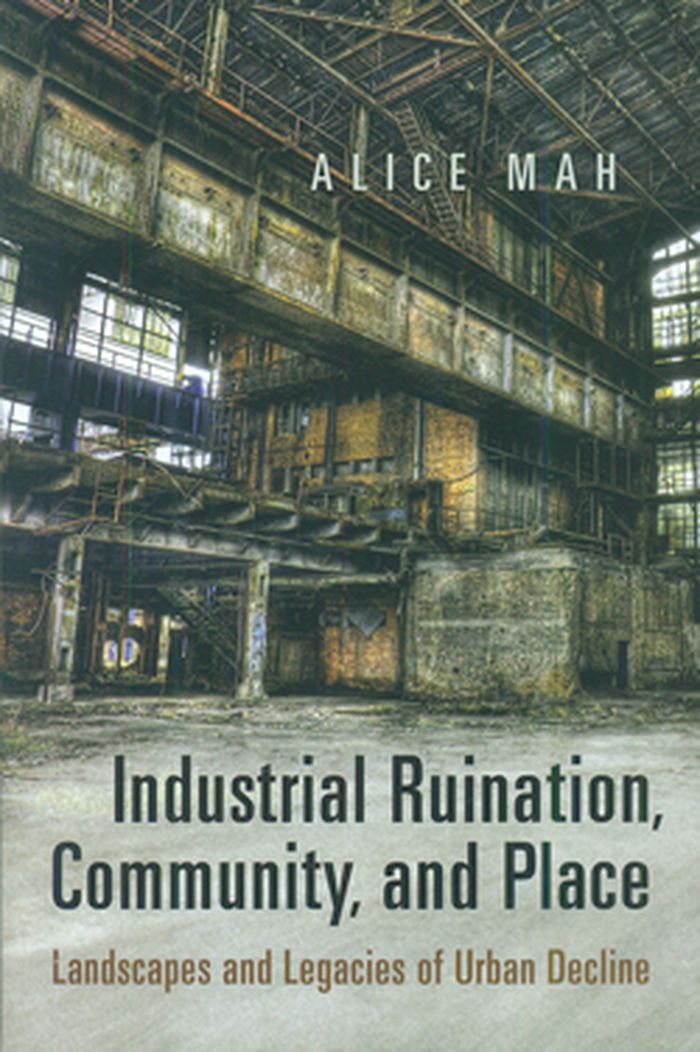
Industrial ruination, community, and place: Landscapes, and legacies of urban decline
Actions:
Prix:
$24.95
(disponible sur commande)
Résumé:
In this book, Alice Mah explores the experiences of urban decline and post-industrial change in three different community contexts: Niagara Falls, Canada/USA; Newcastle-upon-Tyne, UK; and Ivanovo, Russia. Employing a unique methodological approach that combines ethnographic, spatial, and documentary methods, Mah draws on international comparisons of the landscapes and legacies of industrial ruination over the past forty years. Through this, she foregrounds the complex challenges of living with prolonged uncertainty and deprivation amidst socioeconomic change.
Industrial ruination, community, and place: Landscapes, and legacies of urban decline
Actions:
Prix:
$24.95
(disponible sur commande)
Résumé:
In this book, Alice Mah explores the experiences of urban decline and post-industrial change in three different community contexts: Niagara Falls, Canada/USA; Newcastle-upon-Tyne, UK; and Ivanovo, Russia. Employing a unique methodological approach that combines ethnographic, spatial, and documentary methods, Mah draws on international comparisons of the landscapes and legacies of industrial ruination over the past forty years. Through this, she foregrounds the complex challenges of living with prolonged uncertainty and deprivation amidst socioeconomic change.
Classification:
livres
livres
Publication:
décembre 2012
décembre 2012
Sujet:
Théorie de l’urbanisme
Théorie de l’urbanisme
Classification:
livres
livres
Titre:
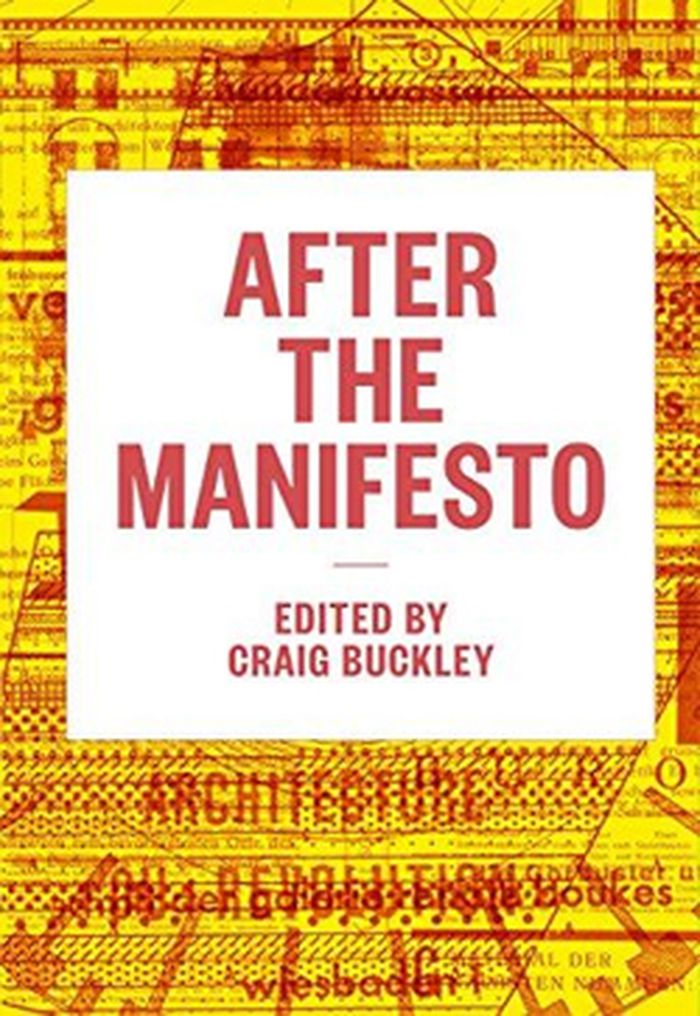
After the manifesto
After the manifesto
Actions:
Prix:
$35.00
(disponible sur commande)
Résumé:
Does the recent explosion of the architectural manifesto signal a new urgency of the form, or does it represent a hopeless effort to resuscitate something that has outlived its useful lifespan? 'After the Manifesto' brings together architects and scholars to revisit the past, present and future of the manifesto. In what ways have manifestos transformed the field over the(...)
$35.00
(disponible sur commande)
Résumé:
Does the recent explosion of the architectural manifesto signal a new urgency of the form, or does it represent a hopeless effort to resuscitate something that has outlived its useful lifespan? 'After the Manifesto' brings together architects and scholars to revisit the past, present and future of the manifesto. In what ways have manifestos transformed the field over the(...)
Titre:
After the manifesto
Actions:
Prix:
$35.00
(disponible sur commande)
Résumé:
Does the recent explosion of the architectural manifesto signal a new urgency of the form, or does it represent a hopeless effort to resuscitate something that has outlived its useful lifespan? 'After the Manifesto' brings together architects and scholars to revisit the past, present and future of the manifesto. In what ways have manifestos transformed the field over the last 50 years, and in what ways has the manifesto itself been transformed by new modes of communication? Authors include Ruben Alcolea, Craig Buckley, Beatriz Colomina, Carlos Labarta, Felicity D. Scott, Bernard Tschumi, Anthony Vidler, Enrique Walker, and Mark Wigley.
After the manifesto
Actions:
Prix:
$35.00
(disponible sur commande)
Résumé:
Does the recent explosion of the architectural manifesto signal a new urgency of the form, or does it represent a hopeless effort to resuscitate something that has outlived its useful lifespan? 'After the Manifesto' brings together architects and scholars to revisit the past, present and future of the manifesto. In what ways have manifestos transformed the field over the last 50 years, and in what ways has the manifesto itself been transformed by new modes of communication? Authors include Ruben Alcolea, Craig Buckley, Beatriz Colomina, Carlos Labarta, Felicity D. Scott, Bernard Tschumi, Anthony Vidler, Enrique Walker, and Mark Wigley.
Classification:
livres
livres
Publication:
avril 2013
avril 2013
Sujet:
Théorie de l’architecture
Théorie de l’architecture
Classification:
livres
livres
Actions:
Prix:
$29.95
(disponible sur commande)
Résumé:
This publication looks at 25 trailblazing projects, including the Brooklyn Superhero Supply Co., which helps young people with writing skills (while also selling superhero gear); Tcho, a participatory chocolate manufacturer in San Francisco; and various collectively founded or structured supermarkets, hospitals, theaters and even internet providers throughout the United(...)
$29.95
(disponible sur commande)
Résumé:
This publication looks at 25 trailblazing projects, including the Brooklyn Superhero Supply Co., which helps young people with writing skills (while also selling superhero gear); Tcho, a participatory chocolate manufacturer in San Francisco; and various collectively founded or structured supermarkets, hospitals, theaters and even internet providers throughout the United(...)
Titre:
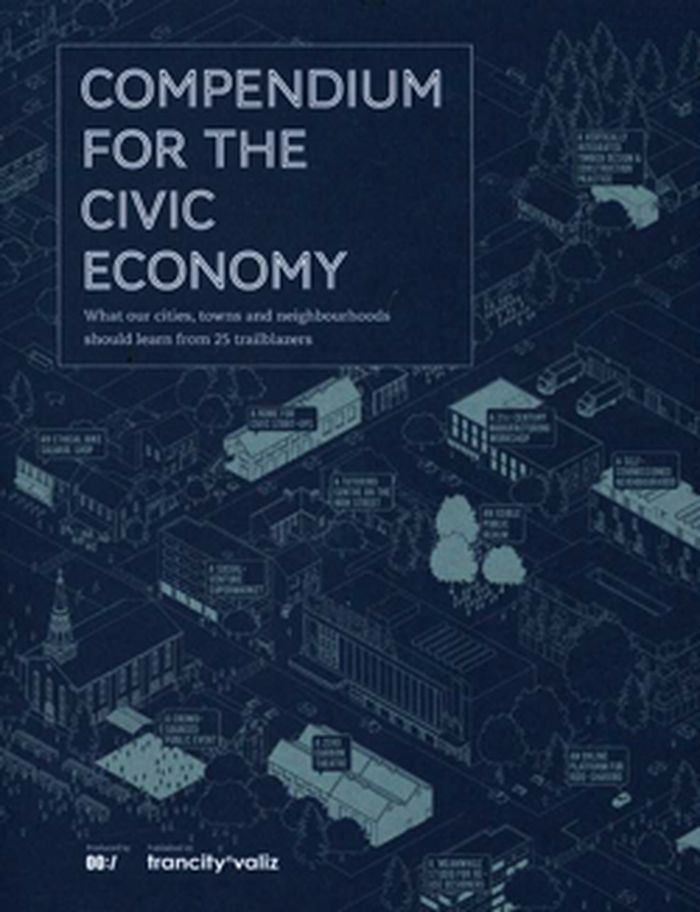
Compendium for the civic economy: what our cities, towns and neighbourhoods should learn from 25 trailblazers
Actions:
Prix:
$29.95
(disponible sur commande)
Résumé:
This publication looks at 25 trailblazing projects, including the Brooklyn Superhero Supply Co., which helps young people with writing skills (while also selling superhero gear); Tcho, a participatory chocolate manufacturer in San Francisco; and various collectively founded or structured supermarkets, hospitals, theaters and even internet providers throughout the United Kingdom and mainland Europe.
Compendium for the civic economy: what our cities, towns and neighbourhoods should learn from 25 trailblazers
Actions:
Prix:
$29.95
(disponible sur commande)
Résumé:
This publication looks at 25 trailblazing projects, including the Brooklyn Superhero Supply Co., which helps young people with writing skills (while also selling superhero gear); Tcho, a participatory chocolate manufacturer in San Francisco; and various collectively founded or structured supermarkets, hospitals, theaters and even internet providers throughout the United Kingdom and mainland Europe.
Classification:
livres
livres
Publication:
janvier 2013
janvier 2013
Sujet:
Théorie de l’urbanisme
Théorie de l’urbanisme
Classification:
livres
livres
Prix:
$75.00
(disponible sur commande)
Résumé:
"The City as a Resource" proposes a model of the city as a resource containing untapped possibilities and potentials for both individuals and society as a whole. This resource, however, is not inexhaustible; it will only be able to meet the needs of future generations if it is handled sustainably, rather than with an eye for short-term profits and partisan interests. The(...)
$75.00
(disponible sur commande)
Résumé:
"The City as a Resource" proposes a model of the city as a resource containing untapped possibilities and potentials for both individuals and society as a whole. This resource, however, is not inexhaustible; it will only be able to meet the needs of future generations if it is handled sustainably, rather than with an eye for short-term profits and partisan interests. The(...)
Titre:
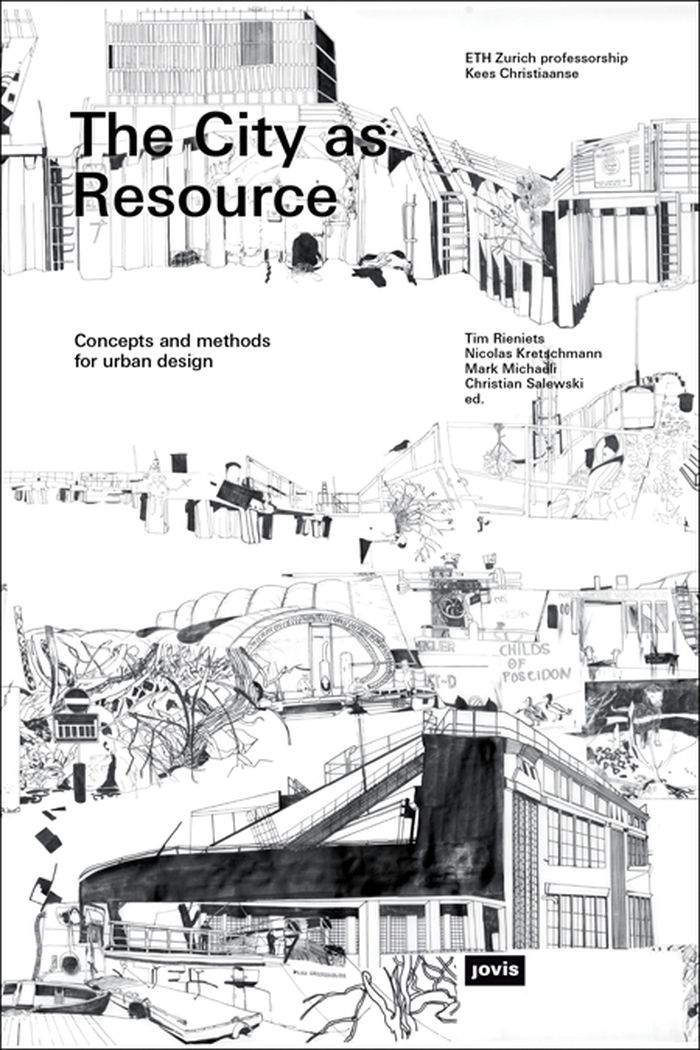
The city as a resource: concepts and methods for urban design
Actions:
Prix:
$75.00
(disponible sur commande)
Résumé:
"The City as a Resource" proposes a model of the city as a resource containing untapped possibilities and potentials for both individuals and society as a whole. This resource, however, is not inexhaustible; it will only be able to meet the needs of future generations if it is handled sustainably, rather than with an eye for short-term profits and partisan interests. The challenge, then, is to conceive of the city as a regenerative circuit--a complex of spatial and aesthetic qualities that can be sustained and developed over time. The City as a Resource is edited by Nicolas Kretschmann, Mark Michaeli, Tim Rieniets and Christian Salewski, and uses texts, projects and examples to present state-of-the-art urban planning methods and strategies for handling cities as resources, giving new life and new meaning to the idea of sustainable urban design.
The city as a resource: concepts and methods for urban design
Actions:
Prix:
$75.00
(disponible sur commande)
Résumé:
"The City as a Resource" proposes a model of the city as a resource containing untapped possibilities and potentials for both individuals and society as a whole. This resource, however, is not inexhaustible; it will only be able to meet the needs of future generations if it is handled sustainably, rather than with an eye for short-term profits and partisan interests. The challenge, then, is to conceive of the city as a regenerative circuit--a complex of spatial and aesthetic qualities that can be sustained and developed over time. The City as a Resource is edited by Nicolas Kretschmann, Mark Michaeli, Tim Rieniets and Christian Salewski, and uses texts, projects and examples to present state-of-the-art urban planning methods and strategies for handling cities as resources, giving new life and new meaning to the idea of sustainable urban design.
Classification:
livres
livres
Publication:
août 2016
août 2016
Sujet:
Théorie de l’urbanisme
Théorie de l’urbanisme
Classification:
livres
livres
Prix:
$20.00
(disponible sur commande)
Résumé:
Collecting Architecture Territories presents a research exhibition developed by Columbia's Graduate School of Architecture, (GSAPP) in collaboration with the Deste Foundation. The exhibition examined the relationship between architecture and collection, considering architecture both as an agent that organizes, supports and informs various contemporary collecting(...)
$20.00
(disponible sur commande)
Résumé:
Collecting Architecture Territories presents a research exhibition developed by Columbia's Graduate School of Architecture, (GSAPP) in collaboration with the Deste Foundation. The exhibition examined the relationship between architecture and collection, considering architecture both as an agent that organizes, supports and informs various contemporary collecting(...)
Titre:
Collecting architecture territories - Phase one report
Actions:
Prix:
$20.00
(disponible sur commande)
Résumé:
Collecting Architecture Territories presents a research exhibition developed by Columbia's Graduate School of Architecture, (GSAPP) in collaboration with the Deste Foundation. The exhibition examined the relationship between architecture and collection, considering architecture both as an agent that organizes, supports and informs various contemporary collecting practices, and as an object of collection in its own right.
Collecting architecture territories - Phase one report
Actions:
Prix:
$20.00
(disponible sur commande)
Résumé:
Collecting Architecture Territories presents a research exhibition developed by Columbia's Graduate School of Architecture, (GSAPP) in collaboration with the Deste Foundation. The exhibition examined the relationship between architecture and collection, considering architecture both as an agent that organizes, supports and informs various contemporary collecting practices, and as an object of collection in its own right.
Classification:
livres
livres
Publication:
mars 2013
mars 2013
Sujet:
Théorie de l’architecture
Théorie de l’architecture
Classification:
livres
livres
Titre:
Self made city
Self made city
Actions:
Prix:
$40.00
(disponible sur commande)
Résumé:
Architecturally, Berlin is a city where anything can happen: disused spaces can be easily transformed, and classic buildings readily engage with new architects. Self-Made City looks at the evolving condition of architecture in Berlin, including over 40 best-practice case studies from architects such as Gruentuch-Ernst, BAR Architects, Zanderroth Architects, Ludloff +(...)
$40.00
(disponible sur commande)
Résumé:
Architecturally, Berlin is a city where anything can happen: disused spaces can be easily transformed, and classic buildings readily engage with new architects. Self-Made City looks at the evolving condition of architecture in Berlin, including over 40 best-practice case studies from architects such as Gruentuch-Ernst, BAR Architects, Zanderroth Architects, Ludloff +(...)
Sujet:
Théorie de l’urbanisme
Théorie de l’urbanisme
Publication:
avril 2013
avril 2013
Titre:
Self made city
Actions:
Prix:
$40.00
(disponible sur commande)
Résumé:
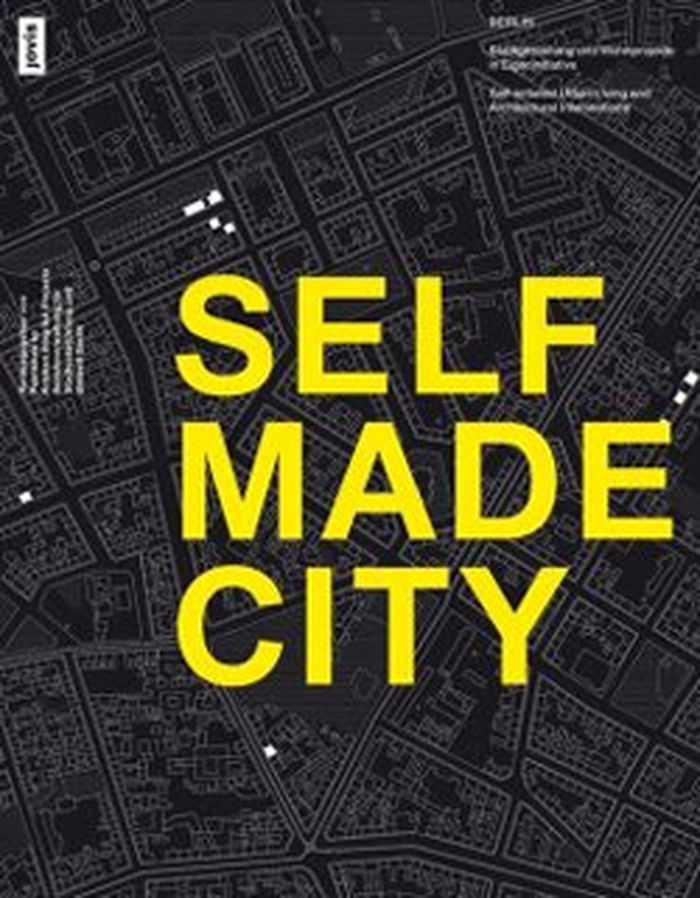
Architecturally, Berlin is a city where anything can happen: disused spaces can be easily transformed, and classic buildings readily engage with new architects. Self-Made City looks at the evolving condition of architecture in Berlin, including over 40 best-practice case studies from architects such as Gruentuch-Ernst, BAR Architects, Zanderroth Architects, Ludloff + Ludloff Architects, Zoomarchitects and more.
Self made city
Actions:
Prix:
$40.00
(disponible sur commande)
Résumé:
Architecturally, Berlin is a city where anything can happen: disused spaces can be easily transformed, and classic buildings readily engage with new architects. Self-Made City looks at the evolving condition of architecture in Berlin, including over 40 best-practice case studies from architects such as Gruentuch-Ernst, BAR Architects, Zanderroth Architects, Ludloff + Ludloff Architects, Zoomarchitects and more.
Classification:
livres
livres
Publication:
avril 2013
avril 2013
Sujet:
Théorie de l’urbanisme
Théorie de l’urbanisme
Classification:
livres
livres
Actions:
Prix:
$39.95
(disponible sur commande)
Résumé:
Être conçue pour ne pas être : tel est le destin de l’utopie. Cette impossibilité à exister dans l’espace réel, est le critère de qualification de l’utopie dans l’espace imaginaire. Par définition, une utopie n’a donc pas de lieu sur terre, et ce qui y a trouvé une place durable n’a pas la qualité d’utopie. Le projet dont l’histoire est racontée dans ce livre,(...)
$39.95
(disponible sur commande)
Résumé:
Être conçue pour ne pas être : tel est le destin de l’utopie. Cette impossibilité à exister dans l’espace réel, est le critère de qualification de l’utopie dans l’espace imaginaire. Par définition, une utopie n’a donc pas de lieu sur terre, et ce qui y a trouvé une place durable n’a pas la qualité d’utopie. Le projet dont l’histoire est racontée dans ce livre,(...)
Titre:
L'impératif utopique, souvenirs d'un pédagogue
Actions:
Prix:
$39.95
(disponible sur commande)
Résumé:
Être conçue pour ne pas être : tel est le destin de l’utopie. Cette impossibilité à exister dans l’espace réel, est le critère de qualification de l’utopie dans l’espace imaginaire. Par définition, une utopie n’a donc pas de lieu sur terre, et ce qui y a trouvé une place durable n’a pas la qualité d’utopie. Le projet dont l’histoire est racontée dans ce livre, celui du Fresnoy-Studio national des arts contemporains, s’est réalisé grâce au caractère utopique dont il s’était fait un impératif : paradoxe ? exception à la règle ? En tout cas, il ne fait aucun doute que toute inflexion du projet pour le rendre réalisable, l’aurait condamné à n’être jamais réalisé. Cela pose la question du moment, de la circonstance historique, où le politique, face auquel l’utopie se détermine en s’y opposant, a adopté comme critère de ses choix, et comme règle de son action, non plus l’économie mais l’esthétique. Ephémère moment d’une esthétique du politique. Écrit à la première personne, ce récit d’une grande réalisation publique s’appuie souvent sur des anecdotes et sur les relations entre individus singuliers, chères à la micro-histoire. Outre la genèse du Fresnoy-Studio national sur dix ans, entre 1987 et 1997, est ici brossé par touches un tableau des orientations nouvelles en matière de pédagogie de l’art et de formation des jeunes artistes (en France, en Europe et ailleurs), en fonction de la révolution des techniques, des langages artistiques, des moyens d’expression et de communication, à la fin du XXe siècle.
L'impératif utopique, souvenirs d'un pédagogue
Actions:
Prix:
$39.95
(disponible sur commande)
Résumé:
Être conçue pour ne pas être : tel est le destin de l’utopie. Cette impossibilité à exister dans l’espace réel, est le critère de qualification de l’utopie dans l’espace imaginaire. Par définition, une utopie n’a donc pas de lieu sur terre, et ce qui y a trouvé une place durable n’a pas la qualité d’utopie. Le projet dont l’histoire est racontée dans ce livre, celui du Fresnoy-Studio national des arts contemporains, s’est réalisé grâce au caractère utopique dont il s’était fait un impératif : paradoxe ? exception à la règle ? En tout cas, il ne fait aucun doute que toute inflexion du projet pour le rendre réalisable, l’aurait condamné à n’être jamais réalisé. Cela pose la question du moment, de la circonstance historique, où le politique, face auquel l’utopie se détermine en s’y opposant, a adopté comme critère de ses choix, et comme règle de son action, non plus l’économie mais l’esthétique. Ephémère moment d’une esthétique du politique. Écrit à la première personne, ce récit d’une grande réalisation publique s’appuie souvent sur des anecdotes et sur les relations entre individus singuliers, chères à la micro-histoire. Outre la genèse du Fresnoy-Studio national sur dix ans, entre 1987 et 1997, est ici brossé par touches un tableau des orientations nouvelles en matière de pédagogie de l’art et de formation des jeunes artistes (en France, en Europe et ailleurs), en fonction de la révolution des techniques, des langages artistiques, des moyens d’expression et de communication, à la fin du XXe siècle.
Classification:
livres
livres
Publication:
janvier 2013
janvier 2013
Sujet:
Théorie de l’art
Théorie de l’art
Classification:
livres
livres
Actions:
Prix:
$24.95
(disponible sur commande)
Résumé:
By many art history accounts, the art of the twentieth century was decided by Pablo Picasso and Marcel Duchamp. In these versions, Picasso stands for prolific production, a fierce expressionism, endless research of the picture plane and a sense of voracious creativity; whereas Duchamp stands for cerebral brilliance, rejection of optical pleasure and a subtle but(...)
$24.95
(disponible sur commande)
Résumé:
By many art history accounts, the art of the twentieth century was decided by Pablo Picasso and Marcel Duchamp. In these versions, Picasso stands for prolific production, a fierce expressionism, endless research of the picture plane and a sense of voracious creativity; whereas Duchamp stands for cerebral brilliance, rejection of optical pleasure and a subtle but(...)
Titre:
Duchamp & Picasso: He Was Wrong
Actions:
Prix:
$24.95
(disponible sur commande)
Résumé:
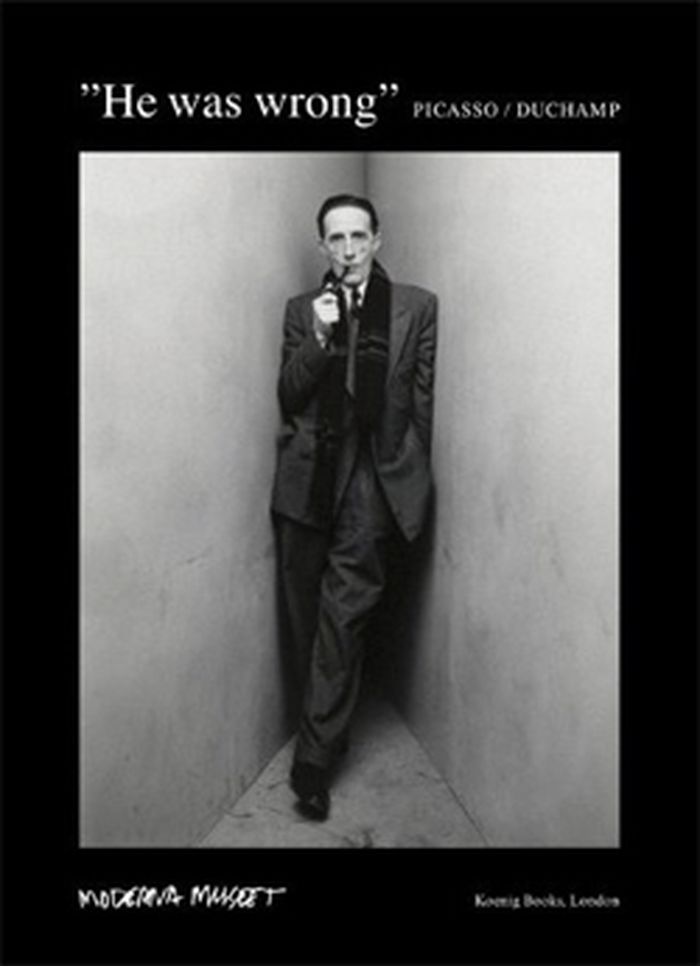
By many art history accounts, the art of the twentieth century was decided by Pablo Picasso and Marcel Duchamp. In these versions, Picasso stands for prolific production, a fierce expressionism, endless research of the picture plane and a sense of voracious creativity; whereas Duchamp stands for cerebral brilliance, rejection of optical pleasure and a subtle but all-pervasive conceptual sabotage and irony. (Of course, they shared as many traits, including an appetite for provocation and the recognition of eros as a fundamental, animating life principle.) So who was right? This volume, published for a show at the Moderna Museet in Stockholm, argues for both sides of the coin, looking at various aspects of both oeuvres, including Picasso’s fascination with the Minotaur and Duchamp’s Rrose Selavy alter ego. The book is appropriately divided in two halves separated by a reverse binding.
Duchamp & Picasso: He Was Wrong
Actions:
Prix:
$24.95
(disponible sur commande)
Résumé:
By many art history accounts, the art of the twentieth century was decided by Pablo Picasso and Marcel Duchamp. In these versions, Picasso stands for prolific production, a fierce expressionism, endless research of the picture plane and a sense of voracious creativity; whereas Duchamp stands for cerebral brilliance, rejection of optical pleasure and a subtle but all-pervasive conceptual sabotage and irony. (Of course, they shared as many traits, including an appetite for provocation and the recognition of eros as a fundamental, animating life principle.) So who was right? This volume, published for a show at the Moderna Museet in Stockholm, argues for both sides of the coin, looking at various aspects of both oeuvres, including Picasso’s fascination with the Minotaur and Duchamp’s Rrose Selavy alter ego. The book is appropriately divided in two halves separated by a reverse binding.
Classification:
livres
livres
Publication:
janvier 2013
janvier 2013
Sujet:
Théorie de l’art
Théorie de l’art
Classification:
livres
livres
Actions:
Prix:
$28.95
(disponible sur commande)
Résumé:
The first in a series by the Sikkens Foundation, this pocket-sized publication of the Mondrian Lecture given by Charles Jencks reprints his talk in full, along with various images. Jencks discusses the possibility that architecture and well-being can have a direct correlation, exploring how architecture can influence society, business productivity, profits and hospitals.(...)
$28.95
(disponible sur commande)
Résumé:
The first in a series by the Sikkens Foundation, this pocket-sized publication of the Mondrian Lecture given by Charles Jencks reprints his talk in full, along with various images. Jencks discusses the possibility that architecture and well-being can have a direct correlation, exploring how architecture can influence society, business productivity, profits and hospitals.(...)
Titre:
Can architecture affect your health?
Actions:
Prix:
$28.95
(disponible sur commande)
Résumé:
The first in a series by the Sikkens Foundation, this pocket-sized publication of the Mondrian Lecture given by Charles Jencks reprints his talk in full, along with various images. Jencks discusses the possibility that architecture and well-being can have a direct correlation, exploring how architecture can influence society, business productivity, profits and hospitals. He elaborates with examples of architectural determinism from both ancient and modern history, with a special focus on his experience with the Maggie’s Centres – cancer care centres set up throughout Britain by Jencks and designed by famous architects – whose purpose is to experiment with these ideas.
Can architecture affect your health?
Actions:
Prix:
$28.95
(disponible sur commande)
Résumé:
The first in a series by the Sikkens Foundation, this pocket-sized publication of the Mondrian Lecture given by Charles Jencks reprints his talk in full, along with various images. Jencks discusses the possibility that architecture and well-being can have a direct correlation, exploring how architecture can influence society, business productivity, profits and hospitals. He elaborates with examples of architectural determinism from both ancient and modern history, with a special focus on his experience with the Maggie’s Centres – cancer care centres set up throughout Britain by Jencks and designed by famous architects – whose purpose is to experiment with these ideas.
Classification:
livres
livres
Publication:
janvier 2013
janvier 2013
Sujet:
Théorie de l’architecture
Théorie de l’architecture
Classification:
livres
livres
Titre:
What art is
What art is
Actions:
Prix:
$26.95
(disponible sur commande)
Résumé:
What is it to be a work of art? Renowned author and critic Arthur C. Danto addresses this fundamental, complex question. Part philosophical monograph and part memoiristic meditation, What Art Is challenges the popular interpretation that art is an indefinable concept, instead bringing to light the properties that constitute universal meaning. Danto argues that despite(...)
$26.95
(disponible sur commande)
Résumé:
What is it to be a work of art? Renowned author and critic Arthur C. Danto addresses this fundamental, complex question. Part philosophical monograph and part memoiristic meditation, What Art Is challenges the popular interpretation that art is an indefinable concept, instead bringing to light the properties that constitute universal meaning. Danto argues that despite(...)
Titre:
What art is
Actions:
Prix:
$26.95
(disponible sur commande)
Résumé:
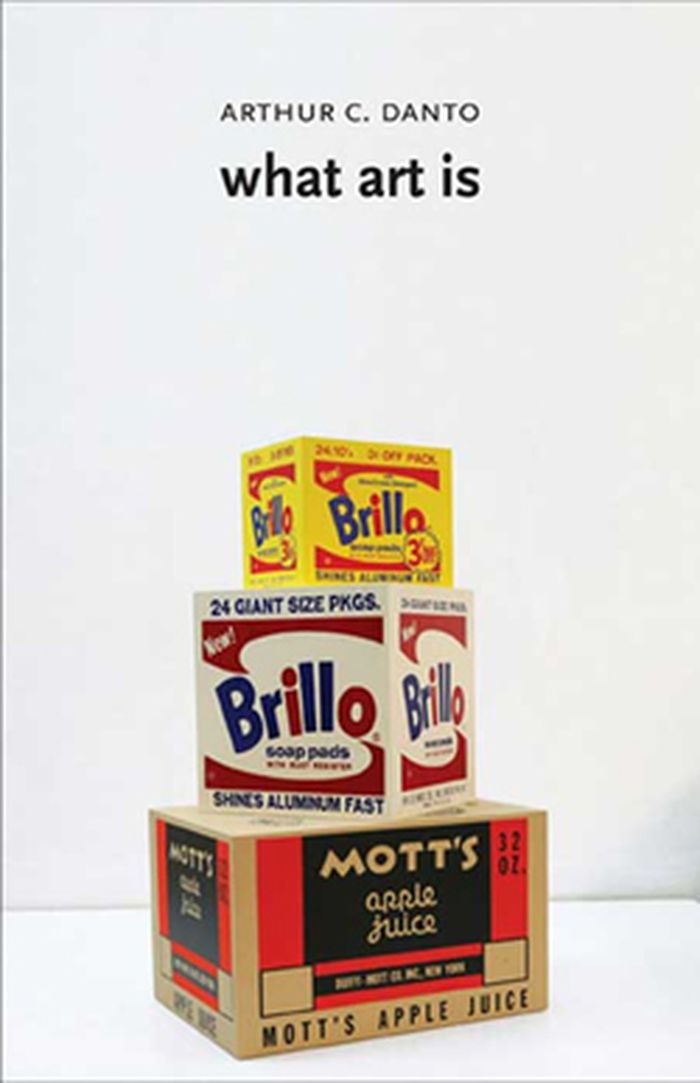
What is it to be a work of art? Renowned author and critic Arthur C. Danto addresses this fundamental, complex question. Part philosophical monograph and part memoiristic meditation, What Art Is challenges the popular interpretation that art is an indefinable concept, instead bringing to light the properties that constitute universal meaning. Danto argues that despite varied approaches, a work of art is always defined by two essential criteria: meaning and embodiment, as well as one additional criterion contributed by the viewer: interpretation. Danto crafts his argument in an accessible manner that engages with both philosophy and art across genres and eras, beginning with Plato’s definition of art in The Republic, and continuing through the progress of art as a series of discoveries, including such innovations as perspective, chiaroscuro, and physiognomy. Danto concludes with a fascinating discussion of Andy Warhol’s famous shipping cartons, which are visually indistinguishable from the everyday objects they represent.
What art is
Actions:
Prix:
$26.95
(disponible sur commande)
Résumé:
What is it to be a work of art? Renowned author and critic Arthur C. Danto addresses this fundamental, complex question. Part philosophical monograph and part memoiristic meditation, What Art Is challenges the popular interpretation that art is an indefinable concept, instead bringing to light the properties that constitute universal meaning. Danto argues that despite varied approaches, a work of art is always defined by two essential criteria: meaning and embodiment, as well as one additional criterion contributed by the viewer: interpretation. Danto crafts his argument in an accessible manner that engages with both philosophy and art across genres and eras, beginning with Plato’s definition of art in The Republic, and continuing through the progress of art as a series of discoveries, including such innovations as perspective, chiaroscuro, and physiognomy. Danto concludes with a fascinating discussion of Andy Warhol’s famous shipping cartons, which are visually indistinguishable from the everyday objects they represent.
Classification:
livres
livres
Publication:
mars 2013
mars 2013
Sujet:
Théorie de l’art
Théorie de l’art


