


8791 Résultats
Classification:
livres
livres
Actions:
Prix:
$65.00
(disponible sur commande)
Résumé:
The Danish-Icelandic artist Olafur Eliasson developed a sequence of spatial experiments for his Your Chance Encounter exhibition in the 21st Century Museum of Contemporary Art, Kanazawa, Japan. His piece challenges visitors to move around and get their bearings, and stimulates them to see the museum as a public space for addressing art and reality critically. The(...)
$65.00
(disponible sur commande)
Résumé:
The Danish-Icelandic artist Olafur Eliasson developed a sequence of spatial experiments for his Your Chance Encounter exhibition in the 21st Century Museum of Contemporary Art, Kanazawa, Japan. His piece challenges visitors to move around and get their bearings, and stimulates them to see the museum as a public space for addressing art and reality critically. The(...)
Titre:
Olafur Eliasson: your chance encounter
Actions:
Prix:
$65.00
(disponible sur commande)
Résumé:
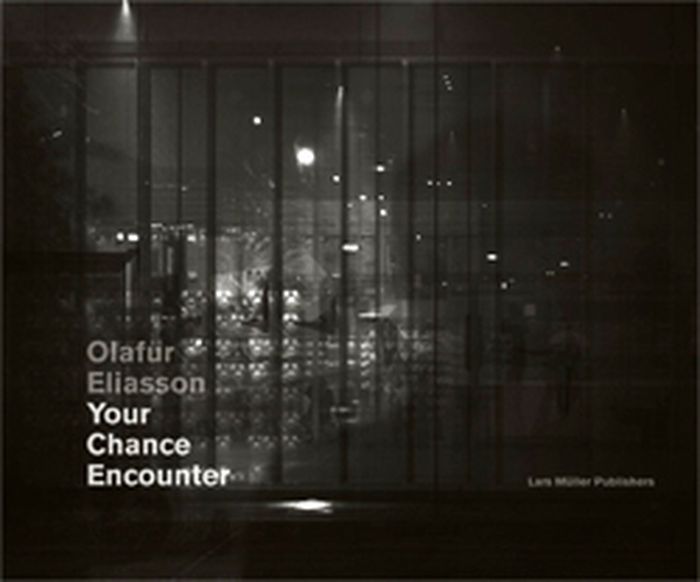
The Danish-Icelandic artist Olafur Eliasson developed a sequence of spatial experiments for his Your Chance Encounter exhibition in the 21st Century Museum of Contemporary Art, Kanazawa, Japan. His piece challenges visitors to move around and get their bearings, and stimulates them to see the museum as a public space for addressing art and reality critically. The installations were developed especially for the exhibition. They are arranged in a tight context with the spatial structure of the museum and extend the concept of architecture by the Japanese architecture practice SANAA. Olafur Eliasson does not work only in the museum galleries, but also in the corridors in between and the adjacent courtyards, thus linking the indoor and outdoor areas closely and examining this museum’s unique qualities. The artist’s book was created in close co-operation with Olafur Eliasson’s studio. Its elaborate design with an extensive pictorial section offers a comprehensive record of the exhibition and an important analysis of this artist’s work. An essay by art historian Eve Blau interprets the exhibition in relation to its surroundings and contrasts the experimental approaches of Olafur Eliasson and SANAA, while curator Hiromi Kurosawa introduces the history and context of the museum in Kanazawa.
Olafur Eliasson: your chance encounter
Actions:
Prix:
$65.00
(disponible sur commande)
Résumé:
The Danish-Icelandic artist Olafur Eliasson developed a sequence of spatial experiments for his Your Chance Encounter exhibition in the 21st Century Museum of Contemporary Art, Kanazawa, Japan. His piece challenges visitors to move around and get their bearings, and stimulates them to see the museum as a public space for addressing art and reality critically. The installations were developed especially for the exhibition. They are arranged in a tight context with the spatial structure of the museum and extend the concept of architecture by the Japanese architecture practice SANAA. Olafur Eliasson does not work only in the museum galleries, but also in the corridors in between and the adjacent courtyards, thus linking the indoor and outdoor areas closely and examining this museum’s unique qualities. The artist’s book was created in close co-operation with Olafur Eliasson’s studio. Its elaborate design with an extensive pictorial section offers a comprehensive record of the exhibition and an important analysis of this artist’s work. An essay by art historian Eve Blau interprets the exhibition in relation to its surroundings and contrasts the experimental approaches of Olafur Eliasson and SANAA, while curator Hiromi Kurosawa introduces the history and context of the museum in Kanazawa.
Classification:
livres
livres
Publication:
mai 2010
mai 2010
Classification:
livres
livres
Titre:
Pictures for books
Pictures for books
Actions:
Prix:
$42.00
(disponible sur commande)
Résumé:
Like so many of the best photographers, Thomas Roma has a flair for thinking in book form. His first book, the limited-edition and handbound volume Brooklyn Gardens (1980), affirmed this flair from the outset of his career, and over the past 30 years Roma has published 13 volumes, always composing and sequencing his classical and modernist vision of contemporary life with(...)
$42.00
(disponible sur commande)
Résumé:
Like so many of the best photographers, Thomas Roma has a flair for thinking in book form. His first book, the limited-edition and handbound volume Brooklyn Gardens (1980), affirmed this flair from the outset of his career, and over the past 30 years Roma has published 13 volumes, always composing and sequencing his classical and modernist vision of contemporary life with(...)
Titre:
Pictures for books
Actions:
Prix:
$42.00
(disponible sur commande)
Résumé:
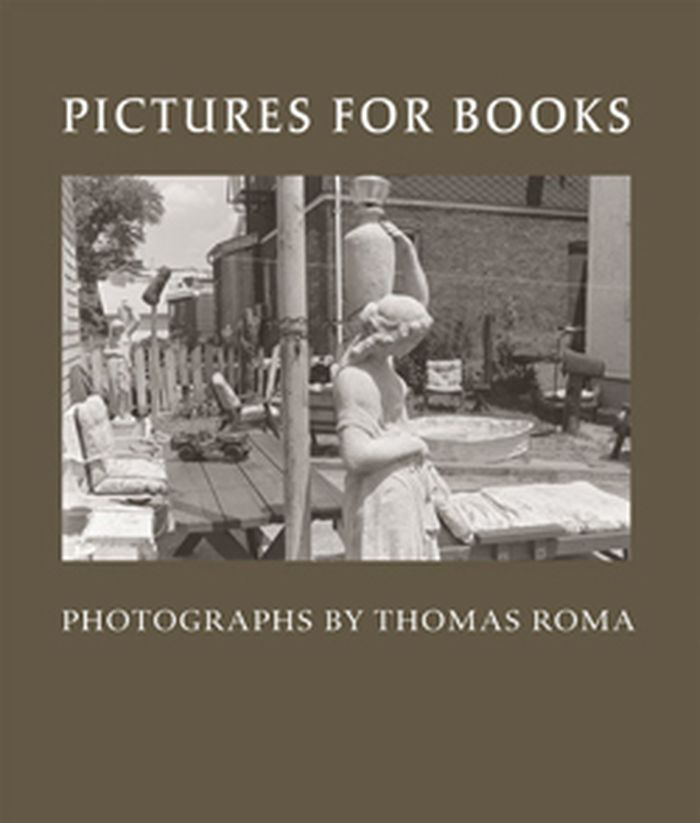
Like so many of the best photographers, Thomas Roma has a flair for thinking in book form. His first book, the limited-edition and handbound volume Brooklyn Gardens (1980), affirmed this flair from the outset of his career, and over the past 30 years Roma has published 13 volumes, always composing and sequencing his classical and modernist vision of contemporary life with care and thought. Roma’s concern for bookmaking accords with his general autodidacticism: he is self-taught to the degree that he even designs and builds his own cameras and lighting equipment. Pictures for Books is the first retrospective volume on Roma. It gathers selections from four previous publications: Found in Brooklyn (1996), Come Sunday (1996), Sicilian Passage (2003) and On Three Pillars: Torah, Worship and the Practice of Loving Kindness, The Synagogues of Brooklyn (2007). Shot in black and white, the sequences included here display two signature Roma traits: a quietly steady and penetrative observation of the close-at-hand, and a fondness for the diverse neighborhoods of Brooklyn, the borough in which Roma was born and continues to reside. Pictures for Books is full of images that capture daily life (both in Brooklyn and abroad) as it opens out into moments of capacious quietude.
Pictures for books
Actions:
Prix:
$42.00
(disponible sur commande)
Résumé:
Like so many of the best photographers, Thomas Roma has a flair for thinking in book form. His first book, the limited-edition and handbound volume Brooklyn Gardens (1980), affirmed this flair from the outset of his career, and over the past 30 years Roma has published 13 volumes, always composing and sequencing his classical and modernist vision of contemporary life with care and thought. Roma’s concern for bookmaking accords with his general autodidacticism: he is self-taught to the degree that he even designs and builds his own cameras and lighting equipment. Pictures for Books is the first retrospective volume on Roma. It gathers selections from four previous publications: Found in Brooklyn (1996), Come Sunday (1996), Sicilian Passage (2003) and On Three Pillars: Torah, Worship and the Practice of Loving Kindness, The Synagogues of Brooklyn (2007). Shot in black and white, the sequences included here display two signature Roma traits: a quietly steady and penetrative observation of the close-at-hand, and a fondness for the diverse neighborhoods of Brooklyn, the borough in which Roma was born and continues to reside. Pictures for Books is full of images that capture daily life (both in Brooklyn and abroad) as it opens out into moments of capacious quietude.
Classification:
livres
livres
Publication:
juillet 2010
juillet 2010
Sujet:
Monographies photo
Monographies photo
Classification:
livres
livres

Titre:
All citizens
All citizens
Actions:
Prix:
$25.00
(disponible sur commande)
Résumé:
In 2006, two artists fled the high cost of living in Vancouver and moved to a place where they knew absolutely nobody, Bruno, Saskatchewan, population 500. They set up a storefront building in which they housed their own unique brand of café / art shop / community centre / music venue called All Citizens from 2007-2011. McCarroll kept a blog called Going Rural of her(...)
$25.00
(disponible sur commande)
Résumé:
In 2006, two artists fled the high cost of living in Vancouver and moved to a place where they knew absolutely nobody, Bruno, Saskatchewan, population 500. They set up a storefront building in which they housed their own unique brand of café / art shop / community centre / music venue called All Citizens from 2007-2011. McCarroll kept a blog called Going Rural of her(...)
Titre:
All citizens
Actions:
Prix:
$25.00
(disponible sur commande)
Résumé:
In 2006, two artists fled the high cost of living in Vancouver and moved to a place where they knew absolutely nobody, Bruno, Saskatchewan, population 500. They set up a storefront building in which they housed their own unique brand of café / art shop / community centre / music venue called All Citizens from 2007-2011. McCarroll kept a blog called Going Rural of her travels and experiences moving and setting up shop. This blog (text and photographs) forms a significant chapter of the All Citizens art book and serves as an introduction to Saara Liinamaa’s essay on rural interventions. The documentation (in text, interviews, and photographs) of the artistic practice of three local senior women formed McCarroll’s MFA thesis project in the Documentary Media Program at Ryerson and constitutes another significant chapter. Cartoonist David Collier visits one of these women in Bruno and provides a comic essay in his own style. Also contributing is artist Jason McLean. But the heart of the All Citizens project was the store itself, a meeting place, shop, cultural centre, music venue and all things in between. It was the ultimate culmination of a DIY aesthetic forged onto a rural landscape. Includes Bonus CD: Daniel, Fred, and Julie: Live at All Citizens.
All citizens
Actions:
Prix:
$25.00
(disponible sur commande)
Résumé:
In 2006, two artists fled the high cost of living in Vancouver and moved to a place where they knew absolutely nobody, Bruno, Saskatchewan, population 500. They set up a storefront building in which they housed their own unique brand of café / art shop / community centre / music venue called All Citizens from 2007-2011. McCarroll kept a blog called Going Rural of her travels and experiences moving and setting up shop. This blog (text and photographs) forms a significant chapter of the All Citizens art book and serves as an introduction to Saara Liinamaa’s essay on rural interventions. The documentation (in text, interviews, and photographs) of the artistic practice of three local senior women formed McCarroll’s MFA thesis project in the Documentary Media Program at Ryerson and constitutes another significant chapter. Cartoonist David Collier visits one of these women in Bruno and provides a comic essay in his own style. Also contributing is artist Jason McLean. But the heart of the All Citizens project was the store itself, a meeting place, shop, cultural centre, music venue and all things in between. It was the ultimate culmination of a DIY aesthetic forged onto a rural landscape. Includes Bonus CD: Daniel, Fred, and Julie: Live at All Citizens.
Classification:
livres
livres
Publication:
novembre 2012
novembre 2012
Sujet:
Art canadien
Art canadien
Classification:
livres
livres
Titre:
In praise of copying
In praise of copying
Actions:
Prix:
$24.95
(disponible sur commande)
Résumé:
This book is devoted to a deceptively simple but original argument : that copying is an essential part of being human, that the ability to copy is worthy of celebration, and that, without recognizing how integral copying is to being human, we cannot understand ourselves or the world we live in. In spite of the laws, stigmas, and anxieties attached to it, the word(...)
$24.95
(disponible sur commande)
Résumé:
This book is devoted to a deceptively simple but original argument : that copying is an essential part of being human, that the ability to copy is worthy of celebration, and that, without recognizing how integral copying is to being human, we cannot understand ourselves or the world we live in. In spite of the laws, stigmas, and anxieties attached to it, the word(...)
Titre:
In praise of copying
Actions:
Prix:
$24.95
(disponible sur commande)
Résumé:
This book is devoted to a deceptively simple but original argument : that copying is an essential part of being human, that the ability to copy is worthy of celebration, and that, without recognizing how integral copying is to being human, we cannot understand ourselves or the world we live in. In spite of the laws, stigmas, and anxieties attached to it, the word “copying” permeates contemporary culture, shaping discourse on issues from hip hop to digitization to gender reassignment, and is particularly crucial in legal debates concerning intellectual property and copyright. Yet as a philosophical concept, copying remains poorly understood. Working comparatively across cultures and times, Marcus Boon undertakes an examination of what this word means — historically, culturally, philosophically — and why it fills us with fear and fascination. He argues that the dominant legal-political structures that define copying today obscure much broader processes of imitation that have constituted human communities for ages and continue to shape various subcultures today. Drawing on contemporary art, music and film, the history of aesthetics, critical theory, and Buddhist philosophy and practice, In Praise of Copying seeks to show how and why copying works, what the sources of its power are, and the political stakes of renegotiating the way we value copying in the age of globalization.
In praise of copying
Actions:
Prix:
$24.95
(disponible sur commande)
Résumé:
This book is devoted to a deceptively simple but original argument : that copying is an essential part of being human, that the ability to copy is worthy of celebration, and that, without recognizing how integral copying is to being human, we cannot understand ourselves or the world we live in. In spite of the laws, stigmas, and anxieties attached to it, the word “copying” permeates contemporary culture, shaping discourse on issues from hip hop to digitization to gender reassignment, and is particularly crucial in legal debates concerning intellectual property and copyright. Yet as a philosophical concept, copying remains poorly understood. Working comparatively across cultures and times, Marcus Boon undertakes an examination of what this word means — historically, culturally, philosophically — and why it fills us with fear and fascination. He argues that the dominant legal-political structures that define copying today obscure much broader processes of imitation that have constituted human communities for ages and continue to shape various subcultures today. Drawing on contemporary art, music and film, the history of aesthetics, critical theory, and Buddhist philosophy and practice, In Praise of Copying seeks to show how and why copying works, what the sources of its power are, and the political stakes of renegotiating the way we value copying in the age of globalization.
Classification:
livres
livres
Publication:
mars 2013
mars 2013
Sujet:
Théorie/ philosophie
Théorie/ philosophie
Classification:
livres
livres
Actions:
Prix:
$33.00
(disponible sur commande)
Résumé:
The Politics of Public Space is a quarterly publication of transcripts that speak directly to the city and the way we read it. The second volume addresses the effects of COVID-19, including the sudden changes in the way we interact and view our public spaces. It contains excerpts from Myria Georgiou, Saskia Sassen, Jack Self, Brooke Holmes, Ian Strange and Alfredo(...)
$33.00
(disponible sur commande)
Résumé:
The Politics of Public Space is a quarterly publication of transcripts that speak directly to the city and the way we read it. The second volume addresses the effects of COVID-19, including the sudden changes in the way we interact and view our public spaces. It contains excerpts from Myria Georgiou, Saskia Sassen, Jack Self, Brooke Holmes, Ian Strange and Alfredo(...)
Titre:
Politics of Public Space, Volume 2
Actions:
Prix:
$33.00
(disponible sur commande)
Résumé:
The Politics of Public Space is a quarterly publication of transcripts that speak directly to the city and the way we read it. The second volume addresses the effects of COVID-19, including the sudden changes in the way we interact and view our public spaces. It contains excerpts from Myria Georgiou, Saskia Sassen, Jack Self, Brooke Holmes, Ian Strange and Alfredo Brillembourg. This publication curates a series of global perspectives as we all come to terms with a new way of life due to the virus. Myria Georgiou observes the emergence of digital solidarity groups throughout the UK as inequalities and vulnerabilities are foregrounded. World-renowned sociologist Saskia Sassen reveals the pervasiveness of power as the fragility of our global connectedness is further disclosed. The true publicness of our cities is revealed in Jack Self’s account of protest and opposition to the political structures. Brooke Holmes depicts an interconnectedness between the health of the city and it’s citizens traced back to antiquity. Australian artist Ian Strange unpacks his understanding of the home as he recounts a decade of practice into the subject. And Venezuelan architect Alfredo Brillembourg calls to arms the architecture profession to deal directly with issues of injustice within the built environment.
Politics of Public Space, Volume 2
Actions:
Prix:
$33.00
(disponible sur commande)
Résumé:
The Politics of Public Space is a quarterly publication of transcripts that speak directly to the city and the way we read it. The second volume addresses the effects of COVID-19, including the sudden changes in the way we interact and view our public spaces. It contains excerpts from Myria Georgiou, Saskia Sassen, Jack Self, Brooke Holmes, Ian Strange and Alfredo Brillembourg. This publication curates a series of global perspectives as we all come to terms with a new way of life due to the virus. Myria Georgiou observes the emergence of digital solidarity groups throughout the UK as inequalities and vulnerabilities are foregrounded. World-renowned sociologist Saskia Sassen reveals the pervasiveness of power as the fragility of our global connectedness is further disclosed. The true publicness of our cities is revealed in Jack Self’s account of protest and opposition to the political structures. Brooke Holmes depicts an interconnectedness between the health of the city and it’s citizens traced back to antiquity. Australian artist Ian Strange unpacks his understanding of the home as he recounts a decade of practice into the subject. And Venezuelan architect Alfredo Brillembourg calls to arms the architecture profession to deal directly with issues of injustice within the built environment.
Classification:
livres
livres
Publication:
août 2020
août 2020
Sujet:
Théorie de l’urbanisme
Théorie de l’urbanisme
Classification:
livres
livres
Actions:
Prix:
$46.99
(disponible sur commande)
Résumé:
"Biennials: The exhibitions we love to hate" examines one of the most significant recent transitions in the contemporary art world: the proliferation of large-scale international recurrent survey shows of contemporary art, commonly referred to as contemporary biennials. Since the mid-1980s biennials have been instrumental in shaping curating as an autonomous practice.(...)
$46.99
(disponible sur commande)
Résumé:
"Biennials: The exhibitions we love to hate" examines one of the most significant recent transitions in the contemporary art world: the proliferation of large-scale international recurrent survey shows of contemporary art, commonly referred to as contemporary biennials. Since the mid-1980s biennials have been instrumental in shaping curating as an autonomous practice.(...)
Titre:
Biennials: The exhibitions we love to hate
Actions:
Prix:
$46.99
(disponible sur commande)
Résumé:
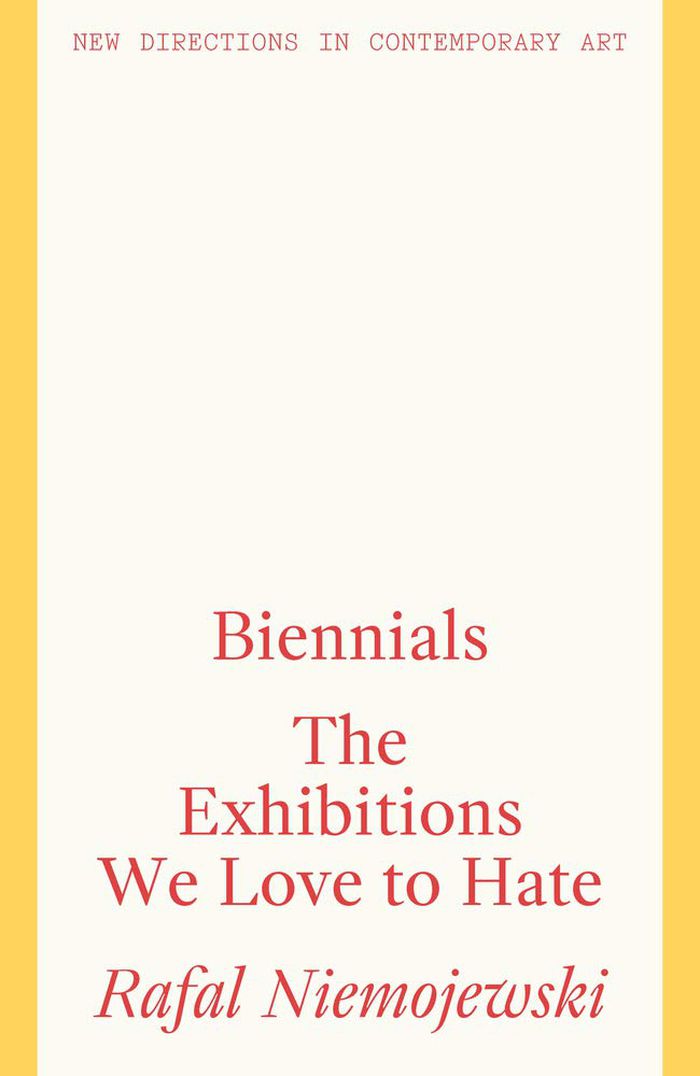
"Biennials: The exhibitions we love to hate" examines one of the most significant recent transitions in the contemporary art world: the proliferation of large-scale international recurrent survey shows of contemporary art, commonly referred to as contemporary biennials. Since the mid-1980s biennials have been instrumental in shaping curating as an autonomous practice. These exhibitions are also said to have provided increased visibility for certain types of new art practices, notably those that are socially and politically committed, research-based and site-specific, and to have undermined some of the more traditional art media, such as painting, drawing or sculpture. They have been responsible for substantially reshaping the contemporary art world and disrupting the existing value chain of the art market, which now relies on biennials as much as it does on major museums’ acquisitions and exhibitions. Rafal Niemojewski, Director of the Biennial Foundation, deftly unpicks the critical discussion and controversy surrounding contemporary biennials. Branded by some critics as showcases of neo-liberalism run amok, in which culture has become synonymous with the dollar-generating leisure industry, biennials have also been associated with the production of monumental artworks which are both highly consumable and photogenic (Instagrammable). The exhibitions we love to hate? This engaging publication makes an essential contribution to a fascinating cultural debate.
Biennials: The exhibitions we love to hate
Actions:
Prix:
$46.99
(disponible sur commande)
Résumé:
"Biennials: The exhibitions we love to hate" examines one of the most significant recent transitions in the contemporary art world: the proliferation of large-scale international recurrent survey shows of contemporary art, commonly referred to as contemporary biennials. Since the mid-1980s biennials have been instrumental in shaping curating as an autonomous practice. These exhibitions are also said to have provided increased visibility for certain types of new art practices, notably those that are socially and politically committed, research-based and site-specific, and to have undermined some of the more traditional art media, such as painting, drawing or sculpture. They have been responsible for substantially reshaping the contemporary art world and disrupting the existing value chain of the art market, which now relies on biennials as much as it does on major museums’ acquisitions and exhibitions. Rafal Niemojewski, Director of the Biennial Foundation, deftly unpicks the critical discussion and controversy surrounding contemporary biennials. Branded by some critics as showcases of neo-liberalism run amok, in which culture has become synonymous with the dollar-generating leisure industry, biennials have also been associated with the production of monumental artworks which are both highly consumable and photogenic (Instagrammable). The exhibitions we love to hate? This engaging publication makes an essential contribution to a fascinating cultural debate.
Classification:
livres
livres
Publication:
mai 2021
mai 2021
Sujet:
Muséologie
Muséologie
Classification:
livres
livres
Prix:
$44.00
(disponible sur commande)
Résumé:
Cities are becoming increasingly fragmented materially, socially, and spatially. From broken toilets and everyday things, to art and forms of writing, fragments are signatures of urban worlds and provocations for change. In "Fragments of the city," Colin McFarlane examines such fragments, what they are and how they come to matter in the experience, politics, and(...)
$44.00
(disponible sur commande)
Résumé:
Cities are becoming increasingly fragmented materially, socially, and spatially. From broken toilets and everyday things, to art and forms of writing, fragments are signatures of urban worlds and provocations for change. In "Fragments of the city," Colin McFarlane examines such fragments, what they are and how they come to matter in the experience, politics, and(...)
Titre:
Fragments of the city: making and remaking urban worlds
Actions:
Prix:
$44.00
(disponible sur commande)
Résumé:
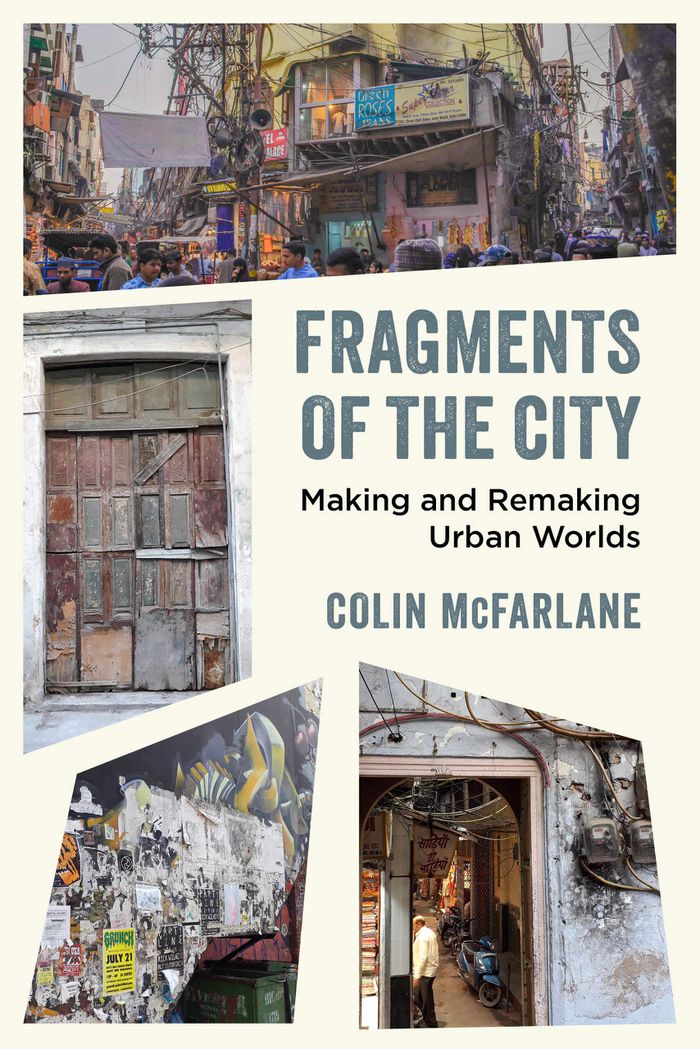
Cities are becoming increasingly fragmented materially, socially, and spatially. From broken toilets and everyday things, to art and forms of writing, fragments are signatures of urban worlds and provocations for change. In "Fragments of the city," Colin McFarlane examines such fragments, what they are and how they come to matter in the experience, politics, and expression of cities. How does the city appear when we look at it through its fragments? For those living on the economic margins, the city is often experienced as a set of fragments. Much of what low-income residents deal with on a daily basis is fragments of stuff, made and remade with and through urban density, social infrastructure, and political practice. In this book, McFarlane explores infrastructure in Mumbai, Kampala, and Cape Town; artistic montages in Los Angeles and Dakar; refugee struggles in Berlin; and the repurposing of fragments in Hong Kong and New York. Fragments surface as material things, as forms of knowledge, as writing strategies. They are used in efforts to politicize the city and in urban writing to capture life and change in the world's major cities. "Fragments of the city" surveys the role of fragments in how urban worlds are understood, revealed, written, and changed.
Fragments of the city: making and remaking urban worlds
Actions:
Prix:
$44.00
(disponible sur commande)
Résumé:
Cities are becoming increasingly fragmented materially, socially, and spatially. From broken toilets and everyday things, to art and forms of writing, fragments are signatures of urban worlds and provocations for change. In "Fragments of the city," Colin McFarlane examines such fragments, what they are and how they come to matter in the experience, politics, and expression of cities. How does the city appear when we look at it through its fragments? For those living on the economic margins, the city is often experienced as a set of fragments. Much of what low-income residents deal with on a daily basis is fragments of stuff, made and remade with and through urban density, social infrastructure, and political practice. In this book, McFarlane explores infrastructure in Mumbai, Kampala, and Cape Town; artistic montages in Los Angeles and Dakar; refugee struggles in Berlin; and the repurposing of fragments in Hong Kong and New York. Fragments surface as material things, as forms of knowledge, as writing strategies. They are used in efforts to politicize the city and in urban writing to capture life and change in the world's major cities. "Fragments of the city" surveys the role of fragments in how urban worlds are understood, revealed, written, and changed.
Classification:
livres
livres
Publication:
octobre 2021
octobre 2021
Sujet:
Théorie de l’urbanisme
Théorie de l’urbanisme
Classification:
livres
livres
Titre:
Miroslav Sasek
Miroslav Sasek
Actions:
Prix:
$39.95
(disponible sur commande)
Résumé:
Czech artist Miroslav Šašek (1916–1980) is celebrated for his pioneering approach to narrative nonfiction picture books, particularly his bestselling This Is series, which began with ''This is Paris'' in 1959 and eventually totaled eighteen books. With their distinct visual vocabulary, this witty collection of travel guides illustrating life and culture in a variety of(...)
$39.95
(disponible sur commande)
Résumé:
Czech artist Miroslav Šašek (1916–1980) is celebrated for his pioneering approach to narrative nonfiction picture books, particularly his bestselling This Is series, which began with ''This is Paris'' in 1959 and eventually totaled eighteen books. With their distinct visual vocabulary, this witty collection of travel guides illustrating life and culture in a variety of(...)
Titre:
Miroslav Sasek
Actions:
Prix:
$39.95
(disponible sur commande)
Résumé:
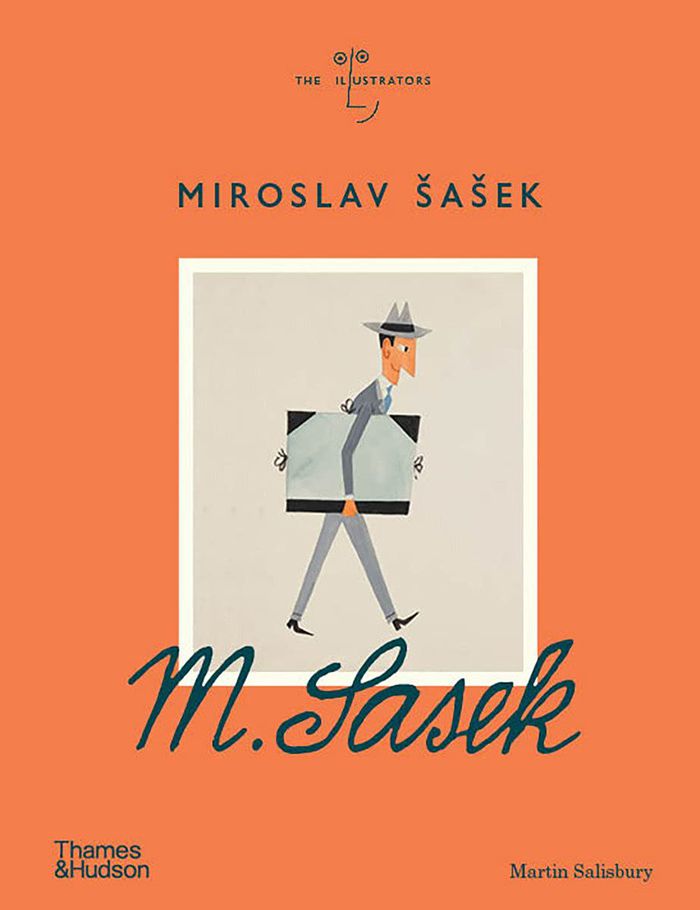
Czech artist Miroslav Šašek (1916–1980) is celebrated for his pioneering approach to narrative nonfiction picture books, particularly his bestselling This Is series, which began with ''This is Paris'' in 1959 and eventually totaled eighteen books. With their distinct visual vocabulary, this witty collection of travel guides illustrating life and culture in a variety of cities and countries around the world from a child’s perspective, became immensely popular and garnered many awards. The artist’s charming travelogues continue to appeal to adults and children alike, even in a digital age exploding with travel imagery. Acclaimed author Martin Salisbury analyzes Šašek’s techniques and how his work not only reflects his architectural training and the ideas of the midcentury European avant-garde, but also the influence of contemporaries such as Saul Steinberg. In this beautifully designed volume, illustrated with sketches and original artwork from the Šašek Foundation in Prague, with examples ranging from Greece to Hong Kong, Rome to San Francisco, Ireland to Israel, Paris to New York, and more, Šašek’s best-known works come alive alongside lesser-known aspects of his practice, such as oil painting. Full of insight into the life and work of a singular talent, ''Miroslav Šašek'' will appeal to illustrators and those interested in the midcentury modern period.
Miroslav Sasek
Actions:
Prix:
$39.95
(disponible sur commande)
Résumé:
Czech artist Miroslav Šašek (1916–1980) is celebrated for his pioneering approach to narrative nonfiction picture books, particularly his bestselling This Is series, which began with ''This is Paris'' in 1959 and eventually totaled eighteen books. With their distinct visual vocabulary, this witty collection of travel guides illustrating life and culture in a variety of cities and countries around the world from a child’s perspective, became immensely popular and garnered many awards. The artist’s charming travelogues continue to appeal to adults and children alike, even in a digital age exploding with travel imagery. Acclaimed author Martin Salisbury analyzes Šašek’s techniques and how his work not only reflects his architectural training and the ideas of the midcentury European avant-garde, but also the influence of contemporaries such as Saul Steinberg. In this beautifully designed volume, illustrated with sketches and original artwork from the Šašek Foundation in Prague, with examples ranging from Greece to Hong Kong, Rome to San Francisco, Ireland to Israel, Paris to New York, and more, Šašek’s best-known works come alive alongside lesser-known aspects of his practice, such as oil painting. Full of insight into the life and work of a singular talent, ''Miroslav Šašek'' will appeal to illustrators and those interested in the midcentury modern period.
Classification:
livres
livres
Publication:
octobre 2021
octobre 2021
Sujet:
Design, monographies
Design, monographies
Classification:
livres
livres
Prix:
$62.00
(disponible sur commande)
Résumé:
"Mute icons" challenges fixed aesthetic notions of beauty in architecture as both, disciplinary discourse and a spatial practice within the public realm, by intersecting historic antecedents and present instances within contemporary projects wherein indeterminacy, monolithicity and defamiliarization play a speculative role in constructing withdrawn, irritant and yet(...)
$62.00
(disponible sur commande)
Résumé:
"Mute icons" challenges fixed aesthetic notions of beauty in architecture as both, disciplinary discourse and a spatial practice within the public realm, by intersecting historic antecedents and present instances within contemporary projects wherein indeterminacy, monolithicity and defamiliarization play a speculative role in constructing withdrawn, irritant and yet(...)
Titre:
Mute icons: pressing dichotomy in contemporary architecture
Actions:
Prix:
$62.00
(disponible sur commande)
Résumé:
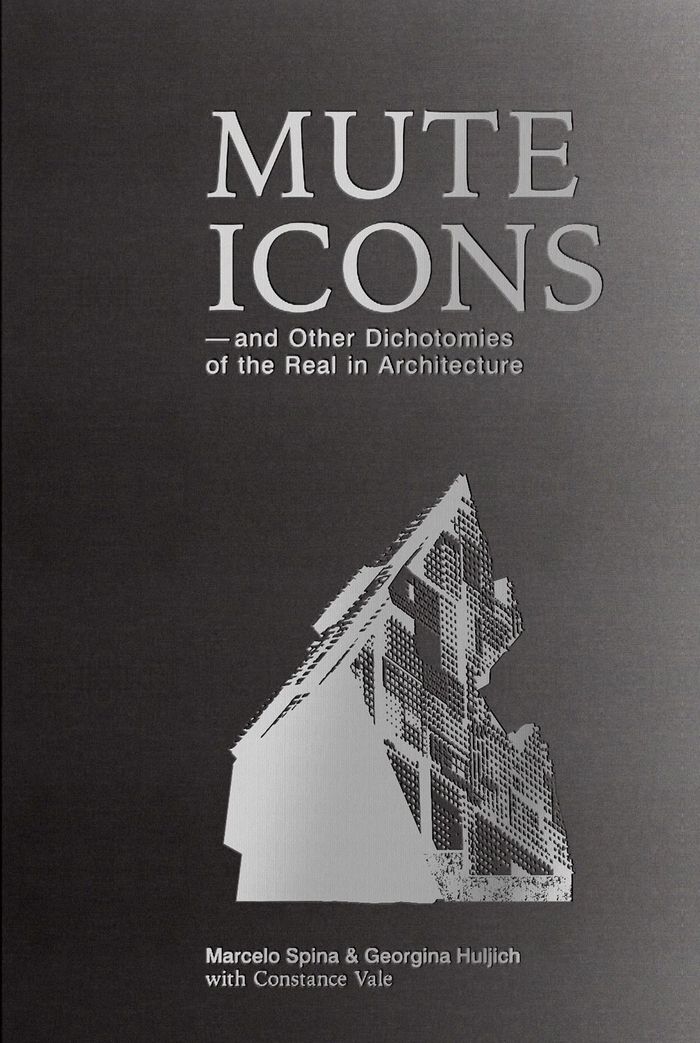
"Mute icons" challenges fixed aesthetic notions of beauty in architecture as both, disciplinary discourse and a spatial practice within the public realm, by intersecting historic antecedents and present instances within contemporary projects wherein indeterminacy, monolithicity and defamiliarization play a speculative role in constructing withdrawn, irritant and yet engaging architectural images. No longer concerned with narrative excesses or with the "shock and awe" of sensation making; the mute icon becomes intriguing in its deceptive indifference towards context, perplexing in its unmitigated apathy towards the body. Object and building, absolute and unstable, anticipated and strange, manifest and withdrawn, such is the dichotomy of mute icons. Dwelling in the paradox between silence and sign and aiming to debunk a false dichotomy between critical discourse, a pursue of formal novelty and the attainment of social ethics, "Mute icons" reaffirms the cultural need and socio-political relevance of the architectural image, suggesting a much-needed resolution to the present but incorrect antagonism between formal innovation, social responsibility and economic austerity. Intersecting relevant historical antecedents and polemic theoretical speculations with original design concepts and provocative representations of P-A-T-T-E-R-N-S recent work, the book aspires to stimulate authentic speculations on the real.
Mute icons: pressing dichotomy in contemporary architecture
Actions:
Prix:
$62.00
(disponible sur commande)
Résumé:
"Mute icons" challenges fixed aesthetic notions of beauty in architecture as both, disciplinary discourse and a spatial practice within the public realm, by intersecting historic antecedents and present instances within contemporary projects wherein indeterminacy, monolithicity and defamiliarization play a speculative role in constructing withdrawn, irritant and yet engaging architectural images. No longer concerned with narrative excesses or with the "shock and awe" of sensation making; the mute icon becomes intriguing in its deceptive indifference towards context, perplexing in its unmitigated apathy towards the body. Object and building, absolute and unstable, anticipated and strange, manifest and withdrawn, such is the dichotomy of mute icons. Dwelling in the paradox between silence and sign and aiming to debunk a false dichotomy between critical discourse, a pursue of formal novelty and the attainment of social ethics, "Mute icons" reaffirms the cultural need and socio-political relevance of the architectural image, suggesting a much-needed resolution to the present but incorrect antagonism between formal innovation, social responsibility and economic austerity. Intersecting relevant historical antecedents and polemic theoretical speculations with original design concepts and provocative representations of P-A-T-T-E-R-N-S recent work, the book aspires to stimulate authentic speculations on the real.
Classification:
livres
livres
Publication:
juillet 2021
juillet 2021
Sujet:
Théorie de l’architecture
Théorie de l’architecture
Classification:
livres
livres
Actions:
Prix:
$43.95
(disponible en magasin)
Résumé:
Once the province of film and media scholars, today the moving image is of broad concern to historians of art and architecture and designers of everything from websites to cities. As museums and galleries devote increasing space to video installations which no longer presuppose a fixed viewer, urban space becomes envisioned and planned through "fly throughs," and(...)
$43.95
(disponible en magasin)
Résumé:
Once the province of film and media scholars, today the moving image is of broad concern to historians of art and architecture and designers of everything from websites to cities. As museums and galleries devote increasing space to video installations which no longer presuppose a fixed viewer, urban space becomes envisioned and planned through "fly throughs," and(...)
Titre:
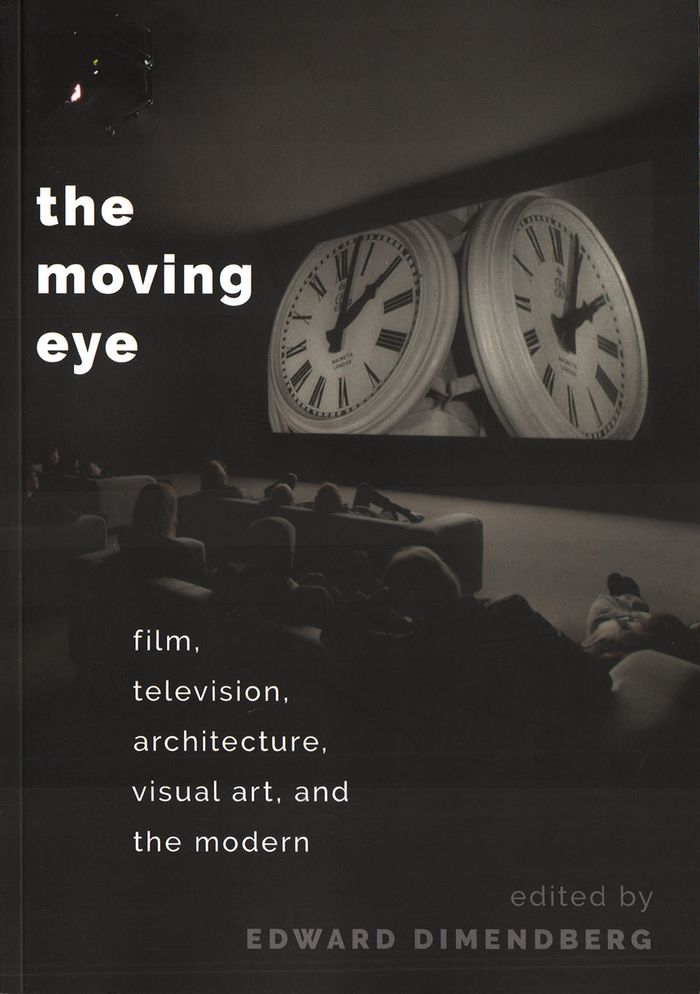
The moving eye: film, television, architecture, visual art, and the modern
Actions:
Prix:
$43.95
(disponible en magasin)
Résumé:
Once the province of film and media scholars, today the moving image is of broad concern to historians of art and architecture and designers of everything from websites to cities. As museums and galleries devote increasing space to video installations which no longer presuppose a fixed viewer, urban space becomes envisioned and planned through "fly throughs," and technologies such as GPS add data to the experience of travel, moving images have captured the attention of geographers and scholars across the humanities and social sciences. Their practice of "mobility studies" is remaking how we understand a contemporary world in relentless motion. Media theorist and historian Anne Friedberg (1952-2009) was among the first practitioners of visual studies to theorize the experience of vision in motion. Her books have become key points of reference in the discussion of the windows that frame images and the viewers in motion who perceive them. Although widely influential beyond her own discipline, Friedberg's work has never been the subject of an extended study. "The Moving Eye" gathers together essays by renowned thinkers in media studies, art history, architecture, and museum studies to consider the rich implications of her work for understanding film and video, new media, visual art, architecture, exhibition design, urban space, and virtual reality.
The moving eye: film, television, architecture, visual art, and the modern
Actions:
Prix:
$43.95
(disponible en magasin)
Résumé:
Once the province of film and media scholars, today the moving image is of broad concern to historians of art and architecture and designers of everything from websites to cities. As museums and galleries devote increasing space to video installations which no longer presuppose a fixed viewer, urban space becomes envisioned and planned through "fly throughs," and technologies such as GPS add data to the experience of travel, moving images have captured the attention of geographers and scholars across the humanities and social sciences. Their practice of "mobility studies" is remaking how we understand a contemporary world in relentless motion. Media theorist and historian Anne Friedberg (1952-2009) was among the first practitioners of visual studies to theorize the experience of vision in motion. Her books have become key points of reference in the discussion of the windows that frame images and the viewers in motion who perceive them. Although widely influential beyond her own discipline, Friedberg's work has never been the subject of an extended study. "The Moving Eye" gathers together essays by renowned thinkers in media studies, art history, architecture, and museum studies to consider the rich implications of her work for understanding film and video, new media, visual art, architecture, exhibition design, urban space, and virtual reality.
Classification:
livres
livres
Publication:
juin 2019
juin 2019


