


12362 Résultats
Classification:
livres
livres
Actions:
Prix:
$41.99
(disponible sur commande)
Résumé:
Organized by interpretive categories such as space, infrastructure, and imaginaries, this volume uses historical and contemporary examples of how laboratories are fundamentally connected to changes in the contemporary university. The authors cover topics such as the evolution and delineation of lab-based communities, how labs’ tools and technologies contribute to defining(...)
$41.99
(disponible sur commande)
Résumé:
Organized by interpretive categories such as space, infrastructure, and imaginaries, this volume uses historical and contemporary examples of how laboratories are fundamentally connected to changes in the contemporary university. The authors cover topics such as the evolution and delineation of lab-based communities, how labs’ tools and technologies contribute to defining(...)
Publication:
décembre 2021
décembre 2021
Titre:
The lab book: situated practices in media studies
Actions:
Prix:
$41.99
(disponible sur commande)
Résumé:
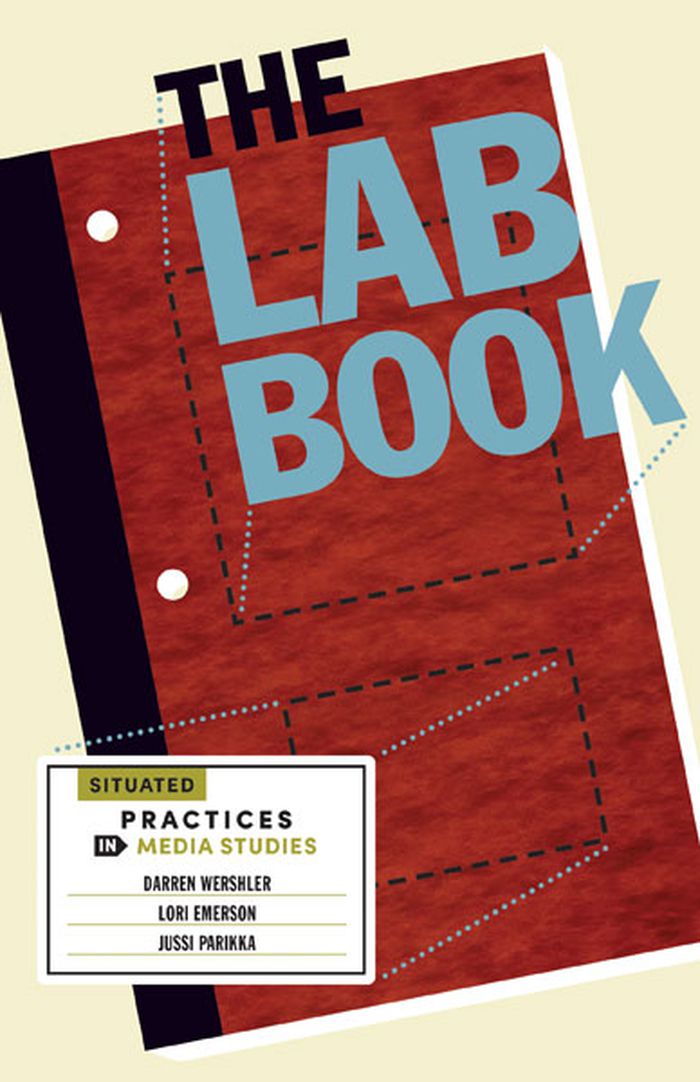
Organized by interpretive categories such as space, infrastructure, and imaginaries, this volume uses historical and contemporary examples of how laboratories are fundamentally connected to changes in the contemporary university. The authors cover topics such as the evolution and delineation of lab-based communities, how labs’ tools and technologies contribute to defining their space, and a glossary of key hybrid lab techniques.
The lab book: situated practices in media studies
Actions:
Prix:
$41.99
(disponible sur commande)
Résumé:
Organized by interpretive categories such as space, infrastructure, and imaginaries, this volume uses historical and contemporary examples of how laboratories are fundamentally connected to changes in the contemporary university. The authors cover topics such as the evolution and delineation of lab-based communities, how labs’ tools and technologies contribute to defining their space, and a glossary of key hybrid lab techniques.
Classification:
livres
livres
Publication:
décembre 2021
décembre 2021
Classification:
livres
livres
Actions:
Prix:
$34.99
(disponible sur commande)
Résumé:
Author Alain de Botton considers how our private homes and public edifices influence how we feel, and how we could build dwellings in which we would stand a better chance of happiness. In this look at how we shape, and are shaped by, our surroundings, Alain de Botton applies Stendhal’s motto that “Beauty is the promise of happiness” to the spaces we inhabit daily. Why(...)
$34.99
(disponible sur commande)
Résumé:
Author Alain de Botton considers how our private homes and public edifices influence how we feel, and how we could build dwellings in which we would stand a better chance of happiness. In this look at how we shape, and are shaped by, our surroundings, Alain de Botton applies Stendhal’s motto that “Beauty is the promise of happiness” to the spaces we inhabit daily. Why(...)
Titre:
The architecture of happiness
Actions:
Prix:
$34.99
(disponible sur commande)
Résumé:
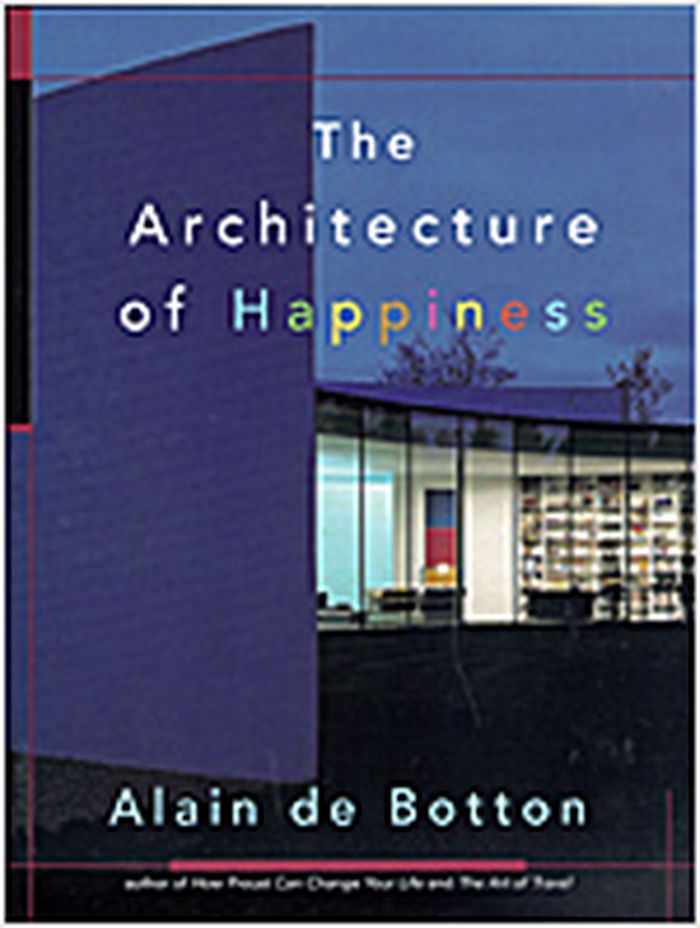
Author Alain de Botton considers how our private homes and public edifices influence how we feel, and how we could build dwellings in which we would stand a better chance of happiness. In this look at how we shape, and are shaped by, our surroundings, Alain de Botton applies Stendhal’s motto that “Beauty is the promise of happiness” to the spaces we inhabit daily. Why should we pay attention to what architecture has to say to us? de Botton asks. de Botton traces how human needs and desires have been served by styles of architecture, from stately Classical to minimalist Modern, arguing that the stylistic choices of a society can represent both its cherished ideals and the qualities it desperately lacks. On an individual level, de Botton has deep sympathy for our need to see our selves reflected in our surroundings; he demonstrates how buildings — just like friends — can serve as guardians of our identity. Worrying about the shape of our sofa or the colour of our walls might seem self-indulgent, but de Botton considers the hopes and fears we have for our homes at a new level of depth and insight. When shopping for furniture or remodelling the kitchen, we don’t just consider functionality but also the major questions of aesthetics and the philosophy of art: What is beauty? Can beautiful surroundings make us good? Can beauty bring happiness? The buildings we find beautiful, de Botton concludes, are those that represent our ideas of a meaningful life.
The architecture of happiness
Actions:
Prix:
$34.99
(disponible sur commande)
Résumé:
Author Alain de Botton considers how our private homes and public edifices influence how we feel, and how we could build dwellings in which we would stand a better chance of happiness. In this look at how we shape, and are shaped by, our surroundings, Alain de Botton applies Stendhal’s motto that “Beauty is the promise of happiness” to the spaces we inhabit daily. Why should we pay attention to what architecture has to say to us? de Botton asks. de Botton traces how human needs and desires have been served by styles of architecture, from stately Classical to minimalist Modern, arguing that the stylistic choices of a society can represent both its cherished ideals and the qualities it desperately lacks. On an individual level, de Botton has deep sympathy for our need to see our selves reflected in our surroundings; he demonstrates how buildings — just like friends — can serve as guardians of our identity. Worrying about the shape of our sofa or the colour of our walls might seem self-indulgent, but de Botton considers the hopes and fears we have for our homes at a new level of depth and insight. When shopping for furniture or remodelling the kitchen, we don’t just consider functionality but also the major questions of aesthetics and the philosophy of art: What is beauty? Can beautiful surroundings make us good? Can beauty bring happiness? The buildings we find beautiful, de Botton concludes, are those that represent our ideas of a meaningful life.
Classification:
livres
livres
Publication:
septembre 2006, Toronto
septembre 2006, Toronto
Sujet:
Théorie de l’architecture
Théorie de l’architecture
Classification:
livres
livres
Actions:
Prix:
$22.99
(disponible sur commande)
Résumé:
How do the most diverse and relevant voices of contemporary photography respond to the urgent issues of today? In this series of small, insightful, and beautifully presented books, Henry Carroll, the bestselling photography writer of the last decade, unpacks the ideas behind images to reflect on race, gender, faith, inequality, beauty, politics, and our shifting(...)
$22.99
(disponible sur commande)
Résumé:
How do the most diverse and relevant voices of contemporary photography respond to the urgent issues of today? In this series of small, insightful, and beautifully presented books, Henry Carroll, the bestselling photography writer of the last decade, unpacks the ideas behind images to reflect on race, gender, faith, inequality, beauty, politics, and our shifting(...)
Titre:
LAND: Photographs that make you think
Actions:
Prix:
$22.99
(disponible sur commande)
Résumé:
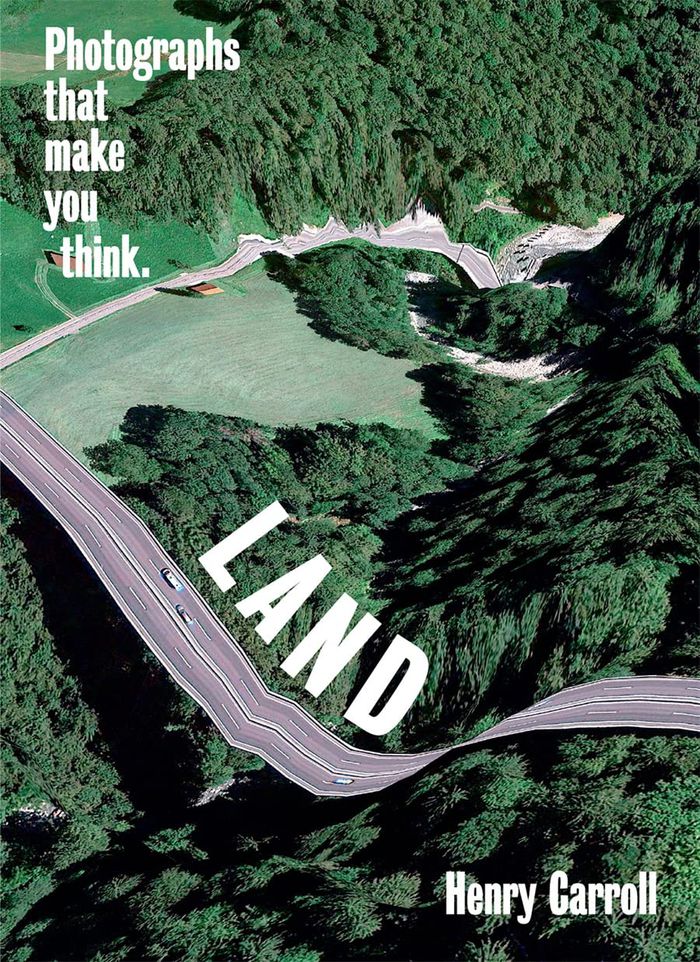
How do the most diverse and relevant voices of contemporary photography respond to the urgent issues of today? In this series of small, insightful, and beautifully presented books, Henry Carroll, the bestselling photography writer of the last decade, unpacks the ideas behind images to reflect on race, gender, faith, inequality, beauty, politics, and our shifting relationship to animals, nature, and the environment. ''LAND: Photographs that make you think'' considers humanity’s changing relationship with the natural world, a relationship that has seen us edge further away from real encounters. The photographs explore how the sublime can be commodified, packaged, and distributed, leading to an alarming emotional distancing. With images from a diverse group of photographers, Carroll explores the impermanence of borders, the human reaction to scenes of devastation on Instagram feeds, and the many variables that inform one’s relationship to land. He considers how a photographer’s response to landscape is subjective, full of meaning that’s coloured by their own psyches, foibles, fears, and hopes. With captivating and striking photography, Carroll invites the reader to contemplate how their inner world influences their interactions with the natural world.
LAND: Photographs that make you think
Actions:
Prix:
$22.99
(disponible sur commande)
Résumé:
How do the most diverse and relevant voices of contemporary photography respond to the urgent issues of today? In this series of small, insightful, and beautifully presented books, Henry Carroll, the bestselling photography writer of the last decade, unpacks the ideas behind images to reflect on race, gender, faith, inequality, beauty, politics, and our shifting relationship to animals, nature, and the environment. ''LAND: Photographs that make you think'' considers humanity’s changing relationship with the natural world, a relationship that has seen us edge further away from real encounters. The photographs explore how the sublime can be commodified, packaged, and distributed, leading to an alarming emotional distancing. With images from a diverse group of photographers, Carroll explores the impermanence of borders, the human reaction to scenes of devastation on Instagram feeds, and the many variables that inform one’s relationship to land. He considers how a photographer’s response to landscape is subjective, full of meaning that’s coloured by their own psyches, foibles, fears, and hopes. With captivating and striking photography, Carroll invites the reader to contemplate how their inner world influences their interactions with the natural world.
Classification:
livres
livres
Publication:
mars 2022
mars 2022
Sujet:
Théorie de la photographie
Théorie de la photographie
Classification:
livres
livres
Actions:
Prix:
$29.95
(disponible sur commande)
Résumé:
When Richard Reynolds began planting flowers secretly at night outside his tower block in South London, he had no idea that he was part of a growing global movement committed to combating the forces of neglect, land shortage and apathy towards public spaces. But before long, his blog had attracted other guerrillas from around the world to share their experiences of the(...)
$29.95
(disponible sur commande)
Résumé:
When Richard Reynolds began planting flowers secretly at night outside his tower block in South London, he had no idea that he was part of a growing global movement committed to combating the forces of neglect, land shortage and apathy towards public spaces. But before long, his blog had attracted other guerrillas from around the world to share their experiences of the(...)
Titre:
On guerrilla gardening : a handbook for gardening without boundaries
Actions:
Prix:
$29.95
(disponible sur commande)
Résumé:
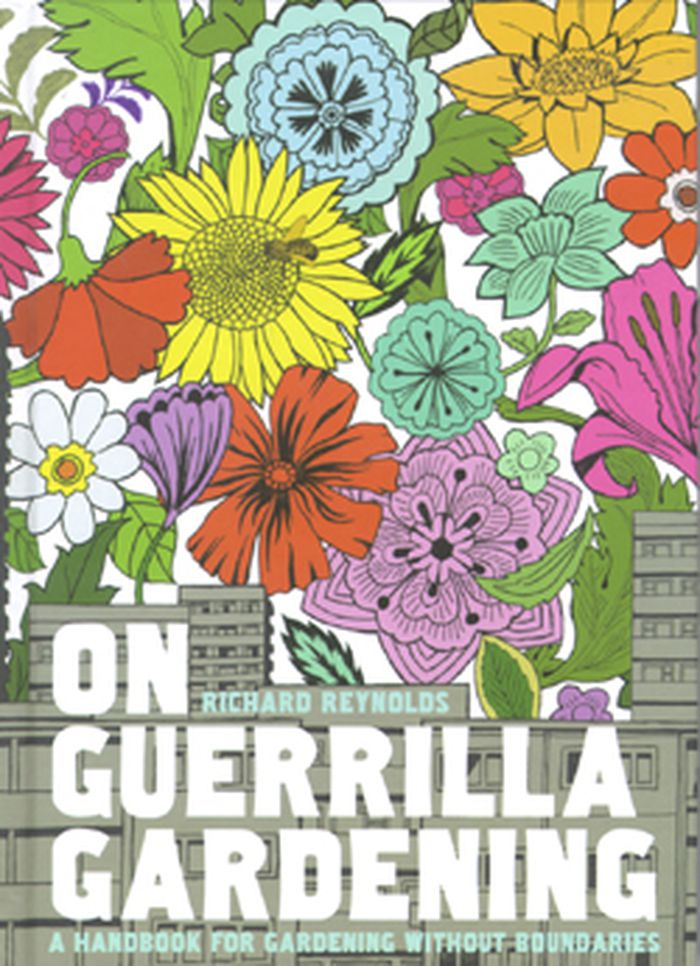
When Richard Reynolds began planting flowers secretly at night outside his tower block in South London, he had no idea that he was part of a growing global movement committed to combating the forces of neglect, land shortage and apathy towards public spaces. But before long, his blog had attracted other guerrillas from around the world to share their experiences of the horticultural frontline, and is now a focal point for guerrilla gardeners everywhere, with over 4,000 people enlisted as recruits. "On Guerrilla Gardening" is Reynolds' lively, colourful treatise on why people illicitly cultivate land and how to do it yourself. From discreetly beautifying corners of Montreal to striving for green communal space in Berlin and sustainable food production in San Francisco, from Christmas trees on London roundabouts to the political agitations of landless workers in Brazil, Reynolds charts a battle that people worldwide are fighting on many different fronts. Along the way he unearths the movement's notable historic advances by seventeenth-century English radicals, a nineteenth-century American entrepreneur and public-spirited artists in 1970s New York. Reynolds has researched the subject with guerrilla gardeners from thirty different countries, and compiles their advice on what to grow where, how to cope with adverse environmental conditions, how to seed-bomb effectively, how to harness propaganda to win support and even how to handle anti-terror police. "On Guerrilla Gardening" informs, entertains and inspires. Packed with photographs, anecdotes and sound horticultural advice, it is an irresistible invitation to shoulder your shovel and join the revolution that is blooming in the world's shared spaces.
On guerrilla gardening : a handbook for gardening without boundaries
Actions:
Prix:
$29.95
(disponible sur commande)
Résumé:
When Richard Reynolds began planting flowers secretly at night outside his tower block in South London, he had no idea that he was part of a growing global movement committed to combating the forces of neglect, land shortage and apathy towards public spaces. But before long, his blog had attracted other guerrillas from around the world to share their experiences of the horticultural frontline, and is now a focal point for guerrilla gardeners everywhere, with over 4,000 people enlisted as recruits. "On Guerrilla Gardening" is Reynolds' lively, colourful treatise on why people illicitly cultivate land and how to do it yourself. From discreetly beautifying corners of Montreal to striving for green communal space in Berlin and sustainable food production in San Francisco, from Christmas trees on London roundabouts to the political agitations of landless workers in Brazil, Reynolds charts a battle that people worldwide are fighting on many different fronts. Along the way he unearths the movement's notable historic advances by seventeenth-century English radicals, a nineteenth-century American entrepreneur and public-spirited artists in 1970s New York. Reynolds has researched the subject with guerrilla gardeners from thirty different countries, and compiles their advice on what to grow where, how to cope with adverse environmental conditions, how to seed-bomb effectively, how to harness propaganda to win support and even how to handle anti-terror police. "On Guerrilla Gardening" informs, entertains and inspires. Packed with photographs, anecdotes and sound horticultural advice, it is an irresistible invitation to shoulder your shovel and join the revolution that is blooming in the world's shared spaces.
Classification:
livres
livres
Publication:
mai 2008, London
mai 2008, London
Sujet:
Théorie du paysage
Théorie du paysage
Classification:
livres
livres
Actions:
Prix:
$37.99
(disponible en magasin)
Résumé:
Not all weeds are ugly uncontrollable brutes. Yes, they can be difficult and intimidating, but by learning how to grow weeds in unexpected ways you will become a better gardener with a more interesting garden. This book profiles over 50 weeds and shows you surprising ways to grow them, no matter what your garden type: from borders to boxes, sunny to shady, poor soil to(...)
$37.99
(disponible en magasin)
Résumé:
Not all weeds are ugly uncontrollable brutes. Yes, they can be difficult and intimidating, but by learning how to grow weeds in unexpected ways you will become a better gardener with a more interesting garden. This book profiles over 50 weeds and shows you surprising ways to grow them, no matter what your garden type: from borders to boxes, sunny to shady, poor soil to(...)
Titre:
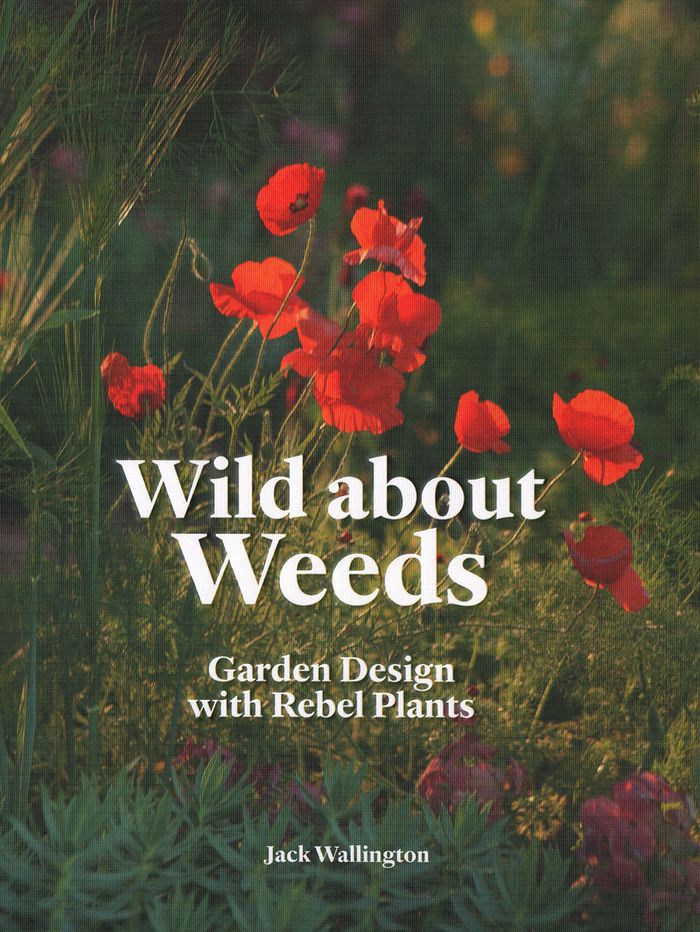
Wild about weeds: garden design with rebel plants
Actions:
Prix:
$37.99
(disponible en magasin)
Résumé:
Not all weeds are ugly uncontrollable brutes. Yes, they can be difficult and intimidating, but by learning how to grow weeds in unexpected ways you will become a better gardener with a more interesting garden. This book profiles over 50 weeds and shows you surprising ways to grow them, no matter what your garden type: from borders to boxes, sunny to shady, poor soil to rich, tropical to formal, Japanese-style to prairies. With interviews, tips, and advice from celebrated gardeners, learn how to let weeds flourish without taking control.
Wild about weeds: garden design with rebel plants
Actions:
Prix:
$37.99
(disponible en magasin)
Résumé:
Not all weeds are ugly uncontrollable brutes. Yes, they can be difficult and intimidating, but by learning how to grow weeds in unexpected ways you will become a better gardener with a more interesting garden. This book profiles over 50 weeds and shows you surprising ways to grow them, no matter what your garden type: from borders to boxes, sunny to shady, poor soil to rich, tropical to formal, Japanese-style to prairies. With interviews, tips, and advice from celebrated gardeners, learn how to let weeds flourish without taking control.
Classification:
livres
livres
Publication:
octobre 2019
octobre 2019
Sujet:
Jardins
Jardins
Classification:
livres
livres
Actions:
Prix:
$30.00
(disponible sur commande)
Résumé:
"Geography of the gaze" offers a new history and theory of how the way we look at things influences what we see. Focusing on Western Europe from the seventeenth to the nineteenth century, Renzo Dibbini shows how developments in science, art, mapping, and visual epistemology affected the way natural and artificial landscapes were perceived and portrayed. He begins with(...)
$30.00
(disponible sur commande)
Résumé:
"Geography of the gaze" offers a new history and theory of how the way we look at things influences what we see. Focusing on Western Europe from the seventeenth to the nineteenth century, Renzo Dibbini shows how developments in science, art, mapping, and visual epistemology affected the way natural and artificial landscapes were perceived and portrayed. He begins with(...)
Sujet:
Théorie du paysage
Théorie du paysage
Publication:
avril 2002, Chicago
avril 2002, Chicago
Titre:
Geography of the gaze : urban and rural vision in early modern Europe
Actions:
Prix:
$30.00
(disponible sur commande)
Résumé:
"Geography of the gaze" offers a new history and theory of how the way we look at things influences what we see. Focusing on Western Europe from the seventeenth to the nineteenth century, Renzo Dibbini shows how developments in science, art, mapping, and visual epistemology affected the way natural and artificial landscapes were perceived and portrayed. He begins with the idea of the "view" explaining its role in the invention of landscape painting and in the definition of landscape as a cultural space. Among other topics, Dubbini explores how the descriptive and pictorial techniques used in mariners' charts, view-oriented atlases, military cartography, and garden design were linked to the proliferation of highly realistic paintings of landscapes and city scenes; how the "picturesque" system for defining and composing landscapes affected not just art but also archaeology and engineering; and how the ever-changing modern cityspaces inspired new ways of seeing and representing the urban scene in Impressionist painting, photography, and stereoscopy. Transladed by Lydia G. Cochrane.
Geography of the gaze : urban and rural vision in early modern Europe
Actions:
Prix:
$30.00
(disponible sur commande)
Résumé:
"Geography of the gaze" offers a new history and theory of how the way we look at things influences what we see. Focusing on Western Europe from the seventeenth to the nineteenth century, Renzo Dibbini shows how developments in science, art, mapping, and visual epistemology affected the way natural and artificial landscapes were perceived and portrayed. He begins with the idea of the "view" explaining its role in the invention of landscape painting and in the definition of landscape as a cultural space. Among other topics, Dubbini explores how the descriptive and pictorial techniques used in mariners' charts, view-oriented atlases, military cartography, and garden design were linked to the proliferation of highly realistic paintings of landscapes and city scenes; how the "picturesque" system for defining and composing landscapes affected not just art but also archaeology and engineering; and how the ever-changing modern cityspaces inspired new ways of seeing and representing the urban scene in Impressionist painting, photography, and stereoscopy. Transladed by Lydia G. Cochrane.
Classification:
livres
livres
Publication:
avril 2002, Chicago
avril 2002, Chicago
Sujet:
Théorie du paysage
Théorie du paysage
Classification:
livres
livres
Prix:
$40.00
(disponible sur commande)
Résumé:
How do we want to live together? How can citizens directly participate in city politics? How can we shape cities so that they are livable? The world’s cities are changing rapidly as a result of both climate change and globalization, making these questions more relevant than ever. Against this background of global transformation, ''City Linkage'' explores the particular(...)
$40.00
(disponible sur commande)
Résumé:
How do we want to live together? How can citizens directly participate in city politics? How can we shape cities so that they are livable? The world’s cities are changing rapidly as a result of both climate change and globalization, making these questions more relevant than ever. Against this background of global transformation, ''City Linkage'' explores the particular(...)
Titre:
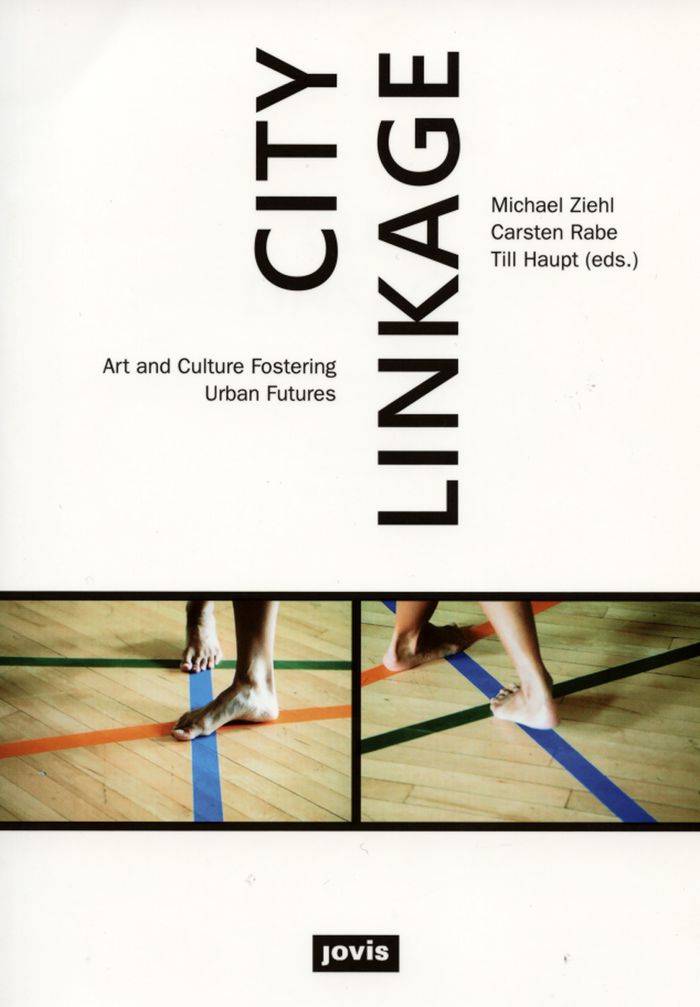
City linkage: art and culture fostering urban futures
Actions:
Prix:
$40.00
(disponible sur commande)
Résumé:
How do we want to live together? How can citizens directly participate in city politics? How can we shape cities so that they are livable? The world’s cities are changing rapidly as a result of both climate change and globalization, making these questions more relevant than ever. Against this background of global transformation, ''City Linkage'' explores the particular importance of artist-run spaces and self-organized cultural projects for the development of cities.
City linkage: art and culture fostering urban futures
Actions:
Prix:
$40.00
(disponible sur commande)
Résumé:
How do we want to live together? How can citizens directly participate in city politics? How can we shape cities so that they are livable? The world’s cities are changing rapidly as a result of both climate change and globalization, making these questions more relevant than ever. Against this background of global transformation, ''City Linkage'' explores the particular importance of artist-run spaces and self-organized cultural projects for the development of cities.
Classification:
livres
livres
Publication:
août 2016
août 2016
Sujet:
Théorie de l’urbanisme
Théorie de l’urbanisme
Classification:
livres
livres
Prix:
$38.95
(disponible en magasin)
Résumé:
This anthology presents work on cultures of assembly. It stresses the relevance of small-scale and decentralized spatial formats of local knowledge production to community building and embedded political decision-making in the context of the socio-ecological transition. It reinforces the role of both individual and collective action while proposing distributed assembly(...)
$38.95
(disponible en magasin)
Résumé:
This anthology presents work on cultures of assembly. It stresses the relevance of small-scale and decentralized spatial formats of local knowledge production to community building and embedded political decision-making in the context of the socio-ecological transition. It reinforces the role of both individual and collective action while proposing distributed assembly(...)
Titre:
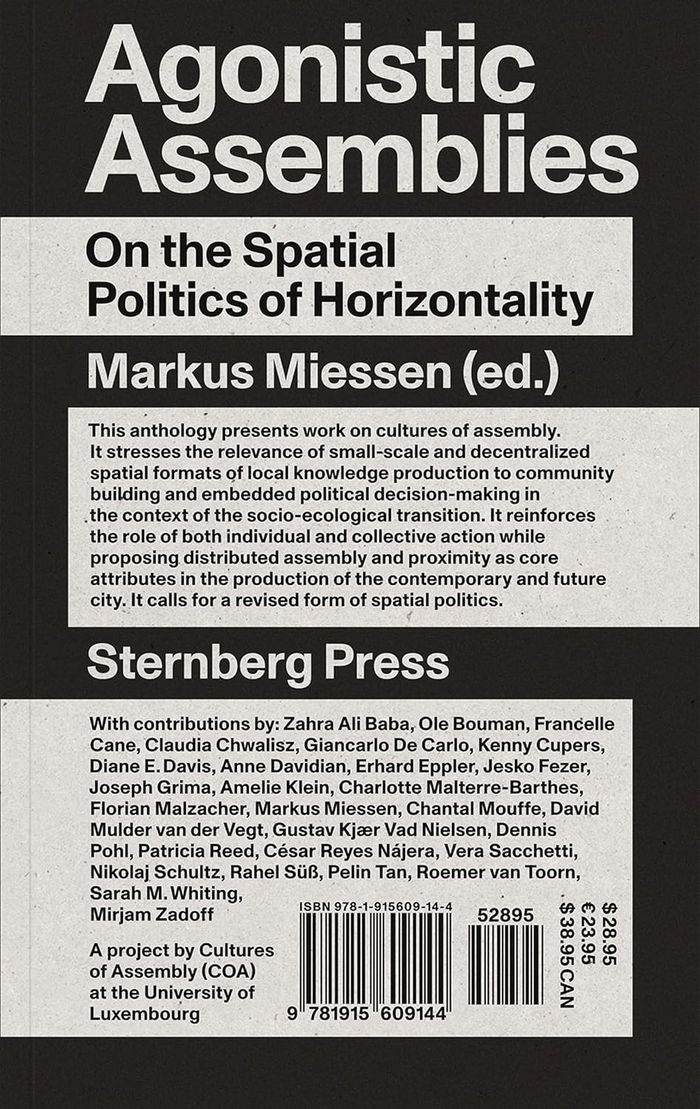
Agonistic assemblies: On the spatial politics of horizontality
Actions:
Prix:
$38.95
(disponible en magasin)
Résumé:
This anthology presents work on cultures of assembly. It stresses the relevance of small-scale and decentralized spatial formats of local knowledge production to community building and embedded political decision-making in the context of the socio-ecological transition. It reinforces the role of both individual and collective action while proposing distributed assembly and proximity as core attributes in the production of the contemporary and future city. It calls for a revised form of spatial politics. "Agonistic assemblies" asks: how can spaces—both physical and virtual—be envisaged to create publics? How is collectivity and society being generated spatially and in terms of policy? How do we “practice” society as a bodily, spatial form, and how does this practice contribute to spatial justice? Are there specific spatial settings that can intensify these practices? What kind of spatial design can we imagine as platforms for change?
Agonistic assemblies: On the spatial politics of horizontality
Actions:
Prix:
$38.95
(disponible en magasin)
Résumé:
This anthology presents work on cultures of assembly. It stresses the relevance of small-scale and decentralized spatial formats of local knowledge production to community building and embedded political decision-making in the context of the socio-ecological transition. It reinforces the role of both individual and collective action while proposing distributed assembly and proximity as core attributes in the production of the contemporary and future city. It calls for a revised form of spatial politics. "Agonistic assemblies" asks: how can spaces—both physical and virtual—be envisaged to create publics? How is collectivity and society being generated spatially and in terms of policy? How do we “practice” society as a bodily, spatial form, and how does this practice contribute to spatial justice? Are there specific spatial settings that can intensify these practices? What kind of spatial design can we imagine as platforms for change?
Classification:
livres
livres
Publication:
juin 2024
juin 2024
Sujet:
Théorie de l’architecture
Théorie de l’architecture
Classification:
livres
livres
Actions:
Prix:
$36.95
(disponible sur commande)
Résumé:
In "What’s the Use?" Sara Ahmed continues the work she began in "The Promise of Happiness and Willful Subjects" by taking up a single word—in this case, use—and following it around. She shows how use became associated with life and strength in nineteenth-century biological and social thought and considers how utilitarianism offered a set of educational techniques for(...)
$36.95
(disponible sur commande)
Résumé:
In "What’s the Use?" Sara Ahmed continues the work she began in "The Promise of Happiness and Willful Subjects" by taking up a single word—in this case, use—and following it around. She shows how use became associated with life and strength in nineteenth-century biological and social thought and considers how utilitarianism offered a set of educational techniques for(...)
Titre:
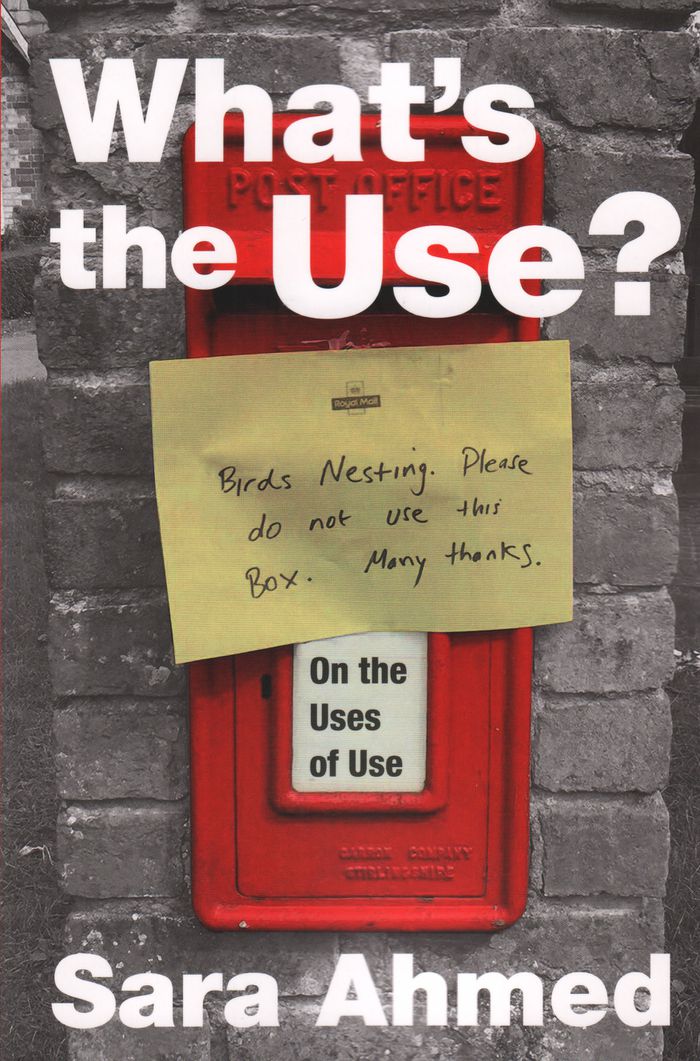
What's the use: on the uses of use
Actions:
Prix:
$36.95
(disponible sur commande)
Résumé:
In "What’s the Use?" Sara Ahmed continues the work she began in "The Promise of Happiness and Willful Subjects" by taking up a single word—in this case, use—and following it around. She shows how use became associated with life and strength in nineteenth-century biological and social thought and considers how utilitarianism offered a set of educational techniques for shaping individuals by directing them toward useful ends. Ahmed also explores how spaces become restricted to some uses and users, with specific reference to universities. She notes, however, the potential for queer use: how things can be used in ways that were not intended or by those for whom they were not intended. Ahmed posits queer use as a way of reanimating the project of diversity work as the ordinary and painstaking task of opening up institutions to those who have historically been excluded.
What's the use: on the uses of use
Actions:
Prix:
$36.95
(disponible sur commande)
Résumé:
In "What’s the Use?" Sara Ahmed continues the work she began in "The Promise of Happiness and Willful Subjects" by taking up a single word—in this case, use—and following it around. She shows how use became associated with life and strength in nineteenth-century biological and social thought and considers how utilitarianism offered a set of educational techniques for shaping individuals by directing them toward useful ends. Ahmed also explores how spaces become restricted to some uses and users, with specific reference to universities. She notes, however, the potential for queer use: how things can be used in ways that were not intended or by those for whom they were not intended. Ahmed posits queer use as a way of reanimating the project of diversity work as the ordinary and painstaking task of opening up institutions to those who have historically been excluded.
Classification:
livres
livres
Publication:
octobre 2019
octobre 2019
Sujet:
Théorie/ philosophie
Théorie/ philosophie
Classification:
livres
livres
Titre:
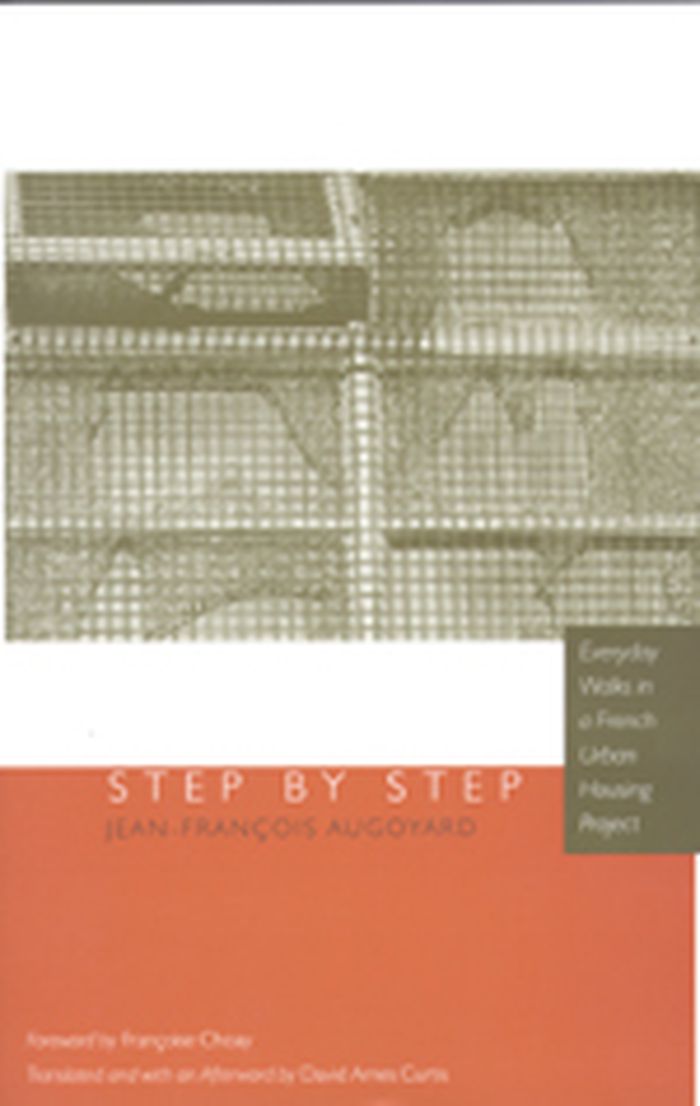
Step by step
Step by step
Actions:
Prix:
$25.00
(disponible sur commande)
Résumé:
Step by Step is based on in-depth interviews Augoyard conducted with the inhabitants of l’Arlequin, a new town on the outskirts of Grenoble. A resident of l’Arlequin himself, Augoyard sought to understand how his neighbors used its passages, streets, and parks. He begins with a detailed investigation of the inhabitants’ daily walks before going on to consider how the(...)
$25.00
(disponible sur commande)
Résumé:
Step by Step is based on in-depth interviews Augoyard conducted with the inhabitants of l’Arlequin, a new town on the outskirts of Grenoble. A resident of l’Arlequin himself, Augoyard sought to understand how his neighbors used its passages, streets, and parks. He begins with a detailed investigation of the inhabitants’ daily walks before going on to consider how the(...)
Sujet:
Théorie de l’urbanisme
Théorie de l’urbanisme
Publication:
novembre 2007, Minneapolis
novembre 2007, Minneapolis
Titre:
Step by step
Actions:
Prix:
$25.00
(disponible sur commande)
Résumé:
Step by Step is based on in-depth interviews Augoyard conducted with the inhabitants of l’Arlequin, a new town on the outskirts of Grenoble. A resident of l’Arlequin himself, Augoyard sought to understand how his neighbors used its passages, streets, and parks. He begins with a detailed investigation of the inhabitants’ daily walks before going on to consider how the built environment is personalized through place-names and shared memories, the ways in which sensory impressions define the atmosphere of a place and how, through individual and collective imagination, residents transformed l’Arlequin from a concept into a lived space.
Step by step
Actions:
Prix:
$25.00
(disponible sur commande)
Résumé:
Step by Step is based on in-depth interviews Augoyard conducted with the inhabitants of l’Arlequin, a new town on the outskirts of Grenoble. A resident of l’Arlequin himself, Augoyard sought to understand how his neighbors used its passages, streets, and parks. He begins with a detailed investigation of the inhabitants’ daily walks before going on to consider how the built environment is personalized through place-names and shared memories, the ways in which sensory impressions define the atmosphere of a place and how, through individual and collective imagination, residents transformed l’Arlequin from a concept into a lived space.
Classification:
livres
livres
Publication:
novembre 2007, Minneapolis
novembre 2007, Minneapolis
Sujet:
Théorie de l’urbanisme
Théorie de l’urbanisme


