


1139 Résultats
Classification:
livres
livres
Titre:
Burt Glinn: Cuba 1959
Burt Glinn: Cuba 1959
Actions:
Prix:
$78.00
(disponible sur commande)
Résumé:
New Year’s Eve, 1958, 10pm: Magnum photographer Burt Glinn is at a black-tie party in New York when he hears news that dictator Fulgencio Batista has fled Cuba. By 7 am the next morning, he is in Havana in a cab, telling the driver: "take me to the revolution." Such photojournalistic fervor allowed Glinn to be in the middle of the action to capture the Cuban Revolution as(...)
$78.00
(disponible sur commande)
Résumé:
New Year’s Eve, 1958, 10pm: Magnum photographer Burt Glinn is at a black-tie party in New York when he hears news that dictator Fulgencio Batista has fled Cuba. By 7 am the next morning, he is in Havana in a cab, telling the driver: "take me to the revolution." Such photojournalistic fervor allowed Glinn to be in the middle of the action to capture the Cuban Revolution as(...)
Titre:
Burt Glinn: Cuba 1959
Actions:
Prix:
$78.00
(disponible sur commande)
Résumé:
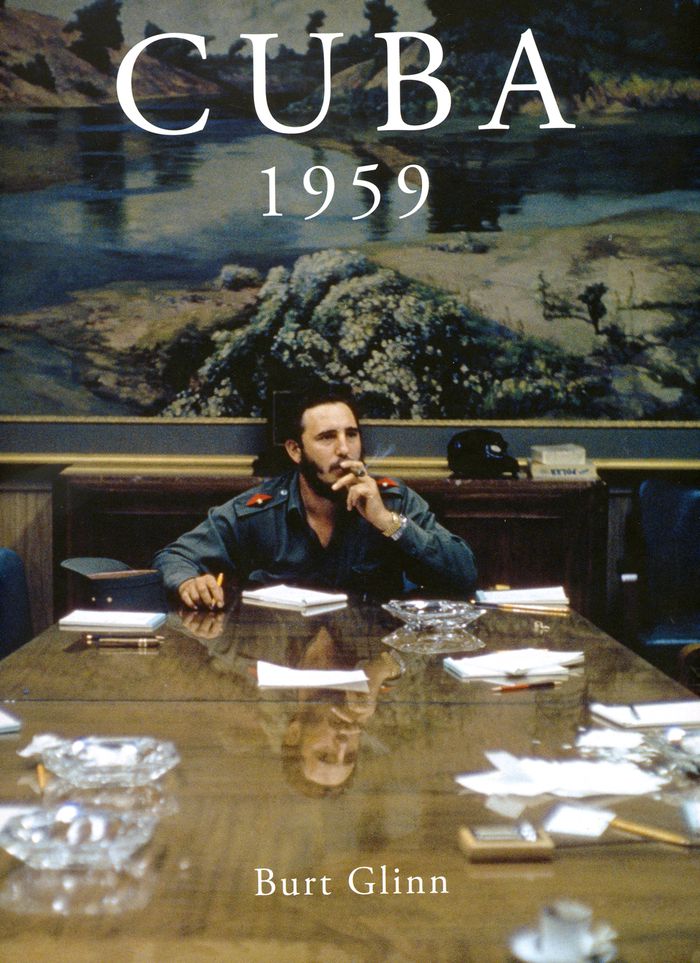
New Year’s Eve, 1958, 10pm: Magnum photographer Burt Glinn is at a black-tie party in New York when he hears news that dictator Fulgencio Batista has fled Cuba. By 7 am the next morning, he is in Havana in a cab, telling the driver: "take me to the revolution." Such photojournalistic fervor allowed Glinn to be in the middle of the action to capture the Cuban Revolution as it unfolded on the ground. As Glinn said, “I could get up as close as I wanted.” His magnificent photographs convey the revolutionary idealism, mayhem and excitement of that moment in history. This volume includes some of Glinn’s most iconic Cuban photographs, as well as unseen shots, in both black and white and color, from gunshots being fired, confusion on the streets, the rounding up of the Batista Secret Police, spontaneous gatherings, embracing revolutionaries returning home to mothers, and, of course, Fidel Castro’s triumphant entrance into Havana.
Burt Glinn: Cuba 1959
Actions:
Prix:
$78.00
(disponible sur commande)
Résumé:
New Year’s Eve, 1958, 10pm: Magnum photographer Burt Glinn is at a black-tie party in New York when he hears news that dictator Fulgencio Batista has fled Cuba. By 7 am the next morning, he is in Havana in a cab, telling the driver: "take me to the revolution." Such photojournalistic fervor allowed Glinn to be in the middle of the action to capture the Cuban Revolution as it unfolded on the ground. As Glinn said, “I could get up as close as I wanted.” His magnificent photographs convey the revolutionary idealism, mayhem and excitement of that moment in history. This volume includes some of Glinn’s most iconic Cuban photographs, as well as unseen shots, in both black and white and color, from gunshots being fired, confusion on the streets, the rounding up of the Batista Secret Police, spontaneous gatherings, embracing revolutionaries returning home to mothers, and, of course, Fidel Castro’s triumphant entrance into Havana.
Classification:
livres
livres
Publication:
octobre 2015
octobre 2015
Sujet:
Monographies photo
Monographies photo
Classification:
livres
livres
Prix:
$71.95
(disponible sur commande)
Résumé:
Nous ne sommes pas faits pour les ténèbres. La nuit, c'est le royaume des revenants, des illusions, des chimères et du désordre. À l'inverse, dans nos imaginaires, la lumière est principe de vie, parfois même de vérité, et l'aube, promesse de renaissance. Aussi la domestication de la lumière, de la flamme à l'électricité en passant par le gaz, s'annonçait-elle comme un(...)
$71.95
(disponible sur commande)
Résumé:
Nous ne sommes pas faits pour les ténèbres. La nuit, c'est le royaume des revenants, des illusions, des chimères et du désordre. À l'inverse, dans nos imaginaires, la lumière est principe de vie, parfois même de vérité, et l'aube, promesse de renaissance. Aussi la domestication de la lumière, de la flamme à l'électricité en passant par le gaz, s'annonçait-elle comme un(...)
Titre:
Lumières sur la ville : une histoire de l’éclairage urbain
Actions:
Prix:
$71.95
(disponible sur commande)
Résumé:
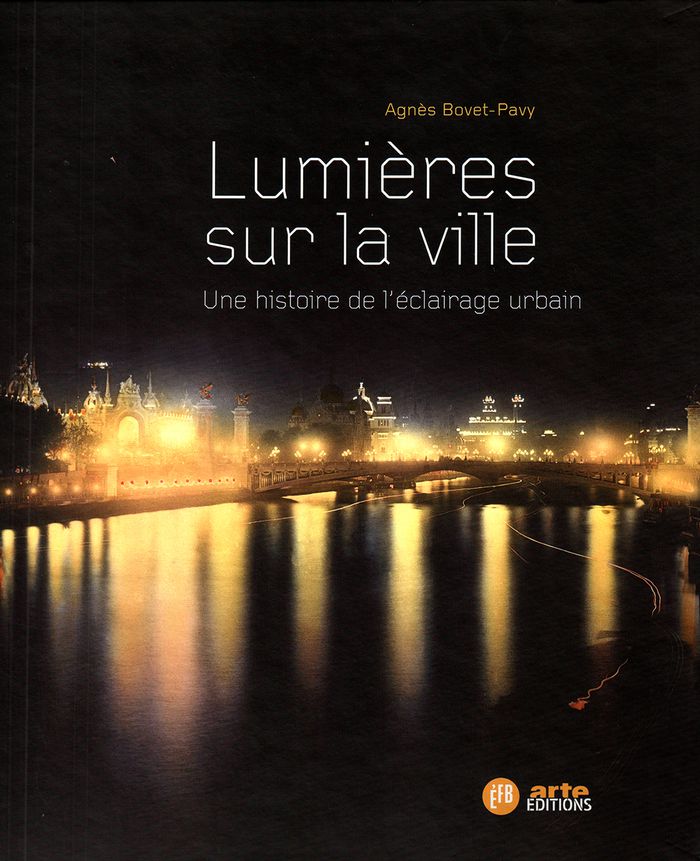
Nous ne sommes pas faits pour les ténèbres. La nuit, c'est le royaume des revenants, des illusions, des chimères et du désordre. À l'inverse, dans nos imaginaires, la lumière est principe de vie, parfois même de vérité, et l'aube, promesse de renaissance. Aussi la domestication de la lumière, de la flamme à l'électricité en passant par le gaz, s'annonçait-elle comme un progrès technique et social décisif : la conquête de la nuit inaugura l'ère de la modernité, offrant aux hommes un moyen d'assurer leur bonheur, leur confort et leur sécurité. Car la lumière est aussi, et peut-être avant tout, un enjeu de pouvoir : de la première lanterne royale au développement des leds dans la smart city, la lumière urbaine, née pour seconder la police au XVIIe siècle, trace des frontières, délimite les lieux fréquentables, et permet de scander autrement les rythmes de travail. Mais c'est également grâce à elle que s'inventa la vie nocturne, et ses fêtes...
Lumières sur la ville : une histoire de l’éclairage urbain
Actions:
Prix:
$71.95
(disponible sur commande)
Résumé:
Nous ne sommes pas faits pour les ténèbres. La nuit, c'est le royaume des revenants, des illusions, des chimères et du désordre. À l'inverse, dans nos imaginaires, la lumière est principe de vie, parfois même de vérité, et l'aube, promesse de renaissance. Aussi la domestication de la lumière, de la flamme à l'électricité en passant par le gaz, s'annonçait-elle comme un progrès technique et social décisif : la conquête de la nuit inaugura l'ère de la modernité, offrant aux hommes un moyen d'assurer leur bonheur, leur confort et leur sécurité. Car la lumière est aussi, et peut-être avant tout, un enjeu de pouvoir : de la première lanterne royale au développement des leds dans la smart city, la lumière urbaine, née pour seconder la police au XVIIe siècle, trace des frontières, délimite les lieux fréquentables, et permet de scander autrement les rythmes de travail. Mais c'est également grâce à elle que s'inventa la vie nocturne, et ses fêtes...
Classification:
livres
livres
Publication:
octobre 2018
octobre 2018
Sujet:
Théorie de l’urbanisme
Théorie de l’urbanisme
Classification:
livres
livres
Actions:
Prix:
$45.00
(disponible en magasin)
Résumé:
''In 1991, I moved to Berlin for four years. The Berlin wall had just fallen but you could still see sections of it, and certainly still feel the divide between the Capitalist and Socialist states. Discovering Central Europe meant learning about some very dark history. The scars of Totalitarianism were deep, visible and raw from both the Cold War and the preceding Second(...)
$45.00
(disponible en magasin)
Résumé:
''In 1991, I moved to Berlin for four years. The Berlin wall had just fallen but you could still see sections of it, and certainly still feel the divide between the Capitalist and Socialist states. Discovering Central Europe meant learning about some very dark history. The scars of Totalitarianism were deep, visible and raw from both the Cold War and the preceding Second(...)
Titre:
Eric Tschaeppeler : Slipping the trail
Actions:
Prix:
$45.00
(disponible en magasin)
Résumé:
''In 1991, I moved to Berlin for four years. The Berlin wall had just fallen but you could still see sections of it, and certainly still feel the divide between the Capitalist and Socialist states. Discovering Central Europe meant learning about some very dark history. The scars of Totalitarianism were deep, visible and raw from both the Cold War and the preceding Second World War. These photographs were taken in Montreal during the Fall and Winter of 2013/14. I wanted to find a common visual ground where, through historical images we've all seen, my memories could be shared. I revisited these memories influenced by the political climate and my fear of a rising wave of militant nationalism and the return of the Police State. This work reflects some of my concerns through the evoking of personal and collective memories and the linking of present with past, and local to global.'' Eric Tschaeppeler
Eric Tschaeppeler : Slipping the trail
Actions:
Prix:
$45.00
(disponible en magasin)
Résumé:
''In 1991, I moved to Berlin for four years. The Berlin wall had just fallen but you could still see sections of it, and certainly still feel the divide between the Capitalist and Socialist states. Discovering Central Europe meant learning about some very dark history. The scars of Totalitarianism were deep, visible and raw from both the Cold War and the preceding Second World War. These photographs were taken in Montreal during the Fall and Winter of 2013/14. I wanted to find a common visual ground where, through historical images we've all seen, my memories could be shared. I revisited these memories influenced by the political climate and my fear of a rising wave of militant nationalism and the return of the Police State. This work reflects some of my concerns through the evoking of personal and collective memories and the linking of present with past, and local to global.'' Eric Tschaeppeler
Classification:
livres
livres
Publication:
octobre 2018
octobre 2018
Sujet:
Monographies photo
Monographies photo
Classification:
livres
livres
Prix:
$40.95
(disponible sur commande)
Résumé:
"Patterned Ground" unravels the entangled relationships between nature and culture. Around 100 entries by leading names in new geography and related disciplines focus on various ‘objects’ in the landscape – from beaches to battlefields, bees to horses, police stations to post-offices, trees to tractors. Each piece, written by an expert in the field, explores the way in(...)
$40.95
(disponible sur commande)
Résumé:
"Patterned Ground" unravels the entangled relationships between nature and culture. Around 100 entries by leading names in new geography and related disciplines focus on various ‘objects’ in the landscape – from beaches to battlefields, bees to horses, police stations to post-offices, trees to tractors. Each piece, written by an expert in the field, explores the way in(...)
Sujet:
Théorie de l’urbanisme
Théorie de l’urbanisme
Publication:
mars 2004, London
mars 2004, London
Titre:
Patterned ground : entanglements of nature and culture
Actions:
Prix:
$40.95
(disponible sur commande)
Résumé:
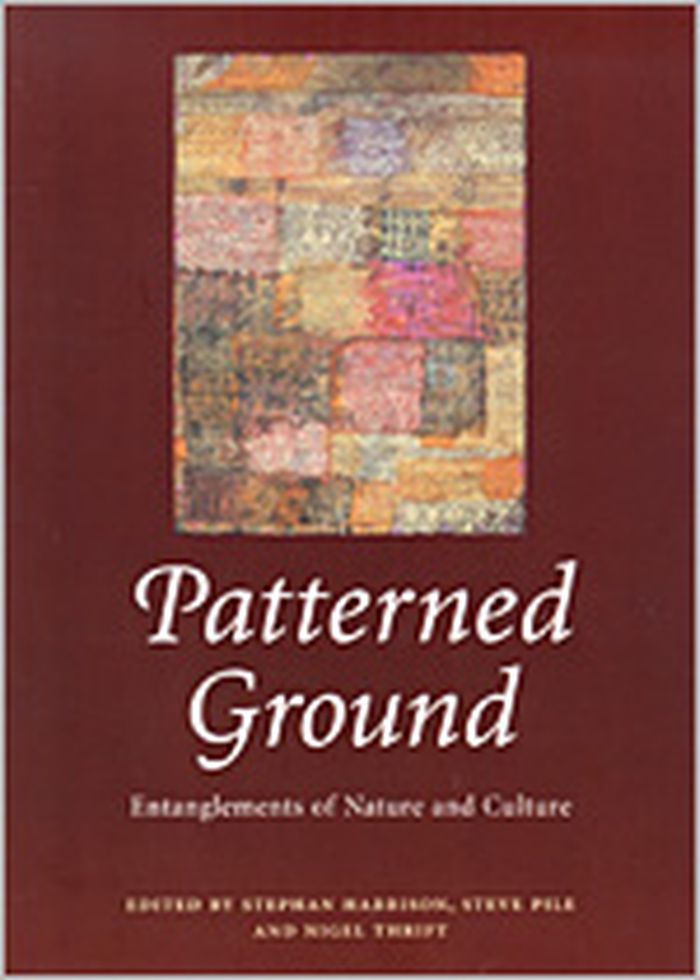
"Patterned Ground" unravels the entangled relationships between nature and culture. Around 100 entries by leading names in new geography and related disciplines focus on various ‘objects’ in the landscape – from beaches to battlefields, bees to horses, police stations to post-offices, trees to tractors. Each piece, written by an expert in the field, explores the way in which we understand that object and its relationship to the world around it. This book is neither encyclopædia nor dictionary, but a knowledgeable and impassioned engagement with the world. In this sense, it chimes with earlier experiments in understanding the earth and its landscapes, whether these endeavours have been conducted within the sciences, the social sciences or the arts. "Patterned Ground" backtracks from familiar and obvious ways of seeing patterns in the world, and discovers it anew. In this way, it opens up new possibilities for thinking about the relationships between ourselves, objects and the ground on which we walk.
Patterned ground : entanglements of nature and culture
Actions:
Prix:
$40.95
(disponible sur commande)
Résumé:
"Patterned Ground" unravels the entangled relationships between nature and culture. Around 100 entries by leading names in new geography and related disciplines focus on various ‘objects’ in the landscape – from beaches to battlefields, bees to horses, police stations to post-offices, trees to tractors. Each piece, written by an expert in the field, explores the way in which we understand that object and its relationship to the world around it. This book is neither encyclopædia nor dictionary, but a knowledgeable and impassioned engagement with the world. In this sense, it chimes with earlier experiments in understanding the earth and its landscapes, whether these endeavours have been conducted within the sciences, the social sciences or the arts. "Patterned Ground" backtracks from familiar and obvious ways of seeing patterns in the world, and discovers it anew. In this way, it opens up new possibilities for thinking about the relationships between ourselves, objects and the ground on which we walk.
Classification:
livres
livres
Publication:
mars 2004, London
mars 2004, London
Sujet:
Théorie de l’urbanisme
Théorie de l’urbanisme
Classification:
périodiques
périodiques
Titre:
Cabinet issue 43: forensics
Cabinet issue 43: forensics
Actions:
Prix:
$13.00
(disponible en magasin)
Résumé:
Derived from the Latin "forensis," the word forensics refers to the "forum" and designates the practice of making an argument by using objects before a professional, political or legal gathering. Cabinet issue 43, with a special section on "Forensics" edited by Eyal Weizman, features Weizman on the changing role of forensics following the discovery of the body of Nazi war(...)
$13.00
(disponible en magasin)
Résumé:
Derived from the Latin "forensis," the word forensics refers to the "forum" and designates the practice of making an argument by using objects before a professional, political or legal gathering. Cabinet issue 43, with a special section on "Forensics" edited by Eyal Weizman, features Weizman on the changing role of forensics following the discovery of the body of Nazi war(...)
Titre:
Cabinet issue 43: forensics
Actions:
Prix:
$13.00
(disponible en magasin)
Résumé:
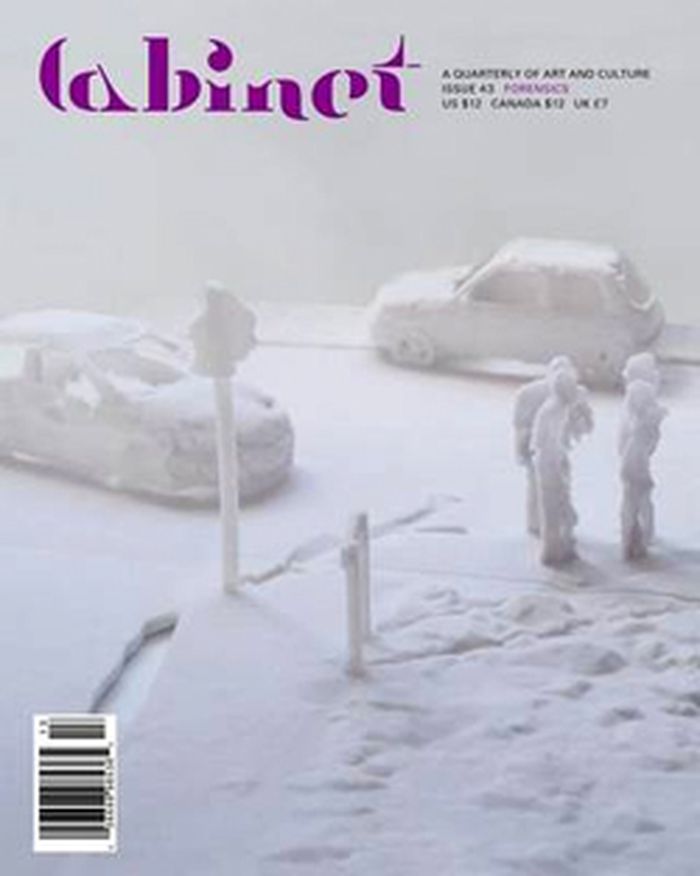
Derived from the Latin "forensis," the word forensics refers to the "forum" and designates the practice of making an argument by using objects before a professional, political or legal gathering. Cabinet issue 43, with a special section on "Forensics" edited by Eyal Weizman, features Weizman on the changing role of forensics following the discovery of the body of Nazi war criminal Josef Mengele; Lawrence abu-Hamdan on the use by the British police of minute shifts in electrical signatures to precisely date recorded phone conversations; an interview with legendary forensic anthropologist Clyde Snow; and artist projects by Hito Steyerl and Fareed Armaly. Elsewhere in the issue: Rachel Berwick on "zugunrühe," a term coined in the 1950s to describe the phenomenon of nighttime restlessness of birds about to migrate; D. Graham Burnett and Sal Randolph's guide to identifying paper shredder patterns in order to reassemble destroyed documents; an artist project by Amie Siegel; and much more.
Cabinet issue 43: forensics
Actions:
Prix:
$13.00
(disponible en magasin)
Résumé:
Derived from the Latin "forensis," the word forensics refers to the "forum" and designates the practice of making an argument by using objects before a professional, political or legal gathering. Cabinet issue 43, with a special section on "Forensics" edited by Eyal Weizman, features Weizman on the changing role of forensics following the discovery of the body of Nazi war criminal Josef Mengele; Lawrence abu-Hamdan on the use by the British police of minute shifts in electrical signatures to precisely date recorded phone conversations; an interview with legendary forensic anthropologist Clyde Snow; and artist projects by Hito Steyerl and Fareed Armaly. Elsewhere in the issue: Rachel Berwick on "zugunrühe," a term coined in the 1950s to describe the phenomenon of nighttime restlessness of birds about to migrate; D. Graham Burnett and Sal Randolph's guide to identifying paper shredder patterns in order to reassemble destroyed documents; an artist project by Amie Siegel; and much more.
Classification:
périodiques
périodiques
Publication:
décembre 2011
décembre 2011
Sujet:
Revues
Revues
Classification:
livres
livres
Actions:
Prix:
$20.00
(disponible sur commande)
Résumé:
The Second World War came hard on the heels of a devastating Depression in which families struggled to survive. Life on the Home Front paints a poignant portrait of a city coping with the demandsof war. Montrealers, along with other Canadians, were being asked for more sacrifice but this time it would include sending their sons, brothers, fathers and husbands off to war.(...)
$20.00
(disponible sur commande)
Résumé:
The Second World War came hard on the heels of a devastating Depression in which families struggled to survive. Life on the Home Front paints a poignant portrait of a city coping with the demandsof war. Montrealers, along with other Canadians, were being asked for more sacrifice but this time it would include sending their sons, brothers, fathers and husbands off to war.(...)
Titre:
Life on the home front: Montreal 1939-1945
Actions:
Prix:
$20.00
(disponible sur commande)
Résumé:
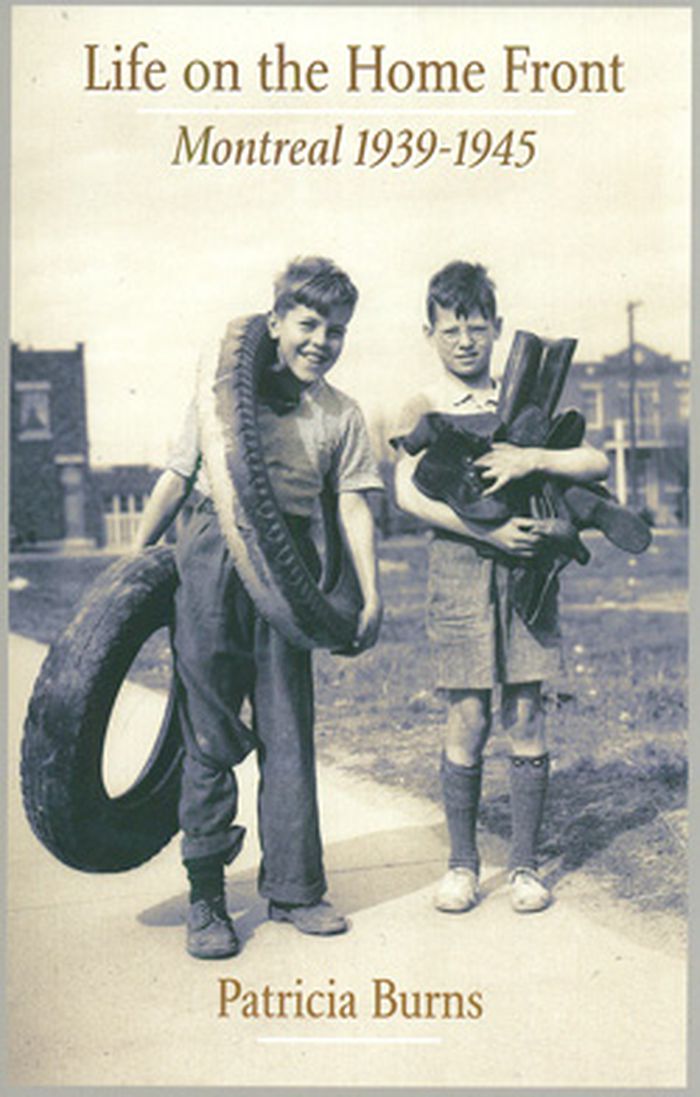
The Second World War came hard on the heels of a devastating Depression in which families struggled to survive. Life on the Home Front paints a poignant portrait of a city coping with the demandsof war. Montrealers, along with other Canadians, were being asked for more sacrifice but this time it would include sending their sons, brothers, fathers and husbands off to war. Montrealers had to “Use it Up, Wear it Out, Make it Do, and Do Without” as one slogan cautioned, and this they did. Many women went to work for the firsttime and often enjoyed the heady success of doing “a man’s job” and earning a regular salary. Life on the Home Front describes how dissent was also an ever-present reality. Montreal was often awash with anti-war banners and angry speeches which kept the police and journalists busy. Prime Minister William Lyon Mackenzie King had to walk a fine line in keeping the country together and united at a time of grave crisis.
Life on the home front: Montreal 1939-1945
Actions:
Prix:
$20.00
(disponible sur commande)
Résumé:
The Second World War came hard on the heels of a devastating Depression in which families struggled to survive. Life on the Home Front paints a poignant portrait of a city coping with the demandsof war. Montrealers, along with other Canadians, were being asked for more sacrifice but this time it would include sending their sons, brothers, fathers and husbands off to war. Montrealers had to “Use it Up, Wear it Out, Make it Do, and Do Without” as one slogan cautioned, and this they did. Many women went to work for the firsttime and often enjoyed the heady success of doing “a man’s job” and earning a regular salary. Life on the Home Front describes how dissent was also an ever-present reality. Montreal was often awash with anti-war banners and angry speeches which kept the police and journalists busy. Prime Minister William Lyon Mackenzie King had to walk a fine line in keeping the country together and united at a time of grave crisis.
Classification:
livres
livres
Publication:
novembre 2012
novembre 2012
Sujet:
Architecture de Montréal
Architecture de Montréal
Classification:
livres
livres
Titre:
Lynn Saville: Dark City
Lynn Saville: Dark City
Actions:
Prix:
$60.00
(disponible sur commande)
Résumé:
Arthur Danto has described Lynn Saville as New York's answer to Eugène Atget, because she "prowls her city at the other end of the day, picking up pieces of the past in the present, just before it is swallowed by shadows." For her new monograph, Dark City, Saville focused on vacant spaces--shuttered storefronts, back alleys, blank billboards, empty lots--with the(...)
$60.00
(disponible sur commande)
Résumé:
Arthur Danto has described Lynn Saville as New York's answer to Eugène Atget, because she "prowls her city at the other end of the day, picking up pieces of the past in the present, just before it is swallowed by shadows." For her new monograph, Dark City, Saville focused on vacant spaces--shuttered storefronts, back alleys, blank billboards, empty lots--with the(...)
Titre:
Lynn Saville: Dark City
Actions:
Prix:
$60.00
(disponible sur commande)
Résumé:
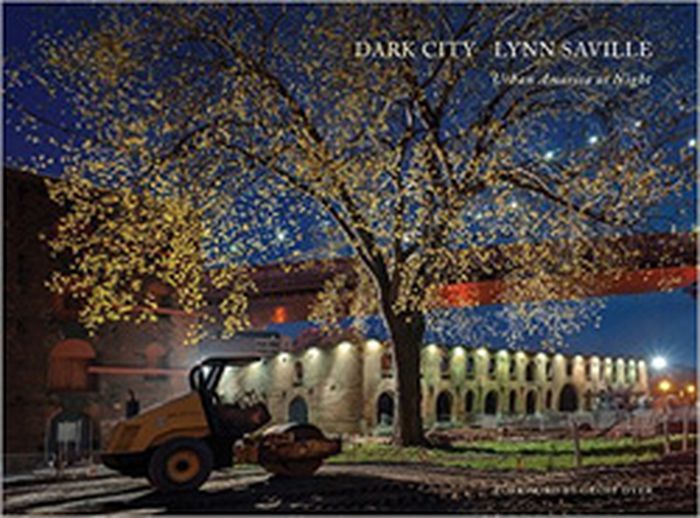
Arthur Danto has described Lynn Saville as New York's answer to Eugène Atget, because she "prowls her city at the other end of the day, picking up pieces of the past in the present, just before it is swallowed by shadows." For her new monograph, Dark City, Saville focused on vacant spaces--shuttered storefronts, back alleys, blank billboards, empty lots--with the occasional ghostly figure hurrying through the frame. Working at twilight and dawn with a medium-format camera (setting up her tripod quickly so as not to attract police attention), Saville captured busy city streets depopulated and emptied out, industrial spaces and storefronts alike gone quiet. Color and light come from the sky, streetlights, neon signs or surveillance lighting. Seemingly otherworldly, the images in Dark City also tell a more pragmatic story of the changing urban landscape--vacancies caused by financial crisis, and construction projects spurred on by economic recovery, gentrification and development.
Lynn Saville: Dark City
Actions:
Prix:
$60.00
(disponible sur commande)
Résumé:
Arthur Danto has described Lynn Saville as New York's answer to Eugène Atget, because she "prowls her city at the other end of the day, picking up pieces of the past in the present, just before it is swallowed by shadows." For her new monograph, Dark City, Saville focused on vacant spaces--shuttered storefronts, back alleys, blank billboards, empty lots--with the occasional ghostly figure hurrying through the frame. Working at twilight and dawn with a medium-format camera (setting up her tripod quickly so as not to attract police attention), Saville captured busy city streets depopulated and emptied out, industrial spaces and storefronts alike gone quiet. Color and light come from the sky, streetlights, neon signs or surveillance lighting. Seemingly otherworldly, the images in Dark City also tell a more pragmatic story of the changing urban landscape--vacancies caused by financial crisis, and construction projects spurred on by economic recovery, gentrification and development.
Classification:
livres
livres
Publication:
juin 2015
juin 2015
Sujet:
Monographies photo
Monographies photo
Classification:
livres
livres
Exemplaires:
Description:
xvi, 255, [2] pages : illustrations, charts ; 23 cm
Description:
xvi, 255, [2] pages : illustrations, charts ; 23 cm
Auteur:
Sujet:
- Archives Administration.,
- Manuscripts.,
- Archives Gestion.,
- Manuscrits.,
- manuscripts (documents),
- Archivverwaltung
Publication:
Chicago : Society of American Archivists, [2004], ©2004
Chicago : Society of American Archivists, [2004], ©2004
Titre:
Managing archival & manuscript repositories / Michael J. Kurtz.
Actions:
Exemplaires:
Description:
xvi, 255, [2] pages : illustrations, charts ; 23 cm
Managing archival & manuscript repositories / Michael J. Kurtz.
Actions:
Exemplaires:
Description:
xvi, 255, [2] pages : illustrations, charts ; 23 cm
Classification:
livres
livres
Publication:
Chicago : Society of American Archivists, [2004], ©2004
Chicago : Society of American Archivists, [2004], ©2004
Auteur:
Sujet:
- Archives Administration.,
- Manuscripts.,
- Archives Gestion.,
- Manuscrits.,
- manuscripts (documents),
- Archivverwaltung
Classification:
livres
livres
Actions:
Exemplaires:
Description:
104 pages : illustrations (some color), plans ; 26 cm.
Description:
104 pages : illustrations (some color), plans ; 26 cm.
Auteur:
- Dunowicz, Renée.,
- Universidad de Buenos Aires. Facultad de Arquitectura, Diseño y Urbanismo.
Sujet:
- Public housing Argentina Buenos Aires.,
- Buildings Maintenance Argentina Buenos Aires.,
- Logement social Argentine Buenos Aires.,
- Constructions Entretien Argentine Buenos Aires.,
- Buildings Maintenance,
- Public housing,
- Argentina Buenos Aires
Publication:
Buenos Aires : Ediciones FADU, ©2003.
Buenos Aires : Ediciones FADU, ©2003.
Titre:
El desempeño edilicio : la vida de los edificios en el tiempo / Renée Dunowicz, compiladora [and others].
Actions:
Exemplaires:
Description:
104 pages : illustrations (some color), plans ; 26 cm.
El desempeño edilicio : la vida de los edificios en el tiempo / Renée Dunowicz, compiladora [and others].
Actions:
Exemplaires:
Description:
104 pages : illustrations (some color), plans ; 26 cm.
Classification:
livres
livres
Publication:
Buenos Aires : Ediciones FADU, ©2003.
Buenos Aires : Ediciones FADU, ©2003.
Auteur:
- Dunowicz, Renée.,
- Universidad de Buenos Aires. Facultad de Arquitectura, Diseño y Urbanismo.
Sujet:
- Public housing Argentina Buenos Aires.,
- Buildings Maintenance Argentina Buenos Aires.,
- Logement social Argentine Buenos Aires.,
- Constructions Entretien Argentine Buenos Aires.,
- Buildings Maintenance,
- Public housing,
- Argentina Buenos Aires
Classification:
livres
livres
Actions:
Exemplaires:
Description:
xiii, 285 pages illustrations 26 cm
Description:
xiii, 285 pages illustrations 26 cm
Auteur:
Sujet:
- Cities and towns Mathematical models.,
- City planning Data processing.,
- Urbanisme Informatique.,
- Villes Modèles mathématiques.,
- 74.72 urban planning.,
- Stedelijke ontwikkeling.,
- Stedelijk beleid.,
- Simulatiemodellen.,
- urbanization.,
- simulation.,
- computer.,
- theory.,
- urban planning.,
- housing.,
- environment.,
- urban area.,
- public administration.,
- community development.,
- financial aspect.,
- motivation.,
- entrepreneurship.,
- URBAN PLANNING.,
- MATHEMATICAL MODELS.,
- DATA PROCESSING.,
- urbanisation.,
- ordinateur.,
- théorie.,
- aménagement urbain.,
- logement.,
- environnement.,
- zone urbaine.,
- administration publique.,
- développement communautaire.,
- aspect financier.,
- esprit d'entreprise.,
- urbanización.,
- simulación.,
- computadora.,
- teoría.,
- planificación urbana.,
- vivienda.,
- medio ambiente.,
- zona urbana.,
- administración pública.,
- desarrollo de la comunidad.,
- aspecto financiero.,
- motivación.,
- capacidad empresarial.,
- HUMAN SETTLEMENTS.,
- USA.,
- Etats-Unis.,
- Estados Unidos.,
- ontwikkeling,
- development,
- wiskundige modellen,
- mathematical models,
- operationeel onderzoek,
- operations research,
- ruimtelijke ordening,
- physical planning,
- planning,
- beleid,
- policy,
- plattelandskern,
- rural settlement,
- steden,
- towns,
- stedelijke gebieden,
- urban areas,
- stedelijke planning,
- dorpen,
- villages,
- Mathematical Models, Simulation Models,
- Applied Mathematics,
- Wiskundige modellen, simulatiemodellen,
- Toegepaste wiskunde,
- reference.,
- référence bibliographique.,
- referencia.
Publication:
Cambridge, Mass., M.I.T. Press [1969]
Cambridge, Mass., M.I.T. Press [1969]
Titre:
Urban dynamics [by] Jay W. Forrester.
Actions:
Exemplaires:
Description:
xiii, 285 pages illustrations 26 cm
Urban dynamics [by] Jay W. Forrester.
Actions:
Exemplaires:
Description:
xiii, 285 pages illustrations 26 cm
Classification:
livres
livres
Publication:
Cambridge, Mass., M.I.T. Press [1969]
Cambridge, Mass., M.I.T. Press [1969]
Auteur:
Sujet:
- Cities and towns Mathematical models.,
- City planning Data processing.,
- Urbanisme Informatique.,
- Villes Modèles mathématiques.,
- 74.72 urban planning.,
- Stedelijke ontwikkeling.,
- Stedelijk beleid.,
- Simulatiemodellen.,
- urbanization.,
- simulation.,
- computer.,
- theory.,
- urban planning.,
- housing.,
- environment.,
- urban area.,
- public administration.,
- community development.,
- financial aspect.,
- motivation.,
- entrepreneurship.,
- URBAN PLANNING.,
- MATHEMATICAL MODELS.,
- DATA PROCESSING.,
- urbanisation.,
- ordinateur.,
- théorie.,
- aménagement urbain.,
- logement.,
- environnement.,
- zone urbaine.,
- administration publique.,
- développement communautaire.,
- aspect financier.,
- esprit d'entreprise.,
- urbanización.,
- simulación.,
- computadora.,
- teoría.,
- planificación urbana.,
- vivienda.,
- medio ambiente.,
- zona urbana.,
- administración pública.,
- desarrollo de la comunidad.,
- aspecto financiero.,
- motivación.,
- capacidad empresarial.,
- HUMAN SETTLEMENTS.,
- USA.,
- Etats-Unis.,
- Estados Unidos.,
- ontwikkeling,
- development,
- wiskundige modellen,
- mathematical models,
- operationeel onderzoek,
- operations research,
- ruimtelijke ordening,
- physical planning,
- planning,
- beleid,
- policy,
- plattelandskern,
- rural settlement,
- steden,
- towns,
- stedelijke gebieden,
- urban areas,
- stedelijke planning,
- dorpen,
- villages,
- Mathematical Models, Simulation Models,
- Applied Mathematics,
- Wiskundige modellen, simulatiemodellen,
- Toegepaste wiskunde,
- reference.,
- référence bibliographique.,
- referencia.


