


10594 Résultats
Classification:
livres
livres
Prix:
$55.95
(disponible en magasin)
Résumé:
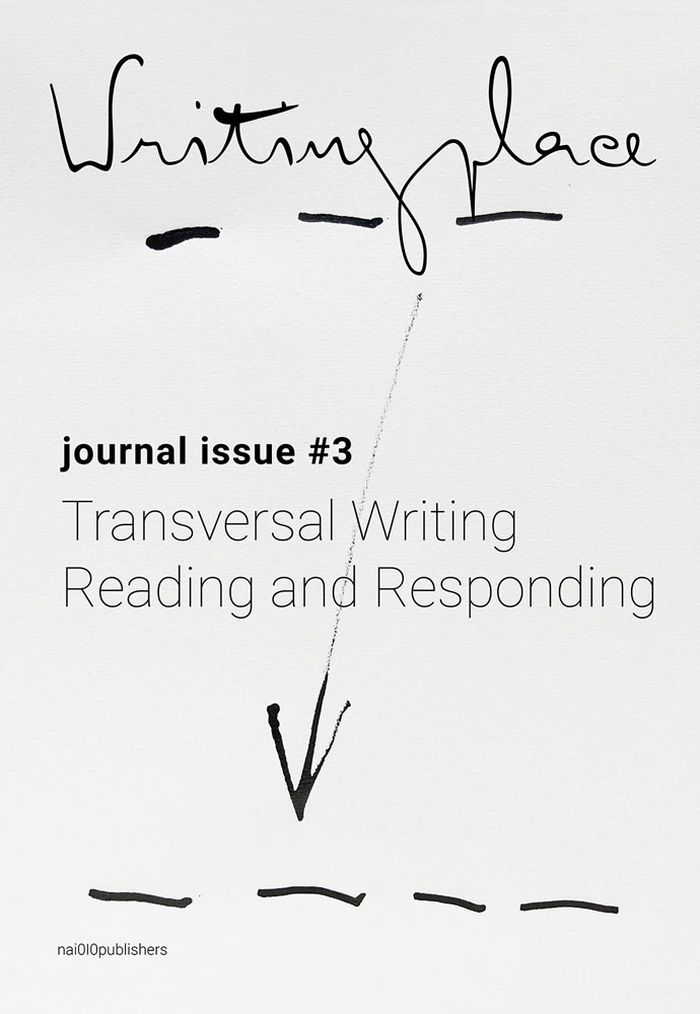
Interdisciplinary authors, architectural theorists and historians, critics and professors reflect on the process of architectural writing Since 2016, "Writingplace" has served as a platform for discussing the relationship between literature and architecture. The third issue focuses on reading and reviewing works in progress.
$55.95
(disponible en magasin)
Résumé:
Interdisciplinary authors, architectural theorists and historians, critics and professors reflect on the process of architectural writing Since 2016, "Writingplace" has served as a platform for discussing the relationship between literature and architecture. The third issue focuses on reading and reviewing works in progress.
Titre:
Writingplace Journal for Architecture and Literature 3
Actions:
Prix:
$55.95
(disponible en magasin)
Résumé:
Interdisciplinary authors, architectural theorists and historians, critics and professors reflect on the process of architectural writing Since 2016, "Writingplace" has served as a platform for discussing the relationship between literature and architecture. The third issue focuses on reading and reviewing works in progress.
Writingplace Journal for Architecture and Literature 3
Actions:
Prix:
$55.95
(disponible en magasin)
Résumé:
Interdisciplinary authors, architectural theorists and historians, critics and professors reflect on the process of architectural writing Since 2016, "Writingplace" has served as a platform for discussing the relationship between literature and architecture. The third issue focuses on reading and reviewing works in progress.
Classification:
livres
livres
Publication:
juin 2020
juin 2020
Sujet:
Théorie de l’architecture
Théorie de l’architecture
Classification:
livres
livres
Actions:
Prix:
$34.00
(disponible sur commande)
Résumé:
In 2014, for the thirtieth anniversary of the Fondation Cartier pour l'art contemporain in Paris, noted art historian Hans Ulrich Obrist imagined "The infinite conversation" a series of conversations with artists, scientists, and thinkers close to the Fondation Cartier and its exhibition program. "The infinite conversations" gathers together all of these conversations,(...)
$34.00
(disponible sur commande)
Résumé:
In 2014, for the thirtieth anniversary of the Fondation Cartier pour l'art contemporain in Paris, noted art historian Hans Ulrich Obrist imagined "The infinite conversation" a series of conversations with artists, scientists, and thinkers close to the Fondation Cartier and its exhibition program. "The infinite conversations" gathers together all of these conversations,(...)
Titre:
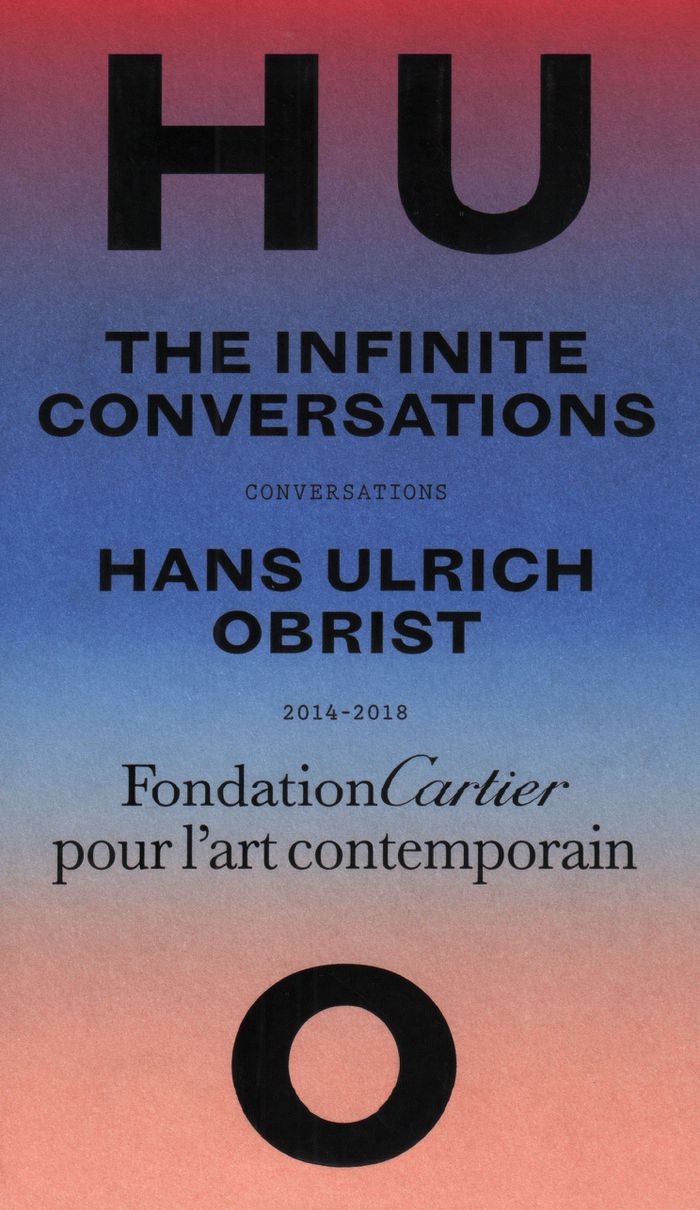
H U: The infinite conversations
Actions:
Prix:
$34.00
(disponible sur commande)
Résumé:
In 2014, for the thirtieth anniversary of the Fondation Cartier pour l'art contemporain in Paris, noted art historian Hans Ulrich Obrist imagined "The infinite conversation" a series of conversations with artists, scientists, and thinkers close to the Fondation Cartier and its exhibition program. "The infinite conversations" gathers together all of these conversations, with figures such as Patti Smith, Raymond Depardon, Agnes Varda, and Freddy Mamani, in an invitation to transcend the borders between art disciplines.
H U: The infinite conversations
Actions:
Prix:
$34.00
(disponible sur commande)
Résumé:
In 2014, for the thirtieth anniversary of the Fondation Cartier pour l'art contemporain in Paris, noted art historian Hans Ulrich Obrist imagined "The infinite conversation" a series of conversations with artists, scientists, and thinkers close to the Fondation Cartier and its exhibition program. "The infinite conversations" gathers together all of these conversations, with figures such as Patti Smith, Raymond Depardon, Agnes Varda, and Freddy Mamani, in an invitation to transcend the borders between art disciplines.
Classification:
livres
livres
Publication:
mars 2020
mars 2020
Sujet:
Théorie de l’art
Théorie de l’art
Classification:
livres
livres
Prix:
$51.00
(disponible sur commande)
Résumé:
First published in 1959, 'The Golden City' is a seminal, critical document that developed one of the earliest and most compelling arguments against the then-dominant hegemony of modernism by reawakening interest in the value of our country’s built patrimony, particularly with respect to its notable classical architecture, classical sculpture, and ornament in the built(...)
$51.00
(disponible sur commande)
Résumé:
First published in 1959, 'The Golden City' is a seminal, critical document that developed one of the earliest and most compelling arguments against the then-dominant hegemony of modernism by reawakening interest in the value of our country’s built patrimony, particularly with respect to its notable classical architecture, classical sculpture, and ornament in the built(...)
Titre:
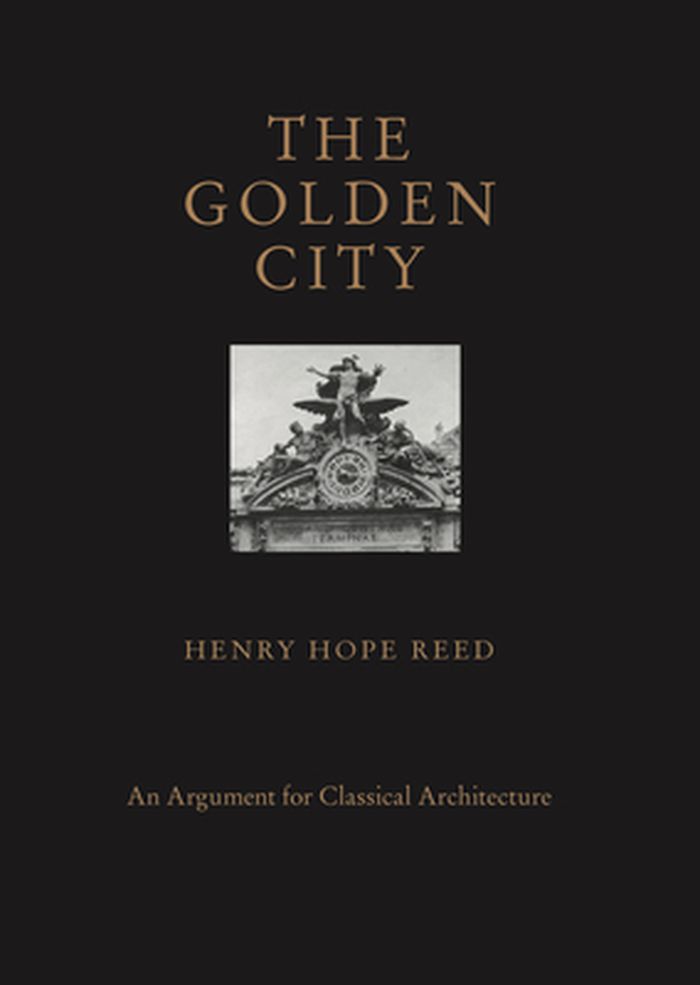
The golden city: an argument for classical architecture
Actions:
Prix:
$51.00
(disponible sur commande)
Résumé:
First published in 1959, 'The Golden City' is a seminal, critical document that developed one of the earliest and most compelling arguments against the then-dominant hegemony of modernism by reawakening interest in the value of our country’s built patrimony, particularly with respect to its notable classical architecture, classical sculpture, and ornament in the built environment. The book’s argument remains valuable today. 'The Golden City' can be credited with building the constituency for the preservation movement in the United States in general, and in New York City in particular. That constituency coalesced around Reed’s powerful polemic, eventually contributing to the formulation in 1965 of New York City’s groundbreaking Landmark Law, one of the most important milestones in the preservation movement in the United States.
The golden city: an argument for classical architecture
Actions:
Prix:
$51.00
(disponible sur commande)
Résumé:
First published in 1959, 'The Golden City' is a seminal, critical document that developed one of the earliest and most compelling arguments against the then-dominant hegemony of modernism by reawakening interest in the value of our country’s built patrimony, particularly with respect to its notable classical architecture, classical sculpture, and ornament in the built environment. The book’s argument remains valuable today. 'The Golden City' can be credited with building the constituency for the preservation movement in the United States in general, and in New York City in particular. That constituency coalesced around Reed’s powerful polemic, eventually contributing to the formulation in 1965 of New York City’s groundbreaking Landmark Law, one of the most important milestones in the preservation movement in the United States.
Classification:
livres
livres
Publication:
mai 2020
mai 2020
Sujet:
Théorie de l’urbanisme
Théorie de l’urbanisme
Classification:
livres
livres
Prix:
$33.95
(disponible sur commande)
Résumé:
A manifesto for the Open City: vibrant, disordered, adaptable. In 1970 Richard Sennett published the ground breaking ''The uses of disorder,'' that the ideal of a planned and ordered city was flawed, likely to produce a fragile, restrictive urban environment. Fifty years later, Sennett returns to these still fertile ideas and alongside campaigner and architect, Pablo(...)
$33.95
(disponible sur commande)
Résumé:
A manifesto for the Open City: vibrant, disordered, adaptable. In 1970 Richard Sennett published the ground breaking ''The uses of disorder,'' that the ideal of a planned and ordered city was flawed, likely to produce a fragile, restrictive urban environment. Fifty years later, Sennett returns to these still fertile ideas and alongside campaigner and architect, Pablo(...)
Titre:
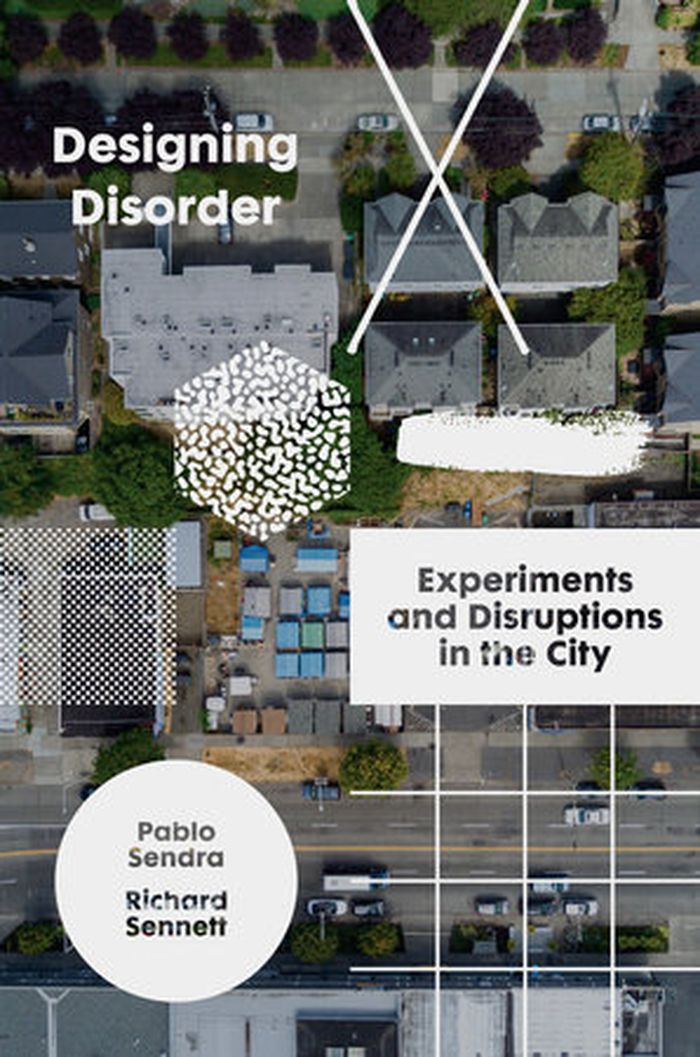
Designing disorder: experiments and disruptions in the city
Actions:
Prix:
$33.95
(disponible sur commande)
Résumé:
A manifesto for the Open City: vibrant, disordered, adaptable. In 1970 Richard Sennett published the ground breaking ''The uses of disorder,'' that the ideal of a planned and ordered city was flawed, likely to produce a fragile, restrictive urban environment. Fifty years later, Sennett returns to these still fertile ideas and alongside campaigner and architect, Pablo Sendra, sets out an agenda for the design and ethics of the Open City. The public spaces of our cities are under siege from planners, privatisation and increased surveillance. Our streets are becoming ever more lifeless and ordered. What is to be done? Can disorder be designed? Is it possible to maintain the public realm as a flexible space that adapts over time? In this provocative essay Sendra and Sennett propose a reorganisation of how we think and plan the social life of our cities. What the authors call 'Infrastructures of disorder' combine architecture, politics, urban planning and activism in order to develop places that nurture rather than stifle, bring together rather than divide up, remain open to change rather than closed off. The book proves that ideas of disorder are still some of the most radical and transformative in debates on 21st century cities.
Designing disorder: experiments and disruptions in the city
Actions:
Prix:
$33.95
(disponible sur commande)
Résumé:
A manifesto for the Open City: vibrant, disordered, adaptable. In 1970 Richard Sennett published the ground breaking ''The uses of disorder,'' that the ideal of a planned and ordered city was flawed, likely to produce a fragile, restrictive urban environment. Fifty years later, Sennett returns to these still fertile ideas and alongside campaigner and architect, Pablo Sendra, sets out an agenda for the design and ethics of the Open City. The public spaces of our cities are under siege from planners, privatisation and increased surveillance. Our streets are becoming ever more lifeless and ordered. What is to be done? Can disorder be designed? Is it possible to maintain the public realm as a flexible space that adapts over time? In this provocative essay Sendra and Sennett propose a reorganisation of how we think and plan the social life of our cities. What the authors call 'Infrastructures of disorder' combine architecture, politics, urban planning and activism in order to develop places that nurture rather than stifle, bring together rather than divide up, remain open to change rather than closed off. The book proves that ideas of disorder are still some of the most radical and transformative in debates on 21st century cities.
Classification:
livres
livres
Publication:
avril 2020
avril 2020
Sujet:
Théorie de l’urbanisme
Théorie de l’urbanisme
Classification:
livres
livres
Actions:
Prix:
$37.00
(disponible sur commande)
Résumé:
How did Los Angeles start the 20th century as a dusty frontier town and end up a century later as one of the globe's supercities - with unparalleled cultural, economic, and technological reach? Peter Lunenfeld constructs an urban portrait, layer by layer, from serendipitous affinities, historical anomalies, and uncanny correspondences. One of the book's innovations is(...)
$37.00
(disponible sur commande)
Résumé:
How did Los Angeles start the 20th century as a dusty frontier town and end up a century later as one of the globe's supercities - with unparalleled cultural, economic, and technological reach? Peter Lunenfeld constructs an urban portrait, layer by layer, from serendipitous affinities, historical anomalies, and uncanny correspondences. One of the book's innovations is(...)
Titre:
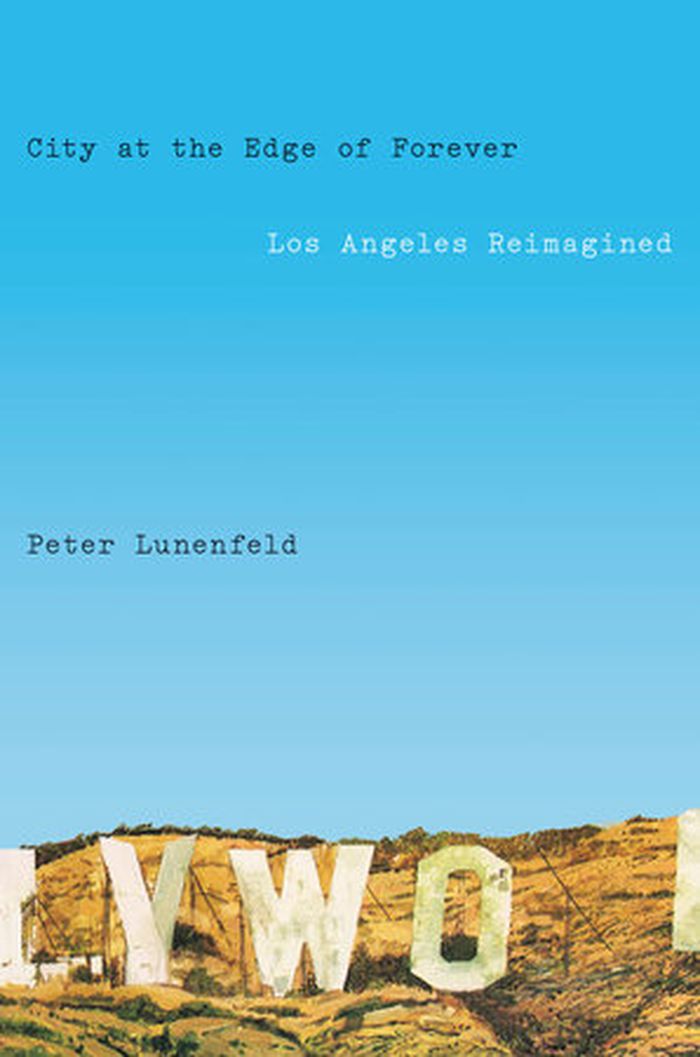
CIty at the edge of forever: Los Angeles reimagined
Actions:
Prix:
$37.00
(disponible sur commande)
Résumé:
How did Los Angeles start the 20th century as a dusty frontier town and end up a century later as one of the globe's supercities - with unparalleled cultural, economic, and technological reach? Peter Lunenfeld constructs an urban portrait, layer by layer, from serendipitous affinities, historical anomalies, and uncanny correspondences. One of the book's innovations is to brand Los Angeles as the alchemical city. Earth became real estate when the Yankees took control in the nineteenth century. Fire fueled the city's early explosive growth as the Southland's oil fields supplied the inexhaustible demands of drivers and their cars. Air defined the area from WWII to the end of the Cold War, with aeronautics and aerospace dominating the region's industries. Water is now the key element, and Southern California's ports are the largest in the western hemisphere. What alchemists identify as the ethereal fifth element, or quintessence, this book positions as the glamour of Hollywood, a spell that sustains the city but also needs to be broken in order to understand Los Angeles now.
CIty at the edge of forever: Los Angeles reimagined
Actions:
Prix:
$37.00
(disponible sur commande)
Résumé:
How did Los Angeles start the 20th century as a dusty frontier town and end up a century later as one of the globe's supercities - with unparalleled cultural, economic, and technological reach? Peter Lunenfeld constructs an urban portrait, layer by layer, from serendipitous affinities, historical anomalies, and uncanny correspondences. One of the book's innovations is to brand Los Angeles as the alchemical city. Earth became real estate when the Yankees took control in the nineteenth century. Fire fueled the city's early explosive growth as the Southland's oil fields supplied the inexhaustible demands of drivers and their cars. Air defined the area from WWII to the end of the Cold War, with aeronautics and aerospace dominating the region's industries. Water is now the key element, and Southern California's ports are the largest in the western hemisphere. What alchemists identify as the ethereal fifth element, or quintessence, this book positions as the glamour of Hollywood, a spell that sustains the city but also needs to be broken in order to understand Los Angeles now.
Classification:
livres
livres
Publication:
juillet 2020
juillet 2020
Sujet:
Théorie de l’urbanisme
Théorie de l’urbanisme
Classification:
livres
livres
Actions:
Prix:
$56.95
(disponible en magasin)
Résumé:
With its emphasis on permanence and stability, architecture at first resists an easy pairing with live performance, usually considered ephemeral and elusive. But architecture and performance share a core concern: the interplay of bodies and space. 'Bodybuilding' examines the use of live performance by architects. Looking past the unbuilt, utopian projects of the early(...)
$56.95
(disponible en magasin)
Résumé:
With its emphasis on permanence and stability, architecture at first resists an easy pairing with live performance, usually considered ephemeral and elusive. But architecture and performance share a core concern: the interplay of bodies and space. 'Bodybuilding' examines the use of live performance by architects. Looking past the unbuilt, utopian projects of the early(...)
Sujet:
Théorie de l’architecture
Théorie de l’architecture
Publication:
janvier 2019
janvier 2019
Titre:
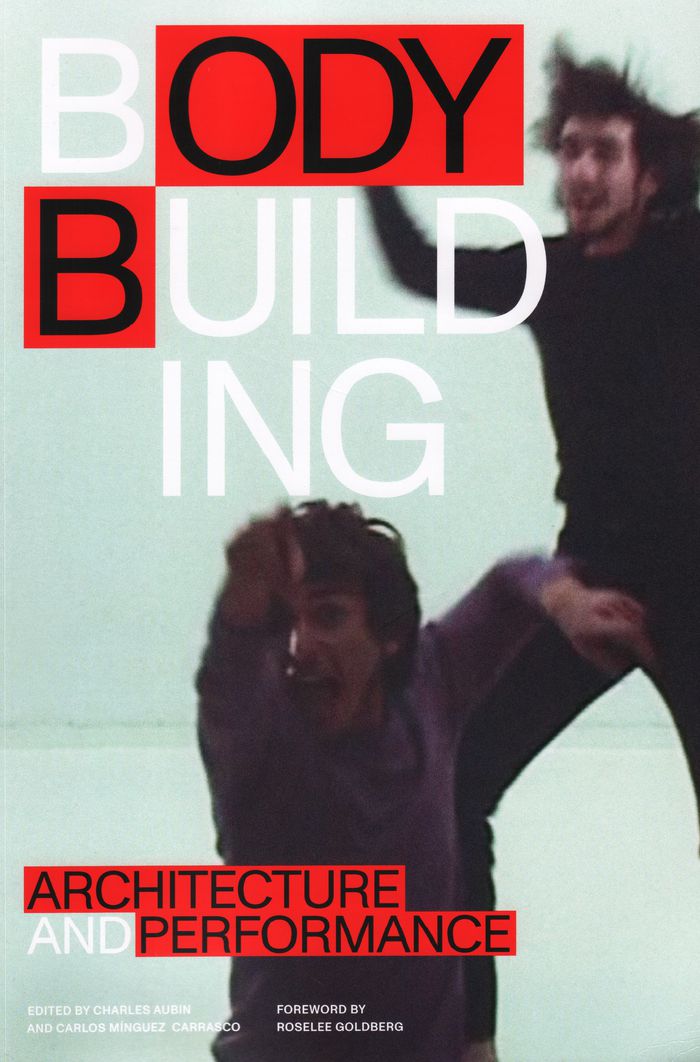
Bodybuilding: architecture and performance
Actions:
Prix:
$56.95
(disponible en magasin)
Résumé:
With its emphasis on permanence and stability, architecture at first resists an easy pairing with live performance, usually considered ephemeral and elusive. But architecture and performance share a core concern: the interplay of bodies and space. 'Bodybuilding' examines the use of live performance by architects. Looking past the unbuilt, utopian projects of the early modernists or the postwar avant-garde, the authors unearth an alternative canon of architects who actually employ performance to fortify the process of building, or else to explore architecture’s enmeshment with labor, security, race, migration, the environment, gentrification, and public assembly. For these architects, performance can be a tool, a method, or a heuristic device; in every case, performance is a blade that cuts into the matter of architecture. With rates of construction plummeting after the financial crisis of 2007–08, newly minted architects have had to find alternative ways to continue working within the field. 'Bodybuilding' grounds these new practices within a century of precedents, and insists that performance is a critical tool to rethink architecture’s agency, goals, and aesthetics.
Bodybuilding: architecture and performance
Actions:
Prix:
$56.95
(disponible en magasin)
Résumé:
With its emphasis on permanence and stability, architecture at first resists an easy pairing with live performance, usually considered ephemeral and elusive. But architecture and performance share a core concern: the interplay of bodies and space. 'Bodybuilding' examines the use of live performance by architects. Looking past the unbuilt, utopian projects of the early modernists or the postwar avant-garde, the authors unearth an alternative canon of architects who actually employ performance to fortify the process of building, or else to explore architecture’s enmeshment with labor, security, race, migration, the environment, gentrification, and public assembly. For these architects, performance can be a tool, a method, or a heuristic device; in every case, performance is a blade that cuts into the matter of architecture. With rates of construction plummeting after the financial crisis of 2007–08, newly minted architects have had to find alternative ways to continue working within the field. 'Bodybuilding' grounds these new practices within a century of precedents, and insists that performance is a critical tool to rethink architecture’s agency, goals, and aesthetics.
Classification:
livres
livres
Publication:
janvier 2019
janvier 2019
Sujet:
Théorie de l’architecture
Théorie de l’architecture
Classification:
livres
livres
Titre:
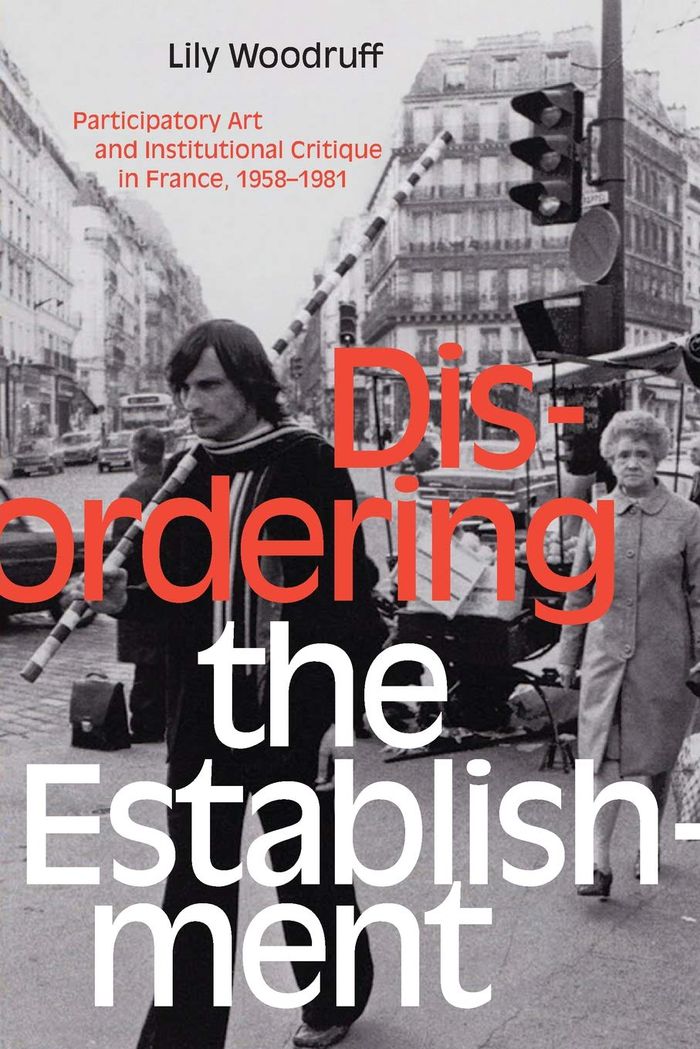
Disordering the establishment: participatory art and institutional critique in France 1958-1981
Disordering the establishment: participatory art and institutional critique in France 1958-1981
Actions:
Prix:
$37.95
(disponible en magasin)
Résumé:
In the decades following World War II, France experienced both a period of affluence and a wave of political, artistic, and philosophical discontent that culminated in the countrywide protests of 1968. In ''Disordering the establishment'' Lily Woodruff examines the development of artistic strategies of political resistance in France in this era. Drawing on interviews with(...)
$37.95
(disponible en magasin)
Résumé:
In the decades following World War II, France experienced both a period of affluence and a wave of political, artistic, and philosophical discontent that culminated in the countrywide protests of 1968. In ''Disordering the establishment'' Lily Woodruff examines the development of artistic strategies of political resistance in France in this era. Drawing on interviews with(...)
Titre:
Disordering the establishment: participatory art and institutional critique in France 1958-1981
Actions:
Prix:
$37.95
(disponible en magasin)
Résumé:
In the decades following World War II, France experienced both a period of affluence and a wave of political, artistic, and philosophical discontent that culminated in the countrywide protests of 1968. In ''Disordering the establishment'' Lily Woodruff examines the development of artistic strategies of political resistance in France in this era. Drawing on interviews with artists, curators, and cultural figures of the time, Woodruff analyzes the formal and rhetorical methods that artists used to counter establishment ideology, appeal to direct political engagement, and grapple with French intellectuals' modeling of society. Artists and collectives such as Daniel Buren, André Cadere, the Groupe de Recherche d’Art Visuel, and the Collectif d’Art Sociologique shared an opposition to institutional hegemony by adapting their works to unconventional spaces and audiences, asserting artistic autonomy from art institutions, and embracing interdisciplinarity. In showing how these artists used art to question what art should be and where it should be seen, Woodruff demonstrates how artists challenged and redefined the art establishment and their historical moment.
Disordering the establishment: participatory art and institutional critique in France 1958-1981
Actions:
Prix:
$37.95
(disponible en magasin)
Résumé:
In the decades following World War II, France experienced both a period of affluence and a wave of political, artistic, and philosophical discontent that culminated in the countrywide protests of 1968. In ''Disordering the establishment'' Lily Woodruff examines the development of artistic strategies of political resistance in France in this era. Drawing on interviews with artists, curators, and cultural figures of the time, Woodruff analyzes the formal and rhetorical methods that artists used to counter establishment ideology, appeal to direct political engagement, and grapple with French intellectuals' modeling of society. Artists and collectives such as Daniel Buren, André Cadere, the Groupe de Recherche d’Art Visuel, and the Collectif d’Art Sociologique shared an opposition to institutional hegemony by adapting their works to unconventional spaces and audiences, asserting artistic autonomy from art institutions, and embracing interdisciplinarity. In showing how these artists used art to question what art should be and where it should be seen, Woodruff demonstrates how artists challenged and redefined the art establishment and their historical moment.
Classification:
livres
livres
Publication:
juin 2020
juin 2020
Sujet:
Théorie de l’art
Théorie de l’art
Classification:
livres
livres
Actions:
Prix:
$49.00
(disponible en magasin)
Résumé:
The first volume in the new ‘Plural’ series, this publication seeks to critically dissect the term “activism”, which today seems to have become a catchword for any woman’s empowerment through the arts, and reveal the diversity of practices and realities that it comprises. Presenting a range of critical insights, perspectives, and practices from artists, activists, and(...)
$49.00
(disponible en magasin)
Résumé:
The first volume in the new ‘Plural’ series, this publication seeks to critically dissect the term “activism”, which today seems to have become a catchword for any woman’s empowerment through the arts, and reveal the diversity of practices and realities that it comprises. Presenting a range of critical insights, perspectives, and practices from artists, activists, and(...)
Titre:
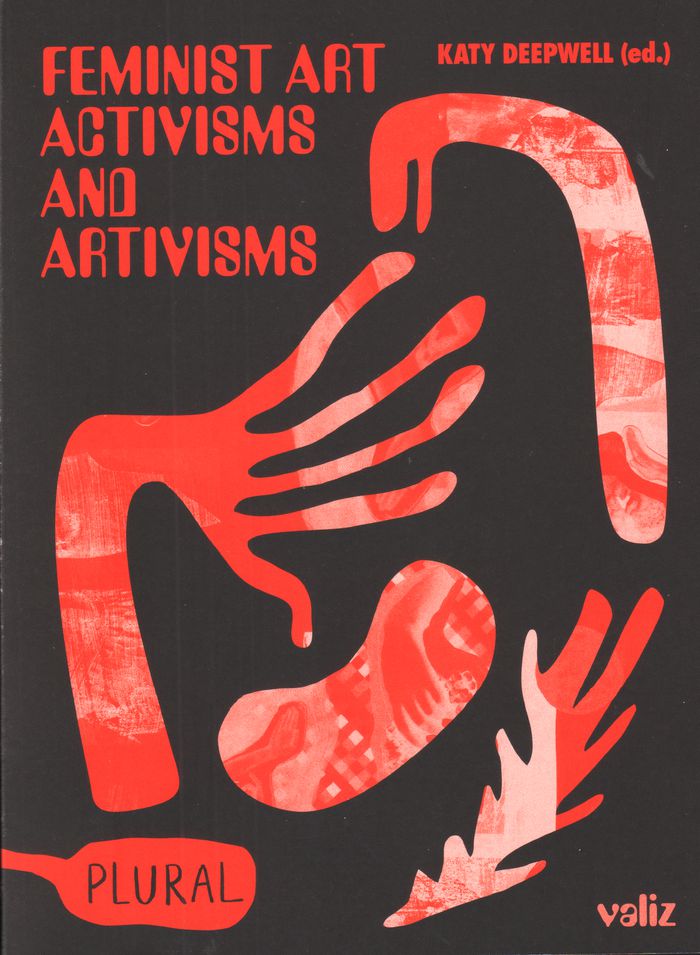
Feminist art activisms and artivisms
Actions:
Prix:
$49.00
(disponible en magasin)
Résumé:
The first volume in the new ‘Plural’ series, this publication seeks to critically dissect the term “activism”, which today seems to have become a catchword for any woman’s empowerment through the arts, and reveal the diversity of practices and realities that it comprises. Presenting a range of critical insights, perspectives, and practices from artists, activists, and academics, it reflects on the role of feminist interventions in the field of contemporary art, the public sphere, and politics. In the process, it touches upon broader questions of cultural difference, history, class, economic standing, ecological issues, and sexual orientation, as well as the ways in which these intersect.
Feminist art activisms and artivisms
Actions:
Prix:
$49.00
(disponible en magasin)
Résumé:
The first volume in the new ‘Plural’ series, this publication seeks to critically dissect the term “activism”, which today seems to have become a catchword for any woman’s empowerment through the arts, and reveal the diversity of practices and realities that it comprises. Presenting a range of critical insights, perspectives, and practices from artists, activists, and academics, it reflects on the role of feminist interventions in the field of contemporary art, the public sphere, and politics. In the process, it touches upon broader questions of cultural difference, history, class, economic standing, ecological issues, and sexual orientation, as well as the ways in which these intersect.
Classification:
livres
livres
Publication:
mars 2020
mars 2020
Sujet:
Théorie de l’art
Théorie de l’art
Classification:
livres
livres
Titre:
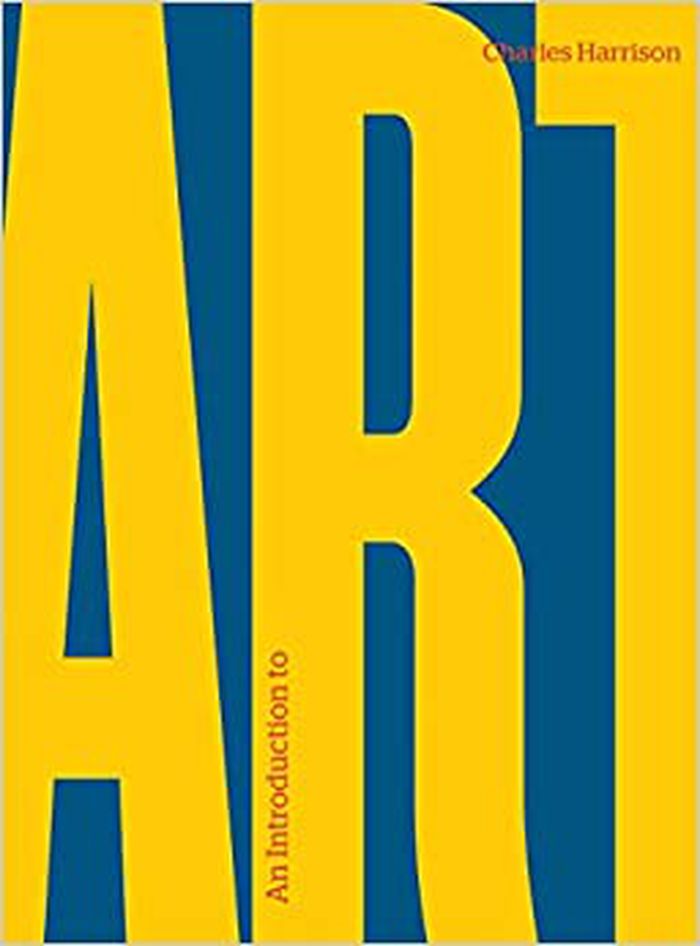
Art: an introduction
Art: an introduction
Actions:
Prix:
$32.00
(disponible sur commande)
Résumé:
This publication offers an original, clear, and wide-ranging introduction to the arts of painting and sculpture, to the principal artistic print media, and to the visual arts of modernism and post-modernism. Covering the entire history of art, from Paleolithic cave painting to contemporary art, it provides foundational guidance on the basic character and techniques of the(...)
$32.00
(disponible sur commande)
Résumé:
This publication offers an original, clear, and wide-ranging introduction to the arts of painting and sculpture, to the principal artistic print media, and to the visual arts of modernism and post-modernism. Covering the entire history of art, from Paleolithic cave painting to contemporary art, it provides foundational guidance on the basic character and techniques of the(...)
Titre:
Art: an introduction
Actions:
Prix:
$32.00
(disponible sur commande)
Résumé:
This publication offers an original, clear, and wide-ranging introduction to the arts of painting and sculpture, to the principal artistic print media, and to the visual arts of modernism and post-modernism. Covering the entire history of art, from Paleolithic cave painting to contemporary art, it provides foundational guidance on the basic character and techniques of the different art forms, on the various genres of painting in the Western tradition, and on the techniques of sculpture as they have been practiced over several millennia and across a wide range of cultures. Throughout the book, Harrison discusses the relative priorities of aesthetic appreciation and historical inquiry, and the importance of combining the two approaches. Written in a style that is at once graceful, engaging, and personal, as well as analytical and exact, this illuminating book offers an impassioned and timely defense of the importance and value of the firsthand encounter with works of art, whether in museums or in their original locations.
Art: an introduction
Actions:
Prix:
$32.00
(disponible sur commande)
Résumé:
This publication offers an original, clear, and wide-ranging introduction to the arts of painting and sculpture, to the principal artistic print media, and to the visual arts of modernism and post-modernism. Covering the entire history of art, from Paleolithic cave painting to contemporary art, it provides foundational guidance on the basic character and techniques of the different art forms, on the various genres of painting in the Western tradition, and on the techniques of sculpture as they have been practiced over several millennia and across a wide range of cultures. Throughout the book, Harrison discusses the relative priorities of aesthetic appreciation and historical inquiry, and the importance of combining the two approaches. Written in a style that is at once graceful, engaging, and personal, as well as analytical and exact, this illuminating book offers an impassioned and timely defense of the importance and value of the firsthand encounter with works of art, whether in museums or in their original locations.
Classification:
livres
livres
Publication:
mars 2020
mars 2020
Sujet:
Théorie de l’art
Théorie de l’art
Classification:
livres
livres
Actions:
Prix:
$45.00
(disponible sur commande)
Résumé:
In this publication, Pamela Lee traces the complex encounters between Cold War think tanks and the art of that era. Lee shows how the approaches and methods of think tanks—including systems theory, operations research, and cybernetics—paved the way for a peculiar genre of midcentury modernism and set the terms for contemporary neoliberalism. Lee casts these shadowy(...)
$45.00
(disponible sur commande)
Résumé:
In this publication, Pamela Lee traces the complex encounters between Cold War think tanks and the art of that era. Lee shows how the approaches and methods of think tanks—including systems theory, operations research, and cybernetics—paved the way for a peculiar genre of midcentury modernism and set the terms for contemporary neoliberalism. Lee casts these shadowy(...)
Titre:
Think tank aesthetics: mid-century modernism, the cold war, and the neoliberal present
Actions:
Prix:
$45.00
(disponible sur commande)
Résumé:
In this publication, Pamela Lee traces the complex encounters between Cold War think tanks and the art of that era. Lee shows how the approaches and methods of think tanks—including systems theory, operations research, and cybernetics—paved the way for a peculiar genre of midcentury modernism and set the terms for contemporary neoliberalism. Lee casts these shadowy institutions as sites of radical creativity and interdisciplinary practice in the service of defense strategy. Describing the distinctive aesthetics that emerged from such institutions as the RAND Corporation, she maps the multiple and overlapping networks that connected nuclear strategists, mathematicians, economists, anthropologists, artists, designers, and art historians.
Think tank aesthetics: mid-century modernism, the cold war, and the neoliberal present
Actions:
Prix:
$45.00
(disponible sur commande)
Résumé:
In this publication, Pamela Lee traces the complex encounters between Cold War think tanks and the art of that era. Lee shows how the approaches and methods of think tanks—including systems theory, operations research, and cybernetics—paved the way for a peculiar genre of midcentury modernism and set the terms for contemporary neoliberalism. Lee casts these shadowy institutions as sites of radical creativity and interdisciplinary practice in the service of defense strategy. Describing the distinctive aesthetics that emerged from such institutions as the RAND Corporation, she maps the multiple and overlapping networks that connected nuclear strategists, mathematicians, economists, anthropologists, artists, designers, and art historians.
Classification:
livres
livres
Publication:
avril 2020
avril 2020
Sujet:
Théorie de l’architecture
Théorie de l’architecture


