


974 Résultats
Classification:
livres
livres

Prix:
$42.00
(disponible sur commande)
Résumé:
'The Culture of Feedback' digs deep into a dazzling variety of left-of-center experiences and attitudes, and brings a new look at the wild side of the 1970s. The author shows us how ideas from systems theory were taken up by the counterculture and the environmental movement, eventually influencing a wide range of beliefs and behaviors, particularly related to the question(...)
$42.00
(disponible sur commande)
Résumé:
'The Culture of Feedback' digs deep into a dazzling variety of left-of-center experiences and attitudes, and brings a new look at the wild side of the 1970s. The author shows us how ideas from systems theory were taken up by the counterculture and the environmental movement, eventually influencing a wide range of beliefs and behaviors, particularly related to the question(...)
Titre:
The culture of feedback: ecological thinking in seventies America
Actions:
Prix:
$42.00
(disponible sur commande)
Résumé:
'The Culture of Feedback' digs deep into a dazzling variety of left-of-center experiences and attitudes, and brings a new look at the wild side of the 1970s. The author shows us how ideas from systems theory were taken up by the counterculture and the environmental movement, eventually influencing a wide range of beliefs and behaviors, particularly related to the question of what is and is not intelligence. He tells the story of a generation of Americans who were struck by a newfound interest in — and respect for — plants, animals, indigenous populations, and the very sounds around them, threading his tapestry with cogent insights on environmentalism, feminism, systems theory, and psychedelics.
The culture of feedback: ecological thinking in seventies America
Actions:
Prix:
$42.00
(disponible sur commande)
Résumé:
'The Culture of Feedback' digs deep into a dazzling variety of left-of-center experiences and attitudes, and brings a new look at the wild side of the 1970s. The author shows us how ideas from systems theory were taken up by the counterculture and the environmental movement, eventually influencing a wide range of beliefs and behaviors, particularly related to the question of what is and is not intelligence. He tells the story of a generation of Americans who were struck by a newfound interest in — and respect for — plants, animals, indigenous populations, and the very sounds around them, threading his tapestry with cogent insights on environmentalism, feminism, systems theory, and psychedelics.
Classification:
livres
livres
Publication:
août 2019
août 2019
Classification:
livres
livres

Actions:
Prix:
$40.00
(disponible sur commande)
Résumé:
In this book, the BBC food journalist Dan Saladino travels the world to experience and document our most at-risk foods before it’s too late. He tells the fascinating stories of the people who continue to cultivate, forage, hunt, cook, and consume what the rest of us have forgotten or didn’t even know existed. From an Indigenous American chef refining precolonial recipes(...)
$40.00
(disponible sur commande)
Résumé:
In this book, the BBC food journalist Dan Saladino travels the world to experience and document our most at-risk foods before it’s too late. He tells the fascinating stories of the people who continue to cultivate, forage, hunt, cook, and consume what the rest of us have forgotten or didn’t even know existed. From an Indigenous American chef refining precolonial recipes(...)
Titre:
Eating to extinction: The world's rarest foods and why we need to save them
Actions:
Prix:
$40.00
(disponible sur commande)
Résumé:
In this book, the BBC food journalist Dan Saladino travels the world to experience and document our most at-risk foods before it’s too late. He tells the fascinating stories of the people who continue to cultivate, forage, hunt, cook, and consume what the rest of us have forgotten or didn’t even know existed. From an Indigenous American chef refining precolonial recipes to farmers tending Geechee red peas on the Sea Islands of Georgia, the individuals profiled in this volume are essential guides to treasured foods that have endured in the face of rampant sameness and standardization. They also provide a roadmap to a food system that is healthier, more robust, and, above all, richer in flavor and meaning.
Eating to extinction: The world's rarest foods and why we need to save them
Actions:
Prix:
$40.00
(disponible sur commande)
Résumé:
In this book, the BBC food journalist Dan Saladino travels the world to experience and document our most at-risk foods before it’s too late. He tells the fascinating stories of the people who continue to cultivate, forage, hunt, cook, and consume what the rest of us have forgotten or didn’t even know existed. From an Indigenous American chef refining precolonial recipes to farmers tending Geechee red peas on the Sea Islands of Georgia, the individuals profiled in this volume are essential guides to treasured foods that have endured in the face of rampant sameness and standardization. They also provide a roadmap to a food system that is healthier, more robust, and, above all, richer in flavor and meaning.
Classification:
livres
livres
Publication:
février 2022
février 2022
Sujet:
Bouffe
Bouffe
Classification:
livres
livres
Prix:
$20.00
(disponible sur commande)
Résumé:
This is the third book in the annual “A Series of Open Questions” published by CCA Wattis Institute for Contemporary Arts and Sternberg Press. Each book in the series includes newly commissioned writing as well a selection of perspectives, images, and references related to the Wattis’s year-long research seasons dedicated to single artists. Each book takes the work of a(...)
$20.00
(disponible sur commande)
Résumé:
This is the third book in the annual “A Series of Open Questions” published by CCA Wattis Institute for Contemporary Arts and Sternberg Press. Each book in the series includes newly commissioned writing as well a selection of perspectives, images, and references related to the Wattis’s year-long research seasons dedicated to single artists. Each book takes the work of a(...)
Titre:
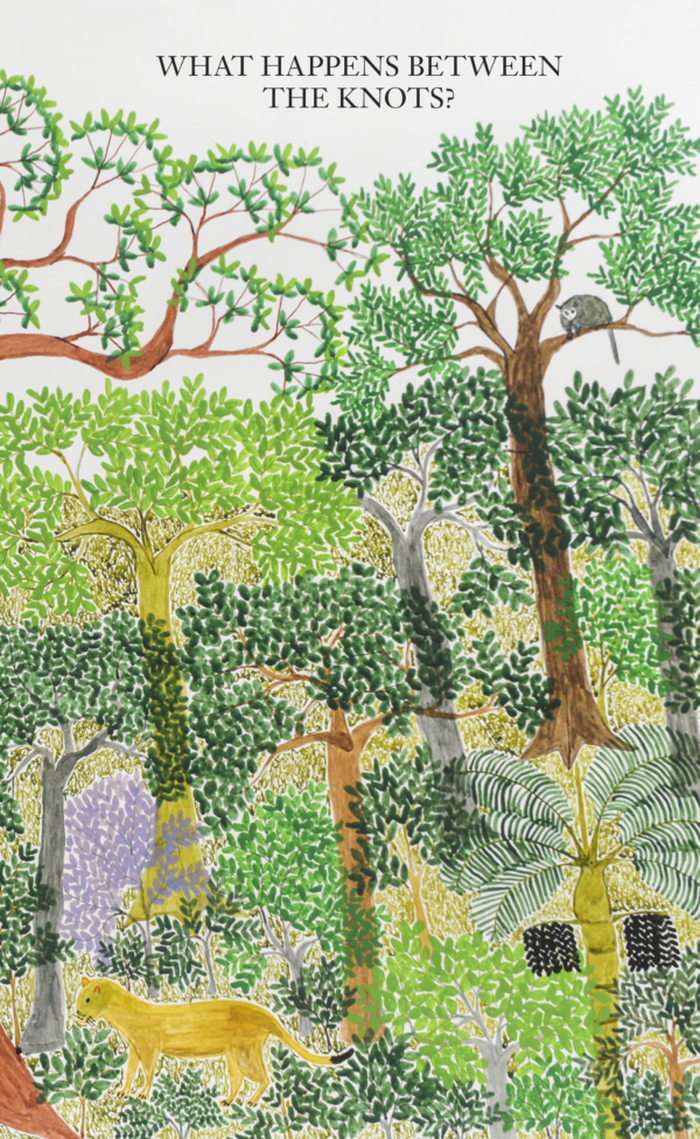
What happens between the knots? A series of open questions
Actions:
Prix:
$20.00
(disponible sur commande)
Résumé:
This is the third book in the annual “A Series of Open Questions” published by CCA Wattis Institute for Contemporary Arts and Sternberg Press. Each book in the series includes newly commissioned writing as well a selection of perspectives, images, and references related to the Wattis’s year-long research seasons dedicated to single artists. Each book takes the work of a single artist as its point of departure and spirals outward from there to create an expansive and carefully edited ecosystem of ideas and voices. This third volume is informed by themes found in the work of Cecilia Vicuña, including ecofeminism, indigenous forms of knowledge, poetry and politics, dissolution and extinction, exile, dematerialization, regeneration, and environmental responsibility.
What happens between the knots? A series of open questions
Actions:
Prix:
$20.00
(disponible sur commande)
Résumé:
This is the third book in the annual “A Series of Open Questions” published by CCA Wattis Institute for Contemporary Arts and Sternberg Press. Each book in the series includes newly commissioned writing as well a selection of perspectives, images, and references related to the Wattis’s year-long research seasons dedicated to single artists. Each book takes the work of a single artist as its point of departure and spirals outward from there to create an expansive and carefully edited ecosystem of ideas and voices. This third volume is informed by themes found in the work of Cecilia Vicuña, including ecofeminism, indigenous forms of knowledge, poetry and politics, dissolution and extinction, exile, dematerialization, regeneration, and environmental responsibility.
Classification:
livres
livres
Publication:
août 2022
août 2022
Sujet:
Théorie de l’art
Théorie de l’art
Classification:
livres
livres

Prix:
$35.00
(disponible en magasin)
Résumé:
Perhaps China's most internationally acclaimed architect, Yung Ho Chang is particularly concerned with architecture's role in expressing and reflecting the indigenous culture. He advocates the wide use of bamboo as a building material in Chinese urban design, as put forth in his Bamboo City, exhibited at the Venice Biennale in 2000, but while he focuses attention on the(...)
$35.00
(disponible en magasin)
Résumé:
Perhaps China's most internationally acclaimed architect, Yung Ho Chang is particularly concerned with architecture's role in expressing and reflecting the indigenous culture. He advocates the wide use of bamboo as a building material in Chinese urban design, as put forth in his Bamboo City, exhibited at the Venice Biennale in 2000, but while he focuses attention on the(...)
Sujet:
Architecture, monographies
Architecture, monographies
Publication:
avril 2003, New York
avril 2003, New York
Titre:
Yung Ho Chang / Atelier Feichang Jianzu : a Chinese practice
Actions:
Prix:
$35.00
(disponible en magasin)
Résumé:
Perhaps China's most internationally acclaimed architect, Yung Ho Chang is particularly concerned with architecture's role in expressing and reflecting the indigenous culture. He advocates the wide use of bamboo as a building material in Chinese urban design, as put forth in his Bamboo City, exhibited at the Venice Biennale in 2000, but while he focuses attention on the changes taking place in Beijing, he is mindful of the globalizing context in which the city is developing. In the past decade, Chang and his Atelier FCIZ (fei chang jan zhu, or unusual architecture), which he founded in the early 1990s as Beijing's first private architectural firm, have created a wide range of intellectually provocative urban projects in China that continue to receive acclaim.
Yung Ho Chang / Atelier Feichang Jianzu : a Chinese practice
Actions:
Prix:
$35.00
(disponible en magasin)
Résumé:
Perhaps China's most internationally acclaimed architect, Yung Ho Chang is particularly concerned with architecture's role in expressing and reflecting the indigenous culture. He advocates the wide use of bamboo as a building material in Chinese urban design, as put forth in his Bamboo City, exhibited at the Venice Biennale in 2000, but while he focuses attention on the changes taking place in Beijing, he is mindful of the globalizing context in which the city is developing. In the past decade, Chang and his Atelier FCIZ (fei chang jan zhu, or unusual architecture), which he founded in the early 1990s as Beijing's first private architectural firm, have created a wide range of intellectually provocative urban projects in China that continue to receive acclaim.
Classification:
livres
livres
Publication:
avril 2003, New York
avril 2003, New York
Sujet:
Architecture, monographies
Architecture, monographies
Classification:
livres
livres

Actions:
Prix:
$31.50
(disponible sur commande)
Résumé:
Orientalism's Interlocutors contests the idea that Orientalist art simply expresses the politics of Western domination and argues instead that it was often produced through cross-cultural interactions. Focusing on paintings and other representations of North African and Ottoman cultures, by both local artists and Westerners, the contributors contend that the stylistic(...)
$31.50
(disponible sur commande)
Résumé:
Orientalism's Interlocutors contests the idea that Orientalist art simply expresses the politics of Western domination and argues instead that it was often produced through cross-cultural interactions. Focusing on paintings and other representations of North African and Ottoman cultures, by both local artists and Westerners, the contributors contend that the stylistic(...)
Sujet:
Arch Moyen-Orient
Arch Moyen-Orient
Publication:
novembre 2002, Durham, N.C.
novembre 2002, Durham, N.C.
Titre:
Orientalism's interlocutors : painting, architecture and photography
Actions:
Prix:
$31.50
(disponible sur commande)
Résumé:
Orientalism's Interlocutors contests the idea that Orientalist art simply expresses the politics of Western domination and argues instead that it was often produced through cross-cultural interactions. Focusing on paintings and other representations of North African and Ottoman cultures, by both local artists and Westerners, the contributors contend that the stylistic similarities between indigenous and Western Orientalist art mask profound interpretive differences, which, upon examination, can reveal a visual language of resistance to colonization. The essays also demonstrate how marginalized voices and viewpoints—especially women‘s—within Western Orientalism decentered and destabilized colonial authority Among the artists considered are the Algerian painters Azouoau Mammeri and Mohammed Racim; Turkish painter Osman Hamdi Bey; British landscape painter Barbara Bodichon; and the French painter Henri Regnault.
Orientalism's interlocutors : painting, architecture and photography
Actions:
Prix:
$31.50
(disponible sur commande)
Résumé:
Orientalism's Interlocutors contests the idea that Orientalist art simply expresses the politics of Western domination and argues instead that it was often produced through cross-cultural interactions. Focusing on paintings and other representations of North African and Ottoman cultures, by both local artists and Westerners, the contributors contend that the stylistic similarities between indigenous and Western Orientalist art mask profound interpretive differences, which, upon examination, can reveal a visual language of resistance to colonization. The essays also demonstrate how marginalized voices and viewpoints—especially women‘s—within Western Orientalism decentered and destabilized colonial authority Among the artists considered are the Algerian painters Azouoau Mammeri and Mohammed Racim; Turkish painter Osman Hamdi Bey; British landscape painter Barbara Bodichon; and the French painter Henri Regnault.
Classification:
livres
livres
Publication:
novembre 2002, Durham, N.C.
novembre 2002, Durham, N.C.
Sujet:
Arch Moyen-Orient
Arch Moyen-Orient
Classification:
livres
livres
Actions:
Prix:
$51.95
(disponible sur commande)
Résumé:
The North is a complex place that is beautiful, moody, and anything but untouched. The Arctic, part of the international North that is pivotal to the world because of climate change, is no longer a frontier of the past. The same interest in the North that preoccupied artists and explorers of the Romantic era has returned greater than ever, but rather than merely depicting(...)
$51.95
(disponible sur commande)
Résumé:
The North is a complex place that is beautiful, moody, and anything but untouched. The Arctic, part of the international North that is pivotal to the world because of climate change, is no longer a frontier of the past. The same interest in the North that preoccupied artists and explorers of the Romantic era has returned greater than ever, but rather than merely depicting(...)
Publication:
octobre 2016
octobre 2016
Titre:
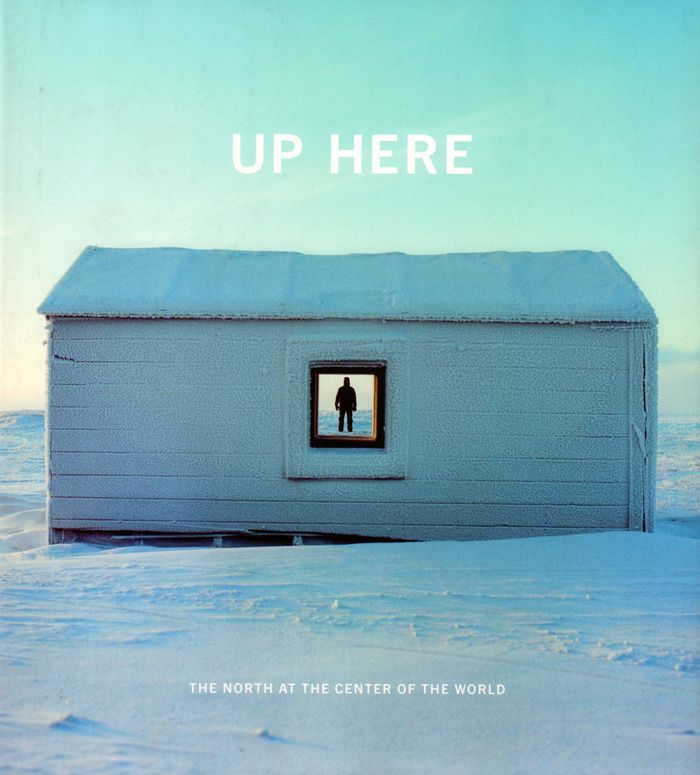
Up here: The North at the center of the world
Actions:
Prix:
$51.95
(disponible sur commande)
Résumé:
The North is a complex place that is beautiful, moody, and anything but untouched. The Arctic, part of the international North that is pivotal to the world because of climate change, is no longer a frontier of the past. The same interest in the North that preoccupied artists and explorers of the Romantic era has returned greater than ever, but rather than merely depicting its grandeur, today's artists, scientists, and explorers question the future of the landscape. "Up here" connects art, science, and environment at a time when unprecedented climate change requires unprecedented innovation. The contributors explore the ideas of "wilderness" and "remoteness," the lessons to be learned from cold places and indigenous knowledge, and how the Arctic is a signal for global change.
Up here: The North at the center of the world
Actions:
Prix:
$51.95
(disponible sur commande)
Résumé:
The North is a complex place that is beautiful, moody, and anything but untouched. The Arctic, part of the international North that is pivotal to the world because of climate change, is no longer a frontier of the past. The same interest in the North that preoccupied artists and explorers of the Romantic era has returned greater than ever, but rather than merely depicting its grandeur, today's artists, scientists, and explorers question the future of the landscape. "Up here" connects art, science, and environment at a time when unprecedented climate change requires unprecedented innovation. The contributors explore the ideas of "wilderness" and "remoteness," the lessons to be learned from cold places and indigenous knowledge, and how the Arctic is a signal for global change.
Classification:
livres
livres
Publication:
octobre 2016
octobre 2016
Classification:
livres
livres

Titre:
Islands of decolonial love
Islands of decolonial love
Actions:
Prix:
$19.00
(disponible en magasin)
Résumé:
In her debut collection of short stories, ''Islands of decolonial love,'' renowned writer and activist Leanne Simpson vividly explores the lives of contemporary Indigenous Peoples and communities, especially those of her own Nishnaabeg nation. Found on reserves, in cities and small towns, in bars and curling rinks, canoes and community centres, doctors offices and pickup(...)
$19.00
(disponible en magasin)
Résumé:
In her debut collection of short stories, ''Islands of decolonial love,'' renowned writer and activist Leanne Simpson vividly explores the lives of contemporary Indigenous Peoples and communities, especially those of her own Nishnaabeg nation. Found on reserves, in cities and small towns, in bars and curling rinks, canoes and community centres, doctors offices and pickup(...)
Titre:
Islands of decolonial love
Actions:
Prix:
$19.00
(disponible en magasin)
Résumé:
In her debut collection of short stories, ''Islands of decolonial love,'' renowned writer and activist Leanne Simpson vividly explores the lives of contemporary Indigenous Peoples and communities, especially those of her own Nishnaabeg nation. Found on reserves, in cities and small towns, in bars and curling rinks, canoes and community centres, doctors offices and pickup trucks, Simpson's characters confront the often heartbreaking challenge of pairing the desire to live loving and observant lives with a constant struggle to simply survive the historical and ongoing injustices of racism and colonialism. Told with voices that are rarely recorded but need to be heard, and incorporating the language and history of her people, Leanne Simpson's ''Islands of decolonial love'' is a profound, important, and beautiful book of fiction.
Islands of decolonial love
Actions:
Prix:
$19.00
(disponible en magasin)
Résumé:
In her debut collection of short stories, ''Islands of decolonial love,'' renowned writer and activist Leanne Simpson vividly explores the lives of contemporary Indigenous Peoples and communities, especially those of her own Nishnaabeg nation. Found on reserves, in cities and small towns, in bars and curling rinks, canoes and community centres, doctors offices and pickup trucks, Simpson's characters confront the often heartbreaking challenge of pairing the desire to live loving and observant lives with a constant struggle to simply survive the historical and ongoing injustices of racism and colonialism. Told with voices that are rarely recorded but need to be heard, and incorporating the language and history of her people, Leanne Simpson's ''Islands of decolonial love'' is a profound, important, and beautiful book of fiction.
Classification:
livres
livres
Publication:
novembre 2013
novembre 2013
Sujet:
Littérature et poésie
Littérature et poésie
Classification:
livres
livres
Actions:
Prix:
$39.95
(disponible sur commande)
Résumé:
This volume revives the work of late nineteenth-century landscape photographers who shaped the environmental attitudes of settlers in the colonies of the Tasman World and in California. Despite having little association with one another, these photographers developed remarkably similar visions of nature. In both the American West and the Tasman World, landscape(...)
$39.95
(disponible sur commande)
Résumé:
This volume revives the work of late nineteenth-century landscape photographers who shaped the environmental attitudes of settlers in the colonies of the Tasman World and in California. Despite having little association with one another, these photographers developed remarkably similar visions of nature. In both the American West and the Tasman World, landscape(...)
Titre:
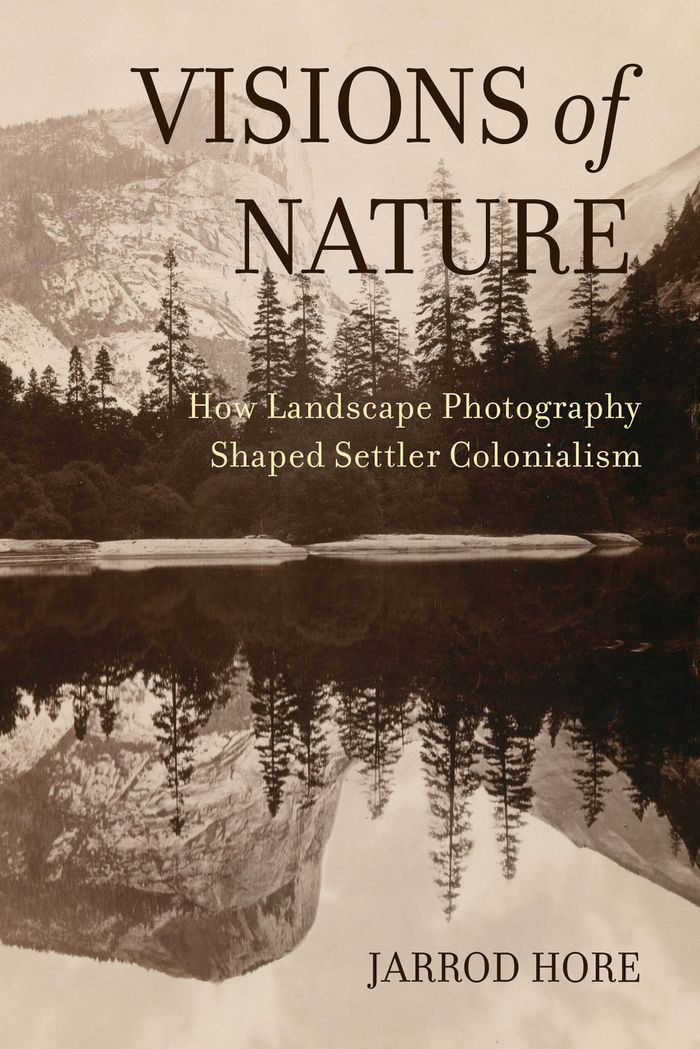
Visions of nature: How landscape photography shaped settler colonialism
Actions:
Prix:
$39.95
(disponible sur commande)
Résumé:
This volume revives the work of late nineteenth-century landscape photographers who shaped the environmental attitudes of settlers in the colonies of the Tasman World and in California. Despite having little association with one another, these photographers developed remarkably similar visions of nature. In both the American West and the Tasman World, landscape photography fed into settler belonging and produced new ways of thinking about territory and history. During this key period of settler revolution, a generation of photographers came to associate “nature” with remoteness, antiquity, and emptiness, a perspective that disguised the realities of Indigenous presence and reinforced colonial fantasies of environmental abundance. This book lifts the work of these photographers out of their provincial contexts and repositions it within a new comparative frame.
Visions of nature: How landscape photography shaped settler colonialism
Actions:
Prix:
$39.95
(disponible sur commande)
Résumé:
This volume revives the work of late nineteenth-century landscape photographers who shaped the environmental attitudes of settlers in the colonies of the Tasman World and in California. Despite having little association with one another, these photographers developed remarkably similar visions of nature. In both the American West and the Tasman World, landscape photography fed into settler belonging and produced new ways of thinking about territory and history. During this key period of settler revolution, a generation of photographers came to associate “nature” with remoteness, antiquity, and emptiness, a perspective that disguised the realities of Indigenous presence and reinforced colonial fantasies of environmental abundance. This book lifts the work of these photographers out of their provincial contexts and repositions it within a new comparative frame.
Classification:
livres
livres
Publication:
mai 2022
mai 2022
Sujet:
Théorie de la photographie
Théorie de la photographie
Classification:
livres
livres
Titre:
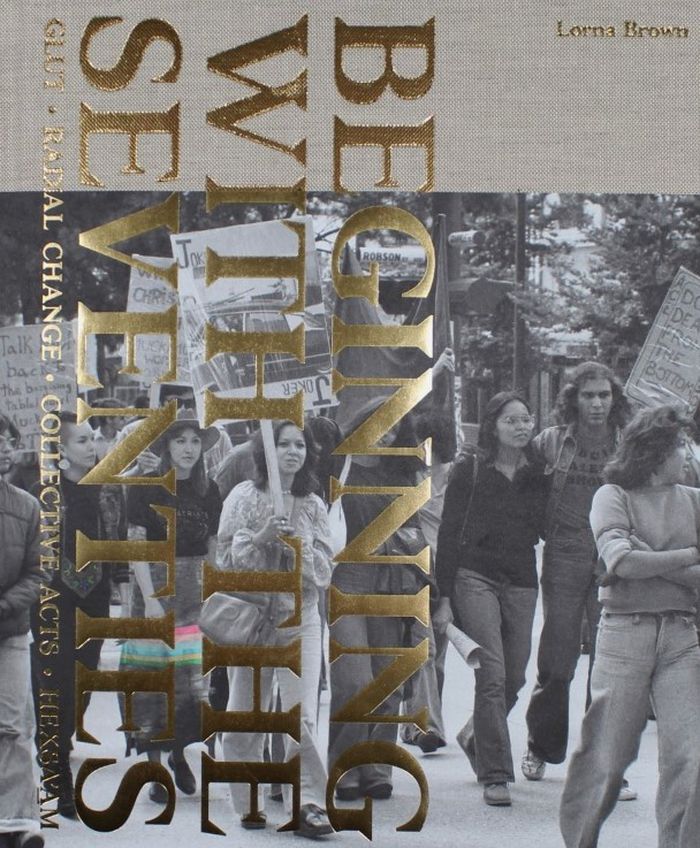
Beginning with the Seventies
Beginning with the Seventies
Actions:
Prix:
$55.00
(disponible en magasin)
Résumé:
Looking at the relationship between art, archives and activism, this publication begins with the 1970s, an era when social movements – feminism, environmentalism, LGBTQ2SIA+ rights, Indigenous rights, access to health services and housing – began to coalesce into models of self-organization that overlapped with the production of art and culture. Noting the resurgence of(...)
$55.00
(disponible en magasin)
Résumé:
Looking at the relationship between art, archives and activism, this publication begins with the 1970s, an era when social movements – feminism, environmentalism, LGBTQ2SIA+ rights, Indigenous rights, access to health services and housing – began to coalesce into models of self-organization that overlapped with the production of art and culture. Noting the resurgence of(...)
Titre:
Beginning with the Seventies
Actions:
Prix:
$55.00
(disponible en magasin)
Résumé:
Looking at the relationship between art, archives and activism, this publication begins with the 1970s, an era when social movements – feminism, environmentalism, LGBTQ2SIA+ rights, Indigenous rights, access to health services and housing – began to coalesce into models of self-organization that overlapped with the production of art and culture. Noting the resurgence of art practice involved with social activism and an increasing interest in the 1970s from younger producers, the Belkin connected with diverse archives and activist networks to bring forward these histories, to commission new works of art and writing and to provide a space for discussion and debate. This book brings contemporary art practices into active dialogue with the past, interweaving archive with artwork, poetry, prose and critical investigation.
Beginning with the Seventies
Actions:
Prix:
$55.00
(disponible en magasin)
Résumé:
Looking at the relationship between art, archives and activism, this publication begins with the 1970s, an era when social movements – feminism, environmentalism, LGBTQ2SIA+ rights, Indigenous rights, access to health services and housing – began to coalesce into models of self-organization that overlapped with the production of art and culture. Noting the resurgence of art practice involved with social activism and an increasing interest in the 1970s from younger producers, the Belkin connected with diverse archives and activist networks to bring forward these histories, to commission new works of art and writing and to provide a space for discussion and debate. This book brings contemporary art practices into active dialogue with the past, interweaving archive with artwork, poetry, prose and critical investigation.
Classification:
livres
livres
Publication:
septembre 2020
septembre 2020
Classification:
livres
livres
Actions:
Prix:
$29.99
(disponible sur commande)
Résumé:
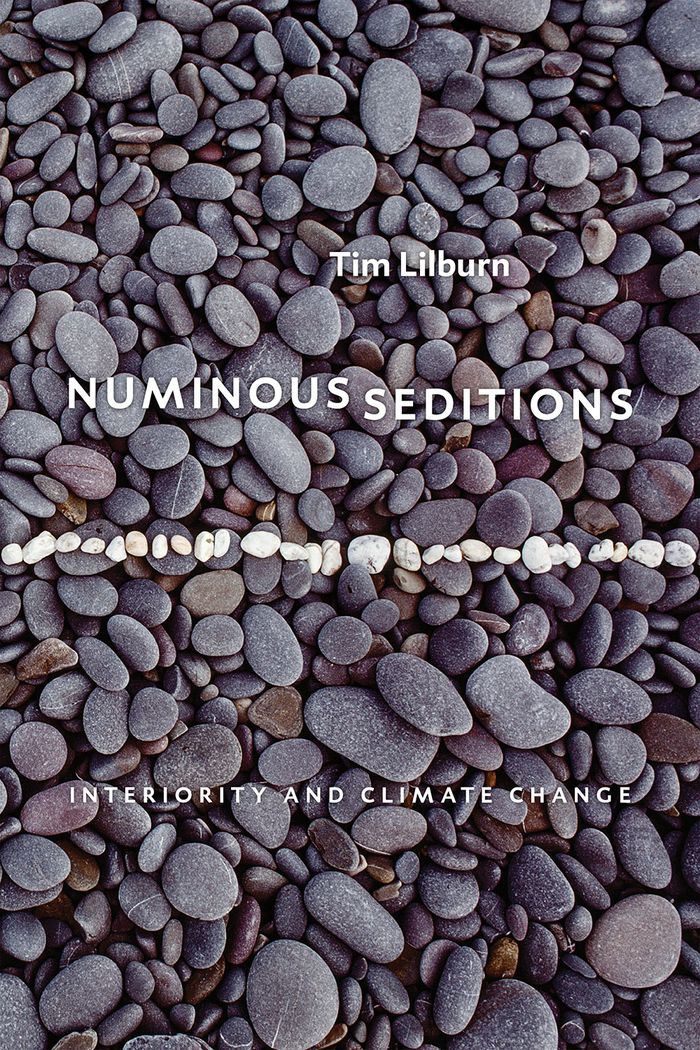
With ''Numinous seditions'', celebrated poet and essayist Tim Lilburn investigates inner dispositions that might help us bear the new sorrows of the climate crisis. The book draws from the West’s almost forgotten contemplative tradition in its Platonic, Islamic, Christian, and Zoharic forms. It also explores ideas from modern philosophers Jan Zwicky, Gillian Rose, Dorothy(...)
$29.99
(disponible sur commande)
Résumé:
With ''Numinous seditions'', celebrated poet and essayist Tim Lilburn investigates inner dispositions that might help us bear the new sorrows of the climate crisis. The book draws from the West’s almost forgotten contemplative tradition in its Platonic, Islamic, Christian, and Zoharic forms. It also explores ideas from modern philosophers Jan Zwicky, Gillian Rose, Dorothy(...)
Titre:
Numinous seditions: Interiority and climate change
Actions:
Prix:
$29.99
(disponible sur commande)
Résumé:
With ''Numinous seditions'', celebrated poet and essayist Tim Lilburn investigates inner dispositions that might help us bear the new sorrows of the climate crisis. The book draws from the West’s almost forgotten contemplative tradition in its Platonic, Islamic, Christian, and Zoharic forms. It also explores ideas from modern philosophers Jan Zwicky, Gillian Rose, Dorothy Day, and Simone Weil, and from contemporary poets Don Domanski, Philip Kevin Paul, Anne Szumigalski, and Roberto Harrison. Lilburn suggests that listening, noticing, reading, and stretching our imaginations are all part of an interior stance that can assist with the difficult tasks of forming deep relationships with the land, with Indigenous peoples, and with pedagogy itself. Numinous Seditions is for scholars and readers interested in poetry, environmental philosophy, and in the possibility of a contemplative politics.
Numinous seditions: Interiority and climate change
Actions:
Prix:
$29.99
(disponible sur commande)
Résumé:
With ''Numinous seditions'', celebrated poet and essayist Tim Lilburn investigates inner dispositions that might help us bear the new sorrows of the climate crisis. The book draws from the West’s almost forgotten contemplative tradition in its Platonic, Islamic, Christian, and Zoharic forms. It also explores ideas from modern philosophers Jan Zwicky, Gillian Rose, Dorothy Day, and Simone Weil, and from contemporary poets Don Domanski, Philip Kevin Paul, Anne Szumigalski, and Roberto Harrison. Lilburn suggests that listening, noticing, reading, and stretching our imaginations are all part of an interior stance that can assist with the difficult tasks of forming deep relationships with the land, with Indigenous peoples, and with pedagogy itself. Numinous Seditions is for scholars and readers interested in poetry, environmental philosophy, and in the possibility of a contemplative politics.
Classification:
livres
livres
Publication:
novembre 2023
novembre 2023
Sujet:
Théorie/ philosophie
Théorie/ philosophie


