


100 Résultats
Classification:
livres
livres
Actions:
Prix:
$65.00
(disponible en magasin)
Résumé:
In the summer of 2018, Ursula Biemann was commissioned to undertake an extended field trip across the South of Colombia. Many surprising developments ensued from this initial journey in the Amazonian rainforest where the histories of colonial conquest and natural science intertwine. Forest Mind is the result of a series of territorial engagements through video-making,(...)
$65.00
(disponible en magasin)
Résumé:
In the summer of 2018, Ursula Biemann was commissioned to undertake an extended field trip across the South of Colombia. Many surprising developments ensued from this initial journey in the Amazonian rainforest where the histories of colonial conquest and natural science intertwine. Forest Mind is the result of a series of territorial engagements through video-making,(...)
Titre:
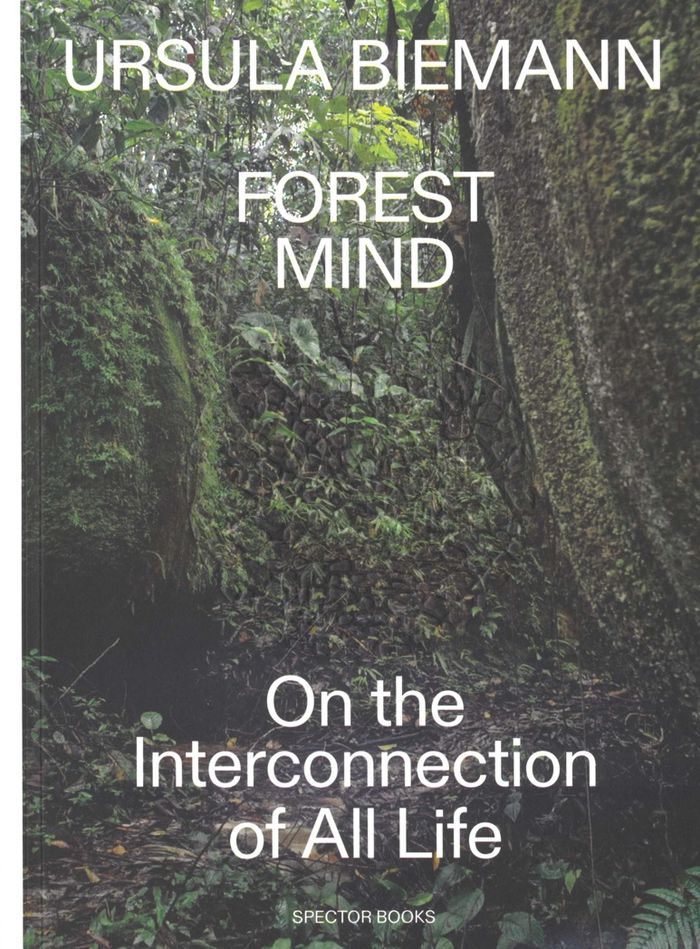
Forest mind: On the interconnection of all life
Actions:
Prix:
$65.00
(disponible en magasin)
Résumé:
In the summer of 2018, Ursula Biemann was commissioned to undertake an extended field trip across the South of Colombia. Many surprising developments ensued from this initial journey in the Amazonian rainforest where the histories of colonial conquest and natural science intertwine. Forest Mind is the result of a series of territorial engagements through video-making, photography, academic research, personal narrative, and the co-creation of an Indigenous University with the Inga people of Colombia. The explorations focus on the intelligence in nature from both shamanic and scientific perspectives. In these tropical forests, human and nonhuman territorial projects become entangled, calling for new ways of generating knowledge that spur the imagination. The Indigenous science of Ayahuasca as it is practiced by the traditional medics in Amazonia, is largely based in visions evoked by the psychoactive plant. Here, knowing does not only occur from a distance by describing, naming, and exploiting, but as an encounter between minds and worlds. The artist’s research brings to light contemporary Western science that has already been practiced by ancestral medics for millennia, allowing them to interact at the molecular level of DNA. Experimenting with new genetic technologies in collaboration with the ETH lab in Zurich, the visual universe of this project partially derives from biological materials and video-images of the rainforest which were encoded in one and the same DNA strand. In this personal quest, Swiss artist and author Ursula Biemann pursues her long-term inquiry at the intersection of art, ecology and indigenous cosmologies. The artist book presents a biosemiotics project that takes a deep dive into the mechanics of the interconnectedness of all life, and reflects on the active, performative role images play in merging mind and forest.
Forest mind: On the interconnection of all life
Actions:
Prix:
$65.00
(disponible en magasin)
Résumé:
In the summer of 2018, Ursula Biemann was commissioned to undertake an extended field trip across the South of Colombia. Many surprising developments ensued from this initial journey in the Amazonian rainforest where the histories of colonial conquest and natural science intertwine. Forest Mind is the result of a series of territorial engagements through video-making, photography, academic research, personal narrative, and the co-creation of an Indigenous University with the Inga people of Colombia. The explorations focus on the intelligence in nature from both shamanic and scientific perspectives. In these tropical forests, human and nonhuman territorial projects become entangled, calling for new ways of generating knowledge that spur the imagination. The Indigenous science of Ayahuasca as it is practiced by the traditional medics in Amazonia, is largely based in visions evoked by the psychoactive plant. Here, knowing does not only occur from a distance by describing, naming, and exploiting, but as an encounter between minds and worlds. The artist’s research brings to light contemporary Western science that has already been practiced by ancestral medics for millennia, allowing them to interact at the molecular level of DNA. Experimenting with new genetic technologies in collaboration with the ETH lab in Zurich, the visual universe of this project partially derives from biological materials and video-images of the rainforest which were encoded in one and the same DNA strand. In this personal quest, Swiss artist and author Ursula Biemann pursues her long-term inquiry at the intersection of art, ecology and indigenous cosmologies. The artist book presents a biosemiotics project that takes a deep dive into the mechanics of the interconnectedness of all life, and reflects on the active, performative role images play in merging mind and forest.
Classification:
livres
livres
Publication:
octobre 2022
octobre 2022
Classification:
livres
livres
Actions:
Prix:
$29.95
(disponible en magasin)
Résumé:
One of the most innovative French graphic designers, Catherine Zask’s posters have the elegance and coherence of DNA, and indeed she works with the building blocks of writing and communication letters. Here, in "Poster collection 12", the series from the Zurich Museum für Gestaltung, she allows the letters free rein to be musical, to trigger echoes, to store images, but(...)
$29.95
(disponible en magasin)
Résumé:
One of the most innovative French graphic designers, Catherine Zask’s posters have the elegance and coherence of DNA, and indeed she works with the building blocks of writing and communication letters. Here, in "Poster collection 12", the series from the Zurich Museum für Gestaltung, she allows the letters free rein to be musical, to trigger echoes, to store images, but(...)
Publication:
janvier 2006, Zürich
janvier 2006, Zürich
Titre:
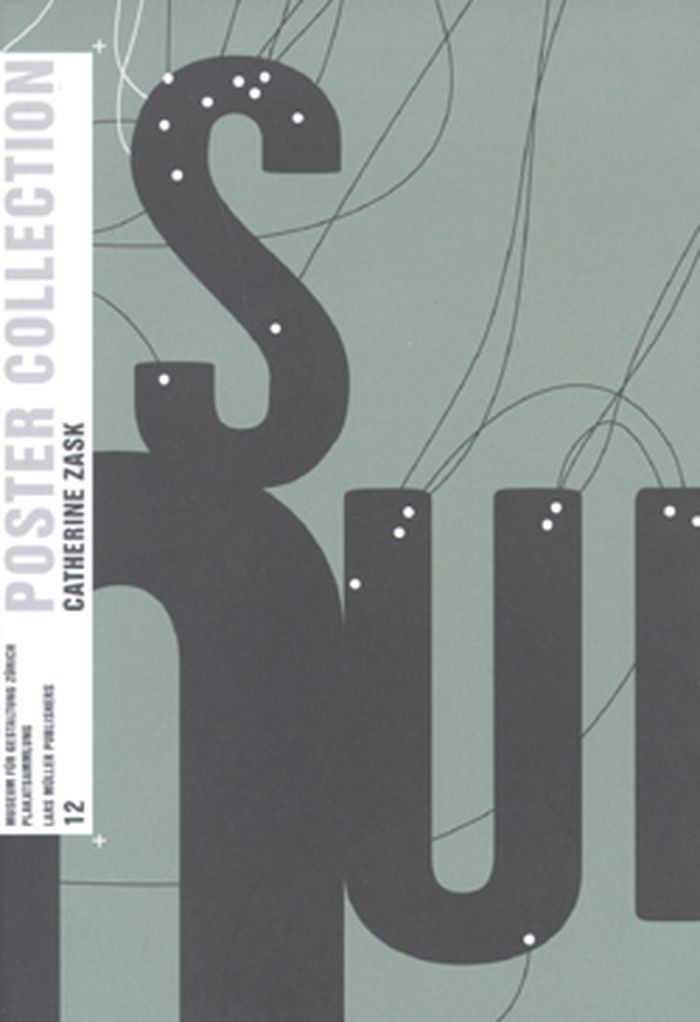
Poster collection 12 : Catherine Zask
Actions:
Prix:
$29.95
(disponible en magasin)
Résumé:
One of the most innovative French graphic designers, Catherine Zask’s posters have the elegance and coherence of DNA, and indeed she works with the building blocks of writing and communication letters. Here, in "Poster collection 12", the series from the Zurich Museum für Gestaltung, she allows the letters free rein to be musical, to trigger echoes, to store images, but never unmoors them from their task of providing written communication in an appropriate and comprehensible form. The dialogue with the client and the public is crucially important to Zask: “I make graphics to include the others.” Her work for SCAM (Société Civile des Auteurs Multimédia), the Hippodrome theater in Douai, and the École d’Architecture Paris-Malaquais are evidence of the remarkable clarity and unmistakable individuality of her work.
Poster collection 12 : Catherine Zask
Actions:
Prix:
$29.95
(disponible en magasin)
Résumé:
One of the most innovative French graphic designers, Catherine Zask’s posters have the elegance and coherence of DNA, and indeed she works with the building blocks of writing and communication letters. Here, in "Poster collection 12", the series from the Zurich Museum für Gestaltung, she allows the letters free rein to be musical, to trigger echoes, to store images, but never unmoors them from their task of providing written communication in an appropriate and comprehensible form. The dialogue with the client and the public is crucially important to Zask: “I make graphics to include the others.” Her work for SCAM (Société Civile des Auteurs Multimédia), the Hippodrome theater in Douai, and the École d’Architecture Paris-Malaquais are evidence of the remarkable clarity and unmistakable individuality of her work.
Classification:
livres
livres
Publication:
janvier 2006, Zürich
janvier 2006, Zürich
Classification:
livres
livres
Prix:
$45.00
(disponible sur commande)
Résumé:
Those familiar with Nova Scotia understand the austere beauty of this Canadian landscape, with its wide open skies and rugged terrain pushing up against the Atlantic. MacKay-Lyons's work responds to this unique topography and to the vernacular building traditions that define its communities. His houses, commercial buildings, and public projects combine regional forms with(...)
$45.00
(disponible sur commande)
Résumé:
Those familiar with Nova Scotia understand the austere beauty of this Canadian landscape, with its wide open skies and rugged terrain pushing up against the Atlantic. MacKay-Lyons's work responds to this unique topography and to the vernacular building traditions that define its communities. His houses, commercial buildings, and public projects combine regional forms with(...)
Titre:
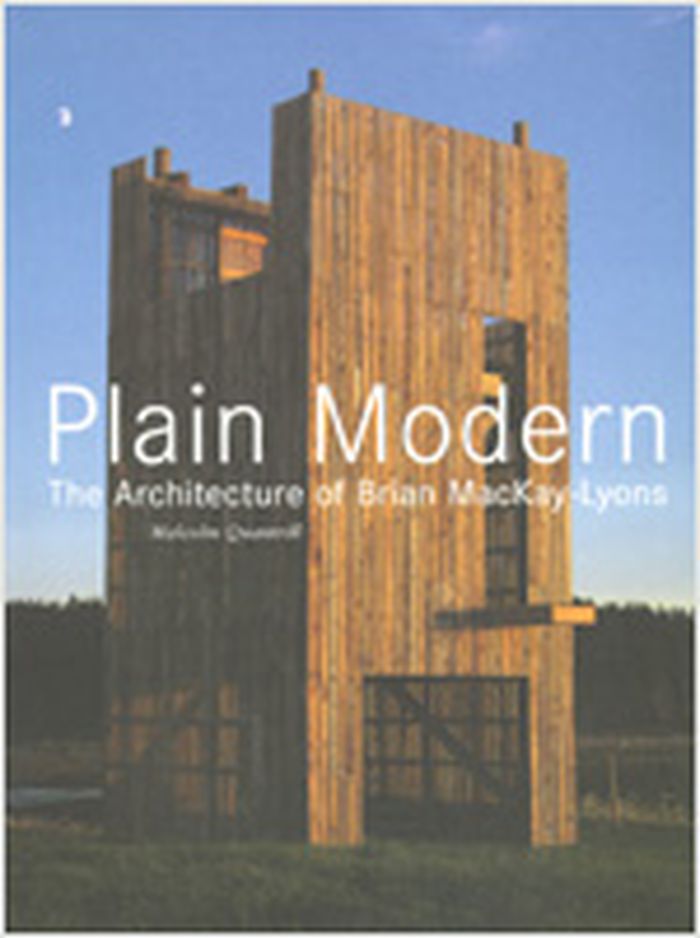
Plain Modern : the architecture of Brian MacKay-Lyons
Actions:
Prix:
$45.00
(disponible sur commande)
Résumé:
Those familiar with Nova Scotia understand the austere beauty of this Canadian landscape, with its wide open skies and rugged terrain pushing up against the Atlantic. MacKay-Lyons's work responds to this unique topography and to the vernacular building traditions that define its communities. His houses, commercial buildings, and public projects combine regional forms with local materials, technologies, and building practices to create works that are linked to their environments right down to their DNA. Peaked gables, shed roofs, and sliding doors are inspired by local barn types; corrugated metal cladding comes from the buildings used by the area's fishing industry; structural wooden frames are based on local ship-building traditions. These elements communicate a sense of place that is sophisticated, accessible, and free of sentimentality. Novelist and historian Malcolm Quantrill weaves together an intimate portrait of MacKay-Lyons and his work, elucidating the "peculiar regionality" of his subject's architecture.
Plain Modern : the architecture of Brian MacKay-Lyons
Actions:
Prix:
$45.00
(disponible sur commande)
Résumé:
Those familiar with Nova Scotia understand the austere beauty of this Canadian landscape, with its wide open skies and rugged terrain pushing up against the Atlantic. MacKay-Lyons's work responds to this unique topography and to the vernacular building traditions that define its communities. His houses, commercial buildings, and public projects combine regional forms with local materials, technologies, and building practices to create works that are linked to their environments right down to their DNA. Peaked gables, shed roofs, and sliding doors are inspired by local barn types; corrugated metal cladding comes from the buildings used by the area's fishing industry; structural wooden frames are based on local ship-building traditions. These elements communicate a sense of place that is sophisticated, accessible, and free of sentimentality. Novelist and historian Malcolm Quantrill weaves together an intimate portrait of MacKay-Lyons and his work, elucidating the "peculiar regionality" of his subject's architecture.
Classification:
livres
livres
Publication:
juillet 2005, New York
juillet 2005, New York
Sujet:
Architecture du Canada
Architecture du Canada
Classification:
livres
livres
Prix:
$22.00
(disponible sur commande)
Résumé:
With Neri and Hu Design and Research Office, the Chinese avantgarde in architecture, research and teaching, product and interior design has arrived in Europe. This publication accompanies the exhibition "Reflective Nostalgia" presented at the Aedes Architecture Forum (Berlin), which aimed to highlight the way in which Lyndon Neri and Rossana Hu examine the historical and(...)
$22.00
(disponible sur commande)
Résumé:
With Neri and Hu Design and Research Office, the Chinese avantgarde in architecture, research and teaching, product and interior design has arrived in Europe. This publication accompanies the exhibition "Reflective Nostalgia" presented at the Aedes Architecture Forum (Berlin), which aimed to highlight the way in which Lyndon Neri and Rossana Hu examine the historical and(...)
Titre:
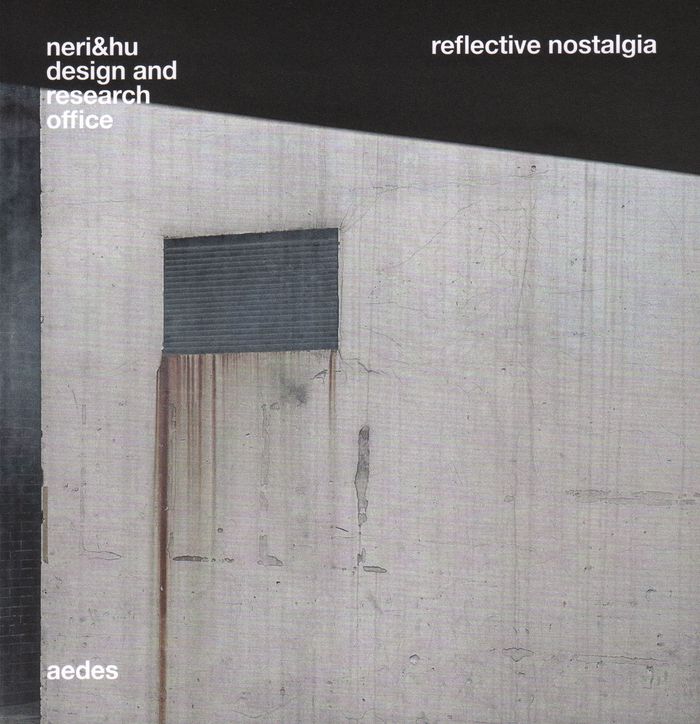
Neri and Hu Design and Research Office: Reflective Nostalgia
Actions:
Prix:
$22.00
(disponible sur commande)
Résumé:
With Neri and Hu Design and Research Office, the Chinese avantgarde in architecture, research and teaching, product and interior design has arrived in Europe. This publication accompanies the exhibition "Reflective Nostalgia" presented at the Aedes Architecture Forum (Berlin), which aimed to highlight the way in which Lyndon Neri and Rossana Hu examine the historical and the contemporary as well as the listed and the everyday and to transform them into new uses in a respectful and future-oriented manner. Their transdisciplinary design approach is in the DNA of the studio. The success of the broad spectrum of their work is reflected in numerous international awards. The exhibition installation featured architectural models, photographs and videos, as well as a selection of furniture, showcasing Neri and Hu's alternative reading of historical contexts, including all the contradictions and details, as well as the unexpected spatial compositions with which they respond.
Neri and Hu Design and Research Office: Reflective Nostalgia
Actions:
Prix:
$22.00
(disponible sur commande)
Résumé:
With Neri and Hu Design and Research Office, the Chinese avantgarde in architecture, research and teaching, product and interior design has arrived in Europe. This publication accompanies the exhibition "Reflective Nostalgia" presented at the Aedes Architecture Forum (Berlin), which aimed to highlight the way in which Lyndon Neri and Rossana Hu examine the historical and the contemporary as well as the listed and the everyday and to transform them into new uses in a respectful and future-oriented manner. Their transdisciplinary design approach is in the DNA of the studio. The success of the broad spectrum of their work is reflected in numerous international awards. The exhibition installation featured architectural models, photographs and videos, as well as a selection of furniture, showcasing Neri and Hu's alternative reading of historical contexts, including all the contradictions and details, as well as the unexpected spatial compositions with which they respond.
Classification:
livres
livres
Publication:
octobre 2022
octobre 2022
Sujet:
Architecture, monographies
Architecture, monographies
Classification:
périodiques
périodiques
Actions:
Prix:
$50.00
(disponible sur commande)
Résumé:
Despite the exaggerated news of the untimely 'death of the detail' by Greg Lynn, the architectural detail is now more lifelike and active than ever before. In this era of digital design and production technologies, new materials, parametrics, building information modeling (BIM), augmented realities and the nano-bio-information-computation consilience, the detail is now an(...)
$50.00
(disponible sur commande)
Résumé:
Despite the exaggerated news of the untimely 'death of the detail' by Greg Lynn, the architectural detail is now more lifelike and active than ever before. In this era of digital design and production technologies, new materials, parametrics, building information modeling (BIM), augmented realities and the nano-bio-information-computation consilience, the detail is now an(...)
Titre:
AD 84:4 Future details of architecture
Actions:
Prix:
$50.00
(disponible sur commande)
Résumé:
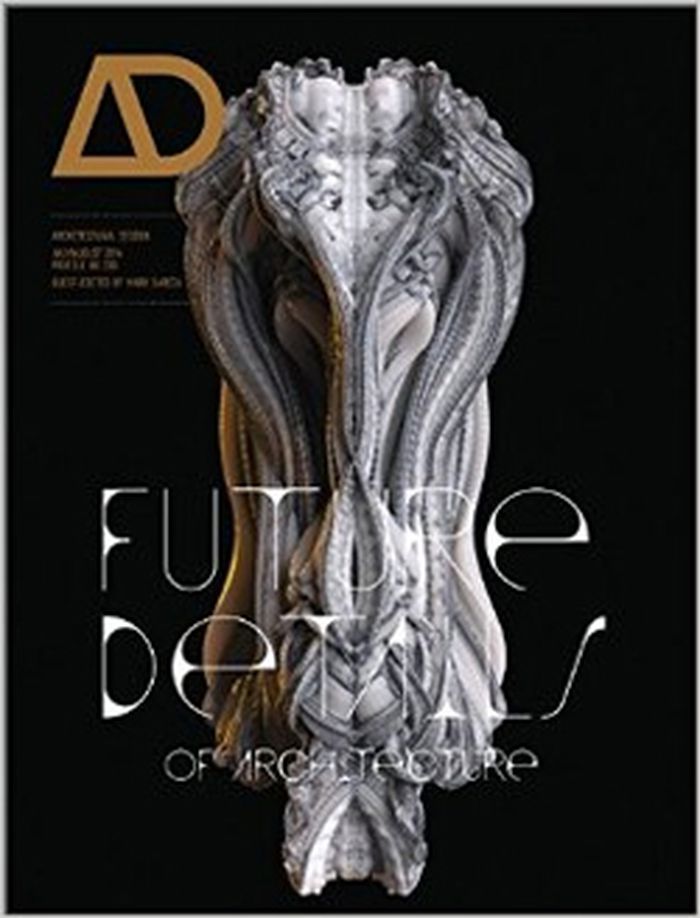
Despite the exaggerated news of the untimely 'death of the detail' by Greg Lynn, the architectural detail is now more lifelike and active than ever before. In this era of digital design and production technologies, new materials, parametrics, building information modeling (BIM), augmented realities and the nano-bio-information-computation consilience, the detail is now an increasingly vital force in architecture. Though such digitally designed and produced details are diminishing in size to the molecular and nano levels, they are increasingly becoming more complex, multi-functional, high performance and self-replicating. Far from being a non-essential and final finish, this new type of highly evolved high-tech detail is rapidly becoming the indispensable and critical core, the (sometimes iconic) DNA of an innovative new species of built environmental form that is spawning in scale and prominence, across product, interior, urban and landscape design. This issue of AD re-examines the history, theories and design of the world’s most significant spatial details, and explores their innovative potentials and possibilities for the future of architecture.
AD 84:4 Future details of architecture
Actions:
Prix:
$50.00
(disponible sur commande)
Résumé:
Despite the exaggerated news of the untimely 'death of the detail' by Greg Lynn, the architectural detail is now more lifelike and active than ever before. In this era of digital design and production technologies, new materials, parametrics, building information modeling (BIM), augmented realities and the nano-bio-information-computation consilience, the detail is now an increasingly vital force in architecture. Though such digitally designed and produced details are diminishing in size to the molecular and nano levels, they are increasingly becoming more complex, multi-functional, high performance and self-replicating. Far from being a non-essential and final finish, this new type of highly evolved high-tech detail is rapidly becoming the indispensable and critical core, the (sometimes iconic) DNA of an innovative new species of built environmental form that is spawning in scale and prominence, across product, interior, urban and landscape design. This issue of AD re-examines the history, theories and design of the world’s most significant spatial details, and explores their innovative potentials and possibilities for the future of architecture.
Classification:
périodiques
périodiques
Publication:
décembre 2014
décembre 2014
Sujet:
Revues
Revues
Classification:
livres
livres
Actions:
Prix:
$46.50
(disponible sur commande)
Résumé:
Are there significant variations in the ways planners in different nations have influenced urban, regional, and national development? Do such variations arise from differences in planning cultures, meaning the collective ethos and dominant attitude of planners in different nations towards the appropriate roles of the state, market forces, and civil society? How are such(...)
$46.50
(disponible sur commande)
Résumé:
Are there significant variations in the ways planners in different nations have influenced urban, regional, and national development? Do such variations arise from differences in planning cultures, meaning the collective ethos and dominant attitude of planners in different nations towards the appropriate roles of the state, market forces, and civil society? How are such(...)
Titre:
Comparative planning cultures
Actions:
Prix:
$46.50
(disponible sur commande)
Résumé:
Are there significant variations in the ways planners in different nations have influenced urban, regional, and national development? Do such variations arise from differences in planning cultures, meaning the collective ethos and dominant attitude of planners in different nations towards the appropriate roles of the state, market forces, and civil society? How are such professional cultures formed? Are they indigenous and immutable, or do they evolve with social, political, and economic changes both within and outside the national territories? Specifically, what has been the impact of the intensification of global interconnectedness in trade, capital flows, labor migration, and technological connectivity on national planning cultures? "Comparative planning cultures" addresses these questions, drawing on the planning experience in ten nations and at different territorial levels. The result is an understanding of planning culture that is complex and dynamic-in contrast to traditional notions of culture that evoke a sense of immutability and inheritance of unchanging social attributes of planners. The volume concludes that there is no cultural nucleus or core planning culture, no social gene that can be decoded to reveal the cultural DNA of planning practice of any nation.
Comparative planning cultures
Actions:
Prix:
$46.50
(disponible sur commande)
Résumé:
Are there significant variations in the ways planners in different nations have influenced urban, regional, and national development? Do such variations arise from differences in planning cultures, meaning the collective ethos and dominant attitude of planners in different nations towards the appropriate roles of the state, market forces, and civil society? How are such professional cultures formed? Are they indigenous and immutable, or do they evolve with social, political, and economic changes both within and outside the national territories? Specifically, what has been the impact of the intensification of global interconnectedness in trade, capital flows, labor migration, and technological connectivity on national planning cultures? "Comparative planning cultures" addresses these questions, drawing on the planning experience in ten nations and at different territorial levels. The result is an understanding of planning culture that is complex and dynamic-in contrast to traditional notions of culture that evoke a sense of immutability and inheritance of unchanging social attributes of planners. The volume concludes that there is no cultural nucleus or core planning culture, no social gene that can be decoded to reveal the cultural DNA of planning practice of any nation.
Classification:
livres
livres
Publication:
avril 2005, New York / London
avril 2005, New York / London
Sujet:
Théorie de l’urbanisme
Théorie de l’urbanisme
Classification:
livres
livres
Actions:
Prix:
$62.00
(disponible sur commande)
Résumé:
In 2014, Xu Tiantian, founder of Beijing-based studio Design and Architecture (DnA) began to work in Songyang County, in China's Zhejiang Province. Her exemplary holistic planning concept of Architectural Acupuncture, which has gained the support of local administrative and political leadership, aims at revitalising rural areas and comprises the renovation of production(...)
$62.00
(disponible sur commande)
Résumé:
In 2014, Xu Tiantian, founder of Beijing-based studio Design and Architecture (DnA) began to work in Songyang County, in China's Zhejiang Province. Her exemplary holistic planning concept of Architectural Acupuncture, which has gained the support of local administrative and political leadership, aims at revitalising rural areas and comprises the renovation of production(...)
Publication:
janvier 2021
janvier 2021
Titre:
Songyang Story: architectural acupuncture as driver for socio-economic in rural China
Actions:
Prix:
$62.00
(disponible sur commande)
Résumé:
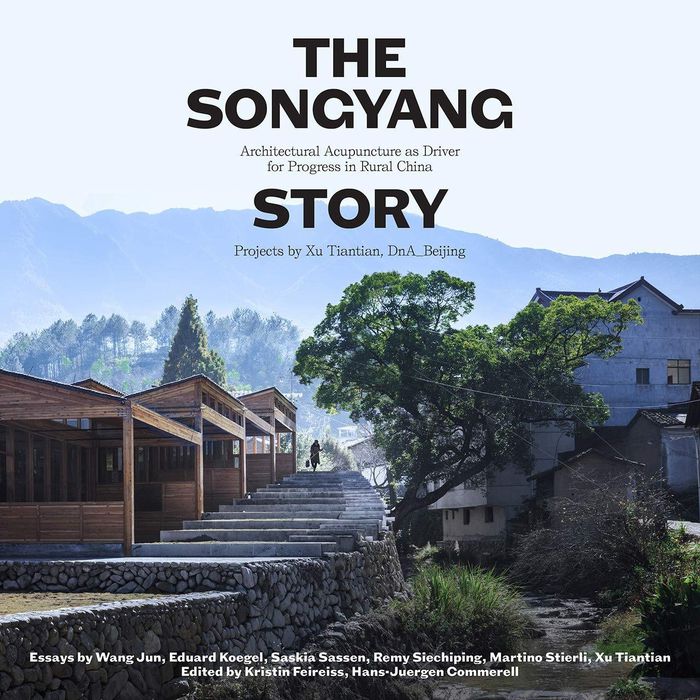
In 2014, Xu Tiantian, founder of Beijing-based studio Design and Architecture (DnA) began to work in Songyang County, in China's Zhejiang Province. Her exemplary holistic planning concept of Architectural Acupuncture, which has gained the support of local administrative and political leadership, aims at revitalising rural areas and comprises the renovation of production plants and of tourist and technical infrastructure as well as the creation of venues for culture and education and of social housing. Each of Xu's small-scale interventions at local level is unique, only the small budget is common to all of them. Moreover, they are all inter-related with each other and in their entirety serve the broader goal of mutual enhancement. This book introduces Xu's concept of Architectural Acupuncture and discusses the influence of architecture on cultural self-understanding and economic renewal in 21st-century rural China. It features some 20 new buildings and conversions of existing structures with diverse functions. Published alongside are essays by international economists, sociologists, and curators as well as by the secretary of the Songyang County Party Committee, examining the social, political, and economic implications of sustainable planning and collective action in the Chinese province.
Songyang Story: architectural acupuncture as driver for socio-economic in rural China
Actions:
Prix:
$62.00
(disponible sur commande)
Résumé:
In 2014, Xu Tiantian, founder of Beijing-based studio Design and Architecture (DnA) began to work in Songyang County, in China's Zhejiang Province. Her exemplary holistic planning concept of Architectural Acupuncture, which has gained the support of local administrative and political leadership, aims at revitalising rural areas and comprises the renovation of production plants and of tourist and technical infrastructure as well as the creation of venues for culture and education and of social housing. Each of Xu's small-scale interventions at local level is unique, only the small budget is common to all of them. Moreover, they are all inter-related with each other and in their entirety serve the broader goal of mutual enhancement. This book introduces Xu's concept of Architectural Acupuncture and discusses the influence of architecture on cultural self-understanding and economic renewal in 21st-century rural China. It features some 20 new buildings and conversions of existing structures with diverse functions. Published alongside are essays by international economists, sociologists, and curators as well as by the secretary of the Songyang County Party Committee, examining the social, political, and economic implications of sustainable planning and collective action in the Chinese province.
Classification:
livres
livres
Publication:
janvier 2021
janvier 2021
Classification:
livres
livres
Actions:
Prix:
$56.00
(disponible en magasin)
Résumé:
"Memoryscapes," the second volume in the "Architecture Connecting" series, co-published with the Louisiana Museum of Modern Art, examines the role of human narratives in shaping the spaces of tomorrow. Focusing on the intersections of architecture with anthropology, archaeology and geology, the book presents the work of two studios whose practices engage deeply with the(...)
$56.00
(disponible en magasin)
Résumé:
"Memoryscapes," the second volume in the "Architecture Connecting" series, co-published with the Louisiana Museum of Modern Art, examines the role of human narratives in shaping the spaces of tomorrow. Focusing on the intersections of architecture with anthropology, archaeology and geology, the book presents the work of two studios whose practices engage deeply with the(...)
Sujet:
L'écologie de l'architecure
L'écologie de l'architecure
Publication:
avril 2026
avril 2026
Titre:
Architecture connecting: Xu Tiantian & Tsuyoshi Tane
Actions:
Prix:
$56.00
(disponible en magasin)
Résumé:
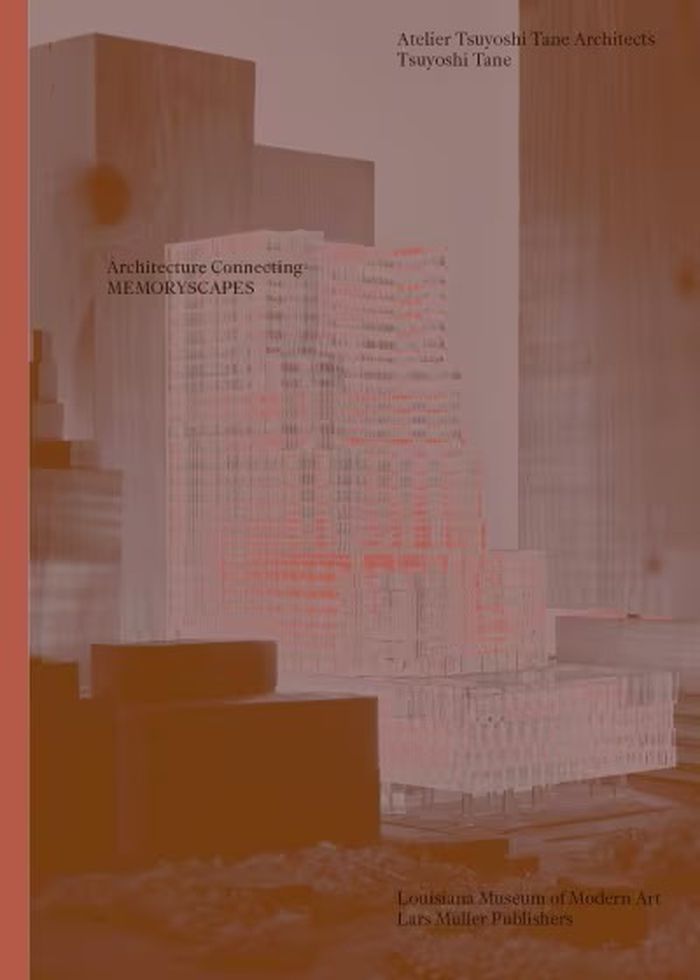
"Memoryscapes," the second volume in the "Architecture Connecting" series, co-published with the Louisiana Museum of Modern Art, examines the role of human narratives in shaping the spaces of tomorrow. Focusing on the intersections of architecture with anthropology, archaeology and geology, the book presents the work of two studios whose practices engage deeply with the past through both broad investigative research and precise architectural responses. Bound back-to-back, the publication comprises two volumes presenting the distinct approaches of DnA Architecture and Design (Beijing) and Atelier Tsuyoshi Tane Architects (ATTA, Tokyo and Paris). DnA’s practice of "architectural acupuncture" focuses on the social and economic regeneration of rural Chinese communities through targeted interventions that revive long-standing cultural practices, while ATTA’s "Archaeology of the Future" draws on the layered memories of places to create future possibilities across architecture, urban planning and exhibition design, in an international context. Led by Xu Tiantian and Tsuyoshi Tane, respectively, the two studios share an approach that connects social traditions, cultural heritage, craftsmanship and production conditions within complex, site-specific frameworks. Through illustrated essays and project dossiers, the publication traces how these practices draw on lived histories and place-based knowledge to generate new architectural narratives, bridging the past and the future in response to contemporary needs.
Architecture connecting: Xu Tiantian & Tsuyoshi Tane
Actions:
Prix:
$56.00
(disponible en magasin)
Résumé:
"Memoryscapes," the second volume in the "Architecture Connecting" series, co-published with the Louisiana Museum of Modern Art, examines the role of human narratives in shaping the spaces of tomorrow. Focusing on the intersections of architecture with anthropology, archaeology and geology, the book presents the work of two studios whose practices engage deeply with the past through both broad investigative research and precise architectural responses. Bound back-to-back, the publication comprises two volumes presenting the distinct approaches of DnA Architecture and Design (Beijing) and Atelier Tsuyoshi Tane Architects (ATTA, Tokyo and Paris). DnA’s practice of "architectural acupuncture" focuses on the social and economic regeneration of rural Chinese communities through targeted interventions that revive long-standing cultural practices, while ATTA’s "Archaeology of the Future" draws on the layered memories of places to create future possibilities across architecture, urban planning and exhibition design, in an international context. Led by Xu Tiantian and Tsuyoshi Tane, respectively, the two studios share an approach that connects social traditions, cultural heritage, craftsmanship and production conditions within complex, site-specific frameworks. Through illustrated essays and project dossiers, the publication traces how these practices draw on lived histories and place-based knowledge to generate new architectural narratives, bridging the past and the future in response to contemporary needs.
Classification:
livres
livres
Publication:
avril 2026
avril 2026
Sujet:
L'écologie de l'architecure
L'écologie de l'architecure
Classification:
livres
livres
Actions:
Prix:
$45.95
(disponible sur commande)
Résumé:
First published in 1917, On Growth and Form was at once revolutionary and conservative. Scottish embryologist D'Arcy Wentworth Thompson (1860-1948) grew up in the newly cast shadow of Darwinism, and he took issue with some of the orthodoxies of the day--not because they were necessarily wrong, he said, but because they violated the spirit of Occam's razor, in which simple(...)
$45.95
(disponible sur commande)
Résumé:
First published in 1917, On Growth and Form was at once revolutionary and conservative. Scottish embryologist D'Arcy Wentworth Thompson (1860-1948) grew up in the newly cast shadow of Darwinism, and he took issue with some of the orthodoxies of the day--not because they were necessarily wrong, he said, but because they violated the spirit of Occam's razor, in which simple(...)
Publication:
janvier 1900, New York
janvier 1900, New York
Titre:
On growth and form: the complete revised edition
Actions:
Prix:
$45.95
(disponible sur commande)
Résumé:
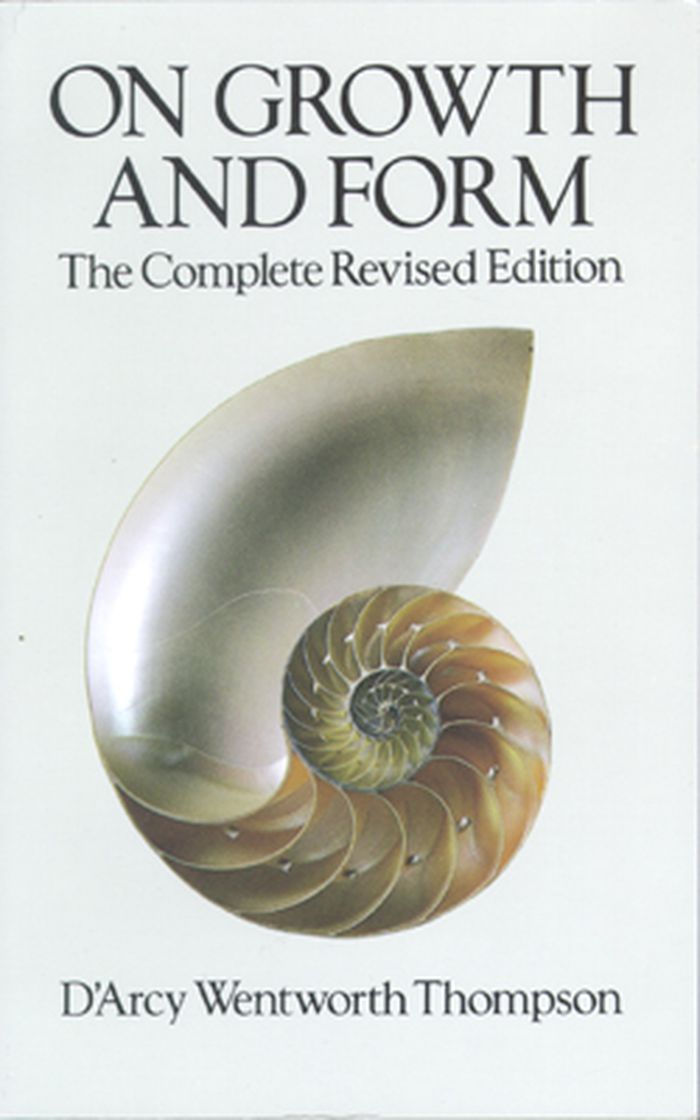
First published in 1917, On Growth and Form was at once revolutionary and conservative. Scottish embryologist D'Arcy Wentworth Thompson (1860-1948) grew up in the newly cast shadow of Darwinism, and he took issue with some of the orthodoxies of the day--not because they were necessarily wrong, he said, but because they violated the spirit of Occam's razor, in which simple explanations are preferable to complex ones. In the case of such subjects as the growth of eggs, skeletons, and crystals, Thompson cited mathematical authority: these were matters of "economy and transformation," and they could be explained by laws governing surface tension and the like. (He doubtless would have enjoyed the study of fractals, which came after his time.) In On Growth and Form, he examines such matters as the curve of frequency or bell curve (which explains variations in height among 10-year-old schoolboys, the florets of a daisy, the distribution of darts on a cork board, the thickness of stripes along a zebra's flanks, the shape of mountain ranges and sand dunes) and spirals (which turn up everywhere in nature you look: in the curve of a seashell, the swirl of water boiling in a saucepan, the sweep of faraway nebulae, the twist of a strand of DNA, the turns of the labyrinth in which the legendary Minotaur lived out its days). The result is an astonishingly varied book that repays skimming and close reading alike.
On growth and form: the complete revised edition
Actions:
Prix:
$45.95
(disponible sur commande)
Résumé:
First published in 1917, On Growth and Form was at once revolutionary and conservative. Scottish embryologist D'Arcy Wentworth Thompson (1860-1948) grew up in the newly cast shadow of Darwinism, and he took issue with some of the orthodoxies of the day--not because they were necessarily wrong, he said, but because they violated the spirit of Occam's razor, in which simple explanations are preferable to complex ones. In the case of such subjects as the growth of eggs, skeletons, and crystals, Thompson cited mathematical authority: these were matters of "economy and transformation," and they could be explained by laws governing surface tension and the like. (He doubtless would have enjoyed the study of fractals, which came after his time.) In On Growth and Form, he examines such matters as the curve of frequency or bell curve (which explains variations in height among 10-year-old schoolboys, the florets of a daisy, the distribution of darts on a cork board, the thickness of stripes along a zebra's flanks, the shape of mountain ranges and sand dunes) and spirals (which turn up everywhere in nature you look: in the curve of a seashell, the swirl of water boiling in a saucepan, the sweep of faraway nebulae, the twist of a strand of DNA, the turns of the labyrinth in which the legendary Minotaur lived out its days). The result is an astonishingly varied book that repays skimming and close reading alike.
Classification:
livres
livres
Publication:
janvier 1900, New York
janvier 1900, New York
Classification:
livres
livres
Prix:
$72.95
(disponible sur commande)
Résumé:
Landforms are a fast-developing art form that enjoy a wide following today, because of their multiple uses and their enveloping beauty. As formal landscapes that often arise from necessity - recycling a coal site for human use or making new use of excess earth - they are a pleasure to walk over and through. In this collection of his recent work, Charles Jencks explains(...)
$72.95
(disponible sur commande)
Résumé:
Landforms are a fast-developing art form that enjoy a wide following today, because of their multiple uses and their enveloping beauty. As formal landscapes that often arise from necessity - recycling a coal site for human use or making new use of excess earth - they are a pleasure to walk over and through. In this collection of his recent work, Charles Jencks explains(...)
Titre:
The universe in the landscape: landforms by Charles Jencks
Actions:
Prix:
$72.95
(disponible sur commande)
Résumé:
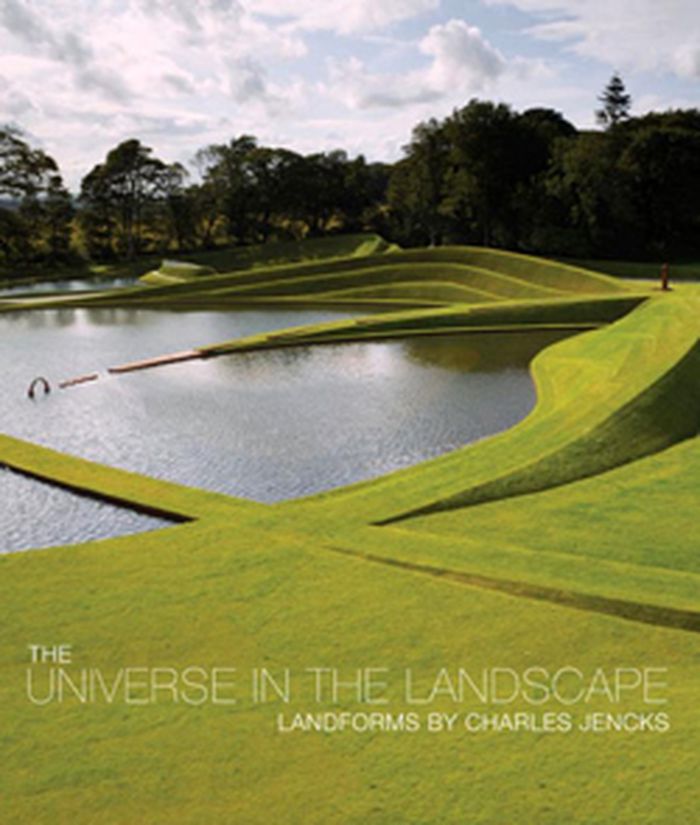
Landforms are a fast-developing art form that enjoy a wide following today, because of their multiple uses and their enveloping beauty. As formal landscapes that often arise from necessity - recycling a coal site for human use or making new use of excess earth - they are a pleasure to walk over and through. In this collection of his recent work, Charles Jencks explains his particular approach to the landform. Like the prehistoric earthworks of Britain that have been an inspiration, such as Stonehenge, his landforms contain cosmic symbolism, and they draw together sculpture, epigraphy, water, gardens, scrap metal and architecture. They address perennial themes - identity, patterns of nature, death and the power of life - but in a contemporary way, based on the insights of science. So Jencks portrays universal aspects of DNA, the spacetime warp of a black hole, the extraordinary way cells divide and unite and some basic forms of life. In this publication Jencks seeks to define a new landscape iconography based on forms and themes that may be eternal, in the sense that they crystallise nature's laws, some of which have been recently discovered. To see a world in a grain of sand was a poetic quest of William Blake and, in a different sense, to find the universe in a ritual landscape was a goal of prehistoric cultures. Jencks allies these spiritual affinities with the view of science that stresses the common patterns that underlie all parts of the cosmos, thus making them like our home planet, and the universe in a landscape.
The universe in the landscape: landforms by Charles Jencks
Actions:
Prix:
$72.95
(disponible sur commande)
Résumé:
Landforms are a fast-developing art form that enjoy a wide following today, because of their multiple uses and their enveloping beauty. As formal landscapes that often arise from necessity - recycling a coal site for human use or making new use of excess earth - they are a pleasure to walk over and through. In this collection of his recent work, Charles Jencks explains his particular approach to the landform. Like the prehistoric earthworks of Britain that have been an inspiration, such as Stonehenge, his landforms contain cosmic symbolism, and they draw together sculpture, epigraphy, water, gardens, scrap metal and architecture. They address perennial themes - identity, patterns of nature, death and the power of life - but in a contemporary way, based on the insights of science. So Jencks portrays universal aspects of DNA, the spacetime warp of a black hole, the extraordinary way cells divide and unite and some basic forms of life. In this publication Jencks seeks to define a new landscape iconography based on forms and themes that may be eternal, in the sense that they crystallise nature's laws, some of which have been recently discovered. To see a world in a grain of sand was a poetic quest of William Blake and, in a different sense, to find the universe in a ritual landscape was a goal of prehistoric cultures. Jencks allies these spiritual affinities with the view of science that stresses the common patterns that underlie all parts of the cosmos, thus making them like our home planet, and the universe in a landscape.
Classification:
livres
livres
Publication:
juin 2011
juin 2011


