


110 Résultats
Classification:
livres
livres
Titre:
731.52 cm of land
731.52 cm of land
Actions:
Prix:
$35.00
(disponible en magasin)
Résumé:
Building loosely on the form of a pocket-sized travel guide, "731.52 cm of land" unfolds into a 731.52 cm wide miniature landscape. Composed of hand-painted and digitally illustrated images stitched together into a continuous sequence, the book includes a poem and short narrative by the artist, an essay co-authored with Daniella Sanader, and an afterword by Heather Canlas(...)
$35.00
(disponible en magasin)
Résumé:
Building loosely on the form of a pocket-sized travel guide, "731.52 cm of land" unfolds into a 731.52 cm wide miniature landscape. Composed of hand-painted and digitally illustrated images stitched together into a continuous sequence, the book includes a poem and short narrative by the artist, an essay co-authored with Daniella Sanader, and an afterword by Heather Canlas(...)
Titre:
731.52 cm of land
Actions:
Prix:
$35.00
(disponible en magasin)
Résumé:
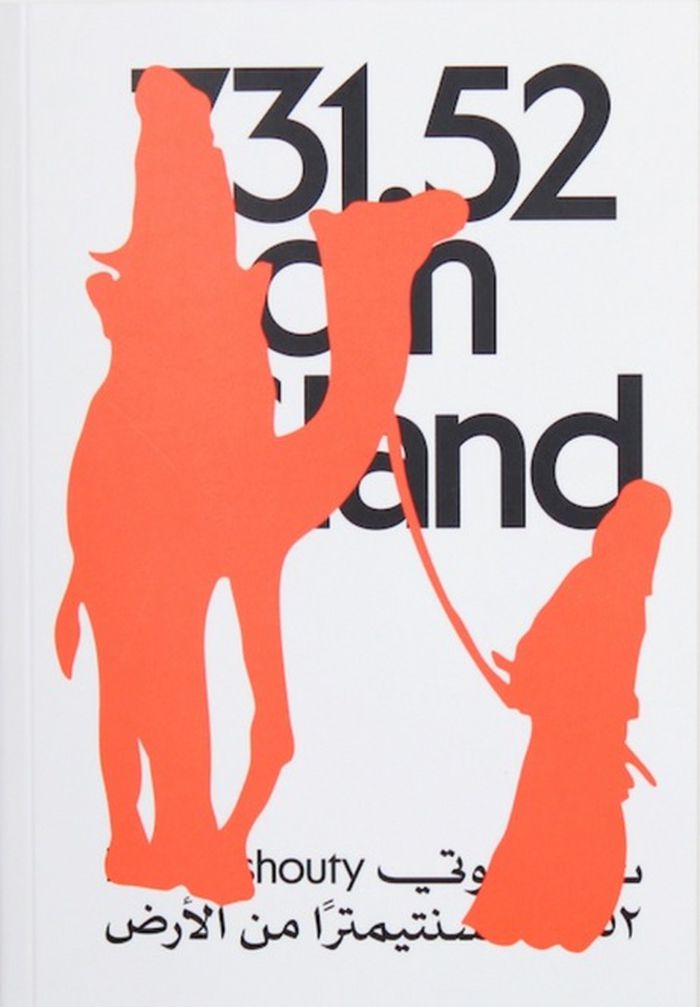
Building loosely on the form of a pocket-sized travel guide, "731.52 cm of land" unfolds into a 731.52 cm wide miniature landscape. Composed of hand-painted and digitally illustrated images stitched together into a continuous sequence, the book includes a poem and short narrative by the artist, an essay co-authored with Daniella Sanader, and an afterword by Heather Canlas Rigg. A sticker sheet featuring animal and plant forms is included as an insert. Functioning as a poetic visual-textual essay, the book unsettles the familiar logic of travel guides and the explorer’s gaze. It troubles the impulses of sightseeing, navigation, and tourism, while calling into question the authoritative languages of archaeology, botany, taxonomy, and cartography. It emerges from ongoing inquiries in Nour Bishouty’s practice around permission, legibility, and understanding.
731.52 cm of land
Actions:
Prix:
$35.00
(disponible en magasin)
Résumé:
Building loosely on the form of a pocket-sized travel guide, "731.52 cm of land" unfolds into a 731.52 cm wide miniature landscape. Composed of hand-painted and digitally illustrated images stitched together into a continuous sequence, the book includes a poem and short narrative by the artist, an essay co-authored with Daniella Sanader, and an afterword by Heather Canlas Rigg. A sticker sheet featuring animal and plant forms is included as an insert. Functioning as a poetic visual-textual essay, the book unsettles the familiar logic of travel guides and the explorer’s gaze. It troubles the impulses of sightseeing, navigation, and tourism, while calling into question the authoritative languages of archaeology, botany, taxonomy, and cartography. It emerges from ongoing inquiries in Nour Bishouty’s practice around permission, legibility, and understanding.
Classification:
livres
livres
Publication:
septembre 2025
septembre 2025
Classification:
livres
livres
Titre:
Designing type
Designing type
Actions:
Prix:
$32.95
(disponible sur commande)
Résumé:
This book explains the processes behind creating and designing type. Author Karen Cheng discusses issues of structure, optical compensation, and legibility, with special emphasis given to the often overlooked relationships between letters and shapes in a font. The book is illustrated with numerous diagrams that demonstrate visual principles and letter construction,(...)
$32.95
(disponible sur commande)
Résumé:
This book explains the processes behind creating and designing type. Author Karen Cheng discusses issues of structure, optical compensation, and legibility, with special emphasis given to the often overlooked relationships between letters and shapes in a font. The book is illustrated with numerous diagrams that demonstrate visual principles and letter construction,(...)
Titre:
Designing type
Actions:
Prix:
$32.95
(disponible sur commande)
Résumé:
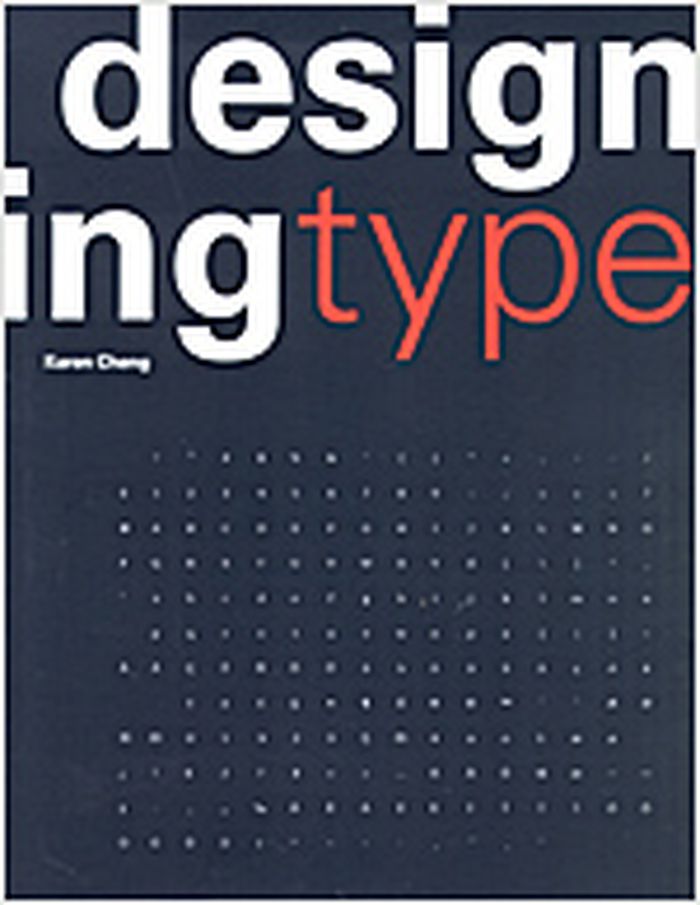
This book explains the processes behind creating and designing type. Author Karen Cheng discusses issues of structure, optical compensation, and legibility, with special emphasis given to the often overlooked relationships between letters and shapes in a font. The book is illustrated with numerous diagrams that demonstrate visual principles and letter construction, ranging from informal progress sketches to final type designs and diagrams. A wide range of classic and modern typefaces is analyzed, including those from many premier contemporary type foundaries. Introductory essays and diagrams emphasize the history of type, the primary systems of typeface classification, the two main proportional systems for type, the parts of a letter, the effects of new technology on design methodology, the optical illusions that affect density and balance in letterforms, and the differences in form between basic serif typestyles. The book provides detailed guidelines for creating serif and sans serif letters, numbers, punctuation, and accents.
Designing type
Actions:
Prix:
$32.95
(disponible sur commande)
Résumé:
This book explains the processes behind creating and designing type. Author Karen Cheng discusses issues of structure, optical compensation, and legibility, with special emphasis given to the often overlooked relationships between letters and shapes in a font. The book is illustrated with numerous diagrams that demonstrate visual principles and letter construction, ranging from informal progress sketches to final type designs and diagrams. A wide range of classic and modern typefaces is analyzed, including those from many premier contemporary type foundaries. Introductory essays and diagrams emphasize the history of type, the primary systems of typeface classification, the two main proportional systems for type, the parts of a letter, the effects of new technology on design methodology, the optical illusions that affect density and balance in letterforms, and the differences in form between basic serif typestyles. The book provides detailed guidelines for creating serif and sans serif letters, numbers, punctuation, and accents.
Classification:
livres
livres
Publication:
mai 2006, New Haven
mai 2006, New Haven
Classification:
livres
livres
Actions:
Exemplaires:
Description:
67 pages : illustrations (chiefly color) ; 18 cm
Description:
67 pages : illustrations (chiefly color) ; 18 cm
Auteur:
Sujet:
Publication:
Berlin : Aedes, [2022], ©2022
Berlin : Aedes, [2022], ©2022
Titre:
neri&hu design and research office : reflective nostalgia / [Preface: Kristin Feireiss and Hans-Jürgen Commerell].
Actions:
Exemplaires:
Description:
67 pages : illustrations (chiefly color) ; 18 cm
neri&hu design and research office : reflective nostalgia / [Preface: Kristin Feireiss and Hans-Jürgen Commerell].
Actions:
Exemplaires:
Description:
67 pages : illustrations (chiefly color) ; 18 cm
Classification:
livres
livres
Publication:
Berlin : Aedes, [2022], ©2022
Berlin : Aedes, [2022], ©2022
Auteur:
Sujet:
Classification:
livres
livres
Exemplaires:
Description:
xii, 262 pages, 16 unnumbered pages of plates : illustrations (some color), maps, plans ; 27 cm.
Description:
xii, 262 pages, 16 unnumbered pages of plates : illustrations (some color), maps, plans ; 27 cm.
Auteur:
Sujet:
Publication:
Philadelphia : University of Pennsylvania Press, ©2008.
Philadelphia : University of Pennsylvania Press, ©2008.
Titre:
Islamic gardens and landscapes / D. Fairchild Ruggles.
Actions:
Exemplaires:
Description:
xii, 262 pages, 16 unnumbered pages of plates : illustrations (some color), maps, plans ; 27 cm.
Islamic gardens and landscapes / D. Fairchild Ruggles.
Actions:
Exemplaires:
Description:
xii, 262 pages, 16 unnumbered pages of plates : illustrations (some color), maps, plans ; 27 cm.
Classification:
livres
livres
Publication:
Philadelphia : University of Pennsylvania Press, ©2008.
Philadelphia : University of Pennsylvania Press, ©2008.
Auteur:
Sujet:
Classification:
livres
livres
Titre:
Photography by the book : Wall, Matta-Clark and the photobook after Ruscha / by Gregory J. Harris.
Photography by the book : Wall, Matta-Clark and the photobook after Ruscha / by Gregory J. Harris.
Actions:
Exemplaires:
Description:
1 online resource (iii, 83 leaves) : illustrations (chiefly color), facsimiles
Description:
1 online resource (iii, 83 leaves) : illustrations (chiefly color), facsimiles
Auteur:
Sujet:
Publication:
2010.
2010.
Titre:
Photography by the book : Wall, Matta-Clark and the photobook after Ruscha / by Gregory J. Harris.
Actions:
Exemplaires:
Description:
1 online resource (iii, 83 leaves) : illustrations (chiefly color), facsimiles
Photography by the book : Wall, Matta-Clark and the photobook after Ruscha / by Gregory J. Harris.
Actions:
Exemplaires:
Description:
1 online resource (iii, 83 leaves) : illustrations (chiefly color), facsimiles
Classification:
livres
livres
Publication:
2010.
2010.
Auteur:
Sujet:
Classification:
livres
livres
Prix:
$24.95
(disponible sur commande)
Résumé:
When Guy Debord identified the image consumerism of “the society of the spectacle” in the 1960s, he could not have forecast that language would threaten to eclipse the image in the medium of personal technology, creating a world of ubiquitous legibility. Today, we read anytime and anywhere, on screens of all sizes; we read not only newspaper articles, but also databases,(...)
$24.95
(disponible sur commande)
Résumé:
When Guy Debord identified the image consumerism of “the society of the spectacle” in the 1960s, he could not have forecast that language would threaten to eclipse the image in the medium of personal technology, creating a world of ubiquitous legibility. Today, we read anytime and anywhere, on screens of all sizes; we read not only newspaper articles, but also databases,(...)
Titre:
I read where I am : exploring new information cultures
Actions:
Prix:
$24.95
(disponible sur commande)
Résumé:
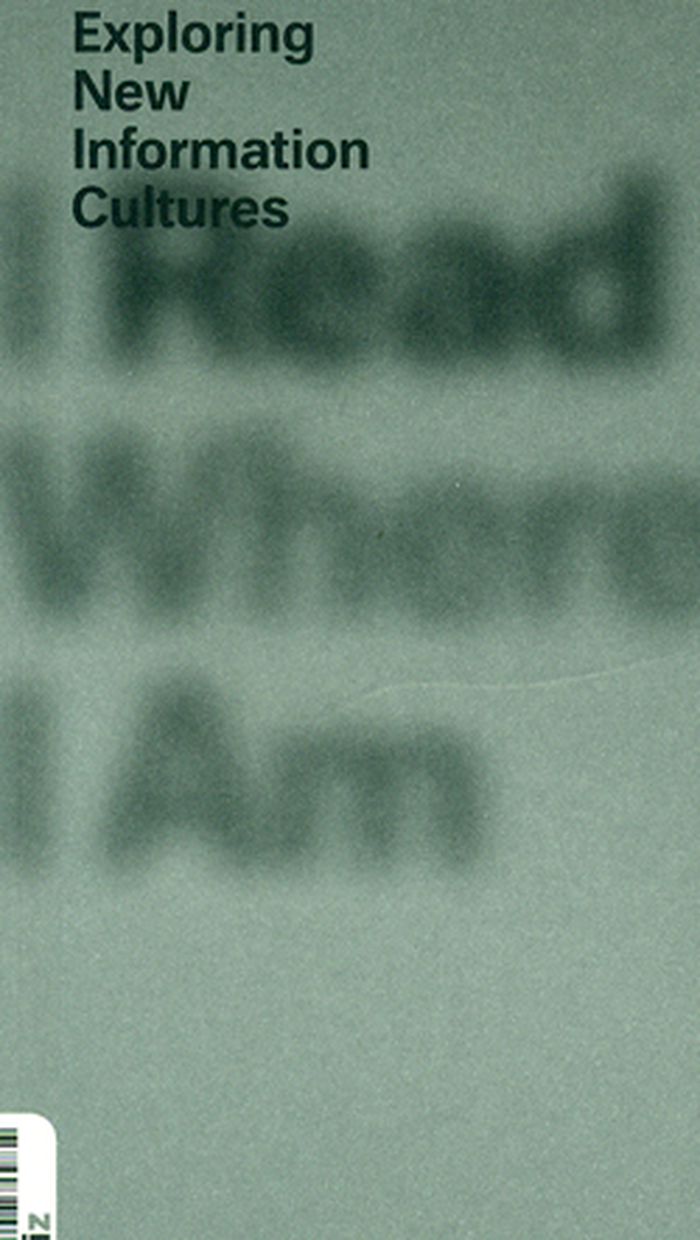
When Guy Debord identified the image consumerism of “the society of the spectacle” in the 1960s, he could not have forecast that language would threaten to eclipse the image in the medium of personal technology, creating a world of ubiquitous legibility. Today, we read anytime and anywhere, on screens of all sizes; we read not only newspaper articles, but also databases, online archives, search engine results and navigational structures. We read while out on the street, at home or in the office, with a complete library to hand - but less and less we read a book at home on the couch. In other words, we are, or are becoming, a different kind of reader. I Read Where I Am contains texts about the future of reading and the status of the word in the digital age from designers, philosophers, journalists and politicians, looking at both sides of the argument for printed and digital reading matter.
I read where I am : exploring new information cultures
Actions:
Prix:
$24.95
(disponible sur commande)
Résumé:
When Guy Debord identified the image consumerism of “the society of the spectacle” in the 1960s, he could not have forecast that language would threaten to eclipse the image in the medium of personal technology, creating a world of ubiquitous legibility. Today, we read anytime and anywhere, on screens of all sizes; we read not only newspaper articles, but also databases, online archives, search engine results and navigational structures. We read while out on the street, at home or in the office, with a complete library to hand - but less and less we read a book at home on the couch. In other words, we are, or are becoming, a different kind of reader. I Read Where I Am contains texts about the future of reading and the status of the word in the digital age from designers, philosophers, journalists and politicians, looking at both sides of the argument for printed and digital reading matter.
Classification:
livres
livres
Publication:
septembre 2011
septembre 2011
Sujet:
Épistémologie et réseau
Épistémologie et réseau
Classification:
livres
livres
Titre:
Typographic systems
Typographic systems
Actions:
Prix:
$34.95
(disponible sur commande)
Résumé:
Typographic organization has always been a complex system in that there are so many elements at play, such as hierarchy, order of reading, legibility, and contrast. In Typographic Systems, Kim Elam, author of our bestselling books, Geometry of Design and Grid Systems, explores eight major structural frameworks beyond the grid—including random, radial, modular, and(...)
$34.95
(disponible sur commande)
Résumé:
Typographic organization has always been a complex system in that there are so many elements at play, such as hierarchy, order of reading, legibility, and contrast. In Typographic Systems, Kim Elam, author of our bestselling books, Geometry of Design and Grid Systems, explores eight major structural frameworks beyond the grid—including random, radial, modular, and(...)
Titre:
Typographic systems
Actions:
Prix:
$34.95
(disponible sur commande)
Résumé:
Typographic organization has always been a complex system in that there are so many elements at play, such as hierarchy, order of reading, legibility, and contrast. In Typographic Systems, Kim Elam, author of our bestselling books, Geometry of Design and Grid Systems, explores eight major structural frameworks beyond the grid—including random, radial, modular, and bilateral systems. By taking the reader through exercises, student work, and professional examples, Elam offers a broad range of design solutions. Once essential visual organization systems are understood the designer can fluidly organize words or images within a structure, combination of structures, or a variation of a structure. With clarity and substance, each system—from the structured axis to the nonhierarchical radial array—is explained and explored so that the reader comes away with a better understanding of these intricate complex arrangements. Typographic Systems is the seventh title in our bestselling Design Briefs series, which has sold more than 100,000 copies worldwide.
Typographic systems
Actions:
Prix:
$34.95
(disponible sur commande)
Résumé:
Typographic organization has always been a complex system in that there are so many elements at play, such as hierarchy, order of reading, legibility, and contrast. In Typographic Systems, Kim Elam, author of our bestselling books, Geometry of Design and Grid Systems, explores eight major structural frameworks beyond the grid—including random, radial, modular, and bilateral systems. By taking the reader through exercises, student work, and professional examples, Elam offers a broad range of design solutions. Once essential visual organization systems are understood the designer can fluidly organize words or images within a structure, combination of structures, or a variation of a structure. With clarity and substance, each system—from the structured axis to the nonhierarchical radial array—is explained and explored so that the reader comes away with a better understanding of these intricate complex arrangements. Typographic Systems is the seventh title in our bestselling Design Briefs series, which has sold more than 100,000 copies worldwide.
Classification:
livres
livres
Publication:
avril 2007, New York
avril 2007, New York
Classification:
livres
livres

Actions:
Prix:
$56.95
(disponible sur commande)
Résumé:
What would it mean to treat an interval of space as a line, thus drawing an empty void into a constellation of art and meaning-laden things? In this book, Irene Small elucidates the signal discovery of the Brazilian artist Lygia Clark in 1954: a fissure of space between material elements that Clark called "the organic line." For much of the history of art, Clark’s(...)
$56.95
(disponible sur commande)
Résumé:
What would it mean to treat an interval of space as a line, thus drawing an empty void into a constellation of art and meaning-laden things? In this book, Irene Small elucidates the signal discovery of the Brazilian artist Lygia Clark in 1954: a fissure of space between material elements that Clark called "the organic line." For much of the history of art, Clark’s(...)
Titre:
The organic line: Toward a topology of modernism
Actions:
Prix:
$56.95
(disponible sur commande)
Résumé:
What would it mean to treat an interval of space as a line, thus drawing an empty void into a constellation of art and meaning-laden things? In this book, Irene Small elucidates the signal discovery of the Brazilian artist Lygia Clark in 1954: a fissure of space between material elements that Clark called "the organic line." For much of the history of art, Clark’s discovery, much like the organic line, has escaped legibility. Once recognized, however, the line has seismic repercussions for rethinking foundational concepts such as mark, limit, surface, and edge. A spatial cavity that binds discrepant entities together, the organic line transforms planes into flexible topologies, borders into membranes, and interstices into points of connection. As a paradigm, the organic line has profound historiographic implications as well, inviting us to set aside traditional notions of influence and origin in favor of what Small terms weak links and plagiotropic relations.
The organic line: Toward a topology of modernism
Actions:
Prix:
$56.95
(disponible sur commande)
Résumé:
What would it mean to treat an interval of space as a line, thus drawing an empty void into a constellation of art and meaning-laden things? In this book, Irene Small elucidates the signal discovery of the Brazilian artist Lygia Clark in 1954: a fissure of space between material elements that Clark called "the organic line." For much of the history of art, Clark’s discovery, much like the organic line, has escaped legibility. Once recognized, however, the line has seismic repercussions for rethinking foundational concepts such as mark, limit, surface, and edge. A spatial cavity that binds discrepant entities together, the organic line transforms planes into flexible topologies, borders into membranes, and interstices into points of connection. As a paradigm, the organic line has profound historiographic implications as well, inviting us to set aside traditional notions of influence and origin in favor of what Small terms weak links and plagiotropic relations.
Classification:
livres
livres
Publication:
octobre 2024
octobre 2024
Sujet:
Théorie de l’art
Théorie de l’art
Classification:
livres
livres
Actions:
Prix:
$39.95
(disponible sur commande)
Résumé:
In the twenty-first century, the widespread integration of computer technologies has brought text-based information into many facets of everyday life. This has caused an ever-growing interest in typography across many fields of visual communication, where text and letterform play a central role in disseminating social trends and reflecting the spirit of the times.(...)
$39.95
(disponible sur commande)
Résumé:
In the twenty-first century, the widespread integration of computer technologies has brought text-based information into many facets of everyday life. This has caused an ever-growing interest in typography across many fields of visual communication, where text and letterform play a central role in disseminating social trends and reflecting the spirit of the times.(...)
Publication:
mars 2002, London
mars 2002, London
Titre:
Arabic typography : a comprehensive sourcebook
Actions:
Prix:
$39.95
(disponible sur commande)
Résumé:
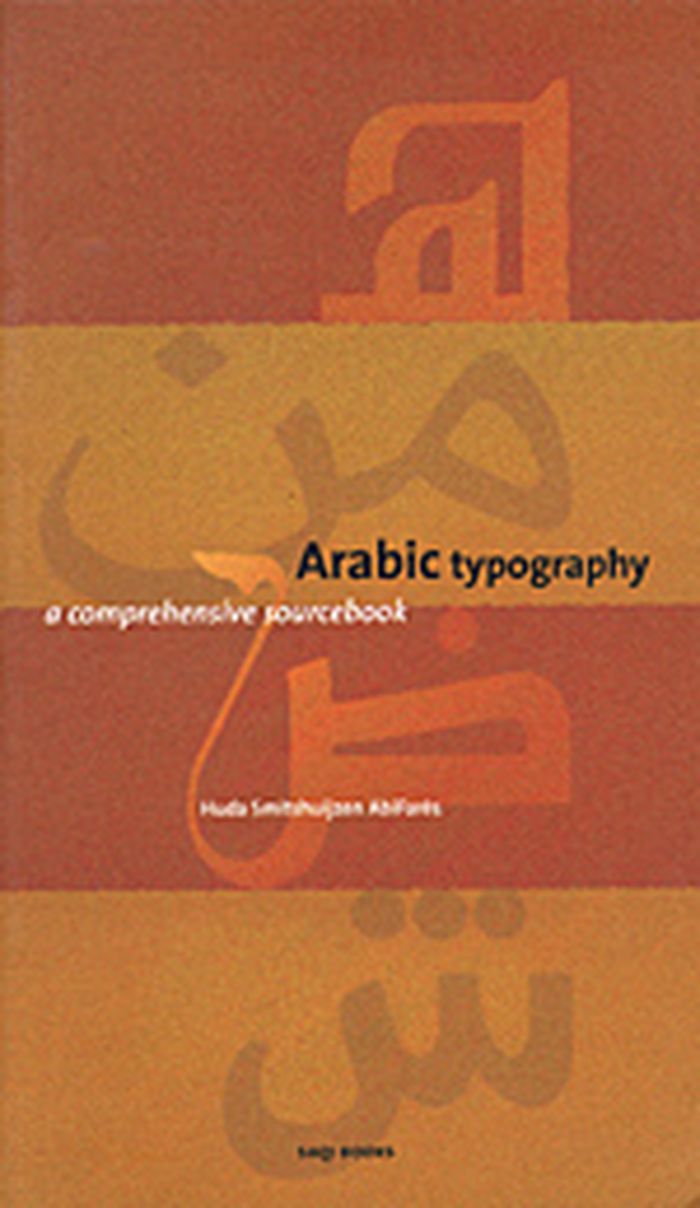
In the twenty-first century, the widespread integration of computer technologies has brought text-based information into many facets of everyday life. This has caused an ever-growing interest in typography across many fields of visual communication, where text and letterform play a central role in disseminating social trends and reflecting the spirit of the times. "Arabic Typography" takes the reader through a comprehensive study of Arabic letterforms, starting with a concise historical overview of their development and styles, and proceeding to the latest design and technological advances. It attempts to establish the foundations for Arabic type-design by drawing lessons from past practices and aesthetic conventions, in order to retain the enduring traits that are of relevance for improvement and innovation in future type-design creations. Going beyond the historical facts to discuss current design issues pertaining to the creation and production of letterforms, it presents Arabic typographic design as an essential communication tool that should marry functionality and legibility to aesthetic delight.
Arabic typography : a comprehensive sourcebook
Actions:
Prix:
$39.95
(disponible sur commande)
Résumé:
In the twenty-first century, the widespread integration of computer technologies has brought text-based information into many facets of everyday life. This has caused an ever-growing interest in typography across many fields of visual communication, where text and letterform play a central role in disseminating social trends and reflecting the spirit of the times. "Arabic Typography" takes the reader through a comprehensive study of Arabic letterforms, starting with a concise historical overview of their development and styles, and proceeding to the latest design and technological advances. It attempts to establish the foundations for Arabic type-design by drawing lessons from past practices and aesthetic conventions, in order to retain the enduring traits that are of relevance for improvement and innovation in future type-design creations. Going beyond the historical facts to discuss current design issues pertaining to the creation and production of letterforms, it presents Arabic typographic design as an essential communication tool that should marry functionality and legibility to aesthetic delight.
Classification:
livres
livres
Publication:
mars 2002, London
mars 2002, London
Classification:
livres
livres
Actions:
Prix:
$65.95
(disponible sur commande)
Résumé:
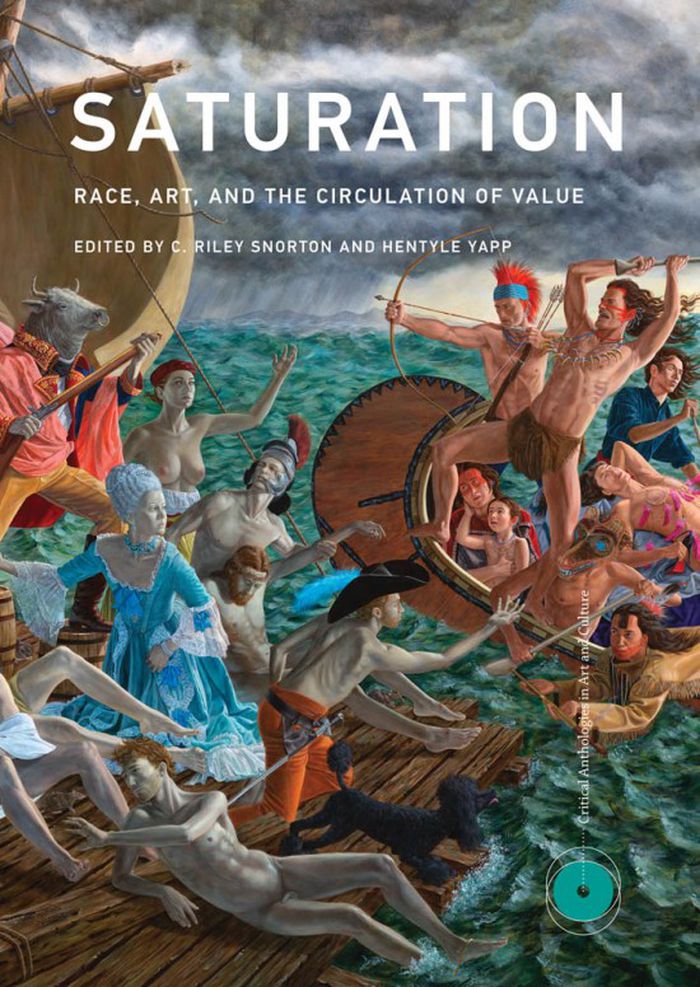
The book uses saturation as an organizing concept, in part to suggest that current paradigms cannot encompass the complex realities of race. Saturation provides avenues to situate race as it relates to perception, science, aesthetics, the corporeal, and the sonic. In color theory, saturation is understood in terms of the degree to which a color differs from whiteness. In(...)
$65.95
(disponible sur commande)
Résumé:
The book uses saturation as an organizing concept, in part to suggest that current paradigms cannot encompass the complex realities of race. Saturation provides avenues to situate race as it relates to perception, science, aesthetics, the corporeal, and the sonic. In color theory, saturation is understood in terms of the degree to which a color differs from whiteness. In(...)
Titre:
Saturation: Race, art, and the circulation of value
Actions:
Prix:
$65.95
(disponible sur commande)
Résumé:
The book uses saturation as an organizing concept, in part to suggest that current paradigms cannot encompass the complex realities of race. Saturation provides avenues to situate race as it relates to perception, science, aesthetics, the corporeal, and the sonic. In color theory, saturation is understood in terms of the degree to which a color differs from whiteness. In science, saturation points describe not only the moment in which race exceeds legibility, but also how diversity operates for institutions. Contributors consider how racialization, globalization, and the production and consumption of art converge in the art market, engaging such topics as racial capitalism, the aesthetics of colonialism, and disability cultures. They examine methods for theorizing race and representation, including “aboutness,” which interprets artworks by racialized subjects as being “about” race; modes of unruly, decolonized, and queer visual practices that resist disciplinary boundaries; and a model by which to think with and alongside blackness and indigeneity.
Saturation: Race, art, and the circulation of value
Actions:
Prix:
$65.95
(disponible sur commande)
Résumé:
The book uses saturation as an organizing concept, in part to suggest that current paradigms cannot encompass the complex realities of race. Saturation provides avenues to situate race as it relates to perception, science, aesthetics, the corporeal, and the sonic. In color theory, saturation is understood in terms of the degree to which a color differs from whiteness. In science, saturation points describe not only the moment in which race exceeds legibility, but also how diversity operates for institutions. Contributors consider how racialization, globalization, and the production and consumption of art converge in the art market, engaging such topics as racial capitalism, the aesthetics of colonialism, and disability cultures. They examine methods for theorizing race and representation, including “aboutness,” which interprets artworks by racialized subjects as being “about” race; modes of unruly, decolonized, and queer visual practices that resist disciplinary boundaries; and a model by which to think with and alongside blackness and indigeneity.
Classification:
livres
livres
Publication:
décembre 2021
décembre 2021
Sujet:
Théorie de l’art
Théorie de l’art


