


1018 Résultats
Classification:
livres
livres
Titre:
Origami treasure chest
Origami treasure chest
Actions:
Prix:
$24.95
(disponible sur commande)
Résumé:
This rich collection of paper designs by a Japanese expert will inspire origami lovers of all ages. Here are 86 designs, carefully demonstrated in step-by-step photographs, not drawings. The use of color on every page further simplifies instruction. The patterns can be made singly or combined, as shown, to make centerpieces, holiday decorations, seasonal cards, decorative(...)
$24.95
(disponible sur commande)
Résumé:
This rich collection of paper designs by a Japanese expert will inspire origami lovers of all ages. Here are 86 designs, carefully demonstrated in step-by-step photographs, not drawings. The use of color on every page further simplifies instruction. The patterns can be made singly or combined, as shown, to make centerpieces, holiday decorations, seasonal cards, decorative(...)
Titre:
Origami treasure chest
Actions:
Prix:
$24.95
(disponible sur commande)
Résumé:
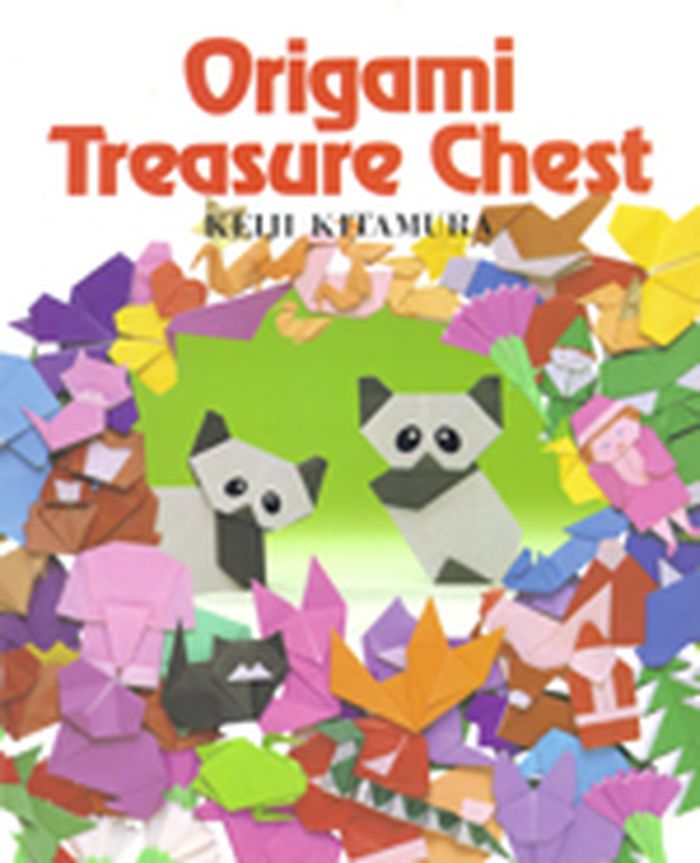
This rich collection of paper designs by a Japanese expert will inspire origami lovers of all ages. Here are 86 designs, carefully demonstrated in step-by-step photographs, not drawings. The use of color on every page further simplifies instruction. The patterns can be made singly or combined, as shown, to make centerpieces, holiday decorations, seasonal cards, decorative containers, even a whimsical fish mobile. Chapters include: - playful animals - graceful birds - barnyard creatures - perky flowers - useful containers, such as baskets, boxes and gift envelopes - seasonal designs, celebrating both Western and Japanese holidays
Origami treasure chest
Actions:
Prix:
$24.95
(disponible sur commande)
Résumé:
This rich collection of paper designs by a Japanese expert will inspire origami lovers of all ages. Here are 86 designs, carefully demonstrated in step-by-step photographs, not drawings. The use of color on every page further simplifies instruction. The patterns can be made singly or combined, as shown, to make centerpieces, holiday decorations, seasonal cards, decorative containers, even a whimsical fish mobile. Chapters include: - playful animals - graceful birds - barnyard creatures - perky flowers - useful containers, such as baskets, boxes and gift envelopes - seasonal designs, celebrating both Western and Japanese holidays
Classification:
livres
livres
Publication:
janvier 1900, Tokyo
janvier 1900, Tokyo
Sujet:
Littérature jeunesse
Littérature jeunesse
Classification:
livres
livres
Actions:
Prix:
$11.95
(disponible sur commande)
Résumé:
Sound is integral to how we experience the world, in the form of noise as well as music. But what is sound? What is the physical basis of pitch and harmony? And how are sound waves exploited in musical instruments? In this Very Short Introduction, Mike Goldsmith looks at the science of sound and explores sound in different contexts, covering the audible and inaudible,(...)
$11.95
(disponible sur commande)
Résumé:
Sound is integral to how we experience the world, in the form of noise as well as music. But what is sound? What is the physical basis of pitch and harmony? And how are sound waves exploited in musical instruments? In this Very Short Introduction, Mike Goldsmith looks at the science of sound and explores sound in different contexts, covering the audible and inaudible,(...)
Titre:
Sound: a very short introduction
Actions:
Prix:
$11.95
(disponible sur commande)
Résumé:
Sound is integral to how we experience the world, in the form of noise as well as music. But what is sound? What is the physical basis of pitch and harmony? And how are sound waves exploited in musical instruments? In this Very Short Introduction, Mike Goldsmith looks at the science of sound and explores sound in different contexts, covering the audible and inaudible, sound underground and underwater, accoustic and electric, and hearing in humans and animals. He also considers the problem of sound out of place - noise and its reduction.
Sound: a very short introduction
Actions:
Prix:
$11.95
(disponible sur commande)
Résumé:
Sound is integral to how we experience the world, in the form of noise as well as music. But what is sound? What is the physical basis of pitch and harmony? And how are sound waves exploited in musical instruments? In this Very Short Introduction, Mike Goldsmith looks at the science of sound and explores sound in different contexts, covering the audible and inaudible, sound underground and underwater, accoustic and electric, and hearing in humans and animals. He also considers the problem of sound out of place - noise and its reduction.
Classification:
livres
livres
Publication:
mars 2016
mars 2016
Sujet:
Acoustique
Acoustique
Classification:
livres
livres
Actions:
Prix:
$61.95
(disponible sur commande)
Résumé:
Based around an out-of-print anthology devoted to prehistoric collections unearthed by archaeological expeditions in Algeria, French artist Camille Henrot's latest project treats this ethnographic material as motifs of a contemporary grotesque. The scientific document photographs, diagrams, and captions becomes part of a layered array incorporating traces of our present(...)
$61.95
(disponible sur commande)
Résumé:
Based around an out-of-print anthology devoted to prehistoric collections unearthed by archaeological expeditions in Algeria, French artist Camille Henrot's latest project treats this ethnographic material as motifs of a contemporary grotesque. The scientific document photographs, diagrams, and captions becomes part of a layered array incorporating traces of our present(...)
Publication:
décembre 2015
décembre 2015
Titre:
Camille Henrot: prehistoric collections
Actions:
Prix:
$61.95
(disponible sur commande)
Résumé:
Based around an out-of-print anthology devoted to prehistoric collections unearthed by archaeological expeditions in Algeria, French artist Camille Henrot's latest project treats this ethnographic material as motifs of a contemporary grotesque. The scientific document photographs, diagrams, and captions becomes part of a layered array incorporating traces of our present age: humans, animals, plants, minerals, and other objects. Freely mixing the pre- and post-historic, archaic and actual, Henrot constructs an exploration of human bodies, information media, and meaning using dated pornography, technological refuse, tools and instruments, signs, and more.
Camille Henrot: prehistoric collections
Actions:
Prix:
$61.95
(disponible sur commande)
Résumé:
Based around an out-of-print anthology devoted to prehistoric collections unearthed by archaeological expeditions in Algeria, French artist Camille Henrot's latest project treats this ethnographic material as motifs of a contemporary grotesque. The scientific document photographs, diagrams, and captions becomes part of a layered array incorporating traces of our present age: humans, animals, plants, minerals, and other objects. Freely mixing the pre- and post-historic, archaic and actual, Henrot constructs an exploration of human bodies, information media, and meaning using dated pornography, technological refuse, tools and instruments, signs, and more.
Classification:
livres
livres
Publication:
décembre 2015
décembre 2015
Classification:
livres
livres

Titre:
Azure 313 Nov/Dec 2025
Azure 313 Nov/Dec 2025
Actions:
Prix:
$12.95
(disponible sur commande)
Résumé:
From Mexico’s revitalized public spaces to the mass timber projects that are signalling a change to Toronto’s urban landscape, the Nov/Dec 2025 issue of AZURE shines a light on climate-resilient design. We also speak with Thai architect Boonserm Premthada, whose work in rural areas benefits both humans and animals, and take a tour of Philadelphia’s new Calder Gardens, an(...)
$12.95
(disponible sur commande)
Résumé:
From Mexico’s revitalized public spaces to the mass timber projects that are signalling a change to Toronto’s urban landscape, the Nov/Dec 2025 issue of AZURE shines a light on climate-resilient design. We also speak with Thai architect Boonserm Premthada, whose work in rural areas benefits both humans and animals, and take a tour of Philadelphia’s new Calder Gardens, an(...)
Titre:
Azure 313 Nov/Dec 2025
Actions:
Prix:
$12.95
(disponible sur commande)
Résumé:
From Mexico’s revitalized public spaces to the mass timber projects that are signalling a change to Toronto’s urban landscape, the Nov/Dec 2025 issue of AZURE shines a light on climate-resilient design. We also speak with Thai architect Boonserm Premthada, whose work in rural areas benefits both humans and animals, and take a tour of Philadelphia’s new Calder Gardens, an indoor-outdoor gallery by Herzog & de Meuron and Piet Oudolf dedicated to the work of sculptor Alexander Calder that brings exuberant life to a formerly underutilized patch of land.
Azure 313 Nov/Dec 2025
Actions:
Prix:
$12.95
(disponible sur commande)
Résumé:
From Mexico’s revitalized public spaces to the mass timber projects that are signalling a change to Toronto’s urban landscape, the Nov/Dec 2025 issue of AZURE shines a light on climate-resilient design. We also speak with Thai architect Boonserm Premthada, whose work in rural areas benefits both humans and animals, and take a tour of Philadelphia’s new Calder Gardens, an indoor-outdoor gallery by Herzog & de Meuron and Piet Oudolf dedicated to the work of sculptor Alexander Calder that brings exuberant life to a formerly underutilized patch of land.
Classification:
livres
livres
Publication:
novembre 2025
novembre 2025
Sujet:
Revues
Revues
Classification:
livres
livres
Titre:
Kolobok: A bun on the run
Kolobok: A bun on the run
Actions:
Prix:
$20.00
(disponible sur commande)
Résumé:
''Kolobok'' is a new adaptation and translation of a famous Russian folktale about a resourceful bun (a kolobok) who, as in the tale of the gingerbread man beloved of children in the West, skillfully evades the attentions of various animals. Adapted in rhyme by Sian Valvis, and with new illustrations by Dovile Ciapaite, ''Kolobok'' offers English-speaking young readers a(...)
$20.00
(disponible sur commande)
Résumé:
''Kolobok'' is a new adaptation and translation of a famous Russian folktale about a resourceful bun (a kolobok) who, as in the tale of the gingerbread man beloved of children in the West, skillfully evades the attentions of various animals. Adapted in rhyme by Sian Valvis, and with new illustrations by Dovile Ciapaite, ''Kolobok'' offers English-speaking young readers a(...)
Titre:
Kolobok: A bun on the run
Actions:
Prix:
$20.00
(disponible sur commande)
Résumé:
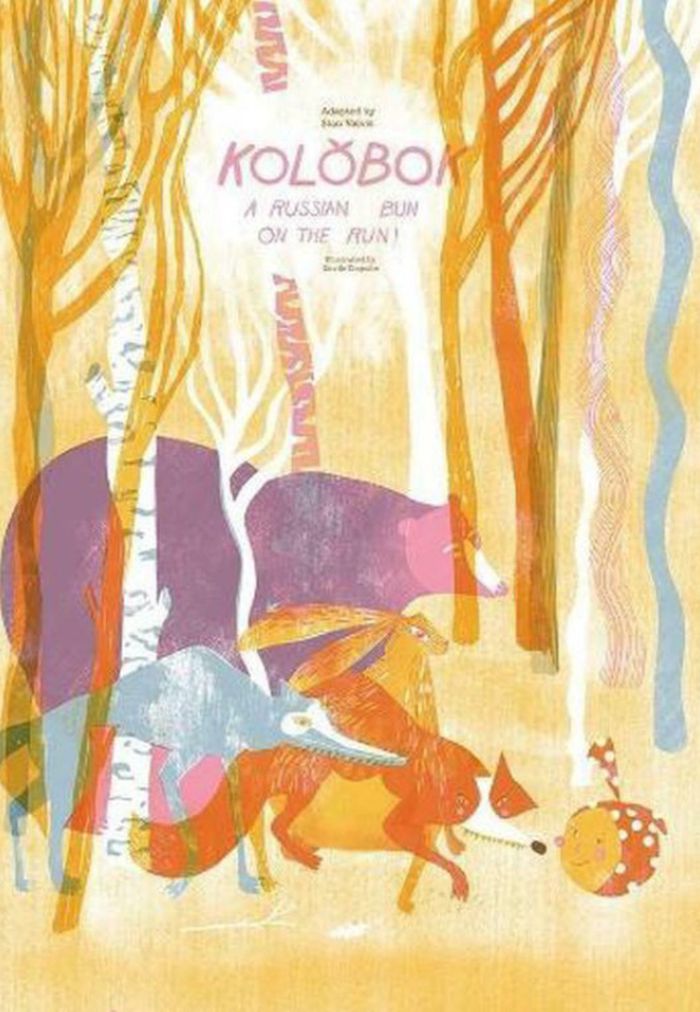
''Kolobok'' is a new adaptation and translation of a famous Russian folktale about a resourceful bun (a kolobok) who, as in the tale of the gingerbread man beloved of children in the West, skillfully evades the attentions of various animals. Adapted in rhyme by Sian Valvis, and with new illustrations by Dovile Ciapaite, ''Kolobok'' offers English-speaking young readers a glimpse into the magic and mysticism of Russian folklore. The visceral and environmental elements that are present in Russian folktales bring to life a vivid sense of the nation's culture and identity.
Kolobok: A bun on the run
Actions:
Prix:
$20.00
(disponible sur commande)
Résumé:
''Kolobok'' is a new adaptation and translation of a famous Russian folktale about a resourceful bun (a kolobok) who, as in the tale of the gingerbread man beloved of children in the West, skillfully evades the attentions of various animals. Adapted in rhyme by Sian Valvis, and with new illustrations by Dovile Ciapaite, ''Kolobok'' offers English-speaking young readers a glimpse into the magic and mysticism of Russian folklore. The visceral and environmental elements that are present in Russian folktales bring to life a vivid sense of the nation's culture and identity.
Classification:
livres
livres
Publication:
janvier 2022
janvier 2022
Sujet:
Littérature jeunesse
Littérature jeunesse
Classification:
livres
livres
Actions:
Prix:
$56.95
(disponible sur commande)
Résumé:
Charley Harper was an American original. For over six decades he painted colorful and graphic illustrations of nature, animals, insects and people alike, from his home studio in Cincinnati, Ohio until he passed away in 2007 at the age of 84. Renowned New York based designer Todd Oldham rediscovered Charley's work in 2001, and collaborated closely with him in the ensuing(...)
$56.95
(disponible sur commande)
Résumé:
Charley Harper was an American original. For over six decades he painted colorful and graphic illustrations of nature, animals, insects and people alike, from his home studio in Cincinnati, Ohio until he passed away in 2007 at the age of 84. Renowned New York based designer Todd Oldham rediscovered Charley's work in 2001, and collaborated closely with him in the ensuing(...)
Titre:
Charley Harper, an illustrated life
Actions:
Prix:
$56.95
(disponible sur commande)
Résumé:
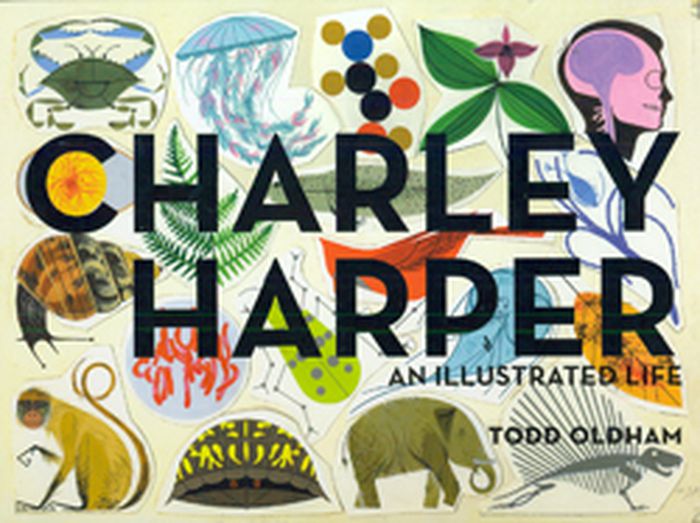
Charley Harper was an American original. For over six decades he painted colorful and graphic illustrations of nature, animals, insects and people alike, from his home studio in Cincinnati, Ohio until he passed away in 2007 at the age of 84. Renowned New York based designer Todd Oldham rediscovered Charley's work in 2001, and collaborated closely with him in the ensuing years; combing through his extensive archive to edit and design this stunning monograph. This coffee table tome is popularly priced, beautiful tribute to Charley Harper's singular style, which he referred to as Minimal Realism.
Charley Harper, an illustrated life
Actions:
Prix:
$56.95
(disponible sur commande)
Résumé:
Charley Harper was an American original. For over six decades he painted colorful and graphic illustrations of nature, animals, insects and people alike, from his home studio in Cincinnati, Ohio until he passed away in 2007 at the age of 84. Renowned New York based designer Todd Oldham rediscovered Charley's work in 2001, and collaborated closely with him in the ensuing years; combing through his extensive archive to edit and design this stunning monograph. This coffee table tome is popularly priced, beautiful tribute to Charley Harper's singular style, which he referred to as Minimal Realism.
Classification:
livres
livres
Publication:
octobre 2009
octobre 2009
Sujet:
Illustration
Illustration
Classification:
livres
livres
Actions:
Prix:
$49.95
(disponible sur commande)
Résumé:
Presenting images found throughout Europe in works on natural history, medicine, botany, horticulture, and garden design, and studies of insects, birds, and animals, the contributors emphasize their artistic as well as scientific values. Illustrators are shown to have been both artists and either naturalists or gardeners, bringing to their work aesthetic judgment and(...)
$49.95
(disponible sur commande)
Résumé:
Presenting images found throughout Europe in works on natural history, medicine, botany, horticulture, and garden design, and studies of insects, birds, and animals, the contributors emphasize their artistic as well as scientific values. Illustrators are shown to have been both artists and either naturalists or gardeners, bringing to their work aesthetic judgment and(...)
Titre:
The art of natural history, illustrated treatises and botanical paintings, 1400-1850
Actions:
Prix:
$49.95
(disponible sur commande)
Résumé:
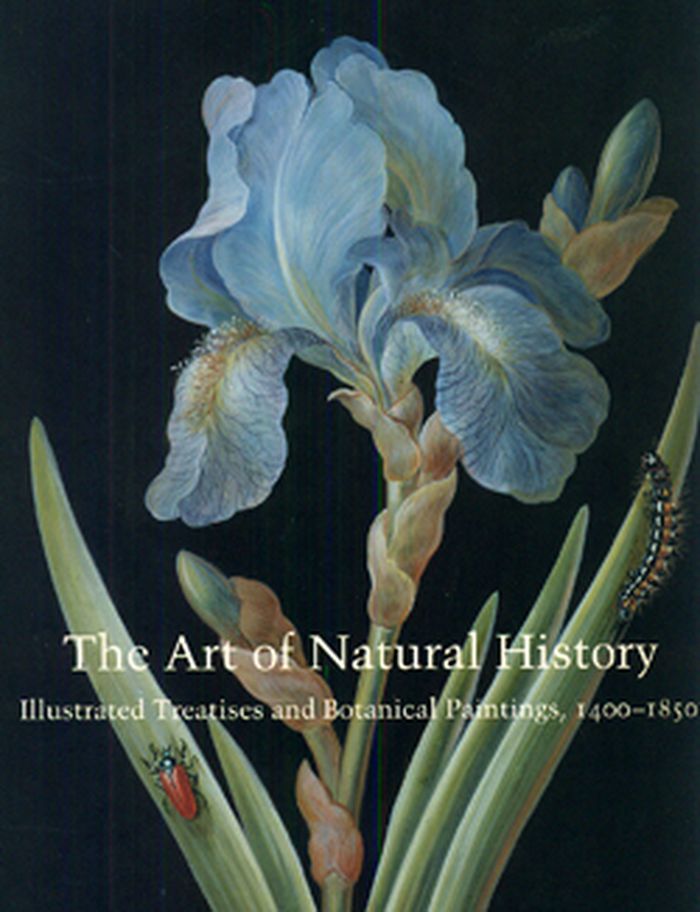
Presenting images found throughout Europe in works on natural history, medicine, botany, horticulture, and garden design, and studies of insects, birds, and animals, the contributors emphasize their artistic as well as scientific values. Illustrators are shown to have been both artists and either naturalists or gardeners, bringing to their work aesthetic judgment and empirical observation. Their fascinating images receive a fresh, wide-ranging analysis that covers such topics as innovation, patronage, readership, reception, technologies of production, and the relationship between the fine arts and scientific depictions of nature
The art of natural history, illustrated treatises and botanical paintings, 1400-1850
Actions:
Prix:
$49.95
(disponible sur commande)
Résumé:
Presenting images found throughout Europe in works on natural history, medicine, botany, horticulture, and garden design, and studies of insects, birds, and animals, the contributors emphasize their artistic as well as scientific values. Illustrators are shown to have been both artists and either naturalists or gardeners, bringing to their work aesthetic judgment and empirical observation. Their fascinating images receive a fresh, wide-ranging analysis that covers such topics as innovation, patronage, readership, reception, technologies of production, and the relationship between the fine arts and scientific depictions of nature
Classification:
livres
livres
Publication:
mars 2010
mars 2010
Sujet:
Jardins
Jardins
Classification:
livres
livres
Actions:
Prix:
$34.00
(disponible en magasin)
Résumé:
Journeys explores architectural issues raised by increased global mobility. Stories by different authors, presented in a fictional framework, highlight key concepts critical to understanding the impact of the movement of people, animals, objects and ideas. The vagabondage of seeds. The transfer of knowledge and experience as people move from one place to another. The(...)
$34.00
(disponible en magasin)
Résumé:
Journeys explores architectural issues raised by increased global mobility. Stories by different authors, presented in a fictional framework, highlight key concepts critical to understanding the impact of the movement of people, animals, objects and ideas. The vagabondage of seeds. The transfer of knowledge and experience as people move from one place to another. The(...)
Titre:
Journeys: how travelling fruit, ideas and buildings rearrange our environment
Actions:
Prix:
$34.00
(disponible en magasin)
Résumé:
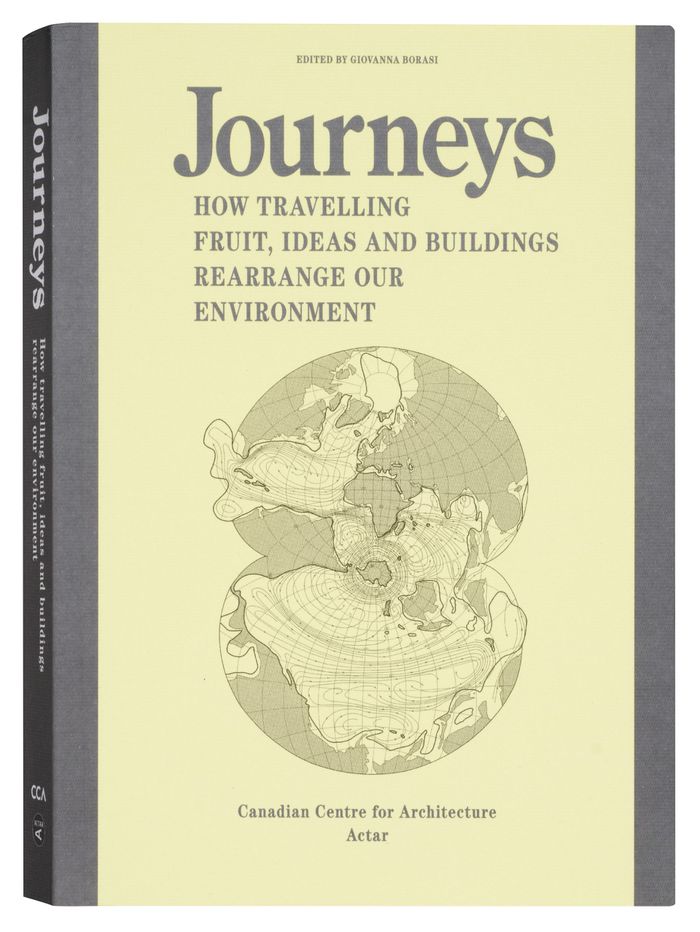
Journeys explores architectural issues raised by increased global mobility. Stories by different authors, presented in a fictional framework, highlight key concepts critical to understanding the impact of the movement of people, animals, objects and ideas. The vagabondage of seeds. The transfer of knowledge and experience as people move from one place to another. The physical reconfiguration of communities. These are among the wide range of topics Journeys explores as it seeks to analyze and visually depict how these flows, encounters and migrations unexpectedly change society and our built environment.
Journeys: how travelling fruit, ideas and buildings rearrange our environment
Actions:
Prix:
$34.00
(disponible en magasin)
Résumé:
Journeys explores architectural issues raised by increased global mobility. Stories by different authors, presented in a fictional framework, highlight key concepts critical to understanding the impact of the movement of people, animals, objects and ideas. The vagabondage of seeds. The transfer of knowledge and experience as people move from one place to another. The physical reconfiguration of communities. These are among the wide range of topics Journeys explores as it seeks to analyze and visually depict how these flows, encounters and migrations unexpectedly change society and our built environment.
Classification:
livres
livres
Publication:
octobre 2010
octobre 2010
Sujet:
Publications du CCA
Publications du CCA
Classification:
livres
livres
Titre:
Yew
Yew
Actions:
Prix:
$29.95
(disponible sur commande)
Résumé:
The yew is the oldest and most common tree in the world, but it is a plant of puzzling contradictions: it is a conifer with juicy scarlet berries, but no cones; deer can feast on its poisonous foliage, but it is lethal to farm animals; and it thrives where other plants cannot because of its extraordinarily low rate of photosynthesis. Exploring this paradoxical plant in(...)
$29.95
(disponible sur commande)
Résumé:
The yew is the oldest and most common tree in the world, but it is a plant of puzzling contradictions: it is a conifer with juicy scarlet berries, but no cones; deer can feast on its poisonous foliage, but it is lethal to farm animals; and it thrives where other plants cannot because of its extraordinarily low rate of photosynthesis. Exploring this paradoxical plant in(...)
Titre:
Yew
Actions:
Prix:
$29.95
(disponible sur commande)
Résumé:
The yew is the oldest and most common tree in the world, but it is a plant of puzzling contradictions: it is a conifer with juicy scarlet berries, but no cones; deer can feast on its poisonous foliage, but it is lethal to farm animals; and it thrives where other plants cannot because of its extraordinarily low rate of photosynthesis. Exploring this paradoxical plant in Yew, Fred Hageneder surveys its position in religious and cultural history, its role in the creation of the British Empire, and its place in modern medicine.
Yew
Actions:
Prix:
$29.95
(disponible sur commande)
Résumé:
The yew is the oldest and most common tree in the world, but it is a plant of puzzling contradictions: it is a conifer with juicy scarlet berries, but no cones; deer can feast on its poisonous foliage, but it is lethal to farm animals; and it thrives where other plants cannot because of its extraordinarily low rate of photosynthesis. Exploring this paradoxical plant in Yew, Fred Hageneder surveys its position in religious and cultural history, its role in the creation of the British Empire, and its place in modern medicine.
Classification:
livres
livres
Publication:
octobre 2013
octobre 2013
Sujet:
Théorie du paysage
Théorie du paysage
Classification:
livres
livres
Prix:
$59.95
(disponible sur commande)
Résumé:
Forests and woods have always been central to the development of human technology and culture and our expansion as a species. Trees, Woods and Forests shows how for thousands of years, woodland has been managed by humans using ancient practices such as coppicing and pollarding trees for fuel and as fodder for animals. This book draws on the most recent work of historians,(...)
$59.95
(disponible sur commande)
Résumé:
Forests and woods have always been central to the development of human technology and culture and our expansion as a species. Trees, Woods and Forests shows how for thousands of years, woodland has been managed by humans using ancient practices such as coppicing and pollarding trees for fuel and as fodder for animals. This book draws on the most recent work of historians,(...)
Titre:
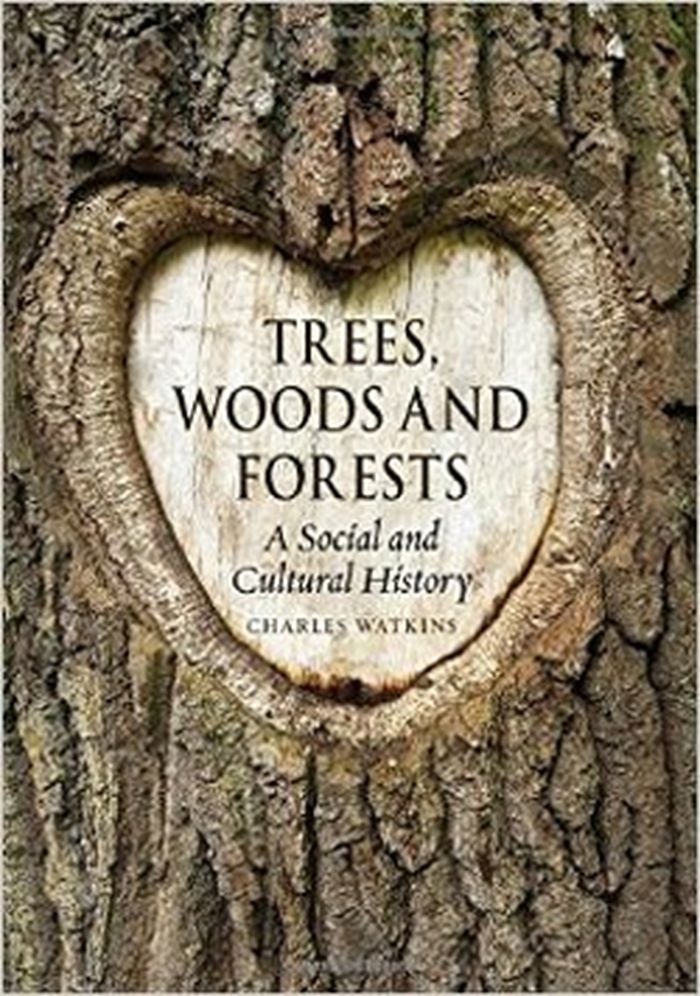
Trees, woods and forests : a social and cultural history
Actions:
Prix:
$59.95
(disponible sur commande)
Résumé:
Forests and woods have always been central to the development of human technology and culture and our expansion as a species. Trees, Woods and Forests shows how for thousands of years, woodland has been managed by humans using ancient practices such as coppicing and pollarding trees for fuel and as fodder for animals. This book draws on the most recent work of historians, archaeologists, geographers, botanists and foresters, and explores forests in Britain, the U.S., Greece, Italy and France. It is a comprehensive and fascinating overview of humankind’s interaction with these most valuable resources.
Trees, woods and forests : a social and cultural history
Actions:
Prix:
$59.95
(disponible sur commande)
Résumé:
Forests and woods have always been central to the development of human technology and culture and our expansion as a species. Trees, Woods and Forests shows how for thousands of years, woodland has been managed by humans using ancient practices such as coppicing and pollarding trees for fuel and as fodder for animals. This book draws on the most recent work of historians, archaeologists, geographers, botanists and foresters, and explores forests in Britain, the U.S., Greece, Italy and France. It is a comprehensive and fascinating overview of humankind’s interaction with these most valuable resources.
Classification:
livres
livres
Publication:
octobre 2014
octobre 2014
Sujet:
Théorie du paysage
Théorie du paysage


