


10595 Résultats
Classification:
livres
livres
Prix:
$64.95
(disponible en magasin)
Résumé:
De Paris à la mer, la Seine traverse les territoires franciliens et normands, leur offrant un débouché sur la Manche et le trafic mondial. Son parcours dessine une vallée, un véritable milieu de vie à l'équilibre menacé par la pression anthropique et le dérèglement climatique. Comprendre l'espace et conduire des projets dans cet environnement fragilisé nécessite un(...)
$64.95
(disponible en magasin)
Résumé:
De Paris à la mer, la Seine traverse les territoires franciliens et normands, leur offrant un débouché sur la Manche et le trafic mondial. Son parcours dessine une vallée, un véritable milieu de vie à l'équilibre menacé par la pression anthropique et le dérèglement climatique. Comprendre l'espace et conduire des projets dans cet environnement fragilisé nécessite un(...)
Sujet:
Théorie du paysage
Théorie du paysage
Publication:
août 2021
août 2021
Titre:
Plus grand que la Seine : Acteurs en réseau, paysages en projets
Actions:
Prix:
$64.95
(disponible en magasin)
Résumé:
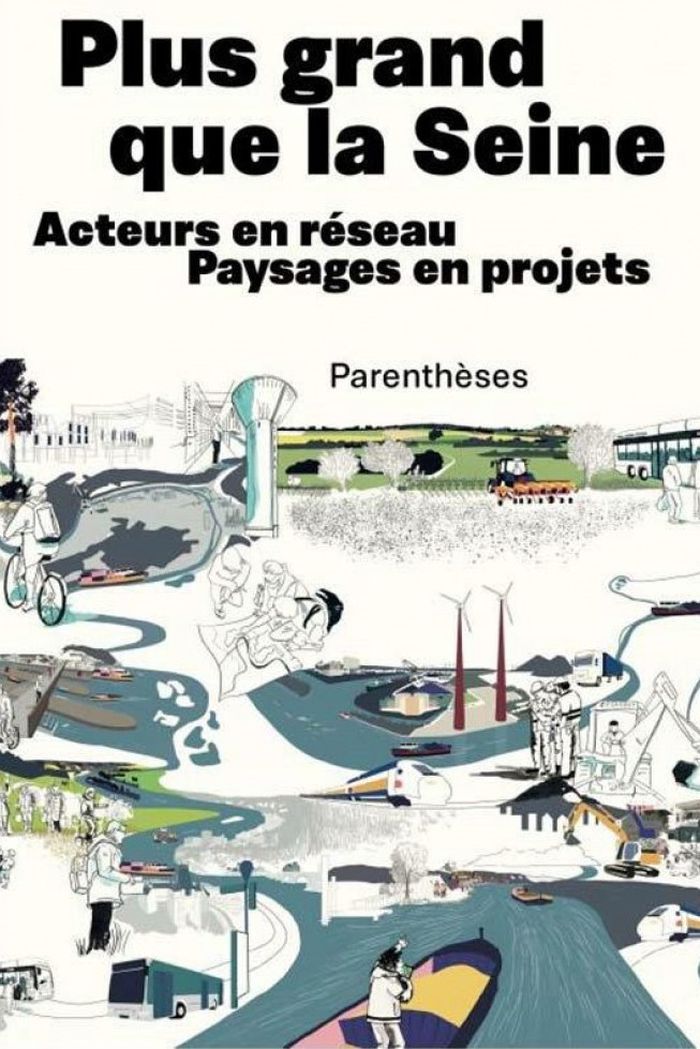
De Paris à la mer, la Seine traverse les territoires franciliens et normands, leur offrant un débouché sur la Manche et le trafic mondial. Son parcours dessine une vallée, un véritable milieu de vie à l'équilibre menacé par la pression anthropique et le dérèglement climatique. Comprendre l'espace et conduire des projets dans cet environnement fragilisé nécessite un renouvellement en profondeur des approches et appelle à la mise en place de logiques interrégionales. En réponse à cet impératif, un réseau inédit s'est constitué autour d'une démarche collective de partage de connaissances et de prospective. Afin d'imaginer une autre façon d'habiter le monde, l'aménagement et la résilience des milieux y sont pensés au prisme d'une notion fondatrice : le paysage. Une itinérance au fil d'une trentaine de projets et d'actions de ce 'réseau paysage' laisse apparaître la vallée de la Seine comme un espace propice à expérimenter et à transmettre.
Plus grand que la Seine : Acteurs en réseau, paysages en projets
Actions:
Prix:
$64.95
(disponible en magasin)
Résumé:
De Paris à la mer, la Seine traverse les territoires franciliens et normands, leur offrant un débouché sur la Manche et le trafic mondial. Son parcours dessine une vallée, un véritable milieu de vie à l'équilibre menacé par la pression anthropique et le dérèglement climatique. Comprendre l'espace et conduire des projets dans cet environnement fragilisé nécessite un renouvellement en profondeur des approches et appelle à la mise en place de logiques interrégionales. En réponse à cet impératif, un réseau inédit s'est constitué autour d'une démarche collective de partage de connaissances et de prospective. Afin d'imaginer une autre façon d'habiter le monde, l'aménagement et la résilience des milieux y sont pensés au prisme d'une notion fondatrice : le paysage. Une itinérance au fil d'une trentaine de projets et d'actions de ce 'réseau paysage' laisse apparaître la vallée de la Seine comme un espace propice à expérimenter et à transmettre.
Classification:
livres
livres
Publication:
août 2021
août 2021
Sujet:
Théorie du paysage
Théorie du paysage
Classification:
livres
livres

Actions:
Prix:
$35.95
(disponible sur commande)
Résumé:
Drawing on fifteen years of field research in Las Vegas, anthropologist Natasha Dow Schüll shows how the mechanical rhythm of electronic gambling pulls players into a trancelike state they call the "machine zone," in which daily worries, social demands, and even bodily awareness fade away. Once in the zone, gambling addicts play not to win but simply to keep playing, for(...)
$35.95
(disponible sur commande)
Résumé:
Drawing on fifteen years of field research in Las Vegas, anthropologist Natasha Dow Schüll shows how the mechanical rhythm of electronic gambling pulls players into a trancelike state they call the "machine zone," in which daily worries, social demands, and even bodily awareness fade away. Once in the zone, gambling addicts play not to win but simply to keep playing, for(...)
Titre:
Addiction by design: machine gambling in Las Vegas
Actions:
Prix:
$35.95
(disponible sur commande)
Résumé:
Drawing on fifteen years of field research in Las Vegas, anthropologist Natasha Dow Schüll shows how the mechanical rhythm of electronic gambling pulls players into a trancelike state they call the "machine zone," in which daily worries, social demands, and even bodily awareness fade away. Once in the zone, gambling addicts play not to win but simply to keep playing, for as long as possible?even at the cost of physical and economic exhaustion. In continuous machine play, gamblers seek to lose themselves while the gambling industry seeks profit. Schüll describes the strategic calculations behind game algorithms and machine ergonomics, casino architecture and "ambience management," player tracking and cash access systems?all designed to meet the market's desire for maximum "time on device." Her account moves from casino floors into gamblers' everyday lives, from gambling industry conventions and Gamblers Anonymous meetings to regulatory debates over whether addiction to gambling machines stems from the consumer, the product, or the interplay between the two. ''Addiction by design'' is a compelling inquiry into the intensifying traffic between people and machines of chance, offering clues to some of the broader anxieties and predicaments of contemporary life. At stake in Schüll's account of the intensifying traffic between people and machines of chance is a blurring of the line between design and experience, profit and loss, control and compulsion.
Addiction by design: machine gambling in Las Vegas
Actions:
Prix:
$35.95
(disponible sur commande)
Résumé:
Drawing on fifteen years of field research in Las Vegas, anthropologist Natasha Dow Schüll shows how the mechanical rhythm of electronic gambling pulls players into a trancelike state they call the "machine zone," in which daily worries, social demands, and even bodily awareness fade away. Once in the zone, gambling addicts play not to win but simply to keep playing, for as long as possible?even at the cost of physical and economic exhaustion. In continuous machine play, gamblers seek to lose themselves while the gambling industry seeks profit. Schüll describes the strategic calculations behind game algorithms and machine ergonomics, casino architecture and "ambience management," player tracking and cash access systems?all designed to meet the market's desire for maximum "time on device." Her account moves from casino floors into gamblers' everyday lives, from gambling industry conventions and Gamblers Anonymous meetings to regulatory debates over whether addiction to gambling machines stems from the consumer, the product, or the interplay between the two. ''Addiction by design'' is a compelling inquiry into the intensifying traffic between people and machines of chance, offering clues to some of the broader anxieties and predicaments of contemporary life. At stake in Schüll's account of the intensifying traffic between people and machines of chance is a blurring of the line between design and experience, profit and loss, control and compulsion.
Classification:
livres
livres
Publication:
mai 2014
mai 2014
Sujet:
Théorie du design
Théorie du design
Classification:
livres
livres
Prix:
$40.95
(disponible sur commande)
Résumé:
Vast interior spaces have become ubiquitous in the contemporary city. The soaring atriums and concourses of mega-hotels, shopping malls and transport interchanges define an increasingly normal experience of being 'inside' in a city. Yet such spaces are also subject to intense criticism and claims that they can destroy the quality of a city's authentic life 'on the(...)
$40.95
(disponible sur commande)
Résumé:
Vast interior spaces have become ubiquitous in the contemporary city. The soaring atriums and concourses of mega-hotels, shopping malls and transport interchanges define an increasingly normal experience of being 'inside' in a city. Yet such spaces are also subject to intense criticism and claims that they can destroy the quality of a city's authentic life 'on the(...)
Titre:
Interior urbanism: architecture, John Portman and downtown America
Actions:
Prix:
$40.95
(disponible sur commande)
Résumé:
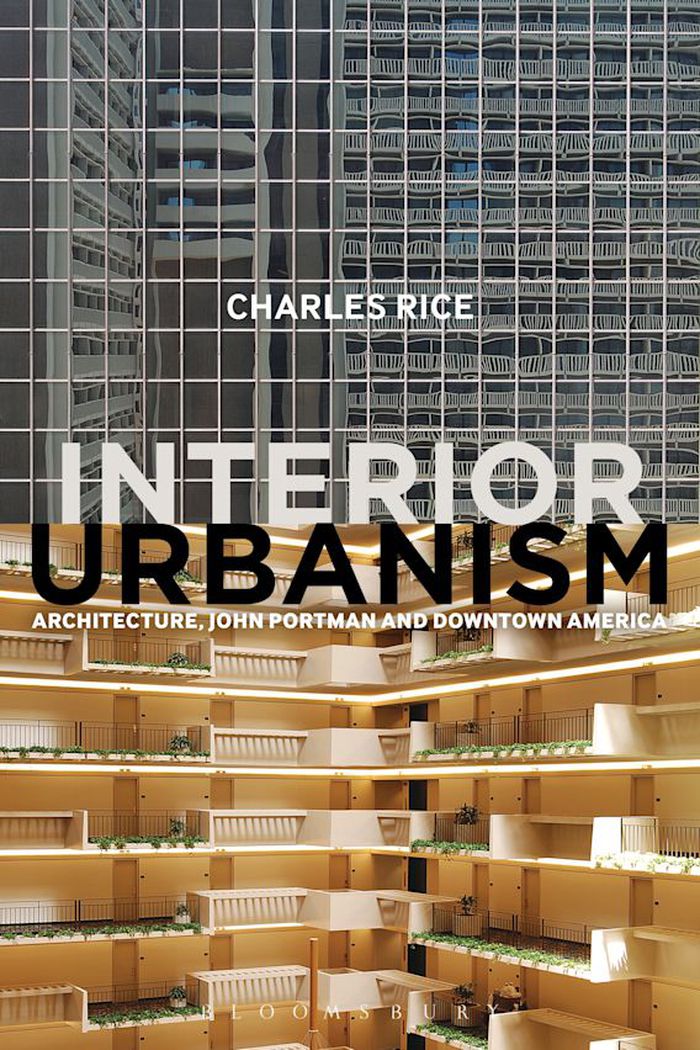
Vast interior spaces have become ubiquitous in the contemporary city. The soaring atriums and concourses of mega-hotels, shopping malls and transport interchanges define an increasingly normal experience of being 'inside' in a city. Yet such spaces are also subject to intense criticism and claims that they can destroy the quality of a city's authentic life 'on the outside'. ''Interior Urbanism'' explores the roots of this contemporary tension between inside and outside, identifying and analysing the concept of interior urbanism and tracing its history back to the works of John Portman and Associates in 1960s and 70s America. Portman – increasingly recognised as an influential yet understudied figure – was responsible for projects such as Peachtree Center in Atlanta and the Los Angeles Bonaventure Hotel, developments that employed vast internal atriums to define a world of possibilities not just for hotels and commercial spaces, but for the future of the American downtown amid the upheavals of the 1960s and 70s. The book analyses Portman's architecture in order to reconsider major contexts of debate in architecture and urbanism in this period, including the massive expansion of a commercial imperative in architecture, shifts in the governance and development of cities amid social and economic instability, the rise of postmodernism and critical urban studies, and the defence of the street and public space amid the continual upheavals of urban development. In this way the book reconsiders the American city at a crucial time in its development, identifying lessons for how we consider the forces at work, and the spaces produced, in cities in the present.
Interior urbanism: architecture, John Portman and downtown America
Actions:
Prix:
$40.95
(disponible sur commande)
Résumé:
Vast interior spaces have become ubiquitous in the contemporary city. The soaring atriums and concourses of mega-hotels, shopping malls and transport interchanges define an increasingly normal experience of being 'inside' in a city. Yet such spaces are also subject to intense criticism and claims that they can destroy the quality of a city's authentic life 'on the outside'. ''Interior Urbanism'' explores the roots of this contemporary tension between inside and outside, identifying and analysing the concept of interior urbanism and tracing its history back to the works of John Portman and Associates in 1960s and 70s America. Portman – increasingly recognised as an influential yet understudied figure – was responsible for projects such as Peachtree Center in Atlanta and the Los Angeles Bonaventure Hotel, developments that employed vast internal atriums to define a world of possibilities not just for hotels and commercial spaces, but for the future of the American downtown amid the upheavals of the 1960s and 70s. The book analyses Portman's architecture in order to reconsider major contexts of debate in architecture and urbanism in this period, including the massive expansion of a commercial imperative in architecture, shifts in the governance and development of cities amid social and economic instability, the rise of postmodernism and critical urban studies, and the defence of the street and public space amid the continual upheavals of urban development. In this way the book reconsiders the American city at a crucial time in its development, identifying lessons for how we consider the forces at work, and the spaces produced, in cities in the present.
Classification:
livres
livres
Publication:
août 2016
août 2016
Sujet:
Théorie de l’architecture
Théorie de l’architecture
Classification:
livres
livres
Prix:
$40.00
(disponible sur commande)
Résumé:
Cities can make us sick. They always have—diseases spread more easily when more people are close to one another. And disease is hardly the only ill that accompanies urban density. Cities have been demonized as breeding grounds for vice and crime from Sodom and Gomorrah on. But cities have flourished nonetheless because they are humanity’s greatest invention, indispensable(...)
$40.00
(disponible sur commande)
Résumé:
Cities can make us sick. They always have—diseases spread more easily when more people are close to one another. And disease is hardly the only ill that accompanies urban density. Cities have been demonized as breeding grounds for vice and crime from Sodom and Gomorrah on. But cities have flourished nonetheless because they are humanity’s greatest invention, indispensable(...)
Titre:
Survival of the city: Living and thriving in an age of isolation
Actions:
Prix:
$40.00
(disponible sur commande)
Résumé:
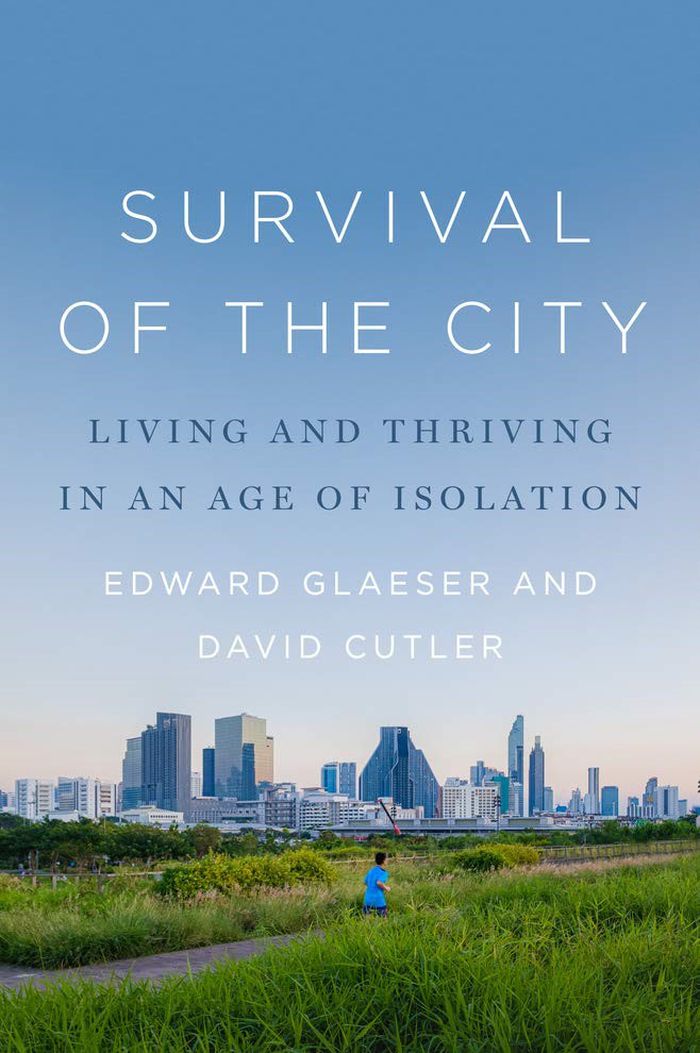
Cities can make us sick. They always have—diseases spread more easily when more people are close to one another. And disease is hardly the only ill that accompanies urban density. Cities have been demonized as breeding grounds for vice and crime from Sodom and Gomorrah on. But cities have flourished nonetheless because they are humanity’s greatest invention, indispensable engines for creativity, innovation, wealth, and connection, the loom on which the fabric of civilization is woven. But cities now stand at a crossroads. During the global COVID crisis, cities grew silent as people worked from home—if they could work at all. The normal forms of socializing ground to a halt. How permanent are these changes? Advances in digital technology mean that many people can opt out of city life as never before. Will they? Are we on the brink of a post-urban world? City life will survive but individual cities face terrible risks, argue Edward Glaeser and David Cutler, and a wave of urban failure would be absolutely disastrous. In terms of intimacy and inspiration, nothing can replace what cities offer. Great cities have always demanded great management, and our current crisis has exposed fearful gaps in our capacity for good governance. It is possible to drive a city into the ground, pandemic or not. Glaeser and Cutler examine the evolution that is already happening, and describe the possible futures that lie before us.
Survival of the city: Living and thriving in an age of isolation
Actions:
Prix:
$40.00
(disponible sur commande)
Résumé:
Cities can make us sick. They always have—diseases spread more easily when more people are close to one another. And disease is hardly the only ill that accompanies urban density. Cities have been demonized as breeding grounds for vice and crime from Sodom and Gomorrah on. But cities have flourished nonetheless because they are humanity’s greatest invention, indispensable engines for creativity, innovation, wealth, and connection, the loom on which the fabric of civilization is woven. But cities now stand at a crossroads. During the global COVID crisis, cities grew silent as people worked from home—if they could work at all. The normal forms of socializing ground to a halt. How permanent are these changes? Advances in digital technology mean that many people can opt out of city life as never before. Will they? Are we on the brink of a post-urban world? City life will survive but individual cities face terrible risks, argue Edward Glaeser and David Cutler, and a wave of urban failure would be absolutely disastrous. In terms of intimacy and inspiration, nothing can replace what cities offer. Great cities have always demanded great management, and our current crisis has exposed fearful gaps in our capacity for good governance. It is possible to drive a city into the ground, pandemic or not. Glaeser and Cutler examine the evolution that is already happening, and describe the possible futures that lie before us.
Classification:
livres
livres
Publication:
septembre 2021
septembre 2021
Sujet:
Théorie de l’urbanisme
Théorie de l’urbanisme
Classification:
livres
livres
Actions:
Prix:
$59.95
(disponible sur commande)
Résumé:
Should all-inclusive engagement be the major task of architecture? This publication presents the case that the answer is yes. Through original contributions and case studies, this volume shows that socially engaged architecture is both a theoretical construct and a professional practice navigating the global politics of poverty, charity, health, technology, neoliberal(...)
$59.95
(disponible sur commande)
Résumé:
Should all-inclusive engagement be the major task of architecture? This publication presents the case that the answer is yes. Through original contributions and case studies, this volume shows that socially engaged architecture is both a theoretical construct and a professional practice navigating the global politics of poverty, charity, health, technology, neoliberal(...)
Titre:
All-inclusive engagement in architecture: towards the future of social change
Actions:
Prix:
$59.95
(disponible sur commande)
Résumé:
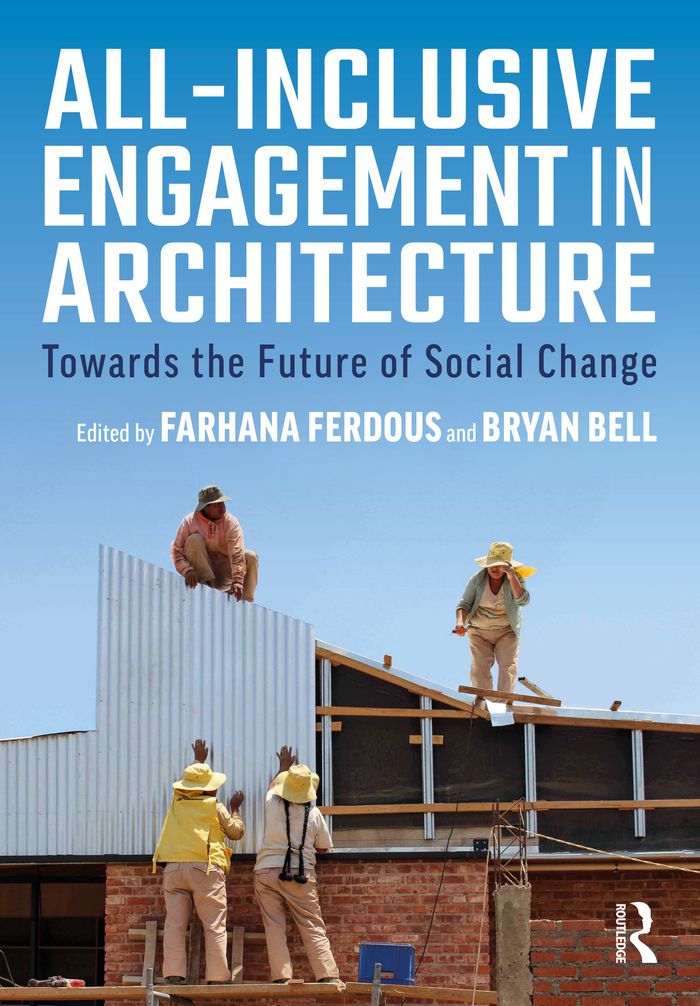
Should all-inclusive engagement be the major task of architecture? This publication presents the case that the answer is yes. Through original contributions and case studies, this volume shows that socially engaged architecture is both a theoretical construct and a professional practice navigating the global politics of poverty, charity, health, technology, neoliberal urbanism, and the discipline's exclusionary basis. The scholarly ideas and design projects of 58 thought leaders demonstrate the architect's role as a revolutionary social agent. Exemplary works are included from the United States, Mexico, Canada, Africa, Asia, and Europe. This book offers a comprehensive overview and in-depth analysis of all-inclusive engagement in public interest design for instructors, students, and professionals alike, showing how this approach to architecture can bring forth a radical reformation of the profession and its relationship to society.
All-inclusive engagement in architecture: towards the future of social change
Actions:
Prix:
$59.95
(disponible sur commande)
Résumé:
Should all-inclusive engagement be the major task of architecture? This publication presents the case that the answer is yes. Through original contributions and case studies, this volume shows that socially engaged architecture is both a theoretical construct and a professional practice navigating the global politics of poverty, charity, health, technology, neoliberal urbanism, and the discipline's exclusionary basis. The scholarly ideas and design projects of 58 thought leaders demonstrate the architect's role as a revolutionary social agent. Exemplary works are included from the United States, Mexico, Canada, Africa, Asia, and Europe. This book offers a comprehensive overview and in-depth analysis of all-inclusive engagement in public interest design for instructors, students, and professionals alike, showing how this approach to architecture can bring forth a radical reformation of the profession and its relationship to society.
Classification:
livres
livres
Publication:
janvier 2021
janvier 2021
Sujet:
Théorie de l’urbanisme
Théorie de l’urbanisme
Classification:
livres
livres
Actions:
Prix:
$39.95
(disponible sur commande)
Résumé:
Tina Campt examines Black contemporary artists who are shifting the very nature of our interactions with the visual through their creation and curation of a distinctively Black gaze. Their work - from Deana Lawson's disarmingly intimate portraits to Arthur Jafa's videos of the everyday beauty and grit of the Black experience, from Khalil Joseph's films and Dawoud Bey's(...)
$39.95
(disponible sur commande)
Résumé:
Tina Campt examines Black contemporary artists who are shifting the very nature of our interactions with the visual through their creation and curation of a distinctively Black gaze. Their work - from Deana Lawson's disarmingly intimate portraits to Arthur Jafa's videos of the everyday beauty and grit of the Black experience, from Khalil Joseph's films and Dawoud Bey's(...)
Titre:
A black gaze: artists changing how we see
Actions:
Prix:
$39.95
(disponible sur commande)
Résumé:
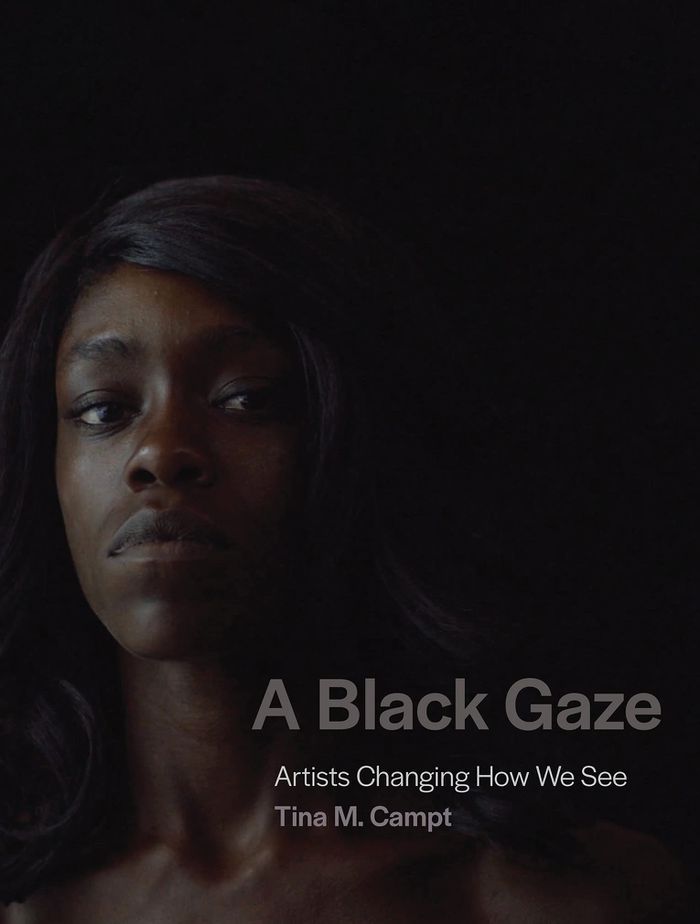
Tina Campt examines Black contemporary artists who are shifting the very nature of our interactions with the visual through their creation and curation of a distinctively Black gaze. Their work - from Deana Lawson's disarmingly intimate portraits to Arthur Jafa's videos of the everyday beauty and grit of the Black experience, from Khalil Joseph's films and Dawoud Bey's photographs to the embodied and multimedia artistic practice of Okwui Okpakwasili, Simone Leigh, and Luke Willis Thompson - requires viewers to do more than simply look; it solicits visceral responses to the visualization of Black precarity. Campt shows that this new way of seeing shifts viewers from the passive optics of looking at to the active struggle of looking with, through, and alongside the suffering - and joy - of Black life in the present. The artists whose work Campt explores challenge the fundamental disparity that defines the dominant viewing practice: the notion that Blackness is the elsewhere (or nowhere) of whiteness. These artists create images that flow, that resuscitate and revalue the historical and contemporary archive of Black life in radical ways. Writing with rigor and passion, Campt describes the creativity, ingenuity, cunning, and courage that is the modus operandi of a Black gaze.
A black gaze: artists changing how we see
Actions:
Prix:
$39.95
(disponible sur commande)
Résumé:
Tina Campt examines Black contemporary artists who are shifting the very nature of our interactions with the visual through their creation and curation of a distinctively Black gaze. Their work - from Deana Lawson's disarmingly intimate portraits to Arthur Jafa's videos of the everyday beauty and grit of the Black experience, from Khalil Joseph's films and Dawoud Bey's photographs to the embodied and multimedia artistic practice of Okwui Okpakwasili, Simone Leigh, and Luke Willis Thompson - requires viewers to do more than simply look; it solicits visceral responses to the visualization of Black precarity. Campt shows that this new way of seeing shifts viewers from the passive optics of looking at to the active struggle of looking with, through, and alongside the suffering - and joy - of Black life in the present. The artists whose work Campt explores challenge the fundamental disparity that defines the dominant viewing practice: the notion that Blackness is the elsewhere (or nowhere) of whiteness. These artists create images that flow, that resuscitate and revalue the historical and contemporary archive of Black life in radical ways. Writing with rigor and passion, Campt describes the creativity, ingenuity, cunning, and courage that is the modus operandi of a Black gaze.
Classification:
livres
livres
Publication:
août 2021
août 2021
Sujet:
Théorie de l’art
Théorie de l’art
Classification:
livres
livres
Titre:
Sandfuture
Sandfuture
Actions:
Prix:
$33.95
(disponible sur commande)
Résumé:
'Sandfuture' is a book about the life of the architect Minoru Yamasaki (1912–1986), who remains on the margins of history despite the enormous influence of his work on American architecture and society. That Yamasaki’s most famous projects — the Pruitt-Igoe apartments in St. Louis and the original World Trade Center in New York — were both destroyed on national(...)
$33.95
(disponible sur commande)
Résumé:
'Sandfuture' is a book about the life of the architect Minoru Yamasaki (1912–1986), who remains on the margins of history despite the enormous influence of his work on American architecture and society. That Yamasaki’s most famous projects — the Pruitt-Igoe apartments in St. Louis and the original World Trade Center in New York — were both destroyed on national(...)
Titre:
Sandfuture
Actions:
Prix:
$33.95
(disponible sur commande)
Résumé:
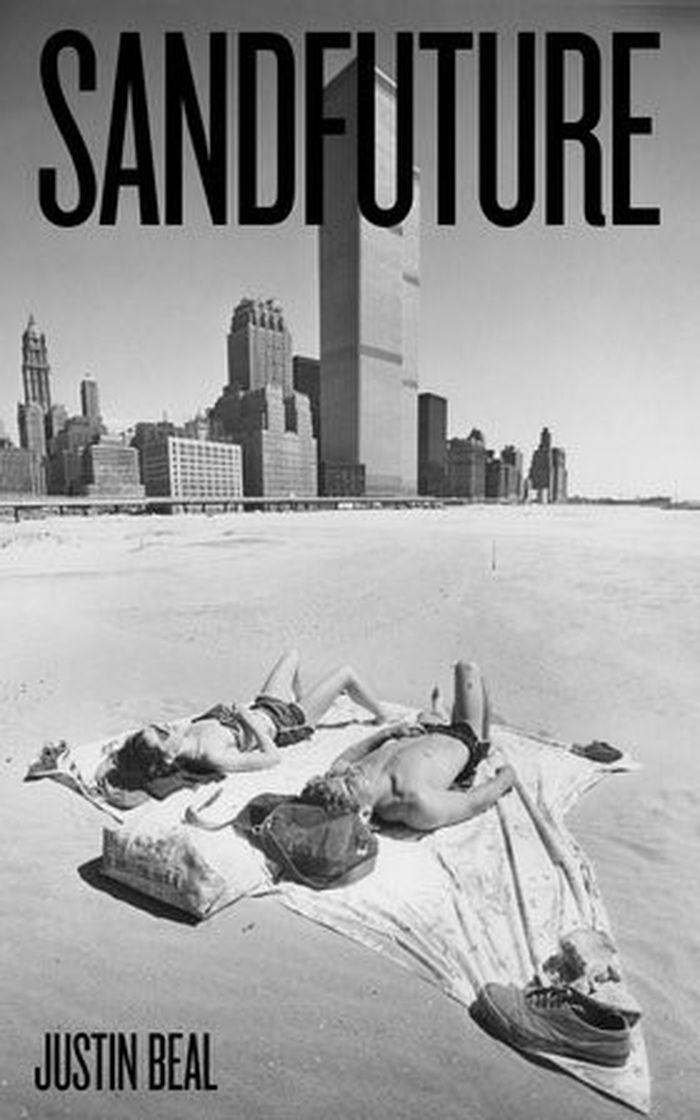
'Sandfuture' is a book about the life of the architect Minoru Yamasaki (1912–1986), who remains on the margins of history despite the enormous influence of his work on American architecture and society. That Yamasaki’s most famous projects — the Pruitt-Igoe apartments in St. Louis and the original World Trade Center in New York — were both destroyed on national television, thirty years apart, makes his relative obscurity all the more remarkable. 'Sandfuture' is also a book about an artist interrogating art and architecture’s role in culture as New York changes drastically after a decade bracketed by terrorism and natural disaster. From the central thread of Yamasaki’s life, 'Sandfuture' spirals outward to include reflections on a wide range of subjects, from the figure of the architect in literature and film and transformations in the contemporary art market to the perils of sick buildings and the broader social and political implications of how, and for whom, cities are built.
Sandfuture
Actions:
Prix:
$33.95
(disponible sur commande)
Résumé:
'Sandfuture' is a book about the life of the architect Minoru Yamasaki (1912–1986), who remains on the margins of history despite the enormous influence of his work on American architecture and society. That Yamasaki’s most famous projects — the Pruitt-Igoe apartments in St. Louis and the original World Trade Center in New York — were both destroyed on national television, thirty years apart, makes his relative obscurity all the more remarkable. 'Sandfuture' is also a book about an artist interrogating art and architecture’s role in culture as New York changes drastically after a decade bracketed by terrorism and natural disaster. From the central thread of Yamasaki’s life, 'Sandfuture' spirals outward to include reflections on a wide range of subjects, from the figure of the architect in literature and film and transformations in the contemporary art market to the perils of sick buildings and the broader social and political implications of how, and for whom, cities are built.
Classification:
livres
livres
Publication:
septembre 2021
septembre 2021
Sujet:
Théorie de l’architecture
Théorie de l’architecture
Classification:
livres
livres
Titre:
Paper graveyards
Paper graveyards
Actions:
Prix:
$65.95
(disponible sur commande)
Résumé:
''Paper Graveyards'' is neither a work of traditional art history nor one of literary criticism. It is not strictly a history of ideas either, notwithstanding its very obvious erudition. Rather, in drawing upon all of these methods and approaches—and with extraordinary attention to language and style—Cadava’s writing examines the spectacular explosion of images during the(...)
$65.95
(disponible sur commande)
Résumé:
''Paper Graveyards'' is neither a work of traditional art history nor one of literary criticism. It is not strictly a history of ideas either, notwithstanding its very obvious erudition. Rather, in drawing upon all of these methods and approaches—and with extraordinary attention to language and style—Cadava’s writing examines the spectacular explosion of images during the(...)
Titre:
Paper graveyards
Actions:
Prix:
$65.95
(disponible sur commande)
Résumé:
''Paper Graveyards'' is neither a work of traditional art history nor one of literary criticism. It is not strictly a history of ideas either, notwithstanding its very obvious erudition. Rather, in drawing upon all of these methods and approaches—and with extraordinary attention to language and style—Cadava’s writing examines the spectacular explosion of images during the last twenty years as a prompt to discuss not simply specific images but the role and place of these images in our everyday life. Considering work by Félix Nadar, Roland Barthes, Leon Golub, Nancy Spero, Fazal Sheikh, Susan Meiselas, and others, Cadava delineates different modes of reading that, taking their point of departure from the conviction that the past, the present, and the future are always bound together, provide us with a training manual of sorts for understanding visual material in the twenty-first century. In the process, these generously illustrated essays actively expand our sense of literacy by reconstructing the networks of relations that inhabit the plural worlds of images, and create a critical genealogy of what we still call “an image,” even when, with every day that passes, we perhaps understand less and less what this might mean.
Paper graveyards
Actions:
Prix:
$65.95
(disponible sur commande)
Résumé:
''Paper Graveyards'' is neither a work of traditional art history nor one of literary criticism. It is not strictly a history of ideas either, notwithstanding its very obvious erudition. Rather, in drawing upon all of these methods and approaches—and with extraordinary attention to language and style—Cadava’s writing examines the spectacular explosion of images during the last twenty years as a prompt to discuss not simply specific images but the role and place of these images in our everyday life. Considering work by Félix Nadar, Roland Barthes, Leon Golub, Nancy Spero, Fazal Sheikh, Susan Meiselas, and others, Cadava delineates different modes of reading that, taking their point of departure from the conviction that the past, the present, and the future are always bound together, provide us with a training manual of sorts for understanding visual material in the twenty-first century. In the process, these generously illustrated essays actively expand our sense of literacy by reconstructing the networks of relations that inhabit the plural worlds of images, and create a critical genealogy of what we still call “an image,” even when, with every day that passes, we perhaps understand less and less what this might mean.
Classification:
livres
livres
Publication:
octobre 2021
octobre 2021
Sujet:
Théorie de l’art
Théorie de l’art
Classification:
livres
livres
Titre:
Magic
Magic
Actions:
Prix:
$33.95
(disponible sur commande)
Résumé:
Dispensing with simple narratives of reenchantment, this publication illustrates the intricate ways in which we have to some extent always been captivated by the allure of the numinous. It demonstrates how magical culture’s tendencies toward secrecy, occlusion, and encryption might provide contemporary artists with strategies of remedial communality, a renewed faith in(...)
$33.95
(disponible sur commande)
Résumé:
Dispensing with simple narratives of reenchantment, this publication illustrates the intricate ways in which we have to some extent always been captivated by the allure of the numinous. It demonstrates how magical culture’s tendencies toward secrecy, occlusion, and encryption might provide contemporary artists with strategies of remedial communality, a renewed faith in(...)
Titre:
Magic
Actions:
Prix:
$33.95
(disponible sur commande)
Résumé:
Dispensing with simple narratives of reenchantment, this publication illustrates the intricate ways in which we have to some extent always been captivated by the allure of the numinous. It demonstrates how magical culture’s tendencies toward secrecy, occlusion, and encryption might provide contemporary artists with strategies of remedial communality, a renewed faith in the invocational power of personal testimony, and a poetics of practice that could boldly question our political circumstances, from the crisis of climate collapse to the strictures of socially sanctioned techniques of medical and psychiatric care.
Magic
Actions:
Prix:
$33.95
(disponible sur commande)
Résumé:
Dispensing with simple narratives of reenchantment, this publication illustrates the intricate ways in which we have to some extent always been captivated by the allure of the numinous. It demonstrates how magical culture’s tendencies toward secrecy, occlusion, and encryption might provide contemporary artists with strategies of remedial communality, a renewed faith in the invocational power of personal testimony, and a poetics of practice that could boldly question our political circumstances, from the crisis of climate collapse to the strictures of socially sanctioned techniques of medical and psychiatric care.
Classification:
livres
livres
Publication:
septembre 2021
septembre 2021
Sujet:
Théorie de l’art
Théorie de l’art
Classification:
livres
livres
Prix:
$45.95
(disponible sur commande)
Résumé:
Even when an architectural drawing does not show any human figures, we can imagine many different characters just off the page: architects, artists, onlookers, clients, builders, developers, philanthropists—working, observing, admiring, arguing. In ''Stories from architecture,'' Philippa Lewis captures some of these personalities through reminiscences, anecdotes,(...)
$45.95
(disponible sur commande)
Résumé:
Even when an architectural drawing does not show any human figures, we can imagine many different characters just off the page: architects, artists, onlookers, clients, builders, developers, philanthropists—working, observing, admiring, arguing. In ''Stories from architecture,'' Philippa Lewis captures some of these personalities through reminiscences, anecdotes,(...)
Titre:
Stories from architecture: Behind the lines at Drawing Matter
Actions:
Prix:
$45.95
(disponible sur commande)
Résumé:
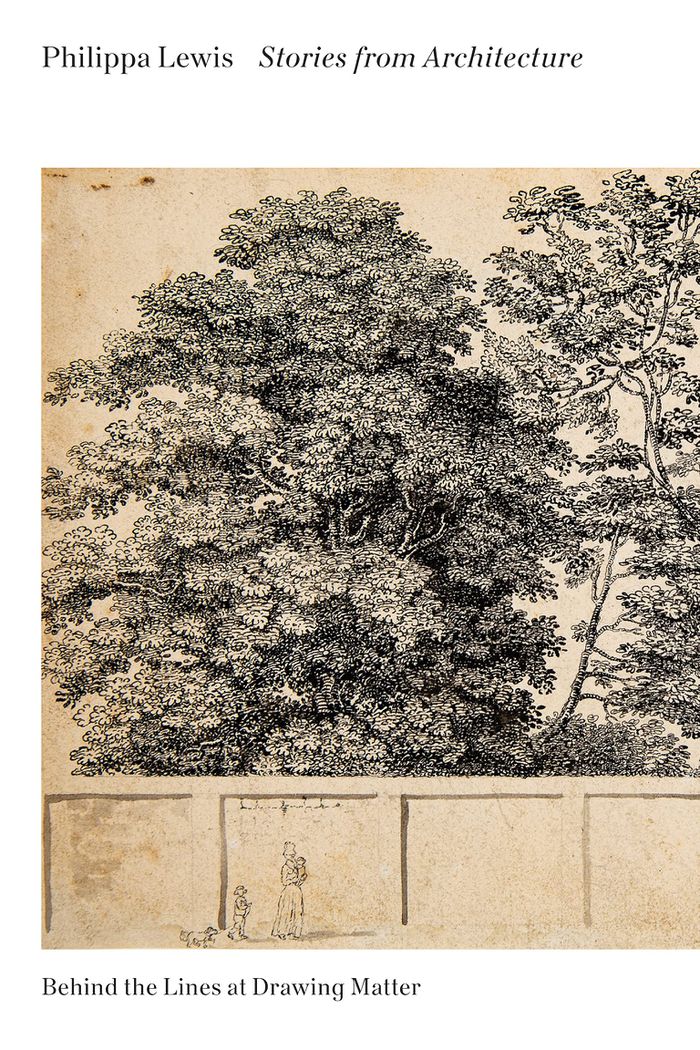
Even when an architectural drawing does not show any human figures, we can imagine many different characters just off the page: architects, artists, onlookers, clients, builders, developers, philanthropists—working, observing, admiring, arguing. In ''Stories from architecture,'' Philippa Lewis captures some of these personalities through reminiscences, anecdotes, conversations, letters, and monologues that collectively offer the imagined histories of twenty-five architectural drawings. Some of these untold stories are factual, like Frank Lloyd Wright’s correspondence with a Wisconsin librarian regarding her $5,000 dream home, or letters written by the English architect John Nash to his irascible aristocratic client. Others recount a fictional, if credible, scenario by placing these drawings—and with them their characters—into their immediate social context. For instance, the dilemmas facing a Regency couple who are considering a move to a suburban villa; a request from the office of Richard Neutra for an assistant to measure Josef von Sternberg’s Rolls-Royce so that the director’s beloved vehicle might fit into the garage being designed by his architect; a teenager dreaming of a life away from parental supervision by gazing at a gadget-filled bachelor pad in Playboy magazine; even a policeman recording the ground plans of the house of a murder scene. The drawings, reproduced in color, are all sourced from the Drawing Matter collection in Somerset, UK, and are fascinating objects in themselves; but Lewis shifts our attention beyond the image to other possible histories that linger, invisible, beyond the page, and in the process animates not just a series of archival documents but the writing of architectural history.
Stories from architecture: Behind the lines at Drawing Matter
Actions:
Prix:
$45.95
(disponible sur commande)
Résumé:
Even when an architectural drawing does not show any human figures, we can imagine many different characters just off the page: architects, artists, onlookers, clients, builders, developers, philanthropists—working, observing, admiring, arguing. In ''Stories from architecture,'' Philippa Lewis captures some of these personalities through reminiscences, anecdotes, conversations, letters, and monologues that collectively offer the imagined histories of twenty-five architectural drawings. Some of these untold stories are factual, like Frank Lloyd Wright’s correspondence with a Wisconsin librarian regarding her $5,000 dream home, or letters written by the English architect John Nash to his irascible aristocratic client. Others recount a fictional, if credible, scenario by placing these drawings—and with them their characters—into their immediate social context. For instance, the dilemmas facing a Regency couple who are considering a move to a suburban villa; a request from the office of Richard Neutra for an assistant to measure Josef von Sternberg’s Rolls-Royce so that the director’s beloved vehicle might fit into the garage being designed by his architect; a teenager dreaming of a life away from parental supervision by gazing at a gadget-filled bachelor pad in Playboy magazine; even a policeman recording the ground plans of the house of a murder scene. The drawings, reproduced in color, are all sourced from the Drawing Matter collection in Somerset, UK, and are fascinating objects in themselves; but Lewis shifts our attention beyond the image to other possible histories that linger, invisible, beyond the page, and in the process animates not just a series of archival documents but the writing of architectural history.
Classification:
livres
livres
Publication:
octobre 2021
octobre 2021
Sujet:
Théorie de l’architecture
Théorie de l’architecture


