


12370 Résultats
Classification:
livres
livres
Titre:
Perspecta 48: amnesia
Perspecta 48: amnesia
Actions:
Prix:
$43.95
(disponible sur commande)
Résumé:
This issue of Perspecta -- the oldest and most distinguished student-edited architectural journal in America -- proposes that amnesia, often seen as a destructive force, might also be understood as a productive one, that the gaps it creates might also provide spaces for invention. Contributions from a diverse group of scholars, artists, and practitioners explore the(...)
$43.95
(disponible sur commande)
Résumé:
This issue of Perspecta -- the oldest and most distinguished student-edited architectural journal in America -- proposes that amnesia, often seen as a destructive force, might also be understood as a productive one, that the gaps it creates might also provide spaces for invention. Contributions from a diverse group of scholars, artists, and practitioners explore the(...)
Titre:
Perspecta 48: amnesia
Actions:
Prix:
$43.95
(disponible sur commande)
Résumé:
This issue of Perspecta -- the oldest and most distinguished student-edited architectural journal in America -- proposes that amnesia, often seen as a destructive force, might also be understood as a productive one, that the gaps it creates might also provide spaces for invention. Contributions from a diverse group of scholars, artists, and practitioners explore the paradoxical nature of amnesia: How can forgetfulness be both harmful and generative? What will we borrow or abandon from yesterday to confront tomorrow? What sort of critical genealogies can be repurposed, suppressed, or manufactured to reenergize current practice? How might we construct counter-narratives, rebel histories, and alternative canons that are relevant to our present moment?
Perspecta 48: amnesia
Actions:
Prix:
$43.95
(disponible sur commande)
Résumé:
This issue of Perspecta -- the oldest and most distinguished student-edited architectural journal in America -- proposes that amnesia, often seen as a destructive force, might also be understood as a productive one, that the gaps it creates might also provide spaces for invention. Contributions from a diverse group of scholars, artists, and practitioners explore the paradoxical nature of amnesia: How can forgetfulness be both harmful and generative? What will we borrow or abandon from yesterday to confront tomorrow? What sort of critical genealogies can be repurposed, suppressed, or manufactured to reenergize current practice? How might we construct counter-narratives, rebel histories, and alternative canons that are relevant to our present moment?
Classification:
livres
livres
Publication:
août 2015
août 2015
Sujet:
Revues
Revues
Classification:
livres
livres
Actions:
Prix:
$92.95
(disponible en magasin)
Résumé:
Outlining the evolution of applied art and design in Finland, from origins in the late 19th century to the outset of the 21st, this study by Pekka Korenmaa pinpoints the main underlying factors behind Finnish design today and shows how these have become an integral aspect of the country’s identity, economy and international image. From industry to culture, and training(...)
$92.95
(disponible en magasin)
Résumé:
Outlining the evolution of applied art and design in Finland, from origins in the late 19th century to the outset of the 21st, this study by Pekka Korenmaa pinpoints the main underlying factors behind Finnish design today and shows how these have become an integral aspect of the country’s identity, economy and international image. From industry to culture, and training(...)
Titre:
Finnish design: a concise history
Actions:
Prix:
$92.95
(disponible en magasin)
Résumé:
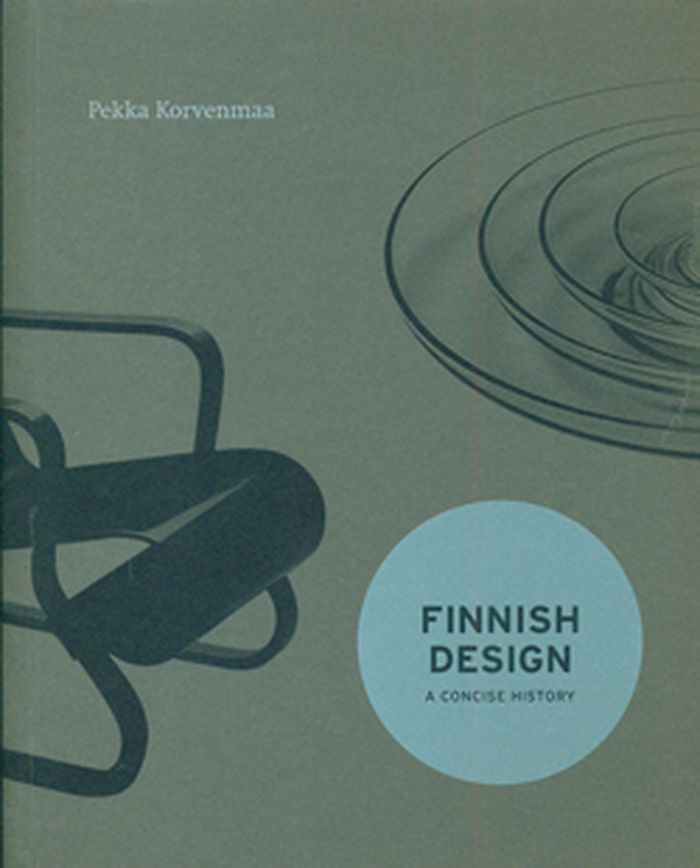
Outlining the evolution of applied art and design in Finland, from origins in the late 19th century to the outset of the 21st, this study by Pekka Korenmaa pinpoints the main underlying factors behind Finnish design today and shows how these have become an integral aspect of the country’s identity, economy and international image. From industry to culture, and training and education to designers and products, it thoroughly demonstrates how design has historically operated in the tension between art and industry, both serving and enhancing everyday life. Numerous photos, posters and illustrations portray every imaginable aspect of the rich diversity found in Finnish design.
Finnish design: a concise history
Actions:
Prix:
$92.95
(disponible en magasin)
Résumé:
Outlining the evolution of applied art and design in Finland, from origins in the late 19th century to the outset of the 21st, this study by Pekka Korenmaa pinpoints the main underlying factors behind Finnish design today and shows how these have become an integral aspect of the country’s identity, economy and international image. From industry to culture, and training and education to designers and products, it thoroughly demonstrates how design has historically operated in the tension between art and industry, both serving and enhancing everyday life. Numerous photos, posters and illustrations portray every imaginable aspect of the rich diversity found in Finnish design.
Classification:
livres
livres
Publication:
août 2013
août 2013
Sujet:
Design, époques et styles
Design, époques et styles
Classification:
livres
livres
Titre:
Water: alphabet city
Water: alphabet city
Actions:
Prix:
$18.95
(disponible sur commande)
Résumé:
Water includes a chemist's accounting of the true cost of water; photographs taken inside a city's secret waterways; an urban planner's description of how Toronto, New York, Hamburg, and Seoul have redesigned and rethought their waterfront areas; a conceptual artist's series of water bottles "branded" with various modern credos; photographs of a water-damaged ledger from(...)
$18.95
(disponible sur commande)
Résumé:
Water includes a chemist's accounting of the true cost of water; photographs taken inside a city's secret waterways; an urban planner's description of how Toronto, New York, Hamburg, and Seoul have redesigned and rethought their waterfront areas; a conceptual artist's series of water bottles "branded" with various modern credos; photographs of a water-damaged ledger from(...)
Titre:
Water: alphabet city
Actions:
Prix:
$18.95
(disponible sur commande)
Résumé:
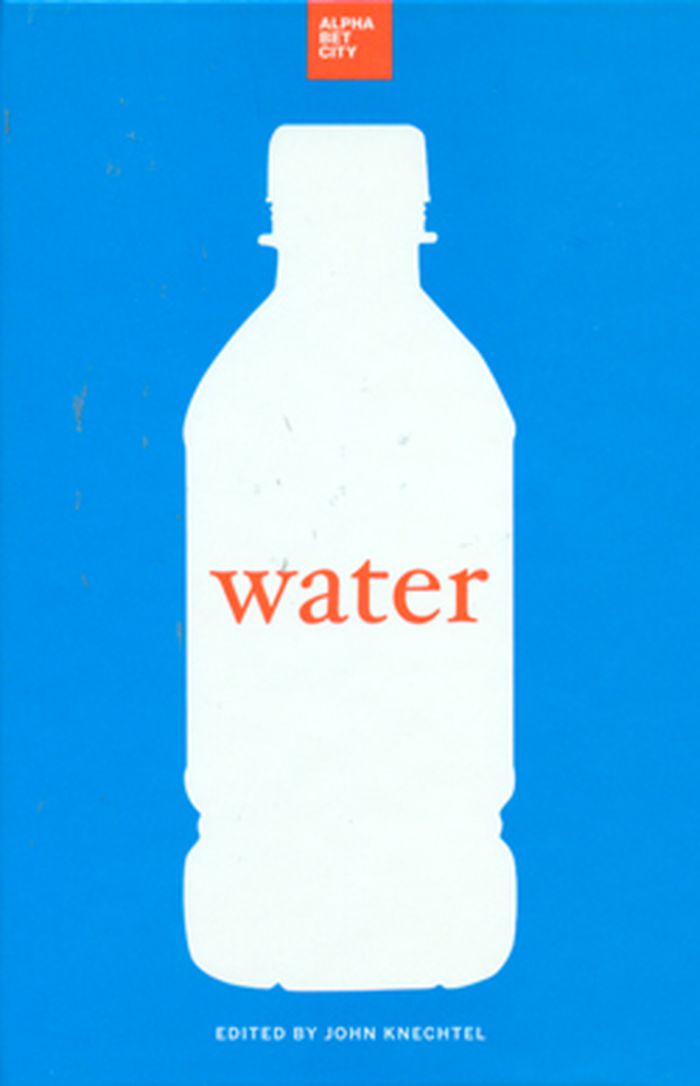
Water includes a chemist's accounting of the true cost of water; photographs taken inside a city's secret waterways; an urban planner's description of how Toronto, New York, Hamburg, and Seoul have redesigned and rethought their waterfront areas; a conceptual artist's series of water bottles "branded" with various modern credos; photographs of a water-damaged ledger from the 1905 Yukon gold rush; two architects' rethinking of how to collect, divert, and transport water from water-rich to water-poor regions; a philosopher's invocation of the spiritual lessons of water; and photographs of a disturbingly beautiful flooded landscape.
Water: alphabet city
Actions:
Prix:
$18.95
(disponible sur commande)
Résumé:
Water includes a chemist's accounting of the true cost of water; photographs taken inside a city's secret waterways; an urban planner's description of how Toronto, New York, Hamburg, and Seoul have redesigned and rethought their waterfront areas; a conceptual artist's series of water bottles "branded" with various modern credos; photographs of a water-damaged ledger from the 1905 Yukon gold rush; two architects' rethinking of how to collect, divert, and transport water from water-rich to water-poor regions; a philosopher's invocation of the spiritual lessons of water; and photographs of a disturbingly beautiful flooded landscape.
Classification:
livres
livres
Publication:
septembre 2009
septembre 2009
Sujet:
petits formats
petits formats
Classification:
livres
livres
Titre:
Archipelagic effects
Archipelagic effects
Actions:
Prix:
$29.00
(disponible sur commande)
Résumé:
"Archipelagic affects" explores how art residencies nurture effective spaces to study the tangible and intangible cultural, historical, and geopolitical connections between different island countries. Conceived by Yornel J. Martínez Elías, researcher Emily Shin-Jie Lee, and in collaboration with Taiwanese novelist Huang Chong-Kai, the book interweaves visual and textual(...)
$29.00
(disponible sur commande)
Résumé:
"Archipelagic affects" explores how art residencies nurture effective spaces to study the tangible and intangible cultural, historical, and geopolitical connections between different island countries. Conceived by Yornel J. Martínez Elías, researcher Emily Shin-Jie Lee, and in collaboration with Taiwanese novelist Huang Chong-Kai, the book interweaves visual and textual(...)
Sujet:
Théorie de l’art
Théorie de l’art
Publication:
juillet 2024
juillet 2024
Titre:
Archipelagic effects
Actions:
Prix:
$29.00
(disponible sur commande)
Résumé:
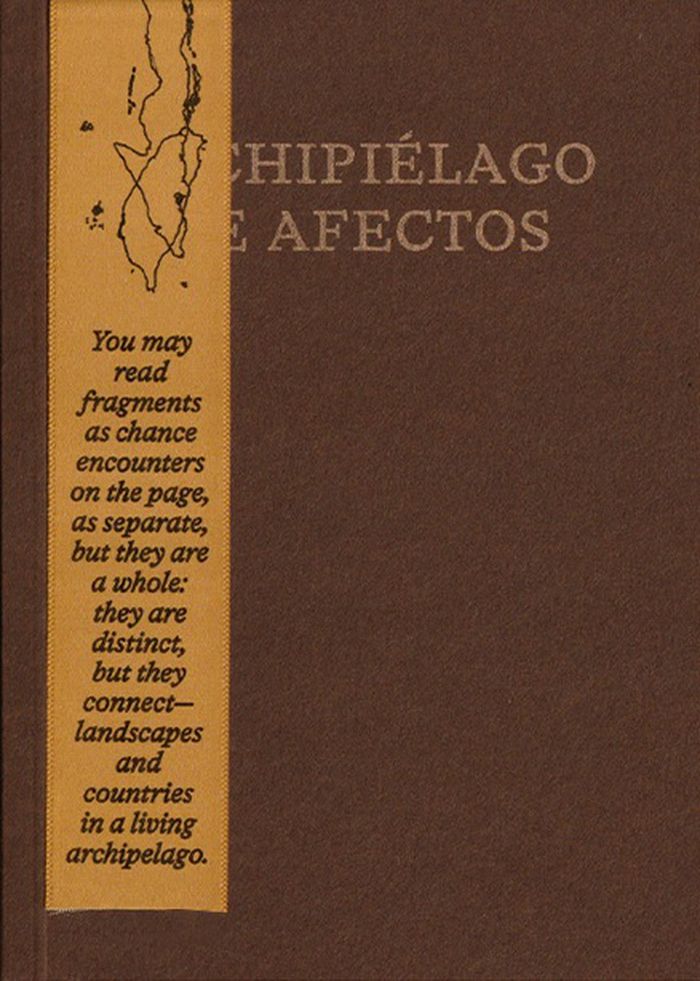
"Archipelagic affects" explores how art residencies nurture effective spaces to study the tangible and intangible cultural, historical, and geopolitical connections between different island countries. Conceived by Yornel J. Martínez Elías, researcher Emily Shin-Jie Lee, and in collaboration with Taiwanese novelist Huang Chong-Kai, the book interweaves visual and textual materials created in different time-spaces. Together, they form a shared travelogue that documents how cultures and worlds cross paths through an art residency experience.
Archipelagic effects
Actions:
Prix:
$29.00
(disponible sur commande)
Résumé:
"Archipelagic affects" explores how art residencies nurture effective spaces to study the tangible and intangible cultural, historical, and geopolitical connections between different island countries. Conceived by Yornel J. Martínez Elías, researcher Emily Shin-Jie Lee, and in collaboration with Taiwanese novelist Huang Chong-Kai, the book interweaves visual and textual materials created in different time-spaces. Together, they form a shared travelogue that documents how cultures and worlds cross paths through an art residency experience.
Classification:
livres
livres
Publication:
juillet 2024
juillet 2024
Sujet:
Théorie de l’art
Théorie de l’art
Classification:
livres
livres
Actions:
Prix:
$65.95
(disponible sur commande)
Résumé:
This book contains design inspiration for structures that are beautiful as well as sustainable. This unique and lavishly illustrated guide offers invaluable inspiration for the planning of sustainable structures and facilities. Twenty-four in-depth case studies provide information for a wide variety of projects - from schools, offices, and labs to libraries and a summer(...)
$65.95
(disponible sur commande)
Résumé:
This book contains design inspiration for structures that are beautiful as well as sustainable. This unique and lavishly illustrated guide offers invaluable inspiration for the planning of sustainable structures and facilities. Twenty-four in-depth case studies provide information for a wide variety of projects - from schools, offices, and labs to libraries and a summer(...)
Titre:
Emerald architecture: case studies in green building
Actions:
Prix:
$65.95
(disponible sur commande)
Résumé:
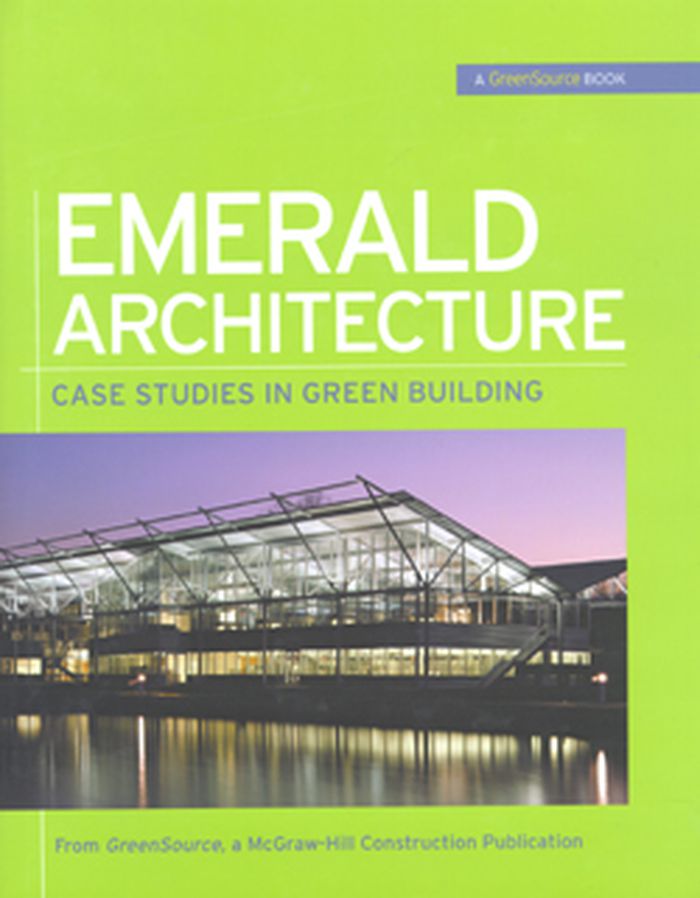
This book contains design inspiration for structures that are beautiful as well as sustainable. This unique and lavishly illustrated guide offers invaluable inspiration for the planning of sustainable structures and facilities. Twenty-four in-depth case studies provide information for a wide variety of projects - from schools, offices, and labs to libraries and a summer camp. Each case study includes a description of the building, how it works, and how successful it has been.
Emerald architecture: case studies in green building
Actions:
Prix:
$65.95
(disponible sur commande)
Résumé:
This book contains design inspiration for structures that are beautiful as well as sustainable. This unique and lavishly illustrated guide offers invaluable inspiration for the planning of sustainable structures and facilities. Twenty-four in-depth case studies provide information for a wide variety of projects - from schools, offices, and labs to libraries and a summer camp. Each case study includes a description of the building, how it works, and how successful it has been.
Classification:
livres
livres
Publication:
avril 2008, New York
avril 2008, New York
Sujet:
Architecture écologique
Architecture écologique
Classification:
livres
livres
Actions:
Prix:
$12.50
(disponible sur commande)
Résumé:
How do you build a yurt? A Bedouin tent? What about a kathe? What’s a yaranga? How about a hogan? Can you stay warm in an igloo? Are there secrets to living, thriving and surviving in specific climates? In this unique little book, Jonathan Horning examines basic shelters from all over the world: mud-brick adobe structures, nomads’ tents, travellers’ quick fixes, timber(...)
$12.50
(disponible sur commande)
Résumé:
How do you build a yurt? A Bedouin tent? What about a kathe? What’s a yaranga? How about a hogan? Can you stay warm in an igloo? Are there secrets to living, thriving and surviving in specific climates? In this unique little book, Jonathan Horning examines basic shelters from all over the world: mud-brick adobe structures, nomads’ tents, travellers’ quick fixes, timber(...)
Titre:
Simple shelters: Tents, tipis, yurts, domes and other ancient homes
Actions:
Prix:
$12.50
(disponible sur commande)
Résumé:
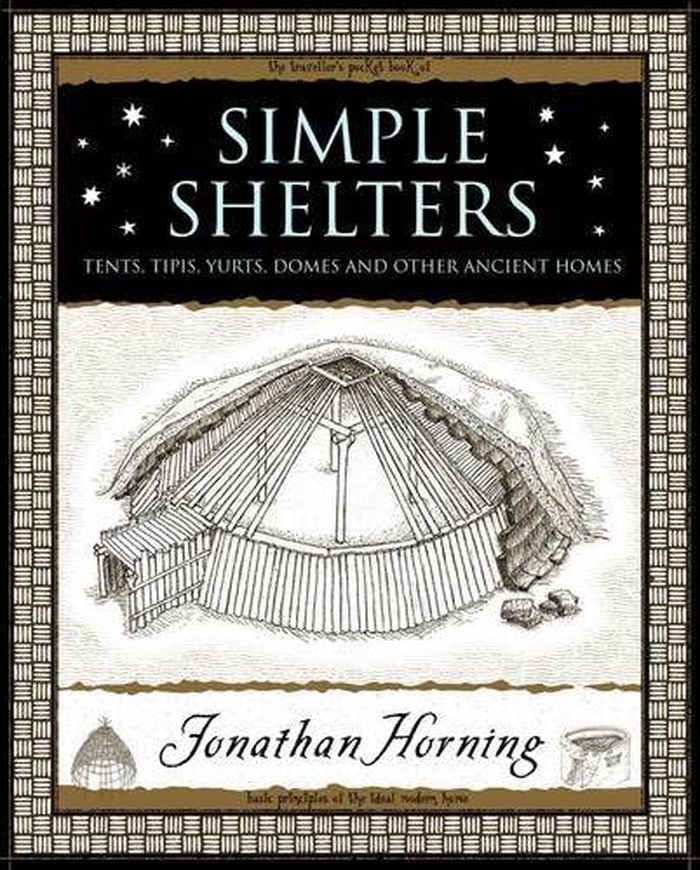
How do you build a yurt? A Bedouin tent? What about a kathe? What’s a yaranga? How about a hogan? Can you stay warm in an igloo? Are there secrets to living, thriving and surviving in specific climates? In this unique little book, Jonathan Horning examines basic shelters from all over the world: mud-brick adobe structures, nomads’ tents, travellers’ quick fixes, timber frame buildings, and modern solutions, including strawbale designs and geodesic domes.
Simple shelters: Tents, tipis, yurts, domes and other ancient homes
Actions:
Prix:
$12.50
(disponible sur commande)
Résumé:
How do you build a yurt? A Bedouin tent? What about a kathe? What’s a yaranga? How about a hogan? Can you stay warm in an igloo? Are there secrets to living, thriving and surviving in specific climates? In this unique little book, Jonathan Horning examines basic shelters from all over the world: mud-brick adobe structures, nomads’ tents, travellers’ quick fixes, timber frame buildings, and modern solutions, including strawbale designs and geodesic domes.
Classification:
livres
livres
Publication:
mars 2022
mars 2022
Sujet:
Architecture vernaculaire
Architecture vernaculaire
Classification:
livres
livres

Titre:
Experimental eating
Experimental eating
Actions:
Prix:
$24.95
(disponible sur commande)
Résumé:
Profiling a range of culinary pioneers working across the fields of art, science, theatre, catering and design, Experimental Eating demonstrates how current creative collaborations are pushing the boundaries of how we understand, experience and relate to food and the rituals of dining. The book encompasses unusual and cutting-edge foods, radical dining events, “kitchen(...)
$24.95
(disponible sur commande)
Résumé:
Profiling a range of culinary pioneers working across the fields of art, science, theatre, catering and design, Experimental Eating demonstrates how current creative collaborations are pushing the boundaries of how we understand, experience and relate to food and the rituals of dining. The book encompasses unusual and cutting-edge foods, radical dining events, “kitchen(...)
Titre:
Experimental eating
Actions:
Prix:
$24.95
(disponible sur commande)
Résumé:
Profiling a range of culinary pioneers working across the fields of art, science, theatre, catering and design, Experimental Eating demonstrates how current creative collaborations are pushing the boundaries of how we understand, experience and relate to food and the rituals of dining. The book encompasses unusual and cutting-edge foods, radical dining events, “kitchen laboratory” experiments, food sculptures and other documentation of the transient events that make up this field of work.
Experimental eating
Actions:
Prix:
$24.95
(disponible sur commande)
Résumé:
Profiling a range of culinary pioneers working across the fields of art, science, theatre, catering and design, Experimental Eating demonstrates how current creative collaborations are pushing the boundaries of how we understand, experience and relate to food and the rituals of dining. The book encompasses unusual and cutting-edge foods, radical dining events, “kitchen laboratory” experiments, food sculptures and other documentation of the transient events that make up this field of work.
Classification:
livres
livres
Publication:
juin 2014
juin 2014
Sujet:
Bouffe
Bouffe
Classification:
livres
livres
Actions:
Prix:
$37.95
(disponible sur commande)
Résumé:
In The City after Property, Sara Safransky examines how postindustrial decline generates new forms of urban land politics. In the 2010s, Detroit government officials classified a staggering 150,000 lots—more than a third of the city—as “vacant” or “abandoned.” Analyzing subsequent efforts to shrink the Motor City’s footprint and budget, Safransky presents a new way of(...)
$37.95
(disponible sur commande)
Résumé:
In The City after Property, Sara Safransky examines how postindustrial decline generates new forms of urban land politics. In the 2010s, Detroit government officials classified a staggering 150,000 lots—more than a third of the city—as “vacant” or “abandoned.” Analyzing subsequent efforts to shrink the Motor City’s footprint and budget, Safransky presents a new way of(...)
Titre:
The city after property: Abandonment and repair in postindustrial Detroit
Actions:
Prix:
$37.95
(disponible sur commande)
Résumé:
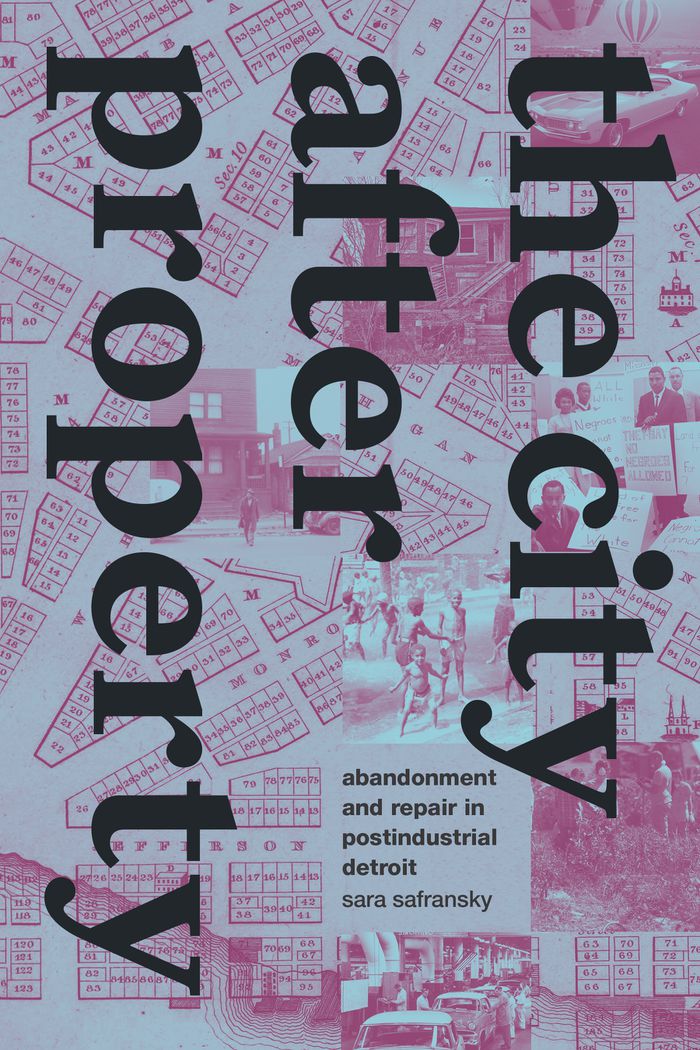
In The City after Property, Sara Safransky examines how postindustrial decline generates new forms of urban land politics. In the 2010s, Detroit government officials classified a staggering 150,000 lots—more than a third of the city—as “vacant” or “abandoned.” Analyzing subsequent efforts to shrink the Motor City’s footprint and budget, Safransky presents a new way of conceptualizing urban abandonment. She challenges popular myths that cast Detroit as empty along with narratives that reduce its historical decline to capital and white flight. In connecting contemporary debates over neoliberal urbanism to Cold War histories and the lasting political legacies of global movements for decolonization and Black liberation, she foregrounds how the making of—and challenges to—modern property regimes have shaped urban policy and politics. Drawing on critical geographical theory and community-based ethnography, Safransky shows how private property functions as a racialized construct, an ideology, and a moral force that shapes selves and worlds. By thinking the city “after property,” Safransky illuminates alternative ways of imagining and organizing urban life.
The city after property: Abandonment and repair in postindustrial Detroit
Actions:
Prix:
$37.95
(disponible sur commande)
Résumé:
In The City after Property, Sara Safransky examines how postindustrial decline generates new forms of urban land politics. In the 2010s, Detroit government officials classified a staggering 150,000 lots—more than a third of the city—as “vacant” or “abandoned.” Analyzing subsequent efforts to shrink the Motor City’s footprint and budget, Safransky presents a new way of conceptualizing urban abandonment. She challenges popular myths that cast Detroit as empty along with narratives that reduce its historical decline to capital and white flight. In connecting contemporary debates over neoliberal urbanism to Cold War histories and the lasting political legacies of global movements for decolonization and Black liberation, she foregrounds how the making of—and challenges to—modern property regimes have shaped urban policy and politics. Drawing on critical geographical theory and community-based ethnography, Safransky shows how private property functions as a racialized construct, an ideology, and a moral force that shapes selves and worlds. By thinking the city “after property,” Safransky illuminates alternative ways of imagining and organizing urban life.
Classification:
livres
livres
Publication:
août 2023
août 2023
Classification:
livres
livres
Prix:
$95.00
(disponible sur commande)
Résumé:
Canada’s first mosque, the Al Rashid mosque in Edmonton, was built in 1938. In the years since, as Canada’s Muslim population has grown, close to two hundred mosques, Islamic centres, prayer spaces, and jamatkhanas have been built across the country. ''Beyond the divide'' explores the mosques of Canada in their diversity, beauty, practicality, and versatility. From east(...)
$95.00
(disponible sur commande)
Résumé:
Canada’s first mosque, the Al Rashid mosque in Edmonton, was built in 1938. In the years since, as Canada’s Muslim population has grown, close to two hundred mosques, Islamic centres, prayer spaces, and jamatkhanas have been built across the country. ''Beyond the divide'' explores the mosques of Canada in their diversity, beauty, practicality, and versatility. From east(...)
Titre:
Beyond the divide: A century of Canadian mosque design
Actions:
Prix:
$95.00
(disponible sur commande)
Résumé:
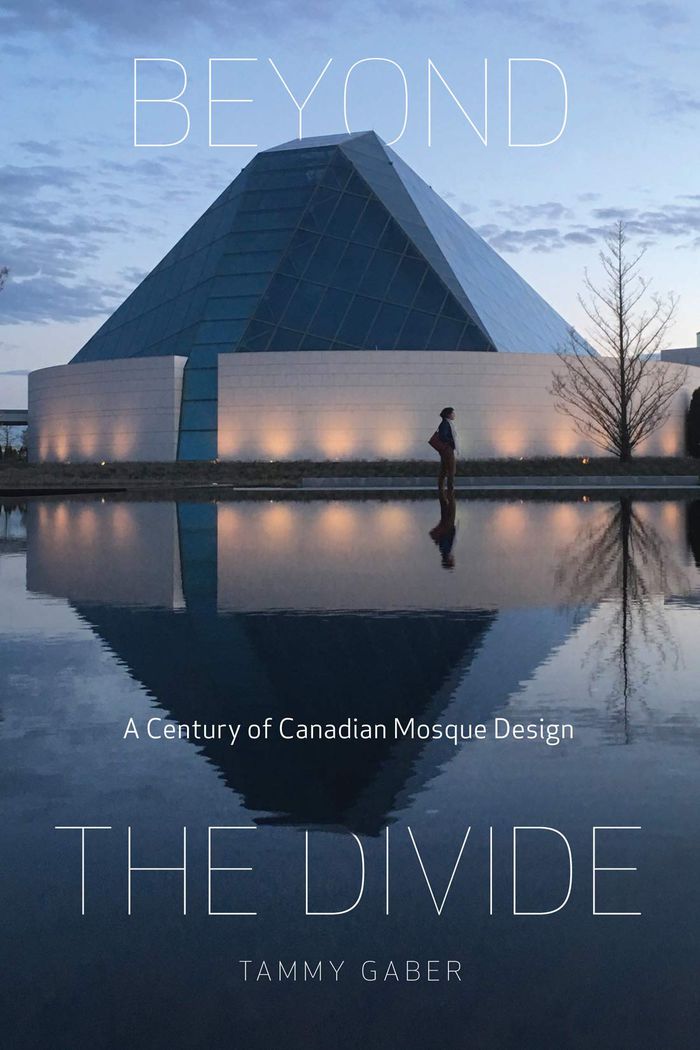
Canada’s first mosque, the Al Rashid mosque in Edmonton, was built in 1938. In the years since, as Canada’s Muslim population has grown, close to two hundred mosques, Islamic centres, prayer spaces, and jamatkhanas have been built across the country. ''Beyond the divide'' explores the mosques of Canada in their diversity, beauty, practicality, and versatility. From east to west and to the north, Tammy Gaber visits ninety mosques in more than fifty cities, including Canada’s most northern places of worship in Nunavut and the Northwest Territories. For nearly a century Muslims have made mosques in a variety of spaces, from converted shops and vacated churches to large, purpose-built complexes. Drawing on site photographs, architectural drawings, and interviews, Gaber explores the extraordinary diversity in how these spaces have been designed, built, and used – as places not only of worship, but of community gathering, education, charitable work, and civic engagement. Throughout, ''Beyond the divide'' provides a groundbreaking analysis of gendered space in Canadian mosques, how these spaces are designed and reinforced, and how these divides shape community experience.
Beyond the divide: A century of Canadian mosque design
Actions:
Prix:
$95.00
(disponible sur commande)
Résumé:
Canada’s first mosque, the Al Rashid mosque in Edmonton, was built in 1938. In the years since, as Canada’s Muslim population has grown, close to two hundred mosques, Islamic centres, prayer spaces, and jamatkhanas have been built across the country. ''Beyond the divide'' explores the mosques of Canada in their diversity, beauty, practicality, and versatility. From east to west and to the north, Tammy Gaber visits ninety mosques in more than fifty cities, including Canada’s most northern places of worship in Nunavut and the Northwest Territories. For nearly a century Muslims have made mosques in a variety of spaces, from converted shops and vacated churches to large, purpose-built complexes. Drawing on site photographs, architectural drawings, and interviews, Gaber explores the extraordinary diversity in how these spaces have been designed, built, and used – as places not only of worship, but of community gathering, education, charitable work, and civic engagement. Throughout, ''Beyond the divide'' provides a groundbreaking analysis of gendered space in Canadian mosques, how these spaces are designed and reinforced, and how these divides shape community experience.
Classification:
livres
livres
Publication:
février 2022
février 2022
Sujet:
Architecture du Canada
Architecture du Canada
Classification:
livres
livres
Actions:
Prix:
$36.95
(disponible sur commande)
Résumé:
In this volume, Ayala Levin charts the settler colonial imagination and practices that undergirded Israeli architectural development aid in Africa. Focusing on the ''golden age'' of Israel’s diplomatic relations in and throughout the continent from 1958 to 1973, Levin finds that Israel positioned itself as a developing-nation alternative in the competition over aid and(...)
$36.95
(disponible sur commande)
Résumé:
In this volume, Ayala Levin charts the settler colonial imagination and practices that undergirded Israeli architectural development aid in Africa. Focusing on the ''golden age'' of Israel’s diplomatic relations in and throughout the continent from 1958 to 1973, Levin finds that Israel positioned itself as a developing-nation alternative in the competition over aid and(...)
Titre:
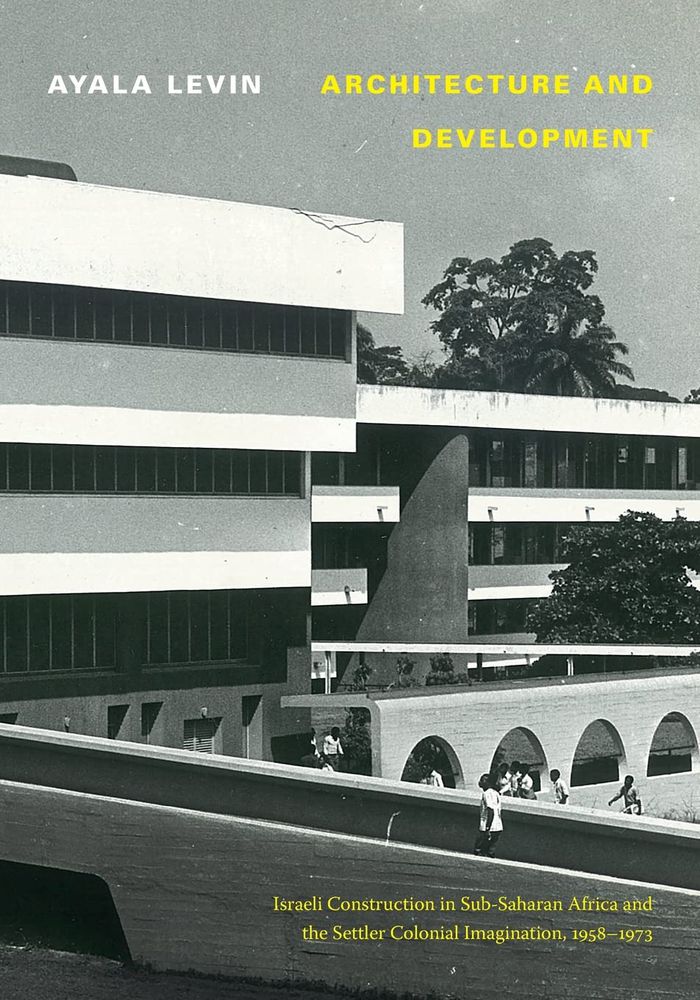
Architecture and development: Israeli construction in sub-saharan Africa 1958-1973
Actions:
Prix:
$36.95
(disponible sur commande)
Résumé:
In this volume, Ayala Levin charts the settler colonial imagination and practices that undergirded Israeli architectural development aid in Africa. Focusing on the ''golden age'' of Israel’s diplomatic relations in and throughout the continent from 1958 to 1973, Levin finds that Israel positioned itself as a developing-nation alternative in the competition over aid and influence between global North and global South. In analyses of the design and construction of prestigious governmental projects in Nigeria, Sierra Leone, and Ethiopia, Levin details how architects, planners, and a trade union--owned construction company staged Israel as a new center of nonaligned expertise. These actors and professionals paradoxically capitalized on their settler colonial experience in Palestine, refashioning it as an alternative to Western colonial expertise. Levin traces how Israel became involved in the modernization of governance, education, and agriculture in Africa, as well as how African leaders chose to work with Israel to forge new South-South connections. In so doing, she offers new ways of understanding the role of architecture as a vehicle of postcolonial development and in the mobilization of development resources.
Architecture and development: Israeli construction in sub-saharan Africa 1958-1973
Actions:
Prix:
$36.95
(disponible sur commande)
Résumé:
In this volume, Ayala Levin charts the settler colonial imagination and practices that undergirded Israeli architectural development aid in Africa. Focusing on the ''golden age'' of Israel’s diplomatic relations in and throughout the continent from 1958 to 1973, Levin finds that Israel positioned itself as a developing-nation alternative in the competition over aid and influence between global North and global South. In analyses of the design and construction of prestigious governmental projects in Nigeria, Sierra Leone, and Ethiopia, Levin details how architects, planners, and a trade union--owned construction company staged Israel as a new center of nonaligned expertise. These actors and professionals paradoxically capitalized on their settler colonial experience in Palestine, refashioning it as an alternative to Western colonial expertise. Levin traces how Israel became involved in the modernization of governance, education, and agriculture in Africa, as well as how African leaders chose to work with Israel to forge new South-South connections. In so doing, she offers new ways of understanding the role of architecture as a vehicle of postcolonial development and in the mobilization of development resources.
Classification:
livres
livres
Publication:
mars 2022
mars 2022


