


9272 Résultats
Classification:
livres
livres
Actions:
Prix:
$67.50
(disponible sur commande)
Résumé:
Design is changing rapidly. The ideological freedom gained over the past ten or fifteen years, combined with new insights in all design related fields, leads to playful experimentation and unprecedented proposals in design, architecture and art. You could say that design is spreading its wings to explore all opportunities for putting human creativity to good use. In(...)
$67.50
(disponible sur commande)
Résumé:
Design is changing rapidly. The ideological freedom gained over the past ten or fifteen years, combined with new insights in all design related fields, leads to playful experimentation and unprecedented proposals in design, architecture and art. You could say that design is spreading its wings to explore all opportunities for putting human creativity to good use. In(...)
Titre:
Less + more : droog design in context
Actions:
Prix:
$67.50
(disponible sur commande)
Résumé:
Design is changing rapidly. The ideological freedom gained over the past ten or fifteen years, combined with new insights in all design related fields, leads to playful experimentation and unprecedented proposals in design, architecture and art. You could say that design is spreading its wings to explore all opportunities for putting human creativity to good use. In addition the new emphasis on sound, image simulation, electronic services, product context as well as corporate image, opens up an inspiring panorama of gradually decreasing materiality. In many cases objects are no longer the aim of the design process. Rather they become illustrations of intentions, use and everything that may happen around them. This way of thinking is spreading across all disciplines of applied as well as fine arts. Design is evolving into the skill of controlling the immaterial, evoking experiences and establishing identities. This richly illustrated new publication by Renny Ramakers, co-founder of Droog Design, describes and unravels all these new developments in applied expression, using examples from design, art, architecture and of course Droog Design itself.
Less + more : droog design in context
Actions:
Prix:
$67.50
(disponible sur commande)
Résumé:
Design is changing rapidly. The ideological freedom gained over the past ten or fifteen years, combined with new insights in all design related fields, leads to playful experimentation and unprecedented proposals in design, architecture and art. You could say that design is spreading its wings to explore all opportunities for putting human creativity to good use. In addition the new emphasis on sound, image simulation, electronic services, product context as well as corporate image, opens up an inspiring panorama of gradually decreasing materiality. In many cases objects are no longer the aim of the design process. Rather they become illustrations of intentions, use and everything that may happen around them. This way of thinking is spreading across all disciplines of applied as well as fine arts. Design is evolving into the skill of controlling the immaterial, evoking experiences and establishing identities. This richly illustrated new publication by Renny Ramakers, co-founder of Droog Design, describes and unravels all these new developments in applied expression, using examples from design, art, architecture and of course Droog Design itself.
Classification:
livres
livres
Publication:
avril 2002, Rotterdam
avril 2002, Rotterdam
Sujet:
Design, monographies
Design, monographies
Classification:
livres
livres
Actions:
Prix:
$12.50
(disponible sur commande)
Résumé:
Has corporate business overtaken the art world? It's no secret that art and business have always mixed, but their relationship today sparks more questions than ever. "Museum, inc." describes the new art conglomerates from an insider's perspective, probing how their roots run deep into corporate culture. Paul Werner draws on his nine years at the Guggenheim Museum to(...)
$12.50
(disponible sur commande)
Résumé:
Has corporate business overtaken the art world? It's no secret that art and business have always mixed, but their relationship today sparks more questions than ever. "Museum, inc." describes the new art conglomerates from an insider's perspective, probing how their roots run deep into corporate culture. Paul Werner draws on his nine years at the Guggenheim Museum to(...)
Titre:
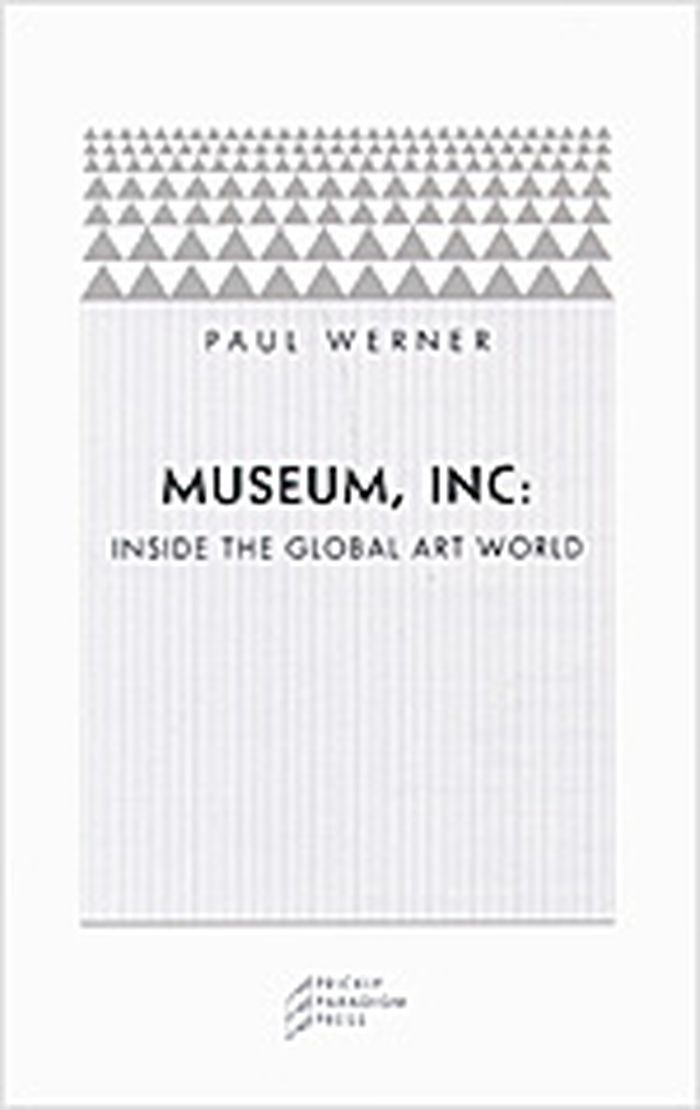
Museum, inc : inside the global art world
Actions:
Prix:
$12.50
(disponible sur commande)
Résumé:
Has corporate business overtaken the art world? It's no secret that art and business have always mixed, but their relationship today sparks more questions than ever. "Museum, inc." describes the new art conglomerates from an insider's perspective, probing how their roots run deep into corporate culture. Paul Werner draws on his nine years at the Guggenheim Museum to reveal that contemporary art museums have not broken radically with the past, as often claimed. Rather, Werner observes, they are the logical outcome of the evolution of cultural institutions rooted in the eighteenth-century Enlightenment, the colonial expansion of the liberal nation-state, and the rhetoric of democracy. Werner critically analyzes today's art institutions and reframes the public's accepted view of them, exposing how their apparent success belies the troubling forces operating within them. He ultimately argues that the art museum we know and love may have already run its course. An engaging discourse structured as an informal gallery talk, "Museum, inc." is a thought-provoking and passionate polemic that offers ideas for a new, more democratic museum.
Museum, inc : inside the global art world
Actions:
Prix:
$12.50
(disponible sur commande)
Résumé:
Has corporate business overtaken the art world? It's no secret that art and business have always mixed, but their relationship today sparks more questions than ever. "Museum, inc." describes the new art conglomerates from an insider's perspective, probing how their roots run deep into corporate culture. Paul Werner draws on his nine years at the Guggenheim Museum to reveal that contemporary art museums have not broken radically with the past, as often claimed. Rather, Werner observes, they are the logical outcome of the evolution of cultural institutions rooted in the eighteenth-century Enlightenment, the colonial expansion of the liberal nation-state, and the rhetoric of democracy. Werner critically analyzes today's art institutions and reframes the public's accepted view of them, exposing how their apparent success belies the troubling forces operating within them. He ultimately argues that the art museum we know and love may have already run its course. An engaging discourse structured as an informal gallery talk, "Museum, inc." is a thought-provoking and passionate polemic that offers ideas for a new, more democratic museum.
Classification:
livres
livres
Publication:
novembre 2005, Chicago
novembre 2005, Chicago
Classification:
livres
livres
Titre:
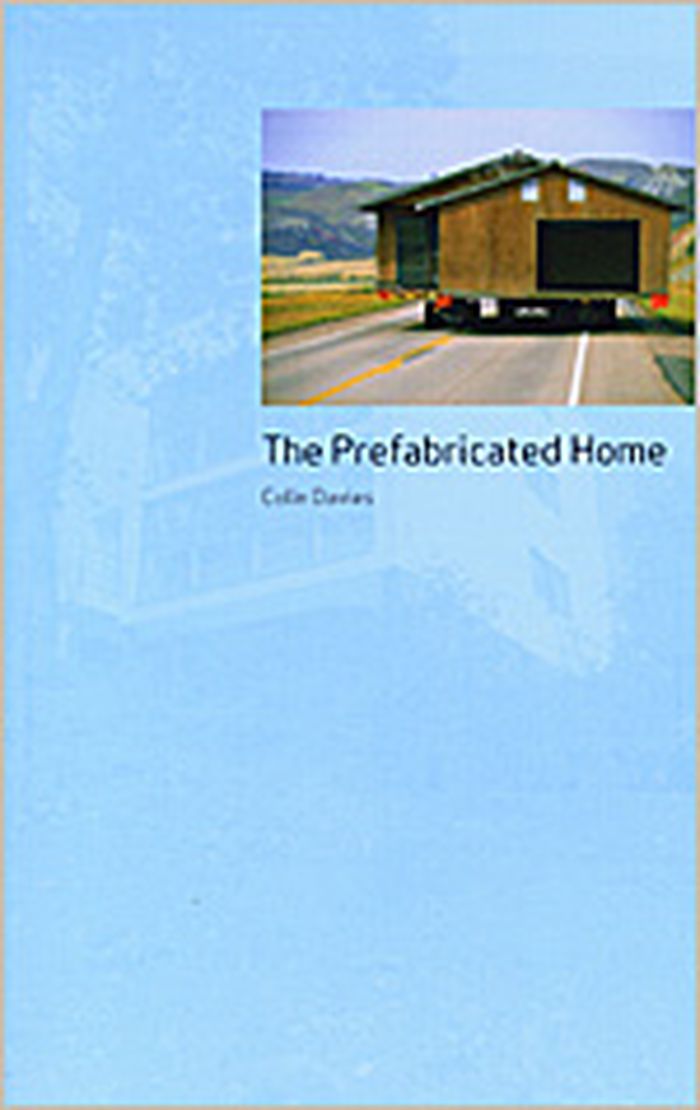
The prefabricated home
The prefabricated home
Actions:
Prix:
$33.95
(disponible sur commande)
Résumé:
Prefabrication cannot be ignored, for it challenges the most traditional values of architecture. Architects may have neglected this area of practical construction, but they have much to learn from pattern-book houses, modular structures, Portakabins and mobile homes. The Prefabricated Home examines how the relationship between architecture and industrialized building(...)
$33.95
(disponible sur commande)
Résumé:
Prefabrication cannot be ignored, for it challenges the most traditional values of architecture. Architects may have neglected this area of practical construction, but they have much to learn from pattern-book houses, modular structures, Portakabins and mobile homes. The Prefabricated Home examines how the relationship between architecture and industrialized building(...)
Titre:
The prefabricated home
Actions:
Prix:
$33.95
(disponible sur commande)
Résumé:
Prefabrication cannot be ignored, for it challenges the most traditional values of architecture. Architects may have neglected this area of practical construction, but they have much to learn from pattern-book houses, modular structures, Portakabins and mobile homes. The Prefabricated Home examines how the relationship between architecture and industrialized building has now become an urgent issue for architects.Colin Davies traces the history of prefabricated buildings from small-scale ‘prefabs’ to the precast concrete mass housing of the 1960s to the present-day revival of interest in ‘volumetric’ modular buildings, and assesses their architectural implications. He looks at what is happening today in factories and on building sites worldwide, and contrasts the aesthetic concerns of architects with the economic ones of industrialized building manufacturers. He argues that the involvement of architects in industrialized building can produce an exciting new type of architecture that is humane, liberating and environmentally friendly. The Prefabricated Home is a revealing and instructive book that will appeal to anyone interested in architecture and concerned with the future of housing.
The prefabricated home
Actions:
Prix:
$33.95
(disponible sur commande)
Résumé:
Prefabrication cannot be ignored, for it challenges the most traditional values of architecture. Architects may have neglected this area of practical construction, but they have much to learn from pattern-book houses, modular structures, Portakabins and mobile homes. The Prefabricated Home examines how the relationship between architecture and industrialized building has now become an urgent issue for architects.Colin Davies traces the history of prefabricated buildings from small-scale ‘prefabs’ to the precast concrete mass housing of the 1960s to the present-day revival of interest in ‘volumetric’ modular buildings, and assesses their architectural implications. He looks at what is happening today in factories and on building sites worldwide, and contrasts the aesthetic concerns of architects with the economic ones of industrialized building manufacturers. He argues that the involvement of architects in industrialized building can produce an exciting new type of architecture that is humane, liberating and environmentally friendly. The Prefabricated Home is a revealing and instructive book that will appeal to anyone interested in architecture and concerned with the future of housing.
Classification:
livres
livres
Publication:
mai 2005, London
mai 2005, London
Sujet:
Architecture préfabriquée
Architecture préfabriquée
Classification:
livres
livres
Prix:
$39.95
(disponible sur commande)
Résumé:
The Situationist International, which leaped to the fore during the Paris tumult of 1968, has extended its revolutionary influence right up to the present day. In "Leaving the Twentieth Century", the movement is captured for the first time in its full range and diversity. McKenzie Wark traces the group’s development from the bohemian Paris of the ’50s to the explosive(...)
$39.95
(disponible sur commande)
Résumé:
The Situationist International, which leaped to the fore during the Paris tumult of 1968, has extended its revolutionary influence right up to the present day. In "Leaving the Twentieth Century", the movement is captured for the first time in its full range and diversity. McKenzie Wark traces the group’s development from the bohemian Paris of the ’50s to the explosive(...)
Titre:
Leaving the Twentieth Century: Situationist revolutions
Actions:
Prix:
$39.95
(disponible sur commande)
Résumé:
The Situationist International, which leaped to the fore during the Paris tumult of 1968, has extended its revolutionary influence right up to the present day. In "Leaving the Twentieth Century", the movement is captured for the first time in its full range and diversity. McKenzie Wark traces the group’s development from the bohemian Paris of the ’50s to the explosive days of May ’68. She introduces the group as an ensemble, revealing the work and activities of thinkers previously obscured by the reputation of founding member Guy Debord. Roaming through Europe and exploring the vital lives its members—including Constant, Asger Jorn, Michèle Bernstein, Alexander Trocchi, and Jacqueline de Jong—Wark uncovers a group riven with conflicting passions. She follows the narrative beyond 1968, to the Situationists International’s disintegration and beyond: the ideas of T. J. Clark, the Fourierist utopia of Raoul Vaneigem, René Vienet’s earthy situationist cinema, Gianfranco Sanguinetti’s pranking of the Italian ruling class, Alice Becker-Ho’s account of the anonymous language of the Romany, and Debord’s late films and his surprising work as a game designer.
Leaving the Twentieth Century: Situationist revolutions
Actions:
Prix:
$39.95
(disponible sur commande)
Résumé:
The Situationist International, which leaped to the fore during the Paris tumult of 1968, has extended its revolutionary influence right up to the present day. In "Leaving the Twentieth Century", the movement is captured for the first time in its full range and diversity. McKenzie Wark traces the group’s development from the bohemian Paris of the ’50s to the explosive days of May ’68. She introduces the group as an ensemble, revealing the work and activities of thinkers previously obscured by the reputation of founding member Guy Debord. Roaming through Europe and exploring the vital lives its members—including Constant, Asger Jorn, Michèle Bernstein, Alexander Trocchi, and Jacqueline de Jong—Wark uncovers a group riven with conflicting passions. She follows the narrative beyond 1968, to the Situationists International’s disintegration and beyond: the ideas of T. J. Clark, the Fourierist utopia of Raoul Vaneigem, René Vienet’s earthy situationist cinema, Gianfranco Sanguinetti’s pranking of the Italian ruling class, Alice Becker-Ho’s account of the anonymous language of the Romany, and Debord’s late films and his surprising work as a game designer.
Classification:
livres
livres
Publication:
août 2024
août 2024
Sujet:
Théorie/ philosophie
Théorie/ philosophie
Classification:
livres
livres
Actions:
Prix:
$49.50
(disponible sur commande)
Résumé:
"Digital Ground" is an architect's response to the design challenge posed by pervasive computing. One century into the electronic age, people have become accustomed to interacting indirectly, mediated through networks. But now as digital technology becomes invisibly embedded in everyday things, even more activities become mediated, and networks extend rather than replace(...)
$49.50
(disponible sur commande)
Résumé:
"Digital Ground" is an architect's response to the design challenge posed by pervasive computing. One century into the electronic age, people have become accustomed to interacting indirectly, mediated through networks. But now as digital technology becomes invisibly embedded in everyday things, even more activities become mediated, and networks extend rather than replace(...)
Sujet:
Théorie de l’architecture
Théorie de l’architecture
Publication:
avril 2004, Cambridge, Mass.
avril 2004, Cambridge, Mass.
Titre:
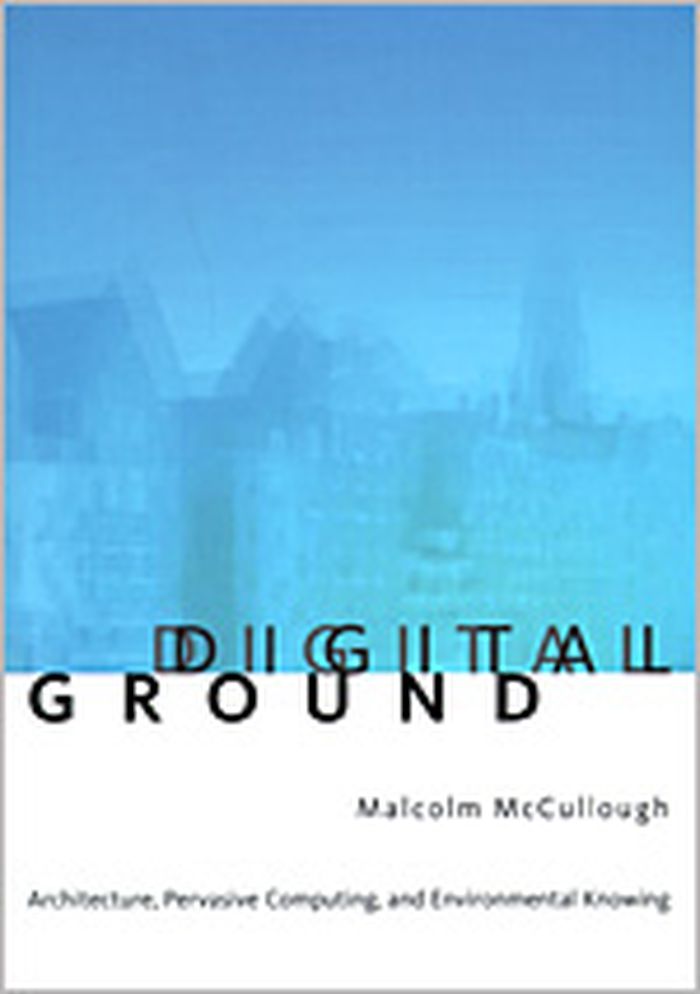
Digital ground : architecture, pervasive computing, and environmental knowing
Actions:
Prix:
$49.50
(disponible sur commande)
Résumé:
"Digital Ground" is an architect's response to the design challenge posed by pervasive computing. One century into the electronic age, people have become accustomed to interacting indirectly, mediated through networks. But now as digital technology becomes invisibly embedded in everyday things, even more activities become mediated, and networks extend rather than replace architecture. The young field of interaction design reflects not only how people deal with machine interfaces but also how people deal with each other in situations where interactivity has become ambient. It shifts previously utilitarian digital design concerns to a cultural level, adding notions of premise, appropriateness, and appreciation. Malcolm McCullough offers an account of the intersections of architecture and interaction design, arguing that the ubiquitous technology does not obviate the human need for place. His concept of "digital ground" expresses an alternative to anytime-anyplace sameness in computing; he shows that context not only shapes usability but ideally becomes the subject matter of interaction design and that "environmental knowing" is a process that technology may serve and not erode.
Digital ground : architecture, pervasive computing, and environmental knowing
Actions:
Prix:
$49.50
(disponible sur commande)
Résumé:
"Digital Ground" is an architect's response to the design challenge posed by pervasive computing. One century into the electronic age, people have become accustomed to interacting indirectly, mediated through networks. But now as digital technology becomes invisibly embedded in everyday things, even more activities become mediated, and networks extend rather than replace architecture. The young field of interaction design reflects not only how people deal with machine interfaces but also how people deal with each other in situations where interactivity has become ambient. It shifts previously utilitarian digital design concerns to a cultural level, adding notions of premise, appropriateness, and appreciation. Malcolm McCullough offers an account of the intersections of architecture and interaction design, arguing that the ubiquitous technology does not obviate the human need for place. His concept of "digital ground" expresses an alternative to anytime-anyplace sameness in computing; he shows that context not only shapes usability but ideally becomes the subject matter of interaction design and that "environmental knowing" is a process that technology may serve and not erode.
Classification:
livres
livres
Publication:
avril 2004, Cambridge, Mass.
avril 2004, Cambridge, Mass.
Sujet:
Théorie de l’architecture
Théorie de l’architecture
Classification:
livres
livres
Actions:
Prix:
$55.90
(disponible sur commande)
Résumé:
Even the most inventive and revolutionary architects of today owe debts to the past, often to the distant past when architecture really was being invented for the first time. Architects depend on their own imaginations for personal insights and originality but their ideas may be stimulated (consciously or subliminally) by particularly powerful buildings from history. "The(...)
$55.90
(disponible sur commande)
Résumé:
Even the most inventive and revolutionary architects of today owe debts to the past, often to the distant past when architecture really was being invented for the first time. Architects depend on their own imaginations for personal insights and originality but their ideas may be stimulated (consciously or subliminally) by particularly powerful buildings from history. "The(...)
Titre:
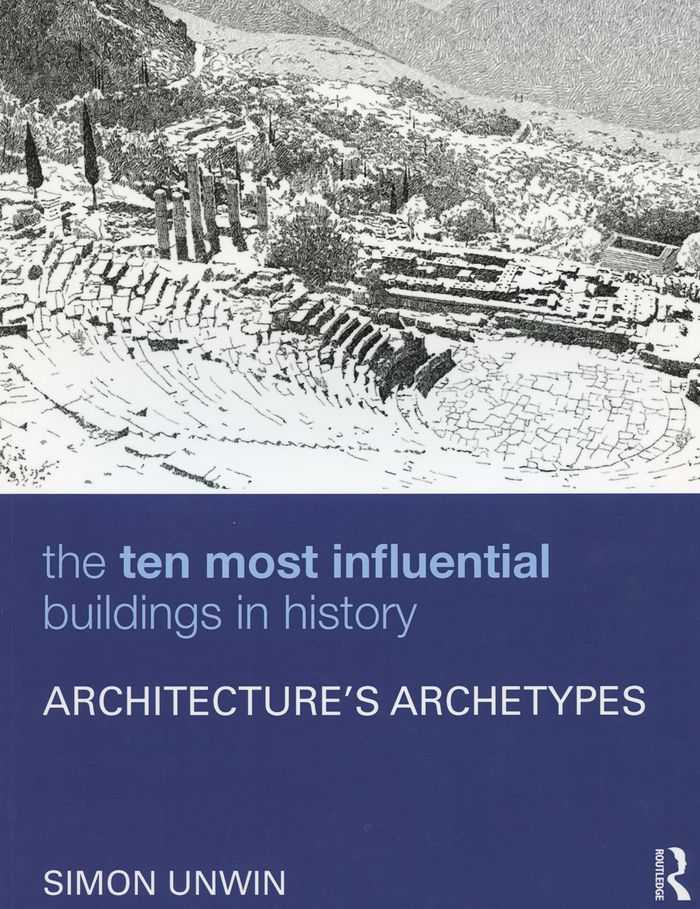
The ten most influential buildings in history: Architecture's archetypes
Actions:
Prix:
$55.90
(disponible sur commande)
Résumé:
Even the most inventive and revolutionary architects of today owe debts to the past, often to the distant past when architecture really was being invented for the first time. Architects depend on their own imaginations for personal insights and originality but their ideas may be stimulated (consciously or subliminally) by particularly powerful buildings from history. "The Ten Most Influential Buildings in History: Architecture’s Archetypes" identifies ten architectural archetypes that have been sources of inspiration for architects through the centuries. Each archetype is analysed through distinctive examples, following the methodology established by the author in his previous books. The variety of 'lines of enquiry’ each archetype has provoked in latter-day architects are then explored by analysing their work to reveal ideas inspired by those earlier buildings. Archetypes have a timeless relevance. In adopting this approach, The Ten Most Influential Buildings in History is as pertinent to contemporary practice as it is to understanding buildings from antiquity, and offers insights into the bridges of influence that can operate between the two.
The ten most influential buildings in history: Architecture's archetypes
Actions:
Prix:
$55.90
(disponible sur commande)
Résumé:
Even the most inventive and revolutionary architects of today owe debts to the past, often to the distant past when architecture really was being invented for the first time. Architects depend on their own imaginations for personal insights and originality but their ideas may be stimulated (consciously or subliminally) by particularly powerful buildings from history. "The Ten Most Influential Buildings in History: Architecture’s Archetypes" identifies ten architectural archetypes that have been sources of inspiration for architects through the centuries. Each archetype is analysed through distinctive examples, following the methodology established by the author in his previous books. The variety of 'lines of enquiry’ each archetype has provoked in latter-day architects are then explored by analysing their work to reveal ideas inspired by those earlier buildings. Archetypes have a timeless relevance. In adopting this approach, The Ten Most Influential Buildings in History is as pertinent to contemporary practice as it is to understanding buildings from antiquity, and offers insights into the bridges of influence that can operate between the two.
Classification:
livres
livres
Publication:
juillet 2016
juillet 2016
Sujet:
Théorie de l’architecture
Théorie de l’architecture
Classification:
livres
livres
Prix:
$36.00
(disponible sur commande)
Résumé:
In his book, Barry Allen develops the philosophical implications of a series of interrelated concepts - knowledge, artifact, design, tool, art, and technology - and uses them to explore parallel questions about artistry in technology and technics in art. This may be seen at the heart of "Artifice and design" in Allen's discussion of seven bridges : he focuses at length on(...)
$36.00
(disponible sur commande)
Résumé:
In his book, Barry Allen develops the philosophical implications of a series of interrelated concepts - knowledge, artifact, design, tool, art, and technology - and uses them to explore parallel questions about artistry in technology and technics in art. This may be seen at the heart of "Artifice and design" in Allen's discussion of seven bridges : he focuses at length on(...)
Titre:
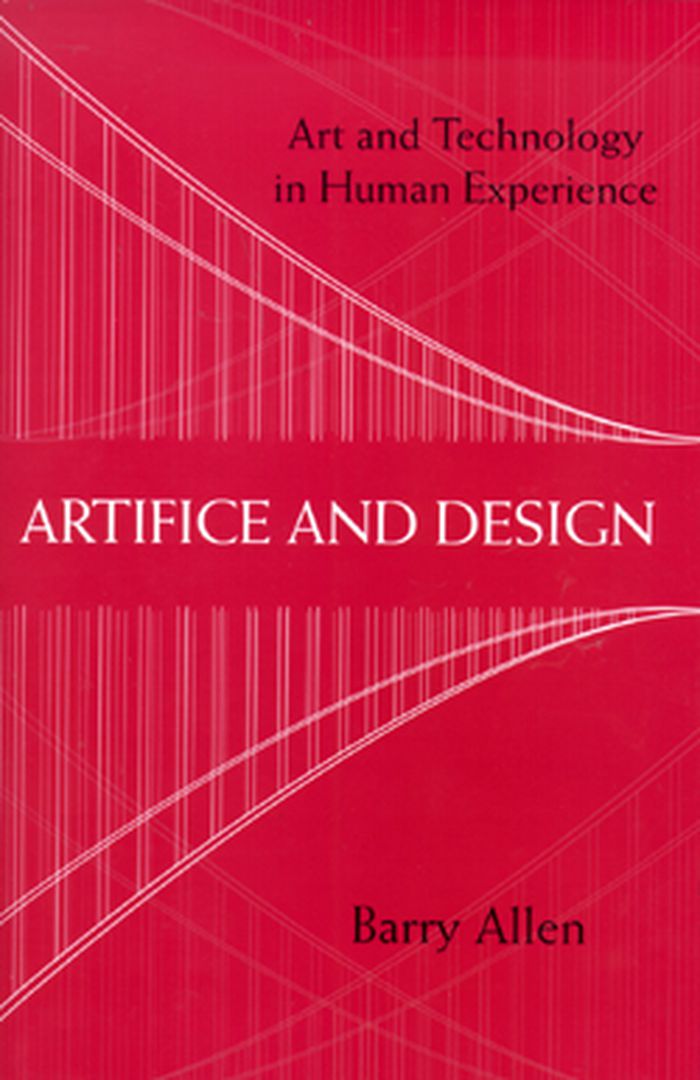
Artifice and design : art and technology in human experience
Actions:
Prix:
$36.00
(disponible sur commande)
Résumé:
In his book, Barry Allen develops the philosophical implications of a series of interrelated concepts - knowledge, artifact, design, tool, art, and technology - and uses them to explore parallel questions about artistry in technology and technics in art. This may be seen at the heart of "Artifice and design" in Allen's discussion of seven bridges : he focuses at length on two New York bridges — the Hell Gate Bridge and the Bayonne Bridge — and makes use of original sources for insight into the designers' ideas about the aesthetic dimensions of their work. Allen starts from the conviction that art and technology must be treated together, as two aspects of a common, technical human nature. The topics covered in "Artifice and design" are wide-ranging and interdisciplinary, drawing from evolutionary biology, cognitive psychology, and the history and anthropology of art and technology. The book concludes that it is a mistake to think of Art as something subjective, or as an arbitrary social representation, and of Technology as an instrumental form of purposive rationality.
Artifice and design : art and technology in human experience
Actions:
Prix:
$36.00
(disponible sur commande)
Résumé:
In his book, Barry Allen develops the philosophical implications of a series of interrelated concepts - knowledge, artifact, design, tool, art, and technology - and uses them to explore parallel questions about artistry in technology and technics in art. This may be seen at the heart of "Artifice and design" in Allen's discussion of seven bridges : he focuses at length on two New York bridges — the Hell Gate Bridge and the Bayonne Bridge — and makes use of original sources for insight into the designers' ideas about the aesthetic dimensions of their work. Allen starts from the conviction that art and technology must be treated together, as two aspects of a common, technical human nature. The topics covered in "Artifice and design" are wide-ranging and interdisciplinary, drawing from evolutionary biology, cognitive psychology, and the history and anthropology of art and technology. The book concludes that it is a mistake to think of Art as something subjective, or as an arbitrary social representation, and of Technology as an instrumental form of purposive rationality.
Classification:
livres
livres
Publication:
juillet 2008, Ithaca, London
juillet 2008, Ithaca, London
Sujet:
Théorie du design
Théorie du design
Classification:
livres
livres
Actions:
Prix:
$45.00
(disponible sur commande)
Résumé:
Lafayette Park, a middle-class residential area in downtown Detroit, is home to the largest collection of buildings designed by Ludwig Mies van der Rohe in the world. Throughout the 1990s and 2000s, it remained one of Detroit's most racially integrated and economically stable neighborhoods, although it was surrounded by evidence of a city in financial distress. Through(...)
$45.00
(disponible sur commande)
Résumé:
Lafayette Park, a middle-class residential area in downtown Detroit, is home to the largest collection of buildings designed by Ludwig Mies van der Rohe in the world. Throughout the 1990s and 2000s, it remained one of Detroit's most racially integrated and economically stable neighborhoods, although it was surrounded by evidence of a city in financial distress. Through(...)
Sujet:
Architecture, monographies
Architecture, monographies
Publication:
février 2019
février 2019
Titre:
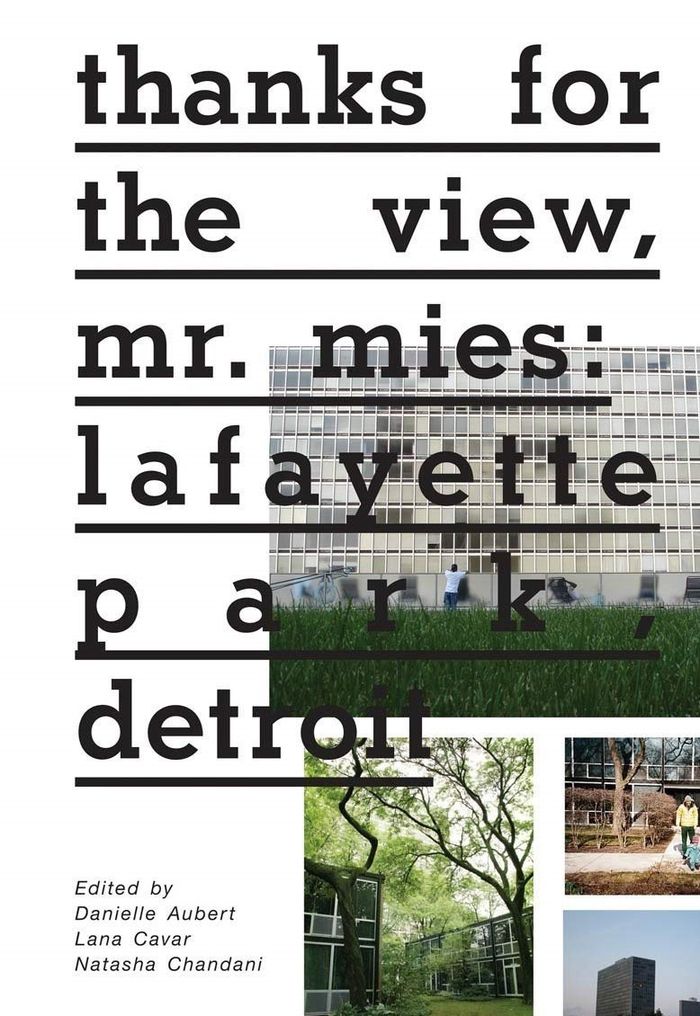
Thanks for the view, Mr. Mies. Lafeyette Park, Detroit. Revised edition
Actions:
Prix:
$45.00
(disponible sur commande)
Résumé:
Lafayette Park, a middle-class residential area in downtown Detroit, is home to the largest collection of buildings designed by Ludwig Mies van der Rohe in the world. Throughout the 1990s and 2000s, it remained one of Detroit's most racially integrated and economically stable neighborhoods, although it was surrounded by evidence of a city in financial distress. Through interviews with and essays by residents, reproductions of archival material, new photographs by Karin Jobst, Vasco Roma and Corine Vermeulen, and previously unpublished photographs by documentary filmmaker Janine Debanné, 'Thanks for the View, Mr. Mies' examines the way that Lafayette Park residents confront and interact with this unique modernist environment. This book is a reaction against the way that iconic modernist architecture is often represented. Whereas other writers may focus on the design intentions of the architect, authors Aubert, Cavar and Chandani seek to show the organic and idiosyncratic ways in which the people who live in Lafayette Park actually use the architecture and how this experience, in turn, affects their everyday lives.
Thanks for the view, Mr. Mies. Lafeyette Park, Detroit. Revised edition
Actions:
Prix:
$45.00
(disponible sur commande)
Résumé:
Lafayette Park, a middle-class residential area in downtown Detroit, is home to the largest collection of buildings designed by Ludwig Mies van der Rohe in the world. Throughout the 1990s and 2000s, it remained one of Detroit's most racially integrated and economically stable neighborhoods, although it was surrounded by evidence of a city in financial distress. Through interviews with and essays by residents, reproductions of archival material, new photographs by Karin Jobst, Vasco Roma and Corine Vermeulen, and previously unpublished photographs by documentary filmmaker Janine Debanné, 'Thanks for the View, Mr. Mies' examines the way that Lafayette Park residents confront and interact with this unique modernist environment. This book is a reaction against the way that iconic modernist architecture is often represented. Whereas other writers may focus on the design intentions of the architect, authors Aubert, Cavar and Chandani seek to show the organic and idiosyncratic ways in which the people who live in Lafayette Park actually use the architecture and how this experience, in turn, affects their everyday lives.
Classification:
livres
livres
Publication:
février 2019
février 2019
Sujet:
Architecture, monographies
Architecture, monographies
Classification:
livres
livres
Titre:
Suburban ark
Suburban ark
Actions:
Prix:
$38.95
(disponible sur commande)
Résumé:
This publication deals with a number of major topical issues brought together on an installation called the "Suburban ark". The theme of this installation was "The flood", which was also the theme for the 2nd international architecture biennal held in Rotterdam from May 26 through June 26, 2005. In a series of lectures, excursions, and workshops taking place during the(...)
$38.95
(disponible sur commande)
Résumé:
This publication deals with a number of major topical issues brought together on an installation called the "Suburban ark". The theme of this installation was "The flood", which was also the theme for the 2nd international architecture biennal held in Rotterdam from May 26 through June 26, 2005. In a series of lectures, excursions, and workshops taking place during the(...)
Sujet:
Théorie de l’urbanisme
Théorie de l’urbanisme
Publication:
janvier 2006, Rotterdam
janvier 2006, Rotterdam
Titre:
Suburban ark
Actions:
Prix:
$38.95
(disponible sur commande)
Résumé:
This publication deals with a number of major topical issues brought together on an installation called the "Suburban ark". The theme of this installation was "The flood", which was also the theme for the 2nd international architecture biennal held in Rotterdam from May 26 through June 26, 2005. In a series of lectures, excursions, and workshops taking place during the Biennal, innovative possibilities were developed for the supply of energy and water. The Suburban ank functioned as a floating lab with test rigs for wind energy, freshwater-saltwater energy, and energy from digestion. The Suburban ark opposes the fact that house building on water is subject to comfort-focused facilities of house building on land, and investigates new parcelization typologies for water dwellings. The Suburban ark objects to the relentless consequences of parcelization brought about by the installation of the infrastructure. To point out the direction in which to look for solutions, a number of items of furniture have been developed that are self-contained and capable of operating without the use of existing energy sources, pipes and cables.
Suburban ark
Actions:
Prix:
$38.95
(disponible sur commande)
Résumé:
This publication deals with a number of major topical issues brought together on an installation called the "Suburban ark". The theme of this installation was "The flood", which was also the theme for the 2nd international architecture biennal held in Rotterdam from May 26 through June 26, 2005. In a series of lectures, excursions, and workshops taking place during the Biennal, innovative possibilities were developed for the supply of energy and water. The Suburban ank functioned as a floating lab with test rigs for wind energy, freshwater-saltwater energy, and energy from digestion. The Suburban ark opposes the fact that house building on water is subject to comfort-focused facilities of house building on land, and investigates new parcelization typologies for water dwellings. The Suburban ark objects to the relentless consequences of parcelization brought about by the installation of the infrastructure. To point out the direction in which to look for solutions, a number of items of furniture have been developed that are self-contained and capable of operating without the use of existing energy sources, pipes and cables.
Classification:
livres
livres
Publication:
janvier 2006, Rotterdam
janvier 2006, Rotterdam
Sujet:
Théorie de l’urbanisme
Théorie de l’urbanisme
Classification:
livres
livres
Actions:
Prix:
$25.50
(disponible en magasin)
Résumé:
The Zurich architect couple Annette Gigon and Mike Guyer are known for creating places for intense contemplation. After the Kirchner Museum at Davos, the extension of the Winterthur art museum, the renovation of the Winterthur collection Oskar Reinhart, their new(...)
$25.50
(disponible en magasin)
Résumé:
The Zurich architect couple Annette Gigon and Mike Guyer are known for creating places for intense contemplation. After the Kirchner Museum at Davos, the extension of the Winterthur art museum, the renovation of the Winterthur collection Oskar Reinhart, their new(...)
Titre:
Gigon & Guyer : Museum Liner Appenzell
Actions:
Prix:
$25.50
(disponible en magasin)
Résumé:
The Zurich architect couple Annette Gigon and Mike Guyer are known for creating places for intense contemplation. After the Kirchner Museum at Davos, the extension of the Winterthur art museum, the renovation of the Winterthur collection Oskar Reinhart, their new museum project at Appenzell also exhibits a powerful, idiosyncratic sense of aesthetics. The Museum Liner, dedicated to the Appenzell painters Carl August and Carl Walter Liner, father and son, presents itself as a sculptural design: the very antithesis to descriptive postmodern architecture that threatens to draw attention away from the exhibits, this museum by Gigon and Guyer rests on the imperative of clear stereometrics and neutral spaces. In a rather subtle way, the architects succeeded in both integrating the new structure into the rural surroundings and the surroundings into the building. The fragile balance of mutual integration and partial participation may well serve as a metaphor for the difficult relationship between life and art. This book features the building, completed in 1998, in a photographic sequence by Gaston Wicky and textual essays by Hubertus Adam and Peter Dering.
Gigon & Guyer : Museum Liner Appenzell
Actions:
Prix:
$25.50
(disponible en magasin)
Résumé:
The Zurich architect couple Annette Gigon and Mike Guyer are known for creating places for intense contemplation. After the Kirchner Museum at Davos, the extension of the Winterthur art museum, the renovation of the Winterthur collection Oskar Reinhart, their new museum project at Appenzell also exhibits a powerful, idiosyncratic sense of aesthetics. The Museum Liner, dedicated to the Appenzell painters Carl August and Carl Walter Liner, father and son, presents itself as a sculptural design: the very antithesis to descriptive postmodern architecture that threatens to draw attention away from the exhibits, this museum by Gigon and Guyer rests on the imperative of clear stereometrics and neutral spaces. In a rather subtle way, the architects succeeded in both integrating the new structure into the rural surroundings and the surroundings into the building. The fragile balance of mutual integration and partial participation may well serve as a metaphor for the difficult relationship between life and art. This book features the building, completed in 1998, in a photographic sequence by Gaston Wicky and textual essays by Hubertus Adam and Peter Dering.
Classification:
livres
livres
Publication:
janvier 2001, Bregenz
janvier 2001, Bregenz
Sujet:
petits formats
petits formats


