


9272 Résultats
Classification:
livres
livres
Prix:
$72.00
(disponible en magasin)
Résumé:
Marking the first museum exhibition devoted solely to the photographs of Ellsworth Kelly, this volume features each photograph in the Santa Barbara Museum of Art’s illuminating presentation of this lesser-known aspect of Kelly’s art. From the late 1940s on, Kelly created an era-defining body of abstract art based on many kinds of visual phenomena he perceived around him.(...)
$72.00
(disponible en magasin)
Résumé:
Marking the first museum exhibition devoted solely to the photographs of Ellsworth Kelly, this volume features each photograph in the Santa Barbara Museum of Art’s illuminating presentation of this lesser-known aspect of Kelly’s art. From the late 1940s on, Kelly created an era-defining body of abstract art based on many kinds of visual phenomena he perceived around him.(...)
Titre:
Shape, ground, shadow: The photographs of Ellsworth Kelly
Actions:
Prix:
$72.00
(disponible en magasin)
Résumé:
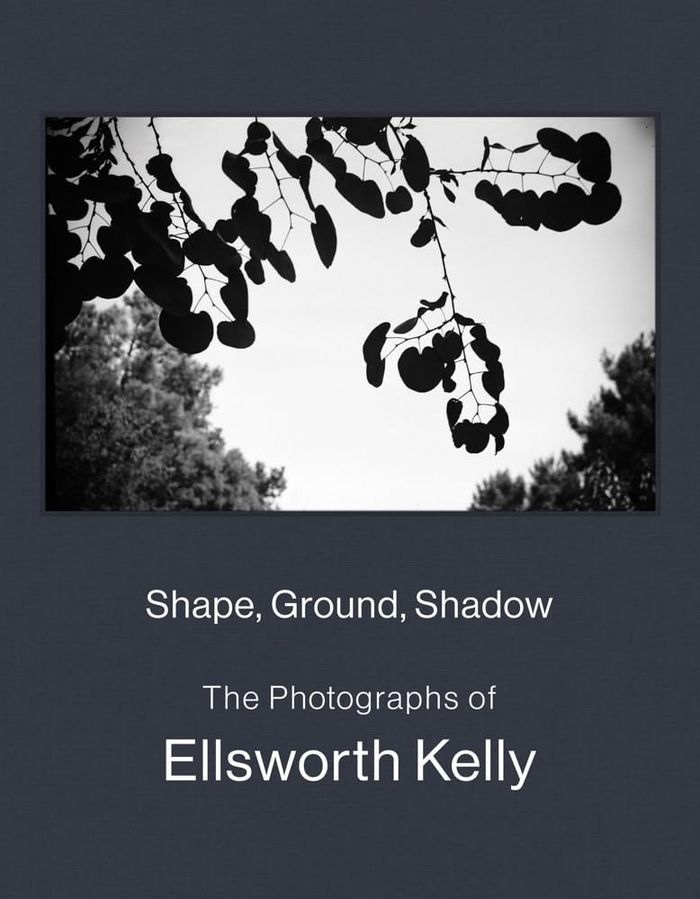
Marking the first museum exhibition devoted solely to the photographs of Ellsworth Kelly, this volume features each photograph in the Santa Barbara Museum of Art’s illuminating presentation of this lesser-known aspect of Kelly’s art. From the late 1940s on, Kelly created an era-defining body of abstract art based on many kinds of visual phenomena he perceived around him. Largely made for himself, Kelly’s photographs record these discoveries in tightly-composed images of nature and architecture that often reverberate with striking sunlight and shadow. Similar as they may appear, Kelly did not base his paintings, sculpture and works on paper on his photographs. The camera for Kelly was yet one more artistic tool he used to brilliantly transcribe his lived surroundings into an art that, however abstract, always resonated with his subjective experiences of actual, everyday worlds. Kelly’s rich sensory fascination with such worlds, from shadows on a beachside staircase to the curve of a snowy hillside, courses throughout this handsome book. To those familiar with or new to the artist, these photographs offer a vividly direct chance to see Ellsworth Kelly’s eye and mind at work unlike any other genre in which this groundbreaking artist ever worked.
Shape, ground, shadow: The photographs of Ellsworth Kelly
Actions:
Prix:
$72.00
(disponible en magasin)
Résumé:
Marking the first museum exhibition devoted solely to the photographs of Ellsworth Kelly, this volume features each photograph in the Santa Barbara Museum of Art’s illuminating presentation of this lesser-known aspect of Kelly’s art. From the late 1940s on, Kelly created an era-defining body of abstract art based on many kinds of visual phenomena he perceived around him. Largely made for himself, Kelly’s photographs record these discoveries in tightly-composed images of nature and architecture that often reverberate with striking sunlight and shadow. Similar as they may appear, Kelly did not base his paintings, sculpture and works on paper on his photographs. The camera for Kelly was yet one more artistic tool he used to brilliantly transcribe his lived surroundings into an art that, however abstract, always resonated with his subjective experiences of actual, everyday worlds. Kelly’s rich sensory fascination with such worlds, from shadows on a beachside staircase to the curve of a snowy hillside, courses throughout this handsome book. To those familiar with or new to the artist, these photographs offer a vividly direct chance to see Ellsworth Kelly’s eye and mind at work unlike any other genre in which this groundbreaking artist ever worked.
Classification:
livres
livres
Publication:
mars 2024
mars 2024
Sujet:
Monographies photo
Monographies photo
Classification:
livres
livres
Prix:
$85.95
(disponible en magasin)
Résumé:
Initially founded as a Facebook group in May 2019, ''Forgotten Architecture''s goal is to research and unearth not well known modern architecture worldwide. The idea behind it is simple: to recover projects by little-known architects and works left in the shadows of the masters, to delve into the work of "minor" figures, and to unite alternative takes on the History of(...)
$85.95
(disponible en magasin)
Résumé:
Initially founded as a Facebook group in May 2019, ''Forgotten Architecture''s goal is to research and unearth not well known modern architecture worldwide. The idea behind it is simple: to recover projects by little-known architects and works left in the shadows of the masters, to delve into the work of "minor" figures, and to unite alternative takes on the History of(...)
Titre:
Forgotten architecture : An archive of overshadowed projects
Actions:
Prix:
$85.95
(disponible en magasin)
Résumé:
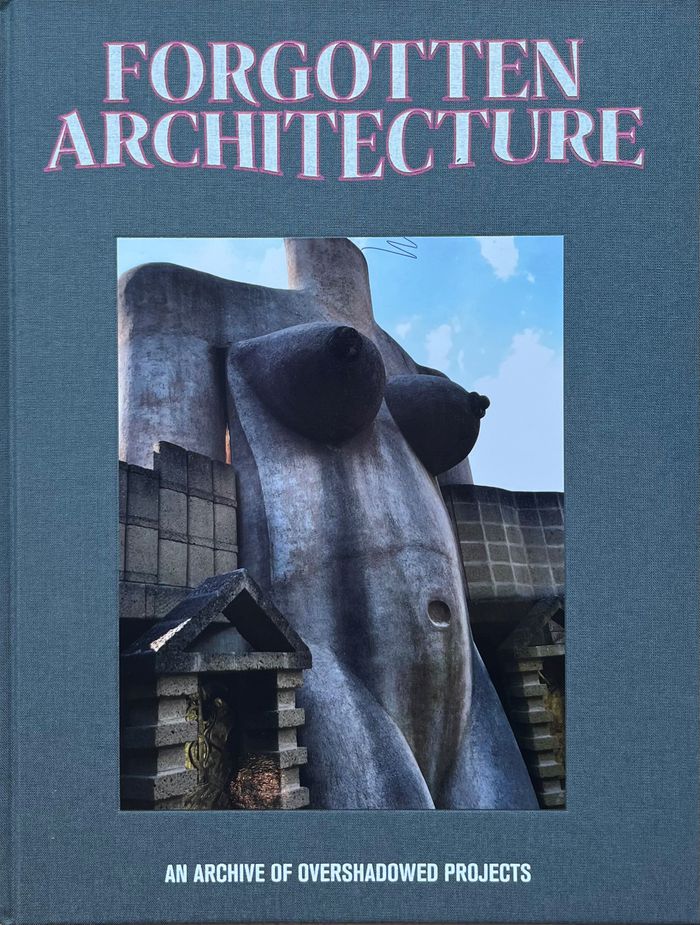
Initially founded as a Facebook group in May 2019, ''Forgotten Architecture''s goal is to research and unearth not well known modern architecture worldwide. The idea behind it is simple: to recover projects by little-known architects and works left in the shadows of the masters, to delve into the work of "minor" figures, and to unite alternative takes on the History of Architecture as a complement to university courses. The book maintains its distinctive features of a collective, dynamic, and horizontal experience born on a social network. The publication uses the architectural categories most frequently featured in the group as guiding themes, providing for each project a collection of photographic materials, documents, and drawings from prominent professional firms, institutions, and private archives—such as Fornasetti, Gaetano Pesce, Nanda Vigo, Vitra. Ephemeral architecture, gas stations, night clubs, playgrounds, houses, vacation resorts, cemeteries, churches, architectures in music videos. At the end of the book, a series of critical essays reflect on its characteristics as a collective and pedagogical experience, considering the repercussions of this experience on the discipline of architecture through different points of view.
Forgotten architecture : An archive of overshadowed projects
Actions:
Prix:
$85.95
(disponible en magasin)
Résumé:
Initially founded as a Facebook group in May 2019, ''Forgotten Architecture''s goal is to research and unearth not well known modern architecture worldwide. The idea behind it is simple: to recover projects by little-known architects and works left in the shadows of the masters, to delve into the work of "minor" figures, and to unite alternative takes on the History of Architecture as a complement to university courses. The book maintains its distinctive features of a collective, dynamic, and horizontal experience born on a social network. The publication uses the architectural categories most frequently featured in the group as guiding themes, providing for each project a collection of photographic materials, documents, and drawings from prominent professional firms, institutions, and private archives—such as Fornasetti, Gaetano Pesce, Nanda Vigo, Vitra. Ephemeral architecture, gas stations, night clubs, playgrounds, houses, vacation resorts, cemeteries, churches, architectures in music videos. At the end of the book, a series of critical essays reflect on its characteristics as a collective and pedagogical experience, considering the repercussions of this experience on the discipline of architecture through different points of view.
Classification:
livres
livres
Publication:
mai 2024
mai 2024
Sujet:
Architecture contemporaine
Architecture contemporaine
Classification:
livres
livres
Titre:
Smart architecture
Smart architecture
Actions:
Prix:
$30.95
(disponible en magasin)
Résumé:
Consider the notions of time, efficiency and interactivity in the context of architecture and instantly you may find your head clouded with images of technocratic modernism. Think of ecology and environmental issues in relation to buildings and what you get is either a vision of Arcadian green landscapes thinly built-on with small reed-roofed houses, or horrific projects(...)
$30.95
(disponible en magasin)
Résumé:
Consider the notions of time, efficiency and interactivity in the context of architecture and instantly you may find your head clouded with images of technocratic modernism. Think of ecology and environmental issues in relation to buildings and what you get is either a vision of Arcadian green landscapes thinly built-on with small reed-roofed houses, or horrific projects(...)
Sujet:
Théorie de l’architecture
Théorie de l’architecture
Publication:
janvier 2002, Rotterdam
janvier 2002, Rotterdam
Titre:
Smart architecture
Actions:
Prix:
$30.95
(disponible en magasin)
Résumé:
Consider the notions of time, efficiency and interactivity in the context of architecture and instantly you may find your head clouded with images of technocratic modernism. Think of ecology and environmental issues in relation to buildings and what you get is either a vision of Arcadian green landscapes thinly built-on with small reed-roofed houses, or horrific projects with environmentally responsible add-ons. The smart thing to do is to think in terms of interaction, minimum use of materials and energy, and careful planning over longer periods of time, so as to reduce the environmental impact of this major human activity called building. What you then get is smart architecture. "Smart Architecture" is a lavishly illustrated, light-hearted book. The outcome of the research project that SLA Foundation presented on its smartarch website (www.smartarch.nl), it mainly consists of examples involving climate control, supplemented with new ideas on planning, building and construction and the application of intelligent systems, all contributing to sustainability. In the book challenges and opportunities are analysed, guided by numerous inspiring examples. It presents a smart way to fulfil user demands now and in roughly three hundred years' time.
Smart architecture
Actions:
Prix:
$30.95
(disponible en magasin)
Résumé:
Consider the notions of time, efficiency and interactivity in the context of architecture and instantly you may find your head clouded with images of technocratic modernism. Think of ecology and environmental issues in relation to buildings and what you get is either a vision of Arcadian green landscapes thinly built-on with small reed-roofed houses, or horrific projects with environmentally responsible add-ons. The smart thing to do is to think in terms of interaction, minimum use of materials and energy, and careful planning over longer periods of time, so as to reduce the environmental impact of this major human activity called building. What you then get is smart architecture. "Smart Architecture" is a lavishly illustrated, light-hearted book. The outcome of the research project that SLA Foundation presented on its smartarch website (www.smartarch.nl), it mainly consists of examples involving climate control, supplemented with new ideas on planning, building and construction and the application of intelligent systems, all contributing to sustainability. In the book challenges and opportunities are analysed, guided by numerous inspiring examples. It presents a smart way to fulfil user demands now and in roughly three hundred years' time.
Classification:
livres
livres
Publication:
janvier 2002, Rotterdam
janvier 2002, Rotterdam
Sujet:
Théorie de l’architecture
Théorie de l’architecture
Classification:
livres
livres
Titre:
The education of the eye : painting, landscape, and architecture in eighteenth-century Britain
The education of the eye : painting, landscape, and architecture in eighteenth-century Britain
Actions:
Prix:
$30.95
(disponible sur commande)
Résumé:
"The Education of the Eye" examines the origins of visual culture in eighteenth-century Britain. It claims that at the moment when works of visual art were first displayed and contemplated as aesthetic objects, two competing descriptions of the viewer or spectator promoted two very different accounts of culture. The first was constructed on knowledge, on what one(...)
$30.95
(disponible sur commande)
Résumé:
"The Education of the Eye" examines the origins of visual culture in eighteenth-century Britain. It claims that at the moment when works of visual art were first displayed and contemplated as aesthetic objects, two competing descriptions of the viewer or spectator promoted two very different accounts of culture. The first was constructed on knowledge, on what one(...)
Titre:
The education of the eye : painting, landscape, and architecture in eighteenth-century Britain
Actions:
Prix:
$30.95
(disponible sur commande)
Résumé:
"The Education of the Eye" examines the origins of visual culture in eighteenth-century Britain. It claims that at the moment when works of visual art were first displayed and contemplated as aesthetic objects, two competing descriptions of the viewer or spectator promoted two very different accounts of culture. The first was constructed on knowledge, on what one already knew, while the second was grounded in the eye itself. Whereas the first was most likely to lead to a socially and politically elite form of visual cutlure, the second, it was held, would almost certainly end up in the chaos of the mob. But there was another route through these conflicting accounts of the visual that preserved the education of the eye while at the same time allowing the eye freedom to enter into the realm of culture. This third route, that of sentimental look, is explored in a series of contexts: the gallery, the pleasure garden, the landscape park, and the country house. This book sets out to reclaim visual culture for the democracy of the eye and to explain how aesthetic contemplation may, once more, be open to all who have eyes to look.
The education of the eye : painting, landscape, and architecture in eighteenth-century Britain
Actions:
Prix:
$30.95
(disponible sur commande)
Résumé:
"The Education of the Eye" examines the origins of visual culture in eighteenth-century Britain. It claims that at the moment when works of visual art were first displayed and contemplated as aesthetic objects, two competing descriptions of the viewer or spectator promoted two very different accounts of culture. The first was constructed on knowledge, on what one already knew, while the second was grounded in the eye itself. Whereas the first was most likely to lead to a socially and politically elite form of visual cutlure, the second, it was held, would almost certainly end up in the chaos of the mob. But there was another route through these conflicting accounts of the visual that preserved the education of the eye while at the same time allowing the eye freedom to enter into the realm of culture. This third route, that of sentimental look, is explored in a series of contexts: the gallery, the pleasure garden, the landscape park, and the country house. This book sets out to reclaim visual culture for the democracy of the eye and to explain how aesthetic contemplation may, once more, be open to all who have eyes to look.
Classification:
livres
livres
Publication:
juillet 2003, Stanford
juillet 2003, Stanford
Sujet:
Théorie du paysage
Théorie du paysage
Classification:
livres
livres
Titre:
Equilibres
Equilibres
Actions:
Prix:
$62.00
(disponible sur commande)
Résumé:
The Swiss collaborators Fischli & Weiss have said of this early series of color and black-and-white photographs, "Balance is most beautiful just shortly before it collapses." Indeed their tense arrangements of household miscellany often look on the verge of falling, or are caught in the process. The only texts included with them are associative titles, including Natural(...)
$62.00
(disponible sur commande)
Résumé:
The Swiss collaborators Fischli & Weiss have said of this early series of color and black-and-white photographs, "Balance is most beautiful just shortly before it collapses." Indeed their tense arrangements of household miscellany often look on the verge of falling, or are caught in the process. The only texts included with them are associative titles, including Natural(...)
Publication:
mars 2007, Collogne
mars 2007, Collogne
Titre:
Equilibres
Actions:
Prix:
$62.00
(disponible sur commande)
Résumé:
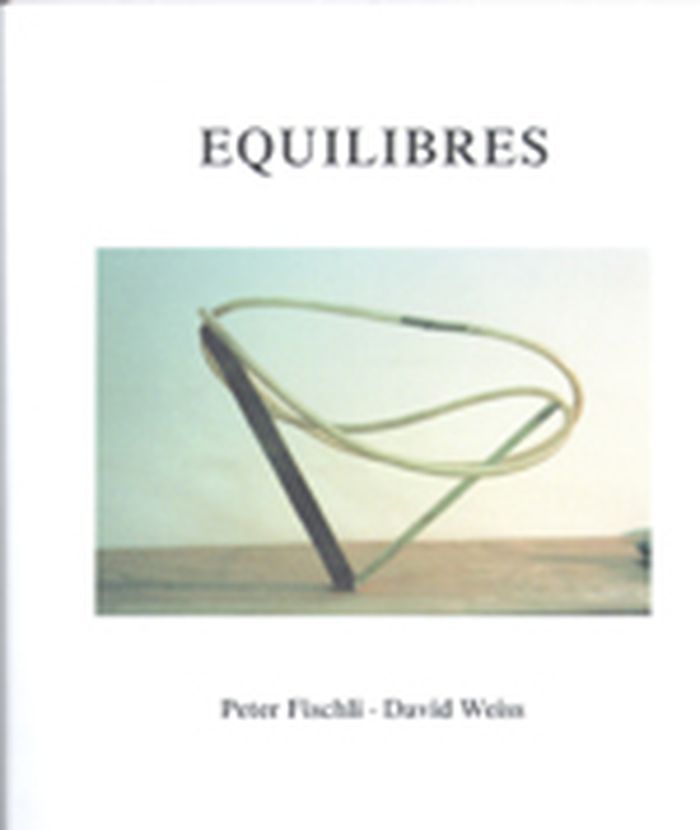
The Swiss collaborators Fischli & Weiss have said of this early series of color and black-and-white photographs, "Balance is most beautiful just shortly before it collapses." Indeed their tense arrangements of household miscellany often look on the verge of falling, or are caught in the process. The only texts included with them are associative titles, including Natural Grace, (a spatula on a plate on a wine bottle on an apple on a cup), The Fart (chairs on Coke bottles and aerosol cans), and Invisible Power, (showing one end of a paper construction held aloft by the breeze from a small fan). Many of the constructions appear under several titles, in several styles: Completion, when shot in grainy, starkly lit black-and-white, becomes Honor, Courage, Confidence, and in close-up, Can I , May I, Do Anything? On the page, these often elaborate and expansive objects acquire an incidental quality that makes them both more real and more transient. Ultimately, the only evidence of their existence is these images. While a small selection of these works appeared in the artist's book Quiet Afternoon, most have never before been published in any form.
Equilibres
Actions:
Prix:
$62.00
(disponible sur commande)
Résumé:
The Swiss collaborators Fischli & Weiss have said of this early series of color and black-and-white photographs, "Balance is most beautiful just shortly before it collapses." Indeed their tense arrangements of household miscellany often look on the verge of falling, or are caught in the process. The only texts included with them are associative titles, including Natural Grace, (a spatula on a plate on a wine bottle on an apple on a cup), The Fart (chairs on Coke bottles and aerosol cans), and Invisible Power, (showing one end of a paper construction held aloft by the breeze from a small fan). Many of the constructions appear under several titles, in several styles: Completion, when shot in grainy, starkly lit black-and-white, becomes Honor, Courage, Confidence, and in close-up, Can I , May I, Do Anything? On the page, these often elaborate and expansive objects acquire an incidental quality that makes them both more real and more transient. Ultimately, the only evidence of their existence is these images. While a small selection of these works appeared in the artist's book Quiet Afternoon, most have never before been published in any form.
Classification:
livres
livres
Publication:
mars 2007, Collogne
mars 2007, Collogne
Classification:
livres
livres
Actions:
Prix:
$32.00
(disponible sur commande)
Résumé:
It is often said that we no longer have an addressee for our political demands. But that’s not true. We have each other. What we can no longer get from the state, the party, the union, the boss, we ask for from one another. And we provide. Lacan famously defined love as giving something you don’t have to someone who doesn’t want it. But love is more than a YouTube link or(...)
$32.00
(disponible sur commande)
Résumé:
It is often said that we no longer have an addressee for our political demands. But that’s not true. We have each other. What we can no longer get from the state, the party, the union, the boss, we ask for from one another. And we provide. Lacan famously defined love as giving something you don’t have to someone who doesn’t want it. But love is more than a YouTube link or(...)
Titre:
What's love (or care, intimacy, warmth, affection) got to do with it?
Actions:
Prix:
$32.00
(disponible sur commande)
Résumé:
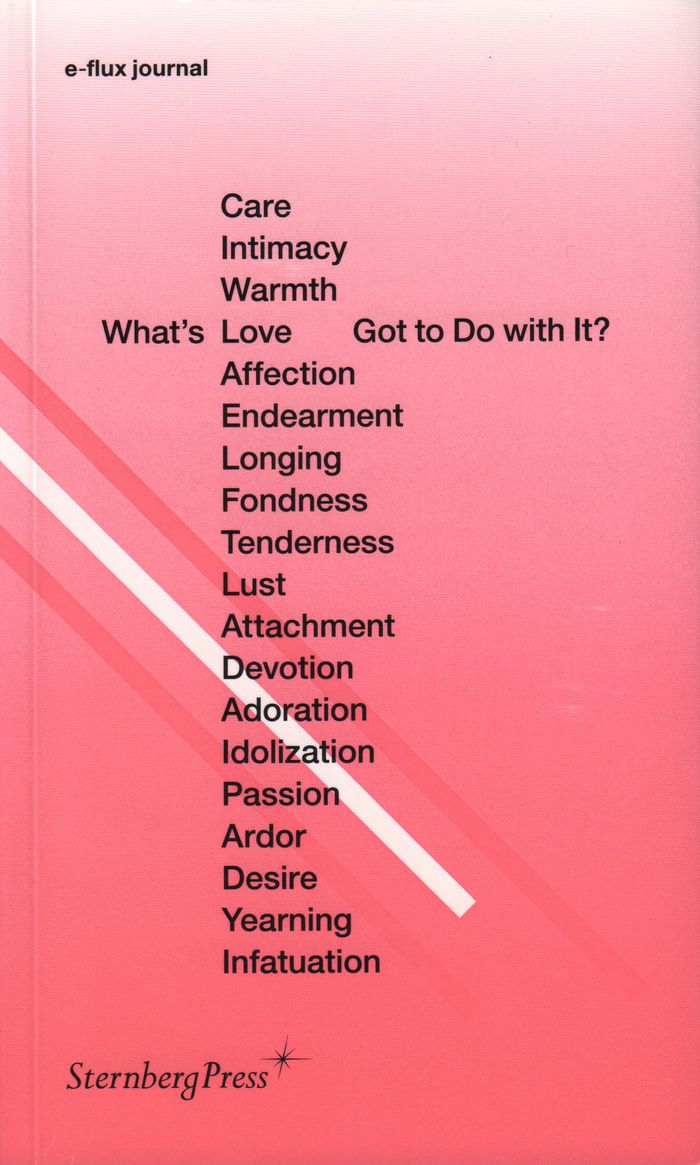
It is often said that we no longer have an addressee for our political demands. But that’s not true. We have each other. What we can no longer get from the state, the party, the union, the boss, we ask for from one another. And we provide. Lacan famously defined love as giving something you don’t have to someone who doesn’t want it. But love is more than a YouTube link or a URL. Love’s joy is not to be found in fulfillment, it is to be found in recognition: even though I can never return what was taken away from you, I may be the only person alive who knows what it is. In our present times—post-human, post-reality, or maybe pre-internet, post-it, pre-collapse, pre-fabricated by algorithms—what does love have to do with it? Since 2009, need and care and desire and admiration have been cross-examined, called as witness, put on parole, and made the subject of caring inquiry by e-flux journal authors. These writings have now been collected to form this comprehensive volume.
What's love (or care, intimacy, warmth, affection) got to do with it?
Actions:
Prix:
$32.00
(disponible sur commande)
Résumé:
It is often said that we no longer have an addressee for our political demands. But that’s not true. We have each other. What we can no longer get from the state, the party, the union, the boss, we ask for from one another. And we provide. Lacan famously defined love as giving something you don’t have to someone who doesn’t want it. But love is more than a YouTube link or a URL. Love’s joy is not to be found in fulfillment, it is to be found in recognition: even though I can never return what was taken away from you, I may be the only person alive who knows what it is. In our present times—post-human, post-reality, or maybe pre-internet, post-it, pre-collapse, pre-fabricated by algorithms—what does love have to do with it? Since 2009, need and care and desire and admiration have been cross-examined, called as witness, put on parole, and made the subject of caring inquiry by e-flux journal authors. These writings have now been collected to form this comprehensive volume.
Classification:
livres
livres
Publication:
octobre 2017
octobre 2017
Sujet:
Social
Social
Classification:
livres
livres
Titre:
The well-tempered city
The well-tempered city
Actions:
Prix:
$21.99
(disponible sur commande)
Résumé:
Cities are birthplaces of civilization; centers of culture, trade, and progress; cauldrons of opportunity—and the home of eighty percent of the world’s population by 2050. As the 21st century progresses, metropolitan areas will bear the brunt of global megatrends such as climate change, natural resource depletion, population growth, income inequality, mass migrations,(...)
$21.99
(disponible sur commande)
Résumé:
Cities are birthplaces of civilization; centers of culture, trade, and progress; cauldrons of opportunity—and the home of eighty percent of the world’s population by 2050. As the 21st century progresses, metropolitan areas will bear the brunt of global megatrends such as climate change, natural resource depletion, population growth, income inequality, mass migrations,(...)
Titre:
The well-tempered city
Actions:
Prix:
$21.99
(disponible sur commande)
Résumé:
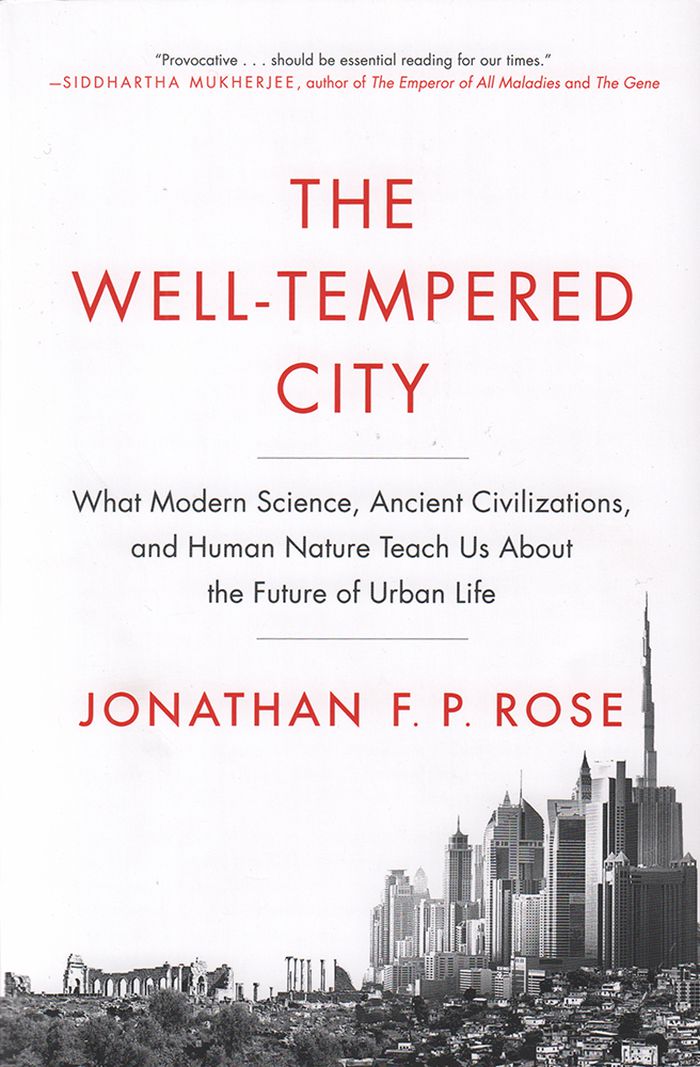
Cities are birthplaces of civilization; centers of culture, trade, and progress; cauldrons of opportunity—and the home of eighty percent of the world’s population by 2050. As the 21st century progresses, metropolitan areas will bear the brunt of global megatrends such as climate change, natural resource depletion, population growth, income inequality, mass migrations, education and health disparities, among many others. In The Well-Tempered City, Jonathan F. P. Rose—the man who “repairs the fabric of cities”—distills a lifetime of interdisciplinary research and firsthand experience into a five-pronged model for how to design and reshape our cities with the goal of equalizing their landscape of opportunity. Drawing from the musical concept of “temperament” as a way to achieve harmony, Rose argues that well-tempered cities can be infused with systems that bend the arc of their development toward equality, resilience, adaptability, well-being, and the ever-unfolding harmony between civilization and nature. These goals may never be fully achieved, but our cities will be richer and happier if we aspire to them, and if we infuse our every plan and constructive step with this intention.
The well-tempered city
Actions:
Prix:
$21.99
(disponible sur commande)
Résumé:
Cities are birthplaces of civilization; centers of culture, trade, and progress; cauldrons of opportunity—and the home of eighty percent of the world’s population by 2050. As the 21st century progresses, metropolitan areas will bear the brunt of global megatrends such as climate change, natural resource depletion, population growth, income inequality, mass migrations, education and health disparities, among many others. In The Well-Tempered City, Jonathan F. P. Rose—the man who “repairs the fabric of cities”—distills a lifetime of interdisciplinary research and firsthand experience into a five-pronged model for how to design and reshape our cities with the goal of equalizing their landscape of opportunity. Drawing from the musical concept of “temperament” as a way to achieve harmony, Rose argues that well-tempered cities can be infused with systems that bend the arc of their development toward equality, resilience, adaptability, well-being, and the ever-unfolding harmony between civilization and nature. These goals may never be fully achieved, but our cities will be richer and happier if we aspire to them, and if we infuse our every plan and constructive step with this intention.
Classification:
livres
livres
Publication:
octobre 2017
octobre 2017
Sujet:
Théorie de l’urbanisme
Théorie de l’urbanisme
Classification:
livres
livres
Titre:
The design culture reader
The design culture reader
Actions:
Prix:
$50.95
(disponible en magasin)
Résumé:
Design is part of ordinary, everyday life, to be found in every room in every building in the world. While we may tend to think of design in terms of highly desirable objects, this book encourages us to think about design as ubiquitous (from plumbing to television) and as an agent of social change (from telephones to weapon systems). The Design Culture Reader brings(...)
$50.95
(disponible en magasin)
Résumé:
Design is part of ordinary, everyday life, to be found in every room in every building in the world. While we may tend to think of design in terms of highly desirable objects, this book encourages us to think about design as ubiquitous (from plumbing to television) and as an agent of social change (from telephones to weapon systems). The Design Culture Reader brings(...)
Titre:
The design culture reader
Actions:
Prix:
$50.95
(disponible en magasin)
Résumé:
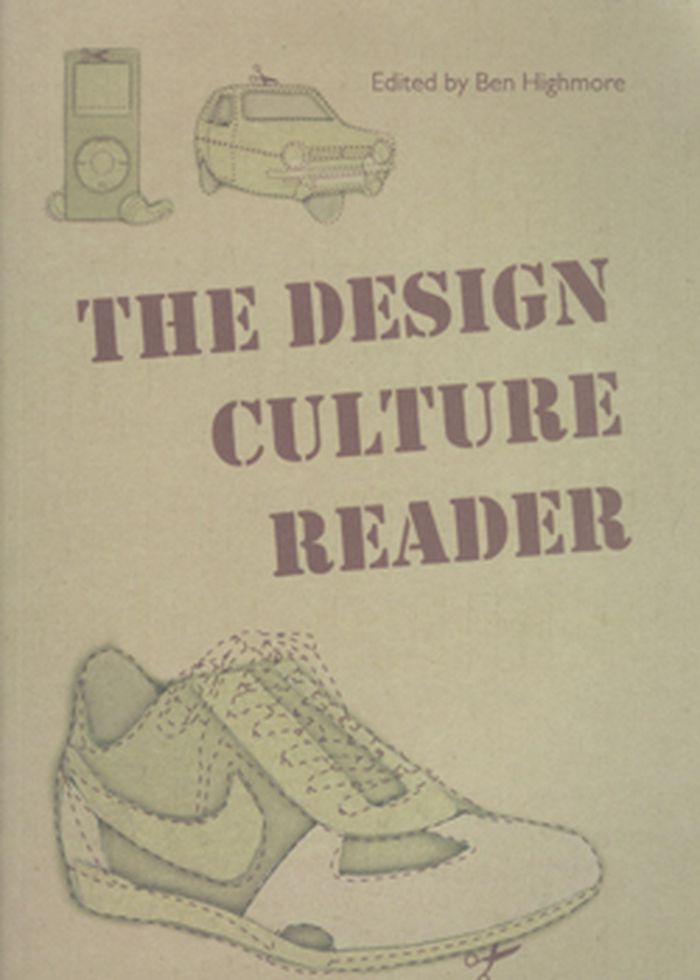
Design is part of ordinary, everyday life, to be found in every room in every building in the world. While we may tend to think of design in terms of highly desirable objects, this book encourages us to think about design as ubiquitous (from plumbing to television) and as an agent of social change (from telephones to weapon systems). The Design Culture Reader brings together an international array of writers whose work is of central importance for thinking about design culture in the past, present and future. Essays from philosophers, media and cultural theorists, historians of design, anthropologists, cultural historians, artists and literary critics all demonstrate the enormous potential of design studies for understanding the modern world. Organised in thematic sections, The Design Culture Reader explores the social role of design by looking at the impact it has in a number of areas - especially globalisation, ecology, and the changing experiences of modern life. Particular essays focus on topics such as design and the senses, design and war and design and technology, while the editor's introduction to the collection provides a compelling argument for situating design studies at the very forefront of contemporary thought.
The design culture reader
Actions:
Prix:
$50.95
(disponible en magasin)
Résumé:
Design is part of ordinary, everyday life, to be found in every room in every building in the world. While we may tend to think of design in terms of highly desirable objects, this book encourages us to think about design as ubiquitous (from plumbing to television) and as an agent of social change (from telephones to weapon systems). The Design Culture Reader brings together an international array of writers whose work is of central importance for thinking about design culture in the past, present and future. Essays from philosophers, media and cultural theorists, historians of design, anthropologists, cultural historians, artists and literary critics all demonstrate the enormous potential of design studies for understanding the modern world. Organised in thematic sections, The Design Culture Reader explores the social role of design by looking at the impact it has in a number of areas - especially globalisation, ecology, and the changing experiences of modern life. Particular essays focus on topics such as design and the senses, design and war and design and technology, while the editor's introduction to the collection provides a compelling argument for situating design studies at the very forefront of contemporary thought.
Classification:
livres
livres
Publication:
août 2008, London, New York
août 2008, London, New York
Sujet:
Théorie du design
Théorie du design
Classification:
livres
livres
Actions:
Prix:
$110.00
(disponible sur commande)
Résumé:
Since the beginning of the 20th century, artists and architects have often been in collaboration. This relationship was not necessarily without conflict – on the contrary, a productive tension and friction can often be found at the basis of their common endeavors. However, wherever art and architecture establish a common territory in the public arena, highly integrated(...)
$110.00
(disponible sur commande)
Résumé:
Since the beginning of the 20th century, artists and architects have often been in collaboration. This relationship was not necessarily without conflict – on the contrary, a productive tension and friction can often be found at the basis of their common endeavors. However, wherever art and architecture establish a common territory in the public arena, highly integrated(...)
Titre:
Art and architecture: strategies in collaboration
Actions:
Prix:
$110.00
(disponible sur commande)
Résumé:
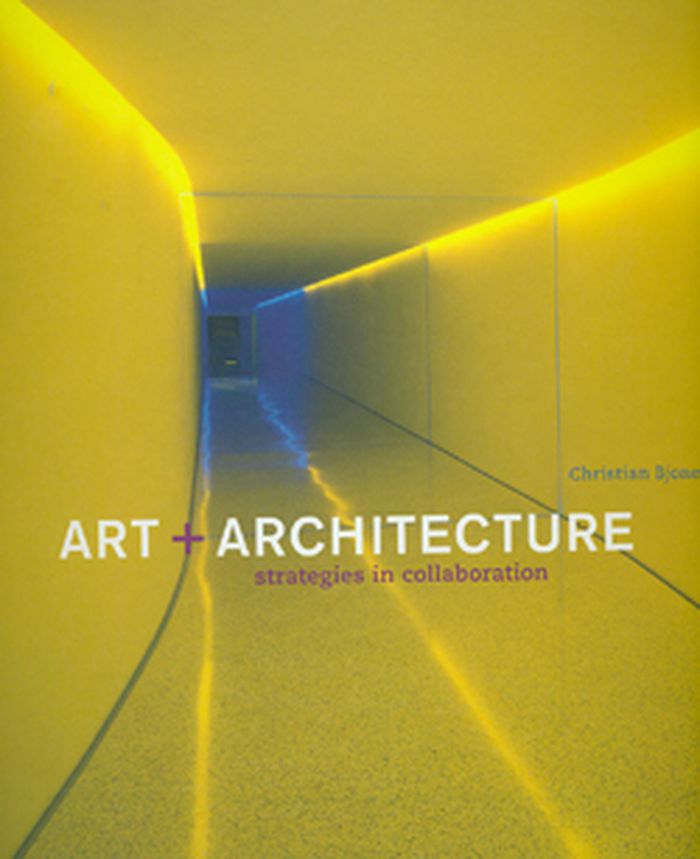
Since the beginning of the 20th century, artists and architects have often been in collaboration. This relationship was not necessarily without conflict – on the contrary, a productive tension and friction can often be found at the basis of their common endeavors. However, wherever art and architecture establish a common territory in the public arena, highly integrated schemes may result that are of particular appeal and quality. In recent years, the barriers between art and architecture have come down even further; while many artists are attracted to the spatial presence of architecture and its language and scale, contemporary architects also seek the inspiration of art and include artistic concepts into their designs. Great works of art/architecture have resulted from these cooperations and this book explores them in nine chapters from 1914 up to the present, highlighting the most striking examples of these interdisciplinary activities such as the LACMA scheme by Renzo Piano/Jeff Koons in Los Angeles, the Chichu Art Museum by Tadao Ando with its installation by Walter de Maria, the British Pavilion at the Venice Biennale by David Adjaye with artist Chris Ofili or the work by Keith Sonnier in the Munich Re Building by Baumschlager Eberle.
Art and architecture: strategies in collaboration
Actions:
Prix:
$110.00
(disponible sur commande)
Résumé:
Since the beginning of the 20th century, artists and architects have often been in collaboration. This relationship was not necessarily without conflict – on the contrary, a productive tension and friction can often be found at the basis of their common endeavors. However, wherever art and architecture establish a common territory in the public arena, highly integrated schemes may result that are of particular appeal and quality. In recent years, the barriers between art and architecture have come down even further; while many artists are attracted to the spatial presence of architecture and its language and scale, contemporary architects also seek the inspiration of art and include artistic concepts into their designs. Great works of art/architecture have resulted from these cooperations and this book explores them in nine chapters from 1914 up to the present, highlighting the most striking examples of these interdisciplinary activities such as the LACMA scheme by Renzo Piano/Jeff Koons in Los Angeles, the Chichu Art Museum by Tadao Ando with its installation by Walter de Maria, the British Pavilion at the Venice Biennale by David Adjaye with artist Chris Ofili or the work by Keith Sonnier in the Munich Re Building by Baumschlager Eberle.
Classification:
livres
livres
Publication:
mai 2009
mai 2009
Sujet:
Théorie de l’art
Théorie de l’art
Classification:
livres
livres
Actions:
Prix:
$22.50
(disponible en magasin)
Résumé:
The works of the New York-based artist Vito Acconci are more often than not about creating a public defined via the body - from his radical performances at the beginning of the seventies to his unusual architectural designs since the establishment of the Acconci Studio at the end of the eighties. His work Courtyard in the Wind for the new building of the Technisches(...)
$22.50
(disponible en magasin)
Résumé:
The works of the New York-based artist Vito Acconci are more often than not about creating a public defined via the body - from his radical performances at the beginning of the seventies to his unusual architectural designs since the establishment of the Acconci Studio at the end of the eighties. His work Courtyard in the Wind for the new building of the Technisches(...)
Titre:
Vito Acconci : courtyard in the wind
Actions:
Prix:
$22.50
(disponible en magasin)
Résumé:
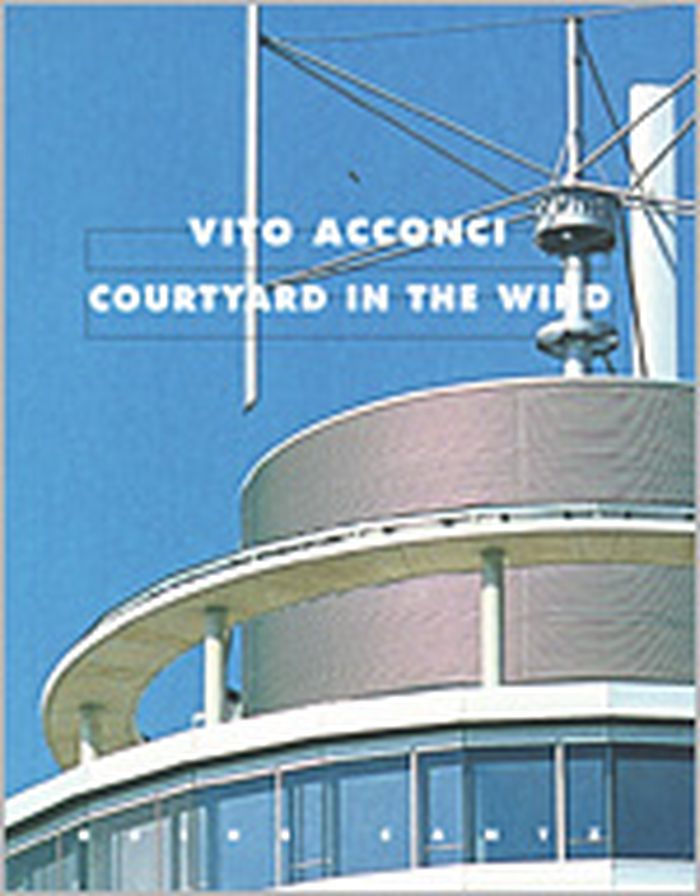
The works of the New York-based artist Vito Acconci are more often than not about creating a public defined via the body - from his radical performances at the beginning of the seventies to his unusual architectural designs since the establishment of the Acconci Studio at the end of the eighties. His work Courtyard in the Wind for the new building of the Technisches Rathaus in Munich, a building which houses the city´s architectural department, was the first permanent structure by Acconci to be realized in a public space: A revolving ring of landscape in the courtyard may be moved with the aid of the artist´s wind power plant located on top of the Rathaus tower. This title is the first to document this project by the artist and at the same time grants valuable insights into the paradigm of architectural designs by the Acconci Studio. The book also features texts by Vito Acconci about the body, architecture and public space. An instructive essay by Heinz Schütz reviewing Acconci's works from the last decades opens up the horizon against which Courtyard in the Wind is set.
Vito Acconci : courtyard in the wind
Actions:
Prix:
$22.50
(disponible en magasin)
Résumé:
The works of the New York-based artist Vito Acconci are more often than not about creating a public defined via the body - from his radical performances at the beginning of the seventies to his unusual architectural designs since the establishment of the Acconci Studio at the end of the eighties. His work Courtyard in the Wind for the new building of the Technisches Rathaus in Munich, a building which houses the city´s architectural department, was the first permanent structure by Acconci to be realized in a public space: A revolving ring of landscape in the courtyard may be moved with the aid of the artist´s wind power plant located on top of the Rathaus tower. This title is the first to document this project by the artist and at the same time grants valuable insights into the paradigm of architectural designs by the Acconci Studio. The book also features texts by Vito Acconci about the body, architecture and public space. An instructive essay by Heinz Schütz reviewing Acconci's works from the last decades opens up the horizon against which Courtyard in the Wind is set.
Classification:
livres
livres
Publication:
août 2003, Ostfildern
août 2003, Ostfildern
Sujet:
Architecture, monographies
Architecture, monographies


