


9272 Résultats
Classification:
livres
livres
Titre:
Ed Annink : designer
Ed Annink : designer
Actions:
Prix:
$53.95
(disponible en magasin)
Résumé:
Not many designers are as well organized as Ed Annink and so apt to leave things to chance at the same time. He arranges combinations of constraints and designs products and exhibitions from there onwards. As a design teacher he handles the same principle. His focus is to let students experience and develop their personal design process. Ed Annink distinguishes himself by(...)
$53.95
(disponible en magasin)
Résumé:
Not many designers are as well organized as Ed Annink and so apt to leave things to chance at the same time. He arranges combinations of constraints and designs products and exhibitions from there onwards. As a design teacher he handles the same principle. His focus is to let students experience and develop their personal design process. Ed Annink distinguishes himself by(...)
Sujet:
Design, monographies
Design, monographies
Publication:
janvier 2002, Rotterdam
janvier 2002, Rotterdam
Titre:
Ed Annink : designer
Actions:
Prix:
$53.95
(disponible en magasin)
Résumé:
Not many designers are as well organized as Ed Annink and so apt to leave things to chance at the same time. He arranges combinations of constraints and designs products and exhibitions from there onwards. As a design teacher he handles the same principle. His focus is to let students experience and develop their personal design process. Ed Annink distinguishes himself by the width of his scope. He designs on the run as it were and the objects he creates seem to be of minor importance among the ideas and activities that surround them. Some products take less than a minute to come alive. He can be sketching ideas about material qualities, production, use and image without having a particular functionality in mind and seeks to minimize effort for everyone involved, the producer, the person who makes the product, the one who sells it and the user too. As a teacher he may be maximizing the effort his students must make in order for them to discover what it means to be a designer. This monography, written by Ida van Zijl, Gert Staal, Schwartz and Ed van Hinte (ed.) and including interviews with, among others, commissioners from VITRA and Authentics, describes and analyses Annink's work as an exhibition and product designer, an educator and a project initiator.
Ed Annink : designer
Actions:
Prix:
$53.95
(disponible en magasin)
Résumé:
Not many designers are as well organized as Ed Annink and so apt to leave things to chance at the same time. He arranges combinations of constraints and designs products and exhibitions from there onwards. As a design teacher he handles the same principle. His focus is to let students experience and develop their personal design process. Ed Annink distinguishes himself by the width of his scope. He designs on the run as it were and the objects he creates seem to be of minor importance among the ideas and activities that surround them. Some products take less than a minute to come alive. He can be sketching ideas about material qualities, production, use and image without having a particular functionality in mind and seeks to minimize effort for everyone involved, the producer, the person who makes the product, the one who sells it and the user too. As a teacher he may be maximizing the effort his students must make in order for them to discover what it means to be a designer. This monography, written by Ida van Zijl, Gert Staal, Schwartz and Ed van Hinte (ed.) and including interviews with, among others, commissioners from VITRA and Authentics, describes and analyses Annink's work as an exhibition and product designer, an educator and a project initiator.
Classification:
livres
livres
Publication:
janvier 2002, Rotterdam
janvier 2002, Rotterdam
Sujet:
Design, monographies
Design, monographies
Classification:
livres
livres
Titre:
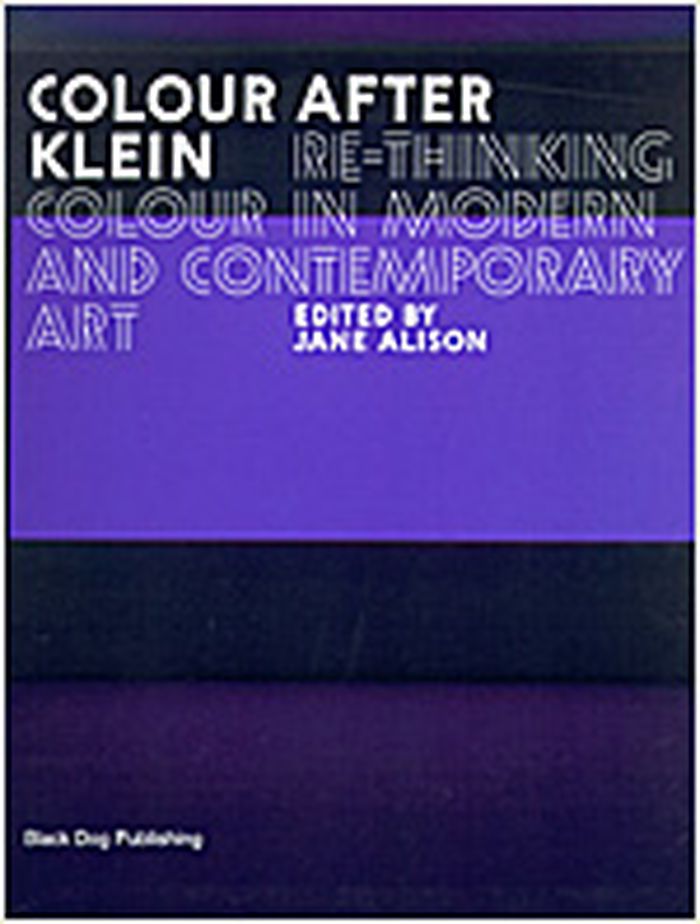
Colour after Klein
Colour after Klein
Actions:
Prix:
$53.95
(disponible sur commande)
Résumé:
As suggested by the work of Yves Klein, this book is not about colour rules or colour theory; instead it takes pleasure in the oscillation between the aesthetic and the conceptual, materiality and immateriality, the object and the void, purification and mystification, and between erasure and colouring in. Colour is celebrated for its immanence, its quality of being in the(...)
$53.95
(disponible sur commande)
Résumé:
As suggested by the work of Yves Klein, this book is not about colour rules or colour theory; instead it takes pleasure in the oscillation between the aesthetic and the conceptual, materiality and immateriality, the object and the void, purification and mystification, and between erasure and colouring in. Colour is celebrated for its immanence, its quality of being in the(...)
Titre:
Colour after Klein
Actions:
Prix:
$53.95
(disponible sur commande)
Résumé:
As suggested by the work of Yves Klein, this book is not about colour rules or colour theory; instead it takes pleasure in the oscillation between the aesthetic and the conceptual, materiality and immateriality, the object and the void, purification and mystification, and between erasure and colouring in. Colour is celebrated for its immanence, its quality of being in the world, but also the potential it has to open up a psychic space, a world of lost feeling; with literally the power to take us over, colour us in. "Colour after Klein" explores the significance of colour as it emerges in the work of 20 of some influential artists of the twentieth and twenty-first centuries, including Yves Klein, Donald Judd, Bruce Nauman, Louise Bourgeois, Andy Warhol and James Turrell. Featuring an introduction by curator Jane Alison, an essay that explores the place of colour in the work of Yves Klein by art historian Nuit Banai, and profiles of each of the contributing artists, this book provides a new perspective on key works of Modern and contemporary art. Also included in the book are artists' writings on the subject of colour, with pieces by Klein, Judd and Hélio Oiticica. This book accompanies the exhibition "Colour after Klein" at the Barbican Art Gallery, London, 27 May to 11 September 2005.
Colour after Klein
Actions:
Prix:
$53.95
(disponible sur commande)
Résumé:
As suggested by the work of Yves Klein, this book is not about colour rules or colour theory; instead it takes pleasure in the oscillation between the aesthetic and the conceptual, materiality and immateriality, the object and the void, purification and mystification, and between erasure and colouring in. Colour is celebrated for its immanence, its quality of being in the world, but also the potential it has to open up a psychic space, a world of lost feeling; with literally the power to take us over, colour us in. "Colour after Klein" explores the significance of colour as it emerges in the work of 20 of some influential artists of the twentieth and twenty-first centuries, including Yves Klein, Donald Judd, Bruce Nauman, Louise Bourgeois, Andy Warhol and James Turrell. Featuring an introduction by curator Jane Alison, an essay that explores the place of colour in the work of Yves Klein by art historian Nuit Banai, and profiles of each of the contributing artists, this book provides a new perspective on key works of Modern and contemporary art. Also included in the book are artists' writings on the subject of colour, with pieces by Klein, Judd and Hélio Oiticica. This book accompanies the exhibition "Colour after Klein" at the Barbican Art Gallery, London, 27 May to 11 September 2005.
Classification:
livres
livres
Publication:
septembre 2005, London
septembre 2005, London
Classification:
livres
livres
Actions:
Prix:
$79.00
(disponible sur commande)
Résumé:
The art of producing color in movies is a fascinating process with a long history. Many people don’t realize that, as early as the 1890s, much of silent cinema was in color. They also may not know that women were the main workforce behind the techniques that first produced these effects, a tradition that continued as the practice evolved. Breakthroughs in color technology(...)
$79.00
(disponible sur commande)
Résumé:
The art of producing color in movies is a fascinating process with a long history. Many people don’t realize that, as early as the 1890s, much of silent cinema was in color. They also may not know that women were the main workforce behind the techniques that first produced these effects, a tradition that continued as the practice evolved. Breakthroughs in color technology(...)
Publication:
octobre 2024
octobre 2024
Titre:
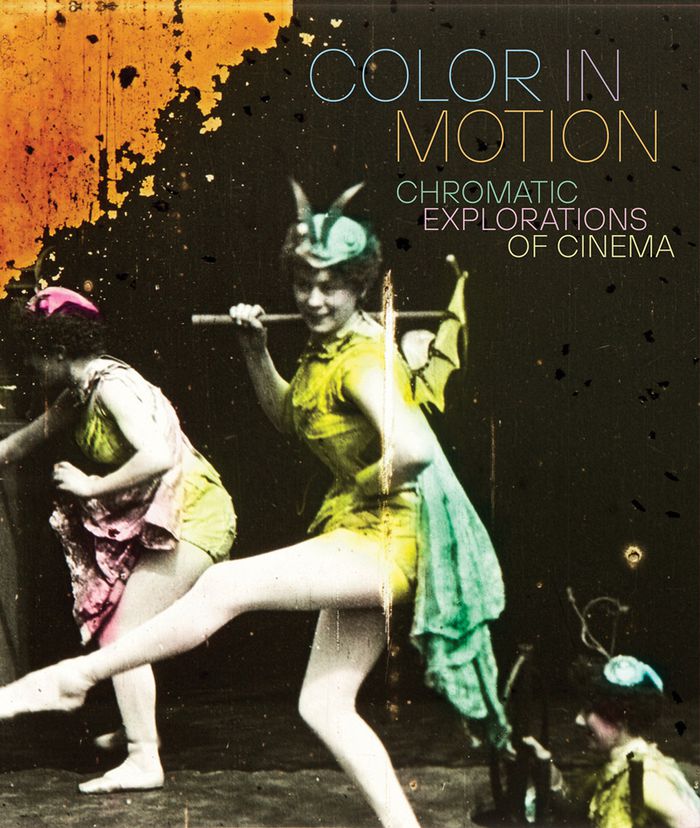
Color in motion: Chromatic explorations of cinema
Actions:
Prix:
$79.00
(disponible sur commande)
Résumé:
The art of producing color in movies is a fascinating process with a long history. Many people don’t realize that, as early as the 1890s, much of silent cinema was in color. They also may not know that women were the main workforce behind the techniques that first produced these effects, a tradition that continued as the practice evolved. Breakthroughs in color technology have created ongoing opportunities for filmmakers to experiment with new forms of narrative and emotional storytelling. Spectacular, psychological and sensory, color has become an integral part of the cinematic experience. From the earliest hand-painted films to Technicolor and today’s digital cinema, Color in Motion takes readers on a journey through the evolution and significance of color in film. Presenting insightful analysis, engaging case studies and inspiring conversations with scholars and experts in the field, with topics ranging from animation to the intersections of color and race in cinema, it traces the historical development of color technologies and their impact onscreen. Incorporating vivid images of color films throughout history—Serpentine Dance, The Cabinet of Dr. Caligari, Fantasia, The Red Shoes, Vertigo, West Side Story, 2001: A Space Odyssey, Moonlight and more, as well as new multispectral scans of rare silent-era film prints—this essential volume celebrates color’s enduring influence on the medium of film.
Color in motion: Chromatic explorations of cinema
Actions:
Prix:
$79.00
(disponible sur commande)
Résumé:
The art of producing color in movies is a fascinating process with a long history. Many people don’t realize that, as early as the 1890s, much of silent cinema was in color. They also may not know that women were the main workforce behind the techniques that first produced these effects, a tradition that continued as the practice evolved. Breakthroughs in color technology have created ongoing opportunities for filmmakers to experiment with new forms of narrative and emotional storytelling. Spectacular, psychological and sensory, color has become an integral part of the cinematic experience. From the earliest hand-painted films to Technicolor and today’s digital cinema, Color in Motion takes readers on a journey through the evolution and significance of color in film. Presenting insightful analysis, engaging case studies and inspiring conversations with scholars and experts in the field, with topics ranging from animation to the intersections of color and race in cinema, it traces the historical development of color technologies and their impact onscreen. Incorporating vivid images of color films throughout history—Serpentine Dance, The Cabinet of Dr. Caligari, Fantasia, The Red Shoes, Vertigo, West Side Story, 2001: A Space Odyssey, Moonlight and more, as well as new multispectral scans of rare silent-era film prints—this essential volume celebrates color’s enduring influence on the medium of film.
Classification:
livres
livres
Publication:
octobre 2024
octobre 2024
Classification:
livres
livres
Titre:
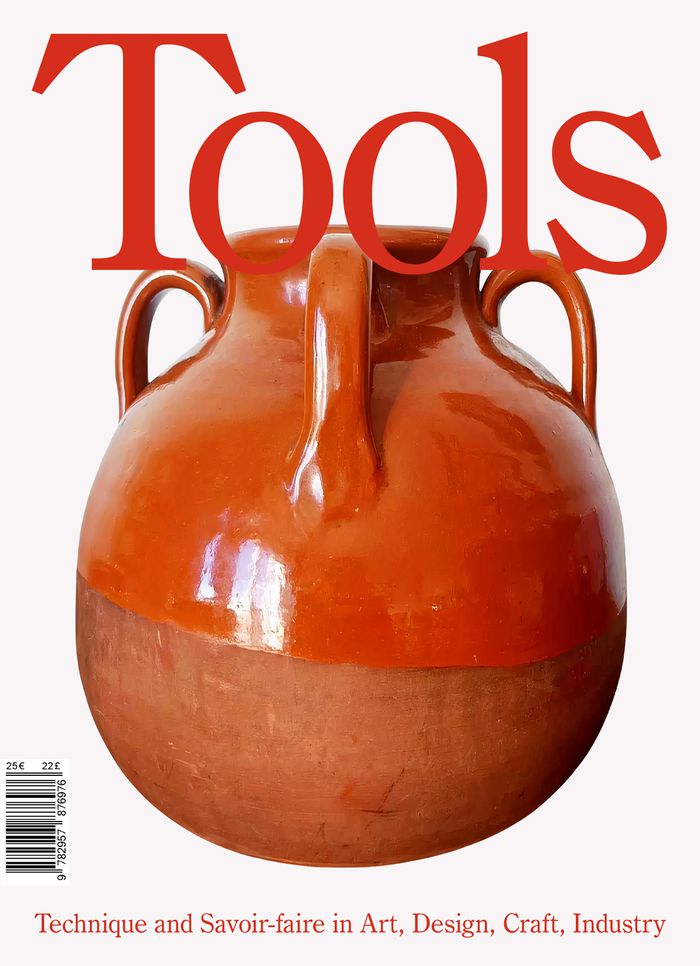
Tools n° 05 : To Spin
Tools n° 05 : To Spin
Actions:
Prix:
$49.95
(disponible en magasin)
Résumé:
Le cinquième numéro de la revue annuelle qui s'attache à valoriser les savoir-faire et la technique dans le design, l'artisanat ou l'industrie, se penche sur le geste de tourner. Le monde tourne, et avec lui, tout ce qui est à sa surface : vous, moi, les arbres, la mer, les montagnes. On a beau se bercer de l'illusion que tout est immobile, la réalité, c'est qu'on est(...)
$49.95
(disponible en magasin)
Résumé:
Le cinquième numéro de la revue annuelle qui s'attache à valoriser les savoir-faire et la technique dans le design, l'artisanat ou l'industrie, se penche sur le geste de tourner. Le monde tourne, et avec lui, tout ce qui est à sa surface : vous, moi, les arbres, la mer, les montagnes. On a beau se bercer de l'illusion que tout est immobile, la réalité, c'est qu'on est(...)
Titre:
Tools n° 05 : To Spin
Actions:
Prix:
$49.95
(disponible en magasin)
Résumé:
Le cinquième numéro de la revue annuelle qui s'attache à valoriser les savoir-faire et la technique dans le design, l'artisanat ou l'industrie, se penche sur le geste de tourner. Le monde tourne, et avec lui, tout ce qui est à sa surface : vous, moi, les arbres, la mer, les montagnes. On a beau se bercer de l'illusion que tout est immobile, la réalité, c'est qu'on est perpétuellement en mouvement. La planète fait des tours sur elle-même, elle tourne autour du soleil, et nous, là, au moment où je vous parle, on est en quelque sorte le produit de cette rotation : c'est grâce au cycle des jours, des saisons et des années que notre planète offre les conditions favorables à la vie. / The fifth issue of the annual magazine that promotes know-how and technique in design, craft or industry looks at the act of spinning. The world is spinning, and so is everything on it: you and me, the trees, the oceans, and the mountains. We may have deluded ourselves into thinking everything is stationary, but the reality is that we're perpetually in motion. The planet is spinning around its axis and orbiting around the sun, and in a way, at this very moment, we are all products of rotation: life on Earth is only possible because of the cycles of days, seasons, and years.
Tools n° 05 : To Spin
Actions:
Prix:
$49.95
(disponible en magasin)
Résumé:
Le cinquième numéro de la revue annuelle qui s'attache à valoriser les savoir-faire et la technique dans le design, l'artisanat ou l'industrie, se penche sur le geste de tourner. Le monde tourne, et avec lui, tout ce qui est à sa surface : vous, moi, les arbres, la mer, les montagnes. On a beau se bercer de l'illusion que tout est immobile, la réalité, c'est qu'on est perpétuellement en mouvement. La planète fait des tours sur elle-même, elle tourne autour du soleil, et nous, là, au moment où je vous parle, on est en quelque sorte le produit de cette rotation : c'est grâce au cycle des jours, des saisons et des années que notre planète offre les conditions favorables à la vie. / The fifth issue of the annual magazine that promotes know-how and technique in design, craft or industry looks at the act of spinning. The world is spinning, and so is everything on it: you and me, the trees, the oceans, and the mountains. We may have deluded ourselves into thinking everything is stationary, but the reality is that we're perpetually in motion. The planet is spinning around its axis and orbiting around the sun, and in a way, at this very moment, we are all products of rotation: life on Earth is only possible because of the cycles of days, seasons, and years.
Classification:
livres
livres
Publication:
février 2025
février 2025
Sujet:
Revues
Revues
Classification:
livres
livres
Titre:
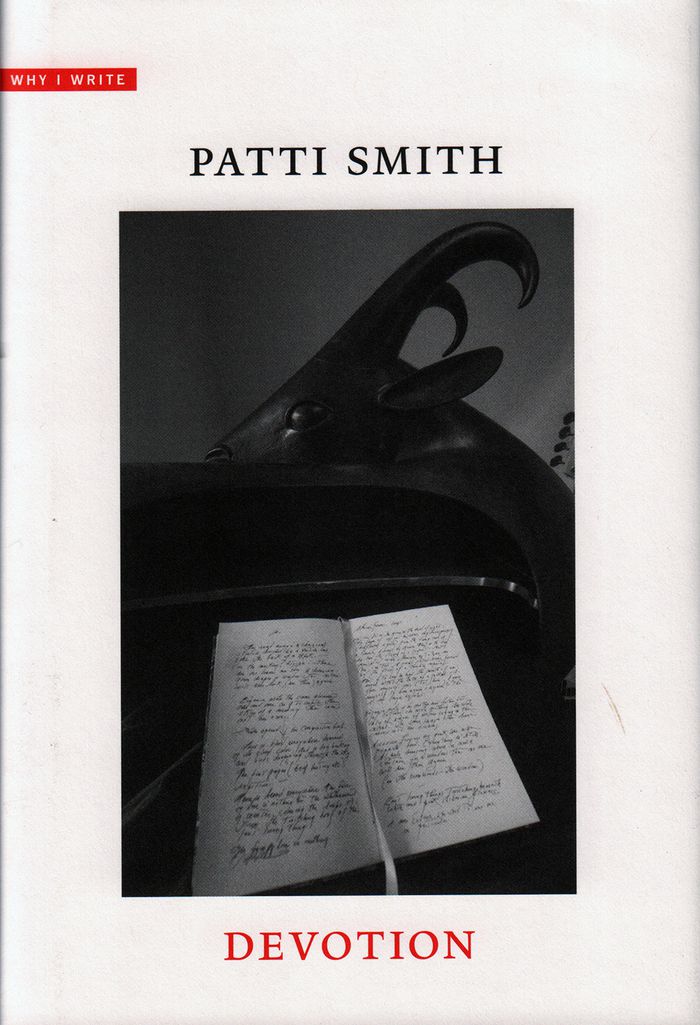
Devotion
Devotion
Actions:
Prix:
$26.95
(disponible sur commande)
Résumé:
A work of creative brilliance may seem like magic—its source a mystery, its impact unexpectedly stirring. How does an artist accomplish such an achievement, connecting deeply with an audience never met? In this groundbreaking book, one of our culture’s beloved artists offers a detailed account of her own creative process, inspirations, and unexpected connections. Patti(...)
$26.95
(disponible sur commande)
Résumé:
A work of creative brilliance may seem like magic—its source a mystery, its impact unexpectedly stirring. How does an artist accomplish such an achievement, connecting deeply with an audience never met? In this groundbreaking book, one of our culture’s beloved artists offers a detailed account of her own creative process, inspirations, and unexpected connections. Patti(...)
Titre:
Devotion
Actions:
Prix:
$26.95
(disponible sur commande)
Résumé:
A work of creative brilliance may seem like magic—its source a mystery, its impact unexpectedly stirring. How does an artist accomplish such an achievement, connecting deeply with an audience never met? In this groundbreaking book, one of our culture’s beloved artists offers a detailed account of her own creative process, inspirations, and unexpected connections. Patti Smith first presents an original and beautifully crafted tale of obsession—a young skater who lives for her art, a possessive collector who ruthlessly seeks his prize, a relationship forged of need both craven and exalted. She then takes us on a second journey, exploring the sources of her story. We travel through the South of France to Camus’s house, and visit the garden of the great publisher Gallimard where the ghosts of Mishima, Nabokov, and Genet mingle. Smith tracks down Simone Weil’s grave in a lonely cemetery, hours from London, and winds through the nameless Paris streets of Patrick Modiano’s novels. Whether writing in a café or a train, Smith generously opens her notebooks and lets us glimpse the alchemy of her art and craft in this arresting and original book on writing. "The why I write" series is based on the Windham-Campbell Lectures, delivered annually to commemorate the awarding of the Donald Windham-Sandy M. Campbell Literature Prizes at Yale University.
Devotion
Actions:
Prix:
$26.95
(disponible sur commande)
Résumé:
A work of creative brilliance may seem like magic—its source a mystery, its impact unexpectedly stirring. How does an artist accomplish such an achievement, connecting deeply with an audience never met? In this groundbreaking book, one of our culture’s beloved artists offers a detailed account of her own creative process, inspirations, and unexpected connections. Patti Smith first presents an original and beautifully crafted tale of obsession—a young skater who lives for her art, a possessive collector who ruthlessly seeks his prize, a relationship forged of need both craven and exalted. She then takes us on a second journey, exploring the sources of her story. We travel through the South of France to Camus’s house, and visit the garden of the great publisher Gallimard where the ghosts of Mishima, Nabokov, and Genet mingle. Smith tracks down Simone Weil’s grave in a lonely cemetery, hours from London, and winds through the nameless Paris streets of Patrick Modiano’s novels. Whether writing in a café or a train, Smith generously opens her notebooks and lets us glimpse the alchemy of her art and craft in this arresting and original book on writing. "The why I write" series is based on the Windham-Campbell Lectures, delivered annually to commemorate the awarding of the Donald Windham-Sandy M. Campbell Literature Prizes at Yale University.
Classification:
livres
livres
Publication:
septembre 2017
septembre 2017
Sujet:
Littérature et poésie
Littérature et poésie
Classification:
livres
livres

Actions:
Prix:
$32.95
(disponible sur commande)
Résumé:
Public toilets provide a unique opportunity for interrogating how conventional assumptions about the body, sexuality, privacy, and technology are formed in public spaces and inscribed through design across cultures. This collection of original essays from international scholars is the first to explore the cultural meanings, histories, and ideologies of public toilets as(...)
$32.95
(disponible sur commande)
Résumé:
Public toilets provide a unique opportunity for interrogating how conventional assumptions about the body, sexuality, privacy, and technology are formed in public spaces and inscribed through design across cultures. This collection of original essays from international scholars is the first to explore the cultural meanings, histories, and ideologies of public toilets as(...)
Titre:
Ladies and gents ; public toilets and gender
Actions:
Prix:
$32.95
(disponible sur commande)
Résumé:
Public toilets provide a unique opportunity for interrogating how conventional assumptions about the body, sexuality, privacy, and technology are formed in public spaces and inscribed through design across cultures. This collection of original essays from international scholars is the first to explore the cultural meanings, histories, and ideologies of public toilets as gendered spaces. The publication consists of two sets of essays. The first, "Potty Politics: Toilets, Gender and Identity," establishes the importance of accessible, secure public toilets to the creation of inclusive cities, work, and learning environments. The second set of essays, "Toilet Art : Design and Cultural Representations," discusses public toilets as spaces of representation and representational spaces, with reference to architectural design, humor, film, theater, art, and popular culture. Visual materials and original artwork are included throughout, depicting subjects as varied as female urinals, art installations sited in public restrooms, and the toilet in contemporary art. Taken together, these seventeen essays demonstrate that public toilets are often sites where gendered bodies compete for resources and recognition — and the stakes are high. Contributors include: Nathan Abrams, Jami L. Anderson, Johan Andersson, Kathryn H. Anthony, Kathy Battista, Andrew Brown-May, Ben Campkin, Meghan Dufresne, Peg Fraser, Deborah Gans, Clara Greed, Robin Lydenberg, Claudia Mitchell, Alison Moore, Frances Pheasant-Kelly, Bushra Rehman, Alex Schweder, Naomi Stead, and the editors.
Ladies and gents ; public toilets and gender
Actions:
Prix:
$32.95
(disponible sur commande)
Résumé:
Public toilets provide a unique opportunity for interrogating how conventional assumptions about the body, sexuality, privacy, and technology are formed in public spaces and inscribed through design across cultures. This collection of original essays from international scholars is the first to explore the cultural meanings, histories, and ideologies of public toilets as gendered spaces. The publication consists of two sets of essays. The first, "Potty Politics: Toilets, Gender and Identity," establishes the importance of accessible, secure public toilets to the creation of inclusive cities, work, and learning environments. The second set of essays, "Toilet Art : Design and Cultural Representations," discusses public toilets as spaces of representation and representational spaces, with reference to architectural design, humor, film, theater, art, and popular culture. Visual materials and original artwork are included throughout, depicting subjects as varied as female urinals, art installations sited in public restrooms, and the toilet in contemporary art. Taken together, these seventeen essays demonstrate that public toilets are often sites where gendered bodies compete for resources and recognition — and the stakes are high. Contributors include: Nathan Abrams, Jami L. Anderson, Johan Andersson, Kathryn H. Anthony, Kathy Battista, Andrew Brown-May, Ben Campkin, Meghan Dufresne, Peg Fraser, Deborah Gans, Clara Greed, Robin Lydenberg, Claudia Mitchell, Alison Moore, Frances Pheasant-Kelly, Bushra Rehman, Alex Schweder, Naomi Stead, and the editors.
Classification:
livres
livres
Publication:
juillet 2009
juillet 2009
Sujet:
Théorie de l’urbanisme
Théorie de l’urbanisme
Classification:
livres
livres
Titre:
Lee Friedlander : stems
Lee Friedlander : stems
Actions:
Prix:
$89.00
(disponible en magasin)
Résumé:
Lee Friedlander decided to prepare himself for a sedentary life. He began to pursue the still life as a possibility and maybe a way of photographic life--a dramatic shift for a man who has spent his life photographing on the street, in the woods, on the road, at parties, anywhere but sitting down. He tried a variety of subjects with a few good results, but nothing stood(...)
$89.00
(disponible en magasin)
Résumé:
Lee Friedlander decided to prepare himself for a sedentary life. He began to pursue the still life as a possibility and maybe a way of photographic life--a dramatic shift for a man who has spent his life photographing on the street, in the woods, on the road, at parties, anywhere but sitting down. He tried a variety of subjects with a few good results, but nothing stood(...)
Titre:
Lee Friedlander : stems
Actions:
Prix:
$89.00
(disponible en magasin)
Résumé:
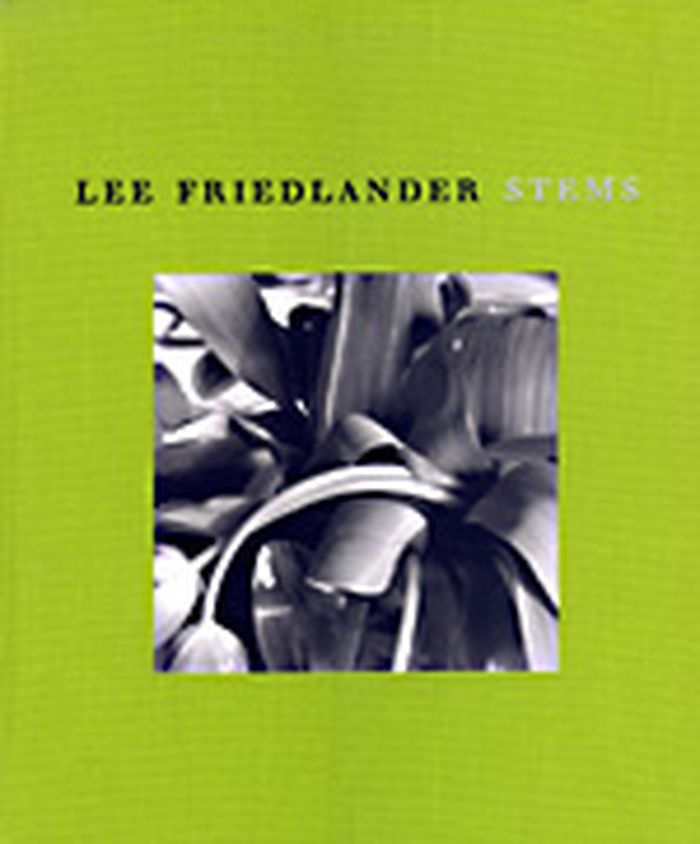
Lee Friedlander decided to prepare himself for a sedentary life. He began to pursue the still life as a possibility and maybe a way of photographic life--a dramatic shift for a man who has spent his life photographing on the street, in the woods, on the road, at parties, anywhere but sitting down. He tried a variety of subjects with a few good results, but nothing stood out until he began to look at the fresh flowers that his wife Maria placed around their home in cut-glass vases. But nevermind the flowers. True to Friedlander's style, he very quickly found himself most interested in the stems. During the months of February, May, June and December of 1994, he focused his lens on wild arrays of stems and the optical splendor produced by light refracting through the glass vases that contained them.~In 1998, Friedlander had both of his knees surgically replaced. Three months of recovery time passed during which he took no pictures, the only gap in almost 50 years of working. The next year, successfully rehabilitated and walking without pain, Friedlander decided to re-apply himself to the stems and finish them off as a subject. Published in a lush, oversize volume, printed with a special drytrap process, "Stems" is the result of this unusual saga in the photographer's career.
Lee Friedlander : stems
Actions:
Prix:
$89.00
(disponible en magasin)
Résumé:
Lee Friedlander decided to prepare himself for a sedentary life. He began to pursue the still life as a possibility and maybe a way of photographic life--a dramatic shift for a man who has spent his life photographing on the street, in the woods, on the road, at parties, anywhere but sitting down. He tried a variety of subjects with a few good results, but nothing stood out until he began to look at the fresh flowers that his wife Maria placed around their home in cut-glass vases. But nevermind the flowers. True to Friedlander's style, he very quickly found himself most interested in the stems. During the months of February, May, June and December of 1994, he focused his lens on wild arrays of stems and the optical splendor produced by light refracting through the glass vases that contained them.~In 1998, Friedlander had both of his knees surgically replaced. Three months of recovery time passed during which he took no pictures, the only gap in almost 50 years of working. The next year, successfully rehabilitated and walking without pain, Friedlander decided to re-apply himself to the stems and finish them off as a subject. Published in a lush, oversize volume, printed with a special drytrap process, "Stems" is the result of this unusual saga in the photographer's career.
Classification:
livres
livres
Publication:
novembre 2003, New York
novembre 2003, New York
Sujet:
Monographies photo
Monographies photo
Classification:
livres
livres
Actions:
Prix:
$85.00
(disponible sur commande)
Résumé:
In "The Nature of Order," Alexander delves into the essential properties of life itself, highlighting a common set of well-defined structures that he believes are present in all order--and in all life--from micro-organisms and mountain ranges to the creation of good houses and vibrant communities. In "The Phenomenon of Life," the first volume in this masterwork, Alexander(...)
$85.00
(disponible sur commande)
Résumé:
In "The Nature of Order," Alexander delves into the essential properties of life itself, highlighting a common set of well-defined structures that he believes are present in all order--and in all life--from micro-organisms and mountain ranges to the creation of good houses and vibrant communities. In "The Phenomenon of Life," the first volume in this masterwork, Alexander(...)
Titre:
The nature of order - an essay on the art of building and the nature of the universe. Book one : the phenomenon of life.
Actions:
Prix:
$85.00
(disponible sur commande)
Résumé:
In "The Nature of Order," Alexander delves into the essential properties of life itself, highlighting a common set of well-defined structures that he believes are present in all order--and in all life--from micro-organisms and mountain ranges to the creation of good houses and vibrant communities. In "The Phenomenon of Life," the first volume in this masterwork, Alexander ponders the nature of order as an intellectual basis for a new architecture, proposing a well-defined scientific view of the world in which all space-matter has perceptible degrees of life. With this view as foundation, we can ask precise questions about what must be done to create life in the world--"whether in a single room...a doorknob...a neighborhood...even in a vast region." He presents the basic tenets of the concept, expanding on his theories of centers and of wholeness as a structure, and describes the fifteen properties from which he feels wholeness may be built. He also argues that living structure is at once both personal and structural, related not only to the geometry of space and how things work, but to human beings whose lives are ultimately based on feeling. Thus order, as the foundation of all things and as the foundation of all architecture, is both rooted in substance and rooted in feeling.
The nature of order - an essay on the art of building and the nature of the universe. Book one : the phenomenon of life.
Actions:
Prix:
$85.00
(disponible sur commande)
Résumé:
In "The Nature of Order," Alexander delves into the essential properties of life itself, highlighting a common set of well-defined structures that he believes are present in all order--and in all life--from micro-organisms and mountain ranges to the creation of good houses and vibrant communities. In "The Phenomenon of Life," the first volume in this masterwork, Alexander ponders the nature of order as an intellectual basis for a new architecture, proposing a well-defined scientific view of the world in which all space-matter has perceptible degrees of life. With this view as foundation, we can ask precise questions about what must be done to create life in the world--"whether in a single room...a doorknob...a neighborhood...even in a vast region." He presents the basic tenets of the concept, expanding on his theories of centers and of wholeness as a structure, and describes the fifteen properties from which he feels wholeness may be built. He also argues that living structure is at once both personal and structural, related not only to the geometry of space and how things work, but to human beings whose lives are ultimately based on feeling. Thus order, as the foundation of all things and as the foundation of all architecture, is both rooted in substance and rooted in feeling.
Classification:
livres
livres
Publication:
juin 2003, Berkeley
juin 2003, Berkeley
Sujet:
Théorie de l’architecture
Théorie de l’architecture
Classification:
livres
livres
Prix:
$55.50
(disponible sur commande)
Résumé:
Human obsolescence is imminent. The factories of the future will be dark, staffed by armies of tireless robots. The hospitals of the future will have fewer doctors, depending instead on cloud-based AI to diagnose patients and recommend treatments. The homes of the future will anticipate our wants and needs and provide all the entertainment, food, and distraction we could(...)
$55.50
(disponible sur commande)
Résumé:
Human obsolescence is imminent. The factories of the future will be dark, staffed by armies of tireless robots. The hospitals of the future will have fewer doctors, depending instead on cloud-based AI to diagnose patients and recommend treatments. The homes of the future will anticipate our wants and needs and provide all the entertainment, food, and distraction we could(...)
Titre:
Automation and utopia: human flourishing in a world without work
Actions:
Prix:
$55.50
(disponible sur commande)
Résumé:
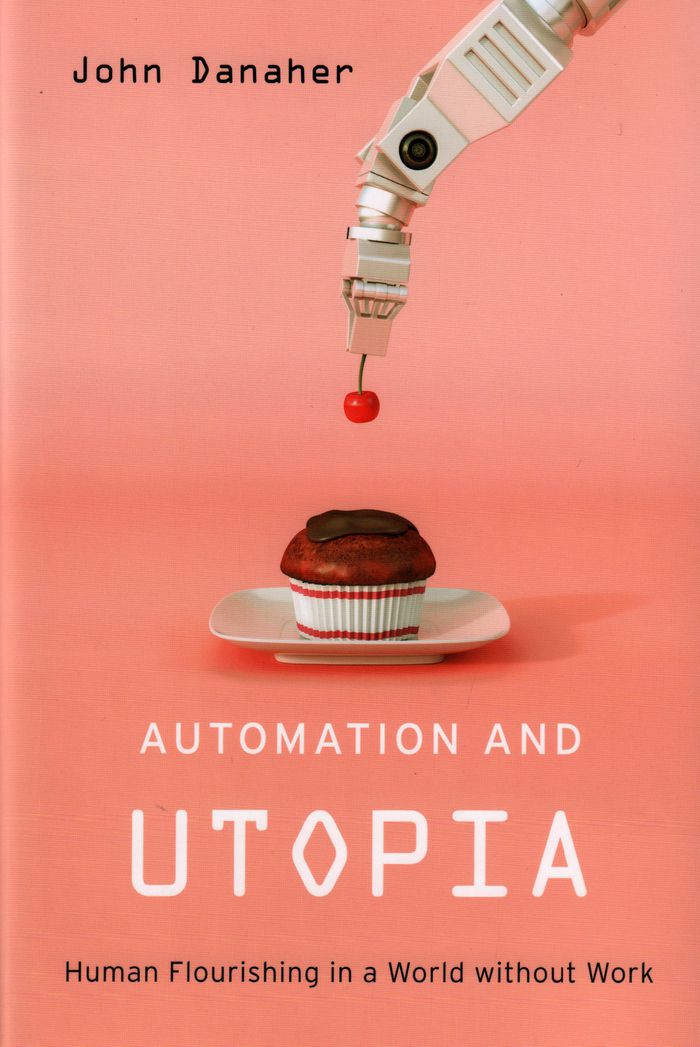
Human obsolescence is imminent. The factories of the future will be dark, staffed by armies of tireless robots. The hospitals of the future will have fewer doctors, depending instead on cloud-based AI to diagnose patients and recommend treatments. The homes of the future will anticipate our wants and needs and provide all the entertainment, food, and distraction we could ever desire. To many, this is a depressing prognosis, an image of civilization replaced by its machines. But what if an automated future is something to be welcomed rather than feared? Work is a source of misery and oppression for most people, so shouldn’t we do what we can to hasten its demise? Automation and Utopia makes the case for a world in which, free from need or want, we can spend our time inventing and playing games and exploring virtual realities that are more deeply engaging and absorbing than any we have experienced before, allowing us to achieve idealized forms of human flourishing. The idea that we should “give up” and retreat to the virtual may seem shocking, even distasteful. But John Danaher urges us to embrace the possibilities of this new existence. The rise of automating technologies presents a utopian moment for humankind, providing both the motive and the means to build a better future.
Automation and utopia: human flourishing in a world without work
Actions:
Prix:
$55.50
(disponible sur commande)
Résumé:
Human obsolescence is imminent. The factories of the future will be dark, staffed by armies of tireless robots. The hospitals of the future will have fewer doctors, depending instead on cloud-based AI to diagnose patients and recommend treatments. The homes of the future will anticipate our wants and needs and provide all the entertainment, food, and distraction we could ever desire. To many, this is a depressing prognosis, an image of civilization replaced by its machines. But what if an automated future is something to be welcomed rather than feared? Work is a source of misery and oppression for most people, so shouldn’t we do what we can to hasten its demise? Automation and Utopia makes the case for a world in which, free from need or want, we can spend our time inventing and playing games and exploring virtual realities that are more deeply engaging and absorbing than any we have experienced before, allowing us to achieve idealized forms of human flourishing. The idea that we should “give up” and retreat to the virtual may seem shocking, even distasteful. But John Danaher urges us to embrace the possibilities of this new existence. The rise of automating technologies presents a utopian moment for humankind, providing both the motive and the means to build a better future.
Classification:
livres
livres
Publication:
septembre 2019
septembre 2019
Sujet:
Théorie de l’architecture
Théorie de l’architecture
Classification:
livres
livres
Prix:
$32.00
(disponible sur commande)
Résumé:
Things in life tend to fall apart. Cars break down. Buildings fall into disrepair. Personal items deteriorate. Yet today’s researchers are exploiting newly understood properties of matter to program materials that physically sense, adapt, and fall together instead of apart. These materials open new directions for industrial innovation and challenge us to rethink the way(...)
$32.00
(disponible sur commande)
Résumé:
Things in life tend to fall apart. Cars break down. Buildings fall into disrepair. Personal items deteriorate. Yet today’s researchers are exploiting newly understood properties of matter to program materials that physically sense, adapt, and fall together instead of apart. These materials open new directions for industrial innovation and challenge us to rethink the way(...)
Titre:
Things fall together: a guide to the new materials revolution
Actions:
Prix:
$32.00
(disponible sur commande)
Résumé:
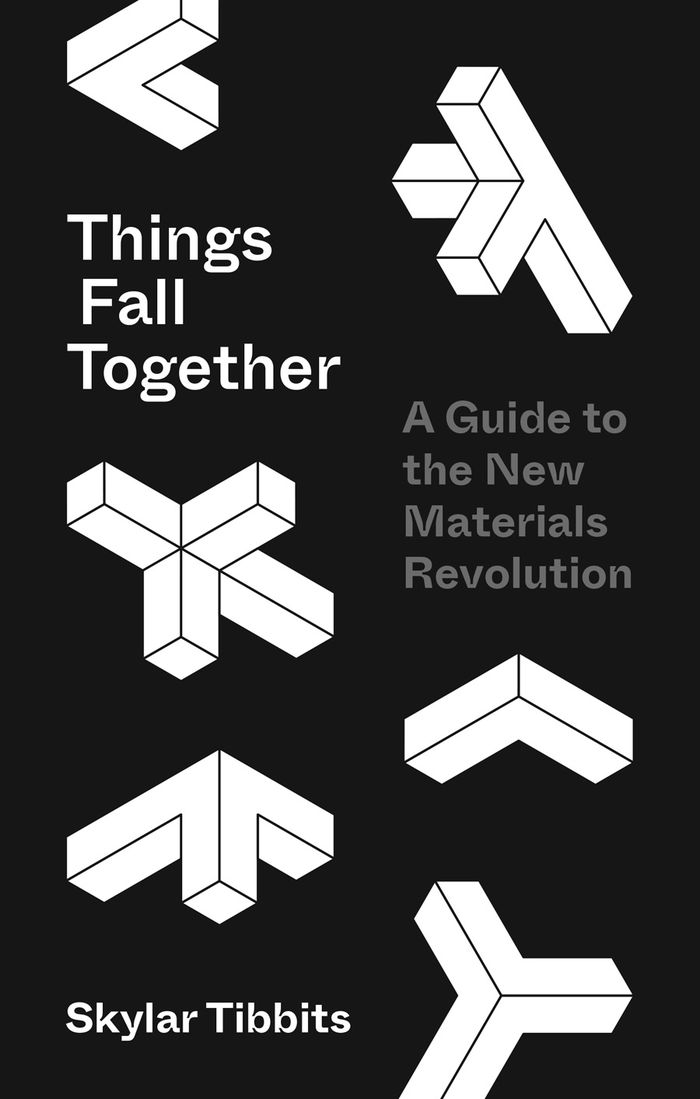
Things in life tend to fall apart. Cars break down. Buildings fall into disrepair. Personal items deteriorate. Yet today’s researchers are exploiting newly understood properties of matter to program materials that physically sense, adapt, and fall together instead of apart. These materials open new directions for industrial innovation and challenge us to rethink the way we build and collaborate with our environment. "Things fall together" is a provocative guide to this emerging, often mind-bending reality, presenting a bold vision for harnessing the intelligence embedded in the material world. Drawing on his pioneering work on self-assembly and programmable material technologies, Skylar Tibbits lays out the core, frequently counterintuitive ideas and strategies that animate this new approach to design and innovation. From furniture that builds itself to shoes printed flat that jump into shape to islands that grow themselves, he describes how matter can compute and exhibit behaviors that we typically associate with biological organisms, and challenges our fundamental assumptions about what physical materials can do and how we can interact with them. Intelligent products today often rely on electronics, batteries, and complicated mechanisms. Tibbits offers a different approach, showing how we can design simple and elegant material intelligence that may one day animate and improve itself—and along the way help us build a more sustainable future.
Things fall together: a guide to the new materials revolution
Actions:
Prix:
$32.00
(disponible sur commande)
Résumé:
Things in life tend to fall apart. Cars break down. Buildings fall into disrepair. Personal items deteriorate. Yet today’s researchers are exploiting newly understood properties of matter to program materials that physically sense, adapt, and fall together instead of apart. These materials open new directions for industrial innovation and challenge us to rethink the way we build and collaborate with our environment. "Things fall together" is a provocative guide to this emerging, often mind-bending reality, presenting a bold vision for harnessing the intelligence embedded in the material world. Drawing on his pioneering work on self-assembly and programmable material technologies, Skylar Tibbits lays out the core, frequently counterintuitive ideas and strategies that animate this new approach to design and innovation. From furniture that builds itself to shoes printed flat that jump into shape to islands that grow themselves, he describes how matter can compute and exhibit behaviors that we typically associate with biological organisms, and challenges our fundamental assumptions about what physical materials can do and how we can interact with them. Intelligent products today often rely on electronics, batteries, and complicated mechanisms. Tibbits offers a different approach, showing how we can design simple and elegant material intelligence that may one day animate and improve itself—and along the way help us build a more sustainable future.
Classification:
livres
livres
Publication:
juin 2021
juin 2021
Sujet:
Théorie du design
Théorie du design


