


12372 Résultats
Classification:
livres
livres
Actions:
Prix:
$34.99
(disponible en magasin)
Résumé:
Disability critiques of architecture usually emphasize the need for modification and increased access, but this publication calls for a radical reorientation of this perspective by situating experiences of impairment as a new foundation for the built environment. With its provocative proposal for "the construction of disability," this book fundamentally reconsiders how we(...)
$34.99
(disponible en magasin)
Résumé:
Disability critiques of architecture usually emphasize the need for modification and increased access, but this publication calls for a radical reorientation of this perspective by situating experiences of impairment as a new foundation for the built environment. With its provocative proposal for "the construction of disability," this book fundamentally reconsiders how we(...)
Titre:
The architecture of disability: Buildings, cities, and landscapes beyond access
Actions:
Prix:
$34.99
(disponible en magasin)
Résumé:
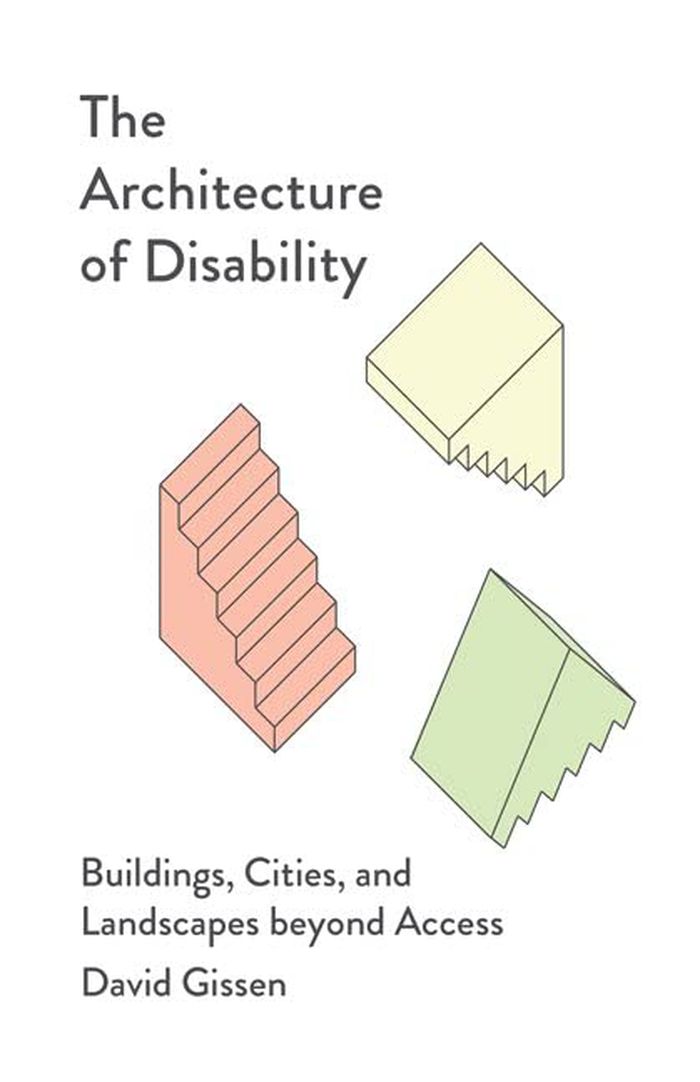
Disability critiques of architecture usually emphasize the need for modification and increased access, but this publication calls for a radical reorientation of this perspective by situating experiences of impairment as a new foundation for the built environment. With its provocative proposal for "the construction of disability," this book fundamentally reconsiders how we conceive of and experience disability in our world. Stressing the connection between architectural form and the capacities of the human body, David Gissen demonstrates how disability haunts the history and practice of architecture. Examining various historic sites, landscape designs, and urban spaces, he deconstructs the prevailing functionalist approach to accommodating disabled people in architecture and instead asserts that physical capacity is essential to the conception of all designed space.
The architecture of disability: Buildings, cities, and landscapes beyond access
Actions:
Prix:
$34.99
(disponible en magasin)
Résumé:
Disability critiques of architecture usually emphasize the need for modification and increased access, but this publication calls for a radical reorientation of this perspective by situating experiences of impairment as a new foundation for the built environment. With its provocative proposal for "the construction of disability," this book fundamentally reconsiders how we conceive of and experience disability in our world. Stressing the connection between architectural form and the capacities of the human body, David Gissen demonstrates how disability haunts the history and practice of architecture. Examining various historic sites, landscape designs, and urban spaces, he deconstructs the prevailing functionalist approach to accommodating disabled people in architecture and instead asserts that physical capacity is essential to the conception of all designed space.
Classification:
livres
livres
Publication:
janvier 2023
janvier 2023
Sujet:
Théorie de l’architecture
Théorie de l’architecture
Classification:
livres
livres
Prix:
$32.95
(disponible sur commande)
Résumé:
The High Line, a new park atop an ele-vated rail structure on Manhattan’s West Side, is among the most innovative urban reclamation projects in memory. The story of how it came to be is a remarkable one: two young citizens with no prior experience in planning and development collaborated with their neighbors, elected officials, artists, local business owners, and leaders(...)
$32.95
(disponible sur commande)
Résumé:
The High Line, a new park atop an ele-vated rail structure on Manhattan’s West Side, is among the most innovative urban reclamation projects in memory. The story of how it came to be is a remarkable one: two young citizens with no prior experience in planning and development collaborated with their neighbors, elected officials, artists, local business owners, and leaders(...)
Titre:
High line: the inside story of New York city's park in the sky
Actions:
Prix:
$32.95
(disponible sur commande)
Résumé:
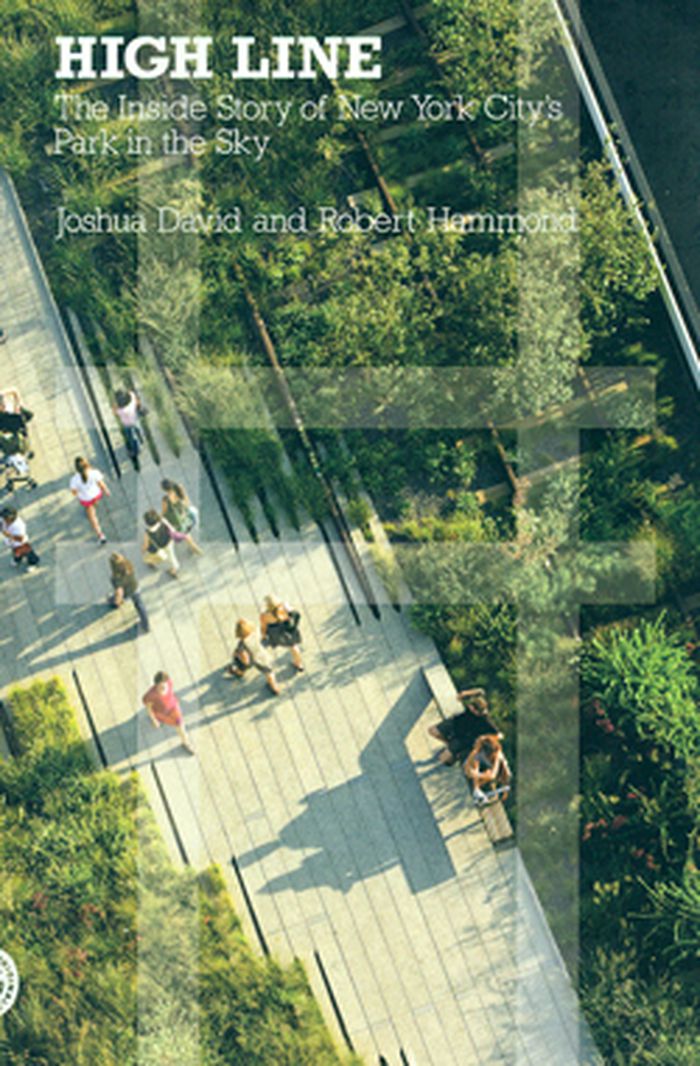
The High Line, a new park atop an ele-vated rail structure on Manhattan’s West Side, is among the most innovative urban reclamation projects in memory. The story of how it came to be is a remarkable one: two young citizens with no prior experience in planning and development collaborated with their neighbors, elected officials, artists, local business owners, and leaders of burgeoning movements in horticulture and landscape architecture to create a park celebrated worldwide as a model for creatively designed, socially vibrant, ecologically sound public space. In this book, David and Hammond tell how they relied on skill, luck, and good timing: a crucial court ruling, an inspiring design contest, the enthusiasm of Mayor Bloomberg, the concern for urban planning issues following 9/11.
High line: the inside story of New York city's park in the sky
Actions:
Prix:
$32.95
(disponible sur commande)
Résumé:
The High Line, a new park atop an ele-vated rail structure on Manhattan’s West Side, is among the most innovative urban reclamation projects in memory. The story of how it came to be is a remarkable one: two young citizens with no prior experience in planning and development collaborated with their neighbors, elected officials, artists, local business owners, and leaders of burgeoning movements in horticulture and landscape architecture to create a park celebrated worldwide as a model for creatively designed, socially vibrant, ecologically sound public space. In this book, David and Hammond tell how they relied on skill, luck, and good timing: a crucial court ruling, an inspiring design contest, the enthusiasm of Mayor Bloomberg, the concern for urban planning issues following 9/11.
Classification:
livres
livres
Publication:
octobre 2011
octobre 2011
Sujet:
Paysages urbains
Paysages urbains
Classification:
livres
livres
Titre:
Ruskin on Venice
Ruskin on Venice
Actions:
Prix:
$90.00
(disponible sur commande)
Résumé:
Venice represented John Ruskin’s ideal of civic society—“The Paradise of Cities,” where culture, government, and faith existed in creative harmony. Robert Hewison traces Ruskin’s long and intricate relationship with the city. He shows how Ruskin shed his earlier Romantic vision of the city and developed a harder, clearer conception of neglected Gothic Venice through an(...)
$90.00
(disponible sur commande)
Résumé:
Venice represented John Ruskin’s ideal of civic society—“The Paradise of Cities,” where culture, government, and faith existed in creative harmony. Robert Hewison traces Ruskin’s long and intricate relationship with the city. He shows how Ruskin shed his earlier Romantic vision of the city and developed a harder, clearer conception of neglected Gothic Venice through an(...)
Titre:
Ruskin on Venice
Actions:
Prix:
$90.00
(disponible sur commande)
Résumé:
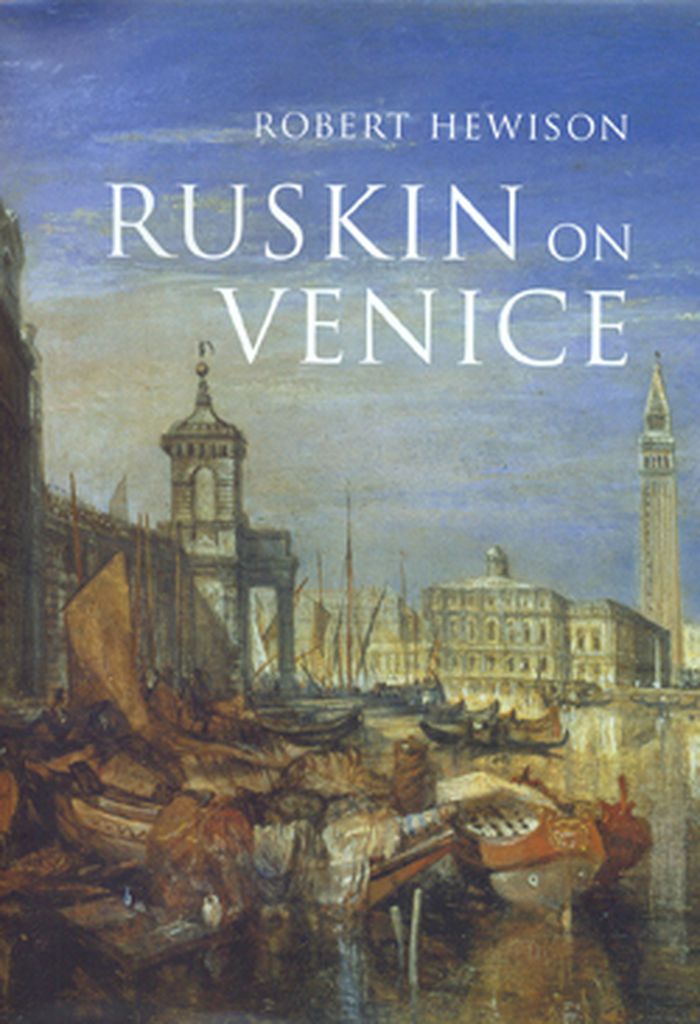
Venice represented John Ruskin’s ideal of civic society—“The Paradise of Cities,” where culture, government, and faith existed in creative harmony. Robert Hewison traces Ruskin’s long and intricate relationship with the city. He shows how Ruskin shed his earlier Romantic vision of the city and developed a harder, clearer conception of neglected Gothic Venice through an intense study of the city's physical fabric that would change the international understanding of the city. Drawing on the rich resources of Ruskin’s drawings, architectural notebooks, and manuscripts, Hewison offers insights into both Ruskin and nineteenth-century Venice and reveals how Ruskin’s work and his connection with the city from youth to old age have helped to shape the image of the Venice we know today.
Ruskin on Venice
Actions:
Prix:
$90.00
(disponible sur commande)
Résumé:
Venice represented John Ruskin’s ideal of civic society—“The Paradise of Cities,” where culture, government, and faith existed in creative harmony. Robert Hewison traces Ruskin’s long and intricate relationship with the city. He shows how Ruskin shed his earlier Romantic vision of the city and developed a harder, clearer conception of neglected Gothic Venice through an intense study of the city's physical fabric that would change the international understanding of the city. Drawing on the rich resources of Ruskin’s drawings, architectural notebooks, and manuscripts, Hewison offers insights into both Ruskin and nineteenth-century Venice and reveals how Ruskin’s work and his connection with the city from youth to old age have helped to shape the image of the Venice we know today.
Classification:
livres
livres
Publication:
février 2010
février 2010
Sujet:
Théorie de l’architecture
Théorie de l’architecture
Classification:
livres
livres
Prix:
$35.95
(disponible sur commande)
Résumé:
What does diversity do? What are we doing when we use the language of diversity? Sara Ahmed offers an account of the diversity world based on interviews with diversity practitioners in higher education, as well as her own experience of doing diversity work. 'On Being Included' explores the gap between symbolic commitments to diversity and the experience of those who(...)
$35.95
(disponible sur commande)
Résumé:
What does diversity do? What are we doing when we use the language of diversity? Sara Ahmed offers an account of the diversity world based on interviews with diversity practitioners in higher education, as well as her own experience of doing diversity work. 'On Being Included' explores the gap between symbolic commitments to diversity and the experience of those who(...)
Titre:
On being included: racism and diversity in institutional life
Actions:
Prix:
$35.95
(disponible sur commande)
Résumé:
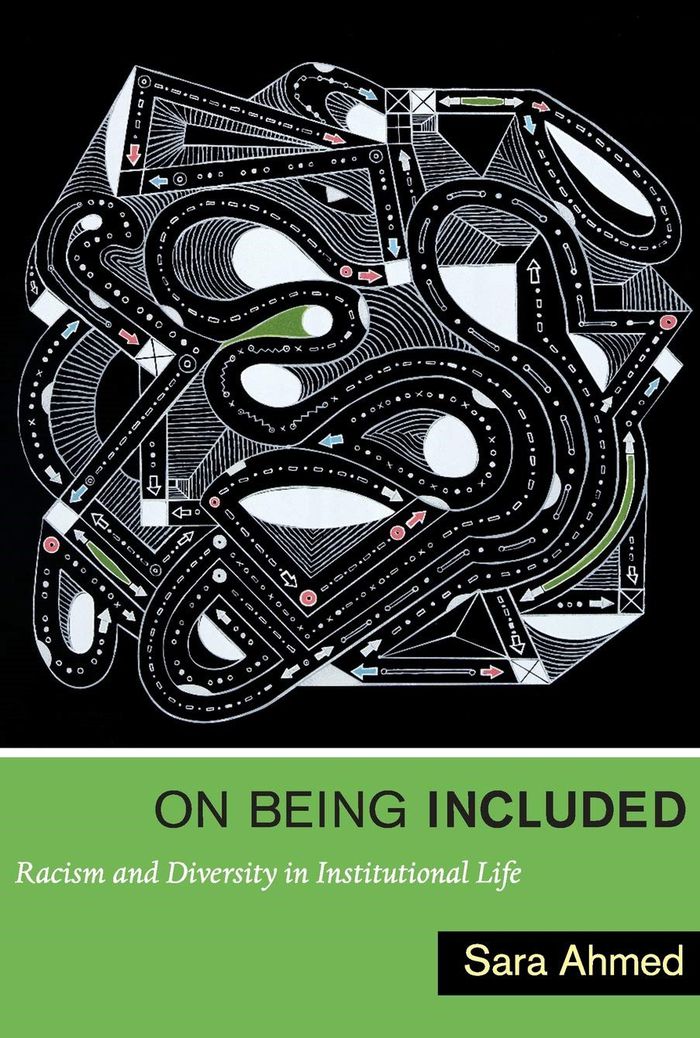
What does diversity do? What are we doing when we use the language of diversity? Sara Ahmed offers an account of the diversity world based on interviews with diversity practitioners in higher education, as well as her own experience of doing diversity work. 'On Being Included' explores the gap between symbolic commitments to diversity and the experience of those who embody diversity. The book provides an account of institutional whiteness and shows how racism can be obscured by the institutionalization of diversity. Diversity is used as evidence that institutions do not have a problem with racism. 'On Being Included' offers a critique of what happens when diversity is offered as a solution. It also shows how diversity workers generate knowledge of institutions in attempting to transform them.
On being included: racism and diversity in institutional life
Actions:
Prix:
$35.95
(disponible sur commande)
Résumé:
What does diversity do? What are we doing when we use the language of diversity? Sara Ahmed offers an account of the diversity world based on interviews with diversity practitioners in higher education, as well as her own experience of doing diversity work. 'On Being Included' explores the gap between symbolic commitments to diversity and the experience of those who embody diversity. The book provides an account of institutional whiteness and shows how racism can be obscured by the institutionalization of diversity. Diversity is used as evidence that institutions do not have a problem with racism. 'On Being Included' offers a critique of what happens when diversity is offered as a solution. It also shows how diversity workers generate knowledge of institutions in attempting to transform them.
Classification:
livres
livres
Publication:
mars 2012
mars 2012
Sujet:
Social
Social
Classification:
livres
livres

Actions:
Prix:
$61.50
(disponible en magasin)
Résumé:
''How will we live together?'' The extensive publication for the exhibition of the Slovenian Pavilion at the 17th International Architecture Biennale seeks to answer this question through research on community centres in Slovenia. By unearthing and presenting the large-scale project of building more than 350 cooperative centres that began 70 years ago, it reveals how(...)
$61.50
(disponible en magasin)
Résumé:
''How will we live together?'' The extensive publication for the exhibition of the Slovenian Pavilion at the 17th International Architecture Biennale seeks to answer this question through research on community centres in Slovenia. By unearthing and presenting the large-scale project of building more than 350 cooperative centres that began 70 years ago, it reveals how(...)
Titre:
The common in community: Slovenian pavilion 17th Architecture Biennale
Actions:
Prix:
$61.50
(disponible en magasin)
Résumé:
''How will we live together?'' The extensive publication for the exhibition of the Slovenian Pavilion at the 17th International Architecture Biennale seeks to answer this question through research on community centres in Slovenia. By unearthing and presenting the large-scale project of building more than 350 cooperative centres that began 70 years ago, it reveals how these centres have seen changes in the political and economic system, taken on new uses, shaped local communities, and remain relevant today. A closer look at this history provides a better understanding of indoor public spaces as social infrastructure that fosters interaction, communication, and empowerment.
The common in community: Slovenian pavilion 17th Architecture Biennale
Actions:
Prix:
$61.50
(disponible en magasin)
Résumé:
''How will we live together?'' The extensive publication for the exhibition of the Slovenian Pavilion at the 17th International Architecture Biennale seeks to answer this question through research on community centres in Slovenia. By unearthing and presenting the large-scale project of building more than 350 cooperative centres that began 70 years ago, it reveals how these centres have seen changes in the political and economic system, taken on new uses, shaped local communities, and remain relevant today. A closer look at this history provides a better understanding of indoor public spaces as social infrastructure that fosters interaction, communication, and empowerment.
Classification:
livres
livres
Publication:
janvier 2021
janvier 2021
Sujet:
Biennale
Biennale
Classification:
livres
livres
Titre:
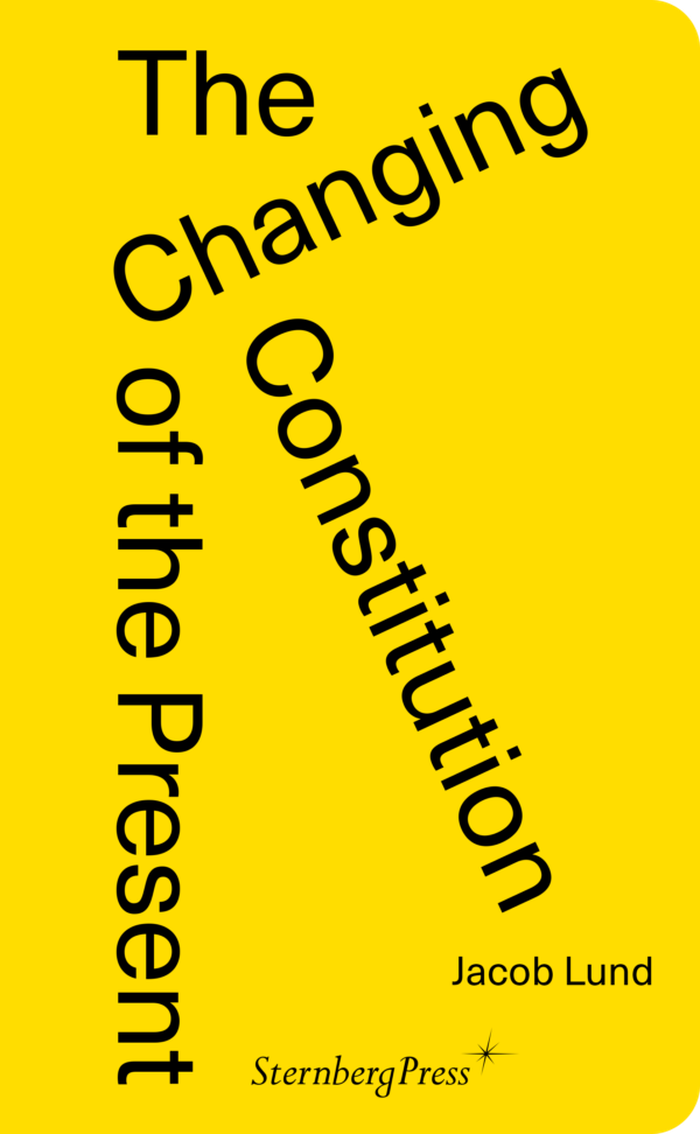
The changing constitution of the present: Essays on the work of art in times of contemporaneity
The changing constitution of the present: Essays on the work of art in times of contemporaneity
Actions:
Prix:
$33.95
(disponible sur commande)
Résumé:
Our present is defined by contemporaneity—the interconnection of heterogeneous times, histories, and temporalities. These many and various times do not merely exist in parallel with one another, simultaneously. Rather, they interconnect and are brought to bear on the same present, forming a sort of planetary present, and—at least in principle—a global sharing of time,(...)
$33.95
(disponible sur commande)
Résumé:
Our present is defined by contemporaneity—the interconnection of heterogeneous times, histories, and temporalities. These many and various times do not merely exist in parallel with one another, simultaneously. Rather, they interconnect and are brought to bear on the same present, forming a sort of planetary present, and—at least in principle—a global sharing of time,(...)
Titre:
The changing constitution of the present: Essays on the work of art in times of contemporaneity
Actions:
Prix:
$33.95
(disponible sur commande)
Résumé:
Our present is defined by contemporaneity—the interconnection of heterogeneous times, histories, and temporalities. These many and various times do not merely exist in parallel with one another, simultaneously. Rather, they interconnect and are brought to bear on the same present, forming a sort of planetary present, and—at least in principle—a global sharing of time, although one not shared equally. Jacob Lund explores how the conditions for politically engaged art and aesthetic practice, for questioning the present, have changed in recent decades, while considering how our historical present and its temporal quality differ significantly from previous presents.
The changing constitution of the present: Essays on the work of art in times of contemporaneity
Actions:
Prix:
$33.95
(disponible sur commande)
Résumé:
Our present is defined by contemporaneity—the interconnection of heterogeneous times, histories, and temporalities. These many and various times do not merely exist in parallel with one another, simultaneously. Rather, they interconnect and are brought to bear on the same present, forming a sort of planetary present, and—at least in principle—a global sharing of time, although one not shared equally. Jacob Lund explores how the conditions for politically engaged art and aesthetic practice, for questioning the present, have changed in recent decades, while considering how our historical present and its temporal quality differ significantly from previous presents.
Classification:
livres
livres
Publication:
novembre 2022
novembre 2022
Sujet:
Théorie de l’art
Théorie de l’art
Classification:
livres
livres
Actions:
Prix:
$64.00
(disponible sur commande)
Résumé:
Famous for its transparency, the Philip Johnson Glass House--the icon of modernism that Vincent Scully called "the most conceptually important house of the century"--has nonetheless proven vexingly opaque to interpretation. Its architect, Philip Cortelyou Johnson, has been equally elusive, a polarizing and influential cultural figure on whom no psychological character(...)
$64.00
(disponible sur commande)
Résumé:
Famous for its transparency, the Philip Johnson Glass House--the icon of modernism that Vincent Scully called "the most conceptually important house of the century"--has nonetheless proven vexingly opaque to interpretation. Its architect, Philip Cortelyou Johnson, has been equally elusive, a polarizing and influential cultural figure on whom no psychological character(...)
Titre:
Dream house: an intimate portrait of the Phillip Johnson Glass House
Actions:
Prix:
$64.00
(disponible sur commande)
Résumé:
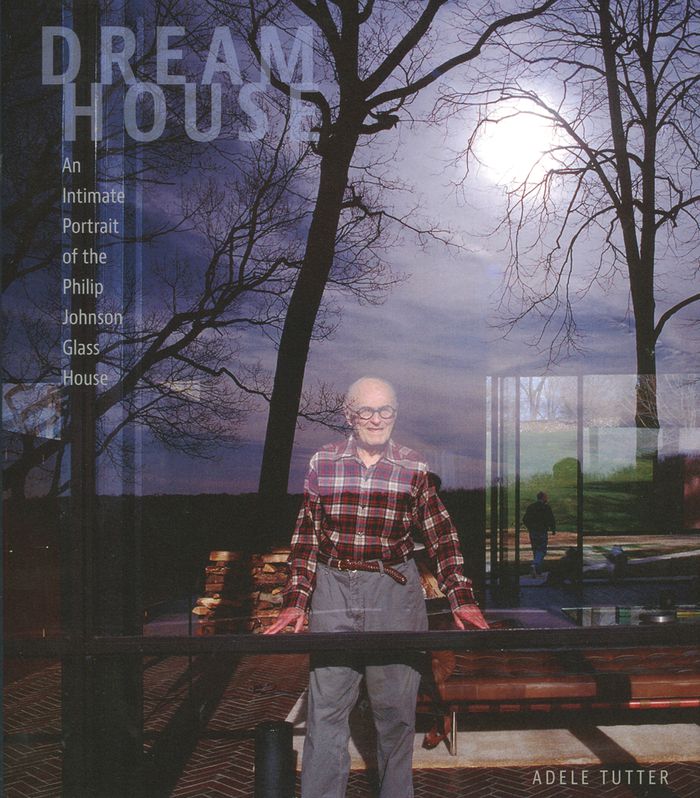
Famous for its transparency, the Philip Johnson Glass House--the icon of modernism that Vincent Scully called "the most conceptually important house of the century"--has nonetheless proven vexingly opaque to interpretation. Its architect, Philip Cortelyou Johnson, has been equally elusive, a polarizing and influential cultural figure on whom no psychological character study yet exists. In her new book, Adele Tutter addresses both enigmas. ''Dream House: An Intimate Portrait of the Philip Johnson Glass House'' reveals how this superficially nonrepresentational physical structure encodes aspects of its architect’s aspirations, motivations, and conflicts--how it acts as a veritable self-portrait of his inner world.
Dream house: an intimate portrait of the Phillip Johnson Glass House
Actions:
Prix:
$64.00
(disponible sur commande)
Résumé:
Famous for its transparency, the Philip Johnson Glass House--the icon of modernism that Vincent Scully called "the most conceptually important house of the century"--has nonetheless proven vexingly opaque to interpretation. Its architect, Philip Cortelyou Johnson, has been equally elusive, a polarizing and influential cultural figure on whom no psychological character study yet exists. In her new book, Adele Tutter addresses both enigmas. ''Dream House: An Intimate Portrait of the Philip Johnson Glass House'' reveals how this superficially nonrepresentational physical structure encodes aspects of its architect’s aspirations, motivations, and conflicts--how it acts as a veritable self-portrait of his inner world.
Classification:
livres
livres
Publication:
mai 2016
mai 2016
Sujet:
Architecture, monographies
Architecture, monographies
Classification:
livres
livres

Actions:
Prix:
$104.95
(disponible sur commande)
Résumé:
Batia Suter's work intuitively situates found images in new contexts to provoke surprising reactions and significative possibilities. This volume follows on from the first Parallel Encyclopedia, published in 2007. Underlying themes of Suter's practice are the "iconification" and "immunogenicity" of old images, and the circumstances by which they become charged with new(...)
$104.95
(disponible sur commande)
Résumé:
Batia Suter's work intuitively situates found images in new contexts to provoke surprising reactions and significative possibilities. This volume follows on from the first Parallel Encyclopedia, published in 2007. Underlying themes of Suter's practice are the "iconification" and "immunogenicity" of old images, and the circumstances by which they become charged with new(...)
Titre:
Batia Suter: Parallel encyclopedia #2
Actions:
Prix:
$104.95
(disponible sur commande)
Résumé:
Batia Suter's work intuitively situates found images in new contexts to provoke surprising reactions and significative possibilities. This volume follows on from the first Parallel Encyclopedia, published in 2007. Underlying themes of Suter's practice are the "iconification" and "immunogenicity" of old images, and the circumstances by which they become charged with new associative values. "In my work, I collect groups of images based on various themes and characteristics, and I investigate how they can manipulate each other, depending on where and how they are placed. In the process of making this book, narrative lines unfolded before my eyes as I shifted images around."
Batia Suter: Parallel encyclopedia #2
Actions:
Prix:
$104.95
(disponible sur commande)
Résumé:
Batia Suter's work intuitively situates found images in new contexts to provoke surprising reactions and significative possibilities. This volume follows on from the first Parallel Encyclopedia, published in 2007. Underlying themes of Suter's practice are the "iconification" and "immunogenicity" of old images, and the circumstances by which they become charged with new associative values. "In my work, I collect groups of images based on various themes and characteristics, and I investigate how they can manipulate each other, depending on where and how they are placed. In the process of making this book, narrative lines unfolded before my eyes as I shifted images around."
Classification:
livres
livres
Publication:
septembre 2016
septembre 2016
Classification:
livres
livres
Titre:
Armani Ginza Tower
Armani Ginza Tower
Actions:
Prix:
$29.95
(disponible en magasin)
Résumé:
How do you translate Giorgio Armani into architecture? For the Armani/Ginza Tower, it was essential to project not only Giorgio Armani s creativity as a designer, but his one and only personality, recreating the atmosphere of the atelier of the Italian creative genius, as well as his aesthetic code and personal image. How do you combine the concept of luxury with(...)
$29.95
(disponible en magasin)
Résumé:
How do you translate Giorgio Armani into architecture? For the Armani/Ginza Tower, it was essential to project not only Giorgio Armani s creativity as a designer, but his one and only personality, recreating the atmosphere of the atelier of the Italian creative genius, as well as his aesthetic code and personal image. How do you combine the concept of luxury with(...)
Sujet:
Architecture, monographies
Architecture, monographies
Publication:
juillet 2008, Barcelona/New York
juillet 2008, Barcelona/New York
Titre:
Armani Ginza Tower
Actions:
Prix:
$29.95
(disponible en magasin)
Résumé:
How do you translate Giorgio Armani into architecture? For the Armani/Ginza Tower, it was essential to project not only Giorgio Armani s creativity as a designer, but his one and only personality, recreating the atmosphere of the atelier of the Italian creative genius, as well as his aesthetic code and personal image. How do you combine the concept of luxury with restrained elegance, the concept of absolute modernity with a lasting style... the Armani style? In Tokyo, for the first time ever, the entirety of his work and image is represented in a single building.
Armani Ginza Tower
Actions:
Prix:
$29.95
(disponible en magasin)
Résumé:
How do you translate Giorgio Armani into architecture? For the Armani/Ginza Tower, it was essential to project not only Giorgio Armani s creativity as a designer, but his one and only personality, recreating the atmosphere of the atelier of the Italian creative genius, as well as his aesthetic code and personal image. How do you combine the concept of luxury with restrained elegance, the concept of absolute modernity with a lasting style... the Armani style? In Tokyo, for the first time ever, the entirety of his work and image is represented in a single building.
Classification:
livres
livres
Publication:
juillet 2008, Barcelona/New York
juillet 2008, Barcelona/New York
Sujet:
Architecture, monographies
Architecture, monographies
Classification:
livres
livres
Prix:
$38.50
(disponible sur commande)
Résumé:
Nature has always furnished stimulating ideas for the design of architecture, both vernacular and in the work of major architects. Inspired by Nature: Plants looks at how the plant world serves as a useful source of inspiration, whether intentional or inconscious, for great contemporary architecture. Accompanying the images of built examples, ranging from houses to(...)
$38.50
(disponible sur commande)
Résumé:
Nature has always furnished stimulating ideas for the design of architecture, both vernacular and in the work of major architects. Inspired by Nature: Plants looks at how the plant world serves as a useful source of inspiration, whether intentional or inconscious, for great contemporary architecture. Accompanying the images of built examples, ranging from houses to(...)
Publication:
mai 2008, New York, London
mai 2008, New York, London
Titre:
Inspired by nature plants, the building/botany collection
Actions:
Prix:
$38.50
(disponible sur commande)
Résumé:
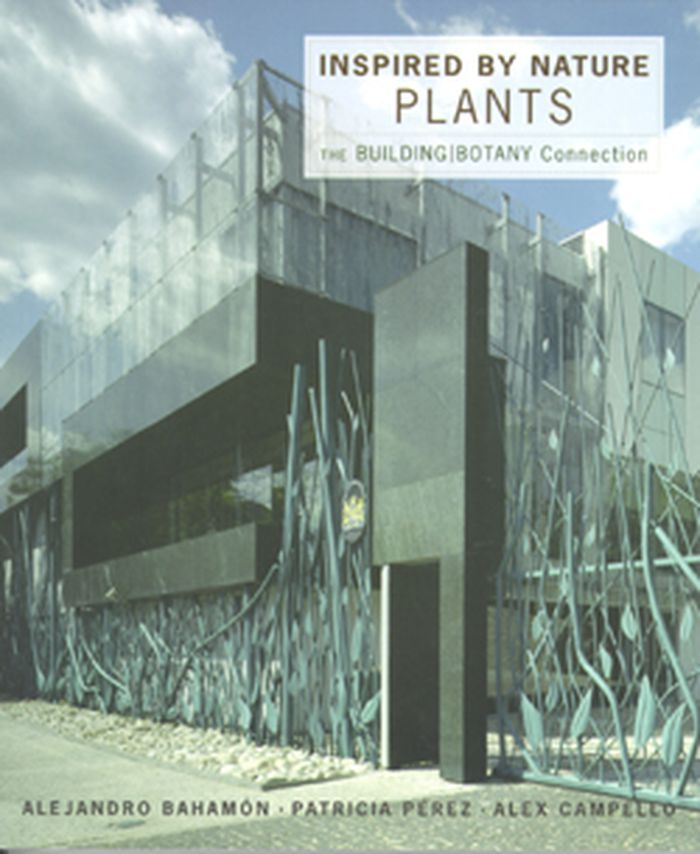
Nature has always furnished stimulating ideas for the design of architecture, both vernacular and in the work of major architects. Inspired by Nature: Plants looks at how the plant world serves as a useful source of inspiration, whether intentional or inconscious, for great contemporary architecture. Accompanying the images of built examples, ranging from houses to hotels, schools, and commercial and industrial projects, are botanical drawings and an explanation of why natural forms make good models for structure. The visual analogies underline how architects can find elegant solution and create new, sustainable, and efficient architectonic forms by the close and unsderstanding observation of nature.
Inspired by nature plants, the building/botany collection
Actions:
Prix:
$38.50
(disponible sur commande)
Résumé:
Nature has always furnished stimulating ideas for the design of architecture, both vernacular and in the work of major architects. Inspired by Nature: Plants looks at how the plant world serves as a useful source of inspiration, whether intentional or inconscious, for great contemporary architecture. Accompanying the images of built examples, ranging from houses to hotels, schools, and commercial and industrial projects, are botanical drawings and an explanation of why natural forms make good models for structure. The visual analogies underline how architects can find elegant solution and create new, sustainable, and efficient architectonic forms by the close and unsderstanding observation of nature.
Classification:
livres
livres
Publication:
mai 2008, New York, London
mai 2008, New York, London


