


1067 Résultats
Classification:
livres
livres
Titre:
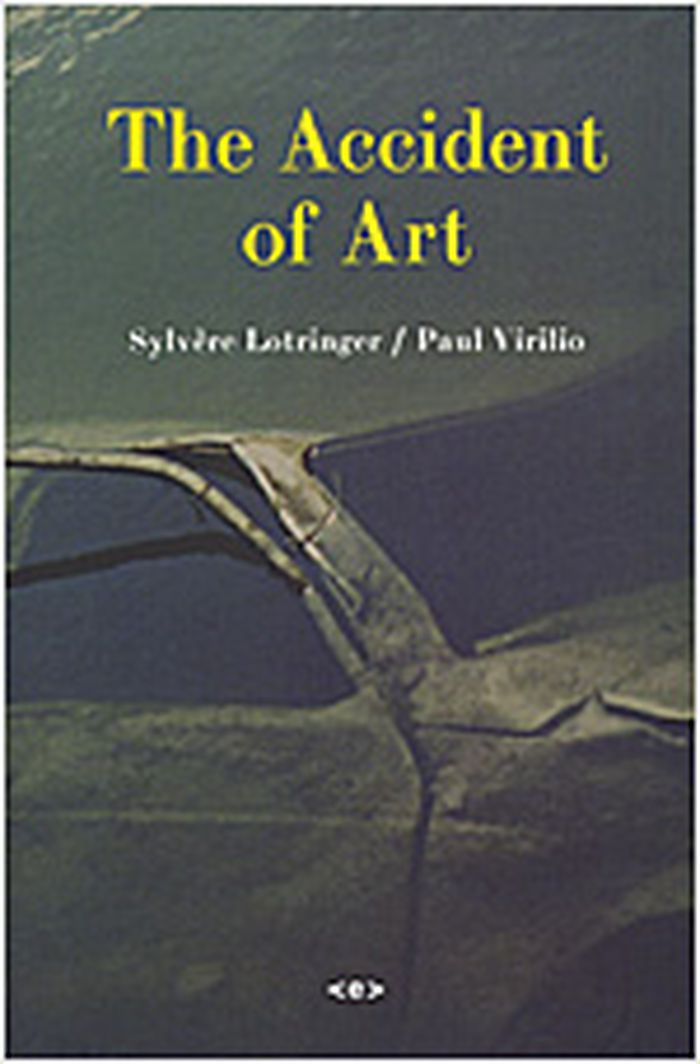
The accident of art
The accident of art
Actions:
Prix:
$18.95
(disponible sur commande)
Résumé:
Urbanist and technological theorist Paul Virilio trained as a painter, studying under Henri Matisse, Georges Braque, Bazaine and de Stael. In The Accident of Art, his third extended conversation with Sylvère Lotringer, Virilio addresses the situation of art within technological society for the first time. This book completes a collaborative trilogy the two began in 1982(...)
$18.95
(disponible sur commande)
Résumé:
Urbanist and technological theorist Paul Virilio trained as a painter, studying under Henri Matisse, Georges Braque, Bazaine and de Stael. In The Accident of Art, his third extended conversation with Sylvère Lotringer, Virilio addresses the situation of art within technological society for the first time. This book completes a collaborative trilogy the two began in 1982(...)
Sujet:
Théorie de l’architecture
Théorie de l’architecture
Publication:
mai 2003, Cambridge, Mass.
mai 2003, Cambridge, Mass.
Titre:
The accident of art
Actions:
Prix:
$18.95
(disponible sur commande)
Résumé:
Urbanist and technological theorist Paul Virilio trained as a painter, studying under Henri Matisse, Georges Braque, Bazaine and de Stael. In The Accident of Art, his third extended conversation with Sylvère Lotringer, Virilio addresses the situation of art within technological society for the first time. This book completes a collaborative trilogy the two began in 1982 with Pure War and continued with Crepuscular Dawn, their 2002 work on architecture and biotechnology. In The Accident of Art, Virilio and Lotringer argue that a direct relation exists between war trauma and art. Why has art failed to reinvent itself in the face of technology, unlike performing art? Why has art simply retreated into painting, or surrendered to digital technology? Accidents, Virilio claims, can free us from speed's inertia. As technological catastrophes, accidents are inventions in their own right.
The accident of art
Actions:
Prix:
$18.95
(disponible sur commande)
Résumé:
Urbanist and technological theorist Paul Virilio trained as a painter, studying under Henri Matisse, Georges Braque, Bazaine and de Stael. In The Accident of Art, his third extended conversation with Sylvère Lotringer, Virilio addresses the situation of art within technological society for the first time. This book completes a collaborative trilogy the two began in 1982 with Pure War and continued with Crepuscular Dawn, their 2002 work on architecture and biotechnology. In The Accident of Art, Virilio and Lotringer argue that a direct relation exists between war trauma and art. Why has art failed to reinvent itself in the face of technology, unlike performing art? Why has art simply retreated into painting, or surrendered to digital technology? Accidents, Virilio claims, can free us from speed's inertia. As technological catastrophes, accidents are inventions in their own right.
Classification:
livres
livres
Publication:
mai 2003, Cambridge, Mass.
mai 2003, Cambridge, Mass.
Sujet:
Théorie de l’architecture
Théorie de l’architecture
Classification:
livres
livres
Prix:
$70.00
(disponible sur commande)
Résumé:
Mapping has been one of the most fertile areas of exploration for architecture and landscape in the past few decades. While documenting this shift in representation from the material and physical description toward the depiction of the unseen and often immaterial, ''Cartographic Grounds'' takes a critical view toward the current use of data mapping and visualization and(...)
$70.00
(disponible sur commande)
Résumé:
Mapping has been one of the most fertile areas of exploration for architecture and landscape in the past few decades. While documenting this shift in representation from the material and physical description toward the depiction of the unseen and often immaterial, ''Cartographic Grounds'' takes a critical view toward the current use of data mapping and visualization and(...)
Titre:
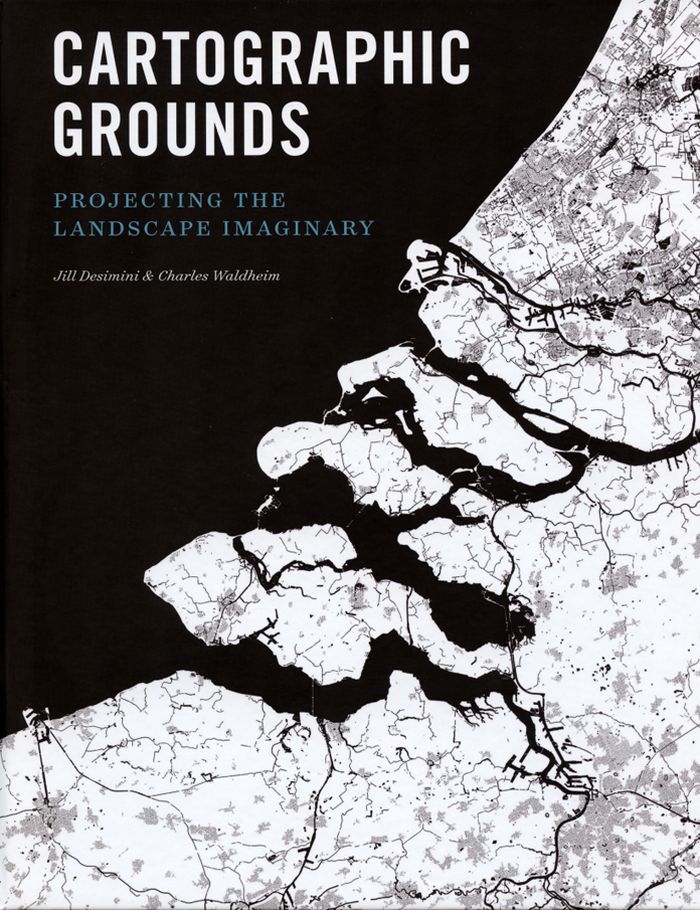
Cartographic grounds: projecting the landscape imaginary
Actions:
Prix:
$70.00
(disponible sur commande)
Résumé:
Mapping has been one of the most fertile areas of exploration for architecture and landscape in the past few decades. While documenting this shift in representation from the material and physical description toward the depiction of the unseen and often immaterial, ''Cartographic Grounds'' takes a critical view toward the current use of data mapping and visualization and calls for a return to traditional cartographic techniques to reimagine the manifestation and manipulation of the ground itself.
Cartographic grounds: projecting the landscape imaginary
Actions:
Prix:
$70.00
(disponible sur commande)
Résumé:
Mapping has been one of the most fertile areas of exploration for architecture and landscape in the past few decades. While documenting this shift in representation from the material and physical description toward the depiction of the unseen and often immaterial, ''Cartographic Grounds'' takes a critical view toward the current use of data mapping and visualization and calls for a return to traditional cartographic techniques to reimagine the manifestation and manipulation of the ground itself.
Classification:
livres
livres
Publication:
juin 2016
juin 2016
Sujet:
Théorie du paysage
Théorie du paysage
Classification:
livres
livres
Titre:
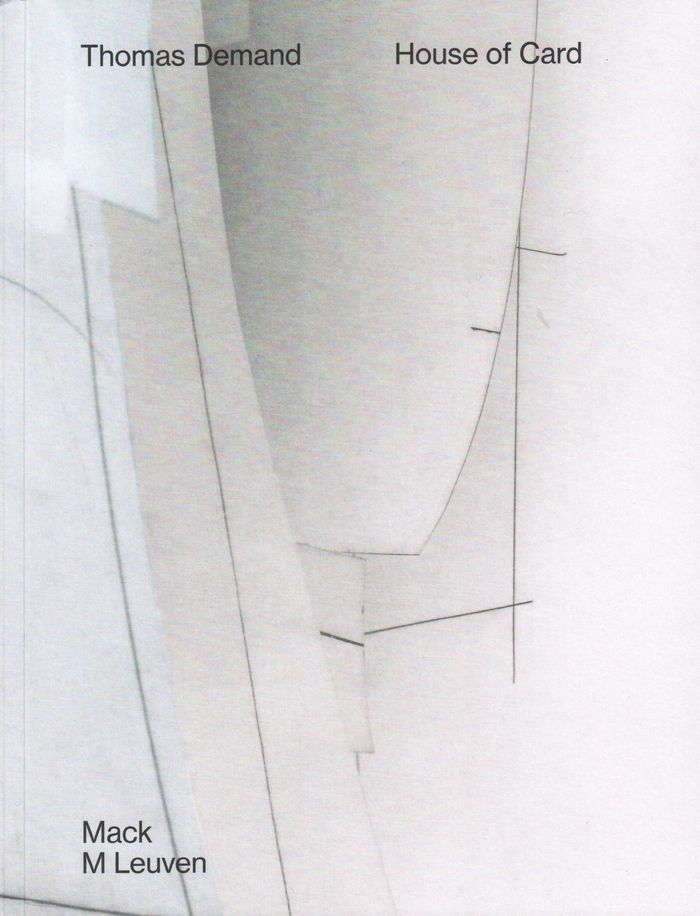
Thomas Demand: House of card
Thomas Demand: House of card
Actions:
Prix:
$75.00
(disponible en magasin)
Résumé:
Published on the occasion of a major solo exhibition of Thomas Demand’s work at Belgium museum M Leuven in October 2020, this book focuses on Demand’s relationship to architecture and his engagement with architects over almost fifteen years. The starting point is his ongoing series ‘Model Studies’, in which the concept of the model itself is key, and includes rarely show(...)
$75.00
(disponible en magasin)
Résumé:
Published on the occasion of a major solo exhibition of Thomas Demand’s work at Belgium museum M Leuven in October 2020, this book focuses on Demand’s relationship to architecture and his engagement with architects over almost fifteen years. The starting point is his ongoing series ‘Model Studies’, in which the concept of the model itself is key, and includes rarely show(...)
Titre:
Thomas Demand: House of card
Actions:
Prix:
$75.00
(disponible en magasin)
Résumé:
Published on the occasion of a major solo exhibition of Thomas Demand’s work at Belgium museum M Leuven in October 2020, this book focuses on Demand’s relationship to architecture and his engagement with architects over almost fifteen years. The starting point is his ongoing series ‘Model Studies’, in which the concept of the model itself is key, and includes rarely show projects such as Black Label (2009), Embassy (2007), and Nagelhaus (2008).
Thomas Demand: House of card
Actions:
Prix:
$75.00
(disponible en magasin)
Résumé:
Published on the occasion of a major solo exhibition of Thomas Demand’s work at Belgium museum M Leuven in October 2020, this book focuses on Demand’s relationship to architecture and his engagement with architects over almost fifteen years. The starting point is his ongoing series ‘Model Studies’, in which the concept of the model itself is key, and includes rarely show projects such as Black Label (2009), Embassy (2007), and Nagelhaus (2008).
Classification:
livres
livres
Publication:
octobre 2020
octobre 2020
Classification:
livres
livres
Titre:
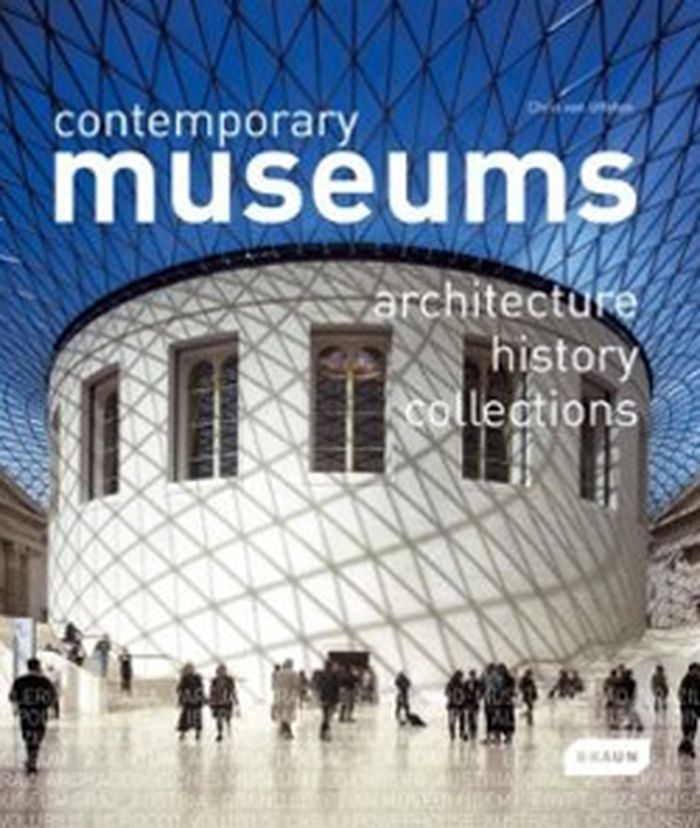
Contemporary museums
Contemporary museums
Actions:
Prix:
$69.95
(disponible sur commande)
Résumé:
The volume presents the most varied forms of exhibition buildings of the last decade and reveals their spatial and architectural concepts: from the white cube idea that exists chiefly to display the exhibit itself, to a flamboyant freestanding structure, which enriches the image of the city and involves the works in its dynamic spatial configuration. A broad diversity of(...)
$69.95
(disponible sur commande)
Résumé:
The volume presents the most varied forms of exhibition buildings of the last decade and reveals their spatial and architectural concepts: from the white cube idea that exists chiefly to display the exhibit itself, to a flamboyant freestanding structure, which enriches the image of the city and involves the works in its dynamic spatial configuration. A broad diversity of(...)
Titre:
Contemporary museums
Actions:
Prix:
$69.95
(disponible sur commande)
Résumé:
The volume presents the most varied forms of exhibition buildings of the last decade and reveals their spatial and architectural concepts: from the white cube idea that exists chiefly to display the exhibit itself, to a flamboyant freestanding structure, which enriches the image of the city and involves the works in its dynamic spatial configuration. A broad diversity of museums is considered: museums of businesses and institutes, of technology and toys, of literature and architecture.
Contemporary museums
Actions:
Prix:
$69.95
(disponible sur commande)
Résumé:
The volume presents the most varied forms of exhibition buildings of the last decade and reveals their spatial and architectural concepts: from the white cube idea that exists chiefly to display the exhibit itself, to a flamboyant freestanding structure, which enriches the image of the city and involves the works in its dynamic spatial configuration. A broad diversity of museums is considered: museums of businesses and institutes, of technology and toys, of literature and architecture.
Classification:
livres
livres
Publication:
octobre 2010
octobre 2010
Classification:
périodiques
périodiques
Titre:
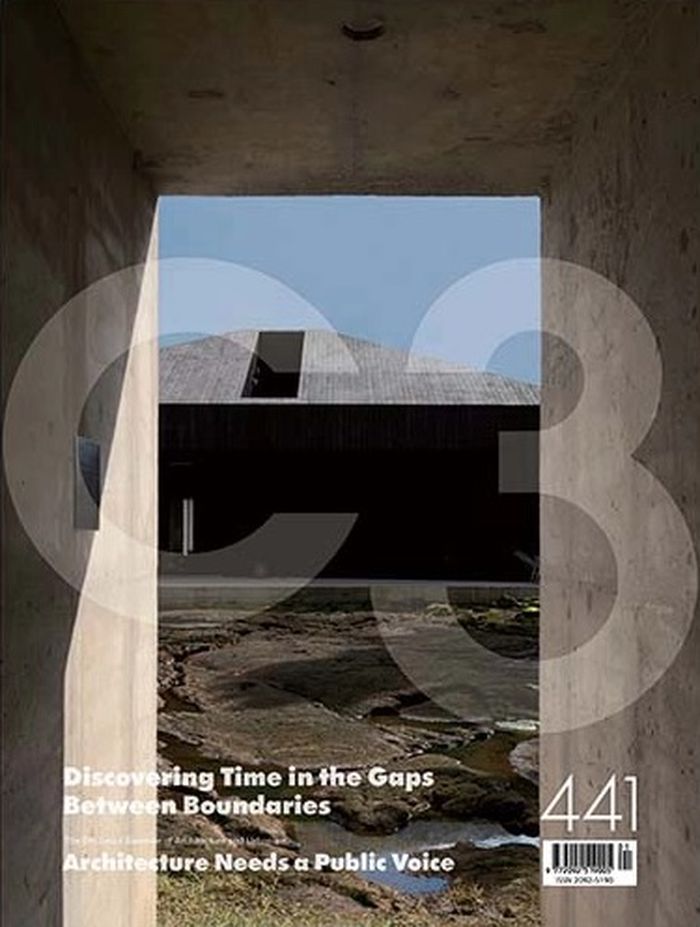
C3 441 : Discovering time
C3 441 : Discovering time
Actions:
Prix:
$62.00
(disponible en magasin)
Résumé:
This special issue focuses on contemporary Korean architecture, exploring how it positions itself in relation to powerful external conditions: vast natural landscapes, imposing topographies and the passage of time. Through six selected projects, the issue examines architectural approaches that do not compete with their context, but rather integrate within it. Rather than(...)
$62.00
(disponible en magasin)
Résumé:
This special issue focuses on contemporary Korean architecture, exploring how it positions itself in relation to powerful external conditions: vast natural landscapes, imposing topographies and the passage of time. Through six selected projects, the issue examines architectural approaches that do not compete with their context, but rather integrate within it. Rather than(...)
Titre:
C3 441 : Discovering time
Actions:
Prix:
$62.00
(disponible en magasin)
Résumé:
This special issue focuses on contemporary Korean architecture, exploring how it positions itself in relation to powerful external conditions: vast natural landscapes, imposing topographies and the passage of time. Through six selected projects, the issue examines architectural approaches that do not compete with their context, but rather integrate within it. Rather than obscuring the past, these projects reveal it; rather than erecting rigid boundaries, they leave voids and intermediate spaces. When architecture is understood not as a static object but as a structure shaped by time and flow, the ways in which life and sensory experience manifest themselves become significantly richer.
C3 441 : Discovering time
Actions:
Prix:
$62.00
(disponible en magasin)
Résumé:
This special issue focuses on contemporary Korean architecture, exploring how it positions itself in relation to powerful external conditions: vast natural landscapes, imposing topographies and the passage of time. Through six selected projects, the issue examines architectural approaches that do not compete with their context, but rather integrate within it. Rather than obscuring the past, these projects reveal it; rather than erecting rigid boundaries, they leave voids and intermediate spaces. When architecture is understood not as a static object but as a structure shaped by time and flow, the ways in which life and sensory experience manifest themselves become significantly richer.
Classification:
périodiques
périodiques
Publication:
janvier 2026
janvier 2026
Sujet:
Revues
Revues
Classification:
livres
livres
Titre:
New York global: Critical writings and proposals 1970-2020. Housing, infrastructure, pedagogy
New York global: Critical writings and proposals 1970-2020. Housing, infrastructure, pedagogy
Actions:
Prix:
$64.00
(disponible sur commande)
Résumé:
Framed by the period of the Great Acceleration, these writings and projects represent a critical commentary on the state of architecture and urbanism and their causal role in global metamorphosis. On the eve of Plunz’s status as Emeritus at Columbia University, "New York global" bridges five decades of his pedagogical commitment to question the cannons of the design(...)
$64.00
(disponible sur commande)
Résumé:
Framed by the period of the Great Acceleration, these writings and projects represent a critical commentary on the state of architecture and urbanism and their causal role in global metamorphosis. On the eve of Plunz’s status as Emeritus at Columbia University, "New York global" bridges five decades of his pedagogical commitment to question the cannons of the design(...)
Titre:
New York global: Critical writings and proposals 1970-2020. Housing, infrastructure, pedagogy
Actions:
Prix:
$64.00
(disponible sur commande)
Résumé:
Framed by the period of the Great Acceleration, these writings and projects represent a critical commentary on the state of architecture and urbanism and their causal role in global metamorphosis. On the eve of Plunz’s status as Emeritus at Columbia University, "New York global" bridges five decades of his pedagogical commitment to question the cannons of the design and urbanism fields and their relationship to the contemporary built environment. Global urbanization serves as a backdrop for a heightened consideration of the intermingling of housing, infrastructure, and pedagogy, as he negotiates the evolution of mainstream theory and praxis in architecture and planning. Through interviews, syllabi excerpts, essays, discussions, and projects, New York City is projected as a lens for understanding the potential for metropolises everywhere to serve as firewalls against dystopic social inequities and ecological adversity. In questioning the discourse surrounding urban research and action, Plunz engages with the primordial question of "urban" itself. This book is not a cautionary tale, but rather an assemblage of timestamped evidence toward understanding our current condition. Closely studying the very tools that have fostered today’s environmental and societal consequences, each segment contributes to understanding engagement with a post-accelerated future.
New York global: Critical writings and proposals 1970-2020. Housing, infrastructure, pedagogy
Actions:
Prix:
$64.00
(disponible sur commande)
Résumé:
Framed by the period of the Great Acceleration, these writings and projects represent a critical commentary on the state of architecture and urbanism and their causal role in global metamorphosis. On the eve of Plunz’s status as Emeritus at Columbia University, "New York global" bridges five decades of his pedagogical commitment to question the cannons of the design and urbanism fields and their relationship to the contemporary built environment. Global urbanization serves as a backdrop for a heightened consideration of the intermingling of housing, infrastructure, and pedagogy, as he negotiates the evolution of mainstream theory and praxis in architecture and planning. Through interviews, syllabi excerpts, essays, discussions, and projects, New York City is projected as a lens for understanding the potential for metropolises everywhere to serve as firewalls against dystopic social inequities and ecological adversity. In questioning the discourse surrounding urban research and action, Plunz engages with the primordial question of "urban" itself. This book is not a cautionary tale, but rather an assemblage of timestamped evidence toward understanding our current condition. Closely studying the very tools that have fostered today’s environmental and societal consequences, each segment contributes to understanding engagement with a post-accelerated future.
Classification:
livres
livres
Publication:
février 2024
février 2024
Sujet:
Théorie de l’architecture
Théorie de l’architecture
Classification:
livres
livres
Actions:
Prix:
$85.00
(disponible sur commande)
Résumé:
Alexander addresses the cosmological implications of the theory he has constructed and presented. The book begins with a critique of current cosmological thinking, and its separation from personal feeling and value. The outline of a theory in which matter itself is more spirit-like, more personal in character, is sketched. The cosmological modifications presented in Book(...)
$85.00
(disponible sur commande)
Résumé:
Alexander addresses the cosmological implications of the theory he has constructed and presented. The book begins with a critique of current cosmological thinking, and its separation from personal feeling and value. The outline of a theory in which matter itself is more spirit-like, more personal in character, is sketched. The cosmological modifications presented in Book(...)
Titre:
The nature of order - an essay on the art of building and the nature of the universe. Book four : the luminous ground
Actions:
Prix:
$85.00
(disponible sur commande)
Résumé:
Alexander addresses the cosmological implications of the theory he has constructed and presented. The book begins with a critique of current cosmological thinking, and its separation from personal feeling and value. The outline of a theory in which matter itself is more spirit-like, more personal in character, is sketched. The cosmological modifications presented in Book 4, are needed, to supplement the definition of the personal nature of matter, design, and form, and acts as a substrate for an attempt to implement living process. The book contains a long chapter, nearly one hundred pages long — almost a book in itself — in which Alexander presents his theory of color, as one ingredient of the new cosmological picture which he puts forward. This volume draws attention to new ways of looking at consciousness, and modifies physical theory so that the human person – what we know as self, and what Alexander calls the “I” — enters in as a fundamental and necessary ingredient of all matter.
The nature of order - an essay on the art of building and the nature of the universe. Book four : the luminous ground
Actions:
Prix:
$85.00
(disponible sur commande)
Résumé:
Alexander addresses the cosmological implications of the theory he has constructed and presented. The book begins with a critique of current cosmological thinking, and its separation from personal feeling and value. The outline of a theory in which matter itself is more spirit-like, more personal in character, is sketched. The cosmological modifications presented in Book 4, are needed, to supplement the definition of the personal nature of matter, design, and form, and acts as a substrate for an attempt to implement living process. The book contains a long chapter, nearly one hundred pages long — almost a book in itself — in which Alexander presents his theory of color, as one ingredient of the new cosmological picture which he puts forward. This volume draws attention to new ways of looking at consciousness, and modifies physical theory so that the human person – what we know as self, and what Alexander calls the “I” — enters in as a fundamental and necessary ingredient of all matter.
Classification:
livres
livres
Publication:
novembre 2003, Berkeley
novembre 2003, Berkeley
Sujet:
Théorie de l’architecture
Théorie de l’architecture
Classification:
livres
livres
Actions:
Prix:
$34.00
(disponible sur commande)
Résumé:
Why write about buildings? Buildings are chunks of the material of the natural world, refashioned by humans and set down into place to stand as silent as the rocks and trees from which they were made. How can we describe that mute actuality? A building’s only complete description is itself. Writing often intensifies the cloud that obscures buildings rather than dissipates(...)
$34.00
(disponible sur commande)
Résumé:
Why write about buildings? Buildings are chunks of the material of the natural world, refashioned by humans and set down into place to stand as silent as the rocks and trees from which they were made. How can we describe that mute actuality? A building’s only complete description is itself. Writing often intensifies the cloud that obscures buildings rather than dissipates(...)
Titre:
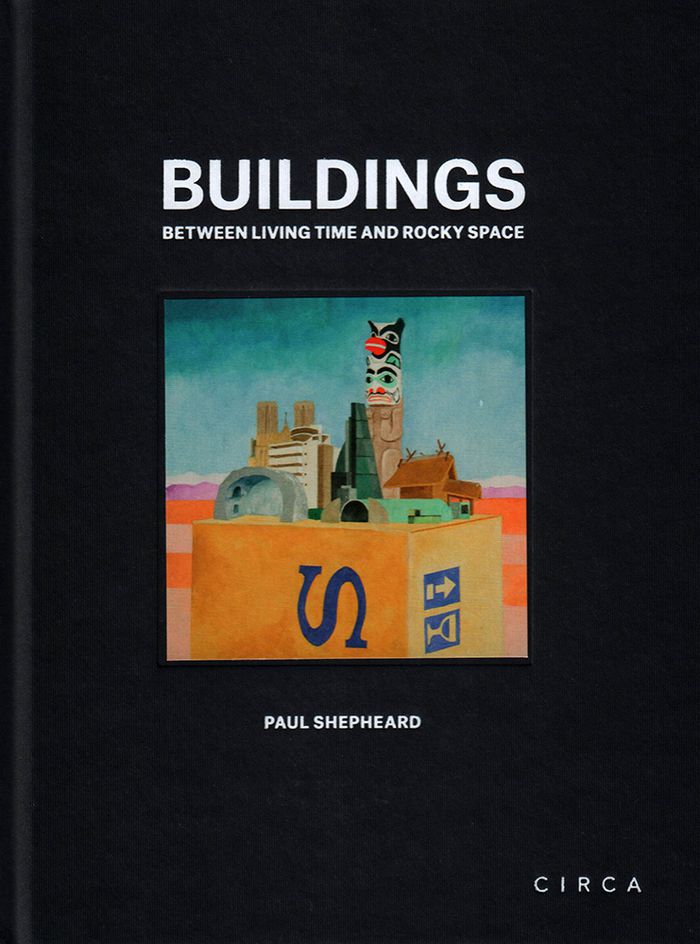
Buildings: between living time and rocky space
Actions:
Prix:
$34.00
(disponible sur commande)
Résumé:
Why write about buildings? Buildings are chunks of the material of the natural world, refashioned by humans and set down into place to stand as silent as the rocks and trees from which they were made. How can we describe that mute actuality? A building’s only complete description is itself. Writing often intensifies the cloud that obscures buildings rather than dissipates it. So why do it? Two generations ago, architects had a real job to do, rebuilding cities shattered by war. It turned out to be more difficult than it looked. Now the grandchildren of those utopians have a different role, which is to rescue a world that is being turned by the media, the money men and the machines into a replica of itself. In this book Paul Shepheard takes a sideways look at this elusive task and finds himself writing an ode to buildings, which asks: What are they? When do they happen? And how are they used?
Buildings: between living time and rocky space
Actions:
Prix:
$34.00
(disponible sur commande)
Résumé:
Why write about buildings? Buildings are chunks of the material of the natural world, refashioned by humans and set down into place to stand as silent as the rocks and trees from which they were made. How can we describe that mute actuality? A building’s only complete description is itself. Writing often intensifies the cloud that obscures buildings rather than dissipates it. So why do it? Two generations ago, architects had a real job to do, rebuilding cities shattered by war. It turned out to be more difficult than it looked. Now the grandchildren of those utopians have a different role, which is to rescue a world that is being turned by the media, the money men and the machines into a replica of itself. In this book Paul Shepheard takes a sideways look at this elusive task and finds himself writing an ode to buildings, which asks: What are they? When do they happen? And how are they used?
Classification:
livres
livres
Publication:
octobre 2016
octobre 2016
Sujet:
Théorie de l’architecture
Théorie de l’architecture
Classification:
livres
livres
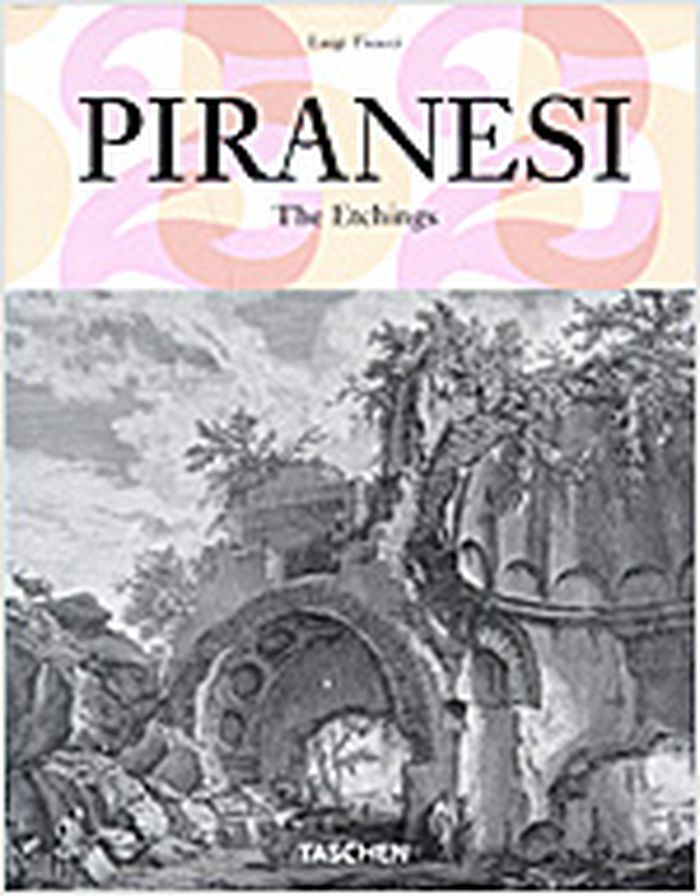
Titre:
Piranesi : the etchings
Piranesi : the etchings
Actions:
Prix:
$17.95
(disponible sur commande)
Résumé:
One the greatest architectural artists of all time, and certainly the most famous copper engraver of the 18th century, Giovanni Battista Piranesi (1720-1778) is most known for his series of etchings of labyrinthine and megalomaniac prisons, Carceri d'Invenzione. In his own day, he was most celebrated for his Vedute, 137 etchings of ancient and modern Rome; so renowned(...)
$17.95
(disponible sur commande)
Résumé:
One the greatest architectural artists of all time, and certainly the most famous copper engraver of the 18th century, Giovanni Battista Piranesi (1720-1778) is most known for his series of etchings of labyrinthine and megalomaniac prisons, Carceri d'Invenzione. In his own day, he was most celebrated for his Vedute, 137 etchings of ancient and modern Rome; so renowned(...)
Titre:
Piranesi : the etchings
Actions:
Prix:
$17.95
(disponible sur commande)
Résumé:
One the greatest architectural artists of all time, and certainly the most famous copper engraver of the 18th century, Giovanni Battista Piranesi (1720-1778) is most known for his series of etchings of labyrinthine and megalomaniac prisons, Carceri d'Invenzione. In his own day, he was most celebrated for his Vedute, 137 etchings of ancient and modern Rome; so renowned were these startling and dramatic chiaroscuro images, imbued with Piranesi's romantic feeling for archaeological ruins, that they formed the mental picture of Rome for generations after. Indeed, Piranesi could be said to have shaped a whole strain of contemporary architecture, as well as the wider visualization of antiquity itself. In our time, he has had a direct influence on writers such as Borges and Kafka and on filmmakers such as Terry Gilliam and Peter Greenaway. Anyone who contemplates Piranesi's etchings will confront the existential nightmare of human existence and its infinite mysteries.
Piranesi : the etchings
Actions:
Prix:
$17.95
(disponible sur commande)
Résumé:
One the greatest architectural artists of all time, and certainly the most famous copper engraver of the 18th century, Giovanni Battista Piranesi (1720-1778) is most known for his series of etchings of labyrinthine and megalomaniac prisons, Carceri d'Invenzione. In his own day, he was most celebrated for his Vedute, 137 etchings of ancient and modern Rome; so renowned were these startling and dramatic chiaroscuro images, imbued with Piranesi's romantic feeling for archaeological ruins, that they formed the mental picture of Rome for generations after. Indeed, Piranesi could be said to have shaped a whole strain of contemporary architecture, as well as the wider visualization of antiquity itself. In our time, he has had a direct influence on writers such as Borges and Kafka and on filmmakers such as Terry Gilliam and Peter Greenaway. Anyone who contemplates Piranesi's etchings will confront the existential nightmare of human existence and its infinite mysteries.
Classification:
livres
livres
Publication:
janvier 2006, Köln
janvier 2006, Köln
Sujet:
Dessin d’architecture
Dessin d’architecture
Classification:
livres
livres
Titre:
Space is politics
Space is politics
Actions:
Prix:
$39.95
(disponible sur commande)
Résumé:
In "Space is politics", architect and urban planner Hans Teerds shows that space is not merely a prerequisite for political activity – it is political in itself. The design of public spaces such as streets, squares, and parks influences who meets, who participates, and who is excluded. These spaces are not mere backdrops, but central places of democratic practice.(...)
$39.95
(disponible sur commande)
Résumé:
In "Space is politics", architect and urban planner Hans Teerds shows that space is not merely a prerequisite for political activity – it is political in itself. The design of public spaces such as streets, squares, and parks influences who meets, who participates, and who is excluded. These spaces are not mere backdrops, but central places of democratic practice.(...)
Titre:
Space is politics
Actions:
Prix:
$39.95
(disponible sur commande)
Résumé:
In "Space is politics", architect and urban planner Hans Teerds shows that space is not merely a prerequisite for political activity – it is political in itself. The design of public spaces such as streets, squares, and parks influences who meets, who participates, and who is excluded. These spaces are not mere backdrops, but central places of democratic practice. Architecture is never neutral. It marks access, defines boundaries, and shapes the conditions of public life. Teerds calls for such spaces to be reclaimed from investors and experts in social dialogues, returning them to the political public sphere. A manifesto for those who understand architecture as a political task.
Space is politics
Actions:
Prix:
$39.95
(disponible sur commande)
Résumé:
In "Space is politics", architect and urban planner Hans Teerds shows that space is not merely a prerequisite for political activity – it is political in itself. The design of public spaces such as streets, squares, and parks influences who meets, who participates, and who is excluded. These spaces are not mere backdrops, but central places of democratic practice. Architecture is never neutral. It marks access, defines boundaries, and shapes the conditions of public life. Teerds calls for such spaces to be reclaimed from investors and experts in social dialogues, returning them to the political public sphere. A manifesto for those who understand architecture as a political task.
Classification:
livres
livres
Publication:
octobre 2025
octobre 2025
Sujet:
Théorie de l’urbanisme
Théorie de l’urbanisme


