


10597 Résultats
Classification:
livres
livres
Actions:
Prix:
$24.95
(disponible sur commande)
Résumé:
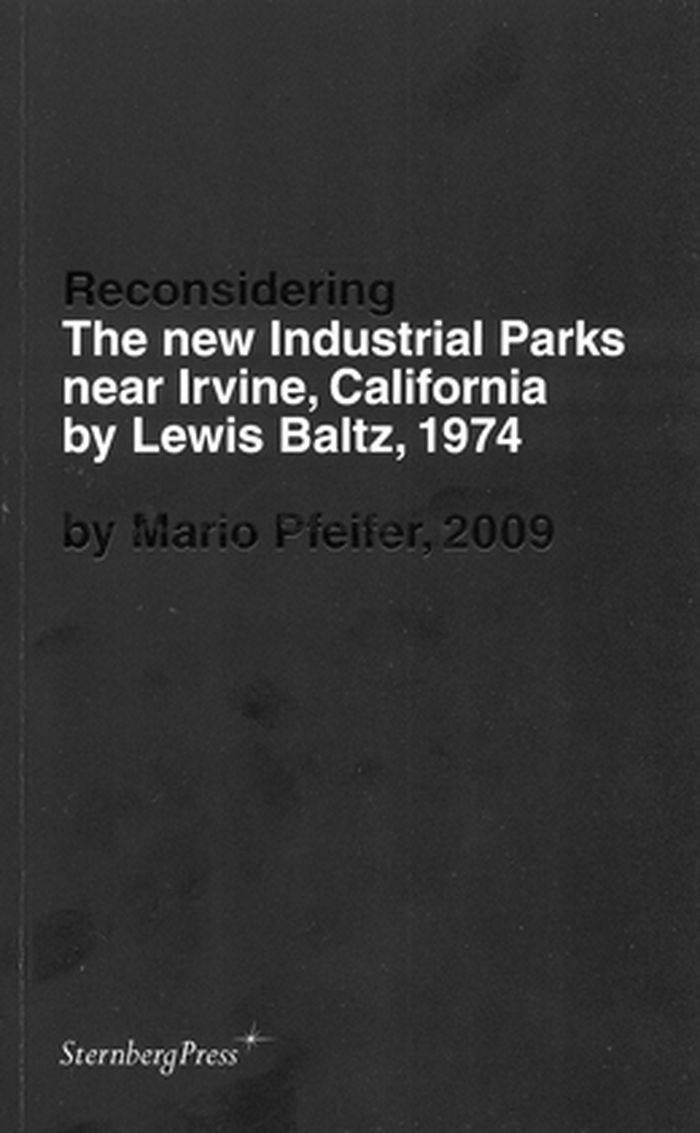
Using the work of Lewis Baltz, a leading photographer of the 1975 New Topographics movement , as a jumping-off point, this book documents Mario Pfeifer's multi-faceted work, Reconsidering The New Industrial Parks Near Irvine, California by Lewis Baltz, 1974.
$24.95
(disponible sur commande)
Résumé:
Using the work of Lewis Baltz, a leading photographer of the 1975 New Topographics movement , as a jumping-off point, this book documents Mario Pfeifer's multi-faceted work, Reconsidering The New Industrial Parks Near Irvine, California by Lewis Baltz, 1974.
Titre:
Reconsidering the new industrial parks near Irvine, California by Lewis Baltz, 1974
Actions:
Prix:
$24.95
(disponible sur commande)
Résumé:
Using the work of Lewis Baltz, a leading photographer of the 1975 New Topographics movement , as a jumping-off point, this book documents Mario Pfeifer's multi-faceted work, Reconsidering The New Industrial Parks Near Irvine, California by Lewis Baltz, 1974.
Reconsidering the new industrial parks near Irvine, California by Lewis Baltz, 1974
Actions:
Prix:
$24.95
(disponible sur commande)
Résumé:
Using the work of Lewis Baltz, a leading photographer of the 1975 New Topographics movement , as a jumping-off point, this book documents Mario Pfeifer's multi-faceted work, Reconsidering The New Industrial Parks Near Irvine, California by Lewis Baltz, 1974.
Classification:
livres
livres
Publication:
mai 2011
mai 2011
Sujet:
Théorie de la photographie
Théorie de la photographie
Classification:
livres
livres
Actions:
Prix:
$49.95
(disponible sur commande)
Résumé:
Photographic images can, apart from their capacity to show, convey an experience, a quality that has seldom been recognized. In this book, the artist and photographer Maarten Vanvolsem explains how the strip technique can tell a different story of time and space in photographic images, a story that leads to new expressions and experiences of time and movement. The strip(...)
$49.95
(disponible sur commande)
Résumé:
Photographic images can, apart from their capacity to show, convey an experience, a quality that has seldom been recognized. In this book, the artist and photographer Maarten Vanvolsem explains how the strip technique can tell a different story of time and space in photographic images, a story that leads to new expressions and experiences of time and movement. The strip(...)
Titre:
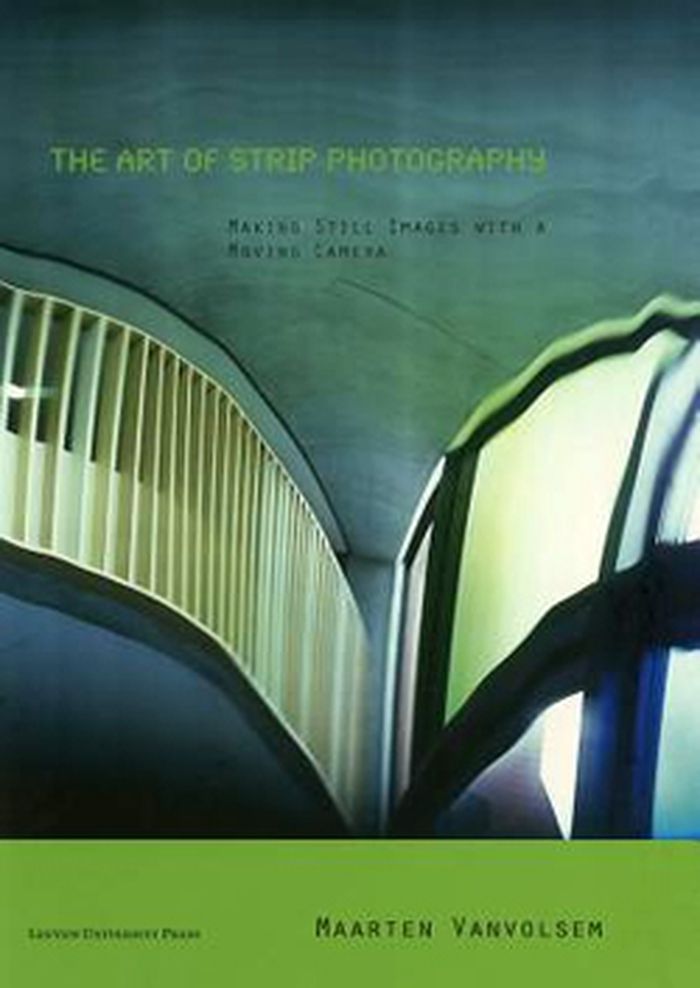
The art of strip photography : making still images with a moving camera
Actions:
Prix:
$49.95
(disponible sur commande)
Résumé:
Photographic images can, apart from their capacity to show, convey an experience, a quality that has seldom been recognized. In this book, the artist and photographer Maarten Vanvolsem explains how the strip technique can tell a different story of time and space in photographic images, a story that leads to new expressions and experiences of time and movement. The strip technique itself seems to be neglected in the debate on time and photography, although it has a long history — from Muybridge to the photo booth. Its use is widespread and, especially in recent years, more and more artists have rediscovered the technique. Based on an historical overview, a knowledge and understanding of the technique, and experiments with the building of cameras, this book will propose a new use of this forgotten art: a use in which the temporal terms "speed," “rhythm,” and “pace” are of more value than terms so often associated with photography such as “freeze,” “split second,” or “capture.” Within the book one can find more than thirty artists using the strip technique for their artistic practice. Vanvolsem shows how the technique may be used to rediscover the time-based possibilities of the photographic image.
The art of strip photography : making still images with a moving camera
Actions:
Prix:
$49.95
(disponible sur commande)
Résumé:
Photographic images can, apart from their capacity to show, convey an experience, a quality that has seldom been recognized. In this book, the artist and photographer Maarten Vanvolsem explains how the strip technique can tell a different story of time and space in photographic images, a story that leads to new expressions and experiences of time and movement. The strip technique itself seems to be neglected in the debate on time and photography, although it has a long history — from Muybridge to the photo booth. Its use is widespread and, especially in recent years, more and more artists have rediscovered the technique. Based on an historical overview, a knowledge and understanding of the technique, and experiments with the building of cameras, this book will propose a new use of this forgotten art: a use in which the temporal terms "speed," “rhythm,” and “pace” are of more value than terms so often associated with photography such as “freeze,” “split second,” or “capture.” Within the book one can find more than thirty artists using the strip technique for their artistic practice. Vanvolsem shows how the technique may be used to rediscover the time-based possibilities of the photographic image.
Classification:
livres
livres
Publication:
février 2011
février 2011
Sujet:
Théorie de la photographie
Théorie de la photographie
Classification:
livres
livres
Actions:
Prix:
$29.95
(disponible sur commande)
Résumé:
This publication is the long-awaited collection of essays, reviews and lectures by Tod Papageorge, one of the most influential voices in photography today. As a photographer and the Walker Evans Professor of Photography at the Yale University School of Art, Papageorge has shaped the work and thought of generations of artist-photographers, and, through his critical(...)
$29.95
(disponible sur commande)
Résumé:
This publication is the long-awaited collection of essays, reviews and lectures by Tod Papageorge, one of the most influential voices in photography today. As a photographer and the Walker Evans Professor of Photography at the Yale University School of Art, Papageorge has shaped the work and thought of generations of artist-photographers, and, through his critical(...)
Titre:
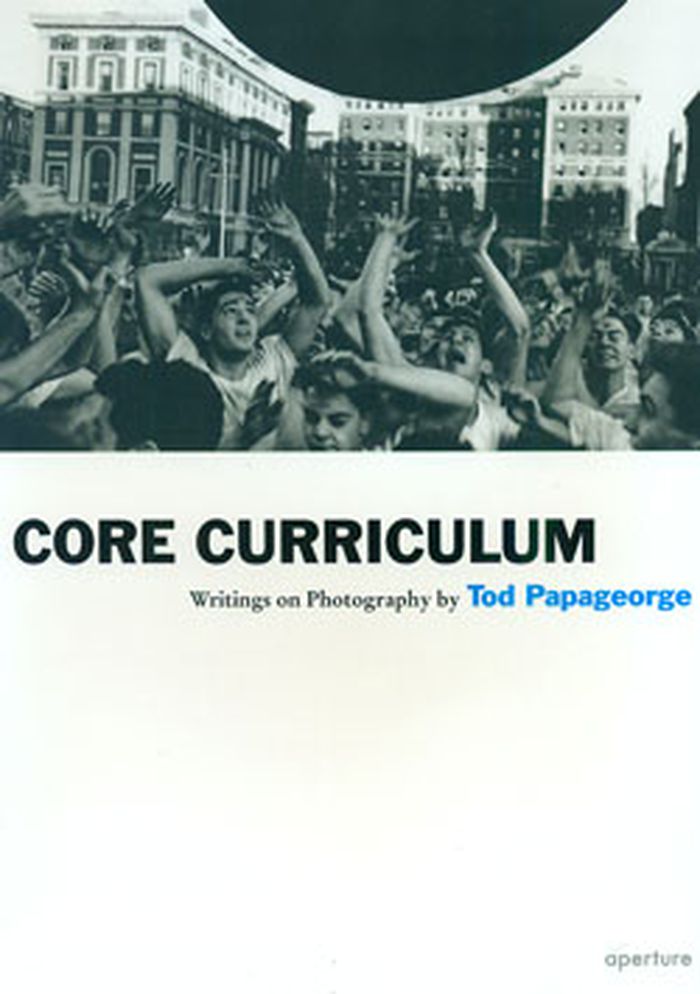
Core curriculum : writings on photography
Actions:
Prix:
$29.95
(disponible sur commande)
Résumé:
This publication is the long-awaited collection of essays, reviews and lectures by Tod Papageorge, one of the most influential voices in photography today. As a photographer and the Walker Evans Professor of Photography at the Yale University School of Art, Papageorge has shaped the work and thought of generations of artist-photographers, and, through his critical writings - some of which have gained a cult following through online postings - he has earned a reputation as an unusually eloquent and illuminating guide to the work of many of the most important figures in twentieth-century photography. Among the artists Papageorge discusses in this volume are Eugène Atget, Brassaï, Robert Frank (with Walker Evans), Robert Adams and his close friend Garry Winogrand. The book also includes texts that examine the more general questions of photography's relationship to poetry, and how the evolution of the medium's early technologies led to the twentieth-century creation of the artist-photographer. Among the previously unpublished pieces are an unfinished poem written in response to Susan Sontag's On Photography, a profile of Josef Koudelka and a commencement speech delivered at the Yale School of Art in 2004. The book also includes a number of interviews given by Papageorge, ranging in topic from his own photographic work and background in poetry to his energetic observations on the art of photography.
Core curriculum : writings on photography
Actions:
Prix:
$29.95
(disponible sur commande)
Résumé:
This publication is the long-awaited collection of essays, reviews and lectures by Tod Papageorge, one of the most influential voices in photography today. As a photographer and the Walker Evans Professor of Photography at the Yale University School of Art, Papageorge has shaped the work and thought of generations of artist-photographers, and, through his critical writings - some of which have gained a cult following through online postings - he has earned a reputation as an unusually eloquent and illuminating guide to the work of many of the most important figures in twentieth-century photography. Among the artists Papageorge discusses in this volume are Eugène Atget, Brassaï, Robert Frank (with Walker Evans), Robert Adams and his close friend Garry Winogrand. The book also includes texts that examine the more general questions of photography's relationship to poetry, and how the evolution of the medium's early technologies led to the twentieth-century creation of the artist-photographer. Among the previously unpublished pieces are an unfinished poem written in response to Susan Sontag's On Photography, a profile of Josef Koudelka and a commencement speech delivered at the Yale School of Art in 2004. The book also includes a number of interviews given by Papageorge, ranging in topic from his own photographic work and background in poetry to his energetic observations on the art of photography.
Classification:
livres
livres
Publication:
juin 2011
juin 2011
Sujet:
Théorie de la photographie
Théorie de la photographie
Classification:
livres
livres
Actions:
Prix:
$60.00
(disponible sur commande)
Résumé:
In 2006, Italian photographer Armin Linke was given a commission by the Ministry of Cultural Heritage and Activities, and proposed a photographic mapping of all the institutions now housed in various historical buildings in Rome. The result is a portrait of the Italian State through its architecture, revealing rarely-seen interiors and clandestine functions. With text by(...)
$60.00
(disponible sur commande)
Résumé:
In 2006, Italian photographer Armin Linke was given a commission by the Ministry of Cultural Heritage and Activities, and proposed a photographic mapping of all the institutions now housed in various historical buildings in Rome. The result is a portrait of the Italian State through its architecture, revealing rarely-seen interiors and clandestine functions. With text by(...)
Titre:
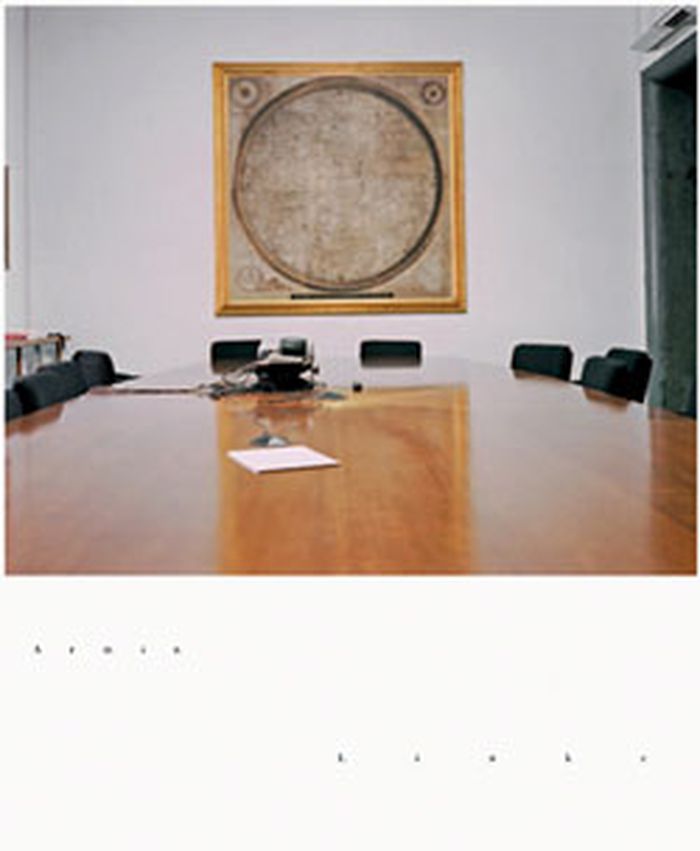
Armin Linke: The body of the state
Actions:
Prix:
$60.00
(disponible sur commande)
Résumé:
In 2006, Italian photographer Armin Linke was given a commission by the Ministry of Cultural Heritage and Activities, and proposed a photographic mapping of all the institutions now housed in various historical buildings in Rome. The result is a portrait of the Italian State through its architecture, revealing rarely-seen interiors and clandestine functions. With text by Giorgio Agamben.
Armin Linke: The body of the state
Actions:
Prix:
$60.00
(disponible sur commande)
Résumé:
In 2006, Italian photographer Armin Linke was given a commission by the Ministry of Cultural Heritage and Activities, and proposed a photographic mapping of all the institutions now housed in various historical buildings in Rome. The result is a portrait of the Italian State through its architecture, revealing rarely-seen interiors and clandestine functions. With text by Giorgio Agamben.
Classification:
livres
livres
Publication:
janvier 2011
janvier 2011
Sujet:
Théorie de la photographie
Théorie de la photographie
Classification:
livres
livres
Actions:
Prix:
$34.95
(disponible sur commande)
Résumé:
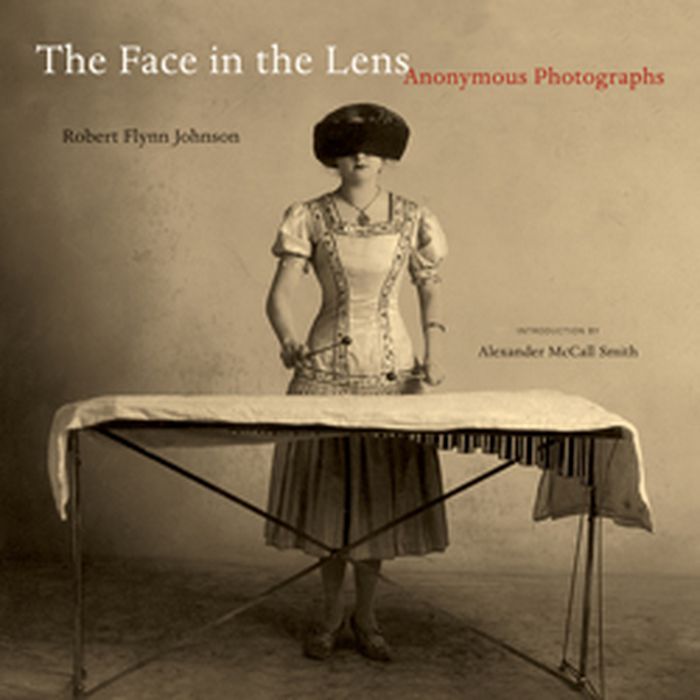
The intriguing images assembled here by collector and curator Robert Flynn Johnson are all mysterious. By turns poignant, humorous, erotic, and disturbing, their subject is the human condition. Every aspect of human experience—both public and private—is explored. Over 220 photographs showcase the work of photographers whose identities have been lost in time.
$34.95
(disponible sur commande)
Résumé:
The intriguing images assembled here by collector and curator Robert Flynn Johnson are all mysterious. By turns poignant, humorous, erotic, and disturbing, their subject is the human condition. Every aspect of human experience—both public and private—is explored. Over 220 photographs showcase the work of photographers whose identities have been lost in time.
Titre:
The face of the lens: Anonymous photographs
Actions:
Prix:
$34.95
(disponible sur commande)
Résumé:
The intriguing images assembled here by collector and curator Robert Flynn Johnson are all mysterious. By turns poignant, humorous, erotic, and disturbing, their subject is the human condition. Every aspect of human experience—both public and private—is explored. Over 220 photographs showcase the work of photographers whose identities have been lost in time.
The face of the lens: Anonymous photographs
Actions:
Prix:
$34.95
(disponible sur commande)
Résumé:
The intriguing images assembled here by collector and curator Robert Flynn Johnson are all mysterious. By turns poignant, humorous, erotic, and disturbing, their subject is the human condition. Every aspect of human experience—both public and private—is explored. Over 220 photographs showcase the work of photographers whose identities have been lost in time.
Classification:
livres
livres
Publication:
avril 2011
avril 2011
Sujet:
Théorie de la photographie
Théorie de la photographie
Classification:
livres
livres
Titre:
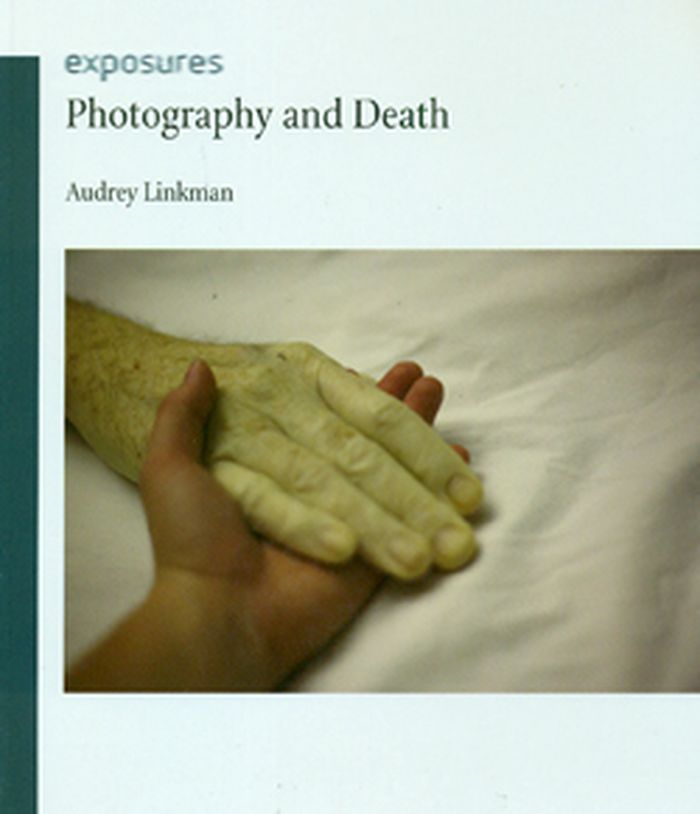
Photography and death
Photography and death
Actions:
Prix:
$35.95
(disponible sur commande)
Résumé:
The idea of photographing the dead is as old as photography itself. For the most part, early death photographs were commissioned or taken by relatives of the deceased and preserved in the home as part of the family collection. Once thought inappropriate and macabre, today these photographs are considered to have a beneficial role in bereavement therapy. Photography(...)
$35.95
(disponible sur commande)
Résumé:
The idea of photographing the dead is as old as photography itself. For the most part, early death photographs were commissioned or taken by relatives of the deceased and preserved in the home as part of the family collection. Once thought inappropriate and macabre, today these photographs are considered to have a beneficial role in bereavement therapy. Photography(...)
Titre:
Photography and death
Actions:
Prix:
$35.95
(disponible sur commande)
Résumé:
The idea of photographing the dead is as old as photography itself. For the most part, early death photographs were commissioned or taken by relatives of the deceased and preserved in the home as part of the family collection. Once thought inappropriate and macabre, today these photographs are considered to have a beneficial role in bereavement therapy. Photography and Death reveals the significance of such images, formerly dismissed as disturbing or grotesque, and places them within the context of changing cultural attitudes towards death and loss. Excluding images of death through war, violence, or natural disasters, Audrey Linkman concentrates on photographs of natural deaths within the family. She identifies the range of death-related photographs that have been produced in both Europe and North America since the 1840s and charts changes in their treatment through the decades.
Photography and death
Actions:
Prix:
$35.95
(disponible sur commande)
Résumé:
The idea of photographing the dead is as old as photography itself. For the most part, early death photographs were commissioned or taken by relatives of the deceased and preserved in the home as part of the family collection. Once thought inappropriate and macabre, today these photographs are considered to have a beneficial role in bereavement therapy. Photography and Death reveals the significance of such images, formerly dismissed as disturbing or grotesque, and places them within the context of changing cultural attitudes towards death and loss. Excluding images of death through war, violence, or natural disasters, Audrey Linkman concentrates on photographs of natural deaths within the family. She identifies the range of death-related photographs that have been produced in both Europe and North America since the 1840s and charts changes in their treatment through the decades.
Classification:
livres
livres
Publication:
avril 2011
avril 2011
Sujet:
Théorie de la photographie
Théorie de la photographie
Classification:
livres
livres
Titre:
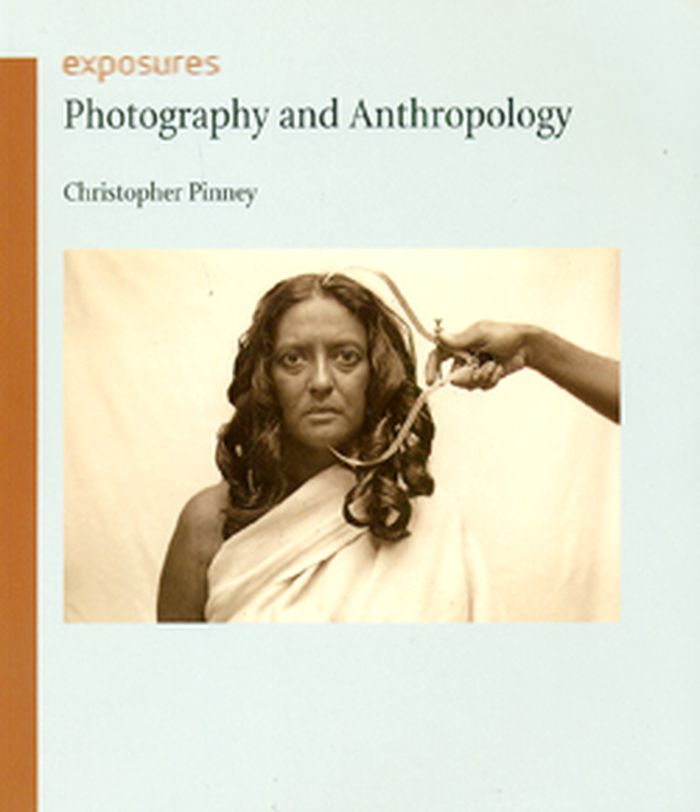
Photography and anthropology
Photography and anthropology
Actions:
Prix:
$43.95
(disponible sur commande)
Résumé:
In this publication, Christopher Pinney presents an account of the strikingly parallel histories of the two disciplines, as well as a polemical narrative and overview of the use of photography by anthropologists from the 1840s to the present. Through numerous examples from the annals of anthropological photography, this book examines the history of anthropology’s(...)
$43.95
(disponible sur commande)
Résumé:
In this publication, Christopher Pinney presents an account of the strikingly parallel histories of the two disciplines, as well as a polemical narrative and overview of the use of photography by anthropologists from the 1840s to the present. Through numerous examples from the annals of anthropological photography, this book examines the history of anthropology’s(...)
Titre:
Photography and anthropology
Actions:
Prix:
$43.95
(disponible sur commande)
Résumé:
In this publication, Christopher Pinney presents an account of the strikingly parallel histories of the two disciplines, as well as a polemical narrative and overview of the use of photography by anthropologists from the 1840s to the present. Through numerous examples from the annals of anthropological photography, this book examines the history of anthropology’s enchantment with photography alongside the anthropological theory of photography and documentation.
Photography and anthropology
Actions:
Prix:
$43.95
(disponible sur commande)
Résumé:
In this publication, Christopher Pinney presents an account of the strikingly parallel histories of the two disciplines, as well as a polemical narrative and overview of the use of photography by anthropologists from the 1840s to the present. Through numerous examples from the annals of anthropological photography, this book examines the history of anthropology’s enchantment with photography alongside the anthropological theory of photography and documentation.
Classification:
livres
livres
Publication:
avril 2011
avril 2011
Sujet:
Théorie de la photographie
Théorie de la photographie
Classification:
livres
livres
Actions:
Prix:
$57.00
(disponible sur commande)
Résumé:
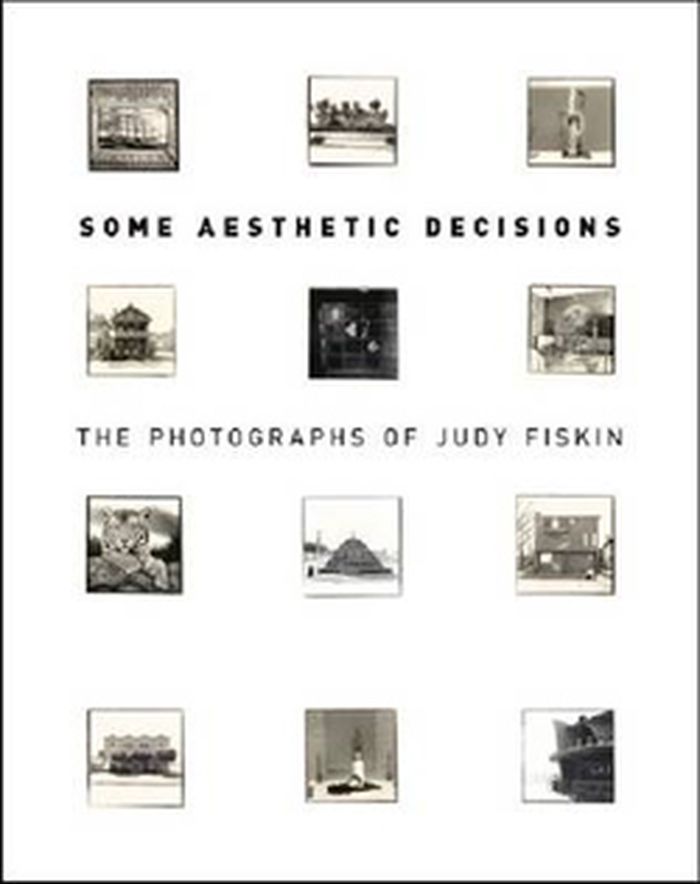
This first major monograph of Los Angeles-based artist Judy Fiskin includes reproductions of nearly three hundred images taken from 1973 to 1995. Since Fiskin turned to video in the late 1990s, this compendium represents her complete photographic oeuvre, including many images never before published.
$57.00
(disponible sur commande)
Résumé:
This first major monograph of Los Angeles-based artist Judy Fiskin includes reproductions of nearly three hundred images taken from 1973 to 1995. Since Fiskin turned to video in the late 1990s, this compendium represents her complete photographic oeuvre, including many images never before published.
Titre:
Judy Fiskin: Some aesthetic decisions
Actions:
Prix:
$57.00
(disponible sur commande)
Résumé:
This first major monograph of Los Angeles-based artist Judy Fiskin includes reproductions of nearly three hundred images taken from 1973 to 1995. Since Fiskin turned to video in the late 1990s, this compendium represents her complete photographic oeuvre, including many images never before published.
Judy Fiskin: Some aesthetic decisions
Actions:
Prix:
$57.00
(disponible sur commande)
Résumé:
This first major monograph of Los Angeles-based artist Judy Fiskin includes reproductions of nearly three hundred images taken from 1973 to 1995. Since Fiskin turned to video in the late 1990s, this compendium represents her complete photographic oeuvre, including many images never before published.
Classification:
livres
livres
Publication:
décembre 2011
décembre 2011
Sujet:
Théorie de la photographie
Théorie de la photographie
Classification:
livres
livres
Actions:
Prix:
$60.00
(disponible sur commande)
Résumé:
In the late 1960s, Polaroid Corporation founder Edwin Land initiated a project to invite more than 800 artists around the world to shoot on Polaroid film, supplying them with the company's latest products. Over the ensuing decades, more than 4,500 works, by photographers ranging from Ansel Adams to Andy Warhol, were presented to the company and found their way into(...)
$60.00
(disponible sur commande)
Résumé:
In the late 1960s, Polaroid Corporation founder Edwin Land initiated a project to invite more than 800 artists around the world to shoot on Polaroid film, supplying them with the company's latest products. Over the ensuing decades, more than 4,500 works, by photographers ranging from Ansel Adams to Andy Warhol, were presented to the company and found their way into(...)
Titre:
From polaroid to impossible: masterpieces of instant photography, the Westlicht collection
Actions:
Prix:
$60.00
(disponible sur commande)
Résumé:
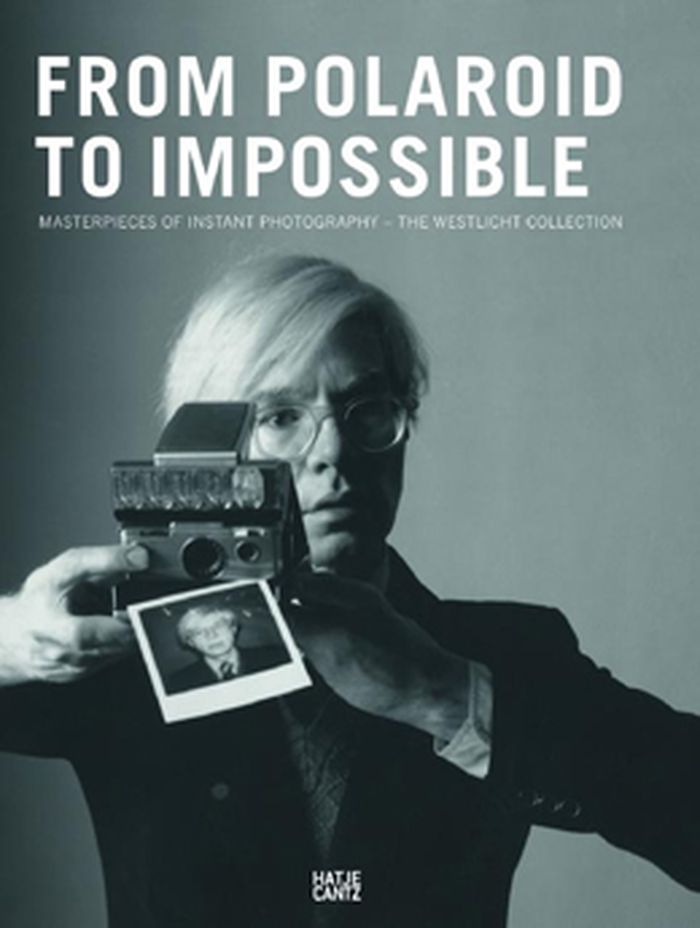
In the late 1960s, Polaroid Corporation founder Edwin Land initiated a project to invite more than 800 artists around the world to shoot on Polaroid film, supplying them with the company's latest products. Over the ensuing decades, more than 4,500 works, by photographers ranging from Ansel Adams to Andy Warhol, were presented to the company and found their way into Polaroid's International Collection at their European headquarters near Frankfurt am Main. In 2008 Polaroid went bankrupt. The company was bought by the Impossible Project (who promptly invented a new kind of instant film at the Polaroid factory in Enschede) and its legendary collection was acquired by the Westlicht Schauplatz museum in Vienna. From Polaroid to Impossible celebrates both this acquisition and the launch of a new Polaroid collection spearheaded by Westlicht and the Impossible Project. It offers the first overview of the European Polaroid Collection, and includes selected Polaroid masterpieces by figures such as Ansel Adams, Barbara Crane, Giselle Freund, Gottfried Helnwein, Sally Mann, Robert Mapplethorpe, Helmut Newton, Stephen Shore, Aaron Siskind, Andy Warhol, William Wegman and Minor White; artists like Miyako Ishiuchi, Andreas Mahl and Catherine Wagner, who made specialties of the medium; plus newly commissioned Impossible instant photography by contemporary artists such as Nobuyoshi Araki, David Leventhal, Mary Ellen Mark and Stefanie Schneider. Numerous images are reproduced in full color at 1:1 scale, making this volume a luscious and giftworthy celebration of the charm of the Polaroid photograph.
From polaroid to impossible: masterpieces of instant photography, the Westlicht collection
Actions:
Prix:
$60.00
(disponible sur commande)
Résumé:
In the late 1960s, Polaroid Corporation founder Edwin Land initiated a project to invite more than 800 artists around the world to shoot on Polaroid film, supplying them with the company's latest products. Over the ensuing decades, more than 4,500 works, by photographers ranging from Ansel Adams to Andy Warhol, were presented to the company and found their way into Polaroid's International Collection at their European headquarters near Frankfurt am Main. In 2008 Polaroid went bankrupt. The company was bought by the Impossible Project (who promptly invented a new kind of instant film at the Polaroid factory in Enschede) and its legendary collection was acquired by the Westlicht Schauplatz museum in Vienna. From Polaroid to Impossible celebrates both this acquisition and the launch of a new Polaroid collection spearheaded by Westlicht and the Impossible Project. It offers the first overview of the European Polaroid Collection, and includes selected Polaroid masterpieces by figures such as Ansel Adams, Barbara Crane, Giselle Freund, Gottfried Helnwein, Sally Mann, Robert Mapplethorpe, Helmut Newton, Stephen Shore, Aaron Siskind, Andy Warhol, William Wegman and Minor White; artists like Miyako Ishiuchi, Andreas Mahl and Catherine Wagner, who made specialties of the medium; plus newly commissioned Impossible instant photography by contemporary artists such as Nobuyoshi Araki, David Leventhal, Mary Ellen Mark and Stefanie Schneider. Numerous images are reproduced in full color at 1:1 scale, making this volume a luscious and giftworthy celebration of the charm of the Polaroid photograph.
Classification:
livres
livres
Publication:
juillet 2011
juillet 2011
Sujet:
Théorie de la photographie
Théorie de la photographie
Classification:
livres
livres
Actions:
Prix:
$25.95
(disponible sur commande)
Résumé:
Photography Degree Zero is the first anthology of writings on Roland Barthe's Camera Lucida. It includes essays written soon after Barthes’s book appeared as well as more recent rereadings of it, some previously unpublished. The variety of perspectives included in this publication, and the focus on Camera Lucida in the context of photography rather than literature or(...)
$25.95
(disponible sur commande)
Résumé:
Photography Degree Zero is the first anthology of writings on Roland Barthe's Camera Lucida. It includes essays written soon after Barthes’s book appeared as well as more recent rereadings of it, some previously unpublished. The variety of perspectives included in this publication, and the focus on Camera Lucida in the context of photography rather than literature or(...)
Titre:
Photography degree zero: reflection on Roland Barthe's Camera Lucida
Actions:
Prix:
$25.95
(disponible sur commande)
Résumé:
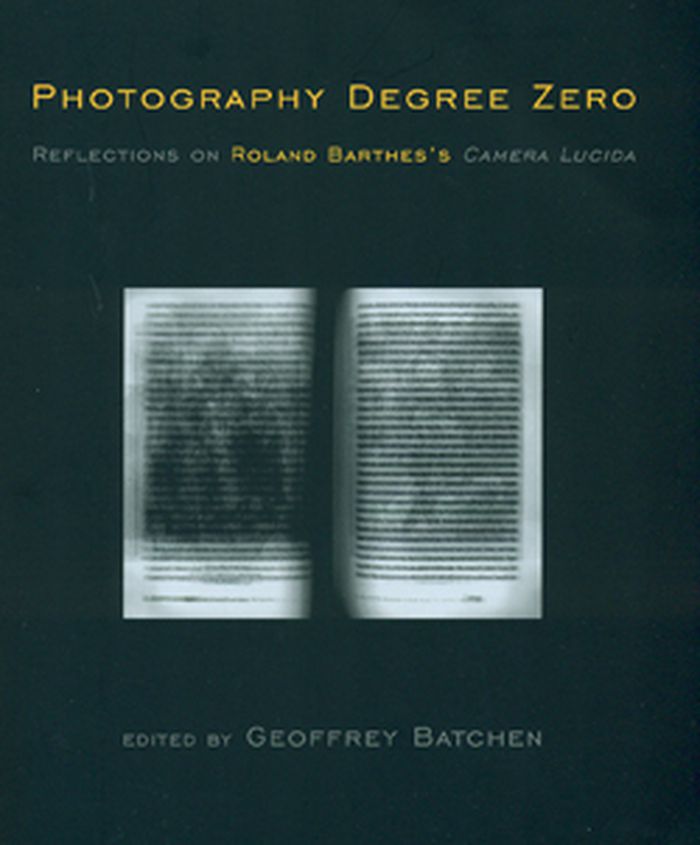
Photography Degree Zero is the first anthology of writings on Roland Barthe's Camera Lucida. It includes essays written soon after Barthes’s book appeared as well as more recent rereadings of it, some previously unpublished. The variety of perspectives included in this publication, and the focus on Camera Lucida in the context of photography rather than literature or philosophy, servetoreopen a vital conversation on Barthes’s influential work.
Photography degree zero: reflection on Roland Barthe's Camera Lucida
Actions:
Prix:
$25.95
(disponible sur commande)
Résumé:
Photography Degree Zero is the first anthology of writings on Roland Barthe's Camera Lucida. It includes essays written soon after Barthes’s book appeared as well as more recent rereadings of it, some previously unpublished. The variety of perspectives included in this publication, and the focus on Camera Lucida in the context of photography rather than literature or philosophy, servetoreopen a vital conversation on Barthes’s influential work.
Classification:
livres
livres
Publication:
octobre 2011
octobre 2011
Sujet:
Théorie de la photographie
Théorie de la photographie


