


12372 Résultats
Classification:
livres
livres
Actions:
Prix:
$45.50
(disponible sur commande)
Résumé:
This volume presents focused case studies of modern architecture in three realms—political, religious, and domestic—that address our very essence as human beings. Several essays explore developments in Czechoslovakia, Romania, and Yugoslavia and document a modernist design culture that crossed political barriers, such as the Iron Curtain, more readily than previously(...)
$45.50
(disponible sur commande)
Résumé:
This volume presents focused case studies of modern architecture in three realms—political, religious, and domestic—that address our very essence as human beings. Several essays explore developments in Czechoslovakia, Romania, and Yugoslavia and document a modernist design culture that crossed political barriers, such as the Iron Curtain, more readily than previously(...)
Titre:
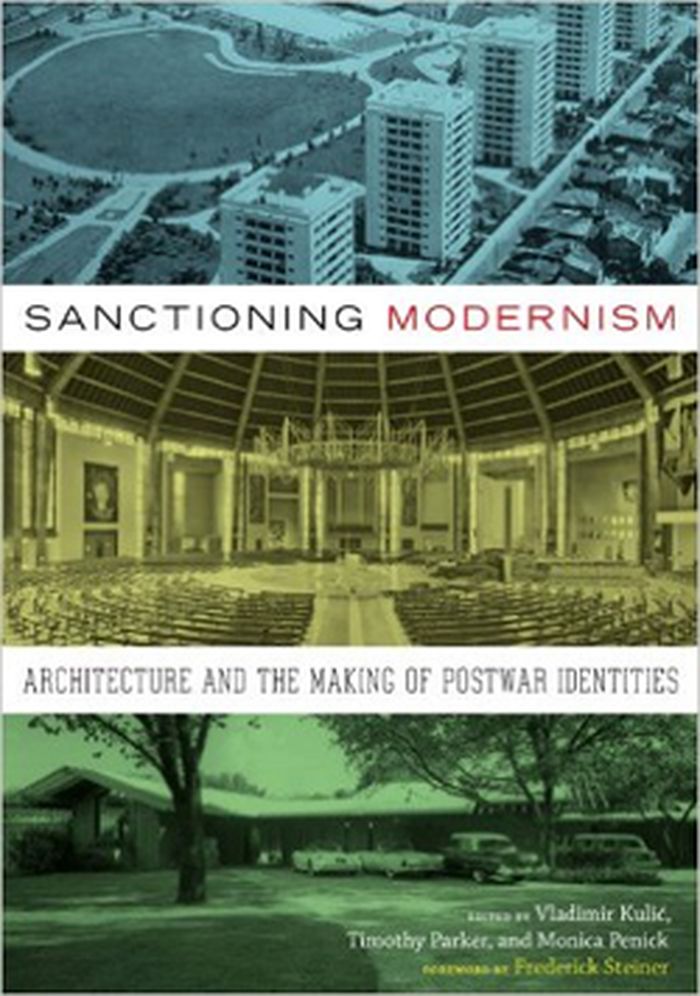
Sanctioning modernism : architecture and the makin of postwar identities
Actions:
Prix:
$45.50
(disponible sur commande)
Résumé:
This volume presents focused case studies of modern architecture in three realms—political, religious, and domestic—that address our very essence as human beings. Several essays explore developments in Czechoslovakia, Romania, and Yugoslavia and document a modernist design culture that crossed political barriers, such as the Iron Curtain, more readily than previously imagined. Other essays investigate various efforts to reconcile the concerns of modernist architects with the traditions of the Roman Catholic Church and other Christian institutions. And a final group of essays looks at postwar homebuilding in the United States and demonstrates how malleable and contested the image of the American home was in the mid-twentieth century. These inquiries show the limits of canonical views of modern architecture and reveal instead how civic institutions, ecclesiastical traditions, individual consumers, and others sought to sanction the forms and ideas of modern architecture in the service of their respective claims or desires to be modern.
Sanctioning modernism : architecture and the makin of postwar identities
Actions:
Prix:
$45.50
(disponible sur commande)
Résumé:
This volume presents focused case studies of modern architecture in three realms—political, religious, and domestic—that address our very essence as human beings. Several essays explore developments in Czechoslovakia, Romania, and Yugoslavia and document a modernist design culture that crossed political barriers, such as the Iron Curtain, more readily than previously imagined. Other essays investigate various efforts to reconcile the concerns of modernist architects with the traditions of the Roman Catholic Church and other Christian institutions. And a final group of essays looks at postwar homebuilding in the United States and demonstrates how malleable and contested the image of the American home was in the mid-twentieth century. These inquiries show the limits of canonical views of modern architecture and reveal instead how civic institutions, ecclesiastical traditions, individual consumers, and others sought to sanction the forms and ideas of modern architecture in the service of their respective claims or desires to be modern.
Classification:
livres
livres
Publication:
juillet 2015
juillet 2015
Sujet:
Théorie de l’architecture
Théorie de l’architecture
Classification:
livres
livres
Actions:
Prix:
$44.95
(disponible sur commande)
Résumé:
CIAM (Congrès Internationaux d'Architecture Moderne), founded in Switzerland in 1928, was an avant-garde association of architects intended to advance both modernism and internationalism in architecture. CIAM saw itself as an elite group revolutionizing architecture to serve the interests of society. Its members included some of the best-known architects of the twentieth(...)
$44.95
(disponible sur commande)
Résumé:
CIAM (Congrès Internationaux d'Architecture Moderne), founded in Switzerland in 1928, was an avant-garde association of architects intended to advance both modernism and internationalism in architecture. CIAM saw itself as an elite group revolutionizing architecture to serve the interests of society. Its members included some of the best-known architects of the twentieth(...)
Sujet:
Théorie de l’urbanisme
Théorie de l’urbanisme
Publication:
octobre 2002, Cambridge, Massachusetts
octobre 2002, Cambridge, Massachusetts
Titre:
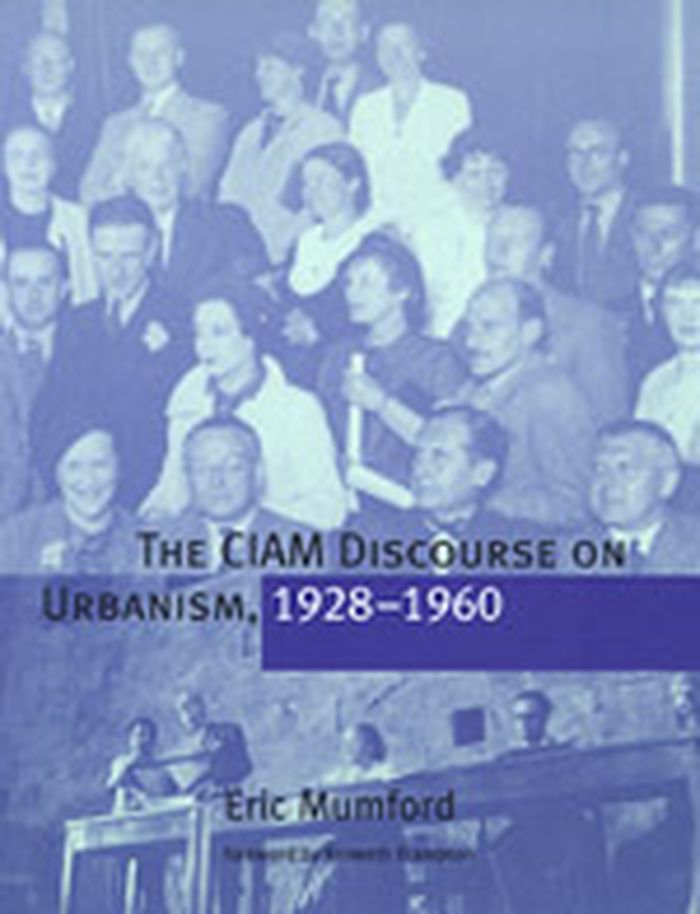
The CIAM discourse on urbanism, 1928-1960
Actions:
Prix:
$44.95
(disponible sur commande)
Résumé:
CIAM (Congrès Internationaux d'Architecture Moderne), founded in Switzerland in 1928, was an avant-garde association of architects intended to advance both modernism and internationalism in architecture. CIAM saw itself as an elite group revolutionizing architecture to serve the interests of society. Its members included some of the best-known architects of the twentieth century, such as Le Corbusier, Walter Gropius, and Richard Neutra, but also hundreds of others who looked to it for doctrines on how to shape the urban environment in a rapidly changing world. In this first book-length history of the organization, architectural historian Eric Mumford focuses on CIAM's discourse to trace the development and promotion of its influential concept of the "Functional City." He views official doctrines and pronouncements in relation to the changing circumstances of the members, revealing how CIAM in the 1930s began to resemble a kind of syndicalist party oriented toward winning over any suitable authority, regardless of political orientation. Mumford also looks at CIAM's efforts after World War II to find a new basis for a socially engaged architecture and describes the attempts by the group of younger members called Team 10 to radically revise CIAM's mission in the 1950s, efforts that led to the organization's dissolution in 1959.
The CIAM discourse on urbanism, 1928-1960
Actions:
Prix:
$44.95
(disponible sur commande)
Résumé:
CIAM (Congrès Internationaux d'Architecture Moderne), founded in Switzerland in 1928, was an avant-garde association of architects intended to advance both modernism and internationalism in architecture. CIAM saw itself as an elite group revolutionizing architecture to serve the interests of society. Its members included some of the best-known architects of the twentieth century, such as Le Corbusier, Walter Gropius, and Richard Neutra, but also hundreds of others who looked to it for doctrines on how to shape the urban environment in a rapidly changing world. In this first book-length history of the organization, architectural historian Eric Mumford focuses on CIAM's discourse to trace the development and promotion of its influential concept of the "Functional City." He views official doctrines and pronouncements in relation to the changing circumstances of the members, revealing how CIAM in the 1930s began to resemble a kind of syndicalist party oriented toward winning over any suitable authority, regardless of political orientation. Mumford also looks at CIAM's efforts after World War II to find a new basis for a socially engaged architecture and describes the attempts by the group of younger members called Team 10 to radically revise CIAM's mission in the 1950s, efforts that led to the organization's dissolution in 1959.
Classification:
livres
livres
Publication:
octobre 2002, Cambridge, Massachusetts
octobre 2002, Cambridge, Massachusetts
Sujet:
Théorie de l’urbanisme
Théorie de l’urbanisme
Classification:
livres
livres

Titre:
Gardens without boundaries
Gardens without boundaries
Actions:
Prix:
$60.00
(disponible sur commande)
Résumé:
"Gardens witout boundaries" examines how leading contemporary garden and landscape designers - such as Steve Martino, Wolgang Oehme & James van Sweden, Susan Childs, Julie Toll, and Fernando Caruncho - have developed this tradition and invented new solutions, using modern design techniques and materials to extend gardens into a real or imagined far-disteance.
$60.00
(disponible sur commande)
Résumé:
"Gardens witout boundaries" examines how leading contemporary garden and landscape designers - such as Steve Martino, Wolgang Oehme & James van Sweden, Susan Childs, Julie Toll, and Fernando Caruncho - have developed this tradition and invented new solutions, using modern design techniques and materials to extend gardens into a real or imagined far-disteance.
Titre:
Gardens without boundaries
Actions:
Prix:
$60.00
(disponible sur commande)
Résumé:
"Gardens witout boundaries" examines how leading contemporary garden and landscape designers - such as Steve Martino, Wolgang Oehme & James van Sweden, Susan Childs, Julie Toll, and Fernando Caruncho - have developed this tradition and invented new solutions, using modern design techniques and materials to extend gardens into a real or imagined far-disteance.
Gardens without boundaries
Actions:
Prix:
$60.00
(disponible sur commande)
Résumé:
"Gardens witout boundaries" examines how leading contemporary garden and landscape designers - such as Steve Martino, Wolgang Oehme & James van Sweden, Susan Childs, Julie Toll, and Fernando Caruncho - have developed this tradition and invented new solutions, using modern design techniques and materials to extend gardens into a real or imagined far-disteance.
Classification:
livres
livres
Publication:
octobre 2003, London
octobre 2003, London
Sujet:
Jardins
Jardins
Classification:
livres
livres
Titre:
8vo : on the outside
8vo : on the outside
Actions:
Prix:
$72.50
(disponible sur commande)
Résumé:
On the outside surveys 8vo’s work from 1984–2001, including Octavo, the international journal of typography and its influence in the emergent typographically-led design movement in the UK and internationally during the late 1980s and through the 1990s. The emphasis is on process : trying to reveal how 8vo’s design got made rather than simply showing finished jobs. A(...)
$72.50
(disponible sur commande)
Résumé:
On the outside surveys 8vo’s work from 1984–2001, including Octavo, the international journal of typography and its influence in the emergent typographically-led design movement in the UK and internationally during the late 1980s and through the 1990s. The emphasis is on process : trying to reveal how 8vo’s design got made rather than simply showing finished jobs. A(...)
Publication:
janvier 1900, Zürich
janvier 1900, Zürich
Titre:
8vo : on the outside
Actions:
Prix:
$72.50
(disponible sur commande)
Résumé:
On the outside surveys 8vo’s work from 1984–2001, including Octavo, the international journal of typography and its influence in the emergent typographically-led design movement in the UK and internationally during the late 1980s and through the 1990s. The emphasis is on process : trying to reveal how 8vo’s design got made rather than simply showing finished jobs. A number of hand-made and computer generated stage by stage mock-ups are featured. Written and designed by Mark Holt and Hamish Muir, two of the founding principals of 8vo, the story’s told it how it was—the everyday struggles of working with clients, typesetters, printers, and later on computers. Like many of their contemporaries, 8vo were working during a period of considerable change within the design industry — the book places 8vo’s work within the context of this revolution; from paste-up to desktop.
8vo : on the outside
Actions:
Prix:
$72.50
(disponible sur commande)
Résumé:
On the outside surveys 8vo’s work from 1984–2001, including Octavo, the international journal of typography and its influence in the emergent typographically-led design movement in the UK and internationally during the late 1980s and through the 1990s. The emphasis is on process : trying to reveal how 8vo’s design got made rather than simply showing finished jobs. A number of hand-made and computer generated stage by stage mock-ups are featured. Written and designed by Mark Holt and Hamish Muir, two of the founding principals of 8vo, the story’s told it how it was—the everyday struggles of working with clients, typesetters, printers, and later on computers. Like many of their contemporaries, 8vo were working during a period of considerable change within the design industry — the book places 8vo’s work within the context of this revolution; from paste-up to desktop.
Classification:
livres
livres
Publication:
janvier 1900, Zürich
janvier 1900, Zürich
Classification:
périodiques
périodiques
Titre:
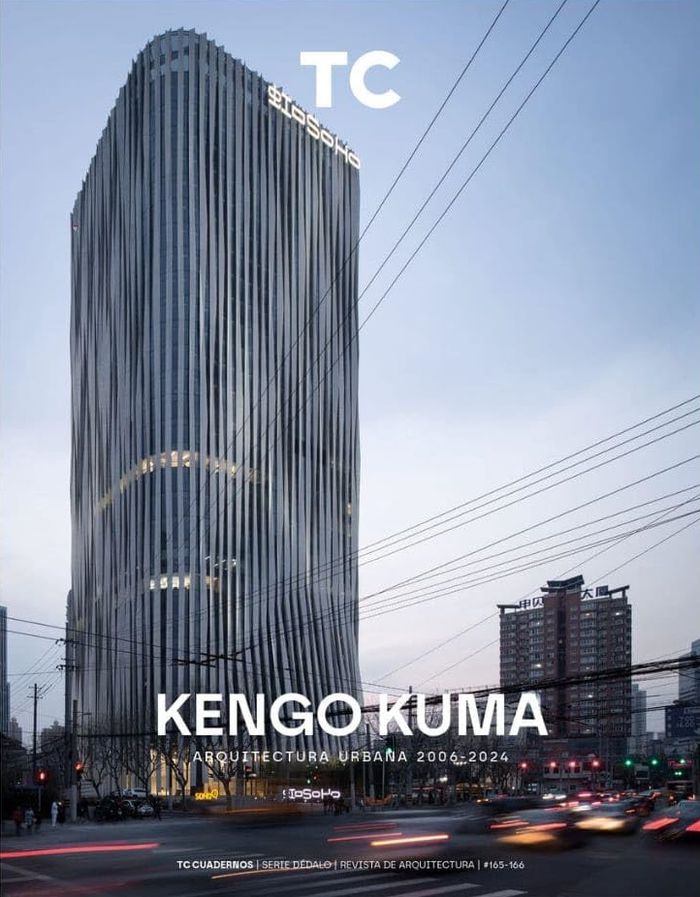
TC 165/166 Kengo Kuma
TC 165/166 Kengo Kuma
Actions:
Prix:
$84.95
(disponible sur commande)
Résumé:
This double issue of TC Cuadernos explores two decades of Kengo Kuma & Associates' prolific production, focusing on their urban architecture between 2006 and 2024. Through a careful selection of projects, the monograph offers a comprehensive overview of KKAA's evolution and its constant interplay between the rural, explored in TC 158, and the urban. The work is organised(...)
$84.95
(disponible sur commande)
Résumé:
This double issue of TC Cuadernos explores two decades of Kengo Kuma & Associates' prolific production, focusing on their urban architecture between 2006 and 2024. Through a careful selection of projects, the monograph offers a comprehensive overview of KKAA's evolution and its constant interplay between the rural, explored in TC 158, and the urban. The work is organised(...)
Titre:
TC 165/166 Kengo Kuma
Actions:
Prix:
$84.95
(disponible sur commande)
Résumé:
This double issue of TC Cuadernos explores two decades of Kengo Kuma & Associates' prolific production, focusing on their urban architecture between 2006 and 2024. Through a careful selection of projects, the monograph offers a comprehensive overview of KKAA's evolution and its constant interplay between the rural, explored in TC 158, and the urban. The work is organised around five key strategies: attract, mimetize, hide, occupy and organise. These categories reveal how Kuma approaches urban design in complex contexts. Projects such as the V Dundee Museum in Scotland and the 1550 Alberni Street Tower in Vancouver demonstrate his ability to create architectural landmarks without resorting to traditional monumentalism, prioritising materiality and the environment. On the other hand, the Asakusa Tourist Information Centre in Tokyo and the Nezu Museum show how his architecture is subtly integrated into the urban landscape.
TC 165/166 Kengo Kuma
Actions:
Prix:
$84.95
(disponible sur commande)
Résumé:
This double issue of TC Cuadernos explores two decades of Kengo Kuma & Associates' prolific production, focusing on their urban architecture between 2006 and 2024. Through a careful selection of projects, the monograph offers a comprehensive overview of KKAA's evolution and its constant interplay between the rural, explored in TC 158, and the urban. The work is organised around five key strategies: attract, mimetize, hide, occupy and organise. These categories reveal how Kuma approaches urban design in complex contexts. Projects such as the V Dundee Museum in Scotland and the 1550 Alberni Street Tower in Vancouver demonstrate his ability to create architectural landmarks without resorting to traditional monumentalism, prioritising materiality and the environment. On the other hand, the Asakusa Tourist Information Centre in Tokyo and the Nezu Museum show how his architecture is subtly integrated into the urban landscape.
Classification:
périodiques
périodiques
Publication:
septembre 2024
septembre 2024
Sujet:
Revues
Revues
Classification:
livres
livres
Actions:
Prix:
$54.95
(disponible sur commande)
Résumé:
How do we want to inhabit the spaces we live in? How can we build homes that match our ideals and meet the demands of a changing world? Where can we find ideas for the houses and cities of the future? During the 1960s and 1970s, visionary architecture in Europe began to raise these fundamental questions about the homes we inhabit. Journalist Niklas Maak has visited the(...)
$54.95
(disponible sur commande)
Résumé:
How do we want to inhabit the spaces we live in? How can we build homes that match our ideals and meet the demands of a changing world? Where can we find ideas for the houses and cities of the future? During the 1960s and 1970s, visionary architecture in Europe began to raise these fundamental questions about the homes we inhabit. Journalist Niklas Maak has visited the(...)
Titre:
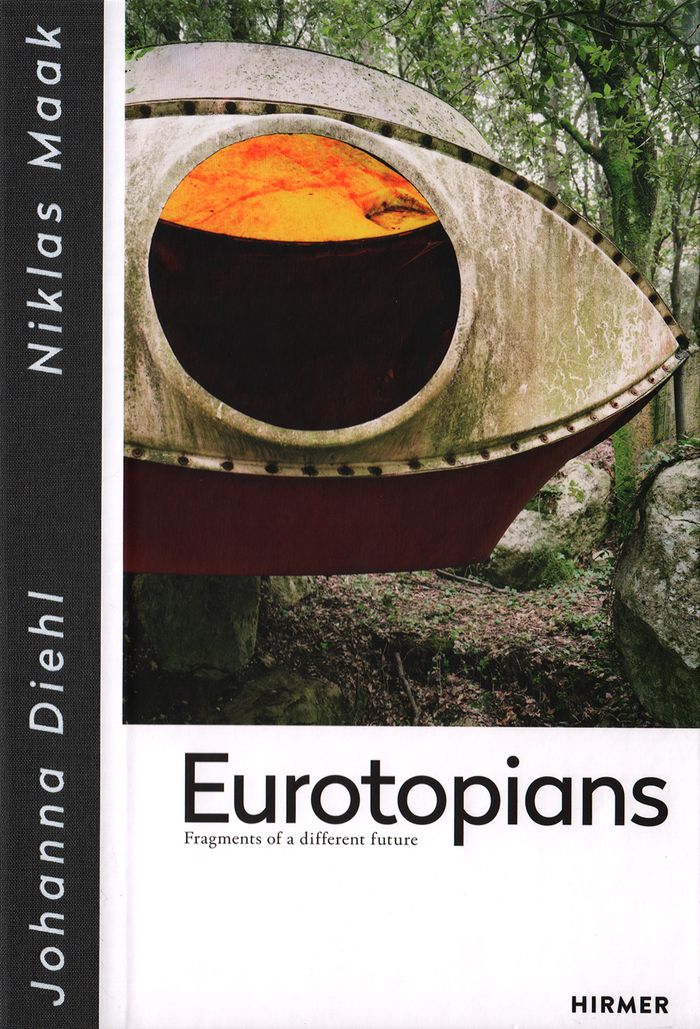
Eurotopians: fragments of a different future
Actions:
Prix:
$54.95
(disponible sur commande)
Résumé:
How do we want to inhabit the spaces we live in? How can we build homes that match our ideals and meet the demands of a changing world? Where can we find ideas for the houses and cities of the future? During the 1960s and 1970s, visionary architecture in Europe began to raise these fundamental questions about the homes we inhabit. Journalist Niklas Maak has visited the buildings of this era—many of which are now in ruins—and curates here an “archaeology of the utopian,” founding ideas for future architectures in the buildings of the past. Featuring works by Antti Lovag, Yona Friedman, Claude Parent, Dante Bini, Cini Boeri, Hans-Walter Müller, Renée Gailhoustet, and Jean Renaudie, all impressively photographed by Johanna Diehl, this intelligent new volume explores inspiring revolutionary forms of living through the utopian architectures of the past.
Eurotopians: fragments of a different future
Actions:
Prix:
$54.95
(disponible sur commande)
Résumé:
How do we want to inhabit the spaces we live in? How can we build homes that match our ideals and meet the demands of a changing world? Where can we find ideas for the houses and cities of the future? During the 1960s and 1970s, visionary architecture in Europe began to raise these fundamental questions about the homes we inhabit. Journalist Niklas Maak has visited the buildings of this era—many of which are now in ruins—and curates here an “archaeology of the utopian,” founding ideas for future architectures in the buildings of the past. Featuring works by Antti Lovag, Yona Friedman, Claude Parent, Dante Bini, Cini Boeri, Hans-Walter Müller, Renée Gailhoustet, and Jean Renaudie, all impressively photographed by Johanna Diehl, this intelligent new volume explores inspiring revolutionary forms of living through the utopian architectures of the past.
Classification:
livres
livres
Publication:
avril 2018
avril 2018
Sujet:
Architecture expérimentale
Architecture expérimentale
Classification:
livres
livres
Actions:
Prix:
$65.00
(disponible en magasin)
Résumé:
Filled with drawings, collages, and models, this book examines how each firm’s utopian vision was shaped by the times in which it was conceived. The designs by Archigram, a Londonbased firm headed by Peter Cook, Ron Herron and Dennis Crompton, date back to the moon landing and an era filled with hope for new beginnings. By contrast, the latter project, the work of Future(...)
$65.00
(disponible en magasin)
Résumé:
Filled with drawings, collages, and models, this book examines how each firm’s utopian vision was shaped by the times in which it was conceived. The designs by Archigram, a Londonbased firm headed by Peter Cook, Ron Herron and Dennis Crompton, date back to the moon landing and an era filled with hope for new beginnings. By contrast, the latter project, the work of Future(...)
Titre:
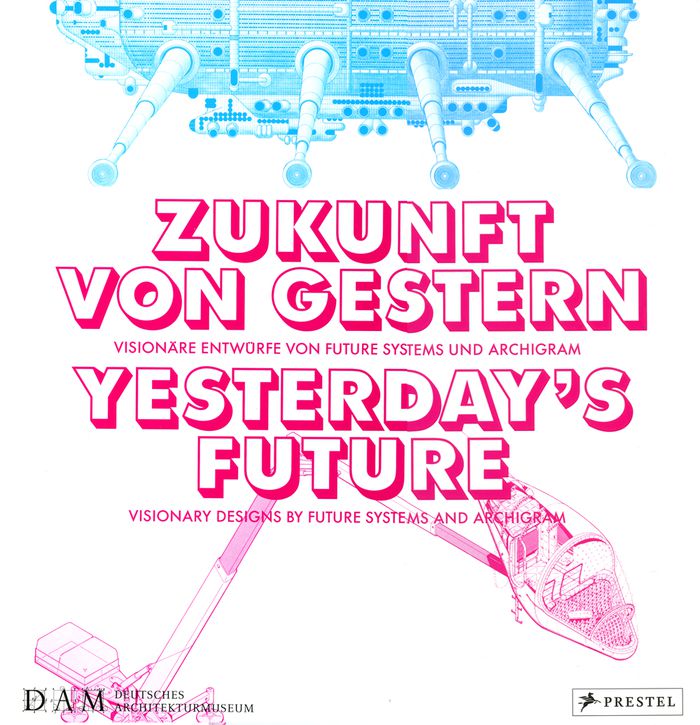
Yesterday's future: visionary designs by Future Systems and Archigram
Actions:
Prix:
$65.00
(disponible en magasin)
Résumé:
Filled with drawings, collages, and models, this book examines how each firm’s utopian vision was shaped by the times in which it was conceived. The designs by Archigram, a Londonbased firm headed by Peter Cook, Ron Herron and Dennis Crompton, date back to the moon landing and an era filled with hope for new beginnings. By contrast, the latter project, the work of Future Systems, headed by Czech architect Jan Kaplický and David Nixon, was conceptualized at the height of the Cold War, when the future appeared gloomy. While Archigram conceived organic architectures to ensure survival in inhospitable environments, the technical looking designs by Future Systems are intended for use in more friendly climes. Although the majority of these utopian designs were never realized, their plans offer a fascinating look at how architects prepare for a world they can only imagine.
Yesterday's future: visionary designs by Future Systems and Archigram
Actions:
Prix:
$65.00
(disponible en magasin)
Résumé:
Filled with drawings, collages, and models, this book examines how each firm’s utopian vision was shaped by the times in which it was conceived. The designs by Archigram, a Londonbased firm headed by Peter Cook, Ron Herron and Dennis Crompton, date back to the moon landing and an era filled with hope for new beginnings. By contrast, the latter project, the work of Future Systems, headed by Czech architect Jan Kaplický and David Nixon, was conceptualized at the height of the Cold War, when the future appeared gloomy. While Archigram conceived organic architectures to ensure survival in inhospitable environments, the technical looking designs by Future Systems are intended for use in more friendly climes. Although the majority of these utopian designs were never realized, their plans offer a fascinating look at how architects prepare for a world they can only imagine.
Classification:
livres
livres
Publication:
juin 2016
juin 2016
Sujet:
Architecture, monographies
Architecture, monographies
Classification:
livres
livres
Titre:
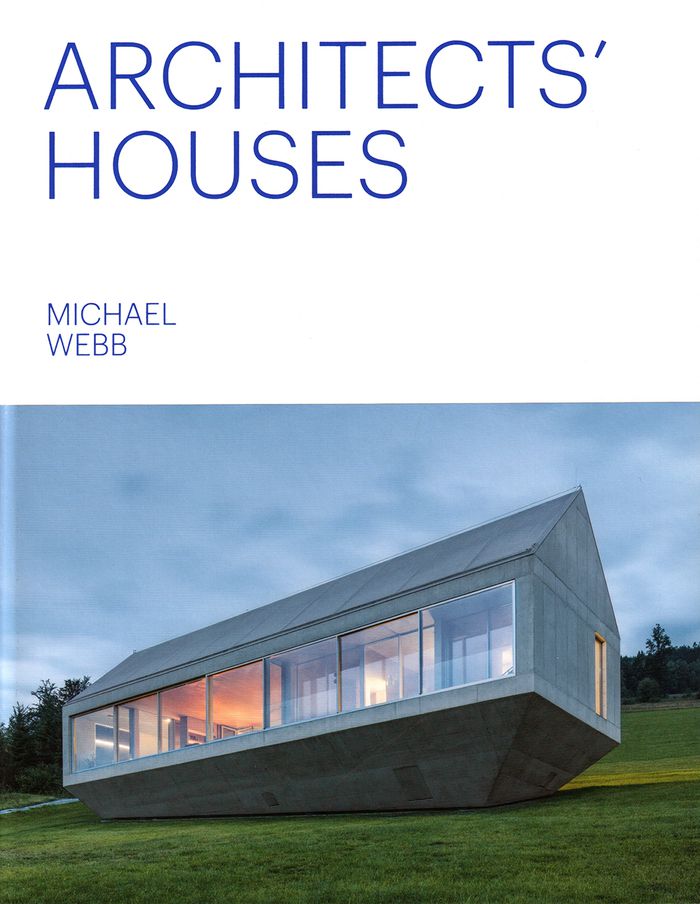
Architects' houses
Architects' houses
Actions:
Prix:
$70.00
(disponible sur commande)
Résumé:
Thirty of the world's most talented architects, including Norman Foster, Thom Mayne, Tod Williams and Billie Tsien, talk about the houses they designed for themselves over the past decade in Architects' Houses. What inspired them, what were the constraints, how did their concepts take shape? Michael Webb explores the creative process and traces the influence of(...)
$70.00
(disponible sur commande)
Résumé:
Thirty of the world's most talented architects, including Norman Foster, Thom Mayne, Tod Williams and Billie Tsien, talk about the houses they designed for themselves over the past decade in Architects' Houses. What inspired them, what were the constraints, how did their concepts take shape? Michael Webb explores the creative process and traces the influence of(...)
Titre:
Architects' houses
Actions:
Prix:
$70.00
(disponible sur commande)
Résumé:
Thirty of the world's most talented architects, including Norman Foster, Thom Mayne, Tod Williams and Billie Tsien, talk about the houses they designed for themselves over the past decade in Architects' Houses. What inspired them, what were the constraints, how did their concepts take shape? Michael Webb explores the creative process and traces the influence of architects' houses over the past two hundred years, from Jefferson's Monticello to the creations of Charles and Ray Eames, Toyo Ito, and Frank Gehry. Texts, sketches, and plans illustrate houses that differ widely, in size, material, character, and location. Spacious or frugal, ambitious or modest, refined or rough-edged, daring or reductive, these adventurous dwellings make a statement. This generously illustrated book brims with ideas and inspiration as these architects' houses show different answers to the question: how can a house enrich lives and its natural surroundings?
Architects' houses
Actions:
Prix:
$70.00
(disponible sur commande)
Résumé:
Thirty of the world's most talented architects, including Norman Foster, Thom Mayne, Tod Williams and Billie Tsien, talk about the houses they designed for themselves over the past decade in Architects' Houses. What inspired them, what were the constraints, how did their concepts take shape? Michael Webb explores the creative process and traces the influence of architects' houses over the past two hundred years, from Jefferson's Monticello to the creations of Charles and Ray Eames, Toyo Ito, and Frank Gehry. Texts, sketches, and plans illustrate houses that differ widely, in size, material, character, and location. Spacious or frugal, ambitious or modest, refined or rough-edged, daring or reductive, these adventurous dwellings make a statement. This generously illustrated book brims with ideas and inspiration as these architects' houses show different answers to the question: how can a house enrich lives and its natural surroundings?
Classification:
livres
livres
Publication:
avril 2018
avril 2018
Sujet:
Architecture résidentielle
Architecture résidentielle
Classification:
livres
livres
Titre:
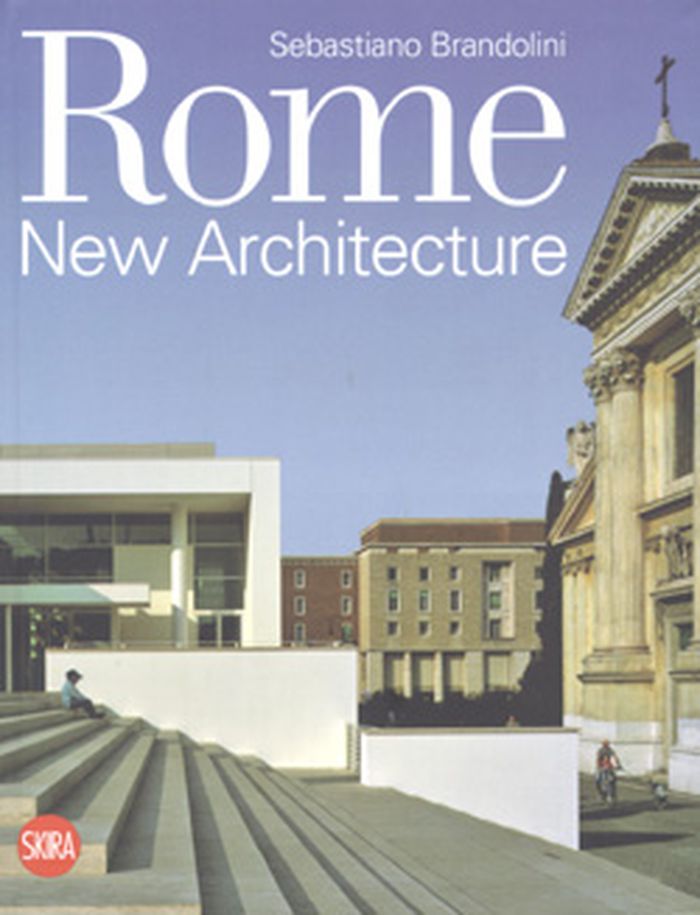
Rome new architecture
Rome new architecture
Actions:
Prix:
$56.25
(disponible sur commande)
Résumé:
Many of the architects responsible for modern-day Rome—such as Hadid, Fuksas, Baldeweg, and Meier—have reached international stature. Many contemporary Italian architects—such as King Roselli, Labics, and IaN+—use Rome as a lab for testing their ideas. While some might note the weakness of the residential sector in attracting architectural quality, it is hard to escape(...)
$56.25
(disponible sur commande)
Résumé:
Many of the architects responsible for modern-day Rome—such as Hadid, Fuksas, Baldeweg, and Meier—have reached international stature. Many contemporary Italian architects—such as King Roselli, Labics, and IaN+—use Rome as a lab for testing their ideas. While some might note the weakness of the residential sector in attracting architectural quality, it is hard to escape(...)
Publication:
février 2009, Milano
février 2009, Milano
Titre:
Rome new architecture
Actions:
Prix:
$56.25
(disponible sur commande)
Résumé:
Many of the architects responsible for modern-day Rome—such as Hadid, Fuksas, Baldeweg, and Meier—have reached international stature. Many contemporary Italian architects—such as King Roselli, Labics, and IaN+—use Rome as a lab for testing their ideas. While some might note the weakness of the residential sector in attracting architectural quality, it is hard to escape the growing attention paid to public spaces and infrastructures. This volume surveys Rome’s varied architectural landscape and contains over forty projects and a map, demonstrating how the geography of the city is evolving, and how quality can be found both in the center and on the edge of town. Sebastiano Brandolini writes for many specialized journals and is particularly interested in the relationship between architecture and engineering. Over the years he taught at the Milan Polytechnic, IUAV in Venice, London School of Economics.
Rome new architecture
Actions:
Prix:
$56.25
(disponible sur commande)
Résumé:
Many of the architects responsible for modern-day Rome—such as Hadid, Fuksas, Baldeweg, and Meier—have reached international stature. Many contemporary Italian architects—such as King Roselli, Labics, and IaN+—use Rome as a lab for testing their ideas. While some might note the weakness of the residential sector in attracting architectural quality, it is hard to escape the growing attention paid to public spaces and infrastructures. This volume surveys Rome’s varied architectural landscape and contains over forty projects and a map, demonstrating how the geography of the city is evolving, and how quality can be found both in the center and on the edge of town. Sebastiano Brandolini writes for many specialized journals and is particularly interested in the relationship between architecture and engineering. Over the years he taught at the Milan Polytechnic, IUAV in Venice, London School of Economics.
Classification:
livres
livres
Publication:
février 2009, Milano
février 2009, Milano
Classification:
livres
livres
Actions:
Prix:
$36.00
(disponible en magasin)
Résumé:
How do we break a culture of mistrust while suspicion of fellow humans, governments and capitalist enterprise seems to keep growing? Feelings of powerlessness are often cited as the main cause. We look for remedies in rules, contracts, assurances and audits, as well as in "good governance." But do they really provide trust? In ''Trust: Building on the Cultural Commons'',(...)
$36.00
(disponible en magasin)
Résumé:
How do we break a culture of mistrust while suspicion of fellow humans, governments and capitalist enterprise seems to keep growing? Feelings of powerlessness are often cited as the main cause. We look for remedies in rules, contracts, assurances and audits, as well as in "good governance." But do they really provide trust? In ''Trust: Building on the Cultural Commons'',(...)
Titre:
Trust: Building on the cultural commons
Actions:
Prix:
$36.00
(disponible en magasin)
Résumé:
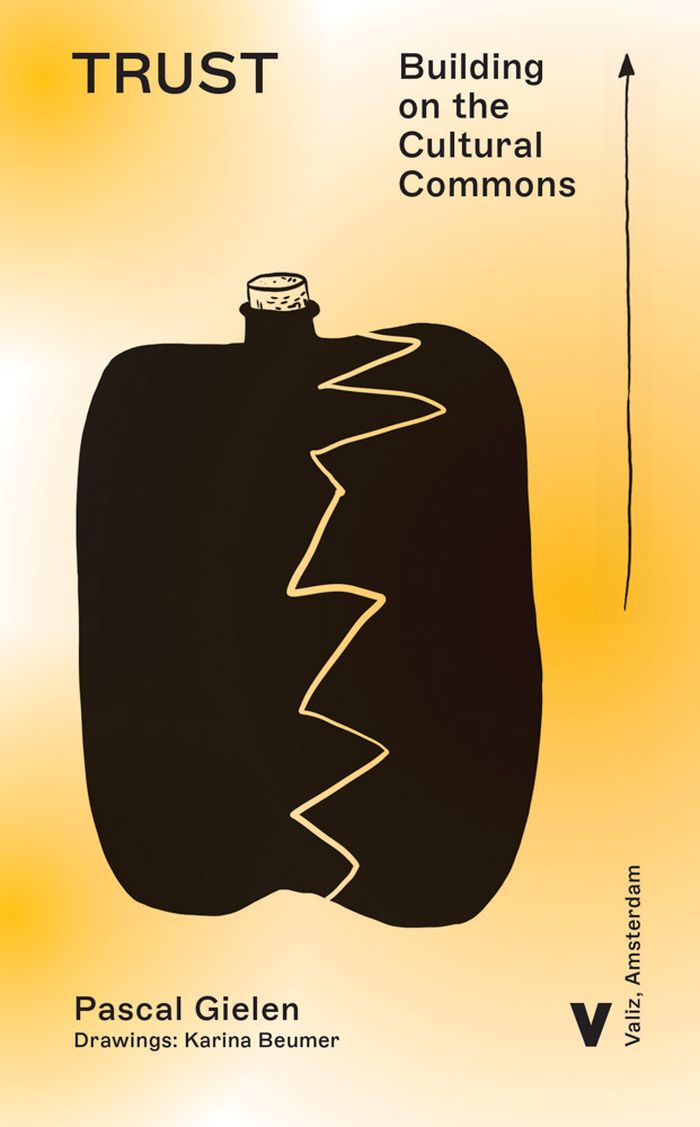
How do we break a culture of mistrust while suspicion of fellow humans, governments and capitalist enterprise seems to keep growing? Feelings of powerlessness are often cited as the main cause. We look for remedies in rules, contracts, assurances and audits, as well as in "good governance." But do they really provide trust? In ''Trust: Building on the Cultural Commons'', featuring drawings by Karina Beumer (born 1988), sociologist of art and cultural politics Pascal Gielen (born 1970) highlights the crucial role played by the cultural commons, shared "common" life and its customs, practices, knowledge and values. Trust is, after all, a matter of culture, of feeling and even of aesthetics. Broad societal trust begins with sharing vulnerabilities, and the commons, according to Gielen, provides space for that—breathing space and experimental space. How could a society and a policy further build on this?
Trust: Building on the cultural commons
Actions:
Prix:
$36.00
(disponible en magasin)
Résumé:
How do we break a culture of mistrust while suspicion of fellow humans, governments and capitalist enterprise seems to keep growing? Feelings of powerlessness are often cited as the main cause. We look for remedies in rules, contracts, assurances and audits, as well as in "good governance." But do they really provide trust? In ''Trust: Building on the Cultural Commons'', featuring drawings by Karina Beumer (born 1988), sociologist of art and cultural politics Pascal Gielen (born 1970) highlights the crucial role played by the cultural commons, shared "common" life and its customs, practices, knowledge and values. Trust is, after all, a matter of culture, of feeling and even of aesthetics. Broad societal trust begins with sharing vulnerabilities, and the commons, according to Gielen, provides space for that—breathing space and experimental space. How could a society and a policy further build on this?
Classification:
livres
livres
Publication:
juin 2025
juin 2025
Sujet:
Social
Social


