


989 Résultats
Classification:
livres
livres
Titre:
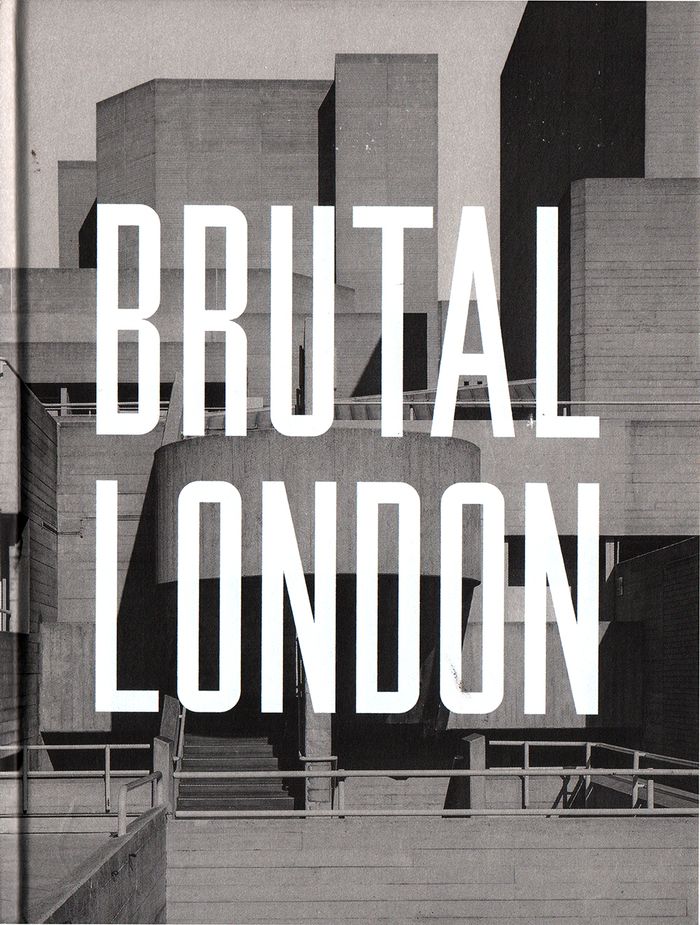
Brutal London
Brutal London
Actions:
Prix:
$32.95
(disponible sur commande)
Résumé:
This collection of photographs of Brutalist architecture by Simon Phipps casts the city in a new light. Arranged by inner London Borough, ''Brutal London'' takes in famous examples such as the Trellick Tower, the Brunswick Centre and the Alexandra Road Estate, as well as lesser known housing and municipal spaces. It serves as an introduction to buildings the reader may(...)
$32.95
(disponible sur commande)
Résumé:
This collection of photographs of Brutalist architecture by Simon Phipps casts the city in a new light. Arranged by inner London Borough, ''Brutal London'' takes in famous examples such as the Trellick Tower, the Brunswick Centre and the Alexandra Road Estate, as well as lesser known housing and municipal spaces. It serves as an introduction to buildings the reader may(...)
Titre:
Brutal London
Actions:
Prix:
$32.95
(disponible sur commande)
Résumé:
This collection of photographs of Brutalist architecture by Simon Phipps casts the city in a new light. Arranged by inner London Borough, ''Brutal London'' takes in famous examples such as the Trellick Tower, the Brunswick Centre and the Alexandra Road Estate, as well as lesser known housing and municipal spaces. It serves as an introduction to buildings the reader may see every day, an invitation to look differently, a challenge to look up afresh, or to seek out celebrated Brutalism across the capital.
Brutal London
Actions:
Prix:
$32.95
(disponible sur commande)
Résumé:
This collection of photographs of Brutalist architecture by Simon Phipps casts the city in a new light. Arranged by inner London Borough, ''Brutal London'' takes in famous examples such as the Trellick Tower, the Brunswick Centre and the Alexandra Road Estate, as well as lesser known housing and municipal spaces. It serves as an introduction to buildings the reader may see every day, an invitation to look differently, a challenge to look up afresh, or to seek out celebrated Brutalism across the capital.
Classification:
livres
livres
Publication:
avril 2018
avril 2018
Classification:
livres
livres
Actions:
Prix:
$44.95
(disponible sur commande)
Résumé:
Today, one in five homeowners in American cities and suburbs lives in a multifamily home rather than a single-family dwelling. As the American dream evolves, precipitated by declining real estate prices and a renewed interest in city living, many predict that condos will become the predominant form of housing in the 21st century. In this unprecedented study Matthew Gordon(...)
$44.95
(disponible sur commande)
Résumé:
Today, one in five homeowners in American cities and suburbs lives in a multifamily home rather than a single-family dwelling. As the American dream evolves, precipitated by declining real estate prices and a renewed interest in city living, many predict that condos will become the predominant form of housing in the 21st century. In this unprecedented study Matthew Gordon(...)
Titre:
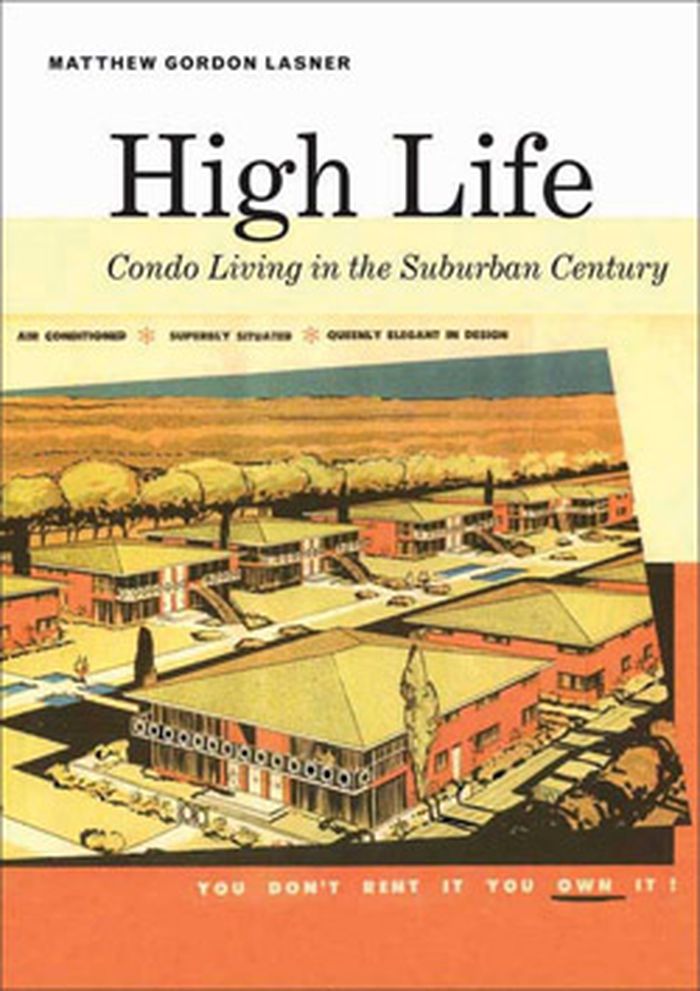
High life : condo living in the suburban century
Actions:
Prix:
$44.95
(disponible sur commande)
Résumé:
Today, one in five homeowners in American cities and suburbs lives in a multifamily home rather than a single-family dwelling. As the American dream evolves, precipitated by declining real estate prices and a renewed interest in city living, many predict that condos will become the predominant form of housing in the 21st century. In this unprecedented study Matthew Gordon Lasner explores the history of co-owned multifamily housing in the United States, from New York City's first co-op, in 1881, to contemporary condo and townhouse complexes coast to coast. Lasner explains the complicated social, economic, and political factors that have increased demand for this way of living, situating the trend within the larger housing market and broad shifts in residential architecture. He contrasts the prevalence and popularity of condos, townhouses, and other privately governed communities with their ambiguous economic, legal, and social standing, as well as their striking absence from urban and architectural history.
High life : condo living in the suburban century
Actions:
Prix:
$44.95
(disponible sur commande)
Résumé:
Today, one in five homeowners in American cities and suburbs lives in a multifamily home rather than a single-family dwelling. As the American dream evolves, precipitated by declining real estate prices and a renewed interest in city living, many predict that condos will become the predominant form of housing in the 21st century. In this unprecedented study Matthew Gordon Lasner explores the history of co-owned multifamily housing in the United States, from New York City's first co-op, in 1881, to contemporary condo and townhouse complexes coast to coast. Lasner explains the complicated social, economic, and political factors that have increased demand for this way of living, situating the trend within the larger housing market and broad shifts in residential architecture. He contrasts the prevalence and popularity of condos, townhouses, and other privately governed communities with their ambiguous economic, legal, and social standing, as well as their striking absence from urban and architectural history.
Classification:
livres
livres
Publication:
octobre 2012
octobre 2012
Sujet:
Théorie de l’architecture
Théorie de l’architecture
Classification:
livres
livres
Titre:
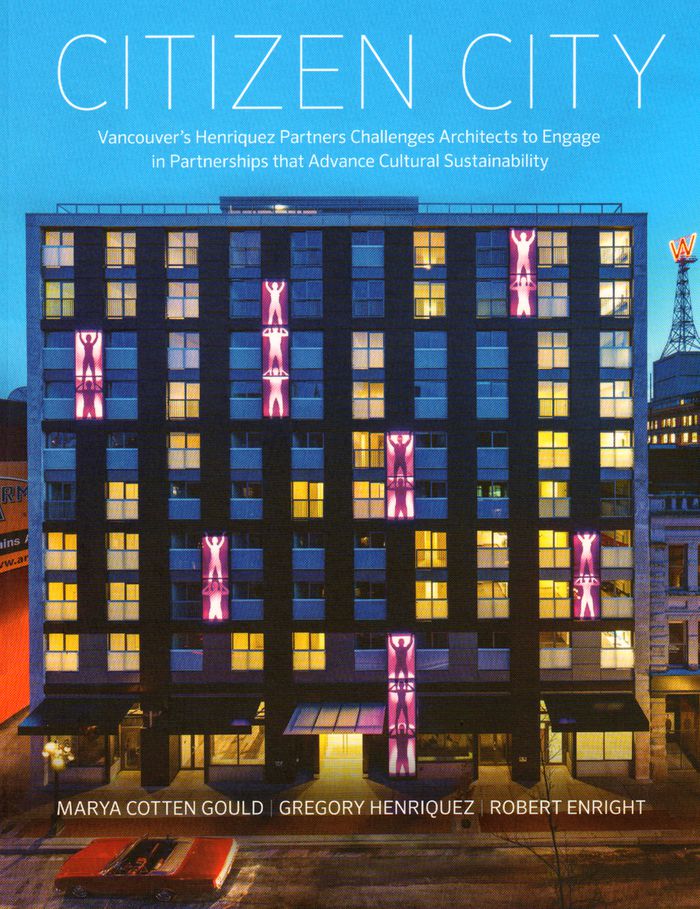
Citizen city
Citizen city
Actions:
Prix:
$31.95
(disponible sur commande)
Résumé:
''Citizen City'' focuses on the latent potential of cross-sector partnerships among private developers, non-profits and various levels of government in attempting to harness a portion of the wealth created in the real estate development process to achieve socially valuable urban planning goals: meeting the needs of the community’s most vulnerable members, providing(...)
$31.95
(disponible sur commande)
Résumé:
''Citizen City'' focuses on the latent potential of cross-sector partnerships among private developers, non-profits and various levels of government in attempting to harness a portion of the wealth created in the real estate development process to achieve socially valuable urban planning goals: meeting the needs of the community’s most vulnerable members, providing(...)
Sujet:
Théorie de l’urbanisme
Théorie de l’urbanisme
Publication:
septembre 2016
septembre 2016
Titre:
Citizen city
Actions:
Prix:
$31.95
(disponible sur commande)
Résumé:
''Citizen City'' focuses on the latent potential of cross-sector partnerships among private developers, non-profits and various levels of government in attempting to harness a portion of the wealth created in the real estate development process to achieve socially valuable urban planning goals: meeting the needs of the community’s most vulnerable members, providing affordable housing and creating community amenities to promote a vibrant urban culture.The book highlights the success and failures of such partnerships with case studies of ten Vancouver, BC, building projects.
Citizen city
Actions:
Prix:
$31.95
(disponible sur commande)
Résumé:
''Citizen City'' focuses on the latent potential of cross-sector partnerships among private developers, non-profits and various levels of government in attempting to harness a portion of the wealth created in the real estate development process to achieve socially valuable urban planning goals: meeting the needs of the community’s most vulnerable members, providing affordable housing and creating community amenities to promote a vibrant urban culture.The book highlights the success and failures of such partnerships with case studies of ten Vancouver, BC, building projects.
Classification:
livres
livres
Publication:
septembre 2016
septembre 2016
Sujet:
Théorie de l’urbanisme
Théorie de l’urbanisme
Classification:
livres
livres
Actions:
Prix:
$56.95
(disponible sur commande)
Résumé:
London has been rebuilt and reshaped perhaps more than any other city over its two-millennia history. From the construction of the Underground to slum clearance and the Blitz, buildings have long been damaged or demolished to pave way for the new. Today, demolition is big business, and around 3500 buildings are destroyed each year, most of which are social housing. Paul(...)
$56.95
(disponible sur commande)
Résumé:
London has been rebuilt and reshaped perhaps more than any other city over its two-millennia history. From the construction of the Underground to slum clearance and the Blitz, buildings have long been damaged or demolished to pave way for the new. Today, demolition is big business, and around 3500 buildings are destroyed each year, most of which are social housing. Paul(...)
Titre:
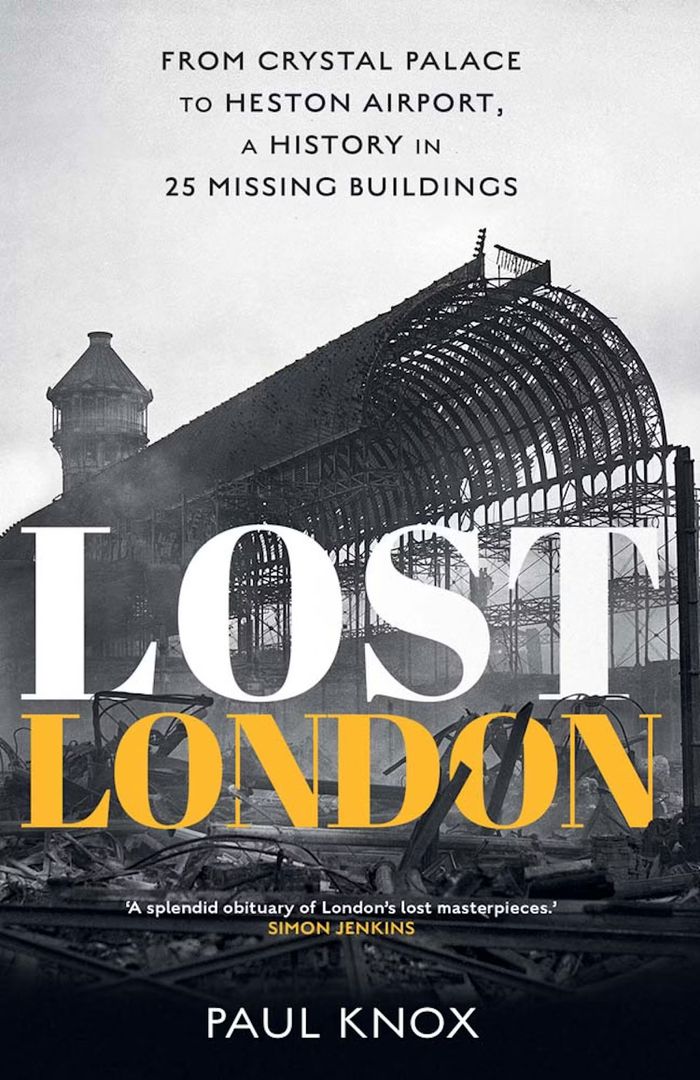
Lost London: From Crystal Palace to Heston Airport, a history in 25 missing buildings
Actions:
Prix:
$56.95
(disponible sur commande)
Résumé:
London has been rebuilt and reshaped perhaps more than any other city over its two-millennia history. From the construction of the Underground to slum clearance and the Blitz, buildings have long been damaged or demolished to pave way for the new. Today, demolition is big business, and around 3500 buildings are destroyed each year, most of which are social housing. Paul Knox traces the history of London from the Great Fire to the present day through twenty-five lost buildings. Knox explores surprising and unusual locations in the city’s history, like the Necropolis Station in Waterloo used by funeral parties traveling to a burial ground in Surrey. We see historic landmarks, like Christ Church Greyfriars and the Crystal Palace, as well as everyday places like the White Horse pub in Poplar and a housing estate in Hackney.
Lost London: From Crystal Palace to Heston Airport, a history in 25 missing buildings
Actions:
Prix:
$56.95
(disponible sur commande)
Résumé:
London has been rebuilt and reshaped perhaps more than any other city over its two-millennia history. From the construction of the Underground to slum clearance and the Blitz, buildings have long been damaged or demolished to pave way for the new. Today, demolition is big business, and around 3500 buildings are destroyed each year, most of which are social housing. Paul Knox traces the history of London from the Great Fire to the present day through twenty-five lost buildings. Knox explores surprising and unusual locations in the city’s history, like the Necropolis Station in Waterloo used by funeral parties traveling to a burial ground in Surrey. We see historic landmarks, like Christ Church Greyfriars and the Crystal Palace, as well as everyday places like the White Horse pub in Poplar and a housing estate in Hackney.
Classification:
livres
livres
Publication:
mai 2026
mai 2026
Classification:
livres
livres
Prix:
$34.95
(disponible sur commande)
Résumé:
Portland, Oregon, is one of the most beautiful, livable cities in the United States. It has walkable neighborhoods, bike lanes, low-density housing, public transportation, and significant green space—not to mention craft-beer bars and locavore food trucks. But liberal Portland is also the whitest city in the country. This is not circumstance; the city has a long history(...)
$34.95
(disponible sur commande)
Résumé:
Portland, Oregon, is one of the most beautiful, livable cities in the United States. It has walkable neighborhoods, bike lanes, low-density housing, public transportation, and significant green space—not to mention craft-beer bars and locavore food trucks. But liberal Portland is also the whitest city in the country. This is not circumstance; the city has a long history(...)
Titre:
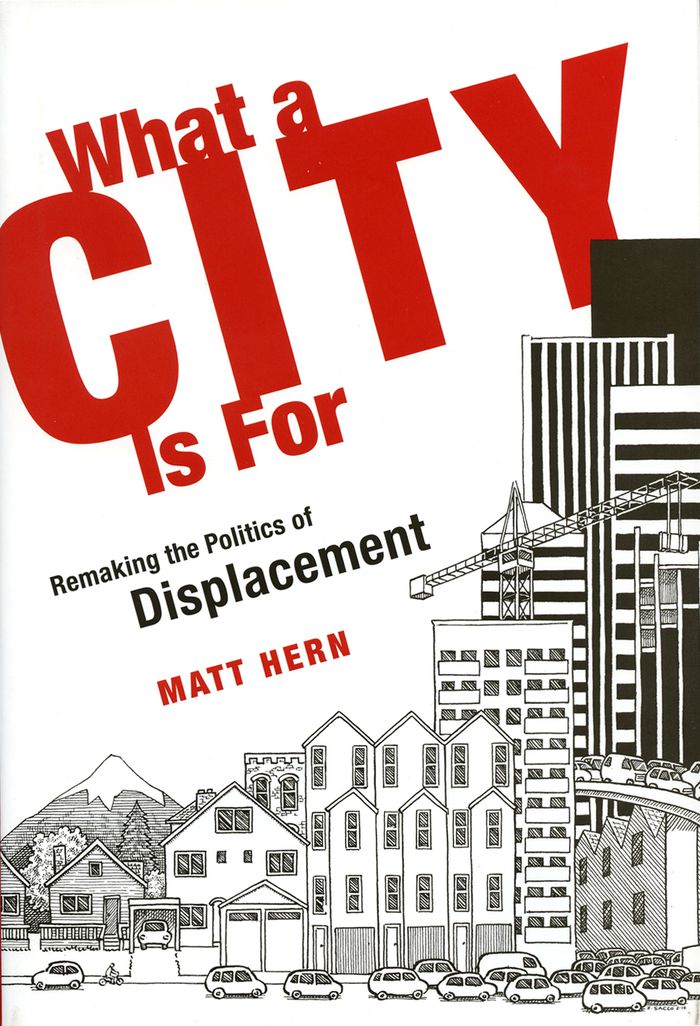
What a city is for : remaking the politics of displacement
Actions:
Prix:
$34.95
(disponible sur commande)
Résumé:
Portland, Oregon, is one of the most beautiful, livable cities in the United States. It has walkable neighborhoods, bike lanes, low-density housing, public transportation, and significant green space—not to mention craft-beer bars and locavore food trucks. But liberal Portland is also the whitest city in the country. This is not circumstance; the city has a long history of officially sanctioned racialized displacement that continues today. Over the last two and half decades, Albina—the one major Black neighborhood in Portland—has been systematically uprooted by market-driven gentrification and city-renewal policies. African Americans in Portland were first pushed into Albina and then contained there through exclusionary zoning, predatory lending, and racist real estate practices. Since the 1990s, they’ve been aggressively displaced—by rising housing costs, developers eager to get rid of low-income residents, and overt city policies of gentrification.
What a city is for : remaking the politics of displacement
Actions:
Prix:
$34.95
(disponible sur commande)
Résumé:
Portland, Oregon, is one of the most beautiful, livable cities in the United States. It has walkable neighborhoods, bike lanes, low-density housing, public transportation, and significant green space—not to mention craft-beer bars and locavore food trucks. But liberal Portland is also the whitest city in the country. This is not circumstance; the city has a long history of officially sanctioned racialized displacement that continues today. Over the last two and half decades, Albina—the one major Black neighborhood in Portland—has been systematically uprooted by market-driven gentrification and city-renewal policies. African Americans in Portland were first pushed into Albina and then contained there through exclusionary zoning, predatory lending, and racist real estate practices. Since the 1990s, they’ve been aggressively displaced—by rising housing costs, developers eager to get rid of low-income residents, and overt city policies of gentrification.
Classification:
livres
livres
Publication:
septembre 2016
septembre 2016
Sujet:
Théorie de l’urbanisme
Théorie de l’urbanisme
Classification:
livres
livres
Actions:
Prix:
$44.00
(disponible sur commande)
Résumé:
Jean Prouvé designed "The Tropical House" in 1949 as a prototype for inexpensive, easily assembled housing to transport to France's African colonies. Fabricated in the designer's French workshops, the components for the house were completed in 1951 and flown disassembled to Africa. The house was erected in the town of Brazzaville, Congo, where it remained for nearly 50(...)
$44.00
(disponible sur commande)
Résumé:
Jean Prouvé designed "The Tropical House" in 1949 as a prototype for inexpensive, easily assembled housing to transport to France's African colonies. Fabricated in the designer's French workshops, the components for the house were completed in 1951 and flown disassembled to Africa. The house was erected in the town of Brazzaville, Congo, where it remained for nearly 50(...)
Titre:
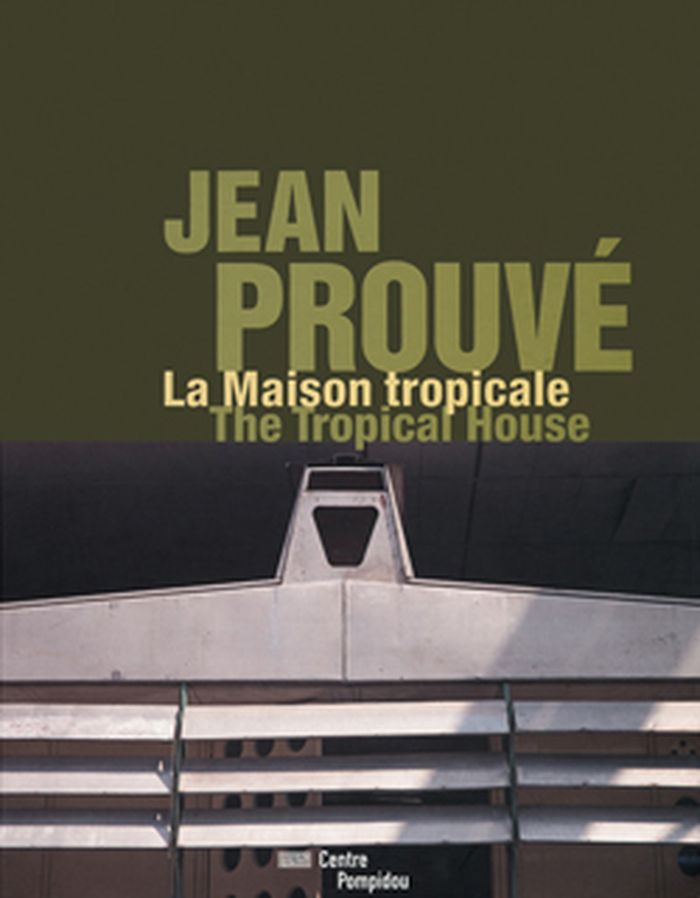
Jean Prouvé: The Tropical House/ La Maison tropicale
Actions:
Prix:
$44.00
(disponible sur commande)
Résumé:
Jean Prouvé designed "The Tropical House" in 1949 as a prototype for inexpensive, easily assembled housing to transport to France's African colonies. Fabricated in the designer's French workshops, the components for the house were completed in 1951 and flown disassembled to Africa. The house was erected in the town of Brazzaville, Congo, where it remained for nearly 50 years. Jean Prouvé: Tropical House is an in-depth look at the early French modernist's applied theories of prefabricated architecture. Copiously illustrated, this book studies the development of Prouvé's demountable buildings and houses and includes never-before-seen archival materials from the extensive collections of the Centre Pompidou and the designer's estate. The final chapter traces architectural historian Robert Rubin's voyage of discovery as he restored and prepared an exhibition of this iconic experiment in prefabricated housing, along with an appendix of press articles from the period to position the work in its contemporary context.
Jean Prouvé: The Tropical House/ La Maison tropicale
Actions:
Prix:
$44.00
(disponible sur commande)
Résumé:
Jean Prouvé designed "The Tropical House" in 1949 as a prototype for inexpensive, easily assembled housing to transport to France's African colonies. Fabricated in the designer's French workshops, the components for the house were completed in 1951 and flown disassembled to Africa. The house was erected in the town of Brazzaville, Congo, where it remained for nearly 50 years. Jean Prouvé: Tropical House is an in-depth look at the early French modernist's applied theories of prefabricated architecture. Copiously illustrated, this book studies the development of Prouvé's demountable buildings and houses and includes never-before-seen archival materials from the extensive collections of the Centre Pompidou and the designer's estate. The final chapter traces architectural historian Robert Rubin's voyage of discovery as he restored and prepared an exhibition of this iconic experiment in prefabricated housing, along with an appendix of press articles from the period to position the work in its contemporary context.
Classification:
livres
livres
Publication:
mars 2011
mars 2011
Sujet:
Architecture, monographies
Architecture, monographies
Classification:
livres
livres
Titre:
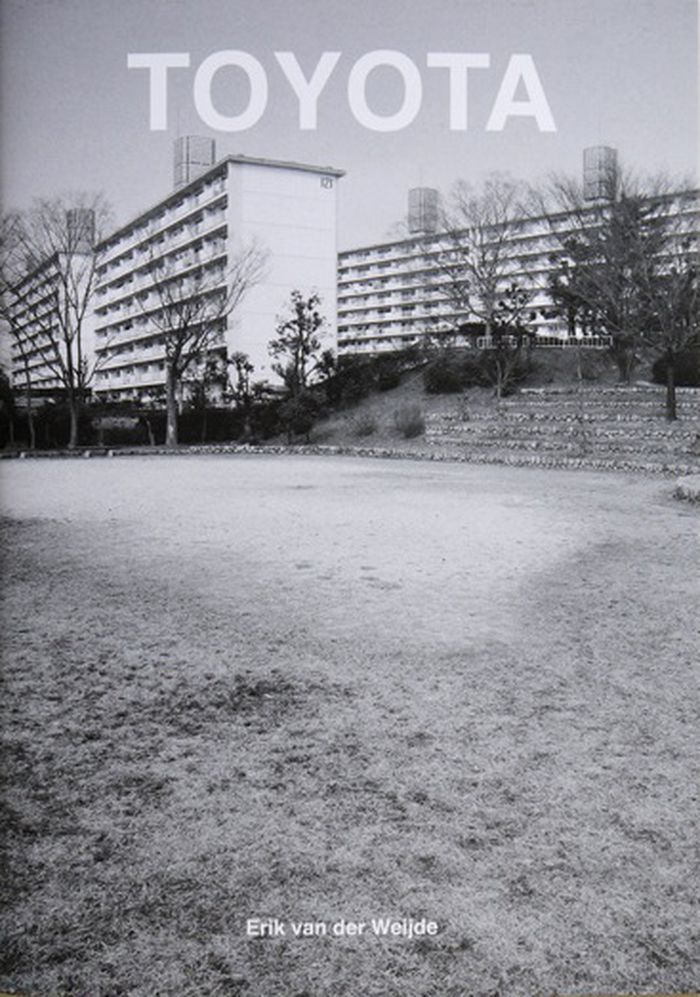
Erik Van der Weijde: Toyota
Erik Van der Weijde: Toyota
Actions:
Prix:
$24.95
(disponible sur commande)
Résumé:
Due to the economic importance of its major employer, the city of Koromo changed its name to Toyota in 1959. The Homi public housing development in Toyota City opened in 1975 and was then a highly desirable residence for many families. Today it is home to a large population of Brazilian immigrants, who came to the area to work at Toyota and related manufacturing jobs, but(...)
$24.95
(disponible sur commande)
Résumé:
Due to the economic importance of its major employer, the city of Koromo changed its name to Toyota in 1959. The Homi public housing development in Toyota City opened in 1975 and was then a highly desirable residence for many families. Today it is home to a large population of Brazilian immigrants, who came to the area to work at Toyota and related manufacturing jobs, but(...)
Titre:
Erik Van der Weijde: Toyota
Actions:
Prix:
$24.95
(disponible sur commande)
Résumé:
Due to the economic importance of its major employer, the city of Koromo changed its name to Toyota in 1959. The Homi public housing development in Toyota City opened in 1975 and was then a highly desirable residence for many families. Today it is home to a large population of Brazilian immigrants, who came to the area to work at Toyota and related manufacturing jobs, but are now often the first to lose those jobs due to recession. Architecture and the ways that people live continue to be Van der Weijde’s main themes. The absence of people in these photographs cover them with a spooky layer, even more when one knows that over 11,000 people live in this estate.
Erik Van der Weijde: Toyota
Actions:
Prix:
$24.95
(disponible sur commande)
Résumé:
Due to the economic importance of its major employer, the city of Koromo changed its name to Toyota in 1959. The Homi public housing development in Toyota City opened in 1975 and was then a highly desirable residence for many families. Today it is home to a large population of Brazilian immigrants, who came to the area to work at Toyota and related manufacturing jobs, but are now often the first to lose those jobs due to recession. Architecture and the ways that people live continue to be Van der Weijde’s main themes. The absence of people in these photographs cover them with a spooky layer, even more when one knows that over 11,000 people live in this estate.
Classification:
livres
livres
Publication:
juin 2016
juin 2016
Sujet:
Monographies photo
Monographies photo
Classification:
livres
livres
Actions:
Prix:
$49.95
(disponible sur commande)
Résumé:
''Dwelling in the World'' considers family, house, and home in Tianjin to explore how tempos and structures of everyday life changed with the fall of the Qing Empire and the rise of a colonized city. Elizabeth LaCouture argues that the intimate ideas and practices of the modern home were more important in shaping the gender and status identities of Tianjin’s urban elites(...)
$49.95
(disponible sur commande)
Résumé:
''Dwelling in the World'' considers family, house, and home in Tianjin to explore how tempos and structures of everyday life changed with the fall of the Qing Empire and the rise of a colonized city. Elizabeth LaCouture argues that the intimate ideas and practices of the modern home were more important in shaping the gender and status identities of Tianjin’s urban elites(...)
Titre:
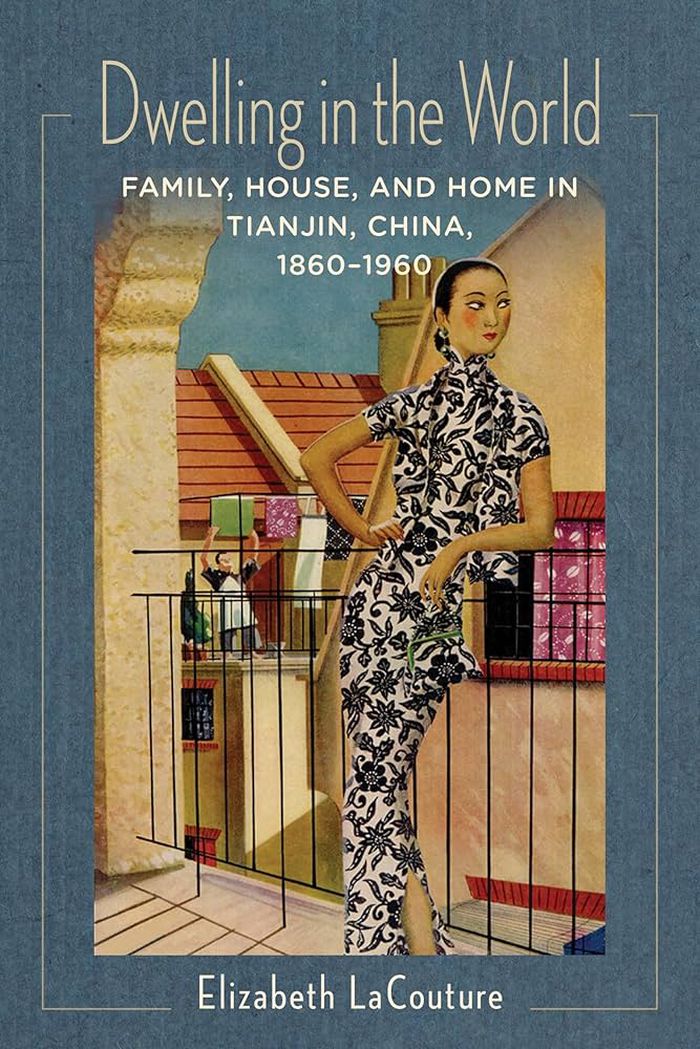
Dwelling in the world: family, house, and home in Tianjin, China, 1860-1960
Actions:
Prix:
$49.95
(disponible sur commande)
Résumé:
''Dwelling in the World'' considers family, house, and home in Tianjin to explore how tempos and structures of everyday life changed with the fall of the Qing Empire and the rise of a colonized city. Elizabeth LaCouture argues that the intimate ideas and practices of the modern home were more important in shaping the gender and status identities of Tianjin’s urban elites than the new public ideology of the nation. Placing the Chinese home in a global context, she challenges Euro-American historical notions that the private sphere emerged from industrialization. She argues that concepts of individual property rights that emerged during the Republican era became foundational to state-society relations in early Communist housing reforms and in today’s middle-class real estate boom.
Dwelling in the world: family, house, and home in Tianjin, China, 1860-1960
Actions:
Prix:
$49.95
(disponible sur commande)
Résumé:
''Dwelling in the World'' considers family, house, and home in Tianjin to explore how tempos and structures of everyday life changed with the fall of the Qing Empire and the rise of a colonized city. Elizabeth LaCouture argues that the intimate ideas and practices of the modern home were more important in shaping the gender and status identities of Tianjin’s urban elites than the new public ideology of the nation. Placing the Chinese home in a global context, she challenges Euro-American historical notions that the private sphere emerged from industrialization. She argues that concepts of individual property rights that emerged during the Republican era became foundational to state-society relations in early Communist housing reforms and in today’s middle-class real estate boom.
Classification:
livres
livres
Publication:
août 2021
août 2021
Sujet:
Histoire jusqu'à 1900, Asie
Histoire jusqu'à 1900, Asie
Classification:
livres
livres
Actions:
Prix:
$48.00
(disponible sur commande)
Résumé:
Shek Kip Mei was the first public housing estate development in Hong Kong built by the British colonial government in 1954. The resettlement project was an immediate response to the need for temporary relief as a result of the massive fire that destroyed the Shek Kip Mei squatter area on Christmas Eve 1953, when over 53,000 Chinese immigrants lost their makeshift homes(...)
$48.00
(disponible sur commande)
Résumé:
Shek Kip Mei was the first public housing estate development in Hong Kong built by the British colonial government in 1954. The resettlement project was an immediate response to the need for temporary relief as a result of the massive fire that destroyed the Shek Kip Mei squatter area on Christmas Eve 1953, when over 53,000 Chinese immigrants lost their makeshift homes(...)
Titre:
Our home: Shek Kip Mei 1954-2006
Actions:
Prix:
$48.00
(disponible sur commande)
Résumé:
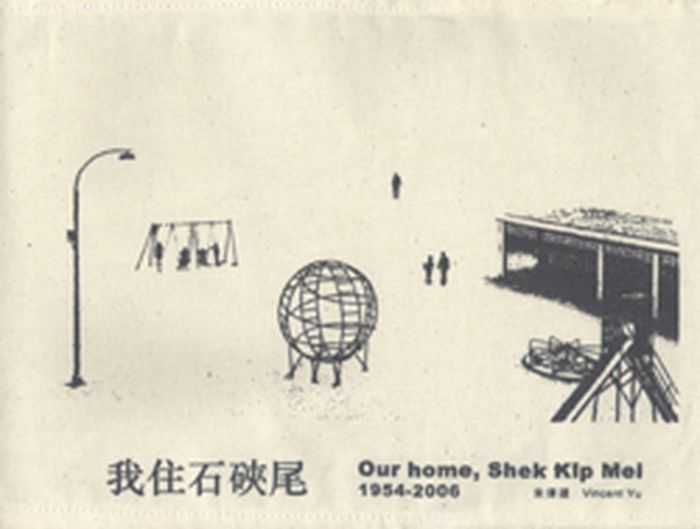
Shek Kip Mei was the first public housing estate development in Hong Kong built by the British colonial government in 1954. The resettlement project was an immediate response to the need for temporary relief as a result of the massive fire that destroyed the Shek Kip Mei squatter area on Christmas Eve 1953, when over 53,000 Chinese immigrants lost their makeshift homes overnight. This carefully designed book reproduces and explains the documentation of the aerea made by Governor Sir Alexander Grantham in 1954 to the British Government on the Great Fire. It includes a letter of appeal to the Governor, statistics about the residents, but abovw all it shows in 128, mostly full page b/w photographs, the appartments of the complex and their habitants.
Our home: Shek Kip Mei 1954-2006
Actions:
Prix:
$48.00
(disponible sur commande)
Résumé:
Shek Kip Mei was the first public housing estate development in Hong Kong built by the British colonial government in 1954. The resettlement project was an immediate response to the need for temporary relief as a result of the massive fire that destroyed the Shek Kip Mei squatter area on Christmas Eve 1953, when over 53,000 Chinese immigrants lost their makeshift homes overnight. This carefully designed book reproduces and explains the documentation of the aerea made by Governor Sir Alexander Grantham in 1954 to the British Government on the Great Fire. It includes a letter of appeal to the Governor, statistics about the residents, but abovw all it shows in 128, mostly full page b/w photographs, the appartments of the complex and their habitants.
Classification:
livres
livres
Publication:
octobre 2007
octobre 2007
Sujet:
Photographie par région
Photographie par région
Classification:
livres
livres
Titre:
Gisela Erlacher: Superblocks
Gisela Erlacher: Superblocks
Actions:
Prix:
$88.00
(disponible sur commande)
Résumé:
With the municipal buildings of "Red Vienna," the utopia of enabling weaker individuals in society to also have a good life was realized. Originally erected in the 1920s to provide affordable living space for the working class as well as urban infrastructure, communal ownership of housing also makes it possible today to integrate people who would otherwise have limited(...)
$88.00
(disponible sur commande)
Résumé:
With the municipal buildings of "Red Vienna," the utopia of enabling weaker individuals in society to also have a good life was realized. Originally erected in the 1920s to provide affordable living space for the working class as well as urban infrastructure, communal ownership of housing also makes it possible today to integrate people who would otherwise have limited(...)
Titre:
Gisela Erlacher: Superblocks
Actions:
Prix:
$88.00
(disponible sur commande)
Résumé:
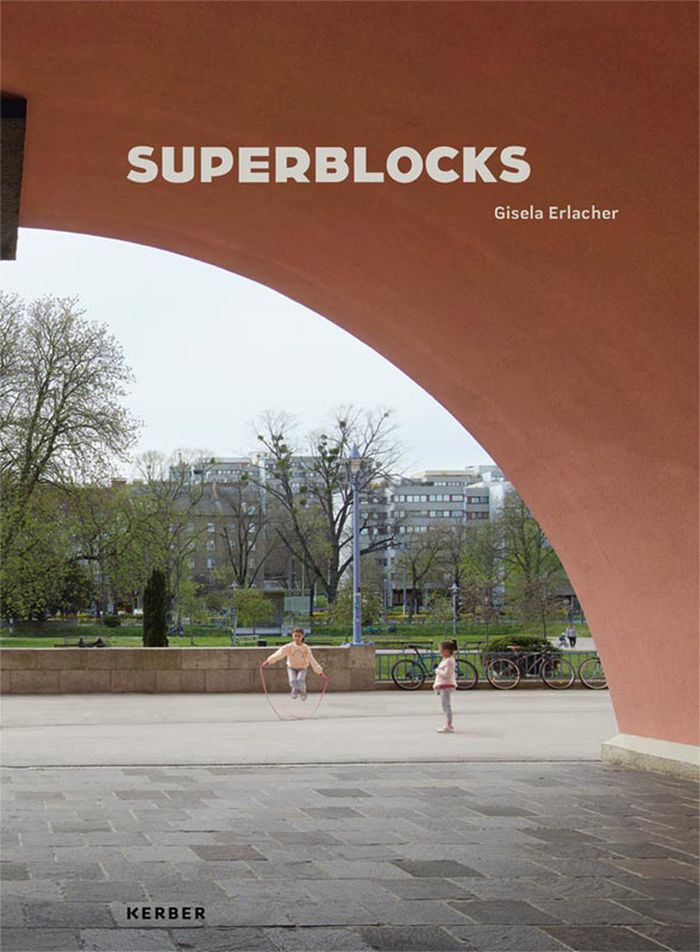
With the municipal buildings of "Red Vienna," the utopia of enabling weaker individuals in society to also have a good life was realized. Originally erected in the 1920s to provide affordable living space for the working class as well as urban infrastructure, communal ownership of housing also makes it possible today to integrate people who would otherwise have limited opportunities in neoliberal society. The relevance of municipal ownership to the current situation consists as well of the possibility to exert an attenuating influence on real estate speculation and rising rents. With her camera, Gisela Erlacher follows the parcours through the archways of "superblocks" such as the Sandleiten-Hof, Goethe-Hof, and Karl-Marx-Hof. She portrays residents and visitors in all their diversity and gives them space to present themselves beyond stereotyped depictions.
Gisela Erlacher: Superblocks
Actions:
Prix:
$88.00
(disponible sur commande)
Résumé:
With the municipal buildings of "Red Vienna," the utopia of enabling weaker individuals in society to also have a good life was realized. Originally erected in the 1920s to provide affordable living space for the working class as well as urban infrastructure, communal ownership of housing also makes it possible today to integrate people who would otherwise have limited opportunities in neoliberal society. The relevance of municipal ownership to the current situation consists as well of the possibility to exert an attenuating influence on real estate speculation and rising rents. With her camera, Gisela Erlacher follows the parcours through the archways of "superblocks" such as the Sandleiten-Hof, Goethe-Hof, and Karl-Marx-Hof. She portrays residents and visitors in all their diversity and gives them space to present themselves beyond stereotyped depictions.
Classification:
livres
livres
Publication:
mars 2022
mars 2022
Sujet:
Monographies photo
Monographies photo


