


1067 Résultats
Classification:
livres
livres
Actions:
Prix:
$78.50
(disponible sur commande)
Résumé:
Home to 20 million people and still growing, Greater Cairo mirrors the global phenomenon of unplanned urban growth. Approximately 60 percent of the population of Africa’s biggest city lives in so-called informal housing, typically five-to-ten-story concrete-and-brick-infill structures built without permits in the desert or on former agricultural land. 'Housing Cairo: The(...)
$78.50
(disponible sur commande)
Résumé:
Home to 20 million people and still growing, Greater Cairo mirrors the global phenomenon of unplanned urban growth. Approximately 60 percent of the population of Africa’s biggest city lives in so-called informal housing, typically five-to-ten-story concrete-and-brick-infill structures built without permits in the desert or on former agricultural land. 'Housing Cairo: The(...)
Titre:
Housing Cairo: the informal response
Actions:
Prix:
$78.50
(disponible sur commande)
Résumé:
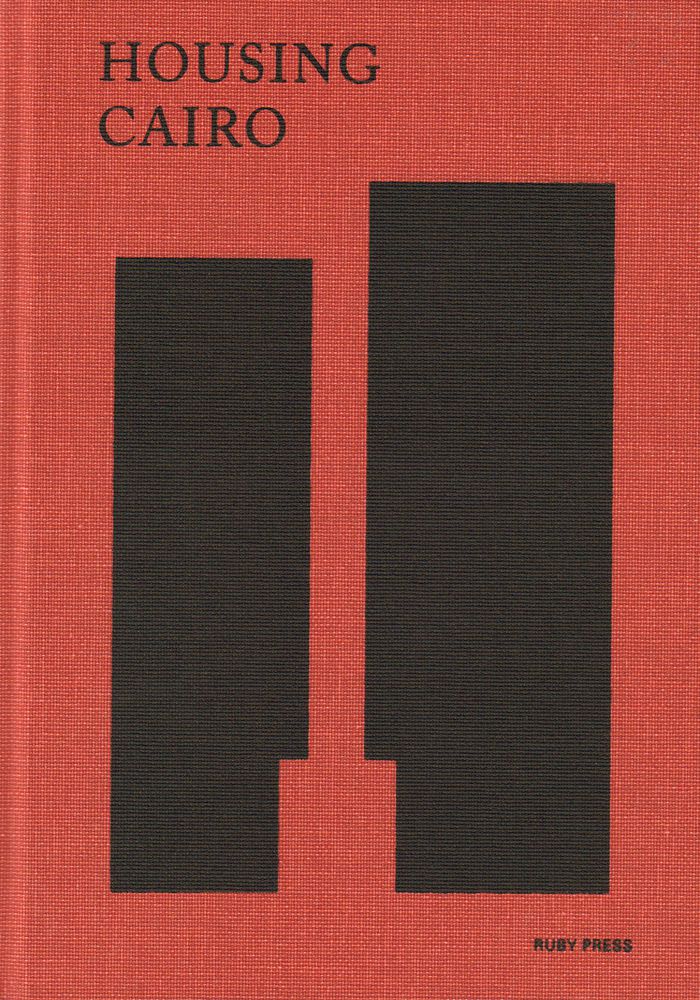
Home to 20 million people and still growing, Greater Cairo mirrors the global phenomenon of unplanned urban growth. Approximately 60 percent of the population of Africa’s biggest city lives in so-called informal housing, typically five-to-ten-story concrete-and-brick-infill structures built without permits in the desert or on former agricultural land. 'Housing Cairo: The Informal Response' illuminates the architecture of informality and its mechanisms of production through a series of theoretical essays and architectural design proposals. Central to the project is a re-examination of the concept of “informality” itself and its often negative connotations.
Housing Cairo: the informal response
Actions:
Prix:
$78.50
(disponible sur commande)
Résumé:
Home to 20 million people and still growing, Greater Cairo mirrors the global phenomenon of unplanned urban growth. Approximately 60 percent of the population of Africa’s biggest city lives in so-called informal housing, typically five-to-ten-story concrete-and-brick-infill structures built without permits in the desert or on former agricultural land. 'Housing Cairo: The Informal Response' illuminates the architecture of informality and its mechanisms of production through a series of theoretical essays and architectural design proposals. Central to the project is a re-examination of the concept of “informality” itself and its often negative connotations.
Classification:
livres
livres
Publication:
décembre 2016
décembre 2016
Sujet:
Logements collectifs
Logements collectifs
Classification:
périodiques
périodiques
Actions:
Prix:
$64.95
(disponible sur commande)
Résumé:
Austrian architects Baumschlager Eberle are the focus of this instalment. The practice, founded in 1985 by Carlo Baumschlager and Dietmar Eberle, has evolved into a global firm comprising eleven offices in countries throughout Europe and Asia. Today it is run by Eberle together with several partners. Academic research and practical experience come together in the(...)
$64.95
(disponible sur commande)
Résumé:
Austrian architects Baumschlager Eberle are the focus of this instalment. The practice, founded in 1985 by Carlo Baumschlager and Dietmar Eberle, has evolved into a global firm comprising eleven offices in countries throughout Europe and Asia. Today it is run by Eberle together with several partners. Academic research and practical experience come together in the(...)
Titre:
AV Monographs 215 : Baumschlager Eberle architekten
Actions:
Prix:
$64.95
(disponible sur commande)
Résumé:
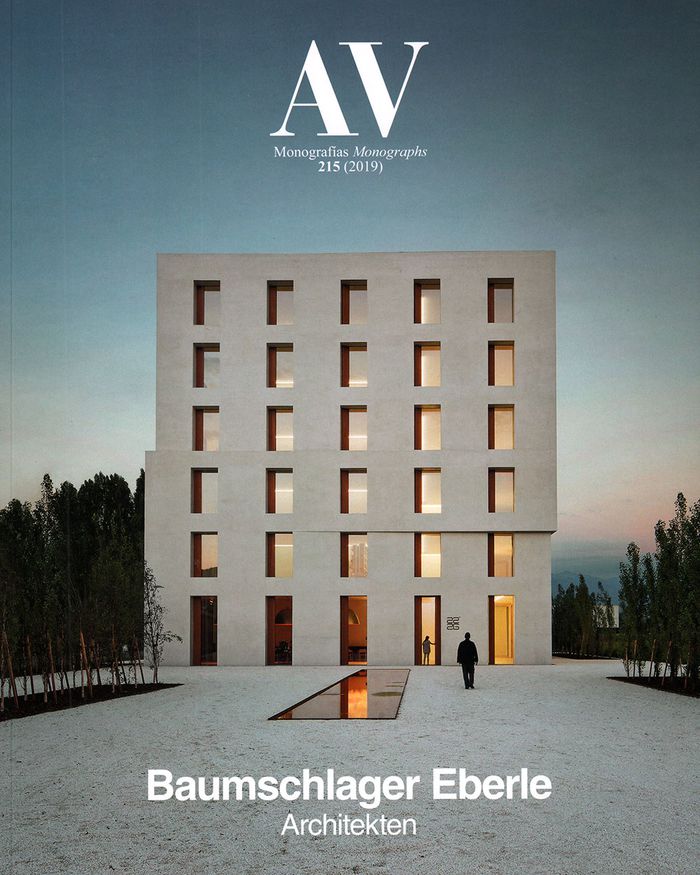
Austrian architects Baumschlager Eberle are the focus of this instalment. The practice, founded in 1985 by Carlo Baumschlager and Dietmar Eberle, has evolved into a global firm comprising eleven offices in countries throughout Europe and Asia. Today it is run by Eberle together with several partners. Academic research and practical experience come together in the architecture of Baumschlager Eberle, which primarily concerns itself with the relationship between density and the atmosphere of cities, as well as the possibility of designing zero-energy buildings. The issue includes a theoretical essay by Eberle, along with extensive profiles of sixteen projects completed since 2000.
AV Monographs 215 : Baumschlager Eberle architekten
Actions:
Prix:
$64.95
(disponible sur commande)
Résumé:
Austrian architects Baumschlager Eberle are the focus of this instalment. The practice, founded in 1985 by Carlo Baumschlager and Dietmar Eberle, has evolved into a global firm comprising eleven offices in countries throughout Europe and Asia. Today it is run by Eberle together with several partners. Academic research and practical experience come together in the architecture of Baumschlager Eberle, which primarily concerns itself with the relationship between density and the atmosphere of cities, as well as the possibility of designing zero-energy buildings. The issue includes a theoretical essay by Eberle, along with extensive profiles of sixteen projects completed since 2000.
Classification:
périodiques
périodiques
Publication:
juillet 2019
juillet 2019
Sujet:
Revues
Revues
Classification:
livres
livres
Prix:
$90.00
(disponible sur commande)
Résumé:
For millennia, marble has been a material of choice for art and architecture, a sign of luxury, and a material laden with meaning. It lends itself to being carved, polished, and sliced for a vast range of uses and to a variety of effects. While we know much about its physical qualities, its place as a trade commodity, and the history of its use, a focused study of this(...)
$90.00
(disponible sur commande)
Résumé:
For millennia, marble has been a material of choice for art and architecture, a sign of luxury, and a material laden with meaning. It lends itself to being carved, polished, and sliced for a vast range of uses and to a variety of effects. While we know much about its physical qualities, its place as a trade commodity, and the history of its use, a focused study of this(...)
Sujet:
Matériaux et éclairage
Matériaux et éclairage
Publication:
mai 2020
mai 2020
Titre:
The aesthetics of marble: from late antiquity to the present
Actions:
Prix:
$90.00
(disponible sur commande)
Résumé:
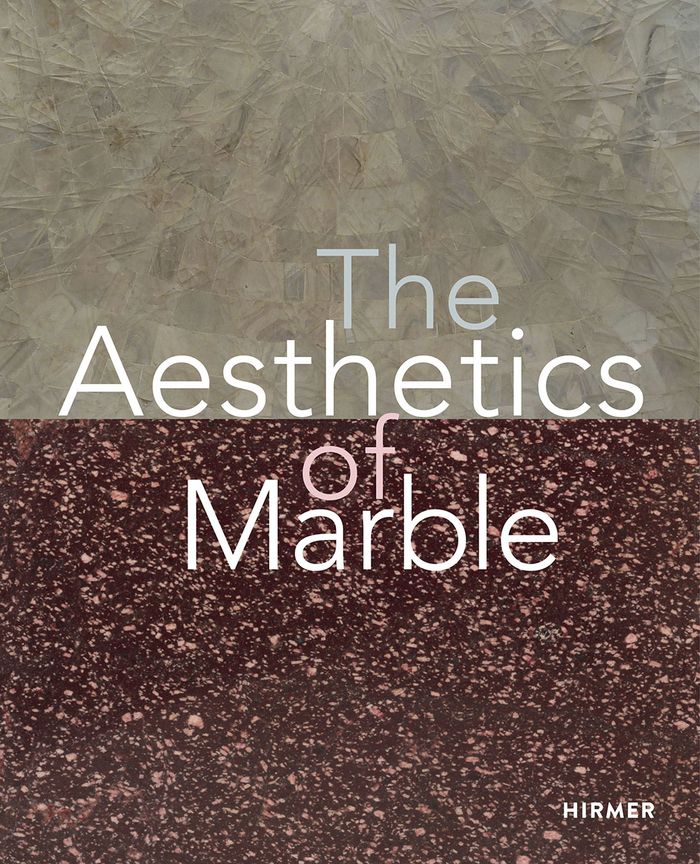
For millennia, marble has been a material of choice for art and architecture, a sign of luxury, and a material laden with meaning. It lends itself to being carved, polished, and sliced for a vast range of uses and to a variety of effects. While we know much about its physical qualities, its place as a trade commodity, and the history of its use, a focused study of this material’s aesthetics has yet to be seen. Looking beyond marble’s iconology, this volume engages closely with the phenomenology and anthropology of materials, bringing to light the nuanced aesthetic qualities of marble.
The aesthetics of marble: from late antiquity to the present
Actions:
Prix:
$90.00
(disponible sur commande)
Résumé:
For millennia, marble has been a material of choice for art and architecture, a sign of luxury, and a material laden with meaning. It lends itself to being carved, polished, and sliced for a vast range of uses and to a variety of effects. While we know much about its physical qualities, its place as a trade commodity, and the history of its use, a focused study of this material’s aesthetics has yet to be seen. Looking beyond marble’s iconology, this volume engages closely with the phenomenology and anthropology of materials, bringing to light the nuanced aesthetic qualities of marble.
Classification:
livres
livres
Publication:
mai 2020
mai 2020
Sujet:
Matériaux et éclairage
Matériaux et éclairage
Classification:
livres
livres
Actions:
Prix:
$46.25
(disponible sur commande)
Résumé:
What knowledge is indispensable for the landscape architect? The answers to this question are as diverse as landscape architecture itself. In this book 50 landscape architects from Europe, North and South America, Asia and Australia each give five responses. These include practitioners and teachers, young start-ups as well as internationally established firms. The(...)
$46.25
(disponible sur commande)
Résumé:
What knowledge is indispensable for the landscape architect? The answers to this question are as diverse as landscape architecture itself. In this book 50 landscape architects from Europe, North and South America, Asia and Australia each give five responses. These include practitioners and teachers, young start-ups as well as internationally established firms. The(...)
Titre:
250 things a landscape architect should know
Actions:
Prix:
$46.25
(disponible sur commande)
Résumé:
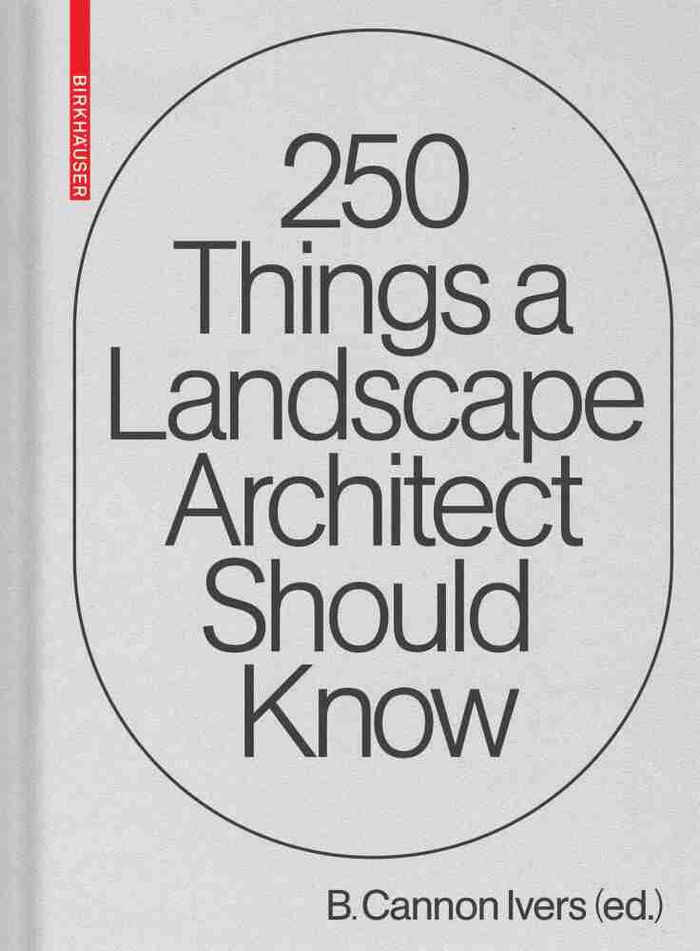
What knowledge is indispensable for the landscape architect? The answers to this question are as diverse as landscape architecture itself. In this book 50 landscape architects from Europe, North and South America, Asia and Australia each give five responses. These include practitioners and teachers, young start-ups as well as internationally established firms. The publication illustrates the complex and dynamic nature of the discipline, and presents a diverse cross-section of the core expertise of this field. At the same time, it allows the reader to trace the individual attitudes into which geographical conditions, social contexts and political circumstances flow.
250 things a landscape architect should know
Actions:
Prix:
$46.25
(disponible sur commande)
Résumé:
What knowledge is indispensable for the landscape architect? The answers to this question are as diverse as landscape architecture itself. In this book 50 landscape architects from Europe, North and South America, Asia and Australia each give five responses. These include practitioners and teachers, young start-ups as well as internationally established firms. The publication illustrates the complex and dynamic nature of the discipline, and presents a diverse cross-section of the core expertise of this field. At the same time, it allows the reader to trace the individual attitudes into which geographical conditions, social contexts and political circumstances flow.
Classification:
livres
livres
Publication:
octobre 2021
octobre 2021
Sujet:
Théorie du paysage
Théorie du paysage
Classification:
livres
livres
Prix:
$43.95
(disponible sur commande)
Résumé:
In the wake of its early twentieth-century civil wars, Mexico strove to present itself to the world as unified and prosperous. The preparation in Mexico City for the 1968 Summer Olympics was arguably the most ambitious of a sequence of design projects that aimed to signal Mexico’s arrival in the developed world. In Spectacular Mexico, Luis M. Castañeda demonstrates how(...)
$43.95
(disponible sur commande)
Résumé:
In the wake of its early twentieth-century civil wars, Mexico strove to present itself to the world as unified and prosperous. The preparation in Mexico City for the 1968 Summer Olympics was arguably the most ambitious of a sequence of design projects that aimed to signal Mexico’s arrival in the developed world. In Spectacular Mexico, Luis M. Castañeda demonstrates how(...)
Titre:
Spectacular Mexico: design, propaganda, and the 1968 Olympics
Actions:
Prix:
$43.95
(disponible sur commande)
Résumé:
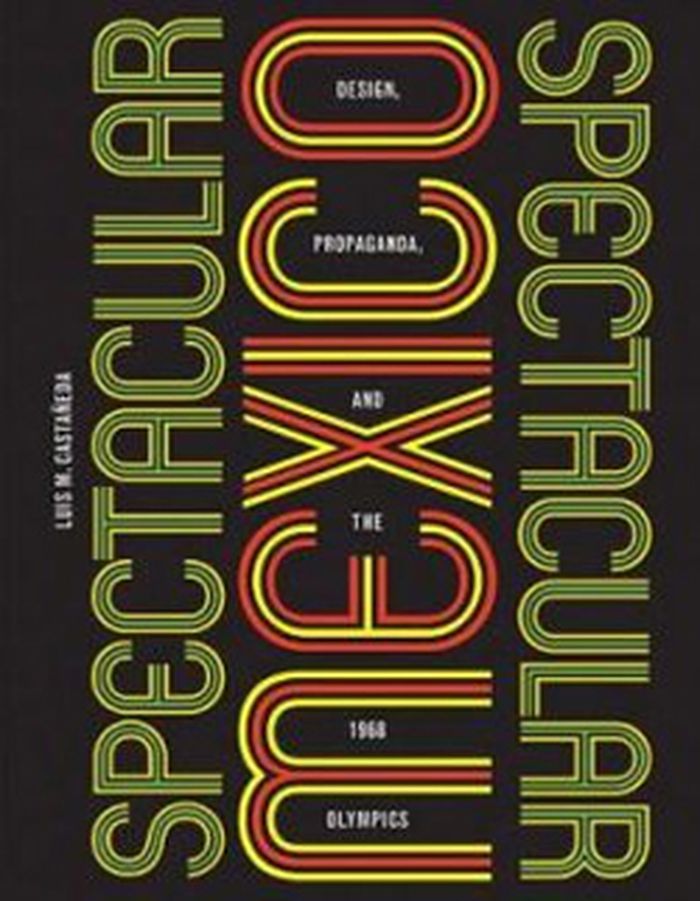
In the wake of its early twentieth-century civil wars, Mexico strove to present itself to the world as unified and prosperous. The preparation in Mexico City for the 1968 Summer Olympics was arguably the most ambitious of a sequence of design projects that aimed to signal Mexico’s arrival in the developed world. In Spectacular Mexico, Luis M. Castañeda demonstrates how these projects were used to create a spectacle of social harmony and ultimately to guide the nation’s capital into becoming the powerful megacity we know today.
Spectacular Mexico: design, propaganda, and the 1968 Olympics
Actions:
Prix:
$43.95
(disponible sur commande)
Résumé:
In the wake of its early twentieth-century civil wars, Mexico strove to present itself to the world as unified and prosperous. The preparation in Mexico City for the 1968 Summer Olympics was arguably the most ambitious of a sequence of design projects that aimed to signal Mexico’s arrival in the developed world. In Spectacular Mexico, Luis M. Castañeda demonstrates how these projects were used to create a spectacle of social harmony and ultimately to guide the nation’s capital into becoming the powerful megacity we know today.
Classification:
livres
livres
Publication:
novembre 2014
novembre 2014
Sujet:
Théorie de l’architecture
Théorie de l’architecture
Classification:
livres
livres
Titre:
Delirious New York
Delirious New York
Actions:
Prix:
$44.95
(disponible sur commande)
Résumé:
In this fanciful volume, Dutch architect Rem Koolhaas, founder of the Office for Metropolitan Architecture (O.M.A.), both analyzes and celebrates New York City. By suggesting the city as the site for an infinite variety of human activities and events--both real and imagined--the essence of the metropolitan lifestyle, its "culture of congestion" and its architecture are(...)
$44.95
(disponible sur commande)
Résumé:
In this fanciful volume, Dutch architect Rem Koolhaas, founder of the Office for Metropolitan Architecture (O.M.A.), both analyzes and celebrates New York City. By suggesting the city as the site for an infinite variety of human activities and events--both real and imagined--the essence of the metropolitan lifestyle, its "culture of congestion" and its architecture are(...)
Titre:
Delirious New York
Actions:
Prix:
$44.95
(disponible sur commande)
Résumé:
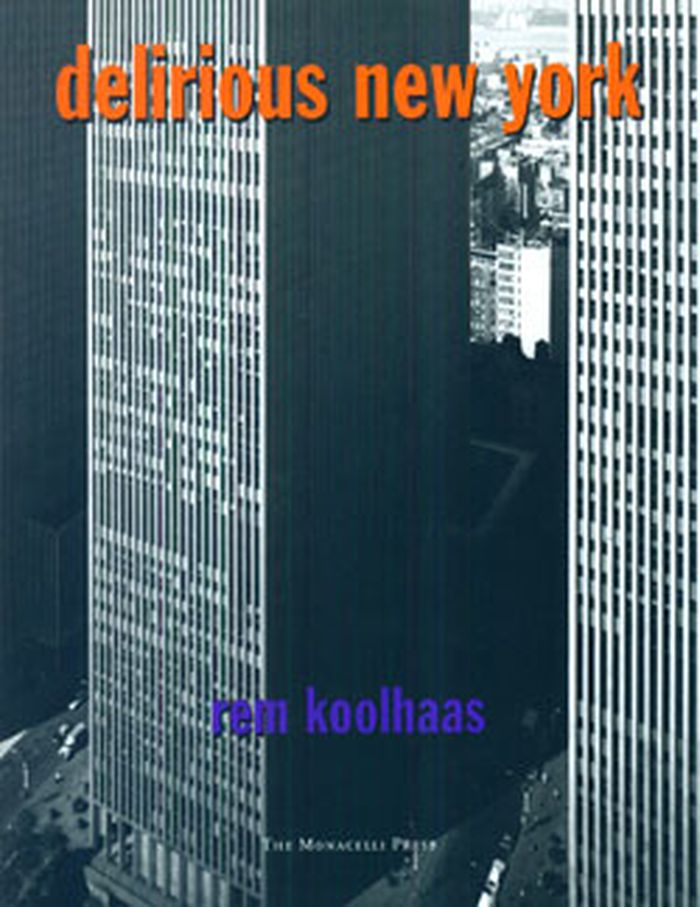
In this fanciful volume, Dutch architect Rem Koolhaas, founder of the Office for Metropolitan Architecture (O.M.A.), both analyzes and celebrates New York City. By suggesting the city as the site for an infinite variety of human activities and events--both real and imagined--the essence of the metropolitan lifestyle, its "culture of congestion" and its architecture are revealed in a brilliant new light. "Manhattan," Koolhaas writes, "is the 20th century's Rosetta stone . . . occupied by architectural mutations (Central Park, the Skyscraper), utopian fragments (Rockefeller Center, the U.N. Building), and irrational phenomena (Radio City Music Hall)." Filled with fascinating facts, as well as photographs, postcards, maps, watercolors, and drawings, the vibrancy of Koolhaas's poignant exploration of Gotham equals the heady, frenetic energy of the city itself. Revised and redesigned edition of this classic.
Delirious New York
Actions:
Prix:
$44.95
(disponible sur commande)
Résumé:
In this fanciful volume, Dutch architect Rem Koolhaas, founder of the Office for Metropolitan Architecture (O.M.A.), both analyzes and celebrates New York City. By suggesting the city as the site for an infinite variety of human activities and events--both real and imagined--the essence of the metropolitan lifestyle, its "culture of congestion" and its architecture are revealed in a brilliant new light. "Manhattan," Koolhaas writes, "is the 20th century's Rosetta stone . . . occupied by architectural mutations (Central Park, the Skyscraper), utopian fragments (Rockefeller Center, the U.N. Building), and irrational phenomena (Radio City Music Hall)." Filled with fascinating facts, as well as photographs, postcards, maps, watercolors, and drawings, the vibrancy of Koolhaas's poignant exploration of Gotham equals the heady, frenetic energy of the city itself. Revised and redesigned edition of this classic.
Classification:
livres
livres
Publication:
octobre 1994, New York
octobre 1994, New York
Sujet:
Théorie de l’urbanisme
Théorie de l’urbanisme
Classification:
livres
livres
Titre:
Moon: architectural guide
Moon: architectural guide
Actions:
Prix:
$25.00
(disponible sur commande)
Résumé:
In celebration of the 50th anniversary of the first man on the moon, this book for the first time ever looks at the artifacts left behind on the moon from the perspective of architecture. The book looks at every single mission – manned and unmanned – that has actually landed on the moon. It covers the time of the beginning of the Soviet and American space race with the(...)
$25.00
(disponible sur commande)
Résumé:
In celebration of the 50th anniversary of the first man on the moon, this book for the first time ever looks at the artifacts left behind on the moon from the perspective of architecture. The book looks at every single mission – manned and unmanned – that has actually landed on the moon. It covers the time of the beginning of the Soviet and American space race with the(...)
Titre:
Moon: architectural guide
Actions:
Prix:
$25.00
(disponible sur commande)
Résumé:
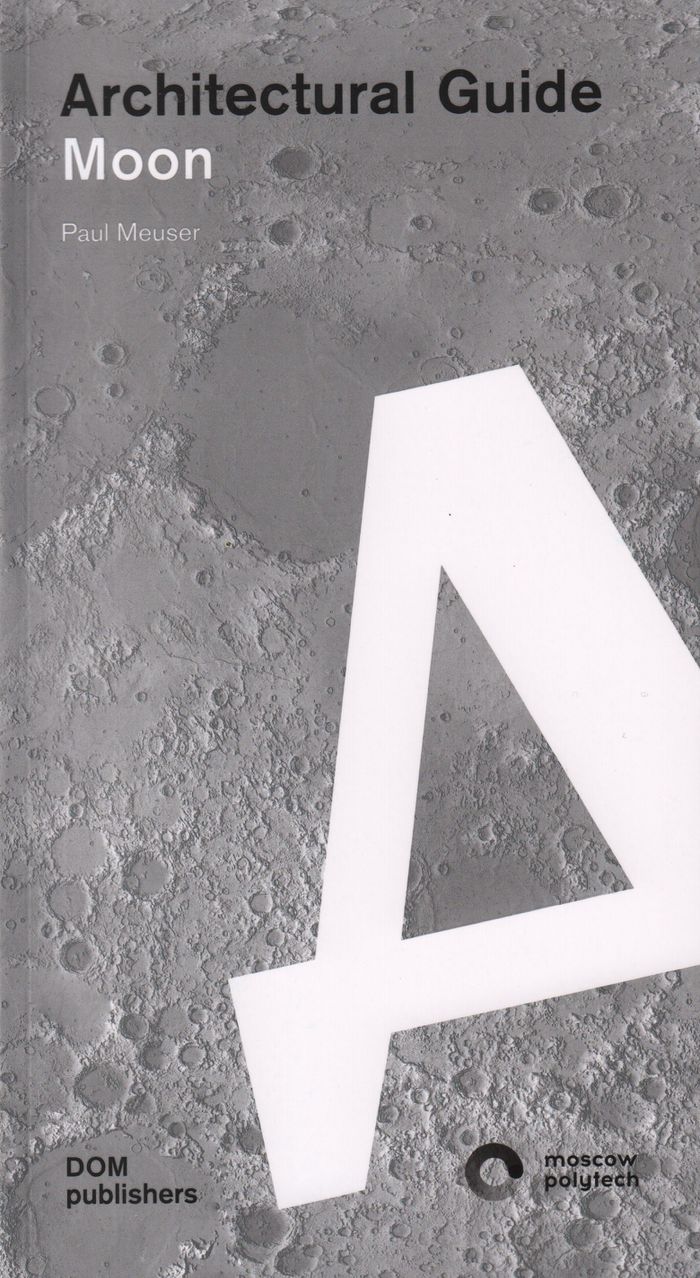
In celebration of the 50th anniversary of the first man on the moon, this book for the first time ever looks at the artifacts left behind on the moon from the perspective of architecture. The book looks at every single mission – manned and unmanned – that has actually landed on the moon. It covers the time of the beginning of the Soviet and American space race with the landing of Luna 2 in 1959, to the present with China’s Chang’e 3 moon rover. This architectural guide differentiates itself from other scientific and educational books through its abstract approach to the topic of architecture on the moon. The content does not feature science fiction, but rather the question of what exists and what implications these bizarre structures hold for the future of architecture on other planets – as these topics are quite pertinent in today’s world of the commercialization of spaceflight, with SpaceX and NASA planning to take humans to Mars in the next 15 years.
Moon: architectural guide
Actions:
Prix:
$25.00
(disponible sur commande)
Résumé:
In celebration of the 50th anniversary of the first man on the moon, this book for the first time ever looks at the artifacts left behind on the moon from the perspective of architecture. The book looks at every single mission – manned and unmanned – that has actually landed on the moon. It covers the time of the beginning of the Soviet and American space race with the landing of Luna 2 in 1959, to the present with China’s Chang’e 3 moon rover. This architectural guide differentiates itself from other scientific and educational books through its abstract approach to the topic of architecture on the moon. The content does not feature science fiction, but rather the question of what exists and what implications these bizarre structures hold for the future of architecture on other planets – as these topics are quite pertinent in today’s world of the commercialization of spaceflight, with SpaceX and NASA planning to take humans to Mars in the next 15 years.
Classification:
livres
livres
Publication:
octobre 2019
octobre 2019
Sujet:
Guides des villes
Guides des villes
Classification:
livres
livres
Titre:
City ABC book
City ABC book
Actions:
Prix:
$6.95
(disponible sur commande)
Résumé:
Every large city is filled with sights and sounds and lots and lots of words. But have you ever looked at the city itself? At the shapes created by wood, concrete, metal and paint? A keen eye and a little inspiration are all it takes to discover a hidden alphabet among the architecture of a bustling metropolis. The City ABC Book features dramatic black-and-white(...)
$6.95
(disponible sur commande)
Résumé:
Every large city is filled with sights and sounds and lots and lots of words. But have you ever looked at the city itself? At the shapes created by wood, concrete, metal and paint? A keen eye and a little inspiration are all it takes to discover a hidden alphabet among the architecture of a bustling metropolis. The City ABC Book features dramatic black-and-white(...)
Titre:
City ABC book
Actions:
Prix:
$6.95
(disponible sur commande)
Résumé:
Every large city is filled with sights and sounds and lots and lots of words. But have you ever looked at the city itself? At the shapes created by wood, concrete, metal and paint? A keen eye and a little inspiration are all it takes to discover a hidden alphabet among the architecture of a bustling metropolis. The City ABC Book features dramatic black-and-white photographs of urban landscapes with hidden letters boldly highlighted in red. Children will be inspired to take a second look at the world around them as their powers of observation are enhanced, and their imaginations are allowed to soar.
City ABC book
Actions:
Prix:
$6.95
(disponible sur commande)
Résumé:
Every large city is filled with sights and sounds and lots and lots of words. But have you ever looked at the city itself? At the shapes created by wood, concrete, metal and paint? A keen eye and a little inspiration are all it takes to discover a hidden alphabet among the architecture of a bustling metropolis. The City ABC Book features dramatic black-and-white photographs of urban landscapes with hidden letters boldly highlighted in red. Children will be inspired to take a second look at the world around them as their powers of observation are enhanced, and their imaginations are allowed to soar.
Classification:
livres
livres
Publication:
janvier 2001
janvier 2001
Sujet:
Littérature jeunesse
Littérature jeunesse
Classification:
périodiques
périodiques
Titre:
Volume 64: World Tour 2023
Volume 64: World Tour 2023
Actions:
Prix:
$44.00
(disponible en magasin)
Résumé:
With this second collaborative issue between Archis Foundation and Nieuwe Instituut, the magazine is now a cross-pollinator between its editorial content and the programmes of the Nieuwe Instituut itself. "World Tour 2023" is about appreciating "the naïve" and using it as a tool for enrichment. Readers embark on an itinerary through 22 contributions, covering a range of(...)
$44.00
(disponible en magasin)
Résumé:
With this second collaborative issue between Archis Foundation and Nieuwe Instituut, the magazine is now a cross-pollinator between its editorial content and the programmes of the Nieuwe Instituut itself. "World Tour 2023" is about appreciating "the naïve" and using it as a tool for enrichment. Readers embark on an itinerary through 22 contributions, covering a range of(...)
Titre:
Volume 64: World Tour 2023
Actions:
Prix:
$44.00
(disponible en magasin)
Résumé:
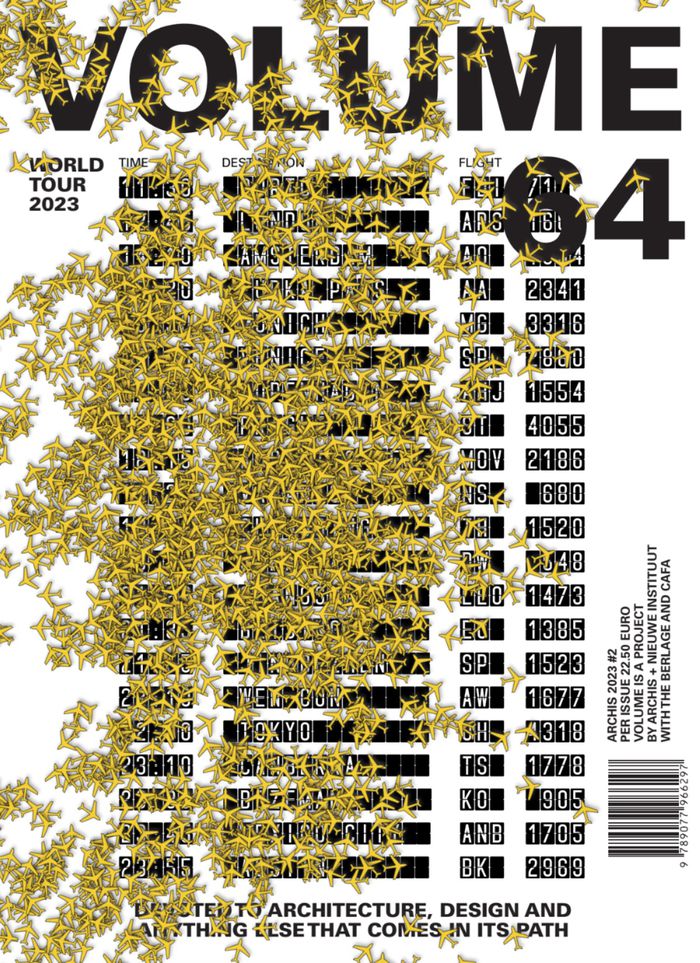
With this second collaborative issue between Archis Foundation and Nieuwe Instituut, the magazine is now a cross-pollinator between its editorial content and the programmes of the Nieuwe Instituut itself. "World Tour 2023" is about appreciating "the naïve" and using it as a tool for enrichment. Readers embark on an itinerary through 22 contributions, covering a range of developments in design and architecture around the globe. From loss and transformation to parables and politics, it touches on pop culture in Japan, Indonesian post-colonialism in Jakarta, Mexican airports, Australian ugliness, Indian urban and cultural development, the next generation of American cars, and much more.
Volume 64: World Tour 2023
Actions:
Prix:
$44.00
(disponible en magasin)
Résumé:
With this second collaborative issue between Archis Foundation and Nieuwe Instituut, the magazine is now a cross-pollinator between its editorial content and the programmes of the Nieuwe Instituut itself. "World Tour 2023" is about appreciating "the naïve" and using it as a tool for enrichment. Readers embark on an itinerary through 22 contributions, covering a range of developments in design and architecture around the globe. From loss and transformation to parables and politics, it touches on pop culture in Japan, Indonesian post-colonialism in Jakarta, Mexican airports, Australian ugliness, Indian urban and cultural development, the next generation of American cars, and much more.
Classification:
périodiques
périodiques
Publication:
juillet 2024
juillet 2024
Sujet:
Revues
Revues
Classification:
livres
livres
Actions:
Prix:
$45.50
(disponible en magasin)
Résumé:
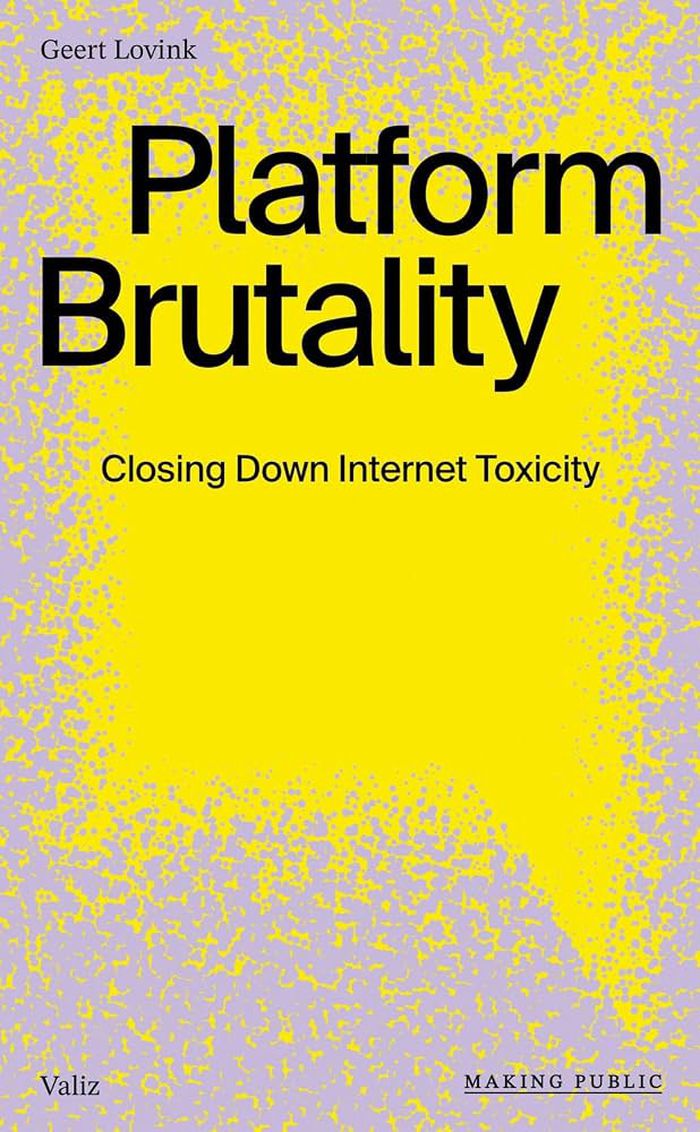
Technological violence is essentially remote, invisible and indirect. Exclusion, which many do not immediately notice, happens deep inside the code and network architecture. The answer will not be pacification or regulation but the dismantling of the platform principle itself. ''Platform Brutality'' not just offers critical analyses but also dives into alternatives.(...)
$45.50
(disponible en magasin)
Résumé:
Technological violence is essentially remote, invisible and indirect. Exclusion, which many do not immediately notice, happens deep inside the code and network architecture. The answer will not be pacification or regulation but the dismantling of the platform principle itself. ''Platform Brutality'' not just offers critical analyses but also dives into alternatives.(...)
Titre:
Platform Brutality : Closing Down Internet Toxicity
Actions:
Prix:
$45.50
(disponible en magasin)
Résumé:
Technological violence is essentially remote, invisible and indirect. Exclusion, which many do not immediately notice, happens deep inside the code and network architecture. The answer will not be pacification or regulation but the dismantling of the platform principle itself. ''Platform Brutality'' not just offers critical analyses but also dives into alternatives. Topics range from the violent turn of the internet and techno-feudalism debates, to loneliness on social media, radical data critique, mythologies that surround the smart phone, dreaming in the computer age, offline romanticism to question how to leave the platforms, bring back social networks and design a new balance between analogue and digital.
Platform Brutality : Closing Down Internet Toxicity
Actions:
Prix:
$45.50
(disponible en magasin)
Résumé:
Technological violence is essentially remote, invisible and indirect. Exclusion, which many do not immediately notice, happens deep inside the code and network architecture. The answer will not be pacification or regulation but the dismantling of the platform principle itself. ''Platform Brutality'' not just offers critical analyses but also dives into alternatives. Topics range from the violent turn of the internet and techno-feudalism debates, to loneliness on social media, radical data critique, mythologies that surround the smart phone, dreaming in the computer age, offline romanticism to question how to leave the platforms, bring back social networks and design a new balance between analogue and digital.
Classification:
livres
livres
Publication:
novembre 2025
novembre 2025


