


10597 Résultats
Classification:
livres
livres
Prix:
$54.00
(disponible sur commande)
Résumé:
The Color Accordion is a handy, manageable instrument for the creation of colour tones. It is based on 36 colour hues in the shape of square passe-partouts. By turning the mats in intervals of 90 degrees, four shades at a time make up continuous chords of four. There are more than one million chord variations. With the Color Accordion, the squaring of the circle is(...)
$54.00
(disponible sur commande)
Résumé:
The Color Accordion is a handy, manageable instrument for the creation of colour tones. It is based on 36 colour hues in the shape of square passe-partouts. By turning the mats in intervals of 90 degrees, four shades at a time make up continuous chords of four. There are more than one million chord variations. With the Color Accordion, the squaring of the circle is(...)
Publication:
février 2008, Zürich
février 2008, Zürich
Titre:
Color accordion, instrument zur farbgestaltung, color design tool
Actions:
Prix:
$54.00
(disponible sur commande)
Résumé:
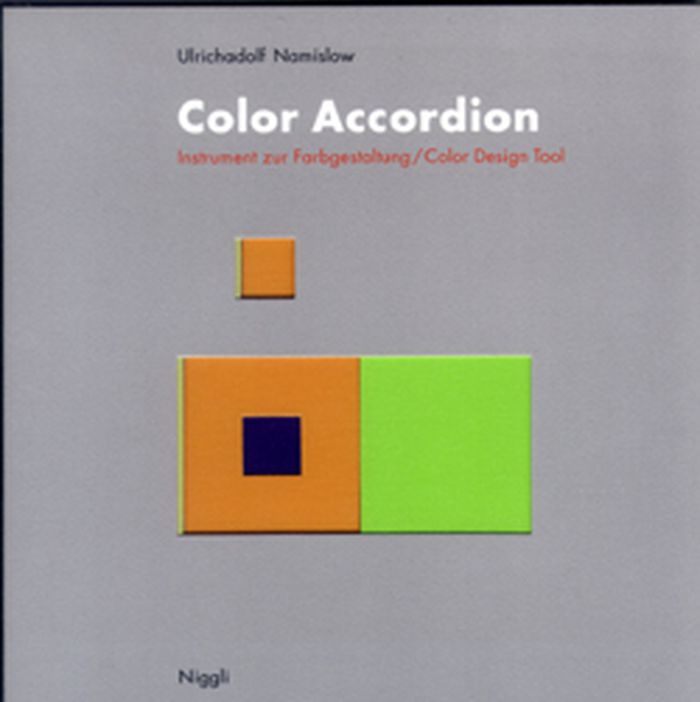
The Color Accordion is a handy, manageable instrument for the creation of colour tones. It is based on 36 colour hues in the shape of square passe-partouts. By turning the mats in intervals of 90 degrees, four shades at a time make up continuous chords of four. There are more than one million chord variations. With the Color Accordion, the squaring of the circle is accomplished in a constructive and playful way.
Color accordion, instrument zur farbgestaltung, color design tool
Actions:
Prix:
$54.00
(disponible sur commande)
Résumé:
The Color Accordion is a handy, manageable instrument for the creation of colour tones. It is based on 36 colour hues in the shape of square passe-partouts. By turning the mats in intervals of 90 degrees, four shades at a time make up continuous chords of four. There are more than one million chord variations. With the Color Accordion, the squaring of the circle is accomplished in a constructive and playful way.
Classification:
livres
livres
Publication:
février 2008, Zürich
février 2008, Zürich
Classification:
livres
livres

Actions:
Prix:
$39.00
(disponible sur commande)
Résumé:
It is known that one and the same interior colouring will appear different in rooms with windows facing north or facing south. What is not known is how natural daylight from these two compass points affects perceived colour and the ways in which colour is experienced. The objective of this study is to describe the perceived colours to be expected in rooms with sunlight(...)
$39.00
(disponible sur commande)
Résumé:
It is known that one and the same interior colouring will appear different in rooms with windows facing north or facing south. What is not known is how natural daylight from these two compass points affects perceived colour and the ways in which colour is experienced. The objective of this study is to describe the perceived colours to be expected in rooms with sunlight(...)
Titre:
Daylight influence on colour design: empirical study on perceived colour and colour experience indoors
Actions:
Prix:
$39.00
(disponible sur commande)
Résumé:
It is known that one and the same interior colouring will appear different in rooms with windows facing north or facing south. What is not known is how natural daylight from these two compass points affects perceived colour and the ways in which colour is experienced. The objective of this study is to describe the perceived colours to be expected in rooms with sunlight and diffused light, and thus to develop a tool for colour design.
Daylight influence on colour design: empirical study on perceived colour and colour experience indoors
Actions:
Prix:
$39.00
(disponible sur commande)
Résumé:
It is known that one and the same interior colouring will appear different in rooms with windows facing north or facing south. What is not known is how natural daylight from these two compass points affects perceived colour and the ways in which colour is experienced. The objective of this study is to describe the perceived colours to be expected in rooms with sunlight and diffused light, and thus to develop a tool for colour design.
Classification:
livres
livres
Publication:
janvier 1900, Stockholm
janvier 1900, Stockholm
Classification:
livres
livres

Titre:
Le piège Énergie Est
Le piège Énergie Est
Actions:
Prix:
$17.00
(disponible en magasin)
Résumé:
L’oléoduc Énergie Est n’est pas qu’un simple tuyau où couleraient 2 000 litres de pétrole à la seconde. Donner le feu vert au projet de TransCanada, c’est s’exposer à des risques majeurs de catastrophe écologique (860 cours d’eau traversés, déversement possible de l’équivalent de 36 déraillements à Lac-Mégantic) pour de bien faibles retombées économiques. C’est aussi(...)
$17.00
(disponible en magasin)
Résumé:
L’oléoduc Énergie Est n’est pas qu’un simple tuyau où couleraient 2 000 litres de pétrole à la seconde. Donner le feu vert au projet de TransCanada, c’est s’exposer à des risques majeurs de catastrophe écologique (860 cours d’eau traversés, déversement possible de l’équivalent de 36 déraillements à Lac-Mégantic) pour de bien faibles retombées économiques. C’est aussi(...)
Titre:
Le piège Énergie Est
Actions:
Prix:
$17.00
(disponible en magasin)
Résumé:
L’oléoduc Énergie Est n’est pas qu’un simple tuyau où couleraient 2 000 litres de pétrole à la seconde. Donner le feu vert au projet de TransCanada, c’est s’exposer à des risques majeurs de catastrophe écologique (860 cours d’eau traversés, déversement possible de l’équivalent de 36 déraillements à Lac-Mégantic) pour de bien faibles retombées économiques. C’est aussi s’enfermer dans une logique capitaliste délétère qui nous pousse à extraire et à consommer toujours davantage de pétrole sale, fortement générateur de gaz à effet de serre. Par le fait même, c’est abandonner les indispensables cibles en matière de lutte contre les changements climatiques afin d’éviter une hausse dramatique de la température du globe. Éric Pineault rassemble les pièces du casse-tête Énergie Est et expose tous les pièges du complexe des sables bitumineux pour bloquer sans compromis ce projet de pipeline. En ce début de XXIe siècle, nous avons une responsabilité climatique historique. La transition énergétique est incontournable. Le monde nous regarde.
Le piège Énergie Est
Actions:
Prix:
$17.00
(disponible en magasin)
Résumé:
L’oléoduc Énergie Est n’est pas qu’un simple tuyau où couleraient 2 000 litres de pétrole à la seconde. Donner le feu vert au projet de TransCanada, c’est s’exposer à des risques majeurs de catastrophe écologique (860 cours d’eau traversés, déversement possible de l’équivalent de 36 déraillements à Lac-Mégantic) pour de bien faibles retombées économiques. C’est aussi s’enfermer dans une logique capitaliste délétère qui nous pousse à extraire et à consommer toujours davantage de pétrole sale, fortement générateur de gaz à effet de serre. Par le fait même, c’est abandonner les indispensables cibles en matière de lutte contre les changements climatiques afin d’éviter une hausse dramatique de la température du globe. Éric Pineault rassemble les pièces du casse-tête Énergie Est et expose tous les pièges du complexe des sables bitumineux pour bloquer sans compromis ce projet de pipeline. En ce début de XXIe siècle, nous avons une responsabilité climatique historique. La transition énergétique est incontournable. Le monde nous regarde.
Classification:
livres
livres
Publication:
avril 2016
avril 2016
Classification:
livres
livres
Prix:
$42.99
(disponible sur commande)
Résumé:
Western Canada's natural environment faces intensifying threats from industrialization in agriculture and resource development, social and cultural complicity in these destructive practices, and most recently the negative effects of global climate change. The complex nature of the problems being addressed calls for productive interdisciplinary solutions. In this book,(...)
$42.99
(disponible sur commande)
Résumé:
Western Canada's natural environment faces intensifying threats from industrialization in agriculture and resource development, social and cultural complicity in these destructive practices, and most recently the negative effects of global climate change. The complex nature of the problems being addressed calls for productive interdisciplinary solutions. In this book,(...)
Publication:
septembre 2014
septembre 2014
Titre:
Sustaining the west: cultural responses to Canadian environments
Actions:
Prix:
$42.99
(disponible sur commande)
Résumé:
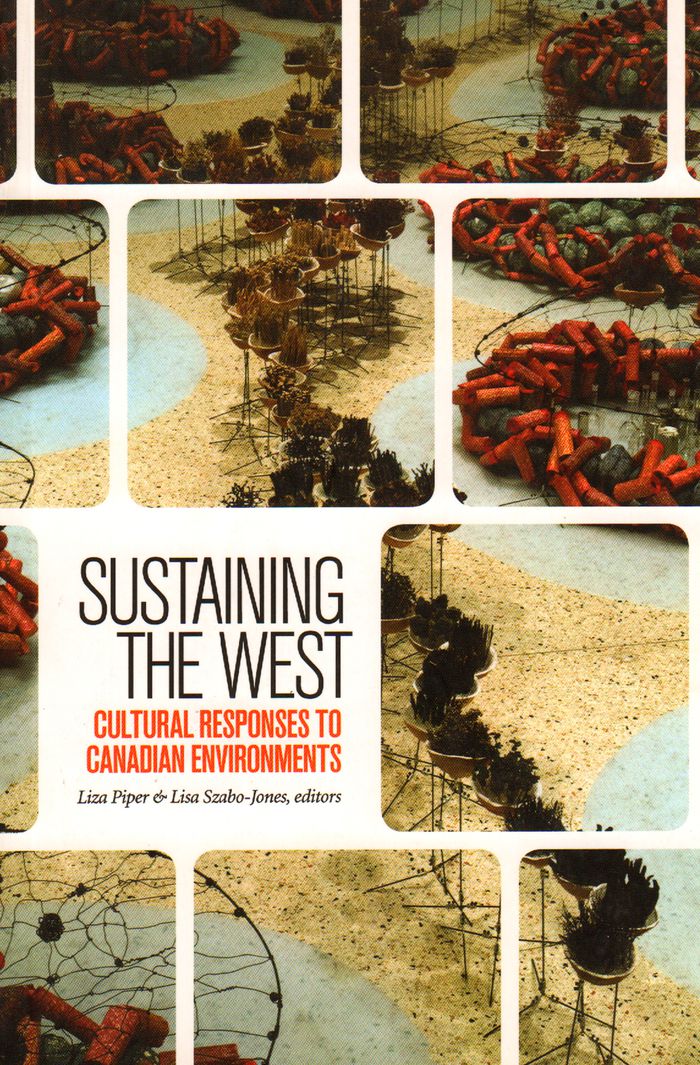
Western Canada's natural environment faces intensifying threats from industrialization in agriculture and resource development, social and cultural complicity in these destructive practices, and most recently the negative effects of global climate change. The complex nature of the problems being addressed calls for productive interdisciplinary solutions. In this book, arts and humanities scholars and literary and visual artists tackle these pressing environmental issues in provocative and transformative ways. Their commitment to environmental causes emerges through the fields of environmental history, environmental and ecocriticism, ecofeminism, ecoart, ecopoetry, and environmental journalism. This indispensable and timely resource constitutes a sustained cross-pollinating conversation across the environmental humanities about forms of representation and activism that enable ecological knowledge and ethical action on behalf of Western Canadian environments, yet have global reach. Among the developments in the contributors' construction of environmental knowledge are a focus on the power of sentiment in linking people to the fate of nature, and the need to decolonize social and environmental relations and assumptions in the West.
Sustaining the west: cultural responses to Canadian environments
Actions:
Prix:
$42.99
(disponible sur commande)
Résumé:
Western Canada's natural environment faces intensifying threats from industrialization in agriculture and resource development, social and cultural complicity in these destructive practices, and most recently the negative effects of global climate change. The complex nature of the problems being addressed calls for productive interdisciplinary solutions. In this book, arts and humanities scholars and literary and visual artists tackle these pressing environmental issues in provocative and transformative ways. Their commitment to environmental causes emerges through the fields of environmental history, environmental and ecocriticism, ecofeminism, ecoart, ecopoetry, and environmental journalism. This indispensable and timely resource constitutes a sustained cross-pollinating conversation across the environmental humanities about forms of representation and activism that enable ecological knowledge and ethical action on behalf of Western Canadian environments, yet have global reach. Among the developments in the contributors' construction of environmental knowledge are a focus on the power of sentiment in linking people to the fate of nature, and the need to decolonize social and environmental relations and assumptions in the West.
Classification:
livres
livres
Publication:
septembre 2014
septembre 2014
Classification:
livres
livres
Actions:
Prix:
$27.95
(disponible sur commande)
Résumé:
The violence wrought by climate change, toxic drift, deforestation, oil spills, and the environmental aftermath of war takes place gradually and often invisibly. Using the innovative concept of “slow violence” to describe these threats, Rob Nixon focuses on the inattention we have paid to the attritional lethality of many environmental crises, in contrast with the(...)
$27.95
(disponible sur commande)
Résumé:
The violence wrought by climate change, toxic drift, deforestation, oil spills, and the environmental aftermath of war takes place gradually and often invisibly. Using the innovative concept of “slow violence” to describe these threats, Rob Nixon focuses on the inattention we have paid to the attritional lethality of many environmental crises, in contrast with the(...)
Titre:
Slow violence and the environmentalism of the poor
Actions:
Prix:
$27.95
(disponible sur commande)
Résumé:
The violence wrought by climate change, toxic drift, deforestation, oil spills, and the environmental aftermath of war takes place gradually and often invisibly. Using the innovative concept of “slow violence” to describe these threats, Rob Nixon focuses on the inattention we have paid to the attritional lethality of many environmental crises, in contrast with the sensational, spectacle-driven messaging that impels public activism today. Slow violence, because it is so readily ignored by a hard-charging capitalism, exacerbates the vulnerability of ecosystems and of people who are poor, disempowered, and often involuntarily displaced, while fueling social conflicts that arise from desperation as life-sustaining conditions erode.
Slow violence and the environmentalism of the poor
Actions:
Prix:
$27.95
(disponible sur commande)
Résumé:
The violence wrought by climate change, toxic drift, deforestation, oil spills, and the environmental aftermath of war takes place gradually and often invisibly. Using the innovative concept of “slow violence” to describe these threats, Rob Nixon focuses on the inattention we have paid to the attritional lethality of many environmental crises, in contrast with the sensational, spectacle-driven messaging that impels public activism today. Slow violence, because it is so readily ignored by a hard-charging capitalism, exacerbates the vulnerability of ecosystems and of people who are poor, disempowered, and often involuntarily displaced, while fueling social conflicts that arise from desperation as life-sustaining conditions erode.
Classification:
livres
livres
Publication:
mars 2013
mars 2013
Classification:
livres
livres
Actions:
Prix:
$39.00
(disponible sur commande)
Résumé:
This book is a collection of essays at the intersection of architecture and climate change. Neither a collective lament nor an inventory of architectural responses, the essays consider cultural values ascribed to climate and ask how climate re? ects our conception of what architecture is and does. Which materials and conceptual infrastructures render climate legible,(...)
$39.00
(disponible sur commande)
Résumé:
This book is a collection of essays at the intersection of architecture and climate change. Neither a collective lament nor an inventory of architectural responses, the essays consider cultural values ascribed to climate and ask how climate re? ects our conception of what architecture is and does. Which materials and conceptual infrastructures render climate legible,(...)
Publication:
juillet 2016
juillet 2016
Titre:
Climates: architecture and the planetary imaginary
Actions:
Prix:
$39.00
(disponible sur commande)
Résumé:
This book is a collection of essays at the intersection of architecture and climate change. Neither a collective lament nor an inventory of architectural responses, the essays consider cultural values ascribed to climate and ask how climate re? ects our conception of what architecture is and does. Which materials and conceptual infrastructures render climate legible, knowable, and actionable, and what are their spatial implications? How do these interrelated questions offer new vantage points on the architectural rami? cations of climate change at the interface of resiliency, sustain-ability, and ecotechnology? 'Climates' also contains a dossier of precedents for thinking about architecture and climate change drawn from a number of leading practitioners. New approaches to understanding climate in architecture make this book invaluable.This publication is a project by The Avery Review, a journal produced by the Of?ce of Publications at Columbia University's Graduate School of Architecture, Planning and Preservation.
Climates: architecture and the planetary imaginary
Actions:
Prix:
$39.00
(disponible sur commande)
Résumé:
This book is a collection of essays at the intersection of architecture and climate change. Neither a collective lament nor an inventory of architectural responses, the essays consider cultural values ascribed to climate and ask how climate re? ects our conception of what architecture is and does. Which materials and conceptual infrastructures render climate legible, knowable, and actionable, and what are their spatial implications? How do these interrelated questions offer new vantage points on the architectural rami? cations of climate change at the interface of resiliency, sustain-ability, and ecotechnology? 'Climates' also contains a dossier of precedents for thinking about architecture and climate change drawn from a number of leading practitioners. New approaches to understanding climate in architecture make this book invaluable.This publication is a project by The Avery Review, a journal produced by the Of?ce of Publications at Columbia University's Graduate School of Architecture, Planning and Preservation.
Classification:
livres
livres
Publication:
juillet 2016
juillet 2016
Classification:
livres
livres
Actions:
Prix:
$75.50
(disponible sur commande)
Résumé:
Convergence is based on the thermodynamic premise that architecture should maximize its ecological and architectural power. No matter how paradoxical it might initially seem, architects should maximize energy intake, maximize energy use, and maximize energy feedback and reinforcement. This presumes that the necessary excess of architecture is in fact an architect’s(...)
$75.50
(disponible sur commande)
Résumé:
Convergence is based on the thermodynamic premise that architecture should maximize its ecological and architectural power. No matter how paradoxical it might initially seem, architects should maximize energy intake, maximize energy use, and maximize energy feedback and reinforcement. This presumes that the necessary excess of architecture is in fact an architect’s(...)
Titre:
Convergence: An Architectural Agenda for Energy
Actions:
Prix:
$75.50
(disponible sur commande)
Résumé:
Convergence is based on the thermodynamic premise that architecture should maximize its ecological and architectural power. No matter how paradoxical it might initially seem, architects should maximize energy intake, maximize energy use, and maximize energy feedback and reinforcement. This presumes that the necessary excess of architecture is in fact an architect’s greatest asset when it comes to an agenda for energy, not a liability.
Convergence: An Architectural Agenda for Energy
Actions:
Prix:
$75.50
(disponible sur commande)
Résumé:
Convergence is based on the thermodynamic premise that architecture should maximize its ecological and architectural power. No matter how paradoxical it might initially seem, architects should maximize energy intake, maximize energy use, and maximize energy feedback and reinforcement. This presumes that the necessary excess of architecture is in fact an architect’s greatest asset when it comes to an agenda for energy, not a liability.
Classification:
livres
livres
Publication:
janvier 2014
janvier 2014
Classification:
livres
livres
Prix:
$38.50
(disponible en magasin)
Résumé:
'Fueling culture' offers a compendium of keywords written by scholars and practitioners from around the world and across the humanities and social sciences. These keywords offer new ways of thinking about energy as both the source and the limit of how we inhabit culture, with the aim of opening up new ways of understanding the seemingly irresolvable contradictions of(...)
$38.50
(disponible en magasin)
Résumé:
'Fueling culture' offers a compendium of keywords written by scholars and practitioners from around the world and across the humanities and social sciences. These keywords offer new ways of thinking about energy as both the source and the limit of how we inhabit culture, with the aim of opening up new ways of understanding the seemingly irresolvable contradictions of(...)
Publication:
janvier 2017
janvier 2017
Titre:
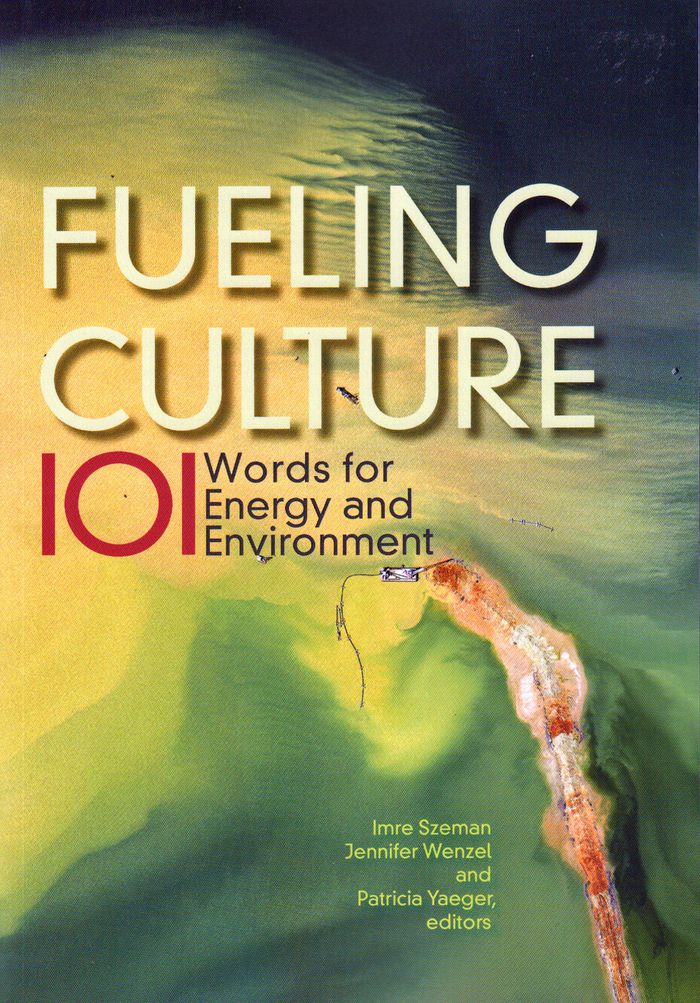
Fueling Culture : 101 words for energy and environment
Actions:
Prix:
$38.50
(disponible en magasin)
Résumé:
'Fueling culture' offers a compendium of keywords written by scholars and practitioners from around the world and across the humanities and social sciences. These keywords offer new ways of thinking about energy as both the source and the limit of how we inhabit culture, with the aim of opening up new ways of understanding the seemingly irresolvable contradictions of dependence upon unsustainable energy forms.
Fueling Culture : 101 words for energy and environment
Actions:
Prix:
$38.50
(disponible en magasin)
Résumé:
'Fueling culture' offers a compendium of keywords written by scholars and practitioners from around the world and across the humanities and social sciences. These keywords offer new ways of thinking about energy as both the source and the limit of how we inhabit culture, with the aim of opening up new ways of understanding the seemingly irresolvable contradictions of dependence upon unsustainable energy forms.
Classification:
livres
livres
Publication:
janvier 2017
janvier 2017
Classification:
livres
livres
Prix:
$37.00
(disponible sur commande)
Résumé:
While ecology has received little systematic attention within art history, its visibility and significance has grown in relation to the threats of climate change and environmental destruction. By engaging artists widespread aesthetic and political engagement with environmental conditions and processes around the globe and looking at cutting-edge theoretical, political,(...)
$37.00
(disponible sur commande)
Résumé:
While ecology has received little systematic attention within art history, its visibility and significance has grown in relation to the threats of climate change and environmental destruction. By engaging artists widespread aesthetic and political engagement with environmental conditions and processes around the globe and looking at cutting-edge theoretical, political,(...)
Titre:
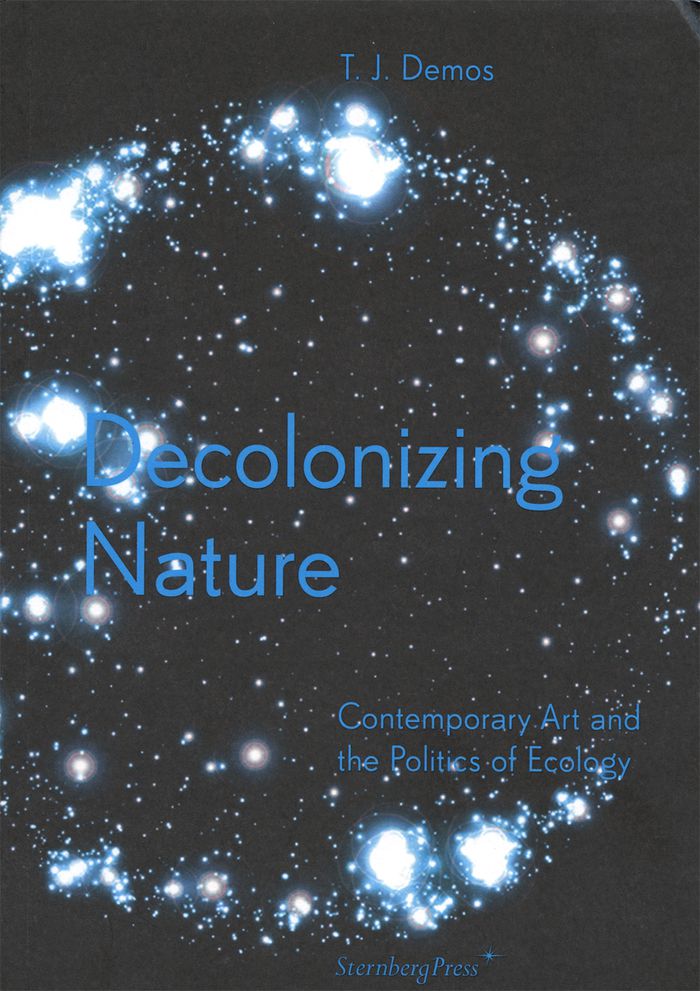
Decolonizing nature : contemporary art and the politics of ecology
Actions:
Prix:
$37.00
(disponible sur commande)
Résumé:
While ecology has received little systematic attention within art history, its visibility and significance has grown in relation to the threats of climate change and environmental destruction. By engaging artists widespread aesthetic and political engagement with environmental conditions and processes around the globe and looking at cutting-edge theoretical, political, and cultural developments in the Global South and North Decolonizing Nature offers a significant, original contribution to the intersecting fields of art history, ecology, visual culture, geography, and environmental politics.
Decolonizing nature : contemporary art and the politics of ecology
Actions:
Prix:
$37.00
(disponible sur commande)
Résumé:
While ecology has received little systematic attention within art history, its visibility and significance has grown in relation to the threats of climate change and environmental destruction. By engaging artists widespread aesthetic and political engagement with environmental conditions and processes around the globe and looking at cutting-edge theoretical, political, and cultural developments in the Global South and North Decolonizing Nature offers a significant, original contribution to the intersecting fields of art history, ecology, visual culture, geography, and environmental politics.
Classification:
livres
livres
Publication:
juin 2016
juin 2016
Classification:
livres
livres
Actions:
Prix:
$23.95
(disponible sur commande)
Résumé:
Some thousands of years ago, the world was home to an immense variety of large mammals. From wooly mammoths and saber-toothed tigers to giant ground sloths and armadillos the size of automobiles, these spectacular creatures roamed freely. Then human beings arrived. Devouring their way down the food chain as they spread across the planet, they began a process of voracious(...)
$23.95
(disponible sur commande)
Résumé:
Some thousands of years ago, the world was home to an immense variety of large mammals. From wooly mammoths and saber-toothed tigers to giant ground sloths and armadillos the size of automobiles, these spectacular creatures roamed freely. Then human beings arrived. Devouring their way down the food chain as they spread across the planet, they began a process of voracious(...)
Titre:
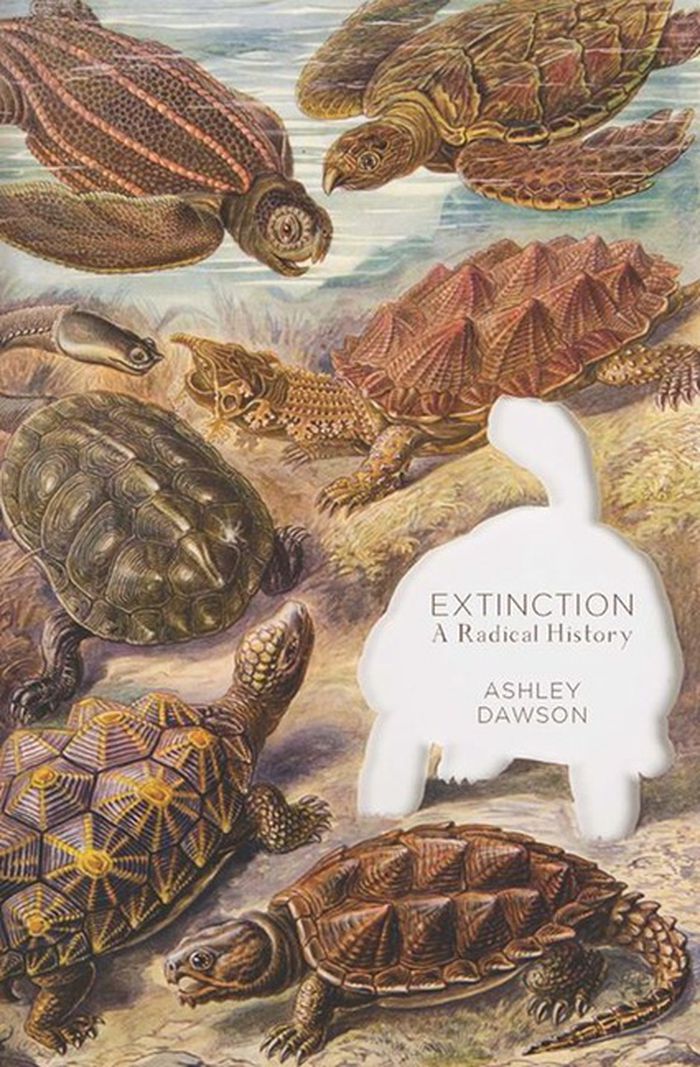
Extinction: a radical history
Actions:
Prix:
$23.95
(disponible sur commande)
Résumé:
Some thousands of years ago, the world was home to an immense variety of large mammals. From wooly mammoths and saber-toothed tigers to giant ground sloths and armadillos the size of automobiles, these spectacular creatures roamed freely. Then human beings arrived. Devouring their way down the food chain as they spread across the planet, they began a process of voracious extinction that has continued to the present. For Ashley Dawson, this is the product of a global attack on the commons, the great trove of air, water, plants and creatures, as well as collectively created cultural forms such as language, that have been regarded traditionally as the inheritance of humanity as a whole. This attack has its genesis in the need for capital to expand relentlessly into all spheres of life. Extinction, Dawson argues, cannot be understood in isolation from a critique of our economic system. To achieve this we need to transgress the boundaries between science, environmentalism and radical politics.
Extinction: a radical history
Actions:
Prix:
$23.95
(disponible sur commande)
Résumé:
Some thousands of years ago, the world was home to an immense variety of large mammals. From wooly mammoths and saber-toothed tigers to giant ground sloths and armadillos the size of automobiles, these spectacular creatures roamed freely. Then human beings arrived. Devouring their way down the food chain as they spread across the planet, they began a process of voracious extinction that has continued to the present. For Ashley Dawson, this is the product of a global attack on the commons, the great trove of air, water, plants and creatures, as well as collectively created cultural forms such as language, that have been regarded traditionally as the inheritance of humanity as a whole. This attack has its genesis in the need for capital to expand relentlessly into all spheres of life. Extinction, Dawson argues, cannot be understood in isolation from a critique of our economic system. To achieve this we need to transgress the boundaries between science, environmentalism and radical politics.
Classification:
livres
livres
Publication:
juillet 2016
juillet 2016


