


1059 Résultats
Classification:
livres
livres
Actions:
Prix:
$30.70
(disponible sur commande)
Résumé:
'Television: Technology and Cultural Form' was first published in 1974, long before the dawn of multi-channel TV, or the reality and celebrity shows that now pack the schedules. Yet Williams' analysis of television's history, its institutions, programmes and practices, and its future prospects, remains remarkably prescient. Williams stresses the importance of(...)
$30.70
(disponible sur commande)
Résumé:
'Television: Technology and Cultural Form' was first published in 1974, long before the dawn of multi-channel TV, or the reality and celebrity shows that now pack the schedules. Yet Williams' analysis of television's history, its institutions, programmes and practices, and its future prospects, remains remarkably prescient. Williams stresses the importance of(...)
Titre:
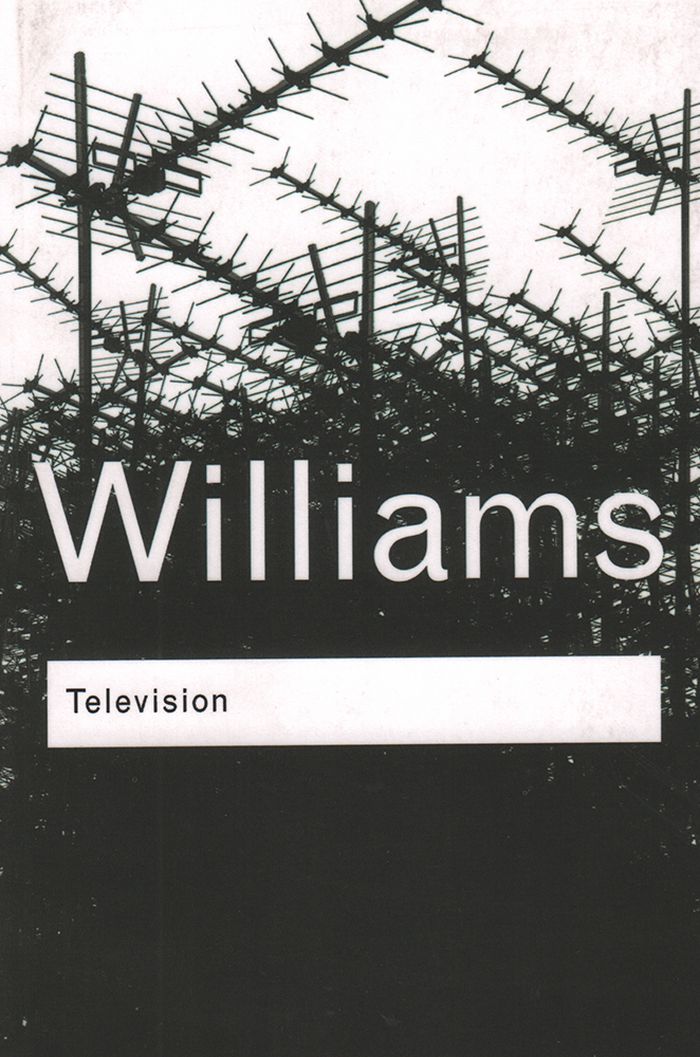
Television: technology and cultural form
Actions:
Prix:
$30.70
(disponible sur commande)
Résumé:
'Television: Technology and Cultural Form' was first published in 1974, long before the dawn of multi-channel TV, or the reality and celebrity shows that now pack the schedules. Yet Williams' analysis of television's history, its institutions, programmes and practices, and its future prospects, remains remarkably prescient. Williams stresses the importance of technology in shaping the cultural form of television, while always resisting the determinism of McLuhan's dictum that 'the medium is the message'. If the medium really is the message, Williams asks, what is left for us to do or say? Williams argues that, on the contrary, we as viewers have the power to disturb, disrupt and to distract the otherwise cold logic of history and technology - not just because television is part of the fabric of our daily lives, but because new technologies continue to offer opportunities, momentarily outside the sway of transnational corporations or the grasp of media moguls, for new forms of self and political expression.
Television: technology and cultural form
Actions:
Prix:
$30.70
(disponible sur commande)
Résumé:
'Television: Technology and Cultural Form' was first published in 1974, long before the dawn of multi-channel TV, or the reality and celebrity shows that now pack the schedules. Yet Williams' analysis of television's history, its institutions, programmes and practices, and its future prospects, remains remarkably prescient. Williams stresses the importance of technology in shaping the cultural form of television, while always resisting the determinism of McLuhan's dictum that 'the medium is the message'. If the medium really is the message, Williams asks, what is left for us to do or say? Williams argues that, on the contrary, we as viewers have the power to disturb, disrupt and to distract the otherwise cold logic of history and technology - not just because television is part of the fabric of our daily lives, but because new technologies continue to offer opportunities, momentarily outside the sway of transnational corporations or the grasp of media moguls, for new forms of self and political expression.
Classification:
livres
livres
Publication:
juin 2003
juin 2003
Sujet:
Théorie/ philosophie
Théorie/ philosophie
Classification:
livres
livres
Actions:
Prix:
$34.00
(disponible sur commande)
Résumé:
Why write about buildings? Buildings are chunks of the material of the natural world, refashioned by humans and set down into place to stand as silent as the rocks and trees from which they were made. How can we describe that mute actuality? A building’s only complete description is itself. Writing often intensifies the cloud that obscures buildings rather than dissipates(...)
$34.00
(disponible sur commande)
Résumé:
Why write about buildings? Buildings are chunks of the material of the natural world, refashioned by humans and set down into place to stand as silent as the rocks and trees from which they were made. How can we describe that mute actuality? A building’s only complete description is itself. Writing often intensifies the cloud that obscures buildings rather than dissipates(...)
Titre:
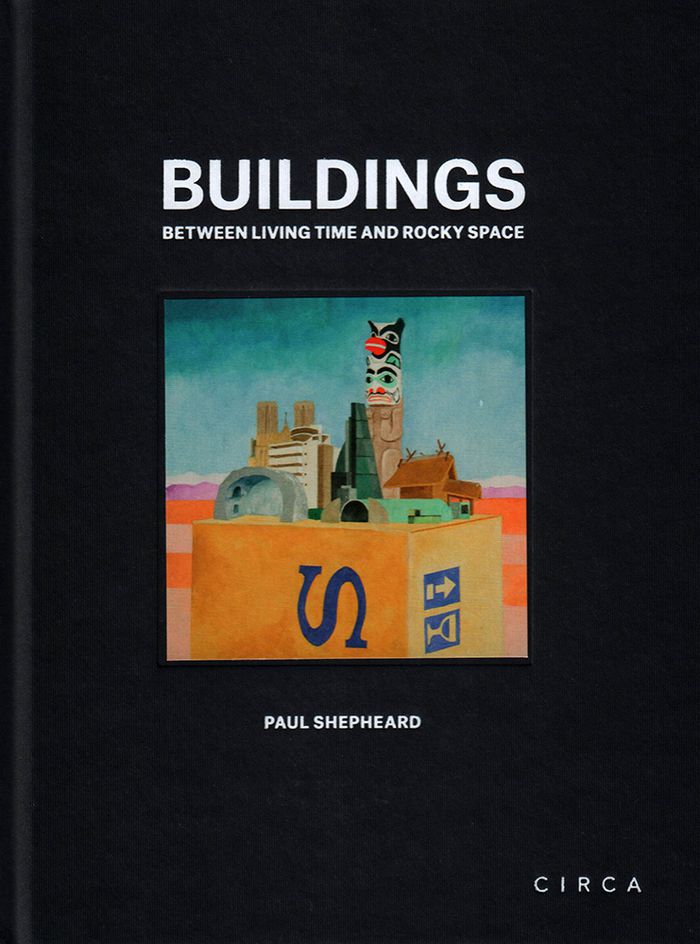
Buildings: between living time and rocky space
Actions:
Prix:
$34.00
(disponible sur commande)
Résumé:
Why write about buildings? Buildings are chunks of the material of the natural world, refashioned by humans and set down into place to stand as silent as the rocks and trees from which they were made. How can we describe that mute actuality? A building’s only complete description is itself. Writing often intensifies the cloud that obscures buildings rather than dissipates it. So why do it? Two generations ago, architects had a real job to do, rebuilding cities shattered by war. It turned out to be more difficult than it looked. Now the grandchildren of those utopians have a different role, which is to rescue a world that is being turned by the media, the money men and the machines into a replica of itself. In this book Paul Shepheard takes a sideways look at this elusive task and finds himself writing an ode to buildings, which asks: What are they? When do they happen? And how are they used?
Buildings: between living time and rocky space
Actions:
Prix:
$34.00
(disponible sur commande)
Résumé:
Why write about buildings? Buildings are chunks of the material of the natural world, refashioned by humans and set down into place to stand as silent as the rocks and trees from which they were made. How can we describe that mute actuality? A building’s only complete description is itself. Writing often intensifies the cloud that obscures buildings rather than dissipates it. So why do it? Two generations ago, architects had a real job to do, rebuilding cities shattered by war. It turned out to be more difficult than it looked. Now the grandchildren of those utopians have a different role, which is to rescue a world that is being turned by the media, the money men and the machines into a replica of itself. In this book Paul Shepheard takes a sideways look at this elusive task and finds himself writing an ode to buildings, which asks: What are they? When do they happen? And how are they used?
Classification:
livres
livres
Publication:
octobre 2016
octobre 2016
Sujet:
Théorie de l’architecture
Théorie de l’architecture
Classification:
livres
livres
Prix:
$23.95
(disponible sur commande)
Résumé:
Silence is not simply the absence of noise. It is within us, in that inner citadel which great writers, thinkers, scholars and people of faith have cultivated over the centuries. Today, when noise is everywhere, distinguished historian Alain Corbin goes back to a time when speech was rare and precious.Silence, prerequisite for contemplation, reverie and prayer, is that(...)
$23.95
(disponible sur commande)
Résumé:
Silence is not simply the absence of noise. It is within us, in that inner citadel which great writers, thinkers, scholars and people of faith have cultivated over the centuries. Today, when noise is everywhere, distinguished historian Alain Corbin goes back to a time when speech was rare and precious.Silence, prerequisite for contemplation, reverie and prayer, is that(...)
Titre:
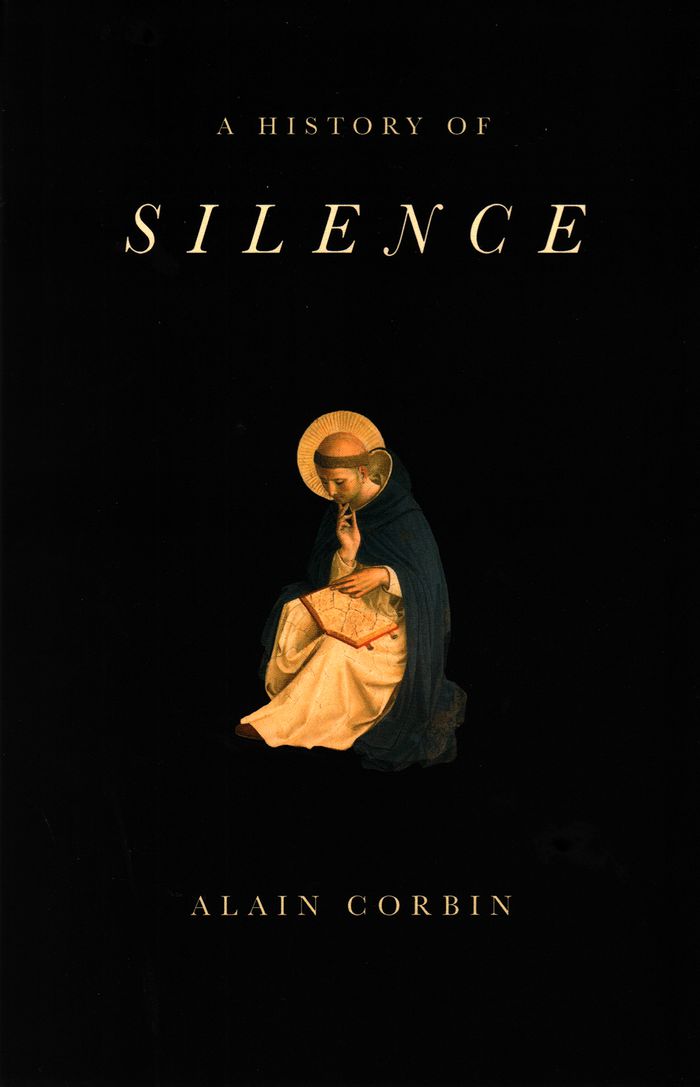
A history of silence: from the Renaissance to the present day
Actions:
Prix:
$23.95
(disponible sur commande)
Résumé:
Silence is not simply the absence of noise. It is within us, in that inner citadel which great writers, thinkers, scholars and people of faith have cultivated over the centuries. Today, when noise is everywhere, distinguished historian Alain Corbin goes back to a time when speech was rare and precious.Silence, prerequisite for contemplation, reverie and prayer, is that private space out of which speech emerges. It characterises our most intimate and sacred spaces, from private bedrooms to grand cathedrals – those vast reservoirs of silence. Philosophers and novelists have long sought solitude and inspiration in mountains and forests. Yet despite the centrality of silence to some of our most intense experiences, the transformations of the twentieth century have gradually diminished its value. Today, raucous urban spaces and a continual bombardment from different media pressure us into constant activity. We are losing a sense of our inner selves, a process which is changing the very nature of the individual.
A history of silence: from the Renaissance to the present day
Actions:
Prix:
$23.95
(disponible sur commande)
Résumé:
Silence is not simply the absence of noise. It is within us, in that inner citadel which great writers, thinkers, scholars and people of faith have cultivated over the centuries. Today, when noise is everywhere, distinguished historian Alain Corbin goes back to a time when speech was rare and precious.Silence, prerequisite for contemplation, reverie and prayer, is that private space out of which speech emerges. It characterises our most intimate and sacred spaces, from private bedrooms to grand cathedrals – those vast reservoirs of silence. Philosophers and novelists have long sought solitude and inspiration in mountains and forests. Yet despite the centrality of silence to some of our most intense experiences, the transformations of the twentieth century have gradually diminished its value. Today, raucous urban spaces and a continual bombardment from different media pressure us into constant activity. We are losing a sense of our inner selves, a process which is changing the very nature of the individual.
Classification:
livres
livres
Publication:
avril 2018
avril 2018
Sujet:
Théorie/ philosophie
Théorie/ philosophie
Classification:
livres
livres
Titre:
Crowds
Crowds
Actions:
Prix:
$29.95
(disponible sur commande)
Résumé:
Crowds explores the key role assumed by human multitudes in modern life by means of a graphically innovative, multi-author volume in which essays, word histories, and personal testimonies are woven together into a multiperspectival and multilayered group portrait. The portrait in question includes analyses of market crowds, crowds in modern art and literature, modern(...)
$29.95
(disponible sur commande)
Résumé:
Crowds explores the key role assumed by human multitudes in modern life by means of a graphically innovative, multi-author volume in which essays, word histories, and personal testimonies are woven together into a multiperspectival and multilayered group portrait. The portrait in question includes analyses of market crowds, crowds in modern art and literature, modern(...)
Sujet:
Théorie de l’urbanisme
Théorie de l’urbanisme
Publication:
mai 2006, Stanford
mai 2006, Stanford
Titre:
Crowds
Actions:
Prix:
$29.95
(disponible sur commande)
Résumé:
Crowds explores the key role assumed by human multitudes in modern life by means of a graphically innovative, multi-author volume in which essays, word histories, and personal testimonies are woven together into a multiperspectival and multilayered group portrait. The portrait in question includes analyses of market crowds, crowds in modern art and literature, modern assemblies as compared to their premodern and ancient counterparts, modern sports crowds, human multitudes and mass media such as photography and cinema, crowds as political actors, and the emergence of crowd-centred discourses in social sciences such as psychology, anthropology, and sociology. Contributors include Stefan Jonsson, Allen Guttmann, Susanna Elm, John Plotz, Christine Poggi, William Egginton, Haun Saussy, Joan Ramon Resina, and Charles Tilly, with testimonies by authors such as Greil Marcus, Richard Rorty, Michel Serres, Alain Schnapp, Michael Hardt, T. J. Clark, and Susan Buck-Morss. The book represents the main output of one of the Stanford Humanities Lab’s prototype “Big Humanities” projects.
Crowds
Actions:
Prix:
$29.95
(disponible sur commande)
Résumé:
Crowds explores the key role assumed by human multitudes in modern life by means of a graphically innovative, multi-author volume in which essays, word histories, and personal testimonies are woven together into a multiperspectival and multilayered group portrait. The portrait in question includes analyses of market crowds, crowds in modern art and literature, modern assemblies as compared to their premodern and ancient counterparts, modern sports crowds, human multitudes and mass media such as photography and cinema, crowds as political actors, and the emergence of crowd-centred discourses in social sciences such as psychology, anthropology, and sociology. Contributors include Stefan Jonsson, Allen Guttmann, Susanna Elm, John Plotz, Christine Poggi, William Egginton, Haun Saussy, Joan Ramon Resina, and Charles Tilly, with testimonies by authors such as Greil Marcus, Richard Rorty, Michel Serres, Alain Schnapp, Michael Hardt, T. J. Clark, and Susan Buck-Morss. The book represents the main output of one of the Stanford Humanities Lab’s prototype “Big Humanities” projects.
Classification:
livres
livres
Publication:
mai 2006, Stanford
mai 2006, Stanford
Sujet:
Théorie de l’urbanisme
Théorie de l’urbanisme
Classification:
livres
livres
Titre:
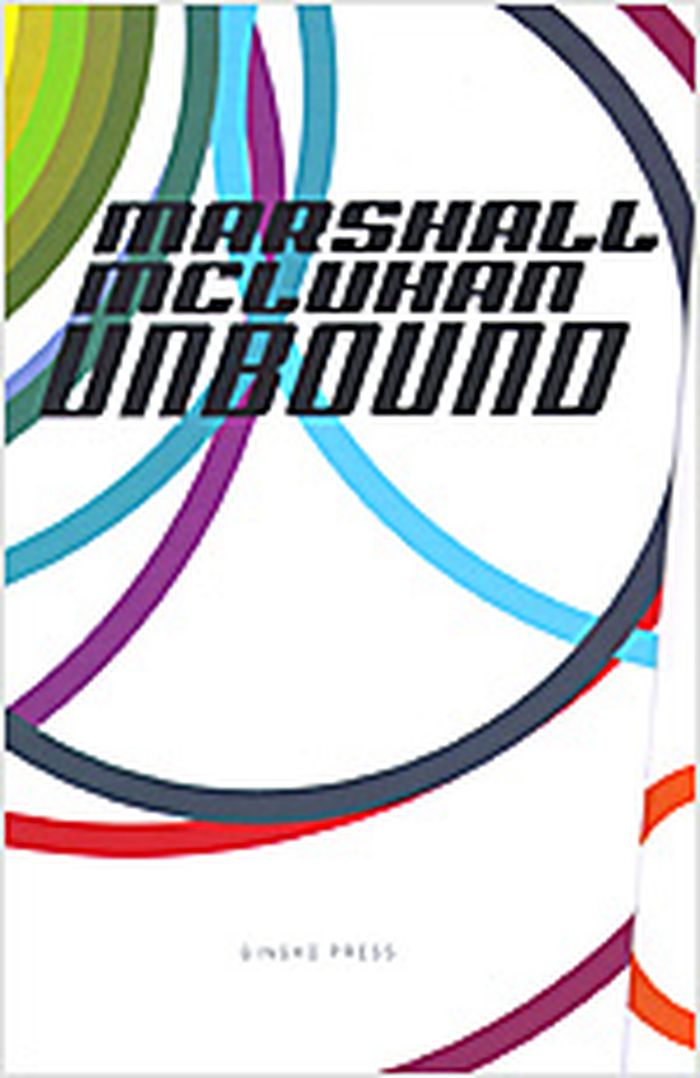
Marshall McLuhan : unbound
Marshall McLuhan : unbound
Actions:
Prix:
$41.95
(disponible sur commande)
Résumé:
The essay is for exploring; the book, for explaining. Such was McLuhan’s philosophy about these two forms. The essay is the freer form and one better suited to exploration than the longer meditation, the book. This startling new series puts the reader in the place of colleague and co-researcher. Instead of giving the reader just another collection of articles and(...)
$41.95
(disponible sur commande)
Résumé:
The essay is for exploring; the book, for explaining. Such was McLuhan’s philosophy about these two forms. The essay is the freer form and one better suited to exploration than the longer meditation, the book. This startling new series puts the reader in the place of colleague and co-researcher. Instead of giving the reader just another collection of articles and(...)
Titre:
Marshall McLuhan : unbound
Actions:
Prix:
$41.95
(disponible sur commande)
Résumé:
The essay is for exploring; the book, for explaining. Such was McLuhan’s philosophy about these two forms. The essay is the freer form and one better suited to exploration than the longer meditation, the book. This startling new series puts the reader in the place of colleague and co-researcher. Instead of giving the reader just another collection of articles and interviews, "McLuhan : unbound" gives you offprints of the original essays. See how the two McLuhans, the literary academic and the public media expert are really one. Some of these articles were written before the subsequent book was envisioned: they are preliminary forays into new territory. Some were written after the book and encapsulate major themes; some set out additional discoveries or matters left out of the book; some present material discovered as a result of writing the book. The McLuhan "Unbound" offprints series is not the last word in presenting McLuhan´s ideas and discoveries, but the first.
Marshall McLuhan : unbound
Actions:
Prix:
$41.95
(disponible sur commande)
Résumé:
The essay is for exploring; the book, for explaining. Such was McLuhan’s philosophy about these two forms. The essay is the freer form and one better suited to exploration than the longer meditation, the book. This startling new series puts the reader in the place of colleague and co-researcher. Instead of giving the reader just another collection of articles and interviews, "McLuhan : unbound" gives you offprints of the original essays. See how the two McLuhans, the literary academic and the public media expert are really one. Some of these articles were written before the subsequent book was envisioned: they are preliminary forays into new territory. Some were written after the book and encapsulate major themes; some set out additional discoveries or matters left out of the book; some present material discovered as a result of writing the book. The McLuhan "Unbound" offprints series is not the last word in presenting McLuhan´s ideas and discoveries, but the first.
Classification:
livres
livres
Publication:
janvier 2001, Corte Madera
janvier 2001, Corte Madera
Sujet:
Théorie/ philosophie
Théorie/ philosophie
Classification:
livres
livres
Titre:
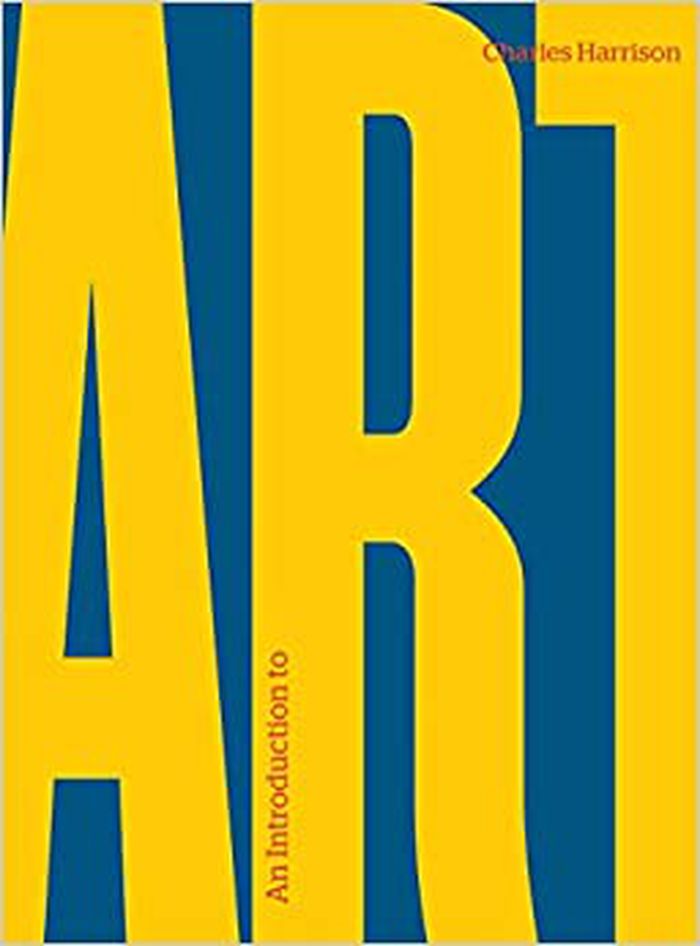
Art: an introduction
Art: an introduction
Actions:
Prix:
$32.00
(disponible sur commande)
Résumé:
This publication offers an original, clear, and wide-ranging introduction to the arts of painting and sculpture, to the principal artistic print media, and to the visual arts of modernism and post-modernism. Covering the entire history of art, from Paleolithic cave painting to contemporary art, it provides foundational guidance on the basic character and techniques of the(...)
$32.00
(disponible sur commande)
Résumé:
This publication offers an original, clear, and wide-ranging introduction to the arts of painting and sculpture, to the principal artistic print media, and to the visual arts of modernism and post-modernism. Covering the entire history of art, from Paleolithic cave painting to contemporary art, it provides foundational guidance on the basic character and techniques of the(...)
Titre:
Art: an introduction
Actions:
Prix:
$32.00
(disponible sur commande)
Résumé:
This publication offers an original, clear, and wide-ranging introduction to the arts of painting and sculpture, to the principal artistic print media, and to the visual arts of modernism and post-modernism. Covering the entire history of art, from Paleolithic cave painting to contemporary art, it provides foundational guidance on the basic character and techniques of the different art forms, on the various genres of painting in the Western tradition, and on the techniques of sculpture as they have been practiced over several millennia and across a wide range of cultures. Throughout the book, Harrison discusses the relative priorities of aesthetic appreciation and historical inquiry, and the importance of combining the two approaches. Written in a style that is at once graceful, engaging, and personal, as well as analytical and exact, this illuminating book offers an impassioned and timely defense of the importance and value of the firsthand encounter with works of art, whether in museums or in their original locations.
Art: an introduction
Actions:
Prix:
$32.00
(disponible sur commande)
Résumé:
This publication offers an original, clear, and wide-ranging introduction to the arts of painting and sculpture, to the principal artistic print media, and to the visual arts of modernism and post-modernism. Covering the entire history of art, from Paleolithic cave painting to contemporary art, it provides foundational guidance on the basic character and techniques of the different art forms, on the various genres of painting in the Western tradition, and on the techniques of sculpture as they have been practiced over several millennia and across a wide range of cultures. Throughout the book, Harrison discusses the relative priorities of aesthetic appreciation and historical inquiry, and the importance of combining the two approaches. Written in a style that is at once graceful, engaging, and personal, as well as analytical and exact, this illuminating book offers an impassioned and timely defense of the importance and value of the firsthand encounter with works of art, whether in museums or in their original locations.
Classification:
livres
livres
Publication:
mars 2020
mars 2020
Sujet:
Théorie de l’art
Théorie de l’art
Classification:
livres
livres
Titre:
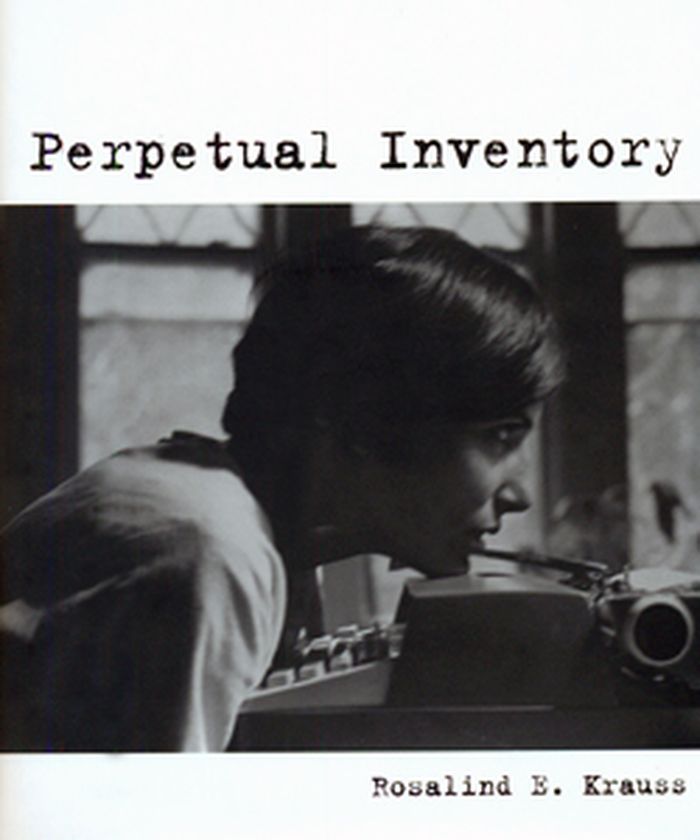
Perpetual inventory
Perpetual inventory
Actions:
Prix:
$32.95
(disponible sur commande)
Résumé:
The job of an art critic is to take perpetual inventory, constantly revising her ideas about the direction of contemporary art and the significance of the work she writes about. In these essays, which span three decades of assessment and reassessment, Rosalind Krauss considers what she has come to call the "post-medium condition"—the abandonment by contemporary art of the(...)
$32.95
(disponible sur commande)
Résumé:
The job of an art critic is to take perpetual inventory, constantly revising her ideas about the direction of contemporary art and the significance of the work she writes about. In these essays, which span three decades of assessment and reassessment, Rosalind Krauss considers what she has come to call the "post-medium condition"—the abandonment by contemporary art of the(...)
Titre:
Perpetual inventory
Actions:
Prix:
$32.95
(disponible sur commande)
Résumé:
The job of an art critic is to take perpetual inventory, constantly revising her ideas about the direction of contemporary art and the significance of the work she writes about. In these essays, which span three decades of assessment and reassessment, Rosalind Krauss considers what she has come to call the "post-medium condition"—the abandonment by contemporary art of the modernist emphasis on the medium as the source of artistic significance. Jean-François Lyotard argued that the postmodern condition is characterized by the end of a "master narrative," and Krauss sees in the post-medium condition of contemporary art a similar farewell to coherence. The master narrative of contemporary art ended when conceptual art and other contemporary practices jettisoned the specific medium in order to juxtapose image and written text in the same work. For Krauss, this spells the end of serious art, and she devotes much of Perpetual Inventory to "wrest[ling] new media to the mat of specificity."
Perpetual inventory
Actions:
Prix:
$32.95
(disponible sur commande)
Résumé:
The job of an art critic is to take perpetual inventory, constantly revising her ideas about the direction of contemporary art and the significance of the work she writes about. In these essays, which span three decades of assessment and reassessment, Rosalind Krauss considers what she has come to call the "post-medium condition"—the abandonment by contemporary art of the modernist emphasis on the medium as the source of artistic significance. Jean-François Lyotard argued that the postmodern condition is characterized by the end of a "master narrative," and Krauss sees in the post-medium condition of contemporary art a similar farewell to coherence. The master narrative of contemporary art ended when conceptual art and other contemporary practices jettisoned the specific medium in order to juxtapose image and written text in the same work. For Krauss, this spells the end of serious art, and she devotes much of Perpetual Inventory to "wrest[ling] new media to the mat of specificity."
Classification:
livres
livres
Publication:
mars 2010
mars 2010
Sujet:
Théorie de l’art
Théorie de l’art
Classification:
livres
livres
Prix:
$27.50
(disponible en magasin)
Résumé:
French cultural theorist and urbanist Paul Virilio is best known for his writings on media, technology, and architecture. Gathered here in this publication are four conversations in which Virilio and architectural writer Marianne Brausch look at a twentieth century characterized by enormous technological acceleration and by technocultural accidents of barbarism and(...)
$27.50
(disponible en magasin)
Résumé:
French cultural theorist and urbanist Paul Virilio is best known for his writings on media, technology, and architecture. Gathered here in this publication are four conversations in which Virilio and architectural writer Marianne Brausch look at a twentieth century characterized by enormous technological acceleration and by technocultural accidents of barbarism and(...)
Titre:
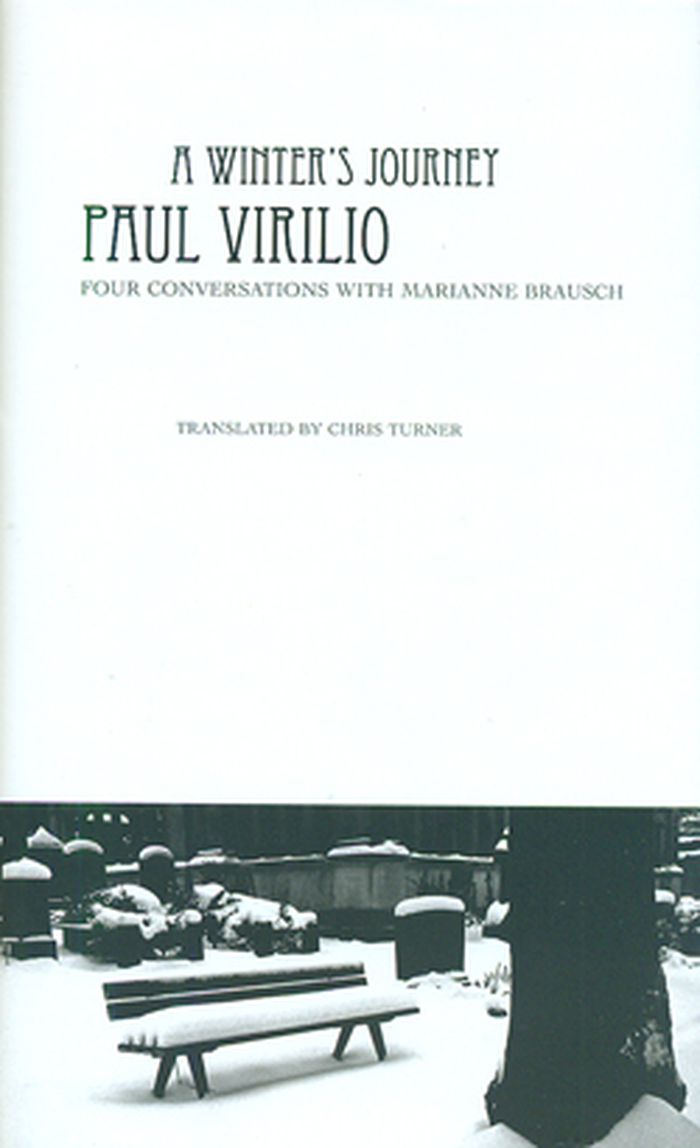
A winter's journey: four conversations with Marianne Brausch
Actions:
Prix:
$27.50
(disponible en magasin)
Résumé:
French cultural theorist and urbanist Paul Virilio is best known for his writings on media, technology, and architecture. Gathered here in this publication are four conversations in which Virilio and architectural writer Marianne Brausch look at a twentieth century characterized by enormous technological acceleration and by technocultural accidents of barbarism and horror. The dialogues in "A Winter’s Journey" —structured loosely around the dates 1940, 1950, 1960, and 1980— chart Virilio’s intimate intellectual biography, from his childhood lived against the unstable backdrop of a heavily bombed, wartime Nantes to maturity in a crisis space that is neither entirely militarized nor yet fully civilian, but somewhere between the two. In the course of these conversations, Virilio and Brausch ultimately find hope that in understanding the events of the last century and the cultural responses spawned by them, we can create a more humane era that is more adept at handling the transformations of its technology and culture.
A winter's journey: four conversations with Marianne Brausch
Actions:
Prix:
$27.50
(disponible en magasin)
Résumé:
French cultural theorist and urbanist Paul Virilio is best known for his writings on media, technology, and architecture. Gathered here in this publication are four conversations in which Virilio and architectural writer Marianne Brausch look at a twentieth century characterized by enormous technological acceleration and by technocultural accidents of barbarism and horror. The dialogues in "A Winter’s Journey" —structured loosely around the dates 1940, 1950, 1960, and 1980— chart Virilio’s intimate intellectual biography, from his childhood lived against the unstable backdrop of a heavily bombed, wartime Nantes to maturity in a crisis space that is neither entirely militarized nor yet fully civilian, but somewhere between the two. In the course of these conversations, Virilio and Brausch ultimately find hope that in understanding the events of the last century and the cultural responses spawned by them, we can create a more humane era that is more adept at handling the transformations of its technology and culture.
Classification:
livres
livres
Publication:
mai 2011
mai 2011
Sujet:
Théorie/ philosophie
Théorie/ philosophie
Classification:
livres
livres
Actions:
Prix:
$66.00
(disponible en magasin)
Résumé:
American cities underwent seismic transformations in the 1960s and '70s, from shifting demographics and political protests to reshaping through highways and urban renewal. Amid this climate of upheaval, photographers, architects, activists, performance artists, and filmmakers turned conditions of crisis into sites for civic discourse and artistic expression. The City Lost(...)
$66.00
(disponible en magasin)
Résumé:
American cities underwent seismic transformations in the 1960s and '70s, from shifting demographics and political protests to reshaping through highways and urban renewal. Amid this climate of upheaval, photographers, architects, activists, performance artists, and filmmakers turned conditions of crisis into sites for civic discourse and artistic expression. The City Lost(...)
Sujet:
Théorie de l’urbanisme
Théorie de l’urbanisme
Publication:
novembre 2014
novembre 2014
Titre:
The city lost & found: capturing New York, Chicago, and Los Angeles
Actions:
Prix:
$66.00
(disponible en magasin)
Résumé:
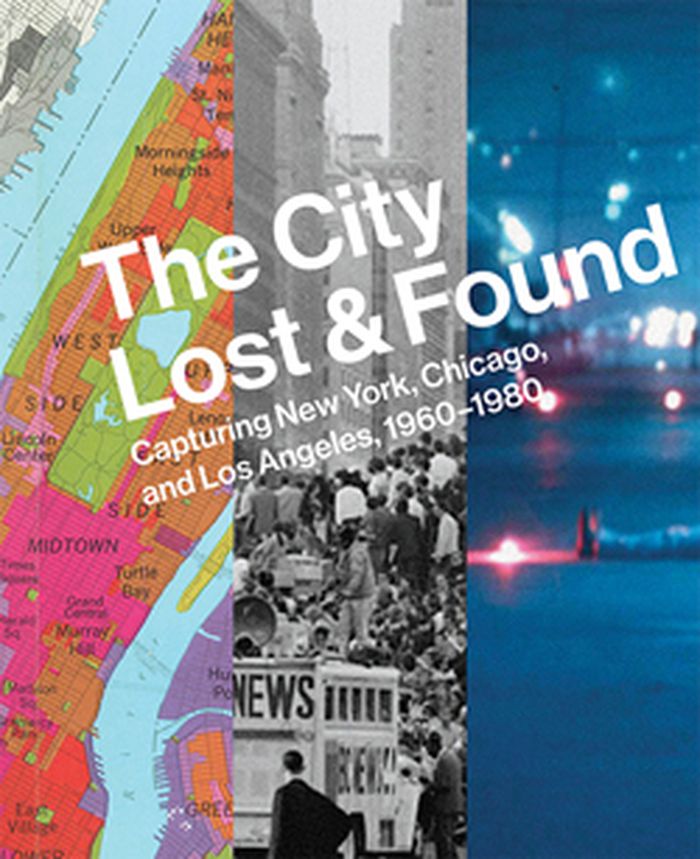
American cities underwent seismic transformations in the 1960s and '70s, from shifting demographics and political protests to reshaping through highways and urban renewal. Amid this climate of upheaval, photographers, architects, activists, performance artists, and filmmakers turned conditions of crisis into sites for civic discourse and artistic expression. The City Lost and Found explores photographic and cinematic responses to the changing fabric of New York, Chicago, and Los Angeles that contributed to a reconsideration of cities in popular media and urban policy during this period. This book raises timely questions about the role of art within the social, political, and physical landscape of cities. Featuring contributions from more than 20 noted scholars in fields including art history, urban planning, architecture, and cultural studies, this is the first publication to address an important shift in photographic, cinematic, and planning practices based on close observations of streets, neighborhoods, and seminal events in the country's three largest cities.
The city lost & found: capturing New York, Chicago, and Los Angeles
Actions:
Prix:
$66.00
(disponible en magasin)
Résumé:
American cities underwent seismic transformations in the 1960s and '70s, from shifting demographics and political protests to reshaping through highways and urban renewal. Amid this climate of upheaval, photographers, architects, activists, performance artists, and filmmakers turned conditions of crisis into sites for civic discourse and artistic expression. The City Lost and Found explores photographic and cinematic responses to the changing fabric of New York, Chicago, and Los Angeles that contributed to a reconsideration of cities in popular media and urban policy during this period. This book raises timely questions about the role of art within the social, political, and physical landscape of cities. Featuring contributions from more than 20 noted scholars in fields including art history, urban planning, architecture, and cultural studies, this is the first publication to address an important shift in photographic, cinematic, and planning practices based on close observations of streets, neighborhoods, and seminal events in the country's three largest cities.
Classification:
livres
livres
Publication:
novembre 2014
novembre 2014
Sujet:
Théorie de l’urbanisme
Théorie de l’urbanisme
Classification:
livres
livres
Actions:
Prix:
$39.95
(disponible sur commande)
Résumé:
From 2012 to 2014 a series of contemporary art exhibitions, events, and participatory forums organized by Galerija Nova, Tensta konsthall, and Grazer Kunstverein comprised the project “Beginning as Well as We Can (How Do We Talk about Fascism?).” Focusing on the startling increase of nationalism across Europe—made palpable in manifestations of fascist tendencies and the(...)
$39.95
(disponible sur commande)
Résumé:
From 2012 to 2014 a series of contemporary art exhibitions, events, and participatory forums organized by Galerija Nova, Tensta konsthall, and Grazer Kunstverein comprised the project “Beginning as Well as We Can (How Do We Talk about Fascism?).” Focusing on the startling increase of nationalism across Europe—made palpable in manifestations of fascist tendencies and the(...)
Sujet:
Théorie de l’art
Théorie de l’art
Publication:
mars 2015
mars 2015
Titre:
Art and f word reflections on the browning of Europe
Actions:
Prix:
$39.95
(disponible sur commande)
Résumé:
From 2012 to 2014 a series of contemporary art exhibitions, events, and participatory forums organized by Galerija Nova, Tensta konsthall, and Grazer Kunstverein comprised the project “Beginning as Well as We Can (How Do We Talk about Fascism?).” Focusing on the startling increase of nationalism across Europe—made palpable in manifestations of fascist tendencies and the cult of heritage—the project points to the possibility and power of art to imagine futures that are not irrevocably determined by the present, but are invested with struggles fought here and now. Art and the F Word: Reflections on the Browning of Europe, edited by curator Maria Lind and the collective What, How & for Whom/WHW, continues the debate with contributions by cultural critics, curators, and artists, which articulate resistant and constructive possibilities of social and artistic production—investigating the language of politics and philosophy and also popular vocabularies, social contexts, media, science, and aesthetics.
Art and f word reflections on the browning of Europe
Actions:
Prix:
$39.95
(disponible sur commande)
Résumé:
From 2012 to 2014 a series of contemporary art exhibitions, events, and participatory forums organized by Galerija Nova, Tensta konsthall, and Grazer Kunstverein comprised the project “Beginning as Well as We Can (How Do We Talk about Fascism?).” Focusing on the startling increase of nationalism across Europe—made palpable in manifestations of fascist tendencies and the cult of heritage—the project points to the possibility and power of art to imagine futures that are not irrevocably determined by the present, but are invested with struggles fought here and now. Art and the F Word: Reflections on the Browning of Europe, edited by curator Maria Lind and the collective What, How & for Whom/WHW, continues the debate with contributions by cultural critics, curators, and artists, which articulate resistant and constructive possibilities of social and artistic production—investigating the language of politics and philosophy and also popular vocabularies, social contexts, media, science, and aesthetics.
Classification:
livres
livres
Publication:
mars 2015
mars 2015
Sujet:
Théorie de l’art
Théorie de l’art


