


2348 Résultats
Classification:
expositions
expositions
Description:
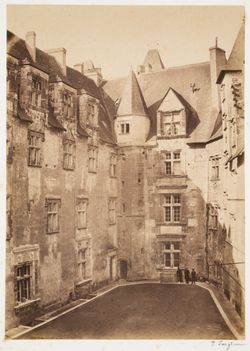
À l’aide d’objets tirés de la collection du CCA, Photographie et pratique de l’architecture en France, 1839-1870 montre comment la photographie est devenue, dans la seconde moitié du XIXe siècle, partie intégrante du processus de conception, de construction et de restauration architecturale, et élément de publication dans ce domaine. Commissaires : David Harris, CCA, et(...)
À l’aide d’objets tirés de la collection du CCA, Photographie et pratique de l’architecture en France, 1839-1870 montre comment la photographie est devenue, dans la seconde moitié du XIXe siècle, partie intégrante du processus de conception, de construction et de restauration architecturale, et élément de publication dans ce domaine. Commissaires : David Harris, CCA, et(...)
Localisation:
Vitrines
Vitrines
Date:
25 janvier 1995 au 4 juin 1995
25 janvier 1995 au 4 juin 1995
Titre:
Photographie et pratique de l'architecture en France, 1839-1870
Actions:
Description:
À l’aide d’objets tirés de la collection du CCA, Photographie et pratique de l’architecture en France, 1839-1870 montre comment la photographie est devenue, dans la seconde moitié du XIXe siècle, partie intégrante du processus de conception, de construction et de restauration architecturale, et élément de publication dans ce domaine. Commissaires : David Harris, CCA, et(...)
Photographie et pratique de l'architecture en France, 1839-1870
Actions:
Description:
À l’aide d’objets tirés de la collection du CCA, Photographie et pratique de l’architecture en France, 1839-1870 montre comment la photographie est devenue, dans la seconde moitié du XIXe siècle, partie intégrante du processus de conception, de construction et de restauration architecturale, et élément de publication dans ce domaine. Commissaires : David Harris, CCA, et(...)
Classification:
expositions
expositions
Date:
25 janvier 1995 au
4 juin 1995
25 janvier 1995 au
4 juin 1995
Localisation:
Vitrines
Vitrines
Niveau de description archivistique:
Sous-série
Sous-série
Numéro de référence:
AP001.S2.SS03
Description:
La majorité des planches représentent des monuments ou des éléments architecturaux et des scènes mythologiques et religieuses. La Référence à la collection possède un inventaire préliminaire.
AP001.S2.SS03
Description:
La majorité des planches représentent des monuments ou des éléments architecturaux et des scènes mythologiques et religieuses. La Référence à la collection possède un inventaire préliminaire.
Personnes et institutions:
Date:
non daté
non daté
Titre:
Collection de gravures et photographies
Actions:
AP001.S2.SS03
Description:
La majorité des planches représentent des monuments ou des éléments architecturaux et des scènes mythologiques et religieuses. La Référence à la collection possède un inventaire préliminaire.
Collection de gravures et photographies
Actions:
AP001.S2.SS03
Description:
La majorité des planches représentent des monuments ou des éléments architecturaux et des scènes mythologiques et religieuses. La Référence à la collection possède un inventaire préliminaire.
Niveau de description archivistique:
Sous-série
Sous-série
Date:
non daté
non daté
Personnes et institutions:
Classification:
expositions
expositions
Actions:
Description:
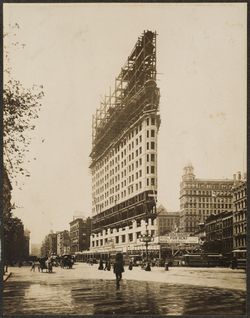
L’exposition Architectes de l’image : les photographes à l’âge héroïque des grands travaux fait ressortir les liens entre la représentation photographique et les grands travaux entrepris au cours du premier siècle de développement de la photographie dans les domaines de l’architecture et de l’ingénierie. L’idée centrale de l’exposition – le photographe vu comme un(...)
L’exposition Architectes de l’image : les photographes à l’âge héroïque des grands travaux fait ressortir les liens entre la représentation photographique et les grands travaux entrepris au cours du premier siècle de développement de la photographie dans les domaines de l’architecture et de l’ingénierie. L’idée centrale de l’exposition – le photographe vu comme un(...)
Date:
11 octobre 1995 au 4 février 1996
11 octobre 1995 au 4 février 1996
Titre:
Architectes de l'image : les photographes à l'âge héroïque des grands travaux
Actions:
Description:
L’exposition Architectes de l’image : les photographes à l’âge héroïque des grands travaux fait ressortir les liens entre la représentation photographique et les grands travaux entrepris au cours du premier siècle de développement de la photographie dans les domaines de l’architecture et de l’ingénierie. L’idée centrale de l’exposition – le photographe vu comme un(...)
Architectes de l'image : les photographes à l'âge héroïque des grands travaux
Actions:
Description:
L’exposition Architectes de l’image : les photographes à l’âge héroïque des grands travaux fait ressortir les liens entre la représentation photographique et les grands travaux entrepris au cours du premier siècle de développement de la photographie dans les domaines de l’architecture et de l’ingénierie. L’idée centrale de l’exposition – le photographe vu comme un(...)
Classification:
expositions
expositions
Date:
11 octobre 1995 au
4 février 1996
11 octobre 1995 au
4 février 1996
Classification:
archives
Niveau de description archivistique:
Collection
archives
Niveau de description archivistique:
Collection
Titre:
Collection Rohault de Fleury
Collection Rohault de Fleury
Numéro de référence:
CI001
Résumé:
The Rohault de Fleury collection documents the work of three generations of French architects, Hubert, his son Charles, and his grandson Georges, spanning from the early 18th to late 19th century. The collection is extremely varied encompassing both private and government commissions and including domestic work, institutional buildings, commercial buildings, urban planning, and student work from both the École des beaux-arts and the École polytechnique, and archaeological studies. Stylistically, the projects incorporate the two dominant contemporary directions in French architecture - functionalism as advocated by Jean-Nicolas-Louis Durand and the classicism of the École des beaux-arts.
CI001
Résumé:
The Rohault de Fleury collection documents the work of three generations of French architects, Hubert, his son Charles, and his grandson Georges, spanning from the early 18th to late 19th century. The collection is extremely varied encompassing both private and government commissions and including domestic work, institutional buildings, commercial buildings, urban planning, and student work from both the École des beaux-arts and the École polytechnique, and archaeological studies. Stylistically, the projects incorporate the two dominant contemporary directions in French architecture - functionalism as advocated by Jean-Nicolas-Louis Durand and the classicism of the École des beaux-arts.
Personnes et institutions:
Date:
1717-[1884]
1717-[1884]
Titre:
Collection Rohault de Fleury
CI001
Résumé:
The Rohault de Fleury collection documents the work of three generations of French architects, Hubert, his son Charles, and his grandson Georges, spanning from the early 18th to late 19th century. The collection is extremely varied encompassing both private and government commissions and including domestic work, institutional buildings, commercial buildings, urban planning, and student work from both the École des beaux-arts and the École polytechnique, and archaeological studies. Stylistically, the projects incorporate the two dominant contemporary directions in French architecture - functionalism as advocated by Jean-Nicolas-Louis Durand and the classicism of the École des beaux-arts.
Collection Rohault de Fleury
CI001
Résumé:
The Rohault de Fleury collection documents the work of three generations of French architects, Hubert, his son Charles, and his grandson Georges, spanning from the early 18th to late 19th century. The collection is extremely varied encompassing both private and government commissions and including domestic work, institutional buildings, commercial buildings, urban planning, and student work from both the École des beaux-arts and the École polytechnique, and archaeological studies. Stylistically, the projects incorporate the two dominant contemporary directions in French architecture - functionalism as advocated by Jean-Nicolas-Louis Durand and the classicism of the École des beaux-arts.
Classification:
archives
Niveau de description archivistique:
Collection 1
archives
Niveau de description archivistique:
Collection 1
Date:
1717-[1884]
1717-[1884]
Personnes et institutions:
Classification:
expositions
expositions
Actions:
Description:
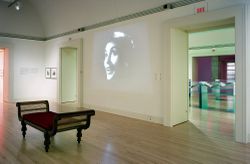
Empreintes de l’Inde démontre le rôle social, politique et anthropologique que de telles images peuvent jouer, en décrivant comment les éléments représentés ont jeté les fondements historiques – réels ou souhaités – sur lesquels un empire, plutôt qu’un assemblage de comptoirs coloniaux, a pu être bâti. Articulée autour de six thèmes, l’exposition explore des plus grands(...)
Empreintes de l’Inde démontre le rôle social, politique et anthropologique que de telles images peuvent jouer, en décrivant comment les éléments représentés ont jeté les fondements historiques – réels ou souhaités – sur lesquels un empire, plutôt qu’un assemblage de comptoirs coloniaux, a pu être bâti. Articulée autour de six thèmes, l’exposition explore des plus grands(...)
Localisation:
Salles principales
Salles principales
Date:
15 mai 2003 au 14 septembre 2003
15 mai 2003 au 14 septembre 2003
Titre:
Empreintes de l’Inde : photographie, architecture et politiques de la représentation
Actions:
Description:
Empreintes de l’Inde démontre le rôle social, politique et anthropologique que de telles images peuvent jouer, en décrivant comment les éléments représentés ont jeté les fondements historiques – réels ou souhaités – sur lesquels un empire, plutôt qu’un assemblage de comptoirs coloniaux, a pu être bâti. Articulée autour de six thèmes, l’exposition explore des plus grands(...)
Empreintes de l’Inde : photographie, architecture et politiques de la représentation
Actions:
Description:
Empreintes de l’Inde démontre le rôle social, politique et anthropologique que de telles images peuvent jouer, en décrivant comment les éléments représentés ont jeté les fondements historiques – réels ou souhaités – sur lesquels un empire, plutôt qu’un assemblage de comptoirs coloniaux, a pu être bâti. Articulée autour de six thèmes, l’exposition explore des plus grands(...)
Classification:
expositions
expositions
Date:
15 mai 2003 au
14 septembre 2003
15 mai 2003 au
14 septembre 2003
Localisation:
Salles principales
Salles principales
Classification:
événements
événements
Actions:
Description:
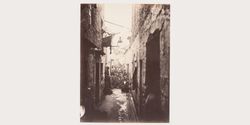
S’appuyant sur une sélection d’œuvres issues de la collection photographique du CCA, Sarah Churchill examine comment les stratégies visuelles historiques de « l’altérisation » et de la « fascination pour la ruine » se sont inscrites dans un canon plus large d’insécurité et de défavorisation environnementale.
S’appuyant sur une sélection d’œuvres issues de la collection photographique du CCA, Sarah Churchill examine comment les stratégies visuelles historiques de « l’altérisation » et de la « fascination pour la ruine » se sont inscrites dans un canon plus large d’insécurité et de défavorisation environnementale.
Date:
30 juillet 2026, 18h à 19h30
30 juillet 2026, 18h à 19h30
Titre:
Les origines de la crise du logement : photographie, empire et architecture de la précarité
Actions:
Description:
S’appuyant sur une sélection d’œuvres issues de la collection photographique du CCA, Sarah Churchill examine comment les stratégies visuelles historiques de « l’altérisation » et de la « fascination pour la ruine » se sont inscrites dans un canon plus large d’insécurité et de défavorisation environnementale.
Les origines de la crise du logement : photographie, empire et architecture de la précarité
Actions:
Description:
S’appuyant sur une sélection d’œuvres issues de la collection photographique du CCA, Sarah Churchill examine comment les stratégies visuelles historiques de « l’altérisation » et de la « fascination pour la ruine » se sont inscrites dans un canon plus large d’insécurité et de défavorisation environnementale.
Classification:
événements
événements
Date:
30 juillet 2026
18h à 19h30
30 juillet 2026
18h à 19h30
Classification:
archives
Niveau de description archivistique:
Collection
archives
Niveau de description archivistique:
Collection
Titre:
Futurecasting collection
Futurecasting collection
Numéro de référence:
CD048
Résumé:
This collection documents the activities of the “Futurecasting: Indigenous-led Architecture and Design in the Arctic” group formed by Jenni Hakovirta, Naomi Ratte, Nicole Luke, Magnus Antaris Tuolja, Andrea McIntosh, Robyn Adams, Berit Kristine Andersen Guvsám, Laila Susanna Kuhmunen, Johanna Minde, and Reanna Merasty. It contains materials related to the planning of seminars and workshops, and the creative process and projects created by its participants in 2022-2023 that were later presented in the Canadian Centre for Architecture’s exhibition and related publication “ᐊᖏᕐᕋᒧᑦ / Ruovttu Guvlui / Towards home” (2022-2023).
CD048
Résumé:
This collection documents the activities of the “Futurecasting: Indigenous-led Architecture and Design in the Arctic” group formed by Jenni Hakovirta, Naomi Ratte, Nicole Luke, Magnus Antaris Tuolja, Andrea McIntosh, Robyn Adams, Berit Kristine Andersen Guvsám, Laila Susanna Kuhmunen, Johanna Minde, and Reanna Merasty. It contains materials related to the planning of seminars and workshops, and the creative process and projects created by its participants in 2022-2023 that were later presented in the Canadian Centre for Architecture’s exhibition and related publication “ᐊᖏᕐᕋᒧᑦ / Ruovttu Guvlui / Towards home” (2022-2023).
Personnes et institutions:
Date:
2008-2023
2008-2023
Titre:
Futurecasting collection
Actions:
CD048
Résumé:
This collection documents the activities of the “Futurecasting: Indigenous-led Architecture and Design in the Arctic” group formed by Jenni Hakovirta, Naomi Ratte, Nicole Luke, Magnus Antaris Tuolja, Andrea McIntosh, Robyn Adams, Berit Kristine Andersen Guvsám, Laila Susanna Kuhmunen, Johanna Minde, and Reanna Merasty. It contains materials related to the planning of seminars and workshops, and the creative process and projects created by its participants in 2022-2023 that were later presented in the Canadian Centre for Architecture’s exhibition and related publication “ᐊᖏᕐᕋᒧᑦ / Ruovttu Guvlui / Towards home” (2022-2023).
Futurecasting collection
Actions:
CD048
Résumé:
This collection documents the activities of the “Futurecasting: Indigenous-led Architecture and Design in the Arctic” group formed by Jenni Hakovirta, Naomi Ratte, Nicole Luke, Magnus Antaris Tuolja, Andrea McIntosh, Robyn Adams, Berit Kristine Andersen Guvsám, Laila Susanna Kuhmunen, Johanna Minde, and Reanna Merasty. It contains materials related to the planning of seminars and workshops, and the creative process and projects created by its participants in 2022-2023 that were later presented in the Canadian Centre for Architecture’s exhibition and related publication “ᐊᖏᕐᕋᒧᑦ / Ruovttu Guvlui / Towards home” (2022-2023).
Classification:
archives
Niveau de description archivistique:
Collection
archives
Niveau de description archivistique:
Collection
Date:
2008-2023
2008-2023
Personnes et institutions:
Classification:
photographies
Quantité:
4 photograph(s)
photographies
Quantité:
4 photograph(s)
Classification:
photographies
Quantité:
4 photograph(s)
photographies
Quantité:
4 photograph(s)
Personnes et institutions:
Classification:
articles
articles
Actions:
Une conversation entre Stefano Graziani et Bas Princen
Mot(s)-clé(s):
Stefano Graziani; Bas Princen; Les vies des documents, Collection du CCA, photographie d'architecture, la photographie en tant que projet
Stefano Graziani; Bas Princen; Les vies des documents, Collection du CCA, photographie d'architecture, la photographie en tant que projet
Publié:
24 avril 2023
24 avril 2023
Titre:
Photographie en tant que projet
Une conversation entre Stefano Graziani et Bas Princen
Actions:
Photographie en tant que projet
Une conversation entre Stefano Graziani et Bas Princen
Actions:
Niveau de description archivistique:
Sous-série
Sous-série
Numéro de référence:
AP001.S2.SS04
Description:
Cette sous-série contient une série de cartes postales collectées par Ernest Cormier entre la fin des années 1900 et le début des années 1940. La collection consiste essentiellement de cartes postales d'architecture, incluant des photographies de la maquette de l'Université de Montréal, ainsi que des albums de séries de cartes postales intitulés "Album Artistico de Burgos" et "Venezia, 12 cartoline artistiche".
AP001.S2.SS04
Description:
Cette sous-série contient une série de cartes postales collectées par Ernest Cormier entre la fin des années 1900 et le début des années 1940. La collection consiste essentiellement de cartes postales d'architecture, incluant des photographies de la maquette de l'Université de Montréal, ainsi que des albums de séries de cartes postales intitulés "Album Artistico de Burgos" et "Venezia, 12 cartoline artistiche".
Personnes et institutions:
Date:
non daté, [1908-1943]
non daté, [1908-1943]
Titre:
Collection de cartes postales
Actions:
AP001.S2.SS04
Description:
Cette sous-série contient une série de cartes postales collectées par Ernest Cormier entre la fin des années 1900 et le début des années 1940. La collection consiste essentiellement de cartes postales d'architecture, incluant des photographies de la maquette de l'Université de Montréal, ainsi que des albums de séries de cartes postales intitulés "Album Artistico de Burgos" et "Venezia, 12 cartoline artistiche".
Collection de cartes postales
Actions:
AP001.S2.SS04
Description:
Cette sous-série contient une série de cartes postales collectées par Ernest Cormier entre la fin des années 1900 et le début des années 1940. La collection consiste essentiellement de cartes postales d'architecture, incluant des photographies de la maquette de l'Université de Montréal, ainsi que des albums de séries de cartes postales intitulés "Album Artistico de Burgos" et "Venezia, 12 cartoline artistiche".
Niveau de description archivistique:
Sous-série
Sous-série
Date:
non daté, [1908-1943]
non daté, [1908-1943]
Personnes et institutions:


