


1897 Résultats
Classification:
livres
livres

Actions:
Prix:
$100.00
(disponible sur commande)
Résumé:
After his untimely death at age forty-seven in 2011, Metchewais left behind a wholly original and expansive body of photographic and mixed-media work. At the center of his practice is an extensive Polaroid archive, which addresses a range of themes—including the artist’s body, performative self-portraiture, language, landscapes, and everyday subjects—and served as the(...)
$100.00
(disponible sur commande)
Résumé:
After his untimely death at age forty-seven in 2011, Metchewais left behind a wholly original and expansive body of photographic and mixed-media work. At the center of his practice is an extensive Polaroid archive, which addresses a range of themes—including the artist’s body, performative self-portraiture, language, landscapes, and everyday subjects—and served as the(...)
Titre:
Kimowan Metchewais: A kind of prayer
Actions:
Prix:
$100.00
(disponible sur commande)
Résumé:
After his untimely death at age forty-seven in 2011, Metchewais left behind a wholly original and expansive body of photographic and mixed-media work. At the center of his practice is an extensive Polaroid archive, which addresses a range of themes—including the artist’s body, performative self-portraiture, language, landscapes, and everyday subjects—and served as the source material for works in other media, such as painting and collage. Metchewais’s exquisitely layered works offer a poetic meditation on his connection to home and land, while challenging conventional narratives and representations of Indigeneity. Metchewais was a contemporary artist of stunning originality, and until now, his work has been woefully understudied and underexposed. This volume is a comprehensive overview that showcases this essential artist’s astonishing vision.
Kimowan Metchewais: A kind of prayer
Actions:
Prix:
$100.00
(disponible sur commande)
Résumé:
After his untimely death at age forty-seven in 2011, Metchewais left behind a wholly original and expansive body of photographic and mixed-media work. At the center of his practice is an extensive Polaroid archive, which addresses a range of themes—including the artist’s body, performative self-portraiture, language, landscapes, and everyday subjects—and served as the source material for works in other media, such as painting and collage. Metchewais’s exquisitely layered works offer a poetic meditation on his connection to home and land, while challenging conventional narratives and representations of Indigeneity. Metchewais was a contemporary artist of stunning originality, and until now, his work has been woefully understudied and underexposed. This volume is a comprehensive overview that showcases this essential artist’s astonishing vision.
Classification:
livres
livres
Publication:
janvier 2023
janvier 2023
Sujet:
Monographies photo
Monographies photo
Classification:
livres
livres
Prix:
$126.95
(disponible sur commande)
Résumé:
Le Corbusier’s apartment-studio is an iconic object of the twentieth century, combining the indisputable material values of the building with the intangible "sense of place" of an architect’s home. Le Corbusier, who lived there from 1934 until his death in 1965, treated it as a permanent construction site—a unique place of spatial, plastic, and constructional(...)
$126.95
(disponible sur commande)
Résumé:
Le Corbusier’s apartment-studio is an iconic object of the twentieth century, combining the indisputable material values of the building with the intangible "sense of place" of an architect’s home. Le Corbusier, who lived there from 1934 until his death in 1965, treated it as a permanent construction site—a unique place of spatial, plastic, and constructional(...)
Titre:
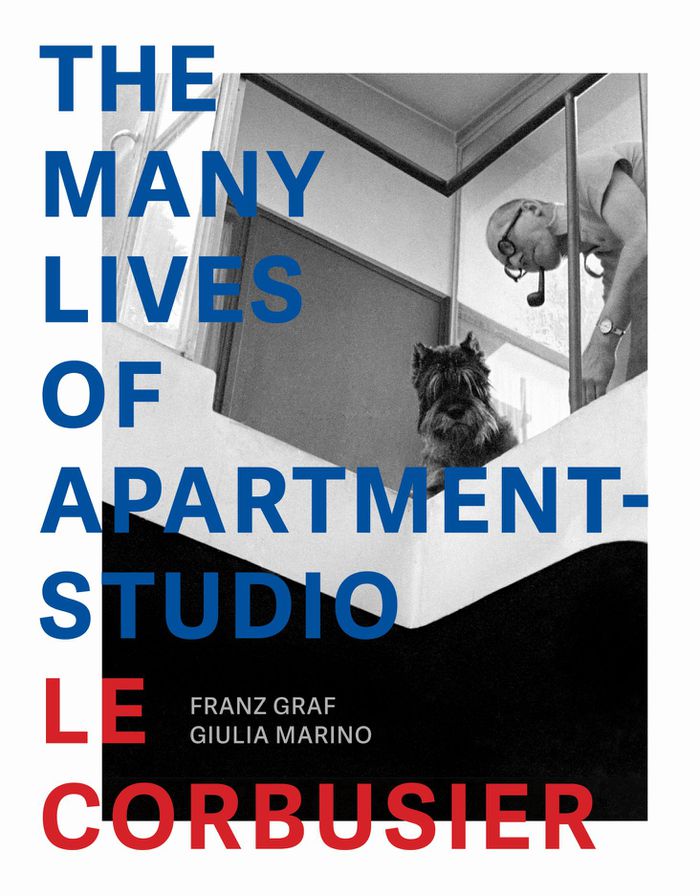
The many lives of Apartment-Studio Le Corbusier, 1931-2014
Actions:
Prix:
$126.95
(disponible sur commande)
Résumé:
Le Corbusier’s apartment-studio is an iconic object of the twentieth century, combining the indisputable material values of the building with the intangible "sense of place" of an architect’s home. Le Corbusier, who lived there from 1934 until his death in 1965, treated it as a permanent construction site—a unique place of spatial, plastic, and constructional experimentation. The phases of change at the apartment-studio are layered over each other, and thus the apartment’s "many lives" create major philosophical problems for conservation. This first book on the apartment-studio, richly illustrated with largely unpublished visual material, presents research undertaken by the Laboratory of Techniques and Preservation of Modern Architecture (TSAM) for the Fondation Le Corbusier during preparatory investigations for the program of restoration.
The many lives of Apartment-Studio Le Corbusier, 1931-2014
Actions:
Prix:
$126.95
(disponible sur commande)
Résumé:
Le Corbusier’s apartment-studio is an iconic object of the twentieth century, combining the indisputable material values of the building with the intangible "sense of place" of an architect’s home. Le Corbusier, who lived there from 1934 until his death in 1965, treated it as a permanent construction site—a unique place of spatial, plastic, and constructional experimentation. The phases of change at the apartment-studio are layered over each other, and thus the apartment’s "many lives" create major philosophical problems for conservation. This first book on the apartment-studio, richly illustrated with largely unpublished visual material, presents research undertaken by the Laboratory of Techniques and Preservation of Modern Architecture (TSAM) for the Fondation Le Corbusier during preparatory investigations for the program of restoration.
Classification:
livres
livres
Publication:
juin 2023
juin 2023
Sujet:
Architecture, monographies
Architecture, monographies
Classification:
livres
livres

Actions:
Prix:
$67.50
(disponible sur commande)
Résumé:
Julius Shulman, one of the foremost architectural photographers of our day, achieved international acclaim with his pictures of the architecture of the postwar and Kennedy eras. Shulman not only set standards in modern architectural photography, working with the preeminent architects of his time, he also defined a completely new style of architectural photography.(...)
$67.50
(disponible sur commande)
Résumé:
Julius Shulman, one of the foremost architectural photographers of our day, achieved international acclaim with his pictures of the architecture of the postwar and Kennedy eras. Shulman not only set standards in modern architectural photography, working with the preeminent architects of his time, he also defined a completely new style of architectural photography.(...)
Titre:
Julius Shulman : The last decade
Actions:
Prix:
$67.50
(disponible sur commande)
Résumé:
Julius Shulman, one of the foremost architectural photographers of our day, achieved international acclaim with his pictures of the architecture of the postwar and Kennedy eras. Shulman not only set standards in modern architectural photography, working with the preeminent architects of his time, he also defined a completely new style of architectural photography. German born photographer Jürgen Nogai and Julius Shulman began a rewarding collaboration in 2000 which lasted almost a decade until Shulman's death in 2009. Together they continued to develop their unique style, worked on projects, and published in books and magazines. This publication presents works from the joint archive of Shulman and Nogai resulting from their ten year partnership, many of them published for the first time.
Julius Shulman : The last decade
Actions:
Prix:
$67.50
(disponible sur commande)
Résumé:
Julius Shulman, one of the foremost architectural photographers of our day, achieved international acclaim with his pictures of the architecture of the postwar and Kennedy eras. Shulman not only set standards in modern architectural photography, working with the preeminent architects of his time, he also defined a completely new style of architectural photography. German born photographer Jürgen Nogai and Julius Shulman began a rewarding collaboration in 2000 which lasted almost a decade until Shulman's death in 2009. Together they continued to develop their unique style, worked on projects, and published in books and magazines. This publication presents works from the joint archive of Shulman and Nogai resulting from their ten year partnership, many of them published for the first time.
Classification:
livres
livres
Publication:
avril 2011
avril 2011
Sujet:
Monographies photo
Monographies photo
Classification:
livres
livres
Titre:
Man and his symbols
Man and his symbols
Actions:
Prix:
$11.99
(disponible sur commande)
Résumé:
''Man and His Symbols'' owes its existence to one of Jung's own dreams. The great psychologist dreamed that his work was understood by a wide public, rather than just by psychiatrists, and therefore he agreed to write and edit this fascinating book. Here, Jung examines the full world of the unconscious, whose language he believed to be the symbols constantly revealed in(...)
$11.99
(disponible sur commande)
Résumé:
''Man and His Symbols'' owes its existence to one of Jung's own dreams. The great psychologist dreamed that his work was understood by a wide public, rather than just by psychiatrists, and therefore he agreed to write and edit this fascinating book. Here, Jung examines the full world of the unconscious, whose language he believed to be the symbols constantly revealed in(...)
Titre:
Man and his symbols
Actions:
Prix:
$11.99
(disponible sur commande)
Résumé:
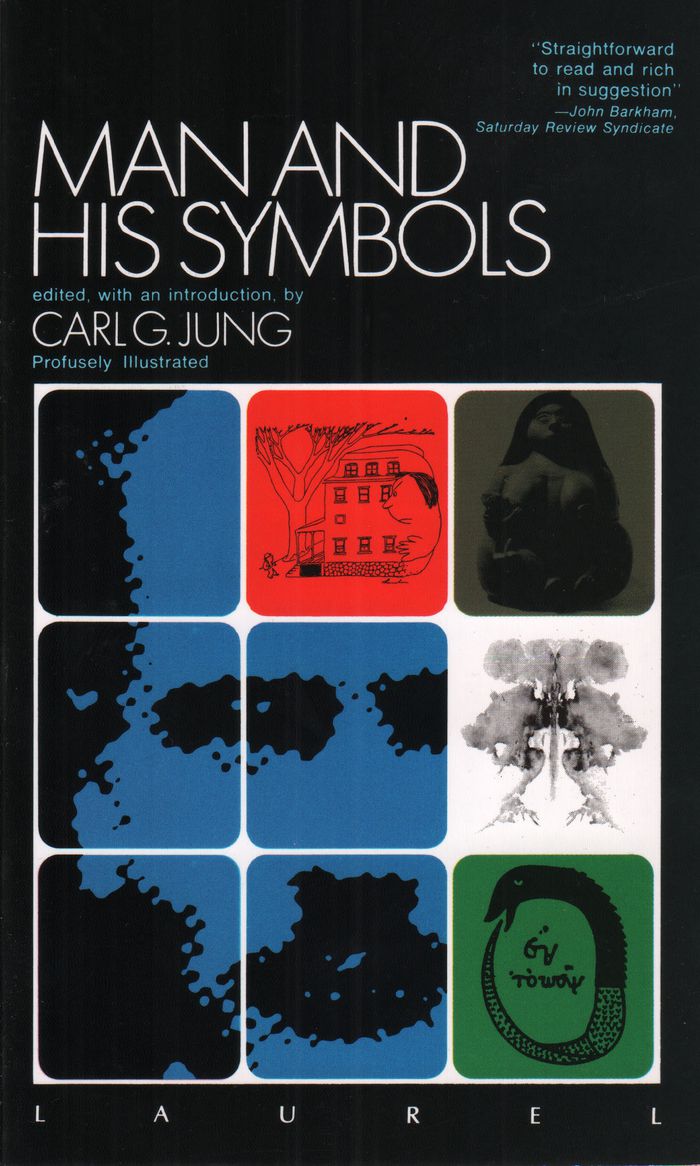
''Man and His Symbols'' owes its existence to one of Jung's own dreams. The great psychologist dreamed that his work was understood by a wide public, rather than just by psychiatrists, and therefore he agreed to write and edit this fascinating book. Here, Jung examines the full world of the unconscious, whose language he believed to be the symbols constantly revealed in dreams. Convinced that dreams offer practical advice, sent from the unconscious to the conscious self, Jung felt that self-understanding would lead to a full and productive life. Thus, the reader will gain new insights into themselves from this thoughtful volume, which also illustrates symbols throughout history. Completed just before his death by Jung and his associates, it is clearly addressed to the general reader.
Man and his symbols
Actions:
Prix:
$11.99
(disponible sur commande)
Résumé:
''Man and His Symbols'' owes its existence to one of Jung's own dreams. The great psychologist dreamed that his work was understood by a wide public, rather than just by psychiatrists, and therefore he agreed to write and edit this fascinating book. Here, Jung examines the full world of the unconscious, whose language he believed to be the symbols constantly revealed in dreams. Convinced that dreams offer practical advice, sent from the unconscious to the conscious self, Jung felt that self-understanding would lead to a full and productive life. Thus, the reader will gain new insights into themselves from this thoughtful volume, which also illustrates symbols throughout history. Completed just before his death by Jung and his associates, it is clearly addressed to the general reader.
Classification:
livres
livres
Publication:
septembre 1968
septembre 1968
Sujet:
Expositions en cours
Expositions en cours
Classification:
livres
livres
Actions:
Prix:
$19.95
(disponible sur commande)
Résumé:
First edited and published by Marcel Marien in 1968 in a limited edition of 230 copies, half a year after Paul Nougé’s death, The Subversion of Images is a miniature classic in both the photobook and surrealist canons. It collects Nougé’s notes and photographs from 1929–30 to form a guidebook to the surrealist image. Nougé here outlines his conception of the object and(...)
$19.95
(disponible sur commande)
Résumé:
First edited and published by Marcel Marien in 1968 in a limited edition of 230 copies, half a year after Paul Nougé’s death, The Subversion of Images is a miniature classic in both the photobook and surrealist canons. It collects Nougé’s notes and photographs from 1929–30 to form a guidebook to the surrealist image. Nougé here outlines his conception of the object and(...)
Titre:
The subversion of images: notes illustrated with nineteen photographs. Facsimile edition
Actions:
Prix:
$19.95
(disponible sur commande)
Résumé:
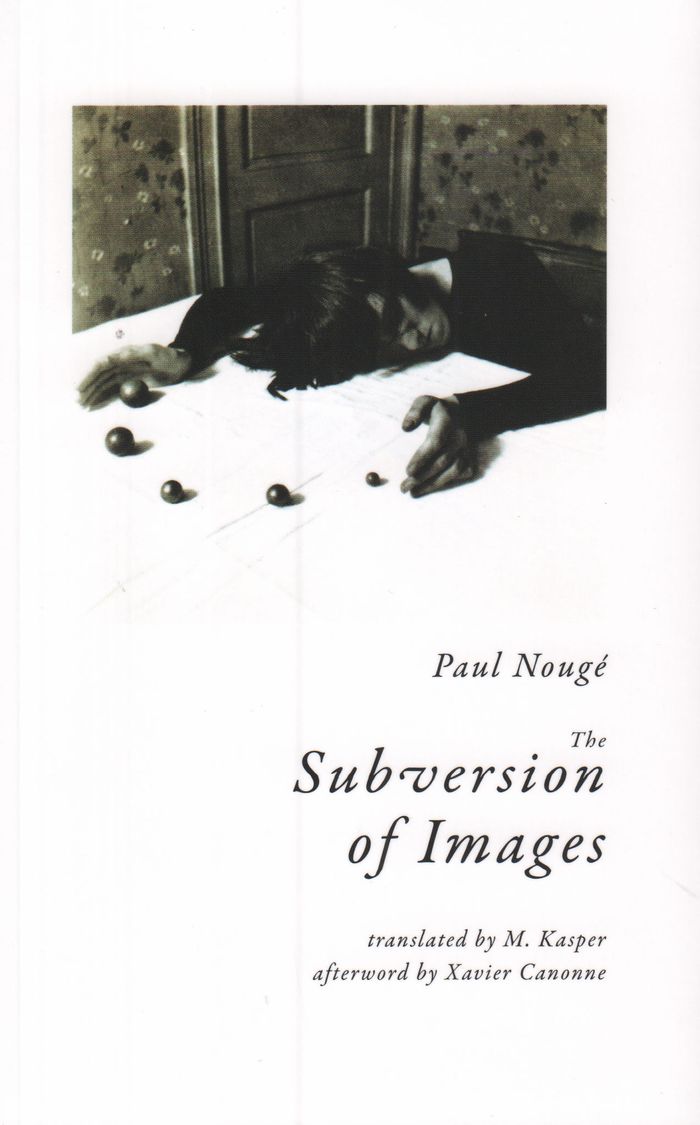
First edited and published by Marcel Marien in 1968 in a limited edition of 230 copies, half a year after Paul Nougé’s death, The Subversion of Images is a miniature classic in both the photobook and surrealist canons. It collects Nougé’s notes and photographs from 1929–30 to form a guidebook to the surrealist image. Nougé here outlines his conception of the object and the surrealist approach to it, while also offering an accompaniment to the visual work of his colleague, René Magritte, whose paintings he sometimes titled. How might a tangle of string elicit terror? How might the suppression of an object move one to sentimentality? What is the effect of a pair of gloves on a loaf of sliced bread?
The subversion of images: notes illustrated with nineteen photographs. Facsimile edition
Actions:
Prix:
$19.95
(disponible sur commande)
Résumé:
First edited and published by Marcel Marien in 1968 in a limited edition of 230 copies, half a year after Paul Nougé’s death, The Subversion of Images is a miniature classic in both the photobook and surrealist canons. It collects Nougé’s notes and photographs from 1929–30 to form a guidebook to the surrealist image. Nougé here outlines his conception of the object and the surrealist approach to it, while also offering an accompaniment to the visual work of his colleague, René Magritte, whose paintings he sometimes titled. How might a tangle of string elicit terror? How might the suppression of an object move one to sentimentality? What is the effect of a pair of gloves on a loaf of sliced bread?
Classification:
livres
livres
Publication:
janvier 2020
janvier 2020
Sujet:
Monographies photo
Monographies photo
Classification:
livres
livres
Titre:
Mousse 32 February - March
Mousse 32 February - March
Actions:
Prix:
$18.50
(disponible sur commande)
Résumé:
In this issue… Stan Douglas has a fascinating method for producing his series: identification. For “Midcentury Studio”, Douglas dons the garb of a Canadian news photographer and war veteran. In a conversation with Monika Szewczyk, the artist discusses this work and the recent “Disco Angola”. Elisabeth Lebovici converses with Barbara Hammer to retrace the(...)
$18.50
(disponible sur commande)
Résumé:
In this issue… Stan Douglas has a fascinating method for producing his series: identification. For “Midcentury Studio”, Douglas dons the garb of a Canadian news photographer and war veteran. In a conversation with Monika Szewczyk, the artist discusses this work and the recent “Disco Angola”. Elisabeth Lebovici converses with Barbara Hammer to retrace the(...)
Titre:
Mousse 32 February - March
Actions:
Prix:
$18.50
(disponible sur commande)
Résumé:
In this issue… Stan Douglas has a fascinating method for producing his series: identification. For “Midcentury Studio”, Douglas dons the garb of a Canadian news photographer and war veteran. In a conversation with Monika Szewczyk, the artist discusses this work and the recent “Disco Angola”. Elisabeth Lebovici converses with Barbara Hammer to retrace the artist’s career and delve into two recent works, one on Claude Cahun and Marcel Moore, the other on Maya Deren, touching on themes of gender, role and discrimination. In Buffalo, in March 1984, Susan Krane and Bruce Jenkins interviewed Hollis Frampton, shortly before his death. The tapes, which Jenkins has retrieved from his archives 28 years later, offer an extraordinary conversation/performance of the American artist in LOST & FOUND. And much more...
Mousse 32 February - March
Actions:
Prix:
$18.50
(disponible sur commande)
Résumé:
In this issue… Stan Douglas has a fascinating method for producing his series: identification. For “Midcentury Studio”, Douglas dons the garb of a Canadian news photographer and war veteran. In a conversation with Monika Szewczyk, the artist discusses this work and the recent “Disco Angola”. Elisabeth Lebovici converses with Barbara Hammer to retrace the artist’s career and delve into two recent works, one on Claude Cahun and Marcel Moore, the other on Maya Deren, touching on themes of gender, role and discrimination. In Buffalo, in March 1984, Susan Krane and Bruce Jenkins interviewed Hollis Frampton, shortly before his death. The tapes, which Jenkins has retrieved from his archives 28 years later, offer an extraordinary conversation/performance of the American artist in LOST & FOUND. And much more...
Classification:
livres
livres
Publication:
avril 2012
avril 2012
Sujet:
Revues
Revues
Classification:
livres
livres
Actions:
Prix:
$88.00
(disponible sur commande)
Résumé:
Joseph Cornell’s favorite pastimes was to meander through the used bookstalls of lower Manhattan, sorting through old books, magazines, postcards, photos, and other ephemera in search of items to spark his creative impulses. This publication is a facsimile of an almost unknown masterpiece by Joseph Cornell, presented in a box, along with a volume of essays and(...)
$88.00
(disponible sur commande)
Résumé:
Joseph Cornell’s favorite pastimes was to meander through the used bookstalls of lower Manhattan, sorting through old books, magazines, postcards, photos, and other ephemera in search of items to spark his creative impulses. This publication is a facsimile of an almost unknown masterpiece by Joseph Cornell, presented in a box, along with a volume of essays and(...)
Publication:
novembre 2012
novembre 2012
Titre:
Joseph Cornell's Manual of Marvels: how Joseph Cornell reinvented a French agricultural manual to create an American masterpiece
Actions:
Prix:
$88.00
(disponible sur commande)
Résumé:
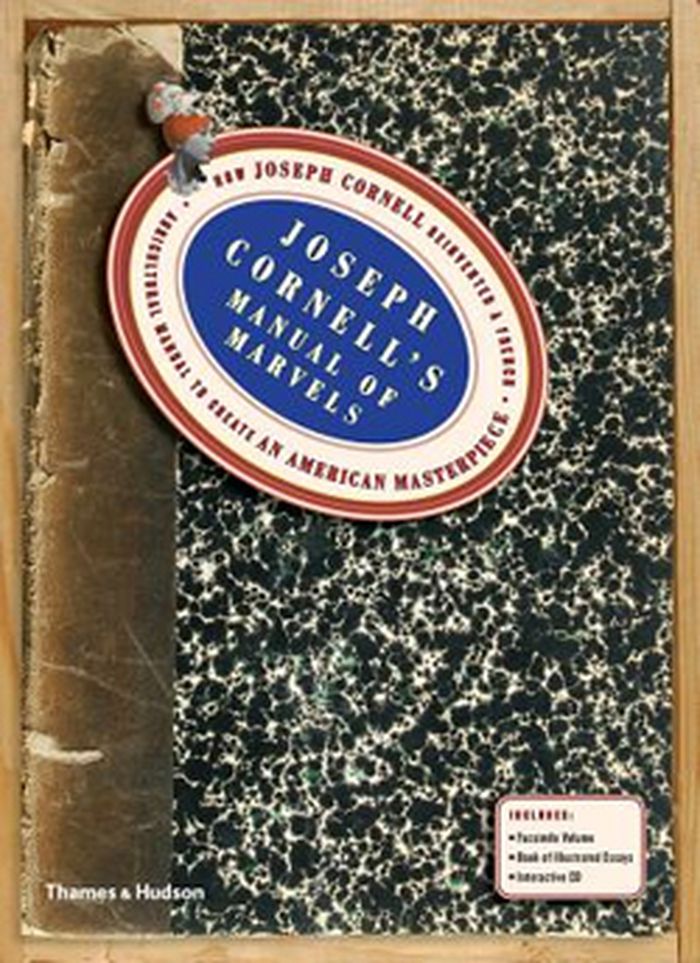
Joseph Cornell’s favorite pastimes was to meander through the used bookstalls of lower Manhattan, sorting through old books, magazines, postcards, photos, and other ephemera in search of items to spark his creative impulses. This publication is a facsimile of an almost unknown masterpiece by Joseph Cornell, presented in a box, along with a volume of essays and an interactive DVD. It was discovered in his basement studio soon after his death in 1972 and is now in the collection of the Philadelphia Museum of Art. Due to its fragility, the work is not well known, even among Cornell scholars. Now, in a unique venture, sixty of the most extraordinary pages have been re-created in virtual facsimile, with cutouts, glue-ons, and other unique handmade details.
Joseph Cornell's Manual of Marvels: how Joseph Cornell reinvented a French agricultural manual to create an American masterpiece
Actions:
Prix:
$88.00
(disponible sur commande)
Résumé:
Joseph Cornell’s favorite pastimes was to meander through the used bookstalls of lower Manhattan, sorting through old books, magazines, postcards, photos, and other ephemera in search of items to spark his creative impulses. This publication is a facsimile of an almost unknown masterpiece by Joseph Cornell, presented in a box, along with a volume of essays and an interactive DVD. It was discovered in his basement studio soon after his death in 1972 and is now in the collection of the Philadelphia Museum of Art. Due to its fragility, the work is not well known, even among Cornell scholars. Now, in a unique venture, sixty of the most extraordinary pages have been re-created in virtual facsimile, with cutouts, glue-ons, and other unique handmade details.
Classification:
livres
livres
Publication:
novembre 2012
novembre 2012
Classification:
livres
livres

Actions:
Prix:
$38.00
(disponible sur commande)
Résumé:
In The Preparation of the Novel, a collection of lectures delivered at a defining moment in Roland Barthes’s career (and completed just weeks before his death), the critic spoke of his struggle to discover a different way of writing and a new approach to life. The Neutral preceded this work, containing Barthes’s challenge to the classic oppositions of Western thought and(...)
$38.00
(disponible sur commande)
Résumé:
In The Preparation of the Novel, a collection of lectures delivered at a defining moment in Roland Barthes’s career (and completed just weeks before his death), the critic spoke of his struggle to discover a different way of writing and a new approach to life. The Neutral preceded this work, containing Barthes’s challenge to the classic oppositions of Western thought and(...)
Titre:
How to live together : novelistic simulations of some everyday spaces
Actions:
Prix:
$38.00
(disponible sur commande)
Résumé:
In The Preparation of the Novel, a collection of lectures delivered at a defining moment in Roland Barthes’s career (and completed just weeks before his death), the critic spoke of his struggle to discover a different way of writing and a new approach to life. The Neutral preceded this work, containing Barthes’s challenge to the classic oppositions of Western thought and his effort to establish new pathways of meaning. How to Live Together predates both achievements, a series of lectures exploring solitude and the degree of contact necessary for individuals to exist and create at their own pace. A distinct project that sets the tone for his subsequent lectures, How to Live Together is a key introduction to Barthes’s pedagogical methods and critical worldview.
How to live together : novelistic simulations of some everyday spaces
Actions:
Prix:
$38.00
(disponible sur commande)
Résumé:
In The Preparation of the Novel, a collection of lectures delivered at a defining moment in Roland Barthes’s career (and completed just weeks before his death), the critic spoke of his struggle to discover a different way of writing and a new approach to life. The Neutral preceded this work, containing Barthes’s challenge to the classic oppositions of Western thought and his effort to establish new pathways of meaning. How to Live Together predates both achievements, a series of lectures exploring solitude and the degree of contact necessary for individuals to exist and create at their own pace. A distinct project that sets the tone for his subsequent lectures, How to Live Together is a key introduction to Barthes’s pedagogical methods and critical worldview.
Classification:
livres
livres
Publication:
décembre 2012
décembre 2012
Sujet:
Social
Social
Classification:
livres
livres
Actions:
Prix:
$60.00
(disponible sur commande)
Résumé:
''Time within Time'' is both a diary and a notebook, maintained by Tarkovsky from 1970 until his death. Intense and intimate, it offers reflections on Dostoyevsky, Tolstoy, Hermann Hesse, Thomas Mann, and others. He writes movingly of his family, especially his father, Arseniy Tarkovsky, whose poems appear in his films. He records haunting dreams in detail and speaks of(...)
$60.00
(disponible sur commande)
Résumé:
''Time within Time'' is both a diary and a notebook, maintained by Tarkovsky from 1970 until his death. Intense and intimate, it offers reflections on Dostoyevsky, Tolstoy, Hermann Hesse, Thomas Mann, and others. He writes movingly of his family, especially his father, Arseniy Tarkovsky, whose poems appear in his films. He records haunting dreams in detail and speaks of(...)
Titre:
Time within time: the diaries, 1970-1986
Actions:
Prix:
$60.00
(disponible sur commande)
Résumé:
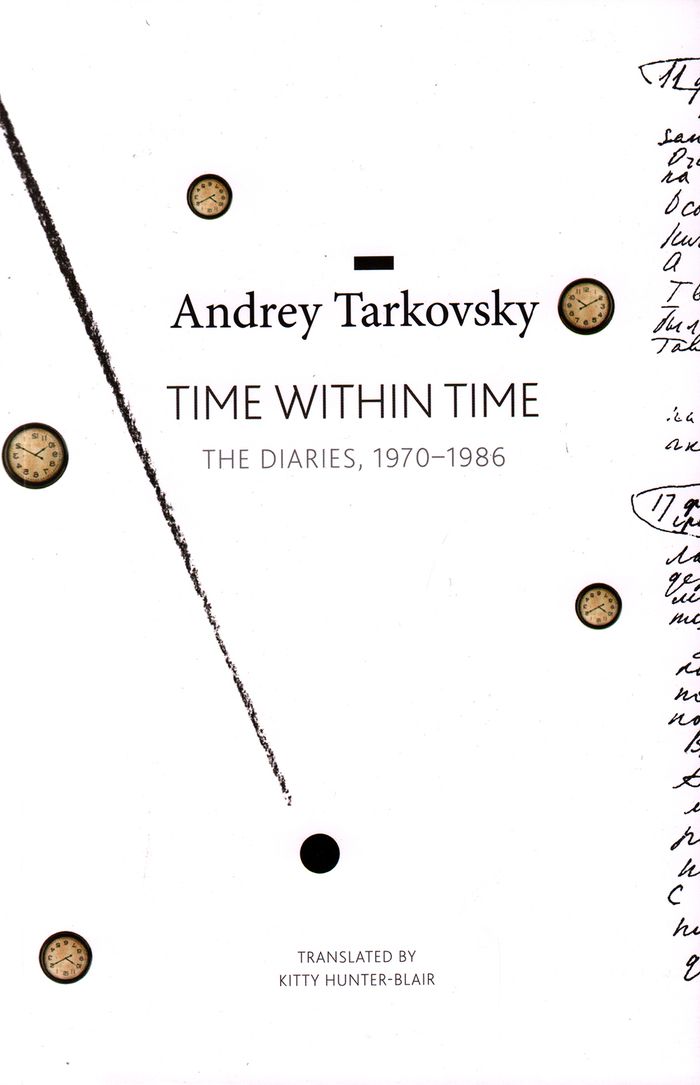
''Time within Time'' is both a diary and a notebook, maintained by Tarkovsky from 1970 until his death. Intense and intimate, it offers reflections on Dostoyevsky, Tolstoy, Hermann Hesse, Thomas Mann, and others. He writes movingly of his family, especially his father, Arseniy Tarkovsky, whose poems appear in his films. He records haunting dreams in detail and speaks of the state of society and the future of art, noting significant world events and purely personal dramas along with fascinating accounts of his own filmmaking. Rounding out this volume are Tarkovsky's plans and notes for his stage version of ''Hamlet''; a detailed proposal for a film adaptation of Dostoyevsky's ''The Idiot''; and a glimpse of the more public Tarkovsky answering questions put to him by interviewers.
Time within time: the diaries, 1970-1986
Actions:
Prix:
$60.00
(disponible sur commande)
Résumé:
''Time within Time'' is both a diary and a notebook, maintained by Tarkovsky from 1970 until his death. Intense and intimate, it offers reflections on Dostoyevsky, Tolstoy, Hermann Hesse, Thomas Mann, and others. He writes movingly of his family, especially his father, Arseniy Tarkovsky, whose poems appear in his films. He records haunting dreams in detail and speaks of the state of society and the future of art, noting significant world events and purely personal dramas along with fascinating accounts of his own filmmaking. Rounding out this volume are Tarkovsky's plans and notes for his stage version of ''Hamlet''; a detailed proposal for a film adaptation of Dostoyevsky's ''The Idiot''; and a glimpse of the more public Tarkovsky answering questions put to him by interviewers.
Classification:
livres
livres
Publication:
janvier 2019
janvier 2019
Sujet:
Littérature et poésie
Littérature et poésie
Classification:
livres
livres
Titre:
Butch heroes
Butch heroes
Actions:
Prix:
$35.95
(disponible sur commande)
Résumé:
Katherina Hetzeldorfer, tried “for a crime that didn't have a name” (same sex sexual relations) and sentenced to death by drowning in 1477; Charles aka Mary Hamilton, publicly whipped for impersonating a man in eighteenth-century England; Clara, aka “Big Ben,” over whom two jealous women fought in 1926 New York: these are just three of the lives that the artist Ria(...)
$35.95
(disponible sur commande)
Résumé:
Katherina Hetzeldorfer, tried “for a crime that didn't have a name” (same sex sexual relations) and sentenced to death by drowning in 1477; Charles aka Mary Hamilton, publicly whipped for impersonating a man in eighteenth-century England; Clara, aka “Big Ben,” over whom two jealous women fought in 1926 New York: these are just three of the lives that the artist Ria(...)
Titre:
Butch heroes
Actions:
Prix:
$35.95
(disponible sur commande)
Résumé:
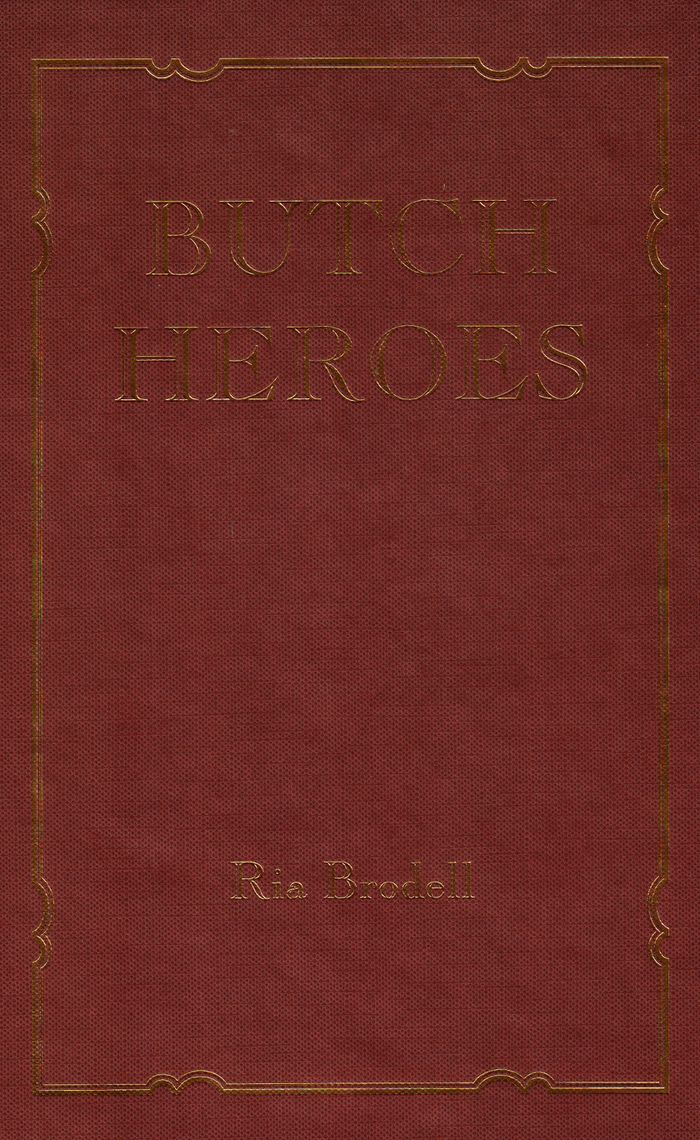
Katherina Hetzeldorfer, tried “for a crime that didn't have a name” (same sex sexual relations) and sentenced to death by drowning in 1477; Charles aka Mary Hamilton, publicly whipped for impersonating a man in eighteenth-century England; Clara, aka “Big Ben,” over whom two jealous women fought in 1926 New York: these are just three of the lives that the artist Ria Brodell has reclaimed for queer history in "Butch Heroes". Brodell offers a series of twenty-eight portraits of forgotten but heroic figures, each accompanied by a brief biographical note. They are individuals who were assigned female at birth but whose gender presentation was more masculine than feminine, who did not want to enter into heterosexual marriage, and who often faced dire punishment for being themselves.
Butch heroes
Actions:
Prix:
$35.95
(disponible sur commande)
Résumé:
Katherina Hetzeldorfer, tried “for a crime that didn't have a name” (same sex sexual relations) and sentenced to death by drowning in 1477; Charles aka Mary Hamilton, publicly whipped for impersonating a man in eighteenth-century England; Clara, aka “Big Ben,” over whom two jealous women fought in 1926 New York: these are just three of the lives that the artist Ria Brodell has reclaimed for queer history in "Butch Heroes". Brodell offers a series of twenty-eight portraits of forgotten but heroic figures, each accompanied by a brief biographical note. They are individuals who were assigned female at birth but whose gender presentation was more masculine than feminine, who did not want to enter into heterosexual marriage, and who often faced dire punishment for being themselves.
Classification:
livres
livres
Publication:
octobre 2018
octobre 2018


