


1897 Résultats
Classification:
livres
livres
Titre:
The fragility of plaster
The fragility of plaster
Actions:
Prix:
$17.95
(disponible sur commande)
Résumé:
The distant past is commonly characterized in terms of dominant materials of the time – the Stone Age, the Bronze Age, the Iron Age, etc. Since the dawn of writing, however, characterizing eras in terms of materials has fallen by the wayside, and yet materials have continued to exert a powerful influence on our collective imagination. Viewed from this perspective, France(...)
$17.95
(disponible sur commande)
Résumé:
The distant past is commonly characterized in terms of dominant materials of the time – the Stone Age, the Bronze Age, the Iron Age, etc. Since the dawn of writing, however, characterizing eras in terms of materials has fallen by the wayside, and yet materials have continued to exert a powerful influence on our collective imagination. Viewed from this perspective, France(...)
Titre:
The fragility of plaster
Actions:
Prix:
$17.95
(disponible sur commande)
Résumé:
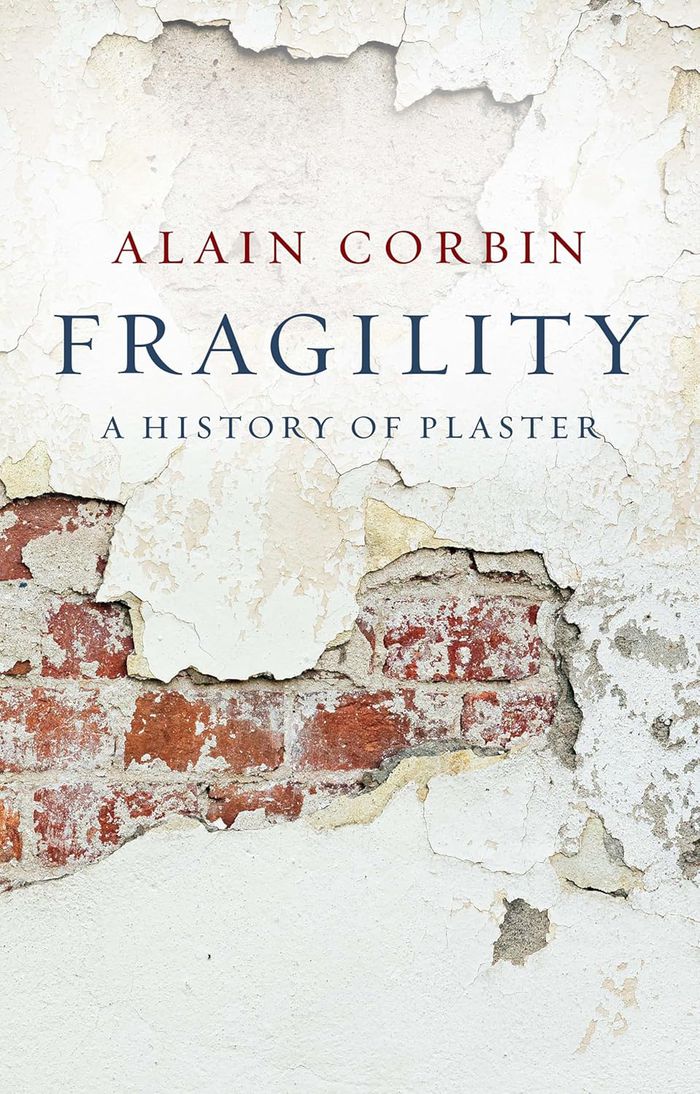
The distant past is commonly characterized in terms of dominant materials of the time – the Stone Age, the Bronze Age, the Iron Age, etc. Since the dawn of writing, however, characterizing eras in terms of materials has fallen by the wayside, and yet materials have continued to exert a powerful influence on our collective imagination. Viewed from this perspective, France in the period from 1815 to 1855 could be seen as the half-century of plaster. After the French Revolution, plaster was used for a great variety of things: building, moulding, sculpting, decorating. Cheap and easy to use, plaster was everywhere, from Napoleon’s death mask to household ornaments, from walls to elaborate mouldings. Plaster was king – but a fragile king that easily crumbled and fell apart. The age of plaster was also the reign of the ephemeral and the transient, the vulgar and the eclectic, and the men and women of the time struggled to maintain stability and continuity with the past.
The fragility of plaster
Actions:
Prix:
$17.95
(disponible sur commande)
Résumé:
The distant past is commonly characterized in terms of dominant materials of the time – the Stone Age, the Bronze Age, the Iron Age, etc. Since the dawn of writing, however, characterizing eras in terms of materials has fallen by the wayside, and yet materials have continued to exert a powerful influence on our collective imagination. Viewed from this perspective, France in the period from 1815 to 1855 could be seen as the half-century of plaster. After the French Revolution, plaster was used for a great variety of things: building, moulding, sculpting, decorating. Cheap and easy to use, plaster was everywhere, from Napoleon’s death mask to household ornaments, from walls to elaborate mouldings. Plaster was king – but a fragile king that easily crumbled and fell apart. The age of plaster was also the reign of the ephemeral and the transient, the vulgar and the eclectic, and the men and women of the time struggled to maintain stability and continuity with the past.
Classification:
livres
livres
Publication:
juillet 2025
juillet 2025
Sujet:
Théorie de l’art
Théorie de l’art
Classification:
livres
livres
Actions:
Prix:
$81.50
(disponible sur commande)
Résumé:
This book is the first devoted to the important innovations in architecture that took place in western Europe between the death of emperor Justinian in A.D. 565 and the tenth century. During this period of transition from Late Antiquity to the Middle Ages, the Early Christian basilica was transformed in both form and function. Charles B. McClendon draws on rich(...)
$81.50
(disponible sur commande)
Résumé:
This book is the first devoted to the important innovations in architecture that took place in western Europe between the death of emperor Justinian in A.D. 565 and the tenth century. During this period of transition from Late Antiquity to the Middle Ages, the Early Christian basilica was transformed in both form and function. Charles B. McClendon draws on rich(...)
Publication:
janvier 2005, New Haven
janvier 2005, New Haven
Titre:
The origins of medieval architecture : building in Europe, A.D. 600-900
Actions:
Prix:
$81.50
(disponible sur commande)
Résumé:
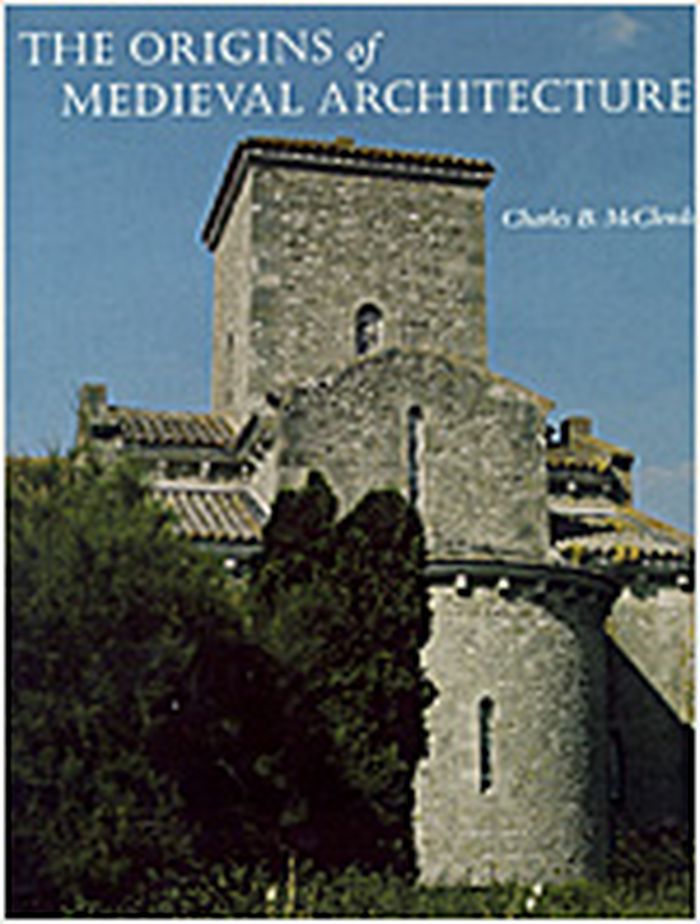
This book is the first devoted to the important innovations in architecture that took place in western Europe between the death of emperor Justinian in A.D. 565 and the tenth century. During this period of transition from Late Antiquity to the Middle Ages, the Early Christian basilica was transformed in both form and function. Charles B. McClendon draws on rich documentary evidence and archaeological data to show that the buildings of these three centuries, studied in isolation but rarely together, set substantial precedents for the future of medieval architecture. He looks at buildings of the so-called Dark Ages—monuments that reflected a new assimilation of seemingly antithetical “barbarian” and “classical” attitudes toward architecture and its decoration—and at the grand and innovative architecture of the Carolingian Empire. The great Romanesque and Gothic churches of subsequent centuries owe far more to the architectural achievements of the Early Middle Ages than has generally been recognized, the author argues.
The origins of medieval architecture : building in Europe, A.D. 600-900
Actions:
Prix:
$81.50
(disponible sur commande)
Résumé:
This book is the first devoted to the important innovations in architecture that took place in western Europe between the death of emperor Justinian in A.D. 565 and the tenth century. During this period of transition from Late Antiquity to the Middle Ages, the Early Christian basilica was transformed in both form and function. Charles B. McClendon draws on rich documentary evidence and archaeological data to show that the buildings of these three centuries, studied in isolation but rarely together, set substantial precedents for the future of medieval architecture. He looks at buildings of the so-called Dark Ages—monuments that reflected a new assimilation of seemingly antithetical “barbarian” and “classical” attitudes toward architecture and its decoration—and at the grand and innovative architecture of the Carolingian Empire. The great Romanesque and Gothic churches of subsequent centuries owe far more to the architectural achievements of the Early Middle Ages than has generally been recognized, the author argues.
Classification:
livres
livres
Publication:
janvier 2005, New Haven
janvier 2005, New Haven
Classification:
livres
livres
Actions:
Prix:
$38.00
(disponible en magasin)
Résumé:
When the New Yorker art critic Peter Schjeldahl published his widely read autobiographical essay "The art of dying" in December 2019, he reported that he had lung cancer and his oncologist had given him six months to live, but his experimental treatment was showing some improvement. "These extra months," he wrote, "are a luxury that I hope to have put to good use.” And he(...)
$38.00
(disponible en magasin)
Résumé:
When the New Yorker art critic Peter Schjeldahl published his widely read autobiographical essay "The art of dying" in December 2019, he reported that he had lung cancer and his oncologist had given him six months to live, but his experimental treatment was showing some improvement. "These extra months," he wrote, "are a luxury that I hope to have put to good use.” And he(...)
Titre:
The art of dying: Writings 2019-2022
Actions:
Prix:
$38.00
(disponible en magasin)
Résumé:
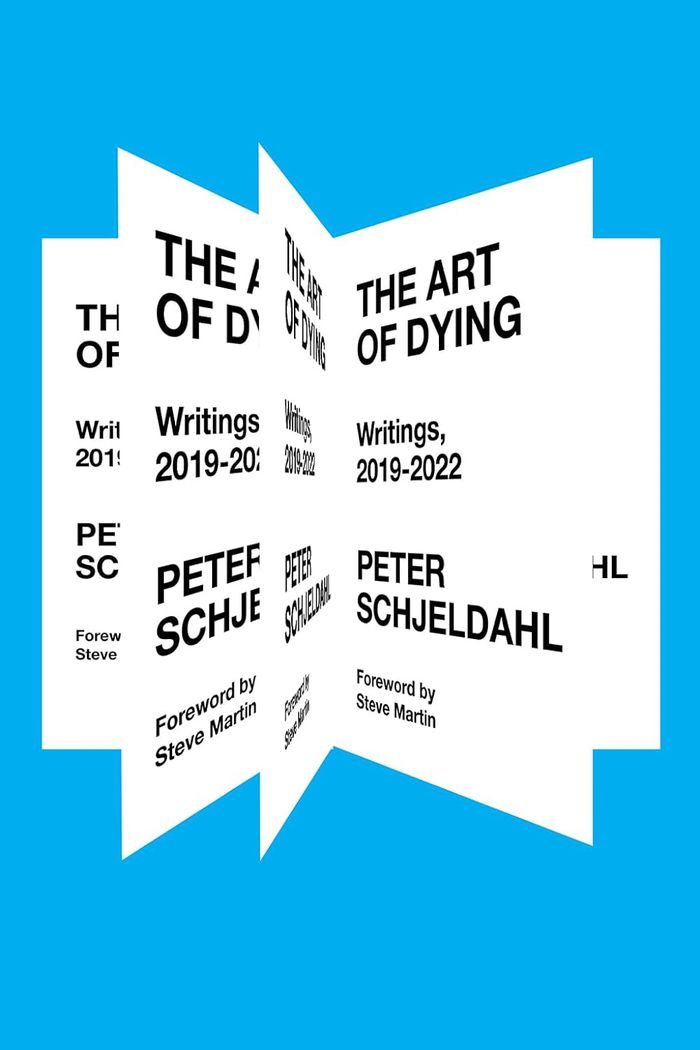
When the New Yorker art critic Peter Schjeldahl published his widely read autobiographical essay "The art of dying" in December 2019, he reported that he had lung cancer and his oncologist had given him six months to live, but his experimental treatment was showing some improvement. "These extra months," he wrote, "are a luxury that I hope to have put to good use.” And he did. "The art of dying: Writings, 2019-2022" begins with that essay and collects all 46 pieces that he wrote for the magazine before his death in October 2022. These last works express Schjeldahl’s hard-won reflections on art and life, against the backdrop of an intensely anxious period in America, spanning the pandemic, the George Floyd protests, the 2020 presidential election, and the war in Ukraine. Schjeldahl, who was the leading art writer of his generation, wrote with generosity and openness about the art world during these tempestuous three years.
The art of dying: Writings 2019-2022
Actions:
Prix:
$38.00
(disponible en magasin)
Résumé:
When the New Yorker art critic Peter Schjeldahl published his widely read autobiographical essay "The art of dying" in December 2019, he reported that he had lung cancer and his oncologist had given him six months to live, but his experimental treatment was showing some improvement. "These extra months," he wrote, "are a luxury that I hope to have put to good use.” And he did. "The art of dying: Writings, 2019-2022" begins with that essay and collects all 46 pieces that he wrote for the magazine before his death in October 2022. These last works express Schjeldahl’s hard-won reflections on art and life, against the backdrop of an intensely anxious period in America, spanning the pandemic, the George Floyd protests, the 2020 presidential election, and the war in Ukraine. Schjeldahl, who was the leading art writer of his generation, wrote with generosity and openness about the art world during these tempestuous three years.
Classification:
livres
livres
Publication:
mai 2024
mai 2024
Sujet:
Théorie de l’art
Théorie de l’art
Classification:
livres
livres
Actions:
Prix:
$25.95
(disponible sur commande)
Résumé:
In "Black elegies", Kimberly Juanita Brown examines the form of the elegy and its unique capacity to convey the elongated grief borne of sustained racial violence. Structured around the sensorial, the book moves through sight, sound, and touch to reveal what Okwui Enwezor calls the "national emergency of black grief." With her characteristic literary skill, Brown analyzes(...)
$25.95
(disponible sur commande)
Résumé:
In "Black elegies", Kimberly Juanita Brown examines the form of the elegy and its unique capacity to convey the elongated grief borne of sustained racial violence. Structured around the sensorial, the book moves through sight, sound, and touch to reveal what Okwui Enwezor calls the "national emergency of black grief." With her characteristic literary skill, Brown analyzes(...)
Titre:
Black elegies: meditations on the art of mourning
Actions:
Prix:
$25.95
(disponible sur commande)
Résumé:
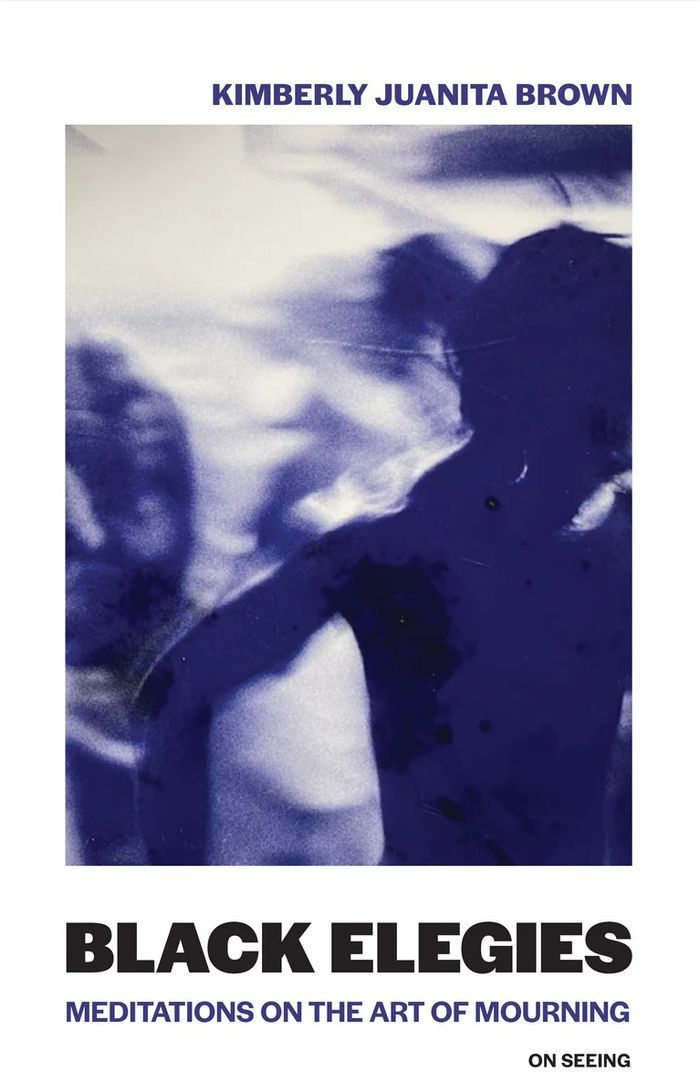
In "Black elegies", Kimberly Juanita Brown examines the form of the elegy and its unique capacity to convey the elongated grief borne of sustained racial violence. Structured around the sensorial, the book moves through sight, sound, and touch to reveal what Okwui Enwezor calls the "national emergency of black grief." With her characteristic literary skill, Brown analyzes the work of major figures including Toni Morrison, Carrie Mae Weems, Audre Lorde, and Marvin Gaye, among others. Brown contemplates recognizable sites of mourning: forced migration and enslavement, bodily violations, imprisonment and death. And she examines sites that do not register immediately as archives of grief: the landscape of southern U.S. slave plantations, a spontaneous street party, a quilt constructed out of the clothing worn by a loved one, a dance performance to hold the memory of history, and an aeolian harp installed at an institute of European art, among others. In this, the book offers a framework of mourning while black, within the parameters of contemporary artistic production.
Black elegies: meditations on the art of mourning
Actions:
Prix:
$25.95
(disponible sur commande)
Résumé:
In "Black elegies", Kimberly Juanita Brown examines the form of the elegy and its unique capacity to convey the elongated grief borne of sustained racial violence. Structured around the sensorial, the book moves through sight, sound, and touch to reveal what Okwui Enwezor calls the "national emergency of black grief." With her characteristic literary skill, Brown analyzes the work of major figures including Toni Morrison, Carrie Mae Weems, Audre Lorde, and Marvin Gaye, among others. Brown contemplates recognizable sites of mourning: forced migration and enslavement, bodily violations, imprisonment and death. And she examines sites that do not register immediately as archives of grief: the landscape of southern U.S. slave plantations, a spontaneous street party, a quilt constructed out of the clothing worn by a loved one, a dance performance to hold the memory of history, and an aeolian harp installed at an institute of European art, among others. In this, the book offers a framework of mourning while black, within the parameters of contemporary artistic production.
Classification:
livres
livres
Publication:
février 2025
février 2025
Sujet:
Théorie/ philosophie
Théorie/ philosophie
Classification:
livres
livres

Actions:
Prix:
$82.50
(disponible sur commande)
Résumé:
The first comprehensive overview of the work of Garry Winogrand contains an essay on the life and work of the photographer by John Szarkowski and a plate section presenting the photographs thematically. Grouped under the following titles-- Eisenhower Years, The Street, Women, The Zoo, On the Road, The Sixties, Etc, The Fort Worth Fat Stock Show and Rodeo, Airport, and(...)
$82.50
(disponible sur commande)
Résumé:
The first comprehensive overview of the work of Garry Winogrand contains an essay on the life and work of the photographer by John Szarkowski and a plate section presenting the photographs thematically. Grouped under the following titles-- Eisenhower Years, The Street, Women, The Zoo, On the Road, The Sixties, Etc, The Fort Worth Fat Stock Show and Rodeo, Airport, and(...)
Titre:
Winogrand : figments from the real world
Actions:
Prix:
$82.50
(disponible sur commande)
Résumé:
The first comprehensive overview of the work of Garry Winogrand contains an essay on the life and work of the photographer by John Szarkowski and a plate section presenting the photographs thematically. Grouped under the following titles-- Eisenhower Years, The Street, Women, The Zoo, On the Road, The Sixties, Etc, The Fort Worth Fat Stock Show and Rodeo, Airport, and Unfinished Work-- many of the 179 plates are works that had never before been published. The last section includes 25 pictures chosen from the enormous body of work that Winogrand left unedited at the time of his death in 1984. In his essay, Szarkowski, who knew the photographer well during most of his career, describes the development of Winogrand's pictorial strategies during his years as a photojournalist, the increasing complexity of his motifs as he pursued more personal goals, and the challenge posed for other photographers by the powerful and distinctive authority of Winogrand's best work.
Winogrand : figments from the real world
Actions:
Prix:
$82.50
(disponible sur commande)
Résumé:
The first comprehensive overview of the work of Garry Winogrand contains an essay on the life and work of the photographer by John Szarkowski and a plate section presenting the photographs thematically. Grouped under the following titles-- Eisenhower Years, The Street, Women, The Zoo, On the Road, The Sixties, Etc, The Fort Worth Fat Stock Show and Rodeo, Airport, and Unfinished Work-- many of the 179 plates are works that had never before been published. The last section includes 25 pictures chosen from the enormous body of work that Winogrand left unedited at the time of his death in 1984. In his essay, Szarkowski, who knew the photographer well during most of his career, describes the development of Winogrand's pictorial strategies during his years as a photojournalist, the increasing complexity of his motifs as he pursued more personal goals, and the challenge posed for other photographers by the powerful and distinctive authority of Winogrand's best work.
Classification:
livres
livres
Publication:
janvier 1900, New York
janvier 1900, New York
Sujet:
Monographies photo
Monographies photo
Classification:
livres
livres
Titre:
Gothic dark glamour
Gothic dark glamour
Actions:
Prix:
$45.00
(disponible sur commande)
Résumé:
From its origins in the eighteenth-century literature of terror to its contemporary manifestations in vampire fiction, cinema, and art, the gothic has embraced the powers of horror and the erotic macabre. “Gothic” is an epithet with a strange history – evoking images of death, destruction, and decay. Ironically, its negative connotations have made the gothic an ideal(...)
$45.00
(disponible sur commande)
Résumé:
From its origins in the eighteenth-century literature of terror to its contemporary manifestations in vampire fiction, cinema, and art, the gothic has embraced the powers of horror and the erotic macabre. “Gothic” is an epithet with a strange history – evoking images of death, destruction, and decay. Ironically, its negative connotations have made the gothic an ideal(...)
Sujet:
Création de mode
Création de mode
Publication:
septembre 2008, New Haven, London
septembre 2008, New Haven, London
Titre:
Gothic dark glamour
Actions:
Prix:
$45.00
(disponible sur commande)
Résumé:
From its origins in the eighteenth-century literature of terror to its contemporary manifestations in vampire fiction, cinema, and art, the gothic has embraced the powers of horror and the erotic macabre. “Gothic” is an epithet with a strange history – evoking images of death, destruction, and decay. Ironically, its negative connotations have made the gothic an ideal symbol of rebellion for a wide range of cultural outsiders. Popularly associated with black-clad teenagers and rock musicians, gothic fashion encompasses not only subcultural styles (from old-school goth to cyber-goth and beyond) but also high fashion by such designers as Alexander McQueen, John Galliano of Christian Dior, Rick Owens, Olivier Theyskens, and Yohji Yamamoto. Fashion photographers, such as Sean Ellis and Eugenio Recuenco, have also drawn on the visual vocabulary of the gothic to convey narratives of dark glamour. As the text and lavish illustrations in this book suggest, gothic fashion has deep cultural roots that give it an enduring potency.
Gothic dark glamour
Actions:
Prix:
$45.00
(disponible sur commande)
Résumé:
From its origins in the eighteenth-century literature of terror to its contemporary manifestations in vampire fiction, cinema, and art, the gothic has embraced the powers of horror and the erotic macabre. “Gothic” is an epithet with a strange history – evoking images of death, destruction, and decay. Ironically, its negative connotations have made the gothic an ideal symbol of rebellion for a wide range of cultural outsiders. Popularly associated with black-clad teenagers and rock musicians, gothic fashion encompasses not only subcultural styles (from old-school goth to cyber-goth and beyond) but also high fashion by such designers as Alexander McQueen, John Galliano of Christian Dior, Rick Owens, Olivier Theyskens, and Yohji Yamamoto. Fashion photographers, such as Sean Ellis and Eugenio Recuenco, have also drawn on the visual vocabulary of the gothic to convey narratives of dark glamour. As the text and lavish illustrations in this book suggest, gothic fashion has deep cultural roots that give it an enduring potency.
Classification:
livres
livres
Publication:
septembre 2008, New Haven, London
septembre 2008, New Haven, London
Sujet:
Création de mode
Création de mode
Classification:
livres
livres

Prix:
$52.00
(disponible sur commande)
Résumé:
No photographer during architect Frank Lloyd Wright’s lifetime was granted as much personal and professional access as his official photographer, Pedro E. Guerrero, who spent 20 years shooting Wright’s work, his homes and many key moments in his life. Picturing Wright: An Album from Frank Lloyd Wright’s Photographer provides an illuminating portrait of Wright from the(...)
$52.00
(disponible sur commande)
Résumé:
No photographer during architect Frank Lloyd Wright’s lifetime was granted as much personal and professional access as his official photographer, Pedro E. Guerrero, who spent 20 years shooting Wright’s work, his homes and many key moments in his life. Picturing Wright: An Album from Frank Lloyd Wright’s Photographer provides an illuminating portrait of Wright from the(...)
Titre:
Picturing Wright: an album from Frank Lloyd Wright's photographer
Actions:
Prix:
$52.00
(disponible sur commande)
Résumé:
No photographer during architect Frank Lloyd Wright’s lifetime was granted as much personal and professional access as his official photographer, Pedro E. Guerrero, who spent 20 years shooting Wright’s work, his homes and many key moments in his life. Picturing Wright: An Album from Frank Lloyd Wright’s Photographer provides an illuminating portrait of Wright from the day of Guerrero’s serendipitous hiring in 1939 until his last assignment just before the architect’s 1959 death, a particularly momentous time in Wright’s career. Guerrero captured Wright at Taliesin West in Arizona, at Taliesin in Wisconsin and later at “Taliesin East”—his personally remodeled suite at New York’s Plaza Hotel. Guerrero was there as the Arizona site evolved from a makeshift camp to an internationally renowned architectural community; for the Taliesin Fellowship’s treks east to Taliesin each spring; and for life among the apprentice architects who created buildings, grew their own food, picnicked on the hillsides and thrived under the master’s watchful but benevolent eye.
Picturing Wright: an album from Frank Lloyd Wright's photographer
Actions:
Prix:
$52.00
(disponible sur commande)
Résumé:
No photographer during architect Frank Lloyd Wright’s lifetime was granted as much personal and professional access as his official photographer, Pedro E. Guerrero, who spent 20 years shooting Wright’s work, his homes and many key moments in his life. Picturing Wright: An Album from Frank Lloyd Wright’s Photographer provides an illuminating portrait of Wright from the day of Guerrero’s serendipitous hiring in 1939 until his last assignment just before the architect’s 1959 death, a particularly momentous time in Wright’s career. Guerrero captured Wright at Taliesin West in Arizona, at Taliesin in Wisconsin and later at “Taliesin East”—his personally remodeled suite at New York’s Plaza Hotel. Guerrero was there as the Arizona site evolved from a makeshift camp to an internationally renowned architectural community; for the Taliesin Fellowship’s treks east to Taliesin each spring; and for life among the apprentice architects who created buildings, grew their own food, picnicked on the hillsides and thrived under the master’s watchful but benevolent eye.
Classification:
livres
livres
Publication:
mars 2015
mars 2015
Sujet:
Architecture, monographies
Architecture, monographies
Classification:
livres
livres
Titre:
Alighiero Boetti: game plan
Alighiero Boetti: game plan
Actions:
Prix:
$55.00
(disponible sur commande)
Résumé:
Published to accompany the first large-scale retrospective of Alighiero Boetti's work outside Italy in over a decade, this volume covers all periods of Boetti's broad oeuvre, including early sculptural experiments associated with the Arte Povera movement, conceptual and ephemeral projects of the 1970s and the monumental embroideries and tapestries he fabricated up to his(...)
$55.00
(disponible sur commande)
Résumé:
Published to accompany the first large-scale retrospective of Alighiero Boetti's work outside Italy in over a decade, this volume covers all periods of Boetti's broad oeuvre, including early sculptural experiments associated with the Arte Povera movement, conceptual and ephemeral projects of the 1970s and the monumental embroideries and tapestries he fabricated up to his(...)
Publication:
novembre 2011
novembre 2011
Titre:
Alighiero Boetti: game plan
Actions:
Prix:
$55.00
(disponible sur commande)
Résumé:
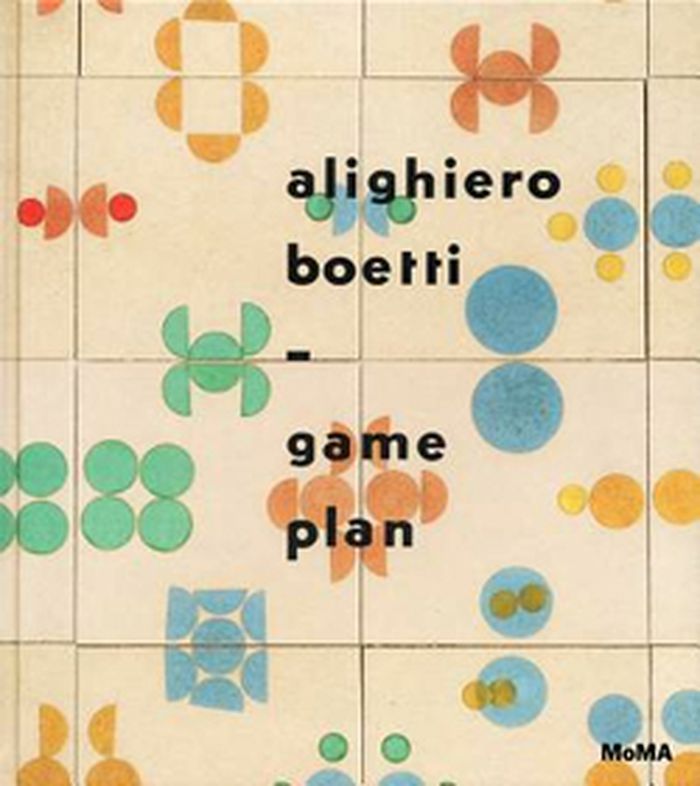
Published to accompany the first large-scale retrospective of Alighiero Boetti's work outside Italy in over a decade, this volume covers all periods of Boetti's broad oeuvre, including early sculptural experiments associated with the Arte Povera movement, conceptual and ephemeral projects of the 1970s and the monumental embroideries and tapestries he fabricated up to his death. This illustrated catalogue is structured as a typology of the artist's body of work rather than a chronological progression. Essays by curators from the Reina Sofia, Madrid, the Tate Modern, London and The Museum of Modern Art, New York, address recurrent themes in Boetti's work such as travel and geography, time, order and disorder and singularity and multitude, while contributions by scholars examine his early influences and his relationship to the cultural, political, and social spheres of Italy and Afghanistan in the 1970s and 1980s. This volume celebrates the material diversity, conceptual complexity and visual beauty of Boetti's work, proving that he is one of the most important and influential artists of his generation.
Alighiero Boetti: game plan
Actions:
Prix:
$55.00
(disponible sur commande)
Résumé:
Published to accompany the first large-scale retrospective of Alighiero Boetti's work outside Italy in over a decade, this volume covers all periods of Boetti's broad oeuvre, including early sculptural experiments associated with the Arte Povera movement, conceptual and ephemeral projects of the 1970s and the monumental embroideries and tapestries he fabricated up to his death. This illustrated catalogue is structured as a typology of the artist's body of work rather than a chronological progression. Essays by curators from the Reina Sofia, Madrid, the Tate Modern, London and The Museum of Modern Art, New York, address recurrent themes in Boetti's work such as travel and geography, time, order and disorder and singularity and multitude, while contributions by scholars examine his early influences and his relationship to the cultural, political, and social spheres of Italy and Afghanistan in the 1970s and 1980s. This volume celebrates the material diversity, conceptual complexity and visual beauty of Boetti's work, proving that he is one of the most important and influential artists of his generation.
Classification:
livres
livres
Publication:
novembre 2011
novembre 2011
Classification:
livres
livres
Prix:
$88.00
(disponible sur commande)
Résumé:
Scholar and historian Christopher Long turns his attention to the little-known German-born architect and designer Jock Peters (1889–1934). Long's engaging study introduces us to the modernist's architectural work in Hamburg, Germany, before World War I, and also to Peters's work created after he immigrated to America in 1922. Most notable are his interiors for the(...)
$88.00
(disponible sur commande)
Résumé:
Scholar and historian Christopher Long turns his attention to the little-known German-born architect and designer Jock Peters (1889–1934). Long's engaging study introduces us to the modernist's architectural work in Hamburg, Germany, before World War I, and also to Peters's work created after he immigrated to America in 1922. Most notable are his interiors for the(...)
Titre:
Jock Peters: Architecture and design. The varieties of Modernism
Actions:
Prix:
$88.00
(disponible sur commande)
Résumé:
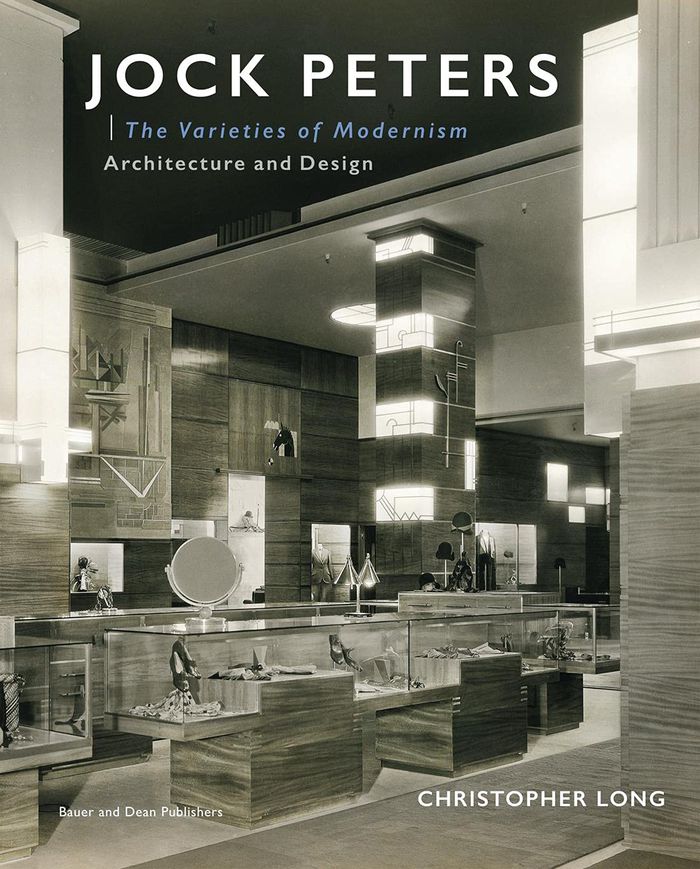
Scholar and historian Christopher Long turns his attention to the little-known German-born architect and designer Jock Peters (1889–1934). Long's engaging study introduces us to the modernist's architectural work in Hamburg, Germany, before World War I, and also to Peters's work created after he immigrated to America in 1922. Most notable are his interiors for the once-famous Hollander department store in New York City and for Bullock's Wilshire in Los Angeles (the building was recently restored by Southwestern Law School). Both projects brought him international recognition. Peters also designed a dynamic sales office building for the short-lived Maddux Air Lines, as well as stores and houses for the developer William Lingenbrink, a major supporter of the burgeoning modernism in Southern California. Aside from his architectural work, Peters designed film sets for Famous Players-Lasky (later Paramount Pictures), working in the famed art department of Hans Dreier. Despite his early death, Peters managed to leave his mark on the modernist landscape in Southern California at a time when the new style was just emerging.
Jock Peters: Architecture and design. The varieties of Modernism
Actions:
Prix:
$88.00
(disponible sur commande)
Résumé:
Scholar and historian Christopher Long turns his attention to the little-known German-born architect and designer Jock Peters (1889–1934). Long's engaging study introduces us to the modernist's architectural work in Hamburg, Germany, before World War I, and also to Peters's work created after he immigrated to America in 1922. Most notable are his interiors for the once-famous Hollander department store in New York City and for Bullock's Wilshire in Los Angeles (the building was recently restored by Southwestern Law School). Both projects brought him international recognition. Peters also designed a dynamic sales office building for the short-lived Maddux Air Lines, as well as stores and houses for the developer William Lingenbrink, a major supporter of the burgeoning modernism in Southern California. Aside from his architectural work, Peters designed film sets for Famous Players-Lasky (later Paramount Pictures), working in the famed art department of Hans Dreier. Despite his early death, Peters managed to leave his mark on the modernist landscape in Southern California at a time when the new style was just emerging.
Classification:
livres
livres
Publication:
octobre 2021
octobre 2021
Sujet:
Modernisme
Modernisme
Classification:
livres
livres
Titre:
The break
The break
Actions:
Prix:
$22.95
(disponible en magasin)
Résumé:
When Stella, a young Métis mother, looks out her window one evening and spots someone in trouble on the Break — a barren field on an isolated strip of land outside her house — she calls the police to alert them to a possible crime. In a series of shifting narratives, people who are connected, both directly and indirectly, with the victim — police, family, and friends —(...)
$22.95
(disponible en magasin)
Résumé:
When Stella, a young Métis mother, looks out her window one evening and spots someone in trouble on the Break — a barren field on an isolated strip of land outside her house — she calls the police to alert them to a possible crime. In a series of shifting narratives, people who are connected, both directly and indirectly, with the victim — police, family, and friends —(...)
Titre:
The break
Actions:
Prix:
$22.95
(disponible en magasin)
Résumé:
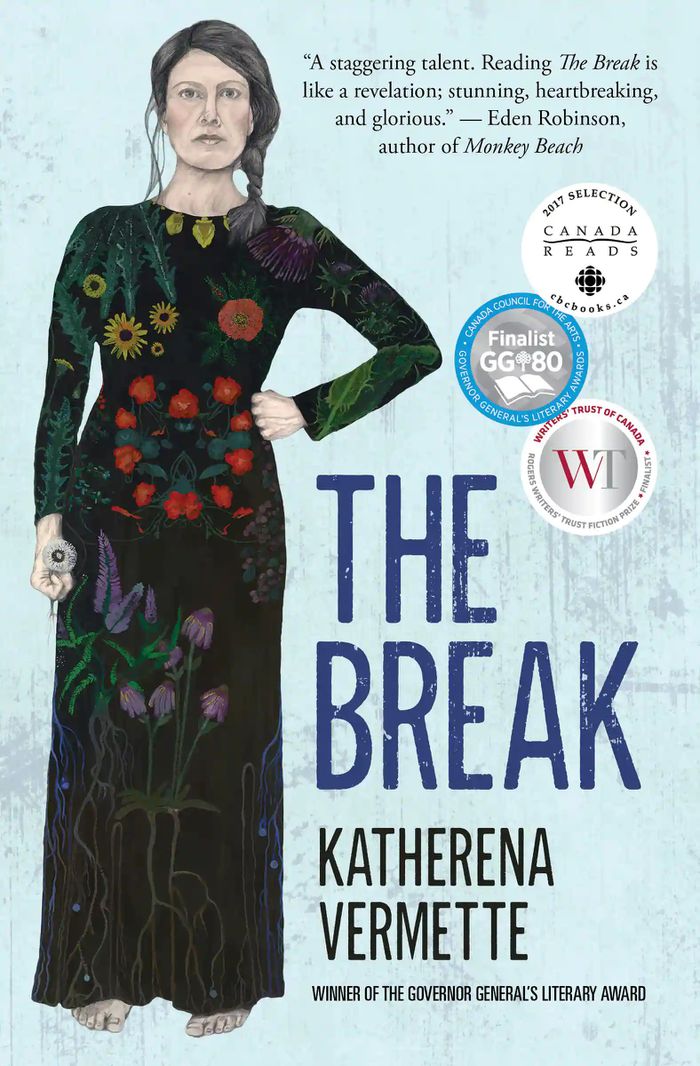
When Stella, a young Métis mother, looks out her window one evening and spots someone in trouble on the Break — a barren field on an isolated strip of land outside her house — she calls the police to alert them to a possible crime. In a series of shifting narratives, people who are connected, both directly and indirectly, with the victim — police, family, and friends — tell their personal stories leading up to that fateful night. Lou, a social worker, grapples with the departure of her live-in boyfriend. Cheryl, an artist, mourns the premature death of her sister Rain. Paulina, a single mother, struggles to trust her new partner. Phoenix, a homeless teenager, is released from a youth detention centre. Officer Scott, a Métis policeman, feels caught between two worlds as he patrols the city. Through their various perspectives a larger, more comprehensive story about lives of the residents in Winnipeg’s North End is exposed. A powerful intergenerational family saga, ''The Break'' showcases Vermette’s abundant writing talent and positions her as an exciting new voice in Canadian literature.
The break
Actions:
Prix:
$22.95
(disponible en magasin)
Résumé:
When Stella, a young Métis mother, looks out her window one evening and spots someone in trouble on the Break — a barren field on an isolated strip of land outside her house — she calls the police to alert them to a possible crime. In a series of shifting narratives, people who are connected, both directly and indirectly, with the victim — police, family, and friends — tell their personal stories leading up to that fateful night. Lou, a social worker, grapples with the departure of her live-in boyfriend. Cheryl, an artist, mourns the premature death of her sister Rain. Paulina, a single mother, struggles to trust her new partner. Phoenix, a homeless teenager, is released from a youth detention centre. Officer Scott, a Métis policeman, feels caught between two worlds as he patrols the city. Through their various perspectives a larger, more comprehensive story about lives of the residents in Winnipeg’s North End is exposed. A powerful intergenerational family saga, ''The Break'' showcases Vermette’s abundant writing talent and positions her as an exciting new voice in Canadian literature.
Classification:
livres
livres
Publication:
octobre 2016
octobre 2016
Sujet:
Littérature et poésie
Littérature et poésie


