


261 Résultats
Classification:
périodiques
périodiques
Prix:
$56.95
(disponible en magasin)
Résumé:
In this issue, sociologist Richard Ingersoll defends density in times of social distancing from an architectural standpoint. Featured projects include an S-shaped residential building in Milan, loft apartments on a quay in Rotterdam, new homes at a former brewery site in Brooklyn, and more. A second feature on recent kindergarten design that expresses both flexibility and(...)
$56.95
(disponible en magasin)
Résumé:
In this issue, sociologist Richard Ingersoll defends density in times of social distancing from an architectural standpoint. Featured projects include an S-shaped residential building in Milan, loft apartments on a quay in Rotterdam, new homes at a former brewery site in Brooklyn, and more. A second feature on recent kindergarten design that expresses both flexibility and(...)
Titre:
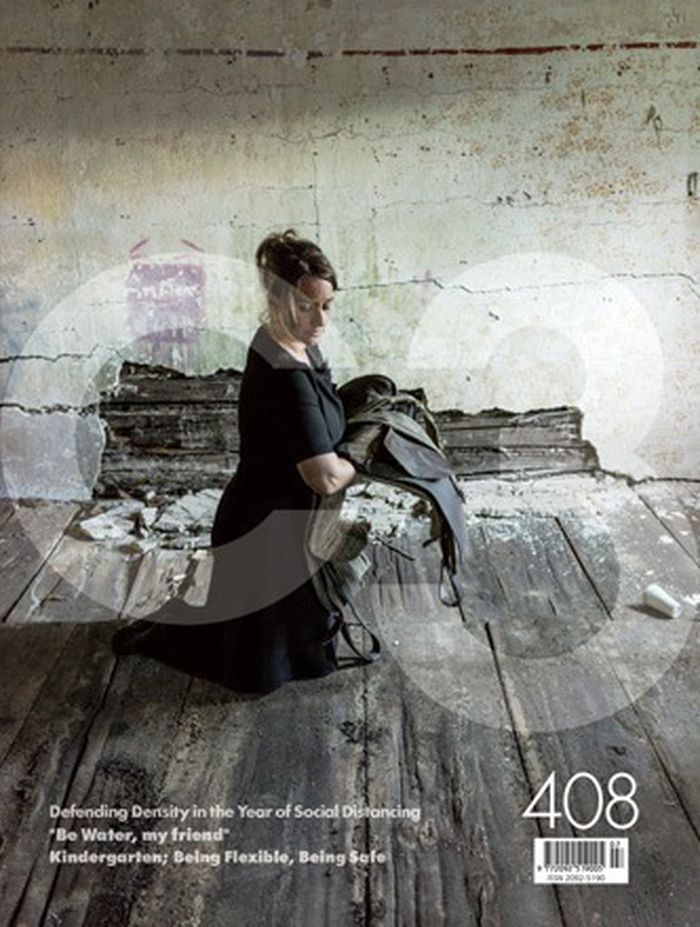
C3 408: Defending Density In The Year Of Social Distancing
Actions:
Prix:
$56.95
(disponible en magasin)
Résumé:
In this issue, sociologist Richard Ingersoll defends density in times of social distancing from an architectural standpoint. Featured projects include an S-shaped residential building in Milan, loft apartments on a quay in Rotterdam, new homes at a former brewery site in Brooklyn, and more. A second feature on recent kindergarten design that expresses both flexibility and safety presents work by Tezuka Architects, sam Architecture with Querkraft, MUMA, and others. Also, water’s comforting qualities are central in projects such as Borden Natural Swimming Pool by gh3* architecture, Water Park Aqualagon by Ferrier Marchetti Studio, and Termalija Family Wellness by ENOTA.
C3 408: Defending Density In The Year Of Social Distancing
Actions:
Prix:
$56.95
(disponible en magasin)
Résumé:
In this issue, sociologist Richard Ingersoll defends density in times of social distancing from an architectural standpoint. Featured projects include an S-shaped residential building in Milan, loft apartments on a quay in Rotterdam, new homes at a former brewery site in Brooklyn, and more. A second feature on recent kindergarten design that expresses both flexibility and safety presents work by Tezuka Architects, sam Architecture with Querkraft, MUMA, and others. Also, water’s comforting qualities are central in projects such as Borden Natural Swimming Pool by gh3* architecture, Water Park Aqualagon by Ferrier Marchetti Studio, and Termalija Family Wellness by ENOTA.
Classification:
périodiques
périodiques
Publication:
octobre 2020
octobre 2020
Sujet:
Revues
Revues
Classification:
livres
livres
Actions:
Prix:
$72.00
(disponible en magasin)
Résumé:
Tokyo-based Tezuka Architects chose to use the number zero for this volume of their catalogue series not only because it is their fourth anthology of works but also because it is the most appropriate symbol to represent their convictions. It features a total of 68 works, comprising 40 masterpieces such as Roof House, Fuji Kindergarten, and Church of Eaves, as well as 28(...)
$72.00
(disponible en magasin)
Résumé:
Tokyo-based Tezuka Architects chose to use the number zero for this volume of their catalogue series not only because it is their fourth anthology of works but also because it is the most appropriate symbol to represent their convictions. It features a total of 68 works, comprising 40 masterpieces such as Roof House, Fuji Kindergarten, and Church of Eaves, as well as 28(...)
Titre:
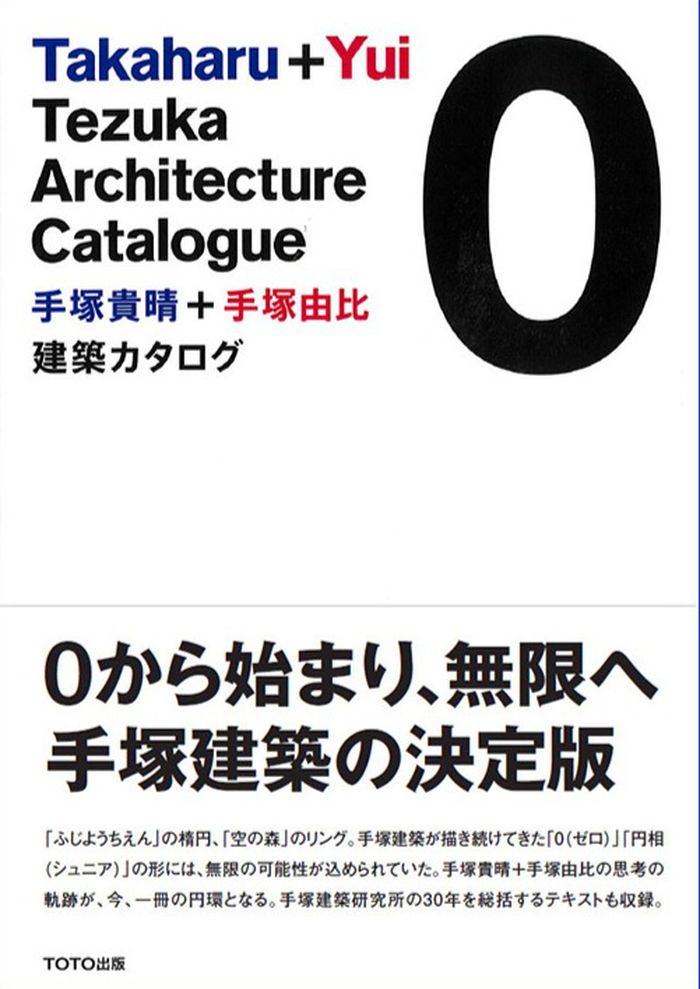
Takaharu + Yui Tezuka Architecture Catalogue 0
Actions:
Prix:
$72.00
(disponible en magasin)
Résumé:
Tokyo-based Tezuka Architects chose to use the number zero for this volume of their catalogue series not only because it is their fourth anthology of works but also because it is the most appropriate symbol to represent their convictions. It features a total of 68 works, comprising 40 masterpieces such as Roof House, Fuji Kindergarten, and Church of Eaves, as well as 28 works from 2015 onward, including Shibuya Fukuras and Fushi. The catalogue-style collection with photography by Katsuhisa Kida provides a comprehensive overview of husband and wife architects Takaharu and Yui Tezuka’s career together, as their scope expanded from private homes to public facilities.
Takaharu + Yui Tezuka Architecture Catalogue 0
Actions:
Prix:
$72.00
(disponible en magasin)
Résumé:
Tokyo-based Tezuka Architects chose to use the number zero for this volume of their catalogue series not only because it is their fourth anthology of works but also because it is the most appropriate symbol to represent their convictions. It features a total of 68 works, comprising 40 masterpieces such as Roof House, Fuji Kindergarten, and Church of Eaves, as well as 28 works from 2015 onward, including Shibuya Fukuras and Fushi. The catalogue-style collection with photography by Katsuhisa Kida provides a comprehensive overview of husband and wife architects Takaharu and Yui Tezuka’s career together, as their scope expanded from private homes to public facilities.
Classification:
livres
livres
Publication:
avril 2026
avril 2026
Sujet:
Architecture, monographies
Architecture, monographies
Classification:
livres
livres
Prix:
$86.95
(disponible sur commande)
Résumé:
The book illustrates how the most up-to-date educational strategies are realized in built form. This specialized field is explained in all its relevant aspects such as role in the community, outdoor spaces, sustainability and technical requirements like lighting and acoustics.
$86.95
(disponible sur commande)
Résumé:
The book illustrates how the most up-to-date educational strategies are realized in built form. This specialized field is explained in all its relevant aspects such as role in the community, outdoor spaces, sustainability and technical requirements like lighting and acoustics.
Titre:
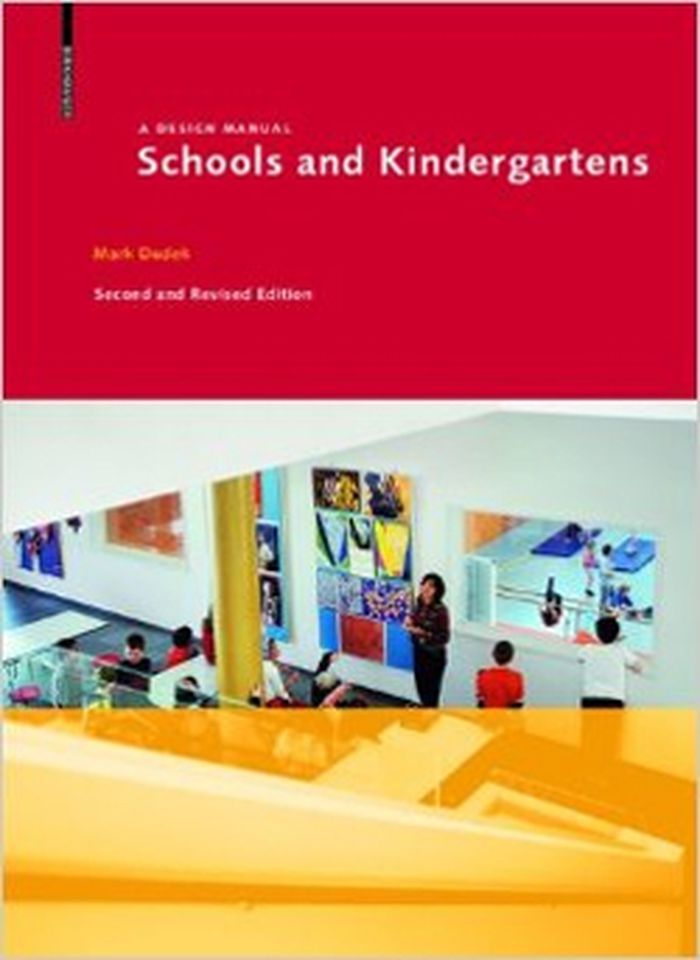
Schools and kindergartens: a design manual, a second edition
Actions:
Prix:
$86.95
(disponible sur commande)
Résumé:
The book illustrates how the most up-to-date educational strategies are realized in built form. This specialized field is explained in all its relevant aspects such as role in the community, outdoor spaces, sustainability and technical requirements like lighting and acoustics.
Schools and kindergartens: a design manual, a second edition
Actions:
Prix:
$86.95
(disponible sur commande)
Résumé:
The book illustrates how the most up-to-date educational strategies are realized in built form. This specialized field is explained in all its relevant aspects such as role in the community, outdoor spaces, sustainability and technical requirements like lighting and acoustics.
Classification:
livres
livres
Publication:
novembre 2014
novembre 2014
Classification:
livres
livres
Actions:
Prix:
$48.00
(disponible sur commande)
Résumé:
The Toyko firm Tezuka Architects, headed by Takaharu and Yui Tezuka, is enjoying an increasingly international reputation for its refined blend of traditional and contemporary Japanese aesthetics, developing solutions which seem refreshingly unconventional while remaining anchored in the scale and needs of everyday life. Tezuka buildings often sport such features as large(...)
$48.00
(disponible sur commande)
Résumé:
The Toyko firm Tezuka Architects, headed by Takaharu and Yui Tezuka, is enjoying an increasingly international reputation for its refined blend of traditional and contemporary Japanese aesthetics, developing solutions which seem refreshingly unconventional while remaining anchored in the scale and needs of everyday life. Tezuka buildings often sport such features as large(...)
Sujet:
Architecture, monographies
Architecture, monographies
Publication:
décembre 2009
décembre 2009
Titre:
Takaharu + Yui Tezuka: nostalgic future
Actions:
Prix:
$48.00
(disponible sur commande)
Résumé:
The Toyko firm Tezuka Architects, headed by Takaharu and Yui Tezuka, is enjoying an increasingly international reputation for its refined blend of traditional and contemporary Japanese aesthetics, developing solutions which seem refreshingly unconventional while remaining anchored in the scale and needs of everyday life. Tezuka buildings often sport such features as large sliding-door fronts and verandas, and make particular use of wood and lightweight steel in order to effect a smooth back-and-forth flow between building and environment. In this respect their buildings call to mind centuries-old Japanese architectural tradition, which is absorbed into present day developments in design and construction technologies. Large public buildings such as the Fuji kindergarten and the Natural History Museum in Matsunoyama demonstrate the popularity of this synthesis.
Takaharu + Yui Tezuka: nostalgic future
Actions:
Prix:
$48.00
(disponible sur commande)
Résumé:
The Toyko firm Tezuka Architects, headed by Takaharu and Yui Tezuka, is enjoying an increasingly international reputation for its refined blend of traditional and contemporary Japanese aesthetics, developing solutions which seem refreshingly unconventional while remaining anchored in the scale and needs of everyday life. Tezuka buildings often sport such features as large sliding-door fronts and verandas, and make particular use of wood and lightweight steel in order to effect a smooth back-and-forth flow between building and environment. In this respect their buildings call to mind centuries-old Japanese architectural tradition, which is absorbed into present day developments in design and construction technologies. Large public buildings such as the Fuji kindergarten and the Natural History Museum in Matsunoyama demonstrate the popularity of this synthesis.
Classification:
livres
livres
Publication:
décembre 2009
décembre 2009
Sujet:
Architecture, monographies
Architecture, monographies
Classification:
livres
livres
Titre:
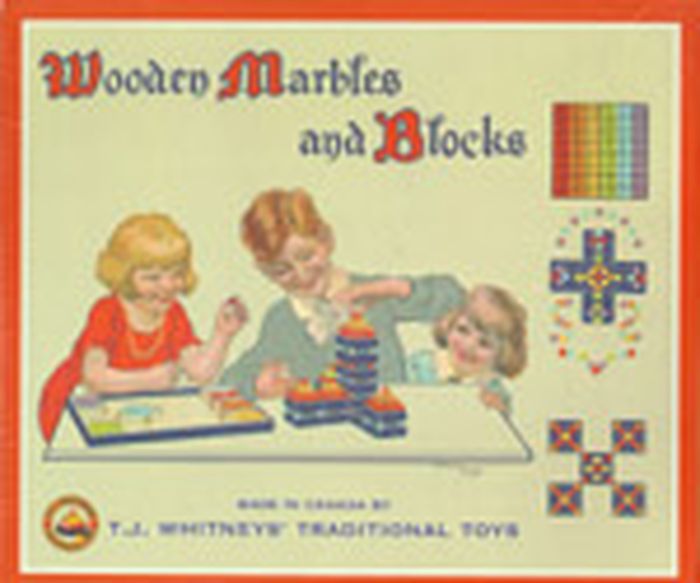
Wooden marbles and blocks
Wooden marbles and blocks
Actions:
Prix:
$41.95
(disponible sur commande)
Résumé:
This is a re-production of a 1920's architectural building toy based on the concepts of Fredrich Froebel. In 1837, naturalist and educator Fredrich Frobel invented kindergarten (or "garden of children") - the concept that children should be nurtured like the new sprouts. Frobel carefully chose materials that allow children to discover properties of geometry and design(...)
$41.95
(disponible sur commande)
Résumé:
This is a re-production of a 1920's architectural building toy based on the concepts of Fredrich Froebel. In 1837, naturalist and educator Fredrich Frobel invented kindergarten (or "garden of children") - the concept that children should be nurtured like the new sprouts. Frobel carefully chose materials that allow children to discover properties of geometry and design(...)
Sujet:
Littérature jeunesse
Littérature jeunesse
Publication:
janvier 1900,
janvier 1900,
Titre:
Wooden marbles and blocks
Actions:
Prix:
$41.95
(disponible sur commande)
Résumé:
This is a re-production of a 1920's architectural building toy based on the concepts of Fredrich Froebel. In 1837, naturalist and educator Fredrich Frobel invented kindergarten (or "garden of children") - the concept that children should be nurtured like the new sprouts. Frobel carefully chose materials that allow children to discover properties of geometry and design through play. Since play is at the heart of this method, it is important not to instruct,but rather to allow children to learn through self-activity. Children learn through the impression they form while doing. Because of their playful spirit, children become absorbed by the task at hand. Artists and architects Frank Lloyd Wright, piet Mondrian, Wassily Kandinsky, and Buckminister Fuller used this system.
Wooden marbles and blocks
Actions:
Prix:
$41.95
(disponible sur commande)
Résumé:
This is a re-production of a 1920's architectural building toy based on the concepts of Fredrich Froebel. In 1837, naturalist and educator Fredrich Frobel invented kindergarten (or "garden of children") - the concept that children should be nurtured like the new sprouts. Frobel carefully chose materials that allow children to discover properties of geometry and design through play. Since play is at the heart of this method, it is important not to instruct,but rather to allow children to learn through self-activity. Children learn through the impression they form while doing. Because of their playful spirit, children become absorbed by the task at hand. Artists and architects Frank Lloyd Wright, piet Mondrian, Wassily Kandinsky, and Buckminister Fuller used this system.
Classification:
livres
livres
Publication:
janvier 1900,
janvier 1900,
Sujet:
Littérature jeunesse
Littérature jeunesse
Classification:
livres
livres
Prix:
$70.00
(disponible sur commande)
Résumé:
Montessori schools became trendsetting educational institutions early on, and their concept is strongly reflected in their architecture and equipment. This is the first book that comprehensively addresses architectural design, construction, and the use of materials in and the furnishing of educational spaces according to Montessori’s ideas. The book’s first part explores(...)
$70.00
(disponible sur commande)
Résumé:
Montessori schools became trendsetting educational institutions early on, and their concept is strongly reflected in their architecture and equipment. This is the first book that comprehensively addresses architectural design, construction, and the use of materials in and the furnishing of educational spaces according to Montessori’s ideas. The book’s first part explores(...)
Titre:
Montessori architecture: A design instrument for schools
Actions:
Prix:
$70.00
(disponible sur commande)
Résumé:
Montessori schools became trendsetting educational institutions early on, and their concept is strongly reflected in their architecture and equipment. This is the first book that comprehensively addresses architectural design, construction, and the use of materials in and the furnishing of educational spaces according to Montessori’s ideas. The book’s first part explores spatial and design principles that make up good kindergarten and school buildings. In the second part, nine case studies are featured in detail through photographs, plans, and concise texts. These examples are located in Europe (the Netherlands, Belgium, Great Britain) as well as in tropical countries (Burkina Faso, Tanzania, Bangladesh, Sri Lanka). Thus, this highly illustrative volume offers practical advice and a wealth of information that is of utmost importance for the design of school buildings in general.
Montessori architecture: A design instrument for schools
Actions:
Prix:
$70.00
(disponible sur commande)
Résumé:
Montessori schools became trendsetting educational institutions early on, and their concept is strongly reflected in their architecture and equipment. This is the first book that comprehensively addresses architectural design, construction, and the use of materials in and the furnishing of educational spaces according to Montessori’s ideas. The book’s first part explores spatial and design principles that make up good kindergarten and school buildings. In the second part, nine case studies are featured in detail through photographs, plans, and concise texts. These examples are located in Europe (the Netherlands, Belgium, Great Britain) as well as in tropical countries (Burkina Faso, Tanzania, Bangladesh, Sri Lanka). Thus, this highly illustrative volume offers practical advice and a wealth of information that is of utmost importance for the design of school buildings in general.
Classification:
livres
livres
Publication:
avril 2023
avril 2023
Sujet:
Théorie de l’architecture
Théorie de l’architecture
Classification:
livres
livres
Titre:
Le Park
Le Park
Actions:
Prix:
$11.95
(disponible sur commande)
Résumé:
“Peut-être est-il temps de dire, à ceux qui ne l'auraient pas déjà compris, en quoi consiste exactement Le ParK ? Le principe en est très simple. Son concepteur a voulu rassembler en un seul parc toutes ses formes possibles. Le ParK associe ainsi, en une totalité neuve, une réserve animale à un parc d'attraction, un camp de concentration à une technopole, une foire aux(...)
$11.95
(disponible sur commande)
Résumé:
“Peut-être est-il temps de dire, à ceux qui ne l'auraient pas déjà compris, en quoi consiste exactement Le ParK ? Le principe en est très simple. Son concepteur a voulu rassembler en un seul parc toutes ses formes possibles. Le ParK associe ainsi, en une totalité neuve, une réserve animale à un parc d'attraction, un camp de concentration à une technopole, une foire aux(...)
Titre:
Le Park
Actions:
Prix:
$11.95
(disponible sur commande)
Résumé:
“Peut-être est-il temps de dire, à ceux qui ne l'auraient pas déjà compris, en quoi consiste exactement Le ParK ? Le principe en est très simple. Son concepteur a voulu rassembler en un seul parc toutes ses formes possibles. Le ParK associe ainsi, en une totalité neuve, une réserve animale à un parc d'attraction, un camp de concentration à une technopole, une foire aux plaisirs à un cantonnement de réfugiés, un cimetière à un Kindergarten, un jardin zoologique à une maison de retraite, un arboretum à une prison. Mais il ne les associe pas de manière à ce que chacun de ces éléments maintienne son autonomie et continue de fonctionner à part. Il les combine entièrement, joint tel caractère à tel autre, jette des ponts, mélange les genres, confond les bâtiments, agrège les populations, intervertit les rôles.”
Le Park
Actions:
Prix:
$11.95
(disponible sur commande)
Résumé:
“Peut-être est-il temps de dire, à ceux qui ne l'auraient pas déjà compris, en quoi consiste exactement Le ParK ? Le principe en est très simple. Son concepteur a voulu rassembler en un seul parc toutes ses formes possibles. Le ParK associe ainsi, en une totalité neuve, une réserve animale à un parc d'attraction, un camp de concentration à une technopole, une foire aux plaisirs à un cantonnement de réfugiés, un cimetière à un Kindergarten, un jardin zoologique à une maison de retraite, un arboretum à une prison. Mais il ne les associe pas de manière à ce que chacun de ces éléments maintienne son autonomie et continue de fonctionner à part. Il les combine entièrement, joint tel caractère à tel autre, jette des ponts, mélange les genres, confond les bâtiments, agrège les populations, intervertit les rôles.”
Classification:
livres
livres
Publication:
mars 2014
mars 2014
Sujet:
Théorie/ philosophie
Théorie/ philosophie
Classification:
livres
livres
Actions:
Prix:
$52.00
(disponible en magasin)
Résumé:
As the first independent environments children encounter beyond the home, nurseries, daycare centres, and kindergartens should not appear merely as colourful fantasy worlds. Well-conceived early-learning centres and schools create a microcosm modelled on everyday life – child-friendly yes, but by no means childish. Such places offer security while inviting discovery,(...)
$52.00
(disponible en magasin)
Résumé:
As the first independent environments children encounter beyond the home, nurseries, daycare centres, and kindergartens should not appear merely as colourful fantasy worlds. Well-conceived early-learning centres and schools create a microcosm modelled on everyday life – child-friendly yes, but by no means childish. Such places offer security while inviting discovery,(...)
Titre:
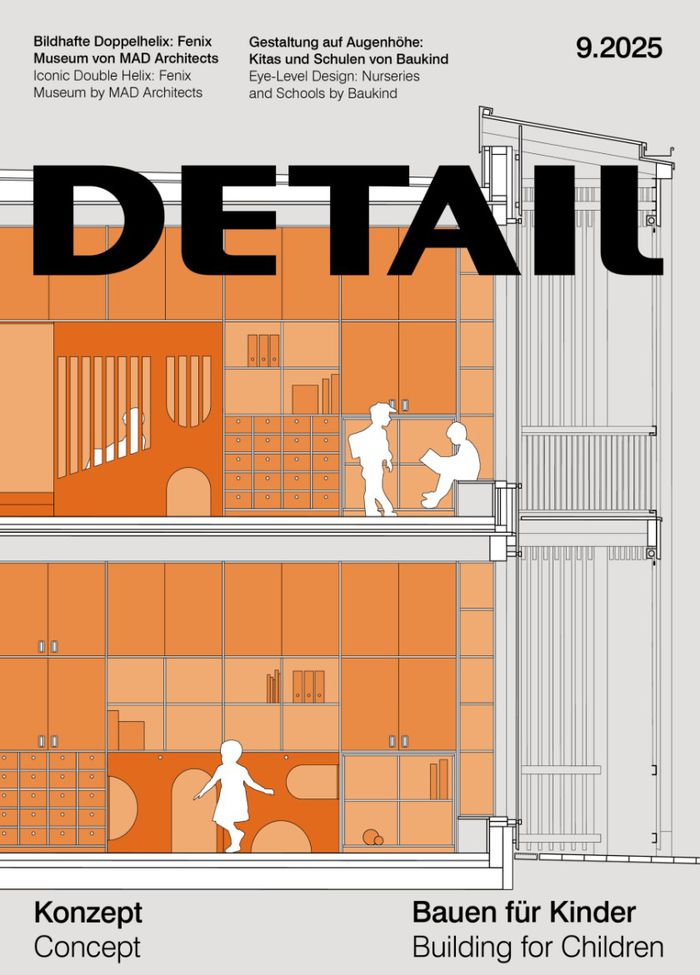
Detail 9 2025: building for children
Actions:
Prix:
$52.00
(disponible en magasin)
Résumé:
As the first independent environments children encounter beyond the home, nurseries, daycare centres, and kindergartens should not appear merely as colourful fantasy worlds. Well-conceived early-learning centres and schools create a microcosm modelled on everyday life – child-friendly yes, but by no means childish. Such places offer security while inviting discovery, appropriation, and adaptation. In this issue we profile child-focused environments realised both as new builds and through adaptive reuse. A kindergarten on a disused industrial site near Copenhagen follows circular construction principles, using mostly materials salvaged from the dilapidated primary school that once stood there. Newly built daycare centres in the German state of Hessen and in Slovenia draw on local building traditions and the surrounding natural landscape. Meanwhile, a former East German telephone exchange was transformed into a playscape that anchors a childcare facility on a university campus in Merseburg.
Detail 9 2025: building for children
Actions:
Prix:
$52.00
(disponible en magasin)
Résumé:
As the first independent environments children encounter beyond the home, nurseries, daycare centres, and kindergartens should not appear merely as colourful fantasy worlds. Well-conceived early-learning centres and schools create a microcosm modelled on everyday life – child-friendly yes, but by no means childish. Such places offer security while inviting discovery, appropriation, and adaptation. In this issue we profile child-focused environments realised both as new builds and through adaptive reuse. A kindergarten on a disused industrial site near Copenhagen follows circular construction principles, using mostly materials salvaged from the dilapidated primary school that once stood there. Newly built daycare centres in the German state of Hessen and in Slovenia draw on local building traditions and the surrounding natural landscape. Meanwhile, a former East German telephone exchange was transformed into a playscape that anchors a childcare facility on a university campus in Merseburg.
Classification:
livres
livres
Publication:
septembre 2025
septembre 2025
Sujet:
Revues
Revues
Classification:
livres
livres
Actions:
Prix:
$48.50
(disponible sur commande)
Résumé:
"Dutch architects in booming China" presents more than 80 projects (also on show in the exhibition of the same name) which are lavishly illustrated and described in detail. Together, they present a fascinating and unique picture of Dutch design energy for China. Among them are: the State Television in Beijing (Rem Koolhaas, OMA), Guang Dong Museum in Guangzhou (UN(...)
$48.50
(disponible sur commande)
Résumé:
"Dutch architects in booming China" presents more than 80 projects (also on show in the exhibition of the same name) which are lavishly illustrated and described in detail. Together, they present a fascinating and unique picture of Dutch design energy for China. Among them are: the State Television in Beijing (Rem Koolhaas, OMA), Guang Dong Museum in Guangzhou (UN(...)
Publication:
décembre 2005, Amsterdam
décembre 2005, Amsterdam
Titre:
Dutch architects in booming China
Actions:
Prix:
$48.50
(disponible sur commande)
Résumé:
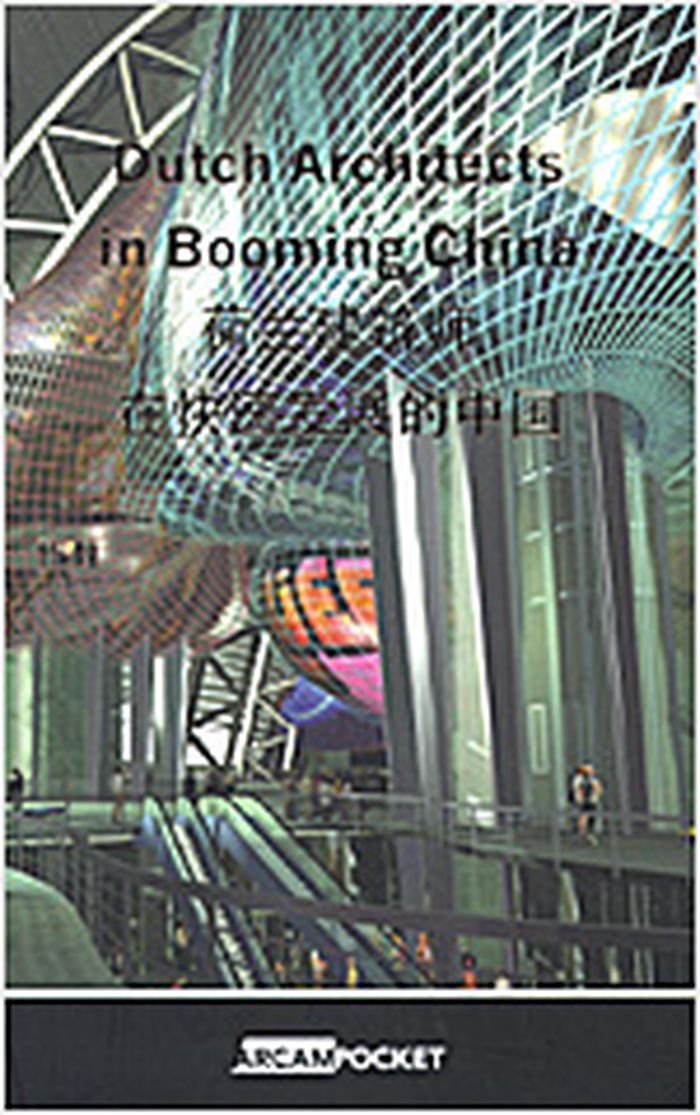
"Dutch architects in booming China" presents more than 80 projects (also on show in the exhibition of the same name) which are lavishly illustrated and described in detail. Together, they present a fascinating and unique picture of Dutch design energy for China. Among them are: the State Television in Beijing (Rem Koolhaas, OMA), Guang Dong Museum in Guangzhou (UN Studio), Sleeping Dragon in Hong Kong (Atelier Dutch), Xintian International Kindergarten (NEXT Architects) and Guo Tai Bridge in Tianjin (Verburg Hoogendijk Architecten). The projects are accompanied by four essays, written by China experts. The regional planner Ton Kreukels describes the history of urban development in China. The Shanghai-based architect Kok-Meng Tan discusses Chinese architecture and urbanism at the present moment and takes a look behind the scenes of Chinese architectural practice. Marlies Buurman records the experiences of the more than thirty Dutch offices working in China, and Maarten Kloos gives an introduction to the projects by Dutch architects who are working worldwide.
Dutch architects in booming China
Actions:
Prix:
$48.50
(disponible sur commande)
Résumé:
"Dutch architects in booming China" presents more than 80 projects (also on show in the exhibition of the same name) which are lavishly illustrated and described in detail. Together, they present a fascinating and unique picture of Dutch design energy for China. Among them are: the State Television in Beijing (Rem Koolhaas, OMA), Guang Dong Museum in Guangzhou (UN Studio), Sleeping Dragon in Hong Kong (Atelier Dutch), Xintian International Kindergarten (NEXT Architects) and Guo Tai Bridge in Tianjin (Verburg Hoogendijk Architecten). The projects are accompanied by four essays, written by China experts. The regional planner Ton Kreukels describes the history of urban development in China. The Shanghai-based architect Kok-Meng Tan discusses Chinese architecture and urbanism at the present moment and takes a look behind the scenes of Chinese architectural practice. Marlies Buurman records the experiences of the more than thirty Dutch offices working in China, and Maarten Kloos gives an introduction to the projects by Dutch architects who are working worldwide.
Classification:
livres
livres
Publication:
décembre 2005, Amsterdam
décembre 2005, Amsterdam
Classification:
livres
livres
Prix:
$66.95
(disponible en magasin)
Résumé:
Bringing together real-world examples, "Architecture and energy" offers starting points for how to approach construction today and into the future. The energy requirements of buildings are enormous, resulting in a significant proportion of global carbon dioxide emissions, both in the construction phase and during the building’s use and eventual demolition. In an era of(...)
$66.95
(disponible en magasin)
Résumé:
Bringing together real-world examples, "Architecture and energy" offers starting points for how to approach construction today and into the future. The energy requirements of buildings are enormous, resulting in a significant proportion of global carbon dioxide emissions, both in the construction phase and during the building’s use and eventual demolition. In an era of(...)
Titre:
Architecture and energy: Building in the age of climate change
Actions:
Prix:
$66.95
(disponible en magasin)
Résumé:
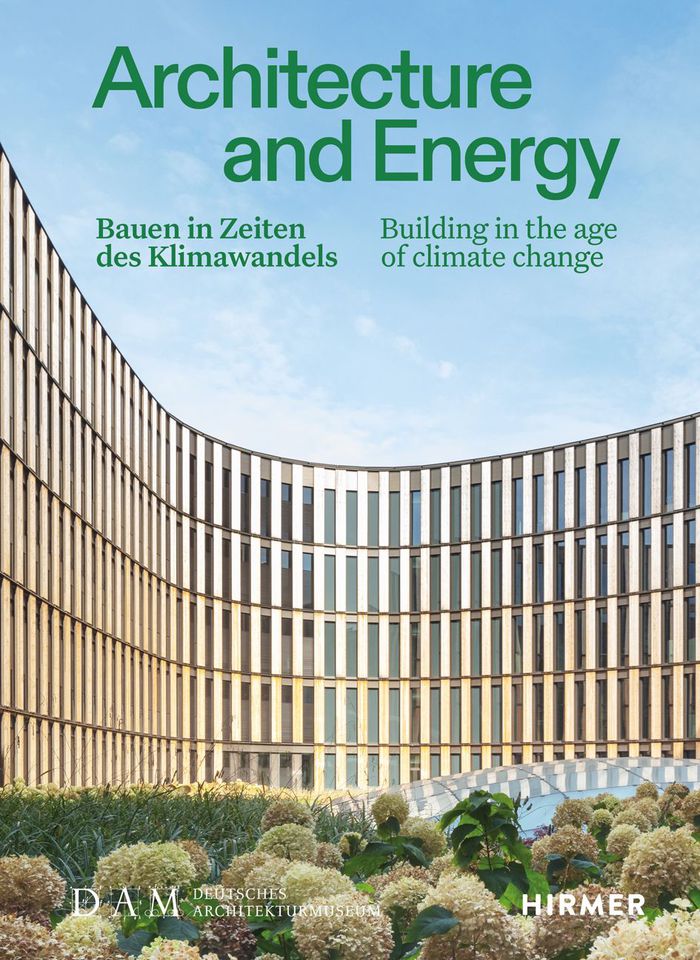
Bringing together real-world examples, "Architecture and energy" offers starting points for how to approach construction today and into the future. The energy requirements of buildings are enormous, resulting in a significant proportion of global carbon dioxide emissions, both in the construction phase and during the building’s use and eventual demolition. In an era of energy transition and extreme weather phenomena, the question of how we build in a time of climate change becomes all the more urgent. A sustainably-built wood and concrete supermarket that includes a roof farm, a kindergarten constructed from locally sourced recycled materials, renovating an office building so that it can remove its air conditioning and ventilation systems: in addition to the choice of materials and innovative operating concepts, the possibilities for reducing emissions and energy requirements lie above all in thinking about the entire life cycle of a building, including refurbishing rather than new construction when possible. This volume presents international best-practice projects characterized by sustainable design and provides forward-looking answers.
Architecture and energy: Building in the age of climate change
Actions:
Prix:
$66.95
(disponible en magasin)
Résumé:
Bringing together real-world examples, "Architecture and energy" offers starting points for how to approach construction today and into the future. The energy requirements of buildings are enormous, resulting in a significant proportion of global carbon dioxide emissions, both in the construction phase and during the building’s use and eventual demolition. In an era of energy transition and extreme weather phenomena, the question of how we build in a time of climate change becomes all the more urgent. A sustainably-built wood and concrete supermarket that includes a roof farm, a kindergarten constructed from locally sourced recycled materials, renovating an office building so that it can remove its air conditioning and ventilation systems: in addition to the choice of materials and innovative operating concepts, the possibilities for reducing emissions and energy requirements lie above all in thinking about the entire life cycle of a building, including refurbishing rather than new construction when possible. This volume presents international best-practice projects characterized by sustainable design and provides forward-looking answers.
Classification:
livres
livres
Publication:
juillet 2025
juillet 2025
Sujet:
Architecture écologique
Architecture écologique


